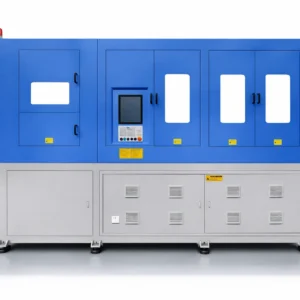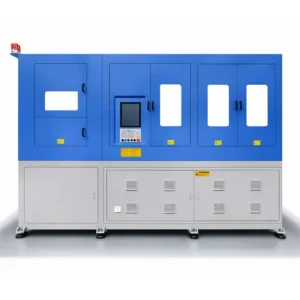
EP-BPET-94V3 3-позиционная машина для литья под давлением и выдувного формования с растяжением
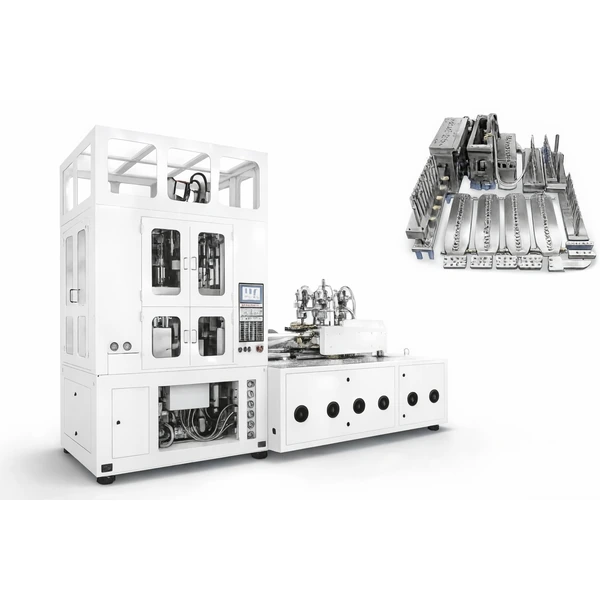
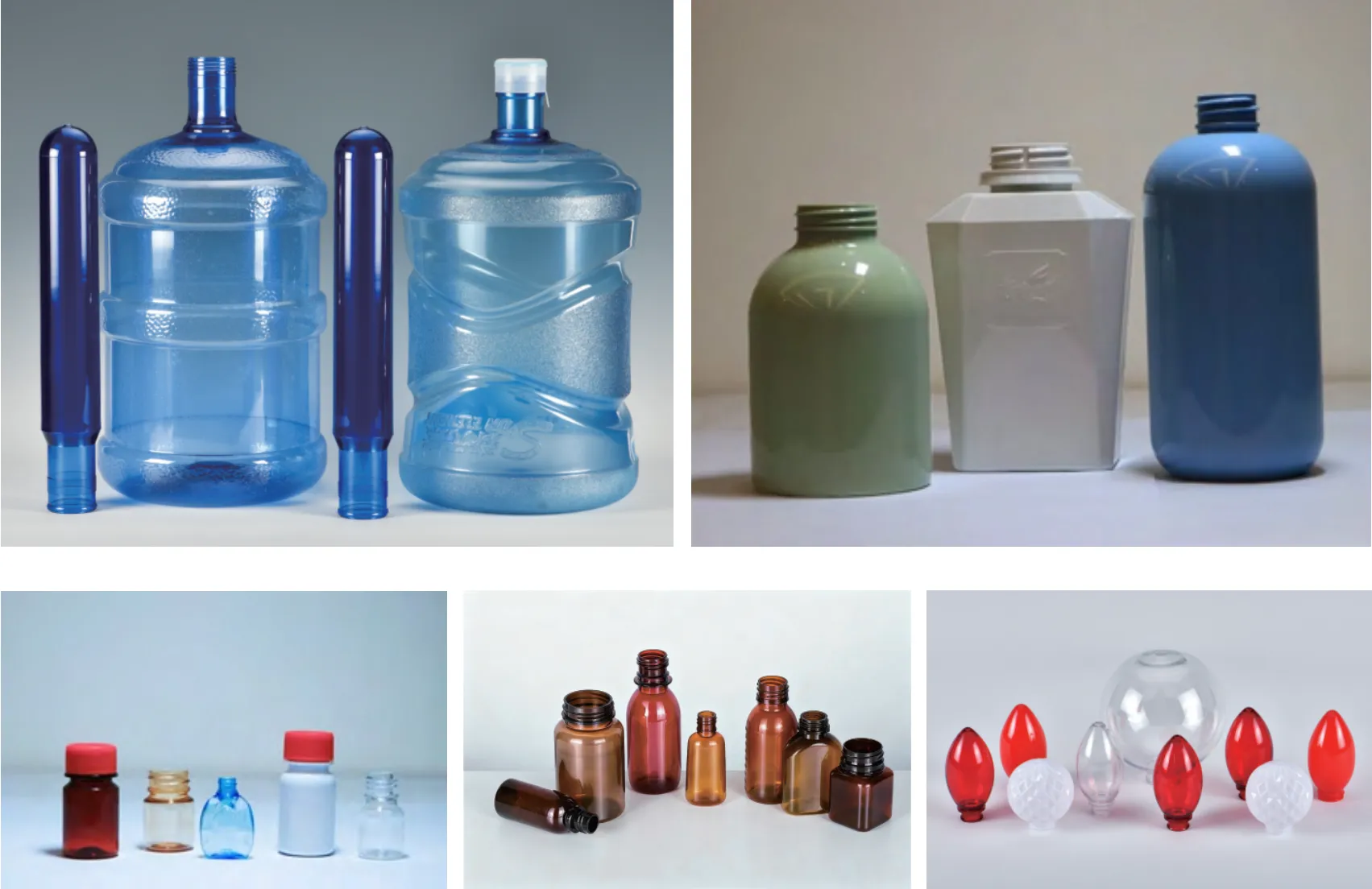
EP-BPET-94V3 — это быстродействующая 3-позиционная машина для инжекционно-выдувного формования, разработанная для корейских производителей напитков, бытовой химии и пищевых масел, которые уделяют первостепенное внимание производительности. Благодаря усилию смыкания при инжекции 785 кН — самому высокому в любом классе 3-позиционных машин — и короткоцикловой ротационной конструкции, исключающей повторный нагрев, она работает на 15–20 процентов быстрее на одну бутылку, чем типичные 4-позиционные платформы, и подходит для формовки бутылок с 1–8 полостями, от 4,5-литровых бутылок до 200-миллилитровых контейнеров для розничной торговли.
Обзор продукта
Он EP-BPET-94V3 3-позиционная машина для литья под давлением и выдувного формования с растяжением Эта машина занимает необычное место на рынке ISBM: сочетание усиленного зажима и короткоцикловой ротационной конструкции. На бумаге это выглядит как компромисс — трехпозиционная платформа без выделенной зоны кондиционирования, которая используется в четырехпозиционных машинах для точного терморегулирования. На практике же для большей части корейского производства напитков, бытовой химии и пищевых масел эта станция кондиционирования не требуется, поскольку бутылки имеют стандартную круглую форму, где остаточное тепло заготовки от впрыска уже настроено для последующей фазы выдувания. Удаление станции кондиционирования позволяет сэкономить один полный оборот индексации за цикл, что приводит к сокращению времени цикла на 15–20 процентов и, соответственно, к увеличению производительности в час.
Что делает BPET-94V3 Особенно интересна на корейском рынке сила смыкания при впрыске в 785 кН. Это самый высокий показатель смыкания среди всех 3-позиционных станков любого известного нам поставщика — примерно на 15 процентов выше, чем у нашего собственного 4-позиционного BPET-125V4, и значительно выше, чем у любого японского или европейского 3-позиционного станка в сопоставимом диапазоне тоннажа. Непосредственное практическое преимущество заключается в том, что станок удерживает высокопроизводительную 8-гнездную оснастку без образования заусенцев и выдерживает более высокие марки ПЭТ без необходимости длительных профилей изменения давления впрыска. Типичными покупателями являются заводы, производящие бутылки для напитков среднего объема от 500 мл до 1 л, и преимущество в производительности по сравнению с обычным 4-позиционным станком обычно окупает несколько более высокую стоимость станка в течение первого года производства.
Гибкость в работе с материалами практически полностью соответствует 4-позиционной платформе BPET-125V4. 60-миллиметровый пластифицирующий шнек с соотношением L/D 24:1 и нагревом цилиндра мощностью 12,5 кВт стандартно обрабатывает ПЭТ и ПЭТГ, а также ПК, ПКТГ, ПП, тритан, SAN, ПС и ПММА, если это требуется для конкретного применения. Единственным недостатком 3-позиционной архитектуры является то, что для сложных овальных или асимметричных форм бутылок — где необходим предпочтительный нагрев преформы для предотвращения образования тонких углов — лучше подходит 4-позиционная платформа. Для 90 процентов реальных бутылок, имеющих круглую или близкую к круглой форму, 3-станционная машина ISBM Такой подход обеспечивает лучшие экономические показатели. Корейские производители напитков в Тэгу, Пусане и Ульсане за последние два года уже перевели производство со старых двухступенчатых линий на BPET-94V3, стабильно сообщая о снижении энергопотребления на 30-40% и сокращении времени цикла на 18-22%.
Компания Ever-Power поставляет BPET-94V3 с компоновкой плит, совместимой со стандартной японской 3-позиционной оснасткой ISBM, что важно, поскольку операторы, переходящие с устаревших машин Nissei или аналогичных, часто могут установить свои существующие пресс-формы непосредственно на новое шасси. Для новых заказов наш собственный инструментальный цех изготавливает соответствующую оснастку с 1-8 полостями, при этом типичные сроки выполнения составляют от 40 до 55 рабочих дней. Габариты 4800 × 2050 × 3000 мм на 20 см короче, чем у 4-позиционной BPET-125V4, несмотря на то, что обе машины имеют одинаковую массу шасси в 11,6 тонн и практически идентичные вспомогательные требования. Для предприятий с жесткими ограничениями по площади эти 20 сантиметров действительно имеют значение.
Технические характеристики и матрица полостей
Каждый из перечисленных ниже параметров проверяется на основе данных наших производственных испытаний на установленных установках BPET-94V3. Перед окончательным утверждением коммерческого предложения наша инженерная группа проверяет выбор размера шнека, целевое количество ячеек и вес преформы в соответствии с вашим конкретным сортом смолы и годовым планом производства. Приведенная ниже матрица ячеек показывает максимально возможный размер бутылок при каждом количестве ячеек.
Технические параметры машины
| Параметр | Единица | Значение (EP-BPET-94V3) |
|---|---|---|
| компоновка станка | — | Трехпозиционный роторный аппарат (Впрыск → Выдувание → Извлечение) |
| Диаметр винта | мм | 60 |
| Соотношение L/D шнека | — | 24 : 1 |
| Теоретический объем инъекции | см³ | 480 |
| Сила зажима при впрыске | КН | 785 (самый высокий показатель в классе с 3 станциями) |
| Сила сжатия при ударе (с одной стороны) | КН | 298 |
| Поток охлажденной воды | л/мин | 80 |
| Расход воды в градирне | л/мин | 200 |
| Номинальная мощность основного привода | КВ | 65 (380 В) |
| Мощность бойлерного нагревателя (номинальная) | КВ | 12,5 (220 В) |
| Емкость бака гидравлического масла | Л | 620 |
| Максимальное давление воздуха при продувке | МПа | 3.5 |
| Давление воздуха в рабочем режиме машины | МПа | 1.0 |
| Габариты (Д × Ш × В) | мм | 4800 × 2050 × 3000 |
| Вес машины | Т | 11.6 |
| Совместимые материалы | — | ПЭТ, ПЭТГ, ПЕТ, ПК, ПКТГ, ПП, Тритан, САН, ПС, ПММА |
Конфигурация ячеек и вместимость бутылок (1–8 ячеек)
Одна машина охватывает весь диапазон размеров, от больших бутылок с водой объемом 4,5 л до розничных бутылок объемом 200 мл. Приведенная ниже таблица основана на реальном производственном оборудовании, которое мы разработали за последние три года для клиентов из Кореи и Восточной Азии.
| Кариес | Максимальный диаметр шейки (мм) | Максимальный диаметр корпуса (мм) | Максимальная высота (мм) | Максимальный объем (мл) |
|---|---|---|---|---|
| 1 | 110 | 149 | 300 | 4500 |
| 2 | 109 | 130 | 300 | 2500 |
| 3 | 89 | 130 | 300 | 2500 |
| 4 | 70 | 100 | 300 | 1500 |
| 5 | 42 | 80 | 250 | 800 |
| 6 | 34 | 66 | 250 | 500 |
| 7 | 30 | 54 | 200 | 300 |
| 8 | 24 | 48 | 200 | 200 |
Трехстанционная или четырехстанционная архитектура — какая из них лучше подходит для вашего производства?
Выбор между 3-позиционной и 4-позиционной платформой ISBM — одно из наиболее важных решений при выборе оборудования ISBM, и оно плохо понимается за пределами круга опытных инженеров-технологов. Краткий ответ: 3-позиционные машины выигрывают по производительности и энергопотреблению, 4-позиционные — по гибкости формовки бутылок. Ниже приведено описание того, когда каждая архитектура имеет смысл на практике.
В чём преимущество трёхстанционного BPET-94V3?
Стандартные круглые бутылки — бутылки для воды, сока, бытовой химии, растительного масла, спортивных напитков — не требуют предварительного нагрева заготовки. Заготовка снимается с литьевой машины при температуре стенки, уже подходящей для растяжения, при условии правильной настройки цикла литья. Отсутствие станции кондиционирования позволяет сэкономить примерно 3–5 секунд на цикл в зависимости от размера бутылки, что в совокупности увеличивает производительность на 15–22 процента в час. Для массового производства, когда одна и та же бутылка изготавливается неделями, это преимущество в производительности напрямую определяет окупаемость инвестиций.
Где побеждает архитектура с четырьмя станциями.
Овальные, плоские или асимметричные флаконы — премиальные косметические контейнеры, графины необычной формы, нестандартные силуэты брендов — часто требуют дифференциального нагрева заготовки для равномерного растягивания во все углы формы. Специальная станция кондиционирования на 4-позиционной машине, такой как... HGY150-V4 Инфракрасное тепло избирательно воздействует на определенные зоны заготовки, что предотвращает образование тонкостенных углов, которые в противном случае приводят к браку. Для сложных геометрических форм увеличение времени цикла за счет дополнительной станции оправдано, поскольку альтернативой является неприемлемо высокий процент брака.
Таблица сравнения
| Фактор | 3-станционный BPET-94V3 | Альтернативы 4-станционным системам |
|---|---|---|
| Время цикла (круглая бутылка 500 мл) | 13-15 сек | 16-18 сек |
| Производительность в час (6 отсеков, 500 мл) | ~1650 бочек в час | ~1350 б/ч |
| Потребление энергии (в относительном выражении) | Пониженная температура (без повторного нагрева) | Более высокая (тренировочная нагрузка) |
| След | 4,8 × 2,05 м | 5,0 × 2,05 м (или больше) |
| Возможность изготовления сложных овальных бутылок. | Ограниченный | Отличный |
| Лучше всего подходит для | Высокообъемное производство стандартных форм | Премиальная упаковка сложной формы |
Внутри 3-станционного цикла — шаг за шагом
Трехстанционная машина ISBM выполняет весь процесс от исходной смолы до готовой бутылки за один оборот на 360 градусов, разделенный на три фиксированные позиции по 120 градусов. Точное понимание того, что происходит на каждой станции, является ключом к настройке параметров процесса для вашей конкретной смолы и геометрии бутылки.
Станция 1 — Литье под давлением с зажимом 785 кН
Сырье (ПЭТ, ПЭТГ, ПК или другая смола) подается из бункера в 60-миллиметровый пластифицирующий шнек. Шнек работает со стандартной скоростью 180 об/мин с использованием нано-дальнего инфракрасного нагрева мощностью 12,5 кВт для расплавления смолы при требуемой технологической температуре, обычно от 275 до 290 градусов Цельсия для ПЭТ. Сила смыкания при впрыске 785 кН удерживает форму закрытой во время заполнения полости при пиковых давлениях до 90 МПа. На этом участке полностью формируется горловина с допуском резьбы в пределах 0,02 мм, что соответствует требуемой точности размеров для герметичного запечатывания на корейских автоматизированных линиях укупорки.
Станция 2 — Растягивающая укладка с остаточным теплом
После 120 градусов индексации заготовка (все еще горячая, примерно до 95–110 градусов Цельсия после частичного охлаждения на стержне сердечника) поступает на станцию выдувного формования. Сервоуправляемый стержень выдувного формования перемещается в осевом направлении, удлиняя заготовку до механических упоров, в то время как воздух высокого давления в диапазоне 2,0–3,5 МПа радиально раздувает пластик вдоль охлажденных стенок выдувной камеры. Эта двухосная ориентация является фундаментальным физическим принципом, определяющим характерную для выдувных бутылок прозрачность, устойчивость к падению и равномерную толщину стенок. Сила смыкания при выдуве 298 кН с каждой стороны рассчитана для широких горлышек диаметром до 110 мм, где площадь проекции пресс-формы значительно больше, чем для стандартных косметических бутылок.
Станция 3 — Еда на вынос и охлаждение
Поворотный стол поворачивается на последние 120 градусов, перемещая сформированную бутылку в положение для извлечения. Сервоприводной захват снимает бутылку с стержня и устанавливает ее вертикально на выходной конвейер. Поскольку бутылка на этом этапе еще слегка теплая (приблизительно от 45 до 60 градусов Цельсия), мы рекомендуем прокладку конвейера длиной не менее 2 метров до уровня окружающего воздуха, прежде чем бутылка достигнет какой-либо последующей станции упаковки, что позволит ПЭТ завершить стабилизацию размеров. Для фармацевтических и пищевых применений весь цикл от подачи смолы до выхода бутылки происходит внутри закрытой камеры без контакта с людьми, что соответствует требованиям GMP и пищевой безопасности без какого-либо дополнительного изоляционного оборудования.
Сценарии применения — где BPET-94V3 демонстрирует свои лучшие качества.
Четыре перечисленные ниже области применения охватывают большинство корейского и восточноазиатского населения. BPET-94V3 Внедрение таких систем началось в 2023 году. Все они имеют одну общую характеристику: крупномасштабное производство стандартных круглых бутылок, где производительность и энергоэффективность важнее сложности формы.
Бутылки для напитков среднего размера (500 мл – 2 л)
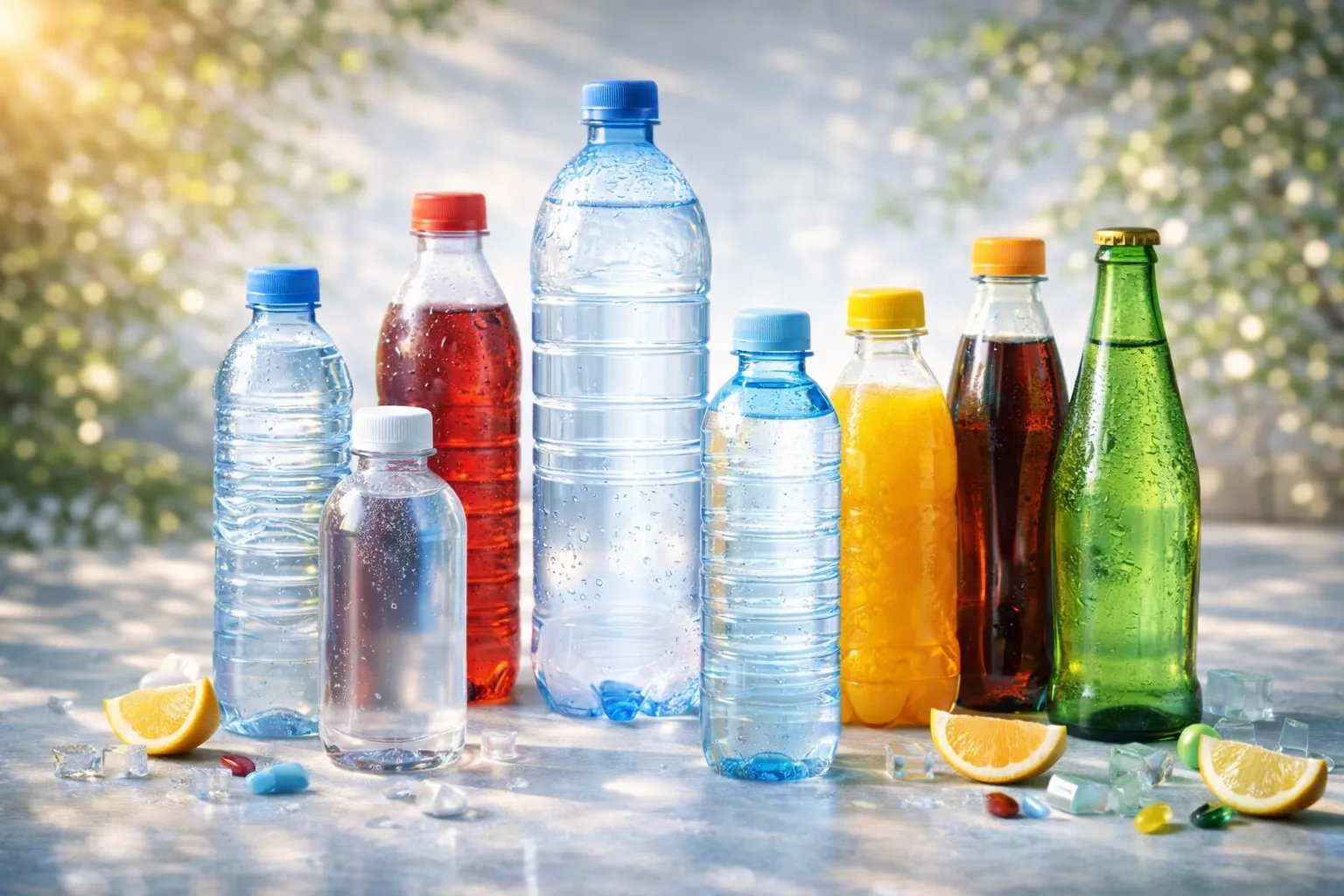
Корейские региональные производители напитков, выпускающие соки объемом 500 мл, изотонические спортивные напитки объемом 1 л и бутилированную воду объемом 1,5 л, за последние два года перевели производство со стареющих двухступенчатых линий на BPET-94V3. На шестигнездной конфигурации для бутылок объемом 500 мл машина производит примерно 2800 бутылок в час, что соответствует суточной производительности регионального бренда среднего уровня. Энергозатраты на бутылку снижаются на 30-35 процентов по сравнению с предыдущей двухступенчатой линией, поскольку заготовка никогда не охлаждается между впрыском и выдуванием — просто нет необходимости оплачивать цикл повторного нагрева.
Контейнеры для бытовой химии и моющих средств
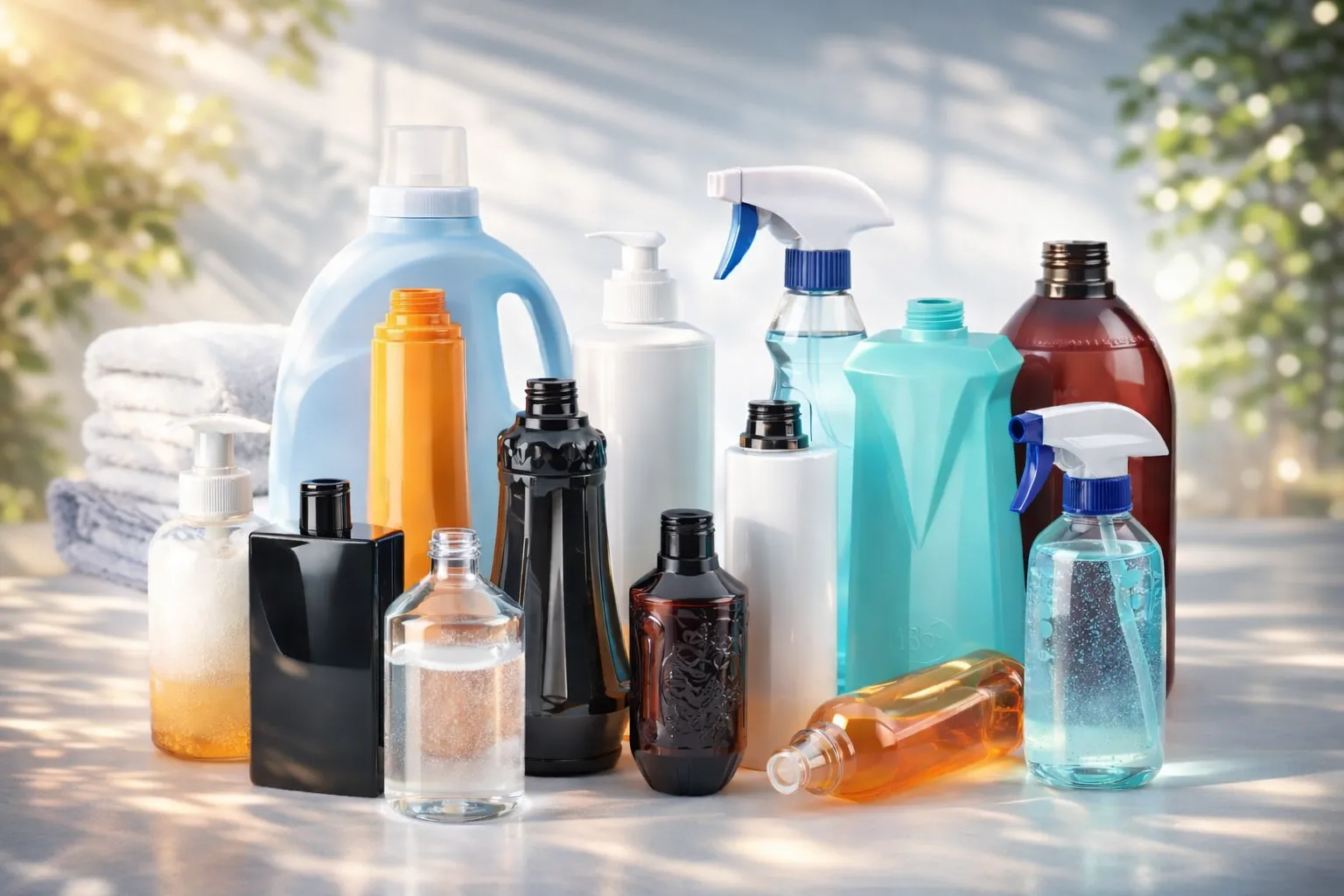
Бутылки с жидкостью для мытья посуды, стиральным порошком, чистящими средствами для ванных комнат и кондиционерами для белья объемом от 500 мл до 1,5 л идеально подходят для трехпозиционного производства, поскольку имеют круглую форму, большой объем и высокую чувствительность к цене. Корейский производитель бытовой химии, работающий с 1-литровыми бутылками на 4-гнездном оборудовании, сообщил о производительности в 1400 бутылок в час на момент ввода в эксплуатацию, которая поддерживалась в течение 12-часовых непрерывных смен. Инжекционный зажим с усилием 785 кН подходит для ПЭТ-пластиков с несколько более высоким показателем IV, которые предпочтительны для этих применений из-за химической совместимости.
Упаковка для растительного масла и соусов для приготовления пищи
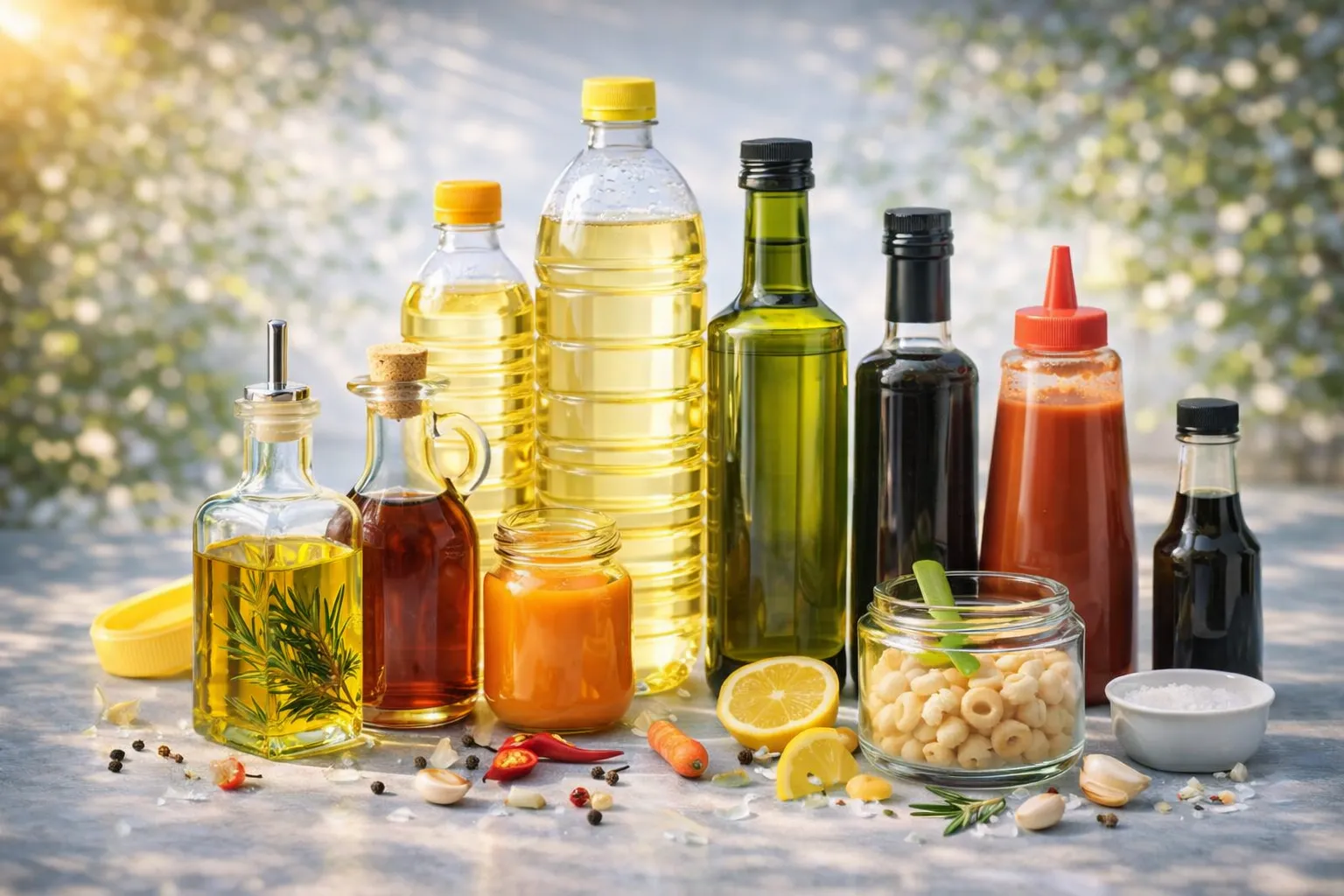
Кунжутное масло, соевое масло и специальные соусы для приготовления пищи упаковываются в ПЭТ-бутылки объемом от 500 мл до 2,5 л, которые должны обладать отличными кислородными барьерными свойствами и приемлемой ударопрочностью. Двуосная молекулярная ориентация, достигаемая в процессе выдувного формования, обеспечивает этим бутылкам улучшение барьерных свойств на 15-20 процентов по сравнению с простым экструзионно-выдувным формованием. Трехпозиционная машина для инжекционно-выдувного формования с растяжением Длительный производственный цикл позволяет поддерживать конкурентоспособную стоимость одной бутылки по сравнению с импортными ПЭТ-контейнерами. Корейские производители растительного масла в Тэгу и Чонджу сообщили о проценте брака ниже 0,3% после первого месяца стабилизации производства.
Флаконы для косметики и средств личной гигиены стандартной формы
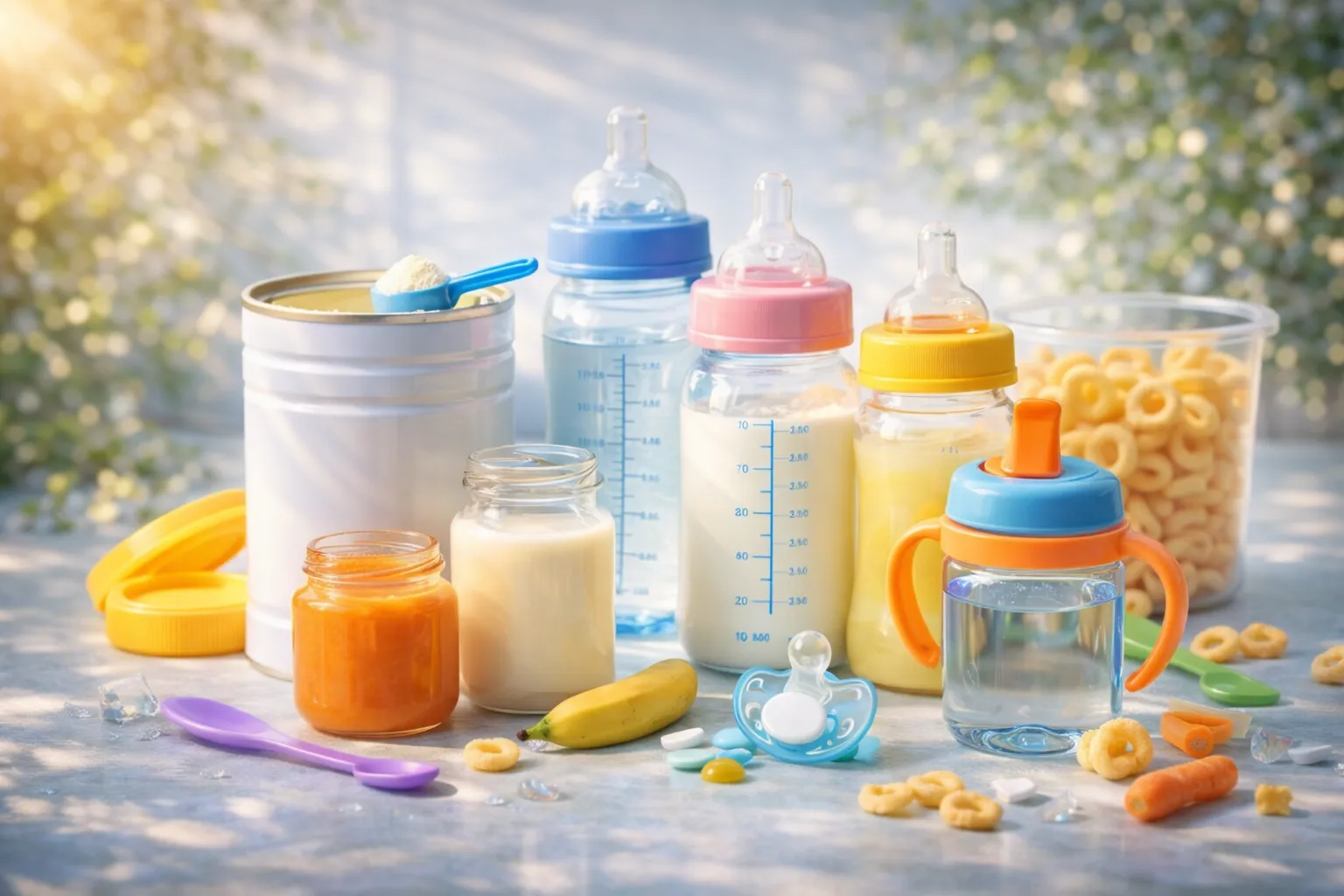
Круглые флаконы для шампуней, кондиционеров, гелей для душа и лосьонов объемом от 200 до 800 мл выигрывают от экономичности трехстанционного цикла. Это не премиальные овальные или плоские флаконы корейской косметики, для которых потребовалась бы четырехстанционная термообработка, — это рабочая лошадка среди круглой упаковки, на которую приходится 80 процентов объема корейского рынка средств личной гигиены. На 8-гнездной оснастке объемом 200 мл BPET-94V3 достигает производительности 4200 флаконов в час, что делает ее оптимальным выбором для контрактных предприятий по розливу продукции под собственными торговыми марками супермаркетов.
Основные преимущества вкратце
Шесть преимуществ отличают EP-BPET-94V3 от конкурирующих 3-позиционных платформ и более крупных 4-позиционных аналогов. Каждое из них было проверено на установленных производственных линиях в Корее и Восточной Азии.
Архитектура короткого цикла
Три положения вращения вместо четырех сокращают каждый цикл примерно на 3-5 секунд, что в совокупности обеспечивает увеличение почасовой производительности на 15-22% при стандартном производстве круглых бутылок.
Жесткость зажима 785 кН
Наибольшая сила смыкания при впрыске среди всех протестированных нами 3-позиционных инструментов, что позволяет использовать высокопроизводительный инструмент с 8 полостями без образования облоя даже при повышенном давлении в полостях.
Гибкость от 1 до 8 полостей
Одна платформа вмещает от 4,5-литровых бутылок для воды до 200-миллилитровых бутылок для розничной продажи. Смена пресс-форм между циклами занимает менее 3 часов при участии квалифицированного персонала.
Сервонасос прецизионный
Сервоприводы Inovance и WEICHI обеспечивают повторяемость индексации в пределах 0,03 мм на протяжении миллиона циклов. Подтверждено на корейских производственных площадках в ходе производственных проверок 2024 года.
Энергоэффективный дизайн
Отсутствие цикла повторного нагрева означает снижение энергопотребления на 30–40 процентов по сравнению с аналогичными двухступенчатыми производственными линиями. Среднее потребление в установившемся режиме составляет 45–50 кВт против номинальной пиковой мощности 77,5 кВт.
Перенос горячих заготовок
Заготовка остается на стержне от момента впрыскивания до продувки, никогда не подвергаясь воздействию влаги окружающей среды или манипуляциям. Этот замкнутый цикл соответствует требованиям GMP для чистых помещений и не требует дополнительных ограждений.
Горячая и холодная заготовка: почему одноэтапная технология лучше двухэтапной
Один из вопросов, который постоянно возникает у инженеров корейских заводов при оценке своей первой покупки оборудования для литья под давлением, заключается в том, действительно ли одноступенчатая машина оправдывает свою более высокую цену по сравнению с двухступенчатой системой с отдельными заготовками, изготовленными методом литья под давлением, и последующими машинами для повторного выдувания с подогревом. Честный ответ зависит от объема производства бутылок и целевых показателей качества, но для объемов производства, типичных для региональных корейских брендов, одноступенчатая система выигрывает по обоим параметрам.
Двухэтапный (холодный метод)
В двухэтапной системе заготовки формуются под давлением на одном предприятии, затем охлаждаются и хранятся (часто в течение нескольких дней или недель), после чего отправляются на отдельную машину для повторного нагрева и выдувания, которая снова нагревает их до температуры выдувания перед формированием окончательной бутылки. Этот подход работает при чрезвычайно больших объемах производства (десятки миллионов бутылок в год), где производство заготовок оптимизировано для масштаба, но он влечет за собой ряд компромиссов: заготовки впитывают влагу во время хранения, загрязняются царапинами во время транспортировки и потребляют энергию дважды — один раз для охлаждения после литья под давлением и еще раз для повторного нагрева перед выдуванием. Процент брака при двухэтапном производстве обычно составляет от 1 до 3 процентов из-за дефектов поверхности заготовок.
Одноэтапный (горячий) метод BPET-94V3
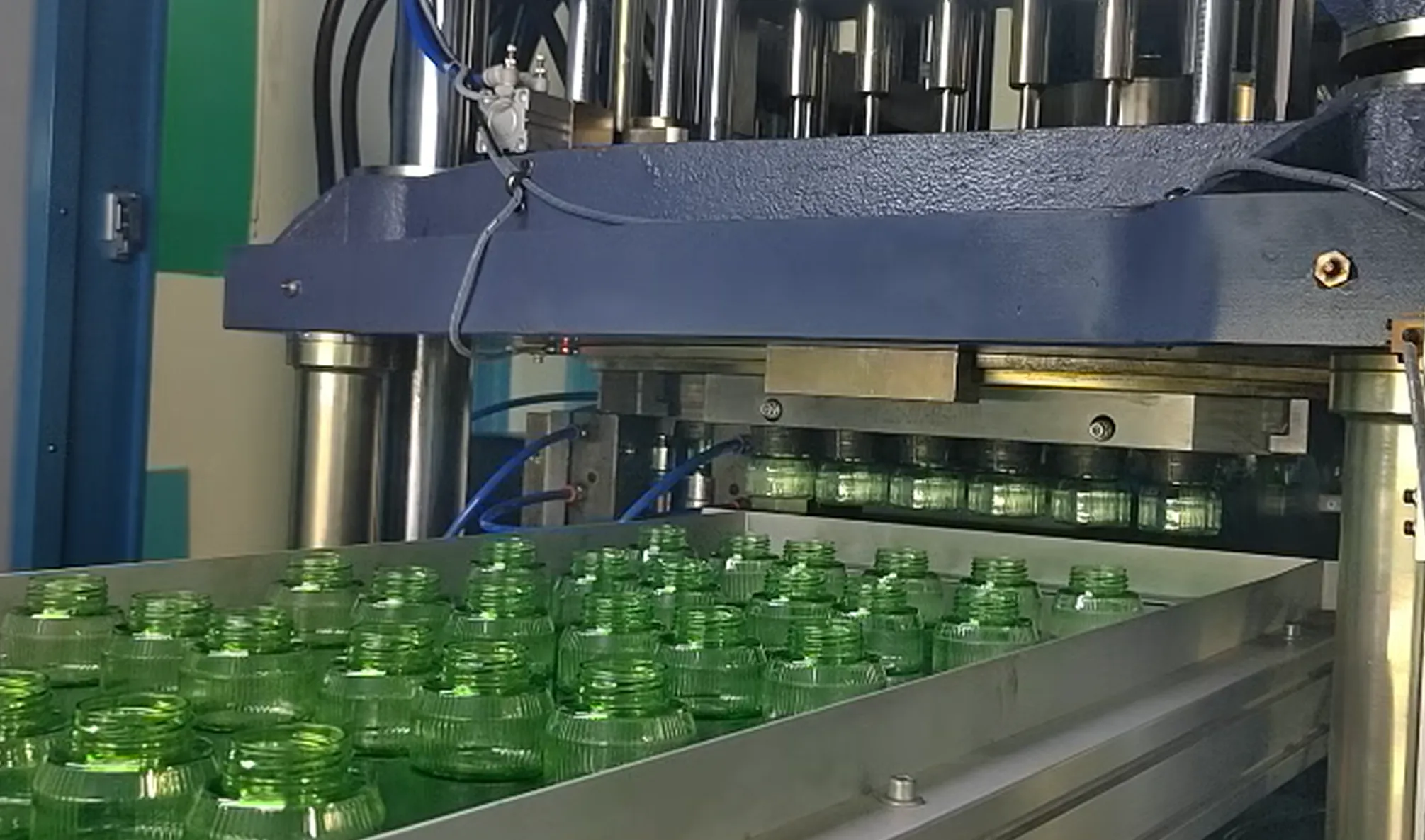
Он 3-позиционная машина для инжекционно-выдувного формования с растяжением Технология BPET-94V3 обеспечивает фиксацию заготовки на литьевом стержне от момента заливки расплава до окончательного формирования бутылки. Отсутствует охлаждение, хранение, повторный нагрев и транспортировка. Энергия, потребляемая на литьевой станции, частично рекуперируется за счет использования остаточного тепла заготовки для выдувания. Загрязнение поверхности и проникновение влаги исключены благодаря продуманной конструкции. Для корейских объемов производства от 3 до 30 миллионов бутылок в год одноэтапный подход обеспечивает процент брака менее 0,5% и энергозатраты на бутылку на 30-40% ниже, чем у аналогичной двухэтапной линии. За последние три года BPET-94V3 стала стандартным решением в этом диапазоне объемов производства.
Руководство по выбору — Подтвердите эти данные перед заказом.
Правильно оформленный заказ на BPET-94V3 отгружается в течение 60-70 рабочих дней с момента внесения предоплаты, а ввод в эксплуатацию осуществляется в течение одной недели на объекте. Прежде чем наша инженерная команда окончательно утвердит ценовое предложение, пожалуйста, подтвердите следующие пункты.
- геометрия бутылки — Предоставьте 3D STEP-файл, включающий диаметр корпуса, общую высоту, стандарт отделки горловины и классификацию формы (круглая, слегка сужающаяся или сложная). Если ваша геометрия сильно асимметрична или овальна, наши инженеры могут порекомендовать вместо этого 4-позиционную платформу.
- Целевой вес готовой бутылки а также объем наполнения, включая любые целевые показатели снижения веса по сравнению с существующим контейнером.
- Марка смолы, поставщик и значение IV — Зажимное устройство с усилием 785 кН выдерживает давление до 0,84 кН при внутривенной ПЭТ без проблем с противодавлением, что подходит для большинства корейских поставщиков.
- Годовой объем производства — Трехпозиционная система BPET-94V3 окупается быстрее всего, при объеме производства от 3 до 30 миллионов бутылок в год на одном товарном сегменте. Для большего объема можно рассмотреть шестипозиционную систему. HGYS280-V6 или развертывание на нескольких машинах.
- Целевое количество кариесов — Мы проводим расчет производительности и срока окупаемости, чтобы порекомендовать наиболее экономичный вариант кавитации для вашего конкретного годового объема.
- Напряжение и частота — Стандартное напряжение для корейского рынка составляет 380 В / 60 Гц; варианты для 400 В / 50 Гц и других регионов доступны по запросу.
- Подача сжатого воздуха — Высокое давление 3,5 МПа при расходе 4 кубических метра в минуту для продувки, плюс подача под низким давлением для пневматического управления.
- Мощность чиллеров — 80 л/мин охлажденной воды при температуре 12 градусов Цельсия для охлаждения пресс-формы плюс 200 л/мин воды из градирни для охлаждения гидравлического масла.
- Площадь установки — Подтвердить наличие свободного пространства пола размером 6,5 × 3 метра, а также доступ для крана сверху на расстояние не менее 4 метров и несущую конструкцию пола, рассчитанную на точечную нагрузку в 12 тонн.
- Существующий 3-позиционный инструментарий — Если вы переходите с более старой модели Nissei или аналогичной, пришлите нам чертежи основания пресс-формы, и мы проверим совместимость перед отправкой.
BPET-94V3, HGY50-V3-EV и BPET-70V4 — какой из них подойдет для вашего растения?
Для покупателей, выбирающих между платформами Ever-Power для коротких циклов производства, приведенное ниже сравнение подчеркивает практические компромиссы. Данное руководство предназначено только для целей выбора и не подразумевает каких-либо недостатков в производительности более компактных 3-позиционных или 4-позиционных альтернатив, каждая из которых оптимизирована для своего масштаба производства.
| Критерий | HGY50-V3-EV | BPET-94V3 | BPET-70V4 |
|---|---|---|---|
| Станции | 3 (полностью сервоприводный) | 3 (короткий цикл) | 4 (компактный) |
| Диаметр винта | 40 мм | 60 мм | 45 мм |
| Сила зажима при впрыске | 50 кН | 785 кН | 285 кН |
| Теоретический объем инъекции | 239 см³ | 480 см³ | 340 см³ |
| Максимальный объем одной полости | 2500 мл | 4500 мл | 2500 мл |
| Максимальное количество полостей | 6 | 8 | 6 |
| Вес машины | 3,5 Т | 11,6 Т | 5.1 Т |
| Габариты (Д × Ш) | 3,8 × 1,2 м | 4,8 × 2,05 м | 4,4 × 1,35 м |
| Лучший вариант | Косметика, производимая небольшими партиями с полным спектром услуг. | Крупномасштабное производство круглых бутылок | Пилотные исследования и разработки, небольшие партии корейской косметики. |
BPET-94V3 подходит для покупателей, производящих от 3 до 30 миллионов круглых флаконов в год с небольшим количеством стабильных товарных позиций. Для мелкосерийного производства овальных косметических флаконов премиум-класса полносервисная система HGY50-V3-EV Это идеальный вариант, а компактный 4-позиционный BPET-70V4 подходит для исследований и разработок, опытного производства и мелкосерийного выпуска. Подробная информация обо всех моделях находится внутри документа. 3-станционная машина ISBM и 4-станционная машина ISBM категории.
Гарантия качества и приверженность качеству обслуживания
EP-BPET-94V3 поставляется с сертификатом системы управления качеством ISO 9001:2015, маркировкой CE для доступа на европейский рынок и нашей стандартной 12-месячной гарантией с момента проведения заключительных приемочных испытаний на предприятии заказчика. Каждое устройство проходит 72-часовое непрерывное производственное тестирование на нашем заводе в провинции Гуандун с заданным заказчиком весом заготовки и геометрией полости перед упаковкой, а отчет о приемочных испытаниях прилагается к машине для подписания во время ввода в эксплуатацию на месте.
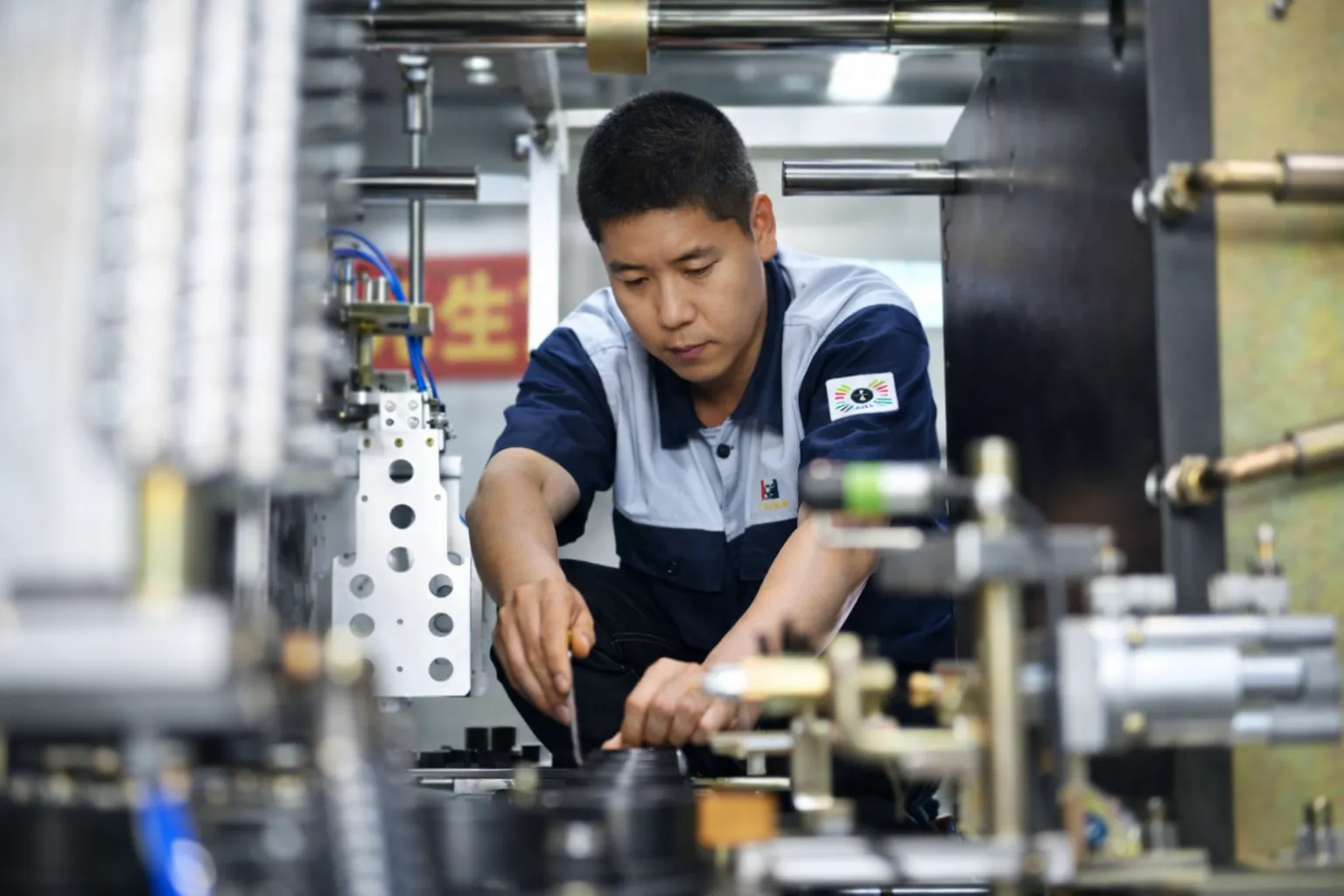
Стандартное сервисное обслуживание включает в себя неделю обучения на месте у двуязычного инженера, говорящего на корейском языке, по вопросам безопасной эксплуатации, управления рецептурами HMI, процедур смены пресс-форм, профилактического обслуживания и первичного устранения неполадок. Заказчик оплачивает авиабилеты инженера, визу, проживание, питание и суточные в размере 150 долларов США, как указано в нашем стандартном предложении о сотрудничестве. В течение первых 90 дней после ввода в эксплуатацию круглосуточно доступна удаленная инженерная поддержка через VPN-интерфейс ПЛК, а проблемы с программным обеспечением обычно решаются в течение двух часов. Что касается оборудования, то изнашиваемые детали отгружаются в тот же день с нашего регионального склада в Ансане в провинции Кёнгидо и Сеул, а грузы KTX доставляются на следующий день в пункты назначения к югу от Тэджона.
Почему стоит выбрать Ever-Power для производства 3-позиционных ISBM-баз?
Выбор 3-станционного машина для литья под давлением с растяжением и выдувным формованием Это 10-летнее производственное обязательство. Поставщик оборудования имеет такое же значение, как и само оборудование, и компания Ever-Power на протяжении двух десятилетий专注于 исключительно на этом сегменте.
- Более 20 лет преданной своему делу инженерной работы в области межконтинентальных баллистических ракет (ISBM). Команда из 25 инженеров, занимающаяся исключительно разработкой платформ для литья под давлением с растяжением и выдувным формованием, обеспечивает глубокое понимание как 3-позиционных, так и 4-позиционных архитектур.
- Производственный комплекс площадью 30 000 квадратных метров. с полным комплексом собственных производственных процессов, от сварки конструкционной стали до сборки сервоприводов, изготовления оснастки и окончательной проверки готовых отливок, — все под одной крышей.
- Более 500 машин поставлено по всему миру. В Корее, Японии, Вьетнаме, Таиланде, Индонезии, Малайзии, России и Бразилии зафиксирован уровень удовлетворенности клиентов 99,51% по результатам ежегодных опросов после установки оборудования.
- глобальные компоненты первого уровня — Клапаны Parker, сервомоторы Yaskawa и Inovance, гидравлические клапаны YUKEN — поставляются через региональных дистрибьюторов для быстрой доставки запасных частей по всей Восточной Азии.
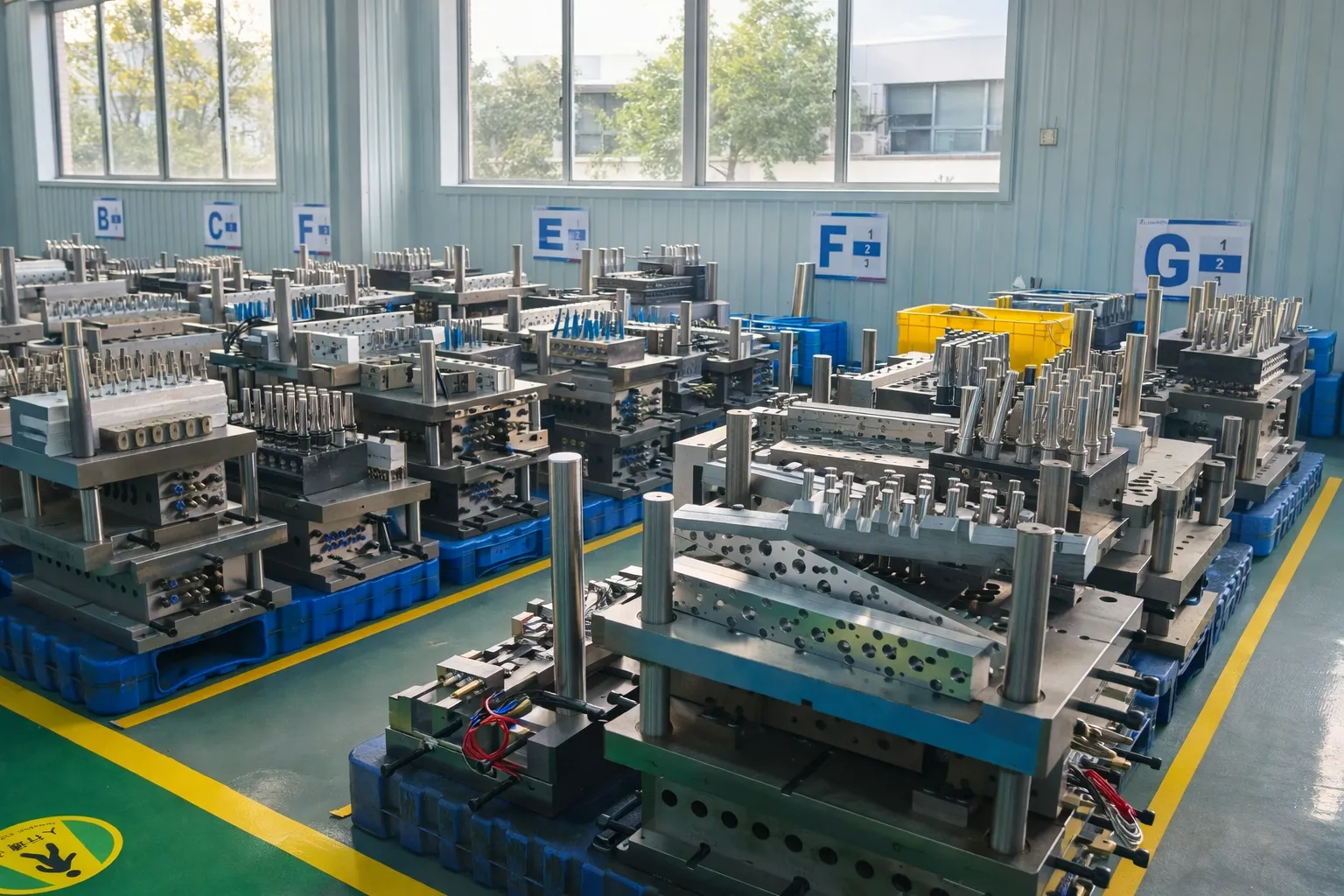
- Собственный цех по изготовлению пресс-форм Производство заготовок, стержневых узлов и выдувных форм для BPET-94V3 на немецком 5-осевом станке с ЧПУ, с проверкой качества пробного формования перед каждой отгрузкой.
- Ввод в эксплуатацию на месте с использованием корейского языка двуязычный инженер, после чего круглосуточно предоставляется удаленная диагностическая поддержка ПЛК через интернет-интерфейс.
- Полная вспомогательная спецификация — Подбор соответствующих воздушных компрессоров, чиллеров, осушителей и регуляторов температуры пресс-форм доступен через нашу проверенную партнерскую сеть для обеспечения единой системы поставок.
Часто задаваемые вопросы
В1: Насколько быстрее цикл BPET-94V3 на 3 станциях по сравнению с циклом на 4 станциях при использовании той же бутылки?
Для стандартных круглых бутылок скорость цикла увеличивается на 15–22 процента. При изготовлении бутылок объемом 500 мл с использованием 6-гнездной оснастки BPET-94V3 затрачивается на 13–15 секунд по сравнению с 16–18 секундами на типичной 4-позиционной платформе. За 8-часовую смену это позволяет произвести примерно на 4800 бутылок больше при том же энергопотреблении.
В2: Может ли BPET-94V3 производить бутылки сложной овальной или плоской формы?
Не рекомендуется для сильно асимметричных форм. Трехпозиционная архитектура исключает этап кондиционирования, необходимый для предотвращения образования тонких углов на овальных бутылках. Если в вашем ассортименте представлены как круглые, так и сложные по форме бутылки, мы обычно рекомендуем использовать одну установку BPET-94V3 для круглых бутылок и четырехпозиционную установку для бутылок сложной формы. Наша инженерная команда рассматривает каждый случай индивидуально, сопоставляя его с чертежами ваших бутылок.
В3: Какую точность контроля температуры обеспечивает машина при работе с ПЭТ?
Температура плавления поддерживалась в пределах 2 градусов Цельсия от заданного значения на протяжении 12-часовых непрерывных смен, что было подтверждено на корейских установках с помощью инфракрасного зондового мониторинга. Именно эта стабильность позволяет трехпозиционной архитектуре работать без отдельной станции подготовки — заготовка покидает инжекционную полость уже при приемлемом температурном профиле для этапа растяжения-выдувания.
Вопрос 4: Сколько времени занимает перенастройка количества кариозных полостей?
Полная замена 4-гнездной оснастки на 8-гнездную, включая форму для заготовки, узел стержня, выдувную форму и захваты для извлечения, занимает примерно 2,5–3 часа при наличии обученной бригады из двух человек. На предприятиях, использующих предварительно нагретую оснастку на вспомогательных тележках, это время обычно сокращается до менее чем 2 часов.
В5: Можно ли установить мою существующую японскую трехпозиционную пресс-форму напрямую?
Большинство 3-позиционных оснасток ISBM, предназначенных для японских станков среднего размера, подходят к компоновке плит BPET-94V3 без доработок. Для нестандартных схем расположения болтов или нестандартного шага выталкивателя мы поставляем переходные пластины за дополнительную плату. Пожалуйста, пришлите чертежи основания пресс-формы на этапе запроса, чтобы наши инженеры могли проверить их перед отгрузкой.
В6: Каково измеренное энергопотребление на реальной производственной линии?
Измерения, проведенные на корейской линии по производству литровых бутылок для напитков с использованием 4-гнездной оснастки в 2024 году, показали, что среднее почасовое потребление составляло от 45 до 50 кВт при номинальной пиковой мощности 77,5 кВт. Сервонасосы работают в режиме холостого хода, приближаясь к нулю, во время фаз охлаждения, и именно отсутствие станции подогрева обеспечивает большую часть экономии по сравнению с двухступенчатой или четырехстанционной системой.
В7: Подходит ли устройство BPET-94V3 для работы с переработанным ПЭТ (rPET)?
Да, при использовании биметаллического шнека и хромированных футеровок цилиндра, устанавливаемых на заводе по заказу, если содержание rPET превышает 50 процентов. Предварительная сушка при температуре 165 градусов Цельсия в течение 4 часов до содержания влаги менее 0,005 процента является обязательной. Наша инженерная команда оптимизирует профиль пластификации для вашего конкретного источника rPET во время ввода в эксплуатацию.
В8: Насколько оперативно работает местная служба поддержки в Корее?
В нашем офисе в Ансане имеются в наличии изнашиваемые детали для доставки наземным транспортом в тот же день в провинции Кёнгидо, Инчхон и Сеул. Для пунктов назначения к югу от Тэджона стандартной услугой является доставка грузов KTX на следующий день. Удаленная диагностика ПЛК проводится круглосуточно с двухчасовым сроком ответа, и большинство проблем с программным обеспечением решаются без выезда специалиста.
В9: В чём заключается объём обучения операторов?
Обучение на месте в течение пяти-семи рабочих дней на корейском языке, охватывающее безопасную эксплуатацию, разработку и управление рецептурами, процедуры смены пресс-форм, профилактическое техническое обслуживание и первичную диагностику неисправностей серво- и гидравлических систем. В стоимость включены руководство оператора на корейском языке, справочник по логике ПЛК и PDF-файл с электрической схемой, доступный для поиска.
В10: Каков гарантийный срок и объем гарантийного покрытия?
Гарантия составляет 12 месяцев с момента окончательной приемки на предприятии заказчика и распространяется на производственные дефекты и отказы компонентов при нормальной эксплуатации. Гарантия не распространяется на изнашиваемые детали (фильтры, уплотнения, нагревательные элементы), а также на повреждения, возникшие в результате неправильного технического обслуживания или эксплуатации вне заданных параметров. По запросу за дополнительную плату предоставляется расширенная гарантия до 24 или 36 месяцев.
Отзывы клиентов и обратная связь с места событий.
«В апреле 2024 года мы перевели производство литровых бутылок для спортивных напитков со старой двухступенчатой линии на BPET-94V3. Время цикла сократилось с 18 до 14 секунд на бутылку, а наши счета за электроэнергию для цеха выдувного формования снизились на 32 процента в первом квартале после ввода в эксплуатацию. Окупаемость инвестиций была достигнута на 16-м месяце, что значительно превысило прогнозируемые 22 месяца. Зажимное устройство с усилием 785 кН справляется с нашими ПЭТ-бутылками 0,82 IV без каких-либо регулировок».
Ким Тэ-уДиректор по операциям, Daegu Regional Beverage Co. (середина 2025 г.)
«Наша линия по производству бытовой химии выпускает бутылки объемом от 500 мл до 1 л для моющих средств, представленные шестью различными наименованиями. Короткий цикл работы BPET-94V3 позволяет нам достигать производительности 2100 бутылок в час на 6-гнездной оснастке, что соответствует обещаниям отдела продаж, данным до размещения заказа. Смена пресс-форм между различными наименованиями занимает у нашей бригады менее 2,5 часов, что делает еженедельную ротацию ассортимента экономически выгодной. Честно говоря, это лучшая капиталовложение, которое мы сделали за последние пять лет».
Пак Мин-соРуководитель производства упаковки для бытовой химии в Инчхоне (конец 2024 г.)
«Мы специализируемся на розливе кунжутного масла в бутылки объемом 500 мл и 1 л. Сначала мы сомневались, что трехстанционная машина справится с требованиями к более толстым стенкам для упаковки масла, но спустя 10 месяцев процент брака составляет 0,4%, а жалобы клиентов на протечки практически отсутствуют. Двухосная ориентация на этапе растяжения-выдувания обеспечивает именно тот кислородный барьер, который нам нужен. Машина отработала 5800 часов, включая только плановое техническое обслуживание».
Чон Хён-уВладелец завода по розливу растительного масла в Чонджу (начало 2025 года)
«Я сравнил эту машину с японской трехпозиционной моделью, капитальные затраты на которую были на 63 процента выше. BPET-94V3 выиграла на бумаге, и после 12 месяцев эксплуатации я могу подтвердить, что она выигрывает и на практике. Производительность отличается от японских показателей всего на 4 процента, энергопотребление на бутылку фактически ниже, а инженер по вводу в эксплуатацию, владеющий корейским языком, оказался действительно компетентным. Проблем с запасными частями никогда не возникало — две небольшие замены шлангов были отправлены на следующий день из Ансана».
Ли Джун-хоТехнический директор компании Ulsan Beverage Bottling Co. (середина 2025 г.)
«Приобрели BPET-94V3 специально для нашей линии по производству бутылок для бытовых дезинфицирующих средств объемом 2,5 л. Гибкость в выборе между 1 и 3 гнездами оказалась критически важной, поскольку в середине года спрос сместился с больших форматов на средние. За 3 часа перешли с оснастки для 2,5-литровых бутылок на 4-гнездную для 1-литровых, и продолжили производство на следующей смене. Зажимное устройство с усилием 785 кН справляется с большими одногнездными бутылками без образования заусенцев, что было моей главной заботой до покупки».
О Су-джинДиректор по производству, компания Cheonan Cleaning Products (начало 2025 г.)
«Морская перевозка из Шэньчжэня в Хошимин заняла 11 дней, таможня — еще 5. Инженер компании Ever-Power прибыл в следующий понедельник, и к пятнице наша линия по производству розничных бутылок объемом 200 мл запустила коммерческую продукцию. За первые 30 дней производства было выпущено 1,2 миллиона бутылок с процентом брака 0,35%. Машина потребляет в среднем около 42 кВт при производстве 8-гнездной системы, что значительно меньше мощности нашего электрощита».
Нгуен Тхи ХоаОперационный менеджер, Ho Chi Minh Retail Bottle Works, Вьетнам (конец 2024 г.)
«Мы производим 4,5-литровые контейнеры для сока на одногнездной оснастке для предприятий общественного питания. BPET-94V3 — единственная машина в этом классе тоннажа, которая чисто обрабатывает горлышко диаметром 110 мм за требуемое нами время цикла. Первоначальное предложение от немецкого поставщика было в 2,1 раза выше, а срок поставки у них составлял 140 дней, в то время как у нас фактическая поставка от Ever-Power заняла 65 дней. Ввод в эксплуатацию завершен за 5 дней. Никаких сожалений».
Юн Сан-хунГенеральный директор компании Busan Bulk Beverage Packaging (середина 2025 г.)
Сопутствующие товары и подходящие компоненты
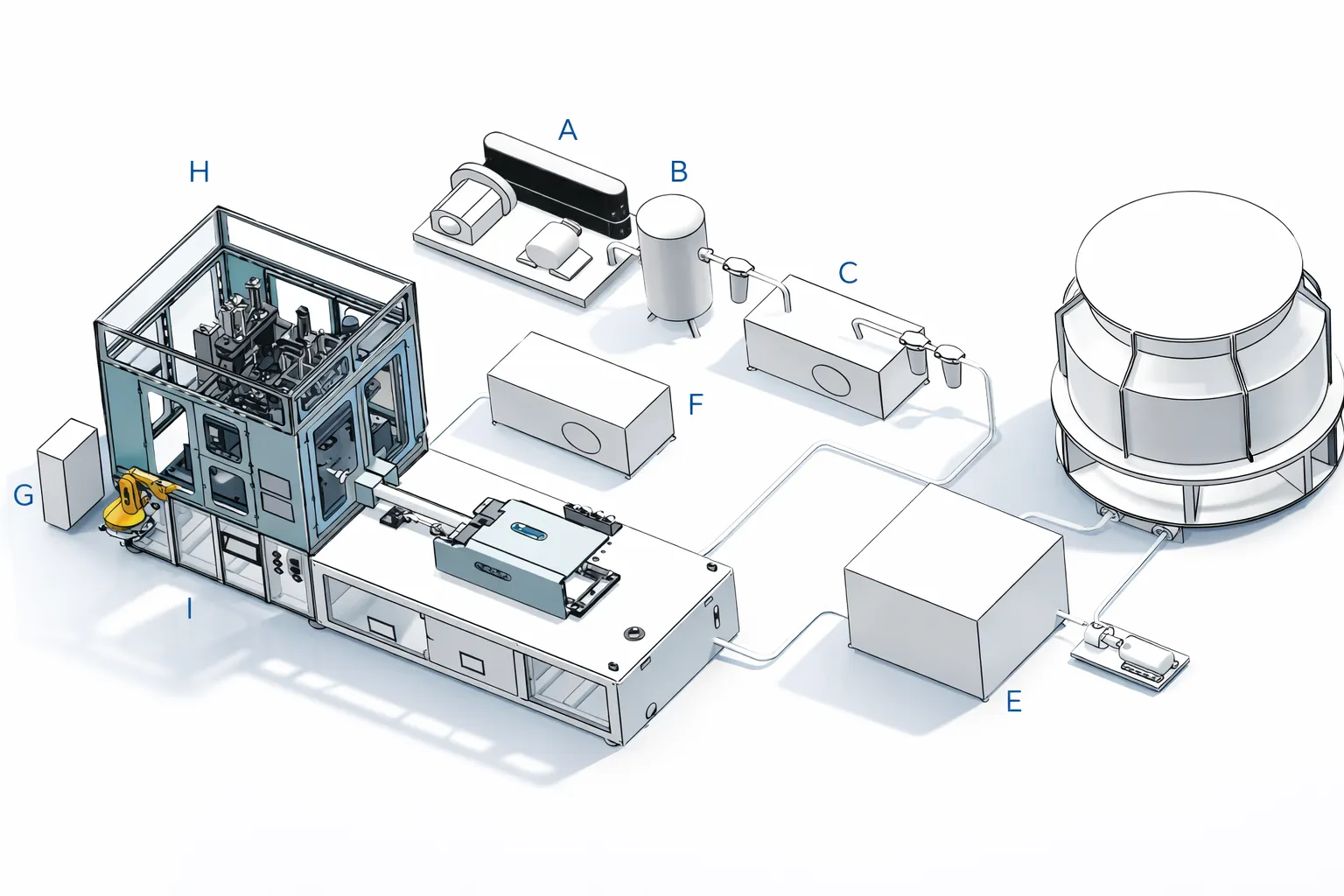
Короткоцикловая трехпозиционная производственная линия достигает номинальной производительности только тогда, когда каждый вспомогательный компонент имеет правильные размеры. Ниже представлена конфигурация оборудования, которую мы предлагаем для каждой установки BPET-94V3, доступная через Ever-Power и нашу сеть проверенных партнеров.
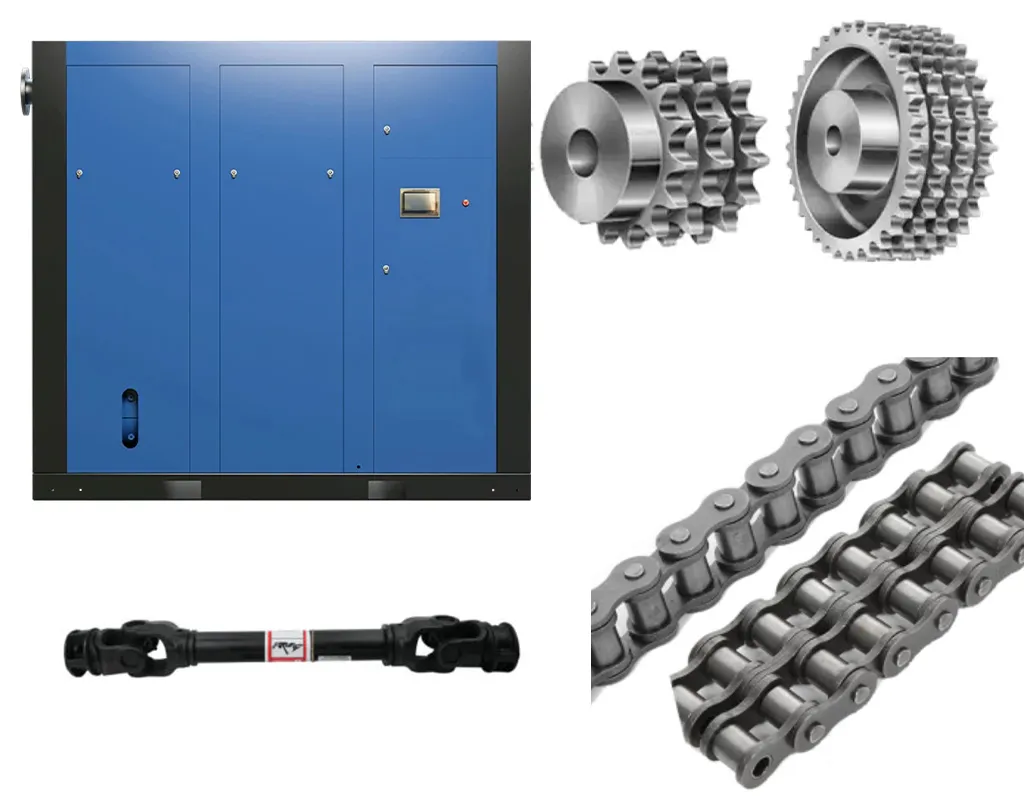
- Промышленный безмасляный винтовой воздушный компрессор Рассчитан на давление 3,5 МПа при расходе 4 кубических метра в минуту. Чистый воздух является важнейшим фактором, определяющим прозрачность бутылок при использовании высокополостей в пресс-формах, а сертификация класса 0 по отсутствию масла обязательна для применения в пищевой и фармацевтической промышленности. Подходящие устройства доступны через наш сайт. партнер по безмасляным компрессорам.
- пара чиллер и градирня Система подачи охлажденной воды со скоростью 80 л/мин при температуре 12 градусов Цельсия в полость выдувной формы, а также 200 л/мин воды из градирни для охлаждения гидравлического масла. Чиллер мощностью 25 тонн подходит для большинства установок BPET-94V3, работающих с оснасткой на 6 или меньших полостях.
- Осушитель на основе смолы со встроенным контролем точки росы. Это критически важно для ПЭТ и ПК, где 0,1% избыточной влажности вызывает гидролиз и видимые серебристые полосы. Для непрерывного производства BPET-94V3 обычно достаточно сушилки с бункером вместимостью 150 кг.
- Прецизионные основные компоненты трансмиссии — В механизме индексации поворотного стола используются валы из закаленной легированной стали, которые выдерживают крутящий момент пуска-остановки сервопривода без заметного удлинения в течение миллионов циклов. Сменные валы и подшипники повышенной прочности можно приобрести у нас. партнер по прецизионным приводным валам.
- Регулятор температуры пресс-формы Температура в камере продувки обычно поддерживается в пределах от 10 до 18 градусов Цельсия в зависимости от типа смолы и толщины стенок. Двухзонные установки рекомендуются для применения с толстостенным поликарбонатом и поликарбонат-тритиоэтиленгликолем.
- Изготовление на заказ 3-позиционных пресс-форм для ISBM — Наш собственный инструментальный цех производит заготовки, стержневые узлы и выдувные формы, соответствующие компоновке плиты BPET-94V3, с типичными сроками выполнения от 40 до 55 рабочих дней и проверкой качества пробной отливки перед отгрузкой.
- Роботизированный конвейер для извлечения и опциональный визуальный контроль Для линий с большим объемом производства, где ожидается поставка продукции без дефектов на разливочную станцию. Системы машинного зрения маркируют детали, выходящие за пределы допустимых размеров, до того, как они попадут на последующую упаковку.
Готовы сократить время производственного цикла на вашей следующей производственной линии?
Пришлите нам чертеж вашей бутылки, годовой производственный план и марку смолы. Наша инженерная команда предоставит полный отчет о целесообразности проекта в течение 48 часов, включая рекомендации по формовочной камере, оценку времени цикла, прогноз энергоаудита и прозрачное коммерческое предложение на 3-позиционную инжекционно-выдувную машину EP-BPET-94V3.
Свяжитесь с нашей корейской инженерной командой. для составления индивидуального предложения.
Детали
| Редактор | Cxm |
|---|