REGULATORY GUIDE · KOREAN KFDA GMP · IBM PHARMACEUTICAL · KOREA EVER-POWER
Korean KFDA IBM
Pharmaceutical Container
GMP Guide
Korean KFDA pharmaceutical container GMP qualification is the critical path item in every IBM pharmaceutical packaging project in Korea — longer than machine manufacture, longer than mould production, and independent of how quickly Korea Ever-Power delivers. This guide covers the complete KFDA qualification framework for HDPE and PP IBM containers: documentation requirements, Korean Pharmacopoeia test specifications, extractables study duration, closure function qualification and the change notification process when cavity count or resin lot changes.
Extractables / Leachables
KFDA Change Notification
KOREA EVER-POWER · ANSAN-SI, GYEONGGI-DO · JULY 2026
SYSTEM REFERENCE · KOREAN KFDA IBM PHARMACEUTICAL QUALIFICATION PARAMETERS
CRITICAL PATH DURATION
24 weeks
Minimum from first IBM production sample to complete qualification documentation
KFDA CHANGE REVIEW
3–6 months
Major change notification review timeline — machine change, cavity count change
KP EXTRACTABLES LIMIT
≤30 ppm
Evaporation residue limit — water, 4% acetic acid, n-heptane extraction media
COMPATIBILITY STUDY
12 / 24 wk
Oral: 12 weeks accelerated · Ophthalmic: 24 weeks — longest critical path activity
SECTION 01
Korean KFDA Pharmaceutical Container Regulatory Framework

Korean pharmaceutical primary container qualification is governed by the Korean Pharmaceutical Affairs Act (약사법, Act No. 18651), the Korean Good Manufacturing Practice (GMP) regulations promulgated by the Ministry of Food and Drug Safety (MFDS/KFDA, 식품의약품안전처), and the Korean Pharmacopoeia (KP, 대한약전) which contains the monograph for plastic containers for pharmaceutical use. The three regulatory instruments operate at different levels: the Pharmaceutical Affairs Act establishes the obligation to qualify primary containers; the GMP regulation defines the quality system within which container qualification must be conducted and documented; and the KP plastic container monograph specifies the actual chemical tests and limits that the HDPE or PP IBM container must pass.
IBM containers serve as Korean pharmaceutical primary packaging — defined as packaging material in direct contact with the pharmaceutical product. This classification distinguishes them from secondary packaging (outer cartons, shipper boxes) which is subject only to general Korean packaging material standards rather than the full KP pharmaceutical container qualification requirement. Every Korean pharmaceutical product’s primary container is listed in the Korean KFDA-registered product dossier with its material type, supplier identity, and dimensional specification. Any change to the primary container after initial KFDA registration requires a formal change notification — the Korean equivalent of a post-approval change notification — whose review timeline (self-declare for minor changes, 3–6 months for major changes) is frequently the critical path item in Korean pharmaceutical packaging development and supply chain management.
The fuller context of IBM in Korean pharmaceutical packaging — container formats, HDPE and PP material specifications, cleanroom production requirements and machine selection — is covered in the pharmaceutical IBM guide. This guide focuses specifically on the Korean KFDA GMP qualification pathway that Korean IBM container producers must navigate from machine order to commercial production approval.
SECTION 02
IBM Machine and Cavity Selection for Korean KFDA Qualification
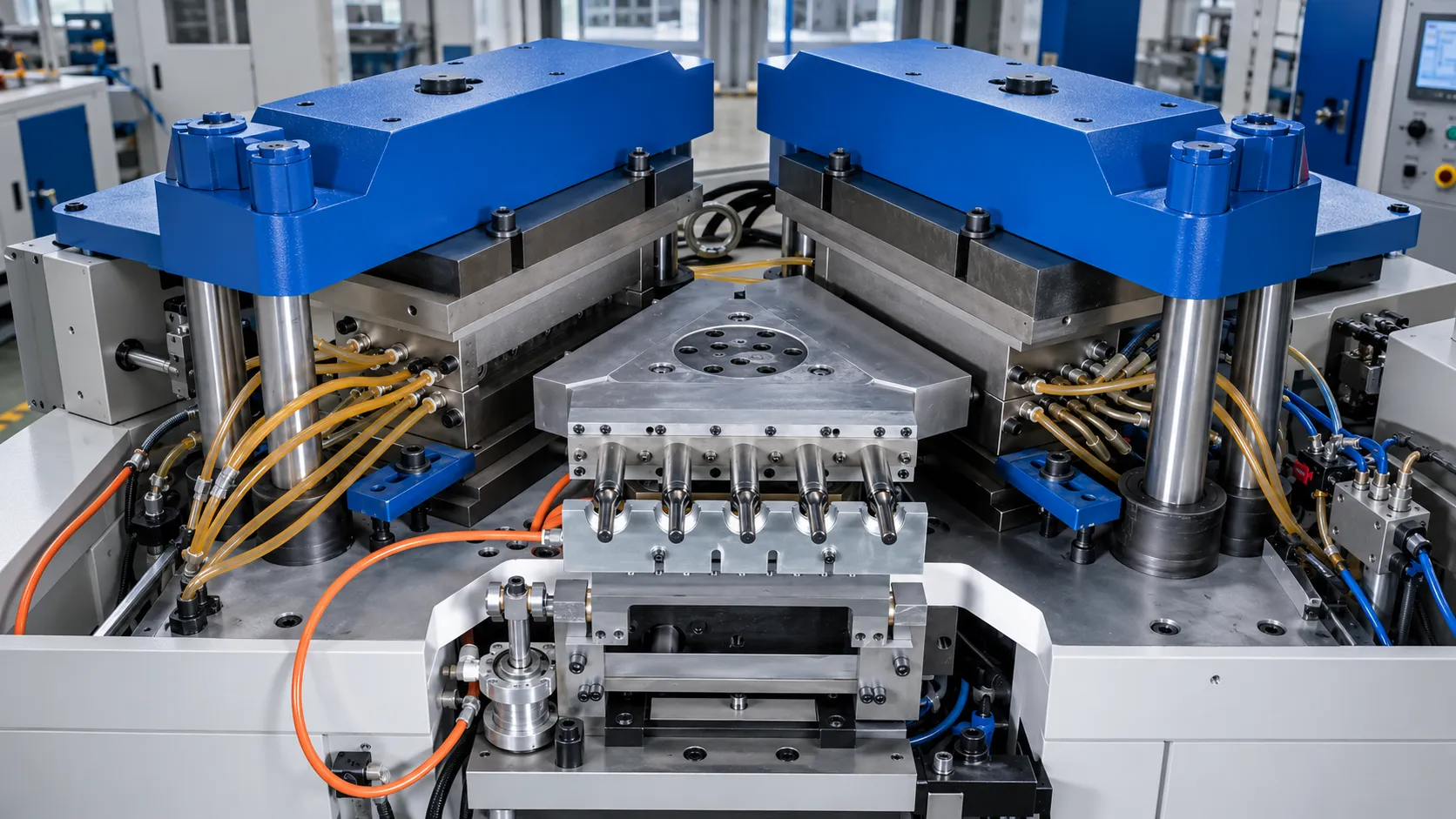
IBM machine selection for Korean pharmaceutical production carries a unique regulatory constraint that does not apply to household chemical or cosmetic IBM: the Korean KFDA pharmaceutical container qualification explicitly identifies the production machine by serial number and the mould set by cavity count. This means that the ZQ model selected at machine order is not merely a production capacity decision — it is a regulatory commitment that determines the qualification timeline and change notification burden for the commercial life of the product.
REGULATORY LOCK-IN MATRIX · ZQ MODEL × KFDA QUALIFICATION IMPACT
| SCENARIO | KFDA ACTION | REVIEW TIMELINE | PLANNING IMPLICATION |
|---|---|---|---|
| Initial qualification — ZQ80, 20 cav, 10ml | Container Technical File submission | No KFDA review wait | Korean pharmaceutical brand validates internal CTF before commercial use |
| Resin lot change — same grade, same supplier | Minor change self-declaration | Immediate | Maintain CoA documentation; verify MI and density within qualified range |
| Same ZQ model, cavity count change (20→24) | Major change notification | 3–6 months | New cavity-by-cavity dimensional report required; full KP re-test if wall changes |
| ZQ model upgrade (ZQ80→ZQ110) | Major change notification | 3–6 months | New machine serial number in CTF; repeat full dimensional qualification at new cavity count |
| Resin grade change (same polymer class) | Major change notification | 3–6 months | New KP extractables testing; new compatibility study with new grade |
| Pre-qualified dual-machine (ZQ80 + ZQ110) | Both pre-approved in initial CTF | No additional wait | Best-practice strategy: qualify both machines at initial CTF — eliminates future 3–6 month wait when scaling |
The strategic implication is clear: Korean pharmaceutical IBM producers who anticipate scale-up should qualify both the initial machine and the anticipated next-model machine simultaneously in the initial container technical file — at modest additional documentation cost — to eliminate the 3–6 month KFDA review period when the scale-up event occurs. The Korea Ever-Power EP-ZQ80 IBM machine and EP-ZQ110 are the most commonly pre-qualified machine pair in Korean pharmaceutical IBM projects — the ZQ80 serves as the primary production machine and the ZQ110 as the approved secondary machine, with both serial numbers recorded in the initial CTF.
SECTION 03
Container Technical File — Required Documentation
The Container Technical File (CTF) is the primary documentation submission that a Korean pharmaceutical brand’s QA team requires from their IBM container supplier before the container can be approved for commercial production use. Korea Ever-Power provides the following documentation components as standard delivery items with every pharmaceutical IBM machine and mould set order — reducing the Korean pharmaceutical brand’s qualification timeline by eliminating the data collection phase.
SECTION 04
Korean Pharmacopoeia Plastic Container Tests
Korean Pharmacopoeia (KP) General Monograph for Plastic Containers for Pharmaceutical Use specifies six chemical test parameters for HDPE and PP pharmaceutical containers. All tests must be conducted using production containers — not masterbatch plaques or injection-moulded test pieces — because the IBM process conditions (barrel temperature, injection pressure, blow air exposure at the container interior) affect the extractable profile of the finished container.
| KP TEST PARAMETER | EXTRACTION CONDITION | KP LIMIT | IBM RISK FACTOR |
|---|---|---|---|
| Evaporation residue (water) | Purified water, 121°C, 1 h | ≤ 30 ppm | Elevated by barrel overheating (>220°C at nozzle); monitor barrel zone setpoints |
| Evaporation residue (4% acetic acid) | 4% CH₃COOH, 60°C, 30 min | ≤ 30 ppm | Sensitive to antioxidant migration; verify KFDA-listed AO-1010 or AO-168 grade only |
| Evaporation residue (n-heptane) | n-Heptane, 25°C, 1 h | ≤ 30 ppm | Low risk for HDPE IBM; elevated if mould release agent used — IBM uses no mould release agents |
| Heavy metals (as Pb) | 4% CH₃COOH extract | ≤ 1 ppm | Low risk for HDPE/PP; risk elevated by heat stabilisers — pharmaceutical IBM grades contain none |
| Phenol | Chloroform/EtOH extract | ≤ 5 ppm | Phenolic antioxidants (AO-1010, BHT) — maintain total AO loading ≤ 0.05% in pharmaceutical HDPE |
| KMnO₄ consumption | Purified water extract | ≤ 10 ppm | Elevated by thermal degradation products — indicator of IBM barrel overheating; run at correct setpoints |
Testing laboratory requirement: KP plastic container tests for Korean KFDA pharmaceutical qualification must be conducted at a Korean KFDA-accredited pharmaceutical testing laboratory (한국의약품시험원, KFDA-registered contract laboratory, or in-house laboratory with Korean GMP accreditation). Results from non-accredited laboratories are not accepted in Korean KFDA pharmaceutical container change notifications. Testing lead time at Korean accredited laboratories: typically 3–5 weeks from sample submission to final test report. Plan this parallel to compatibility testing (Section 5) to avoid sequential delays adding to the overall qualification timeline.
SECTION 05
Compatibility and Extractables / Leachables Studies
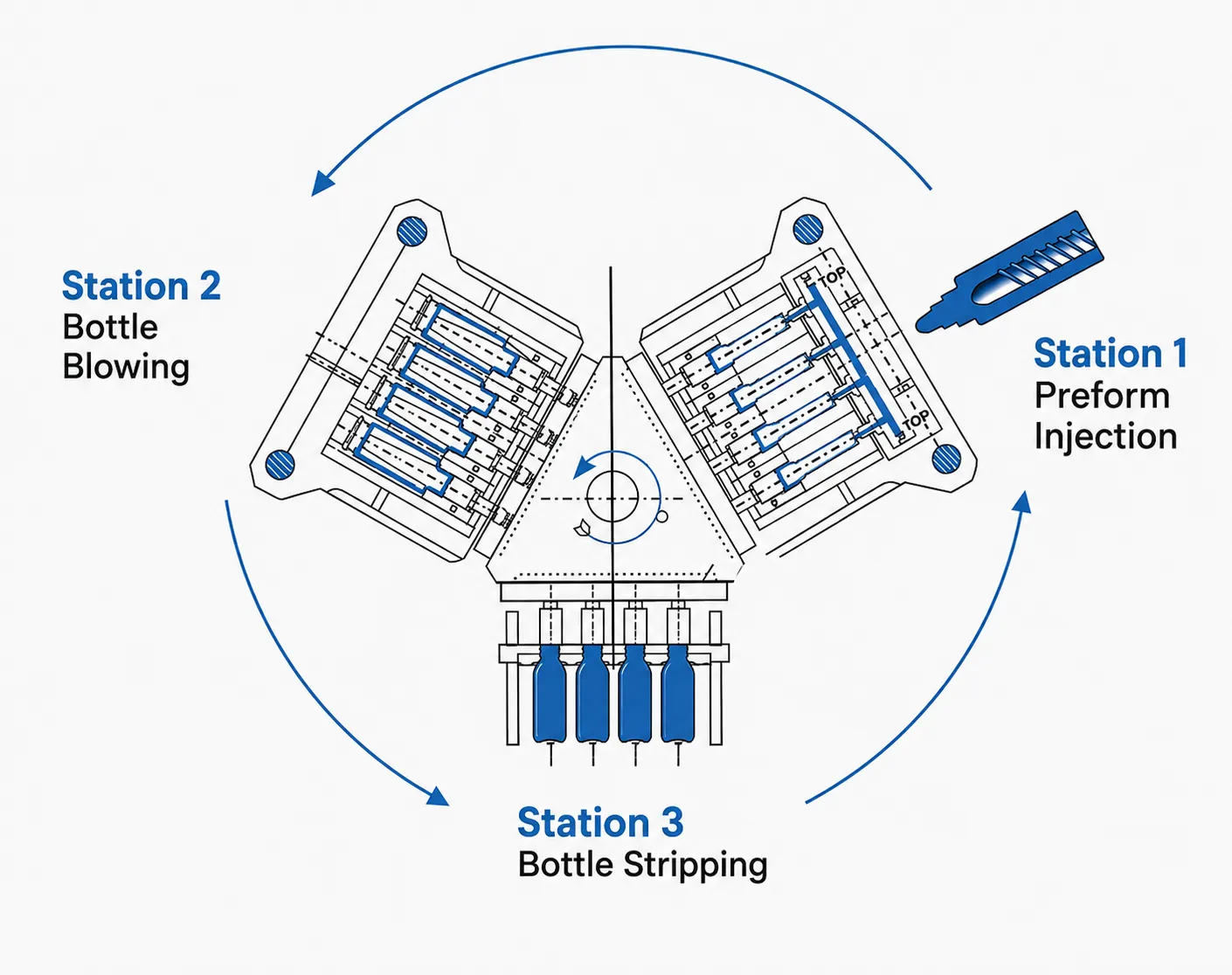
The chemical compatibility study is the single longest activity in Korean KFDA pharmaceutical IBM container qualification — and the only activity that cannot be shortened by better preparation, more resources, or more efficient documentation. It is determined entirely by the accelerated stability study duration specified by Korean KFDA for the pharmaceutical route of administration.
QUALIFICATION CRITICAL PATH · ORAL vs OPHTHALMIC IBM CONTAINER
Oral Liquid / CRC Medicine (12 weeks)
Total: ~16 weeks from first IBM production sample
Ophthalmic (24 weeks — KFDA requirement)
Total: ~28 weeks from first IBM production sample
The compatibility study protocol for Korean KFDA requires: IBM containers filled with the exact commercial pharmaceutical formulation (not surrogate or diluted solution) at the intended fill volume; storage at 40°C ± 2°C / 75% RH ± 5% RH (Korean KFDA accelerated stability condition); sampling at the compatibility endpoint (12 or 24 weeks) for extractables analysis and formulation assay. The extractables analysis from the filled stability sample must confirm that all extractables from the HDPE or PP IBM container are below the Korean KFDA threshold of toxicological concern (TTC) for the relevant pharmaceutical route of administration — oral route TTC: 1.5 μg/day per compound; ophthalmic route TTC: 0.15 μg/day per compound (10× more stringent for ophthalmic).
IBM’s zero-flash production is a direct extractables risk reduction advantage: EBM flash trim operations generate oxidised HDPE debris that, if present in the container at fill, increases the extractable burden in the compatibility study. IBM containers, produced without any trim operation, have a substantially cleaner container interior — demonstrated in Korean pharmaceutical customer extractables data as consistently lower KMnO₄ consumption (organic extractable indicator) versus EBM containers from the same HDPE resin grade at the same wall thickness. The HDPE IBM processing guide covers the barrel temperature and processing conditions that minimise thermal degradation products contributing to KMnO₄ consumption elevation in Korean pharmaceutical HDPE IBM containers.
SECTION 06
Closure Function and Dimensional Qualification
Closure function qualification confirms that IBM containers produced at the commercial production cavity count and production conditions engage their designated Korean pharmaceutical closure system correctly — across the full dimensional tolerance range of both the IBM container neck and the Korean closure component. Korean KFDA requires closure function qualification data as part of the primary container technical file for each pharmaceutical product.
SECTION 07
Korean KFDA Change Notification Process
The Korean KFDA pharmaceutical packaging change notification process — governed by Korean Pharmaceutical Affairs Act Article 32 and the associated Notification of Standards for Pharmaceutical Manufacturing and Quality Management — classifies primary container changes into minor changes (self-declarable) and major changes (requiring KFDA review). The classification determines the timeline that Korean pharmaceutical brands must build into their packaging change project plans.
Self-Declaration · Immediate
- ✓Same HDPE or PP grade, different resin lot (same MI range, same additive package)
- ✓Dimensional change within original tolerance specification (no drawing revision required)
- ✓Colour change within same opaque/translucent category (KFDA positive list colourant)
- ✓Manufacturing site change (same container specification, different Korean IBM producer)
KFDA Review · 3–6 Months
- ✗IBM machine model change (ZQ80 → ZQ110) — new machine serial number in CTF
- ✗Cavity count change (20 → 24 cav) — new dimensional qualification required
- ✗Resin grade change — new KP tests and compatibility study required
- ✗Container type change (e.g. HDPE → PP for autoclave) — full requalification
- ✗Neck finish change (different GPI thread or diameter) — closure system requalification
Dual-machine qualification — the critical planning strategy: Korean pharmaceutical IBM producers who qualify two ZQ models simultaneously (e.g. ZQ80 serial #001 and ZQ110 serial #002) in the initial container technical file add modest additional documentation cost (second machine dimensional report, second machine installation documentation) but completely eliminate the 3–6 month KFDA major change review when the ZQ110 is activated for scale-up production. The total cost saving from avoiding one major change notification review — in production delay costs, regulatory resource costs and opportunity costs for the Korean pharmaceutical brand — consistently exceeds the dual-machine qualification documentation cost by a factor of 10–20×. Korea Ever-Power recommends dual-machine qualification as standard practice for all Korean pharmaceutical IBM projects where scale-up above the initial machine’s annual capacity is anticipated within 5 years of project launch.
SECTION 08
Korea Ever-Power GMP Documentation Support Package
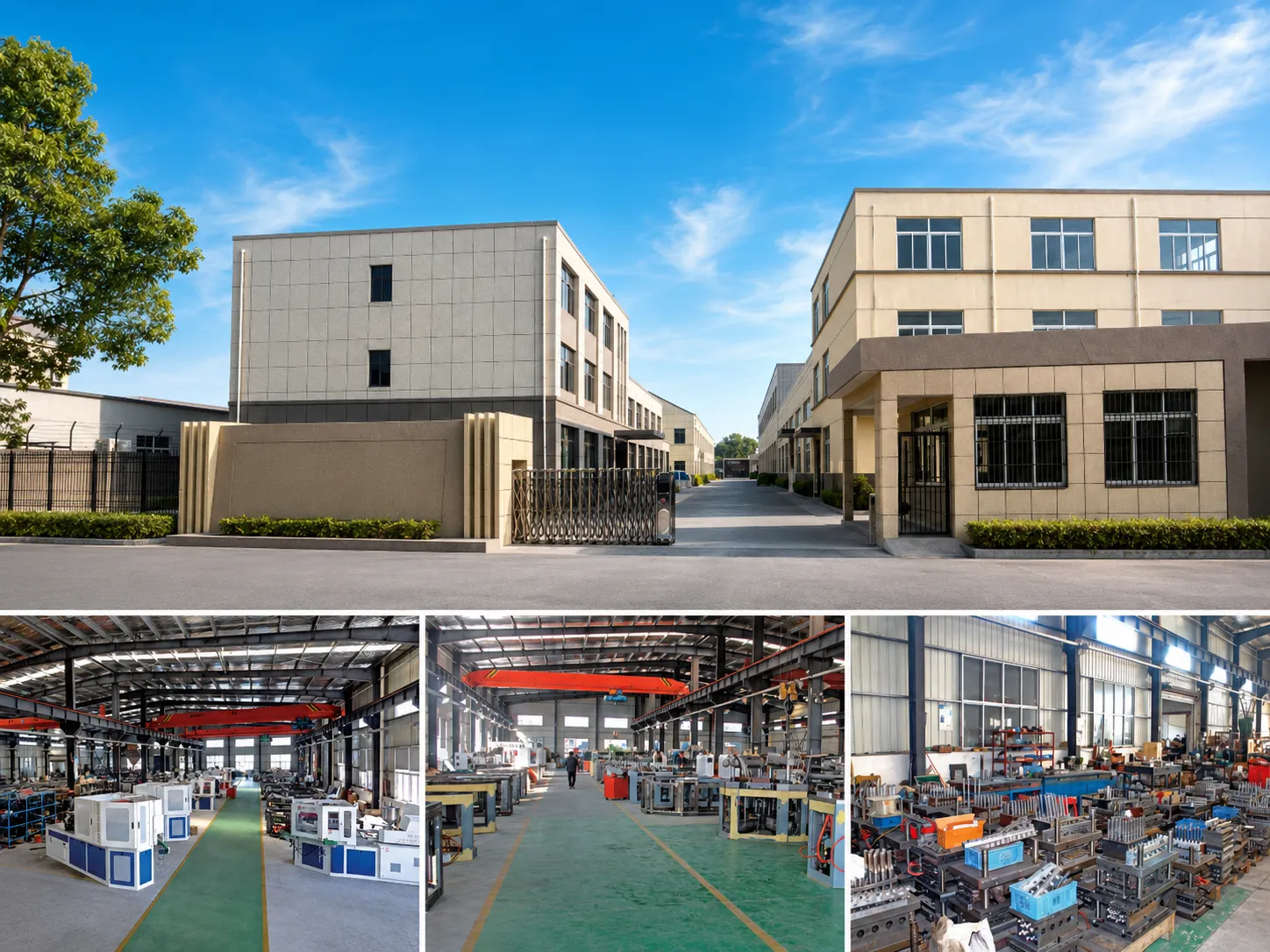
Korea Ever-Power provides a standardised GMP documentation support package with every pharmaceutical IBM machine and mould set delivery. This package is designed to supply the documentation components that Korea Ever-Power can produce at its manufacturing facility — the components that require the Korean pharmaceutical brand’s formulation and Korean closure supplier data are identified separately as customer-provided items in the CTF framework.
| DOCUMENTATION ITEM | PROVIDED BY | DELIVERY TIMING | NOTES |
|---|---|---|---|
| Machine identification certificate (serial no., model, specs) | KEP | At machine delivery | Includes dual-machine certificates if pre-qualified |
| Mould set technical specification (cavity count, material, layout) | KEP | At mould delivery | S136 stainless cavity material certificate included |
| Pre-delivery cavity-by-cavity dimensional report (500 bottles) | KEP | Before shipment | Unique KEP service — reduces Korean customer on-site qualification timeline |
| Container dimensional drawing (all dimensions, tolerances) | KEP | At mould approval | Controlled document number for Korean KFDA CTF version management |
| IBM process parameter record (standard production conditions) | KEP | With pre-delivery trial | Barrel temps, injection pressure, blow pressure, cycle time — serves as Korean GMP master process record baseline |
| Korean Pharmacopoeia plastic container test (KP extractables) | Customer (Korean lab) | Weeks 1–4 | Korean KFDA-accredited laboratory; KEP provides sample IBM containers |
| Chemical compatibility study (filled stability, 12 or 24 weeks) | Customer (Korean pharma brand) | Weeks 0–12 / 0–24 | Critical path — begin immediately on receipt of first IBM production samples |
| Closure function test (CRC / induction seal / dropper cap) | Customer (Korean pharma brand) | Weeks 12–14 | KEP pre-delivery report provides reference dimensional baseline for closure engagement verification |
Korea Ever-Power’s pre-delivery production trial and documentation package reduces the Korean pharmaceutical IBM customer’s on-site qualification timeline from the typical 24–28 weeks (from machine delivery to CTF complete) to approximately 16–20 weeks for oral pharmaceutical containers and 26–28 weeks for ophthalmic containers — the residual timeline being governed entirely by the compatibility study duration, which cannot be shortened regardless of documentation efficiency. Korean pharmaceutical IBM projects that integrate Korea Ever-Power’s GMP documentation package from the project planning stage consistently achieve Korean pharmaceutical brand QA approval within the shortest achievable timeline for each container route of administration. Enquiries regarding the GMP documentation package should be directed to Korea Ever-Power’s pharmaceutical application team, who provide a project timeline plan and CTF checklist at the pre-order consultation stage for all pharmaceutical IBM projects. For material-specific qualification requirements, the pharmaceutical IBM guide covers HDPE and PP container formats in full detail.
REGULATORY FAQ
Korean KFDA GMP — Regulatory Engineering Questions