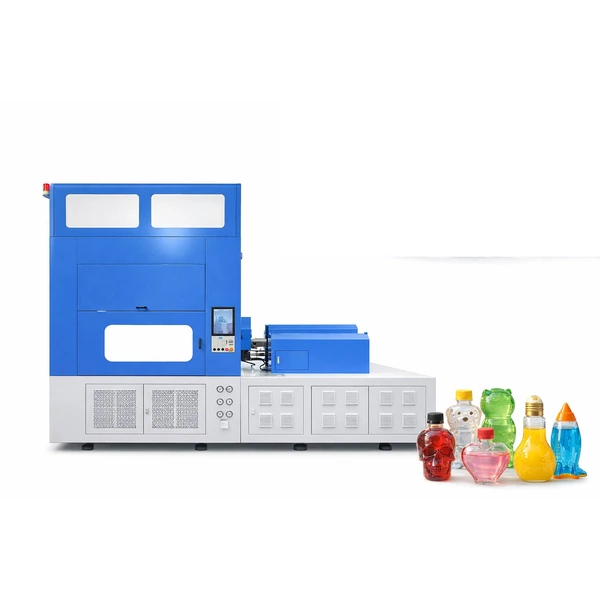
EP-HGYS280-V6 六工位注塑拉伸吹塑成型机

The EP-HGYS280-V6 is a six-station twin-injection ISBM machine engineered for mid-to-high volume PET, PETG and Tritan container runs. With dual injection stations working in parallel, it delivers nearly double the hourly output of a standard 4-station platform while cutting energy use by up to 40%. ASB-compatible tooling, 14-ton rigidity, and a 53.2 KW total draw make it the pragmatic choice for Korean pharmaceutical, cosmetic and beverage factories that need scale without losing precision.

产品概述

EP-HGYS280-V6 6-station injection stretch blow moulding machine represents the scale-up answer for Korean manufacturers who have outgrown their 4-station lines but are not yet ready for the footprint and capital of a rotary wheel system. Built on the proven Ever-Power chassis, this six-station platform integrates two parallel injection units on a single rotating turntable, effectively doubling the throughput of conventional single-injection designs while sharing the same melt-plasticizing, clamping, and auxiliary systems. For a 250 ml pharmaceutical bottle, field data from installed sites in Incheon and Busan shows the EP-HGYS280-V6 reaching 3,600 bottles per hour on an 8-cavity mould, a figure that previously required two separate HGY150-V4 machines to match.

What sets the HGYS280-V6 apart is not simply the station count, but the way each of the six indexed positions has been optimized for its specific job. Injection Station A and Injection Station B run synchronized 180-degree cycles, so while one cavity is being filled the other is cooling, eliminating the idle time that plagues simpler layouts. A dedicated thermal conditioning station then profiles the preform temperature before the stretch-blow station takes over, and a generous take-out station allows for robot extraction without the rushed handling that causes scuffing on high-clarity cosmetic bottles. The result is a twin-injection ISBM machine that behaves less like two smaller machines stapled together and more like a single coherent production cell.

EP-HGYS280-V6 六工位注塑拉伸吹塑成型机
Material flexibility is another reason this six-station ISBM machine has found a home in Korean specialty packaging plants. The 10 KW nano-far-infrared heating ring handles PET and PETG as expected, but the machine is equally comfortable with high-temperature resins such as PP, PC, PPSU, and Tritan, which are increasingly specified for BPA-free baby bottles and glass-replacement cosmetic jars. Because the preform never leaves the machine, there is no reheating cycle, no storage contamination, and no handling-induced haze. Factories that previously shipped preforms from one facility for re-blowing at another can collapse the entire workflow into one enclosed cell, reducing floor space by roughly 35% and eliminating an entire warehouse bay of preform buffer stock.

Ever-Power ships the EP-HGYS280-V6 with full drop-in compatibility for Japanese ASB-style 12M tooling, which matters because many established Korean operators have a decade of mould inventory they would prefer not to scrap. Upgrading to a new one-step injection stretch blow molding platform without rebuilding the mould library is a genuine cost saver, and our engineering team will verify platen layouts and core-rod pitches before shipment. For greenfield buyers, the standard HGYS280-V6 configuration covers bottle diameters up to 120 mm and volumes up to 2500 ml on single-cavity tooling, dropping down to 20 ml vials on 10-cavity layouts.

技术规格和性能数据

The following parameters define the rigorous engineering envelope of the HGYS280-V6 platform. Every component brand below has been selected from tier-one global suppliers to ensure spare-parts availability across East Asia, including dedicated distributors in Seoul, Tokyo, and Ho Chi Minh City. Please review these values against your facility infrastructure, preform weight range, and cavity targets before finalizing your configuration.

Machine Technical Standard

Component / System Specification & Brand
Servo Pump System 2 Sets of Servo Pump Systems
Servo Motor Inovance / WEICHI, 43.2 KW
PLC Controller Inovance / MiRLE (Taiwan)
Turntable Drive Yaskawa (Japan) or WEICHI servo with TSUNTIEN reducer (Taiwan)
High-Pressure Valve 派克(美国)
Air Cylinder 亚铁
Hydraulic Control Valve YUKEN (Taiwan, China)
Oil Tubing Imported Italian material
Twin-Screw Heating Nano-far-infrared energy-saving heating ring, 10 KW
Blow Mould Clamping Hydraulic cylinder, or optional dual-servo motor with high-pressure compensation
Injection Control Single-cylinder dual-injection; melt motor hydraulic or servo-driven
Total Machine Power 53.2 KW

机器参数及性能

范围 Value (HGYS280-V6)
螺纹直径 50 mm standard (40 / 55 / 60 mm optional)
理论注入能力 310 g (188 / 442 / 480 cm³ optional)
Screw Rotational Speed 180 rpm at 50 mm screw
注射夹紧力 150千牛
Blowing Clamping Force (single side) 200千牛
Upper Mould Stroke 250毫米
Lower Mould Stroke 205毫米
体温调节核心冲刺 250毫米
温度调节枪管行程 230毫米
击球 170毫米
吹气核心冲刺 250毫米
Blow Mould Stroke 75 + 75 毫米
油罐容积 300升
Blowing Air Pressure 2.0 – 3.5 MPa
Cooling Water Pressure 0.4 – 0.6 MPa
Voltage 370 – 400 V
Dimensions (L × W × H) 5900 × 2600 × 3200 mm
机器重量 14 T

Production Capacity by Cavity Count

龋齿 Bottle Ø (mm) Height (mm) Neck Ø (mm) 最大容量(毫升) Max Weight (g)
1 120 210 85 2500 130
2 110 210 70 1500 65
4 68 150 50 900 43
5 55 150 38 400 32
6 50 150 32 250 26
7 45 150 25 100 22
9 35 100 17 30 18
10 20 100 12 20 16

How the 6-Station Twin-Injection Process Works

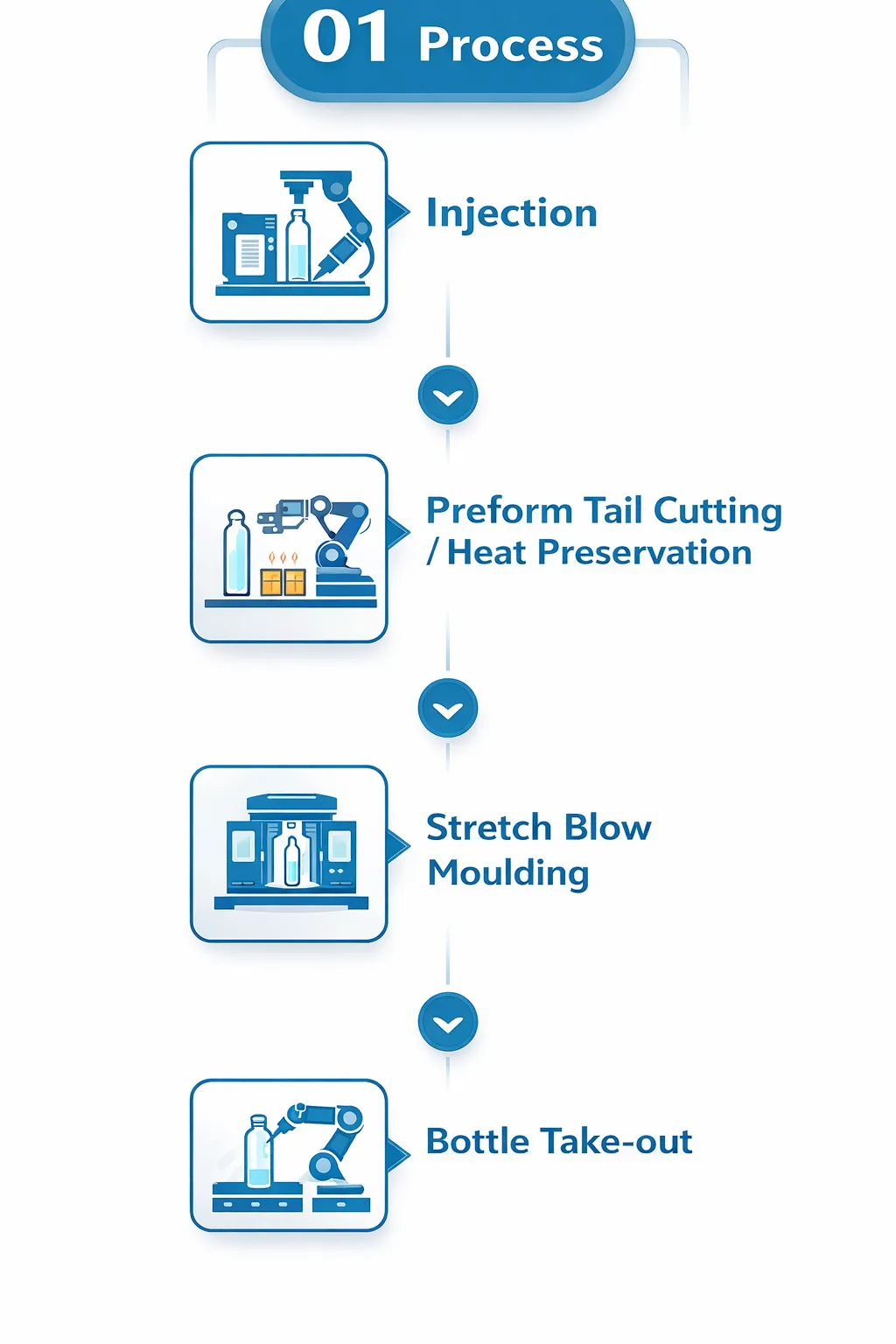
6-station injection stretch blow moulding process flow

Understanding why a 6-station ISBM machine outpaces a 4-station design is less about having more stations and more about how the cycle time breaks down across them. On a traditional 4-station layout, the injection station is the slowest step because plastication and cavity filling simply take longer than blowing or ejection. The HGYS280-V6 solves this bottleneck by splitting the injection work across two mirrored stations, so the turntable never has to wait for a single injection cylinder to catch up. Below is how one full rotation unfolds on the HGYS280-V6 6-station injection stretch blow moulding machine.

Injection Station A

The first plasticizing unit meters a precise melt shot through a hot runner into one half of the preform mould array. Gate pressures are logged in real time by the Inovance PLC, and any deviation above 3% triggers an automatic alarm. The neck finish is fully formed and cooled to a tolerance of roughly 0.01 mm at this stage, which guarantees leak-proof sealing downstream.

Injection Station B

While Station A is filling, the preform that was already injected one rotation earlier on Station B is now completing its residence time. A second plasticizing unit, running on the same servo pump bank, injects a matching shot. Because both stations share auxiliary services but operate on offset timing, the machine effectively finishes one full preform set every half-cycle, which is the origin of the doubled throughput.

Temperature Conditioning & Tail Cutting

The core rod carrying the hot preform rotates onto the conditioning station, where infrared zones gently re-profile the wall temperature for optimum axial stretch. A servo-driven cutter trims the sprue tail in the same indexed position, eliminating a separate offline step. This combined function is what allows the HGYS280-V6 to keep an overall footprint of just 5.9 meters.

Stretch Blow Station

With the preform thermally tuned, the stretch rod drives down at a servo-controlled velocity, and high-pressure air in the 2.0 to 3.5 MPa range inflates the plastic against the chilled mould walls. Biaxial molecular orientation happens in this instant, giving the finished bottle its characteristic clarity and drop resistance. For thick-wall cosmetic jars, our engineers recommend a two-stage pre-blow profile to prevent pearlescence near the heel.

Take-out Station

Finished containers are stripped from the core rod onto a conveyor in upright orientation. Because handling is entirely robotic and the bottle never touches a human hand, surface defects from transfer are essentially non-existent. Optional camera-based vision inspection can be mounted at this exit to tag any out-of-spec parts before they reach the filling line.

Core Advantages at a Glance

The following six strengths are what buyers consistently cite when choosing the EP-HGYS280-V6 over competing 4-station and wheel-style platforms. Each has been validated in production environments across Korea, Vietnam, and Thailand over the past three years.


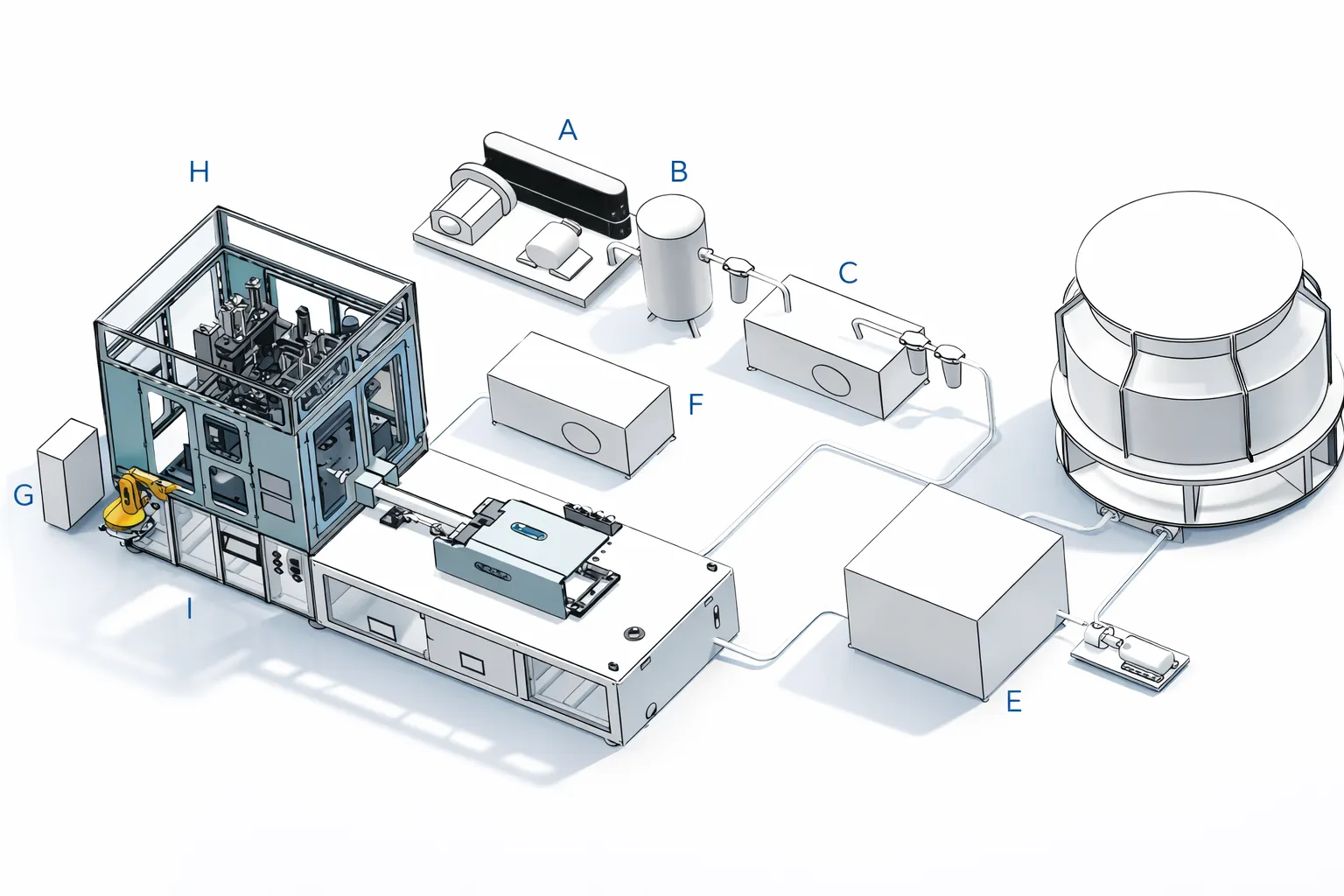
6 station ISBM machine full production line layout

Twin-Station Productivity

Two injection stations running in parallel push the cycle time down by 40 to 50 percent compared with single-injection layouts, letting one HGYS280-V6 replace two smaller one-step injection stretch blow molding units.

40% Energy Saving

By reusing the residual preform heat instead of reheating cooled stock, and by running servo pumps only during active clamping, total power draw averages 32 to 35 KW under steady production against a 53.2 KW peak rating.

Oriented Molecular Strength

Biaxial stretching creates a lattice effect at the polymer chain level, raising top-load strength by roughly 30% and improving oxygen barrier by up to 20% for the same wall thickness, which lets brand owners lightweight bottles by 10 to 15 percent.

Pristine Surface Finish

No preform handling, no storage bin scratches, no reheat-induced haze. This matters most for transparent cosmetic bottles and pharmaceutical vials where any visible defect triggers rejection at the filling line.

ASB-Compatible Tooling

Platen layout and core-rod pitch match the Japanese ASB-12M standard, so legacy moulds drop directly onto the HGYS280-V6 with no adapter plates and no re-machining of locating bushings.

Servo Precision & Repeatability

Inovance and WEICHI servo motors combined with a Yaskawa turntable drive hold indexing repeatability within 0.02 mm over a million cycles, a benchmark we verify on every unit before crating.

Typical Application Scenarios

Over the past five years the EP-HGYS280-V6 has been commissioned on production lines spanning four distinct sectors. Each scenario below reflects actual customer deployments, not theoretical capability.

Pharmaceutical Vials & Eye-Drop Bottles

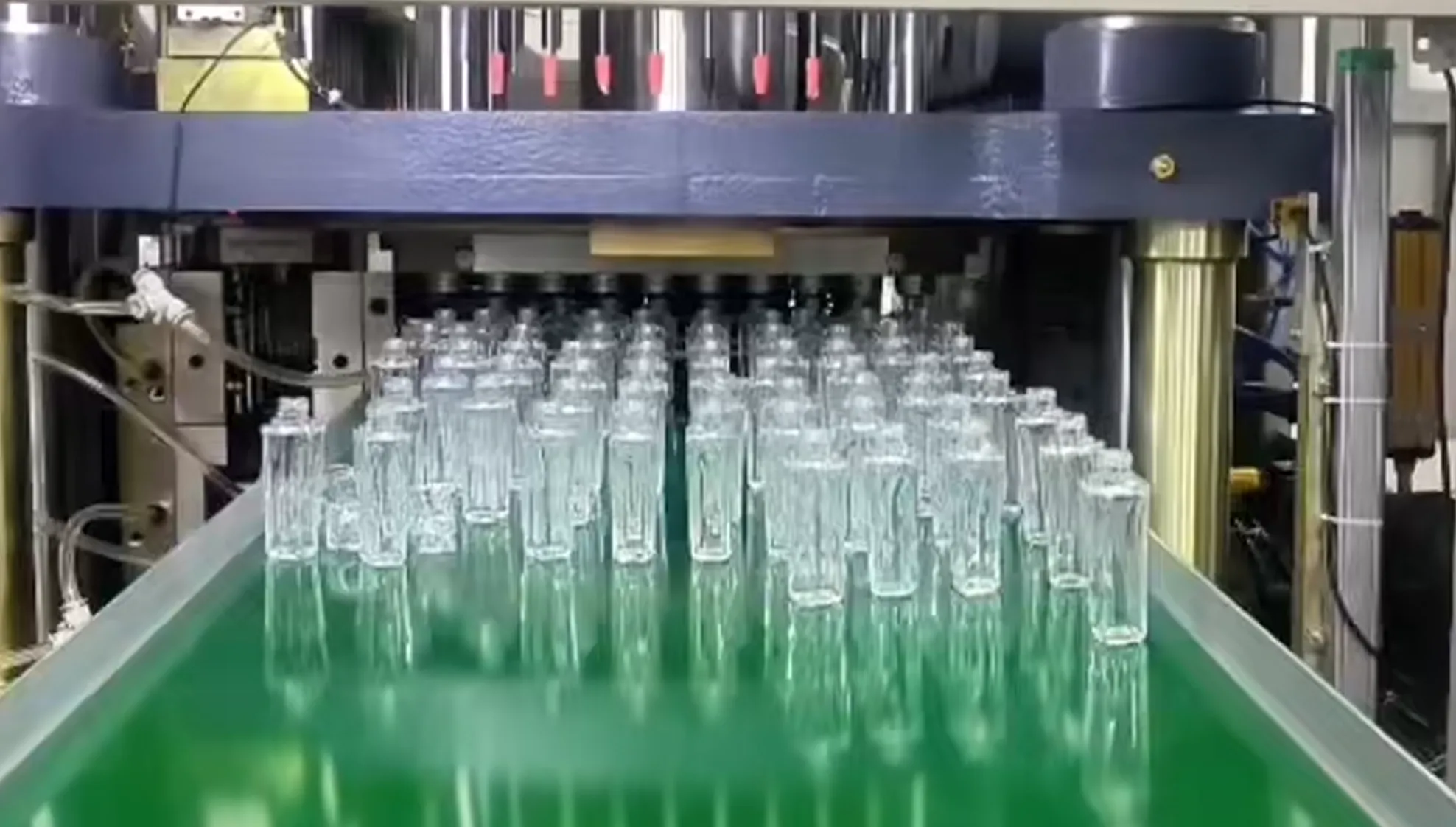
pharmaceutical vial production on 6-station ISBM machine

Korean pharma contract manufacturers routinely run 10 to 15 ml eye-drop bottles and 100 ml oral suspension vials on the HGYS280-V6. The enclosed melt-to-bottle path satisfies GMP cleanroom requirements because no operator touches the preform between injection and blow. On a 9-cavity mould configuration, the machine produces roughly 4,800 vials per hour of 30 ml format, and the neck thread tolerance stays within 0.05 mm across the entire run.

Personal Care & Cosmetic Packaging

cosmetic packaging from 6-station injection stretch blow moulding

K-beauty brands demand glass-clarity finishes on PETG and PCTG serum bottles, and the HGYS280-V6 delivers that consistently because the preform never leaves the enclosed mould environment. Heavy-wall jars up to 4 mm thickness run well on 4 or 6 cavity layouts, and thanks to the conditioning station profile control, oval and flat-sided shapes keep even wall distribution without the thinning that plagues single-step 3-station designs.

Mid-Volume Beverage & Dairy Bottles

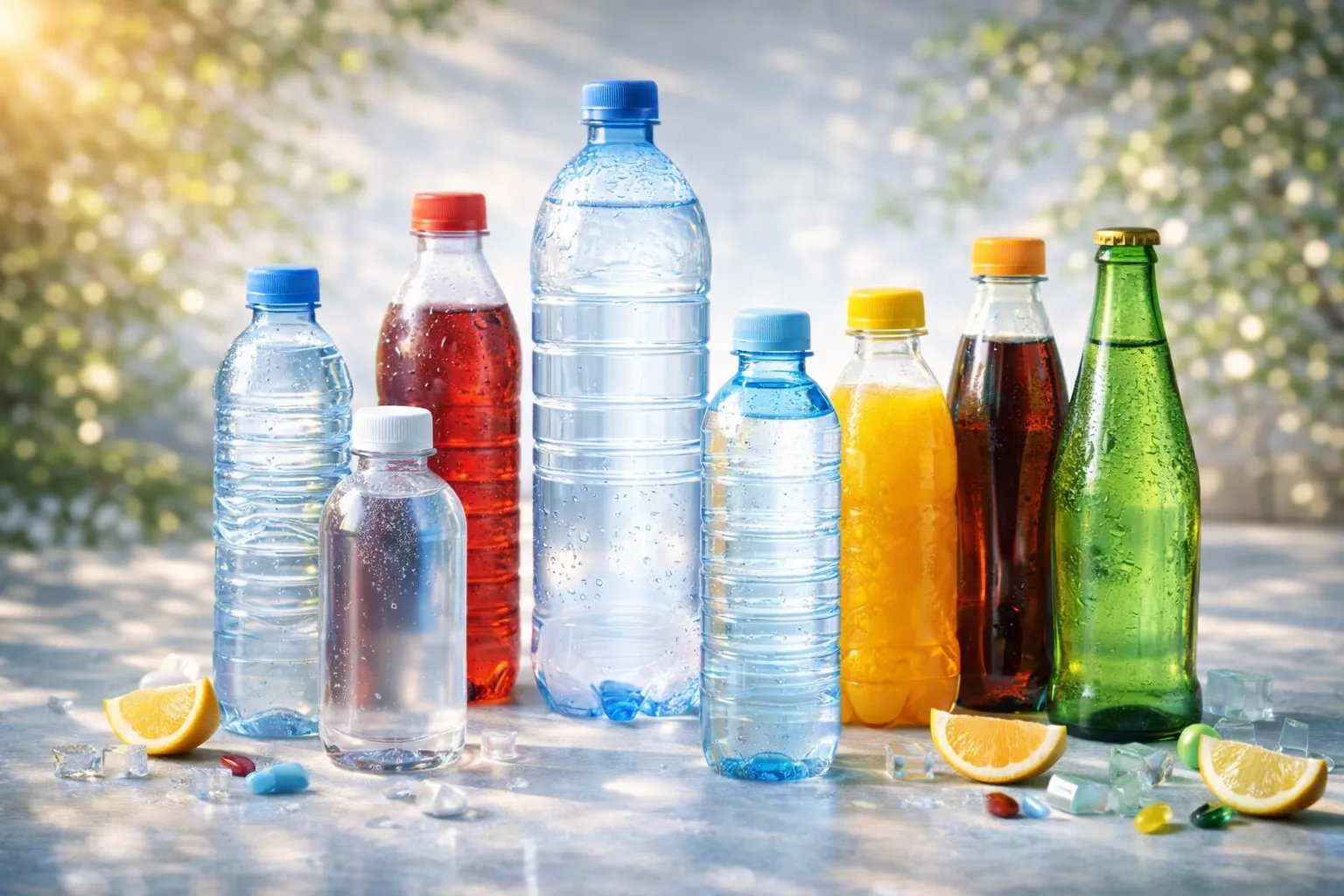
beverage bottle from 6-station ISBM production

For 250 ml fruit-juice and yogurt-drink bottles, a 6-cavity configuration hits roughly 3,200 bottles per hour. This matches the throughput needs of small-to-mid regional beverage bottlers in Gwangju and Ansan who want to keep PET production in-house instead of buying preforms and re-blowing them on a separate machine. The integrated line reduces preform inventory by over 95 percent because nothing is stockpiled.

Specialty Wide-Mouth Food Jars

wide mouth food jar on HGYS280 V6 ISBM machine

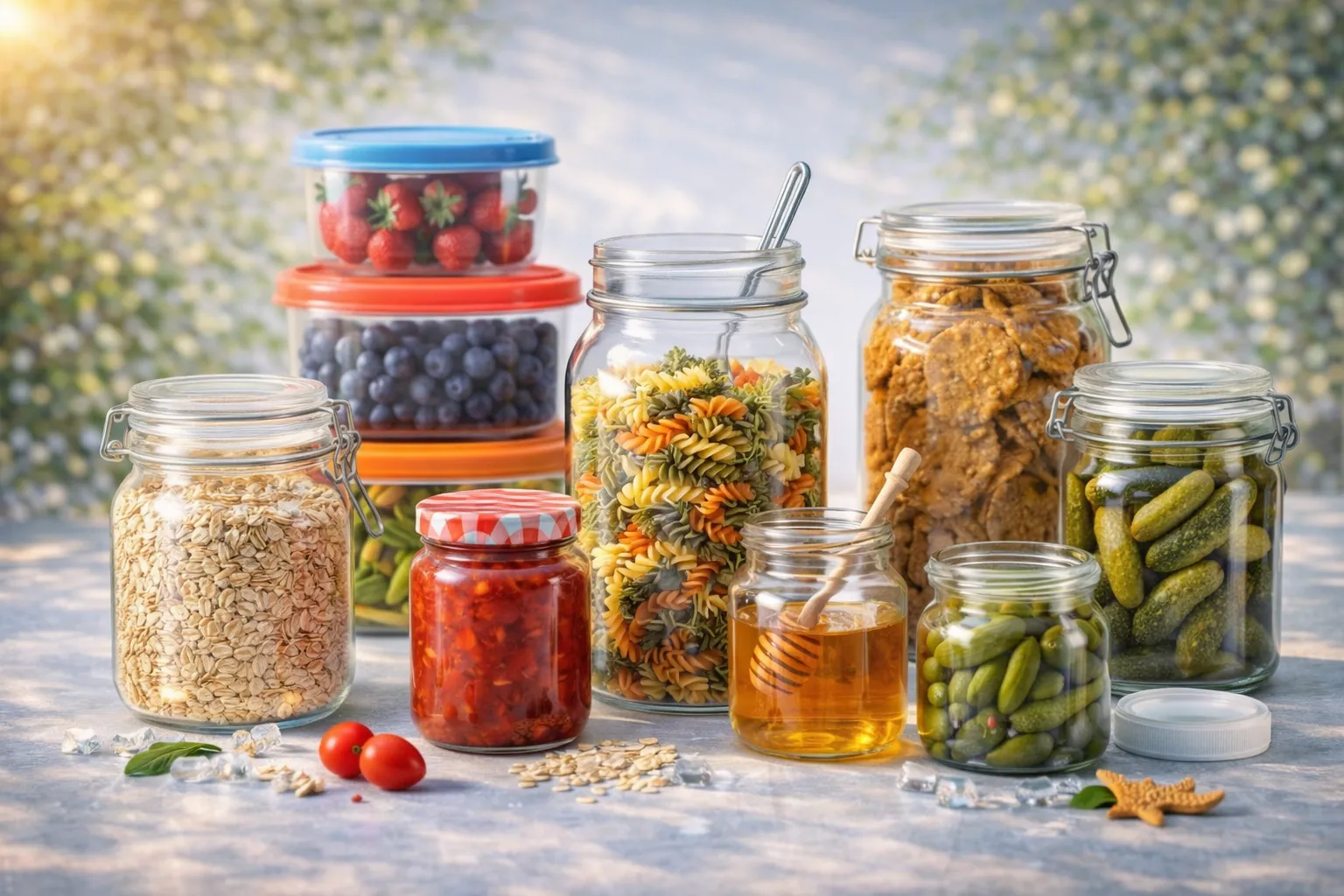
Sauce, honey, and health-food jars with neck diameters up to 70 mm fit within the HGYS280-V6 envelope when running a 2-cavity mould. The 200 KN blow clamping force per side is sufficient to hold the larger projected area against blow pressure, and the twin-injection design keeps cycle time competitive even with the larger shot weights that wide-mouth preforms require.

Material Compatibility & Preform Design Guidance

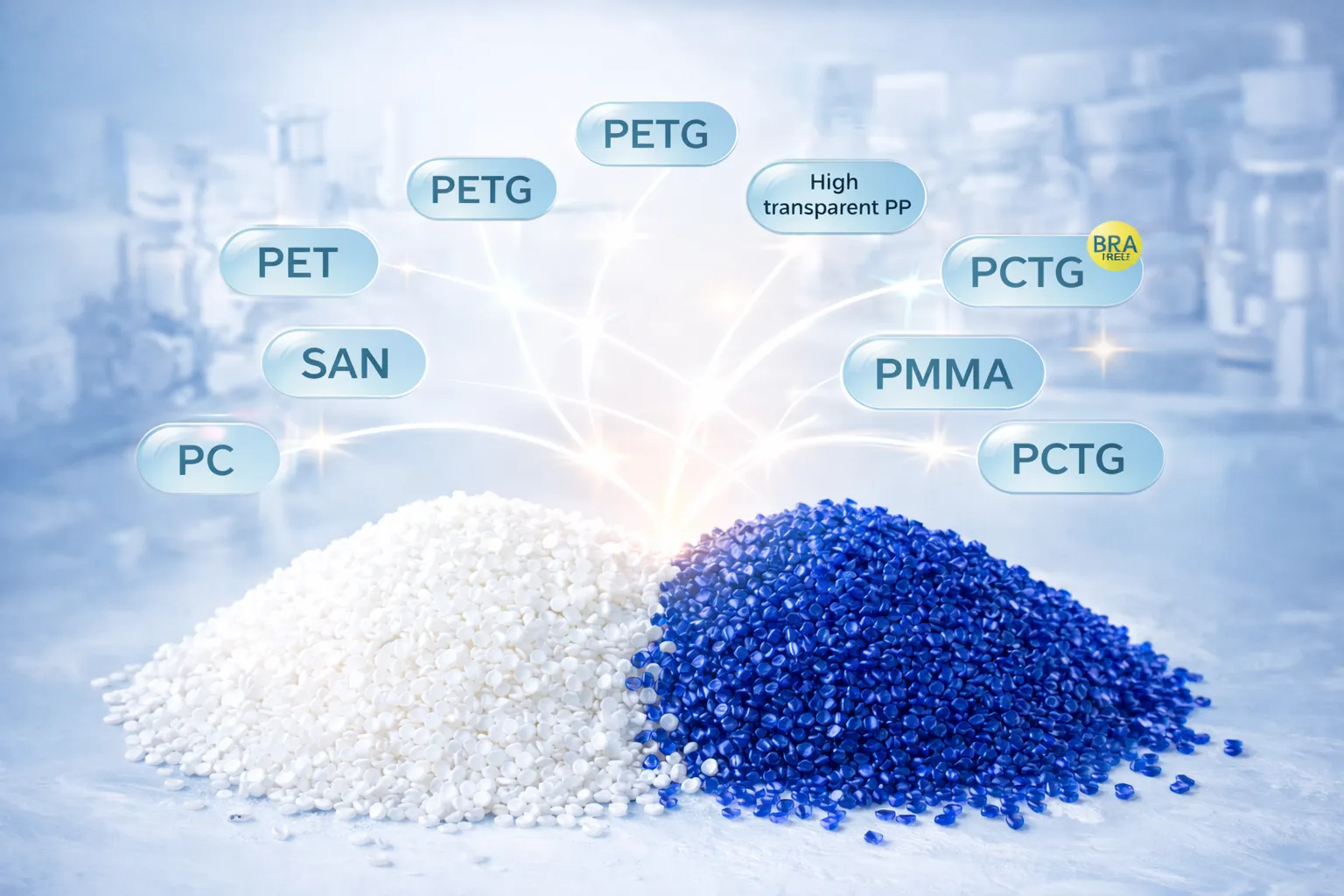
One of the lesser-advertised strengths of the HGYS280-V6 is how broad its resin window is. The nano-far-infrared heating ring accepts temperature setpoints from 230 up to 305 degrees Celsius, which brings a long list of engineering plastics into range. Below are the materials most frequently processed on Korean and Southeast Asian installations.

注塑拉伸吹塑成型-1

  • 宠物 — the default for water, juice, and mid-volume cosmetic bottles. Target melt temperature around 275 to 285 Celsius, axial stretch ratio of 2.5 to 3.0, hoop stretch ratio up to 4.5.
  • PETG — amorphous copolymer preferred for clear cosmetic jars. Runs colder than PET at 225 to 245 Celsius, gives exceptional surface gloss but is more sensitive to over-stretch whitening.
  • PP — chosen for translucent baby bottles and some pharmaceutical flacons. Melt temperature 200 to 230 Celsius, lower blow pressures in the 1.5 to 2.5 MPa band.
  • 个人电脑 and PCTG — used for premium heavy-wall jars and reusable sports bottles. Requires dry preform stock at under 0.02 percent moisture to avoid silver streaking.
  • PPSU and 特里坦 — the BPA-free high-temperature family. Processing temperatures of 310 to 340 Celsius for PPSU, slightly less for Tritan. These resins are the reason pharmaceutical and baby-care buyers look at the HGYS280-V6 in the first place.
  • PS and ABS — supported for specialty craft packaging, usually in small production volumes where 1 or 2 cavity tooling suits the application.
  • PLA — biodegradable option for eco-brands, requires tight moisture control and slower injection profiles, but the HGYS280-V6 servo pump handles the reduced back-pressure well.

Preform design on a 6-station injection stretch blow moulding machine needs to account for the thermal residence time on the conditioning station. If you come to Ever-Power with a finished bottle drawing, our engineering team will run a stretch-ratio simulation and recommend preform wall thickness, neck finish orientation, and gate placement before any steel is cut. This avoids the costly trial-and-error loop that typically eats up the first two weeks of a new project.

HGYS280-V6 vs HGY150-V4 vs HGY250-V4 — Which Fits Your Plant?

Because all three machines share the same injection clamping class and accept similar tooling, Korean customers often ask which platform is the economical choice for their specific volume. The table below summarizes the practical trade-offs. This comparison is meant as a selection aid only and does not imply any criticism of the single-injection 4-station layout, which remains the right choice for smaller batch-size operations.

Criterion HGY150-V4 HGY250-V4 HGYS280-V6
Stations 4 4 6 (dual-injection)
注射夹紧力 150千牛 300千牛 150 KN × 2
理论注入能力 310 g 420 g 310 g × 2
Footprint (L × W) 4.2 × 1.4 m 6.3 × 2.4 m 5.9 × 2.6 m
机器重量 6 T 16 T 14 T
总功率 53.2 KW 82.7千瓦 53.2 KW
Relative Hourly Output (250 ml, 6-cavity) 1,800 bph 2,100 bph 3,200 bph
Best Fit Premium small-run cosmetics, startups Heavy-wall large jars, high-clamp needs Mid-volume pharma, cosmetic, beverage

Buyers who land on the HGYS280-V6 are almost always in the scaling phase. They have proven a product on a smaller HGY150-V4 or on a contracted preform line, and are now committing to in-house mid-volume production. For factories that primarily need higher clamping tonnage rather than higher cycle rates, the HGY250-V4 remains the right choice.

Selection Guide — What to Confirm Before Ordering

A well-scoped order cuts the commissioning time in half. Before our engineering team can quote the EP-HGYS280-V6 accurately, please confirm the following data points. Most of these can be lifted directly from an existing bottle drawing or a sample finished container.

  • Bottle geometry — body diameter, overall height, neck finish standard (e.g. 28-410, 24-415, PCO 1881), and any asymmetric or oval shape constraints.
  • Target finished weight and fill volume, plus any target lightweighting percentage versus the current container.
  • Resin grade and supplier — IV value for PET, melt flow index for PP, moisture specification. If you are switching to rPET, please share the flake source and contamination spec.
  • Preform weight range expected per cavity, which determines whether the 50 mm screw is adequate or whether a 55 / 60 mm option is required.
  • Cavity count target, tied to your yearly production volume. Our engineers run a payback calculation to recommend the most economical cavitation.
  • Voltage and frequency — Korean 380 V / 60 Hz is standard, but we configure for 400 V / 50 Hz and other regional variants on request.
  • Compressed air supply — minimum 3.5 MPa high-pressure at around 3 cubic meters per minute for blowing, separate low-pressure feed for pneumatic controls.
  • Chiller and cooling tower capacity — target chilled water at 12 Celsius, cooling tower water up to 30 Celsius return.
  • Installation footprint — confirm 7 × 4 meters of clear floor space plus overhead crane access of at least 5 meters.
  • Mould drop-in compatibility — if you already own ASB-12M-style tooling, send us the mould base drawings and we will verify platen bolt patterns and ejector pitch.

Why Choose Ever-Power as Your ISBM Partner

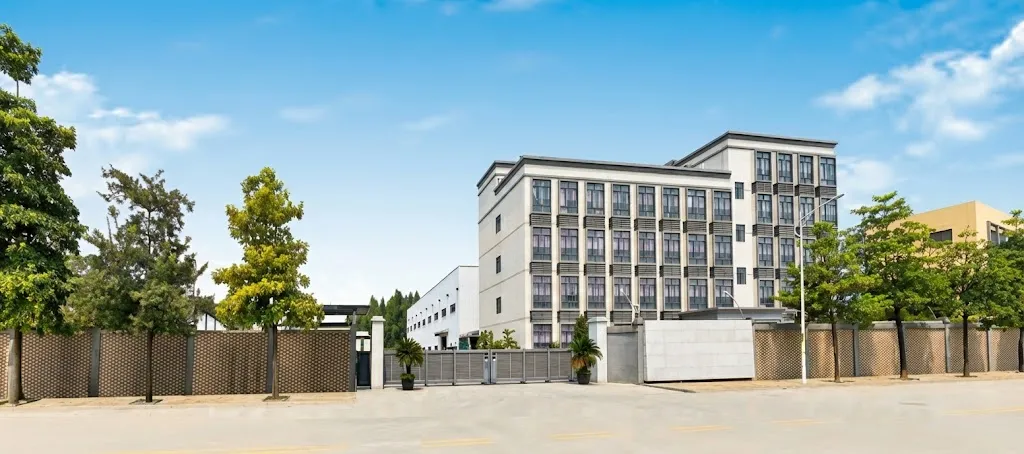
Ever-Power ISBM machine factory

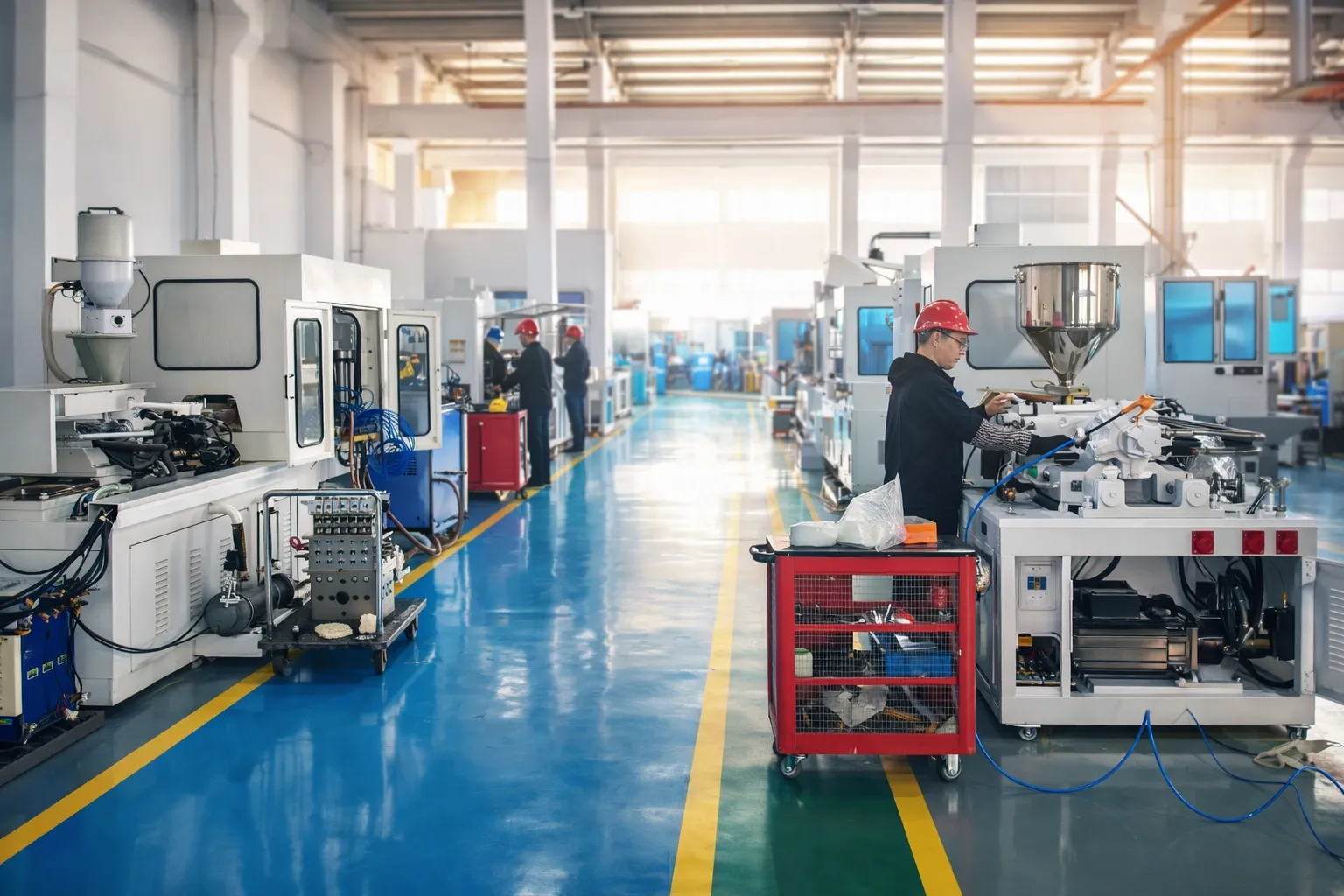
Picking a supplier for capital equipment of this scale is a ten-year decision. Ever-Power has spent the past two decades focusing on one narrow discipline—one-step injection stretch blow moulding—and that focus shows in how we build, commission, and support every machine we ship.

  • Over 20 years of dedicated ISBM R&D with a team of 25+ engineers working exclusively on injection stretch blow moulding machine development, not on a broad plastics-machinery catalog.
  • 30,000 square meter production facility with a complete in-house supply chain from steel machining to servo assembly to final trial-molding verification.
  • Multiple patents on servo-pump synchronization and dual-injection station indexing, granted by the Chinese and Korean patent offices.
  • Tier-one global components sourced from Parker, Yaskawa, YUKEN, and Inovance, ensuring spare-parts availability through local distributors in Seoul, Busan, and Incheon.
  • ASB & AOKI mould drop-in compatibility verified on every platen layout, letting buyers preserve legacy tooling investments worth hundreds of thousands of dollars.
  • On-site Korean commissioning by a bilingual engineer for the full installation week, followed by 24/7 remote diagnostic support through the PLC internet interface.
  • 500+ machines installed globally, with 99.5% customer satisfaction measured through annual post-installation surveys.工厂-2

Quality Certifications & Service Commitment

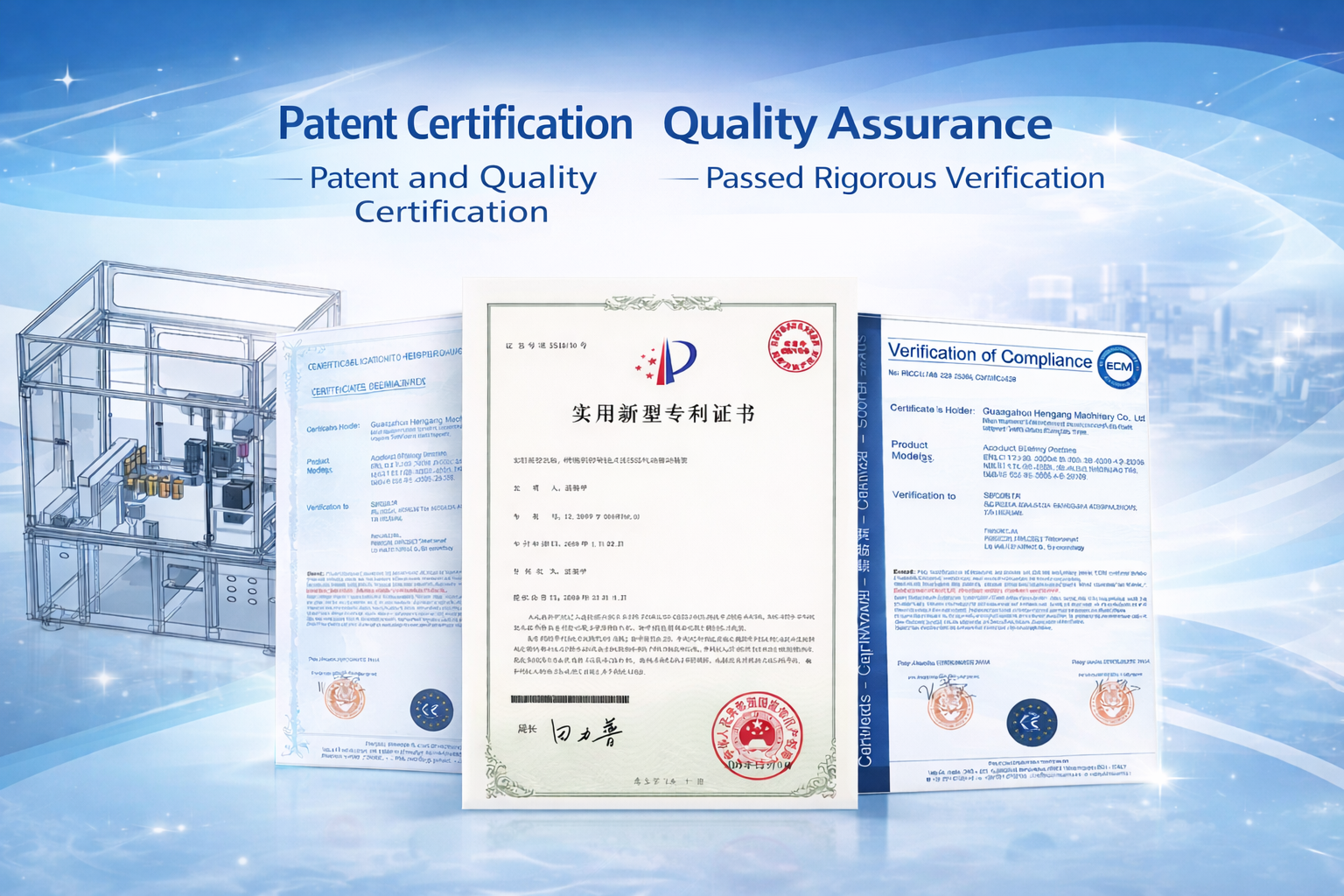
The EP-HGYS280-V6 ships with the complete certification package expected by Korean pharmaceutical and food-contact regulators. ISO 9001:2015 governs our manufacturing quality system, CE marking covers European market access for clients who re-export finished bottles, and our Korean Technology Innovation Award validates the twin-injection design patent. Every machine leaves the factory only after a 48-hour continuous trial run with the customer's actual preform weight and cavity geometry.

认证-1

Warranty coverage runs 12 months from final acceptance, which in our contracts means the day the machine clears Factory Acceptance Test at the customer site, not the bill-of-lading date. Free technical training covers one week onsite, with the customer covering engineer airfare, visa, accommodation, meals, and a 150 USD per-day allowance as per our standard cooperation proposal. For the first 90 days after commissioning, our remote engineering team is on standby 24 hours a day via PLC VPN, and most software-related issues are resolved within two hours of ticket submission.

常见问题解答

Q1: How much faster is the HGYS280-V6 compared to a 4-station HGY150-V4 running the same bottle?

For a typical 250 ml cosmetic bottle on an 8-cavity mould, the HGYS280-V6 produces about 3,200 bottles per hour against roughly 1,800 on the HGY150-V4. The net speed gain averages 70 to 80 percent, which is what you would expect from adding a second parallel injection unit while sharing the blow and ejection stations.


Q2: Can the two injection stations run different bottle types simultaneously?

Not in a standard configuration, because both stations share the same core-rod array on the turntable. For mixed-product runs we recommend sequential campaigns with quick-change tooling carts, which typically swap in under 90 minutes.


Q3: Is the HGYS280-V6 suitable for recycled PET (rPET)?

Yes. We fit bimetallic screws and chrome-plated barrel liners when rPET content exceeds 50 percent, which protects against abrasive contaminants in recycled feedstock. A pre-drying system at 165 Celsius for 4 hours is required to hit the under-0.005 percent moisture target before injection.


Q4: How long does a cavity changeover take between bottle formats?

A full mould changeover including preform cavity, core rod array, conditioning, stretch rod, and blow mould runs about 2.5 hours with a two-person crew. Plants that pre-heat the second mould set on an adjacent cart can cut this to under 90 minutes.


Q5: What kind of local maintenance response can we expect in Korea?

Our Ansan office carries common wear-parts in stock, with same-day ground shipping available to customers within Gyeonggi-do, Incheon, and Seoul. For locations south of Daejeon, overnight delivery via KTX cargo is standard. Remote diagnostics are available within two hours of any ticket, 24 hours a day.


Q6: What is the real-world energy consumption on a continuous shift?

Measured on a Korean cosmetic plant in 2024, average hourly draw was 32 to 35 KW during steady-state production on 6-cavity tooling, which is well under the 53.2 KW nameplate peak. The servo pump idles to near-zero during cooling phases, which is where the bulk of the savings come from.


Q7: Which ASB mould sets will drop directly onto this machine?

All ASB-12M compatible tooling drops in with no modification on the injection station side. Blow moulds with standard 12M platen hole patterns also fit directly. If your existing moulds have custom bolt patterns, send us the drawings and we will supply adapter plates at cost.


Q8: How long is the operator training program?

Five to seven working days onsite, covering daily operation, recipe management through the HMI, routine maintenance, and basic troubleshooting of the servo and hydraulic systems. We include a Korean-language operator manual and a searchable PDF of the full electrical schematic.


Q9: What are the Factory Acceptance Test criteria before shipment?

Every HGYS280-V6 runs a minimum 48-hour continuous production test with the customer's actual preform geometry. Acceptance criteria include dimensional stability within 0.05 mm on neck finish, less than 0.3 percent reject rate over the test window, and sustained cycle time within 5 percent of the contracted value.


Q10: What is the recommended preventive maintenance schedule?

Daily visual inspection of hydraulic levels and cooling water flow, weekly cleaning of the turntable indexing bearing, monthly replacement of the hydraulic oil filter, semi-annual screw and barrel inspection, and a full hydraulic oil change every 3,000 operating hours or 12 months, whichever comes first.

Customer Reviews & Field Feedback

"We moved our 200 ml eye-drop vial line from two old single-injection machines onto one HGYS280-V6 last March. Our floor space shrank by 40 percent, the operator crew dropped from six to three, and output actually went up by around 12 percent. The twin-injection cycle sounded like marketing talk until we watched it run."

Park Ji-hoon, Plant Manager, Daejeon Medical Plastics (Mid 2025)

"The servo repeatability was the selling point for us. We run thick-wall PETG cream jars where any variation shows up as a thin spot at the heel. After eight months of 24/7 production, bottle weight standard deviation stays under 0.3 grams, which our quality team tracks daily. The ASB-12M compatibility meant we kept our existing 6-cavity mould from the old line."

Kim Seo-yeon, Technical Director, Seoul Beauty Packaging (Early 2025)

"I was sceptical that a Chinese-built machine could match the reliability of our old Japanese equipment. Nine months in, the HGYS280-V6 has logged 6,200 production hours with one hydraulic hose replacement and nothing else. The remote PLC access has twice let the Ever-Power team fix a cycle timing issue without flying anyone in."

Nguyen Van Duc, Factory Owner, Saigon Beverage Bottles, Vietnam (Late 2024)

"Commissioning week was smoother than we expected. The Ever-Power engineer walked our team through the full recipe system in Korean, and we were running production bottles by day four. Energy bill dropped about 28 percent compared to the two older single-station machines it replaced."

Lee Min-ho, Production Supervisor, Incheon Pharma Packaging (Early 2025)

"We run 30 ml sample bottles on a 9-cavity mould for a large K-beauty group. The challenge has always been neck thread consistency because automated capping machines reject anything off by even half a millimeter. This is the first six-station injection stretch blow moulding machine we have used where reject rate stays below 0.2 percent across a full shift."

Choi Yu-jin, QC Manager, Ansan Cosmetic Contract Fillers (Mid 2025)

"Delivery took 68 working days from deposit, which was three days faster than the contracted 60 working days plus shipping. Sea freight to Busan went without a hitch. The crating was overbuilt in a good way, nothing inside shifted during transit."

Somchai Wongsawat, Operations Head, Bangkok Pharma Plastics, Thailand (Late 2024)

"We use this HGYS280-V6 for BPA-free Tritan baby bottles, which is a demanding resin. What impressed me is how stable the melt temperature control is during extended runs. Over an 18-hour shift, gate temperature stays within 2 Celsius of setpoint, and that consistency shows up in the final product clarity."

Jung Hye-won, R&D Engineer, Busan Baby Care Products (Early 2025)

Related Products & Matching Components

An 注塑拉伸吹塑成型机 only reaches its rated performance when the auxiliaries around it are sized correctly. Below are the companion systems Ever-Power supplies or specifies for every HGYS280-V6 shipment.

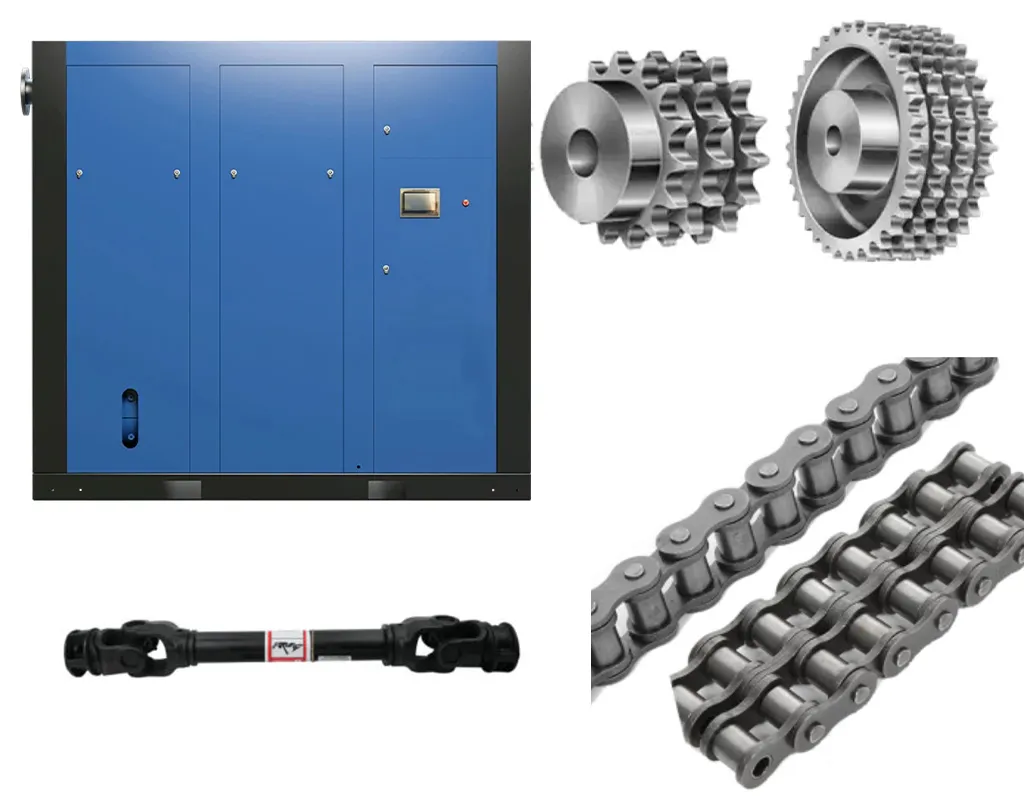
  • Oil-free screw air compressor rated for 3.5 MPa at 3 cubic meters per minute. Clean air is the single largest factor in bottle clarity on transparent cosmetic lines, and we recommend Class 0 oil-free certification for any pharmaceutical or food-contact work.
  • Chiller and cooling tower pair delivering 12 Celsius chilled water for the mould cavity circuit and ambient cooling tower water for the hydraulic oil cooler. A 30-ton chiller is adequate for most 6-cavity installations.
  • Resin dryer and feeder with dew point monitoring, especially critical for PET and PC resins which hydrolyze rapidly if not dried below 0.02 percent moisture.
  • Mould temperature controller for the blow cavity, keeping cavity wall temperature steady at 10 to 18 Celsius depending on resin.
  • Robot takeout conveyor and optional vision inspection station for high-value pharmaceutical and cosmetic runs where zero-defect delivery is expected.
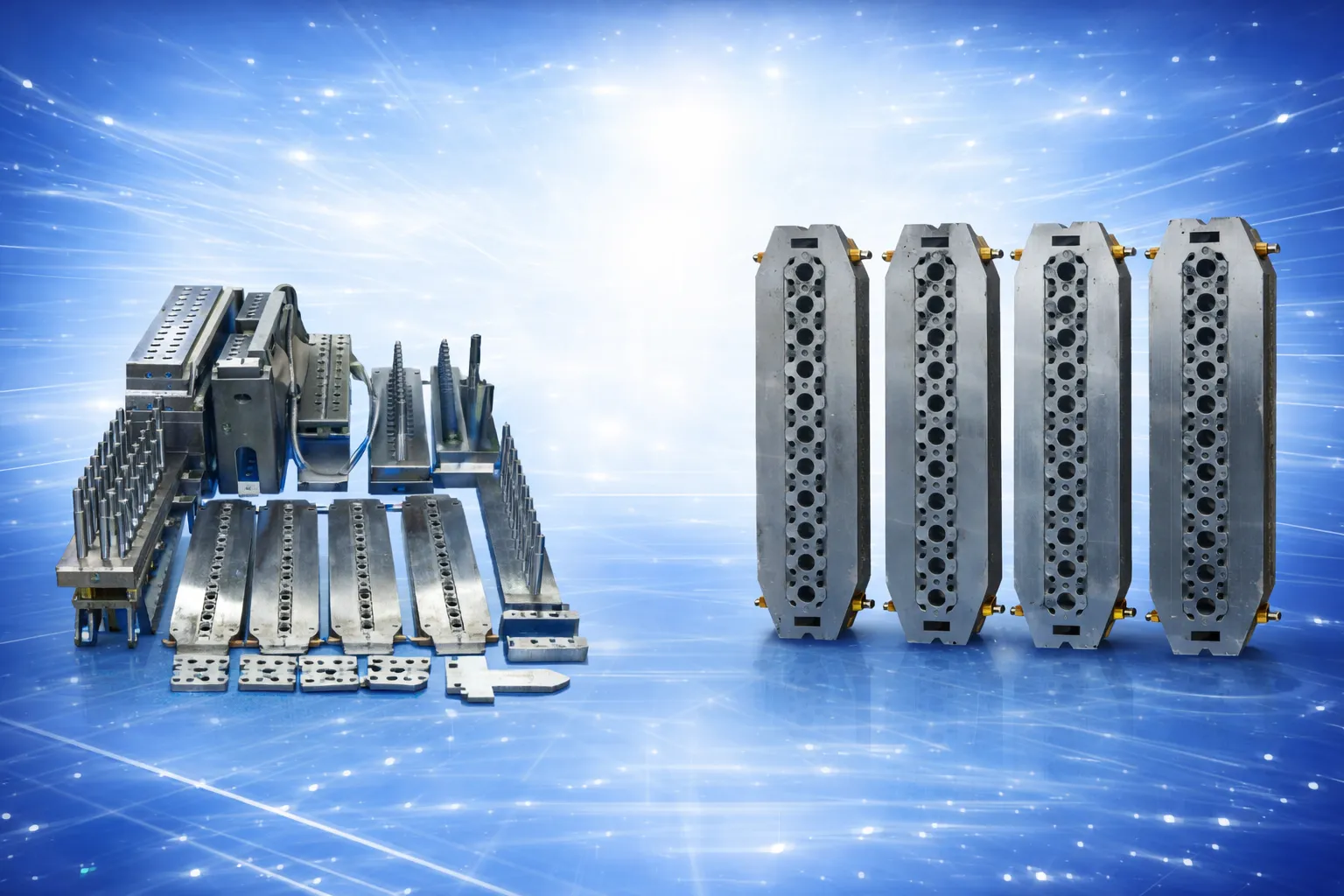
  • Compatible ISBM moulds — our in-house tool shop builds ASB-12M style preform and blow moulds with typical lead time of 35 to 55 working days, and our moulds drop directly onto the HGYS280-V6 platens.

For buyers who are still comparing across the Ever-Power range, the 4-station 4站ISBM机器 category covers single-injection platforms from entry-level to heavy-wall, while the 3 站 ISBM 机器 line suits short-cycle beverage and household chemical applications. Complete catalog details and application galleries are available on the Ever-Power ISBM main site.

One-step Injection Stretch Blowing Mould-5

链轮-链条-动力输出轴


Ready to scale up to six-station production?

Send us your bottle drawing and target volume. We will return a full feasibility report within 48 hours, including cavity recommendation, cycle-time estimate, and a transparent quotation on the EP-HGYS280-V6 6-station injection stretch blow moulding machine.

Contact our engineering team for a tailored proposal.

其他信息

编辑

CXM