
EP-HGYS280-V6 6-stations spuitgiet-rekblaasvormmachine
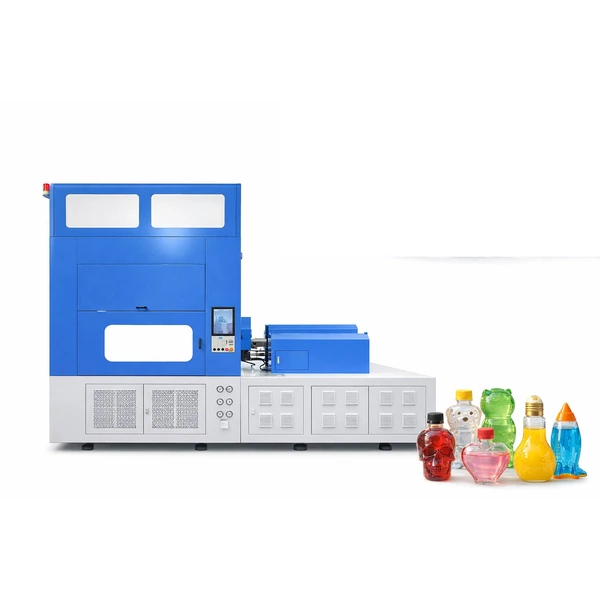
De EP-HGYS280-V6 is een ISBM-machine met zes injectiestations en dubbele injectie, ontworpen voor middelgrote tot grote volumes PET-, PETG- en Tritan-containers. Dankzij de parallel werkende dubbele injectiestations levert de machine bijna het dubbele van de uurproductie van een standaard machine met vier stations, terwijl het energieverbruik tot wel 401 TP3T lager ligt. De ASB-compatibele gereedschappen, een stijfheid van 14 ton en een totaal stroomverbruik van 53,2 kW maken het de ideale keuze voor Koreaanse farmaceutische, cosmetische en drankenfabrieken die schaalvergroting nodig hebben zonder in te leveren op precisie.
Productoverzicht
De EP-HGYS280-V6 6-stations spuitrekblaasvormmachine Dit systeem vertegenwoordigt de schaalvergrotingsoplossing voor Koreaanse fabrikanten die hun 4-stationslijnen zijn ontgroeid, maar nog niet klaar zijn voor de ruimte en het kapitaal van een roterend wielsysteem. Gebouwd op het beproefde Ever-Power chassis, integreert dit zesstationsplatform twee parallelle injectie-eenheden op één roterende draaitafel, waardoor de doorvoer van conventionele enkelvoudige injectiesystemen effectief wordt verdubbeld, terwijl dezelfde smeltplastificeer-, klem- en hulpsystemen worden gedeeld. Voor een farmaceutische fles van 250 ml laten praktijkgegevens van geïnstalleerde locaties in Incheon en Busan zien dat de EP-HGYS280-V6 3.600 flessen per uur bereikt met een matrijs met 8 caviteiten, een aantal waarvoor voorheen twee aparte HGY150-V4 machines nodig waren.
Wat maakt het mogelijk HGYS280-V6 Wat dit systeem onderscheidt, is niet alleen het aantal stations, maar ook de manier waarop elk van de zes geïndexeerde posities is geoptimaliseerd voor zijn specifieke taak. Injectiestation A en injectiestation B draaien gesynchroniseerde cycli van 180 graden, waardoor de ene matrijs wordt gevuld terwijl de andere afkoelt. Dit elimineert de stilstandtijd die bij eenvoudigere lay-outs vaak voorkomt. Een speciaal thermisch conditioneringsstation brengt vervolgens de temperatuur van de voorvorm in kaart voordat het rekblaasstation het overneemt. Een ruim afvoerstation maakt robotgestuurde extractie mogelijk zonder de gehaaste handelingen die krassen op transparante cosmeticaflessen veroorzaken. Het resultaat is een dubbele injectie ISBM-machine dat zich minder gedraagt als twee kleinere machines die aan elkaar zijn vastgemaakt en meer als één samenhangende productiecel.
Materiaalflexibiliteit is een andere reden waarom deze ISBM-machine met zes stations zijn weg heeft gevonden naar Koreaanse fabrieken voor speciale verpakkingen. De 10 kW nano-ver-infrarood verwarmingsring verwerkt PET en PETG zoals verwacht, maar de machine kan ook probleemloos overweg met hittebestendige harsen zoals PP, PC, PPSU en Tritan, die steeds vaker worden gebruikt voor BPA-vrije babyflessen en cosmetische potjes die glas vervangen. Omdat de preform de machine nooit verlaat, is er geen herverwarmingscyclus, geen besmetting tijdens opslag en geen door handling veroorzaakte waas. Fabrieken die voorheen preforms vanuit de ene fabriek naar een andere fabriek verstuurden voor herblazen, kunnen de gehele workflow nu samenvoegen in één gesloten cel, waardoor de benodigde vloeroppervlakte met ongeveer 351 ton wordt verminderd en een complete opslagruimte voor preformbuffer overbodig wordt.
Ever-Power levert de EP-HGYS280-V6 met volledige compatibiliteit voor Japanse ASB-stijl 12M-matrijzen. Dit is belangrijk omdat veel gevestigde Koreaanse fabrikanten een voorraad matrijzen hebben die ze liever niet willen weggooien, wat een verbetering is. éénstaps spuitgieten rekblaasvormen Het gebruik van een platform zonder de matrijsbibliotheek opnieuw op te bouwen, is een echte kostenbesparing. Ons engineeringteam controleert de lay-outs van de drukplaten en de afstand tussen de kernstaven vóór verzending. Voor nieuwe klanten dekt de standaard HGYS280-V6-configuratie flesdiameters tot 120 mm en volumes tot 2500 ml met matrijzen met één holte, en zelfs flacons van 20 ml met matrijzen met tien holtes.
Technische specificaties en prestatiegegevens
De volgende parameters definiëren de strikte technische kaders van de HGYS280-V6 platform. Elk componentmerk hieronder is geselecteerd uit eersteklas wereldwijde leveranciers om de beschikbaarheid van reserveonderdelen in heel Oost-Azië te garanderen, inclusief toegewijde distributeurs in Seoul, Tokio en Ho Chi Minh-stad. Controleer deze waarden in relatie tot uw faciliteitsinfrastructuur, het gewichtsbereik van de voorvormen en de beoogde afmetingen van de matrijs voordat u uw configuratie definitief vastlegt.
Technische machinenorm
| Onderdeel / Systeem | Specificaties en merk |
|---|---|
| Servopompsysteem | 2 sets servopompsystemen |
| Servomotor | Inovance / WEICHI, 43,2 kW |
| PLC-controller | Inovance / MiRLE (Taiwan) |
| Draaischijfaandrijving | Yaskawa (Japan) of WEICHI servo met TSUNTIEN reductiekast (Taiwan) |
| Hogedrukventiel | Parker (VS) |
| Luchtcilinder | Airtak |
| Hydraulische regelklep | YUKEN (Taiwan, China) |
| Olieleidingen | Geïmporteerd Italiaans materiaal |
| Dubbele schroefverwarming | Energiebesparende verwarmingsring met nano-verre-infraroodtechnologie, 10 kW |
| Blaasvormklem | Hydraulische cilinder, of optionele dubbele servomotor met hogedrukcompensatie |
| Injectiecontrole | Eencilinder dubbele injectie; smeltmotor hydraulisch of servogestuurd |
| Totaal machinevermogen | 53,2 kW |
Machineparameters en -mogelijkheden
| Parameter | Waarde (HGYS280-V6) |
|---|---|
| Schroefdiameter | 50 mm standaard (40 / 55 / 60 mm optioneel) |
| Theoretische injectiecapaciteit | 310 g (188 / 442 / 480 cm³ optioneel) |
| Schroefrotatiesnelheid | 180 tpm bij een schroef van 50 mm |
| Injectieklemkracht | 150 KN |
| Blaasklemkracht (enkelzijdig) | 200 KN |
| Bovenste vormslag | 250 mm |
| Onderste vormslag | 205 mm |
| Temperatuurregulatie van de kernslag | 250 mm |
| Temperatuurregeling van de slag van de cilinder | 230 mm |
| Uithaalslag | 170 mm |
| Slagkernslag | 250 mm |
| Blaasvormslag | 75 + 75 mm |
| Olietankvolume | 300 liter |
| Blaasluchtdruk | 2,0 – 3,5 MPa |
| Koelwaterdruk | 0,4 – 0,6 MPa |
| Spanning | 370 – 400 V |
| Afmetingen (L × B × H) | 5900 × 2600 × 3200 mm |
| Machinegewicht | 14 T |
Productiecapaciteit op basis van het aantal holtes
| Cariës | Flesdiameter (mm) | Hoogte (mm) | Halsdiameter (mm) | Maximale inhoud (ml) | Maximaal gewicht (g) |
|---|---|---|---|---|---|
| 1 | 120 | 210 | 85 | 2500 | 130 |
| 2 | 110 | 210 | 70 | 1500 | 65 |
| 4 | 68 | 150 | 50 | 900 | 43 |
| 5 | 55 | 150 | 38 | 400 | 32 |
| 6 | 50 | 150 | 32 | 250 | 26 |
| 7 | 45 | 150 | 25 | 100 | 22 |
| 9 | 35 | 100 | 17 | 30 | 18 |
| 10 | 20 | 100 | 12 | 20 | 16 |
Hoe het 6-Station Twin-Injection-proces werkt
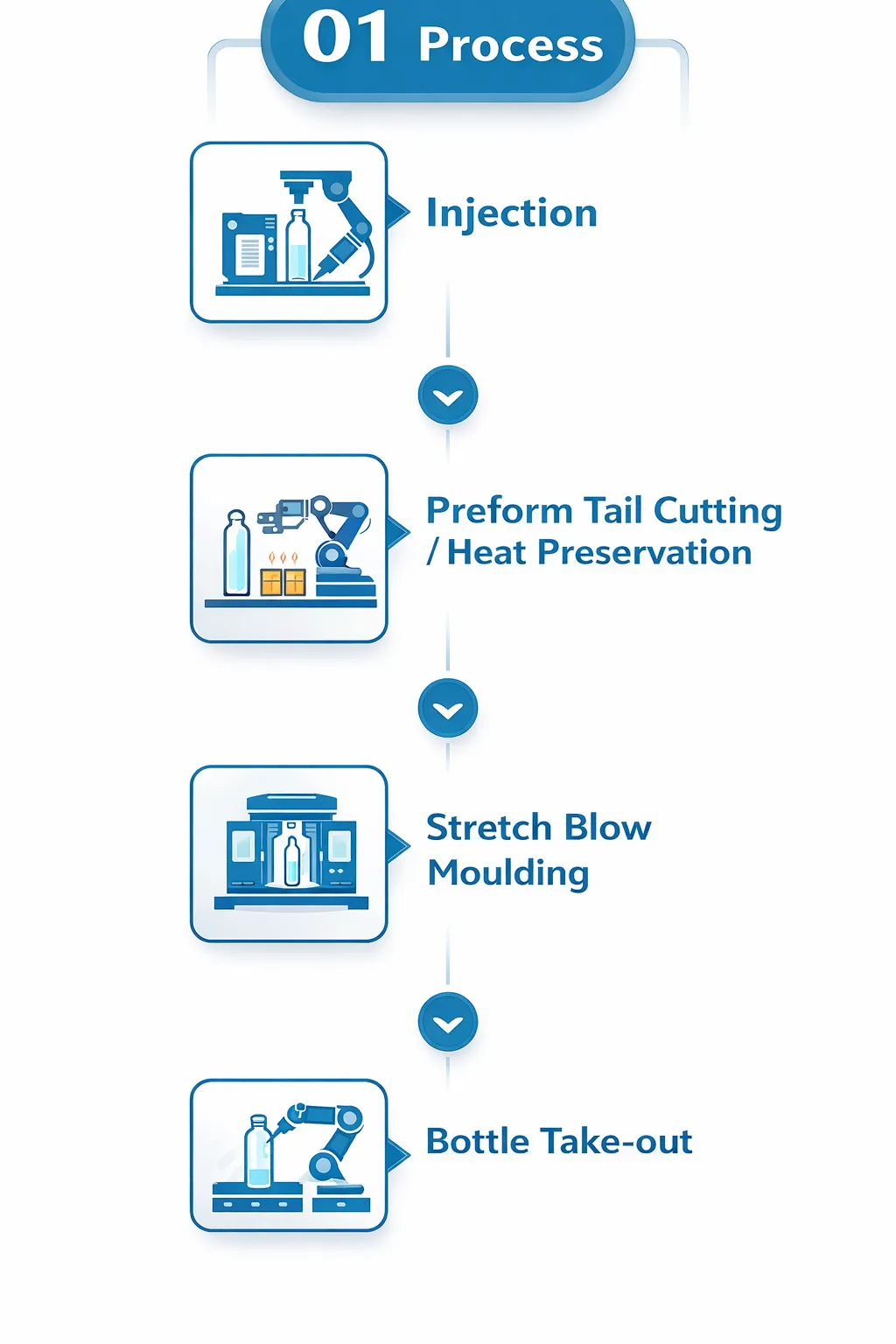
Begrijpen waarom een 6-stations ISBM-machine Het feit dat een HGYS280-V6 een 4-stationsontwerp overtreft, draait minder om het hebben van meer stations en meer om hoe de cyclustijd over deze stations is verdeeld. Bij een traditionele 4-stationsopstelling is het injectiestation de langzaamste stap, omdat het plastificeren en vullen van de matrijs simpelweg langer duurt dan het blazen of uitwerpen. De HGYS280-V6 lost dit knelpunt op door het injectiewerk te verdelen over twee gespiegelde stations, waardoor de draaitafel nooit hoeft te wachten tot een injectiecilinder is bijgehaald. Hieronder ziet u hoe één volledige rotatie verloopt op de draaitafel. HGYS280-V6 6-stations spuitrekblaasvormmachine.
Injectiestation A
De eerste plastificeereenheid doseert een nauwkeurige hoeveelheid gesmolten plastic via een hete kanaal in de ene helft van de matrijs voor de voorvorm. De poortdrukken worden in realtime geregistreerd door de Inovance PLC en elke afwijking boven 3% activeert een automatisch alarm. De halsafwerking is in dit stadium volledig gevormd en afgekoeld tot een tolerantie van ongeveer 0,01 mm, wat een lekvrije afdichting verderop in het proces garandeert.
Injectiestation B
Terwijl station A wordt gevuld, voltooit de voorvorm die een rotatie eerder al in station B is geïnjecteerd, nu zijn verblijftijd. Een tweede plastificeereenheid, die op dezelfde servopompen werkt, injecteert een overeenkomstige hoeveelheid. Omdat beide stations gebruikmaken van hulpdiensten maar met een verschoven timing werken, verwerkt de machine in feite één volledige set voorvormen per halve cyclus, wat de oorzaak is van de verdubbelde doorvoer.
Temperatuurregeling en staartafsnijding
De kernstaaf met de hete voorvorm draait naar het conditioneringsstation, waar infraroodzones de wandtemperatuur geleidelijk aanpassen voor optimale axiale rek. Een servogestuurde snijder snijdt de aanloopdraad in dezelfde positie af, waardoor een aparte offline stap overbodig is. Deze gecombineerde functie zorgt ervoor dat de HGYS280-V6 een totale afmeting van slechts 5,9 meter behoudt.
Rek-blaasstation
Nadat de voorvorm thermisch is afgesteld, wordt de strekstang met een servogestuurde snelheid naar beneden gedrukt, waardoor hogedruklucht (2,0 tot 3,5 MPa) het plastic tegen de gekoelde matrijswanden opblaast. Op dat moment vindt biaxiale moleculaire oriëntatie plaats, wat de afgewerkte fles zijn karakteristieke helderheid en valbestendigheid geeft. Voor dikwandige cosmetische potjes adviseren onze ingenieurs een tweetraps voorblaasproces om parelmoerglans bij de hiel te voorkomen.
Afhaalstation
De afgewerkte flessen worden van de kernstaaf gehaald en rechtopstaand op een transportband geplaatst. Omdat de verwerking volledig robotgestuurd is en de fles nooit een menselijke hand aanraakt, zijn oppervlaktedefecten door transport vrijwel afwezig. Optioneel kan er een camera-inspectiesysteem bij deze uitgang worden gemonteerd om eventuele afwijkende onderdelen te markeren voordat ze de vullijn bereiken.
Belangrijkste voordelen in één oogopslag
De volgende zes sterke punten worden door kopers consequent genoemd bij de keuze voor de EP-HGYS280-V6 boven concurrerende platforms met vier werkstations en platforms op wielen. Elk van deze punten is de afgelopen drie jaar in productieomgevingen in Korea, Vietnam en Thailand gevalideerd.
Productiviteit van dubbele stations
Twee parallel werkende injectiestations verkorten de cyclustijd met 40 tot 50 procent in vergelijking met systemen met één injectiestation, waardoor één HGYS280-V6 twee kleinere systemen kan vervangen. éénstaps spuitgieten rekblaasvormen eenheden.
40% Energiebesparing
Door de resterende warmte van de voorvorm te hergebruiken in plaats van het afgekoelde materiaal opnieuw te verwarmen, en door servopompen alleen tijdens het actief klemmen te laten draaien, bedraagt het totale stroomverbruik gemiddeld 32 tot 35 kW bij een constante productie, tegenover een piekvermogen van 53,2 kW.
Georiënteerde moleculaire sterkte
Door biaxiale rek ontstaat een roosterstructuur op het niveau van de polymeerketen, waardoor de draagkracht met ongeveer 30% toeneemt en de zuurstofbarrière met maximaal 20% verbetert bij dezelfde wanddikte. Dit stelt merkeigenaren in staat om flessen 10 tot 15 procent lichter te maken.
Onberispelijke oppervlakteafwerking
Geen voorvormhandelingen, geen krassen in de opslagbakken, geen troebelheid door herverhitting. Dit is vooral belangrijk voor transparante cosmetische flessen en farmaceutische ampullen, waar elk zichtbaar defect leidt tot afkeuring aan de vullijn.
ASB-compatibel gereedschap
De lay-out van de platen en de steek van de kernstaven komen overeen met de Japanse ASB-12M-standaard, waardoor bestaande mallen direct op de HGYS280-V6 passen zonder adapterplaten en zonder dat de positioneringsbussen opnieuw bewerkt hoeven te worden.
Servo-nauwkeurigheid en herhaalbaarheid
De servomotoren van Inovance en WEICHI, in combinatie met een draaitafelaandrijving van Yaskawa, garanderen een indexeringsnauwkeurigheid van binnen 0,02 mm over een miljoen cycli. Dit is een maatstaf die we voor het verpakken van elk exemplaar controleren.
Typische toepassingsscenario's
De EP-HGYS280-V6 is de afgelopen vijf jaar in gebruik genomen op productielijnen in vier verschillende sectoren. Elk van de onderstaande scenario's weerspiegelt daadwerkelijke implementaties bij klanten, niet de theoretische mogelijkheden.
Farmaceutische flacons en oogdruppelflesjes

Koreaanse farmaceutische contractfabrikanten produceren routinematig oogdruppelflesjes van 10 tot 15 ml en flacons van 100 ml voor orale suspensie op de HGYS280-V6. Het gesloten smelt-naar-fles-proces voldoet aan de GMP-eisen voor cleanrooms, omdat geen operator de voorvorm aanraakt tussen injectie en blaasvorming. Met een matrijsconfiguratie met 9 holtes produceert de machine ongeveer 4.800 flacons van 30 ml per uur, en de tolerantie van de halsdraad blijft binnen 0,05 mm gedurende de gehele productierun.
Verpakkingen voor persoonlijke verzorging en cosmetica
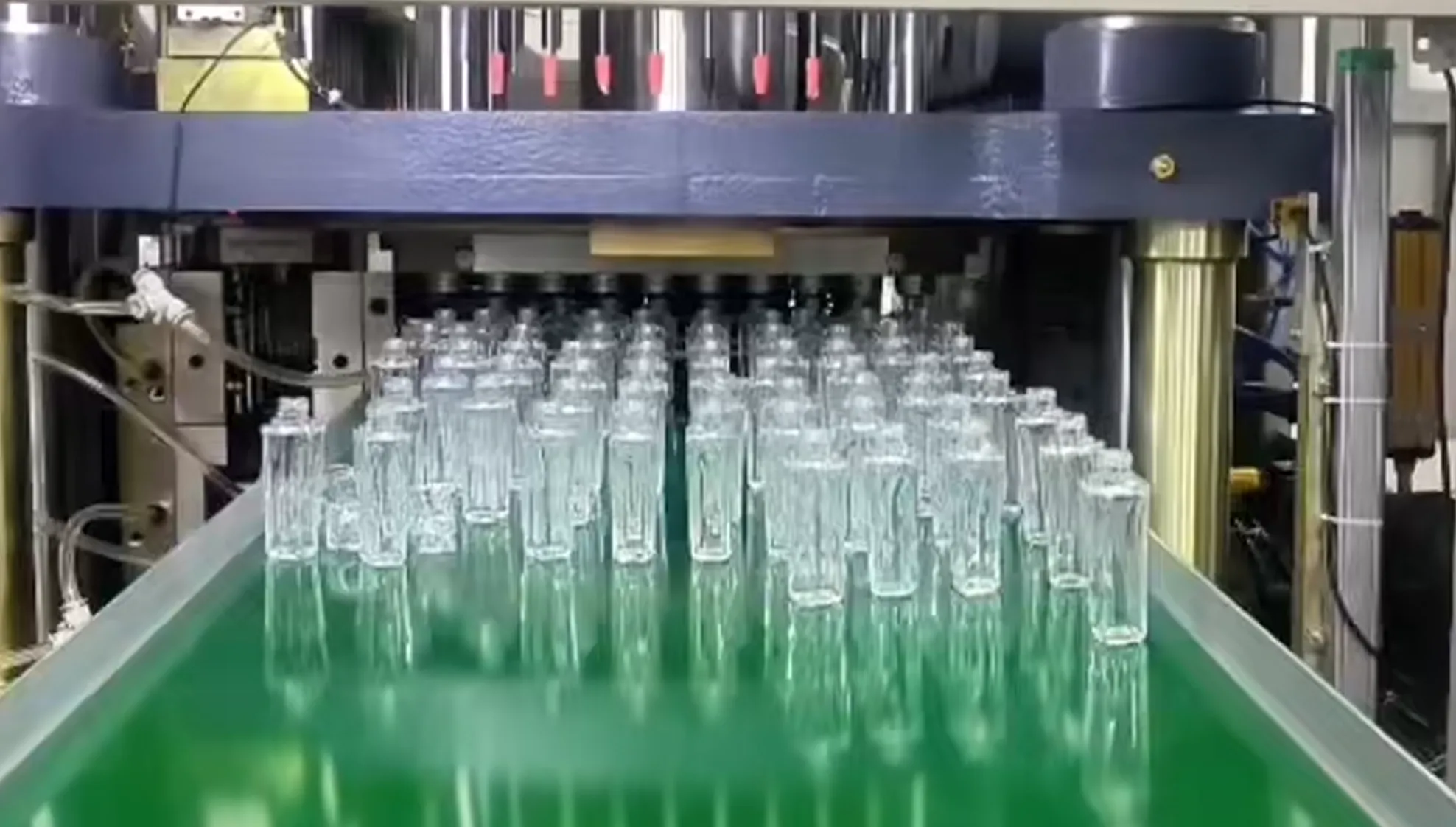
K-beautymerken eisen een glasheldere afwerking van PETG- en PCTG-serumflessen, en de HGYS280-V6 levert dat consistent omdat de voorvorm de gesloten matrijsomgeving nooit verlaat. Dikwandige potten tot 4 mm dikte kunnen probleemloos worden geproduceerd met 4- of 6-caviteitsconfiguraties, en dankzij de profielcontrole van het conditioneringsstation behouden ovale en vlakke vormen een gelijkmatige wandverdeling zonder de verdunning die kenmerkend is voor ontwerpen met één stap en 3 stations.
Drank- en zuivelflessen van gemiddelde inhoud
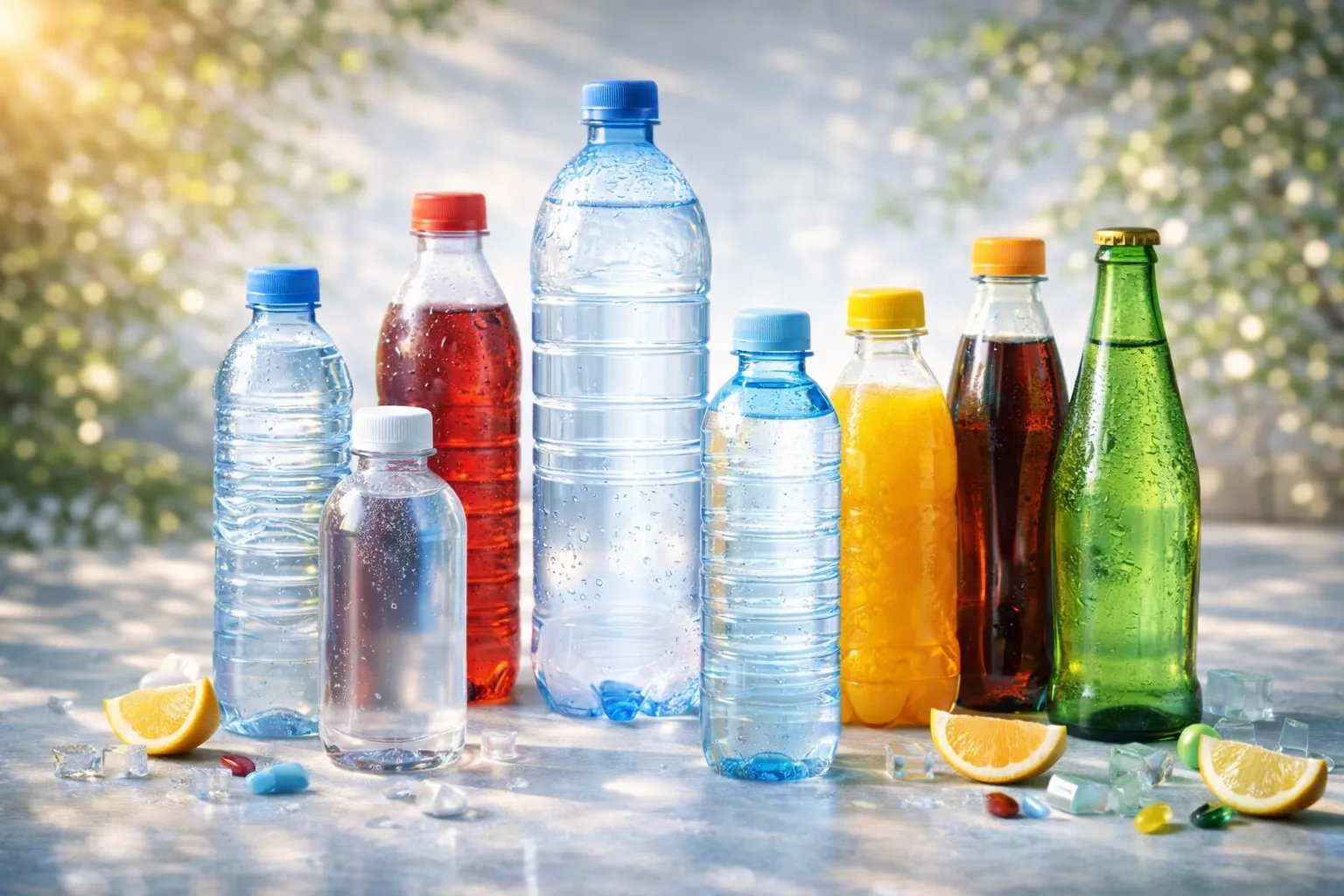
Voor flessen van 250 ml voor vruchtensap en yoghurtdranken produceert een configuratie met 6 matrijzen ongeveer 3.200 flessen per uur. Dit voldoet aan de doorvoereisen van kleine tot middelgrote regionale drankenproducenten in Gwangju en Ansan die de PET-productie in eigen beheer willen houden in plaats van voorvormen te kopen en deze op een aparte machine opnieuw te blazen. De geïntegreerde lijn reduceert de voorraad voorvormen met meer dan 95 procent, omdat er niets wordt opgeslagen.
Speciale voedselpotten met brede opening
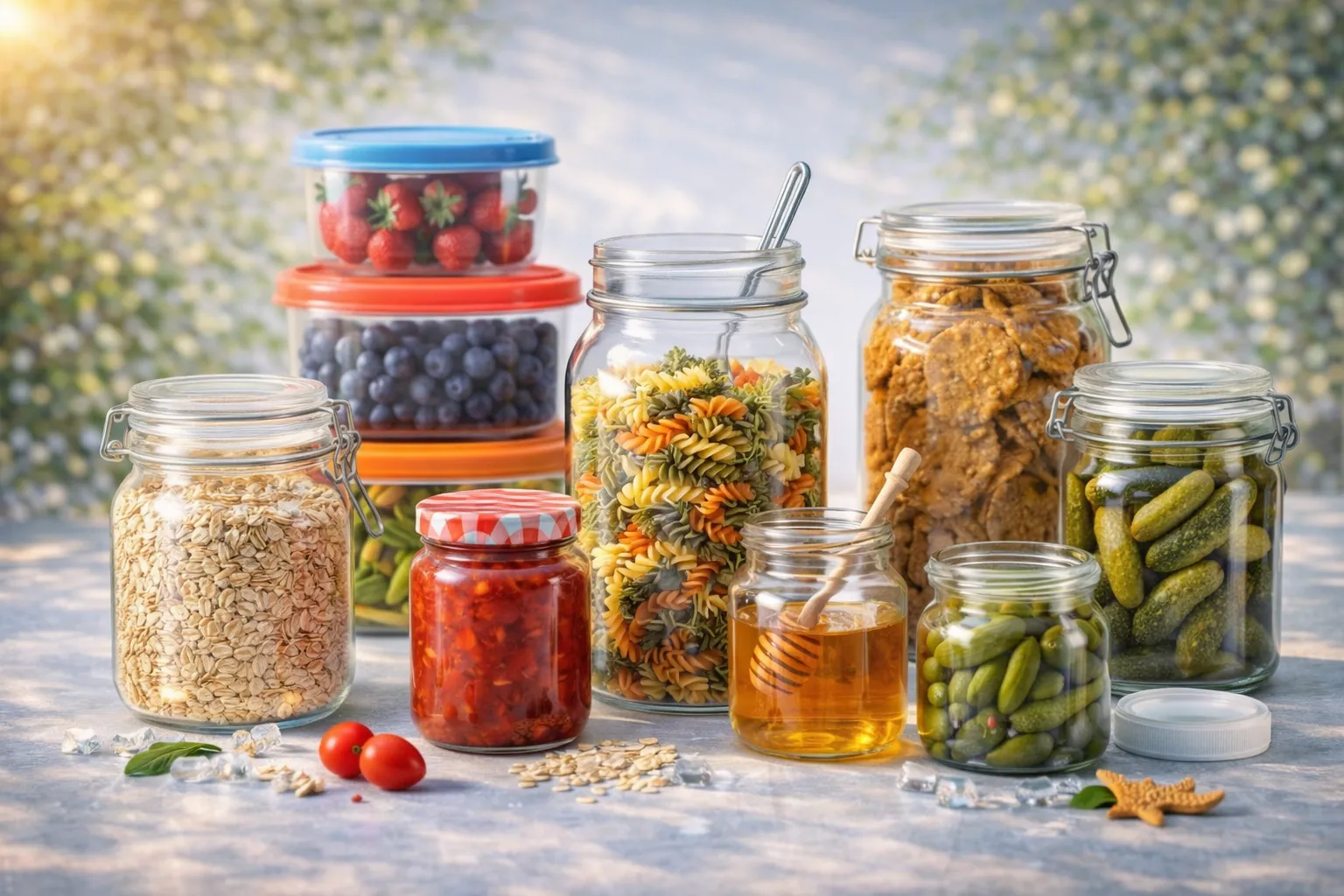
Saus-, honing- en reformpotjes met een halsdiameter tot 70 mm passen binnen de HGYS280-V6 bij gebruik van een matrijs met twee caviteiten. De blaasklemkracht van 200 kN per zijde is voldoende om het grotere projectieoppervlak tegen de blaasdruk te houden, en het ontwerp met dubbele injectie zorgt voor een concurrerende cyclustijd, zelfs bij de grotere spuitgewichten die nodig zijn voor voorvormen met een brede opening.
Materiaalcompatibiliteit en richtlijnen voor het ontwerp van voorvormen
Een van de minder bekende sterke punten van de HGYS280-V6 Een belangrijk verschil is het brede harsbereik. De nano-verre-infrarood verwarmingsring accepteert temperatuurinstellingen van 230 tot 305 graden Celsius, waardoor een lange lijst technische kunststoffen binnen het bereik valt. Hieronder staan de materialen die het meest worden verwerkt in installaties in Korea en Zuidoost-Azië.
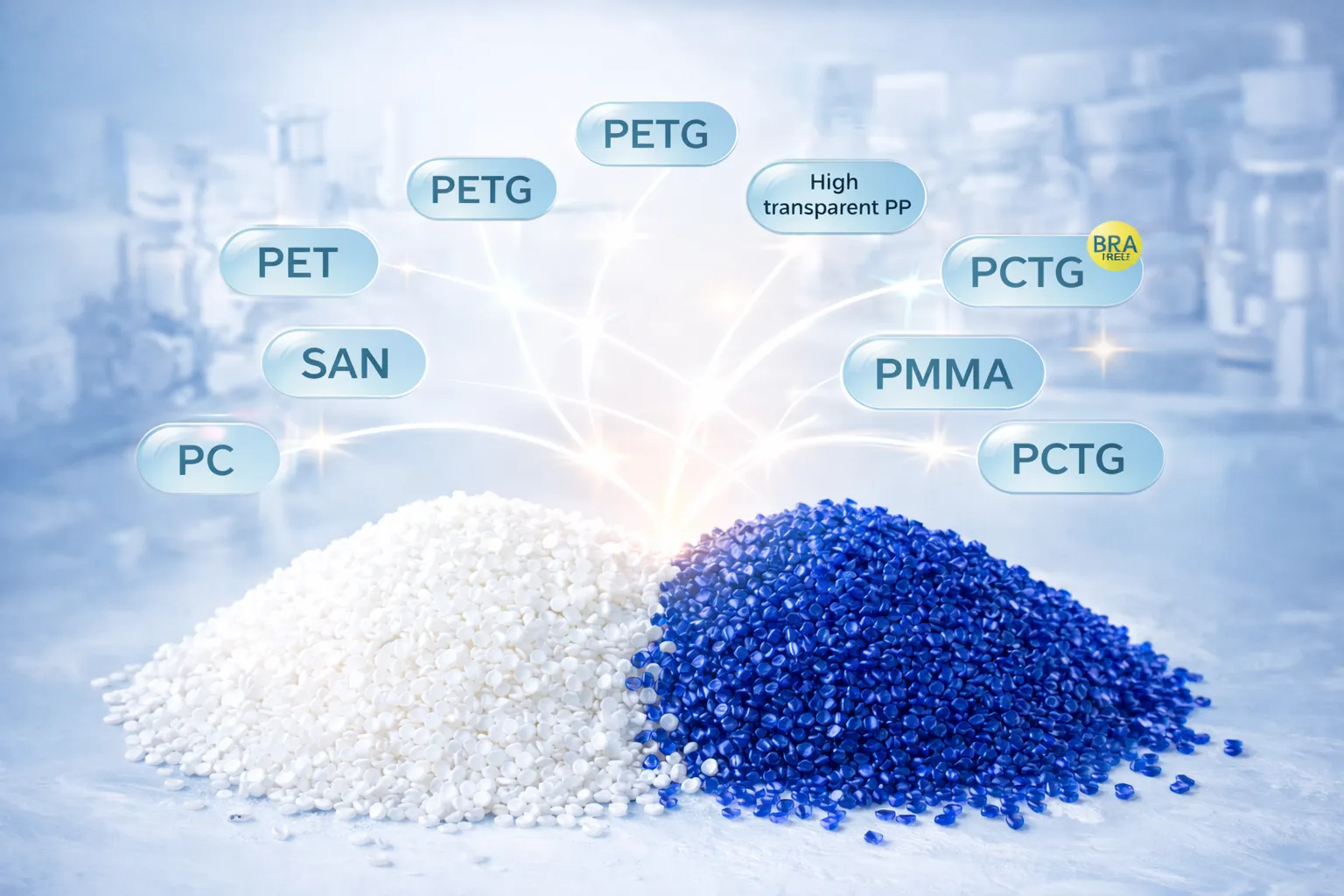
- HUISDIER — de standaard voor water-, sap- en cosmetische flessen met een gemiddeld volume. Doel smelttemperatuur rond 275 tot 285 graden Celsius, axiale rekverhouding van 2,5 tot 3,0, ringrekverhouding tot 4,5.
- PETG — Amorf copolymeer heeft de voorkeur voor transparante cosmetische potjes. Het smelt bij lagere temperaturen dan PET (225 tot 245 graden Celsius), geeft een uitzonderlijke oppervlakteglans, maar is gevoeliger voor verkleuring door overmatige rek.
- PP — gekozen voor doorschijnende babyflesjes en sommige farmaceutische flacons. Smelttemperatuur 200 tot 230 graden Celsius, lagere blaasdrukken in het bereik van 1,5 tot 2,5 MPa.
- pc En PCTG — gebruikt voor hoogwaardige, dikwandige potten en herbruikbare sportflessen. Vereist droog voorvormmateriaal met een vochtigheidsgraad van minder dan 0,02 procent om zilverstrepen te voorkomen.
- PPSU En Tritan — de BPA-vrije, hittebestendige harsfamilie. Verwerkingstemperaturen van 310 tot 340 graden Celsius voor PPSU, iets lager voor Tritan. Deze harsen zijn de reden waarom kopers in de farmaceutische en babyverzorgingsindustrie überhaupt naar de HGYS280-V6 kijken.
- PS En ABS — ondersteund voor speciale ambachtelijke verpakkingen, meestal in kleine productievolumes waarbij een matrijs met 1 of 2 holtes volstaat.
- PLA — Biologisch afbreekbare optie voor milieuvriendelijke merken, vereist nauwkeurige vochtregulatie en langzamere injectieprofielen, maar de HGYS280-V6 servopomp kan de lagere tegendruk goed aan.
Ontwerp uitvoeren op een 6-stations injectie-rekblaasvormmachine Er moet rekening worden gehouden met de thermische verblijftijd in het conditioneringsstation. Als u met een voltooide flestekening naar Ever-Power komt, voert ons engineeringteam een rekverhoudingssimulatie uit en adviseert over de wanddikte van de voorvorm, de oriëntatie van de halsafwerking en de plaatsing van de poort voordat er staal wordt gesneden. Dit voorkomt de kostbare trial-and-error-cyclus die normaal gesproken de eerste twee weken van een nieuw project in beslag neemt.
HGYS280-V6 vs HGY150-V4 vs HGY250-V4 — Welke is het meest geschikt voor uw plant?
Omdat alle drie de machines dezelfde injectieklemklasse hebben en vergelijkbaar gereedschap accepteren, vragen Koreaanse klanten vaak welk platform de meest economische keuze is voor hun specifieke productievolume. De onderstaande tabel vat de praktische afwegingen samen. Deze vergelijking is uitsluitend bedoeld als hulpmiddel bij de keuze en is geen kritiek op de 4-stations lay-out voor enkelvoudige injectie, die de juiste keuze blijft voor kleinere series.
| Criterium | HGY150-V4 | HGY250-V4 | HGYS280-V6 |
|---|---|---|---|
| Stations | 4 | 4 | 6 (dubbele injectie) |
| Injectieklemkracht | 150 KN | 300 KN | 150 KN × 2 |
| Theoretische injectiecapaciteit | 310 g | 420 g | 310 g × 2 |
| Voetafdruk (L × B) | 4,2 × 1,4 m | 6,3 × 2,4 m | 5,9 × 2,6 m |
| Machinegewicht | 6 T | 16 T | 14 T |
| Totaal vermogen | 53,2 kW | 82,7 kW | 53,2 kW |
| Relatieve uurproductie (250 ml, 6-holtes) | 1.800 bph | 2.100 bph | 3200 bph |
| Beste pasvorm | Premium cosmetica in kleine oplages, startups | Dikwandige grote potten, hoge klembehoeften | Middelgrote farmaceutische, cosmetische en drankenindustrie |
Kopers die voor de HGYS280-V6 kiezen, bevinden zich bijna altijd in de schaalvergrotingsfase. Ze hebben het product eerst getest op een kleiner model. HGY150-V4 of op een gecontracteerde voorvormlijn, en zetten nu in op interne productie van middelgrote volumes. Voor fabrieken die voornamelijk een hogere klemkracht nodig hebben in plaats van hogere cyclussnelheden, HGY250-V4 blijft de juiste keuze.
Keuzegids — Wat u moet controleren voordat u bestelt
Een goed gedefinieerde bestelling halveert de inbedrijfstellingstijd. Voordat ons engineeringteam een nauwkeurige offerte voor de EP-HGYS280-V6 kan opstellen, verzoeken wij u de volgende gegevens te bevestigen. De meeste hiervan kunt u direct aflezen van een bestaande flestekening of een voorbeeld van een afgewerkte verpakking.
- Flesgeometrie — diameter van de behuizing, totale hoogte, standaard voor de afwerking van de hals (bijv. 28-410, 24-415, PCO 1881) en eventuele beperkingen met betrekking tot asymmetrische of ovale vormen.
- Doelgewicht na afronding en het vulvolume, plus het beoogde percentage gewichtsvermindering ten opzichte van de huidige verpakking.
- Harskwaliteit en leverancier — IV-waarde voor PET, smeltstroomindex voor PP, vochtgehaltespecificatie. Als u overstapt op rPET, deel dan de vlokbron en de specificatie voor verontreiniging.
- Gewichtsbereik van de voorvorm De verwachte diameter per caviteit bepaalt of de 50 mm schroef volstaat of dat een 55/60 mm variant nodig is.
- Doelstelling aantal gaatjes, gekoppeld aan uw jaarlijkse productievolume. Onze ingenieurs voeren een terugverdienberekening uit om de meest economische cavitatieoplossing aan te bevelen.
- Spanning en frequentie — De Koreaanse spanning van 380 V / 60 Hz is standaard, maar op aanvraag kunnen we de apparatuur ook configureren voor 400 V / 50 Hz en andere regionale varianten.
- Persluchttoevoer — minimaal 3,5 MPa hogedruk bij circa 3 kubieke meter per minuut voor het blazen, aparte lagedruktoevoer voor pneumatische besturing.
- Koelinstallatie en koeltorencapaciteit — Doel: gekoeld water op 12 graden Celsius, retourwater uit de koeltoren tot 30 graden Celsius.
- Installatieoppervlakte — Bevestig een vrije vloerruimte van 7 × 4 meter plus een toegangshoogte van minimaal 5 meter voor een bovenloopkraan.
- Compatibiliteit met insteekmal — Als u al gereedschap van het type ASB-12M bezit, stuur ons dan de tekeningen van de matrijsbasis. Wij controleren dan de bevestigingspatronen van de platen en de spoed van de uitwerpers.
Waarom kiezen voor Ever-Power als uw ISBM-partner?
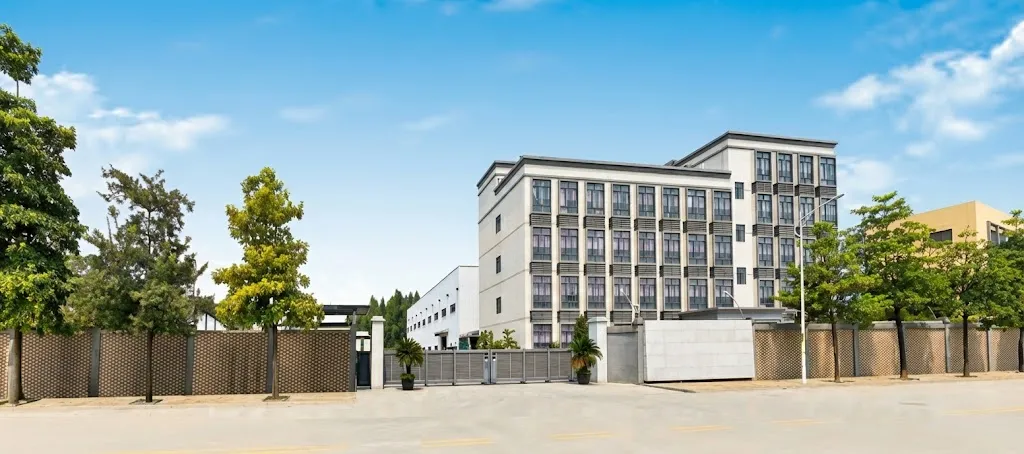
Het kiezen van een leverancier voor kapitaalgoederen van deze omvang is een beslissing voor de komende tien jaar. Ever-Power heeft de afgelopen twee decennia zich gericht op één specifieke discipline: spuitgieten met rektechniek in één stap. Die focus is terug te zien in de manier waarop we elke machine die we leveren bouwen, inbedrijfstellen en ondersteunen.
- Meer dan 20 jaar toegewijd onderzoek en ontwikkeling binnen ISBM. met een team van meer dan 25 ingenieurs die zich uitsluitend bezighouden met de ontwikkeling van spuitrekblaasvormmachines, en niet met een breed assortiment kunststofmachines.
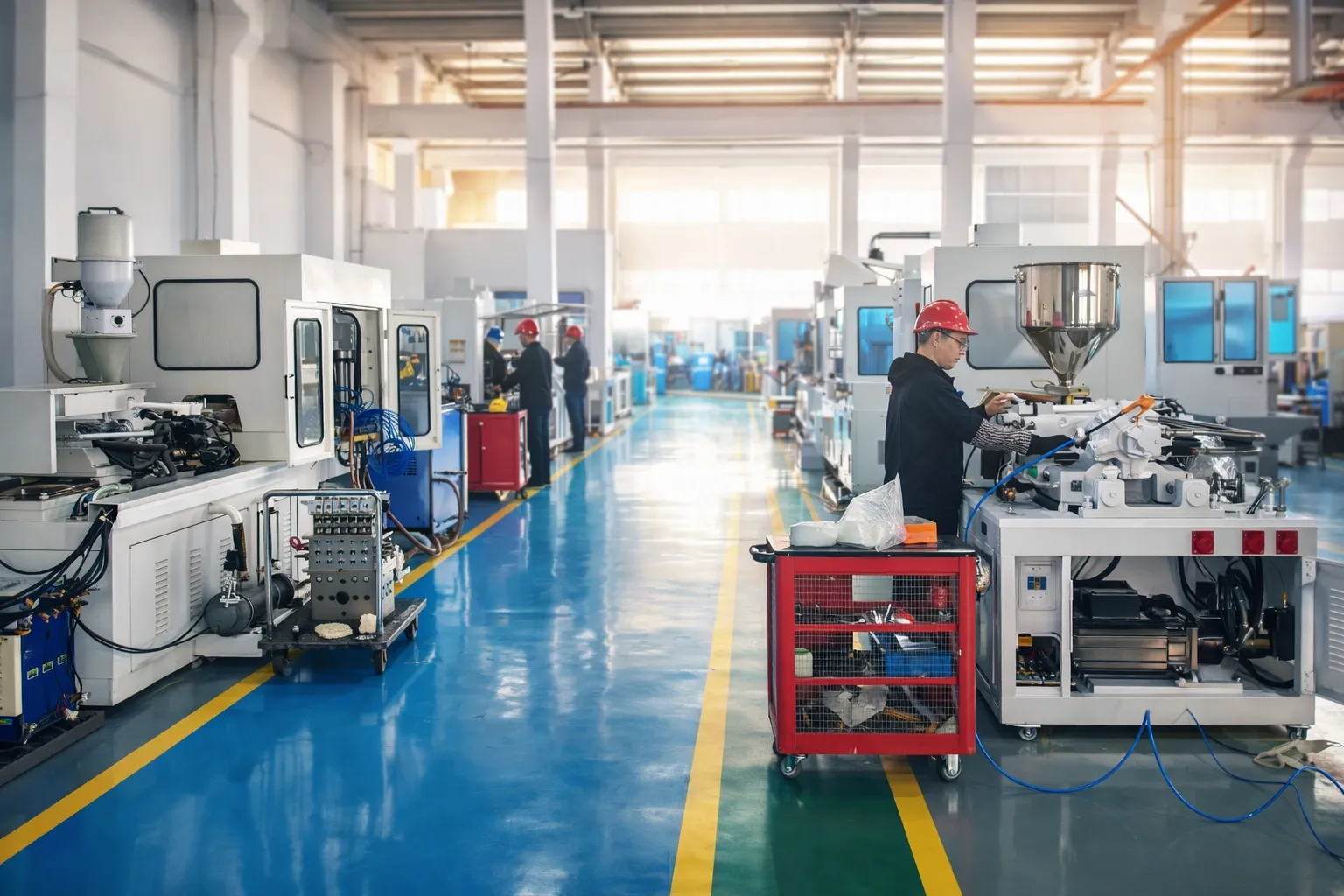
- een productiefaciliteit van 30.000 vierkante meter met een complete interne toeleveringsketen, van staalbewerking tot servoassemblage en uiteindelijke verificatie van de proefvorming.
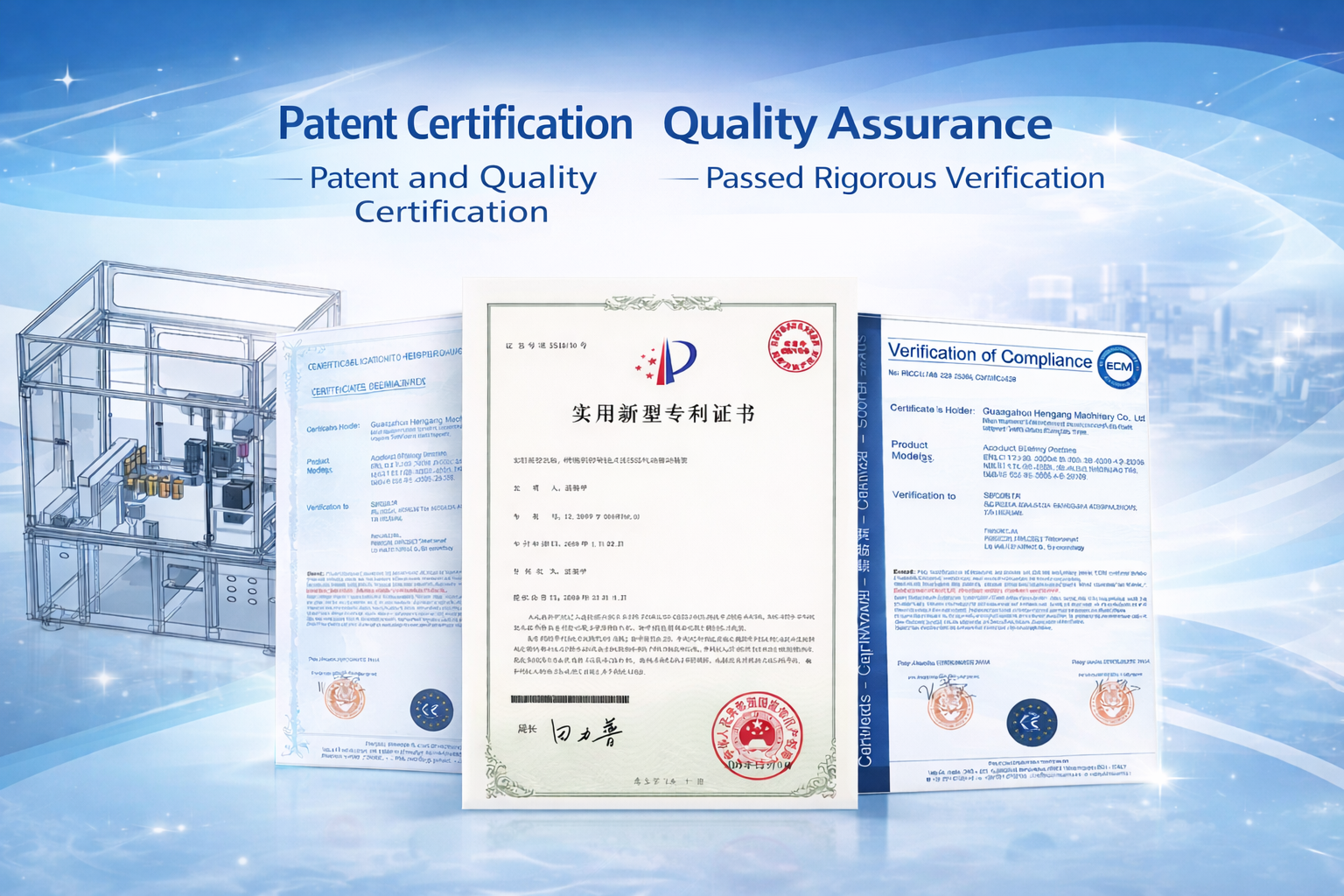
- Meerdere patenten Op het gebied van servopompsynchronisatie en indexering van dubbele injectiestations zijn octrooien verleend door de Chinese en Koreaanse octrooibureaus.
- Wereldwijde componenten van het eerste niveau De onderdelen zijn afkomstig van Parker, Yaskawa, YUKEN en Inovance, waardoor de beschikbaarheid van reserveonderdelen via lokale distributeurs in Seoul, Busan en Incheon gegarandeerd is.
- Compatibiliteit van ASB- en AOKI-matrijzen met directe vervanging Geverifieerd voor elke plaatindeling, waardoor kopers hun bestaande investeringen in gereedschap ter waarde van honderdduizenden dollars kunnen behouden.
- Inbedrijfstelling ter plaatse in Korea Een tweetalige technicus zal gedurende de volledige installatieweek ondersteuning bieden, gevolgd door 24/7 diagnostische ondersteuning op afstand via de internetinterface van de PLC.
- Wereldwijd meer dan 500 machines geïnstalleerd., met een klanttevredenheid van 99,51% gemeten aan de hand van jaarlijkse enquêtes na installatie.
Kwaliteitscertificeringen en servicebelofte
De EP-HGYS280-V6 wordt geleverd met het complete certificeringspakket dat vereist is door de Koreaanse regelgevende instanties voor farmaceutische producten en levensmiddelen. ISO 9001:2015 is de norm voor ons kwaliteitsmanagementsysteem, de CE-markering garandeert toegang tot de Europese markt voor klanten die afgewerkte flessen exporteren, en onze Koreaanse Technology Innovation Award valideert het patent op het ontwerp met dubbele injectie. Elke machine verlaat de fabriek pas na een continue proefdraai van 48 uur met het daadwerkelijke voorvormgewicht en de matrijsgeometrie van de klant.
De garantie geldt gedurende 12 maanden vanaf de definitieve acceptatie. In onze contracten betekent dit de dag waarop de machine de fabriekstest (Factory Acceptance Test) bij de klant doorstaat, niet de datum van de vrachtbrief. De gratis technische training omvat een week training op locatie. De klant betaalt de vliegtickets, het visum, de accommodatie, de maaltijden en een dagvergoeding van 150 USD voor de technicus, conform ons standaard samenwerkingsvoorstel. Gedurende de eerste 90 dagen na de ingebruikname staat ons team van engineers op afstand 24 uur per dag paraat via PLC VPN. De meeste softwaregerelateerde problemen worden binnen twee uur na het indienen van een ticket opgelost.
Veelgestelde vragen
Vraag 1: Hoeveel sneller is de HGYS280-V6 vergeleken met een HGY150-V4 met 4 stations die dezelfde fles gebruikt?
Voor een typische cosmetische fles van 250 ml op een matrijs met 8 caviteiten produceert de HGYS280-V6 ongeveer 3.200 flessen per uur, tegenover circa 1.800 op de HGY150-V4. De netto snelheidswinst bedraagt gemiddeld 70 tot 80 procent, wat te verwachten is bij het toevoegen van een tweede parallelle injectie-eenheid terwijl de blaas- en uitwerpstations worden gedeeld.
Vraag 2: Kunnen de twee injectiestations tegelijkertijd verschillende flestypen verwerken?
Niet in een standaardconfiguratie, omdat beide stations dezelfde kernstaafopstelling op de draaitafel delen. Voor gemengde productseries adviseren we opeenvolgende campagnes met snelwisselbare gereedschapswagens, die doorgaans in minder dan 90 minuten kunnen worden verwisseld.
Vraag 3: Is de HGYS280-V6 geschikt voor gerecycled PET (rPET)?
Ja. We gebruiken bimetaalschroeven en verchroomde cilindervoeringen wanneer het rPET-gehalte hoger is dan 50 procent. Dit beschermt tegen schurende verontreinigingen in de gerecyclede grondstof. Een voordroogsysteem bij 165 graden Celsius gedurende 4 uur is nodig om het streefvochtgehalte van minder dan 0,005 procent te bereiken vóór injectie.
Vraag 4: Hoe lang duurt het ombouwen van een matrijs voor een ander flesformaat?
Een volledige matrijswissel, inclusief voorvormholte, kernstaafopstelling, conditionering, strekstaaf en blaasvorm, duurt ongeveer 2,5 uur met een team van twee personen. Fabrieken die de tweede matrijsset op een naastgelegen wagen voorverwarmen, kunnen dit verkorten tot minder dan 90 minuten.
Vraag 5: Wat voor soort lokale onderhoudsreactie kunnen we in Korea verwachten?
Ons kantoor in Ansan heeft veelvoorkomende slijtageonderdelen op voorraad. Klanten in Gyeonggi-do, Incheon en Seoul kunnen deze onderdelen dezelfde dag nog via de reguliere post laten verzenden. Voor locaties ten zuiden van Daejeon is levering de volgende dag via KTX Cargo standaard. Diagnose op afstand is binnen twee uur na het indienen van een melding beschikbaar, 24 uur per dag.
Vraag 6: Wat is het werkelijke energieverbruik tijdens een continue dienst?
Gemeten in een Koreaanse cosmeticafabriek in 2024 bedroeg het gemiddelde uurverbruik 32 tot 35 kW tijdens stabiele productie met 6-caviteitsmatrijzen, wat ruim onder het nominale piekvermogen van 53,2 kW ligt. De servopomp draait tijdens de koelfasen bijna op nul, en dat is waar het grootste deel van de besparing vandaan komt.
Vraag 7: Welke ASB-matrijzensets kunnen direct op deze machine worden geplaatst?
Alle ASB-12M-compatibele matrijzen kunnen zonder aanpassingen aan de injectiestationzijde worden geplaatst. Blaasmatrijzen met standaard 12M-plaatgatenpatronen passen ook direct. Als uw bestaande matrijzen aangepaste boutpatronen hebben, stuur ons dan de tekeningen en wij leveren adapterplaten tegen kostprijs.
Vraag 8: Hoe lang duurt het trainingsprogramma voor operators?
Vijf tot zeven werkdagen op locatie, inclusief dagelijkse werkzaamheden, receptbeheer via de HMI, routineonderhoud en basisprobleemoplossing van de servo- en hydraulische systemen. We leveren een Koreaanse handleiding en een doorzoekbaar PDF-bestand van het volledige elektrische schema.
Vraag 9: Wat zijn de criteria voor de fabrieksacceptatietest vóór verzending?
Elke HGYS280-V6 ondergaat een continue productietest van minimaal 48 uur met de daadwerkelijke voorvormgeometrie van de klant. Acceptatiecriteria omvatten dimensionale stabiliteit binnen 0,05 mm van de halsafwerking, een afkeuringspercentage van minder dan 0,3 procent gedurende de testperiode en een constante cyclustijd binnen 5 procent van de overeengekomen waarde.
Vraag 10: Wat is het aanbevolen schema voor preventief onderhoud?
Dagelijkse visuele controle van de hydraulische niveaus en de koelwaterstroom, wekelijkse reiniging van het indexeerlager van de draaitafel, maandelijkse vervanging van het hydraulische oliefilter, halfjaarlijkse inspectie van de schroef en cilinder, en een volledige verversing van de hydraulische olie om de 3.000 bedrijfsuren of 12 maanden, afhankelijk van wat zich het eerst voordoet.
Klantenrecensies en feedback uit de praktijk
"Afgelopen maart hebben we onze productielijn voor oogdruppelflacons van 200 ml verplaatst van twee oude machines met enkelvoudige injectie naar één HGYS280-V6. Onze vloeroppervlakte kromp met 40 procent, het aantal operators daalde van zes naar drie, en de productie steeg zelfs met ongeveer 12 procent. De dubbele injectiecyclus klonk als marketingpraat totdat we het in actie zagen."
Park Ji-hoon, Plantmanager, Daejeon Medical Plastics (medio 2025)
"De herhaalbaarheid van de servomotor was voor ons het doorslaggevende argument. We gebruiken dikwandige PETG-crèmepotten, waarbij elke afwijking zich manifesteert als een dunne plek aan de onderkant. Na acht maanden 24/7-productie blijft de standaardafwijking van het flesgewicht onder de 0,3 gram, wat ons kwaliteitsteam dagelijks bijhoudt. Dankzij de ASB-12M-compatibiliteit konden we onze bestaande 6-caviteitsmal van de oude lijn behouden."
Kim Seo-yeon, Technisch directeur, Seoul Beauty Packaging (begin 2025)
"Ik was sceptisch dat een in China gebouwde machine de betrouwbaarheid van onze oude Japanse apparatuur zou kunnen evenaren. Negen maanden later heeft de HGYS280-V6 al 6.200 productie-uren gedraaid met slechts één vervanging van een hydraulische slang en verder niets. Dankzij de PLC-toegang op afstand heeft het Ever-Power-team al twee keer een probleem met de cyclustiming kunnen oplossen zonder dat er iemand hoefde te komen invliegen."
Nguyen Van Duc, Fabriekseigenaar, Saigon Beverage Bottles, Vietnam (eind 2024)
"De inbedrijfstellingsweek verliep soepeler dan we hadden verwacht. De Ever-Power-technicus heeft ons team het volledige receptsysteem in het Koreaans uitgelegd en we produceerden al op de vierde dag flessen. De energierekening daalde met ongeveer 28 procent in vergelijking met de twee oudere machines met één station die hij verving."
Lee Min-ho, Productieleider, Incheon Pharma Packaging (begin 2025)
"We produceren proefverpakkingen van 30 ml op een matrijs met 9 holtes voor een grote K-beautygroep. De uitdaging was altijd de consistentie van de schroefdraad in de hals, omdat geautomatiseerde sluitmachines alles afkeuren wat ook maar een halve millimeter afwijkt. Dit is de eerste spuitblaasvormmachine met zes stations die we gebruiken waarbij het afkeuringspercentage gedurende een volledige ploegendienst onder de 0,2 procent blijft."
Choi Yu-jin, QC Manager, Ansan Cosmetic Contract Fillers (medio 2025)
"De levering duurde 68 werkdagen vanaf de aanbetaling, wat drie dagen sneller was dan de overeengekomen 60 werkdagen plus verzendtijd. Het zeetransport naar Busan verliep probleemloos. De verpakking was zeer stevig, er is tijdens het transport niets verschoven."
Somchai Wongsawat, Hoofd Operations, Bangkok Pharma Plastics, Thailand (eind 2024)
"We gebruiken deze HGYS280-V6 voor BPA-vrije Tritan babyflessen, een veeleisende hars. Wat me vooral opviel, is hoe stabiel de smelttemperatuurregeling is tijdens langere productieruns. Gedurende een werkdag van 18 uur blijft de temperatuur aan de spuitmond binnen 2 graden Celsius van de ingestelde waarde, en die consistentie zie je terug in de helderheid van het eindproduct."
Jung Hye-won, R&D-ingenieur, Busan Baby Care Products (begin 2025)
Gerelateerde producten en bijpassende onderdelen
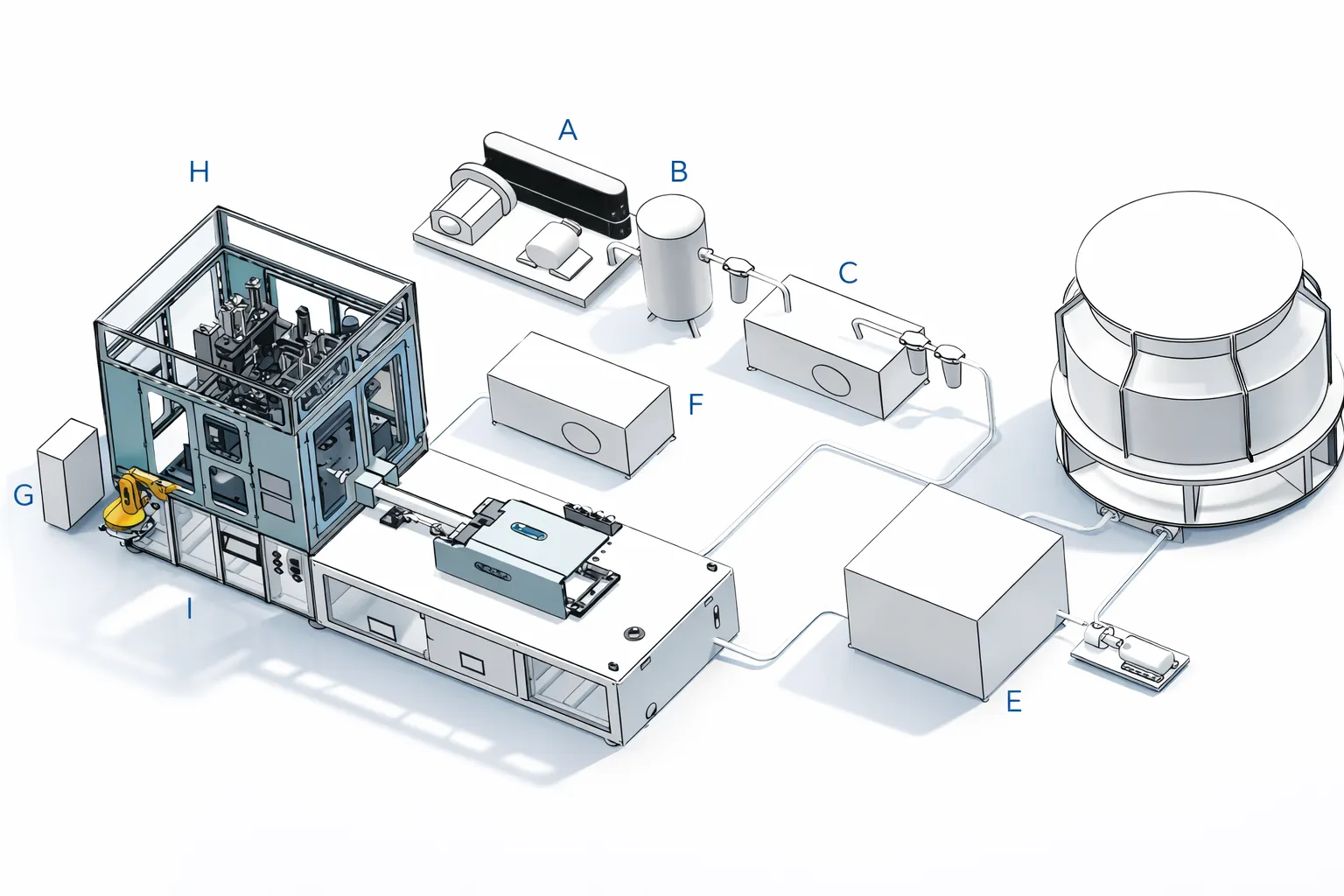
Een spuitrekblaasvormmachine Het apparaat bereikt zijn nominale prestaties alleen wanneer de bijbehorende hulpcomponenten correct gedimensioneerd zijn. Hieronder vindt u de bijbehorende systemen die Ever-Power levert of specificeert voor elke HGYS280-V6 levering.
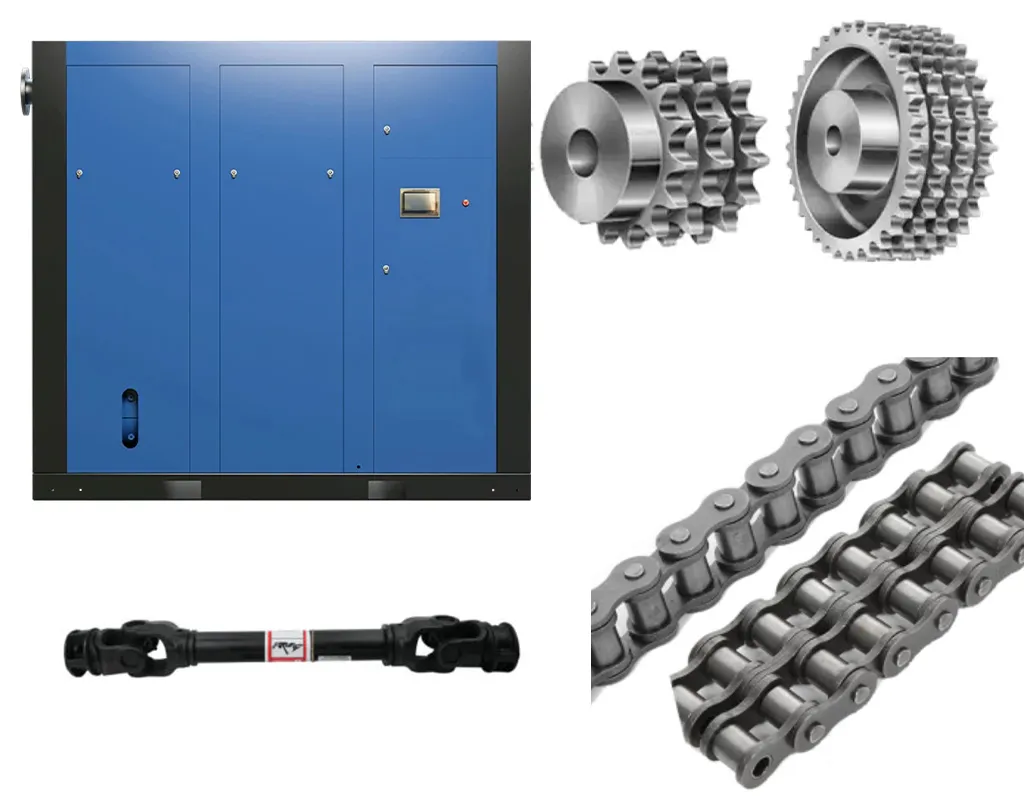
- Olievrije schroefluchtcompressor Geschikt voor een druk van 3,5 MPa bij een debiet van 3 kubieke meter per minuut. Schone lucht is de belangrijkste factor voor de helderheid van flessen in transparante cosmeticalijnen, en we raden een olievrije certificering van klasse 0 aan voor alle farmaceutische producten of producten die in contact komen met levensmiddelen.
- Koelmachine en koeltorencombinatie De koelinstallatie levert gekoeld water van 12 graden Celsius voor het matrijscircuit en koeltorenwater op omgevingstemperatuur voor de hydraulische oliekoeler. Een koelmachine van 30 ton is voldoende voor de meeste installaties met 6 matrijzen.
- Harsdroger en -toevoer met dauwpuntbewaking, wat vooral cruciaal is voor PET- en PC-harsen die snel hydrolyseren als ze niet tot onder de 0,02 procent vocht worden gedroogd.
- Temperatuurregelaar voor de matrijs Voor de blaasholte is het belangrijk de temperatuur van de holtewand constant te houden tussen 10 en 18 graden Celsius, afhankelijk van de hars.
- Robotgestuurde transportband en een optioneel visueel inspectiestation voor hoogwaardige farmaceutische en cosmetische series waarbij een foutloze levering wordt verwacht.
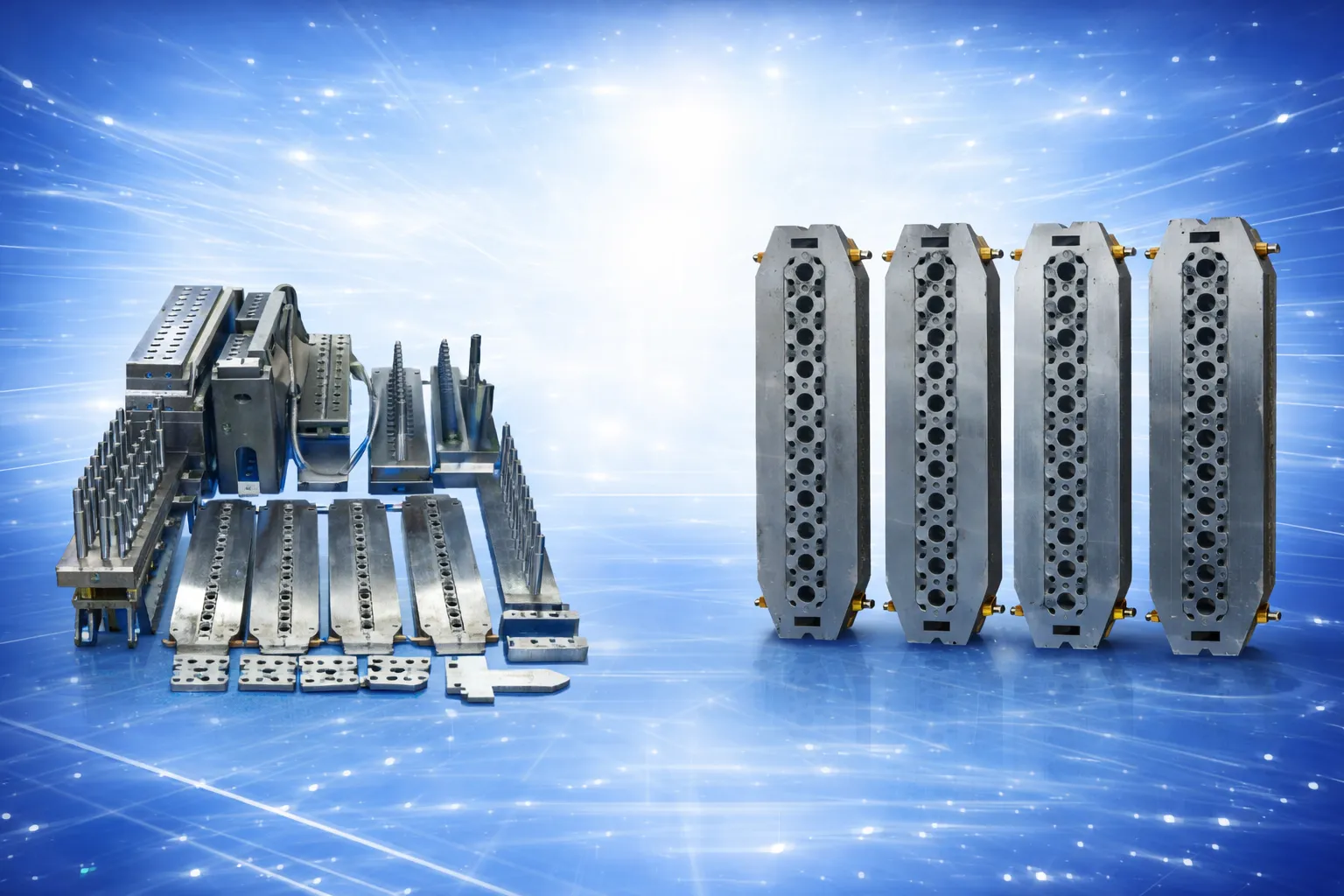
- Compatibele ISBM-matrijzen — onze eigen gereedschapmakerij bouwt voorvorm- en blaasvormen in ASB-12M-stijl met een typische levertijd van 35 tot 55 werkdagen, en onze mallen kunnen direct op de HGYS280-V6 platen worden geplaatst.
Voor kopers die nog steeds de verschillende modellen van Ever-Power met elkaar vergelijken, is de 4-stationsvariant een goede optie. 4-stations ISBM-machine Deze categorie omvat single-injection platforms van instapmodellen tot zwaarwandige platforms, terwijl de 3-stations ISBM-machine Deze productlijn is geschikt voor kortcyclische toepassingen in de dranken- en huishoudchemie. Complete catalogusdetails en toepassingsgalerieën zijn beschikbaar op de website. Ever-Power ISBM hoofdsite.
Klaar om op te schalen naar een productie met zes stations?
Stuur ons uw flesontwerp en het gewenste volume. Wij sturen u binnen 48 uur een volledig haalbaarheidsrapport, inclusief aanbeveling voor de matrijs, schatting van de cyclustijd en een transparante offerte voor de EP-HGYS280-V6 6-stations spuitrekblaasvormmachine.
Neem contact op met ons engineeringteam voor een voorstel op maat.
Aanvullende informatie
| Editor | Cxm |
|---|