IBM制药 · 韩国KFDA GMP认证 · 韩国永力制药

注塑吹塑成型
药瓶

注塑吹塑是韩国药品初级包装(HDPE 和 PP 材质)的标准工艺。它是唯一一种无需二次颈部加工即可始终满足韩国 KFDA GMP 对 CRC 容器尺寸要求的吹塑工艺,避免了因毛边修剪造成的颗粒污染风险,并能以 10-100 毫升规格达到韩国药品生产经济效益所需的腔体数量。本指南涵盖容器规格、韩国 KFDA 认证、颈部精度、洁净室注意事项以及韩国药品 IBM 生产所需的设备选型。

韩国KFDA GMP认证
CRC 和颈部精度
IBM零颗粒物生产

韩国永动力工程部 · 安山市 · 2026年7月


IBM制药——韩国生产参考

±0.05 毫米

IBM颈部外径公差——韩国KFDA CRC认证标准±0.06毫米

零闪光

韩国制药洁净室无修整站——无颗粒物风险

最多 30

最大腔数为 10 毫升 — 韩国制药巨头 IBM (ZQ135)

韩国食品药品安全部 (KFDA) · 国际人用药品注册技术协调会 (ICH)

韩国制药公司与 IBM 容器资格框架的一致性

1. 为什么 IBM 是韩国制药工艺标准

Korean pharmaceutical HDPE PP injection blow molded containers — 10ml ophthalmic eye drop bottle 30ml oral liquid vial 100ml CRC child-resistant closure medicine bottle produced by IBM injection blow molding on Korea Ever-Power ZQ80 ZQ110 ZQ135 pharmaceutical IBM machine Korean KFDA GMP primary packaging
韩国制药行业采用注塑吹塑工艺生产的主要容器包括:10毫升高密度聚乙烯(HDPE)眼药水瓶、30毫升口服液小瓶和100毫升CRC药瓶。这三种规格的瓶身均要求注塑成型工艺能够实现极高的瓶颈精度,而IBM工艺本身就具备这一特性,其他任何吹塑工艺都无法在不进行二次加工的情况下,以如此高的生产速度稳定地达到这种精度。

Injection blow molding has established itself as the process standard for Korean pharmaceutical primary packaging in HDPE and PP through the convergence of three process advantages that are uniquely relevant to Korean pharmaceutical production requirements. First, injection-moulded neck precision: IBM produces the bottle neck by injection moulding — the same precision manufacturing process that produces pharmaceutical closure components — achieving ±0.05 mm neck OD tolerance consistently across all cavities and all production cycles. This precision is the enabling capability for Korean pharmaceutical CRC containers, dropper-cap bottles and pump-dispenser primary containers, all of which require closure engagement at dimensional tolerances that extrusion blow molding cannot achieve without secondary neck processing. Second, zero flash and zero particulate generation: IBM produces no flash at any stage of the process, which means no trim station, no mechanical trimming operation, and no plastic particles generated in the production environment. For Korean pharmaceutical cleanroom production where particulate control is a GMP requirement, IBM’s inherent particle-free process is a direct regulatory compliance advantage over EBM. Third, multi-cavity efficiency: IBM’s 注塑吹塑机 平台在 10 毫升规格下可实现多达 30 个腔体——这种腔体数量使得韩国制药企业能够在单机规模上实现 EBM 在小规格下无法达到的经济效益。

韩国药品包装容器的生产还受到韩国特定监管要求的驱动。韩国食品药品安全部(KFDA)的药品包装容器法规要求提供容器资质文件,包括尺寸合规性、化学相容性、可萃取物和可浸出物数据以及密封功能测试——所有这些IBM包装容器均通过了既定的资质认证流程。由于这些法规和质量要求,韩国制药品牌、韩国合同制造商和韩国药品出口商均指定使用IBM包装容器作为其小规格药品初级包装。

2. 韩国食品药品安全部(KFDA)药品包装要求

韩国药品包装容器的要求由韩国食品药品安全部(KFDA)根据《韩国药品法》和《韩国药典》制定。韩国药品包装容器的要求与ICH Q6A规范和USP/EP塑料容器标准基本一致,但针对某些特定类型的容器规格增加了韩国特有的要求。韩国药品包装容器生产商在开始韩国药品认证流程之前,必须了解哪些KFDA要求适用于其特定的容器规格。

韩国KFDA塑料容器标准

韩国药典(KP)《药品用塑料容器通用专论》规定了高密度聚乙烯(HDPE)和聚丙烯(PP)药品容器的测试要求,包括:在水、4%乙酸、20%乙醇、庚烷和甲醇萃取介质中的萃取物含量低于KP限值;重金属含量低于1 ppm;苯酚含量低于5 ppm;紫外吸收值在限值范围内。工业包装容器(IBM容器)必须在规定的壁厚下,使用生产用HDPE或PP树脂(而非实验室测试样品)通过这些测试。韩国药品工业包装容器生产商应在其生产条件下,使用与生产用树脂相同的商业批次,在其工业包装容器上进行萃取物测试,以确保测试结果能够代表韩国药品品牌将要验证的商业产品。

韩国食品药品安全部(KFDA)还要求对用于已注册韩国药品的药品初级包装容器提供特定的尺寸文件。韩国药品注册文件(相当于韩国新药申请文件)包含容器规格,具体内容包括:标称容积及液位标记位置、瓶颈外径和内径及其公差、瓶盖拧紧扭矩规格、容器材料标识(树脂类型、等级、韩国食品药品安全部认可清单状态)以及颜色(透明、天然高密度聚乙烯、如有需要,着色高密度聚乙烯)。任何容器规格的变更——包括树脂批次变更、生产设备变更或腔体数量变更——均需向韩国食品药品安全部提交容器变更通知,并可能需要根据变更性质进行重新验证测试。

关键容器格式要求

容器格式 韩国食品药品安全部(KFDA)的关键要求 IBM 合规状态
眼科用药(滴眼液) 无菌灌装兼容性,滴管尖端适配度±0.05毫米,无颗粒物(符合韩国食品药品监督管理局注射剂标准) 原生型——注射颈,零闪光 ✓
CRC药瓶 CRC盖帽啮合符合KS M ISO 8317标准,颈部外径±0.06毫米,螺纹外径±0.05毫米 原生—注射颈±0.05毫米✓
口服液小瓶 感应密封兼容性,颈部平面度±0.1毫米,化学兼容性24个月 原生型 — 平颈密封表面 ✓
泵式分配器主 泵颈啮合,颈孔径±0.08 mm,化学相容性 原生 — 注射颈孔精度 ✓
高压灭菌器PP容器 耐121℃蒸汽性能、高压釜后尺寸保持率、KP塑料测试 PP IBM — 需要耐热等级 ✓

3. HDPE 医药用 IBM 容器:规格和尺寸

Pharmaceutical IBM mould set — 20-cavity HDPE ophthalmic pharmaceutical injection blow molding mould with S136 stainless steel cavity bodies and core rods, hot runner manifold with 20-drop balanced gate system, cavity-by-cavity weight qualification report — Korea Ever-Power ZQ80 ZQ110 pharmaceutical IBM mould Korean KFDA GMP qualification documentation
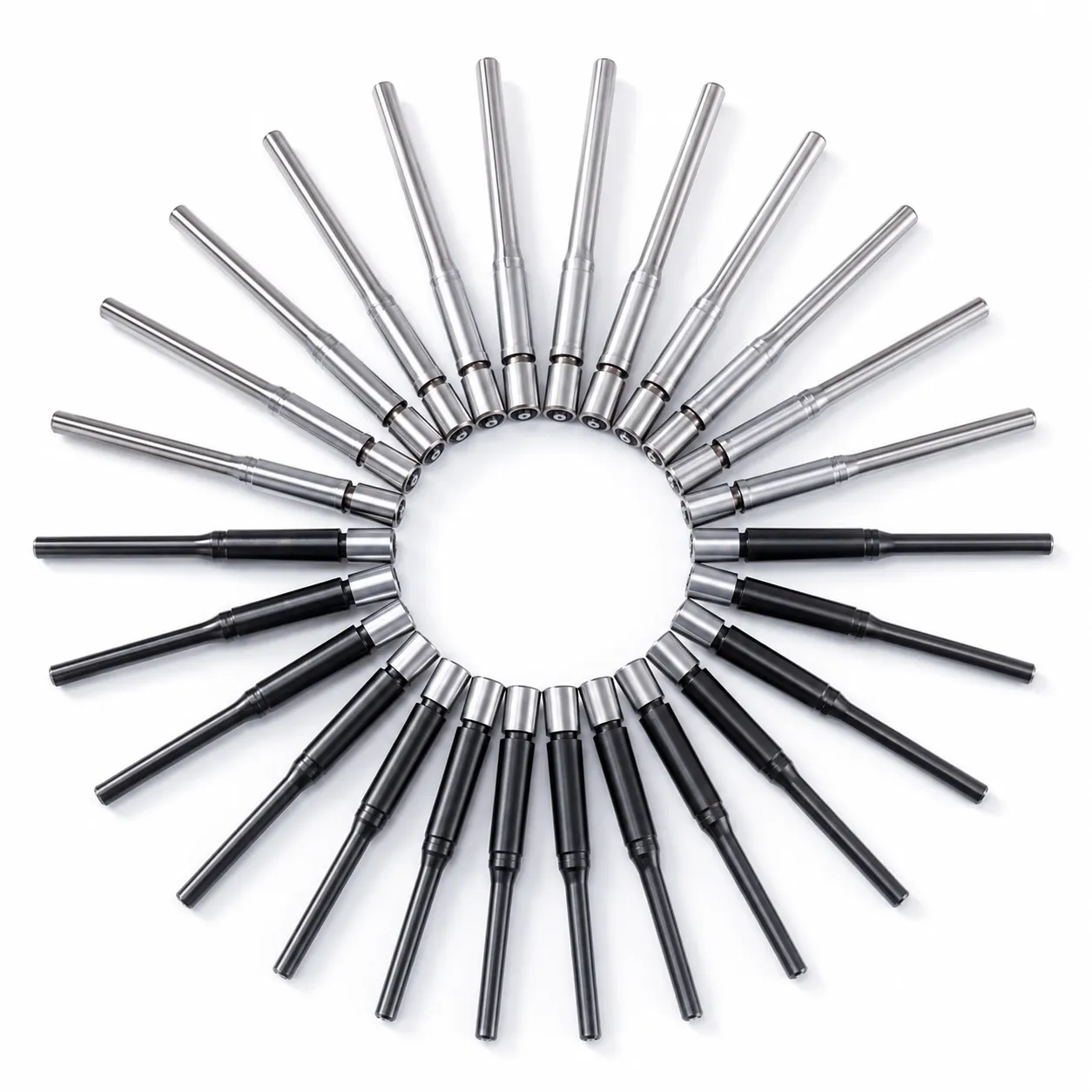
韩国Ever-Power制药IBM模具套装——采用S136不锈钢型腔和芯杆,用于韩国制药用HDPE容器的生产,配备平衡式20流道热流道。该模具在出货前,经过500个连续生产循环的逐腔重量和尺寸验证,并生成逐腔重量和尺寸鉴定报告,该报告是韩国KFDA制药容器鉴定文件包的一部分。

HDPE是韩国医药包装箱的主要材料,占韩国医药包装箱HDPE初级容器产量的大部分。完整的医药HDPE包装箱指南包含在内。 HDPE IBM 加工指南本节重点介绍每种 HDPE IBM 容器规格的医药特定要求。

10毫升眼科用药瓶——韩国制药IBM销量领先者

Korean 10 ml HDPE ophthalmic containers are the highest-volume pharmaceutical IBM format in Korea — the combination of Korean ophthalmic prescription volume (Korea has one of East Asia’s highest rates of ophthalmic prescription per capita, driven by Korean contact lens use and Korean digital eye fatigue), Korean OTC artificial tear market and Korean pharmaceutical export requirements produces annual Korean ophthalmic container volume above 500 million units. IBM is the process of record for Korean ophthalmic containers because the dropper tip’s aperture, the dropper cap thread engagement and the container body’s sufficient transparency for fill-level inspection all require IBM’s precision that EBM cannot match. HDPE grade for Korean ophthalmic IBM: MI 0.3–0.5, density 0.950–0.960, pharmaceutical-grade additive package per KFDA positive list. Wall thickness: body 0.30–0.40 mm (sufficient transparency for fill-level check), neck 0.9–1.2 mm (closure retention). Production: Korea Ever-Power ZQ80 (20 cavities → ~15,800/hour) and ZQ110 (24 cavities → ~19,000/hour) are the principal Korean ophthalmic IBM platforms.

30毫升口服液小瓶

Korean 30 ml HDPE oral liquid vials serve unit-dose liquid medications — Korean syrups for paediatric use, Korean liquid vitamin preparations and Korean oral rehydration solutions. These formats require IBM for two specific reasons: the induction seal compatibility of the neck’s flat sealing surface (IBM’s injection mould produces the flat sealing land with Ra ≤ 0.05 μm required for consistent induction seal bonding across all 18–20 cavities) and the fill-level transparency of the HDPE body. At 30 ml, the IBM machine produces 18 cavities on the ZQ80 (approximately 16,200 vials per hour) or up to 22 cavities on the ZQ110 (approximately 19,800 vials per hour) — output rates that match Korean oral liquid pharmaceutical production line speeds without requiring multiple IBM machines for a single product line.

100毫升CRC药瓶

Korean CRC medicine bottles in HDPE at 100 ml are the most demanding pharmaceutical IBM format from a dimensional tolerance perspective. Korean KS M ISO 8317 child-resistant closure testing requires that less than 20% of adult test subjects fail to open the container within 5 minutes (CRC must be child-resistant but adult-accessible). This functional balance is achieved by the CRC cap’s mechanical engagement with the bottle neck’s engagement bead — an engagement that depends on the bead OD being within ±0.06 mm of the CRC cap’s designed engagement diameter. IBM’s ±0.05 mm neck OD tolerance is within this requirement; EBM’s ±0.15–0.25 mm tolerance is not. HDPE grade for CRC IBM: MI 0.5–0.8 for a stiffer bead that resists deformation under CRC cap push-down force; density 0.955–0.965 for maximum bead stiffness at the engagement contact zone.

4. PP 制药用 IBM 容器:当需要使用 PP 而非 HDPE 时

Polypropylene (PP) is required over HDPE for Korean pharmaceutical IBM containers in two well-defined application categories: terminal steam sterilisation (autoclave) and high-temperature pharmaceutical processes. PP’s heat deflection temperature (110–120°C at 0.45 MPa) allows it to retain dimensional integrity through Korean standard autoclave cycles at 121°C for 20 minutes, whereas HDPE begins to deform above 80–85°C under steam pressure and closure torque.

韩国产可高温高压灭菌PP IBM容器

Korean terminally sterilised pharmaceutical products — including some Korean ophthalmic preparations, Korean irrigating solutions and Korean topical pharmaceutical formulations — require primary containers that survive the autoclave cycle without dimensional change at the closure engagement zone. PP IBM containers for Korean autoclave use specify: PP copolymer grade (homopolymer PP has better heat resistance but is more brittle; random copolymer PP offers better clarity and impact resistance at a slight reduction in heat resistance — for Korean pharmaceutical autoclave at 121°C, either grade is adequate); melt flow rate 5–15 g/10min at 230°C/2.16 kg (higher MFR than HDPE IBM grades, matching PP’s typically higher flowability); barrel temperature 200–240°C on Korea Ever-Power ZQ series machines (higher than HDPE processing, requiring barrel zone setpoints adjusted from the HDPE baseline); dimensional verification post-autoclave (container neck OD and thread dimensions must be within specification after 3 autoclave cycles at 121°C/20 min — this post-autoclave dimensional verification is a KFDA qualification requirement for terminally sterilised Korean pharmaceutical containers).

PP 与 HDPE 在 IBM ZQ 系列机器上的加工差异

处理参数 HDPE(MI 0.3–0.8) PP(MFR 5–15)
计量区温度 200–215°C 220–235°C
喷嘴温度 210–220°C 230–245°C
注射压力 80–140兆帕 60–110 MPa(低粘度)
吹气停留时间 0.8–1.5 秒 1.0–2.0 秒(结晶速度较慢)
模具温度 15–25°C 20–40°C(PP需要更慢的冷却速度以防止应力泛白)
高压灭菌后尺寸检查 无需 必备条件——韩国食品药品监督管理局(KFDA)资格

5. IBM 精密颈部设计,适用于制药封口

IBM machine internal structure showing core rod mechanism producing pharmaceutical neck precision — core rod passes through neck zone during both injection and blow, defining neck OD at ±0.05mm, thread profile, sealing surface flatness and bore diameter for Korean pharmaceutical CRC dropper induction seal and pump neck closure engagement
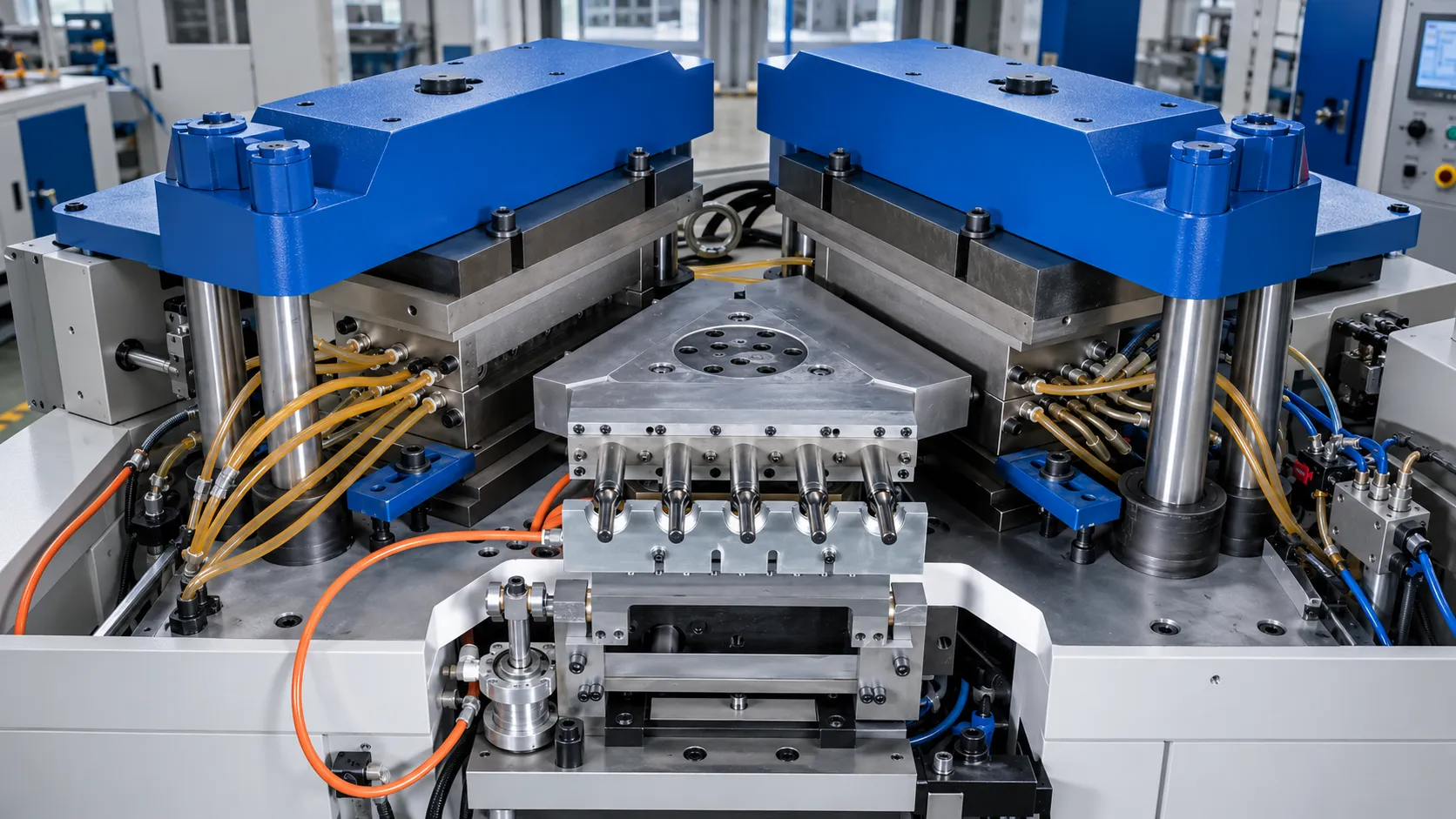
IBM neck precision mechanism — the core rod passes through the neck zone during both injection (defining the bore diameter and thread root geometry) and blow phases (preventing any blow pressure from deforming the injection-moulded neck geometry). This dual-phase core rod engagement is what produces IBM’s ±0.05 mm neck OD — impossible to achieve in extrusion blow molding where the neck is formed by a parting line rather than a precision tool.

Pharmaceutical closure function is the most demanding test of IBM neck precision. Every Korean pharmaceutical closure system — CRC caps, dropper tips, induction seals, pump collars and spray actuators — specifies dimensional requirements for the container neck that the closure interacts with. IBM’s ±0.05 mm neck OD tolerance is the process characteristic that allows Korean pharmaceutical IBM containers to pass closure function tests across all cavities simultaneously, at production sampling frequencies, without statistical outliers at the tolerance edges.

韩国制药公司 IBM 的 CRC 颈部要求

Korean CRC containers must pass Korean KS M ISO 8317 child-resistant effectiveness testing — a formal protocol where 200 adult test subjects and 200 child test subjects each attempt to open the container under specified conditions. The mechanical function of the push-and-turn CRC cap depends on its ratchet teeth engaging the neck bead at a specific interference fit: too wide (neck OD too high) and the cap cannot be rotated — adult accessibility fails; too narrow (neck OD too low) and the cap can be rotated without depression — child resistance fails. The tolerance window for the neck engagement bead OD in Korean pharmaceutical CRC containers is typically ±0.06 mm from the CRC cap manufacturer’s specified nominal. IBM’s ±0.05 mm neck OD is within this window; EBM’s ±0.15–0.25 mm exceeds it. At 24-cavity production on a ZQ110, all 24 cavities must individually produce neck OD within the ±0.06 mm window on every cycle — a requirement that IBM meets through its injection-moulded neck insert precision, which holds the neck OD regardless of blow air pressure, cycle time variation or mould cooling variation.

滴管尖端和感应密封颈部的要求

Korean ophthalmic dropper caps use a snap-fit aperture control insert that seats inside the bottle neck bore, with the insert’s outer diameter engaging the bore inner surface at a specific interference. IBM’s injection mould core rod defines the bore inner diameter with ±0.04 mm tolerance — directly translating to ±0.04 mm aperture control insert fit variation. For Korean induction seal containers (30 ml oral liquid, 100 ml multi-dose liquid), the neck’s flat sealing land must be flat within 0.1 mm TIR (total indicator runout) for the induction foil to bond uniformly without gaps. IBM’s injection mould produces the sealing land surface with the same precision as a machined engineering component — flatness ±0.05 mm TIR across all cavities — because the sealing land is formed by the injection mould face rather than by a parting line or pinch-off as in EBM.

6. IBM在韩国制药洁净室环境中的应用

Korean pharmaceutical primary container production is increasingly conducted in ISO Class 8 or better cleanroom environments — particularly for ophthalmic containers, injectable primary packaging, and multi-dose liquid containers where particulate contamination in the container before filling is a KFDA pharmaceutical quality risk. IBM’s zero-flash production is a direct cleanroom compliance advantage because the particle generation mechanisms inherent to EBM — the flash trim station’s mechanical cutting, the flash removal conveyor, and the regrind system — are entirely absent from an IBM production cell.

Korean pharmaceutical cleanroom IBM cell design requirements for ISO Class 8 (equivalent to Korean GMP Grade D) container production: the IBM machine’s mould area — where containers are formed and where the output conveyor receives the containers — should be enclosed under HEPA-filtered positive-pressure supply air at a minimum of 0.45 m/s face velocity and 20 air changes per hour. Korea Ever-Power’s ZQ series machines accommodate HEPA enclosure installation by the Korean customer’s HVAC engineering team, with connection points for supply air ductwork identified in the ZQ machine layout drawings provided at order. The IBM machine’s hydraulic system should be filled with pharmaceutical-compatible food-grade hydraulic oil (specified as an option on ZQ80, ZQ110 and ZQ135) to prevent non-compliant mineral oil contamination if any hydraulic system seepage occurs in the cleanroom environment.

Korea Ever-Power’s dual hydraulic system (standard on the ZQ80 and above) provides a secondary cleanroom benefit: its 20–30% energy saving versus single-circuit competitor IBM machines reduces the waste heat load generated per unit of container output in the cleanroom space, which reduces the HVAC cooling demand required to maintain the cleanroom temperature set point (typically 20–22°C for Korean pharmaceutical cleanrooms). For Korean pharmaceutical factories where cleanroom HVAC energy is a significant operating cost, the ZQ80 and above models’ dual hydraulic energy efficiency contributes to reduced HVAC loads per unit of production output — a compounding benefit on top of the direct machine energy saving.

7. 韩国制药用IBM容器的GMP认证文件

Korea Ever-Power pharmaceutical IBM machine manufacturing workshop — ZQ series pharmaceutical IBM machine quality control precision assembly and pre-delivery testing with GMP container qualification documentation package preparation for Korean KFDA pharmaceutical supplier qualification
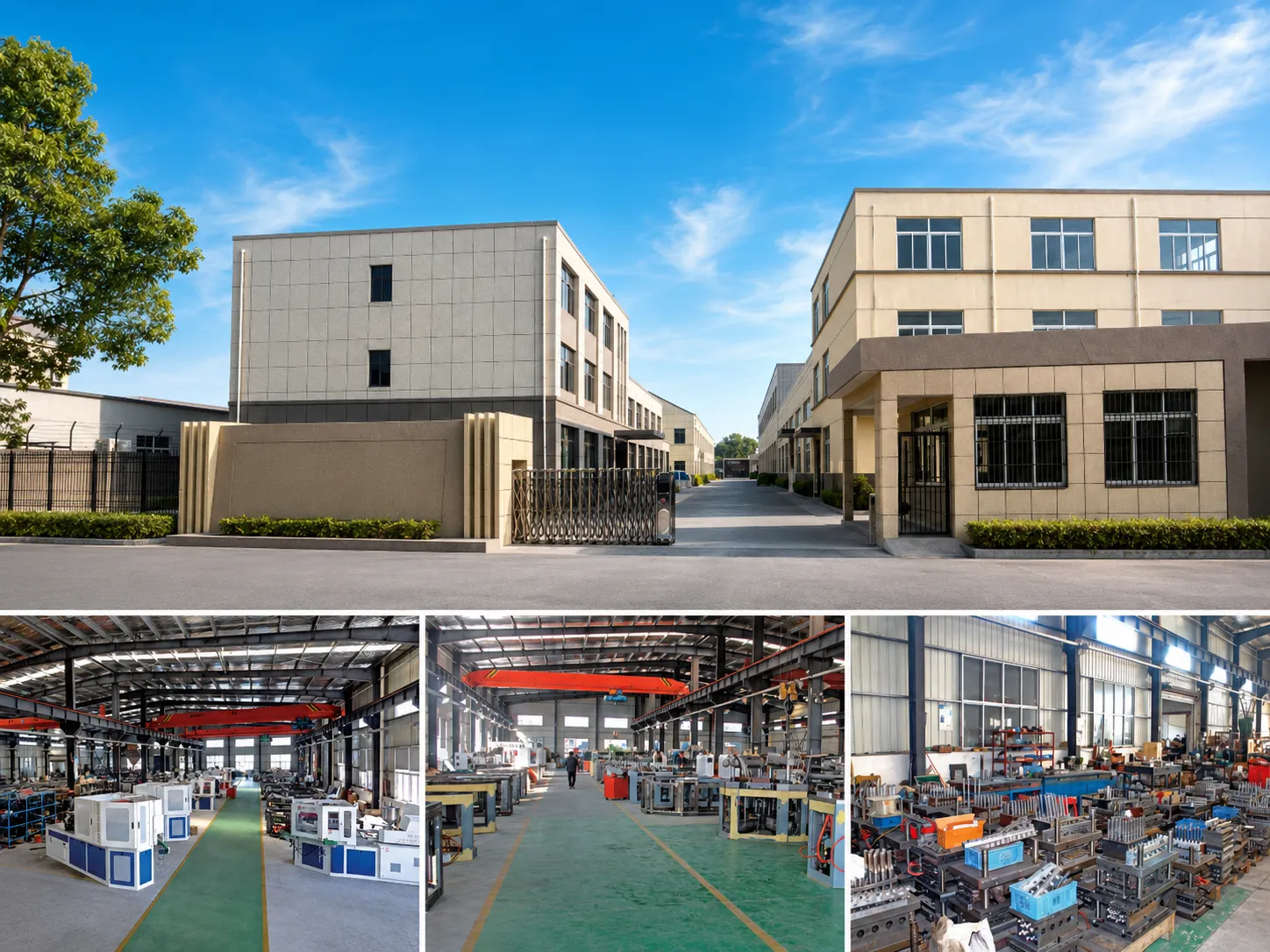
Korea Ever-Power’s manufacturing facility — each pharmaceutical IBM machine undergoes pre-delivery testing with the customer’s mould set installed, producing cavity-by-cavity dimensional data included in the Korean KFDA pharmaceutical container qualification documentation package delivered with the machine and mould. This pre-delivery qualification support reduces the Korean customer’s on-site qualification timeline by providing verified dimensional data before installation.

韩国制药公司对IBM包装容器的认证遵循一套结构化的文档流程,这是韩国制药品牌对其IBM包装容器供应商的要求。了解这一流程有助于韩国IBM包装生产商提前准备正确的文档,从而缩短认证时间,避免因缺少技术数据而导致向韩国食品药品监督管理局(KFDA)提交申请的延误。

第一阶段——集装箱技术文件

材料规格表(树脂制造商、等级、MI值、密度、韩国KFDA认证参考编号);包含所有标称尺寸和公差的容器尺寸图;生产设备和模具标识;生产地点地址和韩国KFDA注册包装设施状态(如适用)。韩国永力公司将此文件作为ZQ系列标准交付包的一部分提供。

第二阶段——集装箱鉴定测试

Korean Pharmacopoeia plastic container test results (extractables from Korean accredited laboratory); dimensional measurement report (cavity-by-cavity, 30 measurements per dimension, 3 production batches); closure engagement test (CRC per KS M ISO 8317, induction seal per ASTM F2096 or equivalent Korean standard, dropper tip insertion torque); chemical compatibility compatibility test (12-week filled stability at 40°C/75% RH with the specific pharmaceutical formulation). Korea Ever-Power provides the cavity-by-cavity dimensional report from pre-delivery production trials as part of standard delivery — reducing the Korean customer’s testing burden at Stage 2.

第三阶段——韩国食品药品监督管理局(KFDA)容器变更通知(如适用)

对于已在韩国食品药品监督管理局 (KFDA) 注册的韩国药品,如果使用不同的包装供应商或包装规格,则需按照韩国《药品法》第32条规定的KFDA包装变更通知程序进行申报。轻微变更(材质相同、包装类型相同、尺寸公差在原有范围内)可由韩国药品生产商自行申报。重大变更(材质变更、封盖类型变更、尺寸公差变更)需经KFDA审核批准后方可投入商业生产使用。时间安排:轻微变更自行申报可立即生效;重大变更KFDA审核需3-6个月(按KFDA目前的审核速度计算)。

8. 韩国制药生产中IBM机器的选择

韩国制药行业的IBM机器选型与其他IBM应用一样,遵循相同的年产量框架,但制药生产需要考虑一个特殊因素:韩国GMP供应商资质认证要求在特定机器(通过机器序列号识别)和腔数下进行。初始认证后,如果更换为更高腔数的机器,则需要重新认证——考虑到成本和时间成本,对于制药行业的IBM机器而言,初始选择合适的规模比家用化学品行业的IBM机器更为重要,因为家用化学品行业的机器规格灵活性更高,重新认证的要求也更低。

年销量(10毫升制药) ZQ模型 10毫升装 韩国制药公司概况
低于每年1500万美元 ZQ40 9 韩国制药初创公司、韩国临床试验材料供应、韩国罕见病专科
每年 1500 万至 3000 万美元 ZQ60 14 韩国中型制药公司、韩国地区医院用品公司、韩国非处方药集装箱
每年 3000 万至 5000 万美元 ZQ80 20 韩国大型制药公司、韩国合同制药包装公司、韩国药品出口商
每年 5000 万至 6500 万美元 ZQ110 24 韩国大型合同药品包装,韩国多产品药品
每年超过6500万 ZQ135 30 韩国国家制药企业,韩国医院供应链合同包装

韩国制药企业IBM规模化扩张的再认证策略: Korean pharmaceutical IBM producers who anticipate scale-up from ZQ60 to ZQ80 within 3 years should consider qualifying both machines simultaneously at initial installation — qualifying the ZQ60 as the primary production machine and the ZQ80 as the approved secondary machine in the same Korean KFDA container change notification. This pre-emptive dual-machine qualification adds modest documentation cost at initial qualification but avoids the 3–6 month Korean KFDA review period for the machine change notification when the scale-up occurs. Korea Ever-Power’s pharmaceutical application team advises Korean pharmaceutical IBM customers on dual-machine qualification strategy as part of the pre-purchase application consultation for pharmaceutical production lines.

常见问题解答

Q1 — IBM医药容器供应商资质认证需要韩国食品药品监督管理局(KFDA)提供哪些文件?

韩国制药品牌在选择新的IBM容器供应商时,需要一份文件包,韩国永力公司(Korea Ever-Power)会随每批制药用IBM容器交付提供该标准文件包。完整文件包包括:(1)树脂规格——制造商、等级名称、批号、分析证书(包括熔点、密度、熔点)以及韩国食品药品安全部(KFDA)正面清单参考或KFDA食品/药品接触声明;(2)容器图纸——所有标称尺寸和公差、材料标识、容量标记规格和修订历史;(3)机器和模具标识——韩国永力公司机器序列号、模具序列号、型腔数量和生产地点地址;(4)逐型腔尺寸报告——对连续500个生产周期的所有型腔进行每个尺寸(颈部外径、内径、高度、容积)30次测量,以验证所有型腔同时符合规格;(5)韩国药典塑料容器测试证书——由韩国认可的检测实验室提供的可萃取物检测报告,确认符合韩国药典对HDPE或PP制药容器的限制。 (6)封盖密封性能测试报告——根据KS M ISO 8317标准进行的CRC功能测试(适用于CRC容器)、感应密封强度测试(适用于感应密封容器)或滴管尖端插入扭矩测试(适用于眼科滴管容器);(7)化学相容性测试报告——使用拟定容器供应商提供的特定药物配方,在40°C/75%相对湿度条件下进行为期12周的灌装稳定性测试,确认无萃取物超过韩国食品药品监督管理局(KFDA)规定的限值,无尺寸变化超过规格,且封盖完整性无缺陷。从IBM机器交付到所有测试文件齐全,通常需要16-20周——12周灌装稳定性测试决定了整体时间安排。

Q2 — IBM 如何消除韩国制药洁净室生产中的颗粒物污染风险?

IBM eliminates particulate contamination risk in Korean pharmaceutical cleanroom production through its fundamental process architecture — not through add-on contamination control measures. Three specific particle generation mechanisms present in EBM are absent from IBM: the flash trim station (where mechanical blades contact the bottle at high speed to remove flash, generating plastic particles that become airborne in the production environment); the flash removal conveyor (where flash pieces are conveyed away from the blow station, and fragmentation of flash pieces in the conveyor generates secondary plastic particles); and the regrind system (where flash is granulated into regrind particles for return to the extruder, and the granulator generates fine plastic dust). In an IBM production cell, none of these mechanisms exist. The IBM machine produces finished containers directly from resin without any intermediate product (flash) that requires mechanical processing. In a Korean pharmaceutical cleanroom IBM cell, the only particle sources are: resin dust from the hopper (controlled by enclosed hopper with filtered vent); mould core rod wear particles (controlled by periodic core rod inspection and replacement schedule); and hydraulic system particles (controlled by hydraulic filter maintenance and pharmaceutical-grade oil specification). All three can be managed to Korean pharmaceutical cleanroom particulate limits with standard cleanroom housekeeping protocols. Korea Ever-Power’s ZQ series pharmaceutical machine configuration includes hydraulic oil filter grade specification and maintenance interval recommendations that keep hydraulic particle contribution below Korean pharmaceutical cleanroom particulate action limits.

Q3 — 韩国制药用 CRC 容器 IBM 生产的最大腔数是多少?

The maximum cavity count for Korean pharmaceutical CRC container IBM production on Korea Ever-Power’s ZQ series depends on the container volume. For 100 ml CRC medicine bottles (the most common Korean pharmaceutical CRC format): 14 cavities on the ZQ110 (confirmed production configuration). For 50 ml CRC containers: up to 18 cavities on the ZQ110. For 30 ml CRC vials: up to 22 cavities on the ZQ110 or up to 26 cavities on the ZQ135. The CRC container maximum cavity count is determined by the platen size and 1,100–1,350 KN injection clamping force requirements — at 100 ml CRC, the larger bottle footprint limits the cavity count more than the clamping force per cavity. At 100 ml with 14-cavity ZQ110 production, output is approximately 6,000 CRC medicine bottles per hour at 4-second cycle and 88% efficiency — approximately 12.6 million CRC medicine bottles per Korean two-shift year. Korean pharmaceutical manufacturers producing single-product annual volumes above 12 million 100 ml CRC bottles should evaluate the ZQ135 at a configuration Korea Ever-Power’s pharmaceutical application engineers can size for the specific container dimensions and annual production requirement. For smaller CRC formats at higher cavity counts, the ZQ135 at 24-cavity 50 ml CRC produces approximately 10,800 containers per hour — approximately 22.7 million 50 ml CRC bottles per Korean two-shift year from a single machine.

Q4 — 从机器订购到商业化生产批准,韩国制药用IBM容器的认证需要多长时间?

从机器订购到韩国食品药品监督管理局 (KFDA) 批准的商业化生产,韩国制药用 IBM 容器的验证流程分为两个阶段,各阶段的耗时不同。第一阶段——机器和模具的交付及安装:自订单确认之日起 80-100 天(ZQ80 标准交付周期为机器制造 65-80 天 + 模具制造 50-65 天,同步进行 + 安装)。第二阶段——容器验证和韩国食品药品监督管理局 (KFDA) 文件编制:自首批生产样品交付之日起 16-24 周。第二阶段的流程主要由三项必须按顺序进行的活动组成。首先,韩国药典 (KP) 可萃取物测试:在韩国认可的检测实验室进行 4-6 周(与其他测试同时进行)。其次,灌装稳定性测试:在 40°C/75% RH 条件下,使用实际药物制剂进行 12 周——这是关键路径活动,不能加快。第三,韩国食品药品监督管理局 (KFDA) 容器变更通知(如果现有已注册的韩国药品需要变更):重大变更审查需要 3-6 个月。对于一款全新的韩国药品(尚未在韩国食品药品监督管理局 (KFDA) 注册),从机器订购到商业化生产的总周期约为 7-9 个月。对于一款已在韩国注册且需要变更包装容器的药品,周期约为 13-15 个月(从机器订购到完成所有文件需要 10 个月,加上 KFDA 审核的 3-5 个月)。计划采用 IBM 包装容器的韩国制药品牌应将此周期纳入其韩国包装变更项目计划中——IBM 包装容器的认证并非与机器交付同步进行,而是与监管审核同步进行,无论机器安装和文件准备速度有多快,监管审核环节都无法压缩。

Q5 — IBM 容器能否满足韩国 KFDA 对无菌药品的要求?

IBM containers can serve as primary packaging for Korean sterile pharmaceutical products in specific configurations, with the sterility being provided by the filling process rather than the container. For Korean terminally sterilised ophthalmic preparations (eye drops sterilised in the final container by autoclaving or radiation): HDPE IBM containers are compatible with gamma and ethylene oxide sterilisation; PP IBM containers are compatible with steam (autoclave), gamma and EtO sterilisation. The container must be qualified with the specific sterilisation method — dimensional retention through sterilisation cycles, extractables post-sterilisation within KP limits, and closure integrity post-sterilisation. For Korean aseptically filled sterile pharmaceuticals (filled under sterile conditions without terminal sterilisation): the IBM container is not sterile at the point of fill — it must be sterilised before aseptic filling by the Korean pharmaceutical manufacturer. Korean aseptic IBM container sterilisation methods include: gamma irradiation at 25–40 kGy (HDPE and PP both compatible; verify dimensional retention and extractables post-irradiation with the specific resin grade); ethylene oxide (compatible with both HDPE and PP; EtO residuals must desorb to below Korean MFDS medical device limits before use); hydrogen peroxide vapour sterilisation (compatible with HDPE and PP for surface sterilisation of pre-formed containers; used in Korean pharmaceutical blow-fill-seal adjacent processes). IBM containers are not self-sterilising — the Korean pharmaceutical manufacturer is responsible for container sterilisation as part of their Korean GMP pharmaceutical production process validation, with the IBM container supplier’s role being to provide containers that maintain integrity and extractable compliance through the sterilisation method.

Q6 — 在韩国 IBM 生产环境中,药品一级包装和二级包装有什么区别?

In Korean pharmaceutical packaging regulation, primary packaging is the packaging that is in direct contact with the pharmaceutical product — the HDPE or PP IBM bottle that contains the eye drops, oral liquid, or medicine. Secondary packaging is the outer packaging that surrounds the primary container — the cardboard carton, the blister tray, or the shipper box. IBM containers are pharmaceutical primary packaging, subject to the full Korean KFDA pharmaceutical container qualification requirements described in this guide. Secondary packaging is not subject to Korean KFDA pharmaceutical plastic container standards — only general Korean packaging material standards apply. The primary/secondary distinction matters for Korean IBM packaging producers in two practical ways. First, regulatory pathway: primary container changes (material, supplier, dimensions) require Korean KFDA notification per Korean Pharmaceutical Affairs Act Article 32; secondary packaging changes are typically handled through the Korean pharmaceutical manufacturer’s internal change control process without Korean KFDA notification. Second, cleanroom requirement: Korean pharmaceutical primary container production (IBM containers) is subject to Korean GMP cleanroom environmental requirements; secondary packaging production is not. Korean IBM producers supplying pharmaceutical primary containers must demonstrate Korean GMP-compliant production conditions (environmental monitoring, personnel hygiene, validated cleaning procedures) that secondary packaging producers — such as Korean carton printers — are not required to demonstrate. This distinction explains why Korean pharmaceutical primary container IBM production is typically conducted in dedicated cleanroom production areas separated from the Korean IBM producer’s general commercial packaging production operations.

IBM制药咨询

为韩国制药生产指定使用IBM容器?

韩国永力公司为韩国制药初级包装提供药品IBM容器尺寸认证、韩国KFDA文件包、洁净室机器配置和ZQ系列机器选型,适用于所有生产规模。

请求IBM医药咨询

相关资源

大型制药公司 IBM
EP-ZQ110 注塑吹塑机
1,100 KN · 24 个 10 毫升制药腔 · 4+N 个桶区 · 22+22 KW 双液压 · 韩国两班制每年约 5000 万至 6500 万个眼科容器。


大型制药公司 IBM
EP-ZQ135 注塑吹塑机
1,350 KN · 30 个腔体,每个腔体容量 10 ml · 6+N 个桶区 · 37+37 KW · 韩国国家制药医院供应 — 每台机器每年生产 8300 万个眼科容器。


流程指南
IBM 与 ISBM:选择合适的流程
为什么 HDPE 和 PP 药品包装容器使用 IBM,而 PET 化妆品和饮料包装容器使用 ISBM——韩国药品包装决策的材料、瓶颈精度和产量比较。


编辑:Cxm


工厂虚拟现实之旅

标签: