Фармацевтична IBM · Корейска KFDA GMP · Корея Ever-Power
Шприцване чрез раздуване за
Фармацевтични бутилки
Шприцването чрез раздуване е стандартният процес за първични опаковки на корейски фармацевтични продукти от HDPE и PP. Това е единственият процес на раздуване, който последователно отговаря на изискванията за размери на корейската KFDA GMP за контейнери CRC без вторична обработка на гърлото, елиминира риска от замърсяване с частици от бързото подрязване и постига необходимия брой кухини за корейското фармацевтично производство при формати от 10–100 ml. Това ръководство обхваща форматите на контейнерите, квалификацията на корейската KFDA, прецизността на гърлото, съображенията за чисти помещения и избора на машина за корейското фармацевтично производство на IBM.
CRC и прецизност на врата
Производство на IBM с нулеви частици
Инженерно бюро „Ever-Power“ в Корея · Ансан-си · юли 2026 г.
Фармацевтична IBM — справка за корейското производство
±0,05 мм
Толеранс на външен диаметър на шийката на IBM — корейски стандарт за квалификация на KFDA CRC ±0,06 мм
Нулева светкавица
Без станция за подрязване — без риск от частици в чиста стая за корейски фармацевтични продукти
До 30
Максимален брой кухини при 10 мл — мегамащабен корейски фармацевтичен IBM (ZQ135)
KFDA · ICH
Съгласуване на рамката за квалификация на корейските фармацевтични IBM контейнери
1. Защо IBM е корейският стандарт за фармацевтични процеси

Инжекционното формоване чрез раздуване се утвърди като стандартен процес за първични опаковки на корейските фармацевтични продукти от HDPE и PP чрез съчетаването на три предимства на процеса, които са уникално релевантни за изискванията на корейското фармацевтично производство. Първо, прецизност на гърлото при шприцване: IBM произвежда гърлото на бутилката чрез шприцване - същият прецизен производствен процес, който произвежда компоненти за фармацевтични запушалки - постигайки толеранс от ±0,05 мм външен диаметър на гърлото, постоянно във всички кухини и всички производствени цикли. Тази прецизност е възможността за корейските фармацевтични контейнери CRC, бутилки с капачка-капка и първични контейнери с помпа-дозатор, всички от които изискват захващане на затварянето при размерни допуски, които екструдираното формоване чрез раздуване не може да постигне без вторична обработка на гърлото. Второ, нулево образуване на частици и нулево генериране на частици: IBM не произвежда никакви частици на нито един етап от процеса, което означава, че няма станция за подрязване, няма механична операция по подрязване и няма генерирани пластмасови частици в производствената среда. За корейското производство на фармацевтични продукти в чисти помещения, където контролът на частиците е изискване на GMP, присъщият на IBM процес без частици е пряко предимство за съответствие с регулаторните изисквания пред EBM. Трето, ефективност на многокухините: IBM машина за шприцване с раздувна форма Платформите постигат до 30 кухини при 10 мл - брой кухини, който позволява икономии на корейското фармацевтично производство в мащаб на една машина, до които EBM не може да се доближи при малки формати.
Производството на фармацевтични контейнери в Корея е допълнително обусловено от специфични корейски регулаторни изисквания. Корейските разпоредби на KFDA (Министерство за безопасност на храните и лекарствата) за фармацевтични контейнери изискват документация за квалификация на контейнерите, която включва съответствие с размерите, химическа съвместимост, данни за екстрахируеми и излужваеми вещества, както и тестове за функцията на затваряне - всички тези контейнери IBM преминават през установени протоколи за квалификация. В резултат на това регулаторно и качествено съгласуване, корейските фармацевтични марки, корейските производители по договор и корейските фармацевтични износители посочват контейнери IBM за своите първични фармацевтични опаковки в малки формати.
2. Изисквания на корейската KFDA за фармацевтични опаковки
Изискванията за първичните фармацевтични контейнери в Корея са установени от Корейската агенция по храните и лекарствата (KFDA) (식품의약품안전처) съгласно Корейския закон за фармацевтичните въпроси и Корейската фармакопея (KP). Изискванията за фармацевтични контейнери в Корея са в значителна степен съобразени със спецификациите на ICH Q6A и стандартите за пластмасови контейнери USP/EP, с допълнения, специфични за Корея, за определени видове формати на контейнери. Производителите на контейнери за фармацевтични продукти от Корея трябва да разберат кои изисквания на KFDA се отнасят за техните специфични формати на контейнери, преди да започнат процеса на квалификация на корейските фармацевтични продукти.
Корейски стандарти за пластмасови контейнери KFDA
Общата монография на Корейската фармакопея (KP) за пластмасови контейнери за фармацевтична употреба определя изискванията за изпитвания за фармацевтични контейнери от HDPE и PP, включително: екстрахируеми вещества под границите на KP във вода, оцетна киселина 4%, етанол 20%, хептан и метанол за екстракция; тежки метали под 1 ppm; фенол под 5 ppm; UV абсорбция в рамките на границите. Контейнерите на IBM трябва да преминат тези тестове при определената дебелина на стената, като се използва производствен клас HDPE или PP смола, а не лабораторен образец за изпитване. Корейските фармацевтични производители на IBM трябва да провеждат тестове за екстрахируеми вещества върху реални производствени контейнери от своята IBM машина при производствените си условия, използвайки смола от същата търговска партида, която ще доставя продукцията, за да се гарантира, че резултатите от тестовете представляват търговския продукт, който корейските фармацевтични марки ще валидират.
Корейската KFDA допълнително изисква специфична документация за размерите на фармацевтичните първични контейнери, използвани с регистрирани корейски фармацевтични продукти. Корейското фармацевтично досие (еквивалент на корейското NDA) включва спецификации на контейнера, обхващащи: номинален обем с позиция на маркировката за ниво на пълнене, външен диаметър на гърлото и диаметър на отвора с допустими отклонения, спецификация на въртящия момент на затваряне, идентификация на материала на контейнера (вид смола, клас, статус в положителния списък на корейската KFDA) и цвят (прозрачен, естествен HDPE, пигментиран HDPE, ако е приложимо). Всяка промяна в спецификацията на контейнера — включително промяна на партидата смола, промяна на производствената машина или промяна на броя на кухините — изисква уведомление за промяна на контейнера от корейската KFDA и може да изисква повторно тестване за квалификация в зависимост от естеството на промяната.
Изисквания за формат на контейнера за ключове
| Формат на контейнера | Ключово изискване на корейския KFDA | Състояние на съответствието на IBM |
|---|---|---|
| Офталмологични (капки за очи) | Съвместимост със стерилно пълнене, прилягане на върха на капкомера ±0,05 мм, без частици (стандарт за инжекционни продукти на KFDA) | Native — инжекционна шийка, нулево проблясване ✓ |
| Бутилка за лекарства CRC | Захващане на капачката CRC съгласно KS M ISO 8317, външен диаметър на шийката ±0,06 мм, външен диаметър на резбата ±0,05 мм | Нативна — инжекционна шийка ±0,05 мм ✓ |
| Флакон с перорална течност | Съвместимост с индукционни уплътнения, плоскост на шийката ±0,1 мм, химическа съвместимост 24 месеца | Родно — плоска уплътнителна повърхност на гърлото ✓ |
| Помпа-дозатор Основен | Захващане на помпения пръстен, отвор на шийката ±0,08 мм, химическа съвместимост | Native — прецизност на отвора на инжекционната шийка ✓ |
| Автоклавиран PP контейнер | Устойчивост на пара 121°C, запазване на размерите след автоклавиране, KP тест за пластмаса | PP IBM — изисква се топлоустойчив клас ✓ |
3. HDPE фармацевтични IBM контейнери: Формати и спецификации
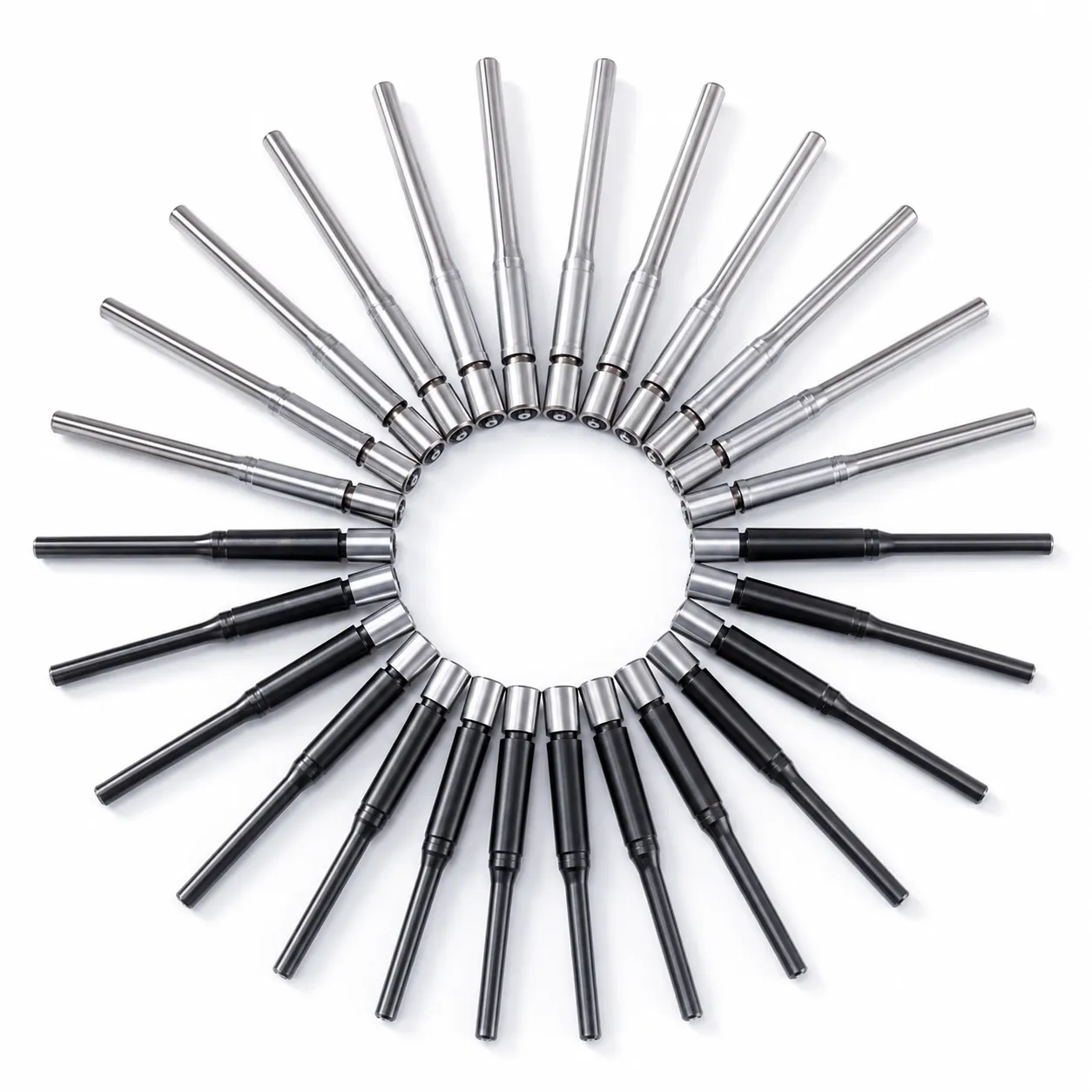
HDPE е доминиращият материал за корейските фармацевтични IBM контейнери — представлява по-голямата част от обема на производство на първични фармацевтични контейнери в Корея от HDPE IBM. Пълното ръководство за фармацевтични HDPE IBM е разгледано в Ръководство за обработка на HDPE IBM; този раздел се фокусира върху специфичните фармацевтични изисквания за всеки формат на HDPE IBM контейнер.
10 мл офталмологични бутилки — лидер по обем на продажбите в корейската фармацевтична компания IBM
Корейските офталмологични HDPE контейнери от 10 ml са с най-голям обем фармацевтични IBM формати в Корея — комбинацията от обем на корейските офталмологични рецепти на глава от населението (Корея има един от най-високите нива на офталмологични рецепти на глава от населението в Източна Азия, обусловен от употребата на контактни лещи в Корея и дигиталната умора на очите в Корея), корейския пазар на изкуствени сълзи без рецепта и корейските изисквания за фармацевтичен износ води до годишен обем на корейските офталмологични контейнери над 500 милиона единици. IBM е процесът, който е рекорден за корейските офталмологични контейнери, тъй като отворът на върха на капачката-пипетка, захващането на резбата на капачката-пипетка и достатъчната прозрачност на тялото на контейнера за проверка на нивото на пълнене изискват прецизността на IBM, която EBM не може да постигне. Вид HDPE за корейски офталмологични IBM: MI 0,3–0,5, плътност 0,950–0,960, пакет с добавки с фармацевтичен клас съгласно положителния списък на KFDA. Дебелина на стената: тяло 0,30–0,40 mm (достатъчна прозрачност за проверка на нивото на пълнене), гърло 0,9–1,2 mm (задържане на затварянето). Производство: Корея Ever-Power ZQ80 (20 кухини → ~15 800/час) и ZQ110 (24 кухини → ~19 000/час) са основните корейски офталмологични IBM платформи.
30 мл флакони за перорално приложение
Корейските 30-милилитрови HDPE флакони за перорална течност сервират течни лекарства с единична доза — корейски сиропи за педиатрична употреба, корейски течни витаминни препарати и корейски разтвори за перорална рехидратация. Тези формати изискват IBM по две специфични причини: съвместимостта на индукционното уплътнение на плоската уплътнителна повърхност на гърлото (шприцформата на IBM произвежда плоската уплътнителна зона с Ra ≤ 0,05 μm, необходима за постоянно свързване на индукционното уплътнение във всичките 18–20 кухини) и прозрачността на нивото на запълване на HDPE тялото. При 30 ml машината на IBM произвежда 18 кухини на ZQ80 (приблизително 16 200 флакона на час) или до 22 кухини на ZQ110 (приблизително 19 800 флакона на час) — производителност, която съответства на скоростите на корейската производствена линия за перорални течни фармацевтични продукти, без да се изискват множество машини на IBM за една продуктова линия.
100 мл бутилки за лекарства CRC
Корейските бутилки за лекарства CRC от HDPE с вместимост 100 ml са най-взискателният фармацевтичен IBM формат от гледна точка на размерния толеранс. Изпитването за затваряне, защитено от деца, по корейския стандарт KS M ISO 8317 изисква по-малко от 20% възрастни участници в теста да не отворят контейнера в рамките на 5 минути (CRC трябва да е защитено от деца, но достъпно за възрастни). Този функционален баланс се постига чрез механичното зацепване на капачката CRC с зацепващия мънист на гърлото на бутилката - зацепване, което зависи от това външният диаметър на мъниста да е в рамките на ±0,06 mm от проектирания диаметър на зацепване на капачката CRC. Толерансът от ±0,05 mm за външен диаметър на гърлото на IBM е в рамките на това изискване; толерансът от ±0,15–0,25 mm на EBM не е. Вид HDPE за CRC IBM: MI 0,5–0,8 за по-твърд мънист, който се съпротивлява на деформация под силата на натиск на капачката CRC; плътност 0,955–0,965 за максимална твърдост на мъниста в зоната на контакт.
4. PP фармацевтични IBM контейнери: Кога е необходим PP вместо HDPE
Полипропиленът (PP) се изисква вместо HDPE за корейските фармацевтични IBM контейнери в две добре дефинирани категории приложения: терминална стерилизация с пара (автоклав) и високотемпературни фармацевтични процеси. Температурата на топлинно отклонение на PP (110–120°C при 0,45 MPa) му позволява да запази размерната си цялост по време на стандартните корейски автоклавни цикли при 121°C в продължение на 20 минути, докато HDPE започва да се деформира над 80–85°C под налягане на парата и въртящ момент на затваряне.
Корейски автоклавируеми PP IBM контейнери
Корейските терминално стерилизирани фармацевтични продукти — включително някои корейски офталмологични препарати, корейски иригационни разтвори и корейски локални фармацевтични формулировки — изискват първични контейнери, които издържат цикъла на автоклавиране без промяна в размерите в зоната на затваряне. Контейнерите PP IBM за употреба в корейски автоклави са с по-високи изисквания: клас PP съполимер (хомополимерът PP има по-добра топлоустойчивост, но е по-крехък; произволният съполимер PP предлага по-добра прозрачност и удароустойчивост при леко намаление на топлоустойчивостта — за корейски фармацевтичен автоклав при 121°C и двата класа са достатъчни); скорост на течливост на стопилката 5–15 g/10 min при 230°C/2,16 kg (по-висок MFR от класовете HDPE IBM, съответстващ на обикновено по-високата течливост на PP); температура на цилиндъра 200–240°C на корейски машини от серията Ever-Power ZQ (по-висока от обработката на HDPE, изискваща коригиране на зададените стойности на зоната на цилиндъра спрямо базовата линия на HDPE); Проверка на размерите след автоклавиране (външният диаметър на гърлото на контейнера и размерите на резбата трябва да са в рамките на спецификацията след 3 цикъла на автоклавиране при 121°C/20 мин — тази проверка на размерите след автоклавиране е квалификационно изискване на KFDA за терминално стерилизирани корейски фармацевтични контейнери).
Разлики в обработката на PP срещу HDPE от IBM на машини от серия ZQ
| Параметър за обработка | HDPE (MI 0.3–0.8) | ПП (MFR 5–15) |
|---|---|---|
| Температура на измервателната зона | 200–215°C | 220–235°C |
| Температура на инжекционната дюза | 210–220°C | 230–245°C |
| Налягане на инжектиране | 80–140 МПа | 60–110 MPa (по-нисък вискозитет) |
| Време на задържане на духането | 0,8–1,5 сек | 1,0–2,0 s (по-бавна кристализация) |
| Температура на плесента | 15–25°C | 20–40°C (PP се нуждае от по-бавно охлаждане, за да се предотврати избелване от напрежение) |
| Проверка на размерите след автоклавиране | Не е задължително | Задължително — Корейска квалификация KFDA |
5. IBM Neck Precision за фармацевтични капачки
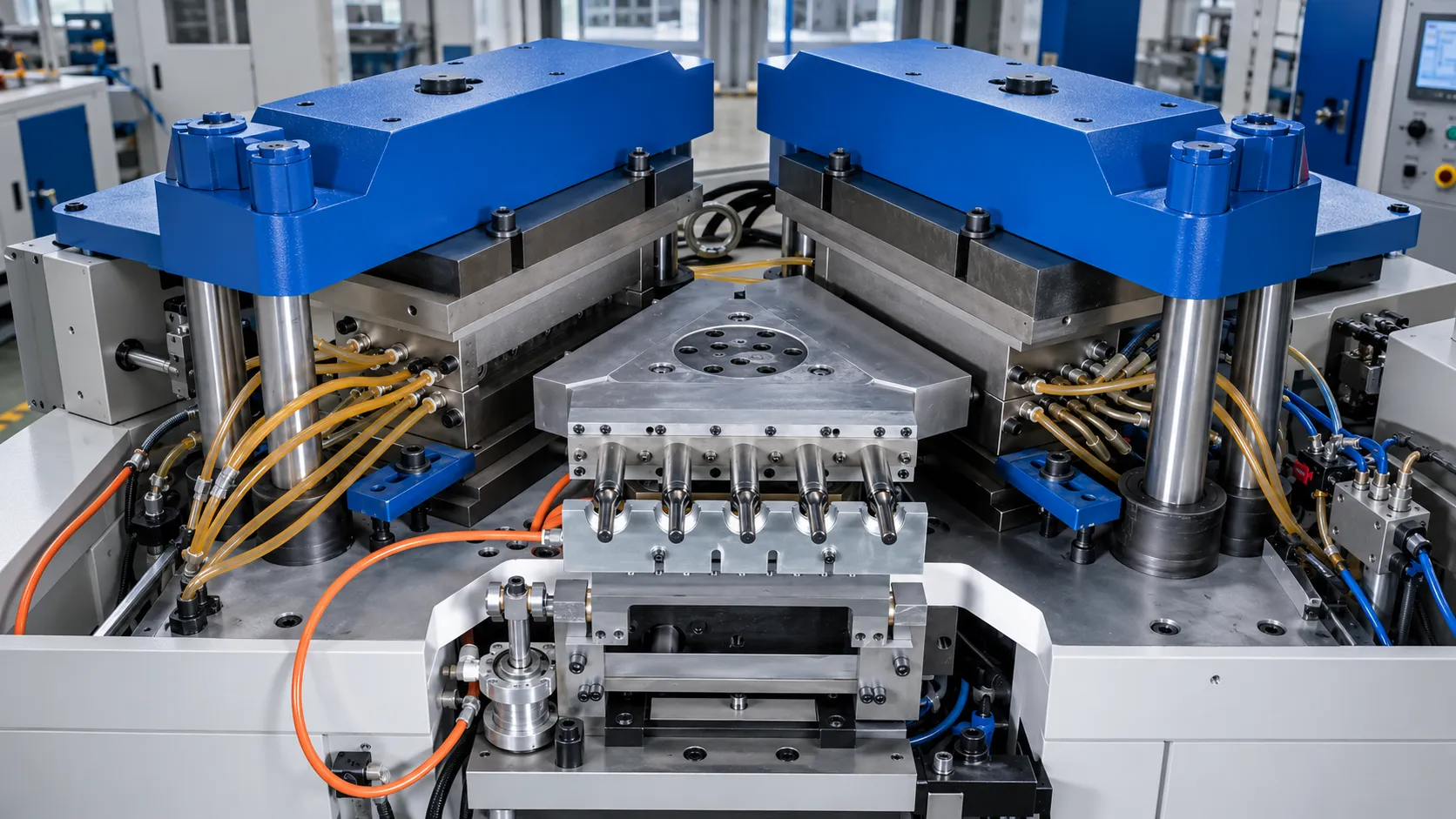
Функцията за фармацевтично затваряне е най-взискателният тест за прецизност на гърлото на IBM. Всяка корейска система за фармацевтично затваряне - CRC капачки, накрайници на капкомери, индукционни уплътнения, яки на помпи и задвижващи механизми за пръскане - определя изисквания за размерите на гърлото на контейнера, с което взаимодейства затварянето. Толерансът на IBM от ±0,05 мм за външен диаметър на гърлото е характеристиката на процеса, която позволява на корейските фармацевтични контейнери на IBM да преминат тестове за функция на затваряне във всички кухини едновременно, при честоти на вземане на проби от производството, без статистически отклонения в границите на толеранса.
Изисквания за CRC Neck за корейската фармацевтична компания IBM
Корейските контейнери за CRC трябва да преминат корейски тестове за ефективност на защита от деца KS M ISO 8317 — официален протокол, при който 200 възрастни участници в теста и 200 деца участници в теста се опитват да отворят контейнера при определени условия. Механичната функция на капачката за CRC с натискане и завъртане зависи от зъбите на тресчотката, които се захващат с мънистото на гърлото при специфично пресоване: твърде широка (твърде висок външен диаметър на гърлото) и капачката не може да се завърти — достъпът за възрастни е неуспешен; твърде тясна (твърде нисък външен диаметър на гърлото) и капачката може да се завърти без натиск — защитата от деца е неуспешна. Прозорецът на толеранс за външния диаметър на мънистото на гърлото в корейските фармацевтични контейнери за CRC обикновено е ±0,06 мм от посочената от производителя на капачката CRC номинална стойност. ±0,05 мм външен диаметър на гърлото на IBM е в рамките на този прозорец; ±0,15–0,25 мм на EBM го надвишава. При производство с 24 кухини на ZQ110, всички 24 кухини трябва поотделно да произвеждат външен диаметър на шийката в рамките на ±0,06 мм прозорец на всеки цикъл - изискване, което IBM изпълнява чрез прецизността на своите шприцвани вложки за шийка, които запазват външния диаметър на шийката, независимо от налягането на въздуха за вдухване, вариациите във времето на цикъла или вариациите в охлаждането на матрицата.
Изисквания за върха на капкомера и индукционното уплътнение на гърлото
Корейските офталмологични капачки за капкомери използват вложка за контрол на апертурата, която се поставя щракващо вътре в отвора на гърлото на бутилката, като външният диаметър на вложката се захваща с вътрешната повърхност на отвора при специфично натягане. Прътът на сърцевината на шприцформата на IBM определя вътрешния диаметър на отвора с толеранс от ±0,04 мм - което директно се превръща в вариация на пасването на вложката за контрол на апертурата от ±0,04 мм. За корейските контейнери с индукционно запечатване (30 ml перорална течност, 100 ml многодозова течност), плоската уплътнителна повърхност на гърлото трябва да е плоска в рамките на 0,1 mm TIR (общо биене на индикатора), за да може индукционното фолио да се залепи равномерно без пролуки. Шприцформата на IBM произвежда уплътнителната повърхност със същата прецизност като машинно обработен инженерен компонент - плоскост ±0,05 mm TIR във всички кухини - защото уплътнителната повърхност се образува от лицевата страна на шприцформата, а не от разделителна линия или щипка, както при EBM.
6. IBM в чисти помещения за фармацевтични компании в Корея
Производството на първични фармацевтични контейнери все по-често се извършва в чисти помещения по ISO клас 8 или по-висок — особено за офталмологични контейнери, първични опаковки за инжектиране и контейнери за многодозови течности, където замърсяването с частици в контейнера преди пълнене е риск за фармацевтичното качество на KFDA. Производството на IBM без изпарения е пряко предимство за съответствие с изискванията за чисти помещения, тъй като механизмите за генериране на частици, присъщи на EBM — механичното рязане на станцията за изпаряване, конвейерът за отстраняване на изпаренията и системата за повторно смилане — напълно липсват в производствената клетка на IBM.
Изисквания за проектиране на клетки на IBM за чисти помещения във фармацевтична индустрия в Корея за производство на контейнери по ISO клас 8 (еквивалентен на корейската GMP степен D): зоната на матрицата на машината IBM — където се оформят контейнерите и където изходният конвейер ги приема — трябва да бъде затворена под HEPA-филтриран подаващ въздух с положително налягане с минимална скорост на потока от 0,45 m/s и 20 смени на въздуха на час. Машините от серията ZQ на Korea Ever-Power позволяват монтаж на HEPA корпус от инженерния екип на HVAC на корейския клиент, като точките за свързване на въздуховодите за подавания въздух са посочени в чертежите на ZQ машината, предоставени при поръчка. Хидравличната система на машината IBM трябва да бъде запълнена с фармацевтично съвместимо хидравлично масло с хранителен клас (посочено като опция за ZQ80, ZQ110 и ZQ135), за да се предотврати замърсяване с несъответстващо минерално масло, ако в чистата среда възникне изтичане на хидравлична система.
Двойната хидравлична система на Korea Ever-Power (стандартна за ZQ80 и по-горе) осигурява вторично предимство за чистите помещения: неговата енергоспестяваща мощност 20–30% в сравнение с едноконтурните конкурентни машини IBM намалява натоварването от отпадъчна топлина, генерирано на единица произведен контейнер в пространството на чистите помещения, което намалява нуждата от охлаждане на ОВК, необходимо за поддържане на зададената температура в чистите помещения (обикновено 20–22°C за корейските фармацевтични чисти помещения). За корейските фармацевтични фабрики, където енергията за ОВК в чистите помещения е значителен оперативен разход, двойната хидравлична енергийна ефективност на моделите ZQ80 и по-горе допринася за намалено натоварване на ОВК на единица произведена продукция – допълнително предимство в допълнение към директното пестене на енергия от машината.
7. Документация за GMP квалификация за корейски фармацевтични IBM контейнери
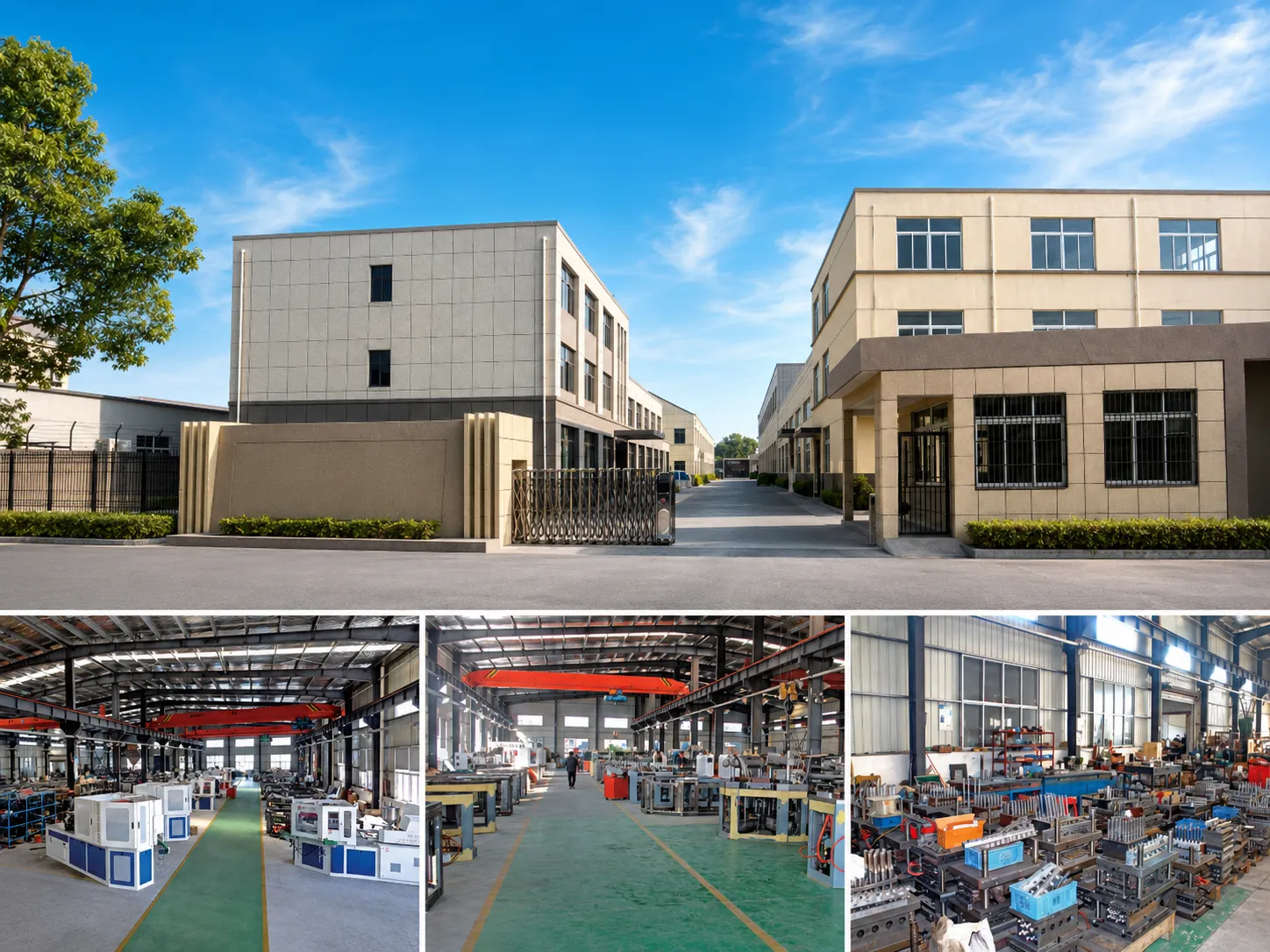
Квалификацията на корейските фармацевтични IBM контейнери следва структуриран процес на документиране, който корейските фармацевтични марки изискват от своите доставчици на IBM контейнери. Разбирането на този процес позволява на корейските производители на IBM опаковки да подготвят правилната документация предварително, като съкращават сроковете за квалификация и избягват забавяния при подаване на документи до KFDA, причинени от липсващи технически данни.
Етап 1 — Техническо досие на контейнера
Спецификация на материала (производител на смолата, клас, MI, плътност, препратка към положителния списък на корейската KFDA); чертеж на контейнера с всички номинални размери и допуски; идентификация на производствената машина и матрицата; адрес на производствения обект и статус на регистрирано в корейската KFDA съоръжение за опаковане (ако е приложимо). Korea Ever-Power предоставя тази документация като част от стандартния пакет за доставка на серията ZQ.
Етап 2 — Тестване за квалификация на контейнера
Резултати от тестове на пластмасови контейнери от Корейската фармакопея (извличаеми материали от акредитирана корейска лаборатория); доклад за измерване на размерите (кухина по кухина, 30 измервания на размер, 3 производствени партиди); тест за захващане на затварянето (CRC съгласно KS M ISO 8317, индукционно уплътнение съгласно ASTM F2096 или еквивалентен корейски стандарт, въртящ момент при поставяне на върха на капкомера); тест за химическа съвместимост (12-седмична стабилност при напълване при 40°C/75% RH със специфичната фармацевтична формула). Korea Ever-Power предоставя доклад за размерите на кухина по кухина от производствените изпитвания преди доставка като част от стандартната доставка — намалявайки тежестта на тестването за корейския клиент на Етап 2.
Етап 3 — Уведомление за промяна на контейнер от корейската KFDA (ако е приложимо)
За корейски фармацевтични продукти със съществуваща регистрация в KFDA, използващи различен доставчик на контейнери или спецификация на контейнери: процедурата за уведомяване за промяна на контейнера от корейската KFDA съгласно член 32 от Корейския закон за фармацевтичните въпроси. Незначителни промени (същият клас материал, същият тип контейнер, в рамките на оригиналния толеранс на размерите) могат да бъдат самостоятелно декларирани от корейския фармацевтичен производител. Значителни промени (промяна на материала, промяна на типа затваряне, промяна на толеранса на размерите) изискват преглед и одобрение от корейската KFDA преди търговска производствена употреба. Срокове: самодеклариране на незначителна промяна = незабавно; преглед на значителна промяна от KFDA = 3–6 месеца при текущия срок за преглед от корейската KFDA.
8. Избор на машини на IBM за корейско фармацевтично производство
Изборът на корейски фармацевтични машини IBM следва същата рамка за годишен обем, както и другите приложения на IBM, с едно допълнително съображение, специфично за фармацевтичното производство: квалификацията на корейски доставчик за GMP изисква квалификация за конкретна машина (идентифицирана по сериен номер на машината) и брой кухини. Преминаването към машина с по-голям брой кухини след първоначална квалификация изисква повторна квалификация - съображение, свързано с разходите и сроковете, което прави първоначалния избор на машина в правилния мащаб по-важен за фармацевтичния IBM, отколкото за IBM за домакински химикали, където гъвкавостта на формата е по-висока, а изискванията за повторна квалификация са по-малко взискателни.
| Годишен обем (10 мл фармацевтично) | ZQ модел | Кариеси @10 мл | Профил на корейската фармацевтична компания |
|---|---|---|---|
| Под 15 милиона годишно | ZQ40 | 9 | Корейски фармацевтичен стартъп, доставка на материали за клинични изпитвания в Корея, корейска специалистка по редки заболявания |
| 15 млн.–30 млн. годишно | ZQ60 | 14 | Корейски средномащабни фармацевтични продукти, доставки за корейски регионални болници, контейнери за корейски лекарства без рецепта |
| 30 млн.–50 млн. годишно | ZQ80 | 20 | Голяма корейска фармацевтична компания, корейски договорни фармацевтични опаковки, корейски фармацевтичен износител |
| 50 млн.–65 млн. годишно | ZQ110 | 24 | Корейски мащабни договорни фармацевтични опаковки, корейски многопродуктови фармацевтични продукти |
| Над 65 милиона годишно | ZQ135 | 30 | Корейски национален фармацевтичен производител, договор за опаковане на корейска болнична верига за доставки |
Стратегия за преквалификация за разрастване на корейската фармацевтична компания IBM: Корейските производители на фармацевтична IBM, които очакват увеличаване на мащаба от ZQ60 до ZQ80 в рамките на 3 години, трябва да обмислят едновременното квалифициране на двете машини при първоначалното инсталиране — квалифициране на ZQ60 като основна производствена машина и ZQ80 като одобрена вторична машина в едно и също уведомление за промяна на контейнер от корейската KFDA. Тази превантивна квалификация за две машини добавя скромни разходи за документация при първоначалното квалифициране, но избягва 3–6-месечния период за преглед от корейската KFDA за уведомлението за промяна на машината, когато се случи увеличаването на мащаба. Екипът за фармацевтични приложения на Korea Ever-Power съветва корейските клиенти на фармацевтичната IBM относно стратегията за квалификация за две машини като част от консултацията преди закупуване на фармацевтични производствени линии.
Често задавани въпроси
Запитване за фармацевтична компания IBM
Специфициране на IBM контейнери за корейско фармацевтично производство?
Korea Ever-Power предоставя квалификация за размери на фармацевтични контейнери IBM, корейски пакети с документация на KFDA, конфигурация на машини за чисти помещения и избор на машини от серията ZQ за първични опаковки на корейски фармацевтични продукти във всички производствени мащаби.
Свързани ресурси
Машина за шприцване с раздувна леене под налягане EP-ZQ110
1100 KN · 24 кухини при 10 ml фармацевтично вещество · 4+N зони на варела · 22+22 KW двойна хидравлика · ~50M–65M офталмологични контейнера на корейска двусменна година.
Машина за шприцване с раздувна леене под налягане EP-ZQ135
1350 KN · 30 кухини по 10 ml · 6+N зони на варела · 37+37 KW · Национално снабдяване на фармацевтични болници в Корея — 83 милиона офталмологични контейнера годишно на машина.
IBM срещу ISBM: Избор на правилния процес
Защо фармацевтичните контейнери от HDPE и PP използват IBM, докато козметичните и напитъчните контейнери от PET използват ISBM — сравнение на материала, прецизността на гърлото и производителността за решения за опаковане на фармацевтични продукти в Корея.