บริษัทเภสัชกรรม IBM · สำนักงานคณะกรรมการอาหารและยาของเกาหลี (KFDA) รับรองมาตรฐาน GMP · บริษัท เอเวอร์พาวเวอร์ ของเกาหลี
การฉีดขึ้นรูปเป่าสำหรับ
ขวดบรรจุยา
การขึ้นรูปด้วยการเป่า (Injection blow molding) เป็นกระบวนการมาตรฐานสำหรับบรรจุภัณฑ์ขั้นต้นของยาในเกาหลี โดยใช้วัสดุ HDPE และ PP เป็นกระบวนการขึ้นรูปด้วยการเป่าเพียงกระบวนการเดียวที่ตรงตามข้อกำหนดด้านขนาดของ KFDA GMP สำหรับภาชนะ CRC อย่างสม่ำเสมอโดยไม่ต้องผ่านกระบวนการตกแต่งคอภาชนะเพิ่มเติม ช่วยลดความเสี่ยงจากการปนเปื้อนของอนุภาคจากการตัดแต่งส่วนเกิน และได้จำนวนช่องแม่พิมพ์ที่เพียงพอต่อความคุ้มค่าทางเศรษฐกิจของการผลิตยาในเกาหลีในขนาด 10–100 มล. คู่มือนี้ครอบคลุมถึงรูปแบบภาชนะ การรับรองจาก KFDA ความแม่นยำของคอภาชนะ ข้อควรพิจารณาเกี่ยวกับห้องปลอดเชื้อ และการเลือกเครื่องจักรสำหรับการผลิตบรรจุภัณฑ์แบบเป่าขึ้นรูป (IBM) ของยาในเกาหลี
CRC และความแม่นยำของคอ
การผลิตของ IBM ที่ปราศจากอนุภาค
ฝ่ายวิศวกรรมของ Korea Ever-Power · เมืองอันซาน · กรกฎาคม 2569
บริษัท IBM ฝ่ายเภสัชกรรม — ข้อมูลอ้างอิงการผลิตในเกาหลี
±0.05 มม.
ค่าความคลาดเคลื่อนของเส้นผ่านศูนย์กลางภายนอกของคอ IBM — มาตรฐานการรับรอง CRC ของ KFDA เกาหลี ±0.06 มม.
ซีโร่ แฟลช
ไม่มีสถานีตัดแต่ง — ไม่มีอันตรายจากอนุภาคในห้องคลีนรูมเภสัชกรรมของเกาหลี
มากถึง 30
โพรงขนาดสูงสุด 10 มล. — บริษัทเภสัชกรรมขนาดใหญ่ของเกาหลี IBM (ZQ135)
KFDA · ICH
การปรับกรอบการรับรองคุณภาพบรรจุภัณฑ์ของบริษัทยาเกาหลี IBM ให้สอดคล้องกัน
1. เหตุใด IBM จึงเป็นมาตรฐานกระบวนการผลิตยาของเกาหลี
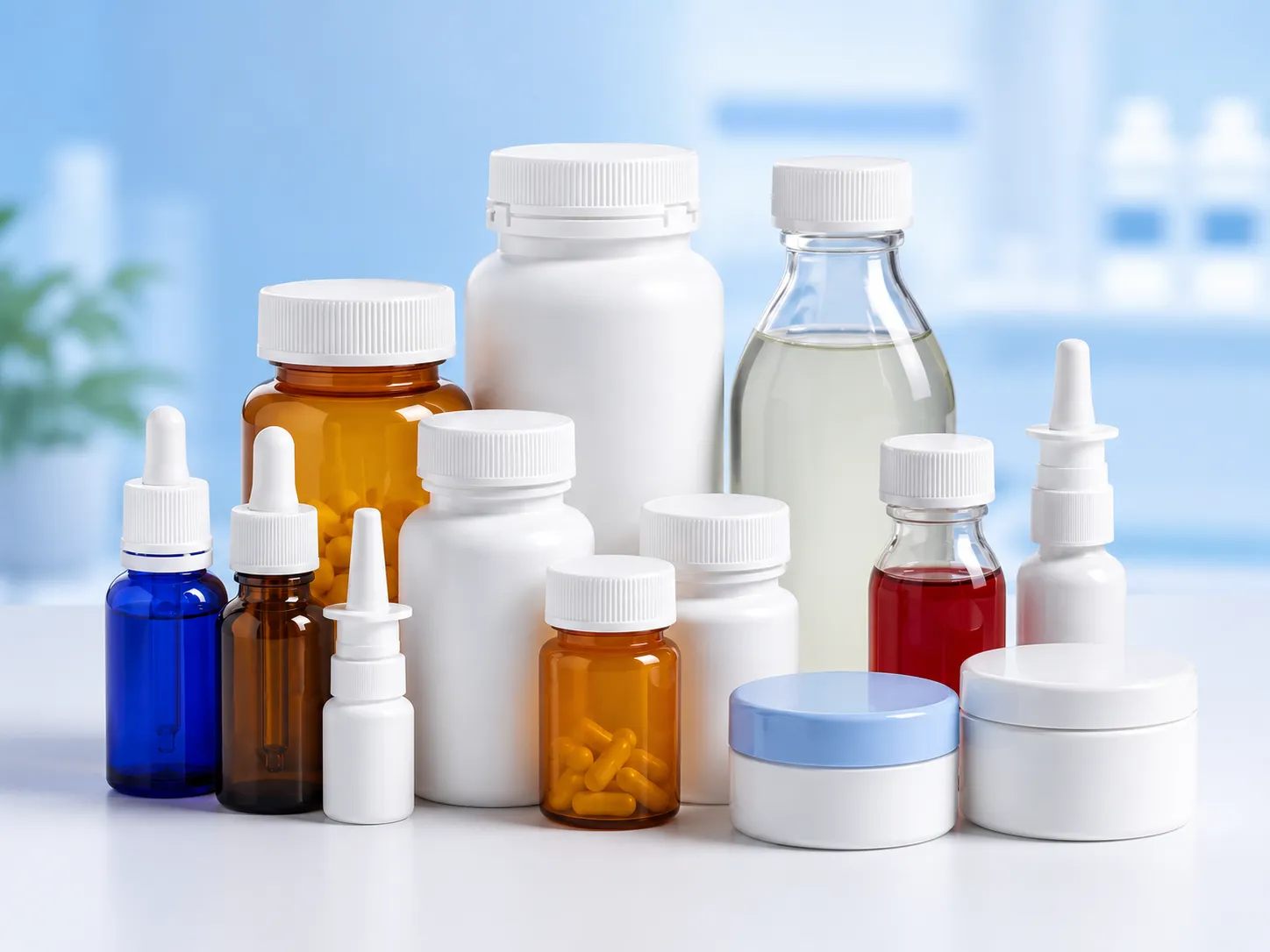
การฉีดขึ้นรูปและเป่าขึ้นรูป (Injection blow molding หรือ IBM) ได้กลายเป็นมาตรฐานกระบวนการผลิตบรรจุภัณฑ์ขั้นต้นสำหรับยาในเกาหลี โดยใช้วัสดุ HDPE และ PP ผ่านการผสานรวมข้อดี 3 ประการที่เกี่ยวข้องกับข้อกำหนดการผลิตยาของเกาหลีโดยเฉพาะ ประการแรก ความแม่นยำของคอขวดที่ขึ้นรูปด้วยการฉีด: IBM ผลิตคอขวดด้วยการฉีดขึ้นรูป ซึ่งเป็นกระบวนการผลิตที่มีความแม่นยำเช่นเดียวกับการผลิตชิ้นส่วนฝาปิดสำหรับยา ทำให้ได้ค่าความคลาดเคลื่อนของเส้นผ่านศูนย์กลางภายนอกของคอขวด ±0.05 มม. อย่างสม่ำเสมอในทุกช่องและทุกรอบการผลิต ความแม่นยำนี้เป็นความสามารถที่สำคัญสำหรับภาชนะบรรจุ CRC ขวดหยด และภาชนะบรรจุขั้นต้นสำหรับปั๊มจ่ายยาของเกาหลี ซึ่งทั้งหมดนี้ต้องการการปิดฝาที่ค่าความคลาดเคลื่อนของขนาดที่การเป่าขึ้นรูปด้วยการอัดรีดไม่สามารถทำได้หากไม่มีการประมวลผลคอขวดเพิ่มเติม ประการที่สอง ไม่มีเศษพลาสติกส่วนเกินและไม่มีอนุภาคเกิดขึ้น: IBM ไม่ก่อให้เกิดเศษพลาสติกส่วนเกินในทุกขั้นตอนของกระบวนการ ซึ่งหมายความว่าไม่มีสถานีตัดแต่ง ไม่มีการตัดแต่งด้วยเครื่องจักร และไม่มีอนุภาคพลาสติกเกิดขึ้นในสภาพแวดล้อมการผลิต สำหรับการผลิตยาในห้องคลีนรูมของเกาหลีซึ่งการควบคุมอนุภาคเป็นข้อกำหนด GMP กระบวนการที่ปราศจากอนุภาคโดยธรรมชาติของ IBM จึงเป็นข้อได้เปรียบโดยตรงในการปฏิบัติตามกฎระเบียบเหนือกว่า EBM ประการที่สาม ประสิทธิภาพแบบหลายช่อง: ของ IBM เครื่องฉีดขึ้นรูปและเป่าขึ้นรูป แพลตฟอร์มเหล่านี้สามารถผลิตได้มากถึง 30 ช่องที่ปริมาตร 10 มล. ซึ่งเป็นจำนวนช่องที่ช่วยให้การผลิตยาของเกาหลีมีความคุ้มค่าทางเศรษฐกิจในระดับเครื่องจักรเดี่ยว ซึ่ง EBM ไม่สามารถทำได้ในรูปแบบขนาดเล็ก
การผลิตบรรจุภัณฑ์ยาในเกาหลีได้รับแรงผลักดันเพิ่มเติมจากข้อกำหนดด้านกฎระเบียบเฉพาะของเกาหลี ระเบียบข้อบังคับของ KFDA (กระทรวงอาหารและยาของเกาหลี) เกี่ยวกับบรรจุภัณฑ์ยาต้องการเอกสารรับรองคุณสมบัติของบรรจุภัณฑ์ ซึ่งรวมถึงการปฏิบัติตามข้อกำหนดด้านขนาด ความเข้ากันได้ทางเคมี ข้อมูลสารที่ละลายออกมา และการทดสอบการทำงานของฝาปิด ซึ่งบรรจุภัณฑ์ของ IBM ผ่านขั้นตอนการรับรองคุณสมบัติที่กำหนดไว้ทั้งหมด แบรนด์ยาของเกาหลี ผู้ผลิตตามสัญญาของเกาหลี และผู้ส่งออกยาของเกาหลี ต่างระบุใช้บรรจุภัณฑ์ของ IBM สำหรับบรรจุภัณฑ์หลักยาขนาดเล็กของตน อันเป็นผลมาจากการสอดคล้องด้านกฎระเบียบและคุณภาพนี้
2. ข้อกำหนดเกี่ยวกับบรรจุภัณฑ์ยาของสำนักงานคณะกรรมการอาหารและยาของเกาหลี (KFDA)
ข้อกำหนดเกี่ยวกับบรรจุภัณฑ์หลักสำหรับยาของเกาหลีได้รับการกำหนดโดยสำนักงานคณะกรรมการอาหารและยาของเกาหลี (KFDA) ภายใต้พระราชบัญญัติกิจการยาของเกาหลีและตำราเภสัชกรรมของเกาหลี (KP) ข้อกำหนดเกี่ยวกับบรรจุภัณฑ์ยาของเกาหลีมีความสอดคล้องกับข้อกำหนด ICH Q6A และมาตรฐานบรรจุภัณฑ์พลาสติก USP/EP เป็นอย่างมาก โดยมีการเพิ่มเติมเฉพาะสำหรับรูปแบบบรรจุภัณฑ์บางประเภท ผู้ผลิตบรรจุภัณฑ์ยาของเกาหลีต้องเข้าใจว่าข้อกำหนดของ KFDA ใดที่ใช้กับรูปแบบบรรจุภัณฑ์เฉพาะของตนก่อนที่จะเริ่มกระบวนการรับรองมาตรฐานยาของเกาหลี
มาตรฐานบรรจุภัณฑ์พลาสติกขององค์การอาหารและยาเกาหลี (KFDA)
ตำราเภสัชกรรมเกาหลี (KP) ฉบับทั่วไปสำหรับภาชนะพลาสติกที่ใช้ในเภสัชกรรมระบุข้อกำหนดการทดสอบสำหรับภาชนะเภสัชกรรม HDPE และ PP รวมถึง: สารที่สกัดได้ต่ำกว่าขีดจำกัดของ KP ในน้ำ กรดอะซิติก 4% เอทานอล 20% เฮปเทน และเมทานอล; โลหะหนักต่ำกว่า 1 ppm; ฟีนอลต่ำกว่า 5 ppm; การดูดกลืนแสงยูวีอยู่ในขีดจำกัด ภาชนะ IBM ต้องผ่านการทดสอบเหล่านี้ที่ความหนาของผนังที่กำหนดโดยใช้เกรดเรซิน HDPE หรือ PP ที่ใช้ในการผลิตจริง ไม่ใช่ตัวอย่างทดสอบในห้องปฏิบัติการ ผู้ผลิตภาชนะ IBM สำหรับเภสัชกรรมในเกาหลีควรทำการทดสอบสารที่สกัดได้กับภาชนะที่ใช้ในการผลิตจริงจากเครื่อง IBM ของตนภายใต้สภาวะการผลิต โดยใช้เรซินจากล็อตการค้าเดียวกันกับที่จะใช้ในการผลิต เพื่อให้แน่ใจว่าผลการทดสอบเป็นตัวแทนของผลิตภัณฑ์เชิงพาณิชย์ที่แบรนด์เภสัชกรรมของเกาหลีจะรับรอง
นอกจากนี้ สำนักงานอาหารและยาของเกาหลี (KFDA) ยังต้องการเอกสารแสดงขนาดเฉพาะสำหรับภาชนะบรรจุยาหลักที่ใช้กับผลิตภัณฑ์ยาที่ขึ้นทะเบียนในเกาหลี เอกสารข้อมูลยาของเกาหลี (เทียบเท่ากับ NDA ของเกาหลี) ประกอบด้วยข้อกำหนดของภาชนะบรรจุ ได้แก่ ปริมาตรที่ระบุพร้อมตำแหน่งเครื่องหมายระดับการบรรจุ เส้นผ่านศูนย์กลางภายนอกและเส้นผ่านศูนย์กลางภายในของคอภาชนะพร้อมค่าความคลาดเคลื่อน ข้อกำหนดแรงบิดในการปิดฝา การระบุวัสดุของภาชนะบรรจุ (ประเภทเรซิน เกรด สถานะในรายการที่ได้รับการอนุมัติจาก KFDA เกาหลี) และสี (โปร่งใส HDPE สีธรรมชาติ HDPE ผสมสี หากมี) การเปลี่ยนแปลงใดๆ ในข้อกำหนดของภาชนะบรรจุ รวมถึงการเปลี่ยนแปลงล็อตเรซิน การเปลี่ยนแปลงเครื่องจักรในการผลิต หรือการเปลี่ยนแปลงจำนวนช่องบรรจุ จะต้องแจ้งการเปลี่ยนแปลงภาชนะบรรจุต่อ KFDA เกาหลี และอาจต้องมีการทดสอบคุณสมบัติใหม่ขึ้นอยู่กับลักษณะของการเปลี่ยนแปลง
ข้อกำหนดรูปแบบคอนเทนเนอร์ที่สำคัญ
| รูปแบบคอนเทนเนอร์ | ข้อกำหนดสำคัญของ KFDA เกาหลี | สถานะการปฏิบัติตามข้อกำหนดของ IBM |
|---|---|---|
| ยาหยอดตา | สามารถบรรจุในภาชนะปลอดเชื้อได้ ปลายหลอดหยดพอดีกับหลอดหยด ±0.05 มม. ปราศจากอนุภาค (มาตรฐานยาฉีดของ KFDA) | แบบดั้งเดิม — คอฉีดแบบไร้แสงสะท้อน ✓ |
| ขวดบรรจุยา CRC | การยึดฝา CRC ตามมาตรฐาน KS M ISO 8317 เส้นผ่านศูนย์กลางคอฝา ±0.06 มม. เส้นผ่านศูนย์กลางเกลียว ±0.05 มม. | แบบดั้งเดิม — คอฉีด ±0.05 มม. ✓ |
| ขวดบรรจุของเหลวสำหรับรับประทาน | ความเข้ากันได้กับการปิดผนึกแบบเหนี่ยวนำ ความเรียบของคอขวด ±0.1 มม. ความเข้ากันได้ทางเคมี 24 เดือน | พื้นผิวซีลคอเรียบแบบดั้งเดิม ✓ |
| เครื่องจ่ายปั๊มหลัก | การยึดคอปั๊ม, ขนาดรูคอปั๊ม ±0.08 มม., ความเข้ากันได้ทางเคมี | ผลิตจากวัสดุคุณภาพสูง — ความแม่นยำของรูคอฉีดขึ้นรูป ✓ |
| ภาชนะพลาสติก PP สำหรับฆ่าเชื้อด้วยความร้อนสูง | ความทนทานต่อไอน้ำที่อุณหภูมิ 121°C, การคงรูปทรงหลังการอบด้วยไอน้ำแรงดันสูง, การทดสอบพลาสติก KP | PP IBM — ต้องใช้เกรดทนความร้อน ✓ |
3. ภาชนะบรรจุยา IBM ที่ทำจาก HDPE: รูปแบบและข้อกำหนด
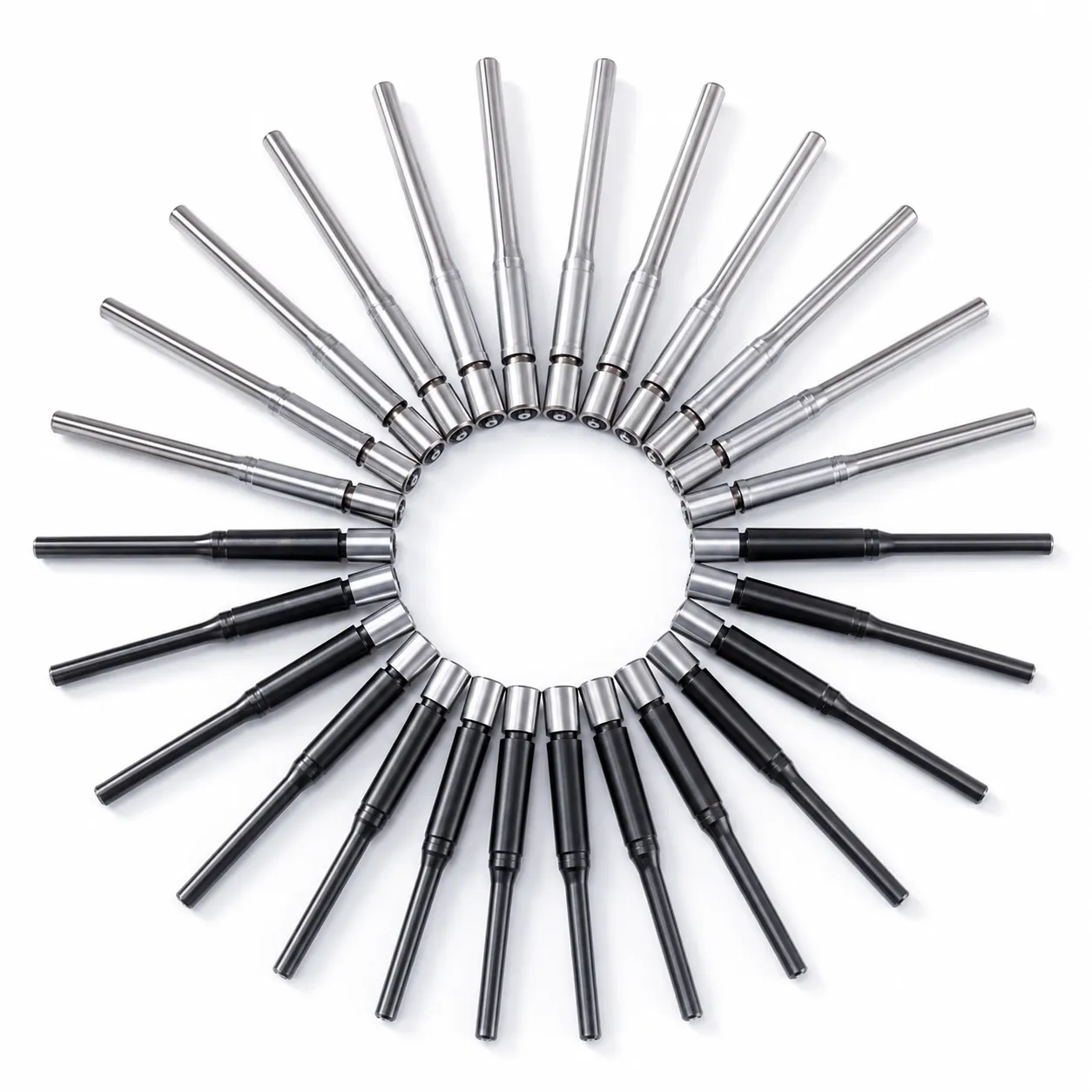
HDPE เป็นวัสดุหลักที่ใช้ในการผลิตภาชนะบรรจุยาแบบ IBM ในเกาหลี โดยคิดเป็นสัดส่วนส่วนใหญ่ของปริมาณการผลิตภาชนะบรรจุยาหลักที่ทำจาก HDPE ในเกาหลี คู่มือฉบับสมบูรณ์เกี่ยวกับภาชนะบรรจุยาที่ทำจาก HDPE แบบ IBM นั้นมีรายละเอียดอยู่ใน... คู่มือการประมวลผล HDPE IBMส่วนนี้จะเน้นไปที่ข้อกำหนดเฉพาะทางด้านเภสัชกรรมสำหรับภาชนะบรรจุ HDPE ของ IBM แต่ละรูปแบบ
ขวดบรรจุยาหยอดตาขนาด 10 มล. — ผลิตภัณฑ์ยาจากเกาหลีใต้ที่ขายดีที่สุดตามรายงานของ IBM
บรรจุภัณฑ์ยาหยอดตา HDPE ขนาด 10 มล. ของเกาหลี เป็นรูปแบบบรรจุภัณฑ์ยาแบบ IBM ที่มีปริมาณมากที่สุดในเกาหลี เนื่องจากปริมาณการสั่งจ่ายยาหยอดตาในเกาหลี (เกาหลีมีอัตราการสั่งจ่ายยาหยอดตาต่อหัวประชากรสูงที่สุดแห่งหนึ่งในเอเชียตะวันออก ซึ่งได้รับแรงผลักดันจากการใช้คอนแทคเลนส์และการเมื่อยล้าตาจากการใช้อุปกรณ์ดิจิทัล) ตลาดน้ำตาเทียมแบบ OTC ของเกาหลี และความต้องการส่งออกยาของเกาหลี ทำให้ปริมาณบรรจุภัณฑ์ยาหยอดตาของเกาหลีต่อปีสูงกว่า 500 ล้านชิ้น กระบวนการ IBM เป็นกระบวนการมาตรฐานสำหรับบรรจุภัณฑ์ยาหยอดตาของเกาหลี เพราะรูเปิดของปลายหลอดหยด การยึดติดของเกลียวฝาหลอดหยด และความโปร่งใสของตัวบรรจุภัณฑ์ที่เพียงพอสำหรับการตรวจสอบระดับการบรรจุ ล้วนต้องการความแม่นยำของ IBM ซึ่งกระบวนการ EBM ไม่สามารถเทียบได้ เกรด HDPE สำหรับบรรจุภัณฑ์ยาหยอดตาแบบ IBM ของเกาหลี: MI 0.3–0.5 ความหนาแน่น 0.950–0.960 บรรจุภัณฑ์สารเติมแต่งเกรดเภสัชกรรมตามรายการที่ KFDA รับรอง ความหนาของผนัง: ตัว 0.30–0.40 มม. (มีความโปร่งใสเพียงพอสำหรับการตรวจสอบระดับการเติม), คอ 0.9–1.2 มม. (การยึดปิด) การผลิต: บริษัท Ever-Power ZQ80 (20 ช่อง → ประมาณ 15,800 ชิ้น/ชั่วโมง) และ ZQ110 (24 ช่อง → ประมาณ 19,000 ชิ้น/ชั่วโมง) จากประเทศเกาหลี เป็นแพลตฟอร์มหลักของ IBM สำหรับจักษุวิทยาในเกาหลี
ขวดบรรจุของเหลวสำหรับรับประทาน ขนาด 30 มล.
ขวดแก้ว HDPE ขนาด 30 มล. สำหรับบรรจุยาเหลวแบบรับประทานของเกาหลี ใช้สำหรับยาเหลวแบบรับประทานครั้งเดียว เช่น ยาน้ำเชื่อมสำหรับเด็ก วิตามินชนิดน้ำ และสารละลายเกลือแร่สำหรับดื่ม รูปแบบเหล่านี้จำเป็นต้องใช้เครื่องจักรของ IBM ด้วยเหตุผลสองประการ คือ ความเข้ากันได้กับการปิดผนึกด้วยการเหนี่ยวนำของพื้นผิวปิดผนึกเรียบที่คอขวด (แม่พิมพ์ฉีดของ IBM ผลิตพื้นผิวปิดผนึกเรียบที่มีค่า Ra ≤ 0.05 μm ซึ่งจำเป็นสำหรับการยึดติดด้วยการเหนี่ยวนำที่สม่ำเสมอในทุกช่อง 18–20 ช่อง) และความโปร่งใสของตัวขวด HDPE ที่ระดับการบรรจุ สำหรับขนาด 30 มล. เครื่องจักรของ IBM ผลิตได้ 18 ช่องบนเครื่อง ZQ80 (ประมาณ 16,200 ขวดต่อชั่วโมง) หรือสูงสุด 22 ช่องบนเครื่อง ZQ110 (ประมาณ 19,800 ขวดต่อชั่วโมง) ซึ่งเป็นอัตราการผลิตที่ตรงกับความเร็วของสายการผลิตยาเหลวสำหรับรับประทานของเกาหลีโดยไม่จำเป็นต้องใช้เครื่องจักร IBM หลายเครื่องสำหรับสายการผลิตเดียว
ขวดบรรจุยา CRC ขนาด 100 มล.
ขวดบรรจุยา CRC ของเกาหลีที่ทำจาก HDPE ขนาด 100 มล. เป็นรูปแบบบรรจุภัณฑ์ยา IBM ที่ต้องการความคลาดเคลื่อนทางมิติสูงที่สุด การทดสอบฝาปิดกันเด็กตามมาตรฐาน ISO 8317 ของเกาหลี กำหนดให้ผู้ทดสอบที่เป็นผู้ใหญ่ไม่เกิน 201,500 คน ต้องไม่สามารถเปิดภาชนะได้ภายใน 5 นาที (CRC ต้องกันเด็กได้ แต่ผู้ใหญ่ต้องสามารถเปิดได้) ความสมดุลในการใช้งานนี้เกิดขึ้นได้จากการยึดติดทางกลของฝา CRC กับขอบยึดที่คอขวด ซึ่งการยึดติดนี้ขึ้นอยู่กับเส้นผ่านศูนย์กลางภายนอกของขอบยึดที่อยู่ในช่วง ±0.06 มม. จากเส้นผ่านศูนย์กลางการยึดติดที่ออกแบบไว้ของฝา CRC ความคลาดเคลื่อนของเส้นผ่านศูนย์กลางคอขวด ±0.05 มม. ของ IBM อยู่ในเกณฑ์นี้ ในขณะที่ความคลาดเคลื่อน ±0.15–0.25 มม. ของ EBM ไม่อยู่ในเกณฑ์นี้ เกรด HDPE สำหรับ CRC IBM: MI 0.5–0.8 สำหรับขอบยึดที่แข็งกว่าซึ่งต้านทานการเสียรูปภายใต้แรงกดของฝา CRC; ความหนาแน่น 0.955–0.965 สำหรับความแข็งของขอบยึดสูงสุดในบริเวณสัมผัสการยึดติด
4. ภาชนะบรรจุยา PP สำหรับ IBM: เมื่อใดที่ต้องการใช้ PP แทน HDPE
โพลีโพรพีลีน (PP) เป็นวัสดุที่จำเป็นต้องใช้แทน HDPE สำหรับภาชนะบรรจุยา IBM ของเกาหลีในสองประเภทการใช้งานที่กำหนดไว้อย่างชัดเจน ได้แก่ การฆ่าเชื้อด้วยไอน้ำขั้นสุดท้าย (ออโตเคลฟ) และกระบวนการผลิตยาที่อุณหภูมิสูง อุณหภูมิการโก่งตัวจากความร้อนของ PP (110–120°C ที่ 0.45 MPa) ช่วยให้คงรูปทรงได้ดีตลอดวงจรออโตเคลฟมาตรฐานของเกาหลีที่ 121°C เป็นเวลา 20 นาที ในขณะที่ HDPE เริ่มเสียรูปที่อุณหภูมิสูงกว่า 80–85°C ภายใต้แรงดันไอน้ำและแรงบิดในการปิด
ภาชนะบรรจุ PP IBM จากเกาหลีที่สามารถฆ่าเชื้อด้วยความร้อนสูงได้
ผลิตภัณฑ์ยาที่ผ่านการฆ่าเชื้อขั้นสุดท้ายของเกาหลี ซึ่งรวมถึงยาหยอดตา ยาล้างตา และยาใช้ภายนอกบางชนิดของเกาหลี จำเป็นต้องใช้บรรจุภัณฑ์หลักที่ทนทานต่อกระบวนการนึ่งฆ่าเชื้อโดยไม่เสียรูปทรงบริเวณรอยต่อ บรรจุภัณฑ์ PP IBM สำหรับการใช้งานในเครื่องนึ่งฆ่าเชื้อของเกาหลีต้องมีคุณสมบัติดังนี้: เกรดโคพอลิเมอร์ PP (โฮโมพอลิเมอร์ PP ทนความร้อนได้ดีกว่าแต่เปราะกว่า โคพอลิเมอร์แบบสุ่ม PP ให้ความใสและความทนทานต่อแรงกระแทกได้ดีกว่า แต่ทนความร้อนได้น้อยกว่าเล็กน้อย สำหรับเครื่องนึ่งฆ่าเชื้อยาของเกาหลีที่อุณหภูมิ 121°C เกรดใดก็ได้ก็เพียงพอ); อัตราการไหลของวัสดุหลอมเหลว 5–15 กรัม/10 นาที ที่ 230°C/2.16 กก. (MFR สูงกว่าเกรด HDPE IBM ซึ่งตรงกับความสามารถในการไหลที่สูงกว่าของ PP); อุณหภูมิกระบอกสูบ 200–240°C บนเครื่อง Ever-Power ZQ series ของเกาหลี (สูงกว่าการประมวลผล HDPE ซึ่งต้องปรับค่าจุดตั้งค่าโซนกระบอกสูบจากค่าพื้นฐานของ HDPE) การตรวจสอบขนาดหลังการนึ่งฆ่าเชื้อ (ขนาดเส้นผ่านศูนย์กลางภายนอกของคอภาชนะและขนาดเกลียวต้องอยู่ในข้อกำหนดหลังจากนึ่งฆ่าเชื้อ 3 รอบที่อุณหภูมิ 121°C/20 นาที — การตรวจสอบขนาดหลังการนึ่งฆ่าเชื้อนี้เป็นข้อกำหนดการรับรองของ KFDA สำหรับภาชนะบรรจุยาที่ผ่านการฆ่าเชื้อขั้นสุดท้ายของเกาหลี)
ความแตกต่างระหว่าง PP และ HDPE ในการประมวลผลของ IBM บนเครื่องซีรี่ส์ ZQ
| พารามิเตอร์การประมวลผล | โพลีเอทิลีนความหนาแน่นสูง (MI 0.3–0.8) | PP (MFR 5–15) |
|---|---|---|
| อุณหภูมิโซนการวัด | 200–215°C | 220–235°C |
| อุณหภูมิหัวฉีด | 210–220°C | 230–245°C |
| แรงดันการฉีด | 80–140 เมกะปาสคาล | 60–110 MPa (ความหนืดต่ำ) |
| ระยะเวลาการเป่าลม | 0.8–1.5 วินาที | 1.0–2.0 วินาที (การตกผลึกช้าลง) |
| อุณหภูมิแม่พิมพ์ | 15–25°C | 20–40°C (PP ต้องการการระบายความร้อนที่ช้าลงเพื่อป้องกันการเกิดคราบขาวจากความเครียด) |
| การตรวจสอบขนาดหลังการอบฆ่าเชื้อด้วยความร้อนสูง | ไม่จำเป็น | คุณสมบัติที่จำเป็น — ใบรับรองจากสำนักงานคณะกรรมการอาหารและยาของเกาหลี (KFDA) |
5. IBM Neck Precision สำหรับฝาปิดบรรจุภัณฑ์ยา
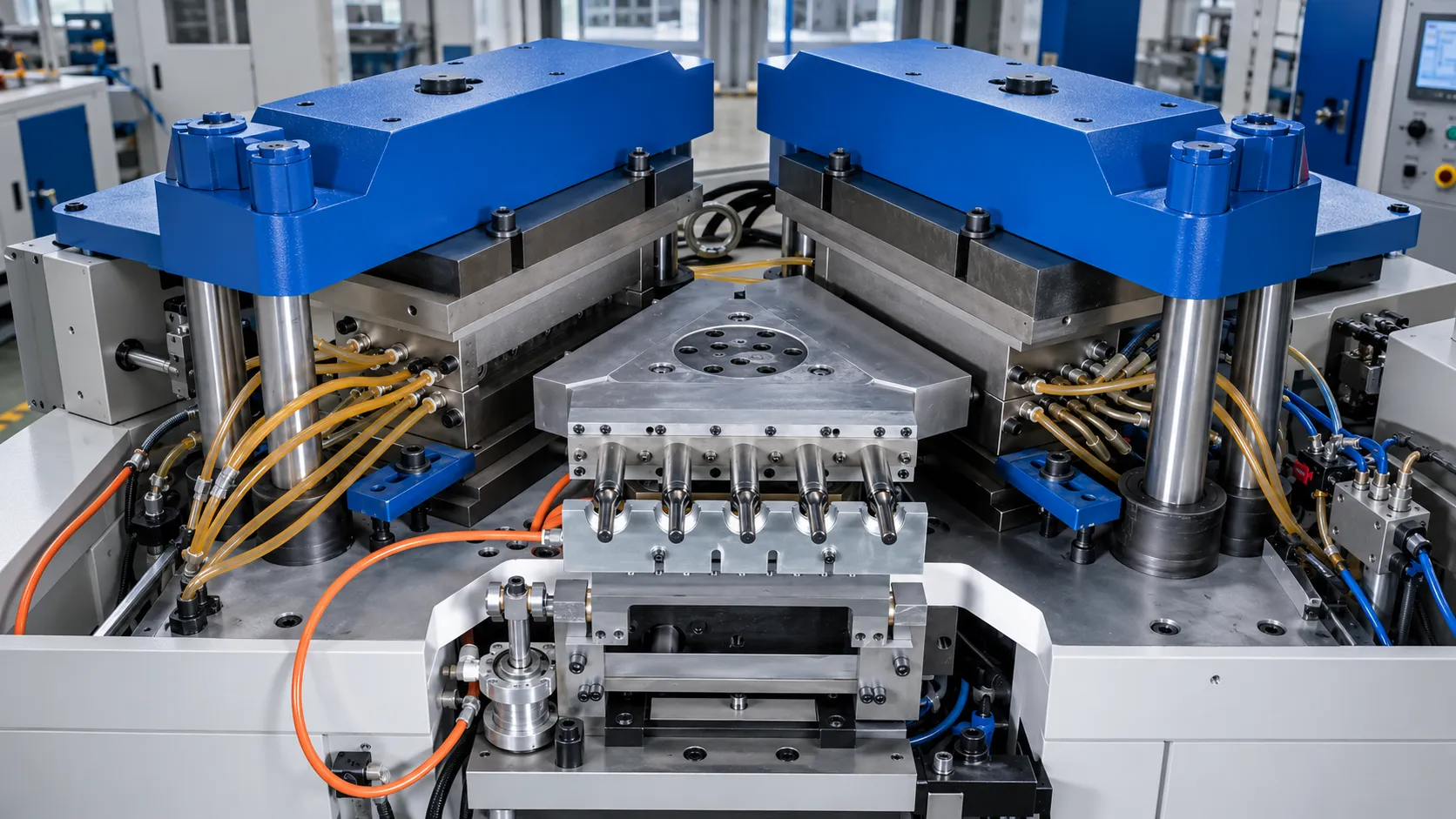
การทำงานของระบบปิดฝาขวดบรรจุภัณฑ์ยาเป็นบททดสอบที่เข้มงวดที่สุดสำหรับความแม่นยำของคอขวดบรรจุภัณฑ์ยาของ IBM ระบบปิดฝาขวดบรรจุภัณฑ์ยาของเกาหลีทุกระบบ ไม่ว่าจะเป็นฝา CRC, ปลายหยด, ซีลเหนี่ยวนำ, ปลอกปั๊ม และหัวฉีดสเปรย์ ล้วนระบุข้อกำหนดด้านมิติสำหรับคอขวดบรรจุภัณฑ์ที่ระบบปิดฝาใช้งานร่วมด้วย ค่าความคลาดเคลื่อนของเส้นผ่านศูนย์กลางภายนอกของคอขวด ±0.05 มม. ของ IBM เป็นลักษณะเฉพาะของกระบวนการที่ทำให้ภาชนะบรรจุยาของ IBM ในเกาหลีสามารถผ่านการทดสอบการทำงานของระบบปิดฝาในทุกช่องพร้อมกัน ในความถี่การสุ่มตัวอย่างการผลิต โดยไม่มีค่าผิดปกติทางสถิติที่ขอบเขตความคลาดเคลื่อน
ข้อกำหนด CRC Neck สำหรับบริษัทยา IBM ของเกาหลี
ภาชนะบรรจุ CRC ของเกาหลีต้องผ่านการทดสอบประสิทธิภาพการป้องกันเด็กตามมาตรฐาน ISO 8317 ของเกาหลี ซึ่งเป็นขั้นตอนอย่างเป็นทางการที่ผู้ทดสอบที่เป็นผู้ใหญ่ 200 คน และเด็ก 200 คน พยายามเปิดภาชนะภายใต้เงื่อนไขที่กำหนด การทำงานเชิงกลของฝาปิดแบบกดและหมุนของ CRC ขึ้นอยู่กับฟันเฟืองของกลไกที่เกี่ยวเข้ากับขอบคอภาชนะด้วยขนาดที่เหมาะสม: หากกว้างเกินไป (เส้นผ่านศูนย์กลางภายนอกของคอภาชนะสูงเกินไป) ฝาปิดจะไม่สามารถหมุนได้ – ผู้ใหญ่ไม่สามารถเข้าถึงได้; หากแคบเกินไป (เส้นผ่านศูนย์กลางภายนอกของคอภาชนะต่ำเกินไป) ฝาปิดจะสามารถหมุนได้โดยไม่ต้องกดลง – การป้องกันเด็กไม่สำเร็จ ช่วงความคลาดเคลื่อนสำหรับเส้นผ่านศูนย์กลางภายนอกของขอบคอภาชนะในภาชนะบรรจุ CRC สำหรับยาของเกาหลีโดยทั่วไปคือ ±0.06 มม. จากค่าที่ผู้ผลิตฝาปิด CRC กำหนดไว้ เส้นผ่านศูนย์กลางภายนอกของคอภาชนะของ IBM ที่ ±0.05 มม. อยู่ภายในช่วงนี้ ในขณะที่ของ EBM ที่ ±0.15–0.25 มม. เกินช่วงนี้ ในการผลิตด้วยเครื่อง ZQ110 ที่มี 24 ช่องแม่พิมพ์ แต่ละช่องจะต้องผลิตชิ้นงานที่มีเส้นผ่านศูนย์กลางภายนอกของคอขวดอยู่ในช่วง ±0.06 มม. ในทุกรอบการผลิต ซึ่งเป็นข้อกำหนดที่ IBM สามารถตอบสนองได้ด้วยความแม่นยำของชิ้นส่วนแทรกคอขวดที่ขึ้นรูปด้วยการฉีดขึ้นรูป ซึ่งสามารถรักษาเส้นผ่านศูนย์กลางภายนอกของคอขวดได้ไม่ว่าจะมีการเปลี่ยนแปลงของแรงดันลมเป่า เวลาในการผลิต หรือการเปลี่ยนแปลงของการระบายความร้อนของแม่พิมพ์ก็ตาม
ข้อกำหนดเกี่ยวกับปลายหลอดหยดและคอซีลเหนี่ยวนำ
ฝาปิดหลอดหยดสำหรับยาหยอดตาของเกาหลีใช้ตัวแทรกควบคุมรูรับแสงแบบสแนปฟิตที่พอดีกับรูคอขวด โดยเส้นผ่านศูนย์กลางภายนอกของตัวแทรกจะประกบกับพื้นผิวด้านในของรูที่ตำแหน่งการเสียดทานเฉพาะ แกนแม่พิมพ์ฉีดขึ้นรูปของ IBM กำหนดเส้นผ่านศูนย์กลางด้านในของรูด้วยความคลาดเคลื่อน ±0.04 มม. ซึ่งแปลตรงตัวเป็นความแปรผันของความพอดีของตัวแทรกควบคุมรูรับแสง ±0.04 มม. สำหรับภาชนะบรรจุแบบปิดผนึกด้วยการเหนี่ยวนำของเกาหลี (ของเหลวสำหรับรับประทาน 30 มล., ของเหลวแบบหลายโดส 100 มล.) พื้นผิวปิดผนึกแบบเรียบของคอขวดต้องเรียบภายใน 0.1 มม. TIR (ค่าความคลาดเคลื่อนรวมของตัวบ่งชี้) เพื่อให้ฟอยล์เหนี่ยวนำยึดติดได้อย่างสม่ำเสมอโดยไม่มีช่องว่าง แม่พิมพ์ฉีดขึ้นรูปของ IBM ผลิตพื้นผิวปิดผนึกด้วยความแม่นยำเช่นเดียวกับชิ้นส่วนทางวิศวกรรมที่ผ่านการกลึง – ความเรียบ ±0.05 มม. TIR ทั่วทุกช่อง – เนื่องจากพื้นผิวปิดผนึกถูกสร้างขึ้นโดยหน้าแม่พิมพ์ฉีดขึ้นรูป ไม่ใช่โดยเส้นแบ่งหรือการบีบออกเหมือนใน EBM
6. IBM ในสภาพแวดล้อมห้องปลอดเชื้อสำหรับอุตสาหกรรมยาในเกาหลี
การผลิตบรรจุภัณฑ์หลักสำหรับยาในเกาหลีใต้กำลังดำเนินการในห้องปลอดเชื้อ ISO Class 8 หรือดีกว่านั้นมากขึ้นเรื่อยๆ โดยเฉพาะอย่างยิ่งสำหรับบรรจุภัณฑ์ยาหยอดตา บรรจุภัณฑ์หลักสำหรับยาฉีด และบรรจุภัณฑ์ของเหลวแบบหลายโดส ซึ่งการปนเปื้อนของอนุภาคในบรรจุภัณฑ์ก่อนการบรรจุเป็นความเสี่ยงด้านคุณภาพยาตามข้อกำหนดของ KFDA การผลิตแบบไร้เศษผงของ IBM เป็นข้อได้เปรียบโดยตรงในการปฏิบัติตามข้อกำหนดห้องปลอดเชื้อ เนื่องจากกลไกการสร้างอนุภาคที่เกิดขึ้นในกระบวนการ EBM เช่น การตัดเชิงกลของสถานีตัดแต่งเศษผง สายพานลำเลียงกำจัดเศษผง และระบบบดละเอียด จะไม่มีอยู่ในเซลล์การผลิตของ IBM เลย
ข้อกำหนดการออกแบบเซลล์ IBM สำหรับห้องคลีนรูมยาของเกาหลีสำหรับการผลิตภาชนะบรรจุตามมาตรฐาน ISO Class 8 (เทียบเท่า GMP Grade D ของเกาหลี) มีดังนี้: พื้นที่แม่พิมพ์ของเครื่อง IBM — ซึ่งเป็นที่ที่ภาชนะถูกขึ้นรูปและที่สายพานลำเลียงรับภาชนะ — ควรถูกปิดล้อมด้วยอากาศจ่ายแรงดันบวกที่กรองด้วย HEPA โดยมีความเร็วลมที่หน้าเครื่องอย่างน้อย 0.45 เมตร/วินาที และอัตราการเปลี่ยนอากาศ 20 ครั้งต่อชั่วโมง เครื่องจักรซีรีส์ ZQ ของ Korea Ever-Power รองรับการติดตั้งระบบปิดล้อม HEPA โดยทีมวิศวกรรม HVAC ของลูกค้าชาวเกาหลี โดยมีจุดเชื่อมต่อสำหรับท่อส่งอากาศจ่ายระบุไว้ในแบบแปลนเครื่อง ZQ ที่จัดส่งให้เมื่อสั่งซื้อ ระบบไฮดรอลิกของเครื่อง IBM ควรเติมด้วยน้ำมันไฮดรอลิกเกรดอาหารที่เข้ากันได้กับอุตสาหกรรมยา (ระบุเป็นตัวเลือกใน ZQ80, ZQ110 และ ZQ135) เพื่อป้องกันการปนเปื้อนของน้ำมันแร่ที่ไม่เป็นไปตามข้อกำหนดหากเกิดการรั่วไหลของระบบไฮดรอลิกในสภาพแวดล้อมห้องคลีนรูม
ระบบไฮดรอลิกคู่ของ Korea Ever-Power (เป็นอุปกรณ์มาตรฐานในรุ่น...) ZQ80 และรุ่นสูงกว่า) ให้ประโยชน์เพิ่มเติมแก่ห้องคลีนรูม: การประหยัดพลังงาน 20–30% เมื่อเทียบกับเครื่องจักร IBM คู่แข่งแบบวงจรเดียว ช่วยลดภาระความร้อนที่เกิดขึ้นต่อหน่วยผลผลิตของภาชนะบรรจุในพื้นที่ห้องคลีนรูม ซึ่งช่วยลดความต้องการการทำความเย็นของระบบ HVAC ที่จำเป็นในการรักษาระดับอุณหภูมิที่ตั้งไว้ในห้องคลีนรูม (โดยทั่วไปคือ 20–22°C สำหรับห้องคลีนรูมยาในเกาหลี) สำหรับโรงงานผลิตยาในเกาหลีที่พลังงาน HVAC ในห้องคลีนรูมเป็นต้นทุนการดำเนินงานที่สำคัญ ประสิทธิภาพการใช้พลังงานไฮดรอลิกคู่ของรุ่น ZQ80 และรุ่นที่สูงกว่า ช่วยลดภาระ HVAC ต่อหน่วยผลผลิต ซึ่งเป็นประโยชน์ที่เพิ่มขึ้นนอกเหนือจากการประหยัดพลังงานโดยตรงจากเครื่องจักร
7. เอกสารรับรองมาตรฐาน GMP สำหรับบรรจุภัณฑ์ยาของ IBM จากประเทศเกาหลี
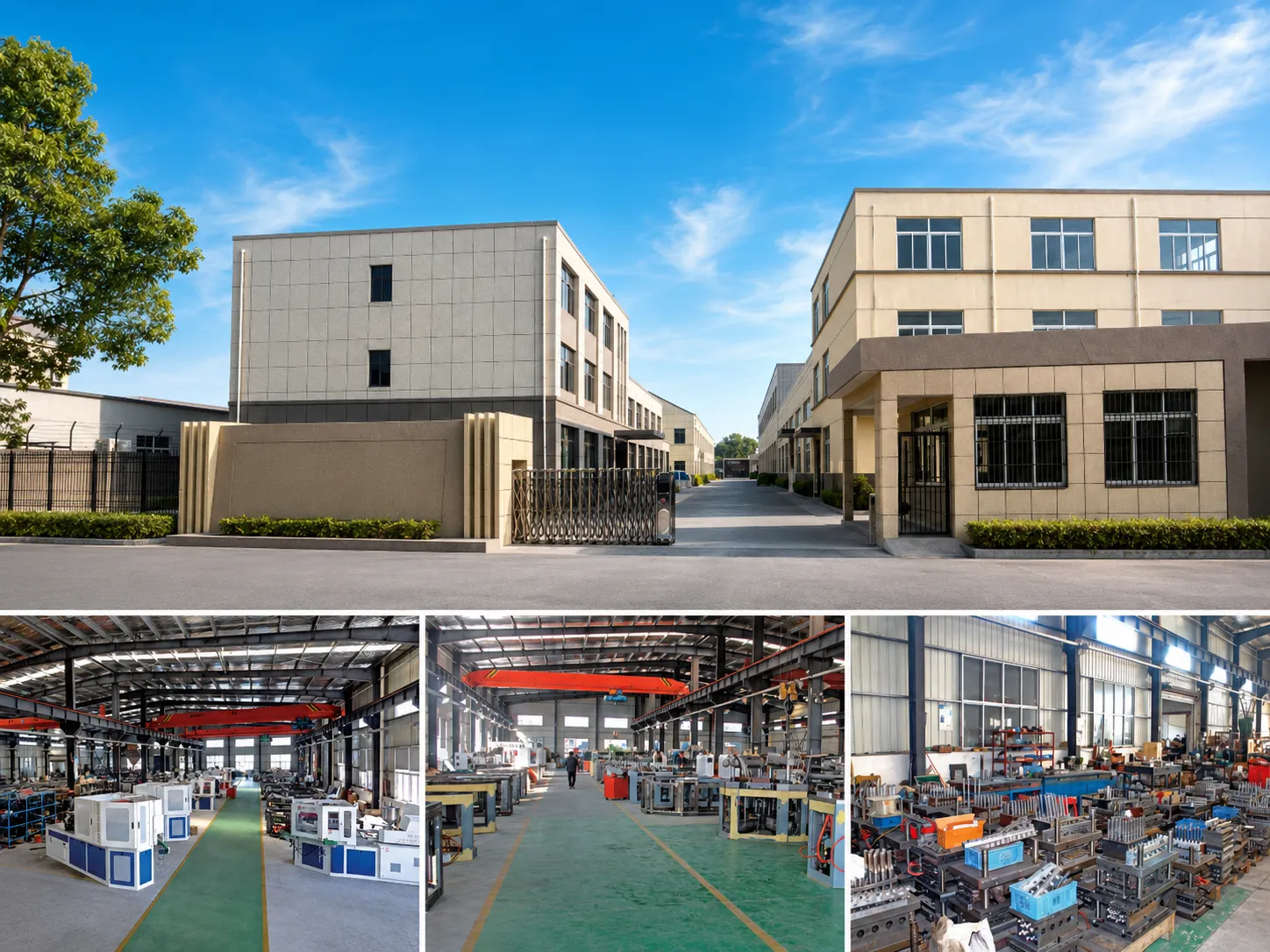
กระบวนการรับรองมาตรฐานบรรจุภัณฑ์ IBM สำหรับอุตสาหกรรมยาของเกาหลีนั้น เป็นไปตามขั้นตอนการจัดทำเอกสารที่เป็นมาตรฐาน ซึ่งแบรนด์ยาของเกาหลีต้องการจากผู้ผลิตบรรจุภัณฑ์ IBM การทำความเข้าใจขั้นตอนเหล่านี้จะช่วยให้ผู้ผลิตบรรจุภัณฑ์ IBM ของเกาหลีสามารถเตรียมเอกสารที่ถูกต้องล่วงหน้าได้ ลดระยะเวลาการรับรองมาตรฐาน และหลีกเลี่ยงความล่าช้าในการยื่นเอกสารต่อ KFDA ที่เกิดจากข้อมูลทางเทคนิคที่ไม่ครบถ้วน
ขั้นตอนที่ 1 — เอกสารทางเทคนิคเกี่ยวกับตู้คอนเทนเนอร์
เอกสารข้อมูลจำเพาะของวัสดุ (ผู้ผลิตเรซิน เกรด ค่าดัชนีหักเหของแสง ความหนาแน่น ข้อมูลอ้างอิงในรายการที่ได้รับการอนุมัติจาก KFDA ของเกาหลี); แบบร่างขนาดของบรรจุภัณฑ์พร้อมขนาดและค่าความคลาดเคลื่อนทั้งหมด; ข้อมูลระบุเครื่องจักรและแม่พิมพ์ที่ใช้ในการผลิต; ที่อยู่สถานที่ผลิตและสถานะโรงงานบรรจุภัณฑ์ที่จดทะเบียนกับ KFDA ของเกาหลี (ถ้ามี) บริษัท Korea Ever-Power จัดเตรียมเอกสารเหล่านี้เป็นส่วนหนึ่งของแพ็คเกจการส่งมอบมาตรฐานของซีรี่ส์ ZQ
ขั้นตอนที่ 2 — การทดสอบคุณสมบัติของตู้คอนเทนเนอร์
ผลการทดสอบภาชนะพลาสติกตามมาตรฐานเภสัชตำรับเกาหลี (สารสกัดจากห้องปฏิบัติการที่ได้รับการรับรองในเกาหลี); รายงานการวัดขนาด (วัดทีละช่อง 30 ครั้งต่อขนาด จาก 3 ชุดการผลิต); การทดสอบการปิดฝา (CRC ตามมาตรฐาน KS M ISO 8317, การปิดผนึกด้วยการเหนี่ยวนำตามมาตรฐาน ASTM F2096 หรือมาตรฐานเกาหลีที่เทียบเท่า, แรงบิดในการใส่ปลายหลอดหยด); การทดสอบความเข้ากันได้ทางเคมี (ความเสถียรหลังการบรรจุ 12 สัปดาห์ที่อุณหภูมิ 40°C/ความชื้นสัมพัทธ์ 75% ด้วยสูตรยาเฉพาะ) บริษัท Korea Ever-Power จัดส่งรายงานการวัดขนาดทีละช่องจากผลการทดลองผลิตก่อนส่งมอบเป็นส่วนหนึ่งของการส่งมอบมาตรฐาน ซึ่งช่วยลดภาระการทดสอบของลูกค้าชาวเกาหลีในขั้นตอนที่ 2
ขั้นตอนที่ 3 — การแจ้งการเปลี่ยนแปลงบรรจุภัณฑ์จากสำนักงานคณะกรรมการอาหารและยาของเกาหลี (KFDA) (ถ้ามี)
สำหรับผลิตภัณฑ์ยาของเกาหลีที่มีการขึ้นทะเบียนกับสำนักงานคณะกรรมการอาหารและยาของเกาหลี (KFDA) อยู่แล้ว แต่ใช้ผู้ผลิตบรรจุภัณฑ์หรือข้อกำหนดบรรจุภัณฑ์ที่แตกต่างกัน: ต้องแจ้งการเปลี่ยนแปลงบรรจุภัณฑ์กับ KFDA ตามมาตรา 32 ของพระราชบัญญัติกิจการเภสัชกรรมของเกาหลี การเปลี่ยนแปลงเล็กน้อย (ประเภทวัสดุเดียวกัน ประเภทบรรจุภัณฑ์เดียวกัน ภายในค่าความคลาดเคลื่อนของขนาดเดิม) ผู้ผลิตยาของเกาหลีสามารถแจ้งเองได้ การเปลี่ยนแปลงที่สำคัญ (การเปลี่ยนแปลงวัสดุ การเปลี่ยนแปลงประเภทฝาปิด การเปลี่ยนแปลงค่าความคลาดเคลื่อนของขนาด) ต้องได้รับการตรวจสอบและอนุมัติจาก KFDA ก่อนนำไปใช้ในการผลิตเชิงพาณิชย์ ระยะเวลา: การแจ้งการเปลี่ยนแปลงเล็กน้อยด้วยตนเอง = ทันที; การตรวจสอบจาก KFDA สำหรับการเปลี่ยนแปลงที่สำคัญ = 3-6 เดือน ตามระยะเวลาการตรวจสอบของ KFDA ในปัจจุบัน
8. การเลือกใช้เครื่องจักรของ IBM สำหรับการผลิตยาในเกาหลี
การเลือกใช้เครื่องจักร IBM สำหรับอุตสาหกรรมยาในเกาหลีนั้นใช้กรอบปริมาณการผลิตต่อปีเช่นเดียวกับแอปพลิเคชัน IBM อื่นๆ โดยมีข้อพิจารณาเพิ่มเติมเฉพาะสำหรับการผลิตยาคือ การรับรองคุณสมบัติของซัพพลายเออร์ GMP ของเกาหลีต้องได้รับการรับรองที่เครื่องจักรเฉพาะ (ระบุโดยหมายเลขซีเรียลของเครื่องจักร) และจำนวนช่องพิมพ์ การเปลี่ยนไปใช้เครื่องจักรที่มีจำนวนช่องพิมพ์สูงกว่าหลังจากได้รับการรับรองเบื้องต้นแล้ว จะต้องได้รับการรับรองใหม่ ซึ่งเป็นข้อพิจารณาด้านต้นทุนและระยะเวลาที่ทำให้การเลือกเครื่องจักรในขนาดที่เหมาะสมตั้งแต่เริ่มต้นมีความสำคัญมากกว่าสำหรับ IBM ในอุตสาหกรรมยา เมื่อเทียบกับ IBM ในอุตสาหกรรมเคมีภัณฑ์ในครัวเรือน ซึ่งมีความยืดหยุ่นด้านรูปแบบสูงกว่าและข้อกำหนดการรับรองใหม่ไม่เข้มงวดเท่า
| ปริมาณการผลิตต่อปี (ยา 10 มล.) | รุ่น ZQ | ฟันผุ @10 มล. | ข้อมูลบริษัทยาเกาหลี |
|---|---|---|---|
| ต่ำกว่า 15 ล้านบาทต่อปี | ZQ40 | 9 | บริษัทสตาร์ทอัพด้านเภสัชกรรมของเกาหลี, การจัดหาวัสดุสำหรับการทดลองทางคลินิกของเกาหลี, ผู้เชี่ยวชาญด้านโรคหายากของเกาหลี |
| 15 ล้าน - 30 ล้านดอลลาร์สหรัฐต่อปี | ZQ60 | 14 | บริษัทเภสัชกรรมขนาดกลางของเกาหลี, การจัดหาอุปกรณ์ทางการแพทย์ให้กับโรงพยาบาลในภูมิภาคของเกาหลี, บรรจุภัณฑ์ยา OTC ของเกาหลี |
| 30 ล้าน - 50 ล้าน / ปี | ZQ80 | 20 | บริษัทยาข้ามชาติขนาดใหญ่ของเกาหลี, การบรรจุภัณฑ์ยาตามสัญญาของเกาหลี, ผู้ส่งออกยาของเกาหลี |
| 50 ล้าน - 65 ล้าน / ปี | ZQ110 | 24 | การรับจ้างบรรจุภัณฑ์ยาขนาดใหญ่ของเกาหลี, ยาหลายผลิตภัณฑ์ของเกาหลี |
| มากกว่า 65 ล้านบาทต่อปี | ZQ135 | 30 | บริษัทผู้ผลิตยาแห่งชาติเกาหลี รับจ้างบรรจุภัณฑ์ในห่วงโซ่อุปทานของโรงพยาบาลเกาหลี |
กลยุทธ์การรับรองคุณสมบัติใหม่สำหรับการขยายธุรกิจของบริษัทเภสัชกรรม IBM ของเกาหลีใต้: ผู้ผลิตเครื่องปฏิกรณ์นิวเคลียร์แบบใช้แบตเตอรี่ (IBM) ในเกาหลีที่คาดว่าจะขยายกำลังการผลิตจาก ZQ60 เป็น ZQ80 ภายใน 3 ปี ควรพิจารณาการรับรองเครื่องจักรทั้งสองเครื่องพร้อมกันในการติดตั้งครั้งแรก โดยรับรอง ZQ60 เป็นเครื่องจักรหลักในการผลิต และ ZQ80 เป็นเครื่องจักรสำรองที่ได้รับการอนุมัติในเอกสารแจ้งการเปลี่ยนแปลงภาชนะบรรจุของ KFDA เกาหลีเดียวกัน การรับรองเครื่องจักรคู่ล่วงหน้าเช่นนี้จะเพิ่มต้นทุนด้านเอกสารเพียงเล็กน้อยในการรับรองครั้งแรก แต่จะหลีกเลี่ยงระยะเวลาการตรวจสอบของ KFDA เกาหลี 3-6 เดือนสำหรับการแจ้งการเปลี่ยนแปลงเครื่องจักรเมื่อมีการขยายกำลังการผลิตเกิดขึ้น ทีมงานด้านการใช้งานสำหรับอุตสาหกรรมยาของ Korea Ever-Power ให้คำแนะนำแก่ลูกค้า IBM ด้านเภสัชกรรมในเกาหลีเกี่ยวกับกลยุทธ์การรับรองเครื่องจักรคู่เป็นส่วนหนึ่งของการให้คำปรึกษาก่อนการซื้อสำหรับสายการผลิตยา
คำถามที่พบบ่อย
การสอบถามข้อมูลจาก IBM ด้านเภสัชกรรม
การเลือกใช้ตู้คอนเทนเนอร์ของ IBM สำหรับการผลิตยาในเกาหลี?
บริษัท Korea Ever-Power ให้บริการด้านการตรวจสอบขนาดภาชนะบรรจุยาตามมาตรฐาน IBM การจัดทำเอกสารสำหรับสำนักงานคณะกรรมการอาหารและยาของเกาหลี (KFDA) การกำหนดค่าเครื่องจักรสำหรับห้องปลอดเชื้อ และการเลือกเครื่องจักรซีรีส์ ZQ สำหรับบรรจุภัณฑ์ขั้นต้นของยาในเกาหลีในทุกระดับการผลิต
แหล่งข้อมูลที่เกี่ยวข้อง
เครื่องฉีดขึ้นรูปพลาสติกแบบเป่า EP-ZQ110
1,100 KN · 24 ช่องบรรจุยาขนาด 10 มล. · โซนกระบอกสูบ 4+N · ระบบไฮดรอลิกคู่ 22+22 KW · ผลิตภาชนะบรรจุยาหยอดตาได้ประมาณ 50-65 ล้านชิ้นต่อปี (การทำงานสองกะ) ในเกาหลี
เครื่องฉีดขึ้นรูปพลาสติกแบบเป่า EP-ZQ135
1,350 KN · 30 ช่อง ขนาด 10 มล. · โซนกระบอก 6+N · 37+37 KW · การจัดหาเวชภัณฑ์สำหรับโรงพยาบาลระดับชาติของเกาหลี — ผลิตภาชนะบรรจุยาสำหรับจักษุ 83 ล้านชิ้นต่อปีต่อเครื่อง
IBM เทียบกับ ISBM: การเลือกกระบวนการที่เหมาะสม
เหตุใดภาชนะบรรจุยาที่ทำจาก HDPE และ PP จึงใช้ IBM ในขณะที่ภาชนะบรรจุเครื่องสำอางและเครื่องดื่มที่ทำจาก PET ใช้ ISBM — การเปรียบเทียบวัสดุ ความแม่นยำของคอขวด และอัตราการผลิตสำหรับการตัดสินใจเลือกใช้บรรจุภัณฑ์ยาในเกาหลี