IBM 洗洁精 · 洗碗瓶 · HDPE ESCR · 韩国 EVER-POWER ZQ 系列
IBM洗洁精:
洗洁精 瓶子生产指南
IBM 适用于 200-500 毫升 HDPE 洗洁精瓶市场。IBM 采用零闪点瓶身、精准的 28/410 泵颈(外径 ±0.05 毫米)以及表面活性剂级 HDPE ESCR 性能,其产品被韩国本土洗洁精品牌指定为生产标准。本指南涵盖 HDPE ESCR 等级选择、韩国洗洁精瓶颈标准、IBM 与 EBM 瓶体质量对比以及适用于韩国洗洁精 IBM 生产规模的 ZQ 系列瓶体选择。
28/410 泵颈 ±0.05 毫米
零闪光 — 无需修剪
韩国 EVER-POWER · 京畿道安山市 · 2026年7月
流程参考 · 韩国洗洁精 IBM 关键参数
HDPE ESCR 靶材
F50 ≥ 200 小时
ASTM D1693 标准中,Igepal CO-630 为 10%,是韩国洗洁精的最低表面活性剂含量要求(10-35%)。
泵颈外径
±0.05 毫米
28/410 GPI 标准——IBM 注塑成型颈部符合韩国泵供应商的螺纹啮合规范
ZQ80 输出量 @ 300ml
约9000/小时
8个腔体 · 4.8秒循环 · 约3150万台/年 · 韩国两班制
墙体最小值
0.60毫米
韩国洗洁精瓶身壁最低要求符合 1.2 米跌落测试标准——肩部区域至关重要
第 01 节
韩国洗洁精 IBM 市场和包装形式
韩国洗洁精是韩国家庭使用IBM包装容器量最大的产品之一——其年销量巨大(韩国家庭平均每年购买24-36瓶洗洁精,每瓶300-500毫升)、对泵颈精度要求极高,且表面活性剂的ESCR(环境稳定浓度控制)要求也很高,这些因素使得IBM成为200-500毫升规格洗洁精包装容器生产中优于EBM(电子束熔融)工艺的首选工艺。韩国家用化学品行业的整体情况也与此密切相关。 IBM 容器生产 家用化学品IBM指南中有相关介绍。
| 格式 | 脖子 | 关闭 | 身体宽度 | 重量 | 韩国频道 |
|---|---|---|---|---|---|
| 200毫升 | 24/410 | 泵式或翻盖式 | 约55毫米 | 约12-14克 | 韩国高级有机礼品套装,天然香氛洗洁精 |
| 300毫升 | 28/410 | 泵 | 约62毫米 | 约16–19克 | 韩国便利店、韩国网上超市、韩国药妆店 |
| 500毫升★ | 28/410 | 泵 | 约68–72毫米 | 约22–26克 | 韩国大型超市,韩国国民品牌旗舰SKU——销量最高的IBM格式 |
| 1000毫升+ | 38/400 | 泵或处理 EBM | 80–90 毫米 | 35–50克 | 韩国大容量包装——通常采用带把手的EBM包装;仅IBM包装的无把手1升挤压式设计 |
★ 500毫升泵装是韩国洗洁精IBM规格中容量最大的——韩国大型超市(如易买得、Homeplus、乐天玛特)的洗洁精区几乎都被韩国本土品牌的500毫升泵装产品占据。该规格的ZQ80(6-8腔)是生产标准。
IBM 在韩国洗洁精领域的关键优势在于其 200–500 毫升泵瓶规格:28/410 泵颈需要精密螺纹外径(标称值 28.0 毫米,GPI 标准允许范围为 27.90–28.10 毫米),这是韩国泵供应商指定用于其泵吸管接头的啮合尺寸。IBM 注塑成型的泵颈外径在所有型腔中均保持在 ±0.05 毫米以内——符合 ±0.10 毫米的 GPI 公差,从而确保每个容器的泵啮合一致。而 EBM 注塑成型的泵颈外径偏差(±0.15–0.25 毫米)经常导致韩国洗洁精容器的泵啮合尺寸接近公差边缘——造成韩国洗洁精灌装线上的泵安装问题,最终导致消费者投诉和韩国品牌质量问题。
第 02 节
用于洗洁精的HDPE等级选择ESCR
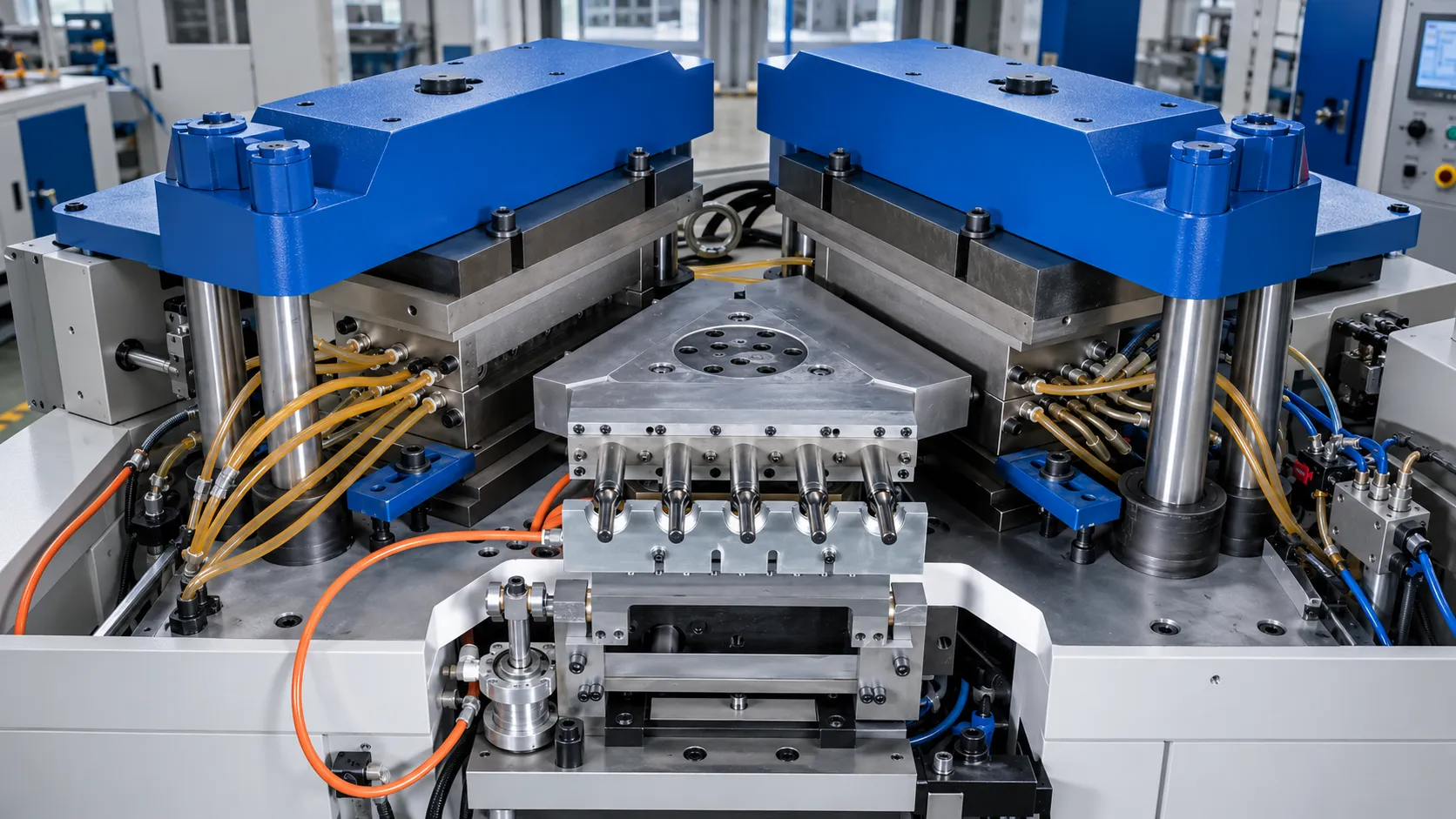
HDPE ESCR(高密度聚乙烯弹性开裂)是商业上最重要的洗洁精包装规格参数。韩国洗洁精灌装时阴离子表面活性剂(LAS、AES)浓度为10-35%,这意味着在韩国零售货架期(12-24个月)内,表面活性剂会持续与容器壁接触。ESCR失效表现为高应力区域(主要是肩部与主体连接处和颈部根部)的应力开裂,导致韩国零售容器泄漏。由于HDPE IBM等级选择不当而导致的ESCR失效是韩国洗洁精容器现场最常见的失效模式。完整的HDPE IBM等级选择指南请参见[此处]。 HDPE IBM 指南.
HDPE等级比较——洗洁精IBM ESCR适用性
MI 3–8 · 密度 0.960–0.965 g/cm³
分子量越低,连接晶体片层的键合分子越少,导致ESCR性能差。IBM处理器偏爱这种分子量的晶体,因为它循环时间更快、流动性更好,但却会导致韩国零售市场洗洁精容器出现应力裂纹失效。F50 ESCR在10% Igepal合金中的典型值为20-80小时,远低于200小时的最低标准。
MI 1.0–2.0 · 密度 0.955–0.962 g/cm³
中等ESCR——在常温下通过ESCR测试,但在韩国夏季储存条件下(韩国仓库夏季温度35–40°C,ESCR加速3–5倍)表现欠佳。F50 ESCR在23°C下为100–200小时。不建议用于保质期为12–24个月的韩国IBM洗洁精。
MI 0.5–1.0 · 密度 0.953–0.960 g/cm³
高分子量 → 最大分子密度 → 优异的ESCR性能。在23°C下,10% Igepal树脂中F50 ≥ 300小时。工艺速度略慢(注射填充时间比高分子量树脂增加0.1-0.2秒),但其ESCR性能远超韩国洗洁精的保质期要求。韩国Ever-Power公司在交付前生产试验中验证了ESCR等级的性能。
经IBM ESCR认证可用于洗洁精的韩国HDPE牌号包括:LG Chem HDPE 5502BN(粘度指数0.85,密度0.955 g/cm³)、Hanwha Solutions HDPE HR550(粘度指数0.5,密度0.953 g/cm³)和SK Geo Centric HDPE BF300(粘度指数0.8,密度0.956 g/cm³)。请在生产时与您的韩国HDPE供应商确认其产品是否符合韩国食品药品安全部(MFDS)的食品接触标准——树脂牌号会定期更新。
第 03 节
韩国洗洁精容器设计及瓶颈标准
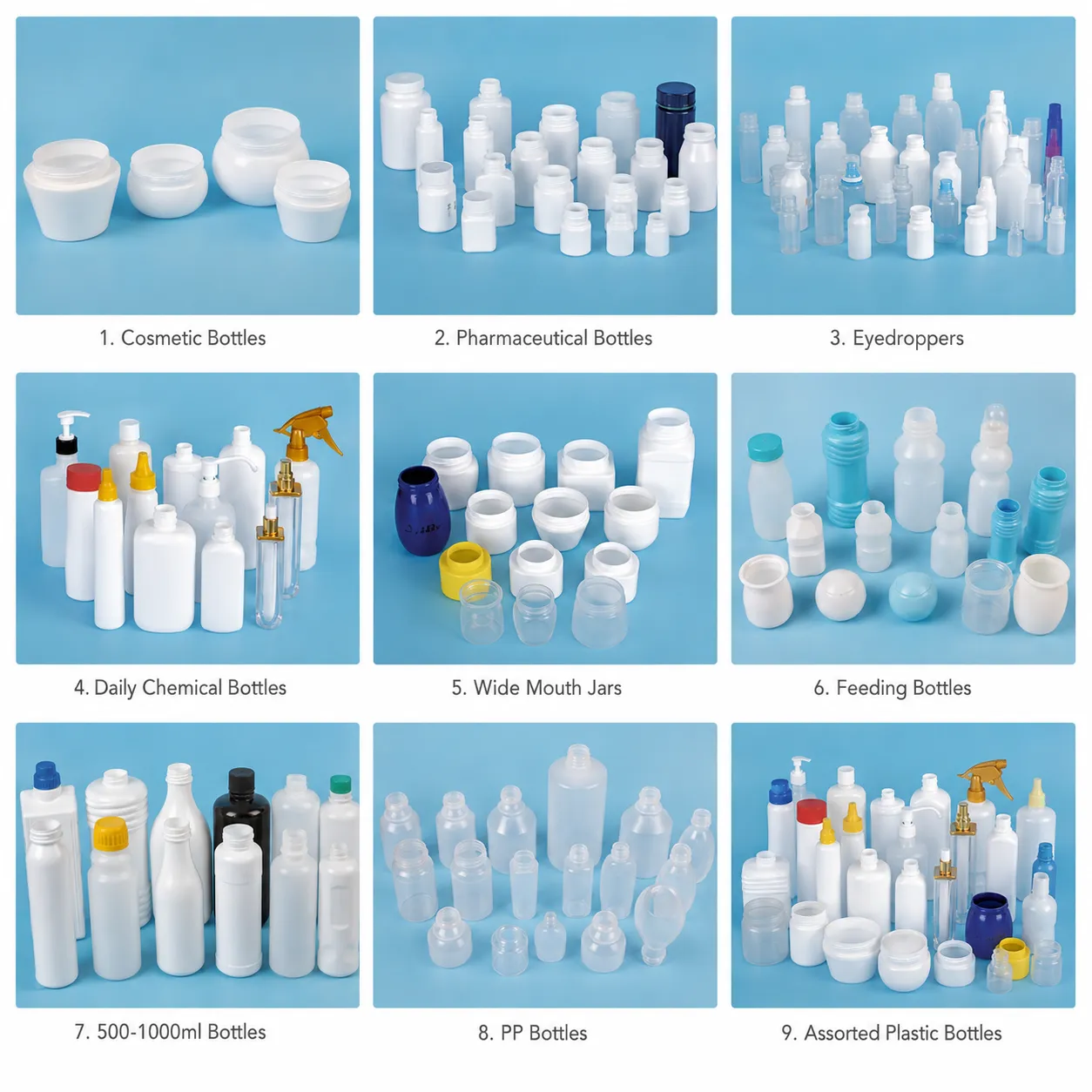
韩国洗洁精颈标
28/410 GPI — 韩国主要标准
300毫升和500毫升韩国洗洁精泵瓶。外径标称值28.0毫米(GPI规格范围27.90-28.10毫米)。高度:螺纹啮合部分最小14毫米。韩国泵供应商将厨房洗洁精泵的安装标准统一为28/410。IBM在所有腔体上均实现了28.0毫米外径±0.05毫米的精度,符合GPI规格范围。
24/410 — 韩国高级/紧凑型格式
200毫升韩国高级有机洗洁精和韩国翻盖式便携洗洁精。瓶颈外径24.0毫米,需搭配韩国迷你泵(200毫升瓶身深度需搭配110毫米吸管)。韩国Ever-Power ZQ模具套装可直接加装24/410瓶颈嵌件,用于标准注塑模具的瓶颈区域。
38/400 — 韩国大画幅
1升装韩国平价洗洁精,宽口设计,适用于韩国泡沫泵或挤压式瓶盖。外径38.0毫米。在这种口径和瓶身容量组合下,通常需要ZQ110压模——宽口设计会增加每个压模腔的压板面积,从而降低压模腔数量,使其低于ZQ80的最大值。
韩国洗洁精皂体设计特点
腰部防滑带
为了方便单手抓握,容器中部(约占容器高度的 55–60%)的容器壁收窄了 8–14 毫米。IBM 吹塑模具能够精确地塑造出这一腰部轮廓——预成型坯壁厚分布必须考虑到腰部区域较低的吹塑比,因此所需的壁厚材料要比上下两侧的容器主体区域少。
平板标签面板
为了便于贴附韩国产压敏标签,瓶身正面被压平至40-55毫米宽。IBM吹塑模具直接加工出这片平坦区域——由于IBM的零拉伸吹塑工艺能够精确控制瓶身壁厚分布,从而防止平坦区域出现弯曲(标签区域的平整度≤0.3毫米),因此该平坦区域不会发生弯曲。
基础站立稳定性
韩国洗洁精容器通常竖直放置在厨房水槽旁使用,因此底部平整度至关重要。IBM注塑成型的底部默认平整(距模底表面±0.2毫米),无需二次修整或成型。而EBM焊接工艺会在焊接区域产生轻微弯曲,这可能导致韩国洗洁精容器在台面上晃动。
第 04 节
IBM 与 EBM 争夺韩国洗洁精容器市场
对于容量为 200-500 毫升的韩国洗洁精容器,IBM 和 EBM 工艺的选择主要取决于泵颈的精度,而非生产成本——IBM 工艺 28/410 的泵颈外径结构精度可有效避免 EBM 工艺无法可靠预防的泵体装配质量问题。而对于容量超过 1000 毫升且带把手的容器,EBM 工艺则更为合适。
| 质量标准 | IBM | 循证医学 | 韩国洗洁精的意义 |
|---|---|---|---|
| 泵颈外径精度 | ±0.05 毫米 | ±0.15–0.25 毫米 | 韩国泵供应商提供的 28/410 GPI 公差为 ±0.10 毫米。IBM 在所有腔体上均符合公差要求。EBM 经常达到 GPI 极限值——导致韩国洗洁精灌装生产线上的泵螺纹啮合失效。 |
| 基础闪光/修剪 | 零 | 3–8 毫米鳍 | EBM 底座修整增加了成本(人工、刀片),并在容器内产生 HDPE 颗粒——灌装时可能发生韩国食品药品安全部规定的食品接触污染事件。 |
| 基础站立稳定性 | ±0.2 mm 平面 | 底座焊接弓 | 韩国消费者将洗洁精放在不平整的陶瓷厨房台面上——底部弯曲会导致洗洁精摇晃,韩国品牌质量保证团队将其记录为不可接受的货架展示缺陷。 |
| 车身分型线 | 身体无 | 全身照 | 韩国高档洗洁精标签采用透明OPP薄膜——EBM本体的分模线透过透明标签清晰可见。IBM本体则没有分模线——韩国高档透明标签洗洁精上标明的是IBM。 |
| 处理能力 | 无一体式把手 | 一体式手柄 | 1升以上韩国特级洗洁精(带手柄):仅限EBM规格。IBM规格适用于200-500毫升无手柄泵装;EBM规格适用于1升以上带手柄包装。 |
第 05 节
IBM 洗洁精 HDPE 工艺参数
洗洁精 ESCR 级 HDPE (MI 0.5–1.0) 在 IBM 操作窗口的较低注射流量端进行加工——较高的分子量赋予了 ESCR 性能,但也带来了较高的熔体粘度,需要仔细设置 ZQ 机器工艺参数,才能在不施加过大注射压力的情况下实现型腔的完全填充。
关键工艺参数 — 洗洁精 ESCR HDPE IBM @ ZQ80,300 毫升 8 腔
枪管温度
区域 1:195°C · 区域 2:210°C · 喷嘴:218°C
由于分子量较高,其厚度略高于标准HDPE IBM——可防止MI 0.5–1.0处的短射。
注射压力
95–130兆帕
ESCR等级的HDPE材质高于标准HDPE。ZQ80双液压泵在提供压力的同时,不会增加循环时间,优于ZQ60单泵泵。
注塑模具温度
18–24°C
ESCR 等级 HDPE 需要比标准 HDPE 稍高一些的模具温度,以使预成型件壁中的分子松弛——通过减少注塑颈部区域的残余应力来改善 ESCR。
吹住
1.4–2.0 秒
壁厚为 0.7–0.9 毫米的 300 毫升 HDPE 洗洁精需要足够的吹气停留时间以使底部区域固化,然后再施加 ZQ80 3 号站的剥离力。
周期
4.6–5.2 秒
300毫升洗洁精主体,带防滑腰部——腰部区域最后完全凝固,从而最大限度地减少吹塑停留时间。8腔,4.8秒:6000个/小时 → 单班制年产量2100万个,双班制年产量4200万个。
握腰预成型壁工程: 韩国产300-500毫升洗洁精容器的握柄腰部设计,使得腰部区域的吹塑率(腰部周长较小,拉伸程度较小)低于其上下部分的瓶身。因此,腰部区域的IBM预成型坯壁厚必须按比例减少,否则腰部区域的壁厚会过厚,导致容器握柄僵硬,从而失去韩国人性化的握持感。韩国Ever-Power公司会根据每个轴向位置的吹塑率质量平衡来计算每种洗洁精瓶身设计的预成型坯壁厚——腰部区域的壁厚通常比同一容器上的最大瓶身壁厚少10-15%。
第 06 节
韩国洗洁精包装趋势——补充装和可持续性
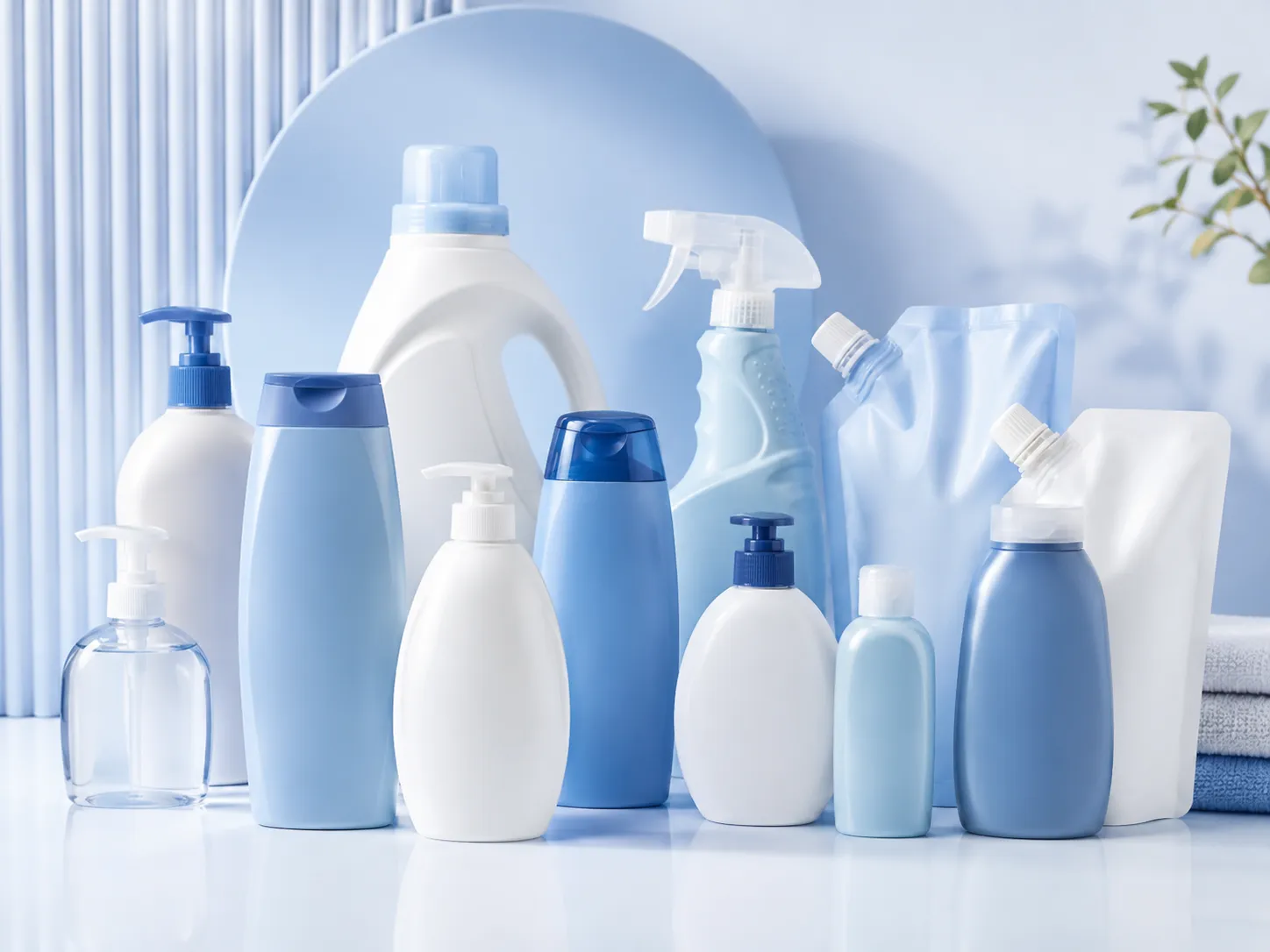
韩国补货系统 IBM 要求
韩国洗洁精补充装系统(由LG H&H、爱京、汉高韩国于2022年至2024年间推出)采用耐用的IBM主瓶,设计用于2至3年内8至12次补充循环。韩国补充装系统的IBM主瓶规格比一次性使用规格更为严格:
- ▸壁厚最小值 0.85 毫米(一次性使用为 0.60 毫米)——用于承受重复泵组件冲击力
- ▸HDPE ESCR F50 ≥ 400 小时(一次性使用为 200 小时)——适用于韩国消费者补充装使用期间 2-3 年的连续表面活性剂接触。
- ▸颈螺纹耐磨性:IBM注塑成型的28/410螺纹,采用HDPE MI 0.5材质,经12次泵的组装/拆卸循环后,螺纹外径尺寸损失仍不超过±0.05 mm GPI限值。
韩国ESG轻量化目标
韩国国民洗洁精品牌已向韩国环境部设定了包装减重目标(韩国绿色标签包装承诺),即与2020年基准包装相比,HDPE包装减重10-20%。IBM洗洁精容器轻量化方案:
- ▸在跌落测试允许的情况下,壁厚最小可达 0.80 毫米至 0.65 毫米——IBM 精确的壁厚分布实现了均匀的薄壁设计,这是 EBM 可变壁厚工艺无法实现的。
- ▸IBM 设计的加强筋:在型腔壁上设置垂直加强筋,无需增加壁厚即可提高刚度——IBM 吹塑模具直接在型腔壁上加工出深度为 0.3–0.5 毫米、宽度为 2–3 毫米的加强筋。
- ▸韩国消费后回收高密度聚乙烯(PCR)混合物:经韩国环境部认证,10-30%比例的PCR HDPE与原生HDPE混合物可与IBM工艺兼容,在满足韩国环境、社会和碳排放控制(ESCR)要求(混合MI 0.7-1.0目标)的同时,降低了隐含碳排放。
第 07 节
IBM洗洁精质量要求和测试
| 测试 | 方法 | 合格标准 | 韩国洗洁精背景 |
|---|---|---|---|
| HDPE ESCR | ASTM D1693 F50 | ≥ 200 小时,10% Igepal | 在韩国 LAS 20–35% 洗洁精浓度下,至少可在韩国零售货架期内保持 24 个月的最低保质期。 |
| 跌落冲击 | 填充 1.2 米落差 × 6 个面 | 无泄漏——所有面孔 | 韩国分销渠道,货架到地面落差1.2米。IBM底座采用无焊缝设计——冲击载荷下无底座焊缝失效模式 |
| 水泵安装 | GPI 28/410 规格 | 外径 27.90–28.10 毫米,所有腔体 | 每500个循环对每个型腔进行通止规检查。所有型腔的IBM均在GPI范围内——韩国灌装线无需进行装配分拣。 |
| 重量一致性 | 连续在线称重 | 每腔标称±3% | 韩国灌装线的净重目标要求容器皮重保持一致——8个模腔的皮重控制范围为±3%,由ZQ80注射重量控制系统维持。 |
| 底部平整度 | 三点式平面度规 | 偏差≤0.3毫米 | IBM注塑成型底座:偏差通常≤0.2毫米。韩国品牌沉降计数器稳定性验收标准已通过AQL抽样验证。 |
第 08 节
IBM 韩国洗洁精 ZQ 系列选型
| ZQ 型号 | 200 毫升(每小时) | 300 毫升(每小时) | 500 毫升 ★(每小时) | 韩国洗洁精简介 |
|---|---|---|---|---|
| EP-ZQ40 | 10 / ~8,000 | 6 / ~5,400 | 4 / ~2,900 | 韩国有机高端洗洁精初创公司,小批量生产200毫升天然洗洁精 |
| EP-ZQ60 | 14 / ~11,200 | 10 / ~7,500 | 6 / ~4,300 | 韩国中等产量洗洁精OEM厂商,韩国线上直销品牌,年产量1000万至2000万件 |
| EP-ZQ80 ★ | 18 / ~14,400 | 8–10 / 约7,200 | 6–8 / 约5,760 | 韩国国民品牌旗舰产品500毫升,韩国超市OEM代工,补充装系统主容器 |
| EP-ZQ110 | 20+ / ~16,000 | 12–14 / 约10,800 | 8–10 / 约7,200 | 韩国大型企业集团旗下洗洁精部门,韩国合同包装年产量超过6000万件 |
★ 500毫升循环时间基准:5.0秒(4.8秒吹气停留时间 + 转盘旋转 + 刮条)。年产能按88%效率计算,3500小时/年(韩国两班制)。ZQ80,8腔/500毫升:约4000万件/年——足以满足韩国排名前五的洗洁精品牌旗舰产品的全部销量。
工程常见问题解答
IBM洗洁精——工程问题
韩国洗洁精容器中,哪种HDPE等级会导致ESCR失效?生产前如何识别这种失效的HDPE等级?
导致韩国洗洁精IBM成型工艺ESCR失效的最常见HDPE牌号是高MI(MI 3–8 g/10min,密度0.960–0.965 g/cm³)的通用HDPE。这种HDPE的采购主要基于其IBM加工性能(流动性好、填充型腔快、循环时间短),而非其ESCR性能。该牌号不符合韩国洗洁精的ESCR要求,因为其较高的MI值对应较低的分子量,这意味着连接HDPE晶体片层的键合分子较少——键合分子密度是ESCR的主要决定因素,因为键合分子必须桥接裂纹开口表面,才能在表面活性剂应力下抵抗裂纹扩展。最简便的生产前识别方法是查看HDPE牌号的ESCR数据表值:任何ASTM D1693 F50低于100小时(或数据表中未标明)的HDPE IBM牌号均不应用于韩国洗洁精的IBM成型工艺。韩国HDPE供应商会在其用于吹塑成型的牌号的技术数据表中列出ESCR F50值。该等级还应确认为中密度HDPE(密度0.953–0.960 g/cm³)——密度高于0.962 g/cm³的高密度HDPE具有更高的结晶度,这看似矛盾,但实际上可以通过增加结晶域的刚性并减少层间非晶区(连接分子发挥作用的区域)来降低ESCR。韩国Ever-Power在交付前的生产试验中加入了HDPE等级验证——在完成容器尺寸鉴定之前,生产试验容器会提交进行ESCR加速测试(ASTM D1693,高温50°C/10% Igepal,24小时测试,相当于约200小时的环境ESCR),以确保在韩国品牌交付之前确认生产用HDPE等级的ESCR性能。
哪些韩国洗洁精表面活性剂类型会对 IBM 容器造成最严重的 ESCR 应力?
韩国洗洁精配方中使用三种主要表面活性剂,浓度各不相同,每种表面活性剂对高密度聚乙烯(HDPE)的应力腐蚀开裂(ESCR)程度也不同。直链烷基苯磺酸钠(LAS,十二烷基苯磺酸钠)是韩国洗洁精中最常用的表面活性剂,浓度范围为10-20%。由于其芳香苯环能够渗透HDPE晶体界面并塑化晶体片层间的非晶区,因此它是最强的HDPE应力腐蚀开裂剂。醇乙氧基硫酸酯(AES,月桂醇聚醚硫酸钠,SLES,浓度范围为10-20%)对HDPE的应力腐蚀开裂程度中等——环氧乙烷链使其应力腐蚀开裂程度低于LAS,但在浓缩韩国厨房洗洁精中,当SLES浓度达到20%时,其产生的应力腐蚀开裂程度与浓度为10%的LAS相当。醇醚(AEO,非离子表面活性剂,浓度为2-5%)是韩国洗洁精中对ESCR侵蚀性最小的表面活性剂——其非离子结构不会像阴离子表面活性剂那样在HDPE晶体界面产生应力集中。韩国洗洁精中最严重的ESCR是由组合配方造成的——LAS(浓度为15%)+ SLES(浓度为15%)+ AEO(浓度为3%)——这一浓度范围常用于韩国经济型洗洁精品牌的浓缩产品中。用于盛装浓缩型韩国洗洁精(浓度为2倍或3倍,总表面活性剂浓度为30-35%)的IBM容器要求HDPE ESCR F50 ≥ 400 h,因为表面活性剂浓度越高,ESCR驱动力成比例增加。
哪些韩国标签和装饰技术与IBM洗洁精容器兼容?
IBM洗洁精容器无需任何工艺改动即可兼容所有主流的韩国标签和装饰技术。压敏标签(PSL/自粘标签):这是韩国最常见的洗洁精装饰方式——OPP、BOPP或PE薄膜标签在韩国灌装线上贴附到IBM容器本体的平面标签面板上。IBM的平面标签面板(平面度≤0.3毫米)比EBM容器的压敏标签粘合性和外观更佳,因为EBM容器的分型线会在透明OPP标签下方造成表面不连续性。套筒标签(热缩套筒):韩国洗洁精的套筒标签贴附在IBM容器本体上——IBM的零分型线和均匀的容器直径确保了套筒标签的贴合性,避免了EBM热缩套筒下可见的分型线阴影。模内贴标(IML):不适用于IBM——模内贴标需要在模具的开合循环之间插入模腔标签,而IBM的三工位旋转转塔结构无法满足这一要求。直接丝网印刷:IBM HDPE 外壳表面(粗糙度 Ra 为 0.4–0.8 μm,源自 IBM 吹塑模腔表面)兼容韩国陶瓷油墨和 UV 固化油墨丝网印刷,适用于韩国高端洗洁精的直接印刷装饰——大多数韩国印刷系统无需火焰或电晕预处理即可实现 HDPE 印刷附着力(请与韩国油墨供应商确认)。烫金箔:适用于 IBM 外壳平面和肩部区域,用于韩国高端洗洁精品牌标识烫印——IBM 的平面标签面板提供了曲面 EBM 外壳面板所不具备的表面刚性,可实现精准的韩国烫金箔定位。
IBM能否为韩国高端品牌生产双色或不透明底/透明体的洗洁精包装盒?
IBM 每次生产可生产单色容器——颜色由添加到 HDPE 原料中的母料浓缩物决定(通常为 2-3% 母料)。对于双色 IBM 容器(不透明白色底面 + 半透明有色内壁,或有色内壁 + 透明肩部),IBM 需要使用多层共注塑模具,其中预成型件注塑工位同时接收来自两个独立注塑单元的两股 HDPE 熔体流——一股用于内层(白色或有色不透明),另一股用于外层(半透明或透明)。这种双层 IBM 预成型件注塑需要将 ZQ 机器配置为共注塑料筒和歧管,这是一个可选配置,但会增加资本成本和复杂性。韩国高端洗洁精的简易包装工艺是采用单色IBM技术,使用半透明着色HDPE(RCP色或低遮光剂含量的HDPE,TiO2含量为0.5-1.5%,而非标准的3-5%不透明含量),使瓶身呈现半透明外观,透过瓶壁隐约可见洗洁精液体的颜色。1.5% TiO2含量的单色半透明IBM工艺可呈现出珠光乳白色外观,这种外观被韩国高端天然洗洁精品牌视为简洁干净的审美特征。IBM容器的全彩装饰可通过套标(360°套标可提供全覆盖装饰,包括金属色、渐变色和逼真的韩国品牌图像)或在平面标签面板上进行丝网印刷来实现。
IBM洗洁精容器的最小壁厚是多少?韩国有哪些测试方法可以验证这一点?
韩国洗洁精IBM容器的最小壁厚由两个相互关联的要求决定:跌落冲击强度和ESCR(弹性应力腐蚀开裂)。跌落冲击强度最小值:在1.2米高度跌落500毫升韩国洗洁精IBM容器时,底部区域(IBM注塑成型,无焊接)是最耐冲击的区域,因此底部过渡处的IBM容器壁厚下限约为0.55-0.60毫米。容器肩部区域(手柄腰部肩部与容器主体的过渡区域)是跌落冲击的关键区域——500毫升容器在手柄腰部肩部的IBM容器壁厚必须至少为0.65毫米(300毫升容器由于其容器高度与外径之比更高,因此壁厚要求更高)。ESCR最小值:HDPE的ESCR性能取决于HDPE等级(交联分子密度)和容器壁厚。在应力集中区域(肩部、手柄腰部拐角处)使用较薄的壁厚会集中应力,加速ESCR失效。韩国Ever-Power公司生产的洗洁精IBM包装在应力集中区域的最小壁厚为0.70毫米,在20% LAS表面活性剂浓度下,该壁厚既符合跌落冲击要求,又具备足够的ESCR安全裕度,可确保24个月的韩国零售货架期。Ever-Power公司在交付前的生产试验中,使用超声波壁厚仪(ProStar UWG或同等产品)对每个包装的8个关键区域(颈根部、肩部过渡处、上部、握柄腰部最小位置、中部、下部、底部过渡处和底部中心)的壁厚进行验证。所有8个测量点的壁厚均必须在壁厚规格范围内(最小值如上所述,最大值≤1.5毫米以避免超重),Ever-Power公司才会签发韩国品牌交付的生产试验尺寸合格证。
韩国品牌在外观设计上有哪些要求,能够区分高端洗洁精IBM和普通商品级IBM?
韩国高端洗洁精品牌(500毫升售价8,000-18,000韩元,在韩国百货商店、高端超市和线上奢侈品超市有售)列出了七项外观标准,以区分高端IBM瓶身和普通IBM瓶身。IBM瓶身在结构上完全符合这些标准,而普通EBM瓶身则无法满足。首先,瓶身无分模线:IBM瓶身覆盖的透明OPP标签没有分模线——韩国高端消费者期望瓶身表面完整无缺,以此作为优质注塑成型的标志。其次,瓶底镜面抛光:IBM瓶底表面粗糙度Ra≤0.4μm(由抛光吹塑瓶底嵌件制成),呈现出近乎镜面的效果,韩国消费者拿起瓶子仔细观察时即可看到——而普通EBM瓶底则有Ra为2-5μm的修整痕迹。第三,瓶颈密封圈光泽度:IBM注塑成型的瓶颈密封圈表面粗糙度Ra≤0.05μm,呈现出韩国高端泵头制造商在其高端泵头配件系列中要求的光泽度——在泵头螺纹区域周围形成一圈明亮的光环。第四,颜色一致性:韩国高端洗洁精品牌要求不同批次产品之间的颜色一致性Delta E ≤ 1.5——IBM ZQ 机器上的闭环母料计量系统可实现这一目标;而普通 EBM 母料的手工计量会导致韩国不同批次产品之间的 Delta E 值差异在 2-5 之间。第五,肩部锥度几何形状:IBM 吹塑模具在肩部锥度区域的精度可实现韩国高端品牌在其包装设计标准中规定的平滑、一致的肩部到瓶身过渡半径——EBM 肩部区域的壁厚分布不均匀,导致肩部表面出现轻微波纹,在韩国零售货架的照明下清晰可见。第六,零闪点瓶底:韩国高端消费者会注意到厨房台面上的瓶底——IBM 的零闪点瓶底是高端产品品质的象征,而 EBM 则存在轻微的瓶底磨损痕迹。第七,标签面板平整度:韩国高端洗洁精透明 OPP 标签要求标签面板平整度 ≤ 0.2 mm,以确保无气泡粘贴——IBM 的注塑吹塑模具可实现这一目标; EBM 可变壁厚分布导致标签面板弯曲,从而在韩国灌装线上造成韩国高端标签贴标气泡。
IBM 咨询洗洁精 · 韩国 EVER-POWER
计划生产韩国洗洁精IBM包装盒?
韩国永力公司为韩国国家品牌和韩国OEM包装生产商提供洗洁精IBM容器设计、HDPE ESCR等级验证、泵颈尺寸鉴定和ZQ机器生产试验。