HDPE注塑吹塑成型:
完整处理指南
HDPE是韩国注塑吹塑工艺中最广泛使用的材料——它广泛应用于韩国医药容器、日用化学品包装和食品级广口瓶的生产,其耐化学性、合规性和加工可靠性是其他同等成本的注塑吹塑材料无法比拟的。本指南涵盖HDPE等级选择、料筒温度设置、壁厚规格以及韩国医药和日用化学品注塑吹塑生产的应用要求。
枪管温度设置
韩国制药和家用IBM
韩国永动力工程部 · 安山市 · 2026年7月
HDPE IBM——关键参数概览
170–220°C
HDPE IBM 料筒温度范围——进料至注塑喷嘴
MI 0.2–2.0
医药级高密度聚乙烯IBM的熔体流动速率范围(190°C / 2.16 kg)
0.3–1.5 毫米
HDPE IBM 壁厚——从医药用薄壁到重型家用化学品
韩国食品药品监督管理局(KFDA)· 美国食品药品监督管理局(FDA)
HDPE 医药接触合规性——低析出物,广泛的耐化学性
1. 为什么高密度聚乙烯是IBM的核心材料
高密度聚乙烯(HDPE)是韩国注塑吹塑成型中最广泛使用的材料——这并非因为它是唯一选择,而是因为其优异的耐化学性、合规性、加工可靠性和性价比,比任何其他同类注塑吹塑材料都更能满足韩国医药和日用化学品包装的需求。韩国制药厂生产10毫升眼科用药瓶、韩国日用化学品生产商灌装500毫升洗发水瓶以及韩国食品级玻璃罐生产商灌装250毫升调味品容器,出于相同的原因,他们都选择HDPE作为主要的注塑吹塑成型材料,只是壁厚和等级规格有所不同。
HDPE之所以与IBM(而非挤出吹塑或注塑成型)工艺密切相关,是因为它兼具优异的加工性能和应用需求。HDPE在IBM机器上加工性能优异:其加工窗口宽广(熔体温度170–230°C),在加工温度下熔体粘度相对于其固态刚度较低,在多腔热流道系统中流动性良好,并且在脱模工位上能够可靠地从芯棒上脱模。IBM生产的HDPE容器具有注塑成型的颈部精度,而挤出吹塑成型的HDPE容器则无法达到这一精度——正是这种精度使得韩国的药品CRC容器、韩国的泵式家用化学品瓶和韩国的螺纹盖食品罐在IBM的腔体数量经济效益优势下,选择由IBM而非挤出吹塑成型(EBM)来生产。
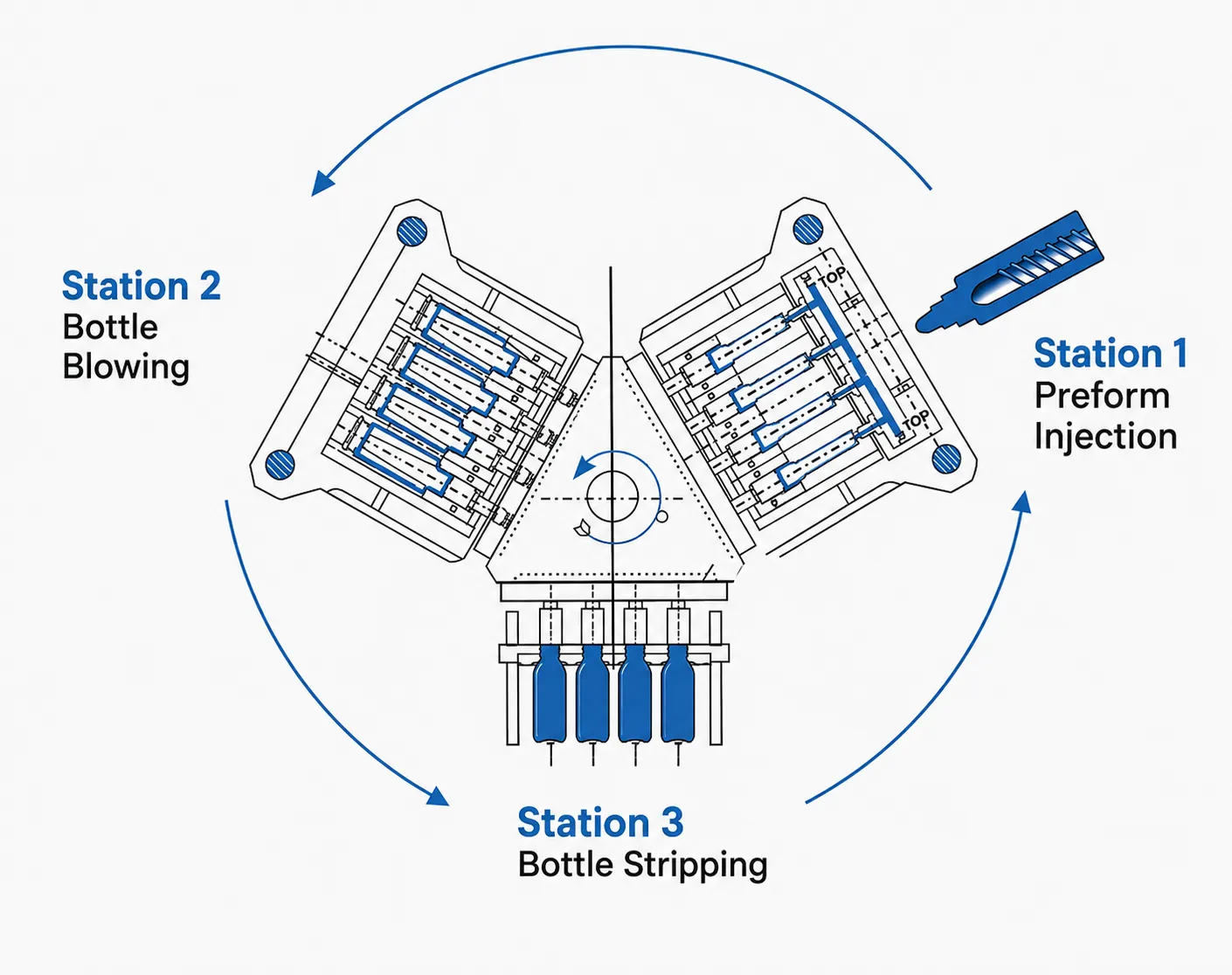
了解HDPE在IBM应用中的特性和加工要求——包括等级选择、料筒温度设置、壁厚规格和质量指标——是韩国IBM生产工程师和负责指定HDPE IBM容器的韩国包装采购人员的基础知识。 IBM流程指南 详细介绍了 3 工位 IBM 工艺;本指南特别关注该工艺中的 HDPE。
2. IBM用HDPE等级选择
熔体流动速率:主要牌号选择参数
熔体流动速率 (MI)——根据 ASTM D1238 标准在 190°C/2.16 kg 条件下测定——是 IBM 应用中最重要的 HDPE 等级选择参数。MI 与分子量呈反比关系:MI 值越低,意味着分子量越高,从而具有更好的耐化学性、拉伸强度和抗环境应力开裂性 (ESCR),但注塑加工难度也越大。MI 值越高,意味着分子量越低,注塑加工越容易,但机械性能和耐化学性较差。
| HDPE MI系列 | IBM 处理 | ESCR(F50) | 韩国 IBM 应用 |
|---|---|---|---|
| MI 0.1–0.3 | 困难——高注射压力 | >200 小时 | 农用化学品容器,工业用厚壁容器 |
| MI 0.3–0.8 | 优良——医药级 | 100–200 小时 | 韩国制药(眼药水、口服液、CRC药物) |
| MI 0.8–1.5 | 优质——家用化学品级 | 50–100 小时 | 韩国洗发水、护发素、家用清洁剂 |
| MI 1.5–3.0 | 简易型——符合食品级标准 | 20–50 小时 | 韩国食品罐,通用包装,保质期短的容器 |
密度和添加剂的考虑因素
用于IBM应用的高密度聚乙烯(HDPE)的密度通常在0.945–0.965 g/cm³范围内。密度越高,结晶度越高——结晶度越高,耐化学性越好(结晶区域对大多数溶剂和活性药物成分不渗透),刚性也越高(这对10毫升的药瓶至关重要,因为药瓶在封盖过程中必须承受挤压而不变形)。低密度HDPE(0.940–0.950 g/cm³)的柔韧性和抗冲击性略好,更适合用于韩国家用化学品容器,因为这些容器在使用过程中容易受到挤压,或者在灌装过程中掉落在韩国工厂的地板上。
用于IBM包装容器的韩国药用级HDPE必须满足特定的添加剂要求。韩国KFDA监管的药品包装允许使用的添加剂包括抗氧化剂(通常为AO-1010或AO-168,含量≤0.1%)和加工稳定剂,但不包括紫外线稳定剂(可能迁移到药品中)、爽滑剂(会降低摩擦系数并可能影响韩国药品标签的粘合性)以及大多数成核剂(会影响结晶速率并可能改变韩国药品相容性测试中的萃取物分布)。韩国IBM包装生产商在确定用于药品生产的树脂等级之前,应向其HDPE树脂供应商确认该树脂配方符合韩国KFDA药品接触材料的正面清单要求,并应在其韩国药品包装容器资质认证文件中获取树脂供应商的韩国KFDA声明或FDA药品主文件参考信息。
3. IBM HDPE 加工参数
韩国永力ZQ系列注塑机的HDPE注塑工艺参数需要在五个工艺区域进行设置:料筒温度曲线、注射填充参数、吹塑参数、冷却和脱模。每个区域的设定值取决于HDPE的牌号(粘度指数和密度)、模腔数量以及容器壁厚规格。以下参数为韩国注塑机操作员首次设置HDPE生产线时的初始指导;最终生产参数必须通过试验确定,并针对每种具体的牌号、模具和机器组合进行调整。
料筒温度曲线(ZQ系列,HDPE MI 0.3–0.8)
| 桶区 | 温度(摄氏度) | 功能 |
|---|---|---|
| 区域 1 — 饲料 | 170–180 | 启动熔化;防止过早熔化和进料区架桥 |
| 第二区——过渡区 | 185–200 | 完全熔化;形成均匀熔体 |
| 3区——计量 | 200–215 | 达到目标熔体粘度;确保熔体温度均匀性 |
| 4+区 — 闸门进出(仅限4+N区) | 205–215 | 微调浇口入口温度;控制热流道浇口处的熔体粘度 |
| 喷射喷嘴 | 210–220 | 最高熔化温度;确保所有型腔同时完全填充 |
注射填充和吹气参数
注射填充: 医药级高密度聚乙烯(HDPE)注塑坯(MI 0.3–0.8)在注塑机处的注射压力为80–140 MPa,具体数值取决于型腔数量和流道阻力。型腔数量较多(20–30个型腔)和热流道路径较长时,需要使用该范围的上限值才能实现所有型腔的同步填充。医药级薄壁型(壁厚0.3–0.5 mm)的填充时间目标为0.8–1.5秒,家用化学品级厚壁型(壁厚0.6–1.0 mm)的填充时间目标为1.5–2.5秒。保压压力通常为峰值注射压力的50–70%,保压时间为0.5–1.5秒,以填充浇口并防止芯棒尖端附近较厚预成型坯壁段出现缩痕。
螺丝回收: HDPE IBM螺杆在回压过程中的背压应保持在5–15 MPa,既足以确保熔体均匀性并防止空气滞留(空气滞留会导致成品瓶出现银色条纹),又足够低以避免浇口区过度剪切加热导致分子量下降。螺杆转速:医药级HDPE为80–120 RPM;对于熔体本身已均匀且无需高剪切力的高粘度HDPE,则应采用较低的转速(60–80 RPM)。
吹气参数: HDPE IBM吹塑机的吹气压力通常为:医药用薄壁容器(壁厚0.3-0.5毫米)0.5-0.9兆帕,家用化学品用厚壁容器(壁厚0.6-1.0毫米)0.7-1.2兆帕。吹气停留时间(即吹塑模具闭合时保持气压的时间)对于医药用薄壁容器应为0.8-1.5秒,对于家用化学品用厚壁容器应为1.5-2.5秒。停留时间不足会导致瓶底在脱模后收缩(脱模时HDPE瓶底温度仍然过高且质地较软,会在自身重力作用下变形)。ZQ系列吹塑机的4秒干燥循环可在不延长生产周期的情况下,为标准医药用HDPE壁厚提供足够的停留时间。
4. HDPE IBM 应用的壁厚规格
HDPE IBM容器的壁厚是影响最大的设计参数——它决定了容器的化学阻隔性能、机械强度、单瓶材料成本和吹塑周期。HDPE IBM容器的壁厚规格应设定为满足容器功能要求的最小壁厚,而不是默认选择增加材料成本和延长吹塑周期却无实际功能提升的厚壁设计。
韩国制药(10-100毫升)
目标体壁厚度:0.3–0.5 毫米
薄壁设计可最大限度降低单位材料成本;0.3毫米厚的HDPE瓶壁厚度足以满足大多数配方对药物活性成分的耐化学性要求;注塑成型的瓶颈厚度为0.8-1.2毫米,以确保密封完整性;瓶底厚度为0.4-0.6毫米,便于堆叠压缩。韩国食品药品安全部(KFDA)的认证测试必须确认在规定的壁厚下,瓶内物质与化学物质的相容性。
韩国家用化学品(250–1,000 毫升)
目标体壁厚度:0.5–0.9 毫米
韩国家用化学品容器采用更厚的壁厚设计,旨在满足两项要求:抗跌落性(韩国的灌装生产线和零售分销过程中,250-1000毫升的瓶子会多次被摔落)和抗挤压性(韩国家用化学品分配器要求瓶子在泵压作用下保持形状)。0.5-0.9毫米的厚度范围兼顾了这些要求和材料成本。
韩国食品级广口瓶(100–500毫升)
目标体壁厚度:0.6–1.0 毫米
韩国食品级广口瓶(用于盛装蜂蜜、调味品和食用油)需要满足以下壁厚要求:在高温灌装条件下保持螺纹外径(HDPE 在 60°C 以上会软化;壁厚越厚,螺纹保持性越好);便于韩国零售货架顶部装载;以及在韩国超市配送中心使用韩国食品级托盘搬运时能够抵抗侧向挤压。
壁厚变化: 在HDPE IBM中,瓶内壁厚差异(最薄区域与最厚区域之间的差异)以及瓶间壁厚差异(多腔模具中不同腔间的差异)都是需要关注的规格问题。瓶内壁厚差异:目标值为瓶身最薄区域与最厚肩部或底部过渡区域之间的标称壁厚≤±15%。腔间壁厚差异:目标值为模具中最轻和最重腔之间的标称平均瓶重≤±5%,该重量是衡量壁厚均匀性的主要指标。腔间重量差异超过±8%通常表明热流道浇口不平衡——这是模具侧的问题,需要在热流道歧管处进行浇口调整,而不是机器工艺调整。
5. 韩国制药 HDPE IBM 应用
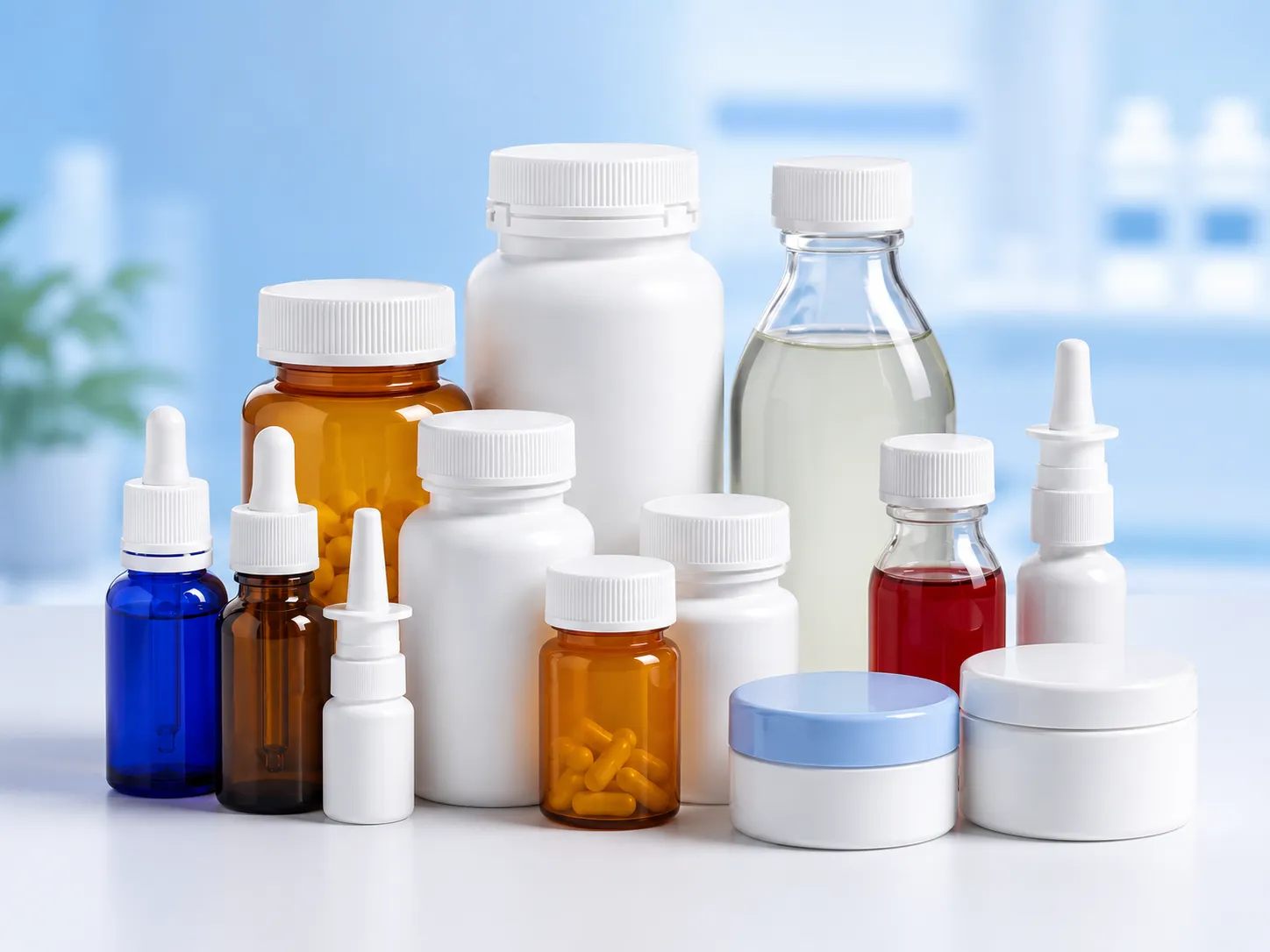
韩国医药用高密度聚乙烯(HDPE)包装箱的生产主要集中在三种规格,这三种规格的包装箱合计占韩国医药初级包装总量的绝大部分。了解每种规格的具体要求,有助于韩国医药用包装箱运营商选择合适的材料等级并制定加工方案。
10毫升眼药水(滴眼液)瓶
韩国10毫升高密度聚乙烯(HDPE)眼科用药瓶是容量最大、精度要求最高的药品包装规格。韩国食品药品监督管理局(KFDA)对眼科用药容器的规范要求如下:总萃取物含量低于1 μg/ml(根据韩国药典塑料容器测试标准);颗粒物含量低于韩国KFDA规定的颗粒物限量(未经额外清洁步骤的EBM快速修整容器不符合要求);螺纹外径公差为±0.05毫米,以便与韩国眼科用药滴管盖啮合;瓶壁厚度均匀,瓶身具有足够的透明度,便于目视检查液位——这是眼科用药容器的一项特殊要求,即瓶身HDPE壁厚≤0.4毫米(更薄的瓶壁允许更多光线透过HDPE,便于检查液位)。韩国眼科用药包装规格的HDPE等级:粘度指数(MI)0.3–0.5,密度0.950–0.960克/立方厘米,不含紫外线稳定剂,仅使用KFDA认可的抗氧化剂。生产:韩国 Ever-Power ZQ80(20 个腔)或 ZQ110(24 个腔)是韩国最常见的制药眼科 IBM 平台,每小时可生产 15,800 至 19,000 瓶,周期为 4 秒。
100毫升CRC药瓶
韩国100毫升CRC(儿童安全盖)HDPE药瓶是第二重要的药用IBM规格。CRC容器必须采用IBM而非EBM,因为CRC瓶盖的啮合依赖于±0.05毫米的瓶颈外径公差,而EBM无法始终如一地达到这一要求。韩国CRC瓶盖的按压旋转机制是通过向下按压瓶盖时,将裙边的棘齿压紧在瓶颈的啮合凸缘上来实现的——这种啮合要求瓶颈凸缘的外径在所有生产型腔和所有生产班次中都必须保持在CRC瓶盖标称设计尺寸的±0.06毫米以内。IBM的注塑成型瓶颈能够提供这种一致性;而EBM的吹塑成型瓶颈则无法做到这一点。韩国CRC IBM使用的HDPE等级为:MI 0.5–0.8,密度0.955–0.965克/立方厘米,其刚度足以使凸缘在CRC按压力作用下抵抗变形而不开裂。韩国 Ever-Power 公司的 ZQ80 型 12 腔 100 毫升 CRC 制药机每小时可生产约 6,800 瓶药瓶——足以满足韩国主要制药品牌每年使用一台机器生产 1500 万至 2500 万个 CRC 药瓶的需求。
6. 韩国家用化学品 HDPE IBM 应用
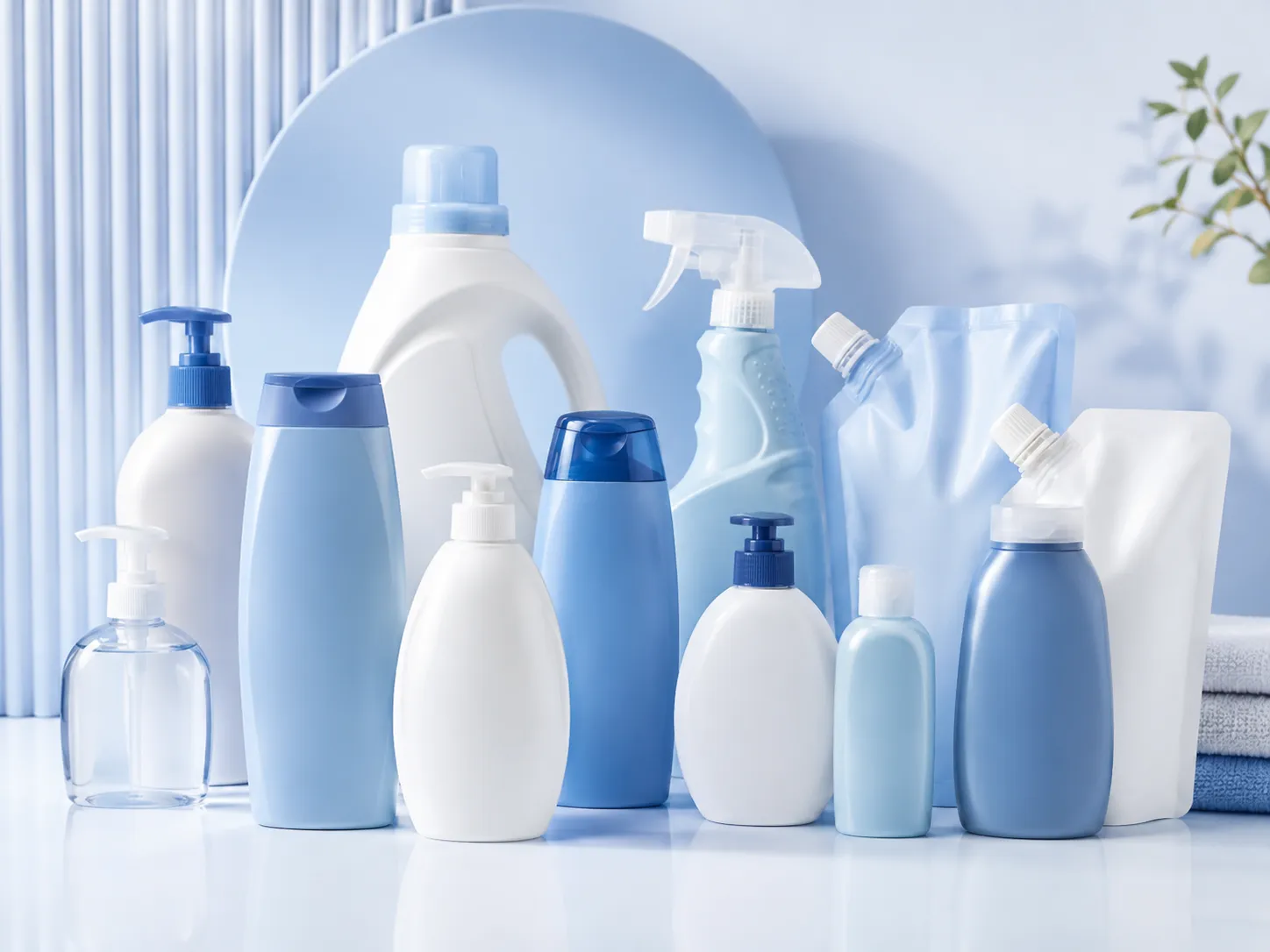
韩国家用化学品HDPE IBM(注射成型容器)的生产采用比韩国制药用HDPE更重的等级——更高的注塑强度(MI)便于在大注射重量下进行注射,更低的密度则可在更大尺寸的容器中提供更好的抗跌落性能。韩国家用化学品HDPE IBM等级选择的具体要求之一是环境应力开裂(ESCR)——这是韩国家用化学品HDPE容器中最常见的失效模式。当含有表面活性剂的产品(例如洗发水、护发素、清洁剂、洗洁精)接触HDPE容器壁时,表面活性剂会起到应力开裂剂的作用,降低聚合物在容器壁残余应力集中处的抗裂纹萌生和扩展能力,从而导致ESCR失效。韩国家用化学品HDPE必须在选定的壁厚下,其F50 ESCR(50%试样在表面活性剂应力测试中开裂所需的时间)至少为50小时——通常使用MI为0.8-1.5、壁厚为0.5-0.9毫米的HDPE即可实现。
韩国家用化学品泵式分配器容器(洗发水、护发素、洗手液)对泵安装区域的瓶颈几何形状有特定要求——泵的下管必须在泵支撑凸缘处与瓶颈内孔密封,并且泵的密封环必须卡扣或旋紧在瓶颈上,且不会使瓶颈变形。IBM 的注塑成型瓶颈可提供韩国家用化学品灌装生产线所需的泵环啮合尺寸一致性,从而在每分钟 80-120 瓶的生产线速度下实现零泄漏、零错螺纹。韩国 Ever-Power 的 ZQ 系列 EP-ZQ80 6腔500毫升装每小时可生产约5400瓶泵式500毫升HDPE洗发水容器——足以满足韩国国民品牌洗发水OEM工厂的需求,这些工厂使用一台机器每年可生产1000万至1200万个500毫升的容器。
7. HDPE、PP 和 ABS 在 IBM 应用中的比较:韩国应用案例对比
韩国IBM生产线主要使用三种材料,比例各不相同:HDPE(用量最大,用于医药和家用化学品)、PP(次要用料,用于热灌装和冷轧复合包装)以及ABS(用于化妆品罐和高端包装容器)。了解何时应选择哪种材料,以及何时应以PP或ABS替代HDPE,可以避免规格不足(本应使用PP的地方却使用了HDPE)和规格过高(HDPE功能足够的地方却使用了ABS)。
| 属性/要求 | 高密度聚乙烯 | PP | ABS |
|---|---|---|---|
| 韩国药房小包装(10-30毫升) | 最好的 | 好的 | 不常见 |
| 热灌装温度高于70°C | 变形 | 最好的 | 不宜 |
| 韩妆的表面处理/光泽 | 低光泽,蜡质 | 缓和 | 高光泽——镜面效果 |
| 广口化妆品罐 | 功能 | 好的 | 高端——韩妆标准 |
| 耐化学性(表面活性剂) | 优良(ESCR ≥50小时) | 出色的 | 好——避免使用强溶剂 |
| 韩国食品药品监督管理局(Korean FDA)食品接触合规性 | 是的——低萃取物 | 是的 | 非标准 |
| 树脂每公斤价格(韩国市场) | 最低 | +15–25% | +60–100% |
韩国IBM材料选择指南:所有韩国小型药品包装容器以及所有无需热灌装且外观并非主要要求的韩国家用化学品包装容器,均默认使用HDPE材料。当灌装温度超过65°C(例如韩国热灌装食品、韩国无菌药品)或指定使用可高压灭菌的药品包装容器时,则改用PP材料。对于以高表面光泽度、厚实手感和K-Beauty品牌高端外观为主要要求的韩国化妆品罐,则改用ABS材料——尽管ABS树脂成本较高,但在韩国化妆品包装中,其单价是药品或家用化学品包装的5-10倍,且包装外观直接影响韩国品牌的感知价值,因此ABS材料的成本是合理的。
8. ZQ系列机器在HDPE IBM生产中的应用
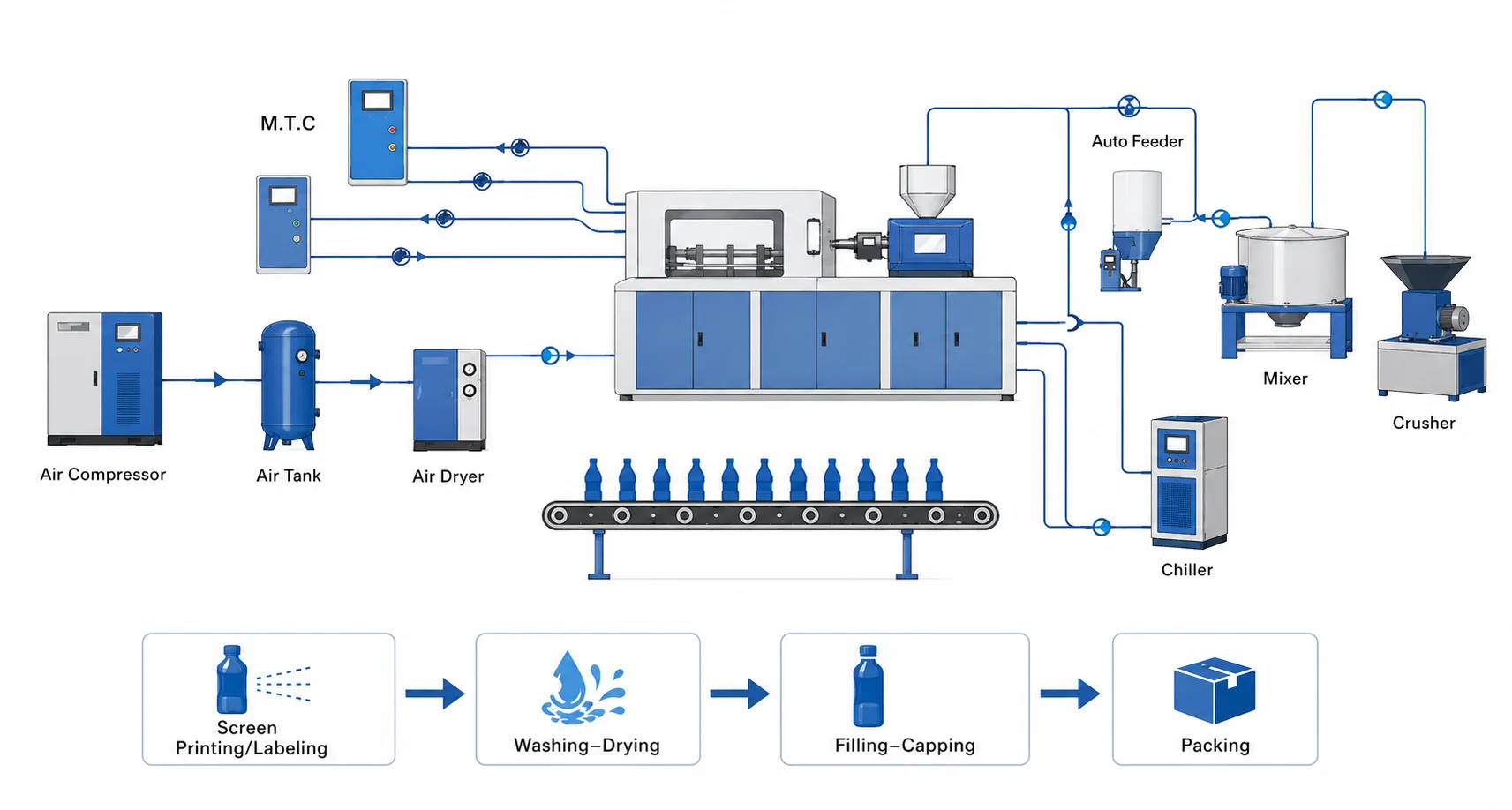
韩国HDPE IBM产品的正确ZQ模型取决于主要集装箱规格的年单位产量。韩国永力公司 注塑吹塑机 该系列产品提供五款适用于 HDPE 的型号——以下决策框架专门适用于 HDPE 制药和家用化学品的生产量。
| 年产量(10毫升高密度聚乙烯) | 推荐型号 | 龋齿 | 韩国高密度聚乙烯(HDPE)背景 |
|---|---|---|---|
| 低于每年1500万辆 | EP-ZQ40 | 9 @ 10毫升 | 韩国制药初创公司、韩国合同生产机构试验、韩国特种高密度聚乙烯包装 |
| 每年1500万至3000万台 | EP-ZQ60 | 14 @ 10毫升 | 韩国中型制药、韩国地区家用化学品、韩国食品高密度聚乙烯 |
| 每年3000万至5000万台 | EP-ZQ80 | 20个,每个10毫升 | 韩国大型制药公司、韩国国民品牌日用化学品、韩国K-Beauty HDPE |
| 每年5000万至6500万台 | EP-ZQ110 | 24 @ 10毫升 | 韩国大型医药合同包装,韩国主要消费品高密度聚乙烯 |
| 每年超过6500万台 | EP-ZQ135 | 30个,每个10毫升 | 韩国大型制药企业,韩国国家品牌HDPE年产量最高 |
对于韩国500毫升HDPE家用化学品生产,选择规则有所不同:应用相同的产量阈值,但根据500毫升模腔数量进行匹配(ZQ40:3模腔 → 约2700瓶/小时;ZQ60:3模腔 → 约2700瓶/小时;ZQ80:6模腔 → 约5400瓶/小时;ZQ110:6-8模腔 → 约5400-7200瓶/小时;ZQ135:8模腔 → 约7200瓶/小时)。6模腔的ZQ80是韩国最常用的家用化学品注塑平台——在韩国两班制生产周期内,它每年大约可以生产1000万至1200万瓶500毫升HDPE洗发水或清洁剂,单台机器即可满足大多数韩国本土品牌家用化学品OEM厂商的年产量需求。韩国永力能源的应用工程师可以为韩国工厂提供具体的产量与型号匹配分析,以评估在任何年产量规模下对 HDPE IBM 的投资。
常见问题解答
HDPE IBM 机器询价
韩国制药或家用化学品生产需要指定高密度聚乙烯(HDPE)IBM容器吗?
韩国永力公司为韩国 HDPE IBM 制药和家用化学品包装业务提供 HDPE 等级选择指导、壁厚规格、腔数规划和 ZQ 系列机器选择,适用于所有生产规模。
相关资源
EP-ZQ60 注塑吹塑机
600 KN · 14 个腔体,容量为 10 ml HDPE · 韩国中型制药 · 3+N 个桶区,适用于 HDPE MI 0.3–1.5 · 无闪蒸 · 每小时约 11,100 瓶,容量为 10 ml。
EP-ZQ110 注塑吹塑机
1,100 KN · 24 个腔体,容量为 10 ml HDPE · 4+N 个桶区 · 22+22 KW 双液压 · 韩国大型制药 HDPE — 每小时生产约 19,000 瓶,容量为 10 ml。
IBM 与 EBM:12 个主要区别
为什么 HDPE 医药和家用化学品容器由 IBM 而不是 EBM 生产——颈部精度、零飞边、产量和韩国工厂经济性在 12 个因素上进行了比较。