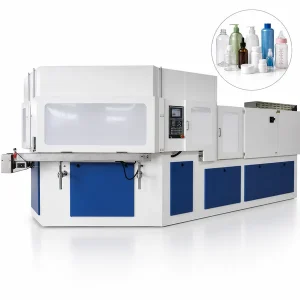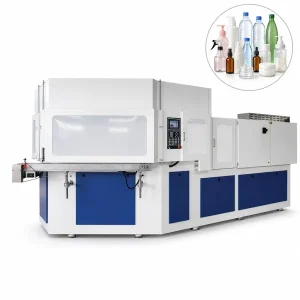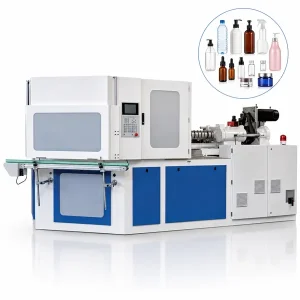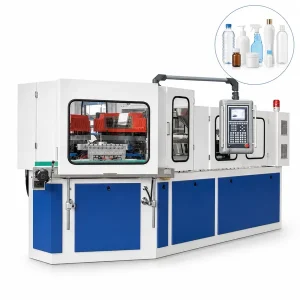
EP-ZQ40 Enjeksiyonlu Şişirme Kalıplama Makinesi (Avrupa Tipi)
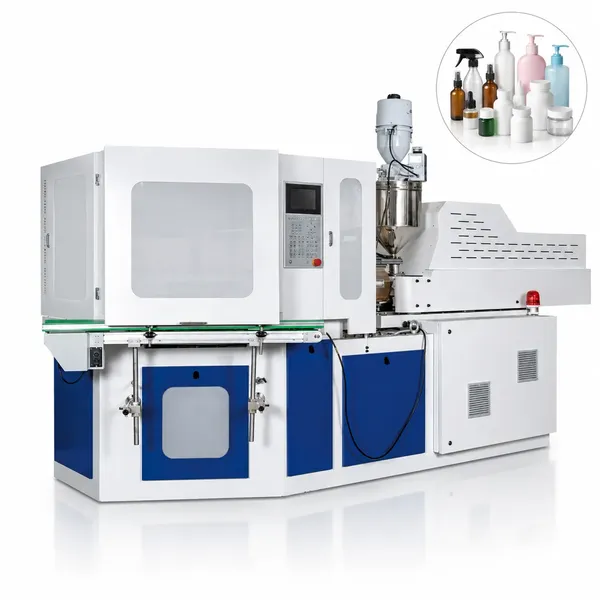
EP-ZQ40, kompakt, Avrupa tarzı 3 istasyonlu bir telsizdir. enjeksiyon şişirme kalıplama makinesi Hassas ilaç, kozmetik, gıda ve günlük kimyasal ambalajlama için tasarlanmıştır. 400 KN enjeksiyon sıkıştırma kuvvetiyle (benzer endüstri platformlarından 20–30% daha güçlü) bu giriş seviyesi model, HDPE, LDPE, PP, PS, ABS, EVA ve PCTG malzemelerinden 1 ml'den 1.500 ml'ye kadar, 10 ml formatında 9 adede kadar boşluklu kaplar üretir. Benzersiz basınçlı sıkıştırma yapısı, güçlendirici silindiri açma/kapama görevinden çıkararak, geleneksel hidrolik IBM makinelerine kıyasla enerji tüketimini 10–20% azaltır. Standart servo taret dönüşü, kompakt 3,5 × 1,3 × 1,7 m ayak izi ve hızlı 3,5 saniyelik kuru çevrim, EP-ZQ40'ı, orta ölçekli üretim hacimlerinde güvenilir enjeksiyon şişirme kalıplama ihtiyacı duyan Koreli ilaç sözleşmeli ambalajlama, Koreli kozmetik OEM fabrikaları ve Koreli günlük kimyasal üreticileri için doğru başlangıç yatırımı haline getirir.
Ürün Genel Bakışları
EP-ZQ40, Korea Ever-Power'ın kapsamlı ürün gamının giriş seviyesinde yer alıyor. enjeksiyon şişirme kalıplama makinesi Giriş seviyesi olması, kaliteden ödün verildiği anlamına gelmez. Daha büyük ZQ60, ZQ80, ZQ110 ve ZQ135 platformlarıyla aynı Avrupa yapısal standardına göre üretilen ZQ40, 400 KN enjeksiyon sıkıştırma kuvveti sunar; bu rakam, bu makine sınıfı için endüstri standardını 20–30% aşmaktadır. Kompakt gövdesi (3,5 × 1,3 × 1,7 m, 3,8 ton), ZQ40'ı ZQ serisinin en yerden tasarruf sağlayan modeli yapar ve temiz oda alanının gerçek bir kısıtlama olduğu Kore ilaç sözleşmeli ambalajlama hatları, çok hatlı formatlarda çalışan Kore kozmetik OEM fabrikaları ve 10–100 ml hacim aralığında ekstrüzyon şişirme kalıplamanın güvenilir bir şekilde sağlayamadığı hassas boyun bitirme kalitesine ihtiyaç duyan Kore gıda ambalaj üreticileri için oldukça uygundur.
EP-ZQ40, Kore'de günlük kullanımda olan tüm ambalaj malzemelerini işleyebiliyor: ilaç ve gıda uygulamaları için HDPE; sıkma tipi kaplar için LDPE; PP ve PS (Kore probiyotik süt ürünleri ambalajı için laktik asit bakteri sınıfı PS dahil); yüksek şeffaflıkta PS; premium kozmetik kavanozları için ABS; EVA; PCTG; ve çevre sertifikalı mısır bazlı malzemeler. PET enjeksiyonlu germe şişirme kalıplama da dahil olmak üzere başka hiçbir şişirme kalıplama teknolojisi, bu kap hacmi aralığında EP-ZQ40'ın malzeme çeşitliliğine ulaşamıyor. Kap hacmi 1 ml'den (Kore tek dozluk oftalmik ampul) 1.500 ml'ye (Kore soya sosu, Kore balı, Kore günlük şampuanı) kadar değişiyor ve kalıp sayısı 10 ml'de 9'dan 1.000 ml'de 1'e kadar düşüyor; bu da ZQ40'ı, 1 L+ hacim aralığında yüksek döngü başına çıktının verimsiz olacağı işlemler için ticari olarak uygulanabilir kılıyor. ZQ hidrolik serisinin en kısa kuru çevrimi olan 3,5 saniyelik süre, ZQ40'a, aynı birim hacimde ZQ60 ve üzeri modellere kıyasla daha düşük maksimum kalıp sayısı dezavantajını fazlasıyla telafi eden bir üretim hızı avantajı sağlıyor.
Teknik Özellikler — EP-ZQ40
Aşağıdaki parametreler, standart üretim koşullarında EP-ZQ40'ın nominal özelliklerini temsil etmektedir. Tüm veriler, Korea Ever-Power'ın ZQ40 platformuna ait mühendislik dokümanlarından alınmıştır. Müşterilerin, saha hazırlığı sırasında bu değerlerle karşılaştırıldığında şebeke beslemesinin (basınçlı hava kapasitesi, soğutma suyu akış hızı, elektrik beslemesi) kullanılabilirliğini teyit etmeleri önerilir. Parametreler referans amaçlıdır; Korea Ever-Power, önceden haber vermeksizin iyileştirmeler yapma hakkını saklı tutar.
| Öğe | Birim | EP-ZQ40 | |
|---|---|---|---|
| Enjeksiyon Sistemi | |||
| Vida Çapı | mm | 40 / 45 | |
| Vida L/D Oranı | — | 22:1 | |
| Enjeksiyon Ağırlığı | G | 190 / 260 | |
| Isıtma Gücü | KW | 7.5 | |
| Varil Bölgesi Sayısı | — | 3+N | |
| Enjeksiyon Vuruşu | mm | 120 | |
| Sıkıştırma Sistemi | |||
| Sıkıştırma Kuvveti — Enjeksiyon | KN | 400 | |
| Açılış Vuruşu — Enjeksiyon | mm | 165 | |
| Sıkıştırma Kuvveti — Üfleme | KN | 60 | |
| Açılış Vuruşu — Üfleme | mm | 140 | |
| Döner Tabla Kaldırma Yüksekliği | mm | 70 | |
| Kalıba dökmek | |||
| Maksimum Baskı Plakası Boyutu (U×G) | mm | 480 × 340 | |
| Kalıp Kalınlığı | mm | 180 | |
| Maksimum Şişe Çapı | mm | 120 | |
| Maksimum Şişe Yüksekliği | mm | 220 | |
| Uygun Şişe Hacmi | ml | 1 – 1.500 | |
| Sıyırma Vuruşu | mm | 220 | |
| Güç, Altyapı ve Boyutlar | |||
| Hidrolik Basınç | MPa | 14 | |
| Motor Gücü | KW | 11 | |
| Kuru Döngü | S | 3.5 | |
| Toplam Güç | KW | 20 | |
| Çalışma Gücü Oranı | % | 52 – 70 | |
| Minimum Hava Basıncı | MPa | 0,7 – 1,2 | |
| Sıkıştırılmış Hava Kapasitesi | M³/dak | 0.7 | |
| Soğutma Suyu Akışı | M³/h | 3.5 | |
| Soğutma Suyu Basıncı | MPa | 0,3 – 0,4 | |
| Boyutlar (Uzunluk × Genişlik × Yükseklik) | M | 3,5 × 1,3 × 1,7 | |
| Makine Ağırlığı | Ton | 3.8 | |
EP-ZQ40 Şişe Hacmine Göre Çürük Sayısı Referansı
(Sadece referans amaçlıdır - gerçek boşluk sayısı şişe geometrisine ve kalıp tasarımına bağlıdır)
| Şişe başına hacim | 10 ml | 30 ml | 60 ml | 100 ml | 250 ml | 500 ml | 1.000 ml |
|---|---|---|---|---|---|---|---|
| Maksimum Boşluklar | 9 | 8 | 6 | 4 | 3 | 2 | 1 |
Parametreler yalnızca referans amaçlıdır. Korea Ever-Power, sürekli ürün geliştirmeleri nedeniyle teknik özellikleri önceden haber vermeksizin değiştirme hakkını saklı tutar.
Çalışma Prensibi: 3 İstasyonlu Enjeksiyonlu Şişirme Kalıplama Prosesi
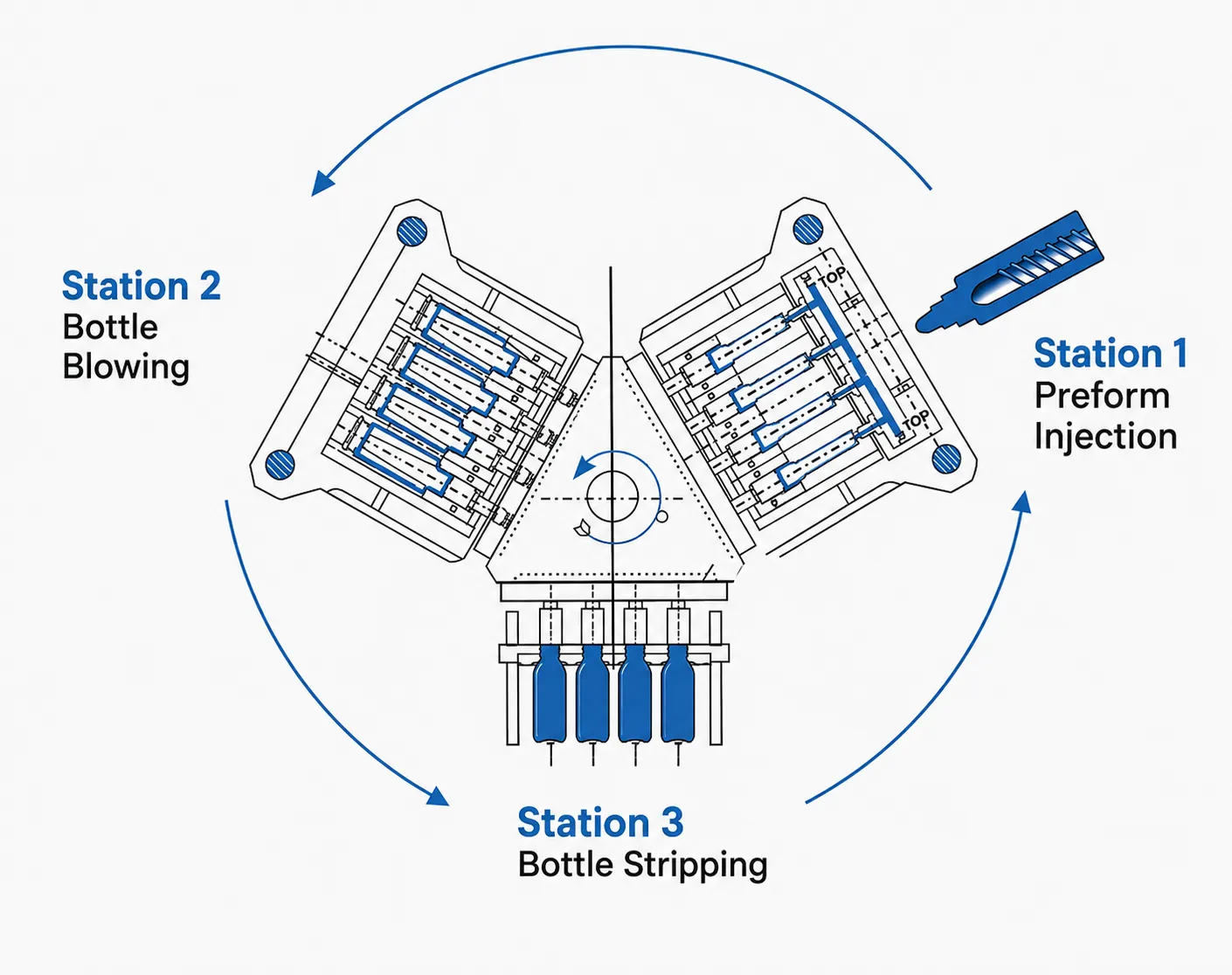
EP-ZQ40, enjeksiyon, şişirme kalıplama ve şişe sıyırma işlemlerinin tek ve sürekli bir döngüde eş zamanlı olarak çalıştığı 3 istasyonlu döner taret prosesini kullanır. Her üç işlem de paralel olarak ilerler; yani ZQ40, kararlı üretim durumuna ulaştıktan sonra döngünün hiçbir noktasında boşta kalmaz. Bu eş zamanlı çalışma, 3,5 saniyelik kuru döngünün, yalnızca döngü süresinin düşündürdüğünden çok daha yüksek bir verimle sonuçlanmasının nedenidir.
İstasyon 1 — Ön Kalıp Enjeksiyonu
40 mm veya 45 mm'lik vidadan 190-260 g ağırlığında enjekte edilen erimiş plastik reçine, 400 KN sıkıştırma kuvveti altında ön kalıp boşluğuna enjekte edilir. Şişe boynu bitişi (vida dişi, çıtçıt veya luer) bu istasyonda, yalnızca enjeksiyon kalıplamanın sağlayabileceği hassasiyetle şekillendirilir ve boyut olarak kilitlenir: boyun toleransları ±0,05 mm'ye kadar korunur, sızdırmazlık yüzeylerinde ayırma çizgisi çapakları bulunmaz ve diş geometrisi tek seferde tamamen oluşturulur. Kontrollü soğutmanın ardından, enjeksiyon kalıbı açılır ve ucunda yarı katı ön kalıbı taşıyan mandrel, şişirme istasyonuna 120 derece döner. Ön kalıp, enjeksiyondan kalan ısıyı koruyarak şişirme kalıplama işlemine girer ve yeniden ısıtma ihtiyacını ortadan kaldırır.
İstasyon 2 — Şişirme Kalıplama
Üfleme istasyonunda, hava mandrel çekirdeğinden ön kalıba iletilir ve 60 kN'luk üfleme sıkıştırma kuvveti altında soğutulmuş üfleme boşluğu duvarlarına karşı radyal olarak şişirilir. Kalıp boşluğunun şekli ve yüzey dokusu, kabartmalı logolar, derecelendirme işaretleri ve etiket panelleri de dahil olmak üzere, bitmiş şişe gövdesine yüksek doğrulukla kopyalanır. Enjeksiyonlu üfleme kalıplama, ekstrüzyonlu üfleme kalıplamanın aksine, ön kalıp kesimi kullanmadığı için, şişe tabanı temiz, tamamen dışbükey bir profille ve taban merkezinde kaynak hattı zayıflığı olmadan çıkar. Şişe hedef forma ve çekirdek sıcaklığına ulaştığında, üfleme kalıbı açılır ve mandrel, bitmiş şişeyi taşıyarak sıyırma istasyonuna döner.
İstasyon 3 — Şişe Sökme
Bitmiş şişe, sıyırma istasyonunda mandrelden mekanik olarak sıyrılır ve çıkış konveyörüne aktarılır; burada otomatik görsel inceleme, yan sızıntı testi, etiketleme veya dolum işlemlerine yönlendirilebilir. Sıyırma işleminden sonra, mandrel bir sonraki ön kalıp enjeksiyon atışını almak üzere hemen 1. İstasyona geri döner. Üç istasyon, üç işlemi de paralel olarak gerçekleştirir; ön kalıp enjeksiyonu, şişe üfleme ve şişe sıyırma işlemleri üç ayrı mandrel setinde eş zamanlı olarak gerçekleşir ve her bir boşluk için döngü başına bir tam şişe üretilir. ZQ40'ın standart bir ilaç şişesi formatı için 3,5 saniyelik kuru döngüsünde, 100 ml'lik 6 boşluklu bir kalıp, standart dolum verimliliğinde çalışma saati başına yaklaşık 6.170 şişe üretir.
Enjeksiyonlu Şişirme Kalıplama Nedir?
Enjeksiyon şişirme kalıplama (IBM), herhangi bir çapak veya artık atık oluşturmadan, doğrudan plastik reçineden bitmiş şişeler üreten tek aşamalı içi boş plastik kap üretim sürecidir. İşlem, çelik bir mandrel etrafına hassas bir ön kalıbın enjeksiyon kalıplamasıyla başlar, ardından bu ön kalıp bir şişirme boşluğunda hava basıncıyla şişirilerek nihai şişe şeklini alır ve son olarak bitmiş şişe, çıkış için mandrelden çıkarılır. Bu işlem, hem enjeksiyon germe şişirme kalıplamadan (ön kalıp ve şişirme istasyonları arasına dikey bir germe çubuğu ekler) hem de ekstrüzyon şişirme kalıplamadan (daha sonra kesilip şişirilen bir ön kalıp ekstrüde edilir) temel olarak farklıdır. Enjeksiyon şişirme kalıplama, kendine özgü bir performans alanına sahiptir: çapak atığı üretmez, üstün boyun bitişi doğruluğu sağlar ve PET odaklı germe şişirme kalıplamaya göre çok daha geniş bir malzeme yelpazesini destekler.
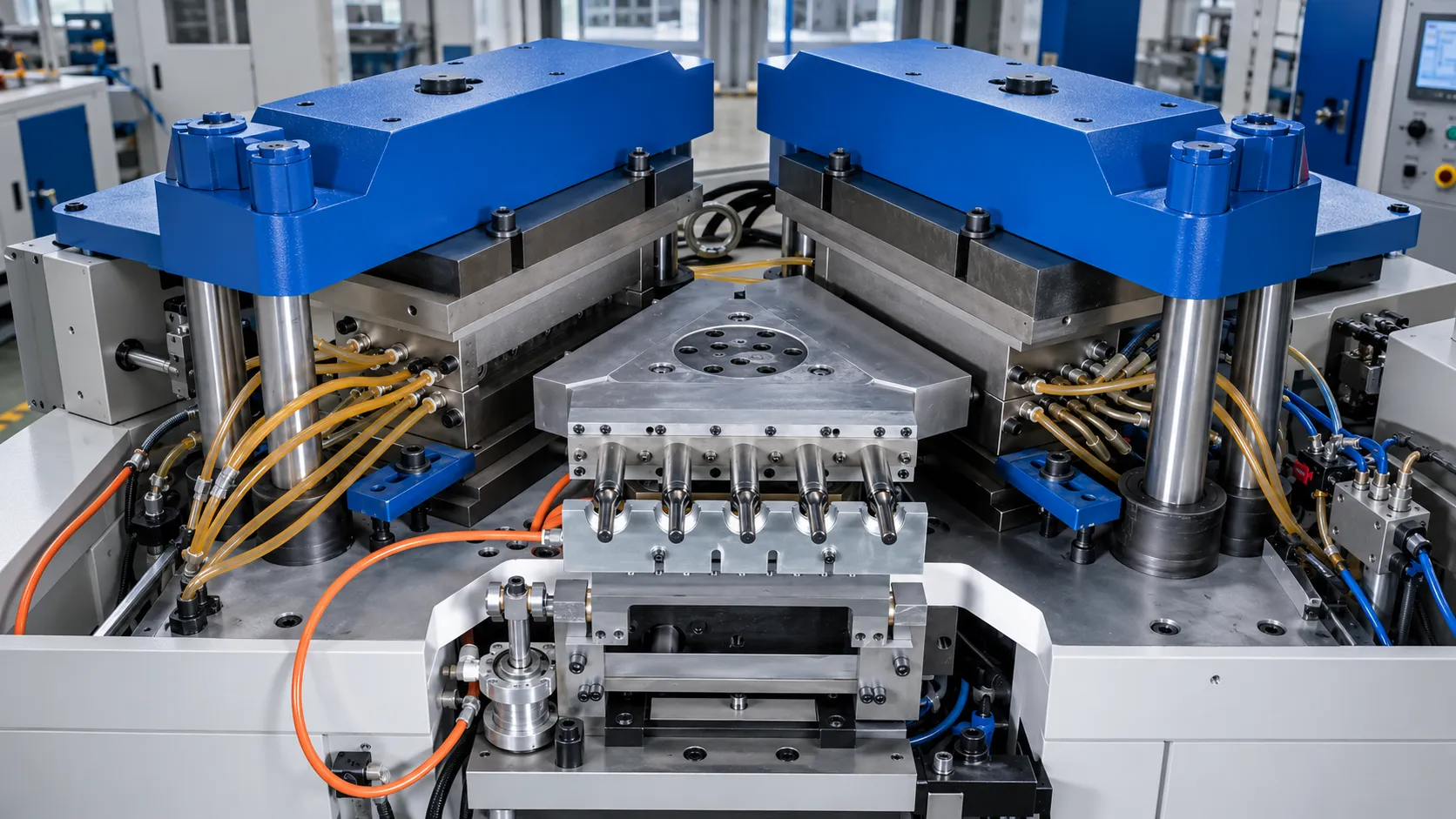
Enjeksiyon şişirme kalıplama yönteminin ticari olarak öne çıkmasını sağlayan şey, kullanılan malzemelerdir. HDPE (yüksek yoğunluklu polietilen), Kore ve küresel farmakopede standart ilaç ambalaj malzemesidir; HDPE'nin kimyasal inertliği, nem bariyeri ve sterilizasyon yöntemleriyle uyumluluğu, onu oral sıvı ilaçlar, oftalmik damlalar, nazal spreyler ve vitamin takviyeleri için varsayılan malzeme haline getirir. LDPE'nin esnekliği, sıkma tipi dağıtım kapları için uygundur. PP, sıcak dolum ve sterilizasyon uyumlu ambalajlarda kullanılır; Kore probiyotik içecek tek kullanımlık şişeleri, Kore ilaç şırınga gövdeleri, Kore gıda ile temas eden mikrodalga kapları gibi. Gıda ile temas sınıfı PS, Kore süt ürünleri tek kullanımlık kaplarında ve Kore laktik asit bakterili içecek kaplarında kullanılır; yüksek şeffaflığa sahip PS, PCTG'den daha düşük maliyetle birinci sınıf kozmetik ürünler için cam benzeri bir berraklık sağlar. ABS, düşme testi performansı ve birinci sınıf dokunma hissinin önemli olduğu Kore birinci sınıf kozmetik kavanoz gövdeleri için gereken yüzey sertliğini, darbe direncini ve boyutsal kararlılığı sağlar. EVA, esnek özel formatlarda kullanılır. PCTG (glikol modifiye edilmiş bir kopolyester), cam benzeri optik şeffaflığı PET'ten daha geniş kimyasal dirençle birleştirerek Kore'nin üst düzey kozmetik ürünlerinde, Kore laboratuvar reaktif şişelerinde ve Kore gıda saklama formatlarında kullanılmaktadır.
Enjeksiyon şişirme kalıplama yönteminin yapamadığı şeyleri anlamak, doğru makine seçimi için aynı derecede önemlidir. IBM, enjeksiyon germe şişirme kalıplama yönteminin yaptığı gibi polimeri çift eksenli olarak yönlendirmez; bu nedenle IBM kapları, CO₂ basıncının korunması için çift eksenli PET yönlendirmesinin gerekli olduğu gazlı içecek üretiminde kullanılmaz. IBM ayrıca, ön kalıp-şişe germe oranının çok yüksek olduğu (tipik olarak 3:1'in üzerinde yükseklik oranı) uzun, dar boyunlu formatlar için de uygun değildir; bu formatlar ISBM'ye aittir. IBM'nin güçlü yönleri, yaklaşık 2.000 ml'nin altındaki hacimlerde geniş ağızlı kavanozlar, kısa opak ilaç şişeleri, kozmetik kavanozları ve günlük kimyasal kaplardır; burada IBM'nin malzeme genişliği ve boyun hassasiyeti baskın performans kriterleridir.
Enjeksiyonlu Şişirme Kalıplama mı, Yoksa Enjeksiyonlu Gerdirme Şişirme Kalıplama mı: Uygulamanız İçin Hangisi Daha Uygun?
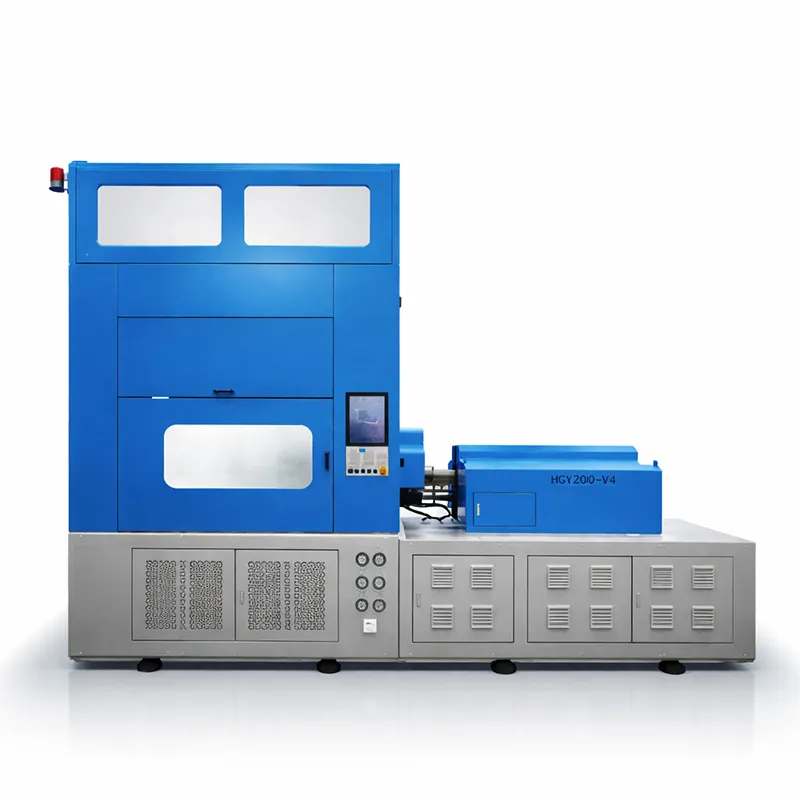
Korea Ever-Power hem IBM makineleri (EP-ZQ40 dahil ZQ serisi) hem de ISBM makineleri (HGY ve HGYS serileri) üretmektedir. 4 İstasyonlu ISBM Makine SerisiYeni bir paketleme hattı yatırımında ilk karar, doğru proses teknolojisini seçmektir. Aşağıdaki tablo, temel seçim kriterlerini özetlemektedir.
| Seçim Kriteri | IBM (EP-ZQ40) | ISBM (HGY Serisi) |
|---|---|---|
| Birincil malzemeler | HDPE, LDPE, PP, PS, ABS, EVA, PCTG | PET, PETG, PCTG, Tritan, PC, PP |
| İki eksenli yönelim | Germe çubuğu yok — çift eksenli yönlendirme yok | Dikey gergi çubuğu — çift eksenli yönlendirme |
| Şişe duvarı özellikleri | Düzgün, yönlendirilmemiş — opak kaplar için ideal | Çift eksenli yönlendirme — yüksek şeffaflık, daha yüksek bariyer |
| Sap bitişinin doğruluğu | Enjeksiyon kalıplama — en yüksek hassasiyet | Enjeksiyon kalıplama — en yüksek hassasiyet |
| Flaş / hurda | Sıfır flaş — sıfır hurda | Sıfır flaş — sıfır hurda |
| Tipik uygulamalar | İlaç şişeleri, kozmetik kavanozları, günlük kimyasal madde kapları, gıda kapları | PET kozmetik serum şişeleri, CSD şişeleri, içecek, premium kozmetik |
| Geniş ağızlı kavanoz üretimi | Harika | Mümkün ancak karmaşık |
| Gazlı içecek (GÇT) | Uygun değil | Uygun (PET/PETG) |
| Makine istasyonları | 3 (Enjeksiyon – Üfleme – Sökme) | 3 veya 4 (Kondisyon ekler) |
Koreli ambalaj alıcıları için, öncelikli ihtiyaçları ilaç ambalajı üretimi, kozmetik kavanoz üretimi veya HDPE, PP, PS veya ABS kullanan günlük kimyasal şişe hatları ise, EP-ZQ40'ta enjeksiyonlu şişirme kalıplama doğru ve en uygun maliyetli teknoloji seçeneğidir. Kristal berraklığında PET kozmetik serum şişeleri, çift eksenli yönlendirme şeffaflığına sahip PET su şişeleri veya PETG premium ambalajlara ihtiyaç duyan Koreli alıcılar için ise HGY ISBM serisi uygun platformdur. Korea Ever-Power'ın mühendislik ekibi, özel şişe gereksinimlerinizi değerlendirebilir ve herhangi bir ürün hattına ticari önyargı olmaksızın doğru teknolojiyi önerebilir - lütfen bizimle iletişime geçin. isbm-blow-molding.com Ücretsiz teknik danışmanlık için.
IBM Makinelerinin Uygulama Alanları

İlaç Endüstrisi
Kore'de yarı ilaç ve Kore GMP uyumlu ilaç üretim hatları için HDPE ve PP ilaç şişeleri. Göz damlası şişeleri (PP veya LDPE, 5–30 ml), oral sıvı flakonları (HDPE, 30–150 ml), vitamin takviyesi kapları (HDPE, 100–500 ml) ve çoklu doz sıvı ilaç şişeleri (HDPE, 100–500 ml). EP-ZQ40'ın enjeksiyon kalıplama yöntemiyle üretilen boyun kısmı, Kore KFDA'nın kap yeterlilik şartlarını karşılayan boyutsal tutarlılığa sahip vidalı ve geçmeli kapaklar üretir.
Kozmetik ve Kişisel Bakım
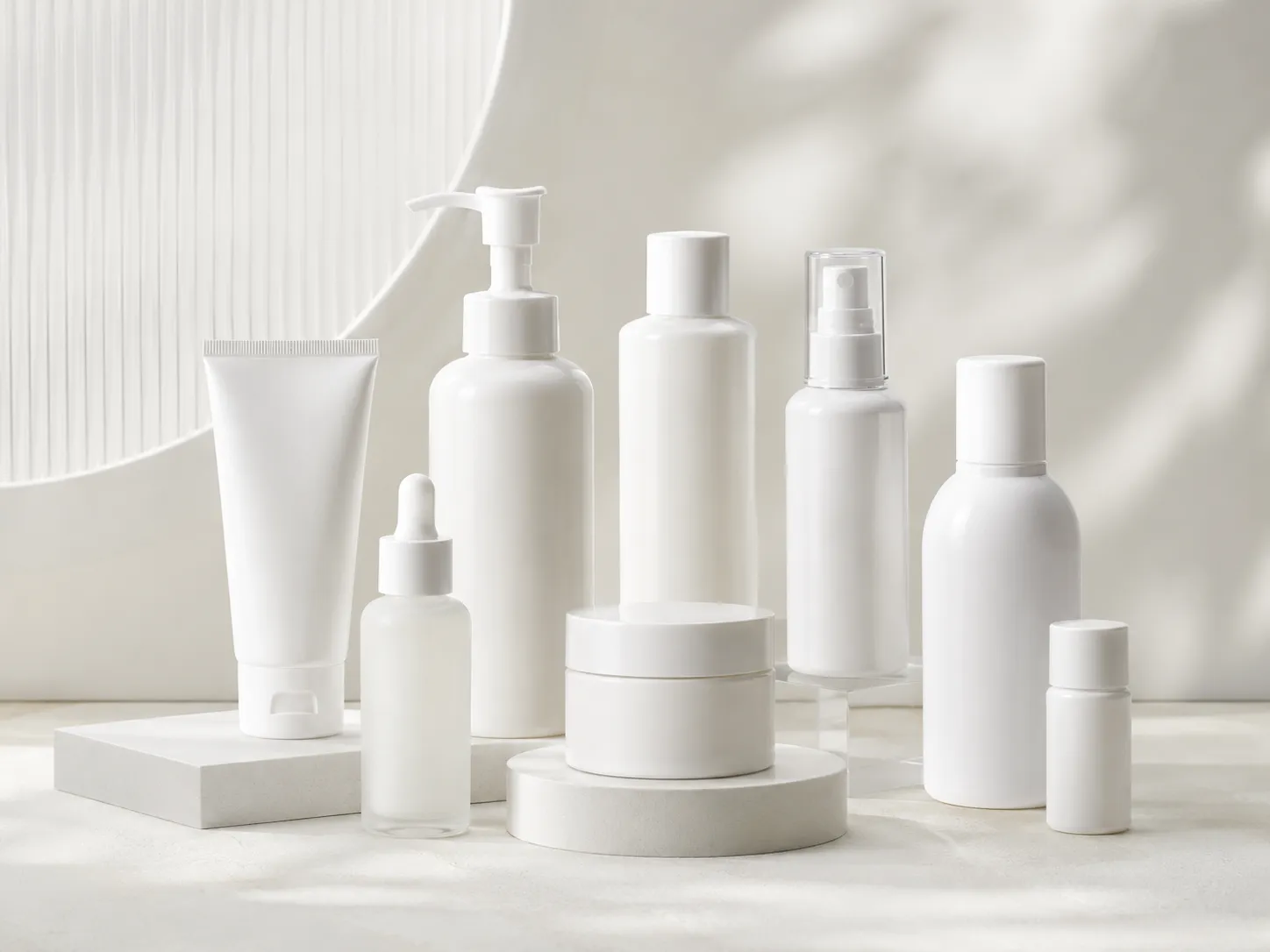
Kore K-Beauty krem ambalajları için ABS ve PCTG geniş ağızlı kozmetik kavanozları; PP losyon şişeleri ve pompalı kaplar; Kore fonksiyonel kozmetik kanalları için yüksek şeffaflıkta PS serum şişeleri; Kore günlük saç bakım ürünleri için HDPE ve LDPE saç kremi ve şampuan kapları. EP-ZQ40'ın 10 ml'de 9 bölmeli kapasitesi, düzenli üretimlerinin yanı sıra numune boyutlarında ve seyahat formatında kaplar üreten Kore kozmetik OEM fabrikaları için ticari olarak uygundur.
Gıda Ambalajı
Kore balı, Kore soya sosu, Kore yemeklik yağı, Kore çeşni sosları, Kore bebek beslenme takviyeleri ve Kore bitkisel özütlerinin ambalajlanması için gıda ile temasa uygun HDPE ve PP kaplar. EP-ZQ40'ın temiz taban profili (ekstrüzyon kesiminden kaynaklanan kaynak çizgisi yok) ve enjeksiyon kalıplama yöntemiyle üretilmiş geniş ağızlı boyun geometrisi, taban bütünlüğü ve boyun sızdırmazlık kalitesinin ticari gereklilikler olduğu Kore premium gıda ambalajlarında özellikle değerlidir.
Günlük Kimya ve Kimya Endüstrisi
Kore ev temizlik ürünleri, kişisel hijyen ürünleri, yüzey dezenfektanları ve endüstriyel reaktif ambalajları için HDPE ve PP kaplar. Kore probiyotik süt ürünleri ve fonksiyonel içecekler için tek kullanımlık PS (laktik asit bakteri sınıfı) şişeler. EP-ZQ40, Kore otomatik dolum hatlarının kurcalamaya karşı korumalı ve çocuk kilidi özelliğine sahip kapak uyumu için gerektirdiği boyutsal tutarlılıkla, endüstriyel temizlik formülasyonlarının HDPE'deki kimyasal temas gereksinimlerini karşılar.
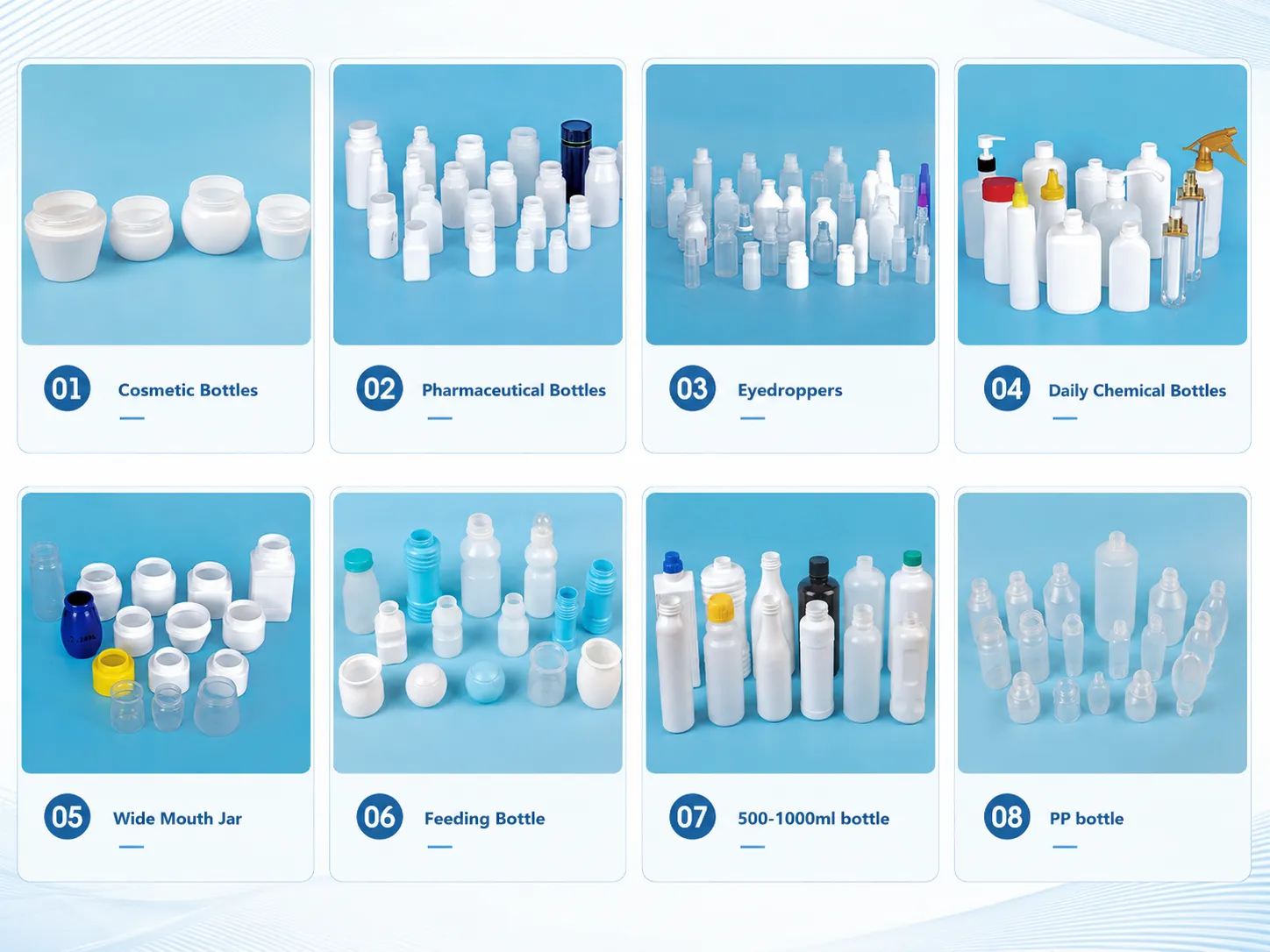
EP-ZQ40 için Gerekli Eşleştirme Bileşenleri
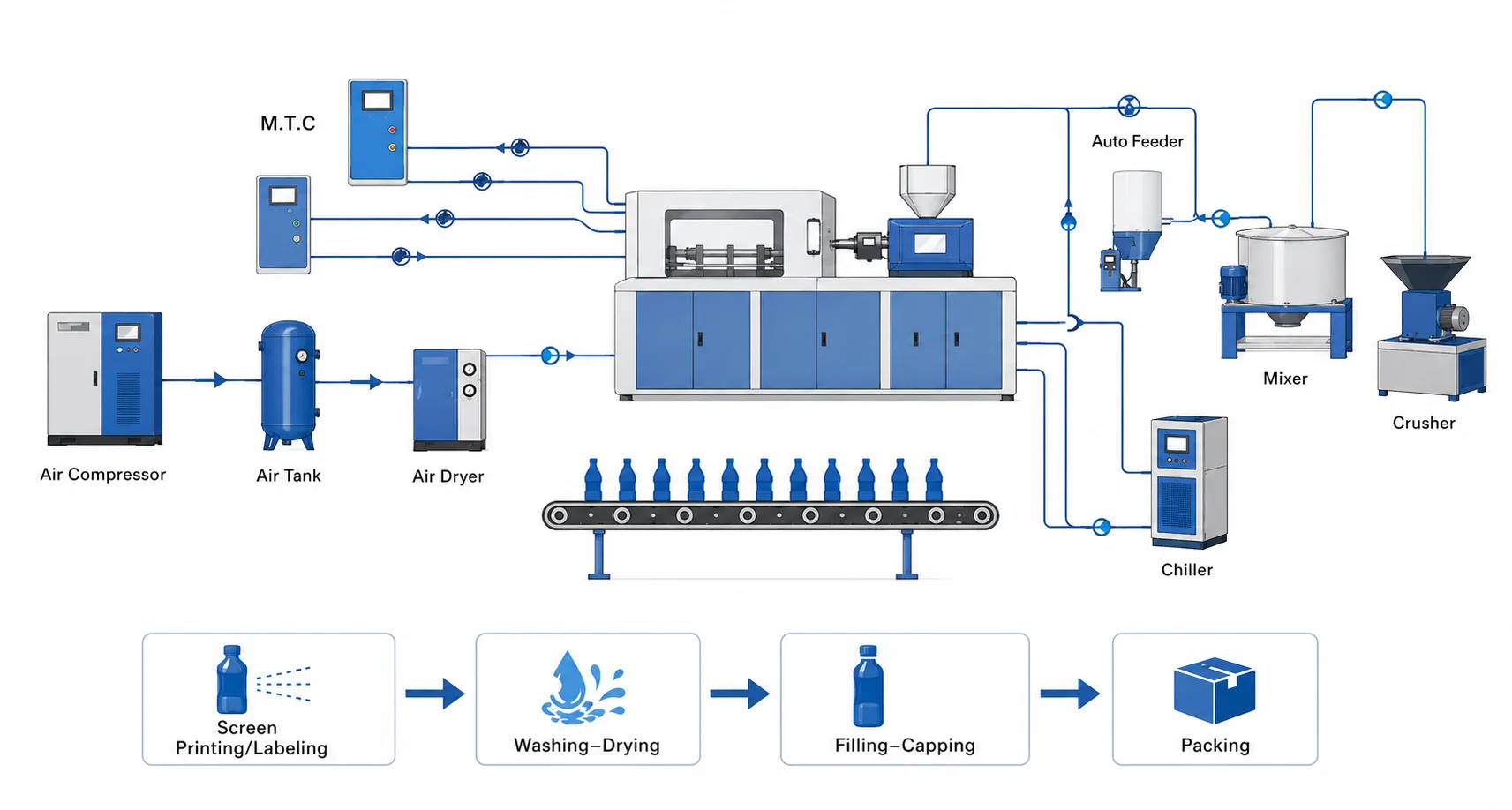
Yüksek kapasiteli bir enjeksiyonlu şişirme kalıplama makinesi, uyumlu bir yardımcı bileşen ekosistemine ihtiyaç duyar. Korea Ever-Power, eksiksiz EP-ZQ40 üretim hattı paketinin bir parçası olarak aşağıdaki uyumlu bileşenleri sunmaktadır.
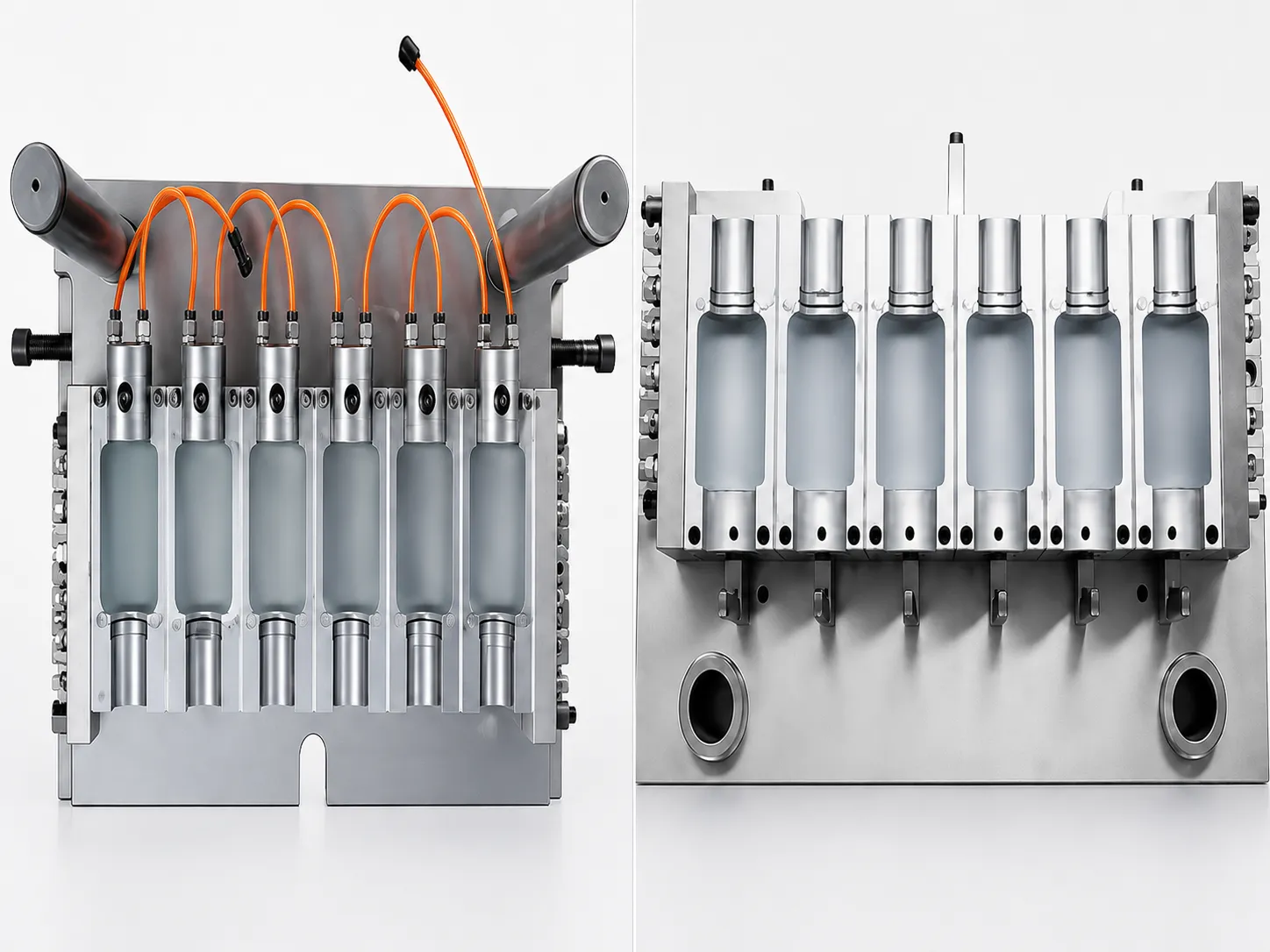
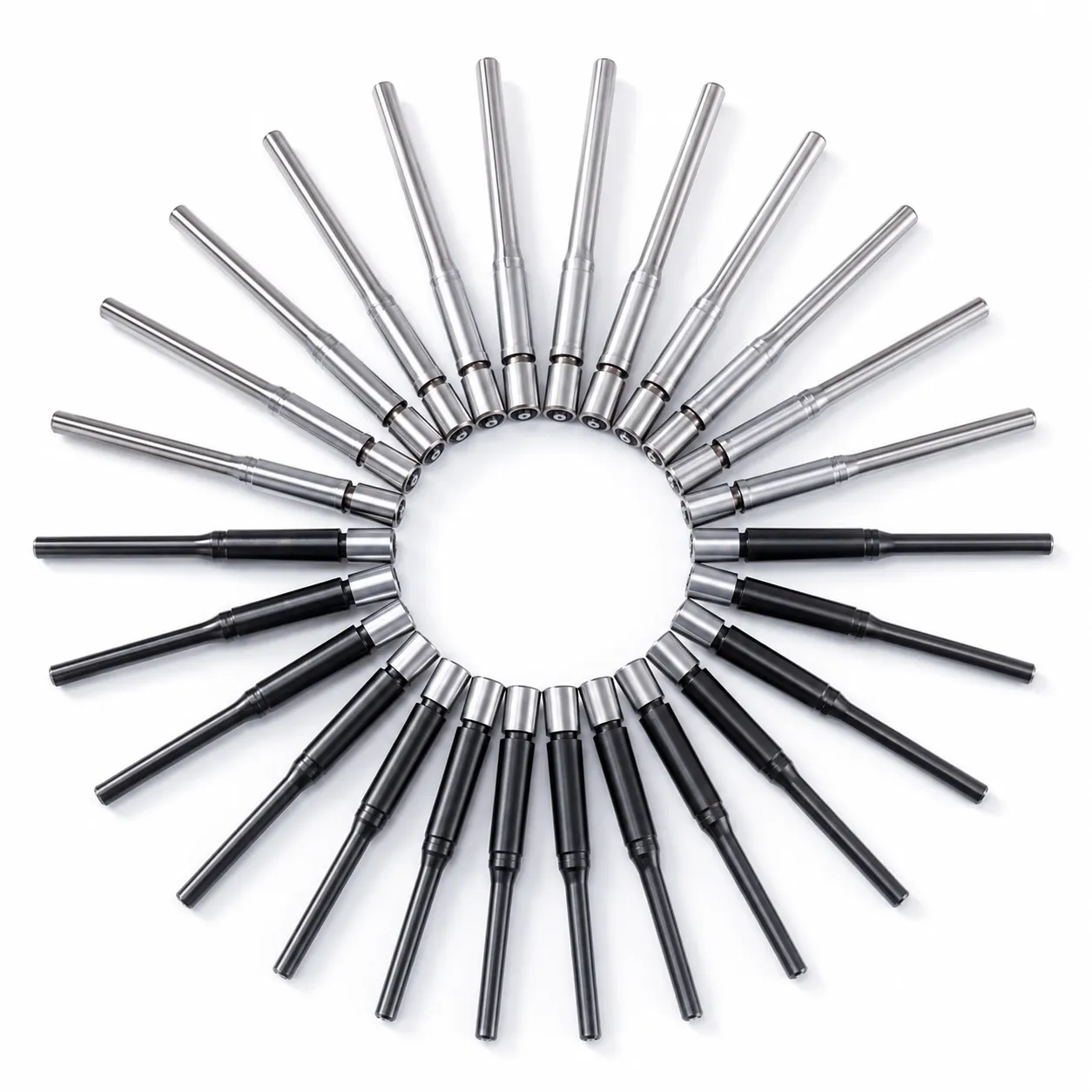
- ZQ Serisi IBM Kalıpları (Enjeksiyon Kalıbı + Şişirme Kalıbı + Mil Seti)
ZQ40 uyumlu kalıp seti, Kore Ever-Power'ın hassas kalıp atölyesinde, enjeksiyon boşluğu gövdesi ve ön şekillendirme takımı için 4Cr13 paslanmaz çelik veya ithal S136 alaşımlı çelik kullanılarak üretilmektedir. Bu malzeme kaliteleri, korozyon direnci, ayna cilalama özelliği (ilaç şişesi boşlukları için Ra ≤ 0,05 μm) ve standart HDPE/PP üretim koşullarında 1 milyon döngüyü aşan hizmet ömrü sağlar. Şişirme kalıp gövdeleri, soğutma döngüsü verimliliğini artırmak için magnezyum-alüminyum alaşımından da temin edilebilir. Her ZQ40 kalıp seti, sevkiyat öncesinde EP-ZQ40 platformunda deneme kalıplama işlemine tabi tutulur; 500 parçalık bir örnek üretim ve boyut raporu, kalıp fabrikadan çıkmadan önce boyun dış çapı, diş adımı ve gövde çapının çizim spesifikasyonuna uygun olduğunu doğrular. - Yağsız Hava Kompresörü (0,7–1,2 MPa, minimum 0,7 M³/dak kapasite)
EP-ZQ40, üfleme istasyonu ve taret dönüş pnömatik sistemleri için minimum 0,7 M³/dak debide 0,7–1,2 MPa basınçlı havaya ihtiyaç duyar. Kore ilaç ve gıda sınıfı üretiminde, yağsız vidalı kompresör zorunludur; üfleme havasındaki herhangi bir yağ kirliliği, üfleme sırasında şişe iç kısmına temas eder ve ilaç veya gıda ürününü kirletme riski taşır. Korea Ever-Power, üfleme istasyonu girişinde Sınıf 0 yağsız hava kalitesini sağlamak için, EP-ZQ40'ın hava ihtiyacına uygun, soğutucu ve kurutucu hava kurutma sistemine sahip, uyumlu yağsız vidalı hava kompresörleri önermekte ve tedarik edebilmektedir. - Kalıp Sıcaklık Kontrol Cihazı ve Soğutucu
Enjeksiyonlu şişirme kalıplamada tutarlı duvar kalınlığı dağılımı ve yüzey kalitesi için en önemli işlem değişkeni hassas ve kararlı kalıp sıcaklığıdır. EP-ZQ40, enjeksiyon kalıbı ve şişirme kalıbı devreleri için 0,3–0,4 MPa basınçta 3,5 M³/h soğutma suyuna ihtiyaç duyar. Korea Ever-Power, enjeksiyon kalıbı devresi için (genellikle HDPE için 20–40°C, PP için daha yüksek) uyumlu kalıp sıcaklık kontrol cihazları ve şişirme kalıbı devresi için su soğutucuları tedarik eder; burada ortam sıcaklığının altındaki soğutma sıcaklıkları çevrim süresini ve şişe boyutsal stabilitesini iyileştirir.
IBM yatırımınız için neden Korea Ever-Power'ı seçmelisiniz?
- IBM'in Avrupa genelindeki tam kapsamlı uzmanlığı: Korea Ever-Power'ın ZQ serisi, takviye silindirini açık/kapalı devrenin dışında konumlandıran Avrupa yapısal felsefesini uygulamaktadır. Bu tasarım kararı, geleneksel IBM hidrolik sistemlerine kıyasla enerji tüketimini 10–20% azaltırken, takviye bileşeninden tekrarlayan yükü kaldırarak sıkıştırma mekanizmasının kullanım ömrünü uzatır.
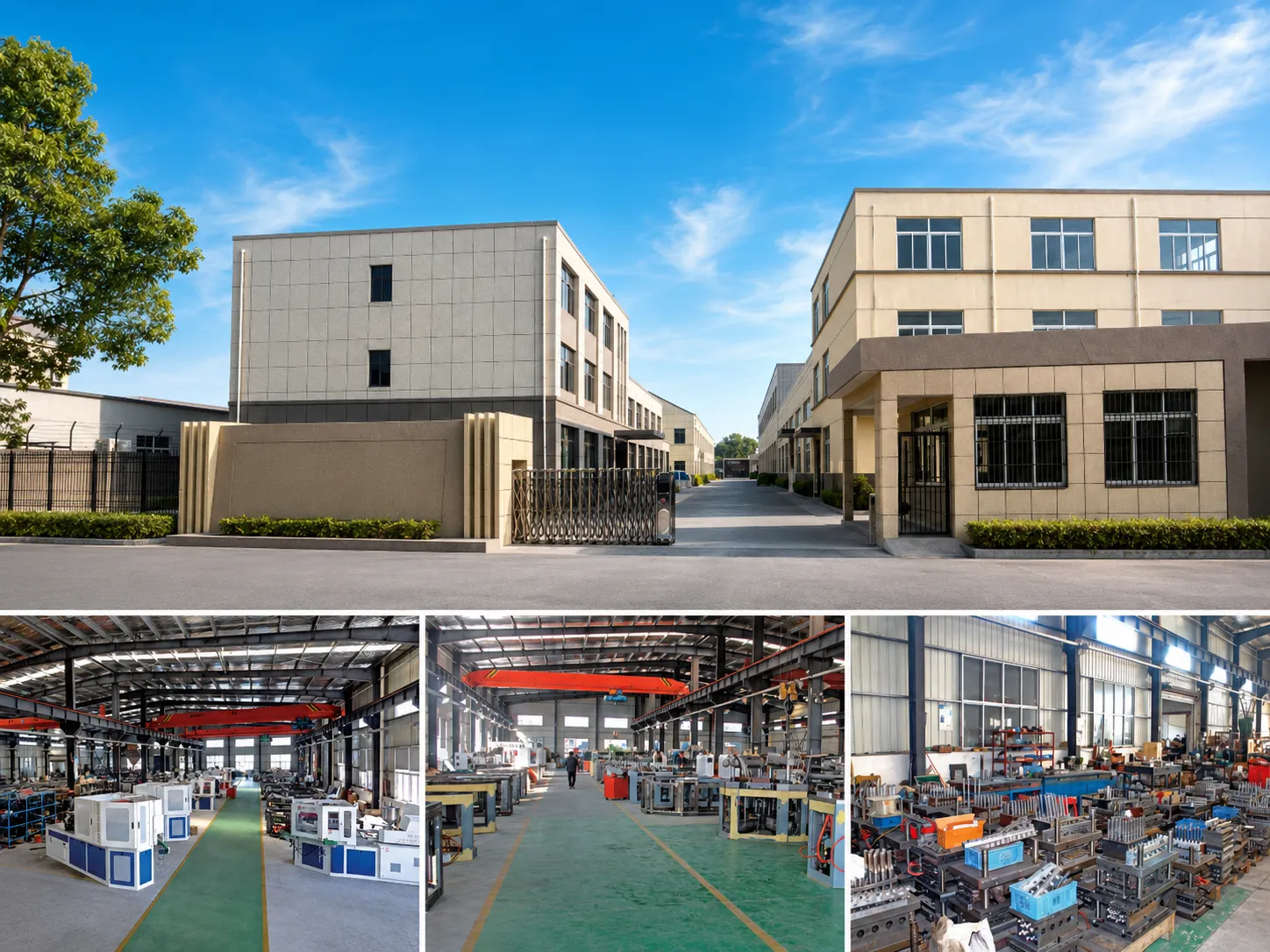
- Entegre makine ve kalıp üreticisi: Korea Ever-Power, hem EP-ZQ40 IBM makine platformunu hem de ona uygun ZQ kalıp setlerini aynı mühendislik ortamında üretmektedir. Bu entegrasyon, kalıbın müşterinin alacağı makine üzerinde tasarlanması, denenmesi ve onaylanması anlamına gelir; bu da makine ve kalıbın ayrı tedarikçilerden gelmesi durumunda ortaya çıkan boyut uyumsuzluğu riskini ortadan kaldırır.
- CE sertifikası ve ISO 9001:2015: EP-ZQ40, Avrupa pazarına uygunluk için CE işaretine sahiptir ve ISO 9001:2015 kalite yönetim sistemi altında üretilmiştir. Bu sertifikalar, ambalajlı ürünlerini Avrupa veya Kuzey Amerika pazarlarına ihraç eden ve konteyner üretim dokümantasyonunun düzenleyici başvurunun bir parçası olduğu Koreli müşterileri desteklemektedir.
- Kapsamlı anahtar teslim hizmeti: Korea Ever-Power, Koreli müşterilerinin arıza sürelerini en aza indirmek için satış öncesi teknik danışmanlık (şişe geometrisi incelemesi, malzeme seçimi, boşluk sayısı hesaplaması), deneyimli saha mühendisleri tarafından kurulum ve devreye alma, operatör eğitimi (makine kullanımı, kalıp değişimi, arıza teşhisi) ve yeterli yedek parça stoğu ile önleyici bakım planlaması hizmetleri sunmaktadır.
- 7/24 satış sonrası servis hattı: Korea Ever-Power'ın satış sonrası servis hattı 7/24 hizmet vermektedir. Çoğu teşhis sorunu, makine PLC'sine uzaktan erişim yoluyla çözülebilir. Donanım sorunları için, Korea Ever-Power'ın yedek parça envanterinden ekspres lojistik, yaygın aşınma parçalarını 24-48 saat içinde Kore'deki üretim tesislerine teslim eder.
- IBM'den ISBM'ye uzanan tüm ürün yelpazesi: Korea Ever-Power, aynı mühendislik altyapısından hem hidrolik IBM (ZQ40–ZQ135) hem de ISBM (HGY150-V4'ten HGYS280-V6'ya kadar) makine platformlarını sunan çok az sayıdaki üreticiden biridir. EP-ZQ40 IBM platformuyla üretime başlayan bir Kore ambalaj fabrikası, aynı tedarikçi ilişkisi, eğitim çerçevesi ve yedek parça ekosistemiyle daha yüksek hacimli IBM modellerine geçebilir veya PET uygulamaları için ISBM'ye geçiş yapabilir.
Sıkça Sorulan Sorular — EP-ZQ40
S1: EP-ZQ40 işlemcisi, şeffaf şişe üretimi için PET reçinesini işleyebilir mi?
PET, ambalajda değer gördüğü şeffaflık, bariyer özellikleri ve mukavemeti elde etmek için çift eksenli yönlendirmeye (hem eksenel germe hem de radyal şişirme) ihtiyaç duyar. EP-ZQ40'ın 3 istasyonlu enjeksiyonlu şişirme kalıplama işlemi, germe çubuğu içermez; ön kalıbı yalnızca radyal olarak şişirir, eksenel germe yapmaz. Çift eksenli yönlendirme olmadan bir IBM makinesinde PET işlenmesi, ISBM ile üretilen PET'e göre önemli ölçüde daha düşük şeffaflık ve bariyer performansına sahip PET şişeler üretir ve ticari olarak önerilmez. Şeffaf, yönlendirilmiş PET şişe üretimi için, Kore Ever-Power HGY serisi ISBM makineleri uygun platformdur. EP-ZQ40, çift eksenli yönlendirmenin gerekli olmadığı HDPE, PP, PS, ABS, PCTG, EVA ve benzeri malzemelere hizmet eder.
S2: Tipik bir ilaç şişesi üretiminde EP-ZQ40'ın saatlik gerçek üretim kapasitesi nedir?
3,5 saniyelik kuru çevrim ve pratik üretim verimliliği (tipik olarak kararlı durumda 85–90%) dikkate alındığında, EP-ZQ40, çalışma saati başına yaklaşık 900–950 çevrim üretir. En yaygın kalıp konfigürasyonlarında: 4 gözlü 100 ml HDPE ilaç şişesi: yaklaşık 3.600–3.800 şişe/saat; 6 gözlü 60 ml HDPE göz damlası şişesi: yaklaşık 5.400–5.700 şişe/saat; 8 gözlü 30 ml HDPE şurup şişesi: yaklaşık 7.200–7.600 şişe/saat; 9 gözlü 10 ml PP oftalmik kap: yaklaşık 8.100–8.550 adet/saat. Bu üretim oranları, Korea Ever-Power'ın ZQ40 kalıp setleriyle standart proses koşullarına dayalı tahminlerdir; gerçek çıktı, malzeme, duvar kalınlığı, soğutma devresi performansı ve operatör verimliliğine bağlıdır.
S3: EP-ZQ40'ta kalıp değiştirme işlemi ne kadar sürer?
EP-ZQ40 modelinde, mevcut enjeksiyon kalıbının, mandrel setinin ve şişirme kalıbının çıkarılması, yeni kalıp setinin takılması ve ilk numune onayının alınması da dahil olmak üzere komple bir kalıp değişimi, Korea Ever-Power'ın SMED kalıp değiştirme protokolünü izleyen deneyimli bir operatör için tipik olarak 2,5 ila 4 saat sürer. Değişim süresi, yeni kalıbın farklı bir boyun bitişi gerektirip gerektirmediğine (bu da mandrel setinin değiştirilmesini gerektirir), şişe yüksekliği farkının mekanik tıpa ayarı gerektirip gerektirmediğine ve kalıp sıcaklık kontrol devrelerinin yeniden devreye alınmasından sonra sıcaklık stabilizasyon süresine bağlıdır. Korea Ever-Power'ın saha mühendisliği eğitimi, kurulum devreye alma sırasında temel bir modül olarak kalıp değiştirme prosedürünü kapsamaktadır.
S4: EP-ZQ40 hangi soğutma suyu kalitesine ihtiyaç duyar?
EP-ZQ40, 0,3–0,4 MPa basınçta 3,5 M³/h soğutma suyuna ihtiyaç duyar. Su kalitesi gereksinimleri: 150 ppm CaCO₃ eşdeğerinin altında sertlik (kalıp soğutma kanallarında kireç oluşumunu önlemek ve zamanla soğutma verimliliğini azaltıp çevrim süresini uzatmamak için); pH 6,5–8,0; 50 ppm'nin altında klorür içeriği (paslanmaz çelik kalıp parçalarının korozyonunu önlemek için). Korea Ever-Power, Kore'deki endüstriyel bölgelerde, belediye suyu sertliğinin tipik olarak 100–250 ppm CaCO₃ olduğu yerlerde, EP-ZQ40'ın soğutma suyu devresine bir su arıtma ünitesi (filtre, yumuşatıcı ve korozyon önleyici dozlama) takılmasını önermektedir.
S5: EP-ZQ40, 53 mm veya 63 mm boyun açıklığına sahip geniş ağızlı kavanozlar üretebilir mi?
Evet. EP-ZQ40'ın 480 × 340 mm'lik maksimum baskı tablası boyutu ve 120 mm'lik maksimum şişe çapı, 400 KN enjeksiyon sıkıştırma kapasitesi dahilinde yaklaşık 63 mm'ye kadar boyun dış çapına sahip geniş ağızlı kavanoz formatlarını destekler. Geniş ağızlı kavanoz üretimi (Kore bal kavanozları, Kore krema kavanozları, Kore gıda kavanozları), EP-ZQ40'ın ticari açıdan önemli uygulama alanlarından biridir; enjeksiyon kalıplama yöntemiyle üretilen geniş ağızlı boyun, presle takılan ve indüksiyonla kapatılan kapakların gerektirdiği boyutsal hassasiyeti sağlar; ekstrüzyon şişirme kalıplama yöntemi ise bunu sürekli olarak sağlayamaz. 80 mm'den büyük boyun dış çapına sahip çok büyük geniş ağızlı formatlar veya 1.500 ml'den büyük kaplar için, daha büyük baskı tablası boyutuna ve daha yüksek sıkıştırma kuvvetine sahip EP-ZQ60 veya EP-ZQ80 platformları uygun modellerdir.
S6: EP-ZQ40'ın ilaç üretimi için temiz oda ortamına ihtiyacı var mı?
EP-ZQ40'ın kendisi sınıflandırılmış bir temiz oda içine kurulum gerektirmez; makine geleneksel fabrika zeminine kurulum için tasarlanmıştır. Bununla birlikte, Kore ilaç GMP gereklilikleri genellikle konteyner üretim ortamını belirtir. Kore KFDA GMP uyumlu ilaç konteyner üretimi için, EP-ZQ40'ın etrafındaki üretim alanı genellikle ISO Sınıf 8 (100.000 sınıfı) veya daha iyi ortam hava kalitesi elde etmek için pozitif basınçlı HEPA hava beslemesi ve pürüzsüz, temizlenebilir yüzeylerle donatılır. Korea Ever-Power, kurulum planlama aşamasında Kore ilaç GMP tesis hazırlığı için makine yerleşimi ve muhafaza seçenekleri konusunda rehberlik sağlayabilir.
S7: EP-ZQ40 hidrolik sıkıştırma sisteminin beklenen kullanım ömrü nedir?
EP-ZQ40'ın benzersiz basınçlı sıkıştırma yapısı - takviye silindirinin açma/kapama döngüsünden hariç tutulduğu ve yalnızca yüksek sıkıştırma kuvveti tutma aşamasında devreye girdiği - takviye silindirinin her açma/kapama hareketine katıldığı geleneksel tasarımlara kıyasla hidrolik sıkıştırma bileşenlerinin hizmet ömrünü önemli ölçüde uzatır. Standart iki vardiyalı çalışma (günde 16 saat) altında, ana hidrolik yağ yılda bir veya her 3.000 çalışma saatinde bir değiştirilmelidir. Hidrolik yağ filtresi kartuşu aylık olarak kontrol edilmeli ve 6 aylık aralıklarla değiştirilmelidir. EP-ZQ40 için belirtilen Parker hidrolik kontrol valfleri 10 milyondan fazla çevrim için derecelendirilmiştir ve temiz hidrolik yağ ile normal çalışma koşullarında nadiren değiştirilmeleri gerekir.
S8: Kore'de siparişten makinenin teslimine ve devreye alınmasına kadar geçen süre ne kadardır?
Standart EP-ZQ40 makinesinin üretim süresi, onaylanmış sipariş ve ödeme alındıktan sonra 55-70 gündür. Eşleşen bir ZQ40 kalıp seti aynı anda sipariş edilirse, kalıp üretimi 35-50 gün sürer ve çoğu standart format için makine üretimiyle paralel olarak ilerleyebilir. Korea Ever-Power tesisinden Kore limanlarına (Busan, Incheon) deniz yoluyla nakliye yaklaşık 7-14 gün daha sürer. Korea Ever-Power saha mühendisleri tarafından kurulum ve devreye alma işlemi 3-5 gün yerinde yapılır, ardından 3-5 gün operatör eğitimi verilir. Siparişten Kore'de üretime hazır makineye kadar toplam süre, standart şişe formatı ve önemli saha hazırlık çalışmaları olmaması durumunda yaklaşık 70-90 gündür.
S9: Üretim hacmimiz artarsa, EP-ZQ40 daha büyük şişe formatları üretecek şekilde yükseltilebilir mi?
EP-ZQ40, 480 × 340 mm maksimum baskı tablası ve 400 KN enjeksiyon sıkıştırma ile sınırlıdır; bunlar, sahada yükseltilemeyen ZQ40 platformunun fiziksel kısıtlamalarıdır. Daha büyük şişe çapları (120 mm'nin üzerinde), daha yüksek boşluk sayıları (10 ml'de 9'un üzerinde) veya 1.500 ml'nin üzerindeki hacimler gerektiren üretim programları için, yükseltme yolu, EP-ZQ40'ı değiştirmek yerine yanına bir EP-ZQ60 (600 KN, 600 × 390 mm) eklemektir. Bu durumda ZQ40, küçük ve orta formatlarda çalışmaya devam ederken, ZQ60 daha büyük formatları işleyebilir; bu, çok çeşitli ürün hatlarında geniş bir yelpazede kap boyutları üreten Kore kozmetik OEM fabrikalarında yaygın bir konfigürasyondur.
S10: EP-ZQ40, geri dönüştürülmüş reçine (işlem sırasında geri kazanılan reçine) ile uyumlu mudur?
Evet, uygun proses kontrolleriyle. EP-ZQ40, gıda ve ilaç dışı uygulamalar için, 20%'ye kadar geri dönüştürülmüş reçine oranında, önceki üretimden kalan öğütülmüş reçineyi (öğütülmüş yolluklar ve başlangıç artıkları) saf reçine ile karıştırarak işleyebilir. Kore gıda teması ve Kore ilaç ambalajları için, Kore KFDA gıda teması düzenlemeleri, kapların saf reçineden veya onaylanmış geri dönüştürülmüş reçine kaynaklarından üretilmesini gerektirir; aynı malzeme hattından elde edilen üretim prosesi geri dönüştürülmüş reçine, üretim kaydında belgelenmesi koşuluyla, düşük yükleme oranında genellikle kabul edilebilir. Korea Ever-Power, ilaç veya gıda teması IBM üretiminde geri dönüştürülmüş reçine kullanmadan önce, Kore KFDA başvurularına uygunluğu sağlamak için Koreli marka sahibinin ambalaj spesifikasyonuna danışılmasını önermektedir.
Müşteri Yorumları ve Saha Geri Bildirimleri
"EP-ZQ40 modelini 4 bölmeli, 100 ml'lik HDPE ilaç şişelerinde kullanıyoruz. Şişe boyun kısmının hassasiyet toleransı, indüksiyonlu mühürleme ekipmanımızın ihtiyaç duyduğuyla tam olarak örtüşüyor; üretimin ilk üç ayında hiç mühürleme hatası yaşamadık. Makine, tek bir plansız duruş olmadan günde iki vardiya halinde çalışıyor. Kore Ever-Power kurulum ekibi dört gün boyunca bizimle kaldı ve ayrılmadan önce her şeyin yolunda olduğundan emin oldular."
Park Yong-junÜretim Müdürü, İlaç Sözleşmeli Ambalajlama, Incheon (2025 başı)
"HDPE kozmetik kavanoz üretim hattımız için ekstrüzyon şişirme kalıplama yönteminden EP-ZQ40'a geçtik. Sadece sıfır çapak üretimi bile bize vardiya başına yaklaşık 40 dakika manuel kesme işleminden tasarruf sağlıyor. Ürün kalitesi gözle görülür şekilde daha tutarlı; EBM hattında ara sıra taban eğrilmesi yaşarken, ZQ40'ta altı ay sonra hiç eğrilme olmadı. Kompakt boyut da diğer belirleyici faktör oldu; 8 metrekarelik zemin alanı kazandık."
Lee Ji-yeonOperasyon Direktörü, Kozmetik OEM Fabrikası, Gyeonggi-do (2024 ortası)
"Kore bal kavanozu üretim hattımızda (250 g ve 500 g PP geniş ağızlı) EP-ZQ40 modelini kullanıyoruz. Geniş ağızlı kapların boyun kısmının düzgünlüğü konusunda endişeliydik, ancak ZQ40'ın enjeksiyon kalıplama yöntemiyle üretilen boynu, ısı indüksiyonlu sızdırmazlık yöntemimizde hiç sorun yaşamadığımız mükemmel düz bir sızdırmazlık yüzeyi sağlıyor. Enerji tüketimi de eski EBM makinemize göre oldukça düşük; aynı üretimde vardiya başına yaklaşık 151 TP3T daha az."
Choi Hyun-sooFabrika Sahibi, Kore Gıda Ambalajı, Güney Gyeongsang Eyaleti (2024 Sonu)
"Satış sonrası destek beklediğimden daha iyi. Devreye aldıktan yaklaşık altı hafta sonra hidrolik valf ile ilgili bir sorumuz oldu; çağrı merkezini aradık, iki saat içinde uzaktan teşhis oturumu yapıldı ve mühendis bize ayarlama işlemini adım adım anlattı. Yerinde ziyaret gerekmedi. Bu fiyat aralığındaki bir makine için destek kalitesi gerçekten etkileyici."
Kim Sang-wooTeknik Sorumlu, Günlük Kimyasal Şişe Üretimi, Busan (2025 başı)
"EP-ZQ40 modelini 6 gözlü, 30 ml'lik PP oftalmik şişe kalıbıyla sipariş ettik. Kalıp, boyut raporuyla birlikte deneme kalıplama işlemi yapılmış olarak geldi; her göz, boyun dış çapı, gövde çapı ve ağırlık açısından tolerans dahilindeydi. İlk üretim partisinin ilk ürün onayı aynı gün verildi. Siparişten makinenin teslimine kadar geçen süre 68 gündü ve bu da belirtilen süreyle örtüşüyordu."
Jung Min-ahSatın Alma Müdürü, Oftalmolojik İlaç Ambalajı, Seul (2024 ortası)
"Başlangıçta EP-ZQ40'ı daha düşük fiyatlı Çinli bir rakiple karşılaştırıyordum. ZQ40'ın takviye silindiri tasarımını inceledikten sonra - takviye silindirinin her açma/kapama hareketinin bir parçası olmadığı - sıkıştırma mekanizmasının neden daha uzun süre dayanacağını anladım. İki yıl sonra, ZQ40'ı seçtiğim için çok memnunum. Tanıdığım başka bir fabrikadaki rakip makinenin 18 ay sonra sıkıştırma silindirinde bir onarım yapıldı. Bizimkinde ise sıfır mekanik sorun yaşandı."
Son Woo-jinFabrika Müdürü, Probiyotik Süt Ürünleri Konteyner Üretimi, Daejeon (2023 sonu)
İlgili Ürünler
3 İstasyonlu ISBM Makinesi
3 istasyonlu döner taretli tek aşamalı enjeksiyonlu germe şişirme kalıplama makineleri — kompakt boyut, hızlı kuruma döngüsü, PET ve PETG küçük ve orta boy şişe üretimi için ideal.
3 İstasyonlu ISBM'ye Göz Atın →
4 İstasyonlu ISBM Makinesi
Özel şartlandırma istasyonuna sahip 4 istasyonlu ISBM, ASB-12M ve AOKI uyumlu platformlar dahil olmak üzere, düzgün duvar kalınlığına sahip yuvarlak olmayan, oval ve düz şişe üretimine olanak tanır.
4 İstasyonlu ISBM'ye Göz Atın →
6 İstasyonlu ISBM Makinesi
Yüksek kapasiteli 6 istasyonlu çift enjeksiyonlu ISBM platformu, eşdeğer alanda 4 istasyonlu sisteme kıyasla neredeyse iki kat daha fazla verimlilik sunarak, orta ve büyük ölçekli Kore içecek, kozmetik ve ilaç üretim hatları için uygundur.
6 İstasyonlu ISBM'ye Göz Atın →
ISBM Makinesi için Kalıp
S136 paslanmaz çelikten üretilmiş, tek aşamalı enjeksiyonlu germe şişirme kalıpları; Kore Ever-Power HGY serisi, Japon ASB-12M, AOKI 250 ve ASB-70DPH platformlarıyla uyumludur. 1-28 boşluklu konfigürasyonlar.
ISBM Kalıplarına Göz Atın →
Editör: Cxm
Ek bilgi
| Editör | Cxm |
|---|