EP-BPET-70V4 Kompakt 4 İstasyonlu Enjeksiyonlu Gerdirme Şişirme Kalıplama Makinesi
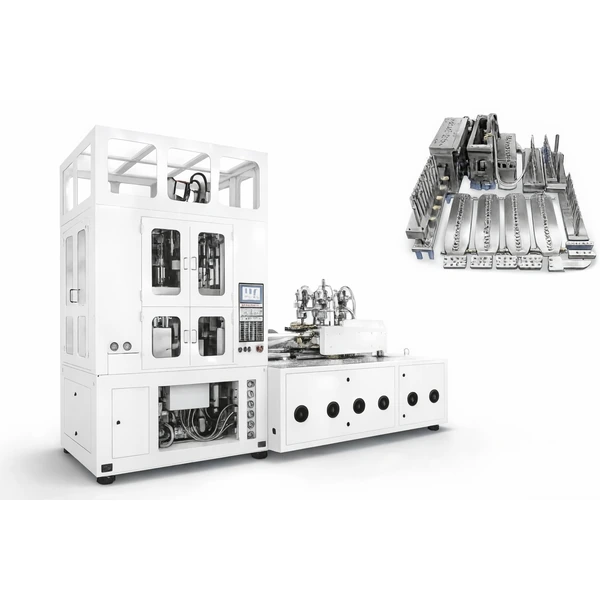
EP-BPET-70V4, Kore'deki küçük ölçekli kozmetik, ilaç ve pilot üretim hatları için tasarlanmış kompakt 4 istasyonlu enjeksiyonlu germe şişirme kalıplama makinesidir. 4,4 m taban alanı, 285 KN enjeksiyon sıkıştırma kapasitesi ve hem enjeksiyonlu şişirme hem de enjeksiyonlu germe şişirme kalıplama için çift özelliğiyle bu 5,1 tonluk platform, BPA içermeyen Tritan ve PCTG işleme hassasiyetini, benzer Japon ekipmanlarına kıyasla çok daha düşük bir sermaye maliyetiyle sunar; bu da tezgah prototiplerinden ticari üretime geçiş yapan KOBİ'ler için idealdir.
Ürün Genel Bakışı
O EP-BPET-70V4 4 istasyonlu enjeksiyonlu germe şişirme kalıplama makinesi Ever-Power, tam ölçekli bir üretim hattının sermaye maliyetine katlanmadan ISBM sınıfı şişe kalitesine ihtiyaç duyan Kore kozmetik markası kuluçka merkezleri, ilaç Ar-Ge laboratuvarları ve özel ambalaj fason dolum firmaları için giriş seviyesi bir çözümdür. Sadece 5,1 ton ağırlığında ve 4,4 metre uzunluğundaki bu platform, 285 KN enjeksiyon sıkıştırma kuvveti ve her iki tarafta 115 KN üfleme sıkıştırma kuvveti ile gerçek bir 4 istasyonlu döner döngüyü (Enjeksiyon → Isıtma, Kuyruk Kesme ve Ön Üfleme → Germe Üfleme → Çıkarma) bir araya getiriyor. Sonuç olarak, yakın zamana kadar bu fiyat aralığında bulunmayan, tezgah üstü bir ayak iziyle ticari sınıf şişe çıktısı elde ediliyor.
Onu özel kılan nedir? EP-BPET-70V4 Özellikle Koreli operatörler için ilgi çekici olan özelliği, çift işlevli olmasıdır. Aynı makine hem... enjeksiyon şişirme kalıplama makinesi (küçük ilaç şişeleri ve geniş ağızlı kavanozlar için kullanılan gerdirme çubuğu olmadan) veya tam boy olarak enjeksiyon germe şişirme kalıplama makinesi İnce duvarlı şeffaf kaplar için çift eksenli yönlendirme kullanılıyor. Çok az sayıda kompakt ISBM platformu aynı şasi üzerinde her iki modu da sunuyor ve bu esneklik, Ansan, Suwon ve Incheon'daki küçük ölçekli fason dolum yapan şirketlerin, müşteri portföyleri mevsimlik K-beauty ürün lansmanları ve farmasötik pilot üretimleri arasında değiştiğinde tam olarak ihtiyaç duydukları şey.
Kompakt bir makine için malzeme uyumluluğu şaşırtıcı derecede geniştir. 24:1 L/D oranına sahip 45 mm'lik vida, beklendiği gibi PET ve PETG'yi işlerken, bağımsız ısıtma mimarisi BPA içermeyen Tritan, PCTG, PC, PP, SAN, PMMA ve PS'yi de kabul eder. Bu reçine esnekliği, EP-BPET-70V4'ü özellikle tam ölçekli bir üretim makinesine geçmeden önce Tritan veya PCTG'de prototip üretmesi gereken Koreli bebek bakım ve premium kozmetik markaları için cazip hale getiriyor. Kurulumu yapılmış Kore ve Vietnam tesislerinden elde edilen saha verileri, 12 saatlik sürekli vardiyalarda 150 ml'lik Tritan biberonlarda 0,4%'nin altında ret oranları göstermektedir.
Ever-Power, her EP-BPET-70V4 modelini, yaygın 4 istasyonlu kalıp standartlarına uygun boyutlarda takım plakalarıyla birlikte gönderir; bu nedenle, uyumlu ASB tipi küçük makine kalıplarına zaten sahip olan alıcılar, bunları genellikle doğrudan yeni şasiye yerleştirebilirler. Sıfırdan siparişler için, şirket içi kalıp atölyemiz, tipik teslim süreleri 35 ila 50 iş günü olan, 1 ila 6 boşluklu tüm takım yelpazesini üretmektedir. 4400 × 1350 × 2900 mm'lik taban alanı, standart bir Kore fabrikası sürgülü kapısından rahatlıkla geçebilir; bu da kurulum sırasında birçok alıcının başlangıçta fark ettiğinden çok daha önemlidir.
Teknik Özellikler ve Şişe Kapasitesi Matrisi
Aşağıda listelenen parametreler, kurulu BPET-70V4 ünitelerinde yapılan üretim test verilerine göre doğrulanmıştır. Teklifi kesinleştirmeden önce, mühendislik ekibimiz vida boyutu seçimini (standart 45 mm, isteğe bağlı boyutlar mevcuttur) belirli reçine IV değerinize ve hedef ön şekillendirme ağırlığınıza göre onaylar. Kalıp kapasitesi tablosunun kesin bir sınır değil, pratik bir öneri olduğunu unutmayın; fiziksel baskı tablası penceresi, özel geometriler için bu rakamların üstünde ve altında bir miktar esneklik sağlar.
Makine Teknik Parametreleri
| Parametre | Birim | Değer (EP-BPET-70V4) |
|---|---|---|
| Makine Yerleşimi | — | 4 istasyonlu döner, çift fonksiyonlu (IBM + ISBM) |
| Vida Çapı | mm | 45 standart (50 mm opsiyonel) |
| Vida L/D Oranı | — | 24 : 1 |
| Teorik Enjeksiyon Kapasitesi | cm³ | 340 |
| Enjeksiyon Sıkıştırma Kuvveti | KN | 285 |
| Darbe Sıkıştırma Kuvveti | KN | 115 |
| Soğuk Su Akışı | L/dak | 80 |
| Soğutma Kulesi Su Akışı | L/dak | 200 |
| Sürüş Gücü (nominal) | KW | 44 (380 V) |
| Isıtıcı Gücü (nominal) | KW | 8.9 (220 V) |
| Petrol Tankı Kapasitesi | L | 460 |
| Maksimum Üfleme Hava Basıncı | MPa | 3.5 |
| Çalışma Hava Basıncı | MPa | 1.0 |
| Makine Boyutları (Uzunluk × Genişlik × Yükseklik) | mm | 4400 × 1350 × 2900 |
| Makine Ağırlığı | T | 5.1 |
| Uyumlu Malzemeler | — | PET, PETG, PETE, PP, PC, PCTG, SAN, PS, PMMA, Tritan (BPA içermez) |
Bölme Yapısı ve Şişe Kapasitesi
| Çürükler | Maksimum Dış Boyun (mm) | Maksimum Gövde Çapı (mm) | Maksimum Yükseklik (mm) | Maksimum Hacim (ml) |
|---|---|---|---|---|
| 1 | 80 | 116 | 300 | 2500 |
| 2 | 60 | 99 | 300 | 2300 |
| 3 | 45 | 75 | 300 | 1000 |
| 4 | 34 | 66 | 200 | 500 |
| 5 | 30 | 50 | 200 | 300 |
| 6 | 20 | 44 | 200 | 150 |
4 İstasyonlu Tek Adımlı Prosesin Açıklaması
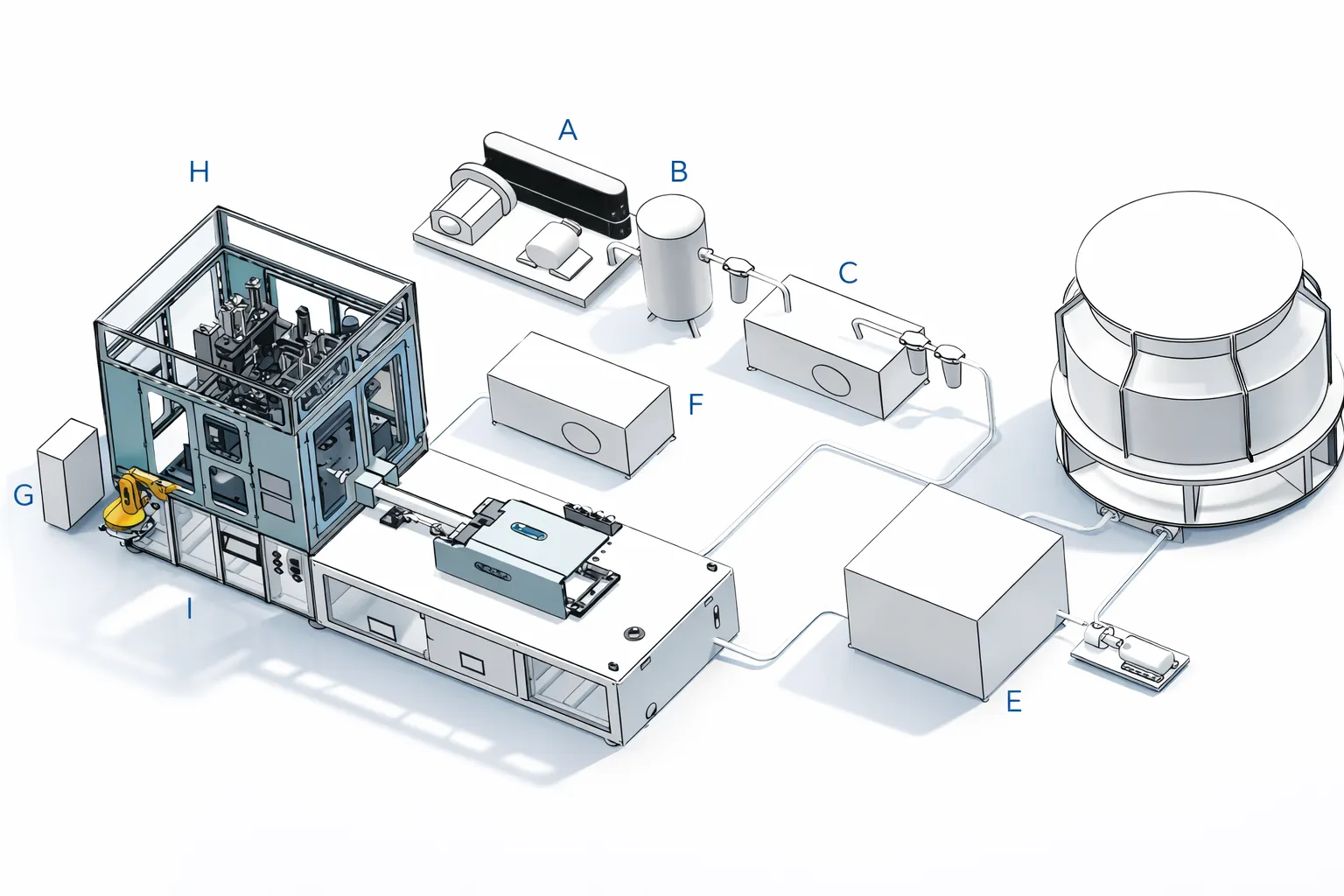
O 4 istasyonlu enjeksiyonlu germe şişirme kalıplama makinesi ISBM mühendisliğinde ideal konfigürasyon, üç istasyonlu makinelerdir. Üç istasyonlu makineler yer tasarrufu sağlar ancak ısıtma ve ön üflemeyi tek bir adımda birleştirerek ön kalıp duvar kalınlığı dağılımı üzerindeki kontrolü sınırlar. Tekerlekli platformlar maksimum verimlilik sunar ancak küçük alıcıları piyasadan uzaklaştırır. BPET-70V4 4 istasyonlu düzen, bu uç noktalar arasında yer alır; her döner pozisyonu açıkça tanımlanmış bir göreve ayırır ve tüm döngüyü 5,1 tonluk bir şasi içinde tutar.
İstasyon 1 — Enjeksiyon
Ham plastik reçine, hazneden 45 mm'lik plastikleştirme vidasına beslenir ve burada kontrollü ısıtıcı bantlar altında eritilir, ardından 285 kN sıkıştırma kuvvetiyle ön şekillendirme boşluğuna enjekte edilir. Boyun kısmı burada hassas bir şekilde şekillendirilir ve diş toleransı 0,02 mm içinde tutulur. Tritan ve PC için mühendislerimiz genellikle 280 ila 310 santigrat derece erime profili, 15 saniyelik boşluk doldurma ve ardından 8 saniyelik basınç tutma süresi önermektedir.
İstasyon 2 — Isıtma, Kuyruk Kesimi ve Ön Üfleme
Döner tabla 90 derece dönerek, hala sıcak olan ön kalıbı ana çubuğu üzerinde şartlandırma bölgesine taşır. Kızılötesi ısıtıcılar, duvar sıcaklığını yeniden düzenleyerek, yaklaşan germe adımı için gövde bölgesinin boyun bölgesinden biraz daha sıcak olmasını sağlar. Servo tahrikli bir kesici, aynı pozisyondaki tüm çapakları temizler ve düşük basınçlı bir hava üfleme ön yönlendirmeyi başlatır. Bu istasyonun atlanması (bazı 3 istasyonlu makinelerde olduğu gibi), oval kozmetik şişelerinde ince köşelerin en yaygın nedenidir.
İstasyon 3 — Germe Darbesi
Ön şekillendirilmiş malzeme, termal olarak ayarlanmış ve boyutsal olarak kararlı bir şekilde şişirme boşluğuna ulaşır. Bir gerdirme çubuğu, servo kontrollü bir hızda eksenel olarak aşağı inerken, 2,0 ile 3,5 MPa arasında yüksek basınçlı hava, soğutulmuş kalıp duvarlarına karşı plastiği radyal olarak şişirir. Bu çift yönlü etki, çift eksenli moleküler yönelim üretir; bu da gerdirme yöntemiyle şişirilmiş bir PET şişenin, aynı ağırlıktaki basit şişirme kalıplama yöntemiyle üretilmiş bir şişeye göre düşmelere ve darbelere çok daha iyi dayanmasının fiziksel nedenidir.
İstasyon 4 — Paket Servis
Robotik bir tutucu, her şişeyi ana çubuktan ayırır ve çıkış konveyörüne dik olarak yerleştirir. Ön şekillendirilmiş veya bitmiş şişeye insan eli değmediği için, transferden kaynaklanan yüzey kusurları neredeyse sıfırdır. Kore'deki kurulu ilaç üretim hatlarında, bu kapalı devre işlem, BPET-70V4'ün ek izolasyon kabinlerine ihtiyaç duymadan GMP temiz oda beklentilerini karşılamasını sağlar.
Çift Fonksiyonlu: Enjeksiyonlu Üfleme ve Enjeksiyonlu Germe Üfleme
Kompakt ISBM makinelerinde nadiren reklamı yapılan bir özellik, aynı şasi üzerinde temelde birbirinden farklı iki işlem arasında geçiş yapabilme yeteneğidir. EP-BPET-70V4 kompakt 4 istasyonlu ISBM makinesi Bu makine, enjeksiyonlu şişirme kalıplama (IBM) makinesi veya tam enjeksiyonlu germe şişirme kalıplama (ISBM) makinesi olarak yapılandırılabilir. Seçim felsefi değil; tamamen şişe geometrisi ve malzeme performans hedeflerine bağlıdır.
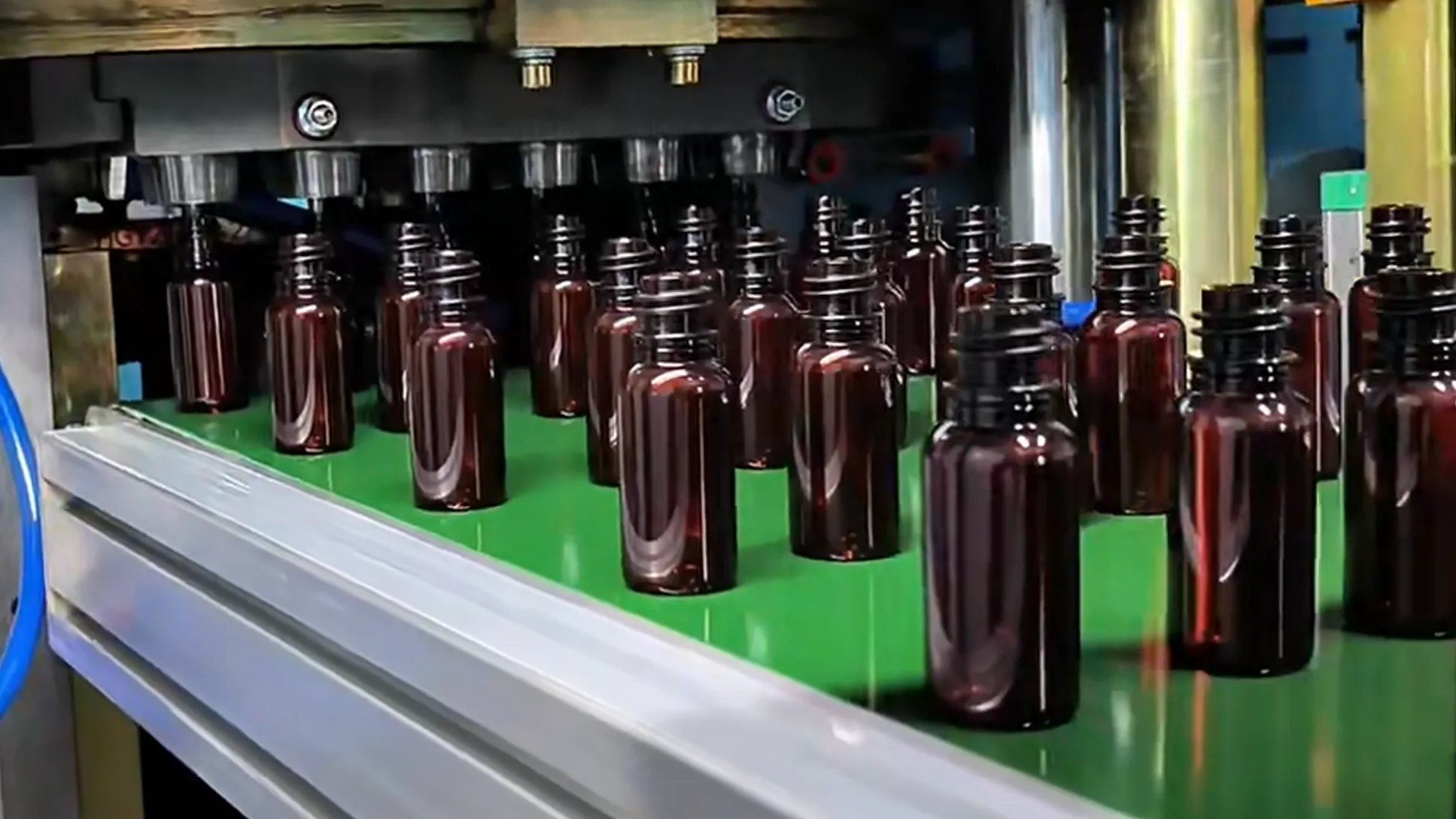
Enjeksiyon şişirme makinesi olarak çalıştırıldığında, germe çubuğu çıkarılır ve yalnızca hava basıncı ön kalıbı nihai boşluk şekline genişletir. Bu mod, yükseklik-çap oranının düşük olduğu (genellikle 2:1'in altında) küçük, geniş ağızlı farmasötik şişeler, damlalık şişeleri ve krem kavanozları için en iyi sonucu verir. IBM, gövdenin moleküler yöneliminden ziyade boyun bitişinin boyutsal doğruluğunun öncelikli olduğu durumlarda tercih edilen işlemdir. Operatörler, 4 boşluklu IBM konfigürasyonunda 5 ml'lik göz damlası şişelerinde yaklaşık 12 ila 15 saniyelik çevrim süreleri bildirmektedir.
Tam germe-üfleme moduna geçildiğinde, aynı makine gerçek bir cihaza dönüşür. enjeksiyon germe şişirme kalıplama makinesi Uzun ve ince kozmetik serum şişeleri, su bardakları ve bebek biberonları üretmek için kullanılır. Gerdirme çubuğu eksenel uzamayı, hava basıncı ise radyal şişmeyi sağlar ve ortaya çıkan çift eksenli yönelim, düz enjeksiyonlu şişirmeye kıyasla üstten yük taşıma dayanımını yaklaşık , oksijen bariyerini ise 'ye kadar artırır. Aynı nihai duvar kalınlığı için, gerdirme yöntemiyle üretilen şişeler, sertlik kaybı olmadan ila oranında hafifletilebilir. Bu hafifletme, ambalajlamada en büyük maliyet tasarrufu sağlayan unsurdur ve Koreli içecek ve kozmetik markalarının 100 mm'den daha uzun tüm kaplar için ISBM'yi tercih etmesinin nedenlerinden biridir.
BPET-70V4'te iki mod arasında geçiş yapmak, eğitimli bir teknisyen için yaklaşık 45 dakika sürer ve bu sürenin büyük kısmı gergi çubuğu düzeneği ve PLC'deki ilgili servo kam profili üzerinde harcanır. Haftalık olarak çeşitli ürün türlerini işleyen fason dolum firmaları için bu mod değiştirme özelliği, teknik özellikler sayfasında göründüğünden daha değerlidir.
Malzeme Uyumluluğu ve Uygulama Senaryoları
44 kW'lık namlu ısıtma ve bağımsız kalıp sıcaklık devreleri, kompakt ISBM makinesi Boyutunun gösterdiğinden daha geniş bir reçine aralığına sahiptir. Aşağıda, Koreli ve Doğu Asyalı müşterilerin son üç yılda BPET-70V4'ü başarıyla kullandığı dört uygulama senaryosu yer almaktadır.
Küçük Partiler Halinde Üretilen Kozmetik ve Kore Güzellik Ürünleri Numune Şişeleri
Kore kozmetik markaları yılda onlarca yeni ürün piyasaya sürüyor ve her lansman, hediye olarak verilen ürünler ve influencer setleri için 15 ml ila 50 ml arasında kusursuz PETG numune şişeleri gerektiriyor. 4 gözlü kalıpla çalışan BPET-70V4, saatte yaklaşık 1400 şişe (30 ml formatında) üretiyor; bu da tipik kısa dönem üretim miktarı olan 20.000 ila 50.000 adedi karşılıyor. Makine gerçek bir PETG olduğu için küçük PET şişe üfleme makinesi Uzun bir üretim hattı yerine, kurulum ve söküm süresi 1 haftalık bir üretim kampanyasını haklı çıkaracak kadar düşüktür.
İlaç Ar-Ge ve Pilot Ölçekli Üretim
Klinik deneme partileri yürüten ilaç geliştiricileri için BPET-70V4, tam bir üretim makinesine yatırım yapmadan GMP standartlarına uygun temiz bir şişe üretim yolu sunar. Tek veya 2 boşluklu konfigürasyonlar, 50 ml ila 500 ml arasında farmasötik şurup şişeleri, oral süspansiyon flakonları ve serum fizyolojik flakonları üretir. Kapalı eritme-şişeleme döngüsü kontaminasyon riskini ortadan kaldırır ve makine uygun boyutta bir soğutucu ve reçine ön kurutucu ile eşleştirildiğinde ret oranları %0,3'ün altında kalır.
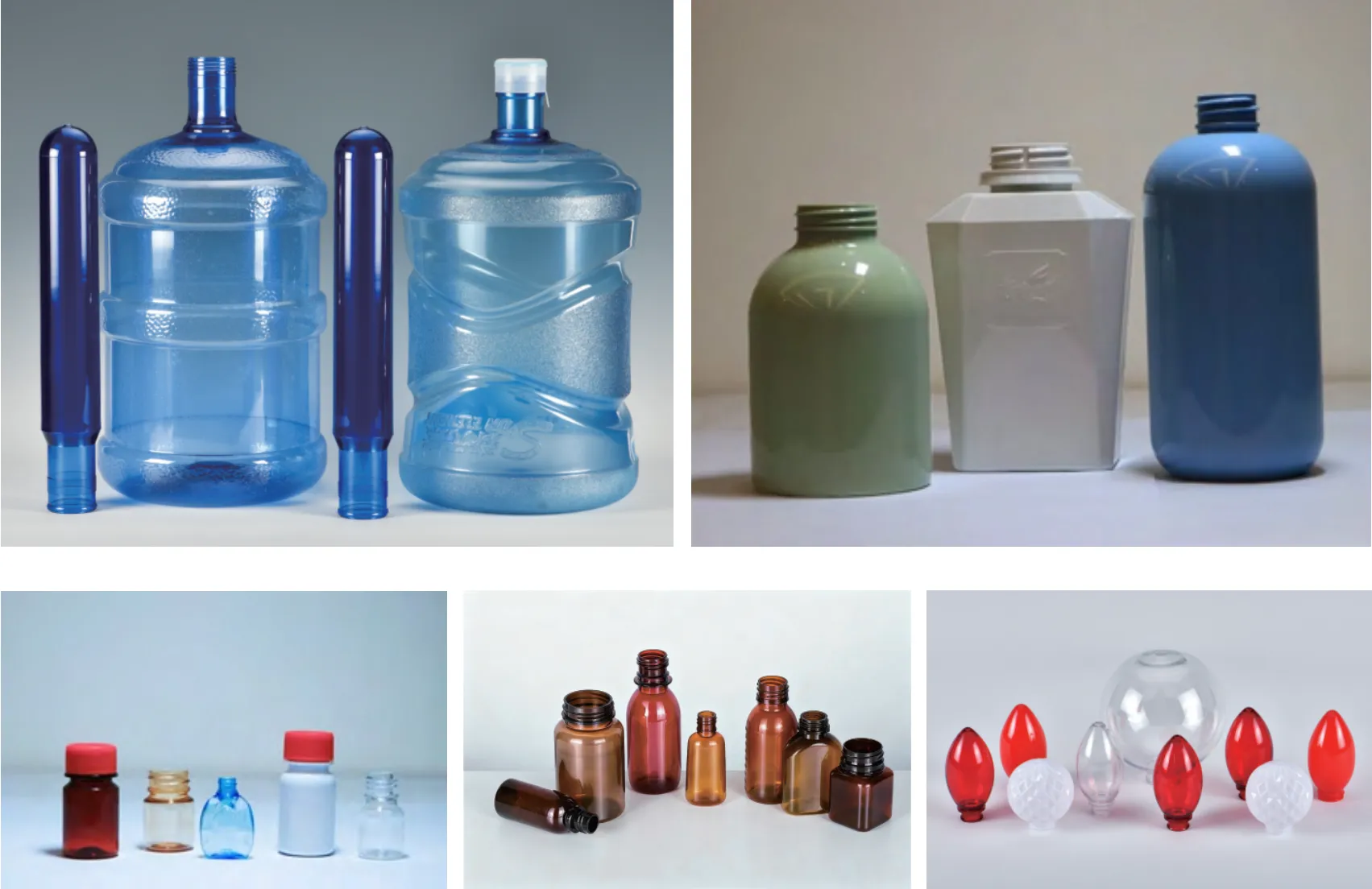
BPA İçermeyen Tritan Bebek Besleme Biberonları
Tritan, dar bir termal aralıkta işlenir ve daha küçük makineler genellikle uzun çalışma süreleri boyunca erime sıcaklığını sabit tutmakta zorlanır. BPET-70V4 44 KW tambur ısıtma sistemi, 12 saatlik çalışma süreleri boyunca ayarlanan sıcaklığın 2 santigrat derece içinde ölçülebilir termal kararlılık sağlar; bu da nihai şişenin optik berraklığında doğrudan kendini gösterir. 150 ila 240 ml'lik bebek biberonları üreten 3 veya 4 gözlü kalıp en yaygın konfigürasyondur ve alıcılar, 100.000'den fazla adetlik kampanyalarda neredeyse sıfır sararma oranı bildirmektedir.
Pilot Ölçekli İçecek ve Özel Kaplar
Kore'deki küçük ölçekli butik içecek markaları (kombucha, soğuk demlenmiş kahve, özel meyve suları) genellikle büyük dört istasyonlu bir makineyi haklı çıkaracak üretim hacmine geçmeden önce yeni bir şişe tasarımını test etme ihtiyacı duyarlar. 3 gözlü 1000 ml'lik kalıba sahip BPET-70V4, 500 kasalık bir prototip üretimi için yeterli kapasite sunar ve ürün başarılı olursa, aynı kalıplar daha büyük bir Ever-Power hattına da entegre edilebilir. HGY200-V4 ölçeklendirme için.
Başlıca Avantajlara Genel Bakış
Aşağıda belirtilen altı güçlü yön, Koreli ve Doğu Asyalı alıcıların daha büyük veya daha genel 4 istasyonlu ISBM platformlarına kıyasla kompakt EP-BPET-70V4'ü tercih ederken sürekli olarak dile getirdikleri özelliklerdir.
Kompakt 4,4 m² ayak izi
Standart bir Kore fabrikası sürgülü kapısından geçebilir, yardımcı soğutucular ve kompresörler için yer bırakır ve aynı boşluk kapasitesine sahip eşdeğer Japon makinelerine göre daha fazla zemin alanı sağlar.
Çift IBM + ISBM Yeteneği
Damlatma şişeleri ve flakonlar için saf enjeksiyonlu şişirme kalıplama makinesi olarak çalıştırın veya uzun kozmetik ve bebek biberonları için tam germe-şişirme moduna geçin. Aynı şasi, 45 dakikalık mod değiştirme işlemiyle her iki işlemi de kapsar.
BPA İçermeyen Reçineye Hazır
Bağımsız 44 KW'lık varil ısıtma ve 8,9 KW'lık kalıp ısıtma sistemleri, Tritan ve PCTG malzemelerini 2 santigrat derecelik bir termal aralıkta tutarak, şeffaf, sararmayan bebek ve kozmetik kapları için bir ölçüt oluşturur.
Düşük Sermaye ve İşletme Maliyeti
Karşılaştırılabilir Japon platformlarına göre yaklaşık daha düşük başlangıç maliyetine sahip olan bu platformun, sabit üretim sırasında ortalama saatlik güç tüketimi 22 ila 28 KW arasında değişirken, nominal tepe noktası 44 KW'tır.
Hassas Servo Kontrolü
Servo tahrikli enjeksiyon ve döner tabla indeksleme sistemleri, 1 milyon çevrimlik kullanım ömrü boyunca 0,03 mm'lik tekrarlanabilirlik hassasiyetini korur. Bu durum, 2024 yılında Kore ve Vietnam'daki kurulu tesislerde yapılan fabrika denetimlerinde doğrulanmıştır.
Kolay Kalıp Değişimi
Ön kalıp üzerindeki aletsiz hızlı açma-kapama kelepçeleri, 90 dakikadan kısa sürede tüm kalıp boşluklarının değiştirilmesine olanak tanır. Haftada 3 ila 5 farklı şişe formatı işleyen fason dolum firmaları için kritik öneme sahiptir.
BPET-70V4 Ne Zaman Doğru Boyuttur — Daha Büyük HGY Serisi ile Karşılaştırma
Ever-Power, 5,1 tonluk BPET-70V4'ten 28 tonluk HGY650-V4'e kadar altı farklı 4 istasyonlu platform sunmaktadır. Üretim hacminiz için doğru tonaj ve enjeksiyon kapasitesini seçmek, önümüzdeki on yıl boyunca toplam sahip olma maliyetindeki en büyük faktördür. Aşağıdaki tablo, pratik ödünleşmeleri özetlemektedir. Karşılaştırma yalnızca seçim kılavuzu olarak sunulmaktadır ve daha büyük modellerde herhangi bir performans eksikliği anlamına gelmez; her biri kendi üretim ölçeği için optimize edilmiştir.
| Kriter | BPET-70V4 | HGY150-V4 | HGY250-V4 |
|---|---|---|---|
| Vida Çapı | 45 mm | 50 mm | 55 mm |
| Enjeksiyon Sıkıştırma Kuvveti | 285 KN | 150 KN | 300 KN |
| Maksimum Çürük Sayısı | 6 | 8 | 14 |
| Makine Ağırlığı | 5.1 T | 6 T | 16 T |
| Ayak izi (Uzunluk × Genişlik) | 4,4 × 1,35 m | 4,2 × 1,4 m | 6,3 × 2,4 m |
| En Yüksek Nominal Güç | 52,9 kW | 53,2 kW | 82,7 kW |
| Çift IBM Fonksiyonu | Evet | İsteğe bağlı | HAYIR |
| En Uygun Uygulama | Pilot, Ar-Ge, K-beauty kısa süreli denemeleri | Orta segment kozmetik ve ilaç | Kalın duvarlı büyük kavanoz üretimi |
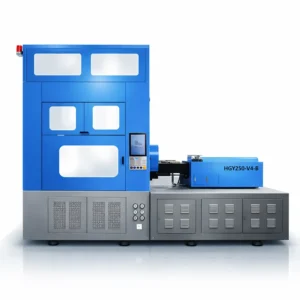
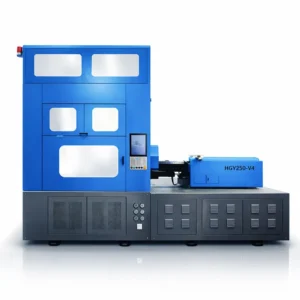
BPET-70V4'ü tercih eden alıcılar genellikle üç profilden birine uyar: kısa üretim kampanyaları yürüten bir K-beauty kuluçka merkezi, klinik deneme parti çalışmaları yapan bir ilaç Ar-Ge grubu veya daha büyük bir ana hattın yanında çevik bir ikincil makineye ihtiyaç duyan bir fason dolum şirketi. Daha yüksek hacimli sürekli üretim için, HGY150-V4 daha fazla dolgu kapasitesi sunar ve HGY250-V4 Kalın duvarlı 300 KN enjeksiyonlu sıkıştırmaya kadar olan kademeler. Her ikisiyle ilgili tüm detaylar içeride yer almaktadır. 4 İstasyonlu ISBM Makinesi Ana sitemizdeki kategori.
Seçim Kılavuzu — Sipariş Vermeden Önce Neleri Doğrulamalısınız?
Doğru planlanmış bir BPET-70V4 siparişi 60 iş günü içinde gönderilir ve bir hafta içinde devreye alınır. Yanlış planlanmış bir sipariş ise bu süreyi iki katına çıkarabilir ve gereksiz yeniden işleme yol açabilir. Lütfen fiyat teklifini kesinleştirmeden önce aşağıdaki maddeleri proje mühendisinizle teyit edin.
- Yıllık üretim hacmi Şişe başına SKU. Yıllık yaklaşık 500.000 adetin altında, BPET-70V4 ekonomik bir seçimdir. Bu eşiğin üzerinde, daha büyük bir HGY platformu genellikle daha hızlı geri ödeme sağlar.
- Şişe geometrisi ve boyun bitişi — Gövde çapı, toplam yükseklik, boyun vidası standardı (örneğin 18-415, 24-410, 28-400) gibi bilgileri içeren 3 boyutlu STEP dosyasını veya detaylı çizimi paylaşın.
- Ön şekillendirme ağırlık aralığı Beklediğiniz gibi. 340 cm³'lük teorik enjeksiyon kapasitesi çoğu küçük ve orta boy şişeyi kapsar, ancak her projeyi boşluk sayısına göre doğrularız.
- Reçine kalitesi ve tedarikçisi — Özellikle işlem aralıklarının dar olduğu Tritan, PCTG ve PPSU için kritik öneme sahiptir. Sorgunuza veri sayfasını da ekleyin.
- Mod tercihi — Makineyi öncelikle enjeksiyonlu şişirme kalıplama makinesi (geniş ağızlı, kısa şişeler) olarak mı yoksa tam enjeksiyonlu germe şişirme kalıplama makinesi (uzun, ince şişeler) olarak mı kullanıyorsunuz? Her biri için kalıp boyutları farklıdır.
- Gerilim ve frekans — Kore standartı 380 V / 60 Hz'dir; ihracat için 400 V / 50 Hz ve diğer bölgesel varyantları yapılandırıyoruz.
- Basınçlı hava beslemesi — Üfleme için dakikada 2 metreküp debide minimum 3,5 MPa yüksek basınç, ayrıca pnömatik kontroller için düşük basınçlı besleme.
- Soğutma ünitesi ve soğutma kulesi kapasitesi — 12 santigrat derecede 80 L/dak soğutulmuş su ve hidrolik yağ soğutması için 200 L/dak soğutma kulesi suyu.
- Kurulum alanı — En az 5,5 × 2,5 metre boş zemin alanı ve 4 metrelik vinç erişim mesafesi olduğundan emin olun.
- Mevcut kalıp stoğu — Başka bir tedarikçiden uyumlu 4 istasyonlu ISBM takımınız varsa, temel çizimleri bize gönderin, uyumluluğunu doğrulayalım.
Kalite Sertifikaları ve Hizmet Taahhüdü
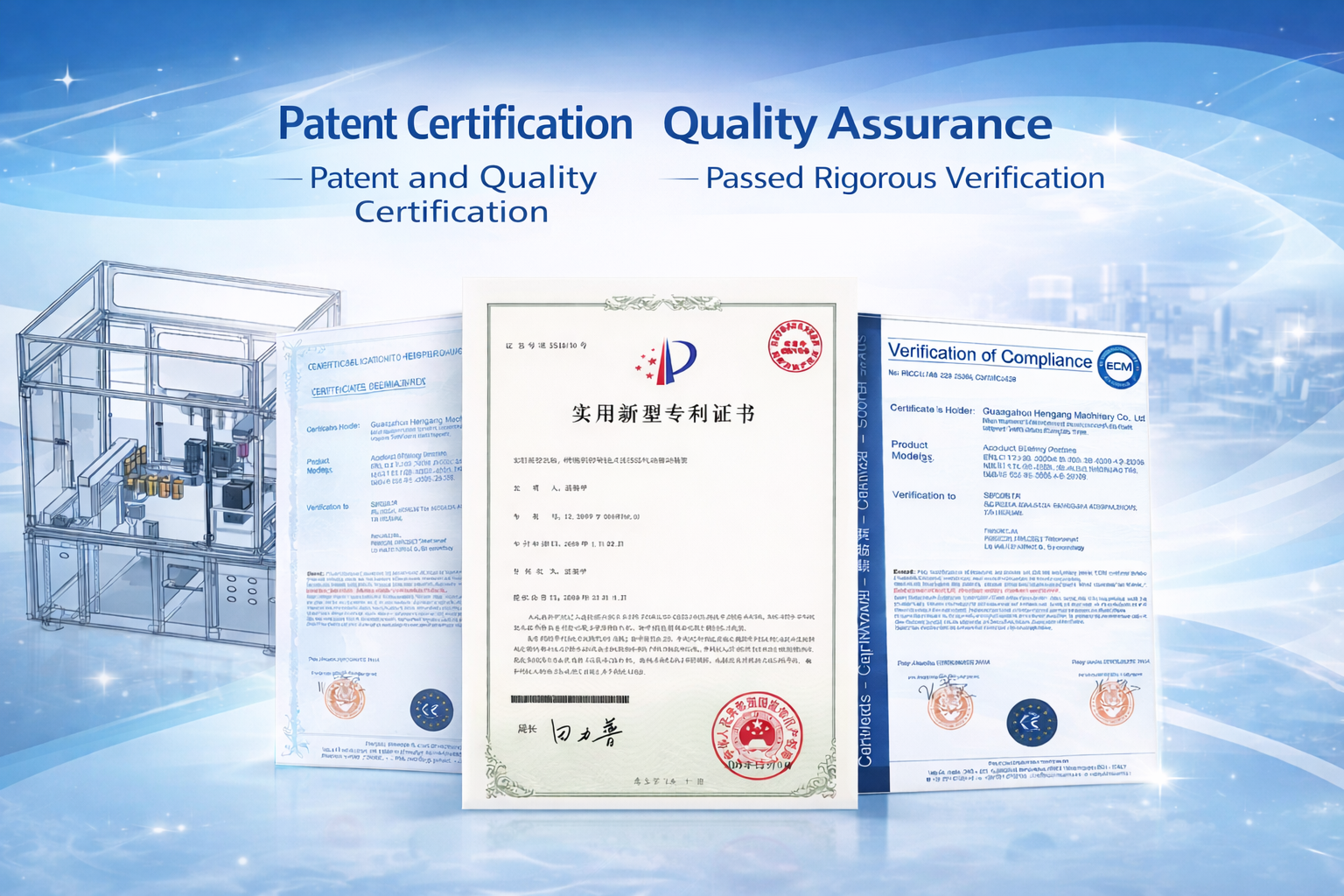
Her EP-BPET-70V4 makinesi, ISO 9001:2015 kalite yönetim sertifikası ve Avrupa pazarına erişim için CE işareti ile birlikte gönderilir. Guangdong'daki üretim tesisimiz sürekli ISO denetimlerinden geçmektedir ve her bir makine, paketlenmeden önce müşterinin belirttiği ön şekillendirme ağırlığı ve boşluk geometrisiyle 48 saatlik kesintisiz bir deneme çalışmasından geçer. Bu Fabrika Kabul Testi, makineyi müşteri sahasına kadar takip eden yazılı bir rapor üretir.
Garanti kapsamı, sevk irsaliyesi tarihinden değil, müşteri sahasındaki Son Kabul Testinden itibaren 12 aydır. Standart hizmetler, devreye alma, HMI eğitimi, rutin bakım ve temel sorun giderme için Korece bilen bir mühendis tarafından bir haftalık yerinde eğitimi kapsamaktadır. Müşteri, standart iş birliği teklifimize göre mühendisin uçak bileti, vize, konaklama, yemek ve günlük 150 USD harcırahını karşılar. Devreye alma işleminden sonraki ilk 90 gün boyunca, uzaktan mühendislik ekibimiz PLC VPN arayüzü üzerinden 7/24 hazır beklemektedir ve yazılımla ilgili sorunlar genellikle bilet gönderildikten sonraki iki saat içinde çözülmektedir.
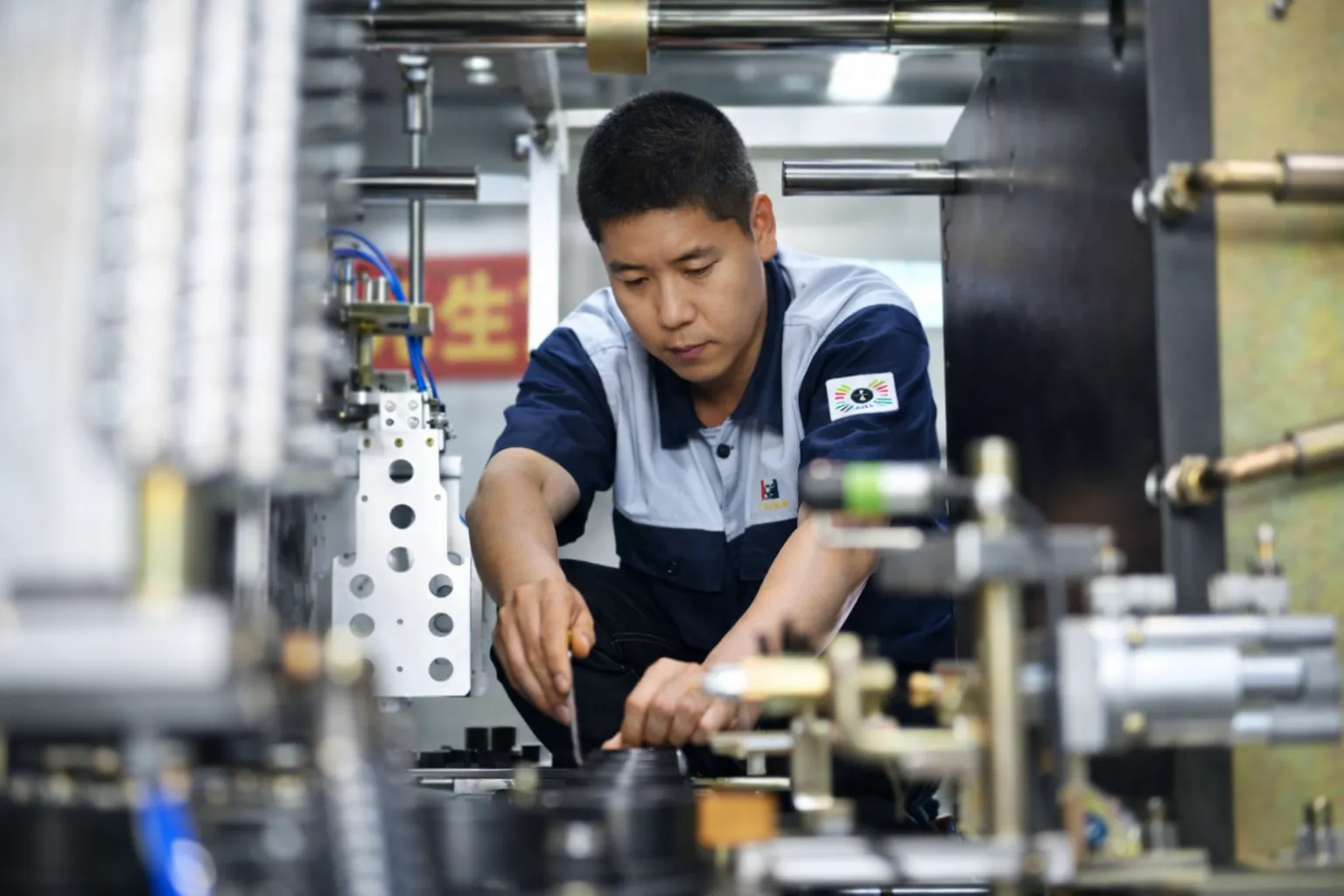
Kompakt ISBM ortağınız olarak Ever-Power'ı neden seçmelisiniz?
Kompakt bir ISBM platformu seçmek genellikle beş ila on yıllık bir karardır ve makinenin arkasındaki tedarikçi, makinenin kendisi kadar önemlidir. Ever-Power, son yirmi yıldır yalnızca bu kategoride üretim yapmaktadır ve destek altyapısı da bu odaklanmayı yansıtmaktadır.
- 20 yılı aşkın süredir ISBM mühendisliğine adanmışlık 25 mühendisten oluşan Ar-Ge ekibi, geniş bir plastik makine kataloğu yerine yalnızca enjeksiyonlu germe şişirme kalıplama platformları üzerinde çalışmaktadır.
- 30.000 metrekarelik üretim tesisi Yapısal çelikten servo montajına ve deneme kalıplama doğrulamasına kadar tüm tedarik zinciri şirket içi olarak gerçekleştirilmektedir.
- Dünya çapında 500'den fazla makine kuruldu. Kore, Japonya, Vietnam, Tayland, Endonezya ve Malezya genelinde, yıllık kurulum sonrası anketlerle ölçülen ,51'lik müşteri memnuniyeti oranıyla TP3T.
- Birinci sınıf küresel bileşenler — Parker vanaları, Yaskawa motorları, YUKEN hidrolik vanaları, Inovance servo sürücüleri — tüm yedek parçalar hızlı teslimat için bölgesel distribütörler aracılığıyla temin edilmektedir.
- Şirket içi kalıp aletleri atölyesi Alman yapımı 5 eksenli CNC ekipmanlarıyla ön şekillendirme boşlukları, çekirdek çubuk dizileri ve şişirme kalıpları üretiliyor; bu da aynı tedarikçinin hem makineyi hem de kalıpları ürettiği anlamına geliyor.
- Yerinde Kore devreye alma İki dil bilen bir mühendis tarafından gerçekleştirilen kurulumun ardından, internet bağlantılı PLC arayüzü üzerinden 7/24 uzaktan teşhis desteği sağlanmaktadır.
- Anahtar teslimi yardımcı destek — Üretim hücresinin tamamı için tek ve güvenilir bir kaynaktan hizmet alabilmeniz için, uyumlu hava kompresörleri, soğutucular, kurutucular ve görsel denetim sistemleri belirliyoruz.
Sıkça Sorulan Sorular
S1: BPET-70V4, uzun vardiyalar boyunca BPA içermeyen Tritan reçinesini güvenilir bir şekilde işleyebilir mi?
Evet. 44 KW'lık varil ısıtma sistemi, bağımsız 8,9 KW'lık kalıp sıcaklık kontrolüyle birleşerek, 12 saatlik kesintisiz çalışma süresince Tritan eriyiğini 2 santigrat derece aralığında tutar. Busan ve Ho Chi Minh City'deki kurulu bebek biberon üreticileri, neredeyse sıfır sararma ile 100.000'den fazla ünite üretim kampanyası kaydetti.
S2: Bu makine en küçük hangi şişe hacmini üretebilir?
BPET-70V4, 20 mm boyun çapına sahip 6 gözlü bir kalıp kullanarak rutin olarak 150 ml'ye kadar şişeler üretir. Özel 5 ila 10 ml'lik farmasötik damlalıklı şişeler için, modifiye edilmiş bir gerdirme çubuğu tertibatına sahip 4 gözlü enjeksiyon-şişirme konfigürasyonunu öneriyoruz.
S3: Gerçek bir üretim hattında tipik saatlik enerji tüketimi ne kadardır?
2024 yılında Ansan'da 4 hazneli 100 ml'lik bir kozmetik şişe hattında yapılan ölçümlere göre, ortalama saatlik güç tüketimi, nominal 52,9 KW'lık tepe değerine karşılık 22 ila 28 KW arasında değişmiştir. Varil ısıtıcıları ve plastikleştirme vidası sürekli yükün büyük kısmını oluştururken, servo pompalar soğutma aşamalarında neredeyse sıfıra yakın bir seviyede çalışmaktadır.
S4: Şişe formatları arasında tam bir kalıp değişimi ne kadar sürer?
Ön şekillendirme kalıbı, çekirdek çubuk dizisi, şartlandırma istasyonu ve şişirme boşluğu dahil olmak üzere komple bir kalıp değiştirme işlemi, iki kişilik bir ekiple yaklaşık 90 dakika sürer. Bitişik bir araba üzerinde önceden ısıtılmış kalıplama ekipmanları kullanan fabrikalar bu süreyi 50 dakikaya indirebilir.
S5: Yeni bir şişe tasarımına ihtiyacımız olursa, numune prototipinin üretim süresi ne kadardır?
Sağladığınız çizime göre şişe numunesi prototipinin üretimi, kalıp tasarımı, CNC işleme, kendi bünyemizdeki BPET-70V4 cihazında deneme kalıplama ve numunenin adresinize gönderilmesi dahil olmak üzere 15 ila 20 iş günü sürer. İlk ürün inceleme raporları da dahildir.
S6: Guangdong'dan Busan'a deniz yoluyla yapılan kargo taşımacılığının transit süresi ne kadardır?
Guangzhou veya Shenzhen limanından Busan'a tipik konteyner taşımacılığı, 7 ila 10 gün deniz yolculuğu ve buna ek olarak 3 ila 5 gün gümrükleme süresi gerektirir. Koreli bir müşteri için toplam kapıdan kapıya teslimat, fabrika sevkiyatından sonra ortalama 14 ila 18 takvim günü sürer.
S7: Kore'de yerel servislerin yanıt süresi ne kadar hızlı?
Ansan ofisimiz, Gyeonggi-do, Incheon ve Seul içinde aynı gün kargo ile sık kullanılan aşınma parçalarını stoklamaktadır. Daejeon'un güneyindeki destinasyonlar için ertesi gün KTX kargo standarttır. Uzaktan PLC teşhis hizmeti, iki saatlik yanıt süresi garantisiyle 7/24 çalışmaktadır.
S8: BPET-70V4 geri dönüştürülmüş PET (rPET) işlemeyi destekliyor mu?
Evet, rPET içeriği 'yi aştığında fabrikada takılan bimetalik vida ve krom kaplı namlu astarlarıyla birlikte. %0,005'in altındaki nem hedefine ulaşmak için 165 santigrat derecede 4 saat ön kurutma gereklidir. Mühendislik ekibimiz, özel rPET kaynağınıza uygun plastikleştirme profilini özelleştirir.
S9: Makineyle birlikte hangi operatör eğitimleri verilmektedir?
Günlük çalışma, HMI üzerinden reçete yönetimi, rutin önleyici bakım, elektrik ve hidrolik arıza giderme ve kalıp değiştirme prosedürlerini kapsayan, Korece dilinde beş ila yedi iş günü süren yerinde eğitim verilecektir. Korece bir operatör kılavuzu ve aranabilir elektrik şeması PDF dosyası dahildir.
S10: Bu makineye doğrudan hangi ISBM kalıp standartları uygulanabilir?
BPET-70V4 baskı tablası düzeni, çoğu kompakt 4 istasyonlu ISBM kalıbını kabul eder. Standart olmayan cıvata desenlerine sahip başka bir tedarikçiden kalıplarınız varsa, temel çizimleri bize gönderin, biz de adaptör plakalarını maliyetine temin edelim. Takım atölyemizde üretilen yeni bir kalıp setinin teslim süresi 35 ila 50 iş günüdür.
Müşteri Yorumları ve Saha Geri Bildirimleri
"Suwon'da küçük bir Kore güzellik ürünleri dolum işletmesi yürütüyoruz ve her ay farklı PETG şişe şekillerinde 20.000 ila 80.000 adetlik kampanyaları yönetebilecek kadar çevik bir makineye ihtiyacımız vardı. BPET-70V4, Mart 2024'ten beri sadece bir kez önleyici yağ değişimiyle çalışıyor. Kalıp değişimleri 90 dakikanın altında gerçekleşiyor ki bu bizim en önemli gereksinimimizdi. Yatırım maliyeti, elimizdeki Japon teklifine göre yaklaşık daha düşük oldu."
Kim Hae-rinSuwon K-Beauty Sözleşmeli Ambalajlama Kurucusu (2025 Ortası)
"Tritan bebek biberon serimiz için termal kararlılık en önemli kriterdi. BPET-70V4'ten önce test ettiğimiz diğer üç kompakt makinenin tamamı, 12 saatlik bir vardiyanın son iki saatinde gözle görülür sararma gösterdi. Bu makine ise erime sıcaklığını son derece sabit tutuyor. 14 aylık günlük çalışmanın ardından, sıfır garanti talebi ve sararma nedeniyle sıfır müşteri reddi yaşandı."
Park Do-yunÜretim Müdürü, Incheon Baby Care Plastics (2025 başı)
"İlaç Ar-Ge grubumuz, klinik deneme partileri için GMP standartlarına uygun 100 ml'lik serum fizyolojik şişeleri üretmek üzere bir makineye ihtiyaç duyuyordu. BPET-70V4'ün kapalı devre 4 istasyonlu döngüsü, ek muhafaza maliyetleri olmadan temiz oda doğrulama ekibimizi tatmin etti. Yerinde eğitim beş gün sürdü ve yedinci günde teknisyenlerimiz reçete değişikliklerini bağımsız olarak yapabiliyordu."
Lee Yu-jinDaejeon İlaç Araştırma Merkezi Ar-Ge Lideri (2024 sonu)
"Shenzhen'den Haiphong'a deniz yoluyla nakliye 9 gün sürdü, gümrük işlemleri de 4 gün daha sürdü. Ever-Power'ın mühendisi ertesi Pazartesi günü geldi ve Cuma günü şişe üretimine başladık. Fabrika binamızın tavanı alçak olduğu için kompakt boyut çok önemliydi; 2,9 metrelik makine yüksekliği neredeyse hiç boşluk kalmayacak şekilde sığdı. Çift IBM ve ISBM özelliği, damlalıklı şişeler için ikinci, daha küçük bir makine sipariş etmemizi engelledi."
Nguyen Thanh LanHanoi Kozmetik Şişe Fabrikası Sahibi, Vietnam (2025 Başları)
"Başlangıçta 5,1 tonluk bir makinenin 3 mm duvar kalınlığındaki PCTG krem kavanozları için yeterli rijitliğe sahip olmayacağından endişelenmiştim. On ay sonra, bitmiş kavanozlarımızda yapılan üstten yükleme testleri 18 kg'ı aşıyor; bu da lüks cilt bakım ürünleri müşterimizin belirttiği değer. Bağımsız kalıp sıcaklık kontrolü, makinenin çalışmasını sağlayan şeydir; bu kontrol olmadan, bu sınıf makinelerde kalın duvarlı PCTG neredeyse imkansız olurdu."
Choi Seo-junCheongju Premium Kozmetik Ambalaj Teknik Direktörü (2025 ortası)
"Makineyi ilk yılda 6400 saat çalıştırdım, sadece bir hidrolik hortum değişimi ve planlı bir yağ değişimi yaptırdım. Dürüst olmak gerekirse, bu fiyat aralığındaki ithal kompakt bir makineden daha fazla sorun bekliyordum. Uzaktan PLC erişimi mükemmel; Ever-Power ekibi gece boyunca iki kez servo zamanlamasını ayarladı ve sabah vardiyamız her şeyin çalışmaya hazır olduğunu gördü."
Somchai PrasertFabrika Müdürü, Bangkok Pilot Plastics, Tayland (2024 sonu)
İlgili Ürünler ve Uyumlu Bileşenler
BPET-70V4, ancak çevresindeki yardımcı ekipman doğru boyutlandırıldığında nominal çevrim süresine ulaşır. Aşağıdaki bileşenler, her kompakt 4 istasyonlu kurulum için belirttiğimiz bileşenlerdir ve çoğu, sorumluluğu tek bir çatı altında tutmak için ortak tedarikçilerimizden temin edilebilir.
- Yağsız vidalı hava kompresörü Dakikada 2 metreküp debide 3,5 MPa basınç dayanımına sahiptir. Şeffaf kozmetik ürün hatlarında şişe berraklığında en büyük faktör temiz havadır ve ilaç ve gıda ile temas eden ürünler için Sınıf 0 yağsız sertifikası zorunludur. Eşleşen ünite özelliklerimize web sitemiz üzerinden ulaşabilirsiniz. yağsız vidalı kompresör ortağı.
- Su soğutucu ve soğutma kulesi çifti Kalıp boşluğu devresi için 12 santigrat derecede 80 L/dak soğutulmuş su ve hidrolik yağ soğutması için 200 L/dak soğutma kulesi suyu sağlayan 10 tonluk bir soğutucu, 4 boşluklu veya daha küçük kalıplama takımları kullanan çoğu BPET-70V4 kurulumu için yeterlidir.
- Reçine kurutucu ve çiğ noktası izlemeli besleyici — Özellikle PET ve PC için kritik öneme sahip olan bu malzemelerde, %0,1'lik nem fazlalığı bile hidrolize ve gözle görülür gümüş renkli çizgilere neden olur. Tipik bir BPET-70V4 hattı için entegre çiğ noktası izleme özelliğine sahip 100 kg kapasiteli bir huni kurutucu öneriyoruz.
- Hassas şanzıman mili ve tahrik bileşenleri — Ana indeksleme tahrik sistemimiz, servo motorun başlatma-durdurma torkuna uzama olmadan dayanabilen sertleştirilmiş alaşımlı çelik kullanmaktadır. Yedek miller ve rulmanlar firmamız aracılığıyla temin edilebilir. hassas tahrik mili tedarikçisi Hızlı yerel tedarike ihtiyaç duyan tesisler için.
- Kalıp sıcaklık kontrolörü Üfleme boşluğu için, reçineye ve duvar kalınlığına bağlı olarak boşluk duvar sıcaklığını 10 ile 18 santigrat derece arasında tutmak gerekir. Kalın duvarlı PCTG kavanozları için, tek devreli bir ünite yerine iki bağımsız bölge kontrol ünitesi daha iyi sonuç verir.
- Özel ISBM kalıpları — Kendi bünyemizdeki kalıp atölyemiz, BPET-70V4 için ön şekillendirilmiş boşluklar, çekirdek çubuk tertibatları ve şişirme kalıpları üretmektedir ve tipik teslim süreleri 35 ila 50 iş günüdür. Kalıplar, sevkiyat öncesinde deneme kalıplama doğrulamasıyla birlikte Alman 5 eksenli CNC ekipmanında üretilmektedir.
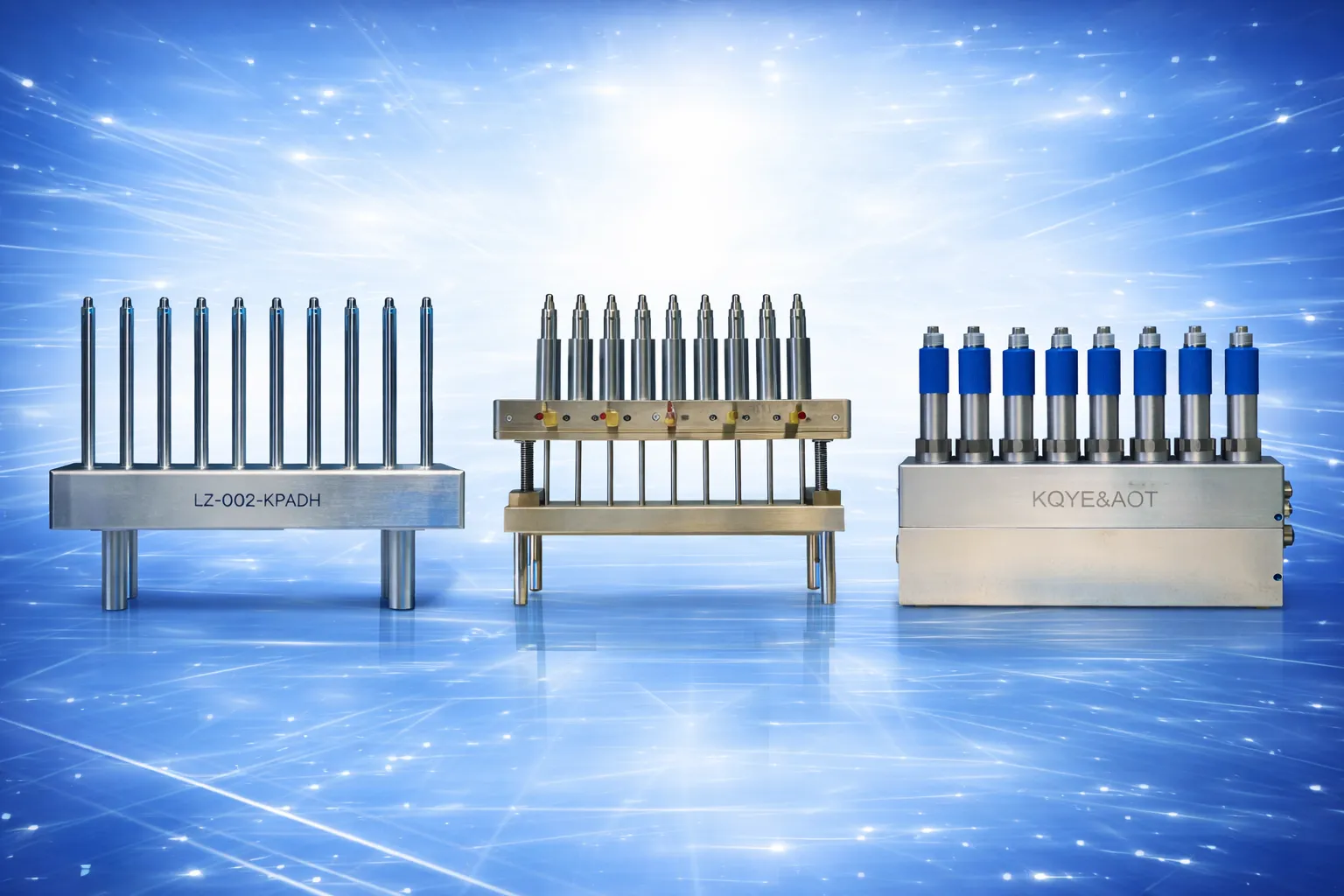
- Robotik taşıma bandı ve isteğe bağlı görsel denetim Yüksek değerli ilaç ve kozmetik üretim süreçlerinde, sıfır hata oranıyla teslimat beklendiği durumlarda kullanılır. Görüntüleme sistemleri, dolum hattına ulaşmadan önce standartlara uymayan parçaları işaretler.
Kompakt 4 istasyonlu ISBM hattınızı devreye almaya hazır mısınız?
Şişe çiziminizi, hedef hacminizi ve reçine kalitenizi bize gönderin. 48 saat içinde, kalıp önerisi, çevrim süresi tahmini ve EP-BPET-70V4 kompakt 4 istasyonlu enjeksiyonlu germe şişirme kalıplama makinesi için şeffaf bir fiyat teklifi de dahil olmak üzere eksiksiz bir fizibilite raporu sunacağız.
Koreli mühendislik ekibimizle iletişime geçin. Size özel bir teklif için.
Ek bilgi
| Editör | Cxm |
|---|
İlgili ürünler
-
EP-BPET-125V4 Ağır Hizmet Tipi 4 İstasyonlu ISBM Makinesi
-
Enjeksiyonlu Gerdirme Şişirme Kalıplama Makinesi HGY250-V4-B | Çift Sıralı 4 İstasyonlu ISBM Teknolojisi
-
Enjeksiyonlu Gerdirme Şişirme Kalıplama Makinesi HGY650-V4 | Premium 4 İstasyonlu ISBM Çözümü
-
Enjeksiyonlu Gerdirme Şişirme Kalıplama Makinesi HGY250-V4 | Ağır Hizmet Tipi 4 İstasyonlu ISBM Teknolojisi
-
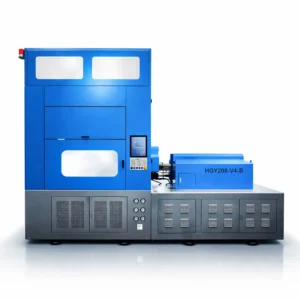
Enjeksiyonlu Gerdirme Şişirme Kalıplama Makinesi HGY200-V4-B | Japon AOKI-250 kalıbıyla uyumlu
-
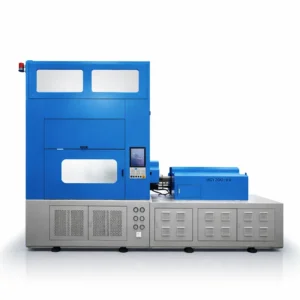
Enjeksiyonlu Gerdirme Şişirme Kalıplama Makinesi HGY200-V4: 4 İstasyonlu ISBM Teknolojisi
-
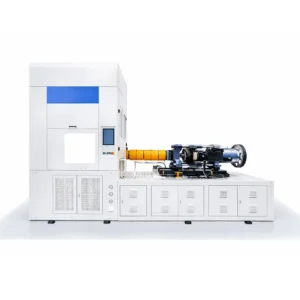
Enjeksiyonlu Gerdirme Şişirme Kalıplama Makinesi HGY150-V4-EV: Premium 4 İstasyonlu ISBM Makinesi
-
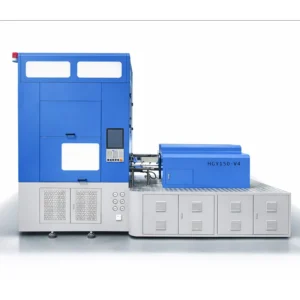
Enjeksiyonlu Gerdirme Şişirme Kalıplama Makinesi HGY150-V4 (4 İstasyonlu)