เจาะลึกทางเทคนิค · วิศวกรรมการตกแต่งคอเสื้อ · งาน ISBM เกาหลี 2026
ISBM Neck Finish Engineering:
คู่มือขวดสไตล์เกาหลี
ส่วนคอขวดเป็นส่วนเดียวของขวด ISBM ที่ไม่เคยถูกยืด – เพราะถูกฉีดขึ้นรูปด้วยขนาดสุดท้ายและต้องมีความแม่นยำในการปิดฝา การป้องกันการแกะ และการปิดผนึกขณะจ่ายของเหลว ความคลาดเคลื่อนของเส้นผ่านศูนย์กลางภายนอกของคอขวดเพียง 0.05 มม. จะถูกส่งต่อไปยังส่วนอื่นๆ ที่ปิดฝา: ความล้มเหลวในการขันฝา การรั่วซึมของซีล และการร้องเรียนจากผู้บริโภค วิศวกรรมการออกแบบคอขวด ISBM ของเกาหลีได้กำหนดค่าความคลาดเคลื่อน วัสดุ และขั้นตอนการตรวจสอบที่ทำให้คอขวดที่ไม่ถูกยืดเป็นส่วนที่มีความแม่นยำทางมิติมากที่สุดในกระบวนการผลิต ISBM ของเกาหลี
GPI 28/410 เครื่องสำอาง ±0.04 มม.
CRC ของเกาหลี ±0.03 มม.
มาตรฐานการตกแต่งคอแบบ ISBM ของเกาหลี รุ่นอ้างอิง — ปี 2026
| คอมาตรฐาน | เส้นผ่านศูนย์กลางภายนอก (มม.) | ความคลาดเคลื่อนของเส้นผ่านศูนย์กลางภายนอก | ด้าย | แอปพลิเคชันเกาหลี |
|---|---|---|---|---|
| พีซีโอ 1881 | 27.43 | ±0.10 มม. | 2-start | น้ำดื่มเกาหลี, เครื่องดื่ม, CSD, น้ำผลไม้สกัดเย็น HPP |
| PCO 1810 (รุ่นเก่า) | 28.58 | ±0.10 มม. | 2-start | ระบบ CSD แบบดั้งเดิมของเกาหลียังคงมีจำหน่ายในบางตลาดของเกาหลี |
| จีพีไอ 28/410 | 27.43 | ±0.04 มม. | 3 ดาว | ผลิตภัณฑ์ความงามเกาหลี (K-Beauty) ที่ทำจาก PETG, ผลิตภัณฑ์ดูแลส่วนบุคคลแบบปั๊มของเกาหลี, เจลล้างมือของเกาหลี |
| จีพีไอ 24/410 | 24.08 | ±0.04 มม. | 3 ดาว | ปั๊มหมึกพิมพ์เกาหลี, ปั๊มเจลล้างมือเกาหลี, ปั๊มสเปรย์ปรับอากาศเกาหลี |
| CRC P&T 28 มม. | 27.43 | ±0.03 มม. | CRC พิเศษ | ยา CRC ชนิดน้ำสำหรับรับประทานจากเกาหลี นมผงสำหรับเด็กทารกจากเกาหลี |
| ปากกว้าง 63 มม. ขึ้นไป | 63–100 | ±0.10 มม. | GPI ปากกว้าง | กระปุกอาหารเสริมเกาหลี, กระปุกนมผงเด็กเกาหลี, กระปุกกิมจิเกาหลี |
1. เหตุใดการตกแต่งผิวบริเวณคอจึงเป็นส่วนที่สำคัญที่สุดในแง่ของขนาด
ในกระบวนการผลิต ISBM ของเกาหลี ตัวขวดจะผ่านกระบวนการปรับแนวแกนสองทิศทางเพื่อลดความแปรผันของขนาด — กระบวนการยืดและเป่าขึ้นรูปจะปรับแก้ตัวเองในบริเวณตัวขวด ซึ่งวัสดุจะไหลเข้าไปเติมเต็มโพรงแม่พิมพ์ภายใต้แรงดัน อย่างไรก็ตาม ส่วนคอขวดนั้นไม่ได้ผ่านกระบวนการยืดหรือเป่าขึ้นรูป — แต่จะขึ้นรูปโดยการฉีดขึ้นรูปทั้งหมดในสถานีฉีด ก่อนขั้นตอนการปรับสภาพและการเป่าขึ้นรูป ซึ่งหมายความว่าขนาดของคอขวดจะถูกกำหนดโดยรูปทรงของชิ้นส่วนแทรกคอขวดของแม่พิมพ์ฉีดและสภาวะของกระบวนการฉีดขึ้นรูปเท่านั้น โดยไม่มีแรงดันเป่าขึ้นรูปเพื่อปรับแก้ตัวเองเพื่อชดเชยความแปรผันของการฉีดขึ้นรูป
ผลกระทบต่อเนื่องจากการเปลี่ยนแปลงของขนาดคอขวดจะยิ่งทวีความรุนแรงขึ้นเมื่อพิจารณาจากกลไกการปิดฝา: การเปลี่ยนแปลงขนาดเส้นผ่านศูนย์กลางภายนอกของคอขวด ±0.10 มม. ในขวดน้ำ PCO 1881 จะทำให้แรงบิดในการปิดฝาเปลี่ยนแปลงไปประมาณ ±8% ซึ่งถือว่ายอมรับได้สำหรับน้ำดื่มทั่วไปของเกาหลี การเปลี่ยนแปลงขนาดคอขวด ±0.04 มม. ในคอขวดปั๊มเครื่องสำอาง GPI 28/410 ของเกาหลี จะทำให้แรงกดหัวปั๊มเปลี่ยนแปลงไป ±15% ส่งผลให้หัวปั๊มขยับได้และบางครั้งหัวปั๊มเอียงในขวดโทนเนอร์ K-Beauty ของเกาหลี ซึ่งไม่ผ่านการตรวจสอบของแบรนด์เกาหลี การเปลี่ยนแปลงขนาดคอขวด ±0.03 มม. ในคอขวด CRC ของเกาหลี จะทำให้แรงกดของกลไกกันเด็กเปลี่ยนแปลงไป ±22% ซึ่งอาจทำให้การทดสอบประสิทธิภาพของ CRC ไม่ผ่าน (อัตรากันเด็ก 85% ต่ำกว่าข้อกำหนดของ KFDA เกาหลี) มาตรฐาน ISBM ของเกาหลีทุกระดับมีค่าความคลาดเคลื่อนของเส้นผ่านศูนย์กลางภายนอกของคอขวดที่แตกต่างกัน ซึ่งสะท้อนถึงความไวต่อการเปลี่ยนแปลงขนาดของส่วนปิด และชิ้นส่วนแทรกคอขวด ISBM ของเกาหลีทุกชิ้นจะต้องได้รับการออกแบบ ผลิต และบำรุงรักษาให้เป็นไปตามค่าความคลาดเคลื่อนนั้น รูปทรงเรขาคณิตของการออกแบบชิ้นงานขึ้นรูปก่อนที่กำหนดการกระจายตัวของผนังบริเวณคอขวดก่อนที่ชิ้นส่วนแทรกคอขวดจะขึ้นรูปนั้น อยู่ใน... คู่มือพื้นฐานการออกแบบพรีฟอร์ม ISBM.
2. มาตรฐาน PCO 1881 ของเกาหลี: การออกแบบคอขวดเครื่องดื่ม
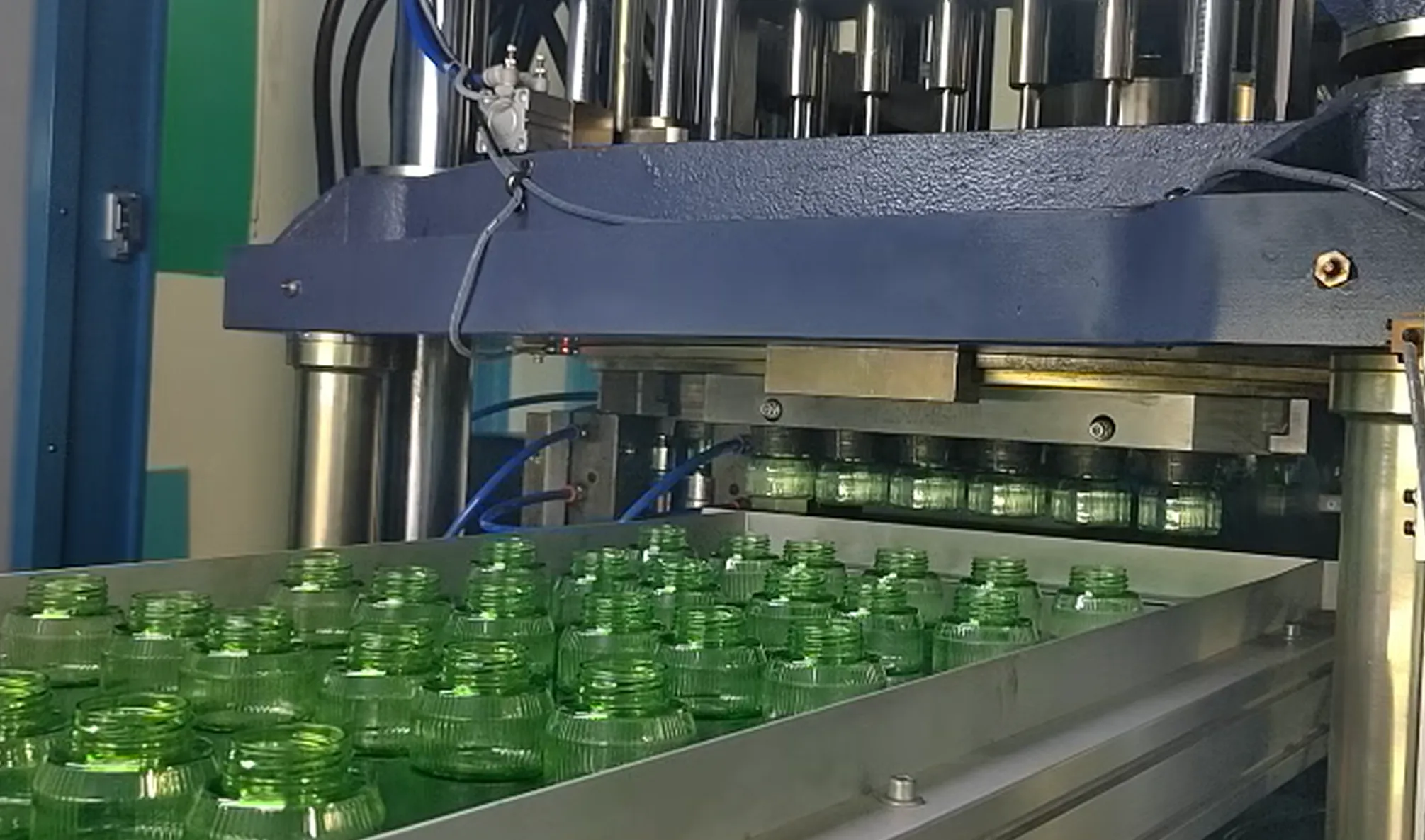
PCO 1881 (Polyethylene Cap and Closure Opening 1881) เป็นมาตรฐานคอขวดเครื่องดื่ม ISBM ที่ใช้กันอย่างแพร่หลายในเกาหลี ใช้สำหรับน้ำดื่มธรรมดา น้ำอัดลม น้ำโซดา น้ำผลไม้ HPP และเครื่องดื่มอื่นๆ ส่วนใหญ่ในเกาหลีที่ใช้ฝาเกลียวขนาดมาตรฐาน 28 มม. มาตรฐาน PCO 1881 พัฒนาโดยสมาคมเทคโนโลยีเครื่องดื่มนานาชาติ (ISBT) เพื่อเป็นทางเลือกที่มีน้ำหนักเบากว่ามาตรฐาน PCO 1810 รุ่นก่อนหน้า ช่วยลดน้ำหนักวัสดุคอขวดลงประมาณ 121 ตัน ในขณะที่ยังคงประสิทธิภาพการปิดผนึกไว้ได้เทียบเท่ากัน
พารามิเตอร์สำคัญทางวิศวกรรมคอขวดตามมาตรฐาน ISBM PCO 1881 ของเกาหลี: (1) ขนาด E (เส้นผ่านศูนย์กลางภายนอกของเกลียว) = 27.43 มม. โดยประมาณ ±0.10 มม. ค่าความคลาดเคลื่อนมาตรฐานเครื่องดื่มของเกาหลี; (2) ขนาด T (ความสูงของเกลียวเหนือเส้นพิตช์) = 0.97 มม. โดยประมาณ ±0.05 มม. — กำหนดความพอดีแบบรัศมีระหว่างเกลียวขวดและเกลียวกระโปรงของฝาปิด; (3) ขนาด L (ความยาวคอขวดจากวงแหวนรองรับถึงพื้นผิวการปิดผนึก) = 17.0 มม. โดยประมาณ ±0.30 มม. — กำหนดระยะการเคลื่อนที่ในแนวดิ่งของฝาปิดจากตำแหน่งการใช้งานถึงตำแหน่งที่ล็อคสนิท; (4) เส้นผ่านศูนย์กลางภายนอกของวงแหวนรองรับ = 30.48 มม. โดยประมาณ — ขอบที่รองรับขวดบนอุปกรณ์จัดการคอขวดในสายการบรรจุ ผู้ตรวจสอบคุณภาพขวดเครื่องดื่ม ISBM ของเกาหลีจะตรวจสอบขนาด E ในทั้งสี่ส่วน (0°, 90°, 180°, 270°) ของแต่ละช่อง หากคอขวดไม่กลม (ความรีเกิน 0.15 มม. เมื่อวัดในแนวตั้งฉาก) แสดงว่าส่วนประกอบคอขวดสึกหรอหรือระบายความร้อนไม่สม่ำเสมอ และเป็นเกณฑ์การปฏิเสธการตรวจสอบขาเข้ามาตรฐานของแบรนด์เครื่องดื่มเกาหลี
วิทยาศาสตร์เกี่ยวกับการจัดเรียงตัวของโมเลกุลที่อธิบายว่าทำไมบริเวณคอขวด (ซึ่งไม่ได้รับการจัดเรียงตัวด้วยแรงเป่า) จึงมีความแข็งแรงทางกลน้อยกว่าบริเวณตัวขวด และทำไมแบรนด์เครื่องดื่มของเกาหลีจึงระบุความหนาขั้นต่ำของผนังคอขวดนอกเหนือจากค่าความคลาดเคลื่อนของเส้นผ่านศูนย์กลางภายนอกนั้น อยู่ในเอกสารอ้างอิง... คู่มือการวางแนวโมเลกุลแบบสองแกน.
3. GPI 28/410 และ 24/410: ผลิตภัณฑ์ดูแลส่วนบุคคลสำหรับคอจากเกาหลี
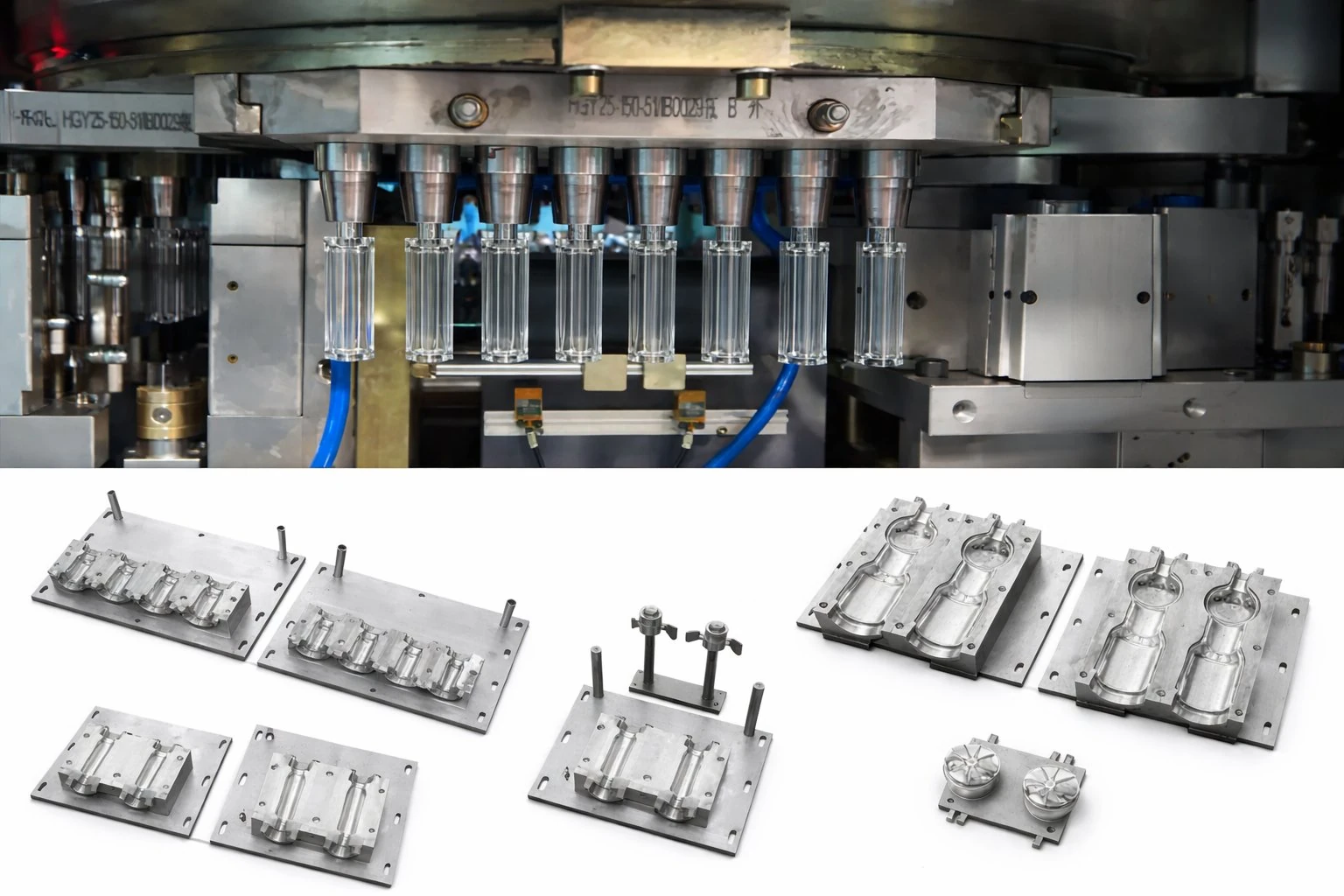
มาตรฐานคอขวด GPI (Glass Packaging Institute) ซึ่งใช้กันอย่างแพร่หลายในอุตสาหกรรมบรรจุภัณฑ์แก้วของเกาหลี (ISBM) กำหนดรูปทรงคอขวด 28/410 และ 24/410 โดยตัวเลขแรกคือเส้นผ่านศูนย์กลางภายนอก (OD) ในหน่วยมิลลิเมตร และตัวเลขที่สองคือรหัสความลึกของเกลียว คอขวด GPI 28/410 และ 24/410 ของ ISBM เกาหลีใช้สำหรับหัวปั๊ม ฝาเปิดปิด และฝาโลชั่นในผลิตภัณฑ์ความงาม K-Beauty PETG ผลิตภัณฑ์ดูแลส่วนบุคคล เจลล้างมือ และสเปรย์ปรับอากาศของเกาหลี ความแตกต่างที่สำคัญจาก PCO 1881 คือ GPI 28/410 ใช้เกลียวแบบ 3 รอบ (เกลียวสามเกลียวเริ่มต้นห่างกัน 120° รอบเส้นรอบวงของคอขวด) ในขณะที่ PCO 1881 ใช้เกลียวแบบ 2 รอบ เกลียวแบบ 3 รอบให้การยึดประมาณ 1/3 รอบ ในขณะที่ PCO 1881 ใช้เพียง 1/2 รอบ ทำให้สามารถติดตั้งหัวปั๊มได้เร็วขึ้นในสายการผลิตบรรจุภัณฑ์ของเกาหลี
ข้อกำหนดความคลาดเคลื่อนของคอปั๊ม ISBM GPI 28/410 ของเกาหลี จำแนกตามระดับการใช้งาน: ผลิตภัณฑ์ดูแลส่วนบุคคลทั่วไปของเกาหลี (แชมพู ครีมนวดผม โลชั่น — เส้นผ่านศูนย์กลางปั๊ม 24 มม.): ±0.05 มม. OD — ค่าความคลาดเคลื่อนมาตรฐาน GPI ซึ่งยอมรับได้สำหรับปั๊มจ่ายผลิตภัณฑ์ดูแลส่วนบุคคลของเกาหลีส่วนใหญ่ที่ค่าคงที่สปริงมาตรฐาน; ปั๊มโทนเนอร์ PETG K-Beauty ของเกาหลี (เส้นผ่านศูนย์กลางปั๊ม 24 มม. โทนเนอร์ความหนืดต่ำ): ±0.04 มม. — แน่นกว่าผลิตภัณฑ์ทั่วไปเพื่อป้องกันหัวปั๊มเอียง; ปั๊มเจลล้างมือที่ใช้ได้กับเอทานอลของเกาหลี (24/410 ปะเก็นซิลิโคน): ±0.04 มม. เพื่อการบีบอัดปะเก็นซิลิโคนที่สม่ำเสมอ; ยา CRC ของเกาหลี (กลไก P&T 28/410): ±0.03 มม. — ข้อกำหนดเส้นผ่านศูนย์กลางคอปั๊ม ISBM ของเกาหลีที่แน่นที่สุด การออกแบบฮอตรันเนอร์ที่กำหนดความสม่ำเสมอของการฉีดในบริเวณคอปั๊ม — ซึ่งเป็นข้อกำหนดเบื้องต้นสำหรับการบรรลุเส้นผ่านศูนย์กลางคอปั๊ม ±0.04 มม. ในทุกช่อง — อยู่ใน คู่มือระบบฮอตรันเนอร์ ISBM ของเกาหลี.
4. การออกแบบแถบป้องกันการแกะสำหรับขวด ISBM ของเกาหลี
การป้องกันการแกะในขวด ISBM ของเกาหลีนั้นทำได้โดยกลไกสองอย่าง ได้แก่ แถบป้องกันการแกะ (วงแหวนแบบมีกลไกล็อกที่ขอบฝา ซึ่งจะล็อกกับขอบยื่นหรือวงแหวนล็อกใต้แหวนรองรับ) และซีลฟอยล์แบบเหนี่ยวนำ (ซีลฟอยล์อะลูมิเนียมที่เชื่อมด้วยความร้อนเหนือพื้นผิวคอขวด ซึ่งจะถูกทำลายเมื่อเปิดครั้งแรก) วิศวกรรมคอขวด ISBM ของเกาหลีสำหรับการใช้งานร่วมกับฝาปิดป้องกันการแกะนั้นเน้นที่ขอบยื่น ซึ่งเป็นขอบนูนรอบคอขวดใต้แหวนรองรับที่ฟันของแถบป้องกันการแกะจะล็อกเข้าขณะปิด
วิศวกรรมลูกปัดถ่ายโอน ISBM ของเกาหลี: (1) เส้นผ่านศูนย์กลางภายนอกของลูกปัดถ่ายโอน = โดยทั่วไปใหญ่กว่าเส้นผ่านศูนย์กลางภายนอกของเกลียว 3–5% เพื่อให้เกิดการยึดเกาะเชิงกลที่ฟันเฟืองของแถบป้องกันการแกะต้องเอาชนะในระหว่างการบิดออกครั้งแรก หากลูกปัดเล็กเกินไป แถบป้องกันการแกะจะไม่ยึดเกาะอย่างน่าเชื่อถือ หากลูกปัดใหญ่เกินไป จะต้องใช้แรงมากเกินไปในการรัดแถบ ซึ่งอาจทำให้ขอบปิดแตกได้ (2) ความสูงของลูกปัดถ่ายโอนเหนือแกนคอ = 0.5–1.2 มม. หากต่ำกว่า 0.4 มม. ฟันเฟืองจะไม่สามารถยึดเกาะได้ หากสูงกว่า 1.5 มม. แถบจะยืดมากเกินไปในระหว่างการใช้งาน ทำให้เกิดรอยขาวจากความเครียดที่มองเห็นได้บนตัวปิด (3) รัศมีของลูกปัดถ่ายโอนที่ขอบด้านล่าง = 0.3–0.6 มม. ขอบด้านล่างที่คมจะทำให้เกิดการกระจุกตัวของความเครียดในแถบป้องกันการแกะ ซึ่งทำให้เกิดการแตกหักก่อนกำหนดในสายการผลิตบรรจุภัณฑ์ของเกาหลีในระหว่างการบิดเพื่อใช้งาน ผู้ผลิต ISBM ของเกาหลีที่พบปัญหาการแตกร้าวของแถบป้องกันการแกะในระหว่างการติดตั้งสายการบรรจุเครื่องดื่มของเกาหลี ควรวัดรัศมีด้านล่างของลูกปัดส่งผ่านก่อน โดยรัศมีที่ต่ำกว่า 0.25 มม. (จากการสึกหรอของตัวแทรกที่คอขวด) เป็นสาเหตุที่พบบ่อยที่สุดของการแตกร้าวของแถบป้องกันการแกะในสายการบรรจุเครื่องดื่ม ISBM ของเกาหลี
ข้อบกพร่องในการผลิตซิการ์ ISBM ของเกาหลี — รวมถึงการแตกร้าวของแหวนรัดสายที่บริเวณรอยต่อ การที่แหวนรัดสายไม่แยกออกจากกันเมื่อเปิดครั้งแรก และการขันเกลียวผิด — และการวินิจฉัยสาเหตุที่เฉพาะเจาะจงนั้นได้อธิบายไว้ในเอกสารนี้แล้ว คู่มือภาคสนามเกี่ยวกับข้อบกพร่องของขวด ISBM ของเกาหลี.
5. วัสดุที่ใช้ทำส่วนแทรกคอ: เหล็กที่เลือกใช้สำหรับการใช้งาน ISBM ในเกาหลี
การเลือกใช้เหล็กสำหรับเม็ดมีดคอเกลียว ISBM ของเกาหลีเป็นตัวกำหนดทั้งความแม่นยำของขนาดที่ทำได้และอายุการใช้งานก่อนที่จะเกิดการคลาดเคลื่อนของขนาด มีเหล็กสามเกรดที่ใช้ในการผลิตเม็ดมีดคอเกลียว ISBM ของเกาหลี
เหล็กกล้าชุบแข็ง P20 (30–36 HRC) — มาตรฐาน PCO สำหรับเครื่องดื่มของเกาหลี
P20 เป็นเหล็กกล้ามาตรฐาน ISBM ของเกาหลีสำหรับส่วนแทรกคอขวด PCO 1881 และ PCO 1810 ในการผลิตเครื่องดื่ม ด้วยความคลาดเคลื่อนของเส้นผ่านศูนย์กลางภายนอก PCO ±0.10 มม. ความแข็งของ P20 ให้ความเสถียรของขนาดที่เพียงพอสำหรับปริมาณการผลิตเครื่องดื่มทั่วไปของเกาหลี (8–15 ล้านช็อต/ปี ต่อช่อง) P20 ไม่มีความต้านทานการกัดกร่อนที่เพียงพอสำหรับกระบวนการผลิต PETG ในเกาหลี เนื่องจาก PETG มีความหลอมเหลวเป็นกรดเล็กน้อย (ค่า pH เทียบเท่าจากการไฮโดรไลซิสของสารปรับแต่งไกลคอล) ทำให้เกิดการออกซิเดชันที่พื้นผิวของ P20 บริเวณยอดของเกลียวหลังจากใช้งาน 3–4 ล้านช็อต ส่งผลให้พื้นผิวเกลียวหยาบขึ้นและเริ่มส่งผลต่อความสม่ำเสมอของขนาดเส้นผ่านศูนย์กลางภายนอกของคอขวด ยอมรับได้สำหรับเครื่องดื่ม PET แต่ควรใช้ 2316 แทนสำหรับ PETG ในการผลิตเครื่องสำอาง
เหล็กกล้าไร้สนิมมาร์เทนซิติก 2316 (32–36 HRC) — มาตรฐาน K-Beauty และ Pharma ของเกาหลี
เหล็กกล้าไร้สนิม 2316 ให้ความแข็ง 32–36 HRC (เพียงพอสำหรับความเสถียรของขนาดที่ความคลาดเคลื่อน ±0.04 มม. GPI) และความต้านทานการกัดกร่อนเทียบเท่า 316L (ทนต่อการหลอมละลายของ PETG สารทำความสะอาดขัดเงา และความชื้นในฤดูร้อนของเกาหลี) จุกปิดคอขวดสำหรับเครื่องสำอาง K-Beauty ของเกาหลี ยาของเกาหลี และเจลล้างมือของเกาหลี กำหนดให้ใช้เหล็กกล้าไร้สนิม 2316 เป็นมาตรฐาน อายุการใช้งานที่ความคลาดเคลื่อน ±0.04 มม. GPI OD: 12–20 ล้านครั้งต่อช่องก่อนที่ขนาดจะคลาดเคลื่อนเกินค่าความคลาดเคลื่อน ซึ่งเป็นช่วงเวลามาตรฐานสำหรับการเปลี่ยนจุกปิดคอขวด PETG ของ K-Beauty การขัดเงาด้วยเพชรจนได้ค่า Ra ≤ 0.05 μm เป็นมาตรฐานสำหรับจุกปิดคอขวดเครื่องสำอาง 2316 ของเกาหลี ซึ่งช่วยปรับปรุงทั้งความแม่นยำในการจำลองขนาดและคุณภาพของพื้นผิวเกลียวบนขวด K-Beauty
เหล็กกล้าเครื่องมือสำหรับงานร้อน H13 (48–52 HRC) — บริษัท CRC Pharmaceutical ของเกาหลี
เหล็กกล้าไร้สนิม H13 มีความแข็งสูงสุดในเม็ดมีดคอเกลียว ISBM ของเกาหลี (48–52 HRC) สำหรับการใช้งานที่ต้องการความเสถียรของขนาด CRC ±0.03 มม. ตลอดอายุการใช้งาน ในอัตราการผลิต CRC ของอุตสาหกรรมยาเกาหลี (4–6 ล้านชิ้น/ปี) เม็ดมีดคอเกลียว H13 CRC สามารถรักษาความแม่นยำของขนาดภายใน ±0.03 มม. ได้นาน 10–15 ล้านชิ้น ซึ่งมีอายุการใช้งานมากกว่าเหล็กกล้าไร้สนิม 2316 ถึง 3 เท่า ที่ความคลาดเคลื่อนของเส้นผ่านศูนย์กลางภายนอกเท่ากัน ต้นทุนที่สูงกว่าของเม็ดมีด CRC H13 (ประมาณ 35% สูงกว่า 2316) นั้นคุ้มค่า เนื่องจากความถี่ในการตรวจสอบคุณสมบัติ CRC ซ้ำที่ต่ำกว่า ซึ่งจะเกิดขึ้นหากขนาดคลาดเคลื่อนเกิน ±0.03 มม. ในระหว่างการผลิต
กรอบการคัดเลือกเหล็กกล้าสำหรับแม่พิมพ์ ISBM ของเกาหลีที่ครอบคลุมทุกด้าน ซึ่งรวมถึงปฏิสัมพันธ์ระหว่างเหล็กกล้าสำหรับส่วนคอแม่พิมพ์ เหล็กกล้าสำหรับตัวแม่พิมพ์ และเหล็กกล้าสำหรับส่วนฐานแม่พิมพ์ สำหรับการใช้งานแต่ละประเภทในเกาหลีนั้น คือ ปัจจัยที่ 6 (เหล็กกล้าสำหรับส่วนคอแม่พิมพ์) ในกรอบดังกล่าว คู่มือการเลือกแม่พิมพ์ ISBM ของเกาหลี 9 ปัจจัย.
6. ข้อบกพร่องของการตกแต่งคอกีต้าร์ ISBM ของเกาหลี: สาเหตุและการวินิจฉัย
| ข้อบกพร่อง | รูปร่าง | สาเหตุหลัก | การแก้ไข |
|---|---|---|---|
| ค่าความคลาดเคลื่อนเกินของเส้นผ่านศูนย์กลางภายนอกคอ | ฝาปิดติดขัดหรือต้องใช้แรงบิดมากเกินไป; หัวปั๊มหลวม | การสึกหรอของรูแทรกคอ การขยายตัวของรู การฉีดขึ้นรูปมากเกินไป อุณหภูมิหลอมเหลวสูงเกินไป | วัดขนาดรูของเม็ดมีด เปลี่ยนหากสึกหรอ ลดแรงดันการฉีดลง 5–10% |
| ครีบเกลียว / ครีบเกลียว | ครีบ PET บางๆ ยื่นออกมาจากสันเกลียว; เกลียวขวางสำหรับปิด | ช่องว่างระหว่างชิ้นส่วนคอที่สึกหรอเกิน 0.02 มม. เกิดจากการฉีดขึ้นรูป | วัดช่องว่างรอยแยกของชิ้นส่วนแทรก; ประกอบชิ้นส่วนแทรกกลับเข้าที่; ลดแรงดันการฉีด |
| คอช็อตสั้น | เกลียวไม่สมบูรณ์; ส่วนเกลียวขาดหาย; ผนังคอเกลียวบาง | แรงดันการฉีดไม่เพียงพอ; คราบสกปรกที่ประตูฉีด; อุณหภูมิหลอมเหลวต่ำเกินไป | เพิ่มแรงดันชุดหัวฉีด ทำความสะอาดทางเข้าหัวฉีด และเพิ่มอุณหภูมิกระบอกฉีด 3–5°C |
| ความรีของคอ | คอขวดไม่เป็นทรงกลม; หัวปั๊มวางไม่ตรงแนวตั้ง; แรงบิดในการปิดขวดแตกต่างกัน | การระบายความร้อนของส่วนแทรกคอไม่สม่ำเสมอ แรงหนีบที่ไม่เท่ากันบนส่วนแทรกคอทั้งสองส่วน | วัดค่า ΔT ของน้ำหล่อเย็นที่พอร์ตหล่อเย็นของชิ้นส่วนคอแต่ละชิ้น ปรับสมดุลการไหล ตรวจสอบการจัดแนวครึ่งหนึ่งของชิ้นส่วน |
| พื้นผิวที่นั่งเอน | หน้าสัมผัสปิดจะสัมผัสกับขอบด้านใดด้านหนึ่งเป็นพิเศษ ทำให้เกิดการรั่วไหลจากด้านตรงข้าม | หน้าตัดด้านบนของส่วนแทรกคอไม่ตั้งฉากกับแกนรู (เอียงมากกว่า 0.1°); การระบายความร้อนของคอไม่สม่ำเสมอ | วัดความตั้งฉากของหน้าสัมผัสคอด้วยเครื่อง CMM หากเอียงเกิน 0.1° ให้ทำการปรับหน้าสัมผัสใหม่ |
7. การวัดความเรียบของคอคอดและการตรวจสอบคุณภาพตามมาตรฐาน ISBM ของเกาหลี
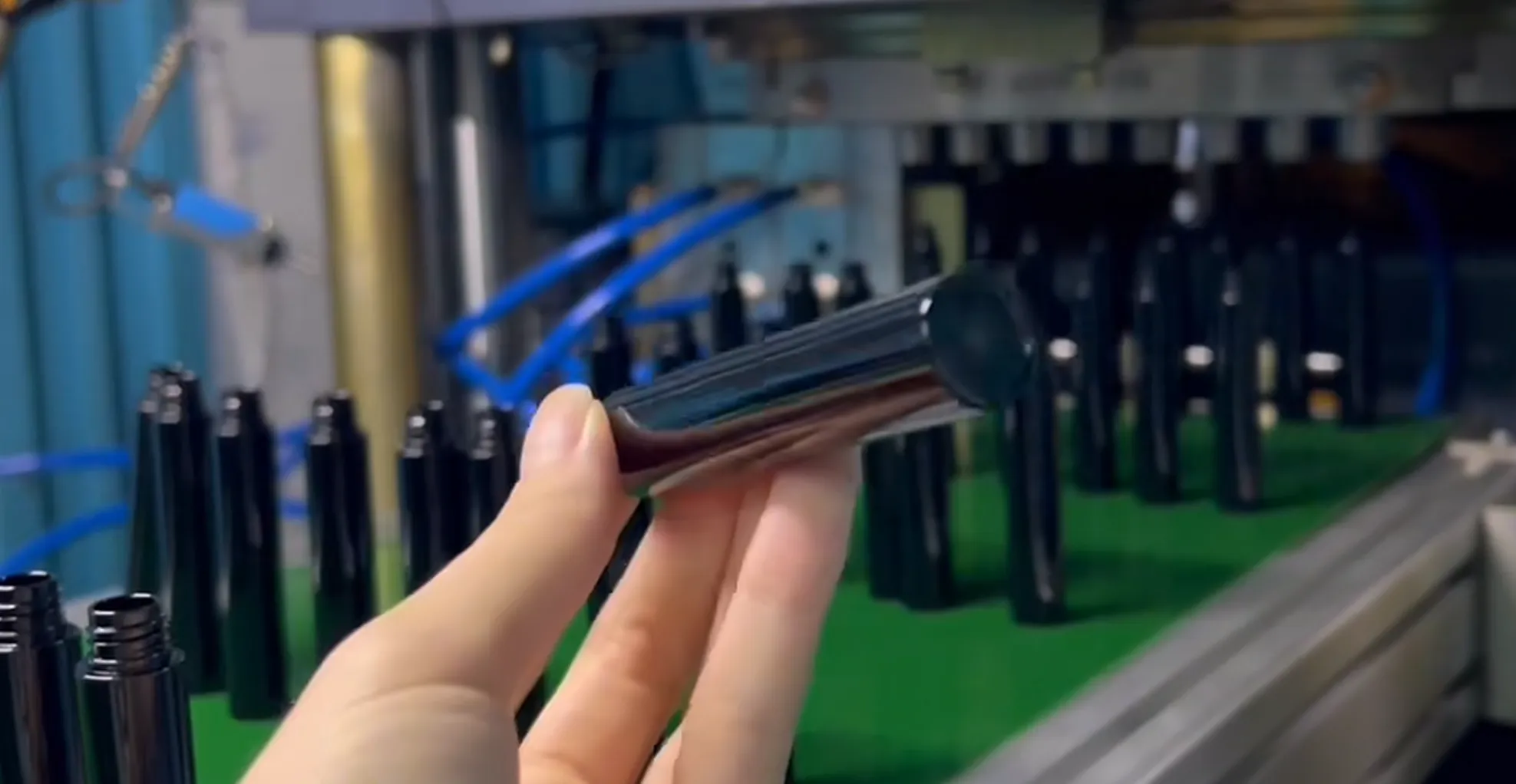
โปรโตคอลการวัดความเรียบของคอขวดตามมาตรฐาน ISBM ของเกาหลี มีโครงสร้างอยู่ที่สามระดับของความถี่และความแม่นยำ การตรวจสอบระหว่างกะการผลิต (5 ขวดต่อช่องต่อกะ, เวอร์เนียร์คาลิเปอร์แบบดิจิทัล): วัดเส้นผ่านศูนย์กลางภายนอกของคอขวดที่ 2 ตำแหน่ง (0° และ 90°), คำนวณค่าความรี, ตรวจสอบว่าผ่านหรือไม่ผ่านการตรวจสอบด้วยเกจ; บันทึกผลลัพธ์ลงในบันทึกคุณภาพการผลิต การตรวจสอบขนาดรายสัปดาห์ (10 ขวดต่อช่อง, CMM หรือเกจวัดลม): วัดเส้นผ่านศูนย์กลางภายนอกของคอขวดที่ 4 ตำแหน่ง, ความสูงของเกลียว (ขนาด T), ขนาด L, เส้นผ่านศูนย์กลางภายนอกของวงแหวนรองรับ, ความเรียบของพื้นผิวที่นั่ง; เปรียบเทียบผลลัพธ์กับข้อกำหนดด้านขนาดของแบรนด์เกาหลี (แบบร่าง PCO 1881 ISBT, แบบพิมพ์ของผู้ผลิตฝาปิด GPI 28/410 หรือแบบร่างเฉพาะของแบรนด์) การตรวจสอบขนาดของตัวแทรกคอขวดรายไตรมาส (การวัดพิกัดบนตัวแทรกคอขวดเอง ไม่ใช่บนขวด): วัดรูของตัวแทรกที่ 4 ตำแหน่ง, รูปทรงเรขาคณิตของเกลียว (ความลึก, ระยะห่าง, มุม), ช่องว่างของเส้นแบ่ง และความตั้งฉากของพื้นผิวที่นั่ง; เปรียบเทียบกับขนาดของเม็ดมีดที่ผลิตมาแต่เดิมเพื่อยืนยันว่าการสึกหรอยังอยู่ในช่วงที่สามารถนำกลับมาใช้งานใหม่ได้ ผู้ผลิต ISBM ของเกาหลีที่ใช้โปรโตคอล QC การตรวจสอบคุณภาพคอขวดแบบสามระดับนี้ ช่วยลดอัตราการปฏิเสธที่เกี่ยวข้องกับคอขวดในการตรวจสอบขาเข้าของแบรนด์เกาหลีลงเหลือต่ำกว่า 0.11 TP3T ของการส่งมอบ — เมื่อเทียบกับอัตราการปฏิเสธ 2–41 TP3T สำหรับผู้ผลิต ISBM ของเกาหลีที่ทำการตรวจสอบคุณภาพคอขวดด้วยสายตาแบบคร่าวๆ เท่านั้น
8. รูปทรงคอขวดแบบพิเศษของเกาหลี: แบบปิดผนึกด้วยการเหนี่ยวนำ, แบบหยด และแบบกระจายกลิ่นด้วยกก
นอกเหนือจากเกลียวมาตรฐาน PCO และ GPI แล้ว ISBM ของเกาหลียังผลิตคอขวดแบบพิเศษอีก 3 แบบ ซึ่งต้องใช้แนวทางทางวิศวกรรมเฉพาะ คอขวดแบบปิดผนึกด้วยการเหนี่ยวนำ (ขวดอาหารเกาหลี, นมผงสำหรับเด็ก, ขวดอาหารเสริม, ยาเหลวสำหรับรับประทาน): พื้นผิวสัมผัส — พื้นผิววงแหวนเรียบที่ด้านบนของคอขวดซึ่งแผ่นฟอยล์อลูมิเนียมจะยึดติด — ต้องเรียบภายใน ±0.06 มม. สำหรับยา/นมผงสำหรับเด็กของเกาหลี และ ±0.08 มม. สำหรับขวดอาหารเกาหลี พื้นผิวสัมผัสนี้เป็นคุณลักษณะของคอขวดที่ไวต่อขนาดมากที่สุดใน ISBM ของเกาหลี เนื่องจากโดยทั่วไปแล้วมีความกว้างเพียง 2.5–4 มม. เท่านั้น การเอียงเพียงเล็กน้อยของส่วนแทรกคอขวด (เกิน 0.1°) จะทำให้พื้นผิวสัมผัสเอียง ส่งผลให้ความแข็งแรงของการเชื่อมฟอยล์ไม่สม่ำเสมอ (การปิดผนึกไม่เพียงพอในด้านที่ต่ำ การไหม้ของการเชื่อมมากเกินไปในด้านที่สูง) คอขวดหยดแบบเกาหลี (หลอดบรรจุน้ำมันหอมระเหยแบบเกาหลี, ยาน้ำแบบเกาหลี, น้ำมันปรุงอาหารแบบเกาหลี): เส้นผ่านศูนย์กลางรูด้านในของคอขวดควบคุมการยึดติดของปลายหลอดหยด — เส้นผ่านศูนย์กลางรูด้านในต้องอยู่ในช่วง ±0.05 มม. ในทุกช่อง เพื่อให้ได้แรงยึดของปลายหลอดหยดที่สม่ำเสมอ คอขวดแคบสำหรับก้านกระจายกลิ่น (น้ำหอมสำหรับบ้านแบบเกาหลี, เส้นผ่านศูนย์กลางรูด้านใน 14–22 มม.): ต้องใช้ชิ้นส่วนแทรกรูที่มีความแม่นยำแยกต่างหากจากชิ้นส่วนแทรกโปรไฟล์เกลียว เนื่องจากเส้นผ่านศูนย์กลางรูด้านใน (ซึ่งควบคุมการยึดของก้านกระจายกลิ่น) ไม่ขึ้นอยู่กับเส้นผ่านศูนย์กลางภายนอกของเกลียว (ซึ่งควบคุมการยึดของฝาปิดตกแต่ง) ผลกระทบของการออกแบบแม่พิมพ์สำหรับรูปทรงคอขวดแบบพิเศษของเกาหลีเหล่านี้ — โดยเฉพาะอย่างยิ่งการจัดการเส้นแบ่งสำหรับพื้นผิวการปิดผนึกแบบเหนี่ยวนำ และชิ้นส่วนแทรกรูแยกต่างหากสำหรับคอขวดหยดและคอขวดกระจายกลิ่น — ได้รับการกล่าวถึงในกรอบข้อกำหนดแม่พิมพ์ ISBM ของเกาหลีในคู่มือการเลือกแม่พิมพ์ ISBM 9 ปัจจัยของเกาหลี
คำถามที่พบบ่อย
การสนับสนุนด้านวิศวกรรมการตกแต่งคอ
ปัญหาที่พบ ได้แก่ การเบี่ยงเบนของขนาดเส้นผ่านศูนย์กลางคอปั๊ม การเอียงของหัวปั๊ม หรือความล้มเหลวในการทดสอบประสิทธิภาพ CRC ของปั๊มยี่ห้อเกาหลี?
บริษัท Ever-Power ของเกาหลีให้บริการตรวจสอบขนาดของเม็ดมีดคอขวด การอัพเกรดเม็ดมีดสแตนเลส 2316 หรือ H13 เพื่อความแม่นยำ ±0.03–0.04 มม. โปรโตคอลการขยายตัวทางความร้อนสำหรับ QC ในช่วงฤดูร้อนของเกาหลี ข้อกำหนดของเกจวัดแบบผ่าน/ไม่ผ่าน และแพลตฟอร์ม HGY200-V4-EV สำหรับงานวิศวกรรมการตกแต่งคอขวดในอุตสาหกรรมเครื่องสำอางเกาหลีและเภสัชกรรม
แหล่งข้อมูลที่เกี่ยวข้อง
แท่นวางคอที่แม่นยำ
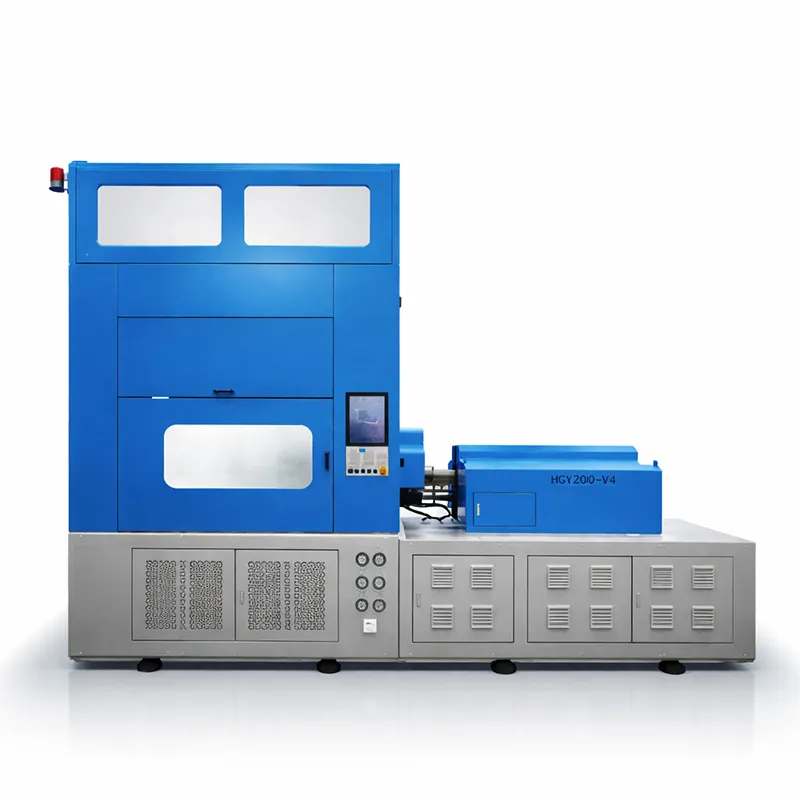
เกาหลี Ever-Power HGY200-V4
เม็ดมีดคอสแตนเลส 2316 GPI 24/410 และ 28/410; ระบบระบายความร้อนคอแบบสมดุลต่อช่อง; การตรวจสอบขนาดเม็ดมีดทุกไตรมาสเป็นมาตรฐานการบำรุงรักษาเชิงป้องกัน; ความแม่นยำ CRC ±0.03 มม. มีให้เลือกใช้
ช่วงเครื่องจักร
ช่วงทดสอบ ISBM 4 สถานี
แพลตฟอร์ม Ever-Power EV ของเกาหลีทั้งหมดมีระบบปรับสมดุลความร้อนของฮอตรันเนอร์ต่อช่อง เพื่อให้ได้ความสม่ำเสมอของเส้นผ่านศูนย์กลางภายนอกของคอขวดในแต่ละช่อง ซึ่งเป็นรากฐานของคุณภาพการตกแต่งคอขวดในอุตสาหกรรมเครื่องสำอางเกาหลีและเภสัชกรรม
เครื่องมือขึ้นรูปคอที่แม่นยำ
การออกแบบแม่พิมพ์ ISBM แบบกำหนดเอง
เม็ดมีดคอขวดแบบเกาหลี ผลิตตามข้อกำหนด PCO 1881, GPI 28/410, GPI 24/410 และ CRC P&T; สแตนเลส 2316 หรือ H13 ตามการใช้งาน; ใบรับรองขนาดที่ตรวจสอบด้วย CMM จะรวมอยู่ในชุดเม็ดมีดทุกชุด