
Analyse technique approfondie · Finition du manche · ISBM coréen 2026
Ingénierie de finition du manche ISBM :
Guide des bouteilles coréennes
La finition du col est la seule zone de la bouteille ISBM qui ne subit jamais d'étirement ; injectée aux dimensions finales, elle doit garantir une précision absolue au niveau du bouchon, de l'inviolabilité et de l'étanchéité lors de la distribution. Chaque écart de 0,05 mm du diamètre extérieur du col a des conséquences importantes au niveau du bouchon : un couple de serrage défectueux, une fuite d'étanchéité et une réclamation du consommateur. La conception coréenne de la finition du col des bouteilles ISBM définit les tolérances, les matériaux et les protocoles d'inspection qui font du col non étiré la zone la plus précise dimensionnellement d'une production ISBM coréenne.
GPI 28/410 Cosmétique ±0,04 mm
CRC coréen ±0,03 mm
Norme de finition de manche ISBM coréenne de référence — 2026
| Standard de cou | Diamètre extérieur (mm) | Tolérance OD | Fil | Application coréenne |
|---|---|---|---|---|
| PCO 1881 | 27.43 | ±0,10 mm | 2 étoiles | Eau plate coréenne, boisson, CSD, jus pressé à froid HPP |
| PCO 1810 (héritage) | 28.58 | ±0,10 mm | 2 étoiles | Les anciennes gammes de boissons gazeuses coréennes sont encore présentes sur certains marchés coréens. |
| GPI 28/410 | 27.43 | ±0,04 mm | 3 étoiles | PETG coréen K-Beauty, pompe de soins personnels coréenne, désinfectant pour les mains coréen |
| GPI 24/410 | 24.08 | ±0,04 mm | 3 étoiles | Pompe à toner coréenne, pompe à gel hydroalcoolique coréenne, pompe à spray d'ambiance coréenne |
| CRC P&T 28 mm | 27.43 | ±0,03 mm | CRC spécial | Solution buvable CRC pharmaceutique coréenne, préparation pour nourrissons coréenne |
| Ouverture large 63 mm+ | 63–100 | ±0,10 mm | GPI à large ouverture | Pot de complément alimentaire coréen, pot de lait infantile coréen, pot de kimchi coréen |
1. Pourquoi la finition du manche est la zone la plus critique en termes de dimensions
Dans la production coréenne de bouteilles ISBM, le corps de la bouteille subit une orientation biaxiale qui réduit les variations dimensionnelles. Le procédé d'étirage-soufflage est auto-correcteur au niveau du corps, où la matière s'écoule pour remplir la cavité du moule sous pression. En revanche, le col n'est ni étiré ni soufflé ; il est entièrement formé par moulage par injection dans la station d'injection, avant les phases de conditionnement et de soufflage. Ainsi, les dimensions du col sont entièrement déterminées par la géométrie de l'insert du moule et les conditions d'injection, sans pression de soufflage auto-correctrice pour compenser les variations d'injection.
Les conséquences en aval des variations de finition du goulot sont amplifiées par le mécanisme de fermeture : une variation de ±0,10 mm du diamètre extérieur du goulot d’une bouteille d’eau PCO 1881 entraîne une variation d’environ ±8% du couple de serrage, acceptable pour l’eau courante coréenne. Une variation de ±0,04 mm du goulot d’une pompe cosmétique coréenne GPI 28/410 entraîne une variation de ±15% de la force d’engagement de la tête de pompe, provoquant un jeu audible et une inclinaison occasionnelle de celle-ci sur les flacons de toner K-Beauty coréens, ce qui entraîne un échec au contrôle qualité à réception. Une variation de ±0,03 mm du goulot d’un bouchon CRC coréen entraîne une variation de ±22% de la force d’engagement du cliquet de sécurité enfant, pouvant entraîner un échec au test de performance du CRC (le taux de résistance enfant de 85% étant inférieur aux exigences de la KFDA coréenne). Chaque application ISBM coréenne possède une tolérance de diamètre extérieur de col spécifique qui reflète la sensibilité de son système de fermeture aux variations dimensionnelles. Chaque insert de col ISBM coréen doit être conçu, fabriqué et entretenu conformément à cette tolérance. La géométrie de la préforme qui détermine la distribution des parois de la zone de col avant la mise en place de l'insert de col est définie dans le Guide de conception des préformes ISBM.
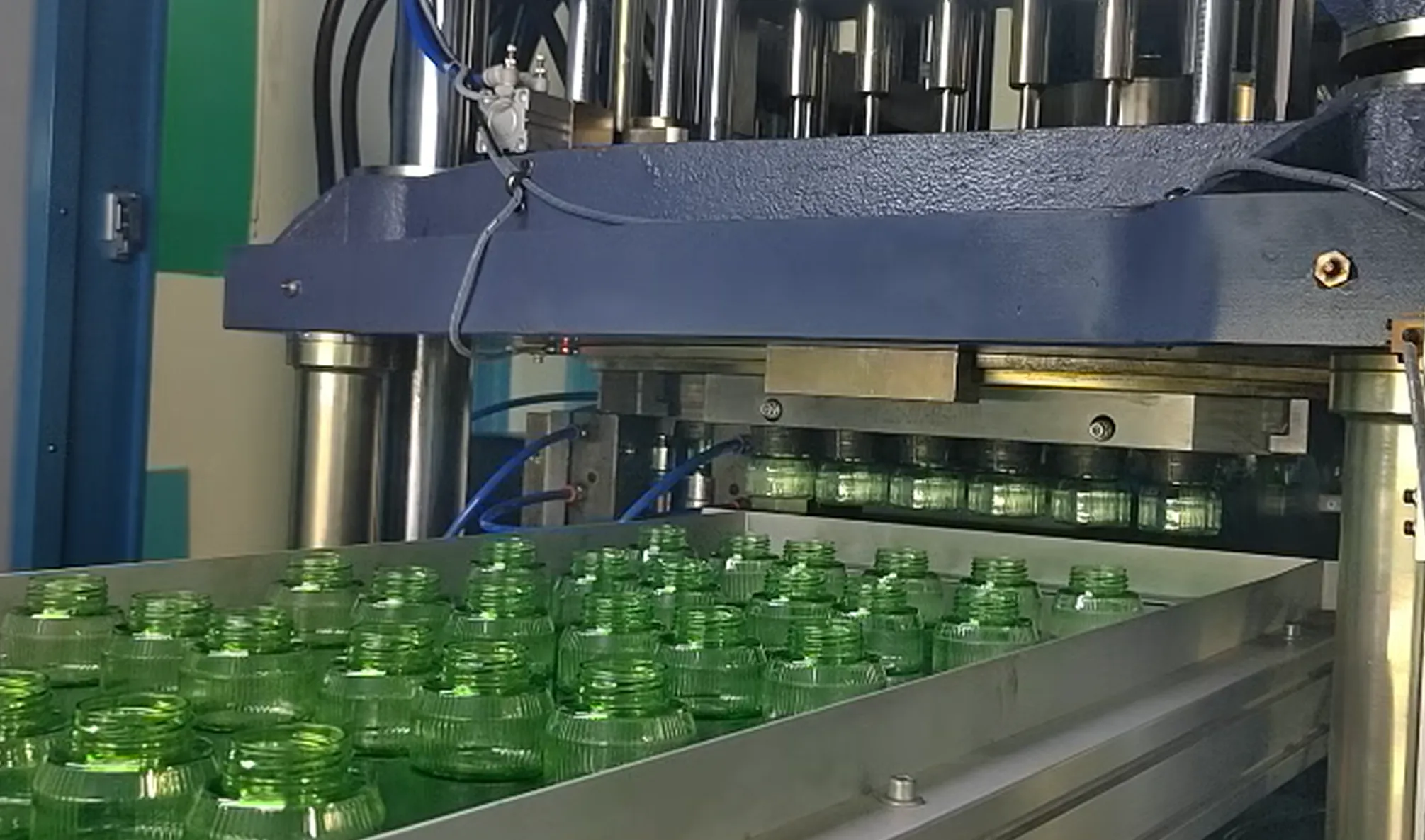
2. Norme coréenne PCO 1881 : Ingénierie des goulots de bouteilles
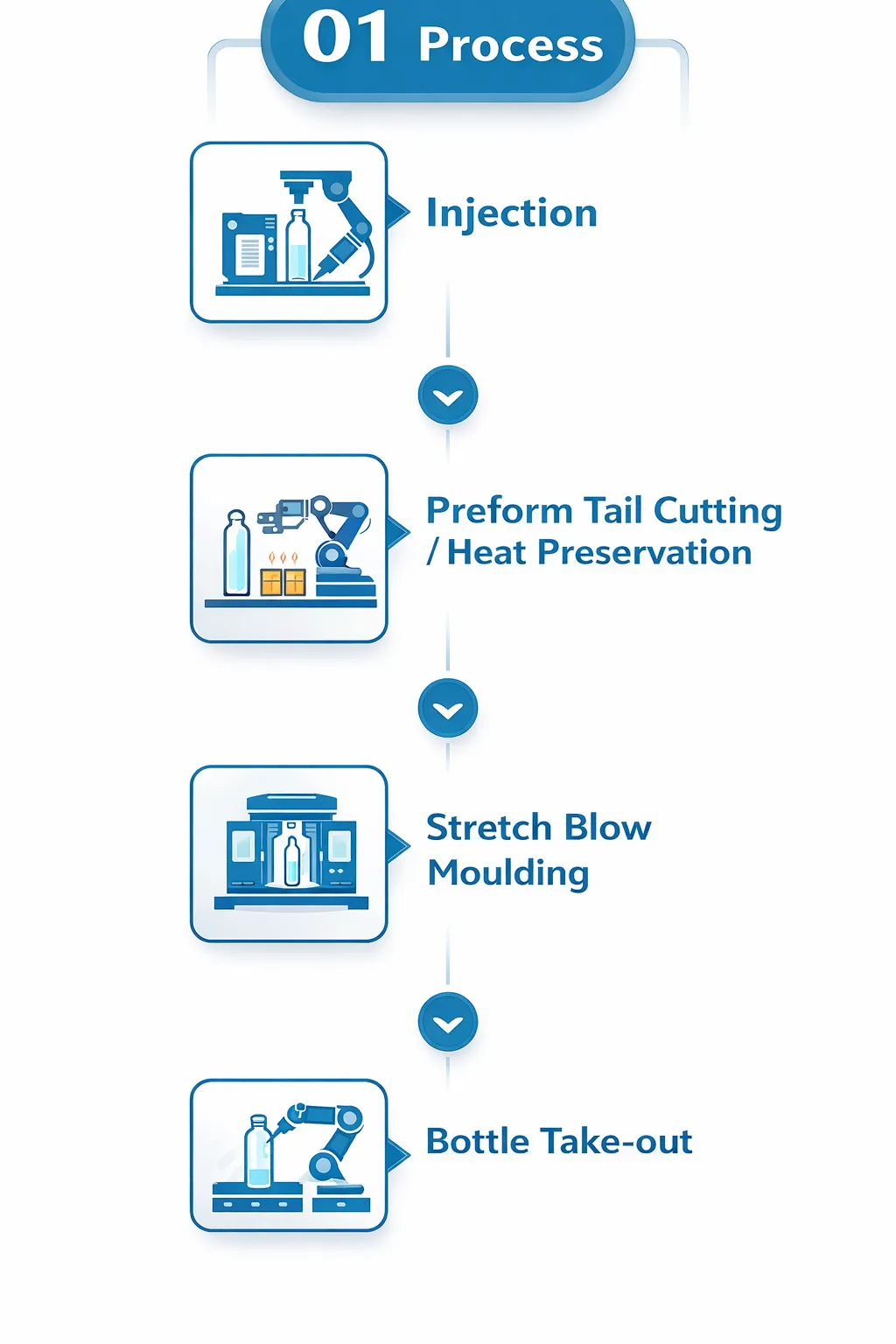
La norme PCO 1881 (Polyethylene Cap and Closure Opening 1881) est la norme coréenne ISBM dominante pour les goulots de bouteilles et de bouteilles. Elle est utilisée pour l'eau plate, les boissons gazeuses, les eaux pétillantes, les jus HPP et la plupart des boissons coréennes utilisant un bouchon à vis standard de 28 mm. Développée par l'International Society of Beverage Technologists (ISBT), la norme PCO 1881 offre une alternative plus légère à la norme précédente, réduisant le poids du goulot d'environ 121 g tout en conservant des performances de fermeture équivalentes.
Paramètres critiques d'ingénierie du col selon la norme coréenne ISBM PCO 1881 : (1) Dimension E (diamètre extérieur du filetage) = 27,43 mm nominal, tolérance de ±0,10 mm (norme coréenne pour les boissons) ; (2) Dimension T (hauteur du filetage au-dessus du pas) = 0,97 mm nominal, ±0,05 mm — détermine l'ajustement serré radial entre le filetage de la bouteille et le filetage de la jupe du bouchon ; (3) Dimension L (longueur du col, de la bague de support à la surface d'étanchéité) = 17,0 mm nominal, ±0,30 mm — détermine la course verticale du bouchon entre sa position d'application et sa position d'enclenchement ; (4) Diamètre extérieur de la bague de support = 30,48 mm nominal — bride supportant la bouteille sur l'équipement de manutention du col de la ligne de remplissage. Les auditeurs de qualité des bouteilles de boissons de l'ISBM coréen vérifient la dimension E dans les quatre quadrants (0°, 90°, 180°, 270°) de chaque cavité — une finition de col non ronde (ovalité supérieure à 0,15 mm de différence de diamètre entre les mesures orthogonales) indique une usure de l'insert de col ou un refroidissement inégal et constitue un critère de rejet standard d'inspection à réception des marques de boissons coréennes.
La science de l'orientation moléculaire qui explique pourquoi la zone du col (qui ne reçoit aucune orientation de choc) est mécaniquement plus faible que la zone du corps — et pourquoi les marques de boissons coréennes spécifient des épaisseurs minimales de paroi du col en plus des tolérances de diamètre extérieur — se trouve dans guide d'orientation moléculaire biaxiale.
3. GPI 28/410 et 24/410 : Ingénierie coréenne des soins personnels du cou
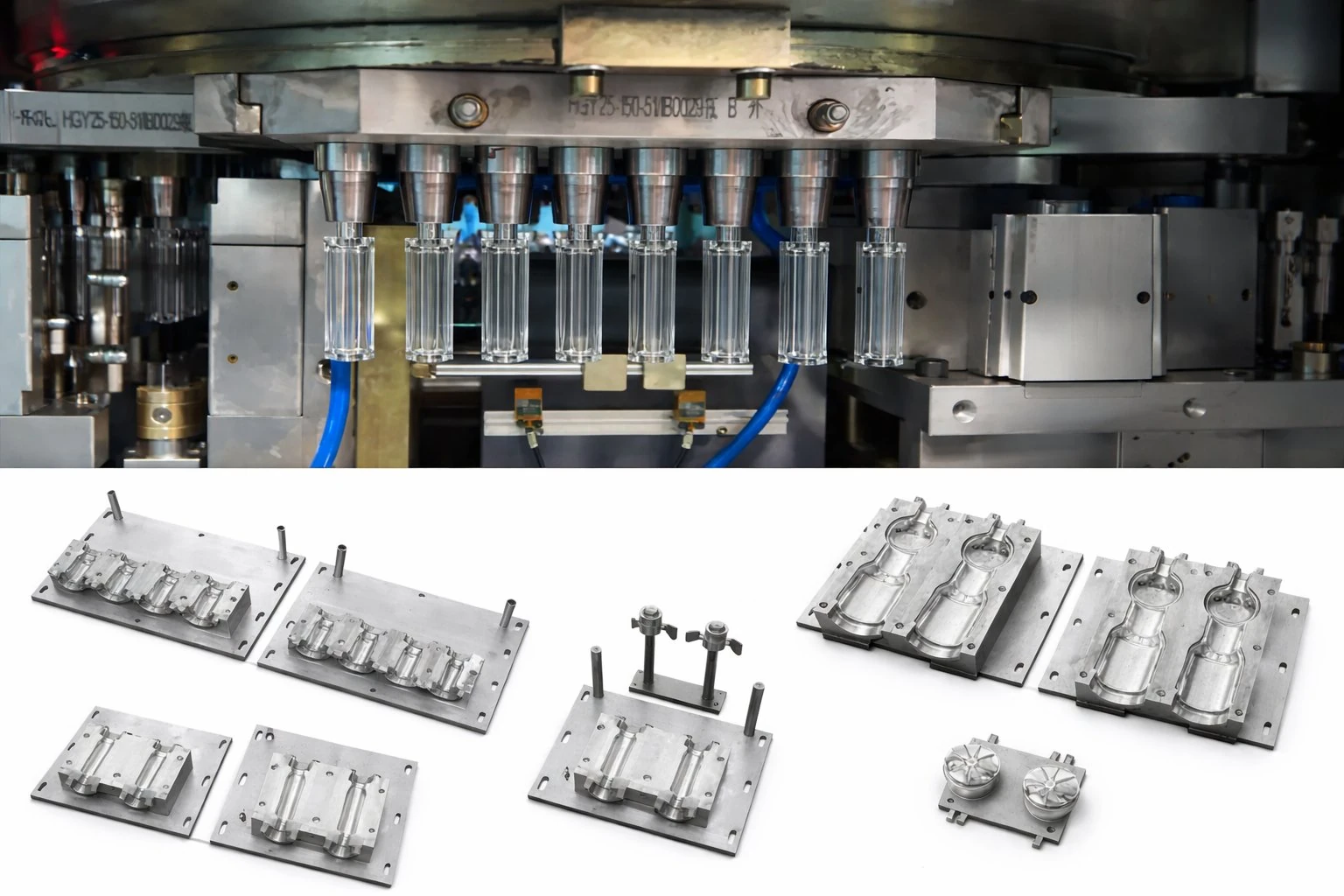
Les normes de col GPI (Glass Packaging Institute), largement utilisées dans l'industrie coréenne des produits de soins personnels (ISBM), définissent les profils de col 28/410 et 24/410. Le premier chiffre correspond au diamètre extérieur nominal en millimètres et le second à la profondeur du filetage. Les cols GPI 28/410 et 24/410, conformes à la norme ISBM coréenne, sont utilisés pour les pompes distributrices, les bouchons à clapet et les bouchons de lotion dans les applications coréennes de cosmétiques (PEG), de soins personnels, de gel hydroalcoolique et de sprays d'ambiance. La principale différence avec la norme PCO 1881 réside dans le filetage à 3 filets (trois hélices espacées de 120° sur la circonférence du col), contre 2 filets pour la norme PCO 1881. Ce filetage à 3 filets permet un engagement d'environ 1/3 de tour, contre 1/2 tour pour la norme PCO 1881, ce qui accélère la mise en place de la tête de pompe sur les lignes de remplissage coréennes.
Spécifications de tolérance du col selon la norme coréenne ISBM GPI 28/410, par application : Produits de soins personnels coréens (shampoing, après-shampoing, lotion – diamètre extérieur de la pompe : 24 mm) : ±0,05 mm – tolérance GPI standard, acceptable pour la plupart des pompes distributrices de produits de soins personnels coréens avec des constantes de ressort standard ; Pompe à toner PETG pour cosmétiques coréens (diamètre extérieur de la pompe : 24 mm, toner à faible viscosité) : ±0,04 mm – tolérance plus faible que pour les produits courants afin d’éviter l’inclinaison de la tête de pompe ; Pompe pour gel hydroalcoolique compatible avec l’éthanol (24/410, joint en silicone) : ±0,04 mm pour une compression constante du joint en silicone ; Pompes pharmaceutiques coréennes CRC (mécanisme P&T 28/410) : ±0,03 mm – la spécification ISBM coréenne la plus stricte pour le diamètre extérieur du col. La conception du canal chaud, qui détermine l’uniformité du remplissage par injection au niveau du col (condition préalable pour obtenir un diamètre extérieur du col de ±0,04 mm sur toutes les cavités), est intégrée au système. Guide des systèmes ISBM coréens à canaux chauds.
4. Conception d'une bande de sécurité pour les bouteilles ISBM coréennes
L'inviolabilité des bouteilles ISBM coréennes repose sur deux mécanismes : la bague d'inviolabilité du bouchon (une bague crantée sur la jupe du bouchon qui s'engage dans la bille de transfert ou la bague crantée située sous la bague de support) et le scellage par induction (un scellage en feuille d'aluminium thermocollé sur la surface d'appui du goulot, qui se détruit à la première ouverture). La conception du goulot des bouteilles ISBM coréennes, pour assurer la compatibilité avec les fermetures inviolables, se concentre sur la bille de transfert — le bourrelet circonférentiel en relief sur le goulot, sous la bague de support, dans lequel les dents crantées de la bague d'inviolabilité du bouchon s'engagent lors de sa mise en place.
Conception des bourrelets de transfert ISBM coréens : (1) Diamètre extérieur du bourrelet de transfert généralement supérieur de 3 à 5 mm à celui du filetage, assurant ainsi la résistance mécanique nécessaire au cliquet de la bague d’inviolabilité lors du dévissage initial. Un bourrelet trop petit empêche un engagement fiable de la bague d’inviolabilité, tandis qu’un bourrelet trop grand exige une force excessive lors de son application, risquant de fissurer la jupe du bouchon. (2) Hauteur du bourrelet de transfert au-dessus de la tige du col : 0,5 à 1,2 mm. En dessous de 0,4 mm, le cliquet ne peut pas s’enclencher correctement ; au-dessus de 1,5 mm, la bague s’étire excessivement lors de l’application, laissant des traces de blanchiment visibles sur le bouchon. (3) Rayon du bourrelet de transfert au bord inférieur : 0,3 à 0,6 mm. Un bord inférieur trop vif crée une concentration de contraintes dans la bague d’inviolabilité, provoquant une rupture prématurée sur les lignes de remplissage coréennes lors de l’application du couple. Les fabricants coréens d'ISBM qui rencontrent des problèmes de fissuration de la bande d'inviolabilité lors de la mise en place de lignes de remplissage de boissons coréennes doivent d'abord mesurer le rayon inférieur du cordon de transfert ; un rayon inférieur à 0,25 mm (dû à l'usure de l'insert du col) est la cause la plus fréquente de fissuration de la bande d'inviolabilité des ISBM coréens sur les lignes de remplissage de boissons coréennes.
Les défauts de finition du col des machines ISBM coréennes — notamment la fissuration de l'anneau de la bague d'inviolabilité au niveau du cordon de transfert, la non-séparation de la bague d'inviolabilité lors de la première ouverture et le filetage croisé — et leur diagnostic précis des causes profondes sont traités dans le Guide de terrain des défauts des bouteilles ISBM coréennes.
5. Matériau de l'insert de col : Acier sélectionné pour les applications ISBM coréennes
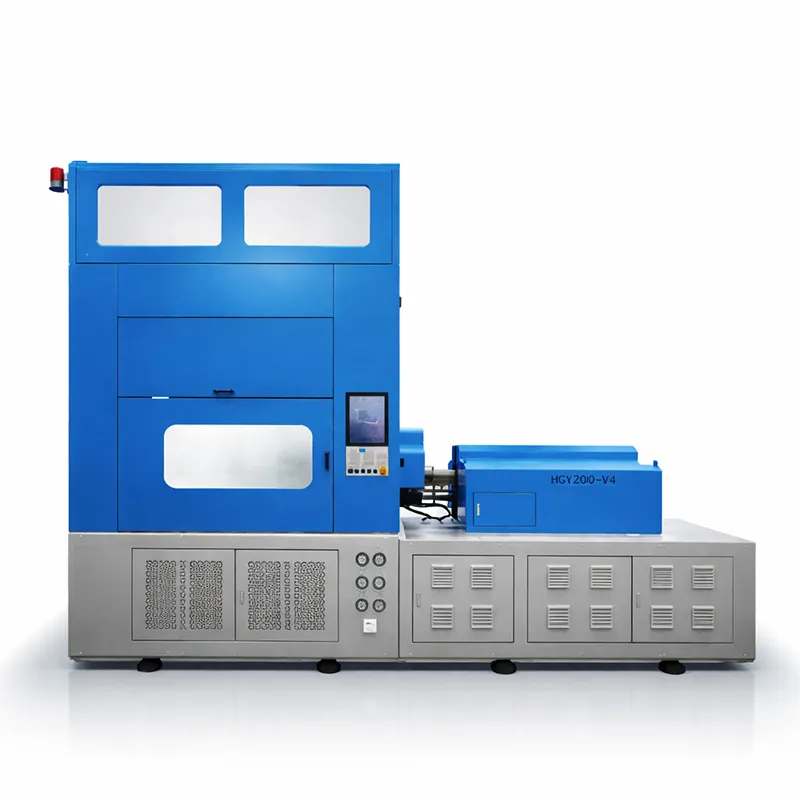
Le choix de l'acier pour les plaquettes de collet ISBM coréennes détermine à la fois la précision dimensionnelle atteignable et la durée de vie en production avant dérive dimensionnelle. Trois nuances d'acier sont utilisées pour les plaquettes de collet ISBM coréennes.
Acier pré-trempé P20 (30–36 HRC) — Norme coréenne pour les boissons PCO
L'acier P20 est l'acier standard coréen pour les inserts de col des machines ISBM destinées aux applications de boissons PCO 1881 et PCO 1810. Avec une tolérance de ±0,10 mm sur le diamètre extérieur des PCO, sa dureté assure une stabilité dimensionnelle adéquate pour les volumes de production coréens typiques (8 à 15 millions de doses par an et par cavité). Cependant, l'acier P20 ne présente pas une résistance à la corrosion suffisante pour la transformation du PETG en Corée. En effet, la fusion légèrement acide du PETG (pH équivalent à celui obtenu par hydrolyse du modificateur glycol) provoque une oxydation superficielle de l'acier P20 au niveau des crêtes du filetage après 3 à 4 millions de doses, augmentant ainsi la rugosité de surface et commençant à affecter la régularité dimensionnelle du diamètre extérieur du col. Cet acier est acceptable pour les applications de boissons en PET ; il est recommandé de le remplacer par l'acier 2316 pour les applications cosmétiques en PETG.
Acier inoxydable martensitique 2316 (32–36 HRC) — Norme coréenne pour les cosmétiques et l'industrie pharmaceutique
L'acier inoxydable 2316 offre une dureté de 32 à 36 HRC (suffisante pour une stabilité dimensionnelle à une tolérance de ±0,04 mm GPI) et une résistance à la corrosion équivalente à celle de l'acier inoxydable 316L (résistant à la fusion du PETG, aux agents de polissage et à l'humidité estivale coréenne). Les inserts de col en PETG utilisés dans les produits cosmétiques coréens (K-Beauty), les produits pharmaceutiques coréens et les gels hydroalcooliques coréens sont généralement fabriqués en acier inoxydable 2316. Durée de vie à un diamètre extérieur de ±0,04 mm GPI : 12 à 20 millions de cycles par cavité avant dérive dimensionnelle supérieure à la tolérance – l'intervalle standard pour le remplacement des inserts de col en PETG utilisés dans les produits cosmétiques coréens (K-Beauty). Le rodage au diamant à Ra ≤ 0,05 µm est la norme pour les inserts de col en acier inoxydable 2316 utilisés dans les produits cosmétiques coréens, améliorant ainsi la précision de la reproduction dimensionnelle et la qualité visuelle du filetage sur les flacons de produits cosmétiques coréens (K-Beauty).
Acier à outils pour travail à chaud H13 (48–52 HRC) — CRC Pharmaceutical coréen
L'acier H13 offre la plus haute dureté disponible pour les inserts de col ISBM coréens (48–52 HRC) pour les applications exigeant une stabilité dimensionnelle de ±0,03 mm des collets de seringue tout au long de leur cycle de vie. Aux cadences de production de seringues de seringue pharmaceutiques coréennes (4 à 6 millions d'injections par an), les inserts de col en acier H13 conservent une précision dimensionnelle de ±0,03 mm pendant 10 à 15 millions d'injections, soit trois fois la durée de vie de l'acier inoxydable 2316 à tolérance de diamètre extérieur égale. Le coût plus élevé des inserts en acier H13 (environ celui de l'acier 35% par rapport à l'acier 2316) se justifie par la moindre fréquence des requalifications des tests de performance des seringues, qui seraient déclenchées par une dérive dimensionnelle supérieure à ±0,03 mm en production.
Le cadre complet de sélection des aciers pour moules ISBM coréens — incluant l'interaction entre l'acier d'insert de col, l'acier de corps de cavité et l'acier d'insert de base pour chaque application coréenne — est le facteur 6 (acier d'insert de col) dans le Guide de sélection des moules ISBM coréens à 9 facteurs.
6. Défauts de finition du manche des ISBM coréens : causes et diagnostic
| Défaut | Apparence | Cause principale | Correction |
|---|---|---|---|
| Tolérance excessive du diamètre extérieur du col | Le blocage du système de fermeture ou le couple excessif requis ; jeu au niveau de la tête de pompe | Agrandissement de l'alésage de l'insert de collet par usure ; sur-remplissage par injection ; température de fusion trop élevée | Mesurer l'alésage de l'insert ; le remplacer s'il est usé ; réduire la pression de maintien d'injection de 5 à 10% |
| Fil de rebord / ailette de filetage | Fines ailettes en PET prolongeant les crêtes des fils ; filetages transversaux de fermeture | jeu de la ligne de séparation de l'insert de col usé supérieur à 0,02 mm ; sur-emballage par injection | Mesurer l'écart entre les deux moitiés de l'insert ; remonter les deux moitiés de l'insert ; réduire la pression d'injection |
| Cou court | Profil de filetage incomplet ; segment de filetage manquant ; paroi du col mince | Pression d'injection insuffisante ; encrassement de la buse ; température de fusion trop basse | Augmenter la pression du kit d'injection ; nettoyer l'orifice du canal chaud ; augmenter la température du cylindre de 3 à 5 °C |
| Ovalité du cou | Col non rond ; tête de pompe non verticale ; variation du couple de fermeture | Refroidissement non uniforme de l'insert de cou ; force de serrage inégale sur les deux moitiés de l'insert de cou | Mesurer la différence de température (ΔT) de l'eau de refroidissement à chaque orifice de refroidissement de l'insert du col ; équilibrer le débit ; vérifier l'alignement à moitié complet de l'insert. |
| Surface d'assise inclinée | La face de fermeture est en contact préférentiel avec un bord ; la fuite provient du côté opposé. | La face supérieure de l'insert du col n'est pas perpendiculaire à l'axe de l'alésage (inclinaison > 0,1°) ; le refroidissement du col n'est pas uniforme. | Mesurer la perpendicularité de la face d'assise du col de cygne à l'aide d'une machine à mesurer tridimensionnelle (MMT) ; rectifier l'insert si l'inclinaison est supérieure à 0,1°. |
7. Mesure de la finition du manche et protocole de contrôle qualité ISBM coréen
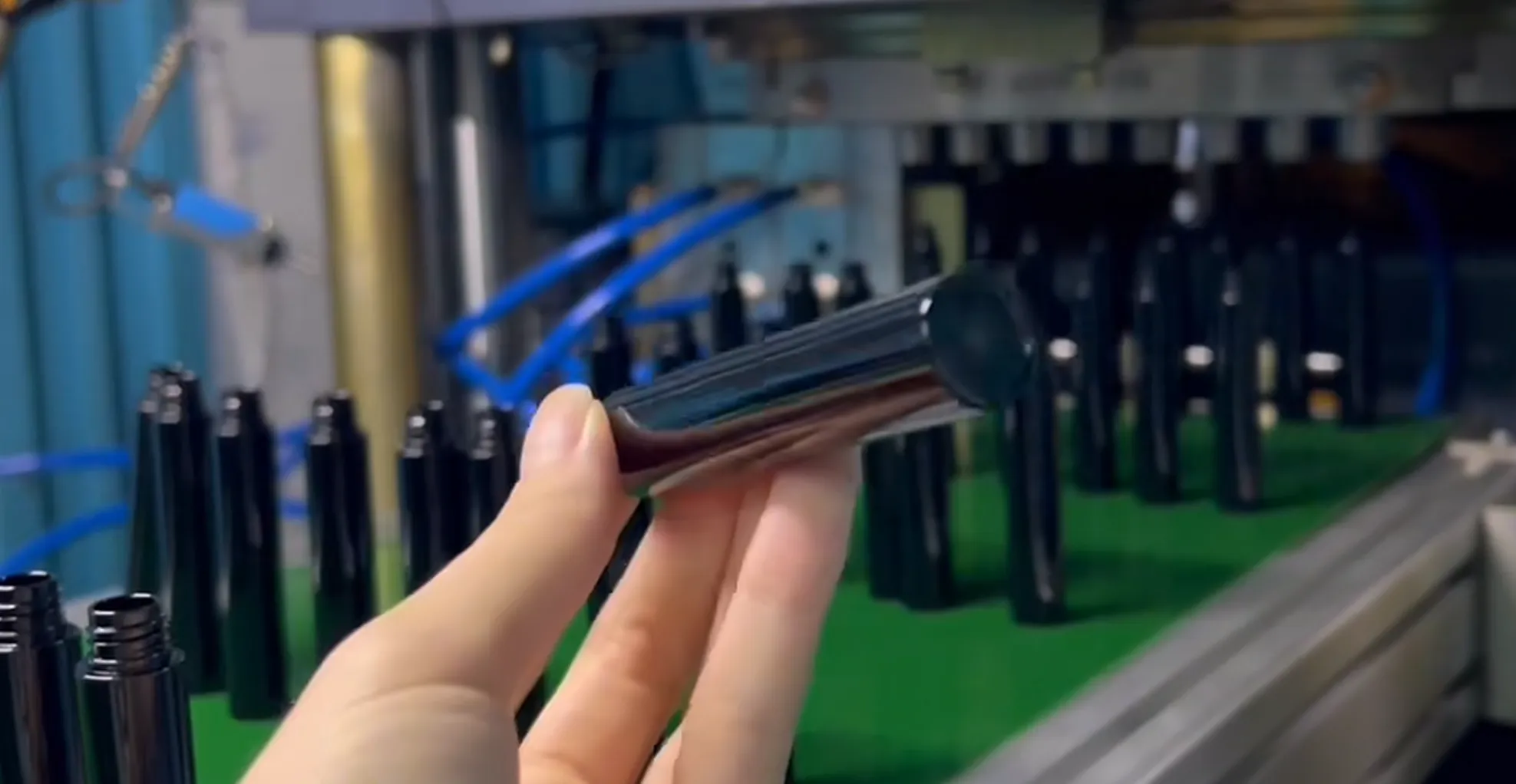
Le protocole de mesure de la finition du col ISBM coréen est structuré selon trois niveaux de fréquence et de précision. Contrôle de production par poste (5 bouteilles par cavité et par poste, pied à coulisse numérique) : diamètre extérieur du col dans deux quadrants (0° et 90°), calcul de l’ovalité, contrôle de conformité ; les résultats sont consignés dans le registre qualité de la production. Audit dimensionnel hebdomadaire (10 bouteilles par cavité, machine à mesurer tridimensionnelle ou comparateur pneumatique) : diamètre extérieur du col dans quatre quadrants, hauteur du filetage (dimensions T et L), diamètre extérieur de la bague de support, planéité de la surface d’appui ; les résultats sont comparés aux spécifications dimensionnelles de la marque coréenne (dessin ISBT PCO 1881, impression du fournisseur de bouchons GPI 28/410 ou dessin propriétaire de la marque). Inspection dimensionnelle trimestrielle des inserts de col (mesure des coordonnées sur l’insert lui-même, et non sur la bouteille) : mesure de l’alésage de l’insert dans quatre quadrants, géométrie du profil du filetage (profondeur, pas, angle), écart entre les lignes de séparation et perpendicularité de la surface d’appui ; comparaison avec les dimensions d’origine de l’insert pour confirmer que l’usure reste dans la plage de réutilisation. Les producteurs coréens d'ISBM qui mettent en œuvre ce protocole de contrôle qualité à trois niveaux pour la finition du col réduisent les rejets liés au col lors de l'inspection à réception des marques coréennes à moins de 0,1% des livraisons, contre des taux de rejet de 2 à 4% pour les producteurs coréens d'ISBM qui n'effectuent qu'une inspection visuelle superficielle de la qualité de la finition du col.
8. Profils de col coréens spéciaux : joint à induction, compte-gouttes et diffuseur à anche
Outre les profils de filetage standard PCO et GPI, l'ISBM coréen produit trois profils de col spécialisés qui requièrent des approches d'ingénierie uniques. Cols à joint par induction (pots alimentaires coréens, préparations pour nourrissons, flacons de compléments alimentaires, solutions buvables pharmaceutiques) : la surface d'appui – la surface annulaire plane située en haut du col sur laquelle se fixe le joint par induction en feuille d'aluminium – doit présenter une planéité de ±0,06 mm pour les produits pharmaceutiques/préparations pour nourrissons coréens et de ±0,08 mm pour les pots alimentaires coréens. Cette surface d'appui est l'élément du col le plus sensible aux dimensions chez l'ISBM coréen, car sa largeur n'est généralement que de 2,5 à 4 mm. La moindre inclinaison de l'insert de col (supérieure à 0,1°) crée une inclinaison de la surface d'appui qui engendre une résistance de soudure de la feuille d'aluminium non uniforme (étanchéité insuffisante du côté le plus bas, soudure excessivement brûlée du côté le plus haut). Goulots de compte-gouttes coréens (ampoules d'essence coréennes, solutions buvables pharmaceutiques coréennes, huiles de cuisson coréennes) : le diamètre intérieur du col détermine l'ajustement serré de l'embout compte-gouttes. Ce diamètre doit être maintenu à ±0,05 mm sur l'ensemble des cavités afin d'assurer une force de maintien constante de l'embout. Goulots étroits de diffuseurs à bâtonnets (parfums d'intérieur coréens, diamètre intérieur de 14 à 22 mm) : un insert de précision distinct de l'insert de profil fileté est nécessaire, car le diamètre intérieur (qui détermine le maintien du faisceau de bâtonnets) est indépendant du diamètre extérieur du filetage (qui détermine la fixation du capuchon décoratif). Les implications de ces profils de col coréens spécifiques sur la conception du moule — notamment la gestion de la ligne de séparation pour la surface d'étanchéité par induction et l'insert de précision distinct pour les cols de compte-gouttes et de diffuseur — sont traitées dans le référentiel de moules ISBM coréen, au sein du guide de sélection des moules ISBM coréen à 9 facteurs.
Foire aux questions
Assistance technique pour la finition du col
Dérive du diamètre extérieur du col de la pompe, inclinaison de la tête de pompe ou échec du test de performance CRC de marque coréenne ?
Korean Ever-Power propose un audit dimensionnel des inserts de col, une mise à niveau des inserts en acier inoxydable 2316 ou H13 pour une précision de ±0,03 à 0,04 mm, un protocole de dilatation thermique pour le contrôle qualité estival coréen, une spécification de jauge go/no-go et la plateforme HGY200-V4-EV pour l'ingénierie de finition de col des produits de beauté et pharmaceutiques coréens.
Ressources connexes
Plateforme de précision pour le cou
Coréen Ever-Power HGY200-V4
Inserts de collet en acier inoxydable 2316 GPI 24/410 et 28/410 ; équilibrage du refroidissement du collet par cavité ; inspection dimensionnelle trimestrielle des inserts en PM standard ; précision CRC ±0,03 mm disponible.
Gamme de machines
Champ de tir ISBM à 4 stations
Toutes les plateformes de véhicules électriques Ever-Power coréennes incluent un équilibrage thermique à canaux chauds par cavité pour une constance du diamètre extérieur du col d'une cavité à l'autre — la base de la qualité de finition du col des produits de beauté et pharmaceutiques coréens.
Outillage de précision pour col
Conception de moules ISBM personnalisés
Inserts de col coréens fabriqués selon les spécifications PCO 1881, GPI 28/410, GPI 24/410 et CRC P&T ; acier inoxydable 2316 ou H13 selon l'application ; certificat dimensionnel vérifié par CMM inclus avec chaque jeu d'inserts.