Применение ISBM · Детские товары · Корейский рынок 2026
Детские бутылочки ISBM корейского производства:
Руководство по безопасности при работе с тританом и материалами, не содержащими бисфенол А.
Корейские родители — самые внимательные к техническим характеристикам покупатели детской упаковки в Восточной Азии. Документация об отсутствии BPA, сертификация паровой стерилизации, испытания на ударопрочность и соответствие материалов требованиям KFDA оцениваются до покупки, а не после. Корейские производители ISBM, понимающие эти требования, получают доступ к рынку, где гарантированы премиальные цены и многолетние партнерские отношения с брендами.
Подходит для стерилизации паром.
Испытание на падение на бетонную поверхность высотой 1,5 м
Корейский инженерный отдел компании Ever Power · Ансан-си · Май 2026 г.
Хронология сертификации безопасности детских бутылочек в Корее
2008
Корея запретила использование бисфенола-А в детских бутылочках — первый регулятор в Восточной Азии, сделавший это.
2016
Маркировка KC обязательна для детских пластиковых контейнеров — официальное требование по сертификации безопасности.
2022
KFDA расширяет тестирование на миграцию бисфенольных аналогов, включив в него полный набор этих аналогов (BPA, BPF, BPS).
2026
Обязательства K-EPR по использованию рекомбинантного ПЭТ — производители детской продукции ищут решения на основе рекомбинантного ПЭТ с цепочкой поставок, исключающей использование бисфенола.
1. Корейский рынок упаковки детских товаров в 2026 году
Низкий уровень рождаемости в Корее (0,72 в 2024 году) породил парадокс на рынке детских товаров: меньше детей, больше расходов на одного ребенка. В 2026 году корейские родители тратят на каждого ребенка больше на товары премиум-класса для младенцев и детей, чем любая другая группа населения Восточной Азии — эта динамика усиливается нормами семей с одним ребенком, семьями с двумя работающими супругами и располагаемым доходом, а также корейским культурным ожиданием, что качество воспитания демонстрируется выбором качественной продукции. В результате рынок упаковки детских товаров оценивается примерно в 850 миллиардов вон в год, где контрактная цена в 120–350 вон за бутылку премиальной детской упаковки ISBM значительно превосходит экономическую эффективность стандартной упаковки для продуктов питания или напитков.
Корейским производителям упаковки ISBM, ориентированным на этот рынок, необходимо понимать его специфическую структуру: рынок движим корейскими брендами детских товаров (Comotomo Korea, Pigeon Korea, Dr. Brown's Korean Distribution, Nuk Korea) и премиальными корейскими брендами отечественного производства (Cozybag, Bebe Confort, BabyMom), которые конкурируют в основном по документации безопасности, а не по цене. Корейский производитель ISBM, способный продемонстрировать подтверждаемую документацию об отсутствии BPA, всесторонние испытания аналогов бисфенола и сертификацию ударопрочности, получает более высокую цену, которая оправдывает стоимость тритановой смолы и более высокие накладные расходы на спецификацию. Инженерная структура ISBM для детских бутылочек без BPA — включая выбор материала и параметры процесса — подробно описана в [ссылка на документацию]. Руководство по производству детских бутылочек без бисфенола-А.
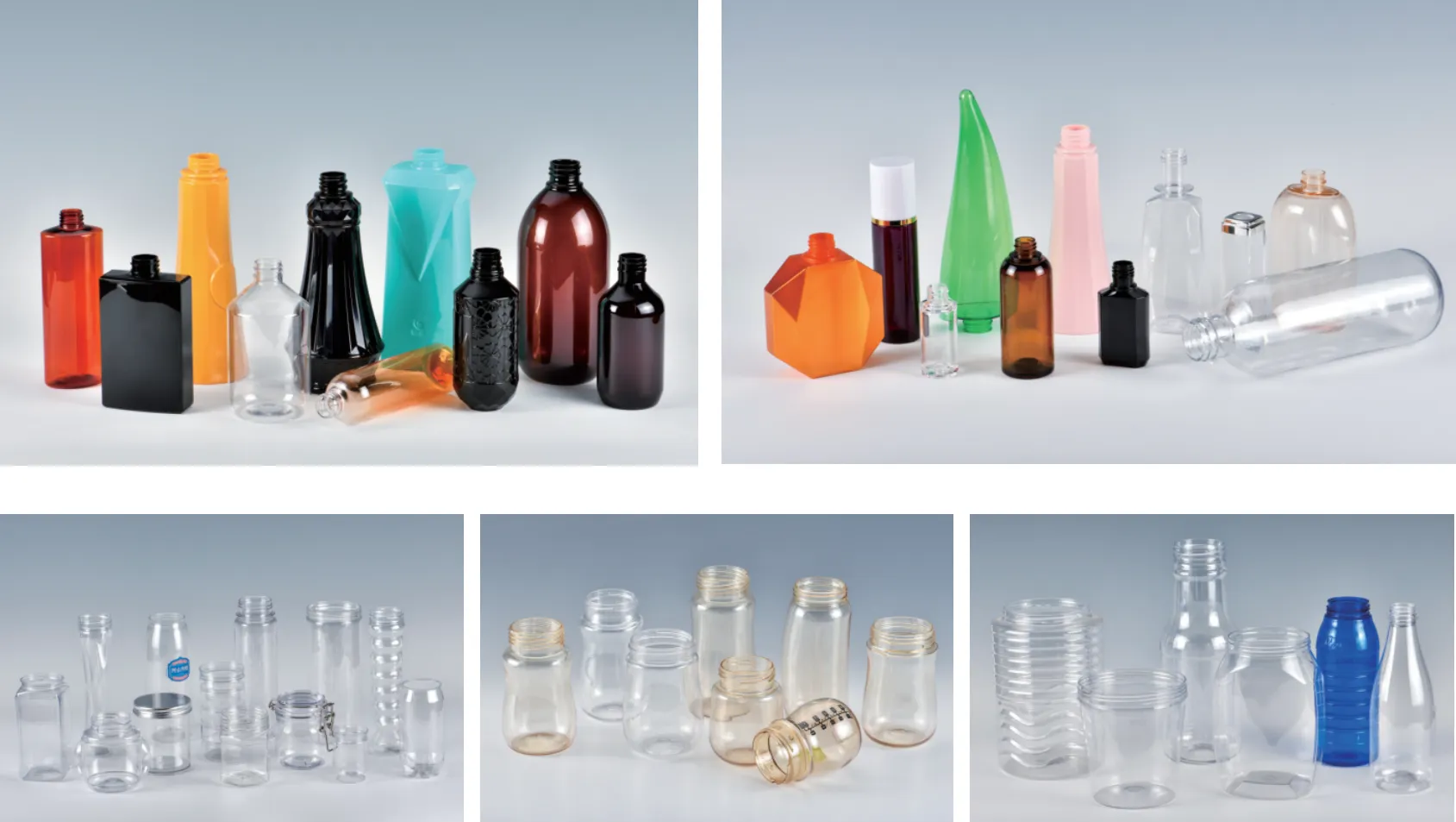
Помимо традиционных детских бутылочек, корейский рынок детских товаров ISBM в 2026 году включает в себя: поильники и тренировочные чашки для малышей (Tritan или PET, 150–350 мл, с указанием бренда K-baby), бутылочки для детских добавок (витамины, пробиотики, омега-3 в баночках из ПЭТГ с широким горлышком), многоразовые детские бутылочки для питья (Tritan, 400–750 мл, обязательна сертификация на отсутствие BPA) и контейнеры для детской косметики (лосьоны, шампуни в ПЭТ с документацией об отсутствии BPA). Каждая подкатегория имеет свои особенности в отношении материалов и требований к сертификации, которые систематически рассматриваются в данном руководстве.
2. Нормативно-правовая база Кореи в отношении продуктов, не содержащих бисфенол А: за пределами базовой декларации.
Введенный в Корее в 2008 году запрет на использование бисфенола-А в детских бутылочках стал новаторским для Восточной Азии, однако расширение списка аналогов бисфенола-А в 2022 году, включающее полный перечень (BPA, BPF, BPS и BPAF), отражает научный консенсус о том, что несколько распространенных заменителей BPA обладают схожим потенциалом нарушения эндокринной системы. Расширение списка имеет коммерческие последствия для корейских производителей детских бутылочек: декларация «без BPA», основанная исключительно на отсутствии обнаружения BPA, больше не является достаточной для соответствия требованиям к закупке детских бутылочек премиум-класса в Корее — документация должна подтверждать отсутствие обнаружения всех бисфенолов.
Для корейских производителей бутылок ISBM практические требования к документации по содержанию BPA для детских товаров в 2026 году включают: сертификат соответствия положительному списку KFDA для смолы (подтверждающий отсутствие добавок бисфенола в составе смолы); отчет о результатах сторонних испытаний на миграцию с использованием полного набора аналогов бисфенола в имитаторе пищевого контакта, соответствующем продукту (вода, уксусная кислота 3%, этанол 15% в зависимости от типа детского продукта); и «декларацию безопасности материала», подписанную менеджером по качеству производителя бутылок ISBM, подтверждающую отсутствие использования поликарбоната в процессе производства для конкретного типа бутылок. Декларация о перекрестном загрязнении поликарбонатом необходима, поскольку некоторые корейские производственные предприятия ISBM используют как тритан (без BPA), так и поликарбонат (содержащий BPA) на одном и том же оборудовании для разных задач заказчика — декларация подтверждает раздельное производство, предотвращающее перекрестное загрязнение.
Тритановый сополиэстер (Eastman Chemical) и ПЭТГ (полиэтилентерефталатгликоль) — это две смолы, которые корейские производители детской продукции используют для выполнения требований по полному списку аналогов бисфенола. Обе смолы по своей природе не содержат бисфенолов, поскольку не используют их в химическом синтезе. Техническое сравнение этих двух вариантов, включая прозрачность, стерилизующие свойства и различия в обработке, рассматривается в [ссылка на источник]. Сравнительное руководство по материалам тритан и поликарбонат.
3. Категории и характеристики детских корейских бутылочек ISBM
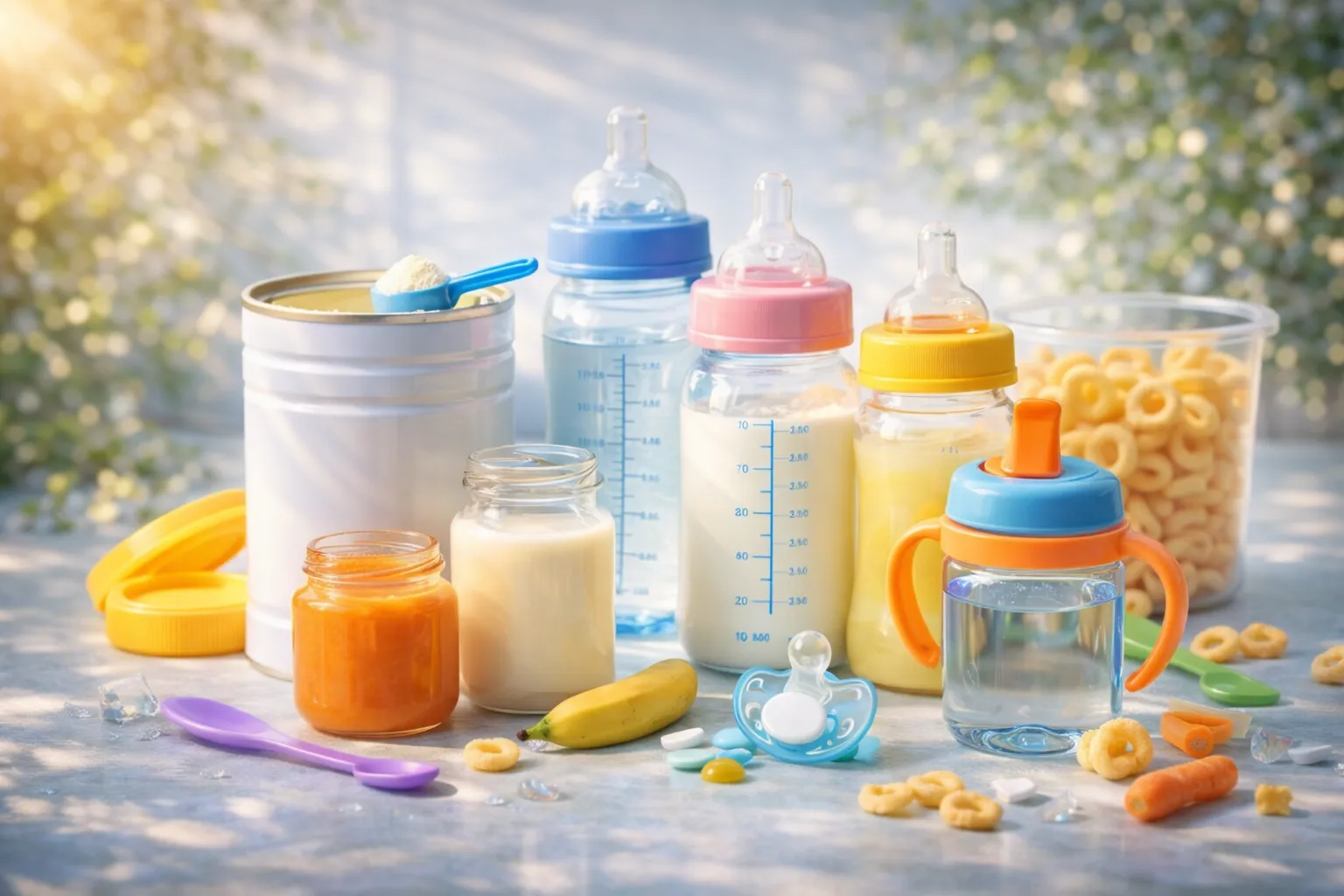
Корейская линейка детских бутылочек ISBM — бутылочки из тритана, баночки для пищевых добавок из ПЭТГ и поильники для малышей без бисфенола-А — представляет собой три основные категории корейской упаковки K-baby. Соответствие требованиям панели KFDA по контролю за содержанием аналогов бисфенола-А является обязательным для всех категорий; для применения в детских бутылочках требуется стерилизующий класс.
4. Технология обработки Tritan ISBM: температурные диапазоны и требования к качеству.
Сополиэфирная смола Eastman Tritan (TX1001, MX711 и их производные) обрабатывается на корейском 4-позиционном ISBM в условиях, отличных от условий обработки ПЭТ и ПЭТГ. Температура цилиндра находится в промежуточном диапазоне (260–285 °C, между 240–265 °C для ПЭТГ и 275–295 °C для ПЭТГ), но профиль температуры кондиционирования уникален: Tritan имеет более широкий диапазон рабочих температур ориентации (80–100 °C), чем стандартный ПЭТГ (92–110 °C), что позволяет корейским производителям ISBM, впервые работающим с Tritan, более гибко управлять процессом кондиционирования.
Два наиболее важных с коммерческой точки зрения требования к обработке тритана в корейском ISBM: Во-первых, тщательная сушка имеет решающее значение для тритана, чем для ПЭТ или ПЭТГ. Тритан поглощает влагу со скоростью приблизительно 0,051 TP3T в час при комнатной температуре — вдвое больше, чем стандартный ПЭТ. Невысушенный тритан образует продукты гидролитической деградации, которые приводят к потере прозрачности и снижению молекулярной массы, что проявляется в помутнении бутылок и ухудшении механических свойств. Корейские производители ISBM должны сушить тритан при температуре 65°C в течение 4–5 часов в осушительной сушилке (а не просто в сушилке горячим воздухом), чтобы достичь содержания влаги <50 ppm, необходимого для производства ISBM с оптической прозрачностью.
Во-вторых, правила обращения с переработанным материалом для Tritan более строгие, чем для PET: в рекомендациях Eastman по переработке Tritan указано нулевое количество переработанного материала в производстве, контактирующем с пищевыми продуктами, и максимальное количество переработанного материала в 51 TP3T в производстве, не контактирующем с пищевыми продуктами. Производство детской продукции в Корее осуществляется с использованием первичного полимера (ISBM), контактирующего с пищевыми продуктами, поэтому вся продукция из Tritan для детских бутылочек в Корее должна производиться с использованием 100 TP3T первичного полимера, без переработанного материала. Это требование об отсутствии переработанного материала увеличивает стоимость материала на бутылку, но не подлежит обсуждению в соответствии с правилами KFDA по контакту с пищевыми продуктами для детской продукции и в рамках собственной программы сертификации Eastman по Tritan для контакта с пищевыми продуктами. Более широкие соображения по выбору материала, включая причины выбора PETG для некоторых категорий, где более высокая стоимость Tritan не оправдана, рассматриваются в [ссылка на документацию]. Руководство по выбору смолы ПЭТ или ПЭТГ.
5. Сертификация KC Mark для бутылочек с детской продукцией корейского производства.
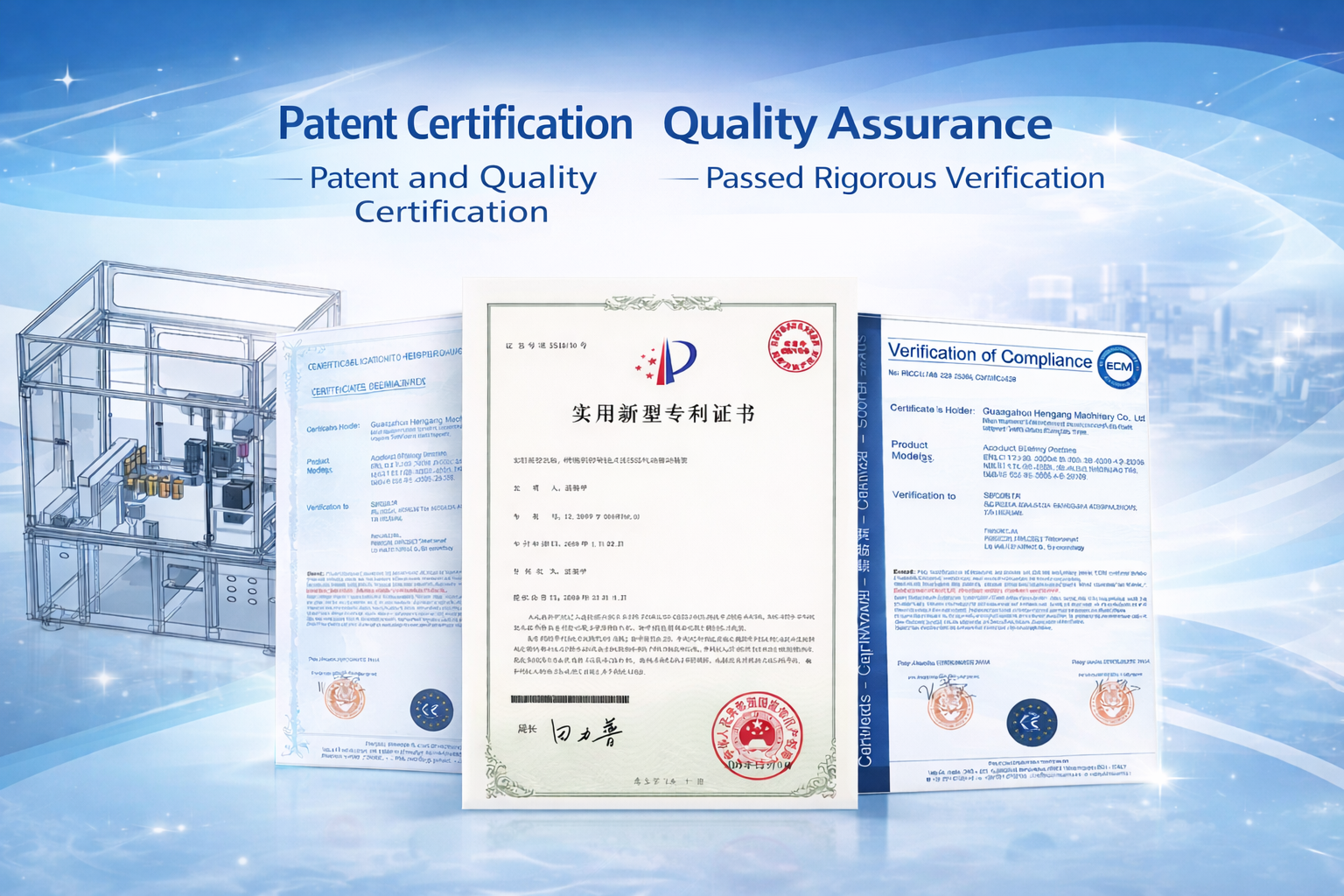
Знак KC (Korea Conformity Mark, 한국건강관리협회 안전인증) — это обязательный сертификат безопасности для детской пластиковой тары, продаваемой в Корее, в соответствии со стандартами безопасности детских товаров, эквивалентными KC 62368-1. Для бутылочек ISBM категории «Дети и малыши» (категории A и B выше) сертификация по знаку KC является обязательной для розничной продажи на внутреннем корейском рынке и должна быть получена производителем продукции (детским брендом, а не поставщиком упаковки).
Корейские производители упаковки ISBM не обязаны напрямую иметь знак KC Mark — это ответственность самих детских брендов. Однако производители ISBM могут значительно ускорить процесс подачи заявки на знак KC Mark для своих клиентов, предоставив полный «Технический файл детской упаковки»: предварительно подготовленный пакет документации, включающий сертификаты соответствия KFDA по соблюдению требований к контакту с пищевыми продуктами, полные отчеты о тестировании миграции аналогов бисфенола, отчеты о тестировании физической безопасности (на падение, сжатие, острые края) и документацию по системе качества производства. Корейские детские бренды, получающие этот полный пакет от своего поставщика ISBM, обычно завершают сертификацию KC Mark за 8–12 недель, в отличие от 18–24 недель, обычно необходимых для сбора документации по частям от нескольких поставщиков.
Для упаковки детских товаров из Кореи, предназначенной для экспортного рынка, все чаще, наряду с сертификацией KC, требуется маркировка CE (ЕС) и соответствие требованиям CPSC (США). Маркировка CE для пластиковых контейнеров для детских товаров в ЕС соответствует стандарту EN 71-3 (миграция определенных химических элементов из игрушек) и Регламенту ЕС о материалах, контактирующих с пищевыми продуктами (ЕС) 10/2011. Соответствие требованиям CPSC требует соответствия разделу 108 CPSIA (ограничение содержания BPA) и стандарту ASTM F963 для игрушек/детских товаров. Корейским производителям детской упаковки, ориентированным на экспорт, следует привлекать корейские испытательные лаборатории (SGS Korea, TÜV SÜD Korea, Intertek Korea) на ранних этапах разработки продукта для планирования одновременной сертификации KC + CE + CPSC, а не последовательно проводить эти сертификации — одновременное тестирование одних и тех же образцов сокращает общее время сертификации с 18+ месяцев до 10–14 месяцев. Инфраструктура системы качества для этого уровня документации аналогична, хотя и менее интенсивна, чем документация фармацевтического класса, описанная в [ссылка на документацию]. Руководство по производству фармацевтических флаконов в соответствии со стандартами GMP в Корее.
6. Характеристики ударопрочности при падении: инженерные решения, превосходящие минимальные стандарты.
Корейский стандарт испытаний на ударопрочность детских бутылочек предусматривает падение с высоты 1,5 м на бетонную поверхность с разных сторон (снизу, сбоку, перевернуто). Этот тест определяет минимально допустимые показатели для сертификации KC Mark. Корейские премиальные бренды детских товаров (K-baby) — и особенно импортные бренды (Philips Avent, Tommee Tippee, MAM), чьи корейские дистрибьюторы требуют местной сертификации, — устанавливают более строгий внутренний стандарт: падение с высоты 1,8 м на деревянный пол, отсутствие функциональных повреждений (отсутствие протечек жидкости, отсутствие трещин в конструкции), с максимальным допустимым количеством 3 мелких царапин на поверхности каждой бутылочки.
Распределение толщины стенок бутылок ISBM в плечевой и нижней зонах является основным инженерным фактором, определяющим ударопрочность при падении, — в частности, в пяточной зоне (зона 2 в 7-зонном протоколе измерения толщины стенок) и в зоне перехода от плеча к горлышку (зона 7). Корейские производители бутылок ISBM, внедрившие 7-зонный протокол измерения толщины стенок, знают, какие корректировки параметров процесса увеличивают толщину пяточной зоны при постоянном весе бутылки. В частности, для Tritan ударопрочность сильно коррелирует с толщиной стенки CV% в зоне 2: бутылки с толщиной стенки CV% в зоне 2 ниже 5% стабильно проходят испытание на 1,8 м; бутылки с толщиной стенки CV% в зоне 2 выше 8% иногда демонстрируют растрескивание основания и пятки при испытании на 1,8 м, даже когда средняя толщина стенки находится в пределах спецификации. Именно поэтому методика измерения, описанная в руководстве по проектированию толщины стенок, является основой производства для контрактов на поставку детских бутылочек K-baby в Корее.
7. Машинная платформа и экономика производства для корейской модели K-Baby ISBM
Экономика производства детской продукции в Корее по технологии ISBM отличается от стандартного производства напитков или средств личной гигиены двумя структурными особенностями: стоимость смолы Tritan (3800–5200 вон/кг против 1200–1600 вон/кг для стандартного ПЭТ) представляет собой гораздо более высокую долю переменных затрат, а политика нулевого повторного измельчения исключает возможность рекуперации материала, на которую опирается стандартное производство напитков для оптимизации выхода продукции. Эти структурные различия требуют наличия платформы оборудования, обеспечивающей минимально возможный процент брака — любая партия, в результате которой получается бутылка, не соответствующая спецификациям, представляет собой чистую потерю сырья по ценам на Tritan, без возможности повторного измельчения.
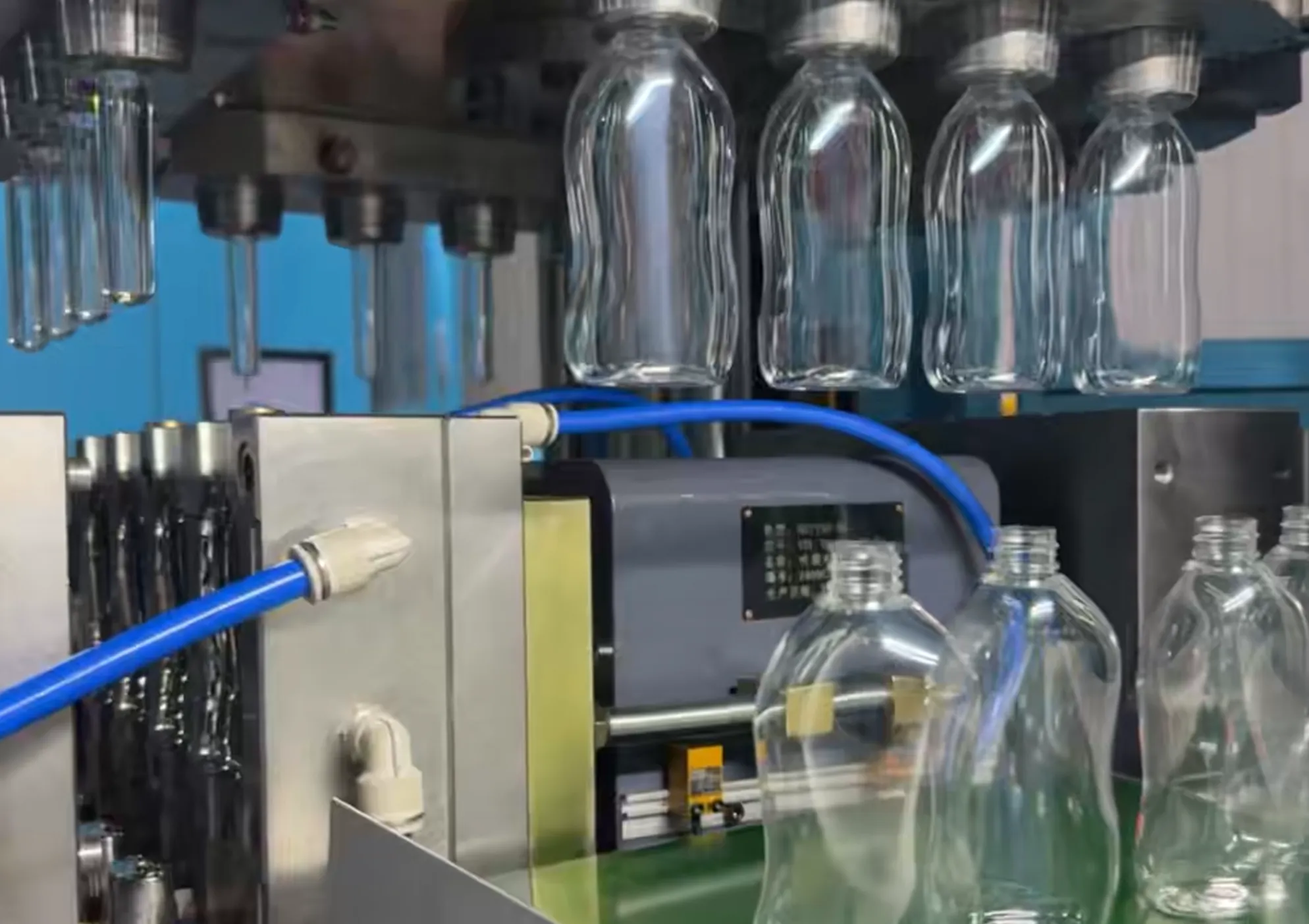
Система привода EV с полным сервоприводом является обязательным элементом корейского производства детских бутылочек из тритана: контроль температуры кондиционирования с точностью ±0,3°C, обеспечиваемый сервоприводом EV, является платформой, позволяющей поддерживать бутылочки из тритана в узком технологическом диапазоне, где одновременно достигаются как оптическая прозрачность (требуется адекватная температура кондиционирования), так и ударопрочность (требуется адекватная ориентация, которая повреждается при чрезмерном кондиционировании). Гидравлический привод с диапазоном кондиционирования ±1,5°C приведет к производству бутылочек из тритана с неравномерным распределением толщины стенок — некоторые прозрачные и прочные, другие мутные и хрупкие — создавая изменчивость качества, с которой ни одна система контроля качества не может экономически эффективно справиться, учитывая стоимость смолы тритана. HGY150-V4-EV является стандартной корейской платформой для производства детских бутылочек объемом 100–350 мл с 4 ячейками; HGY200-V4 EV с 4–6 ячейками используется для производства детских поильников и баночек для пищевых добавок.
Для расчета рентабельности инвестиций в корейский проект ISBM, ориентированный на контракты с K-baby, необходимо смоделировать более высокую стоимость смолы, меньший годовой объем продаж на единицу продукции и премиальную цену контрактов — полная финансовая модель с соответствующими предположениями о переменных затратах, специфичными для Tritan, представлена в [ссылка на модель]. Руководство по калькулятору рентабельности инвестиций в корейские станки ISBMГлавный вывод: корейское предприятие по производству детского питания K-baby Tritan ISBM, ориентированное на выпуск 4–6 миллионов единиц продукции в год по 8–12 наименованиям, достигает валовой прибыли в размере 55–90 вон с бутылки при контрактных ценах в Корее на 2026 год — окупаемость инвестиций составляет 18–28 месяцев, что быстрее, чем у предприятий по производству напитков ISBM, несмотря на более высокие капитальные затраты на единицу продукции, благодаря премиальному ценовому сегменту K-baby. На карте показан смежный премиальный сегмент корейской косметики K-Beauty, имеющий схожие характеристики продукции и требования к документации. Руководство по производству флаконов для косметики K-Beauty.
8. Корейский рынок детских товаров K-Baby и выход на него с точки зрения цепочки поставок.
Корейские производители детской одежды (K-baby) используют более длительный процесс квалификации поставщиков, чем производители любой другой категории корейской упаковки — обычно от 16 до 28 недель от первого образца до утвержденного начала производства. Длительный срок отражает серьезность решений в области безопасности: неправильный упаковочный материал, причинивший вред корейскому младенцу, влечет за собой последствия, выходящие за рамки коммерческого ущерба и включающие уголовную ответственность в соответствии с Законом об ответственности за качество продукции (제조물 책임법) и нанесение ущерба репутации бренда. Корейским производителям детской одежды, выходящим на рынок K-baby, следует рассматривать процесс квалификации поставщиков как инвестицию, а не как препятствие: 16–28 недель, затраченных на предоставление образцов, документации и проведение аудита производственных мощностей корейским производителям детской одежды, являются барьером квалификации, который исключает менее компетентных поставщиков и защищает премиальные цены утвержденных поставщиков, находящихся внутри этого барьера. Корейские производители детских товаров, успешно прошедшие квалификацию с одним крупным корейским брендом K-baby (Comotomo, Pigeon, Dr. Brown's Korea), обычно обнаруживают, что квалификация последующих брендов K-baby занимает 8–12 недель, а не 16–28, — поскольку существует необходимая документационная инфраструктура и опыт, и для каждого нового клиента необходимо проводить только тестирование, специфичное для конкретного бренда.
Часто задаваемые вопросы
Поддержка упаковки K-Baby
Разрабатываете программу производства детских бутылочек K-Baby Tritan в Корее?
Компания Korean Ever-Power предоставляет услуги по оптимизации процесса обработки Tritan ISBM, полный пакет документации по аналогам бисфенола, поддержку в подготовке технической документации KC Mark, а также конфигурацию платформы HGY150-V4-EV для корейских контрактов K-baby в масштабах производства 4–8 миллионов единиц в год.
Дополнительные ресурсы
Платформа K-Baby
HGY150-V4-EV Premium ISBM
Высокоточная сервоприводная платформа EV для производства детских бутылочек и чашек из корейского тритана — стабильность температуры ±0,3°C, необходимая для получения качества тритана без повторного измельчения.
Диапазон машин
4-станционный комплекс ISBM
Полный ассортимент корейских 4-станционных стиральных машин EverPower — от HGY150-V4-EV до HGY650-V4 — для применения в детских, подростковых и пищевых добавках.
Инструменты Tritan
Разработка пресс-формы ISBM на заказ
Формы для детских бутылочек и изделий из тритана — изготовлены из стали 738H для обеспечения оптической прозрачности, включая результаты испытаний первого образца на ударопрочность.