ISBM:n soveltaminen · Lasten tuotteet · Korean markkinat 2026
ISBM:n korealaiset lasten tuotepullot:
Tritan- ja BPA-vapaa turvallisuusopas
Korealaiset vanhemmat ovat Itä-Aasian tietoisimpia lasten pakkausmateriaalien ostajia. BPA-vapaa dokumentaatio, höyrysterilointisertifikaatti, pudotustestin suorituskyky ja KFDA-materiaalien vaatimustenmukaisuus arvioidaan ennen ostoa – ei jälkeen. Korealaiset ISBM-tuottajat, jotka ymmärtävät tätä spesifikaatiokenttää, pääsevät markkinoille, joilla premium-hinnoittelu on turvattua ja brändisuhteet ovat monivuotisia.
Höyrysterilointiluokitus
Pudotuskoe 1,5 m betonista
Korealainen Ever-Power Engineering Desk · Ansan-si · Toukokuu 2026
Korealaisten lastentuotteiden pulloturvallisuussertifioinnin aikajana
2008
Korea kieltää BPA:n tuttipulloissa – ensimmäinen Itä-Aasian sääntelyviranomainen
2016
KC-merkintä pakollinen lasten muovisäiliöille – virallinen turvallisuussertifiointivaatimus
2022
KFDA laajentaa positiivisen luettelon migraatiotestausta kattamaan koko bisfenolianalogipaneelin (BPA, BPF, BPS)
2026
K-EPR rPET -mandaatti — lastentuotteiden valmistajat etsivät rPET-ratkaisuja bisfenolipuhtaalla toimitusketjulla
1. Korean lasten tuotepakkausmarkkinat vuonna 2026
Korean korvaavuusastetta alhaisempi syntyvyys (0,72 vuonna 2024) on aiheuttanut paradoksin lastentuotemarkkinoilla: vähemmän lapsia, korkeammat lapsikohtaiset menot. Vuonna 2026 korealaiset vanhemmat käyttävät vuonna 2026 enemmän rahaa premium-vauvojen ja lasten tuotteisiin lasta kohden kuin mikään muu Itä-Aasian väestöryhmä – tätä dynamiikkaa vahvistavat yhden lapsen perheiden normit, harkinnanvaraiset tulot omaavat kaksoistuloiset kotitaloudet ja korealainen kulttuurinen odotus, jonka mukaan vanhemmuuden laatu osoitetaan tuotevalintojen kautta. Tuloksena on lastentuotepakkausmarkkinat, joiden arvo on noin 850 miljardia Etelä-Korean wonia vuodessa, ja premium-lastentuotteiden ISBM-pakkausten 120–350 Etelä-Korean wonin sopimushinta pulloa kohden on huomattavasti taloudellisempi kuin hyödykeruoka- tai juomapakkausten.
Tälle markkinalle suuntautuvien korealaisten ISBM-pakkausten tuottajien on ymmärrettävä sen erityinen rakenne: markkinoita ohjaavat korealaiset lastenvaatteiden tuotemerkit (Comotomo Korea, Pigeon Korea, Dr. Brown's Korean distribution, Nuk Korea) ja korealaiset kotimaiset tuotemerkit (Cozybag, Bebe Confort, BabyMom), jotka kilpailevat ensisijaisesti turvallisuusdokumentaatiolla eikä hinnalla. Korealainen ISBM-tuottaja, joka pystyy osoittamaan todennettavissa olevan BPA-vapaan dokumentaation, kattavat bisfenolianalogien testit ja iskunkestävyyden sertifioinnin, saa hinnoittelupreemioita, jotka oikeuttavat tritan-hartsin hinnan ja korkeammat spesifikaatiokustannukset. BPA-vapaan tuttipullon ISBM-suunnittelukehys – joka kattaa materiaalivalinnan ja prosessiparametrit – on dokumentoitu perusteellisesti BPA-vapaan tuttipullon valmistusopas.
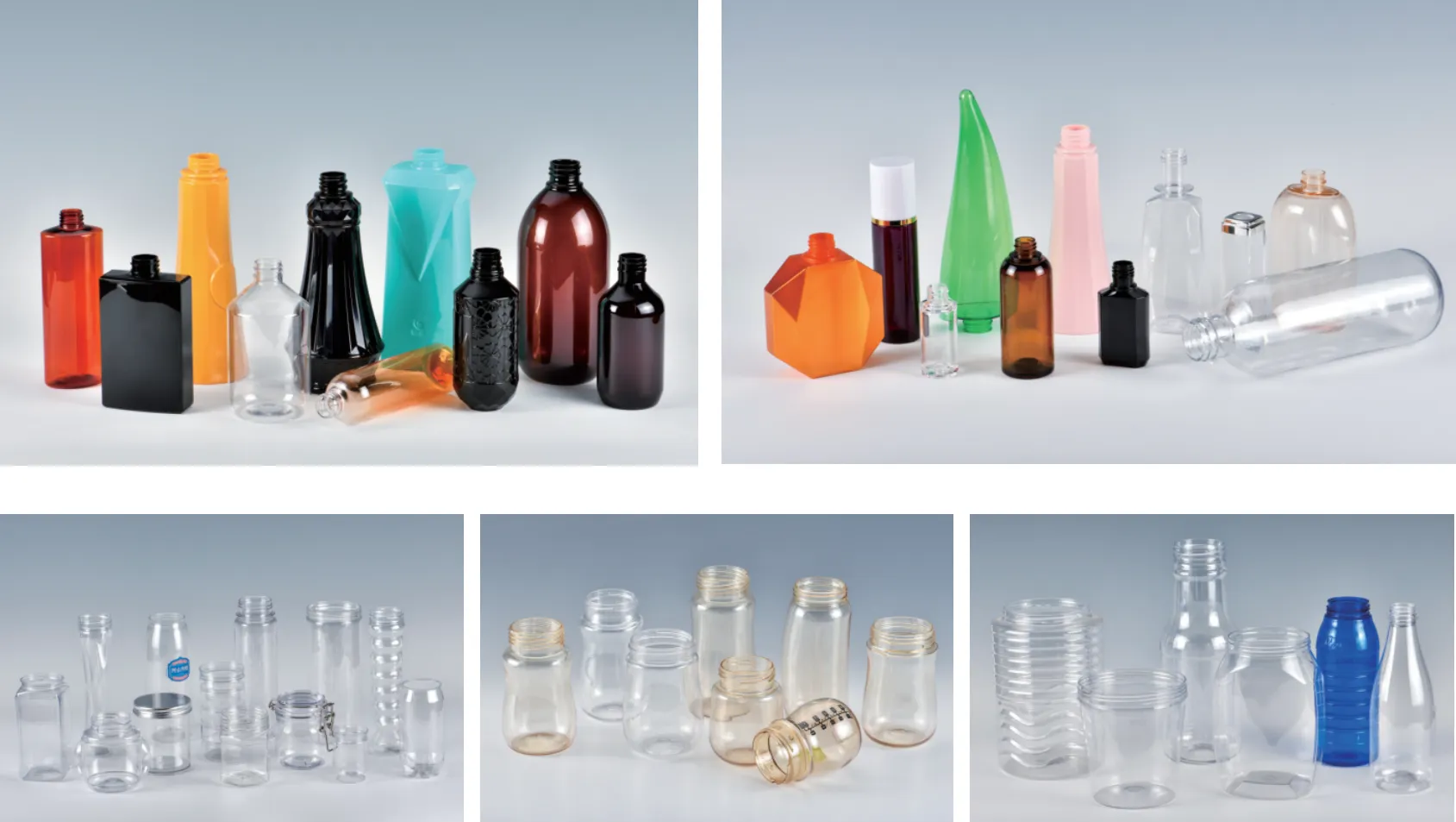
Perinteisten tuttipullojen lisäksi korealaisiin lastentuotteiden ISBM-markkinoihin vuonna 2026 kuuluvat: taaperoiden lusikkamukit ja harjoitusmukit (Tritan tai PET, 150–350 ml, K-baby-tuotemerkin mukaan), lasten lisäravinnepullot (vitamiinit, probiootit, omega-3 leveäsuisissa PETG-purkeissa), uudelleenkäytettävät lasten juomapullot (Tritan, 400–750 ml, BPA-vapaa sertifiointi pakollinen) ja lasten ihonhoitoastiat (voide, shampoo PET-muovista, jolla on BPA-vapaa dokumentaatio). Jokaisella alakategorialla on omat materiaali- ja sertifiointivaatimuksensa, joita tässä oppaassa käsitellään systemaattisesti.
2. Korean BPA-vapaa sääntelymaisema: Perusjulistuksen tuolla puolen
Korean vuonna 2008 asettama BPA-kielto tuttipulloissa oli uraauurtava Itä-Aasiassa, mutta vuonna 2022 Korean FDA:n laajennus, joka kattaa koko bisfenolianalogipaneelin (BPA, BPF, BPS ja BPAF), heijastaa tieteellistä yksimielisyyttä siitä, että useilla yleisillä BPA-korvikkeilla on samanlainen hormonitoimintaa häiritsevä potentiaali. Tällä laajennetulla paneelilla on kaupallisia vaikutuksia korealaisille ISBM-tuottajille: pelkästään BPA:n havaitsemattomuuden perusteella tehty "BPA-vapaa" -ilmoitus ei enää riitä korealaisten premium-lastenmerkkien ostovaatimusten täyttämiseen – dokumentaation on vahvistettava, ettei koko bisfenolipaneelia havaita.
Korealaisten ISBM-tuottajien lastentuotesopimusten käytännön BPA-dokumentaatiovaatimukset vuonna 2026 ovat: KFDA:n positiivisen luettelon vaatimustenmukaisuustodistus hartsille (vahvistaa, ettei hartsiformulaatiossa ole bisfenoli-lisäaineita); kolmannen osapuolen migraatiotestausraportti, jossa käytetään täyttä bisfenolianalogipaneelia tuotteen kannalta merkityksellisellä elintarvikekontaktisimulantilla (vesi, 3%-etikkahappo, 15%-etanoli lastentuotetyypistä riippuen); ja ISBM-tuottajan laatupäällikön allekirjoittama "materiaaliturvallisuusvakuutus", jossa vahvistetaan, ettei polykarbonaattia käytetä tietyn pullotyypin tuotantoprosessissa. Polykarbonaatin ristikontaminaatiovakuutus vaaditaan, koska jotkut korealaiset ISBM:n tuotantolaitokset käyttävät sekä Tritania (BPA-vapaa) että polykarbonaattia (BPA:ta sisältävää) samoilla koneilla eri asiakassovelluksiin – vakuutus vahvistaa eriytetyn tuotannon, joka estää ristikontaminaation.
Tritan-kopolyesteri (Eastman Chemical) ja PETG (polyetyleenitereftalaattiglykoli) ovat kaksi hartsia, joita korealaiset lastentuotteiden ISBM-tuottajat käyttävät täyttääkseen täydelliset bisfenolianalogiapaneelivaatimukset – molemmat ovat luonnostaan vapaita kaikista bisfenoliyhdisteluokista, koska ne eivät käytä bisfenoleja synteesikemiassaan. Näiden kahden vaihtoehdon tekninen vertailu – mukaan lukien kirkkaus, sterilointikyky ja prosessointierot – käsitellään… Tritan- ja polykarbonaattimateriaalien vertailuopas.
3. Korealaisten lasten ISBM-pullojen kategoriat ja tekniset tiedot
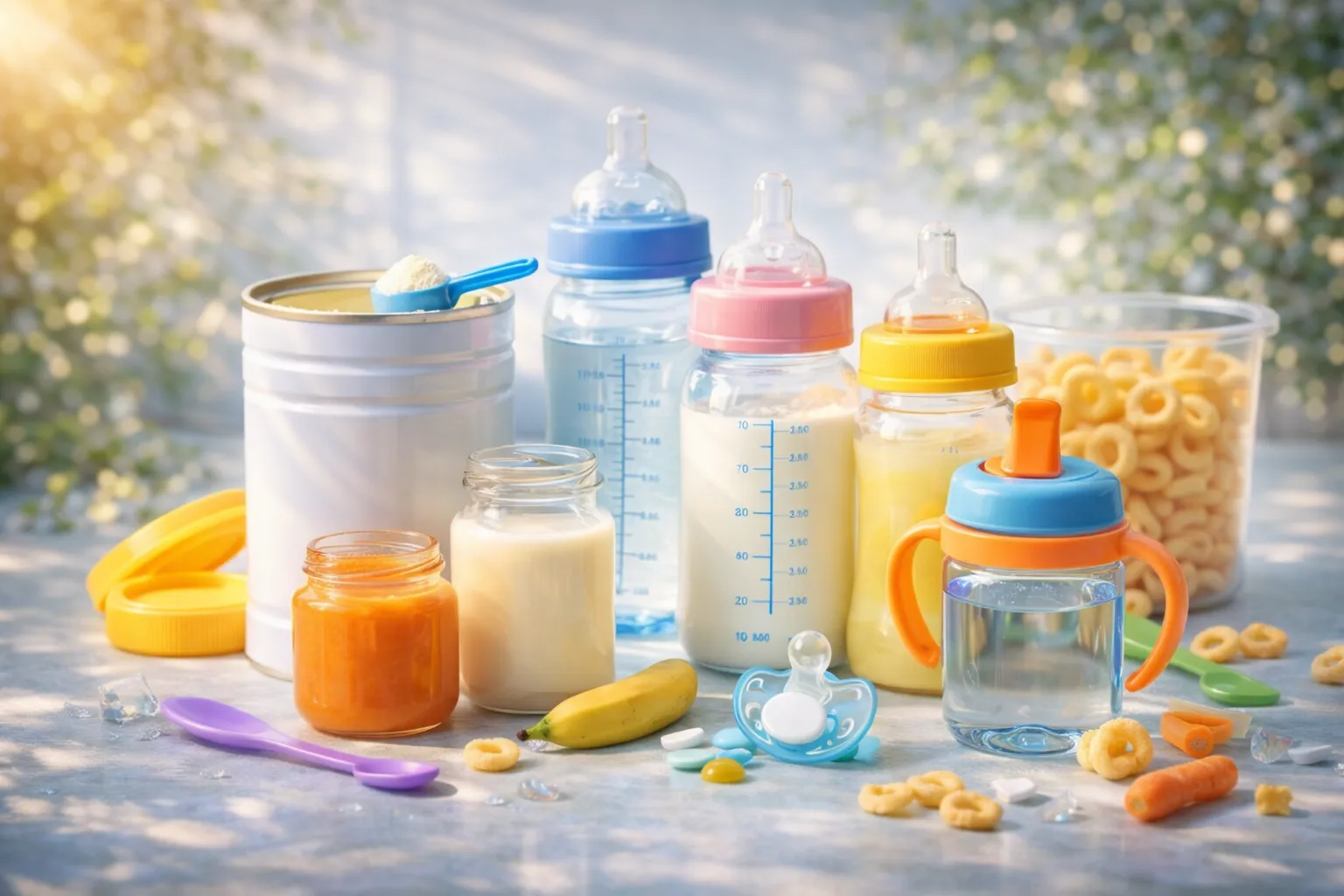
Korealainen ISBM:n lasten tuotepullovalikoima – Tritan-tuttipullot, PETG-lisäravinnepurkit ja BPA-vapaat taaperoiden lusikkamukit edustavat korealaisten lastentarvikkeiden pakkausten kolmea pääkategoriaa. Kaikissa kategorioissa on pakollista noudattaa KFDA:n bisfenolianalogipaneelien määräyksiä; tuttipullojen osalta vaaditaan sterilointiluokan suorituskykyä.
4. Tritan ISBM -käsittely: Lämpötilaikkunat ja laatuvaatimukset
Eastman Tritan -kopolyesteriprosesseja (TX1001, MX711 ja niiden johdannaiset) valmistetaan korealaisella 4-asemaisella ISBM-kierteellä olosuhteissa, jotka poikkeavat PET- ja PETG-prosesseista. Kierteisosien lämpötilat ovat näiden kahden välillä (260–285 °C, PETG:n 240–265 °C:n ja PET:n 275–295 °C:n välillä), mutta vakiointilämpötilaprofiili on ainutlaatuinen: Tritanilla on laajempi käyttökelpoinen orientaatiolämpötila-alue (80–100 °C) kuin tavallisella PET:llä (92–110 °C), mikä mahdollistaa korealaisille ISBM-kierteilyn tuottajille, joille Tritanin prosessointi on uutta, anteeksiantavaisemman vakioinnin hallinnan.
Tritanin kaksi kaupallisesti merkittävintä prosessointivaatimusta korealaisessa ISBM-tuotannossa: Ensinnäkin perusteellinen kuivaus on Tritanille tärkeämpää kuin PET:lle tai PETG:lle. Tritan imee kosteutta noin 0,051 TP3T tunnissa huoneenlämmössä – kaksinkertainen nopeus tavalliseen PET:hen verrattuna. Kuivaamaton Tritan tuottaa hydrolyyttisiä hajoamistuotteita, jotka aiheuttavat kirkkaushäviötä ja molekyylipainon pienenemistä, mikä ilmenee sameina pulloina ja heikentyneenä mekaanisena suorituskykynä. Korealaisten ISBM-tuottajien on kuivattava Tritania 65 °C:ssa 4–5 tuntia kuivausrummussa (ei pelkästään kuumailmakuivaimessa) saavuttaakseen optisen kirkkauden omaavan ISBM-tuotannon edellyttämän <50 ppm:n kosteuspitoisuuden.
Toiseksi, Tritanin uudelleenjauhatuksen hallinta on rajoitetumpaa kuin PET: Eastmanin Tritanin prosessointiohjeissa ei vaadita uudelleenjauhatusta elintarvikekontaktissa ja enintään 5%-uudelleenjauhatusta muissa kuin elintarvikekontakteissa. Korealaisten lastentuotteiden ISBM-tuotanto on elintarvikekontaktia, joten kaiken Tritanin tuotannon korealaisiin lastenpulloihin on oltava 100%-neitsythartsia, eikä uudelleenjauhatusta. Tämä nollajauhatusvaatimus lisää materiaalikustannuksia pulloa kohden, mutta siitä ei voida neuvotella KFDA:n lastentuotteiden elintarvikekontaktia koskevien määräysten eikä Eastmanin oman Tritanin elintarvikekontaktisertifiointiohjelman mukaisesti. Laajemmat materiaalivalintaan liittyvät näkökohdat – mukaan lukien miksi PETG valitaan joihinkin kategorioihin, joissa Tritanin korkeampi hinta ei ole perusteltua – käsitellään tässä asiakirjassa. PET- ja PETG-hartsien valintaopas.
5. KC-merkintäsertifikaatti korealaisille lasten tuotepulloille
KC-merkki (Korea Conformity Mark, 한국건강관리협회 안전인증) on pakollinen turvallisuussertifikaatti Koreassa myytäville lasten muovisäiliöille KC 62368-1 -standardia vastaavien lasten tuoteturvallisuusstandardien mukaisesti. Vauvojen ja taaperoiden luokkaan kuuluvien ISBM-pullojen (yllä luokat A ja B) osalta KC-merkkisertifikaatti on laillisesti pakollinen kotimaisessa Korean vähittäismyynnissä, ja tuotteen valmistajan (lasten tuotemerkin, ei pakkaustoimittajan) on hankittava se.
Korealaisten ISBM-pakkausten valmistajien ei tarvitse suoraan omistaa KC-merkkiä – se on lastentuotemerkin vastuulla. ISBM-tuottajat voivat kuitenkin nopeuttaa asiakkaidensa KC-merkin hakuprosessia huomattavasti tarjoamalla täydellisen "lasten pakkausten teknisen tiedoston": esikootun dokumentaatiopaketin, joka sisältää KFDA:n elintarvikekontaktisertifikaatit, täydelliset bisfenolianalogien migraatiotestausraportit, fyysisen turvallisuuden testiraportit (pudotus, puristus, terävä reuna) ja tuotannon laatujärjestelmän dokumentaation. Korealaiset lastentuotemerkit, jotka saavat tämän täydellisen paketin ISBM-toimittajaltaan, saavat KC-merkin sertifioinnin tyypillisesti 8–12 viikossa verrattuna 18–24 viikkoon, jotka ovat tyypillisiä silloin, kun dokumentaatio on koottava palasina useilta toimittajilta.
Vientimarkkinoille tarkoitettujen korealaisten lasten pakkausten osalta CE-merkintä (EU) ja CPSC-vaatimustenmukaisuus (USA) ovat yhä tärkeämpiä KC:n rinnalla. Lasten muovisäiliöiden CE-merkintä EU:ssa noudattaa standardia EN 71-3 (tiettyjen kemiallisten alkuaineiden siirtyminen leluista) ja EU:n elintarvikkeiden kanssa kosketuksiin joutuvia materiaaleja koskevaa asetusta (EY) 10/2011. CPSC-vaatimustenmukaisuus edellyttää CPSIA:n osan 108 (BPA-rajoitus) ja ASTM F963:n noudattamista lelujen/lastentuotteiden osalta. Korealaisten ISBM-tuottajien, jotka rakentavat vientiin keskittyvää lasten pakkauskapasiteettia, tulisi ottaa yhteyttä korealaiseen testauslaboratorioon (SGS Korea, TÜV SÜD Korea, Intertek Korea) jo tuotekehityksen alkuvaiheessa suunnitellakseen samanaikaisen KC + CE + CPSC -sertifiointipolun sen sijaan, että nämä sertifioinnit peräkkäin tehtäisiin – samojen näytteiden samanaikainen testaus lyhentää sertifioinnin kokonaisaikaa yli 18 kuukaudesta 10–14 kuukauteen. Tämän dokumentointitason laatujärjestelmän infrastruktuuri on analoginen, vaikkakin vähemmän intensiivinen, kuin lääkelaatuinen dokumentointi, jota kuvataan edellä mainitussa asiakirjassa. Korealaisten lääkepullojen GMP-tuotanto-opas.
6. Pudotuksen iskunkestävä rakenne: Minimistandardit ylittävä suunnittelu
Korealainen lasten tuttipullojen pudotustestauksen standardi on 1,5 metrin pudotus betonipinnalle useista suunnista (pohjalta, olkapäältä, sivulta ja ylösalaisin). Tämä testi määrittelee KC Mark -sertifioinnin edellyttämän vähimmäissuorituskyvyn. Korealaiset premium-luokan lasten tuttipullot – ja erityisesti maahantuotujen lasten tuttipullojen tuotemerkit (Philips Avent, Tommee Tippee, MAM), joiden korealaiset jakelijat vaativat paikallista sertifiointia – asettavat vaativamman sisäisen tuotemerkkistandardin: 1,8 metrin pudotus parkettilattialle, ei toiminnallista vikaa (ei nestevuotoa, ei rakenteellista halkeamaa), enintään 3 hyväksyttävää pientä pintanaarmua tuttipulloa kohden.
ISBM:n seinämän paksuuden jakauma olka- ja pohjavyöhykkeillä on ensisijainen tekninen vipu pudotusiskunkeston kannalta – erityisesti kantapäävyöhykkeellä (vyöhyke 2 7-vyöhykkeisessä seinämän paksuusprotokollassa) ja olkapäästä kaulaan -siirtymässä (vyöhyke 7). Korealaiset ISBM-tuottajat, jotka ovat ottaneet käyttöön 7-vyöhykkeisen seinämän paksuuden mittausprotokollan, tietävät, mitkä prosessiparametrien säädöt lisäävät kantapäävyöhykkeen paksuutta pullon painon ollessa vakio. Erityisesti Tritanin tapauksessa pudotusiskunkesto korreloi vahvasti seinämän paksuuden CV% kanssa vyöhykkeellä 2: pullot, joiden vyöhyke 2 on CV% alle 5%, läpäisevät jatkuvasti 1,8 m:n tuotemerkkistandardin; pulloissa, joiden vyöhyke 2 on CV% yli 8%, näkyy satunnaista pohjan ja kannan välistä halkeilua 1,8 m:n testissä, vaikka keskimääräinen seinämän paksuus olisi spesifikaatioiden mukainen. Tästä syystä seinämän paksuuden suunnitteluoppaassa kuvattu mittausperiaate on korealaisten K-baby-pullojen toimitussopimusten tuotannon perusta.
7. Konealusta ja tuotantotaloustiede korealaiselle K-Baby ISBM:lle
Korealaisten lastentuotteiden ISBM-tuotannon talous eroaa tavanomaisten juomien tai henkilökohtaisen hygienian tuotteiden tuotannosta kahdella rakenteellisella tavalla: Tritan-hartsin kustannukset (3 800–5 200 KRW/kg verrattuna 1 200–1 600 KRW/kg tavalliselle PET-muoville) edustavat paljon suurempaa muuttuvien kustannusten osuutta, ja nollajauhatuskäytäntö poistaa materiaalin talteenoton, josta tavanomaisten juomien tuotanto on riippuvainen saannon optimoinnissa. Nämä rakenteelliset erot edellyttävät konealustaa, jolla saavutetaan mahdollisimman pieni hylkyprosentti – jokainen annos, joka tuottaa spesifikaatioiden vastaisen pullon, on puhdasta raaka-ainehävikkiä Tritanin hinnalla, eikä uudelleenjauhatuspolkua ole.
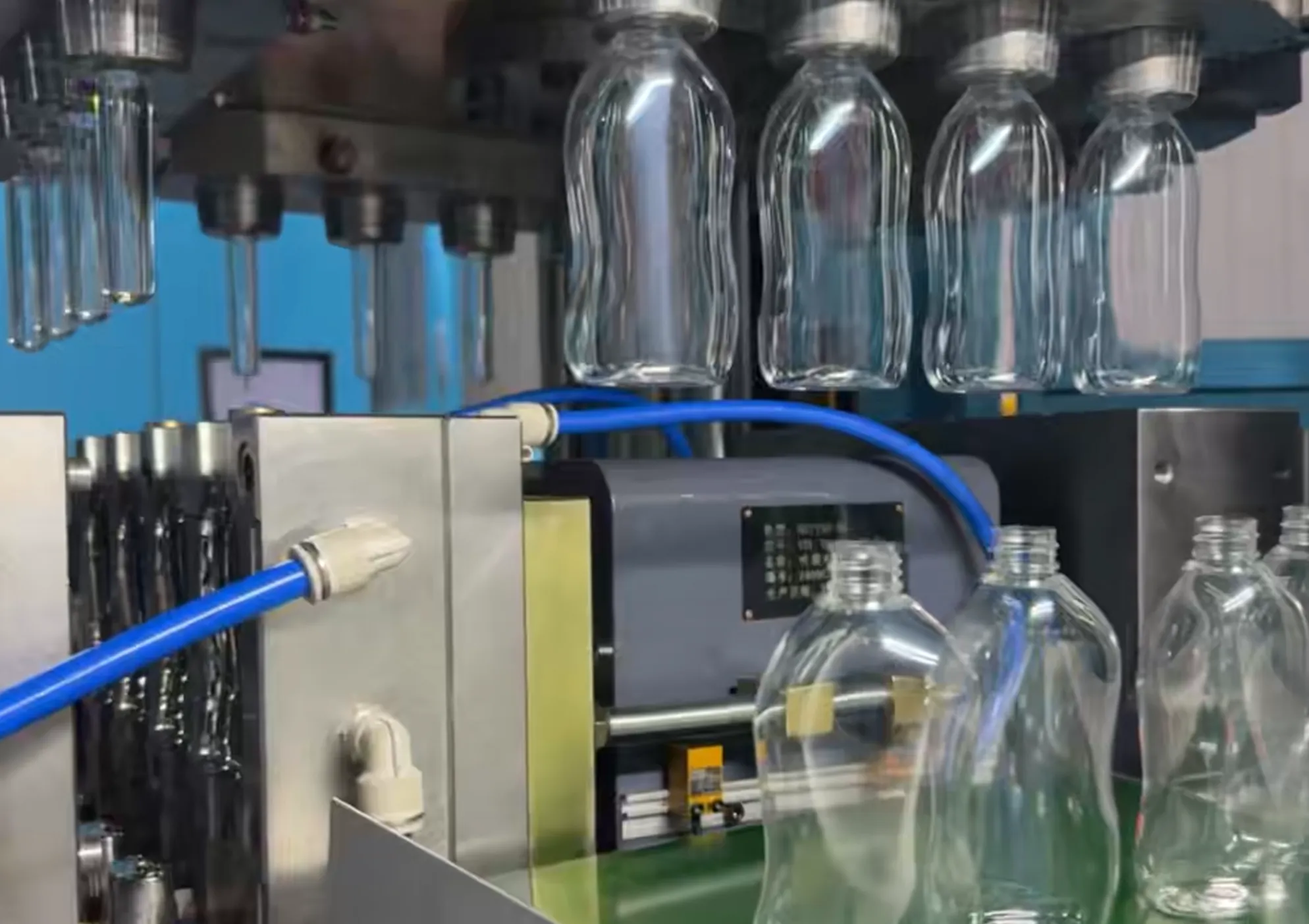
Täysin servokäyttöinen sähkökäyttöinen järjestelmä on ehdoton korealaisessa Tritanista valmistettujen lasten tuttipullojen tuotannossa: sähkökäyttöisen servon tarjoama ±0,3 °C:n lämpötilan säätö pitää Tritan-pullot kapeassa prosessi-ikkunassa, jossa saavutetaan samanaikaisesti sekä optinen kirkkaus (vaatii riittävän lämpötilan) että iskunkestävyyden pudotuskestävyys (vaatii riittävän suuntauksen, joka vaurioituu ylikonditioinnin seurauksena). Hydraulinen käyttökone, jossa on ±1,5 °C:n lämpötilavaihtelu, tuottaa Tritan-pulloja, joiden seinämän paksuusjakauma on epätasainen – jotkut kirkkaita ja vahvoja, jotkut sameita ja hauraita – mikä aiheuttaa laatuvaihtelua, jota mikään jatkotarkastusjärjestelmä ei pysty taloudellisesti hallitsemaan Tritan-hartsin kustannusten huomioon ottaen. HGY150-V4-EV on korealainen K-baby-tuotantoalusta 100–350 ml:n pulloille, joissa on 4-pesäke; 4–6-pesäinen HGY200-V4 EV palvelee taaperoiden sippaus- ja lisäravinnepurkkien kategorioita.
Erityisesti K-baby-sopimuksiin tähtäävän korealaisen ISBM-investoinnin ROI-laskelma edellyttää korkeampien hartsikustannusten, pienemmän vuosittaisen tuotenumerokohtaisen volyymin ja premium-sopimushinnoittelun mallintamista – täydellinen taloudellinen malli asianmukaisine Tritan-kohtaisine muuttuvien kustannusten oletuksineen on esitetty osiossa. Korealaisen ISBM-koneen ROI-laskimen opasKeskeinen löydös: korealainen K-baby Tritan ISBM -operaatio, jonka tavoitteena on 4–6 miljoonaa vuosittaista yksikköä 8–12 tuoteyksikössä, saavuttaa 55–90 Etelä-Korean wonin bruttokatteen pulloa kohden vuoden 2026 korealaisella sopimushinnoittelulla – sijoitetun pääoman takaisinmaksuaika on 18–28 kuukautta, mikä on nopeampaa kuin hyödykejuomien ISBM:n, huolimatta korkeammista yksikkökohtaisista pääomakustannuksista K-baby-segmentin premium-hinnoitteluluokan ansiosta. Viereinen K-Beauty premium-segmentti, jolla on samanlaiset tuotearvot ja dokumentointivaatimukset, on kartoitettu kuvassa. K-Beauty-kosmetiikkapullojen valmistusopas.
8. Korealainen lastentarhan brändimaisema ja toimitusketjuun pääsy
Korealaiset lastentarvikemerkit käyttävät toimittajien kelpuutusprosessia pidempään kuin mikään muu korealainen pakkauskategoria – tyypillisesti 16–28 viikkoa ensimmäisestä näytteestä hyväksyttyyn tuotannon alkuun. Pidempi aikaraja heijastaa turvallisuuspäätösten vakavuutta: väärän pakkausmateriaalin aiheuttama haitta korealaiselta vauvalta johtaa seurauksiin, jotka ulottuvat kaupallisten tappioiden lisäksi myös tuotevastuulain (제조물 책임법) mukaiseen rikosoikeudelliseen vastuuseen ja brändivahinkoihin. Lastentarvikemarkkinoille tulevien korealaisten ISBM-tuottajien tulisi pitää toimittajien kelpuutusprosessia investointina eikä esteenä: 16–28 viikkoa, joka kuluu näytteiden, dokumentaation ja laitostarkastusten toimittamiseen korealaisille lastentarvikemerkeille, on kelpuutuskynnys, joka sulkee pois vähemmän pätevät toimittajat ja suojaa hyväksyttyjen toimittajien premium-hinnoittelua, mutta jotka ovat kynnysarvon sisäpuolella. Korealaiset ISBM-tuottajat, jotka suorittavat hyväksynnän onnistuneesti yhden suuren korealaisen lastentarhabrändin (Comotomo, Pigeon, Dr. Brown's Korea) kanssa, huomaavat tyypillisesti, että myöhemmät lastentarhabrändin hyväksynnät kestävät 8–12 viikkoa 16–28 viikon sijaan – koska dokumentaatioinfrastruktuuri ja kokemus ovat olemassa, ja jokaiselle uudelle asiakkaalle tarvitsee suorittaa vain brändikohtainen testaus.
Usein kysytyt kysymykset
K-Babyn pakkaustuki
Oletko kehittämässä korealaista K-Baby Tritan -pullojen tuotanto-ohjelmaa?
Korealainen Ever-Power tarjoaa Tritan ISBM -prosessoinnin optimointia, täydellisiä bisfenolianalogiadokumentaatiopaketteja, KC Markin teknisen tiedostojen valmistelutukea ja HGY150-V4-EV-alustan konfigurointia korealaisille K-baby-sopimuksille 4–8 miljoonan yksikön vuosimittakaavassa.
Aiheeseen liittyvät resurssit
K-Baby-alusta
HGY150-V4-EV Premium ISBM
Tarkka, täysin servokäyttöinen sähkökäyttöinen alusta korealaiseen Tritan-tuttipullojen ja taaperomukien tuotantoon — ±0,3 °C:n käsittelystabiilisuus vaaditaan Tritan-laadulle, joka ei vaadi uudelleenjauhatusta.
Konevalikoima
4-asemainen ISBM-konesarja
Täydellinen korealainen Ever-Powerin 4-paikkainen tuotevalikoima — HGY150-V4-EV - HGY650-V4 esikoululaisille, vauvoille, taaperoille ja muille lapsille.
Tritan-työkalut
Mukautettu ISBM-muottisuunnittelu
Tritan-tuttipullo- ja lastentuotemuotit – 738H-teräksestä valmistettu ontelomateriaali optisen kirkkauden takaamiseksi, mukana ensimmäisen artikkelin pudotuskokeen hyväksyntä.