تطبيق نظام إدارة المعلومات المتكاملة (ISBM) · منتجات الأطفال · السوق الكورية 2026
عبوات منتجات الأطفال الكورية من ISBM:
دليل السلامة الخالي من مادة تريتان وBPA
يُعدّ الآباء الكوريون الأكثر وعياً بمواصفات عبوات منتجات الأطفال في شرق آسيا. فهم يُقيّمون خلوّ المنتج من مادة BPA، وشهادة التعقيم بالبخار، وأداء اختبار السقوط، ومطابقة المواد لمعايير إدارة الغذاء والدواء الكورية قبل الشراء، وليس بعده. ويستفيد منتجو عبوات ISBM الكوريون الذين يفهمون هذه المواصفات من سوقٍ يضمن أسعاراً مميزة وعلاقات طويلة الأمد مع العلامات التجارية.
تعقيم بالبخار
اختبار السقوط من ارتفاع 1.5 متر على الخرسانة
مكتب الهندسة الكوري للطاقة الدائمة · مدينة أنسان · مايو 2026
الجدول الزمني لشهادة سلامة زجاجات منتجات الأطفال الكورية
2008
كوريا الجنوبية تحظر مادة BPA في زجاجات الرضاعة - أول جهة تنظيمية في شرق آسيا تفعل ذلك
2016
علامة KC إلزامية لحاويات الأطفال البلاستيكية - شرط رسمي للحصول على شهادة السلامة
2022
توسع إدارة الغذاء والدواء الكورية نطاق اختبارات انتقال القائمة الإيجابية لتشمل لوحة كاملة من نظائر ثنائي الفينول (BPA، BPF، BPS).
2026
تفويض K-EPR بشأن استخدام البولي إيثيلين تيريفثالات المعاد تدويره (rPET) - مصنعو منتجات الأطفال الذين يبحثون عن حلول rPET ذات سلسلة توريد خالية من البيسفينول
1. سوق تغليف منتجات الأطفال في كوريا عام 2026
أدى انخفاض معدل المواليد في كوريا إلى ما دون مستوى الإحلال (0.72 في عام 2024) إلى مفارقة في سوق منتجات الأطفال: انخفاض عدد الأطفال، وارتفاع الإنفاق على كل طفل. ففي عام 2026، أنفق الآباء الكوريون على منتجات الأطفال والرضع الفاخرة أكثر من أي فئة سكانية أخرى في شرق آسيا، وهو ما تعززه معايير الأسرة ذات الطفل الواحد، والأسر ذات الدخل المزدوج التي تتمتع بدخل فائض، والتوقع الثقافي الكوري بأن جودة الأبوة والأمومة تتجلى في جودة المنتجات المختارة. ونتيجة لذلك، بلغ حجم سوق تغليف منتجات الأطفال حوالي 850 مليار وون كوري سنويًا، حيث يتفوق سعر عبوة منتجات الأطفال الفاخرة (ISBM) الذي يتراوح بين 120 و350 وون كوري للزجاجة الواحدة، بشكل ملحوظ على اقتصاديات تغليف المواد الغذائية أو المشروبات الأساسية.
يحتاج منتجو عبوات ISBM الكوريون الذين يستهدفون هذا السوق إلى فهم هيكله المحدد: فالسوق مدفوع بعلامات تجارية كورية متخصصة في منتجات الأطفال (مثل كوموتومو كوريا، وبيجون كوريا، وتوزيع دكتور براونز في كوريا، ونوك كوريا) وبعلامات تجارية كورية محلية فاخرة (مثل كوزيباغ، وبيبي كونفورت، وبيبي موم) تتنافس بشكل أساسي على وثائق السلامة وليس السعر. ويحصل منتج ISBM الكوري الذي يستطيع إثبات خلوه من مادة BPA، وإجراء اختبارات شاملة لنظائر البيسفينول، والحصول على شهادة مقاومة الصدمات، على أسعار أعلى تبرر تكلفة راتنج التريتان والتكاليف الإضافية للمواصفات. ويُوثَّق إطار هندسة ISBM لزجاجات الأطفال الخالية من BPA - الذي يغطي اختيار المواد ومعايير العملية - بشكل مفصل في... دليل تصنيع زجاجات الرضاعة الخالية من مادة BPA.
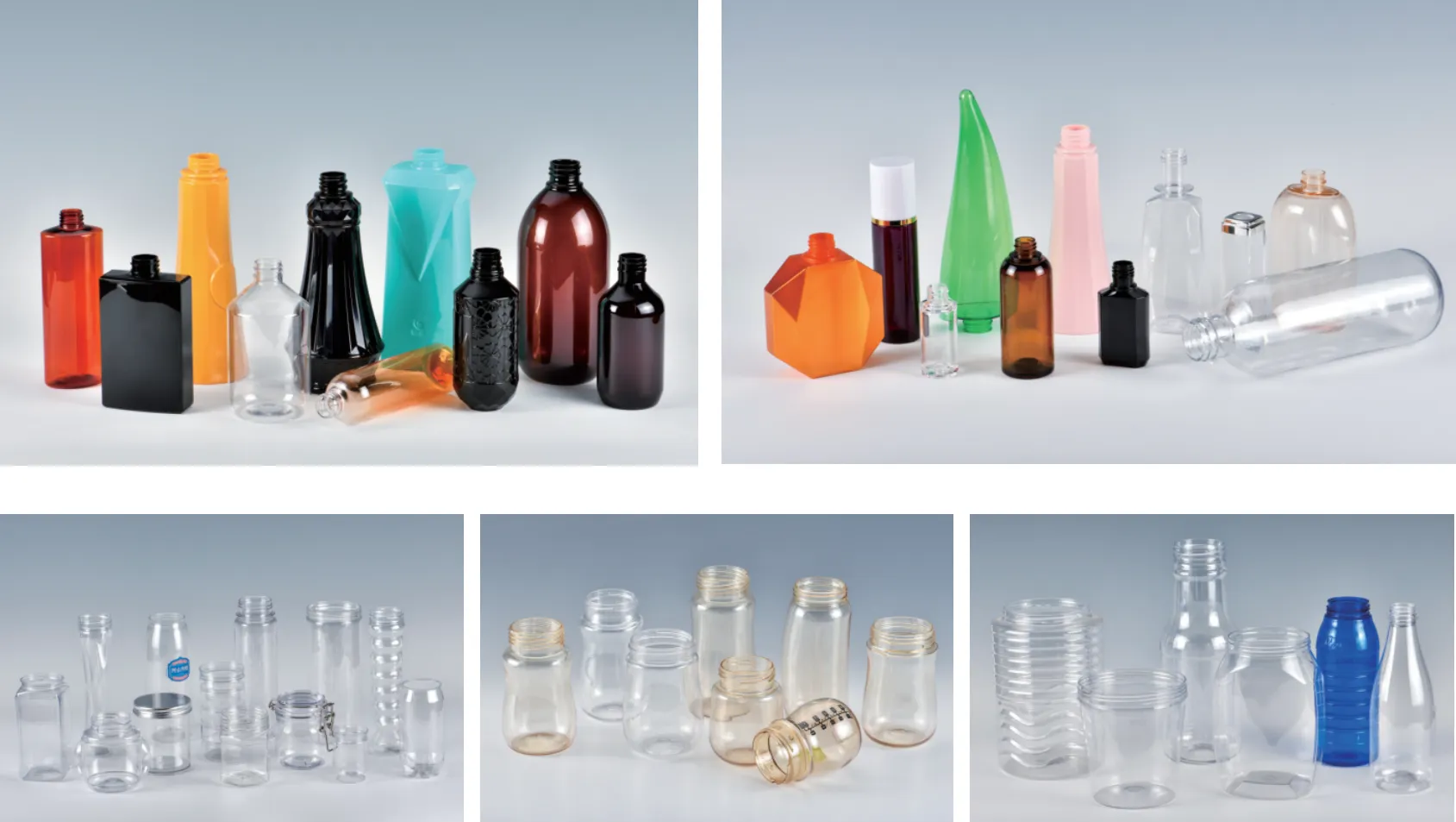
إلى جانب زجاجات الرضاعة التقليدية، يشمل سوق منتجات الأطفال الكوري (ISBM) في عام 2026 ما يلي: أكواب الشرب وأكواب التدريب للأطفال الصغار (مصنوعة من التريتان أو البولي إيثيلين تيريفثالات، بسعة 150-350 مل، من علامة تجارية محددة)، وزجاجات مكملات الأطفال (الفيتامينات، والبروبيوتيك، وأوميغا 3 في عبوات واسعة الفوهة من البولي إيثيلين تيريفثالات)، وزجاجات شرب الأطفال القابلة لإعادة الاستخدام (مصنوعة من التريتان، بسعة 400-750 مل، مع اشتراط الحصول على شهادة خلوها من مادة BPA)، وعبوات منتجات العناية ببشرة الأطفال (الغسول، والشامبو في عبوات من البولي إيثيلين تيريفثالات مع توثيق خلوها من مادة BPA). لكل فئة فرعية متطلبات خاصة بالمواد والشهادات، ويتناول هذا الدليل هذه المتطلبات بشكل منهجي.
2. المشهد التنظيمي الخالي من مادة BPA في كوريا: ما وراء الإعلان الأساسي
كان حظر كوريا الجنوبية لمادة البيسفينول أ (BPA) في زجاجات الرضاعة عام 2008 خطوة رائدة في شرق آسيا، إلا أن توسيع هيئة الغذاء والدواء الكورية (KFDA) في عام 2022 ليشمل جميع نظائر البيسفينول (BPA، BPF، BPS، وBPAF) يعكس الإجماع العلمي على أن العديد من بدائل البيسفينول أ الشائعة تحمل آثارًا مماثلة على الغدد الصماء. ولهذا التوسع في قائمة النظائر آثار تجارية على منتجي زجاجات الرضاعة الكورية: إذ لم يعد إعلان "خالٍ من البيسفينول أ" الذي يستند فقط إلى عدم الكشف عن البيسفينول أ كافيًا لتلبية متطلبات شراء العلامات التجارية الكورية المتميزة لحليب الأطفال، بل يجب أن تؤكد الوثائق عدم الكشف عن جميع نظائر البيسفينول.
بالنسبة لمنتجي عبوات ISBM الكوريين، تتمثل متطلبات التوثيق العملية المتعلقة بمادة BPA لعقود منتجات الأطفال في عام 2026 فيما يلي: شهادة امتثال من إدارة الغذاء والدواء الكورية (KFDA) للقائمة الإيجابية للراتنج (تؤكد خلو تركيبة الراتنج من إضافات البيسفينول)؛ وتقرير اختبار هجرة من طرف ثالث باستخدام لوحة نظائر البيسفينول الكاملة في محاكاة ملامسة الطعام ذات الصلة بالمنتج (الماء، حمض الخليك 3%، الإيثانول 15% حسب نوع منتج الأطفال)؛ و"إقرار سلامة المواد" موقع من مدير الجودة لدى منتج ISBM يؤكد عدم استخدام البولي كربونات في عملية إنتاج نوع الزجاجة المحدد. ويُشترط تقديم إقرار منع التلوث المتبادل بالبولي كربونات لأن بعض مصانع إنتاج ISBM الكورية تُشغّل كلاً من التريتان (الخالي من BPA) والبولي كربونات (المحتوي على BPA) على نفس الآلات لتطبيقات عملاء مختلفة - ويؤكد هذا الإقرار فصل الإنتاج لمنع التلوث المتبادل.
يستخدم منتجو منتجات الأطفال الكورية من شركة ISBM نوعين من الراتنجات: تريتان كوبوليستر (إيستمان كيميكال) وPETG (بولي إيثيلين تيريفثالات جليكول)، وذلك لتلبية متطلبات فحص نظائر البيسفينول بالكامل. ويخلو كلا النوعين بطبيعتهما من جميع فئات مركبات البيسفينول، لأنهما لا يستخدمان البيسفينول في عملية تصنيعهما. وتُغطى المقارنة التقنية بين هذين الخيارين - بما في ذلك درجة النقاء، وكفاءة التعقيم، واختلافات التصنيع - في [المصدر]. دليل مقارنة بين مادة تريتان ومادة البولي كربونات.
3. فئات ومواصفات زجاجات الرضاعة الكورية للأطفال من ISBM
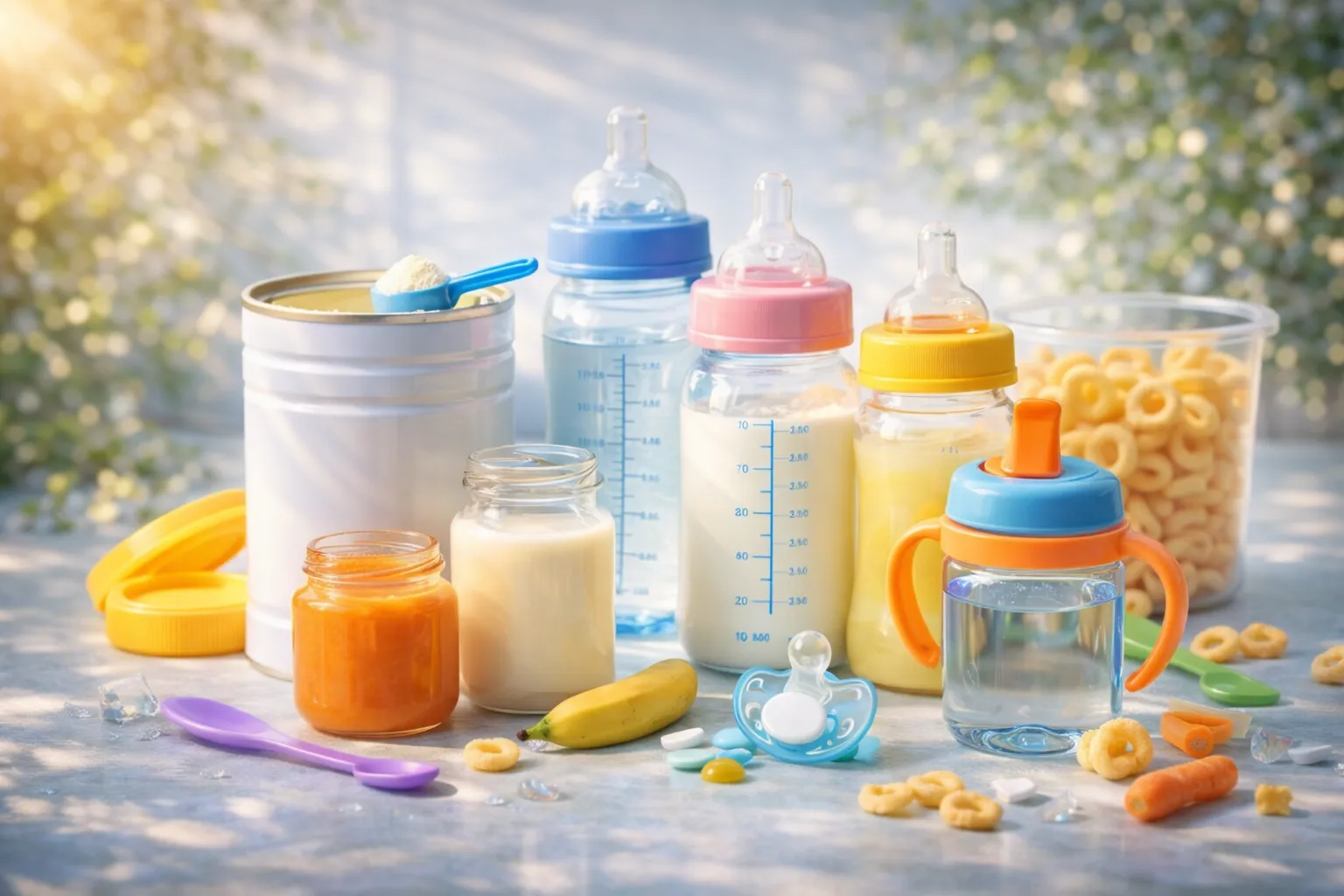
تشمل مجموعة عبوات منتجات الأطفال الكورية من ISBM ثلاث فئات رئيسية في تغليف منتجات الأطفال الكورية: زجاجات الرضاعة المصنوعة من مادة تريتان، وعلب مكملات غذائية مصنوعة من مادة PETG، وأكواب شرب للأطفال الصغار خالية من مادة BPA. ويُشترط الالتزام الكامل بمعايير هيئة الغذاء والدواء الكورية (KFDA) فيما يتعلق بنظائر البيسفينول في جميع الفئات؛ كما يُشترط أن تكون زجاجات الرضاعة معقمة تمامًا.
4. معالجة مادة تريتان ISBM: نطاقات درجة الحرارة ومتطلبات الجودة
تُجرى عمليات تصنيع كوبوليستر إيستمان تريتان (TX1001، MX711، ومشتقاتهما) على جهاز ISBM الكوري ذي الأربع محطات في ظروف تختلف عن ظروف تصنيع كل من PET وPETG. تتراوح درجات حرارة الأسطوانة بين 260-285 درجة مئوية، وهي متوسطة بين درجات حرارة PETG (240-265 درجة مئوية) وPET (275-295 درجة مئوية)، إلا أن منحنى درجة حرارة التكييف فريد من نوعه: يتميز تريتان بنطاق أوسع لدرجة حرارة التوجيه القابلة للاستخدام (80-100 درجة مئوية) مقارنةً بـ PET القياسي (92-110 درجة مئوية)، مما يسمح بإدارة تكييف أكثر مرونة لمنتجي ISBM الكوريين الجدد في معالجة تريتان.
أهم متطلبات معالجة مادة التريتان في صناعة الزجاجات الكورية ذات التغليف المتكامل (ISBM) من الناحية التجارية: أولاً، يُعد التجفيف التام أكثر أهمية للتريتان منه للبولي إيثيلين تيريفثالات (PET) أو البولي إيثيلين تيريفثالات جليكول (PETG). يمتص التريتان الرطوبة بمعدل 0.05% تقريبًا في الساعة في الظروف المحيطة، أي ضعف معدل امتصاص البولي إيثيلين تيريفثالات القياسي. ينتج عن التريتان غير المجفف نواتج تحلل مائي تُسبب فقدان الشفافية وانخفاض الوزن الجزيئي، مما يؤدي إلى ظهور الزجاجات ضبابية وانخفاض الأداء الميكانيكي. يجب على منتجي الزجاجات الكورية ذات التغليف المتكامل تجفيف التريتان عند درجة حرارة 65 درجة مئوية لمدة 4-5 ساعات في مجفف مزيل للرطوبة (وليس مجرد مجفف هواء ساخن) للوصول إلى نسبة رطوبة أقل من 50 جزءًا في المليون المطلوبة لإنتاج زجاجات ذات تغليف متكامل عالي الشفافية.
ثانيًا، تُعدّ إدارة إعادة تدوير مادة التريتان أكثر تقييدًا من إدارة إعادة تدوير مادة البولي إيثيلين تيريفثالات (PET): تنصّ إرشادات معالجة التريتان من شركة إيستمان على عدم إعادة التدوير نهائيًا في إنتاج العبوات الملامسة للأغذية، وبحد أقصى 5% في التطبيقات غير الملامسة للأغذية. ونظرًا لأن إنتاج عبوات الأطفال الكورية ISBM يتمّ في بيئة ملامسة للأغذية، فيجب أن يكون إنتاج التريتان المستخدم في زجاجات الأطفال الكورية من راتنج خام 100%، دون أي إعادة تدوير. يزيد هذا الشرط، الذي يمنع إعادة التدوير نهائيًا، من تكلفة المواد لكل زجاجة، ولكنه غير قابل للتفاوض بموجب لوائح إدارة الغذاء والدواء الكورية (KFDA) الخاصة بملامسة الأغذية لمنتجات الأطفال، وبموجب برنامج شهادة التريتان الخاص بشركة إيستمان لملامسة الأغذية. أما اعتبارات اختيار المواد الأوسع نطاقًا، بما في ذلك سبب اختيار مادة PETG في بعض الفئات التي لا يُبرّر فيها ارتفاع تكلفة التريتان، فتُغطّى في [المصدر المذكور]. دليل اختيار راتنجات PET مقابل PETG.
5. شهادة علامة الجودة الكورية (KC Mark) لزجاجات منتجات الأطفال الكورية
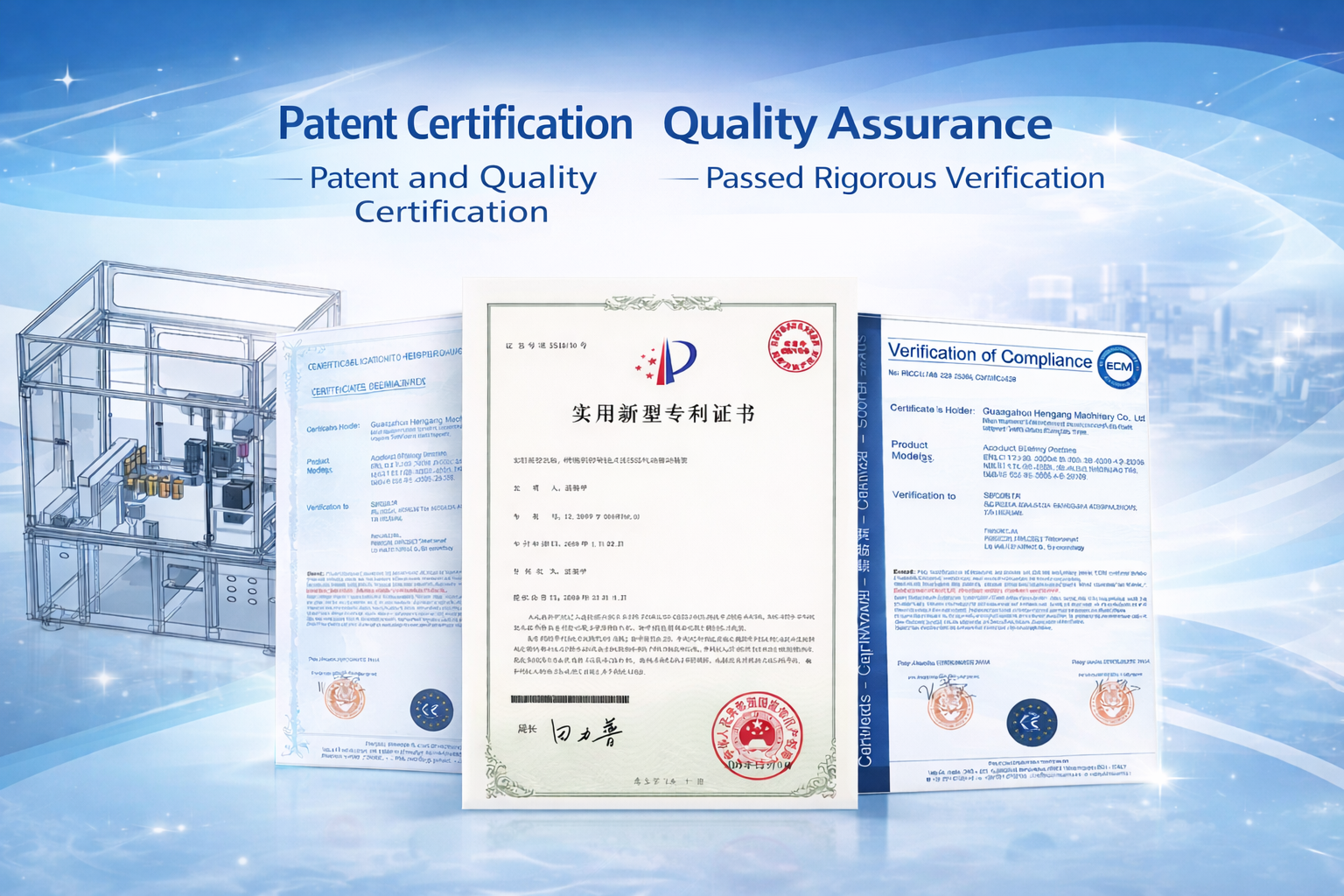
علامة KC (علامة المطابقة الكورية، 한국건강관리협회 안전인증) هي شهادة السلامة الإلزامية لعبوات الأطفال البلاستيكية المباعة في كوريا، وفقًا لمعايير KC 62368-1 المكافئة لمعايير سلامة منتجات الأطفال. بالنسبة لزجاجات ISBM في فئة الرضع والأطفال الصغار (الفئتين A وB المذكورتين أعلاه)، فإن الحصول على شهادة علامة KC إلزامي قانونًا للبيع بالتجزئة في كوريا، ويجب أن تحصل عليها الشركة المصنعة للمنتج (العلامة التجارية للأطفال، وليس مورد التغليف).
لا يُشترط على مُصنّعي عبوات ISBM الكوريين الحصول على علامة KC Mark بشكل مباشر، بل تقع مسؤولية ذلك على عاتق العلامة التجارية لمنتجات الأطفال. مع ذلك، يُمكن لمُصنّعي ISBM تسريع عملية تقديم طلبات الحصول على علامة KC Mark لعملائهم بشكل ملحوظ من خلال توفير "ملف تقني كامل لعبوات الأطفال": وهو عبارة عن حزمة وثائق مُجهزة مُسبقًا تتضمن شهادات امتثال KFDA لملامسة الطعام، وتقارير كاملة لاختبارات هجرة نظائر البيسفينول، وتقارير اختبارات السلامة الفيزيائية (السقوط، والضغط، والحواف الحادة)، ووثائق نظام جودة الإنتاج. عادةً ما تُكمل العلامات التجارية الكورية لمنتجات الأطفال التي تتلقى هذه الحزمة الكاملة من مُورّد ISBM عملية الحصول على شهادة KC Mark في غضون 8-12 أسبوعًا، مُقارنةً بـ 18-24 أسبوعًا في حال تجميع الوثائق بشكل مُجزأ من مُورّدين مُتعددين.
بالنسبة لتغليف منتجات الأطفال الكورية الموجهة للتصدير، بات الحصول على علامة CE (الاتحاد الأوروبي) والامتثال لمعايير لجنة سلامة المنتجات الاستهلاكية الأمريكية (CPSC) مطلباً متزايداً إلى جانب شهادة المطابقة الكورية (KC). وتخضع علامة CE لعبوات الأطفال البلاستيكية في الاتحاد الأوروبي لمعيار EN 71-3 (انتقال بعض العناصر الكيميائية من الألعاب) ولائحة الاتحاد الأوروبي بشأن مواد التلامس مع الأغذية (EC) 10/2011. أما الامتثال لمعايير CPSC فيتطلب الالتزام بالقسم 108 من قانون تحسين سلامة المنتجات الاستهلاكية (CPSIA) (تقييد مادة BPA) ومعيار ASTM F963 للألعاب ومنتجات الأطفال. ينبغي على منتجي تغليف منتجات الأطفال الكوريين الذين يسعون لتطوير قدراتهم في مجال تغليف منتجات الأطفال الموجهة للتصدير، الاستعانة بمختبر اختبار كوري (مثل SGS Korea أو TÜV SÜD Korea أو Intertek Korea) في المراحل الأولى من تطوير المنتج، وذلك لتخطيط مسار الحصول على شهادات KC وCE وCPSC في آنٍ واحد، بدلاً من ترتيب هذه الشهادات بشكل منفصل، حيث يقلل الاختبار المتزامن على نفس العينات من إجمالي وقت الحصول على الشهادة من أكثر من 18 شهراً إلى 10-14 شهراً. تتشابه بنية نظام الجودة لهذا المستوى من التوثيق مع بنية نظام التوثيق المستخدم في صناعة الأدوية والموصوفة في [المصدر المذكور]، وإن كانت أقل كثافة. دليل إنتاج زجاجات الأدوية الكورية وفقًا لممارسات التصنيع الجيدة (GMP).
6. أداء مقاومة الصدمات الناتجة عن السقوط: هندسة تتجاوز الحد الأدنى من المعايير
المعيار الكوري لاختبار مقاومة زجاجات الأطفال للصدمات هو إسقاطها من ارتفاع 1.5 متر على سطح خرساني من عدة زوايا (القاعدة، الكتف، الجانب، والوضع المقلوب). يحدد هذا الاختبار الحد الأدنى للأداء المقبول للحصول على شهادة علامة الجودة الكورية (KC Mark). أما العلامات التجارية الكورية المتميزة لمنتجات الأطفال، وخاصةً العلامات التجارية المستوردة (مثل فيليبس أفينت، تومي تيبي، إم إيه إم) التي يشترط موزعوها في كوريا الحصول على شهادة محلية، فتفرض معيارًا داخليًا أكثر صرامة: إسقاط الزجاجة من ارتفاع 1.8 متر على أرضية خشبية صلبة، دون أي عطل وظيفي (لا تسرب للسائل، ولا تشقق هيكلي)، وبحد أقصى ثلاث خدوش سطحية صغيرة مقبولة لكل زجاجة.
يُعدّ توزيع سُمك جدار زجاجات الرضاعة وفقًا لمعيار ISBM في منطقتي الكتف والقاعدة العامل الهندسي الأساسي لأداء مقاومة الصدمات عند السقوط، وتحديدًا منطقة الكعب (المنطقة 2 في بروتوكول قياس سُمك الجدار ذي المناطق السبع) ومنطقة الانتقال من الكتف إلى العنق (المنطقة 7). يعرف مُصنّعو زجاجات الرضاعة الكوريون الذين طبقوا بروتوكول قياس سُمك الجدار ذي المناطق السبع أيّ تعديلات على معايير العملية تُحسّن سُمك منطقة الكعب مع ثبات وزن الزجاجة. بالنسبة لزجاجات تريتان تحديدًا، يرتبط أداء مقاومة الصدمات عند السقوط ارتباطًا وثيقًا بسُمك الجدار (CV%) في المنطقة 2: فالزجاجات التي يقلّ فيها سُمك الجدار (CV%) في المنطقة 2 عن 5% تجتاز باستمرار معيار العلامة التجارية عند ارتفاع 1.8 متر؛ بينما تُظهر الزجاجات التي يزيد فيها سُمك الجدار (CV%) في المنطقة 2 عن 8% تشققات عرضية في منطقة الكعب عند اختبار 1.8 متر، حتى عندما يكون متوسط سُمك الجدار ضمن المواصفات. لهذا السبب، تُشكّل منهجية القياس الموضّحة في دليل هندسة سُمك الجدار أساسًا لإنتاج زجاجات الرضاعة الكورية (K-baby) بموجب عقود التوريد.
7. منصة الآلات واقتصاديات الإنتاج لآلة تصنيع آلات الأطفال الكورية (K-Baby ISBM)
تختلف اقتصاديات إنتاج عبوات ISBM الكورية المخصصة للأطفال عن إنتاج المشروبات أو منتجات العناية الشخصية التقليدية من ناحيتين هيكليتين: أولاً، تمثل تكلفة راتنج التريتان (3800-5200 وون كوري/كجم مقابل 1200-1600 وون كوري/كجم لراتنج PET التقليدي) نسبة أعلى بكثير من التكاليف المتغيرة، وثانياً، تلغي سياسة عدم إعادة الطحن إمكانية استعادة المواد التي يعتمد عليها إنتاج المشروبات التقليدية لتحسين الإنتاجية. تتطلب هذه الاختلافات الهيكلية منصة آلية تحقق أقل معدل هدر ممكن - فأي عملية إنتاج لزجاجة غير مطابقة للمواصفات تُعد خسارة صافية للمواد الخام بأسعار التريتان، دون أي إمكانية لاستعادة المواد المعاد تدويرها.
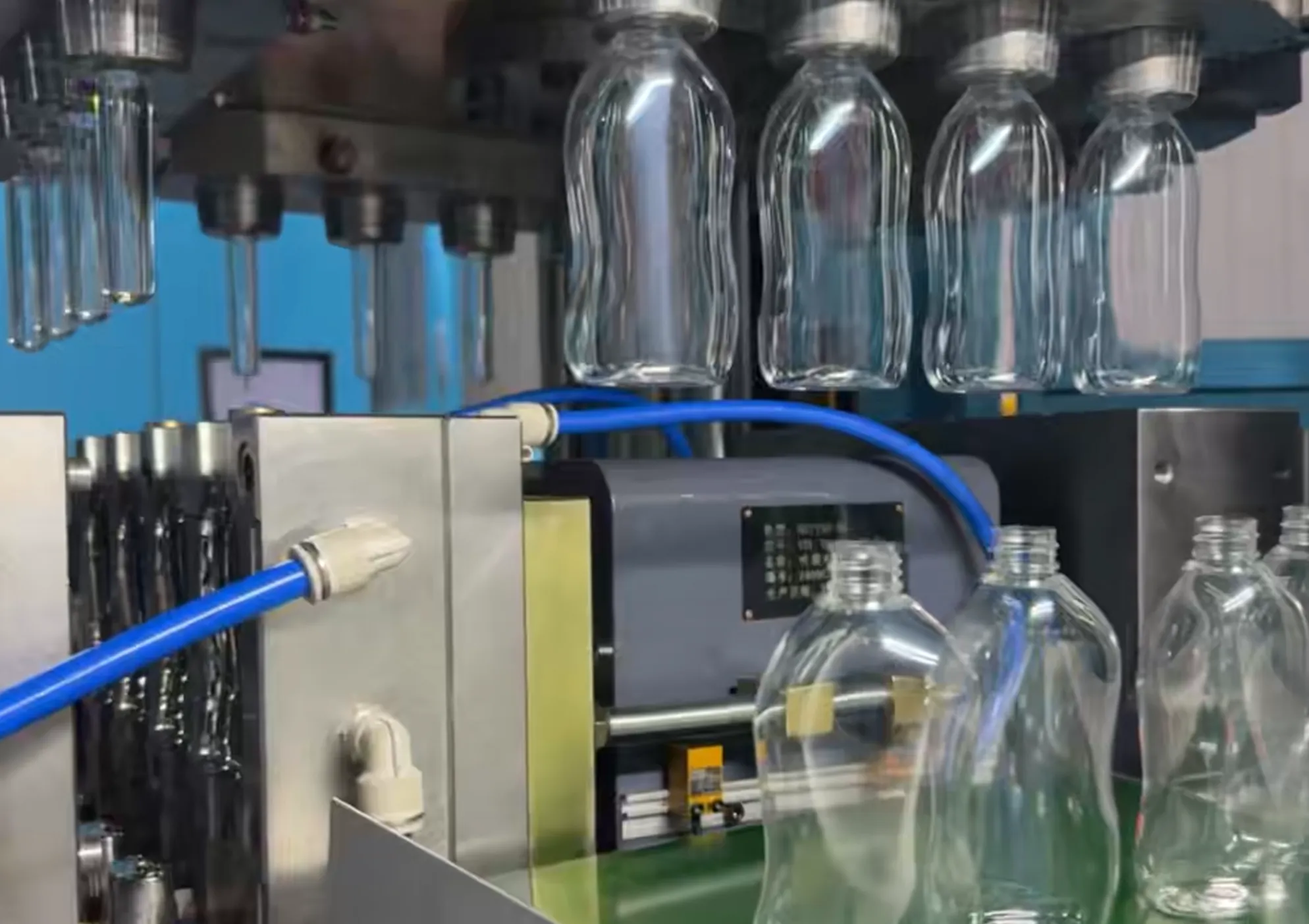
يُعدّ نظام القيادة الكهربائية المؤازرة بالكامل (EV) عنصرًا أساسيًا لا غنى عنه في إنتاج زجاجات الأطفال المصنوعة من مادة التريتان الكورية: إذ تُشكّل قدرة التحكم في درجة حرارة التكييف بدقة ±0.3 درجة مئوية، التي يوفرها نظام EV المؤازر، الميزةَ الأساسية التي تُبقي زجاجات التريتان ضمن نطاق العملية الدقيق، حيث يتم تحقيق كلٍّ من الشفافية البصرية (التي تتطلب درجة حرارة تكييف مناسبة) ومقاومة الصدمات (التي تتطلب توجيهًا مناسبًا، والذي يتضرر عند الإفراط في التكييف) في آنٍ واحد. أما آلة القيادة الهيدروليكية ذات تباين التكييف ±1.5 درجة مئوية، فستُنتج زجاجات تريتان ذات توزيع غير متجانس في سُمك الجدار - بعضها شفاف وقوي، وبعضها ضبابي وهش - مما يُؤدي إلى تباين في الجودة لا يُمكن لأي نظام فحص لاحق التعامل معه اقتصاديًا نظرًا لتكلفة راتنج التريتان. تُعتبر آلة HGY150-V4-EV منصة الإنتاج الكورية القياسية لزجاجات الأطفال (K-baby) بسعة 100-350 مل ذات 4 تجاويف؛ بينما تُستخدم آلة HGY200-V4 EV ذات 4-6 تجاويف لفئات زجاجات الشرب للأطفال الصغار وزجاجات المكملات الغذائية.
يتطلب حساب عائد الاستثمار لاستثمار ISBM الكوري الذي يستهدف عقود K-baby على وجه التحديد نمذجة تكلفة الراتنج الأعلى، والحجم السنوي الأقل لكل وحدة تخزين، وتسعير العقود المميزة - يتم توفير نموذج مالي كامل مع افتراضات مناسبة لتكاليف متغيرة خاصة بمادة تريتان في دليل حاسبة العائد على الاستثمار لآلات ISBM الكوريةالنتيجة الرئيسية: حققت عملية إنتاج تريتان للأطفال في كوريا الجنوبية، والتي تستهدف بيع 4-6 ملايين وحدة سنويًا عبر 8-12 منتجًا، هامش ربح إجمالي يتراوح بين 55 و90 وون كوري للزجاجة الواحدة وفقًا لأسعار العقود الكورية لعام 2026، مع فترة استرداد استثمار تتراوح بين 18 و28 شهرًا، وهي فترة أسرع من عملية إنتاج المشروبات الأساسية، على الرغم من ارتفاع تكلفة رأس المال للوحدة الواحدة، وذلك بفضل فئة التسعير المتميزة التي يتمتع بها قطاع منتجات الأطفال. كما تم توضيح قطاع منتجات التجميل الكورية المتميز المجاور، والذي يتشارك في قيم المنتجات ومتطلبات التوثيق، في... دليل تصنيع زجاجات مستحضرات التجميل الكورية.
8. المشهد العام لعلامات منتجات الأطفال الكورية ودخول سلسلة التوريد
تُطبّق العلامات التجارية الكورية لمنتجات الأطفال عملية تأهيل موردين أطول من أي فئة تغليف كورية أخرى، حيث تستغرق عادةً من 16 إلى 28 أسبوعًا من أول عينة إلى بدء الإنتاج المُعتمد. ويعكس هذا الجدول الزمني الطويل خطورة قرارات السلامة: فاستخدام مواد تغليف خاطئة تُلحق الضرر بالرضيع الكوري له عواقب تتجاوز الخسائر التجارية لتشمل المسؤولية الجنائية بموجب قانون مسؤولية المنتج (제조물 책임법) والإضرار المستمر بالعلامة التجارية. لذا، ينبغي على مُصنّعي منتجات الأطفال الكوريين الذين يدخلون سوق منتجات الأطفال الكورية التعامل مع عملية تأهيل الموردين كاستثمار لا كعائق: فالفترة التي تتراوح بين 16 و28 أسبوعًا التي تُقضى في تقديم العينات والوثائق وعمليات تدقيق المرافق للعلامات التجارية الكورية لمنتجات الأطفال تُشكّل حاجز التأهيل الذي يستبعد الموردين الأقل كفاءة ويحمي الأسعار المرتفعة للموردين المُعتمدين الذين يستوفون شروط التأهيل. يجد منتجو ISBM الكوريون الذين يكملون بنجاح التأهيل مع إحدى العلامات التجارية الكورية الرئيسية لمنتجات الأطفال (كوموتومو، بيجون، دكتور براونز كوريا) عادةً أن تأهيل العلامات التجارية الكورية اللاحقة لمنتجات الأطفال يستغرق من 8 إلى 12 أسبوعًا بدلاً من 16 إلى 28 أسبوعًا - وذلك لوجود البنية التحتية للوثائق والسجل الحافل، ولا يلزم سوى إكمال الاختبارات الخاصة بالعلامة التجارية لكل عميل جديد.
الأسئلة الشائعة
دعم تغليف منتجات الأطفال
تطوير برنامج كوري لإنتاج زجاجات الأطفال المصنوعة من مادة التريتان؟
توفر شركة إيفر-باور الكورية تحسين معالجة تريتان ISBM، وحزم توثيق كاملة لنظائر ثنائي الفينول، ودعم إعداد الملفات التقنية لعلامة KC، وتكوين منصة HGY150-V4-EV لعقود K-baby الكورية على نطاق 4-8 ملايين وحدة سنوية.
موارد ذات صلة
منصة كي-بيبي
HGY150-V4-EV Premium ISBM
منصة EV الدقيقة ذات المؤازرة الكاملة لإنتاج زجاجات الأطفال وأكواب الأطفال الصغار المصنوعة من مادة تريتان الكورية - استقرار التكييف ±0.3 درجة مئوية مطلوب لجودة تريتان بدون إعادة طحن.
نطاق الآلات
مجموعة آلات ISBM ذات 4 محطات
مجموعة كاملة من أجهزة Ever-Power الكورية ذات 4 محطات - من HGY150-V4-EV إلى HGY650-V4 لتطبيقات مكملات الأطفال الرضع والأطفال الصغار والأطفال.
أدوات تريتان
تصميم قوالب ISBM مخصصة
قوالب زجاجات الأطفال ومنتجات الأطفال المصنوعة من مادة تريتان - فولاذ تجويف 738H للوضوح البصري، مع تضمين تأهيل اختبار السقوط للنموذج الأول.