Pharmaceutical IBM · Korean KFDA GMP · Korea Ever-Power
Шприцване чрез раздуване за
Фармацевтични бутилки
Injection blow molding is the process standard for Korean pharmaceutical primary packaging in HDPE and PP. It is the only blow molding process that consistently meets Korean KFDA GMP dimensional requirements for CRC containers without secondary neck processing, eliminates particulate contamination risk from flash trimming, and achieves the cavity counts required for Korean pharmaceutical production economics at 10–100 ml formats. This guide covers container formats, Korean KFDA qualification, neck precision, cleanroom considerations and machine selection for Korean pharmaceutical IBM production.
CRC and Neck Precision
Zero Particulate IBM Production
Инженерно бюро „Ever-Power“ в Корея · Ансан-си · юли 2026 г.
Pharmaceutical IBM — Korean Production Reference
±0,05 мм
IBM neck OD tolerance — Korean KFDA CRC qualification standard ±0.06 mm
Нулева светкавица
No trim station — no particulate risk in Korean pharmaceutical cleanroom
До 30
Max cavities at 10 ml — Korean pharmaceutical mega-scale IBM (ZQ135)
KFDA · ICH
Korean pharmaceutical IBM container qualification framework alignment
1. Why IBM Is the Korean Pharmaceutical Process Standard

Injection blow molding has established itself as the process standard for Korean pharmaceutical primary packaging in HDPE and PP through the convergence of three process advantages that are uniquely relevant to Korean pharmaceutical production requirements. First, injection-moulded neck precision: IBM produces the bottle neck by injection moulding — the same precision manufacturing process that produces pharmaceutical closure components — achieving ±0.05 mm neck OD tolerance consistently across all cavities and all production cycles. This precision is the enabling capability for Korean pharmaceutical CRC containers, dropper-cap bottles and pump-dispenser primary containers, all of which require closure engagement at dimensional tolerances that extrusion blow molding cannot achieve without secondary neck processing. Second, zero flash and zero particulate generation: IBM produces no flash at any stage of the process, which means no trim station, no mechanical trimming operation, and no plastic particles generated in the production environment. For Korean pharmaceutical cleanroom production where particulate control is a GMP requirement, IBM’s inherent particle-free process is a direct regulatory compliance advantage over EBM. Third, multi-cavity efficiency: IBM’s машина за шприцване с раздувна форма platforms achieve up to 30 cavities at 10 ml — cavity counts that allow Korean pharmaceutical production economics at single-machine scale that EBM cannot approach at small formats.
Korean pharmaceutical container production is further driven by specific Korean regulatory requirements. Korean KFDA (Ministry of Food and Drug Safety) pharmaceutical container regulations require container qualification documentation that includes dimensional compliance, chemical compatibility, extractables and leachables data, and closure function testing — all of which IBM containers pass through established qualification protocols. Korean pharmaceutical brands, Korean contract manufacturers and Korean pharmaceutical exporters all specify IBM containers for their pharmaceutical primary packaging at small formats as a result of this regulatory and quality alignment.
2. Korean KFDA Pharmaceutical Container Requirements
Korean pharmaceutical primary container requirements are established by Korean KFDA (식품의약품안전처) under the Korean Pharmaceutical Affairs Act and the Korean Pharmacopoeia (KP). Korean pharmaceutical container requirements align substantially with ICH Q6A specifications and USP/EP plastic container standards, with Korean-specific additions for certain container format types. Korean pharmaceutical IBM container producers must understand which KFDA requirements apply to their specific container formats before beginning the Korean pharmaceutical qualification process.
Korean KFDA Plastic Container Standards
Korean Pharmacopoeia (KP) General Monograph for Plastic Containers for Pharmaceutical Use specifies test requirements for HDPE and PP pharmaceutical containers including: extractables below KP limits in water, 4% acetic acid, ethanol 20%, heptane and methanol extraction media; heavy metals below 1 ppm; phenol below 5 ppm; UV absorbance within limits. IBM containers must pass these tests at the specified wall thickness using the production HDPE or PP resin grade — not a laboratory test specimen. Korean pharmaceutical IBM producers should conduct extractables testing on actual production containers from their IBM machine at their production conditions, using resin from the same commercial lot that will supply production, to ensure that test results represent the commercial product that Korean pharmaceutical brands will validate.
Korean KFDA additionally requires specific dimensional documentation for pharmaceutical primary containers used with registered Korean pharmaceutical products. The Korean pharmaceutical dossier (Korean NDA equivalent) includes container specifications covering: nominal volume with fill-level mark position, neck OD and bore diameter with tolerances, closure engagement torque specification, container material identification (resin type, grade, Korean KFDA positive list status), and colour (transparent, natural HDPE, pigmented HDPE if applicable). Any change to the container specification — including resin lot change, production machine change, or cavity count change — requires a Korean KFDA container change notification and may require re-qualification testing depending on the nature of the change.
Key Container Format Requirements
| Container Format | Korean KFDA Key Requirement | IBM Compliance Status |
|---|---|---|
| Ophthalmic (eye drop) | Sterile filling compatibility, dropper tip fit ±0.05 mm, particulate free (KFDA injectables standard) | Native — injection neck, zero flash ✓ |
| CRC Medicine Bottle | CRC cap engagement per KS M ISO 8317, neck OD ±0.06 mm, thread OD ±0.05 mm | Native — injection neck ±0.05 mm ✓ |
| Oral Liquid Vial | Induction seal compatibility, neck flatness ±0.1 mm, chemical compatibility 24-month | Native — flat neck sealing surface ✓ |
| Pump Dispenser Primary | Pump collar engagement, neck bore ±0.08 mm, chemical compatibility | Native — injection neck bore precision ✓ |
| Autoclave PP Container | 121°C steam resistance, dimensional retention post-autoclave, KP plastic test | PP IBM — heat-resistant grade required ✓ |
3. HDPE Pharmaceutical IBM Containers: Formats and Specifications
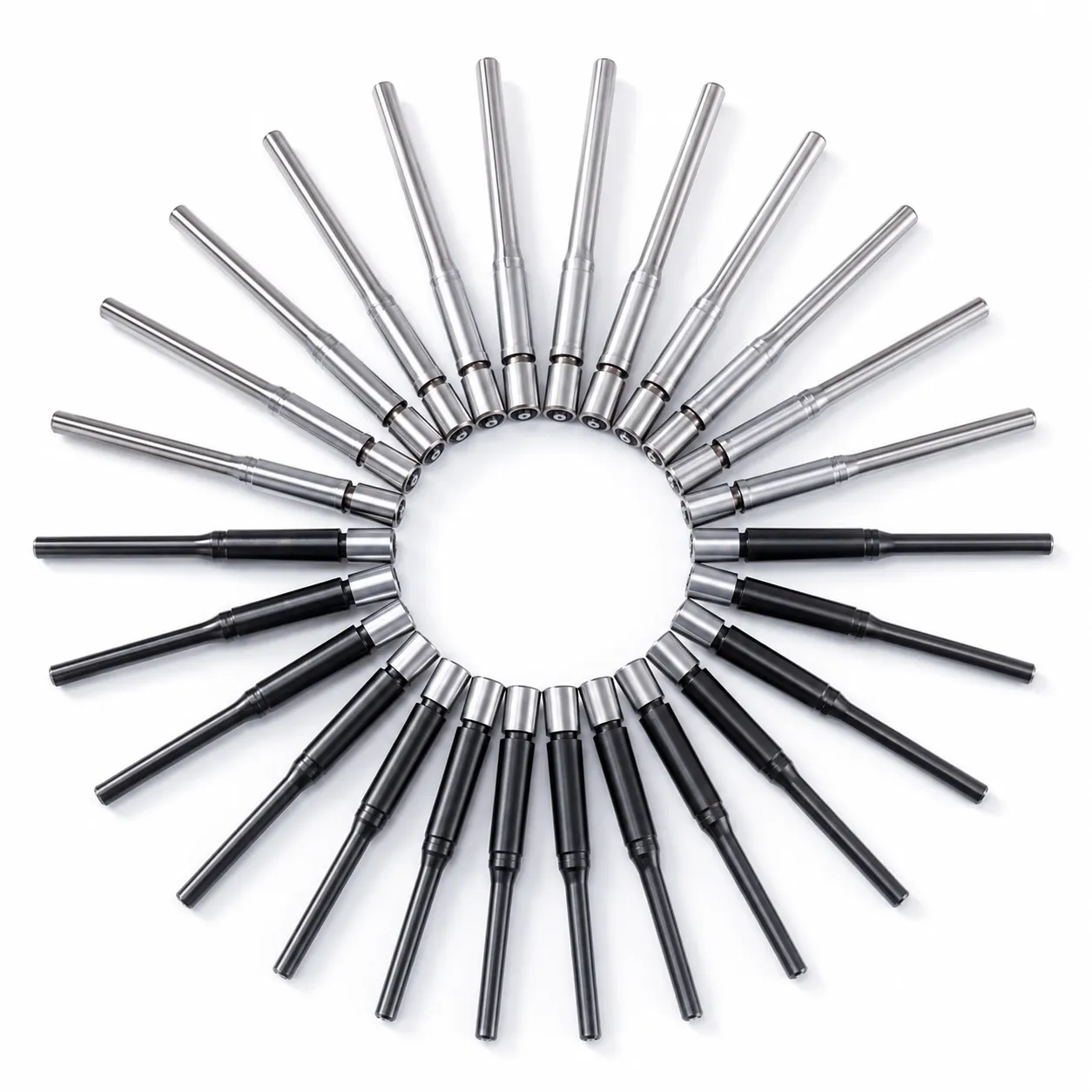
HDPE is the dominant material for Korean pharmaceutical IBM containers — accounting for the majority of Korean pharmaceutical primary container production volume in HDPE IBM. The complete pharmaceutical HDPE IBM guide is covered in the Ръководство за обработка на HDPE IBM; this section focuses on the pharmaceutical-specific requirements for each HDPE IBM container format.
10 ml Ophthalmic Bottles — the Korean Pharmaceutical IBM Volume Leader
Korean 10 ml HDPE ophthalmic containers are the highest-volume pharmaceutical IBM format in Korea — the combination of Korean ophthalmic prescription volume (Korea has one of East Asia’s highest rates of ophthalmic prescription per capita, driven by Korean contact lens use and Korean digital eye fatigue), Korean OTC artificial tear market and Korean pharmaceutical export requirements produces annual Korean ophthalmic container volume above 500 million units. IBM is the process of record for Korean ophthalmic containers because the dropper tip’s aperture, the dropper cap thread engagement and the container body’s sufficient transparency for fill-level inspection all require IBM’s precision that EBM cannot match. HDPE grade for Korean ophthalmic IBM: MI 0.3–0.5, density 0.950–0.960, pharmaceutical-grade additive package per KFDA positive list. Wall thickness: body 0.30–0.40 mm (sufficient transparency for fill-level check), neck 0.9–1.2 mm (closure retention). Production: Korea Ever-Power ZQ80 (20 cavities → ~15,800/hour) and ZQ110 (24 cavities → ~19,000/hour) are the principal Korean ophthalmic IBM platforms.
30 ml Oral Liquid Vials
Korean 30 ml HDPE oral liquid vials serve unit-dose liquid medications — Korean syrups for paediatric use, Korean liquid vitamin preparations and Korean oral rehydration solutions. These formats require IBM for two specific reasons: the induction seal compatibility of the neck’s flat sealing surface (IBM’s injection mould produces the flat sealing land with Ra ≤ 0.05 μm required for consistent induction seal bonding across all 18–20 cavities) and the fill-level transparency of the HDPE body. At 30 ml, the IBM machine produces 18 cavities on the ZQ80 (approximately 16,200 vials per hour) or up to 22 cavities on the ZQ110 (approximately 19,800 vials per hour) — output rates that match Korean oral liquid pharmaceutical production line speeds without requiring multiple IBM machines for a single product line.
100 мл бутилки за лекарства CRC
Korean CRC medicine bottles in HDPE at 100 ml are the most demanding pharmaceutical IBM format from a dimensional tolerance perspective. Korean KS M ISO 8317 child-resistant closure testing requires that less than 20% of adult test subjects fail to open the container within 5 minutes (CRC must be child-resistant but adult-accessible). This functional balance is achieved by the CRC cap’s mechanical engagement with the bottle neck’s engagement bead — an engagement that depends on the bead OD being within ±0.06 mm of the CRC cap’s designed engagement diameter. IBM’s ±0.05 mm neck OD tolerance is within this requirement; EBM’s ±0.15–0.25 mm tolerance is not. HDPE grade for CRC IBM: MI 0.5–0.8 for a stiffer bead that resists deformation under CRC cap push-down force; density 0.955–0.965 for maximum bead stiffness at the engagement contact zone.
4. PP Pharmaceutical IBM Containers: When PP Is Required Over HDPE
Polypropylene (PP) is required over HDPE for Korean pharmaceutical IBM containers in two well-defined application categories: terminal steam sterilisation (autoclave) and high-temperature pharmaceutical processes. PP’s heat deflection temperature (110–120°C at 0.45 MPa) allows it to retain dimensional integrity through Korean standard autoclave cycles at 121°C for 20 minutes, whereas HDPE begins to deform above 80–85°C under steam pressure and closure torque.
Korean Autoclavable PP IBM Containers
Korean terminally sterilised pharmaceutical products — including some Korean ophthalmic preparations, Korean irrigating solutions and Korean topical pharmaceutical formulations — require primary containers that survive the autoclave cycle without dimensional change at the closure engagement zone. PP IBM containers for Korean autoclave use specify: PP copolymer grade (homopolymer PP has better heat resistance but is more brittle; random copolymer PP offers better clarity and impact resistance at a slight reduction in heat resistance — for Korean pharmaceutical autoclave at 121°C, either grade is adequate); melt flow rate 5–15 g/10min at 230°C/2.16 kg (higher MFR than HDPE IBM grades, matching PP’s typically higher flowability); barrel temperature 200–240°C on Korea Ever-Power ZQ series machines (higher than HDPE processing, requiring barrel zone setpoints adjusted from the HDPE baseline); dimensional verification post-autoclave (container neck OD and thread dimensions must be within specification after 3 autoclave cycles at 121°C/20 min — this post-autoclave dimensional verification is a KFDA qualification requirement for terminally sterilised Korean pharmaceutical containers).
PP vs HDPE IBM Processing Differences on ZQ Series Machines
| Параметър за обработка | HDPE (MI 0.3–0.8) | PP (MFR 5–15) |
|---|---|---|
| Metering zone temp | 200–215°C | 220–235°C |
| Injection nozzle temp | 210–220°C | 230–245°C |
| Налягане на инжектиране | 80–140 MPa | 60–110 MPa (lower viscosity) |
| Време на задържане на духането | 0.8–1.5 s | 1.0–2.0 s (slower crystallisation) |
| Температура на плесента | 15–25°C | 20–40°C (PP needs slower cooling to prevent stress whitening) |
| Post-autoclave dimensional check | Не е задължително | Required — Korean KFDA qualification |
5. IBM Neck Precision for Pharmaceutical Closures
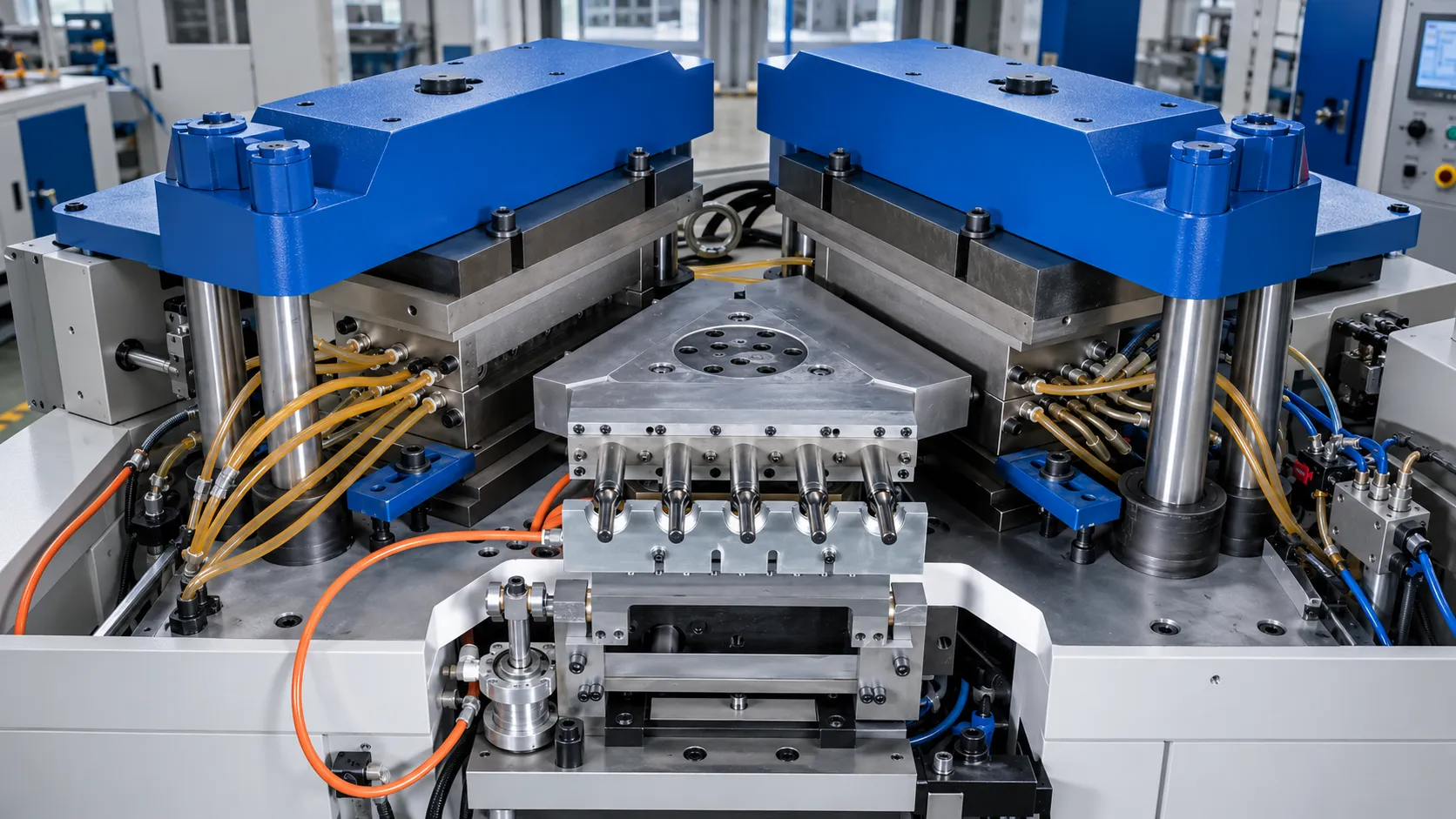
Pharmaceutical closure function is the most demanding test of IBM neck precision. Every Korean pharmaceutical closure system — CRC caps, dropper tips, induction seals, pump collars and spray actuators — specifies dimensional requirements for the container neck that the closure interacts with. IBM’s ±0.05 mm neck OD tolerance is the process characteristic that allows Korean pharmaceutical IBM containers to pass closure function tests across all cavities simultaneously, at production sampling frequencies, without statistical outliers at the tolerance edges.
CRC Neck Requirements for Korean Pharmaceutical IBM
Korean CRC containers must pass Korean KS M ISO 8317 child-resistant effectiveness testing — a formal protocol where 200 adult test subjects and 200 child test subjects each attempt to open the container under specified conditions. The mechanical function of the push-and-turn CRC cap depends on its ratchet teeth engaging the neck bead at a specific interference fit: too wide (neck OD too high) and the cap cannot be rotated — adult accessibility fails; too narrow (neck OD too low) and the cap can be rotated without depression — child resistance fails. The tolerance window for the neck engagement bead OD in Korean pharmaceutical CRC containers is typically ±0.06 mm from the CRC cap manufacturer’s specified nominal. IBM’s ±0.05 mm neck OD is within this window; EBM’s ±0.15–0.25 mm exceeds it. At 24-cavity production on a ZQ110, all 24 cavities must individually produce neck OD within the ±0.06 mm window on every cycle — a requirement that IBM meets through its injection-moulded neck insert precision, which holds the neck OD regardless of blow air pressure, cycle time variation or mould cooling variation.
Dropper Tip and Induction Seal Neck Requirements
Korean ophthalmic dropper caps use a snap-fit aperture control insert that seats inside the bottle neck bore, with the insert’s outer diameter engaging the bore inner surface at a specific interference. IBM’s injection mould core rod defines the bore inner diameter with ±0.04 mm tolerance — directly translating to ±0.04 mm aperture control insert fit variation. For Korean induction seal containers (30 ml oral liquid, 100 ml multi-dose liquid), the neck’s flat sealing land must be flat within 0.1 mm TIR (total indicator runout) for the induction foil to bond uniformly without gaps. IBM’s injection mould produces the sealing land surface with the same precision as a machined engineering component — flatness ±0.05 mm TIR across all cavities — because the sealing land is formed by the injection mould face rather than by a parting line or pinch-off as in EBM.
6. IBM in Korean Pharmaceutical Cleanroom Environments
Korean pharmaceutical primary container production is increasingly conducted in ISO Class 8 or better cleanroom environments — particularly for ophthalmic containers, injectable primary packaging, and multi-dose liquid containers where particulate contamination in the container before filling is a KFDA pharmaceutical quality risk. IBM’s zero-flash production is a direct cleanroom compliance advantage because the particle generation mechanisms inherent to EBM — the flash trim station’s mechanical cutting, the flash removal conveyor, and the regrind system — are entirely absent from an IBM production cell.
Korean pharmaceutical cleanroom IBM cell design requirements for ISO Class 8 (equivalent to Korean GMP Grade D) container production: the IBM machine’s mould area — where containers are formed and where the output conveyor receives the containers — should be enclosed under HEPA-filtered positive-pressure supply air at a minimum of 0.45 m/s face velocity and 20 air changes per hour. Korea Ever-Power’s ZQ series machines accommodate HEPA enclosure installation by the Korean customer’s HVAC engineering team, with connection points for supply air ductwork identified in the ZQ machine layout drawings provided at order. The IBM machine’s hydraulic system should be filled with pharmaceutical-compatible food-grade hydraulic oil (specified as an option on ZQ80, ZQ110 and ZQ135) to prevent non-compliant mineral oil contamination if any hydraulic system seepage occurs in the cleanroom environment.
Korea Ever-Power’s dual hydraulic system (standard on the ZQ80 and above) provides a secondary cleanroom benefit: its 20–30% energy saving versus single-circuit competitor IBM machines reduces the waste heat load generated per unit of container output in the cleanroom space, which reduces the HVAC cooling demand required to maintain the cleanroom temperature set point (typically 20–22°C for Korean pharmaceutical cleanrooms). For Korean pharmaceutical factories where cleanroom HVAC energy is a significant operating cost, the ZQ80 and above models’ dual hydraulic energy efficiency contributes to reduced HVAC loads per unit of production output — a compounding benefit on top of the direct machine energy saving.
7. GMP Qualification Documentation for Korean Pharmaceutical IBM Containers
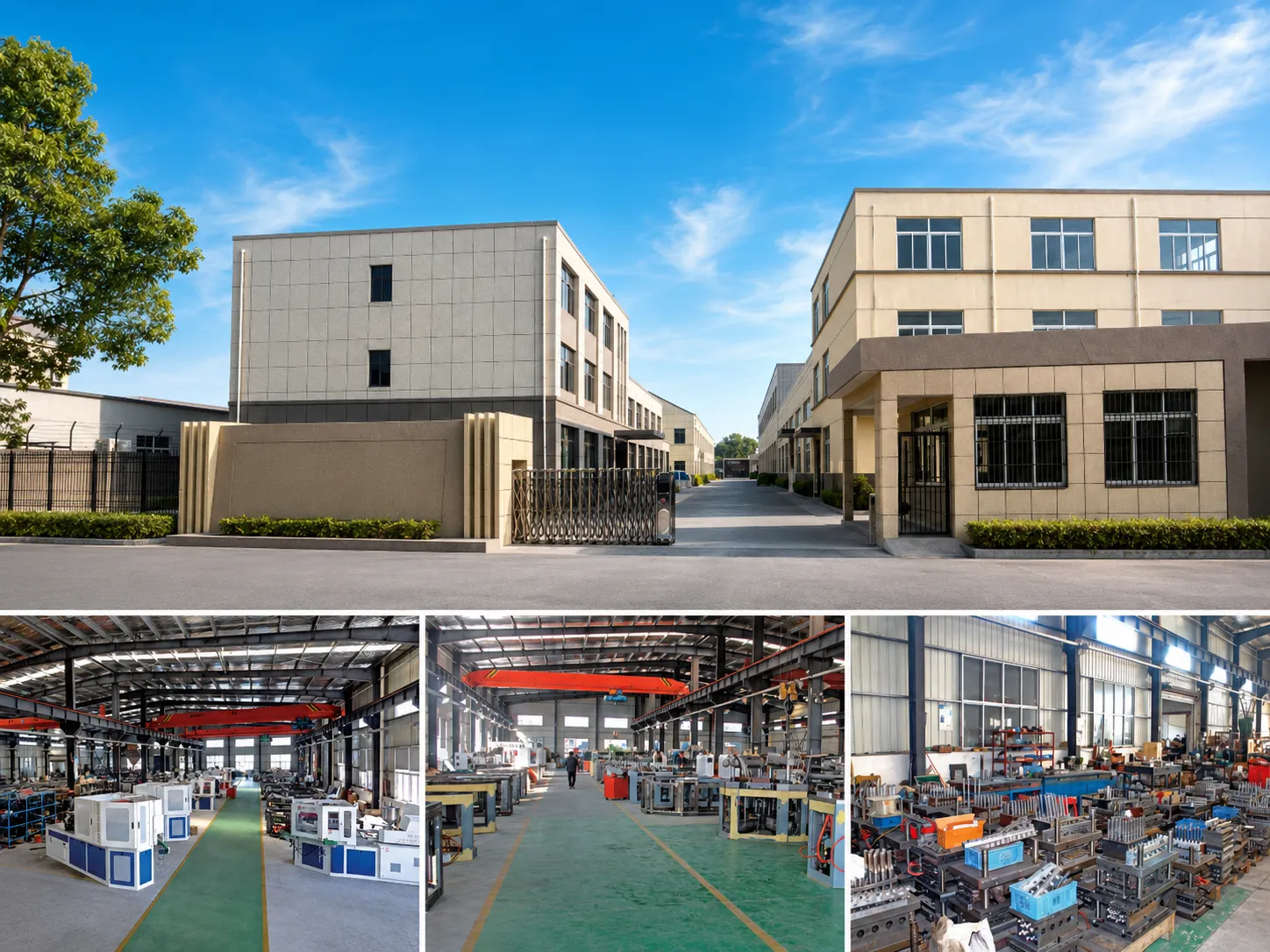
Korean pharmaceutical IBM container qualification follows a structured documentation pathway that Korean pharmaceutical brands require from their IBM container suppliers. Understanding this pathway allows Korean IBM packaging producers to prepare the correct documentation in advance, reducing the qualification timeline and avoiding KFDA submission delays caused by missing technical data.
Stage 1 — Container Technical File
Material specification sheet (resin manufacturer, grade, MI, density, Korean KFDA positive list reference); container dimensional drawing with all nominal dimensions and tolerances; production machine and mould identification; production site address and Korean KFDA-registered packaging facility status (if applicable). Korea Ever-Power provides this documentation as part of the standard ZQ series delivery package.
Stage 2 — Container Qualification Testing
Korean Pharmacopoeia plastic container test results (extractables from Korean accredited laboratory); dimensional measurement report (cavity-by-cavity, 30 measurements per dimension, 3 production batches); closure engagement test (CRC per KS M ISO 8317, induction seal per ASTM F2096 or equivalent Korean standard, dropper tip insertion torque); chemical compatibility compatibility test (12-week filled stability at 40°C/75% RH with the specific pharmaceutical formulation). Korea Ever-Power provides the cavity-by-cavity dimensional report from pre-delivery production trials as part of standard delivery — reducing the Korean customer’s testing burden at Stage 2.
Stage 3 — Korean KFDA Container Change Notification (if applicable)
For Korean pharmaceutical products with existing KFDA registration using a different container supplier or container specification: Korean KFDA container change notification procedure under Korean Pharmaceutical Affairs Act Article 32. Minor changes (same material class, same container type, within original dimensional tolerance) may be self-declared by the Korean pharmaceutical manufacturer. Major changes (material change, closure type change, dimensional tolerance change) require Korean KFDA review and approval before commercial production use. Timeline: minor change self-declaration = immediate; major change KFDA review = 3–6 months at current Korean KFDA review throughput.
8. IBM Machine Selection for Korean Pharmaceutical Production
Korean pharmaceutical IBM machine selection follows the same annual volume framework as other IBM applications, with one additional consideration specific to pharmaceutical production: Korean GMP supplier qualification requires qualification at a specific machine (identified by machine serial number) and cavity count. Changing to a higher-cavity machine after initial qualification requires re-qualification — a cost and timeline consideration that makes initial machine selection at the correct scale more important for pharmaceutical IBM than for household chemical IBM where format flexibility is higher and re-qualification requirements are less demanding.
| Annual Volume (10 ml pharma) | ZQ модел | Cavities @10ml | Korean Pharma Profile |
|---|---|---|---|
| Below 15M / year | ZQ40 | 9 | Korean pharma startup, Korean clinical trial material supply, Korean rare disease specialty |
| 15M–30M / year | ZQ60 | 14 | Korean mid-scale pharma, Korean regional hospital supply, Korean OTC pharma container |
| 30M–50M / year | ZQ80 | 20 | Korean large pharmaceutical, Korean contract pharma packaging, Korean pharma exporter |
| 50M–65M / year | ZQ110 | 24 | Korean large-scale contract pharmaceutical packaging, Korean multi-product pharma |
| Above 65M / year | ZQ135 | 30 | Korean national pharmaceutical manufacturer, Korean hospital supply chain contract packaging |
Re-qualification strategy for Korean pharmaceutical IBM scale-up: Korean pharmaceutical IBM producers who anticipate scale-up from ZQ60 to ZQ80 within 3 years should consider qualifying both machines simultaneously at initial installation — qualifying the ZQ60 as the primary production machine and the ZQ80 as the approved secondary machine in the same Korean KFDA container change notification. This pre-emptive dual-machine qualification adds modest documentation cost at initial qualification but avoids the 3–6 month Korean KFDA review period for the machine change notification when the scale-up occurs. Korea Ever-Power’s pharmaceutical application team advises Korean pharmaceutical IBM customers on dual-machine qualification strategy as part of the pre-purchase application consultation for pharmaceutical production lines.
Често задавани въпроси
Pharmaceutical IBM Enquiry
Specifying IBM Containers for Korean Pharmaceutical Production?
Korea Ever-Power provides pharmaceutical IBM container dimensional qualification, Korean KFDA documentation packages, cleanroom machine configuration and ZQ series machine selection for Korean pharmaceutical primary packaging at all production scales.
Свързани ресурси
Машина за шприцване с раздувна леене под налягане EP-ZQ110
1,100 KN · 24 cavities at 10 ml pharmaceutical · 4+N barrel zones · 22+22 KW dual hydraulic · ~50M–65M ophthalmic containers per Korean two-shift year.
Машина за шприцване с раздувна леене под налягане EP-ZQ135
1,350 KN · 30 cavities at 10 ml · 6+N barrel zones · 37+37 KW · Korean national pharmaceutical hospital supply — 83M ophthalmic containers per year per machine.
IBM vs ISBM: Choosing the Right Process
Why HDPE and PP pharmaceutical containers use IBM while PET cosmetic and beverage containers use ISBM — material, neck precision and output rate comparison for Korean pharmaceutical packaging decisions.