บริษัทเภสัชกรรม IBM · สำนักงานคณะกรรมการอาหารและยาของเกาหลี (KFDA) รับรองมาตรฐาน GMP · บริษัท เอเวอร์พาวเวอร์ ของเกาหลี
การฉีดขึ้นรูปเป่าสำหรับ
ขวดบรรจุยา
การขึ้นรูปด้วยการเป่า (Injection blow molding) เป็นกระบวนการมาตรฐานสำหรับบรรจุภัณฑ์ขั้นต้นของยาในเกาหลี โดยใช้วัสดุ HDPE และ PP เป็นกระบวนการขึ้นรูปด้วยการเป่าเพียงกระบวนการเดียวที่ตรงตามข้อกำหนดด้านขนาดของ KFDA GMP สำหรับภาชนะ CRC อย่างสม่ำเสมอโดยไม่ต้องผ่านกระบวนการตกแต่งคอภาชนะเพิ่มเติม ช่วยลดความเสี่ยงจากการปนเปื้อนของอนุภาคจากการตัดแต่งส่วนเกิน และได้จำนวนช่องแม่พิมพ์ที่เพียงพอต่อความคุ้มค่าทางเศรษฐกิจของการผลิตยาในเกาหลีในขนาด 10–100 มล. คู่มือนี้ครอบคลุมถึงรูปแบบภาชนะ การรับรองจาก KFDA ความแม่นยำของคอภาชนะ ข้อควรพิจารณาเกี่ยวกับห้องปลอดเชื้อ และการเลือกเครื่องจักรสำหรับการผลิตบรรจุภัณฑ์แบบเป่าขึ้นรูป (IBM) ของยาในเกาหลี
CRC และความแม่นยำของคอ
การผลิตของ IBM ที่ปราศจากอนุภาค
ฝ่ายวิศวกรรมของ Korea Ever-Power · เมืองอันซาน · กรกฎาคม 2569
บริษัท IBM ฝ่ายเภสัชกรรม — ข้อมูลอ้างอิงการผลิตในเกาหลี
±0.05 มม.
ค่าความคลาดเคลื่อนของเส้นผ่านศูนย์กลางภายนอกของคอ IBM — มาตรฐานการรับรอง CRC ของ KFDA เกาหลี ±0.06 มม.
ซีโร่ แฟลช
ไม่มีสถานีตัดแต่ง — ไม่มีอันตรายจากอนุภาคในห้องคลีนรูมเภสัชกรรมของเกาหลี
มากถึง 30
โพรงขนาดสูงสุด 10 มล. — บริษัทเภสัชกรรมขนาดใหญ่ของเกาหลี IBM (ZQ135)
KFDA · ICH
การปรับกรอบการรับรองคุณภาพบรรจุภัณฑ์ของบริษัทยาเกาหลี IBM ให้สอดคล้องกัน
1. เหตุใด IBM จึงเป็นมาตรฐานกระบวนการผลิตยาของเกาหลี

Injection blow molding has established itself as the process standard for Korean pharmaceutical primary packaging in HDPE and PP through the convergence of three process advantages that are uniquely relevant to Korean pharmaceutical production requirements. First, injection-moulded neck precision: IBM produces the bottle neck by injection moulding — the same precision manufacturing process that produces pharmaceutical closure components — achieving ±0.05 mm neck OD tolerance consistently across all cavities and all production cycles. This precision is the enabling capability for Korean pharmaceutical CRC containers, dropper-cap bottles and pump-dispenser primary containers, all of which require closure engagement at dimensional tolerances that extrusion blow molding cannot achieve without secondary neck processing. Second, zero flash and zero particulate generation: IBM produces no flash at any stage of the process, which means no trim station, no mechanical trimming operation, and no plastic particles generated in the production environment. For Korean pharmaceutical cleanroom production where particulate control is a GMP requirement, IBM’s inherent particle-free process is a direct regulatory compliance advantage over EBM. Third, multi-cavity efficiency: IBM’s เครื่องฉีดขึ้นรูปและเป่าขึ้นรูป แพลตฟอร์มเหล่านี้สามารถผลิตได้มากถึง 30 ช่องที่ปริมาตร 10 มล. ซึ่งเป็นจำนวนช่องที่ช่วยให้การผลิตยาของเกาหลีมีความคุ้มค่าทางเศรษฐกิจในระดับเครื่องจักรเดี่ยว ซึ่ง EBM ไม่สามารถทำได้ในรูปแบบขนาดเล็ก
การผลิตบรรจุภัณฑ์ยาในเกาหลีได้รับแรงผลักดันเพิ่มเติมจากข้อกำหนดด้านกฎระเบียบเฉพาะของเกาหลี ระเบียบข้อบังคับของ KFDA (กระทรวงอาหารและยาของเกาหลี) เกี่ยวกับบรรจุภัณฑ์ยาต้องการเอกสารรับรองคุณสมบัติของบรรจุภัณฑ์ ซึ่งรวมถึงการปฏิบัติตามข้อกำหนดด้านขนาด ความเข้ากันได้ทางเคมี ข้อมูลสารที่ละลายออกมา และการทดสอบการทำงานของฝาปิด ซึ่งบรรจุภัณฑ์ของ IBM ผ่านขั้นตอนการรับรองคุณสมบัติที่กำหนดไว้ทั้งหมด แบรนด์ยาของเกาหลี ผู้ผลิตตามสัญญาของเกาหลี และผู้ส่งออกยาของเกาหลี ต่างระบุใช้บรรจุภัณฑ์ของ IBM สำหรับบรรจุภัณฑ์หลักยาขนาดเล็กของตน อันเป็นผลมาจากการสอดคล้องด้านกฎระเบียบและคุณภาพนี้
2. ข้อกำหนดเกี่ยวกับบรรจุภัณฑ์ยาของสำนักงานคณะกรรมการอาหารและยาของเกาหลี (KFDA)
ข้อกำหนดเกี่ยวกับบรรจุภัณฑ์หลักสำหรับยาของเกาหลีได้รับการกำหนดโดยสำนักงานคณะกรรมการอาหารและยาของเกาหลี (KFDA) ภายใต้พระราชบัญญัติกิจการยาของเกาหลีและตำราเภสัชกรรมของเกาหลี (KP) ข้อกำหนดเกี่ยวกับบรรจุภัณฑ์ยาของเกาหลีมีความสอดคล้องกับข้อกำหนด ICH Q6A และมาตรฐานบรรจุภัณฑ์พลาสติก USP/EP เป็นอย่างมาก โดยมีการเพิ่มเติมเฉพาะสำหรับรูปแบบบรรจุภัณฑ์บางประเภท ผู้ผลิตบรรจุภัณฑ์ยาของเกาหลีต้องเข้าใจว่าข้อกำหนดของ KFDA ใดที่ใช้กับรูปแบบบรรจุภัณฑ์เฉพาะของตนก่อนที่จะเริ่มกระบวนการรับรองมาตรฐานยาของเกาหลี
มาตรฐานบรรจุภัณฑ์พลาสติกขององค์การอาหารและยาเกาหลี (KFDA)
ตำราเภสัชกรรมเกาหลี (KP) ฉบับทั่วไปสำหรับภาชนะพลาสติกที่ใช้ในเภสัชกรรมระบุข้อกำหนดการทดสอบสำหรับภาชนะเภสัชกรรม HDPE และ PP รวมถึง: สารที่สกัดได้ต่ำกว่าขีดจำกัดของ KP ในน้ำ กรดอะซิติก 4% เอทานอล 20% เฮปเทน และเมทานอล; โลหะหนักต่ำกว่า 1 ppm; ฟีนอลต่ำกว่า 5 ppm; การดูดกลืนแสงยูวีอยู่ในขีดจำกัด ภาชนะ IBM ต้องผ่านการทดสอบเหล่านี้ที่ความหนาของผนังที่กำหนดโดยใช้เกรดเรซิน HDPE หรือ PP ที่ใช้ในการผลิตจริง ไม่ใช่ตัวอย่างทดสอบในห้องปฏิบัติการ ผู้ผลิตภาชนะ IBM สำหรับเภสัชกรรมในเกาหลีควรทำการทดสอบสารที่สกัดได้กับภาชนะที่ใช้ในการผลิตจริงจากเครื่อง IBM ของตนภายใต้สภาวะการผลิต โดยใช้เรซินจากล็อตการค้าเดียวกันกับที่จะใช้ในการผลิต เพื่อให้แน่ใจว่าผลการทดสอบเป็นตัวแทนของผลิตภัณฑ์เชิงพาณิชย์ที่แบรนด์เภสัชกรรมของเกาหลีจะรับรอง
นอกจากนี้ สำนักงานอาหารและยาของเกาหลี (KFDA) ยังต้องการเอกสารแสดงขนาดเฉพาะสำหรับภาชนะบรรจุยาหลักที่ใช้กับผลิตภัณฑ์ยาที่ขึ้นทะเบียนในเกาหลี เอกสารข้อมูลยาของเกาหลี (เทียบเท่ากับ NDA ของเกาหลี) ประกอบด้วยข้อกำหนดของภาชนะบรรจุ ได้แก่ ปริมาตรที่ระบุพร้อมตำแหน่งเครื่องหมายระดับการบรรจุ เส้นผ่านศูนย์กลางภายนอกและเส้นผ่านศูนย์กลางภายในของคอภาชนะพร้อมค่าความคลาดเคลื่อน ข้อกำหนดแรงบิดในการปิดฝา การระบุวัสดุของภาชนะบรรจุ (ประเภทเรซิน เกรด สถานะในรายการที่ได้รับการอนุมัติจาก KFDA เกาหลี) และสี (โปร่งใส HDPE สีธรรมชาติ HDPE ผสมสี หากมี) การเปลี่ยนแปลงใดๆ ในข้อกำหนดของภาชนะบรรจุ รวมถึงการเปลี่ยนแปลงล็อตเรซิน การเปลี่ยนแปลงเครื่องจักรในการผลิต หรือการเปลี่ยนแปลงจำนวนช่องบรรจุ จะต้องแจ้งการเปลี่ยนแปลงภาชนะบรรจุต่อ KFDA เกาหลี และอาจต้องมีการทดสอบคุณสมบัติใหม่ขึ้นอยู่กับลักษณะของการเปลี่ยนแปลง
ข้อกำหนดรูปแบบคอนเทนเนอร์ที่สำคัญ
| รูปแบบคอนเทนเนอร์ | ข้อกำหนดสำคัญของ KFDA เกาหลี | สถานะการปฏิบัติตามข้อกำหนดของ IBM |
|---|---|---|
| ยาหยอดตา | สามารถบรรจุในภาชนะปลอดเชื้อได้ ปลายหลอดหยดพอดีกับหลอดหยด ±0.05 มม. ปราศจากอนุภาค (มาตรฐานยาฉีดของ KFDA) | แบบดั้งเดิม — คอฉีดแบบไร้แสงสะท้อน ✓ |
| ขวดบรรจุยา CRC | การยึดฝา CRC ตามมาตรฐาน KS M ISO 8317 เส้นผ่านศูนย์กลางคอฝา ±0.06 มม. เส้นผ่านศูนย์กลางเกลียว ±0.05 มม. | แบบดั้งเดิม — คอฉีด ±0.05 มม. ✓ |
| ขวดบรรจุของเหลวสำหรับรับประทาน | ความเข้ากันได้กับการปิดผนึกแบบเหนี่ยวนำ ความเรียบของคอขวด ±0.1 มม. ความเข้ากันได้ทางเคมี 24 เดือน | พื้นผิวซีลคอเรียบแบบดั้งเดิม ✓ |
| เครื่องจ่ายปั๊มหลัก | การยึดคอปั๊ม, ขนาดรูคอปั๊ม ±0.08 มม., ความเข้ากันได้ทางเคมี | ผลิตจากวัสดุคุณภาพสูง — ความแม่นยำของรูคอฉีดขึ้นรูป ✓ |
| ภาชนะพลาสติก PP สำหรับฆ่าเชื้อด้วยความร้อนสูง | ความทนทานต่อไอน้ำที่อุณหภูมิ 121°C, การคงรูปทรงหลังการอบด้วยไอน้ำแรงดันสูง, การทดสอบพลาสติก KP | PP IBM — ต้องใช้เกรดทนความร้อน ✓ |
3. ภาชนะบรรจุยา IBM ที่ทำจาก HDPE: รูปแบบและข้อกำหนด
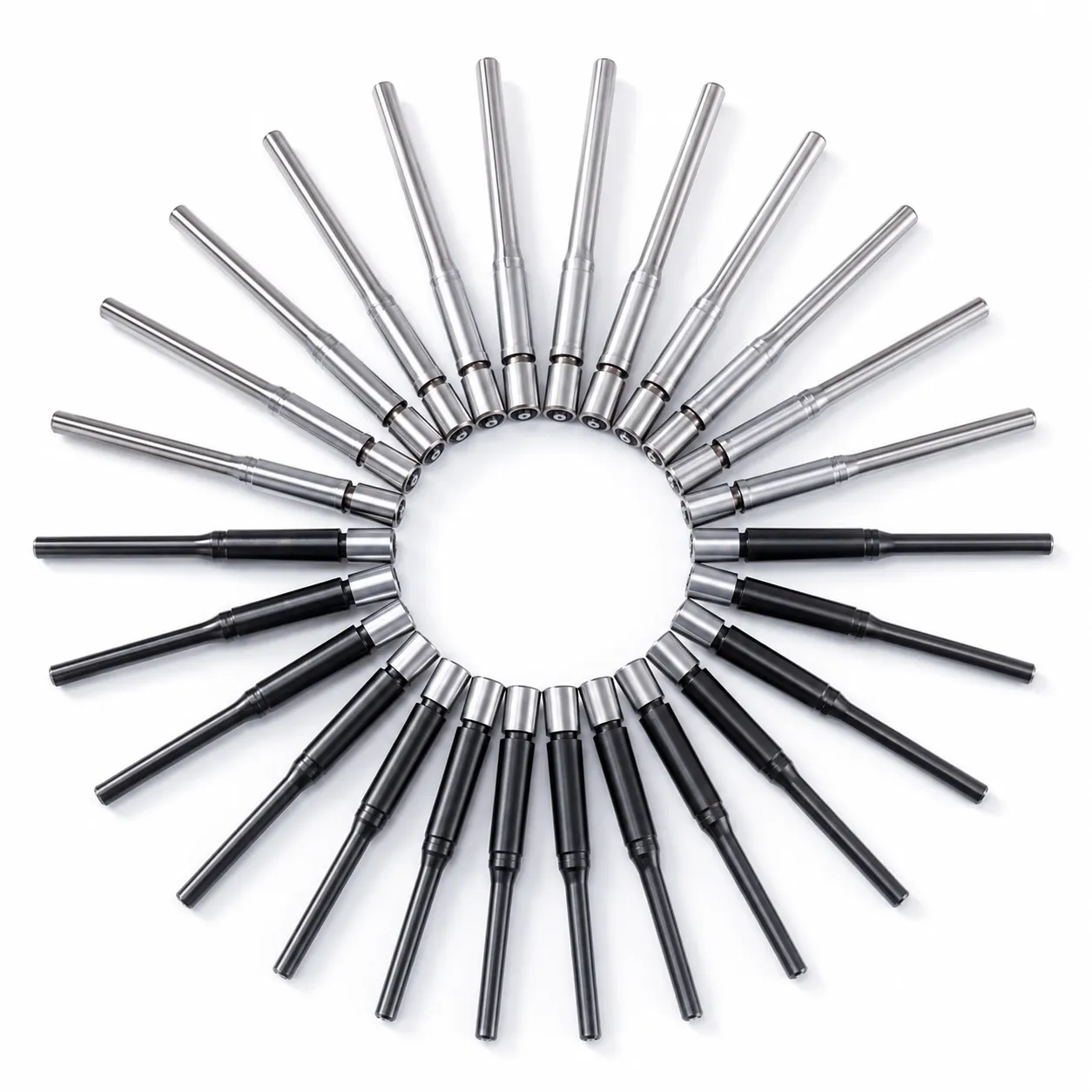
HDPE เป็นวัสดุหลักที่ใช้ในการผลิตภาชนะบรรจุยาแบบ IBM ในเกาหลี โดยคิดเป็นสัดส่วนส่วนใหญ่ของปริมาณการผลิตภาชนะบรรจุยาหลักที่ทำจาก HDPE ในเกาหลี คู่มือฉบับสมบูรณ์เกี่ยวกับภาชนะบรรจุยาที่ทำจาก HDPE แบบ IBM นั้นมีรายละเอียดอยู่ใน... คู่มือการประมวลผล HDPE IBMส่วนนี้จะเน้นไปที่ข้อกำหนดเฉพาะทางด้านเภสัชกรรมสำหรับภาชนะบรรจุ HDPE ของ IBM แต่ละรูปแบบ
ขวดบรรจุยาหยอดตาขนาด 10 มล. — ผลิตภัณฑ์ยาจากเกาหลีใต้ที่ขายดีที่สุดตามรายงานของ IBM
Korean 10 ml HDPE ophthalmic containers are the highest-volume pharmaceutical IBM format in Korea — the combination of Korean ophthalmic prescription volume (Korea has one of East Asia’s highest rates of ophthalmic prescription per capita, driven by Korean contact lens use and Korean digital eye fatigue), Korean OTC artificial tear market and Korean pharmaceutical export requirements produces annual Korean ophthalmic container volume above 500 million units. IBM is the process of record for Korean ophthalmic containers because the dropper tip’s aperture, the dropper cap thread engagement and the container body’s sufficient transparency for fill-level inspection all require IBM’s precision that EBM cannot match. HDPE grade for Korean ophthalmic IBM: MI 0.3–0.5, density 0.950–0.960, pharmaceutical-grade additive package per KFDA positive list. Wall thickness: body 0.30–0.40 mm (sufficient transparency for fill-level check), neck 0.9–1.2 mm (closure retention). Production: Korea Ever-Power ZQ80 (20 cavities → ~15,800/hour) and ZQ110 (24 cavities → ~19,000/hour) are the principal Korean ophthalmic IBM platforms.
ขวดบรรจุของเหลวสำหรับรับประทาน ขนาด 30 มล.
Korean 30 ml HDPE oral liquid vials serve unit-dose liquid medications — Korean syrups for paediatric use, Korean liquid vitamin preparations and Korean oral rehydration solutions. These formats require IBM for two specific reasons: the induction seal compatibility of the neck’s flat sealing surface (IBM’s injection mould produces the flat sealing land with Ra ≤ 0.05 μm required for consistent induction seal bonding across all 18–20 cavities) and the fill-level transparency of the HDPE body. At 30 ml, the IBM machine produces 18 cavities on the ZQ80 (approximately 16,200 vials per hour) or up to 22 cavities on the ZQ110 (approximately 19,800 vials per hour) — output rates that match Korean oral liquid pharmaceutical production line speeds without requiring multiple IBM machines for a single product line.
ขวดบรรจุยา CRC ขนาด 100 มล.
Korean CRC medicine bottles in HDPE at 100 ml are the most demanding pharmaceutical IBM format from a dimensional tolerance perspective. Korean KS M ISO 8317 child-resistant closure testing requires that less than 20% of adult test subjects fail to open the container within 5 minutes (CRC must be child-resistant but adult-accessible). This functional balance is achieved by the CRC cap’s mechanical engagement with the bottle neck’s engagement bead — an engagement that depends on the bead OD being within ±0.06 mm of the CRC cap’s designed engagement diameter. IBM’s ±0.05 mm neck OD tolerance is within this requirement; EBM’s ±0.15–0.25 mm tolerance is not. HDPE grade for CRC IBM: MI 0.5–0.8 for a stiffer bead that resists deformation under CRC cap push-down force; density 0.955–0.965 for maximum bead stiffness at the engagement contact zone.
4. ภาชนะบรรจุยา PP สำหรับ IBM: เมื่อใดที่ต้องการใช้ PP แทน HDPE
Polypropylene (PP) is required over HDPE for Korean pharmaceutical IBM containers in two well-defined application categories: terminal steam sterilisation (autoclave) and high-temperature pharmaceutical processes. PP’s heat deflection temperature (110–120°C at 0.45 MPa) allows it to retain dimensional integrity through Korean standard autoclave cycles at 121°C for 20 minutes, whereas HDPE begins to deform above 80–85°C under steam pressure and closure torque.
ภาชนะบรรจุ PP IBM จากเกาหลีที่สามารถฆ่าเชื้อด้วยความร้อนสูงได้
Korean terminally sterilised pharmaceutical products — including some Korean ophthalmic preparations, Korean irrigating solutions and Korean topical pharmaceutical formulations — require primary containers that survive the autoclave cycle without dimensional change at the closure engagement zone. PP IBM containers for Korean autoclave use specify: PP copolymer grade (homopolymer PP has better heat resistance but is more brittle; random copolymer PP offers better clarity and impact resistance at a slight reduction in heat resistance — for Korean pharmaceutical autoclave at 121°C, either grade is adequate); melt flow rate 5–15 g/10min at 230°C/2.16 kg (higher MFR than HDPE IBM grades, matching PP’s typically higher flowability); barrel temperature 200–240°C on Korea Ever-Power ZQ series machines (higher than HDPE processing, requiring barrel zone setpoints adjusted from the HDPE baseline); dimensional verification post-autoclave (container neck OD and thread dimensions must be within specification after 3 autoclave cycles at 121°C/20 min — this post-autoclave dimensional verification is a KFDA qualification requirement for terminally sterilised Korean pharmaceutical containers).
ความแตกต่างระหว่าง PP และ HDPE ในการประมวลผลของ IBM บนเครื่องซีรี่ส์ ZQ
| พารามิเตอร์การประมวลผล | โพลีเอทิลีนความหนาแน่นสูง (MI 0.3–0.8) | PP (MFR 5–15) |
|---|---|---|
| อุณหภูมิโซนการวัด | 200–215°C | 220–235°C |
| อุณหภูมิหัวฉีด | 210–220°C | 230–245°C |
| แรงดันการฉีด | 80–140 เมกะปาสคาล | 60–110 MPa (ความหนืดต่ำ) |
| ระยะเวลาการเป่าลม | 0.8–1.5 วินาที | 1.0–2.0 วินาที (การตกผลึกช้าลง) |
| อุณหภูมิแม่พิมพ์ | 15–25°C | 20–40°C (PP ต้องการการระบายความร้อนที่ช้าลงเพื่อป้องกันการเกิดคราบขาวจากความเครียด) |
| การตรวจสอบขนาดหลังการอบฆ่าเชื้อด้วยความร้อนสูง | ไม่จำเป็น | คุณสมบัติที่จำเป็น — ใบรับรองจากสำนักงานคณะกรรมการอาหารและยาของเกาหลี (KFDA) |
5. IBM Neck Precision สำหรับฝาปิดบรรจุภัณฑ์ยา
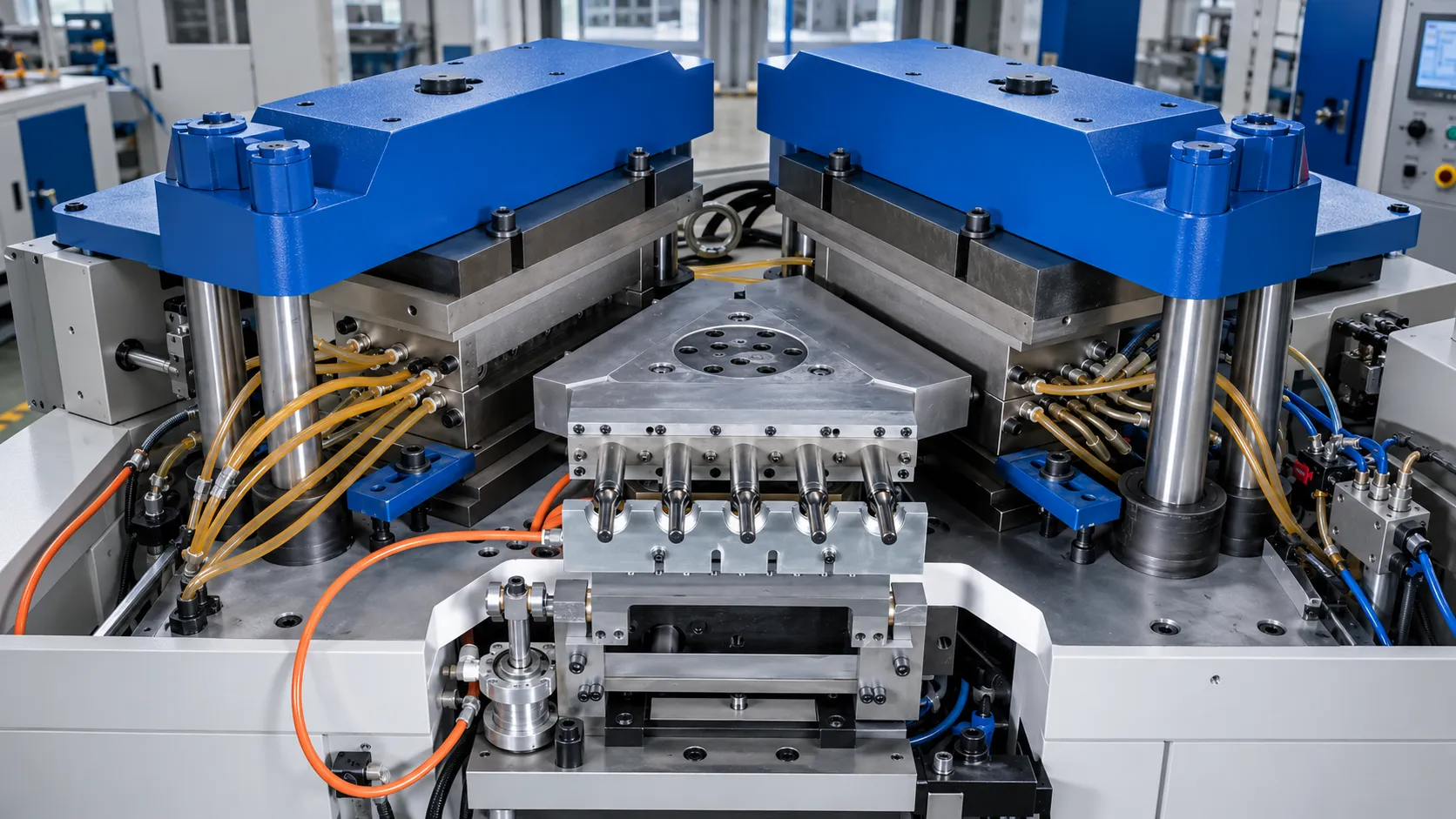
Pharmaceutical closure function is the most demanding test of IBM neck precision. Every Korean pharmaceutical closure system — CRC caps, dropper tips, induction seals, pump collars and spray actuators — specifies dimensional requirements for the container neck that the closure interacts with. IBM’s ±0.05 mm neck OD tolerance is the process characteristic that allows Korean pharmaceutical IBM containers to pass closure function tests across all cavities simultaneously, at production sampling frequencies, without statistical outliers at the tolerance edges.
ข้อกำหนด CRC Neck สำหรับบริษัทยา IBM ของเกาหลี
Korean CRC containers must pass Korean KS M ISO 8317 child-resistant effectiveness testing — a formal protocol where 200 adult test subjects and 200 child test subjects each attempt to open the container under specified conditions. The mechanical function of the push-and-turn CRC cap depends on its ratchet teeth engaging the neck bead at a specific interference fit: too wide (neck OD too high) and the cap cannot be rotated — adult accessibility fails; too narrow (neck OD too low) and the cap can be rotated without depression — child resistance fails. The tolerance window for the neck engagement bead OD in Korean pharmaceutical CRC containers is typically ±0.06 mm from the CRC cap manufacturer’s specified nominal. IBM’s ±0.05 mm neck OD is within this window; EBM’s ±0.15–0.25 mm exceeds it. At 24-cavity production on a ZQ110, all 24 cavities must individually produce neck OD within the ±0.06 mm window on every cycle — a requirement that IBM meets through its injection-moulded neck insert precision, which holds the neck OD regardless of blow air pressure, cycle time variation or mould cooling variation.
ข้อกำหนดเกี่ยวกับปลายหลอดหยดและคอซีลเหนี่ยวนำ
Korean ophthalmic dropper caps use a snap-fit aperture control insert that seats inside the bottle neck bore, with the insert’s outer diameter engaging the bore inner surface at a specific interference. IBM’s injection mould core rod defines the bore inner diameter with ±0.04 mm tolerance — directly translating to ±0.04 mm aperture control insert fit variation. For Korean induction seal containers (30 ml oral liquid, 100 ml multi-dose liquid), the neck’s flat sealing land must be flat within 0.1 mm TIR (total indicator runout) for the induction foil to bond uniformly without gaps. IBM’s injection mould produces the sealing land surface with the same precision as a machined engineering component — flatness ±0.05 mm TIR across all cavities — because the sealing land is formed by the injection mould face rather than by a parting line or pinch-off as in EBM.
6. IBM ในสภาพแวดล้อมห้องปลอดเชื้อสำหรับอุตสาหกรรมยาในเกาหลี
Korean pharmaceutical primary container production is increasingly conducted in ISO Class 8 or better cleanroom environments — particularly for ophthalmic containers, injectable primary packaging, and multi-dose liquid containers where particulate contamination in the container before filling is a KFDA pharmaceutical quality risk. IBM’s zero-flash production is a direct cleanroom compliance advantage because the particle generation mechanisms inherent to EBM — the flash trim station’s mechanical cutting, the flash removal conveyor, and the regrind system — are entirely absent from an IBM production cell.
Korean pharmaceutical cleanroom IBM cell design requirements for ISO Class 8 (equivalent to Korean GMP Grade D) container production: the IBM machine’s mould area — where containers are formed and where the output conveyor receives the containers — should be enclosed under HEPA-filtered positive-pressure supply air at a minimum of 0.45 m/s face velocity and 20 air changes per hour. Korea Ever-Power’s ZQ series machines accommodate HEPA enclosure installation by the Korean customer’s HVAC engineering team, with connection points for supply air ductwork identified in the ZQ machine layout drawings provided at order. The IBM machine’s hydraulic system should be filled with pharmaceutical-compatible food-grade hydraulic oil (specified as an option on ZQ80, ZQ110 and ZQ135) to prevent non-compliant mineral oil contamination if any hydraulic system seepage occurs in the cleanroom environment.
Korea Ever-Power’s dual hydraulic system (standard on the ZQ80 and above) provides a secondary cleanroom benefit: its 20–30% energy saving versus single-circuit competitor IBM machines reduces the waste heat load generated per unit of container output in the cleanroom space, which reduces the HVAC cooling demand required to maintain the cleanroom temperature set point (typically 20–22°C for Korean pharmaceutical cleanrooms). For Korean pharmaceutical factories where cleanroom HVAC energy is a significant operating cost, the ZQ80 and above models’ dual hydraulic energy efficiency contributes to reduced HVAC loads per unit of production output — a compounding benefit on top of the direct machine energy saving.
7. เอกสารรับรองมาตรฐาน GMP สำหรับบรรจุภัณฑ์ยาของ IBM จากประเทศเกาหลี
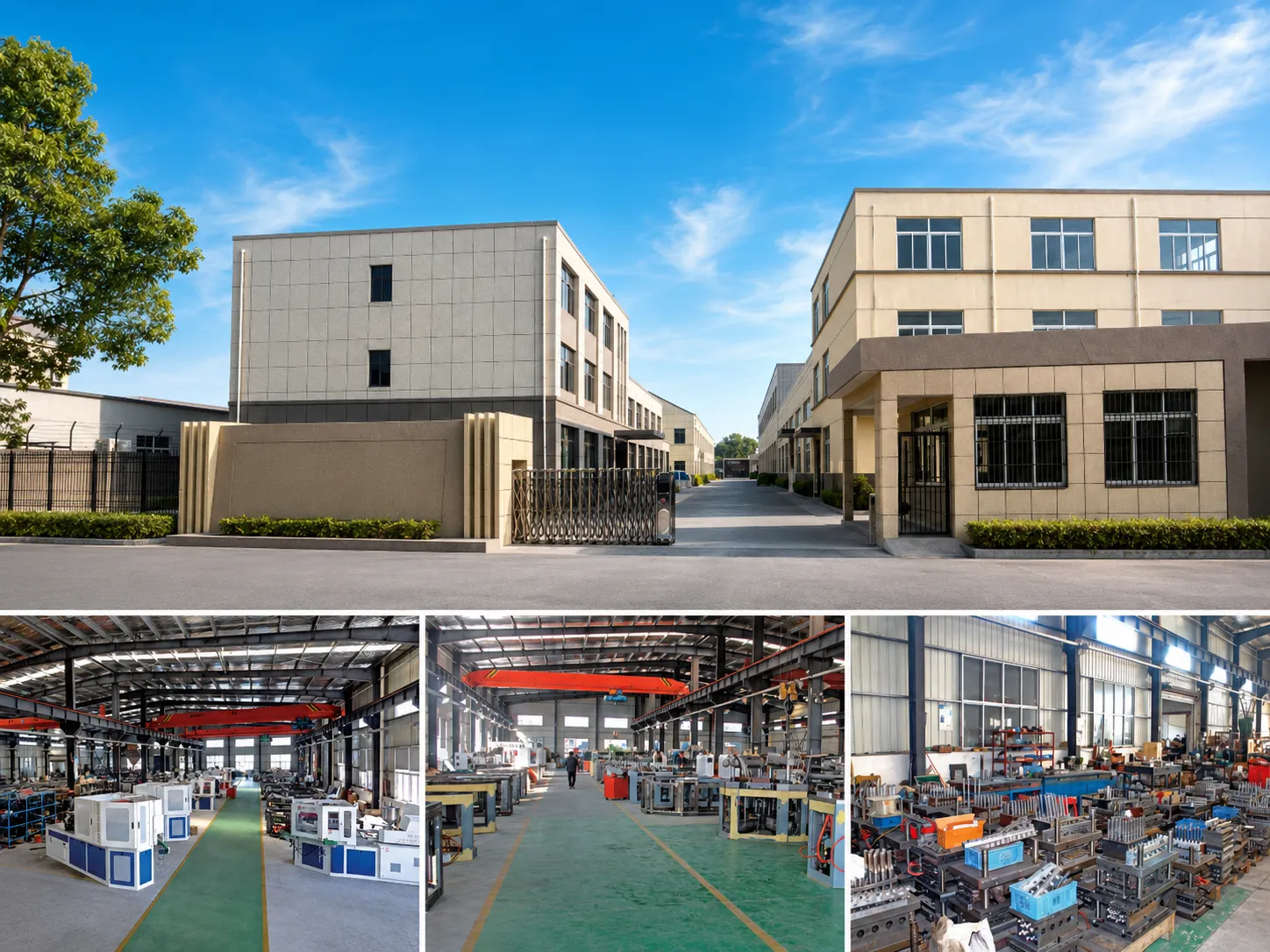
กระบวนการรับรองมาตรฐานบรรจุภัณฑ์ IBM สำหรับอุตสาหกรรมยาของเกาหลีนั้น เป็นไปตามขั้นตอนการจัดทำเอกสารที่เป็นมาตรฐาน ซึ่งแบรนด์ยาของเกาหลีต้องการจากผู้ผลิตบรรจุภัณฑ์ IBM การทำความเข้าใจขั้นตอนเหล่านี้จะช่วยให้ผู้ผลิตบรรจุภัณฑ์ IBM ของเกาหลีสามารถเตรียมเอกสารที่ถูกต้องล่วงหน้าได้ ลดระยะเวลาการรับรองมาตรฐาน และหลีกเลี่ยงความล่าช้าในการยื่นเอกสารต่อ KFDA ที่เกิดจากข้อมูลทางเทคนิคที่ไม่ครบถ้วน
ขั้นตอนที่ 1 — เอกสารทางเทคนิคเกี่ยวกับตู้คอนเทนเนอร์
เอกสารข้อมูลจำเพาะของวัสดุ (ผู้ผลิตเรซิน เกรด ค่าดัชนีหักเหของแสง ความหนาแน่น ข้อมูลอ้างอิงในรายการที่ได้รับการอนุมัติจาก KFDA ของเกาหลี); แบบร่างขนาดของบรรจุภัณฑ์พร้อมขนาดและค่าความคลาดเคลื่อนทั้งหมด; ข้อมูลระบุเครื่องจักรและแม่พิมพ์ที่ใช้ในการผลิต; ที่อยู่สถานที่ผลิตและสถานะโรงงานบรรจุภัณฑ์ที่จดทะเบียนกับ KFDA ของเกาหลี (ถ้ามี) บริษัท Korea Ever-Power จัดเตรียมเอกสารเหล่านี้เป็นส่วนหนึ่งของแพ็คเกจการส่งมอบมาตรฐานของซีรี่ส์ ZQ
ขั้นตอนที่ 2 — การทดสอบคุณสมบัติของตู้คอนเทนเนอร์
Korean Pharmacopoeia plastic container test results (extractables from Korean accredited laboratory); dimensional measurement report (cavity-by-cavity, 30 measurements per dimension, 3 production batches); closure engagement test (CRC per KS M ISO 8317, induction seal per ASTM F2096 or equivalent Korean standard, dropper tip insertion torque); chemical compatibility compatibility test (12-week filled stability at 40°C/75% RH with the specific pharmaceutical formulation). Korea Ever-Power provides the cavity-by-cavity dimensional report from pre-delivery production trials as part of standard delivery — reducing the Korean customer’s testing burden at Stage 2.
ขั้นตอนที่ 3 — การแจ้งการเปลี่ยนแปลงบรรจุภัณฑ์จากสำนักงานคณะกรรมการอาหารและยาของเกาหลี (KFDA) (ถ้ามี)
สำหรับผลิตภัณฑ์ยาของเกาหลีที่มีการขึ้นทะเบียนกับสำนักงานคณะกรรมการอาหารและยาของเกาหลี (KFDA) อยู่แล้ว แต่ใช้ผู้ผลิตบรรจุภัณฑ์หรือข้อกำหนดบรรจุภัณฑ์ที่แตกต่างกัน: ต้องแจ้งการเปลี่ยนแปลงบรรจุภัณฑ์กับ KFDA ตามมาตรา 32 ของพระราชบัญญัติกิจการเภสัชกรรมของเกาหลี การเปลี่ยนแปลงเล็กน้อย (ประเภทวัสดุเดียวกัน ประเภทบรรจุภัณฑ์เดียวกัน ภายในค่าความคลาดเคลื่อนของขนาดเดิม) ผู้ผลิตยาของเกาหลีสามารถแจ้งเองได้ การเปลี่ยนแปลงที่สำคัญ (การเปลี่ยนแปลงวัสดุ การเปลี่ยนแปลงประเภทฝาปิด การเปลี่ยนแปลงค่าความคลาดเคลื่อนของขนาด) ต้องได้รับการตรวจสอบและอนุมัติจาก KFDA ก่อนนำไปใช้ในการผลิตเชิงพาณิชย์ ระยะเวลา: การแจ้งการเปลี่ยนแปลงเล็กน้อยด้วยตนเอง = ทันที; การตรวจสอบจาก KFDA สำหรับการเปลี่ยนแปลงที่สำคัญ = 3-6 เดือน ตามระยะเวลาการตรวจสอบของ KFDA ในปัจจุบัน
8. การเลือกใช้เครื่องจักรของ IBM สำหรับการผลิตยาในเกาหลี
การเลือกใช้เครื่องจักร IBM สำหรับอุตสาหกรรมยาในเกาหลีนั้นใช้กรอบปริมาณการผลิตต่อปีเช่นเดียวกับแอปพลิเคชัน IBM อื่นๆ โดยมีข้อพิจารณาเพิ่มเติมเฉพาะสำหรับการผลิตยาคือ การรับรองคุณสมบัติของซัพพลายเออร์ GMP ของเกาหลีต้องได้รับการรับรองที่เครื่องจักรเฉพาะ (ระบุโดยหมายเลขซีเรียลของเครื่องจักร) และจำนวนช่องพิมพ์ การเปลี่ยนไปใช้เครื่องจักรที่มีจำนวนช่องพิมพ์สูงกว่าหลังจากได้รับการรับรองเบื้องต้นแล้ว จะต้องได้รับการรับรองใหม่ ซึ่งเป็นข้อพิจารณาด้านต้นทุนและระยะเวลาที่ทำให้การเลือกเครื่องจักรในขนาดที่เหมาะสมตั้งแต่เริ่มต้นมีความสำคัญมากกว่าสำหรับ IBM ในอุตสาหกรรมยา เมื่อเทียบกับ IBM ในอุตสาหกรรมเคมีภัณฑ์ในครัวเรือน ซึ่งมีความยืดหยุ่นด้านรูปแบบสูงกว่าและข้อกำหนดการรับรองใหม่ไม่เข้มงวดเท่า
| ปริมาณการผลิตต่อปี (ยา 10 มล.) | รุ่น ZQ | ฟันผุ @10 มล. | ข้อมูลบริษัทยาเกาหลี |
|---|---|---|---|
| ต่ำกว่า 15 ล้านบาทต่อปี | ZQ40 | 9 | บริษัทสตาร์ทอัพด้านเภสัชกรรมของเกาหลี, การจัดหาวัสดุสำหรับการทดลองทางคลินิกของเกาหลี, ผู้เชี่ยวชาญด้านโรคหายากของเกาหลี |
| 15 ล้าน - 30 ล้านดอลลาร์สหรัฐต่อปี | ZQ60 | 14 | บริษัทเภสัชกรรมขนาดกลางของเกาหลี, การจัดหาอุปกรณ์ทางการแพทย์ให้กับโรงพยาบาลในภูมิภาคของเกาหลี, บรรจุภัณฑ์ยา OTC ของเกาหลี |
| 30 ล้าน - 50 ล้าน / ปี | ZQ80 | 20 | บริษัทยาข้ามชาติขนาดใหญ่ของเกาหลี, การบรรจุภัณฑ์ยาตามสัญญาของเกาหลี, ผู้ส่งออกยาของเกาหลี |
| 50 ล้าน - 65 ล้าน / ปี | ZQ110 | 24 | การรับจ้างบรรจุภัณฑ์ยาขนาดใหญ่ของเกาหลี, ยาหลายผลิตภัณฑ์ของเกาหลี |
| มากกว่า 65 ล้านบาทต่อปี | ZQ135 | 30 | บริษัทผู้ผลิตยาแห่งชาติเกาหลี รับจ้างบรรจุภัณฑ์ในห่วงโซ่อุปทานของโรงพยาบาลเกาหลี |
กลยุทธ์การรับรองคุณสมบัติใหม่สำหรับการขยายธุรกิจของบริษัทเภสัชกรรม IBM ของเกาหลีใต้: Korean pharmaceutical IBM producers who anticipate scale-up from ZQ60 to ZQ80 within 3 years should consider qualifying both machines simultaneously at initial installation — qualifying the ZQ60 as the primary production machine and the ZQ80 as the approved secondary machine in the same Korean KFDA container change notification. This pre-emptive dual-machine qualification adds modest documentation cost at initial qualification but avoids the 3–6 month Korean KFDA review period for the machine change notification when the scale-up occurs. Korea Ever-Power’s pharmaceutical application team advises Korean pharmaceutical IBM customers on dual-machine qualification strategy as part of the pre-purchase application consultation for pharmaceutical production lines.
คำถามที่พบบ่อย
การสอบถามข้อมูลจาก IBM ด้านเภสัชกรรม
การเลือกใช้ตู้คอนเทนเนอร์ของ IBM สำหรับการผลิตยาในเกาหลี?
บริษัท Korea Ever-Power ให้บริการด้านการตรวจสอบขนาดภาชนะบรรจุยาตามมาตรฐาน IBM การจัดทำเอกสารสำหรับสำนักงานคณะกรรมการอาหารและยาของเกาหลี (KFDA) การกำหนดค่าเครื่องจักรสำหรับห้องปลอดเชื้อ และการเลือกเครื่องจักรซีรีส์ ZQ สำหรับบรรจุภัณฑ์ขั้นต้นของยาในเกาหลีในทุกระดับการผลิต
แหล่งข้อมูลที่เกี่ยวข้อง
เครื่องฉีดขึ้นรูปพลาสติกแบบเป่า EP-ZQ110
1,100 KN · 24 ช่องบรรจุยาขนาด 10 มล. · โซนกระบอกสูบ 4+N · ระบบไฮดรอลิกคู่ 22+22 KW · ผลิตภาชนะบรรจุยาหยอดตาได้ประมาณ 50-65 ล้านชิ้นต่อปี (การทำงานสองกะ) ในเกาหลี
เครื่องฉีดขึ้นรูปพลาสติกแบบเป่า EP-ZQ135
1,350 KN · 30 ช่อง ขนาด 10 มล. · โซนกระบอก 6+N · 37+37 KW · การจัดหาเวชภัณฑ์สำหรับโรงพยาบาลระดับชาติของเกาหลี — ผลิตภาชนะบรรจุยาสำหรับจักษุ 83 ล้านชิ้นต่อปีต่อเครื่อง
IBM เทียบกับ ISBM: การเลือกกระบวนการที่เหมาะสม
เหตุใดภาชนะบรรจุยาที่ทำจาก HDPE และ PP จึงใช้ IBM ในขณะที่ภาชนะบรรจุเครื่องสำอางและเครื่องดื่มที่ทำจาก PET ใช้ ISBM — การเปรียบเทียบวัสดุ ความแม่นยำของคอขวด และอัตราการผลิตสำหรับการตัดสินใจเลือกใช้บรรจุภัณฑ์ยาในเกาหลี