IBM против EBM: 12 ключевых различий
Пояснено
Литье под давлением с выдувом и экструзионное выдувное формование — два основных процесса выдувного формования в корейской упаковке, однако они обслуживают разные рынки контейнеров, обеспечивают разную точность горловины, приводят к разным уровням отходов материала и оправдывают разные капиталовложения. В этом руководстве сравниваются оба процесса по 12 техническим и коммерческим факторам, чтобы корейские инженеры-упаковщики могли без сомнений выбрать правильный процесс для каждого производственного требования.
Корейская экономика фабрик
Надлежащая производственная практика (GMP) и соответствие фармацевтическим стандартам.
Корейский инженерный отдел компании Ever-Power · Ансан-си · Июль 2026 г.
IBM против EBM — краткий обзор
±0,05 мм
Допуск на внешний диаметр шейки IBM — по сравнению с ±0,15–0,25 мм в EBM.
Ноль Вспышек
Использование материалов в IBM — EBM генерирует 7–15% мгновенного брака
До 30
IBM-катетеризация с использованием 10 мл раствора — EBM-катетеризация обычно включает 1–4 полости в малом формате.
12
В данном руководстве сравниваются технические и коммерческие факторы.
1. IBM против EBM: принципиальные различия в процессах.
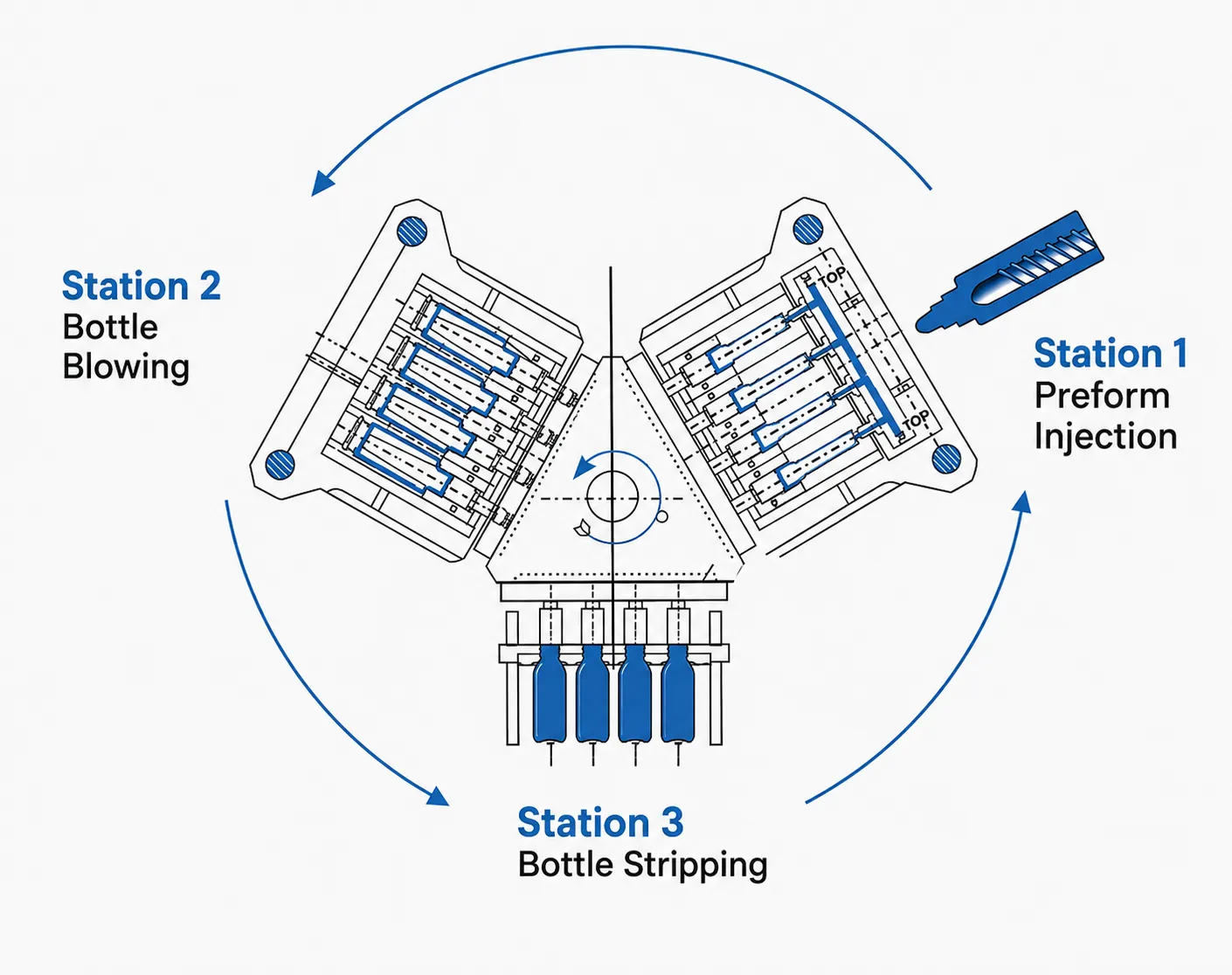
И литье под давлением, и экструзионно-выдувное формование производят полые пластиковые контейнеры путем нагнетания размягченной смолы в полость пресс-формы сжатым воздухом. На этом сходство заканчивается. Фундаментальное различие между двумя процессами заключается в способе создания заготовки — промежуточной формы, которая затем надувается, образуя бутылку. В литье под давлением заготовка формуется вокруг стержня с помощью прецизионной оснастки, которая точно определяет геометрию горлышка. В экструзионно-выдувном формовании заготовка представляет собой полую трубку из экструдированного пластика (прецизионный заготовок), которая зажимается выдувной формой и надувается, при этом геометрия горлышка формируется линией разъема формы, а не специальной прецизионной оснасткой.
Это единственное различие — литье под давлением против экструдированной заготовки — вытекает из двенадцати измеримых технических и коммерческих различий, определяющих, какой процесс подходит для конкретных требований корейской упаковочной фабрики к контейнерам. Эти двенадцать различий — не субъективные предпочтения; это инженерные реалии, вытекающие непосредственно из физики процесса. Понимание этих различий устраняет двусмысленность в выборе между литьем под давлением и экструдированной заготовкой для корейских предприятий по упаковке фармацевтической, бытовой химии, косметики и продуктов питания.
Процессы IBM и EBM в большинстве случаев не конкурируют друг с другом — они обслуживают разные рынки контейнеров. IBM доминирует в производстве малоформатных фармацевтических контейнеров и упаковки с прецизионным закрыванием в Корее. EBM доминирует в производстве крупноформатных промышленных контейнеров, канистр и контейнеров, требующих встроенных ручек, в Корее. Выбор процесса становится действительно неоднозначным только в среднем ценовом диапазоне: корейские контейнеры для бытовой химии объемом 250–1000 мл, корейские банки для продуктов питания объемом 100–500 мл и корейская упаковка косметики с широким горлышком — где оба процесса технически осуществимы, но различаются по качеству выпускаемой продукции, эксплуатационным расходам и капитальным затратам таким образом, что инженерам корейских заводов необходимо понимать это для принятия обоснованного инвестиционного решения.
2. Различия 1 и 2: Точность шейки гильзы и отсутствие заусенцев.
Разница 1 — Точность обработки поверхности шейки: ±0,05 мм против ±0,15–0,25 мм
В системе IBM стержень проходит через зону горлышка как во время фазы впрыска, так и во время фазы выдувания. Наружный диаметр резьбы горлышка, диаметр отверстия, уплотнительная поверхность и профиль резьбы определяются на станции 1 с помощью вставки литьевой формы — прецизионно обработанного стального инструмента, который обеспечивает допуск по размерам ±0,02 мм в полости горлышка. Поскольку горлышко формируется методом впрыска, а стержень сохраняет свою геометрию на протяжении всей фазы выдувания, давление выдувания на станции 2 никогда не контактирует с поверхностями горлышка. Горлышко готовой бутылки по размерам идентично полости литьевой формы — допуск по наружному диаметру ±0,05 мм во всех полостях, на каждом цикле.
В технологии EBM геометрия горловины формируется линией разъема выдувной формы — швом, где две половины выдувной формы соединяются вокруг экструдированной заготовки. Линия разъема должна замыкаться вокруг заготовки в месте расположения горловины, а точность размеров горловины ограничена точностью замыкания линии разъема и изменением толщины заготовки в зоне горловины. Допуск на внешний диаметр горловины при EBM обычно составляет ±0,15–0,25 мм — в три-пять раз больше, чем при IBM. Для корейских фармацевтических крышек CRC, требующих допуска на внешний диаметр горловины ±0,06 мм для зацепления при нажатии и повороте, и для корейских крышек насос-дозатора, требующих допуска на внешний диаметр горловины ±0,08 мм для обеспечения герметичности обжимного соединения, точность горловины при EBM недостаточна без дополнительных операций по финишной обработке горловины (развертывание или обрезка), которые увеличивают время цикла, стоимость оборудования и риск брака.
Разница 2 — Поколение вспышки: 0 против 7–15% веса дроби
В технологии IBM заготовка содержит ровно столько смолы, сколько необходимо для готовой бутылки. На границах пресс-формы нет излишков материала — литьевая форма заполняется точно, и когда заготовка раздувается на станции 2, полимер перераспределяется из заготовки в бутылку, не выходя за пределы полости выдувной формы. Отсутствие облоя — это структурная особенность процесса IBM, а не достижение высокого качества — физически невозможно образование облоя в IBM, поскольку нет излишков материала заготовки, которые можно было бы зажать.
В технологии EBM образование облоя неизбежно. Экструдированная заготовка должна выступать за верхнюю и нижнюю части выдувной формы, чтобы форма могла закрыть ее и удалить излишки. Облой образуется в месте соединения горлышка (выше резьбового соединения) и основания (ниже нижней панели), составляя от 7 до 151 тонны на 3 тонны массы впрыска в зависимости от геометрии бутылки и программы обработки заготовки. Этот облой либо выбрасывается как отходы, либо возвращается в экструдер в виде переработанного сырья — оба варианта сопряжены с затратами. Отходы облоя увеличивают стоимость смолы на бутылку; переработанное сырье добавляет этапы процесса, потребляет энергию и создает риски для качества смолы (снижение молекулярной массы, изменение цвета, повышение хрупкости на третьем и четвертом циклах переработанного сырья), которые влияют на механические свойства готовой бутылки. В частности, в корейском фармацевтическом производстве облой от операций обрезки EBM образует частицы пластика, представляющие риск загрязнения в чистых производственных помещениях — риск, который полностью исключает процесс IBM, исключающий образование облоя.
3. Различия 3 и 4: Использование материалов и равномерность толщины стенки.
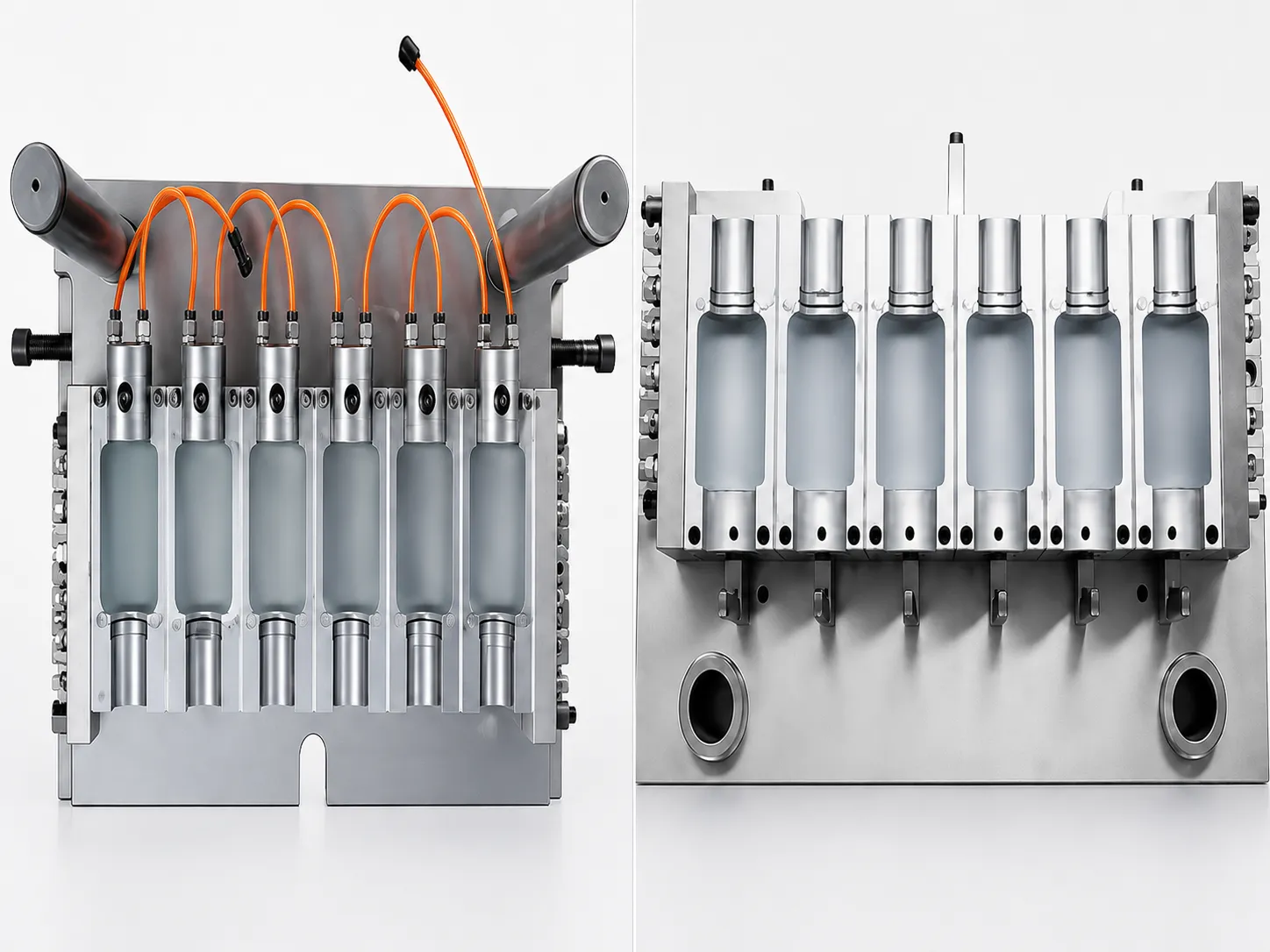
Разница 3 — Использование материалов: 100% против 85–93%
Технология производства без образования осадка в IBM означает, что каждый грамм смолы, впрыскиваемой на станции 1, попадает в готовую бутылку на станции 3. Коэффициент использования материала составляет 100%. Стоимость смолы в производственном цикле IBM равна стоимости готовых бутылок плюс стоимость материала литниковой системы (который в системах горячего канала остается в коллекторе горячего канала и никогда не затвердевает, полностью исключая отходы литниковой системы). В корейском фармацевтическом производстве ПЭВП, где стоимость смолы является наибольшей переменной составляющей затрат, коэффициент использования материала 100% представляет собой значительное операционное преимущество по сравнению с технологией EBM.
Эффективность использования материала EBM зависит от геометрии бутылки и программы заготовки: простые цилиндрические бутылки со стандартным зажимом горлышка и основания производят облой в количестве 7–101 тонн на 3 части массы впрыска; сложные геометрические формы с большими основаниями или овальным поперечным сечением могут производить облой до 151 тонны на 3 части массы впрыска. При ценах на корейский полиэтилен высокой плотности (HDPE) в 1400–1800 вон/кг и объеме производства EBM в Корее в 1 миллион бутылок по 500 мл (приблизительно 22 тонны HDPE по 22 г на бутылку), показатель облоя в 101 тонну на 3 части массы соответствует примерно 2,2 тоннам облоя HDPE — себестоимость материала составляет 3,1–4 миллиона вон на миллион бутылок. В годовом исчислении на корейском заводе бытовой химии, производящем 20 миллионов бутылок по 500 мл в год, стоимость материала для облоя EBM составляет 62–80 миллионов вон — это постоянные ежегодные затраты, которые IBM полностью исключает.
Разница 4 — Равномерность толщины стенки: заданная заготовкой против заданной в процессе изготовления каркаса.
В технологии IBM распределение толщины стенок готовой бутылки определяется геометрией заготовки, которая, в свою очередь, определяется размерами полости литьевой формы и стержня сердечника. Толщина стенки заготовки в каждой осевой точке фиксируется оснасткой пресс-формы, а не динамическим параметром процесса. Это означает, что стабильность толщины стенок в IBM является характеристикой оснастки: после того, как пресс-форма правильно спроектирована и изготовлена, распределение толщины стенок повторяется от цикла к циклу, от полости к полости и от смены к смене без корректировки оператором. Коэффициент вариации толщины стенок бутылок в IBM (CV%) обычно составляет 3–6% для всех полостей в многогнездной пресс-форме. В технологии EBM толщина стенки контролируется программированием заготовки — динамическим процессом, при котором зазор между фильерами экструзионной головки непрерывно изменяется во время экструзии заготовки для получения заготовки, которая при надувании о выдувную форму обеспечивает целевую толщину стенки в каждой точке. Программирование заготовки — это сложный процесс настройки, требующий квалифицированных операторов EBM для его поддержания; Толщина стенок CV% в корейском производстве методом EBM обычно составляет 8–15%, и выше во время запуска и после смены партий материала. Для корейской пищевой тары, где равномерность толщины стенок напрямую влияет на прочность на сжатие при штабелировании (требуется для размещения паллет в корейской розничной торговле), и для корейской фармацевтической тары, где толщина стенок влияет на расчеты скорости проникновения химических веществ при квалификации тары KFDA в Корее, заданная оснасткой равномерность стенок, определяемая IBM, является измеримым преимуществом в качестве по сравнению с зависимым от оператора программированием заготовки в методе EBM.
4. Различия 5 и 6: Диапазон громкости и скорость вывода.
Различия в объеме контейнеров и скорости вывода между IBM и EBM отражают разницу в архитектуре этих двух процессов — многогнездный прецизионный подход IBM против возможностей EBM по обработке больших объемов крупноформатной продукции.
| Объём / Коэффициент выпуска | IBM | ЭБМ |
|---|---|---|
| Минимальный практический объем | 1 мл — микрофармацевтика | ~30–50 мл — предел стабильности заготовки |
| Максимальный объем (стандартный) | 2000 мл | 500 л+ (промышленные бочки) |
| Кариес при 10 мл | До 30 (ZQ135) | 1–4 (пределы стабильности проекции для многополостных устройств) |
| Производительность 10 мл (бутылок/час) | До ~27 000 | ~3000–6000 |
| Кариес при объеме 500 мл | 5–8 (IBM) | 2–4 (EBM) |
| Производительность 500 мл (бутылок/час) | ~5400–7200 (6-8 кавалерийских особей) | ~3200–4800 (2-4 кавалерии) |
Разница 5 — Диапазон объема контейнера
Эффективный диапазон объемов для IBM составляет 1–2000 мл, при этом нижний предел ограничен минимальной практической массой впрыскиваемого вещества для получения стабильной заготовки, а верхний предел — размером выдувной формы, которую можно разместить на платформе револьверной головки. Нижний предел объема для EBM составляет приблизительно 30–50 мл, поскольку очень маленькие заготовки нестабильны во время экструзии — они провисают, неравномерно истончаются и при раздувании дают недопустимые колебания толщины стенок. При объеме менее 50 мл EBM не может надежно производить бутылки стабильного качества; IBM — единственный процесс выдувного формования для корейских фармацевтических ампул и мини-бутылок объемом 1–30 мл. Верхний диапазон объемов для EBM практически неограничен — промышленные машины EBM производят канистры, бочки и автомобильные топливные баки объемом 5–500 литров, чего IBM не может достичь.
Разница 6 — Скорость выпуска в малых форматах
Преимущество многогнездной машины IBM в производстве небольших контейнеров (10–100 мл) наиболее очевидно. 30-гнездная машина IBM для 10 мл производит примерно 27 000 флаконов в час при 4-секундном цикле — производительность, которую машина EBM с 4 гнездами при 6-секундном цикле производит примерно 2400 флаконов в час. Это соотношение производительности 11 к 1 для самых маленьких форматов означает, что корейскому фармацевтическому заводу, которому требуется 20 миллионов 10-миллилитровых контейнеров в год, необходима одна машина IBM ZQ135, работающая в две корейские смены, по сравнению с примерно десятью машинами EBM с эквивалентным количеством гнезд, работающими по тому же графику. Инвестиции в IBM выше на одну машину, но значительно ниже на единицу годовой производительности при производстве небольших форматов. При больших форматах (500 мл и более) преимущество IBM по количеству полостей сокращается: IBM с 6 полостями и EBM с 4 полостями производят продукцию с разницей всего в 30–501 тонну на 3 тонны, что делает экономическое сравнение более зависимым от разницы в операционных затратах (остатки, брак, квалификация оператора), чем от исходной производительности.
5. Различия 7 и 8: Возможности проектирования контейнеров
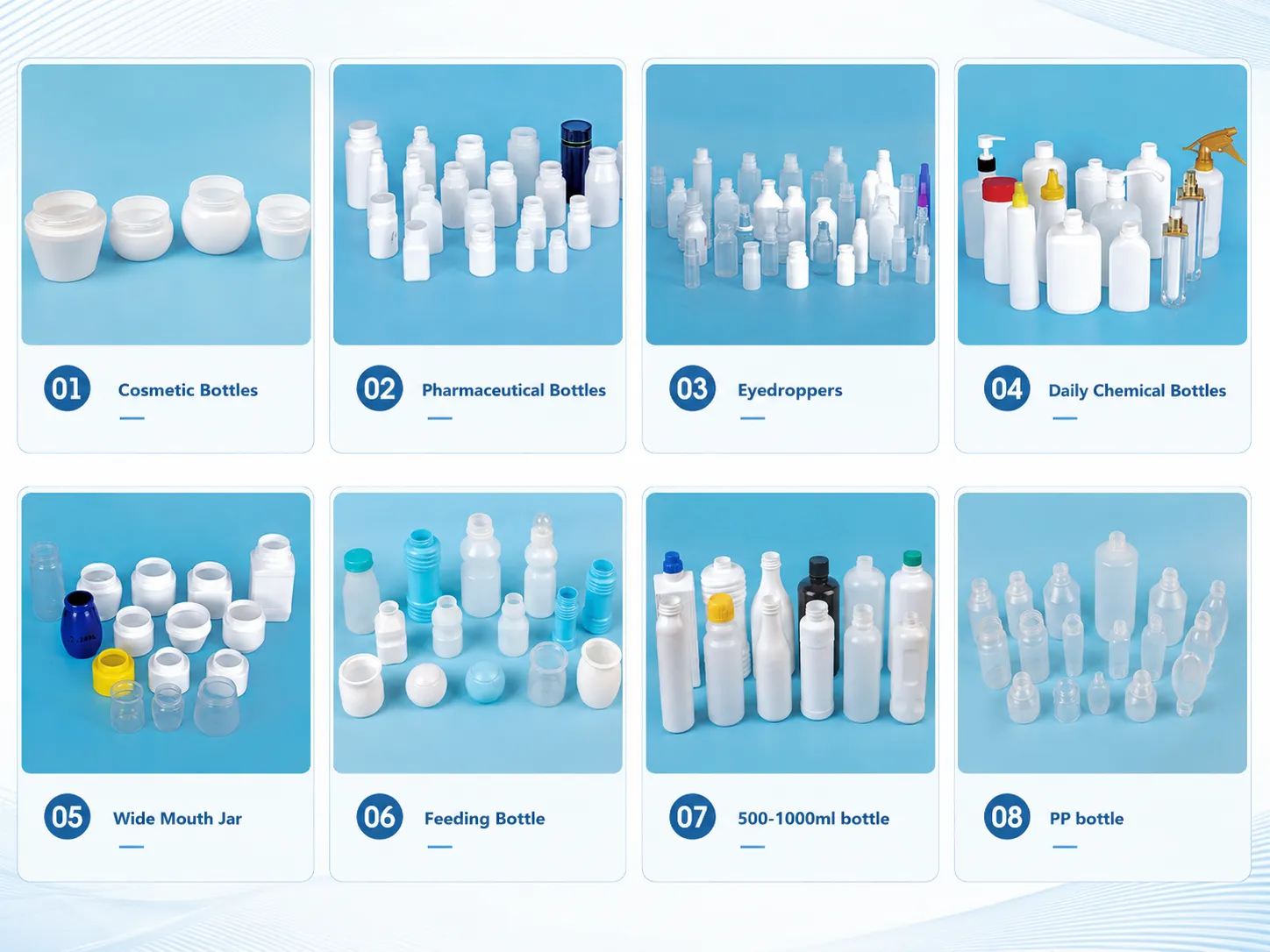
Отличие 7 — Возможность установки встроенной ручки
Конструкция зажима заготовки EBM позволяет выдувной форме включать полость для ручки, которая является неотъемлемой частью корпуса бутылки — заготовка зажимается таким образом, чтобы в нее вошла петля для ручки, и надувается, заполняя одновременно и корпус бутылки, и ручку. Это позволяет получить ручку, структурно непрерывную со стенкой бутылки, без сварных швов или клеевых соединений — правильная конструкция для корейских емкостей для бытовой химии объемом более 2 литров (чистящее средство, стиральный порошок, отбеливатель в больших количествах) и корейских пищевых контейнеров (растительное масло, уксус, соевый соус) объемом 2–5 литров, где ручка является как функционально необходимой, так и эргономически ожидаемой для корейских потребителей. Архитектура поворотной башни IBM не позволяет использовать цельные ручки: стержень проходит через внутреннюю часть контейнера на протяжении всего процесса, и ручка, соединяющая одну сторону контейнера с другой, препятствовала бы извлечению стержня на станции 3. В корейских контейнерах IBM объемом более 1 литра обычно используется ручка, установленная после производства (отдельно отформованная полипропиленовая ручка, прикрепленная или термофиксированная к бутылке IBM после производства), а не цельная ручка — двухкомпонентный подход, который увеличивает стоимость сборки и нарушает структурную целостность цельной ручки, используемой в технологии EBM. Для корейских контейнеров, где цельная ручка является конструктивным требованием, технология EBM остается правильным решением независимо от других преимуществ, предлагаемых IBM.
Разница 8 — Отделка поверхности и нижний шов
Контейнеры IBM не имеют шва на дне и следов разъема на стенках корпуса. Поскольку в выдувной форме IBM отсутствует линия разъема, пересекающая корпус контейнера — стержень стержня обеспечивает внутреннюю поверхность, а выдувная форма — только внешнюю поверхность полости, — внешняя поверхность бутылки IBM определяется исключительно поверхностью полости выдувной формы. Качество поверхности корпуса, полученного методом выдувного формования IBM, может быть отполировано до Ra ≤ 0,05 мкм (зеркальная поверхность), что позволяет получить корпус бутылки, визуально неотличимый от стеклянного контейнера, изготовленного из высокопрозрачного полистирола (PS) или поликарбоната (PCTG). Контейнеры, полученные методом выдувного формования (EBM), имеют горизонтальный шов на дне по линии отсечения, вертикальную линию разъема на корпусе в месте соединения двух половин формы, а в некоторых случаях — метку обрезки на горлышке в месте удаления заусенца. Эти линии швов допустимы в стандартной упаковке (бытовая химия, сельскохозяйственная продукция, промышленность), но представляют собой визуальную проблему для качества корейской косметической упаковки премиум-класса и фармацевтической тары, где этикетки спроектированы таким образом, чтобы точно закрывать линию разъема, а нижний шов виден со стороны полки. Бесшовная внешняя поверхность упаковки IBM является преимуществом в качестве дизайна, что поддерживает позиционирование корейской упаковки премиум-класса без операций по обработке поверхности после формования.
6. Различия 9 и 10: Соответствие нормативным требованиям и инвестиции в оборудование.
Разница 9 — Соответствие корейской фармацевтической продукции стандартам GMP.
Производство фармацевтической тары в Корее регулируется корейскими правилами KFDA (Министерство безопасности пищевых продуктов и лекарственных средств), которые устанавливают допуски на размеры горловины контейнеров, используемых с системами укупорки фармацевтической продукции. Корейские стандарты на укупорку фармацевтической продукции — особенно для контейнеров с защитой от детей (CRC), флаконов с обжимными крышками и флаконов с дозатором — требуют допусков на внешний диаметр горловины ±0,06–0,08 мм для обеспечения надлежащего функционирования укупорки и прохождения корейских испытаний на соответствие требованиям GMP. Компания IBM постоянно обеспечивает соблюдение этих допусков в рамках своей собственной технологической возможности. Технология EBM требует вторичной обработки горловины (развертывание, обрезка или калибровка горловины после формования) для достижения этих допусков, что увеличивает количество оборудования, время цикла и риск брака при производстве фармацевтической продукции методом EBM.
Кроме того, в корейских фармацевтических производственных средах, соответствующих стандартам GMP, образование частиц классифицируется как риск загрязнения. Технология производства без осадка, используемая IBM, исключает станцию обрезки осадка, которая требуется в технологии EBM — механическую операцию обрезки, в результате которой образуются пластиковые частицы при удалении осадка. В корейских фармацевтических чистых помещениях класса ISO 8 работа станции обрезки осадка EBM требует, чтобы станция обрезки была закрытой и с вытяжкой, чтобы предотвратить попадание частиц в зону наполнения — инженерное требование, которого полностью избегает производство IBM. Корейские предприятия по контрактной упаковке фармацевтической продукции, перешедшие с EBM на IBM, сообщают об устранении случаев отбраковки партий из-за частиц как об основном преимуществе в качестве, наряду с улучшением точности горловины.
Разница 10 — Инвестиции в оборудование: IBM против EBM
Машины IBM имеют более высокую начальную стоимость капитальных вложений, чем машины EBM аналогичного размера, обеспечивающие ту же производительность. (Корейская компания Ever-Power) машина для выдувного формования На уровне ZQ60 (14 ячеек, 37 кВт) инвестиции в EBM-машину выше, чем в аналогичную корейскую машину для производства 500 мл с двумя ячейками. Эта разница в инвестициях наиболее существенна для начинающих корейских упаковочных фабрик с ограниченным капиталом и длительными производственными циклами в одном формате — где более простая архитектура EBM и более низкая первоначальная стоимость могут оправдать более высокие эксплуатационные расходы на управление кратковременным испарением и более низкую производительность на одну бутылку. Расчет инвестиций в IBM против EBM меняется, когда корейские фабрики учитывают: (а) стоимость станции обрезки, которая требуется для EBM, но не включена в цену машины EBM; (б) ежегодные затраты на материалы для кратковременного испарения по корейским ценам на смолу; (в) дополнительного оператора, необходимого для станции обрезки EBM по сравнению с производством IBM с одним оператором; и (г) оборудование для калибровки горлышка, необходимое для корейской фармацевтической EBM. С учетом этих затрат сравнение общей стоимости владения IBM и EBM за 5-летний производственный план обычно показывает преимущество IBM для корейских фармацевтических применений и для производства корейской бытовой химии в объеме более 2 миллионов единиц в год.
| Фактор затрат | IBM | ЭБМ |
|---|---|---|
| Цена покупки машины | Выше | Ниже |
| Требуется станция обрезки | Нет | Да — дополнительно 15–40 млн вон. |
| Годовая стоимость расходных материалов (500 мл, 5 млн единиц) | Ноль | 15–25 млн вон/год |
| Количество операторов на машину | 1 | 1 станок + 1 станция обрезки = 2 |
| Общая стоимость владения за 5 лет (фармацевтика) | Ниже | Более высокий показатель с учетом всех эксплуатационных расходов. |
7. Различия 11 и 12: Энергоэффективность и углеродный след
Разница 11 — Энергопотребление на 1000 бутылок
Потребление энергии на 1000 готовых бутылок является наиболее важным показателем для сравнения энергопотребления на корейских упаковочных фабриках, поскольку оно учитывает разницу в производительности между IBM и EBM — сравнение общего энергопотребления оборудования без нормализации по объему производства привело бы к некорректной оценке более производительного оборудования. На производстве 500-миллилитровых бутылок для шампуня из полиэтилена высокой плотности (HDPE) используется корейский станок Ever-Power. Компьютер IBM EP-ZQ60 Работа с 3-камерной системой розлива 500 мл при общей мощности 37 кВт позволяет производить приблизительно 2700 бутылок в час — потребление энергии составляет примерно 13,7 кВт·ч на 1000 бутылок. Корейская машина EBM, работающая с 2-камерной системой розлива 500 мл при мощности 25 кВт, производит приблизительно 1800 бутылок в час — потребление энергии составляет примерно 13,9 кВт·ч на 1000 бутылок. При таком формате разница в энергопотреблении невелика. Однако в машинах Korea Ever-Power ZQ80 и выше используется двойная гидравлическая система, которая снижает фактическое энергопотребление до 52–701 ТВт от номинальной общей мощности во время производства — по измерениям корейских клиентов, это на 20–301 ТВт меньше электроэнергии на 1000 бутылок по сравнению с одноконтурными машинами IBM и EBM конкурентов того же формата. Для корейского завода, подпадающего под целевые показатели Министерства промышленности Кореи по энергоэффективности, это задокументированное преимущество в энергопотреблении напрямую улучшает отчетность завода по энергоемкости.
Разница 12 — Углеродный след флэш-памяти и регринга
Технология производства без использования воска в IBM устраняет углеродные издержки, которые возникают при каждом цикле производства методом EBM: углеродные выбросы, содержащиеся в восковом материале, который либо утилизируется, либо перерабатывается. Утилизированный воск из полиэтилена высокой плотности (HDPE) на типичном корейском предприятии EBM представляет собой потерянные углеродные выбросы, связанные с производством, транспортировкой и переработкой смолы — приблизительно 1,9 кг CO₂-э на кг HDPE, согласно корейским данным LCA (анализ жизненного цикла) для упаковки из HDPE. При 101 тонне воска на 500 мл корейской бутылки, изготовленной методом EBM (вес бутылки 22 г, 2,2 г воска на бутылку), приблизительно 4,2 г CO₂-э теряются на бутылку только в виде воскового материала. При объеме производства 20 миллионов бутылок в год это составляет приблизительно 84 тонны CO₂-э в год — выброс категории 3, который корейские производители упаковки все чаще должны учитывать в своей отчетности по ESG. IBM полностью исключает эти мгновенные углеродные издержки, предоставляя корейским производителям упаковки IBM конкретное и поддающееся количественной оценке преимущество в плане сокращения выбросов углерода при раскрытии информации о корпоративных показателях ESG в цепочке поставок в Корее, чего не может обеспечить упаковка EBM.
8. Модель принятия решений IBM против EBM для корейских упаковочных фабрик.
Двенадцать приведенных выше различий сводятся к простой схеме принятия решений для корейских упаковочных фабрик. Эта схема имеет три этапа — ответы на каждый этап следует давать по порядку, останавливаясь на первом однозначном ответе.
Ворота 1: Требуется ли встроенная ручка?
Если ДА — используйте EBM. IBM не может создавать целочисленные дескрипторы. Никакие другие факторы не отменяют этого. Если НЕТ — переходите к шагу 2.
Ворота 2: Объем контейнера превышает 2000 мл?
Если ДА — используйте EBM. Практический предел объема печати IBM составляет 2000 мл; при объеме больше этого значения требуются крупноформатные машины EBM или ISBM. Если НЕТ — переходите к воротам 3.
Раздел 3: Требует ли контейнер соответствия корейским фармацевтическим стандартам GMP по точности горловины, отсутствия пригорания или большого количества полостей при малом формате?
Если хотя бы на один вопрос «да», используйте IBM. Корейская фармацевтическая тара, корейская упаковка с точным закрыванием и корейское крупносерийное мелкоформатное производство — все это осуществляется через Gate 3 с использованием IBM. Если на все вопросы «нет», сравните общую стоимость владения IBM и EBM для конкретного формата и годового объема, поскольку оба варианта технически осуществимы, и решение является экономически обоснованным.
Для корейских заводов, работающих в неопределенной зоне — в основном, это корейская бытовая химия объемом 250–1000 мл и корейская косметика в банках с широким горлышком объемом 50–250 мл — экономическое сравнение должно включать: цену оборудования IBM по сравнению с ценой оборудования EBM плюс станцию обрезки; годовую стоимость быстротвердеющего материала при заданном объеме производства и цену корейского полиэтилена высокой плотности (HDPE); количество операторов (IBM: один на машину; EBM: одна машина + одна станция обрезки); оборудование для калибровки горловины для корейского фармацевтического EBM; и 5-летнюю амортизацию пресс-форм для каждого процесса. Инженеры по применению компании Korea Ever-Power предоставляют шаблон сравнения затрат IBM и EBM для корейских заводов, оценивающих это решение при конкретных объемах производства — он доступен через форму запроса Korea Ever-Power. Полный спектр вариантов оборудования IBM от Korea Ever-Power, от начального уровня до флагманских моделей, можно найти в документации. 4-станционный комплекс ISBM Рассматриваются области применения ПЭТ, где требуется кристальная прозрачность, а не обработка, аналогичная обработке ПЭВП/ПП.
Часто задаваемые вопросы
Запрос к машине IBM
Выбираете между IBM и EBM для своей производственной линии в Корее?
Компания Korea Ever-Power проводит анализ общей стоимости владения контейнерами IBM и EBM, планирование количества контейнеров и сравнение экономической эффективности производственных линий для конкретных форматов контейнеров в Корее и годовых объемов производства.
Дополнительные ресурсы
Машина для литья под давлением и выдувного формования EP-ZQ80
800 кН · 20 полостей по 10 мл · Отсутствие облоя · Стандартная двойная гидравлика · Производительность составляет приблизительно 15 800 бутылок в час при объеме 10 мл — по сравнению с 2400–4000 бутылками в час у EBM при аналогичном формате.
Машина для литья под давлением и выдувного формования EP-ZQ110
1100 кН · 24 полости по 10 мл · 4+N зоны цилиндра · Двойная гидравлика 22+22 кВт · Одна машина заменяет 8–10 машин EBM при производительности 10 мл фармацевтической продукции.
Что такое литье под давлением с выдувом? Полное руководство IBM.
Полное описание технологических процессов IBM — принцип работы 3-станционной системы, материалы, области применения и руководство по выбору оборудования ZQ для корейских фармацевтических и химических заводов.