तकनीकी गहन विश्लेषण · नेक फिनिश इंजीनियरिंग · कोरियाई आईएसबीएम 2026
आईएसबीएम नेक फिनिश इंजीनियरिंग:
कोरियाई बोतल गाइड
आईएसबीएम बोतल का गर्दन वाला हिस्सा ही एकमात्र ऐसा क्षेत्र है जो कभी खिंचता नहीं है — इसे अंतिम आयामों पर ही इंजेक्ट किया जाता है और इसे क्लोजर एंगेजमेंट, छेड़छाड़ के सबूत और डिस्पेंसिंग सीलिंग में सटीक रूप से काम करना होता है। गर्दन के बाहरी व्यास में हर 0.05 मिमी का विचलन क्लोजर पर बढ़ जाता है: क्लोजर टॉर्क विफलता, सील लीक, और उपभोक्ता शिकायत। कोरियाई आईएसबीएम गर्दन फिनिश इंजीनियरिंग उन सहनशीलता, सामग्रियों और निरीक्षण प्रोटोकॉल को परिभाषित करती है जो बिना खिंची गर्दन को कोरियाई आईएसबीएम उत्पादन में सबसे सटीक आयाम वाला क्षेत्र बनाते हैं।
जीपीआई 28/410 कॉस्मेटिक ±0.04 मिमी
कोरियाई सीआरसी ±0.03 मिमी
कोरियाई आईएसबीएम नेक फिनिश स्टैंडर्ड रेफरेंस — 2026
| गर्दन मानक | बाहरी व्यास (मिमी) | ओडी सहनशीलता | धागा | कोरियाई आवेदन |
|---|---|---|---|---|
| पीसीओ 1881 | 27.43 | ±0.10 मिमी | 2-स्टार्ट | कोरियाई स्टिल वॉटर, पेय पदार्थ, सीएसडी, एचपीपी कोल्ड-प्रेस जूस |
| पीसीओ 1810 (विरासत) | 28.58 | ±0.10 मिमी | 2-स्टार्ट | कुछ कोरियाई बाज़ार लाइनों में अभी भी पारंपरिक कोरियाई सीएसडी उपलब्ध है। |
| जीपीआई 28/410 | 27.43 | ±0.04 मिमी | 3-स्टार | कोरियाई के-ब्यूटी पीईटीजी, कोरियाई पर्सनल केयर पंप, कोरियाई हैंड सैनिटाइजर |
| जीपीआई 24/410 | 24.08 | ±0.04 मिमी | 3-स्टार | कोरियाई टोनर पंप, कोरियाई हैंड सैनिटाइजर पंप, कोरियाई रूम स्प्रे पंप |
| सीआरसी पी एंड टी 28 मिमी | 27.43 | ±0.03 मिमी | विशेष सीआरसी | कोरियाई फार्मास्युटिकल सीआरसी ओरल लिक्विड, कोरियाई शिशु फार्मूला |
| चौड़ा मुंह 63 मिमी+ | 63–100 | ±0.10 मिमी | चौड़े मुंह वाला जीपीआई | कोरियाई सप्लीमेंट जार, कोरियाई शिशु फार्मूला जार, कोरियाई किमची जार |
1. गर्दन की फिनिश सबसे आयामी रूप से महत्वपूर्ण क्षेत्र क्यों है?
कोरियाई आईएसबीएम उत्पादन में, बोतल के ऊपरी भाग को द्विअक्षीय अभिविन्यास से गुज़ारा जाता है जिससे आयामी भिन्नता कम हो जाती है। स्ट्रेच-ब्लो प्रक्रिया ऊपरी भाग में स्वतः सुधार करती है, जहाँ दबाव के साथ साँचे की गुहा को भरने के लिए सामग्री प्रवाहित होती है। हालाँकि, गर्दन का अंतिम भाग न तो खींचा जाता है और न ही फुलाया जाता है। इसे कंडीशनिंग और ब्लोइंग चरणों से पहले, इंजेक्शन स्टेशन में इंजेक्शन मोल्डिंग द्वारा पूरी तरह से आकार दिया जाता है। इसका अर्थ है कि गर्दन के अंतिम भाग के आयाम पूरी तरह से इंजेक्शन साँचे के गर्दन के इंसर्ट की ज्यामिति और इंजेक्शन प्रक्रिया की स्थितियों द्वारा निर्धारित होते हैं, इंजेक्शन भिन्नता की भरपाई के लिए कोई स्वतः सुधार करने वाला ब्लो दबाव नहीं होता है।
बोतल के गले की सतह में भिन्नता का प्रभाव बोतल के ढक्कन की बनावट पर भी पड़ता है, जिससे इसके परिणाम और भी गंभीर हो जाते हैं। PCO 1881 पानी की बोतल के गले के बाहरी व्यास में ±0.10 मिमी की भिन्नता से ढक्कन लगाने के लिए लगने वाले बल में लगभग ±8% की भिन्नता आ जाती है — जो कोरियाई सामान्य पानी के लिए स्वीकार्य है। कोरियाई GPI 28/410 कॉस्मेटिक पंप के गले में ±0.04 मिमी की भिन्नता से पंप हेड के लगने वाले बल में ±15% की भिन्नता आ जाती है — जिससे पंप हेड में आवाज के साथ ढीलापन आ जाता है और कोरियाई K-ब्यूटी टोनर की बोतलों में कभी-कभी पंप हेड झुक जाता है, जो कोरियाई ब्रांड के प्रवेश निरीक्षण में विफल हो जाता है। कोरियाई CRC के गले में ±0.03 मिमी की भिन्नता से बच्चों की पहुंच से दूर रखने वाले रैचेट के लगने वाले बल में ±22% की भिन्नता आ जाती है — जिससे CRC प्रदर्शन परीक्षण में विफलता हो सकती है (85% की बच्चों की पहुंच से दूर रखने की दर कोरियाई KFDA की आवश्यकता से कम है)। प्रत्येक कोरियाई आईएसबीएम अनुप्रयोग स्तर में एक विशिष्ट नेक ओडी टॉलरेंस होता है जो इसके क्लोजर की आयामी भिन्नता के प्रति संवेदनशीलता को दर्शाता है, और प्रत्येक कोरियाई आईएसबीएम नेक इंसर्ट को उस टॉलरेंस के अनुसार डिज़ाइन, निर्मित और रखरखाव किया जाना चाहिए। प्रीफॉर्म डिज़ाइन ज्यामिति जो नेक इंसर्ट के बनने से पहले नेक ज़ोन वॉल वितरण स्थापित करती है, वह इसमें शामिल है। आईएसबीएम प्रीफॉर्म डिजाइन फाउंडेशन गाइड.
2. कोरियाई पीसीओ 1881 मानक: पेय पदार्थ के गले की इंजीनियरिंग
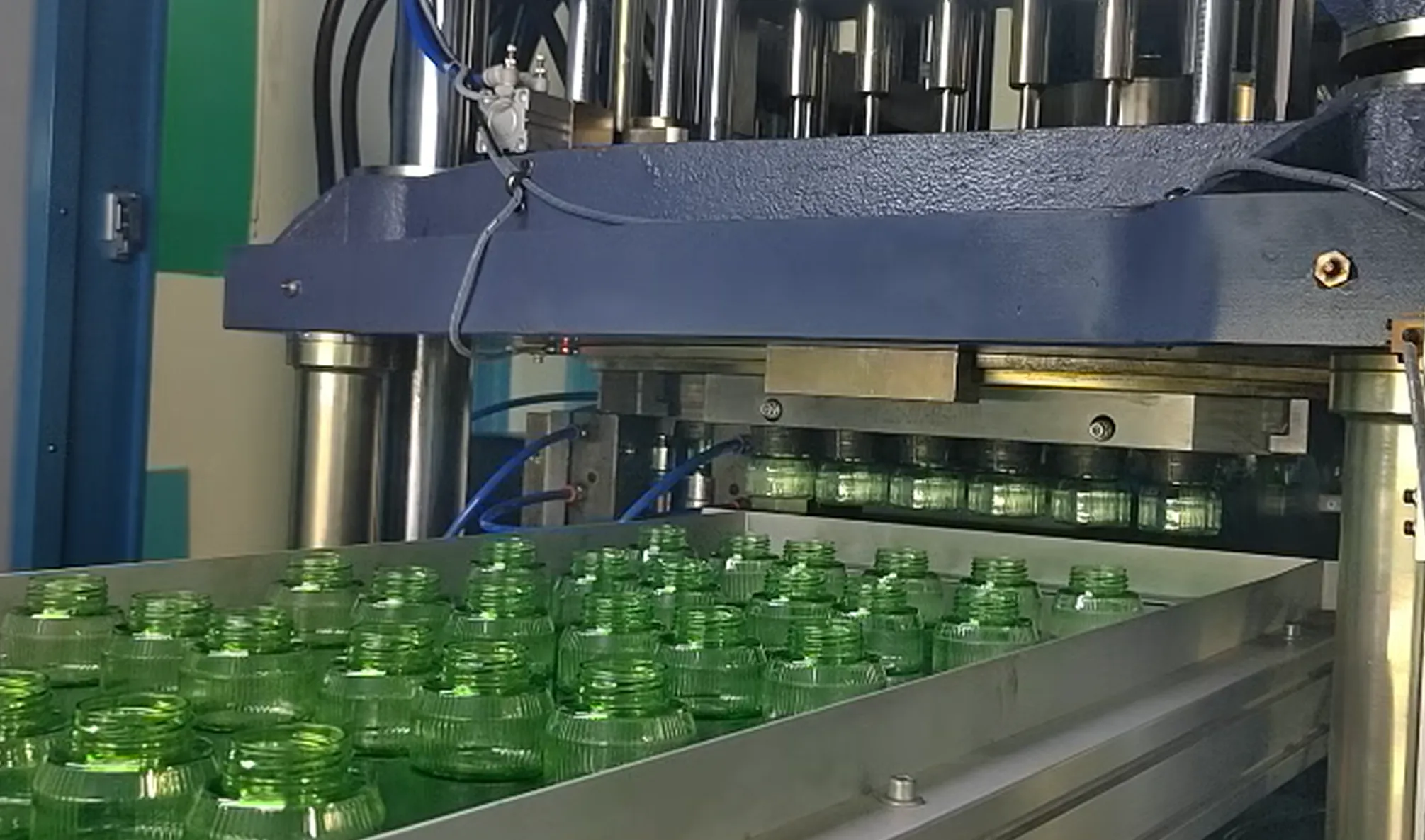
PCO 1881 (पॉलीइथिलीन कैप और क्लोज़र ओपनिंग 1881) कोरियाई पेय पदार्थों के लिए प्रचलित ISBM मानक है। इसका उपयोग कोरियाई स्टिल वॉटर, सीएसडी, स्पार्कलिंग वॉटर, एचपीपी जूस और अधिकांश कोरियाई पेय पदार्थों के लिए किया जाता है जिनमें मानक 28 मिमी स्क्रू कैप क्लोज़र का उपयोग होता है। PCO 1881 मानक को इंटरनेशनल सोसाइटी ऑफ बेवरेज टेक्नोलॉजिस्ट्स (ISBT) द्वारा पूर्व के PCO 1810 मानक के हल्के विकल्प के रूप में विकसित किया गया था, जिससे क्लोज़र की कार्यक्षमता को बनाए रखते हुए नेक सामग्री का वजन लगभग 12% कम हो गया।
कोरियाई आईएसबीएम पीसीओ 1881 गर्दन इंजीनियरिंग के महत्वपूर्ण पैरामीटर: (1) ई-आयाम (बाहरी थ्रेड ओडी) = 27.43 मिमी नाममात्र, ±0.10 मिमी कोरियाई पेय मानक सहनशीलता; (2) टी-आयाम (पिच लाइन से ऊपर थ्रेड की ऊंचाई) = 0.97 मिमी नाममात्र, ±0.05 मिमी - बोतल थ्रेड और क्लोजर के स्कर्ट थ्रेड के बीच रेडियल इंटरफेरेंस फिट निर्धारित करता है; (3) एल-आयाम (सपोर्ट रिंग से सीलिंग सतह तक गर्दन की लंबाई) = 17.0 मिमी नाममात्र, ±0.30 मिमी - अनुप्रयोग से संलग्न स्थिति तक क्लोजर की ऊर्ध्वाधर यात्रा निर्धारित करता है; (4) सपोर्ट रिंग ओडी = 30.48 मिमी नाममात्र - वह निकला हुआ किनारा जो फिलिंग लाइन गर्दन-हैंडलिंग उपकरण पर बोतल को सहारा देता है। कोरियाई आईएसबीएम पेय बोतल गुणवत्ता लेखा परीक्षक प्रत्येक गुहा के चारों चतुर्थांशों (0°, 90°, 180°, 270°) पर ई-आयाम की जांच करते हैं - एक गैर-गोल गर्दन की फिनिश (लंबवत माप के बीच 0.15 मिमी व्यास के अंतर से अधिक अंडाकारता) गर्दन के सम्मिलन के घिसाव या असमान शीतलन को इंगित करती है और यह एक मानक कोरियाई पेय ब्रांड आगमन निरीक्षण अस्वीकृति मानदंड है।
आणविक अभिविन्यास विज्ञान, जो यह बताता है कि गर्दन क्षेत्र (जिस पर कोई प्रहार अभिविन्यास नहीं होता) शरीर क्षेत्र की तुलना में यांत्रिक रूप से कमजोर क्यों होता है — और कोरियाई पेय ब्रांड ओडी सहनशीलता के अलावा गर्दन की दीवार की मोटाई की न्यूनतम सीमा क्यों निर्दिष्ट करते हैं — वह इस लेख में है। द्विअक्षीय आणविक अभिविन्यास गाइड.
3. जीपीआई 28/410 और 24/410: कोरियाई पर्सनल केयर नेक इंजीनियरिंग
जीपीआई (ग्लास पैकेजिंग इंस्टीट्यूट) नेक मानक - जो कोरियाई पर्सनल केयर आईएसबीएम में व्यापक रूप से उपयोग किए जाते हैं - 28/410 और 24/410 नेक प्रोफाइल को परिभाषित करते हैं, जहां पहला अंक मिलीमीटर में नाममात्र बाहरी व्यास (ओडी) और दूसरा अंक थ्रेड की गहराई का कोड है। कोरियाई आईएसबीएम जीपीआई 28/410 और 24/410 नेक का उपयोग कोरियाई के-ब्यूटी पीईटीजी, पर्सनल केयर, हैंड सैनिटाइजर और रूम स्प्रे अनुप्रयोगों में पंप डिस्पेंसर, फ्लिप कैप और लोशन कैप के लिए किया जाता है। पीसीओ 1881 से महत्वपूर्ण अंतर यह है कि जीपीआई 28/410 में 3-स्टार्ट थ्रेड (नेक की परिधि के चारों ओर 120° के अंतर पर शुरू होने वाले तीन हेलिक्स) का उपयोग किया जाता है, जबकि पीसीओ 1881 में 2-स्टार्ट थ्रेड होता है। 3-स्टार्ट थ्रेड पीसीओ 1881 के 1/2-टर्न की तुलना में लगभग 1/3-टर्न एंगेजमेंट प्रदान करता है, जिससे कोरियाई फिलिंग लाइनों पर पंप हेड को तेजी से लगाया जा सकता है।
कोरियाई आईएसबीएम जीपीआई 28/410 गर्दन सहिष्णुता विनिर्देश अनुप्रयोग स्तर के अनुसार: कोरियाई कमोडिटी पर्सनल केयर (शैम्पू, कंडीशनर, लोशन - 24 मिमी पंप ओडी): ±0.05 मिमी ओडी - मानक जीपीआई सहिष्णुता, मानक स्प्रिंग स्थिरांक पर अधिकांश कोरियाई पर्सनल केयर पंप डिस्पेंसर के लिए स्वीकार्य; कोरियाई के-ब्यूटी पीईटीजी टोनर पंप (24 मिमी पंप ओडी, कम चिपचिपाहट वाला टोनर): ±0.04 मिमी - पंप हेड के झुकाव को रोकने के लिए कमोडिटी की तुलना में अधिक सख्त; कोरियाई हैंड सैनिटाइजर इथेनॉल-संगत पंप (24/410, सिलिकॉन गैस्केट): लगातार सिलिकॉन गैस्केट संपीड़न के लिए ±0.04 मिमी; कोरियाई फार्मास्युटिकल सीआरसी (28/410 पी एंड टी तंत्र): ±0.03 मिमी - सबसे सख्त कोरियाई आईएसबीएम गर्दन ओडी विनिर्देश। हॉट रनर डिज़ाइन जो गर्दन क्षेत्र में इंजेक्शन भरने की एकरूपता निर्धारित करता है - सभी कैविटी में ±0.04 मिमी गर्दन ओडी प्राप्त करने के लिए एक पूर्वापेक्षा - इसमें शामिल है। कोरियाई आईएसबीएम हॉट रनर सिस्टम गाइड.
4. कोरियाई आईएसबीएम बोतलों के लिए छेड़छाड़-रोधी बैंड डिजाइन
कोरियाई आईएसबीएम बोतलों पर छेड़छाड़ का पता लगाने के लिए दो तंत्रों का उपयोग किया जाता है: ढक्कन का छेड़छाड़-रोधी बैंड (ढक्कन के निचले हिस्से पर लगा एक रैचेट रिंग जो सपोर्ट रिंग के नीचे स्थित ट्रांसफर बीड या रैचेट रिंग से जुड़ता है), और इंडक्शन फॉइल सील (बोतल की गर्दन की सतह पर चिपकाया गया एक हीट-बॉन्डेड एल्युमिनियम फॉइल सील जो पहली बार खोलने पर नष्ट हो जाता है)। छेड़छाड़-रोधी ढक्कन की अनुकूलता के लिए कोरियाई आईएसबीएम बोतल की गर्दन की इंजीनियरिंग ट्रांसफर बीड पर केंद्रित है - सपोर्ट रिंग के नीचे बोतल की गर्दन पर उभरा हुआ गोलाकार बीड, जिससे ढक्कन के छेड़छाड़-रोधी बैंड के रैचेट दांत जुड़ते हैं।
कोरियाई आईएसबीएम ट्रांसफर बीड इंजीनियरिंग: (1) ट्रांसफर बीड का बाहरी व्यास (OD) आमतौर पर थ्रेड के बाहरी व्यास (OD) से 3–5% अधिक होता है, जो प्रारंभिक घुमाव के दौरान टैम्पर बैंड रैचेट के दांतों को पार करने के लिए आवश्यक यांत्रिक अवरोध प्रदान करता है; यदि बीड बहुत छोटा हो तो टैम्पर बैंड ठीक से नहीं जुड़ पाता; यदि बहुत बड़ा हो तो बैंड को लगाने के लिए अत्यधिक बल की आवश्यकता होती है, जिससे क्लोजर स्कर्ट में दरार आ सकती है। (2) नेक शाफ्ट के ऊपर ट्रांसफर बीड की ऊंचाई = 0.5–1.2 मिमी; 0.4 मिमी से कम होने पर रैचेट के दांत पकड़ नहीं बना पाते; 1.5 मिमी से अधिक होने पर लगाने के दौरान बैंड अत्यधिक खिंच जाता है, जिससे क्लोजर पर दिखाई देने वाला तनाव का निशान रह जाता है। (3) निचले किनारे पर ट्रांसफर बीड की त्रिज्या = 0.3–0.6 मिमी; एक नुकीला निचला किनारा टैम्पर बैंड में तनाव का संकेंद्रण पैदा करता है, जिससे लगाने के दौरान कोरियाई फिलिंग लाइनों में समय से पहले फ्रैक्चर हो जाता है। कोरियाई पेय पदार्थ भरने वाली लाइन की स्थापना के दौरान टैम्पर बैंड में दरार आने की समस्या का सामना करने वाले कोरियाई आईएसबीएम उत्पादकों को सबसे पहले ट्रांसफर बीड की निचली त्रिज्या को मापना चाहिए - 0.25 मिमी से कम त्रिज्या (नेक इंसर्ट के घिसाव के कारण) कोरियाई पेय पदार्थ भरने वाली लाइनों में आईएसबीएम टैम्पर बैंड में दरार आने का सबसे आम कारण है।
कोरियाई आईएसबीएम नेक फिनिश दोषों — जिनमें ट्रांसफर बीड पर टैम्पर बैंड रिंग का टूटना, पहली बार खोलने पर टैम्पर बैंड का अलग न होना और थ्रेड क्रॉस-थ्रेडिंग शामिल हैं — और उनके विशिष्ट मूल कारण निदान को इसमें शामिल किया गया है। कोरियाई आईएसबीएम बोतल दोष क्षेत्र मार्गदर्शिका.
5. गर्दन के अंदर डालने की सामग्री: कोरियाई आईएसबीएम अनुप्रयोगों के लिए स्टील का चयन।
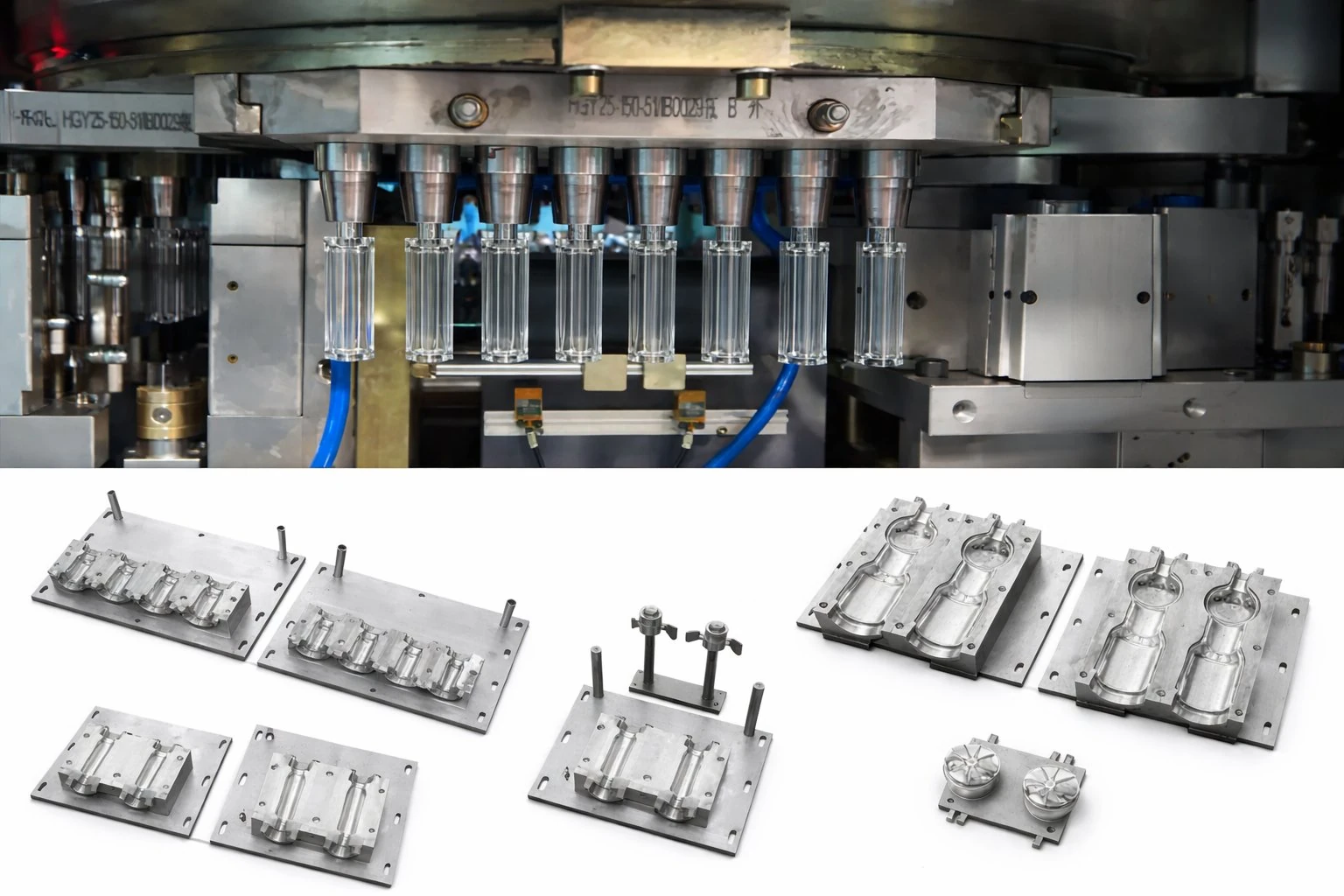
कोरियाई आईएसबीएम नेक इंसर्ट स्टील का चयन, प्राप्त की जा सकने वाली आयामी सटीकता और आयामी विचलन होने से पहले उत्पादन सेवा जीवन दोनों को निर्धारित करता है। कोरियाई आईएसबीएम नेक इंसर्ट अनुप्रयोगों के लिए तीन प्रकार के स्टील का उपयोग किया जाता है।
P20 पूर्व-कठोर इस्पात (30–36 HRC) — कोरियाई पीसीओ पेय मानक
P20, PCO 1881 और PCO 1810 पेय पदार्थों के लिए मानक कोरियाई ISBM नेक इंसर्ट स्टील है। ±0.10 मिमी PCO OD टॉलरेंस पर, P20 की कठोरता विशिष्ट कोरियाई पेय उत्पादन मात्रा (प्रति कैविटी 8-15 मिलियन शॉट/वर्ष) के लिए पर्याप्त आयामी स्थिरता प्रदान करती है। कोरियाई PETG प्रसंस्करण के लिए P20 पर्याप्त संक्षारण प्रतिरोध प्रदान नहीं करता है - PETG का हल्का अम्लीय मेल्ट (ग्लाइकोल मॉडिफायर हाइड्रोलिसिस से समतुल्य pH) 3-4 मिलियन शॉट के बाद थ्रेड प्रोफाइल क्रेस्ट पर P20 की सतह पर ऑक्सीकरण का कारण बनता है, जिससे थ्रेड की सतह खुरदरी हो जाती है और नेक OD की आयामी स्थिरता प्रभावित होने लगती है। PET पेय पदार्थों के लिए स्वीकार्य; PETG कॉस्मेटिक अनुप्रयोगों के लिए 2316 का उपयोग करें।
2316 मार्टेन्सिटिक स्टेनलेस (32–36 एचआरसी) — कोरियाई के-ब्यूटी और फार्मा मानक
2316 स्टेनलेस स्टील 32–36 HRC कठोरता (±0.04 मिमी GPI टॉलरेंस पर आयामी स्थिरता के लिए पर्याप्त) और 316L के समतुल्य संक्षारण प्रतिरोध (PETG पिघलने, पॉलिशिंग क्लीनिंग एजेंट और कोरियाई गर्मी की नमी का प्रतिरोध करता है) का संयोजन प्रदान करता है। कोरियाई K-ब्यूटी PETG कॉस्मेटिक, कोरियाई फार्मास्युटिकल और कोरियाई हैंड सैनिटाइजर के नेक इंसर्ट मानक रूप से 2316 स्टेनलेस स्टील में निर्दिष्ट हैं। ±0.04 मिमी GPI OD पर सेवा जीवन: टॉलरेंस से ऊपर आयामी विचलन से पहले प्रति कैविटी 12–20 मिलियन शॉट्स — कोरियाई K-ब्यूटी PETG नेक इंसर्ट प्रतिस्थापन का मानक अंतराल। 2316 कोरियाई कॉस्मेटिक नेक इंसर्ट के लिए Ra ≤ 0.05 μm तक डायमंड-लैपिंग मानक है — K-ब्यूटी बोतल पर आयामी प्रतिकृति सटीकता और दृश्य थ्रेड सतह गुणवत्ता दोनों में सुधार करता है।
H13 हॉट वर्क टूल स्टील (48–52 HRC) — कोरियाई सीआरसी फार्मास्युटिकल
H13, कोरियाई ISBM नेक इंसर्ट्स में उपलब्ध उच्चतम कठोरता (48–52 HRC) प्रदान करता है, जो उत्पादन काल के दौरान ±0.03 मिमी CRC आयामी स्थिरता की आवश्यकता वाले अनुप्रयोगों के लिए उपयुक्त है। कोरियाई फार्मास्युटिकल CRC उत्पादन दरों (4–6 मिलियन शॉट्स/वर्ष) पर, H13 CRC नेक इंसर्ट्स 10–15 मिलियन शॉट्स तक ±0.03 मिमी के भीतर आयामी सटीकता बनाए रखते हैं — समान OD टॉलरेंस पर 2316 स्टेनलेस स्टील की तुलना में 3 गुना अधिक सेवा जीवन। H13 CRC इंसर्ट्स की उच्च लागत (2316 से लगभग 35% अधिक) इस तथ्य से उचित ठहराई जाती है कि उत्पादन में ±0.03 मिमी से अधिक आयामी विचलन के कारण CRC प्रदर्शन परीक्षण के पुनः-योग्यता निर्धारण की आवृत्ति कम होती है।
कोरियाई आईएसबीएम मोल्ड स्टील चयन का व्यापक ढांचा — जिसमें प्रत्येक कोरियाई अनुप्रयोग के लिए नेक इंसर्ट स्टील, कैविटी बॉडी स्टील और बेस इंसर्ट स्टील के बीच परस्पर क्रिया शामिल है — फैक्टर 6 (नेक इंसर्ट स्टील) है। 9-कारक कोरियाई आईएसबीएम मोल्ड चयन गाइड.
6. कोरियाई आईएसबीएम नेक फिनिश में दोष: कारण और निदान
| दोष | उपस्थिति | प्राथमिक कारण | सुधार |
|---|---|---|---|
| गर्दन ओडी ओवर-टॉलरेंस | क्लोजर जाम हो जाता है या अत्यधिक टॉर्क की आवश्यकता होती है; पंप हेड में ढीलापन | गर्दन के छिद्र में घिसाव के कारण फैलाव; इंजेक्शन में अत्यधिक पैकिंग; पिघलने का तापमान बहुत अधिक | इंसर्ट बोर को मापें; घिस जाने पर बदल दें; इंजेक्शन होल्ड प्रेशर को 5–10% तक कम करें |
| थ्रेड फ्लैश / थ्रेड फिन | धागे के शिखरों से फैली हुई पीईटी की पतली पंखुड़ियाँ; बंद करने वाले क्रॉस-थ्रेड्स | गर्दन में डाली गई स्प्लिट-लाइन का अंतर 0.02 मिमी से अधिक घिसा हुआ; इंजेक्शन ओवरपैकिंग | इंसर्ट स्प्लिट-लाइन गैप को मापें; इंसर्ट के दोनों हिस्सों को दोबारा फिट करें; इंजेक्शन प्रेशर कम करें |
| शॉर्ट-शॉट नेक | अपूर्ण थ्रेड प्रोफाइल; गायब थ्रेड खंड; पतली गर्दन की दीवार | अपर्याप्त इंजेक्शन दबाव; गेट में गंदगी; पिघलने का तापमान बहुत कम | इंजेक्शन पैक का दबाव बढ़ाएँ; हॉट रनर गेट को साफ करें; बैरल का तापमान 3-5 डिग्री सेल्सियस बढ़ाएँ |
| गर्दन की अंडाकारता | गोल गर्दन नहीं; पंप हेड ऊर्ध्वाधर से हटकर स्थित; क्लोजर टॉर्क में भिन्नता | गर्दन के इंसर्ट की असमान शीतलन; गर्दन के इंसर्ट के दोनों हिस्सों पर असमान क्लैंप बल | प्रत्येक नेक इंसर्ट कूलिंग पोर्ट पर कूलिंग वॉटर ΔT को मापें; प्रवाह को संतुलित करें; इंसर्ट के आधे संरेखण की पुष्टि करें। |
| बैठने की सतह का झुकाव | बंद सतह एक किनारे से प्राथमिकता से संपर्क करती है; रिसाव दूसरी तरफ से होता है। | गर्दन के ऊपरी भाग का सिरा बोर अक्ष के लंबवत नहीं है (0.1° से अधिक झुकाव); गर्दन की शीतलन असमान है | CMM का उपयोग करके नेक सीटिंग फेस की लंबवतता मापें; यदि झुकाव 0.1° से अधिक हो तो इंसर्ट को पुनः स्थापित करें। |
7. नेक फिनिश माप और कोरियाई आईएसबीएम क्यूसी प्रोटोकॉल
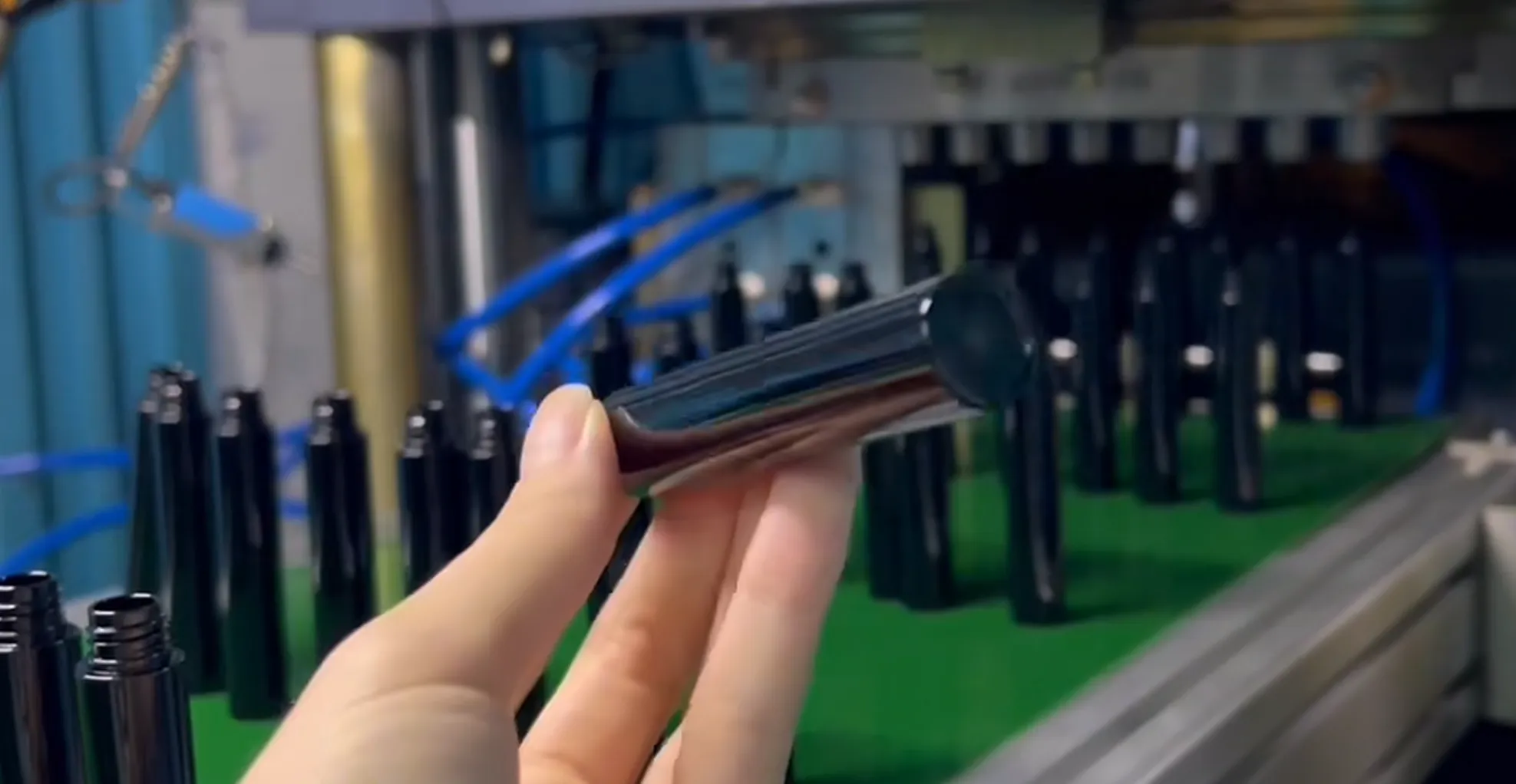
कोरियाई आईएसबीएम नेक फिनिश माप प्रोटोकॉल को आवृत्ति और परिशुद्धता के तीन स्तरों पर संरचित किया गया है। उत्पादन शिफ्ट जांच (प्रति शिफ्ट प्रति कैविटी 5 बोतलें, डिजिटल कैलिपर): 2 क्वाड्रेंट (0° और 90°) पर नेक ओडी, अंडाकारता गणना, गो/नो-गो गेज पास; परिणाम उत्पादन गुणवत्ता रिकॉर्ड में दर्ज किए जाते हैं। साप्ताहिक आयामी ऑडिट (प्रति कैविटी 10 बोतलें, सीएमएम या एयर गेज): 4 क्वाड्रेंट पर नेक ओडी, थ्रेड ऊंचाई टी-आयाम, एल-आयाम, सपोर्ट रिंग ओडी, सीटिंग सतह की समतलता; परिणामों की तुलना कोरियाई ब्रांड के आयामी विनिर्देश (पीसीओ 1881 आईएसबीटी ड्राइंग, जीपीआई 28/410 क्लोजर आपूर्तिकर्ता प्रिंट, या ब्रांड की मालिकाना ड्राइंग) से की जाती है। त्रैमासिक नेक इंसर्ट आयामी निरीक्षण (बोतल पर नहीं, बल्कि नेक इंसर्ट पर ही निर्देशांक माप): 4 क्वाड्रेंट पर इंसर्ट बोर, थ्रेड प्रोफाइल ज्यामिति (गहराई, पिच, कोण), स्प्लिट-लाइन गैप और सीटिंग फेस लंबवतता को मापें; घिसावट पुनः उपयोग योग्य सीमा के भीतर है या नहीं, इसकी पुष्टि करने के लिए मूल निर्मित इंसर्ट आयामों से तुलना करें। कोरियाई आईएसबीएम उत्पादक जो इस तीन-स्तरीय नेक फिनिश क्यूसी प्रोटोकॉल को लागू करते हैं, कोरियाई ब्रांड के इनकमिंग निरीक्षण में नेक से संबंधित अस्वीकृति को डिलीवरी के 0.11टीपी3टी से नीचे तक कम कर देते हैं - जबकि केवल सरसरी तौर पर नेक फिनिश गुणवत्ता का दृश्य निरीक्षण करने वाले कोरियाई आईएसबीएम उत्पादकों के लिए अस्वीकृति दर 2-41टीपी3टी होती है।
8. विशेष कोरियाई नेक प्रोफाइल: इंडक्शन सील, ड्रॉपर और रीड डिफ्यूज़र
मानक PCO और GPI थ्रेड प्रोफाइल के अलावा, कोरियाई ISBM तीन विशेष नेक प्रोफाइल का उत्पादन करता है जिनके लिए अद्वितीय इंजीनियरिंग दृष्टिकोण की आवश्यकता होती है। इंडक्शन सील नेक (कोरियाई खाद्य जार, शिशु फार्मूला, सप्लीमेंट जार, फार्मास्युटिकल ओरल लिक्विड): सीटिंग सतह - नेक के शीर्ष पर सपाट वलयाकार सतह जिससे एल्यूमीनियम फ़ॉइल इंडक्शन सील जुड़ती है - कोरियाई फार्मास्युटिकल/शिशु फार्मूला के लिए ±0.06 मिमी और कोरियाई खाद्य जार अनुप्रयोगों के लिए ±0.08 मिमी के भीतर सपाट होनी चाहिए। सीटिंग सतह कोरियाई ISBM में सबसे अधिक आयामी रूप से संवेदनशील नेक विशेषता है क्योंकि यह आमतौर पर केवल 2.5-4 मिमी चौड़ी होती है - नेक इंसर्ट में थोड़ा सा भी झुकाव (0.1° से ऊपर) सीटिंग सतह में झुकाव पैदा करता है जिससे फ़ॉइल वेल्ड की मजबूती असमान हो जाती है (निचले हिस्से पर अपर्याप्त सील, ऊपरी हिस्से पर अत्यधिक वेल्ड बर्न)। कोरियाई ड्रॉपर नेक (कोरियाई एसेंस एम्प्यूल, कोरियाई फार्मास्युटिकल ओरल लिक्विड, कोरियाई कुकिंग ऑयल): नेक का आंतरिक बोर व्यास ड्रॉपर टिप के इंटरफेरेंस फिट को नियंत्रित करता है — ड्रॉपर टिप की एकसमान पकड़ सुनिश्चित करने के लिए सभी कैविटी में बोर आईडी को ±0.05 मिमी के भीतर रखना आवश्यक है। रीड डिफ्यूज़र के संकरे नेक (कोरियाई होम फ्रेगरेंस, 14–22 मिमी आईडी): इसके लिए थ्रेड प्रोफाइल इंसर्ट से अलग एक सटीक बोर इंसर्ट की आवश्यकता होती है क्योंकि बोर आईडी (जो रीड स्टिक बंडल की पकड़ को नियंत्रित करता है) थ्रेड ओडी (जो डेकोरेटिव कैप के जुड़ाव को नियंत्रित करता है) से स्वतंत्र होता है। इन विशेष कोरियाई नेक प्रोफाइल के मोल्ड डिज़ाइन संबंधी निहितार्थ — विशेष रूप से इंडक्शन सील सीटिंग सतह के लिए स्प्लिट-लाइन प्रबंधन और ड्रॉपर और डिफ्यूज़र नेक के लिए अलग-अलग बोर इंसर्ट — कोरियाई आईएसबीएम मोल्ड विनिर्देश ढांचे में 9-कारक कोरियाई आईएसबीएम मोल्ड चयन गाइड में शामिल हैं।
अक्सर पूछे जाने वाले प्रश्नों
नेक फिनिश इंजीनियरिंग सपोर्ट
क्या कोरियाई ब्रांड के नेक ओडी में ड्रिफ्ट, पंप हेड में झुकाव या सीआरसी परफॉर्मेंस टेस्ट में विफलता हो सकती है?
कोरियाई एवर-पावर गर्दन के इंसर्ट के आयामी ऑडिट, ±0.03–0.04 मिमी परिशुद्धता के लिए 2316 स्टेनलेस या H13 इंसर्ट अपग्रेड, कोरियाई ग्रीष्मकालीन QC के लिए थर्मल विस्तार प्रोटोकॉल, गो/नो-गो गेज विनिर्देश और कोरियाई के-ब्यूटी और फार्मास्युटिकल गर्दन फिनिश इंजीनियरिंग के लिए HGY200-V4-EV प्लेटफॉर्म प्रदान करता है।
संबंधित संसाधन
नेक प्रेसिजन प्लेटफॉर्म
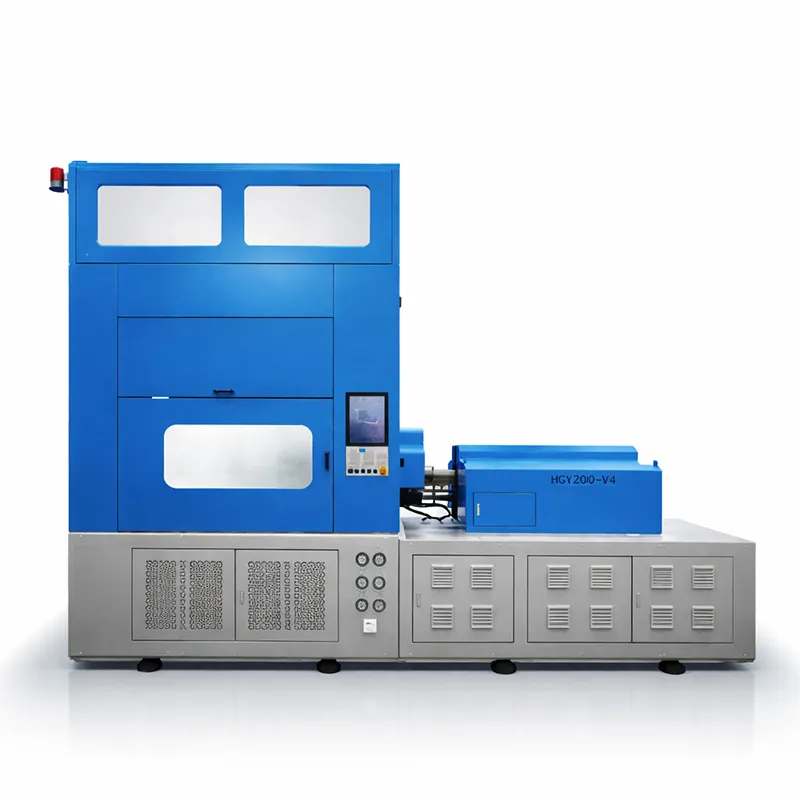
कोरियाई एवर-पावर HGY200-V4
2316 स्टेनलेस स्टील जीपीआई 24/410 और 28/410 नेक इंसर्ट; प्रति-कैविटी नेक कूलिंग बैलेंस; मानक पीएम के रूप में त्रैमासिक इंसर्ट आयामी निरीक्षण; ±0.03 मिमी सीआरसी परिशुद्धता उपलब्ध है।
मशीन रेंज
4-स्टेशन आईएसबीएम रेंज
सभी कोरियाई एवर-पावर ईवी प्लेटफॉर्म में प्रत्येक कैविटी के लिए हॉट रनर थर्मल बैलेंसिंग शामिल है ताकि गर्दन के बाहरी रंग में एकरूपता बनी रहे - जो कोरियाई के-ब्यूटी और फार्मास्युटिकल नेक फिनिश की गुणवत्ता का आधार है।
परिशुद्ध गर्दन उपकरण
कस्टम आईएसबीएम मोल्ड डिजाइन
कोरियाई नेक इंसर्ट पीसीओ 1881, जीपीआई 28/410, जीपीआई 24/410 और सीआरसी पी एंड टी विनिर्देशों के अनुसार निर्मित; उपयोग के अनुसार 2316 स्टेनलेस स्टील या एच13; प्रत्येक इंसर्ट सेट के साथ सीएमएम-सत्यापित आयामी प्रमाण पत्र शामिल है।