
Pharmaceutical PET Bottle Manufacturing — GMP-Compliant ISBM Production
A 10 ml eye dropper bottle that leaks is not a quality defect — it is a patient safety incident. An oral solution bottle with inconsistent wall thickness produces unreliable dose volume measurements. A nasal spray bottle whose neck finish is 0.15 mm out of specification allows the actuator to rock during use, delivering variable spray patterns. Pharmaceutical packaging is the one industry where every blow moulding quality parameter that other sectors treat as a specification to meet is, in pharmaceuticals, a regulatory requirement to document, validate, and prove.
Pharmaceutical PET bottle manufacturing requires a process that produces consistently precise containers without contaminating the production environment. Selecting the right pharmaceutical packaging machine — one that is inherently compatible with GMP environmental requirements, generates the documentation a validated production site needs, and delivers the dimensional precision that pharmaceutical closures and dispensing components require — is a decision with direct patient safety implications. For the Korean and Asian pharmaceutical packaging industry — operating under the Korea Ministry of Food and Drug Safety (MFDS) GMP framework and increasingly under WHO and EU GMP guidelines for export — injection stretch blow moulding has become the dominant process for PET pharmaceutical bottles precisely because its one-step closed-loop architecture aligns with BPF requirements in ways that two-step processes structurally cannot match. This guide covers the specific GMP requirements that a pharmaceutical bottle machine must meet, which container formats ISBM handles, how to select and configure an ISBM machine for a pharmaceutical production environment, and what the validation process — IQ/OQ/PQ — requires from equipment and process documentation.
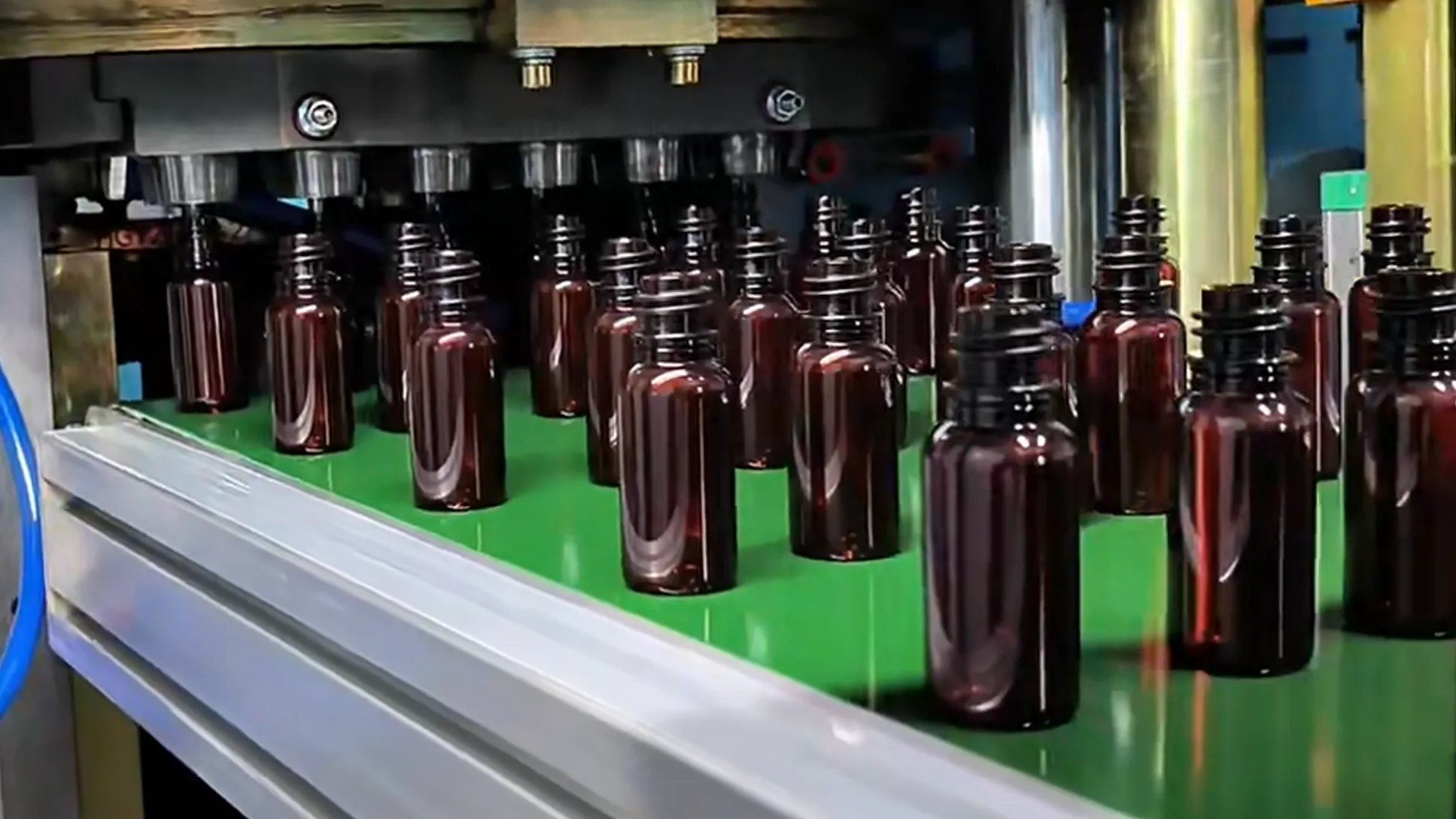
Pharmaceutical Packaging Requirements Blow Moulding Must Meet
Pharmaceutical packaging is governed by national and international GMP frameworks — in Korea by MFDS GMP, internationally by ICH Q7, EU Annex 1 (for sterile products), and WHO GMP guidelines. Each framework imposes requirements on the packaging container that go beyond the typical quality specifications of cosmetic or beverage packaging. The four requirements that most directly determine blow moulding process and equipment selection are:
Neck Seal Integrity — Zero Tolerance for Leakage
A pharmaceutical container that leaks is an immediate regulatory non-conformance — not a rework candidate. Neck finish dimensional accuracy (outer diameter, inner diameter, thread form, height from support ledge) must be within ±0.05 mm to guarantee seal integrity across the closure torque range. In two-step processes where the neck is exposed to reheating, thermal distortion can take neck dimensions outside specification on a random basis that is not detectable by visual inspection — which is why GMP-compliant pharmaceutical packaging operations increasingly specify one-step ISBM for all injection-blown PET containers.
Wall Thickness Uniformity — Dose Volume Accuracy
For unit-dose oral liquid containers and eye droppers, the internal volume of the bottle is the primary dose measurement reference. A 5 ml eye dropper bottle with a 10% wall thickness variation at the base produces a volume deviation of approximately 0.05 ml per bottle — which, at a typical dosing frequency of 1–2 drops per application, represents a clinically significant dose variation across a batch. GMP specifications for pharmaceutical containers typically require wall thickness variation below ±0.05 mm throughout the bottle body, a target consistently achieved by ISBM and rarely by two-step methods on small-volume pharmaceutical formats.
Surface Cleanliness — No Particulate, No Oil Contamination
Pharmaceutical containers filled with aqueous or oil-based pharmaceutical formulations are subject to visible particulate inspection in the final filled product. Any particulate contamination that originates from the container production process — oil film from hydraulic systems, airborne dust from preform storage, contact surface particles from handling equipment — becomes a visible defect in the filled product and a regulatory non-conformance requiring batch investigation and potential recall.
Material Traceability — Resin Lot to Container Lot
GMP batch records require traceability from every finished container batch to the resin lot number, machine parameter records, mould identification, and operator qualification records. The container manufacturing process must generate and retain the documentation that supports this traceability chain for the duration of the container batch’s shelf life plus statutory retention period — typically 5–10 years in Korean and EU pharmaceutical regulations.
Why ISBM Is the Preferred Process for Pharmaceutical Bottles
The case for using ISBM for pharmaceutical packaging rests on three structural process advantages that align directly with GMP requirements — not process optimisations that can be replicated on alternative equipment, but inherent characteristics of the one-step architecture.
Closed-Loop Process — No External Preform Handling
The fundamental GMP advantage of ISBM over two-step reheat blow moulding is structural: in a one-step ISBM machine, the preform is injected, temperature-conditioned, and blown into the finished bottle inside a single enclosed machine, without the preform ever being ejected into a storage container, transported, or loaded into a second machine. This closed-loop architecture eliminates the contamination exposure window that exists in two-step production between preform injection and blowing — a window in which preforms are handled by bulk conveyors, stored in open gaylords, transported through non-classified production areas, and loaded into the blow machine’s infeed system.
In a GMP-classified cleanroom, introducing two-step preform handling is not merely inconvenient — it requires either installing the entire preform injection machine inside the classified space (prohibitively expensive and impractical for room size), or establishing a validated preform transfer protocol between a non-classified injection area and the classified blowing area (complex, requires validated packaging, environmental monitoring at both points, and batch documentation for the transfer). ISBM eliminates this problem by making it unnecessary: one machine, one process step, one cleanroom installation, one set of environmental monitoring points.
Neck Finish Precision — Critical for Dropper and Sprayer Assemblies
In pharmaceutical ISBM, the neck finish is the most safety-critical dimension on the container. An eye dropper neck that is 0.1 mm oversized on outer diameter will accept the dropper assembly with apparent fitment but insufficient thread engagement — producing a closure that meets no-torque-off specification at factory but loosens during patient use, potentially contaminating the dropper tip or exposing the eye medication to ambient contamination. An undersized neck inner diameter prevents the dropper’s internal tube seal from seating correctly, producing an assembly that passes torque inspection but leaks at the patient’s use angle.
ISBM produces neck finish dimensions to ±0.05 mm — the same tolerance as injection moulding, because the neck IS injection-moulded: it is formed at the injection station and never deformed by the stretch-blow cycle. This consistency is achievable in production because it is built into the process mechanics, not achieved by sorting. Two-step REHB processes where the preform neck is exposed to reheat infrared lamps can produce thermal dimensional drift in the neck zone — a 2–3 °C temperature variation in the lamp array creates measurable neck diameter variation of 0.02–0.05 mm across a production batch, which for a 10 mm inner diameter eye dropper neck represents a functionally significant variation in dropper fitment.
GMP Environment Compatibility — Oil-Free Operation
Hydraulic blow moulding machines generate oil mist from hydraulic actuator cycling and from small internal leaks that develop over the machine’s operating life. In a classified pharmaceutical production area, hydraulic oil mist is an unacceptable contamination source — it deposits a near-invisible oil film on container surfaces that is not detectable by standard visual inspection, is not removed by standard bottle washing procedures, and can interact with pharmaceutical formulations, particularly protein-based biologics and oil-sensitive actives. The Korea MFDS GMP framework and EU Annex 1 both require pharmaceutical manufacturing equipment to be free of contamination sources — for blow moulding, this means either oil-free drive systems or validated containment measures that are expensive and difficult to maintain.
Pharmaceutical Container Types Produced by ISBM
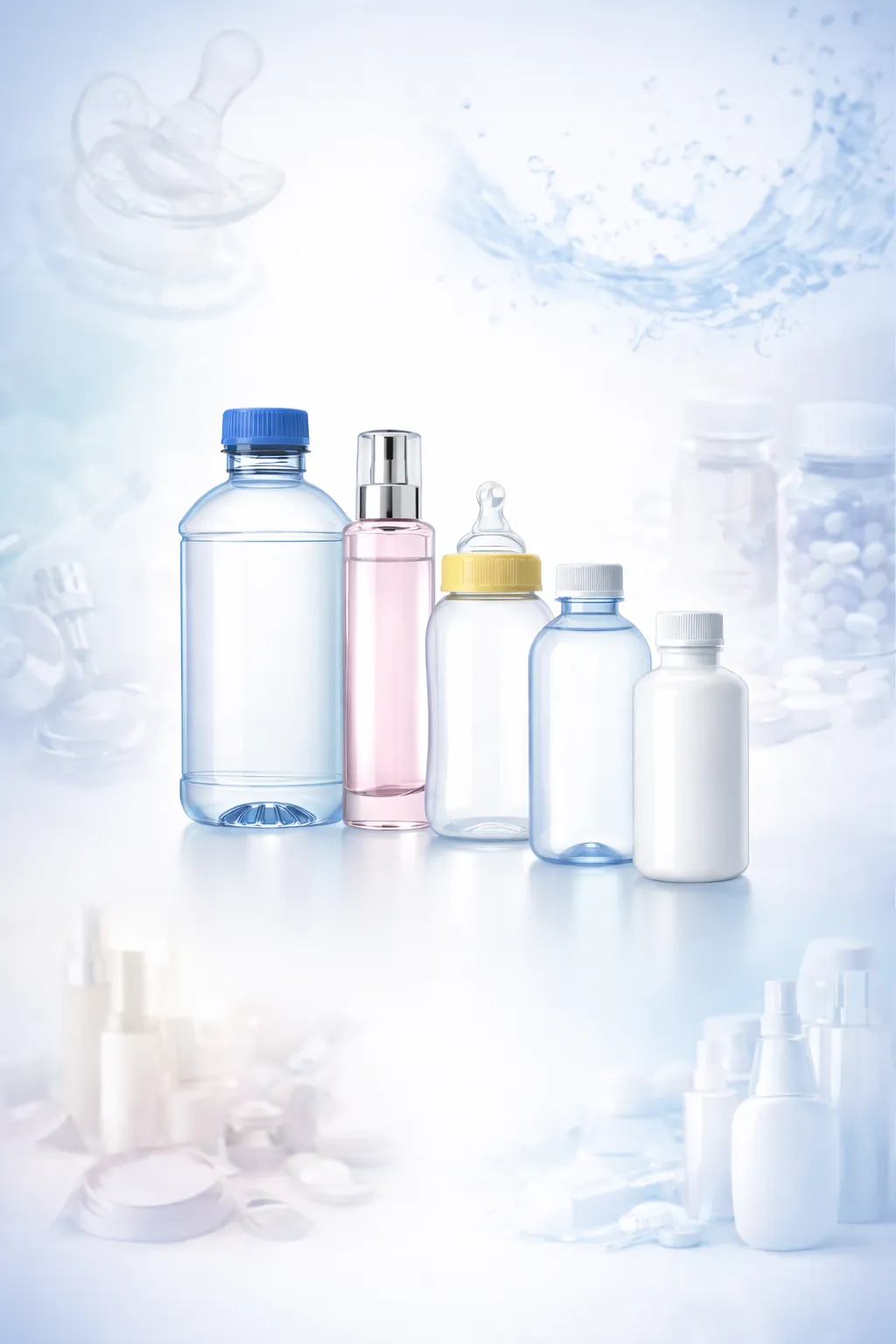
Among these formats, the eye dropper bottle is the most specification-demanding and represents the strongest case for ISBM over any alternative process. Its small volume (typically 5–15 ml), extremely precise neck inner diameter requirement (dropper tube seal tolerance ±0.03–0.05 mm), and the sterility implications of any contamination in the bottle interior make it the container format where the ISBM process’s structural advantages — closed-loop production, injection-formed neck, and oil-free operation — are most directly and measurably valuable.
GMP Compliance for ISBM Machines
Oil-Free Operation — The Non-Negotiable Requirement
For pharmaceutical blow moulding in a GMP-classified environment, oil-free machine operation is not a specification preference — it is a regulatory baseline in most national GMP frameworks. The Korea MFDS cosmetic and pharmaceutical GMP guidelines, the EU Annex 1 requirements for sterile or near-sterile pharmaceutical products, and WHO GMP guidelines all require that pharmaceutical manufacturing equipment does not introduce contamination into the product contact environment.
Fully electric ISBM machines eliminate the hydraulic system entirely — no hydraulic tank, no pump, no hydraulic lines or actuators, no hydraulic oil — removing the root cause of oil contamination. The drive system uses servo motors with enclosed windings and grease-sealed bearings; there are no oil reservoirs, no oil seals that can fail, and no oil mist generation under normal operating conditions. This makes the fully electric ISBM platform inherently compatible with the pharmaceutical GMP environment requirement without additional containment engineering.
Hydraulic ISBM machines used in pharmaceutical facilities require a risk assessment that documents the contamination risk, installation of oil drip trays under all hydraulic actuators, regular inspection of hydraulic seals under the maintenance programme, and monitoring records showing no evidence of oil contamination on containers or in the production environment. This is achievable but adds ongoing compliance burden; the fully electric machine eliminates this burden by eliminating the contamination source.
Cleanroom Installation — Room Classification and Machine Footprint
Pharmaceutical ISBM machines in Korea typically operate in ISO Class 7 (EU Grade C) or ISO Class 8 (EU Grade D) cleanrooms, depending on whether the container will be used for sterile primary packaging (Class 7) or non-sterile oral and topical products (Class 8). The machine installation must not compromise room classification — which means:
- Air supply and return: The machine must be positioned to avoid disrupting the room’s laminar airflow pattern. Large flat surfaces (the machine top) that intercept downward airflow require baffle planning in consultation with the room’s HVAC designer.
- Surface cleanability: All external machine surfaces in the classified area must be smooth, non-shedding, and cleanable with pharmaceutical-grade disinfectants. Korea Ever-Power machines are finished with powder-coated surfaces on exterior panels; stainless steel contact surfaces in bottle-handling areas.
- Utility penetrations: Compressed air, cooling water, and electrical connections entering the classified room through the room envelope must be gasketed and sealed to prevent air infiltration from non-classified areas.
- Personnel access: Machine service access panels must be inside the classified room if the machine is operated continuously; or the machine must be designed to allow service from a lower-classification area through a cleanroom-compatible service hatch arrangement.
Factory Acceptance Testing — What the FAT Must Cover
A pharmaceutical ISBM machine’s FAT is the documented evidence that the machine has been built to specification and performs correctly before it leaves the manufacturer’s facility. Unlike a cosmetic machine FAT, a pharmaceutical machine FAT must generate documentation that will subsequently be referenced in the site validation (IQ/OQ/PQ) — meaning FAT records must be formatted, signed, and retained to GMP documentation standards.
● Pharmaceutical ISBM Machine FAT — Required Test Items
✓ Machine identification (serial number, model, year)
✓ Safety system function testing (guards, emergency stops)
✓ Barrel temperature control accuracy verification (±1 °C per zone)
✓ Shot weight repeatability test (min. 30 consecutive shots; CV < 0.5%)
✓ Neck finish dimensional verification (OD, ID, height — vs. specification)
✓ Wall thickness mapping on representative container (5 heights × 4 positions)
✓ Cycle time verification at rated BPH
✓ Hydraulic system leak test (or oil-free system verification)
✓ Compressed air supply verification (ISO 8573-1 Class 1)
✓ Alarm and alarm logging function test
✓ Calibration certificates for all measuring instruments
✓ Documentation package completeness review (drawings, BOM, manuals)
Machine Selection — Hydraulic vs Fully Electric for Pharmaceutical Lines
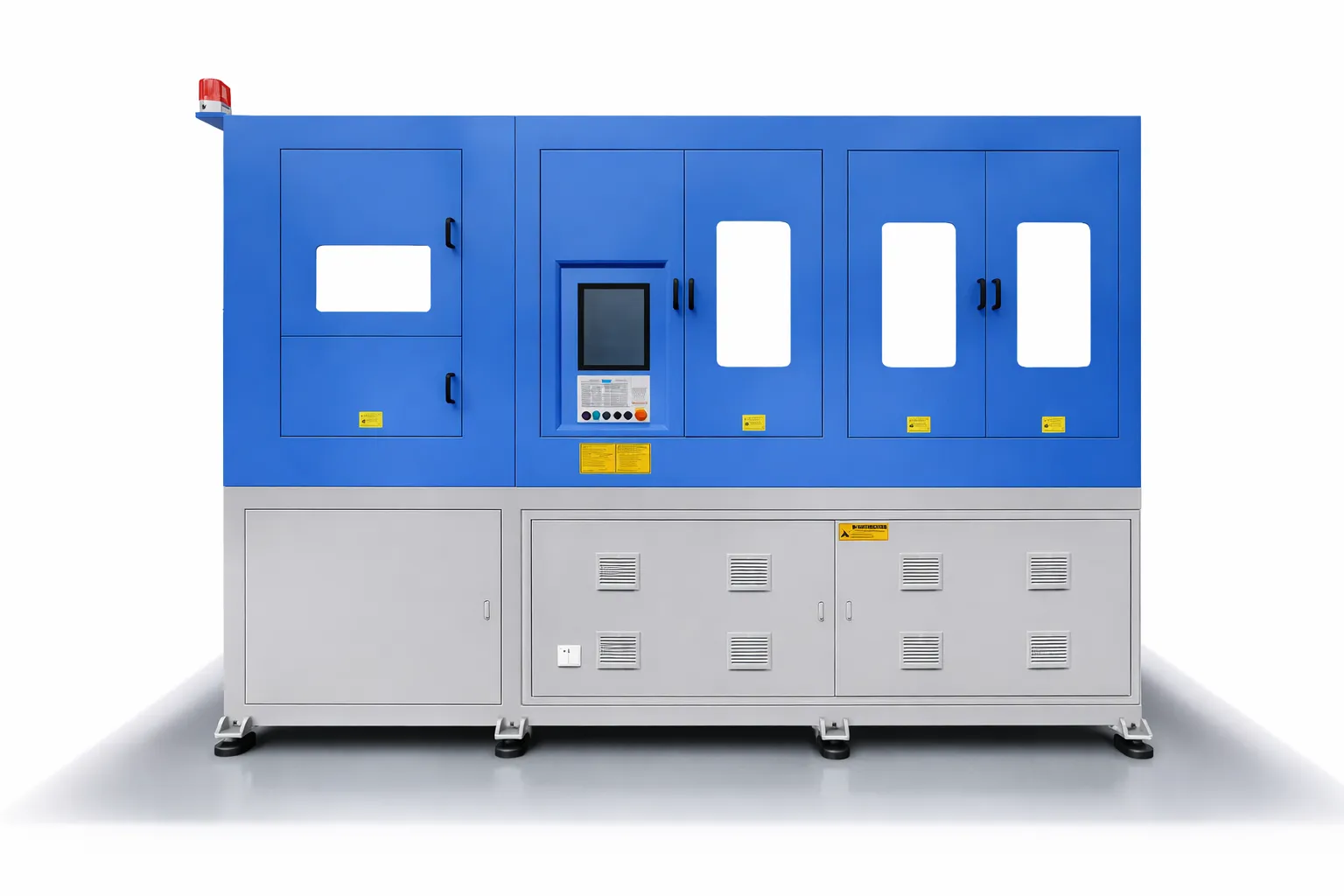
For most pharmaceutical ISBM applications — eye droppers, oral solution bottles, nasal spray containers — the container sizes and production volumes fall within the capability of the HGY50-V3 platform (188 g injection capacity, 1–6 cavities, maximum 200 mm bottle height). The selection decision is primarily between the hydraulic HGY50-V3 and the fully electric HGY50-V3-EV, and for pharmaceutical applications, the operating environment almost always determines this choice.
Pour une nouvelle installation ISBM pharmaceutique dans une salle blanche BPF, HGY50-V3-EV Cette plateforme est recommandée. Son architecture sans huile élimine le principal risque de contamination selon les BPF ; sa pression d’injection de 210 MPa garantit la régularité du poids d’injection (CV < 0,5%) exigée par les spécifications FAT pharmaceutiques ; et sa faible consommation d’énergie réduit la production de chaleur en salle blanche, ce qui diminue la charge du système de chauffage, ventilation et climatisation (CVC) et les coûts d’exploitation en environnement contrôlé. Son encombrement plus important que celui de la version hydraulique V3 doit être pris en compte dans la conception de la salle – généralement une surface au sol libre de 4 200 × 2 000 mm pour la machine et l’accès opérateur – mais cela fait partie des normes de conception des installations de production pharmaceutique.
Pour les opérations pharmaceutiques où l'environnement BPF est une salle non stérile de classe ISO 8 et où l'évaluation des risques de contamination des systèmes hydrauliques est acceptable, HGY50-V3 La machine hydraulique reste un choix viable, avec un coût d'investissement inférieur et la même capacité de qualité de contenant que l'EV sur les programmes de solutions orales non stériles et de flacons vétérinaires où la charge supplémentaire des BPF liée à la gestion de l'huile hydraulique est gérable au sein du système de qualité du site.
Resin Selection for Pharmaceutical ISBM
Les résines utilisées pour les emballages pharmaceutiques doivent être approuvées pour leur usage prévu conformément au cadre réglementaire applicable : en Corée, selon la norme MFDS ; à l’international, selon la norme USP Systèmes d’emballage plastique ou un équivalent. Les trois résines les plus couramment utilisées dans la fabrication de moules d’emballage pharmaceutiques sont le PET, le PC et le PETG, chacune ayant un statut réglementaire, des propriétés matérielles et des exigences de transformation spécifiques.
PET — La résine pharmaceutique standard
Statut réglementaire : Largement approuvé pour l'emballage primaire pharmaceutique selon l'USP , la Ph. Eur. 3.1.5 de l'UE et la liste des matériaux approuvés par le MFDS.
Traitement IV : 0,72–0,80 dl/g pour les solutions orales non stériles ; 0,76–0,84 dl/g pour les compte-gouttes (IV plus élevé pour une meilleure barrière). Spécifications d'humidité : < 0,004% avant traitement pour éviter la dégradation IV. Avantage clé : excellente inertie chimique vis-à-vis de la plupart des formulations pharmaceutiques aqueuses, bonne barrière à l'oxygène après orientation biaxiale ISBM.
PC — Pour les applications haute clarté et haute température
Statut réglementaire : Approuvé pour l'emballage pharmaceutique selon la norme USP avec documentation appropriée relative aux tests d'extractibles et de relargables. Le risque de migration du BPA exige une documentation pour les applications en contact direct avec le patient.
Propriétés clés : Tg ≈ 147 °C — compatible autoclave à 121 °C ; clarté optique exceptionnelle (voile < 0,5%) ; résistant aux chocs. Application: Flacons compte-gouttes nécessitant une stérilisation à la vapeur ; récipients de laboratoire autoclavés entre chaque utilisation.
PETG — Pour les emballages pharmaceutiques résistants aux produits chimiques
Statut réglementaire : Approuvé selon la norme USP pour l'emballage pharmaceutique avec test d'extractibles. Les grades Eastman Spectar™ et GN071 disposent d'une documentation réglementaire (DMF) à l'appui.
Principal avantage par rapport au PET : meilleure résistance aux formulations désinfectantes concentrées, aux solutions médicamenteuses alcooliques et à certains solvants organiques. Application: Formulations vétérinaires à base d'alcool ou de solvants ; conditionnement de désinfectants concentrés ; préparations dermatologiques avec agents de pénétration.
Protocole de validation — IQ / OQ / PQ pour l'ISBM pharmaceutique
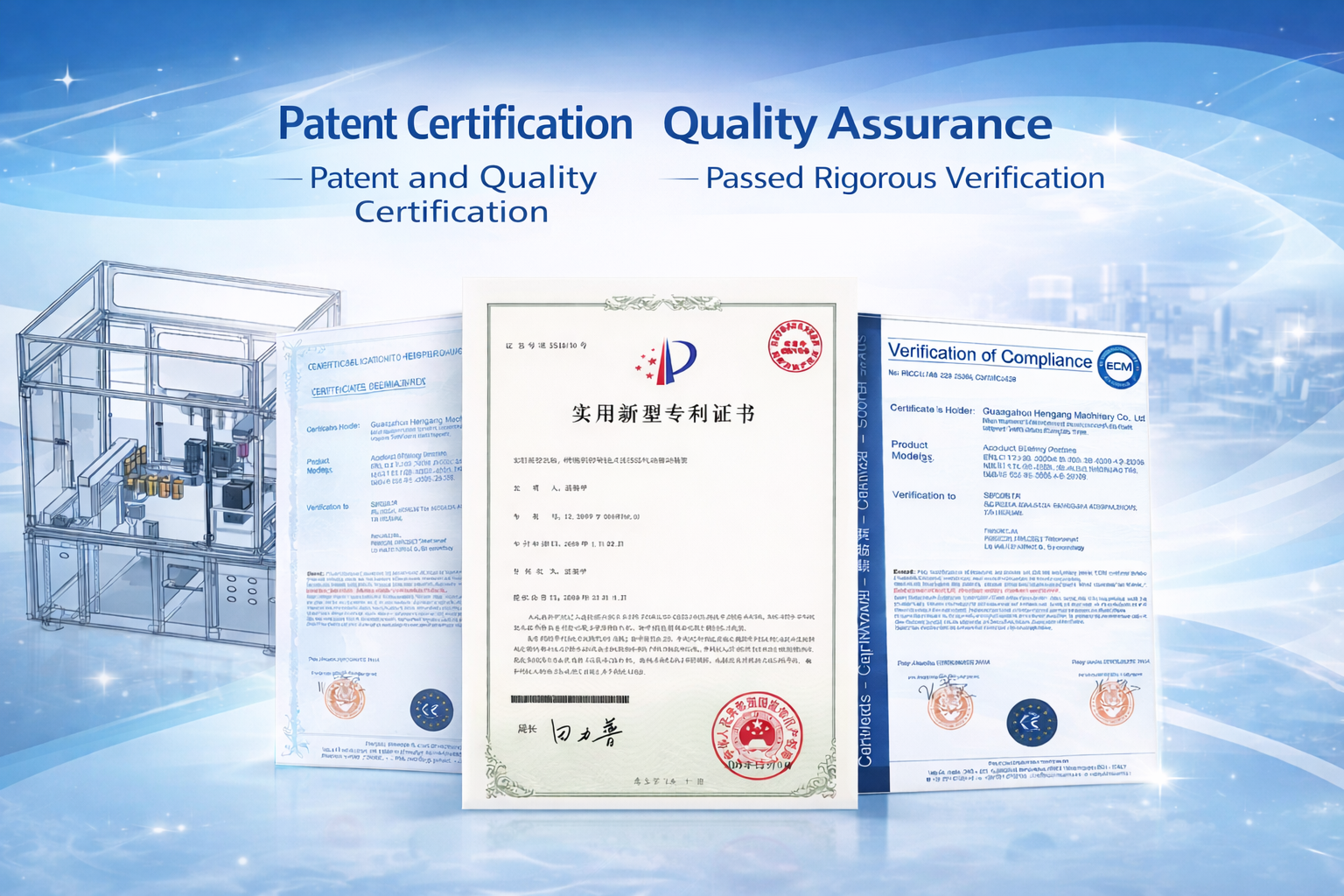
La qualification des équipements pharmaceutiques suit un cadre en trois étapes – qualification d’installation (QI), qualification opérationnelle (QO) et qualification de performance (QP) – exigée par les BPF dans tous les principaux marchés. Pour une machine ISBM dans une unité de production de contenants pharmaceutiques, le protocole de qualification couvre les activités suivantes à chaque étape :
Korea Ever-Power fournit la documentation suivante pour appuyer la validation IQ/OQ/PQ du site pour les machines ISBM pharmaceutiques : documentation spécifique à la machine URS Le dossier de qualification comprend un modèle, un rapport d'essais d'acceptation en usine (FAT) avec toutes les données de mesure, les certificats d'étalonnage de tous les instruments de mesure montés sur la machine (capteurs de température, transducteurs de pression, capteurs de force), les certificats des matériaux des surfaces en contact avec le produit, des plans techniques détaillés avec les dimensions conformes aux BPF et une copie électronique du manuel d'utilisation de la machine en coréen et en anglais. L'équipe de qualification du site ou un organisme de recherche sous contrat (CRO) réalise les protocoles IQ/OQ/PQ. L'ingénieur de mise en service de Korea Ever-Power est présent sur site pendant les phases OQ et PQ afin de répondre à toute question relative aux paramètres de processus qui pourrait survenir lors des lots de qualification.
Production Case Study — Eye Dropper Bottle Line
◆ Points clés à retenir
Pour fabrication de bouteilles PET pharmaceutiquesLe choix d'une machine ISBM est presque toujours judicieux, et la décision entre une machine hydraulique et une machine entièrement électrique dépend presque toujours de la classification de l'environnement BPF. Une salle blanche BPF produisant des contenants pharmaceutiques stériles ou quasi stériles exige un fonctionnement sans huile ; une machine ISBM entièrement électrique est alors la solution idéale. Pour la production de solutions orales non stériles et de flacons vétérinaires en environnement ISO classe 8, la machine hydraulique, avec des contrôles appropriés de la contamination par l'huile, reste une option viable à moindre coût. Les deux plateformes prennent en charge le protocole de validation IQ/OQ/PQ requis pour la production de contenants pharmaceutiques, Korea Ever-Power fournissant le dossier complet de documentation FAT qui constitue le fondement de la qualification du site.
Conclusion
La production de contenants pharmaceutiques est l'application où les avantages structurels de l'ISBM — processus en boucle fermée, col moulé par injection, fonctionnement sans huile dans la version électrique et constance du processus documentée — correspondent le mieux aux exigences réglementaires. La précision de la finition du col, qui élimine tout risque de fuite, l'uniformité de l'épaisseur de paroi, qui garantit la précision du volume de la dose, et l'absence de voies d'introduction de contamination entre les étapes de production ne sont pas de simples aspirations en matière de qualité dans l'emballage pharmaceutique : ce sont des exigences BPF documentées qui doivent être validées et maintenues.
La Corée Ever-Power Machines ISBM à 3 stations de la série HGY Nous fournissons l'ensemble de la documentation FAT requise pour la qualification des sites pharmaceutiques, incluant les certificats d'étalonnage, les plans techniques, les certificats des matériaux en contact avec le produit et les manuels d'utilisation en coréen. Contactez Korea Ever-Power en précisant les spécifications de vos contenants, le choix de votre résine, la classification de votre environnement BPF et votre volume de production cible afin de recevoir des recommandations sur les machines, une étude de faisabilité des moules et une confirmation du périmètre de la documentation FAT.
À propos de cet article : Préparé par l'équipe technique de Korea Ever-Power. Les références du cadre des BPF (MFDS, ICH Q7, annexe 1 de l'UE, BPF de l'OMS) sont citées à titre indicatif ; l'interprétation des exigences BPF pour des produits et installations spécifiques doit être confirmée auprès de la personne qualifiée (PQ) ou de l'équipe des affaires réglementaires du site. Le protocole IQ/OQ/PQ reflète le package standard d'assistance à la qualification pharmaceutique de Korea Ever-Power ; les exigences de validation spécifiques au site peuvent varier selon la classification du produit et l'autorité réglementaire.
Lectures complémentaires : Qu’est-ce que le moulage par injection-soufflage ? — Guide technique | Fabrication de flacons PET pour cosmétiques — Guide ISBM K-Beauty | Conception de moules ISBM — Ingénierie des préformes, des cavités de soufflage et des noyaux
Éditeur : Cxm