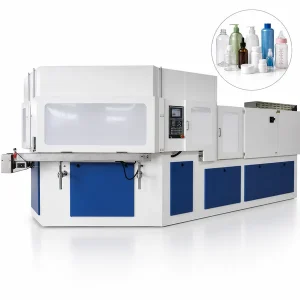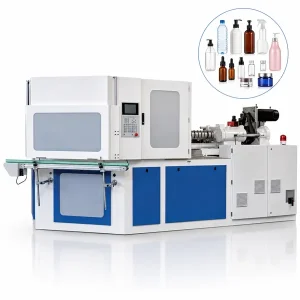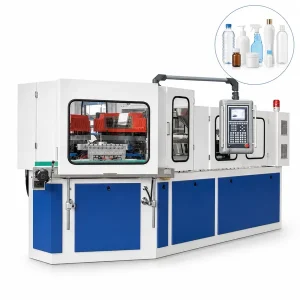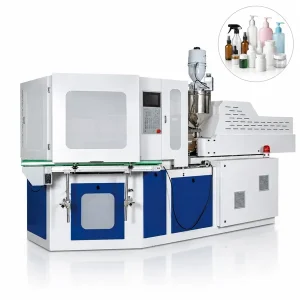
Μηχανή χύτευσης με έγχυση EP-ZQ110
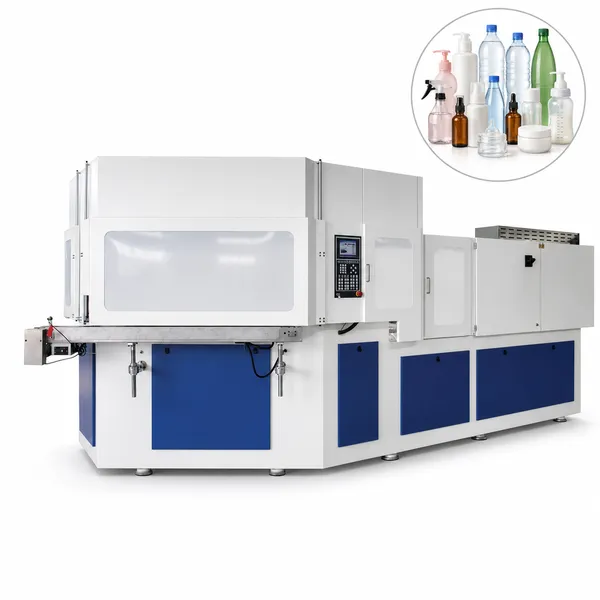
Το EP-ZQ110 είναι το μεγάλο σε μέγεθος 3-σταθμό της Korea Ever-Power. μηχανή χύτευσης με έγχυση και το υδραυλικό IBM υψηλότερης χωρητικότητας στη σειρά ZQ πριν από το ναυαρχίδα ZQ135 — την πλατφόρμα επιλογής για τους μεγάλους κορεάτες κατασκευαστές φαρμακευτικών προϊόντων, τους μεγάλους κορεάτες παραγωγούς οικιακών χημικών προϊόντων και τις κορεατικές επιχειρήσεις συσκευασίας τροφίμων μεγάλου όγκου που απαιτούν έξοδο 24 κοιλοτήτων στα 10 ml και έξοδο 14 κοιλοτήτων στα 100 ml από μία μόνο μηχανή. Κληρονομώντας τον τυπικό γωνιακό διαχωριστή υψηλής ακρίβειας και το διπλό υδραυλικό σύστημα από το ZQ80, το ZQ110 αυξάνει τη σύσφιξη έγχυσης στα 1.100 KN, προσαρμόζεται σε μια βίδα 65 mm με βάρος βολής περίπου 650 g και προσθέτει μια πλατφόρμα 5 × 1,8 × 2,2 m που φιλοξενεί τα σύνθετα σετ καλουπιών 24 κοιλοτήτων που καθορίζουν την κορεατική φαρμακευτική παραγωγή IBM μεγάλης κλίμακας. Διπλοί υδραυλικοί κινητήρες στα 22 + 22 KW και συνολική παροχή ισχύος 80 KW, η ενέργεια για τη συνεχή παραγωγή που απαιτούν οι κορεατικές μεγάλες εργοστασιακές λειτουργίες της IBM. Η εξοικονόμηση ενέργειας παραμένει 20–30% κάτω από τα πρότυπα των μηχανημάτων μονοκυκλώματος του κλάδου σε αυτήν την κατηγορία — που παρέχονται από το ίδιο πρότυπο διπλής υδραυλικής αρχιτεκτονικής στο ZQ80. Με βάρος 15 τόνους, το ZQ110 απαιτεί κατασκευασμένο κορεατικό εργοστασιακό δάπεδο.
Επισκόπηση προϊόντος
Το EP-ZQ110 είναι το μεγαλύτερο μοντέλο τυπικής διαμόρφωσης στην Κορέα. Η Ever-Power's μηχανή χύτευσης με έγχυση γραμμή πριν από την ναυαρχίδα ZQ135. Είναι το μηχάνημα που οι κορεάτες κατασκευαστές φαρμακευτικών προϊόντων μεγάλης κλίμακας με συμβόλαια καθορίζουν όταν η απαιτούμενη παραγωγή ανά μηχάνημα είναι 24 κοιλοτήτων των 10 ml ή 14 κοιλοτήτων των 100 ml και όταν τα οικονομικά αποτελέσματα δύο μηχανημάτων ZQ80 (με υψηλότερη συνδυασμένη επένδυση και μεγαλύτερο εργοστασιακό αποτύπωμα από ένα ZQ110) δεν δικαιολογούνται πλέον σε σχέση με την ενοποίηση της παραγωγής σε μία μόνο πλατφόρμα βαρέως τύπου. Με σύσφιξη έγχυσης 1.100 KN, το ZQ110 έχει 37,5% περισσότερη δύναμη σύσφιξης από το ZQ80 — ένα περιθώριο που έχει σημασία σε 24 κοιλότητες όταν η σωρευτική προβαλλόμενη περιοχή κοιλότητας που αντιστέκεται στην πίεση έγχυσης είναι στο μέγιστο σε όλη τη σειρά.
Το ZQ110 κληρονομεί και τα δύο κορυφαία μηχανικά χαρακτηριστικά που το διακρίνουν από τα μοντέλα χαμηλότερης σειράς: τον γωνιακό διαχωριστή υψηλής ακρίβειας που συγχρονίζει το άνοιγμα και το κλείσιμο του καλουπιού με την ανύψωση του πυργίσκου για επαναλαμβανόμενη ευρετηρίαση 24 κοιλοτήτων, και το τυπικό διπλό υδραυλικό σύστημα (22+22 KW) που προσφέρει χαμηλότερη κατανάλωση ενέργειας 20–30% από τους ανταγωνιστές μονοκυκλωμάτων στην ίδια κατηγορία μηχανημάτων. Αυτά τα χαρακτηριστικά περιλαμβάνονται ως στάνταρ στο ZQ110, όχι ως αναβαθμίσεις — οι Κορεάτες πελάτες δεν πληρώνουν επιπλέον κατά την παραγγελία για να έχουν πρόσβαση στα πλεονεκτήματα παραγωγικότητας και ενεργειακής απόδοσης που προσφέρουν. Η διαμόρφωση ζώνης κάννης 4+N (που εισήχθη για πρώτη φορά στη σειρά ZQ στο ZQ80) συνεχίζεται στο ZQ110, παρέχοντας τον λεπτότερο έλεγχο θερμοκρασίας ζώνης πύλης που απαιτεί η διαχείριση μεγάλων βαρών βολών μέσω δικτύων θερμών δρομέων 24 κοιλοτήτων.
Η βίδα 65 mm και το βάρος των βολών περίπου 650 g του ZQ110 εξυπηρετούν τις μεγαλύτερες διαμορφώσεις καλουπιών στην υδραυλική σειρά ZQ: ένα πλήρες καλούπι έγχυσης θερμού αγωγού 10 ml με 24 κοιλότητες απαιτεί συνολικό όγκο ρητίνης αγωγού και κοιλότητας που υπερβαίνει τη χωρητικότητα 55 mm / 466 g του ZQ80. Το μεγαλύτερο βάρος βολών του ZQ110 διασφαλίζει ότι και οι 24 κοιλότητες γεμίζουν ταυτόχρονα από μία μόνο βολή έγχυσης χωρίς τον κίνδυνο μικρής βολής στην περιφέρεια του δικτύου θερμού αγωγού που συμβαίνει όταν το βάρος των βολών είναι οριακό σε σχέση με τον αριθμό των κοιλοτήτων. Σε όγκους δοχείων 250 ml και άνω, οι διαμορφώσεις 10 κοιλοτήτων 250 ml και 6-8 κοιλοτήτων 500 ml του ZQ110 το καθιστούν ένα εμπορικά σημαντικό μηχάνημα για τη συσκευασία χύμα προϊόντων προσωπικής φροντίδας στην Κορέα, την εμφιάλωση λαδιού μαγειρέματος στην Κορέα και την παραγωγή δοχείων βιομηχανικών χημικών προϊόντων στην Κορέα σε ρυθμούς παραγωγής που κανένα ZQ60 ή ZQ80 δεν μπορεί να φτάσει από μία μόνο μηχανή.
Τεχνικές προδιαγραφές — EP-ZQ110
Οι ακόλουθες παράμετροι αποτελούν τις μηχανικές προδιαγραφές της Korea Ever-Power για το EP-ZQ110. Αναφέρονται οι βασικές επιβεβαιωμένες προδιαγραφές. Οι πρόσθετες παράμετροι ακολουθούν την εξέλιξη της μηχανικής σειράς ZQ και θα πρέπει να επαληθεύονται με την τεχνική ομάδα της Korea Ever-Power κατά τον σχεδιασμό της προετοιμασίας του χώρου. Όλες οι παράμετροι είναι ενδεικτικές και ενδέχεται να ενημερωθούν χωρίς προειδοποίηση.
| Είδος | Μονάδα | EP-ZQ110 |
|---|---|---|
| Σύστημα ψεκασμού | ||
| Διάμετρος βίδας | χιλ. | 65 |
| Αναλογία L/D βίδας | — | 22:1 |
| Βάρος έγχυσης (περίπου) | σολ | ~650 |
| Ισχύς θέρμανσης | KW | 22 |
| Αριθμός Ζωνών Βαρελιού | — | 4+Ν |
| Εγκεφαλικό επεισόδιο έγχυσης | χιλ. | 180 |
| Σύστημα σύσφιξης | ||
| Δύναμη σύσφιξης — Έγχυση | ΚΝ | 1,100 |
| Εγχειρίδιο έναρξης — Έγχυση | χιλ. | 140 |
| Δύναμη σύσφιξης — Φυσώντας (περίπου) | ΚΝ | ~150 |
| Άνοιγμα — Φυσώντας | χιλ. | 140 |
| Ύψος ανύψωσης περιστροφικού τραπεζιού | χιλ. | 70 |
| Καλούπι | ||
| Μέγιστο μέγεθος πλάκας (Μ × Π) περίπου. | χιλ. | ~1.000 × 450 |
| Πάχος καλουπιού (περίπου) | χιλ. | ~320 |
| Μέγιστη διάμετρος μπουκαλιού | χιλ. | 120 |
| Μέγιστο ύψος μπουκαλιού | χιλ. | 220 |
| Κατάλληλος όγκος μπουκαλιού | ml | 1 – 2.000 |
| Απογύμνωση | χιλ. | 230 |
| Ισχύς, βοηθητικά προγράμματα και διαστάσεις | ||
| Υδραυλική πίεση | MPa | 14 |
| Ισχύς κινητήρα (διπλή) | KW | 22 + 22 |
| Κύκλος στεγνώματος | μικρό | 4 |
| Συνολική ισχύς | KW | 80 |
| Λόγος ισχύος λειτουργίας | % | 52 – 70 |
| Ελάχιστη πίεση αέρα | MPa | 0,7 – 1,2 |
| Χωρητικότητα πεπιεσμένου αέρα | M³/λεπτό | 0.7 |
| Ροή νερού ψύξης (περίπου) | M³/ώρα | ~5 |
| Πίεση νερού ψύξης | MPa | 0,3 – 0,4 |
| Διαστάσεις (Μ×Π×Υ) | Μ | 5 × 1,8 × 2,2 |
| Βάρος μηχανής | Τόνος | 15 |
Οι παράμετροι που φέρουν την ένδειξη "περίπου" βασίζονται στην πρόοδο της μηχανικής της σειράς ZQ και θα πρέπει να επαληθευτούν με την τεχνική ομάδα της Korea Ever-Power. Όλες οι παράμετροι είναι μόνο για αναφορά.
Αναφορά μέτρησης κοιλοτήτων EP-ZQ110 ανά όγκο φιάλης
(Εκτίμηση με βάση την πρόοδο της μηχανικής κατασκευής της σειράς ZQ — επιβεβαιώστε με την Korea Ever-Power για συγκεκριμένες διαμορφώσεις καλουπιού)
| Όγκος ανά φιάλη | 10 ml | 30 ml | 60 ml | 100 ml | 250 ml | 500 ml | 1.000 ml |
|---|---|---|---|---|---|---|---|
| Μέγιστες κοιλότητες | 24 | 20 – 22 | 16 – 18 | 14 | 10 | 6 – 8 | 4 – 5 |
Οι μετρήσεις κοιλοτήτων είναι ενδεικτικές. Η Korea Ever-Power διατηρεί το δικαίωμα να τροποποιήσει τις προδιαγραφές χωρίς προειδοποίηση.
Γραμμή Παραγωγής EP-ZQ110: Διαδικασία 3 σταθμών σε κλίμακα 24 κοιλοτήτων
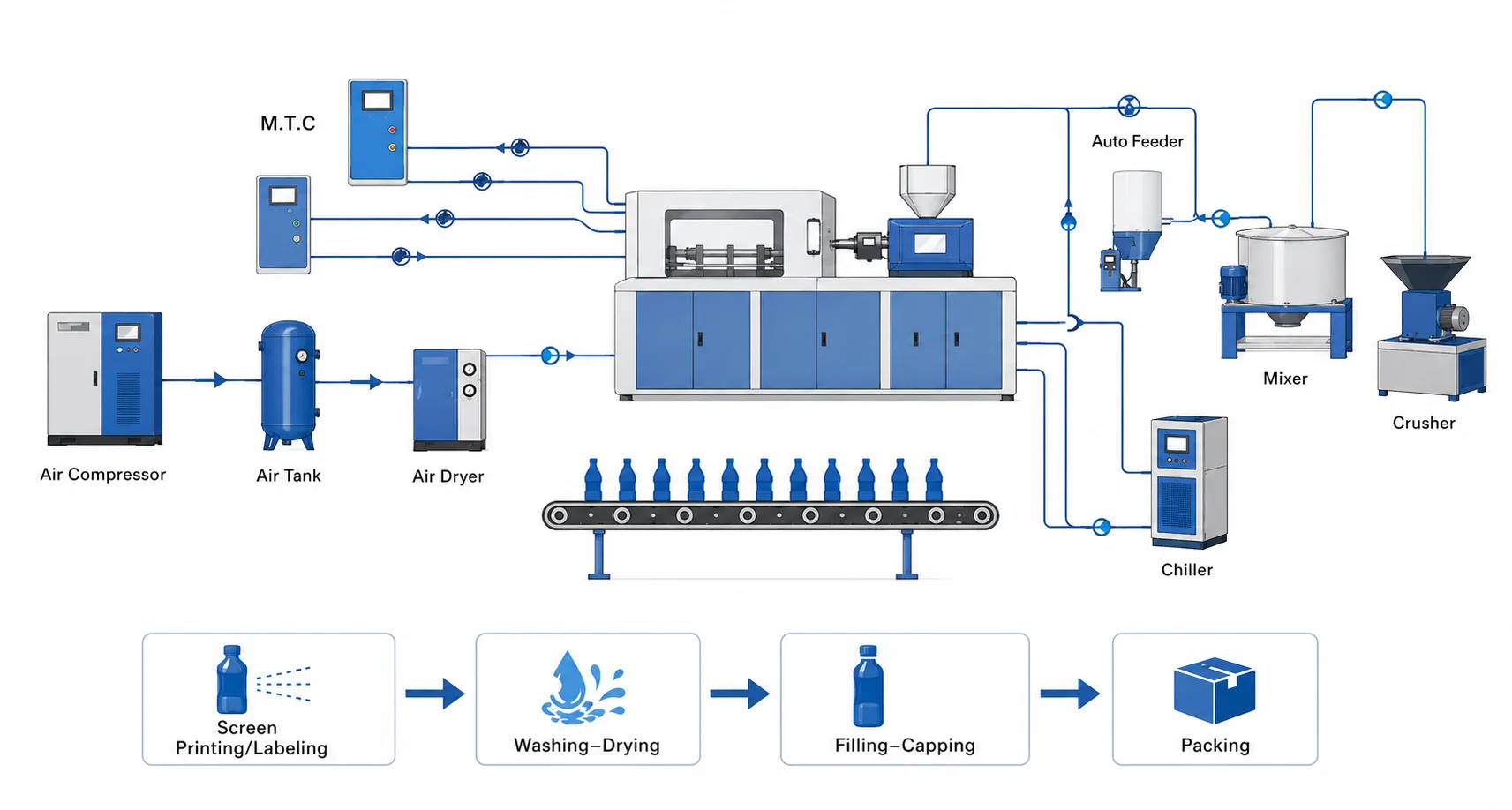
Το EP-ZQ110 λειτουργεί με την ίδια αρχή ταυτόχρονης επεξεργασίας 3 σταθμών όπως όλα τα μηχανήματα της σειράς ZQ, με και τους τρεις σταθμούς — έγχυση, χύτευση με εμφύσηση και απογύμνωση — να εκτελούνται ταυτόχρονα σε 24 ανεξάρτητα σετ μανδρελίων. Στην κλίμακα του ZQ110, η γραμμή παραγωγής γύρω από το μηχάνημα απαιτεί αναλογικά πιο προσεκτικό σχεδιασμό από τα μοντέλα χαμηλότερης σειράς: με έξοδο 24 κοιλοτήτων των 10 ml και περίπου 21.600 φιάλες ανά ώρα λειτουργίας, ο εξοπλισμός μεταφορικής ταινίας, επιθεώρησης, ετικετών και καταμέτρησης κατάντη πρέπει να είναι σε θέση να συμβαδίζει χωρίς το buffer συσσώρευσης να αποτελεί σημείο συμφόρησης στην παραγωγή.
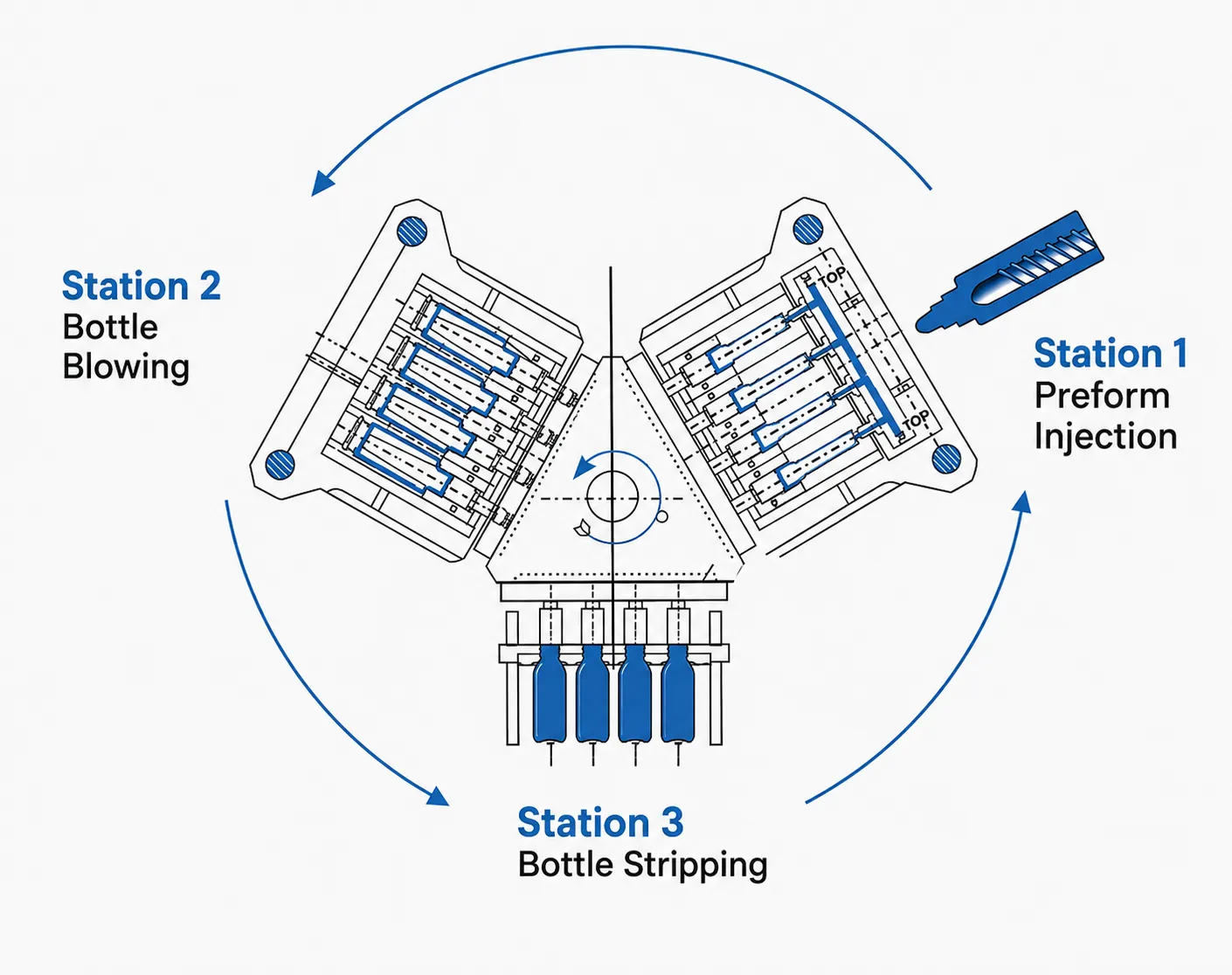
Σταθμός 1 — Έγχυση προπλάσματος στα 1.100 KN
Με σύσφιξη έγχυσης 1.100 KN, το ZQ110 κρατά ένα καλούπι προδιαμόρφωσης 24 κοιλοτήτων κλειστό έναντι πίεσης έγχυσης που θα μπορούσε να προκαλέσει εκτόνωση του καλουπιού ή διαχωρισμό της επιφάνειας της κοιλότητας σε μηχανήματα με ονομαστική τιμή κάτω από αυτό το όριο σε αυτόν τον αριθμό κοιλοτήτων. Η βίδα 65 mm παρέχει περίπου 650 g ανά βολή - επαρκή για να γεμίσει και τις 24 κοιλότητες ταυτόχρονα μέσω του δικτύου θερμών δρομέων χωρίς η πτώση πίεσης στις εξωτερικές κοιλότητες να προκαλεί σύντομες βολές ή διακύμανση βάρους μεταξύ εσωτερικών και εξωτερικών κοιλοτήτων. Η διαμόρφωση ζώνης κυλίνδρου 4+N παρέχει τη λεπτή ρύθμιση θερμοκρασίας ζώνης πύλης που απαιτείται για τη διαχείριση του ιξώδους της ρητίνης στο τέλος του δικτύου δρομέων 24 σταγόνων, όπου το μήκος της διαδρομής ροής είναι μεγαλύτερο και η πτώση θερμοκρασίας τήξης είναι η πιο σημαντική. Ο διαχωριστής γωνίας υψηλής ακρίβειας αρχίζει να συντονίζει τις κινήσεις κλεισίματος του καλουπιού και ανύψωσης του πυργίσκου στο τέλος κάθε κύκλου, διασφαλίζοντας ότι οι 24 άξονες καταγράφονται στις 24 κοιλότητες προδιαμόρφωσης με την ίδια γωνιακή ακρίβεια στον κύκλο 1 όπως και στον κύκλο 1.000.000.
Σταθμός 2 — Ταυτόχρονη χύτευση με φύσημα 24 κοιλοτήτων
Και τα 24 προπλάσματα φουσκώνονται ταυτόχρονα στον σταθμό εμφύσησης, υποστηριζόμενα από σύσφιξη εμφύσησης περίπου 150 KN και το Κύκλωμα Β του διπλού υδραυλικού συστήματος — ανεξάρτητο από το Κύκλωμα Α στην πλευρά της έγχυσης. Η ανεξαρτησία του διπλού κυκλώματος είναι ιδιαίτερα σημαντική στην παραγωγή εμφύσησης 24 κοιλοτήτων: σε μια μηχανή ενός κυκλώματος, η φάση εμφύσησης ακολουθεί αμέσως τη φάση έγχυσης και μοιράζεται την υδραυλική αντλία που βρισκόταν υπό μέγιστο φορτίο κατά την έγχυση. Η διακύμανση της υπολειπόμενης πίεσης από αυτή τη μετάβαση φτάνει στον σταθμό εμφύσησης και δημιουργεί μη ομοιόμορφη πίεση εμφύσησης στις 24 κοιλότητες. Το διπλό κύκλωμα του ZQ110 εξαλείφει εντελώς αυτό: Το Κύκλωμα Α χειρίζεται την έγχυση και ανακτά την πίεση, ενώ το Κύκλωμα Β χειρίζεται τη σύσφιξη εμφύσησης ανεξάρτητα στη δική του σταθερή πίεση, παράγοντας ομοιόμορφη κατανομή πάχους τοιχώματος σε όλες τις 24 κοιλότητες που οι μηχανές ενός κυκλώματος σε αυτόν τον αριθμό κοιλοτήτων δεν μπορούν να επιτύχουν αξιόπιστα.
Σταθμός 3 — Έξοδος με ρυθμό 24 φιαλών ανά κύκλο
Είκοσι τέσσερα έτοιμα μπουκάλια απογυμνώνονται και εναποτίθενται στον μεταφορικό ιμάντα εξόδου σε κάθε κύκλο — στον χρόνο κύκλου 4 δευτερολέπτων του ZQ110, αυτός είναι ένας ρυθμός εισόδου μεταφορικού ιμάντα 6 φιαλών ανά δευτερόλεπτο ή περίπου 21.600 φιαλών ανά ώρα λειτουργίας με απόδοση 90%. Η ομάδα σχεδιασμού γραμμής παραγωγής της Korea Ever-Power παρέχει συμβουλές σχετικά με την ταχύτητα του μεταφορικού ιμάντα, τη χωρητικότητα συσσώρευσης και τον αριθμό και τον τύπο των σταθμών επιθεώρησης κατάντη (έλεγχος βάρους, μετρητής διαστάσεων, σύστημα όρασης) που απαιτούνται για την επεξεργασία της εξόδου του ZQ110 χωρίς να δημιουργηθεί ένα σημείο συμφόρησης κατάντη που αναγκάζει το μηχάνημα να σταματήσει περιμένοντας την εκκαθάριση κατάντη. Για τις κορεατικές φαρμακευτικές γραμμές παραγωγής, συνήθως καθορίζεται ένας πίνακας συσσώρευσης buffer μεταξύ του ZQ110 και της γραμμής πλήρωσης ή επισήμανσης με επαρκή χωρητικότητα για 5-8 λεπτά εξόδου ZQ110 — περίπου 1.800-2.880 μπουκάλια σε μορφή 10 ml.
EP-ZQ110 στα 1.100 KN: Προφίλ Μηχανικής και Θέση Σειράς
Το EP-ZQ110 κατέχει μια συγκεκριμένη και εμπορικά σαφώς καθορισμένη θέση στη σειρά υδραυλικών ZQ. Είναι το πρώτο μοντέλο που ξεπερνά το όριο σύσφιξης έγχυσης των 1.000 KN και το πρώτο που επιτυγχάνει παραγωγή 24 κοιλοτήτων στα 10 ml — τον τυπικό μέγιστο αριθμό κοιλοτήτων για την κορεατική φαρμακευτική παραγωγή IBM μεγάλης κλίμακας σε υδραυλική πλατφόρμα πριν από τη μετάβαση στο ZQ135. Η κατανόηση της θέσης του ZQ110 στη σειρά και του τι επιτρέπει συγκεκριμένα η δύναμη σύσφιξης των 1.100 KN, βοηθά τους Κορεάτες μηχανικούς εργοστασίων να δικαιολογήσουν το ZQ110 έναντι των εναλλακτικών λύσεων ZQ80 και ZQ135.
ZQ80 έναντι ZQ110 σε 24 κοιλότητες 10 ml
Η σύσφιξη με έγχυση 800 KN του ZQ80 σε 20 κοιλότητες αφήνει λιγότερο από 40 KN ανά κοιλότητα σε τυπική πίεση έγχυσης HDPE. Η λειτουργία 24 κοιλοτήτων σε ένα ZQ80 θα μείωνε το περιθώριο σύσφιξης ανά κοιλότητα κάτω από το όριο ασφαλείας για παραγωγή λαιμού χωρίς φλας. Τα 1.100 KN του ZQ110 σε 24 κοιλότητες διατηρούν περίπου 45 KN ανά κοιλότητα — εντός του ασφαλούς εύρους λειτουργίας για παραγωγή λαιμού ακριβείας. Η τιμή των 1.100 KN δεν είναι υπερβολική. Είναι η ελάχιστη σωστή προδιαγραφή για λειτουργία 24 κοιλοτήτων χωρίς κίνδυνο φλας στη γραμμή διαχωρισμού του λαιμού.
ZQ110 vs ZQ135: Πότε να σταματήσετε στο ZQ110
Το ZQ135 ανεβάζει το όριο σε 30 κοιλότητες στα 10 ml και 1.350 KN, με διαμόρφωση ζώνης κάννης 6+N για το υψηλότερο βάρος βολών στη σειρά. Για τα κορεατικά εργοστάσια των οποίων η μέγιστη απαίτηση παραγωγής 10 ml είναι 24 κοιλότητες — συμπεριλαμβανομένων των περισσότερων κορεατικών μεγάλης κλίμακας φαρμακευτικών συμβάσεων συσκευασίας — το ZQ110 παρέχει τη σωστή απόδοση χωρίς την πρόσθετη επένδυση, το αποτύπωμα, το βάρος (15 T έναντι 18 T) και την κατανάλωση ενέργειας (80 KW έναντι 95 KW) του ZQ135. Το ZQ110 είναι το τεχνικά σωστό και εμπορικά κατάλληλο ανώτατο όριο για τις περισσότερες κορεατικές επενδύσεις σε εργοστάσια της IBM σε αυτή την κλίμακα.
Μία μηχανή ZQ110 έναντι δύο μηχανημάτων ZQ80
Δύο μηχανήματα ZQ80 με 20 κοιλότητες η καθεμία αποδίδουν συνολικά 40 κοιλότητες — περισσότερες από τις 24 του ZQ110. Αλλά αυτή η σύγκριση ισχύει μόνο εάν και τα δύο μηχανήματα ZQ80 λειτουργούν ταυτόχρονα στην ίδια μορφή και δεν απαιτείται ποικιλία μορφών. Στις συσκευασίες φαρμακευτικών προϊόντων της Κορέας, όπου πολλαπλά SKU μοιράζονται τον χρόνο παραγωγής, η λειτουργία ενός μηχανήματος του ZQ110 σημαίνει τα μισά συμβάντα αλλαγής καλουπιού, τα μισά απόβλητα εκκίνησης, μία θέση χειριστή αντί για δύο και ένα αρχείο πιστοποίησης μηχανήματος αντί για δύο στο κορεατικό σύστημα τεκμηρίωσης προμηθευτών GMP — πλεονεκτήματα που αυξάνονται σε αξία καθώς αυξάνεται ο αριθμός των μορφών.
IBM vs ISBM: Επιλογή τεχνολογίας στην επενδυτική κλίμακα ZQ110
Η Korea Ever-Power κατασκευάζει τόσο τις μηχανές IBM σειράς ZQ όσο και τις μηχανές ISBM σειράς HGY, οι οποίες διατίθενται στην Σειρά μηχανημάτων ISBM 4 σταθμώνΣτην κλίμακα επένδυσης ZQ110, το ζήτημα της διαδικασίας IBM έναντι ISBM συνήθως επιλύεται γρήγορα σε ουσιώδεις λόγους: το ZQ110 είναι το σωστό μηχάνημα για κορεατικές δραστηριότητες που παράγουν δοχεία HDPE και PP, όπου καμία μηχανή ISBM δεν μπορεί να φτάσει τον ρυθμό εξόδου 24 κοιλοτήτων του ZQ110 ή το εύρος χειρισμού υλικών του. Τα μηχανήματα ISBM της σειράς HGY είναι η σωστή επιλογή για κορεατικές δραστηριότητες που απαιτούν κρυστάλλινα διαφανή δοχεία καλλυντικών ή ποτών PET με διαξονικό προσανατολισμό — μια θεμελιωδώς διαφορετική απαίτηση φυσικής υλικού και φιαλών από τα φαρμακευτικά μπουκάλια HDPE που καθορίζουν την πρωτογενή αγορά του ZQ110.
| Κριτήριο | ΙΒΜ (EP-ZQ110) | ISBM (Σειρά HGY) |
|---|---|---|
| Πρωτογενή υλικά | HDPE, LDPE, PP, PS, ABS, EVA, PCTG | PET, PETG, Tritan, PC, PP, PCTG |
| Μέγιστες κοιλότητες στα 10 ml | 24 (EP-ZQ110) | Έως 12 (σειρά HGY) |
| Ακρίβεια φινιρίσματος λαιμού | Χυτευμένο με έγχυση — υψηλότερη ακρίβεια | Χυτευμένο με έγχυση — υψηλότερη ακρίβεια |
| Προσανατολισμός τοιχώματος μπουκαλιού | Μη προσανατολισμένο — ομοιόμορφο άμορφο τοίχωμα | Διαξονικά προσανατολισμένο PET — διαύγεια σαν γυαλί |
| Φιάλες φαρμακευτικών προϊόντων HDPE | Εγγενής εφαρμογή | Δεν ισχύει |
| Μπουκάλια ορού καλλυντικών PET | Δεν ισχύει | Εγγενής εφαρμογή |
| Μηδενική παραγωγή φλας | Ναί | Ναί |
| Εξοικονόμηση ενέργειας έναντι βιομηχανίας | 20–30% (διπλό υδραυλικό) | 30–40% (σερβοκινητήρας) |
Για τους Κορεάτες επενδυτές σε εργοστάσια των οποίων η παραγωγή βασίζεται σε συσκευασίες φαρμακευτικών προϊόντων HDPE και PP, οικιακών χημικών ή τροφίμων — η ZQ110 είναι η τεχνολογία επιλογής και καμία μηχανή ISBM δεν αποτελεί υποκατάστατο σε αυτήν την κλίμακα παραγωγής. Για επενδύσεις που γεφυρώνουν την παραγωγή φαρμακευτικών προϊόντων HDPE και καλλυντικών PET στην ίδια εγκατάσταση, η Korea Ever-Power... isbm-blow-molding.com μπορεί να σας συμβουλεύσει για τον σωστό συνδυασμό μηχανών.
Πεδία εφαρμογής EP-ZQ110

Μεγάλης Κλίμακας Φαρμακευτική Παραγωγή
Οι διαμορφώσεις 24 κοιλοτήτων των 10 ml και 14 κοιλοτήτων των 100 ml του ZQ110 εξυπηρετούν μεγάλους Κορεάτες φαρμακευτικούς κατασκευαστές και Κορεάτες πολυεθνικούς φαρμακευτικούς συσκευαστές με ετήσιους όγκους που απαιτούν 20.000+ μονάδες ανά ώρα λειτουργίας στη μορφή των 10 ml. Οι Κορεάτες συσκευαστές της εφοδιαστικής αλυσίδας νοσοκομείων, οι Κορεάτες παραγωγοί υλικού κλινικών δοκιμών και οι Κορεάτες κατασκευαστές δοχείων φαρμάκων χωρίς ιατρική συνταγή λειτουργούν όλοι σε κλίμακα όπου το ZQ110 είναι η οικονομικά και τεχνικά σωστή λύση ενός μηχανήματος.
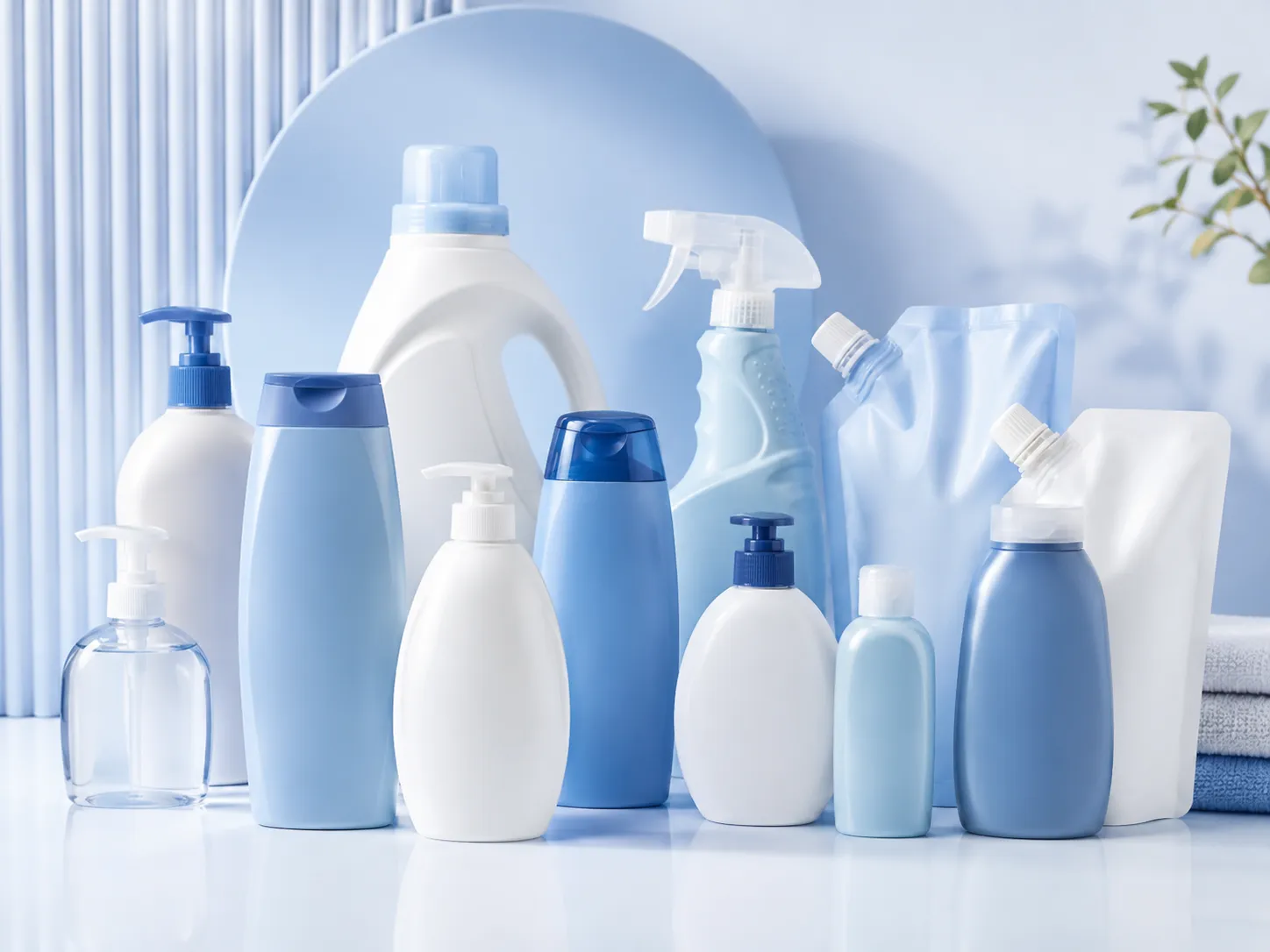
Κορεατική Εθνική Μάρκα Οικιακών Χημικών Προϊόντων
Δοχεία HDPE και PP με 6–8 κοιλότητες των 500 ml και 4–5 κοιλότητες των 1.000 ml για σαμπουάν, μαλακτικό, αφρόλουτρο και υγρό απορρυπαντικό εθνικής μάρκας της Κορέας σε όγκους παραγωγής που ικανοποιούν τις συμβάσεις προμήθειας της κορεατικής αλυσίδας σούπερ μάρκετ. Οι Κορεάτες κατασκευαστές οικιακών χημικών προϊόντων των οποίων η ετήσια παραγωγή υπερβαίνει τα 50 εκατομμύρια μονάδες των 500 ml ανά σειρά προϊόντων συνήθως θεωρούν το ZQ110 ως τη σωστή επένδυση σε ένα μόνο μηχάνημα όταν η παραγωγή σε κλίμακα ZQ80 (5–6 κοιλότητες των 500 ml) δεν καλύπτει τις απαιτήσεις όγκου.
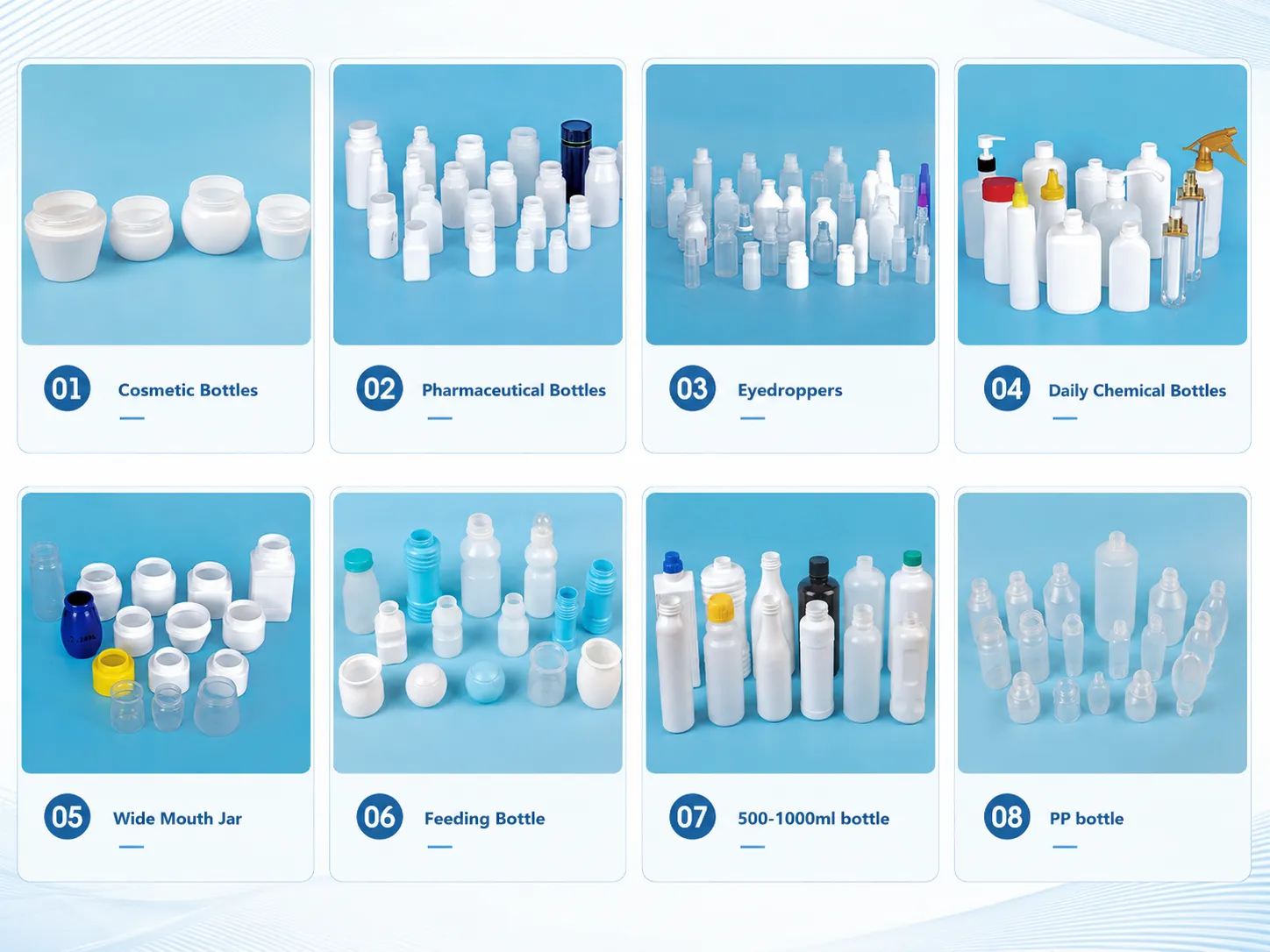
Συσκευασίες τροφίμων και βιομηχανικά δοχεία
Βάζα HDPE και PP με πλατύ στόμιο, κατάλληλα για επαφή με τρόφιμα, στις 10 κοιλότητες των 250 ml για συσκευασίες κορεάτικων καρυκευμάτων, σαλτσών και μελιού. Κορεάτικα μπουκάλια μαγειρικού λαδιού στις 6–8 κοιλότητες των 500 ml. Κορεάτικα δοχεία ανάμειξης αγροχημικών στις 4–5 κοιλότητες των 1.000 ml. Κορεάτικα δοχεία βιομηχανικών αντιδραστηρίων σε HDPE σε μορφές μεγάλου όγκου. Ο λαιμός με χύτευση με έγχυση του ZQ110 εξαλείφει τα ελαττώματα της βάσης διαχωριστικής γραμμής και της ραφής του λαιμού που επηρεάζουν τη χύτευση με εξώθηση με εμφύσηση σε αυτούς τους όγκους και τους τύπους κλεισίματος του λαιμού.
Βασικά εξαρτήματα που ταιριάζουν για το EP-ZQ110
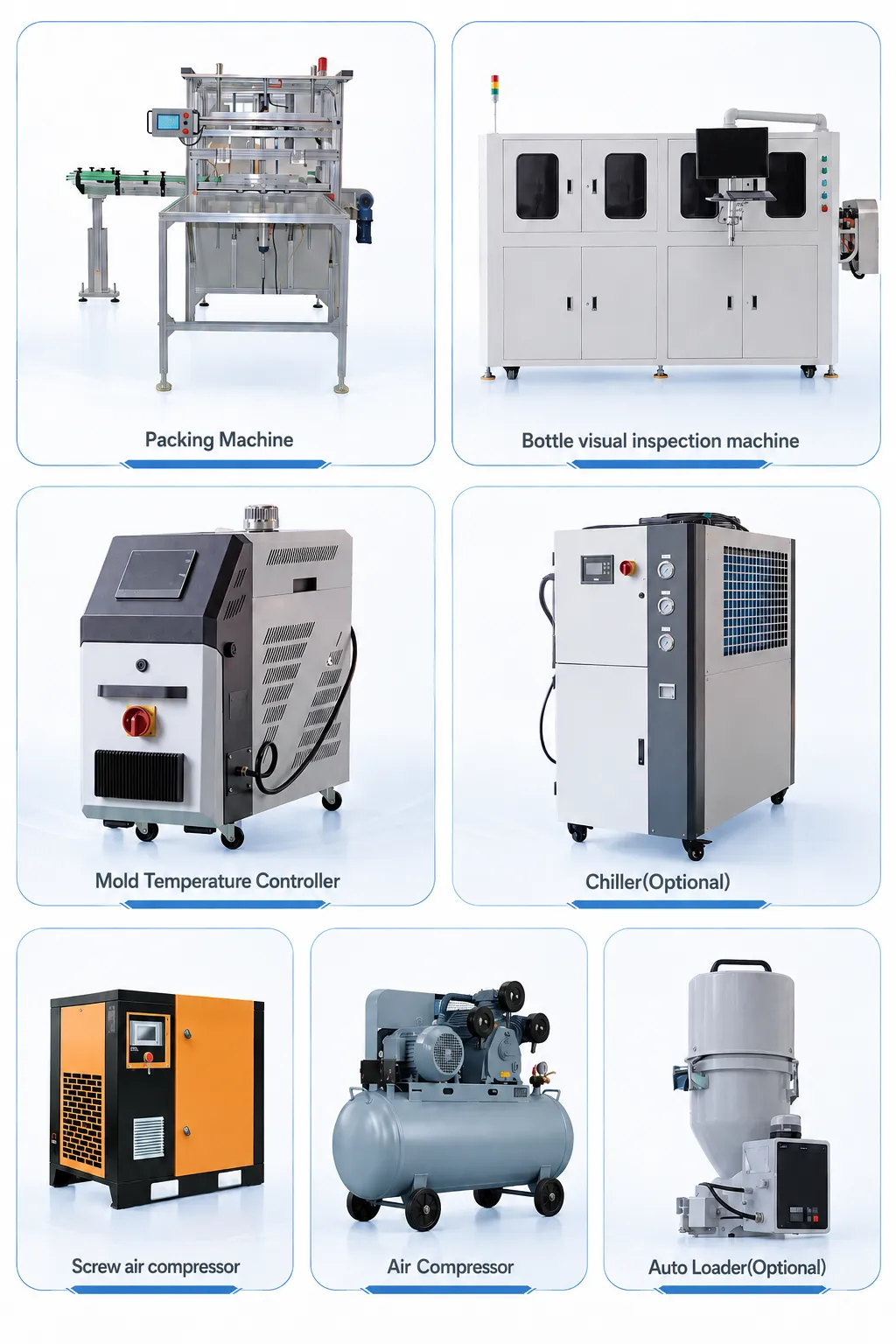
- Σετ καλουπιών IBM ZQ110 — Μηχανική ακριβείας 24 κοιλοτήτων
Το σετ καλουπιών 24 κοιλοτήτων του ZQ110 είναι το πιο σύνθετο εργαλείο που κατασκευάζει η Korea Ever-Power για την τυπική υδραυλική σειρά ZQ. Το σύστημα θερμού δρομέα 24 σταγόνων απαιτεί μηχανική ισορροπίας πύλης που επαληθεύεται μέσω προσομοίωσης με διακύμανση ροής ±1,5% σε όλες τις 24 πύλες πριν ξεκινήσει η κατεργασία CNC - μια αυστηρότερη προδιαγραφή από τον στόχο 20 κοιλοτήτων ±2% του ZQ80. Χρησιμοποιείται ανοξείδωτος χάλυβας S136 (HRC 50–52) για όλα τα σώματα κοιλοτήτων έγχυσης και τις ράβδους πυρήνα. Η δοκιμαστική λειτουργία 24 κοιλοτήτων στις εγκαταστάσεις της Korea Ever-Power παράγει μια αναφορά βάρους κοιλότητας προς κοιλότητα και εξωτερικής διαμέτρου λαιμού σε 500 συνεχόμενες βολές, επιβεβαιώνοντας ότι η μέγιστη απόκλιση βάρους από κοιλότητα σε κοιλότητα είναι εντός του ορίου πιστοποίησης GMP της Κορέας πριν το καλούπι φύγει από το εργοστάσιο. Το βάρος του σετ καλουπιών σε 24 κοιλότητες απαιτεί γερανό τοποθετημένο στο δάπεδο ή καρότσι χειρισμού καλουπιών με ονομαστική ικανότητα 150–200 kg στις εγκαταστάσεις του πελάτη. - Αεροσυμπιεστής χωρίς λάδι (συνιστάται 0,7–1,2 MPa, 1,2 M³/min)
Στην παραγωγή φυσήματος 24 κοιλοτήτων, το ταυτόχρονο φούσκωμα αέρα 24 προμορφωμάτων ανά κύκλο 4 δευτερολέπτων δημιουργεί ένα προφίλ ζήτησης πεπιεσμένου αέρα που επωφελείται από έναν συμπιεστή μεγέθους πάνω από την ελάχιστη προδιαγραφή 0,7 M³/min του ZQ110. Η Korea Ever-Power συνιστά χωρητικότητα συμπιεστή 1,2 M³/min με ελάχιστο δέκτη αέρα 400 λίτρων για εγκαταστάσεις ZQ110, παρέχοντας την προσωρινή παροχή που αποτρέπει τις πτώσεις πίεσης στη γραμμή κατά τη διάρκεια του ταυτόχρονου φυσήματος 24 κοιλοτήτων. Η προδιαγραφή κοχλιωτού συμπιεστή χωρίς λάδι παραμένει υποχρεωτική για την κορεατική φαρμακευτική και τροφίμων παραγωγή IBM στο ZQ110. - Διπλοί ελεγκτές θερμοκρασίας καλουπιού και ψύκτης (κύκλωμα ψύξης 5 M³/h)
Το ZQ110 απαιτεί περίπου 5 M³/h νερό ψύξης στα 0,3–0,4 MPa — αντανακλώντας τη μεγαλύτερη περιοχή ψύξης του καλουπιού της διαμόρφωσης 24 κοιλοτήτων και την υψηλότερη θερμική είσοδο από τη συνολική ισχύ των 80 KW (σε σύγκριση με τα 55 KW του ZQ80). Η Korea Ever-Power συνιστά δύο ανεξάρτητες μονάδες ελέγχου θερμοκρασίας καλουπιού (ένα κύκλωμα καλουπιού έγχυσης, ένα κύκλωμα καλουπιού εμφύσησης) όπως στο ZQ80, με κάθε μονάδα να έχει μέγεθος για την πλήρη ροή των 5 M³/h, κατανεμημένη κατάλληλα μεταξύ των δύο κυκλωμάτων. Η χωρητικότητα του ψύκτη για το ZQ110 θα πρέπει να διαστασιολογείται έναντι της πλήρους εγκατεστημένης ισχύος των 80 KW ως το χειρότερο θερμικό φορτίο και όχι ως η χαμηλότερη κατανάλωση ισχύος λειτουργίας, εξασφαλίζοντας επαρκές απόθεμα ψύξης κατά τις φάσεις εκκίνησης του ZQ110, όταν το θερμικό φορτίο κορυφώνεται.
Γιατί να επιλέξετε το Korea Ever-Power για το EP-ZQ110;
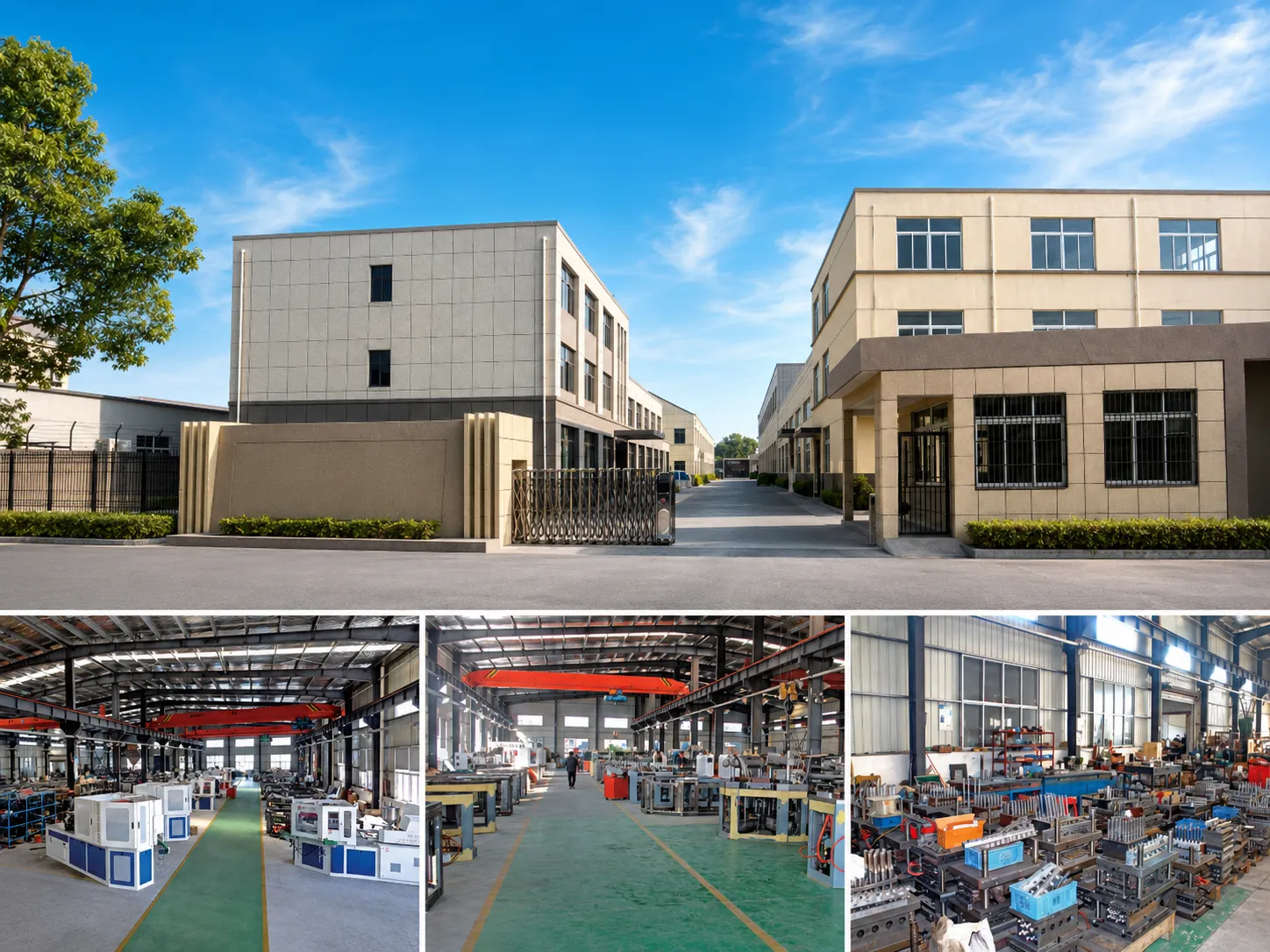
- 1.100 KN στα 20–30% πάνω από το βιομηχανικό πρότυπο, με εξοικονόμηση ενέργειας 20–30%: Το ZQ110 προσφέρει ταυτόχρονα κορυφαία δύναμη σύσφιξης και κορυφαία ενεργειακή απόδοση — ένας συνδυασμός που ορίζει την προσέγγιση ευρωπαϊκής αρχιτεκτονικής της Korea Ever-Power, όπου η δομική ακεραιότητα και η οικονομία λειτουργίας δεν τίθενται σε κίνδυνο.
- Σετ καλουπιών 24 κοιλοτήτων που σχεδιάστηκε και δοκιμάστηκε εσωτερικά: Με 24 κοιλότητες, το σετ καλουπιών είναι το πιο απαιτητικό εργαλείο στην τυπική σειρά ZQ. Η Korea Ever-Power σχεδιάζει, κατασκευάζει, συναρμολογεί και δοκιμάζει το καλούπι 24 κοιλοτήτων ZQ110 στη δική της μηχανή δοκιμών ZQ110, παρέχοντας μια τεκμηριωμένη αναφορά πιστοποίησης κοιλότητας προς κοιλότητα με κάθε σετ καλουπιών. Οι Κορεάτες φαρμακευτικοί πελάτες λαμβάνουν τεκμηρίωση πιστοποίησης GMP από τον κατασκευαστή του μηχανήματος — όχι από ξεχωριστό προμηθευτή καλουπιών του οποίου το μηχάνημα δεν μπορεί να επισκεφθεί ο Κορεάτης πελάτης.
- Στάνταρ γωνιακός διαχωριστής υψηλής ακρίβειας και διπλό υδραυλικό σύστημα: Και τα δύο premium χαρακτηριστικά που διαφοροποιούν το ZQ110 από μηχανήματα χαμηλότερης κατηγορίας περιλαμβάνονται ως στάνταρ — όχι ως προαιρετικές επιλογές με επιπλέον χρόνο παράδοσης και κόστος. Οι Κορεάτες πελάτες του ZQ110 λαμβάνουν την πλήρη επαναληψιμότητα κύκλου, την ακρίβεια ευρετηρίασης και την ενεργειακή απόδοση αυτών των συστημάτων από την πρώτη ημέρα παραγωγής.
- Πιστοποίηση CE και ISO 9001:2015 με πλήρη τεκμηρίωση: Το πλήρες πακέτο τεκμηρίωσης ZQ110 — Δήλωση CE, εγχειρίδιο λειτουργίας και συντήρησης, υδραυλικά και ηλεκτρικά σχηματικά, κατάλογος ανταλλακτικών, έκθεση πιστοποίησης καλουπιού — περιλαμβάνεται σε κάθε παράδοση ZQ110. Τα αρχεία πιστοποίησης προμηθευτών GMP της Κορέας φαρμακευτικών προϊόντων μπορούν να δημιουργηθούν απευθείας από το τυπικό πακέτο παράδοσης της Korea Ever-Power χωρίς να ζητηθεί συμπληρωματική τεκμηρίωση.
- Σαφής διαδρομή εντός της οικογένειας πλατφορμών ZQ: Τα κορεατικά εργοστάσια που αναθέτουν σε λειτουργία ένα ZQ110 επενδύουν σε μια αρχιτεκτονική πλατφόρμας που κλιμακώνεται στο ZQ135 εάν οι απαιτήσεις παραγωγής απαιτούν ποτέ απόδοση 30 κοιλοτήτων. Η εκπαίδευση των χειριστών, το οικοσύστημα ανταλλακτικών και η γνώση των διαδικασιών που έχουν συσσωρευτεί στο ZQ110 μεταφέρονται απευθείας στο ZQ135 χωρίς να χρειαστεί επανεκκίνηση καμπύλης εκμάθησης.
- Εξυπηρέτηση 24/7 με απόθεμα ανταλλακτικών αποκλειστικά για την Κορέα: Με τους ρυθμούς παραγωγής ZQ110, κάθε ώρα μη προγραμματισμένης διακοπής είναι εμπορικά σημαντική. Η Korea Ever-Power διατηρεί ένα ειδικό απόθεμα ανταλλακτικών για την κορεατική αγορά για άμεση αποστολή στις κορεατικές εγκαταστάσεις παραγωγής, το οποίο συμπληρώνεται από 24ωρη απομακρυσμένη διαγνωστική πρόσβαση PLC για άμεση επίλυση προβλημάτων διεργασίας και ελέγχου.
Συχνές ερωτήσεις — EP-ZQ110
Ε1: Ποια είναι η πρακτική διαφορά στην απόδοση μεταξύ του ZQ80 στις 20 κοιλότητες και του ZQ110 στις 24 κοιλότητες για φαρμακευτικά φιαλίδια των 30 ml;
Με φαρμακευτικά φιαλίδια HDPE των 30 ml και κύκλο στεγνώματος 4 δευτερολέπτων, το ZQ80 σε 20 κοιλότητες παράγει περίπου 18.000 φιαλίδια ανά ώρα λειτουργίας με απόδοση 90%. Το ZQ110 σε 20–22 κοιλότητες (μορφή 30 ml) παράγει περίπου 19.800–22.000 φιαλίδια ανά ώρα λειτουργίας με την ίδια απόδοση — περίπου 10–22% περισσότερη απόδοση ανά ώρα ανάλογα με τη διαμόρφωση του καλουπιού. Για τους κορεάτες φαρμακευτικούς συσκευαστές συμβολαίων που χρησιμοποιούν φιαλίδια 30 ml ως τη μορφή υψηλότερου όγκου σε πολλαπλές βάρδιες, ο πρόσθετος αριθμός κοιλοτήτων του ZQ110 σε αυτή τη μορφή μεταφράζεται σε περίπου 360.000–720.000 επιπλέον φιαλίδια ανά ημέρα παραγωγής σε σχέση με το ZQ80. Σε ένα κορεατικό έτος παραγωγής 250 ημερών, αυτό αντιπροσωπεύει μια σημαντική πρόσθετη χωρητικότητα που αποφεύγει την ανάγκη για δεύτερη επένδυση σε μηχάνημα για την κάλυψη των δεσμεύσεων όγκου.
Ε2: Γιατί το ZQ110 χρησιμοποιεί 1.100 KN αντί για χαμηλότερη τιμή — θα μπορούσε ένα μηχάνημα 900 KN να λειτουργήσει με 24 κοιλότητες;
Σε 24 κοιλότητες που παράγουν φαρμακευτικά δοχεία των 10 ml, η συνολική προβαλλόμενη επιφάνεια και των 24 κοιλοτήτων του λαιμού στο καλούπι έγχυσης που αντιστέκεται στην πίεση έγχυσης απαιτεί περίπου 45 KN δύναμης σύσφιξης ανά κοιλότητα για να αποτραπεί ο σχηματισμός λάμψης στη γραμμή διαχωρισμού του λαιμού. Στα 1.100 KN, το ZQ110 παρέχει 1.100 ÷ 24 = περίπου 46 KN ανά κοιλότητα — εντός του ασφαλούς ορίου. Μια μηχανή 900 KN σε 24 κοιλότητες θα παρείχε 37,5 KN ανά κοιλότητα — κάτω από το ασφαλές όριο για HDPE σε τυπική πίεση έγχυσης, η οποία συνήθως παράγει λάμψη στη γραμμή διαχωρισμού του λαιμού που δεν πληροί τις απαιτήσεις διαστάσεων του κορεατικού GMP. Η προδιαγραφή 1.100 KN δεν αποτελεί περιθώριο ασφαλείας πάνω από το ελάχιστο. Είναι η ελάχιστη σωστή προδιαγραφή για παραγωγή λαιμού 24 κοιλοτήτων χωρίς λάμψη σε τυπικές συνθήκες έγχυσης HDPE.
Ε3: Πώς διαχειρίζεται το ZQ110 την διακύμανση βάρους των βολών σε 24 κοιλότητες μέσω του δικτύου θερμού δρομέα;
Η ισορροπία πύλης σε ένα σύστημα θερμού δρομέα 24 κοιλοτήτων αποτελεί την κύρια μηχανική πρόκληση στο σχεδιασμό καλουπιών ZQ110. Η διαδικασία μηχανικής κατασκευής καλουπιών ZQ110 της Korea Ever-Power χρησιμοποιεί προσομοίωση ροής καλουπιού (Moldflow ή ισοδύναμη) για να επαληθεύσει ότι και οι 24 θέσεις της πύλης γεμίζουν εντός διακύμανσης ροής ±1,5% πριν ξεκινήσει η κατεργασία CNC. Εάν η προσομοίωση δείξει ανισορροπία στην αρχική γεωμετρία του δρομέα, η διάμετρος της πύλης βάσης του θερμού δρομέα ή η διάμετρος του δρομέα ρυθμίζεται επαναληπτικά μέχρι να επιβεβαιωθεί η ισορροπία μέσω προσομοίωσης. Μετά την κατεργασία, η πρώτη δοκιμή παραγωγής επιβεβαιώνει την ισορροπία μετρώντας το βάρος της κοιλότητας από όλες τις 24 κοιλότητες σε 50 διαδοχικές βολές — οποιαδήποτε κοιλότητα της οποίας το βάρος αποκλίνει περισσότερο από ±2% από τον μέσο όρο ενεργοποιεί μια ρύθμιση της πύλης πριν το καλούπι εκκαθαριστεί για παράδοση. Η διαμόρφωση ζώνης κυλίνδρου 4+N στο ZQ110 συμβάλλει επίσης στην ισορροπία της πύλης επιτρέποντας στη ζώνη πύλης-τέλους του κυλίνδρου να διατηρείται σε ένα σημείο ρύθμισης θερμοκρασίας βελτιστοποιημένο για ομοιόμορφο ιξώδες τήγματος στην είσοδο της πύλης θερμού δρομέα — μειώνοντας τη διακύμανση του ιξώδους που προκαλεί ανισορροπία ροής σε μεγάλα δίκτυα πολλαπλών κοιλοτήτων.
Ε4: Ποια είναι η πραγματική ημερήσια παραγωγή του EP-ZQ110 σε παραγωγή 10 ml 24 κοιλοτήτων;
Σε κύκλο στεγνώματος 4 δευτερολέπτων, με πρακτική απόδοση παραγωγής 88% (λαμβάνοντας υπόψη την εκκίνηση με βάρδια, μικρές προσαρμογές στη μορφή και προγραμματισμένο καθαρισμό), το ZQ110 ολοκληρώνει περίπου 792 κύκλους ανά ώρα λειτουργίας. Σε 24 κοιλότητες: περίπου 19.008 μονάδες ανά ώρα λειτουργίας. Σε μια κορεατική ημέρα δύο βάρδιων 14 ωρών παραγωγής: περίπου 266.000 μονάδες την ημέρα. Σε ένα έτος παραγωγής 250 ημερών: περίπου 66,5 εκατομμύρια φαρμακευτικά δοχεία των 10 ml ετησίως από ένα ZQ110. Αυτή η ετήσια παραγωγή επαρκεί για έναν κορεατικό φαρμακευτικό συμβατικό πάροχο που προμηθεύει οφθαλμικά δοχεία των 10 ml σε πολλά κορεατικά συστήματα νοσοκομειακών φαρμακείων ταυτόχρονα, χωρίς να απαιτείται δεύτερο μηχάνημα IBM. Η ετήσια χωρητικότητα του ZQ110 σε αυτή τη μορφή υπερβαίνει τη συνδυασμένη ετήσια παραγωγή δύο μηχανημάτων ZQ60 σε παραγωγή 14 κοιλοτήτων των 10 ml — ένα ZQ110 μπορεί να αντικαταστήσει δύο πλατφόρμες ZQ60 με μικρότερο συνδυασμένο αποτύπωμα και ένα σύνολο λειτουργικών εξόδων.
Ε5: Τι ηλεκτρική παροχή απαιτεί το EP-ZQ110;
Ο EP-ZQ110 απαιτεί συνολική εγκατεστημένη ισχύ 80 KW στα 380V / 3-φασικό / 50 Hz. Η διαμόρφωση διπλού κινητήρα είναι 22 KW + 22 KW για τα δύο υδραυλικά κυκλώματα, συν 22 KW θέρμανση βαρελιού και βοηθητικά φορτία. Η Korea Ever-Power συνιστά το μέγεθος του αποκλειστικού κυκλώματος του ZQ110 στα 95 KW για να παρέχει επαρκή χώρο εκκίνησης. Η συνιστώμενη προδιαγραφή ηλεκτρικής τροφοδοσίας ZQ110 είναι ένα τριφασικό κύκλωμα 150A / 380V με ομαλή εκκίνηση ή εκκινητές αστέρα-τριγώνου και στους δύο υδραυλικούς κινητήρες των 22 KW (για τον περιορισμό της εισροής ρεύματος εκκίνησης) και γείωση σύμφωνα με τα κορεατικά βιομηχανικά πρότυπα KS C IEC 60364. Οι κορεατικοί εργοστασιακοί πίνακες διανομής ισχύος που εξυπηρετούν την περιοχή ZQ110 θα πρέπει να επαληθεύονται έναντι αυτού του φορτίου πριν από την έναρξη της εγκατάστασης — η συνολική εγκατεστημένη ισχύς των 80 KW του ZQ110 είναι σημαντικά υψηλότερη από τα 55 KW του ZQ80 και απαιτεί από τον μηχανικό διανομής ισχύος του κορεατικού εργοστασίου να επιβεβαιώσει ότι η υπάρχουσα εισερχόμενη δυναμικότητα τροφοδοσίας υποστηρίζει αυτό το πρόσθετο φορτίο.
Ε6: Γιατί το ZQ110 ζυγίζει 15 τόνους ενώ το ZQ80 είναι 10 τόνοι;
Η αύξηση βάρους του 50% από το ZQ80 στο ZQ110 αντικατοπτρίζει το μεγαλύτερο πλαίσιο του μηχανήματος, τον βαρύτερο μηχανισμό σύσφιξης που απαιτείται για την παροχή 1.100 KN (έναντι 800 KN), τα μεγαλύτερα υδραυλικά εξαρτήματα για το διπλό κύκλωμα υψηλότερης απόδοσης 22+22 KW, τον μεγαλύτερο κύλινδρο και τη μονάδα ψεκασμού για τον κοχλία 65 mm, και το εκτεταμένο συγκρότημα πλάκας που απαιτείται για το σετ καλουπιών 24 κοιλοτήτων. Το δομικό πλαίσιο του ZQ110 πρέπει να απορροφά σημαντικά υψηλότερα μηχανικά φορτία κατά τη σύσφιξη με έγχυση από το ZQ80, απαιτώντας κατασκευή από χάλυβα βαρύτερου πάχους σε όλη την έκτασή του. Το βάρος των 15 τόνων έχει πρακτική σημασία για την εγκατάσταση στο κορεατικό εργοστάσιο: το ZQ110 απαιτεί δομική ικανότητα φορτίου δαπέδου τουλάχιστον 1.500 kg/m² κάτω από το αποτύπωμα του μηχανήματος 5 × 1,8 m (9 m²), η οποία θα πρέπει να επαληθευτεί με τον δομικό μηχανικό του κορεατικού εργοστασίου πριν από την παράδοση. Τα περισσότερα κορεατικά δάπεδα εργοστασίων βιομηχανικής συσκευασίας που κατασκευάζονται ειδικά για βιομηχανική χρήση πληρούν αυτήν την προδιαγραφή. Τα γενικά δάπεδα ελαφράς βιομηχανίας ενδέχεται να απαιτούν αξιολόγηση ενίσχυσης.
Ε7: Τι επιφάνεια δαπέδου απαιτεί το πλήρες κελί παραγωγής EP-ZQ110;
Το αποτύπωμα του μηχανήματος EP-ZQ110 είναι 5 × 1,8 m (9 m²) σε ύψος 2,2 m. Ένα πλήρες κελί παραγωγής ZQ110 — μηχανή, μεταφορικός ιμάντας εξόδου (επέκταση 3–5 m), συμπιεστής χωρίς λάδι, διπλές μονάδες ψύξης, διπλοί ελεγκτές θερμοκρασίας καλουπιού, ηλεκτρικός πίνακας, καρότσι χειρισμού καλουπιών και σταθμός χειριστή — απαιτεί περίπου 50–65 m² χώρου δαπέδου ανάλογα με το μήκος του μεταφορικού ιμάντα και τη διάταξη του βοηθητικού εξοπλισμού. Για τους χώρους παραγωγής κορεατικών φαρμακευτικών προϊόντων GMP, συνήθως διατίθεται επιπλέον χώρος συσσώρευσης buffer πέρα από τον μεταφορικό ιμάντα — περίπου 10–15 m² επιπλέον καθαρού χώρου δαπέδου δίπλα στο κελί ZQ110 για δειγματοληψία ποιοτικού ελέγχου και επιθεώρηση πρώτου αντικειμένου χωρίς διακοπή της ροής του μεταφορικού ιμάντα παραγωγής. Η Korea Ever-Power παρέχει ένα διαστασιολογημένο σχέδιο ορόφου και ένα σχέδιο διάταξης σύνδεσης κοινής ωφέλειας για κάθε παραγγελία ZQ110 για να υποστηρίξει την προετοιμασία των εγκαταστάσεων του Κορεάτη πελάτη και τον συντονισμό των έργων πολιτικού μηχανικού.
Ε8: Μπορεί το ZQ110 να παράγει βάζα καλλυντικών από ABS και στις 10 κοιλότητες στα 250 ml ταυτόχρονα;
Ναι. Η σύσφιξη έγχυσης 1.100 KN του ZQ110 και το βάρος βολής περίπου 650 g χειρίζονται την παραγωγή ABS 250 ml 10 κοιλοτήτων σε τυπικές συνθήκες έγχυσης σε κορεατικά βαζάκια καλλυντικών (θερμοκρασία έγχυσης 220–250°C για ABS, θερμοκρασία καλουπιού 40–70°C). Το ABS απαιτεί υψηλότερη πίεση έγχυσης από το HDPE ή το PP λόγω του υψηλότερου ιξώδους τήξης του, καθιστώντας τη σύσφιξη 1.100 KN του ZQ110 ιδιαίτερα σημαντική σε διαμόρφωση 10 κοιλοτήτων για την αποφυγή φλας στη γραμμή διαχωρισμού του λαιμού με ευρύ στόμιο σε μορφές βάζων καλλυντικών με ανοίγματα λαιμού μεγάλης διαμέτρου. Η διαμόρφωση ζώνης κυλίνδρου 4+N διαχειρίζεται το μικρότερο παράθυρο θερμικής επεξεργασίας του ABS (το ABS υποβαθμίζεται εάν κρατηθεί στον κυλίνδρο για πολύ καιρό σε υψηλή θερμοκρασία) επιτρέποντας στη θερμοκρασία της ζώνης πύλης να διατηρείται χαμηλότερη από τις ζώνες του μεσαίου κυλίνδρου, μειώνοντας τη συμβολή θερμότητας στο άκρο της πύλης, όπου ο χρόνος παραμονής είναι ο μεγαλύτερος μεταξύ των κύκλων.
Ε9: Πότε πρέπει ένα κορεατικό εργοστάσιο να επιλέξει το ZQ135 αντί για το ZQ110;
Το ZQ135 είναι η σωστή επιλογή έναντι του ZQ110 υπό τρεις συγκεκριμένες συνθήκες. Πρώτον, αριθμός κοιλοτήτων: εάν το πρόγραμμα παραγωγής απαιτεί περισσότερες από 24 κοιλότητες στα 10 ml ή περισσότερες από 20 στα 30 ml - το ZQ135 φτάνει τις 30 κοιλότητες στα 10 ml. Δεύτερον, κατηγορία μηχανήματος: το ZQ135 προσθέτει ζώνες κυλίνδρου 6+N (έναντι 4+N στο ZQ110), την υψηλότερη ακρίβεια ελέγχου θερμοκρασίας στη σειρά ZQ, κατάλληλη για τις πιο απαιτητικές απαιτήσεις επεξεργασίας ρητίνης σε πολύ μεγάλα βάρη βολών που πλησιάζουν το μέγιστο της σειράς. Τρίτον, όγκος παραγωγής: εάν η πενταετής πρόβλεψη παραγωγής του κορεατικού εργοστασίου δείχνει ότι το ανώτατο όριο του ZQ110 - περίπου 66 εκατομμύρια μονάδες 10 ml ετησίως - θα επιτευχθεί εντός τριών ετών, η επένδυση στο ZQ135 κατά την αρχική θέση σε λειτουργία αποφεύγει έναν κύκλο αντικατάστασης μηχανήματος σε σύντομο χρονικό διάστημα. Για τη μεγάλη πλειοψηφία των κορεατικών φαρμακευτικών δραστηριοτήτων της IBM σε μεγάλη κλίμακα, το ZQ110 είναι το τεχνικά σωστό ανώτατο όριο. Το ZQ135 είναι η σωστή επιλογή όταν οι απαιτήσεις για τον αριθμό των κοιλοτήτων υπερβαίνουν τις 24 στα 10 ml ή όταν απαιτείται ο έλεγχος βάρους των βολών με την υψηλότερη ακρίβεια.
Ε10: Ποιο είναι το τυπικό χρονοδιάγραμμα παράδοσης για μια παραγγελία EP-ZQ110 σε έναν Κορεάτη πελάτη;
Ο τυπικός χρόνος κατασκευής της μηχανής EP-ZQ110 είναι 65-80 ημέρες από την επιβεβαίωση της παραγγελίας αγοράς και την αρχική πληρωμή. Εάν παραγγελθεί ταυτόχρονα ένα σετ καλουπιών 24 κοιλοτήτων, η κατασκευή της μήτρας — συμπεριλαμβανομένης της προσομοίωσης ροής, της κατεργασίας CNC, της τελικής επεξεργασίας EDM, της συναρμολόγησης και της δοκιμαστικής λειτουργίας των 500 τεμαχίων — απαιτεί 45-60 ημέρες και προχωρά παράλληλα με την κατασκευή της μηχανής. Η θαλάσσια μεταφορά από τις εγκαταστάσεις της Korea Ever-Power στα κορεατικά λιμάνια (Μπουσάν ή Ιντσον) προσθέτει 7-14 ημέρες. Η προετοιμασία της θεμελίωσης της μηχανής (σκυρόδεμα με ενσωματωμένα μπουλόνια αγκύρωσης και αγωγός για συνδέσεις κοινής ωφέλειας) στην κορεατική τοποθεσία θα πρέπει να ολοκληρωθεί πριν από την άφιξη της μηχανής, καθώς το βάρος των 15 τόνων της ZQ110 απαιτεί προετοιμασμένη θεμελίωση και όχι απλή τοποθέτηση δαπέδου. Η εγκατάσταση και η θέση σε λειτουργία από τους μηχανικούς πεδίου της Korea Ever-Power απαιτούν 4-6 ημέρες επί τόπου, ακολουθούμενες από 4-6 ημέρες εκπαίδευσης χειριστών. Συνολικό χρονοδιάγραμμα από την παραγγελία αγοράς έως την έτοιμη προς παραγωγή ZQ110 σε μια προετοιμασμένη κορεατική εγκατάσταση: περίπου 80-100 ημέρες για μια τυπική μορφή φαρμακευτικής φιάλης χωρίς να εκκρεμεί μη τυποποιημένη προετοιμασία τοποθεσίας.
Κριτικές πελατών και σχόλια πεδίου
«Αντικαταστήσαμε δύο μηχανήματα ZQ60 με ένα ZQ110. Η έκθεση αξιολόγησης κοιλότητας-κοιλότητας που παρέδωσε η Korea Ever-Power με το σετ καλουπιών 24 κοιλοτήτων κάλυπτε όλα τα δεδομένα που χρειαζόταν το αρχείο αξιολόγησης του κορεατικού προμηθευτή KFDA — δεν χρειάστηκε να εκτελέσουμε πρόσθετες δοκιμές αξιολόγησης πέρα από την επαλήθευση των δεδομένων στις δικές μας εγκαταστάσεις. Η απόδοση του ZQ110 καλύπτει και τις δύο γραμμές ZQ60 μαζί και λειτουργούμε με έναν χειριστή αντί για δύο. Δεκαοκτώ μήνες σε λειτουργία, καμία απρόβλεπτη διακοπή λειτουργίας.»
Χουάνγκ Μιν-τζουν, Τεχνικός Διευθυντής, Κορεατική Κατασκευή Φαρμακευτικών Εμπορευματοκιβωτίων, Γκιόνγκι-ντο (Αρχές 2025)
«Η σύσφιξη των 1.100 KN στη σειρά βάζων καλλυντικών ABS των 250 ml με 10 κοιλότητες είναι σαφώς διαφορετική από αυτήν που είχαμε πριν. Στην προηγούμενη μηχανή μας των 800 KN, οι λαιμοί των βάζων με φαρδύ στόμιο εμφάνιζαν περιστασιακά τριχοειδείς λάμψεις στην εξωτερική γραμμή διαχωρισμού — όχι σε κάθε κύκλο, αλλά αρκετές για να επηρεάσουν το ποσοστό απόρριψής μας. Το ZQ110 δεν είχε καμία λάμψη στον λαιμό σε εννέα μήνες παραγωγής και στις 10 κοιλότητες. Το επιπλέον περιθώριο σύσφιξης στις μορφές ABS με φαρδύ στόμιο είναι πραγματικό και μετρήσιμο.»
Γιου Τζι-γιάνγκ, Διευθυντής Ποιότητας, Παραγωγή OEM για Κορεάτικα Βάζα Καλλυντικών, Σεούλ (Τέλη 2024)
«Χρησιμοποιούμε σαμπουάν HDPE 500 ml με 6 κοιλότητες στο ZQ110. Σε αυτήν τη μορφή και τον αριθμό κοιλοτήτων, το ZQ110 λειτουργεί με περίπου 55% της χωρητικότητάς του — κάτι που προτιμούμε, επειδή σημαίνει ότι το μηχάνημα βρίσκεται εντός των ονομαστικών ορίων του με τον τρέχοντα όγκο παραγωγής μας και έχουμε περιθώριο ανάπτυξης χωρίς αγορά νέου μηχανήματος. Η κατανάλωση ενέργειας είναι 23% χαμηλότερη ανά φιάλη από την προηγούμενη μηχανή μας μονού κυκλώματος 600 KN στην ίδια μορφή.»
Σέο Ντονγκ-χιουν, Διευθυντής Εργοστασίου, Κορεατικός Κατασκευαστής Οικιακών Χημικών, Incheon (Μέσα 2024)
«Οι οδηγίες προετοιμασίας θεμελίωσης από την Korea Ever-Power ήταν λεπτομερείς και ακριβείς. Ο μηχανικός μας επιβεβαίωσε το φορτίο των 15 τόνων του ZQ110 σε σχέση με την εργοστασιακή μας ονομαστική τιμή δαπέδου πριν από την παράδοση και δεν χρειάστηκε ενίσχυση. Η εγκατάσταση έγινε εγκαίρως, διήρκεσε 5 ημέρες και οι μηχανικοί της Korea Ever-Power ήταν μεθοδικοί — δεν έφυγαν μέχρι να περάσουν και οι 24 κοιλότητες τον πρώτο έλεγχο του άρθρου μας. Δώδεκα μήνες λειτουργίας, μία προγραμματισμένη προληπτική διακοπή συντήρησης, καμία μη προγραμματισμένη διακοπή.»
Κιμ Μπιουνγκ-τσουλ, Διευθυντής Λειτουργιών, Μεγάλης Κλίμακας Κορεατική Φαρμακευτική Συσκευασία, Cheongju (Αρχές 2025)
«Χρησιμοποιούμε το ZQ110 για φιάλες φαρμάκων HDPE CRC των 100 ml με 14 κοιλότητες. Η δύναμη σύσφιξης των 1.100 KN στους λαιμούς CRC σε 14 κοιλότητες μας δίνει την πεποίθηση ότι δεν βρισκόμαστε κοντά στο όριο λάμψης σε καμία κοιλότητα. Η συνέπεια ευρετηρίασης του διαχωριστή γωνίας είναι μετρήσιμη στα δεδομένα βάρους των φιαλών μας — η τυπική απόκλιση στις 14 κοιλότητες είναι μικρότερη από ό,τι σε οποιοδήποτε μηχάνημα IBM που έχουμε προηγουμένως πιστοποιήσει. Ο ελεγκτής GMP μας εξέτασε την έκθεση πιστοποίησης καλουπιού Korea Ever-Power και την αποδέχτηκε χωρίς πρόσθετες δοκιμές.»
Παρκ Εουν-σου, Διευθυντής Διασφάλισης Ποιότητας, Παραγωγή Φαρμακευτικών Εμπορευματοκιβωτίων Κορέας GMP, Daejeon (Τέλη 2024)
«Η παράδοση έγινε σε 78 ημέρες από την επιβεβαίωση της παραγγελίας αγοράς — εντός του προβλεπόμενου χρονικού διαστήματος 65-80 ημερών. Το καλούπι έφτασε με το μηχάνημα και είχε ήδη δοκιμαστεί. Η ομάδα παραγωγής μας κατασκεύαζε το προϊόν την 6η ημέρα μετά την παράδοση. Είχαμε αξιολογήσει δύο άλλους Κορεάτες προμηθευτές της IBM πριν επιλέξουμε την Korea Ever-Power — το πρότυπο τεκμηρίωσης και η έκθεση δοκιμής του καλουπιού πριν από την παράδοση ήταν οι καθοριστικοί παράγοντες.»
Τζανγκ Χιόν-γου, Διευθυντής Προμηθειών, Κορεατική Φαρμακευτική Συσκευασία, Μπουσάν (Μέσα 2025)
Σχετικά προϊόντα
Μηχανή ISBM 3 σταθμών
Μηχανές χύτευσης με έγχυση και τέντωμα, ενός βήματος, με περιστροφικό πυργίσκο 3 σταθμών — συμπαγές μέγεθος, γρήγορος κύκλος στεγνώματος, ιδανικές για παραγωγή μικρών έως μεσαίων φιαλών PET και PETG.
Αναζήτηση ISBM 3 σταθμών →
Μηχανή ISBM 4 σταθμών
ISBM 4 σταθμών με ειδικό σταθμό προετοιμασίας — επιτρέπει την παραγωγή μη στρογγυλών, οβάλ και επίπεδων φιαλών με ομοιόμορφο πάχος τοιχώματος, συμπεριλαμβανομένων των πλατφορμών ASB-12M και AOKI.
Αναζήτηση ISBM 4 σταθμών →
Μηχανή ISBM 6 σταθμών
Πλατφόρμα ISBM διπλού ψεκασμού 6 σταθμών υψηλής απόδοσης — σχεδόν διπλή απόδοση έναντι 4 σταθμών με ισοδύναμο αποτύπωμα, κατάλληλη για μεσαίες έως μεγάλες κορεατικές γραμμές παραγωγής ποτών, καλλυντικών και φαρμακευτικών προϊόντων.
Περιήγηση σε ISBM 6 σταθμών →
Μούχλα για μηχανή ISBM
Προσαρμοσμένα καλούπια εμφύσησης με έγχυση σε ένα βήμα από ανοξείδωτο χάλυβα S136 — συμβατά με τη σειρά Korea Ever-Power HGY, τις ιαπωνικές πλατφόρμες ASB-12M, AOKI 250 και ASB-70DPH. Διαμορφώσεις 1–28 κοιλοτήτων.
Περιήγηση σε καλούπια ISBM →
Επιμέλεια: Cxm
Επιπλέον πληροφορίες
| Συντάκτης | Cxm |
|---|