ขวดหยอดตา HDPE จาก IBM:
คู่มือการผลิตของเกาหลี
ภาชนะบรรจุยาหยอดตา HDPE ขนาด 10 มล. ของเกาหลี เป็นรูปแบบบรรจุภัณฑ์ยาแบบ IBM ที่มีปริมาณการผลิตสูงสุดในเกาหลี และเป็นหนึ่งในรูปแบบที่มีความต้องการทางเทคนิคสูงที่สุด ได้แก่ ความแม่นยำในการปิดฝาหยดที่ ±0.05 มม. ความโปร่งใสของระดับการบรรจุที่ความหนาของผนังภาชนะ 0.30–0.40 มม. การปฏิบัติตามข้อกำหนดด้านอนุภาคของ KFDA สำหรับยาหยอดตา และความต้องการปริมาณการผลิตหลายร้อยล้านชิ้นต่อปี ซึ่งทำให้เครื่องจักร ZQ110 และ ZQ135 เป็นหัวใจสำคัญของเศรษฐกิจการผลิตบรรจุภัณฑ์ยาหยอดตาในเกาหลี
คอฝาหยดแบบแม่นยำ
คุณวุฒิทางจักษุวิทยาจาก KFDA
ฝ่ายวิศวกรรมของ Korea Ever-Power · เมืองอันซาน · กรกฎาคม 2569
ข้อมูลอ้างอิงของ IBM ด้านจักษุวิทยาของเกาหลี — ข้อมูลอ้างอิง
10 มล.
บรรจุภัณฑ์สำหรับยาหยอดตามาตรฐานเกาหลี — รูปแบบของ IBM ที่มีความต้องการสูงสุดในแต่ละปี
500 ล้าน+
ประมาณการความต้องการบรรจุภัณฑ์สำหรับผลิตภัณฑ์เกี่ยวกับดวงตาในเกาหลีต่อปี — คอนแทคเลนส์, ยาสำหรับตาแห้ง, ยาตามใบสั่งแพทย์
±0.05 มม.
ค่าความคลาดเคลื่อนของเส้นผ่านศูนย์กลางภายนอกของคอขวด IBM — การยึดฝาหยดต้องใช้ช่วงความคลาดเคลื่อน ±0.06 มม.
~23,800/ชั่วโมง
ZQ135 ที่ 30 โพรง — ผลผลิตสูงสุดของเครื่องจักร IBM สำหรับจักษุวิทยาในเกาหลีที่ผลิตด้วยเครื่องเดียว
1. ตลาดจักษุวิทยาของเกาหลีและบทบาทของ IBM

ตลาดเวชภัณฑ์สำหรับดวงตาของเกาหลีเป็นหนึ่งในตลาดที่ใหญ่ที่สุดและเติบโตเร็วที่สุดในเอเชียตะวันออก ปัจจัยเชิงโครงสร้างสามประการที่ผลักดันความต้องการบรรจุภัณฑ์เวชภัณฑ์สำหรับดวงตาในเกาหลีให้สูงกว่าที่ขนาดประชากรของเกาหลีเพียงอย่างเดียวจะบ่งชี้ได้ ได้แก่ อัตราการใช้คอนแทคเลนส์ต่อหัวประชากรที่สูงที่สุดในโลก (ประมาณ 421,300 คนเกาหลีวัยผู้ใหญ่ อายุ 20-40 ปี ใช้คอนแทคเลนส์ ทำให้เกิดความต้องการน้ำตาเทียมและน้ำยาสำหรับคอนแทคเลนส์ในแต่ละวัน) เวลาการใช้หน้าจอที่สูงมากในเกาหลี (คนทำงานชาวเกาหลีใช้เวลาอยู่หน้าจอโดยเฉลี่ย 9.4 ชั่วโมงต่อวัน ส่งผลให้โรคตาแห้งแพร่หลายมากขึ้นอย่างรวดเร็ว) และระบบการเบิกจ่ายค่ารักษาพยาบาลสำหรับยาตามใบสั่งแพทย์ด้านจักษุวิทยาที่ครอบคลุมทั่วประเทศของเกาหลี (ระบบประกันสุขภาพแห่งชาติของเกาหลีครอบคลุมยาตามใบสั่งแพทย์ด้านจักษุวิทยาเกือบทั้งหมด ทำให้ลดอุปสรรคด้านราคาในการใช้ยาสำหรับดวงตา) ปัจจัยทั้งสามนี้รวมกันทำให้มีความต้องการบรรจุภัณฑ์สำหรับผลิตภัณฑ์เกี่ยวกับดวงตาในเกาหลีประมาณ 500 ล้านชิ้นต่อปี โดยแบ่งเป็นยาสำหรับดวงตาที่ต้องมีใบสั่งแพทย์ (ยาปฏิชีวนะ ยาต้านการอักเสบ ยารักษาต้อหิน) น้ำตาเทียมที่จำหน่ายทั่วไป และผลิตภัณฑ์ดูแลคอนแทคเลนส์ ซึ่งทั้งหมดนี้ต้องใช้บรรจุภัณฑ์ HDPE IBM ขนาด 10 มล.
IBM เป็นมาตรฐานกระบวนการผลิตบรรจุภัณฑ์ยาหยอดตาของเกาหลี เนื่องจากขนาด 10 มล. ของยาหยอดตาได้รับประโยชน์จากข้อดีทางเทคนิคของ IBM ทุกประการพร้อมกัน ได้แก่ คอขวดขึ้นรูปด้วยการฉีดขึ้นรูปที่ความคลาดเคลื่อน ±0.05 มม. (การใช้ฝาหยดต้องใช้ความคลาดเคลื่อน ±0.06 มม.) ไม่มีเศษผงส่วนเกิน (เป็นไปตามข้อกำหนดอนุภาคของ KFDA สำหรับยาหยอดตา) การผลิตแบบหลายช่องได้มากถึง 30 ช่อง (ประหยัดต้นทุนการผลิตเมื่อมีความต้องการมากกว่า 500 ล้านหน่วยต่อปี) และผนังตัวขวดทำจาก HDPE โปร่งแสงที่ความหนา 0.30–0.40 มม. (ตรวจสอบระดับการบรรจุได้โดยไม่ต้องมีความโปร่งใส) ไม่มีกระบวนการเป่าขึ้นรูปอื่นใดที่ให้ข้อดีทั้งสี่ประการในขนาด 10 มล. บริบทที่กว้างขึ้นของ IBM สำหรับการผลิตยาของเกาหลีจะกล่าวถึงใน... คู่มือ IBM ด้านเภสัชกรรมบทความนี้มุ่งเน้นเฉพาะการผลิตภาชนะบรรจุยาหยอดตา HDPE ขนาด 10 มล.
2. ข้อมูลจำเพาะของภาชนะบรรจุยาหยอดตา HDPE ขนาด 10 มล.
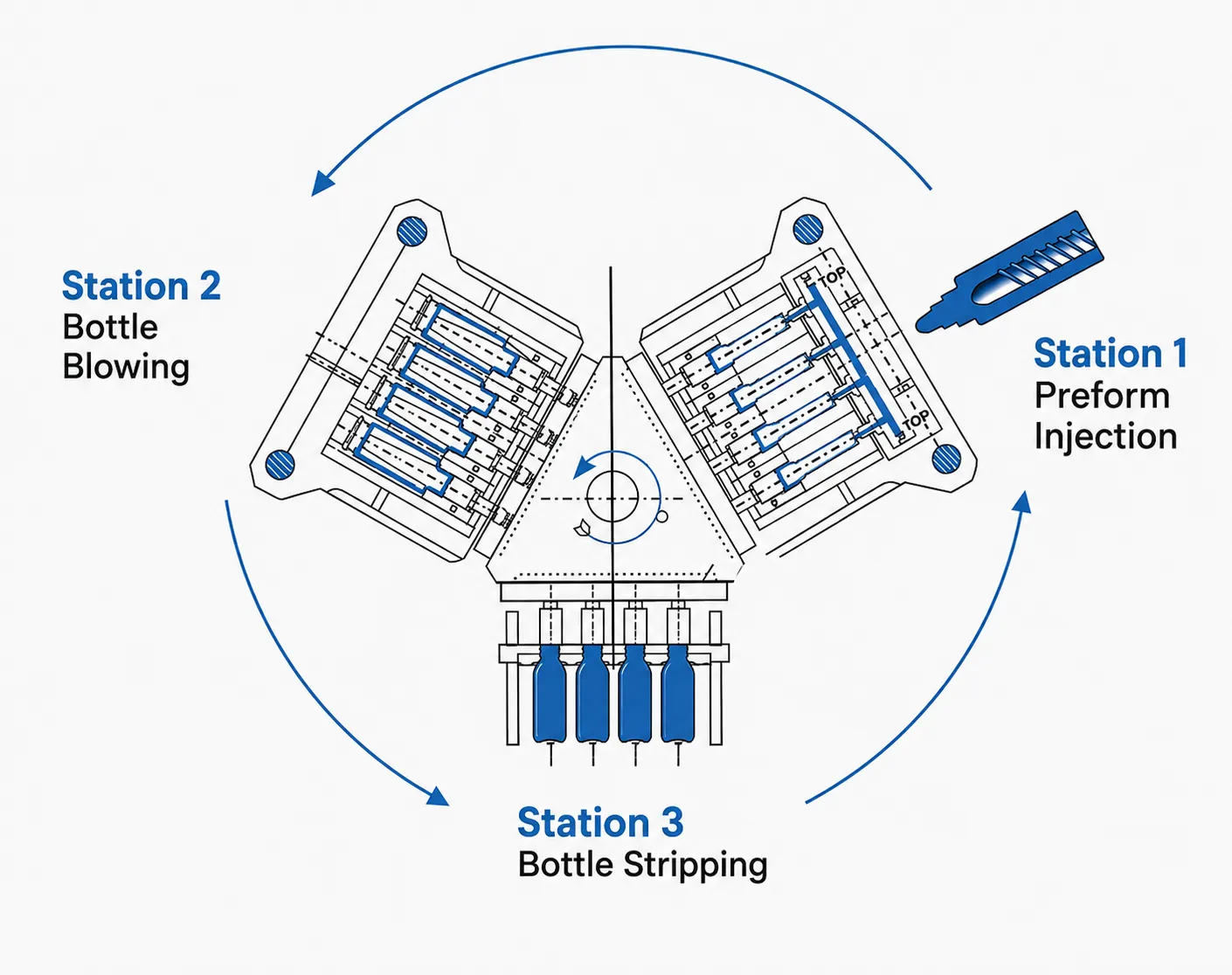
ภาชนะบรรจุยาหยอดตา HDPE ขนาด 10 มล. ของเกาหลีมีข้อกำหนดด้านขนาดที่เป็นมาตรฐานอย่างน่าทึ่งในหมู่แบรนด์ยาของเกาหลี ซึ่งการกำหนดมาตรฐานนี้เกิดจากความเข้ากันได้กับระบบฝาปิดแบบหยดที่จัดหาโดยผู้ผลิตฝาปิดแบบหยดของเกาหลี และข้อกำหนดของสายการบรรจุยาของเกาหลีที่ได้รับการปรับให้เหมาะสมกับขนาดมาตรฐานของภาชนะบรรจุยาหยอดตาขนาด 10 มล.
| มิติ | ข้อกำหนด | หน้าที่/พื้นฐานความต้องการ |
|---|---|---|
| จบงานคอ | 13/415 จีพีไอ | อินเตอร์เฟซฝาปิดหลอดหยดตาแบบมาตรฐานเกาหลี — สามารถใช้ได้กับฝาปิดหลอดหยดตาของเกาหลีและผู้ผลิตฝาปิดหลอดหยดตา CRC |
| ความคลาดเคลื่อนของเส้นผ่านศูนย์กลางภายนอกของคอคอด | 13.00 มม. ±0.05 มม. | ช่วงความคลาดเคลื่อนของการล็อกฝาปิดแบบสแนปฟิต — มาตรฐานของ IBM, ±0.05 มม. ในทุกช่อง |
| รหัสเจาะ | 9.0 มม. ±0.04 มม. | การสอดใส่เม็ดพลาสติกหยดที่มีเส้นผ่านศูนย์กลางภายนอกต่างกัน — กำหนดโดยเส้นผ่านศูนย์กลางภายนอกของแกนกลางในแม่พิมพ์ฉีดพลาสติกของ IBM |
| ความสูงของตู้คอนเทนเนอร์ | 42–52 มม. | ความเข้ากันได้ของตัวจับยึดในสายการผลิตบรรจุภัณฑ์ของเกาหลี และขนาดถาดจ่ายยาของร้านขายยาเกาหลี |
| เส้นผ่านศูนย์กลางตัวถังสูงสุด | 22–28 มม. | ระยะห่างระหว่างแถวของถาดบรรจุยาแบบหน่วยเดียวสำหรับร้านขายยาเกาหลี — สูงสุด 28 มม. เพื่อให้ใช้งานร่วมกับถาดมาตรฐานของเกาหลีได้ |
| ความหนาของผนังตัวถัง | 0.30–0.40 มม. | ความโปร่งแสงสำหรับการตรวจสอบระดับการบรรจุ: ≤0.40 มม. สำหรับความโปร่งแสงของ HDPE ที่เพียงพอที่ปริมาตร 10 มล. |
| ความแม่นยำของปริมาตร | 10.0 มล. ±0.5 มล. | ค่าความคลาดเคลื่อนของปริมาตรบรรจุยาหยอดตาตามมาตรฐาน KFDA ของเกาหลี — ตำแหน่งของเครื่องหมายบอกปริมาตรบนภาชนะบรรจุของ IBM ต้องสะท้อนค่าความคลาดเคลื่อนนี้ที่อุณหภูมิ 23°C |
| น้ำหนักขวด | 2.5–4.5 กรัม | HDPE IBM ที่มีความหนาผนัง 0.30–0.40 มม. — เบากว่า EBM ที่เทียบเท่ากัน; น้ำหนักระหว่างช่องว่าง CV% ≤4% ตามข้อกำหนด |
ข้อกำหนดการตกแต่งคอขวด 13/415 มีความสำคัญอย่างยิ่งสำหรับการออกแบบแม่พิมพ์ IBM สำหรับยาหยอดตาในเกาหลี: เส้นผ่านศูนย์กลางภายนอกของคอขวด 13 มม. และจำนวนเกลียว 415 (15 เกลียวต่อนิ้ว) เป็นมาตรฐานสากลสำหรับฝาปิดแบบหยดสำหรับยาหยอดตาที่แบรนด์ยาหยอดตาของเกาหลีและผู้ผลิตฝาปิดแบบหยดของเกาหลีใช้ แม่พิมพ์บรรจุภัณฑ์ IBM สำหรับการผลิตยาหยอดตาในเกาหลีต้องระบุเม็ดมีดคอขวด 13/415 ในแม่พิมพ์ฉีดพลาสติกด้วยความแม่นยำของมิติเดียวกันกับเครื่องมือฝาปิดแบบหยดของเกาหลี — ±0.02 มม. บนเส้นผ่านศูนย์กลางภายนอกของคอขวดที่เม็ดมีดในช่องคอขวดของแม่พิมพ์ฉีดพลาสติกช่วยให้มั่นใจได้ว่าความคลาดเคลื่อนของเส้นผ่านศูนย์กลางภายนอกของคอขวด ±0.05 มม. ของขวด IBM ที่เสร็จสมบูรณ์นั้นเป็นไปตามข้อกำหนดโดยมีระยะเผื่อกระบวนการทั้งสองด้านของช่องสำหรับฝาปิดแบบหยด
3. ความแม่นยำของคอขวด IBM สำหรับการยึดฝาหยด
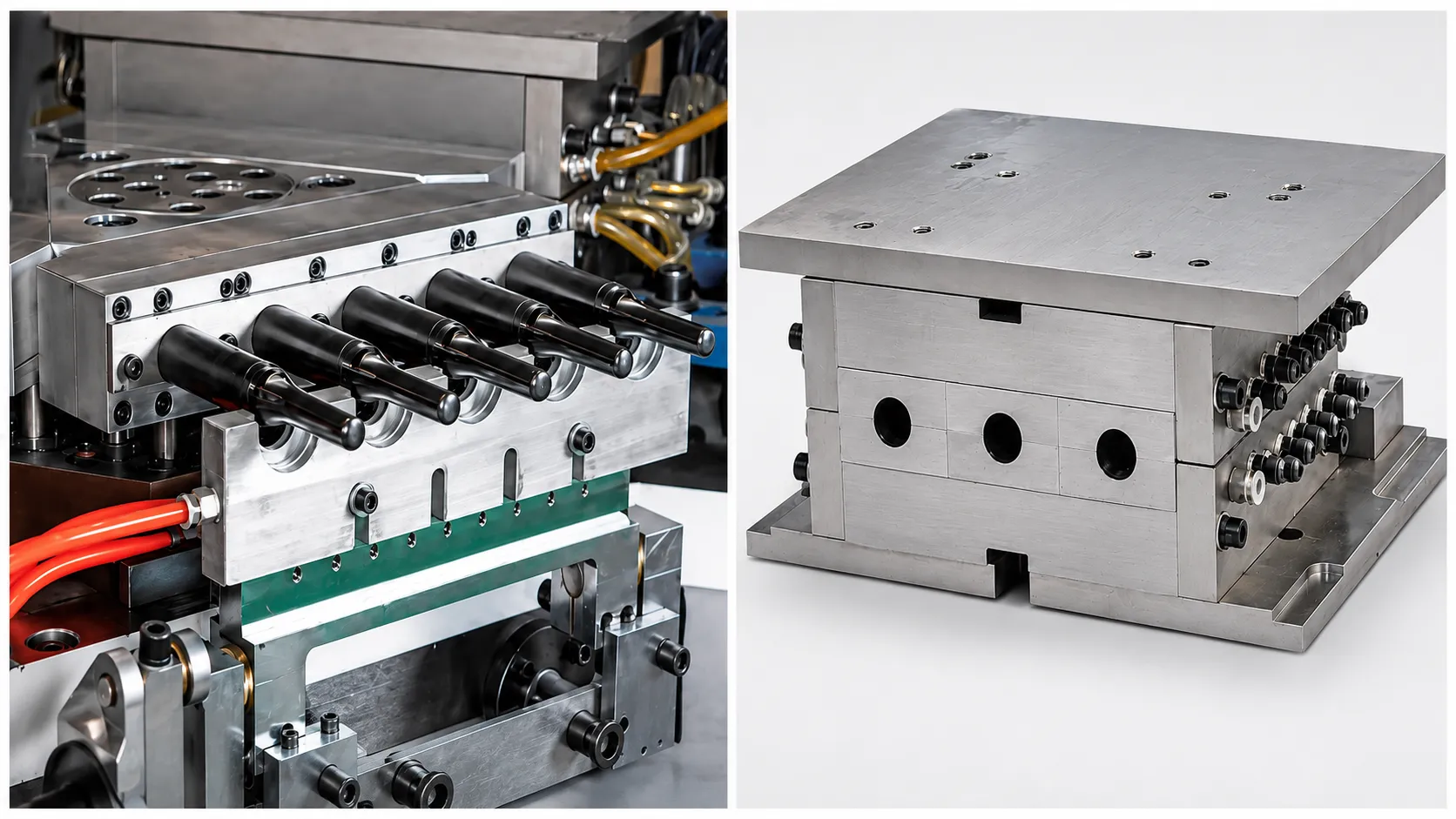
ระบบฝาปิดหยดยาสำหรับจักษุแพทย์ของเกาหลีมีจุดเชื่อมต่อที่มีความแม่นยำสูงสองจุดกับคอขวดของ IBM ได้แก่ การเชื่อมต่อแบบสแนปฟิตหรือแบบเกลียวด้านนอกระหว่างขอบฝาปิดหยดยาและเส้นผ่านศูนย์กลางภายนอกของคอขวด และการเชื่อมต่อรูด้านในระหว่างตัวแทรกรูควบคุมของตัวหยดยาและเส้นผ่านศูนย์กลางภายในของรูคอขวด การเชื่อมต่อทั้งสองแบบนี้ต้องการความแม่นยำทางมิติ ซึ่ง IBM มอบให้ได้โดยตรงผ่านเครื่องมือฉีดขึ้นรูปและกลไกแกนกลางของตนเอง
อินเตอร์เฟซแบบสแนปฟิตภายนอก: เส้นผ่านศูนย์กลางภายนอกของคอคอด ±0.05 มม.
ฝาปิดหลอดหยดสำหรับยาหยอดตาของเกาหลีจะล็อกเข้ากับคอขวด IBM ที่ขนาดเส้นผ่านศูนย์กลางภายนอก 13 มม. โดยใช้ขอบนูนรอบวงของฝาที่ประกบเข้ากับขอบยึดของคอขวด การล็อกแบบสแนปฟิตนี้ช่วยป้องกันการแกะ (ขอบนูนจะทำลายซีลเหนี่ยวนำหรือทำให้ขอบยึดเสียรูปเมื่อเปิดครั้งแรก) ป้องกันเด็กเปิด (ยาหยอดตา CRC บางรูปแบบของเกาหลีต้องใช้การกดและหมุน) และช่วยยึดฝาปิดให้แน่นระหว่างการจ่ายยาในร้านขายยาเกาหลี (ฝาต้องติดอยู่กับขวดเมื่อเคาะลงบนถาดจ่ายยาในร้านขายยาเกาหลี) การทำงานของกลไกสแนปฟิตขึ้นอยู่กับระยะห่างระหว่างเส้นผ่านศูนย์กลางภายในของขอบนูนบนฝาและเส้นผ่านศูนย์กลางภายนอกของขอบคอขวด ซึ่งโดยทั่วไปแล้วระยะห่างที่ออกแบบไว้จะอยู่ที่ 0.08–0.15 มม. (ขอบนูนบนฝามีเส้นผ่านศูนย์กลางเล็กกว่าเส้นผ่านศูนย์กลางภายนอกของขอบคอขวด 0.08–0.15 มม.) ด้วยค่าความคลาดเคลื่อนของเส้นผ่านศูนย์กลางภายนอกคอขวด ±0.05 มม. ของ IBM การแทรกซ้อนจะแตกต่างกันระหว่าง 0.08–0.15 มม. ±0.05 มม. ในทุกช่อง ซึ่งอยู่ในช่วงที่เกิดการล็อกแบบสแนปฟิตได้โดยไม่ต้องใช้แรงเปิดฝามากเกินไปสำหรับเภสัชกรหรือผู้ป่วยชาวเกาหลี ในขณะที่ค่าความคลาดเคลื่อนของเส้นผ่านศูนย์กลางภายนอกคอขวด ±0.15–0.25 มม. ของ EBM ความแปรผันของการแทรกซ้อน ±0.15–0.25 มม. จะทำให้ในกรณีที่น้อยที่สุด การล็อกไม่เกิดขึ้นเลย (ฝาหลุด) หรือในกรณีที่มากที่สุด การล็อกต้องใช้แรงทำลายเพื่อเปิด ซึ่งทั้งสองอย่างนี้ไม่เป็นที่ยอมรับในการจัดจำหน่ายยาสำหรับจักษุวิทยาในเกาหลี
อินเตอร์เฟซรูด้านใน: รูเสียบของตัวหยดอยู่ที่ ±0.04 มม.
ตัวแทรกหยดยา—ส่วนประกอบที่มีรูควบคุมปริมาตรซึ่งทำให้ได้ปริมาตรหยดยาที่สม่ำเสมอ 25–35 ไมโครลิตรต่อการบีบหนึ่งครั้ง—จะวางอยู่ภายในรูคอขวดของ IBM โดยที่ตัวนอกของตัวแทรกจะสัมผัสกับพื้นผิวด้านในของรู ปริมาตรหยดยาที่ได้จากตัวแทรกหยดยาขึ้นอยู่กับสองปัจจัย ได้แก่ เส้นผ่านศูนย์กลางของรู (ควบคุมโดยแม่พิมพ์ของตัวแทรกหยดยา) และความพอดีระหว่างรูและตัวแทรก (ควบคุมโดยเส้นผ่านศูนย์กลางภายในของรู IBM เทียบกับเส้นผ่านศูนย์กลางภายนอกของตัวแทรกหยดยา) หากรู IBM เล็กเกินไป (ต่ำกว่าขนาดที่กำหนด) ตัวแทรกหยดยาจะถูกบีบอัดเข้าด้านในและทำให้รูปทรงของรูบิดเบี้ยว ทำให้ได้ปริมาตรหยดยาน้อยกว่าที่กำหนด หากรู IBM ใหญ่เกินไป (สูงกว่าขนาดที่กำหนด) ตัวแทรกหยดยาอาจเอียงภายในรู ทำให้รูมีทิศทางที่ไม่สมมาตร ส่งผลให้วิถีการหยดยาไม่สม่ำเสมอในการใช้งานของผู้ป่วยชาวเกาหลี แกนแท่งของ IBM กำหนดขนาดเส้นผ่านศูนย์กลางภายในของรูเจาะที่ ±0.04 มม. ตลอดทุกช่อง โดยอาศัยความสัมพันธ์เชิงกลโดยตรงระหว่างเส้นผ่านศูนย์กลางภายนอกของแกนแท่งกับรูเจาะที่เกิดขึ้นระหว่างการฉีดขึ้นรูป — รูเจาะไม่ได้ถูกเป่า ไม่ได้ถูกยืด ไม่ขึ้นอยู่กับแรงดันอากาศ และไม่เปลี่ยนแปลงไปตามความผันผวนของพารามิเตอร์กระบวนการที่สถานีเป่าลม
4. เกรด HDPE และกระบวนการผลิตสำหรับ IBM ด้านจักษุวิทยา
แม่พิมพ์พลาสติก HDPE สำหรับจักษุวิทยาของเกาหลีใช้ข้อกำหนดเรซินที่แคบกว่าแม่พิมพ์พลาสติกสำหรับเภสัชกรรมทั่วไป ซึ่งการรวมกันของผนังตัวแม่พิมพ์ที่บาง (0.30–0.40 มม.) จำนวนโพรงสูง (20–30 โพรง) เส้นทางฮอตรันเนอร์ที่ยาว และข้อกำหนดสารสกัดของ KFDA ของเกาหลี ทำให้เกิดชุดข้อกำหนดที่จำกัดช่วงเกรด HDPE ที่ใช้งานได้ไว้ที่ MI 0.3–0.5 ที่ 190°C/2.16 กก. และความหนาแน่น 0.950–0.960 กรัม/ซม³ สำหรับการใช้งานแม่พิมพ์พลาสติกสำหรับจักษุวิทยาส่วนใหญ่ในเกาหลี
ข้อกำหนดเกรดเรซิน
- MI: 0.3–0.5 กรัม/10 นาที (190°C / 2.16 กก.)
- ความหนาแน่น: 0.950–0.960 กรัม/ซม³
- สารเติมแต่ง: เฉพาะในรายการที่ได้รับอนุญาตจาก KFDA เท่านั้น
- ไม่มีสารป้องกันรังสียูวี ไม่มีสารกันลื่น
- สารต้านอนุมูลอิสระ: AO-1010 หรือ AO-168 ≤0.05%
- เอกสารแจ้งข้อมูลการติดต่อด้านเภสัชกรรมจาก KFDA เป็นสิ่งจำเป็น
พารามิเตอร์การประมวลผล (ZQ80/ZQ110)
- บาร์เรล: 175→195→210→215→215°C
- แรงดันการฉีด: 90–130 MPa
- เวลาในการเติม: 0.6–1.0 วินาที (ผนังบาง)
- การคงค่า: 50–65% พีค, 0.4–0.8 วินาที
- แรงดันลม: 0.5–0.8 MPa
- ระยะเวลาการเป่าลม: 0.7–1.2 วินาที
- อุณหภูมิแม่พิมพ์: 12–22°C
การตรวจสอบคุณภาพที่สำคัญ
- เส้นผ่านศูนย์กลางภายนอกของคอ: 13.00 ±0.05 มม. — ทุกช่อง
- เส้นผ่านศูนย์กลางรู: 9.0 ±0.04 มม. — ทุกช่อง
- น้ำหนักขวด: ±4% CV% ในแต่ละช่อง
- ความโปร่งแสงของผนัง: ผ่านการตรวจสอบระดับการเติมเต็มด้วยสายตา
- การยึดฝาปิดแบบหยด: 100% แบบกดล็อค
- อนุภาค: ผ่านเกณฑ์มาตรฐานจักษุวิทยาของ KFDA
ความโปร่งแสงของผนังและปฏิสัมพันธ์ระหว่างเกรด HDPE: ภาชนะบรรจุยาหยอดตาของเกาหลีต้องอนุญาตให้เภสัชกรและผู้ป่วยชาวเกาหลีตรวจสอบระดับของเหลวภายในภาชนะได้ด้วยสายตา ซึ่งเป็นข้อกำหนดที่จำกัดความหนาของผนัง HDPE ไว้ที่ ≤0.40 มม. บริเวณแผงตัวภาชนะ เนื่องจากโครงสร้างกึ่งผลึกของ HDPE ที่ความหนาระดับนี้จะส่งผ่านแสงได้เพียงพอสำหรับการประเมินระดับของเหลว หากความหนาของผนังอยู่ที่ 0.50 มม. HDPE มาตรฐานที่มีความหนาแน่น 0.955 กรัม/ซม³ จะทึบแสงจนทำให้การตรวจสอบระดับของเหลวไม่น่าเชื่อถือ ความหนาของผนัง 0.30–0.40 มม. เป็นข้อจำกัดด้านการออกแบบที่ผู้ออกแบบแม่พิมพ์ของ IBM ต้องทำให้สำเร็จผ่านรูปทรงของชิ้นงานและอัตราส่วนการเป่าขึ้นรูป และผู้ปฏิบัติงานของ IBM ต้องตรวจสอบในระหว่างการผลิตโดยการวัดความหนาของผนังเป็นระยะๆ ณ ตำแหน่งความหนาของผนังที่น้อยที่สุดโดยใช้เครื่องวัดอัลตราโซนิก
5. ข้อกำหนดการรับรองบรรจุภัณฑ์สำหรับยาหยอดตาขององค์การอาหารและยาเกาหลี (KFDA)
ข้อกำหนดการรับรองบรรจุภัณฑ์ยาสำหรับใช้กับดวงตาของ KFDA เกาหลีมีความเข้มงวดมากกว่าข้อกำหนดบรรจุภัณฑ์ยาโดยทั่วไปในสองด้านเฉพาะ ได้แก่ มาตรฐานการปนเปื้อนของอนุภาคและระยะเวลาการทดสอบความเข้ากันได้ ข้อกำหนดที่เข้มงวดขึ้นเหล่านี้สะท้อนให้เห็นถึงวิธีการให้ยาทางดวงตา ซึ่งพื้นผิวตาไวต่อการปนเปื้อนของอนุภาคและสารเคมีเป็นอย่างมาก และมาตรฐานความปลอดภัยของผลิตภัณฑ์ยาสำหรับใช้กับดวงตาของ KFDA เกาหลีจึงได้รับการปรับเทียบให้สอดคล้องกับเรื่องนี้
มาตรฐานอนุภาคสำหรับใช้กับดวงตา (KFDA / ตำราเภสัชกรรมเกาหลี)
ตำราเภสัชกรรมเกาหลี (KP) สอดคล้องกับ USP สำหรับอนุภาคที่มองเห็นได้ในยาหยอดตา และ USP สำหรับอนุภาคขนาดเล็กที่มองไม่เห็นในยาหยอดตา สำหรับการรับรองภาชนะบรรจุยาหยอดตา IBM ของเกาหลี การทดสอบอนุภาคจะดำเนินการในสองขั้นตอน ได้แก่ การทดสอบการสกัดสารจากการล้างภาชนะ (ภาชนะเปล่าที่เติมด้วยน้ำบริสุทธิ์ เขย่า และตรวจสอบจำนวนอนุภาคที่มองเห็นได้และอนุภาคขนาดเล็กที่มองไม่เห็น) และการทดสอบผลิตภัณฑ์ที่บรรจุแล้ว (สูตรยาหยอดตาของเกาหลีที่บรรจุลงในภาชนะ IBM จะถูกตรวจสอบเมื่อสิ้นสุดอายุการเก็บรักษาที่กำหนด) ขีดจำกัดของอนุภาคในการสกัดสารจากการล้างภาชนะ IBM ตามการทดสอบภาชนะบรรจุยาหยอดตา KP: อนุภาคที่มองเห็นได้ — ไม่มี (ไม่มีอนุภาคที่มองเห็นได้ในสารสกัดเมื่อตรวจสอบตามวิธีการตรวจสอบที่มองเห็นได้ของตำราเภสัชกรรมเกาหลี) อนุภาคขนาดเล็กที่มองไม่เห็นต่อ KP (สอดคล้องกับ USP ): ≤25 อนุภาค/มล. ≥10 μm, ≤3 อนุภาค/มล. ≥25 μm กระบวนการผลิตแบบไร้เศษผงของ IBM ช่วยขจัดแหล่งที่มาสำคัญที่สุดของอนุภาคขนาดเล็กที่มองไม่เห็นในภาชนะบรรจุยาแบบเป่าขึ้นรูป ซึ่งก็คือเศษพลาสติกที่เกิดจากการตัดแต่งเศษผงในกระบวนการ EBM เอกสารประกอบการผลิตยาของ Korea Ever-Power ที่ใช้ IBM ประกอบด้วยข้อความอ้างอิงเกี่ยวกับสถาปัตยกรรมแบบไร้เศษผงของ IBM สำหรับใช้ในเอกสารรับรองคุณสมบัติภาชนะบรรจุยาของเกาหลี ซึ่งตอบคำถามของ KFDA เกี่ยวกับการป้องกันการปนเปื้อนของอนุภาคในระหว่างการผลิตภาชนะบรรจุ
ระยะเวลาการทดสอบความเข้ากันได้สำหรับภาชนะบรรจุ IBM สำหรับอุปกรณ์จักษุวิทยา
การทดสอบความเข้ากันได้ของภาชนะบรรจุยาสำหรับดวงตาของ KFDA เกาหลี กำหนดให้ทำการศึกษาความเสถียรแบบเร่งด่วนเป็นเวลา 24 เดือน ที่อุณหภูมิ 40°C/ความชื้นสัมพัทธ์ 75% ซึ่งนานกว่ามาตรฐาน 12 เดือนสำหรับการศึกษาความเข้ากันได้ของภาชนะบรรจุยาสำหรับรับประทานส่วนใหญ่ถึง 12 เดือน ระยะเวลาการศึกษาที่ยาวนานขึ้นนี้สะท้อนถึงจุดยืนของ KFDA เกาหลีที่ว่า ส่วนผสมที่ซับซ้อนของสารออกฤทธิ์ สารกันเสีย (เบนซัลโคเนียมคลอไรด์ ไทเมอโรซอล หรือระบบบัฟเฟอร์ที่ปราศจากสารกันเสีย) และสารปรับสภาพในสูตรยาสำหรับดวงตา ทำให้เกิดปฏิสัมพันธ์ที่ซับซ้อนกว่ากับ HDPE เมื่อเทียบกับสารละลายในน้ำธรรมดา ผู้ผลิตบรรจุภัณฑ์ยาสำหรับดวงตาของ IBM ในเกาหลีควรวางแผนสำหรับการศึกษาความเข้ากันได้ 24 เดือน ซึ่งหมายความว่าควรเริ่มการศึกษาความเข้ากันได้ของภาชนะบรรจุที่บรรจุแล้วทันทีที่เริ่มการผลิต IBM ครั้งแรกภายใต้เงื่อนไขการรับรอง เพื่อให้ได้ผลการศึกษา 24 เดือนภายในกรอบเวลาการพัฒนาผลิตภัณฑ์ยาสำหรับดวงตาโดยรวมของเกาหลีโดยไม่ทำให้การยื่นขออนุมัติจาก KFDA ล่าช้า
6. การจัดตั้งห้องคลีนรูมของ IBM สำหรับการผลิตอุปกรณ์จักษุวิทยาในเกาหลี
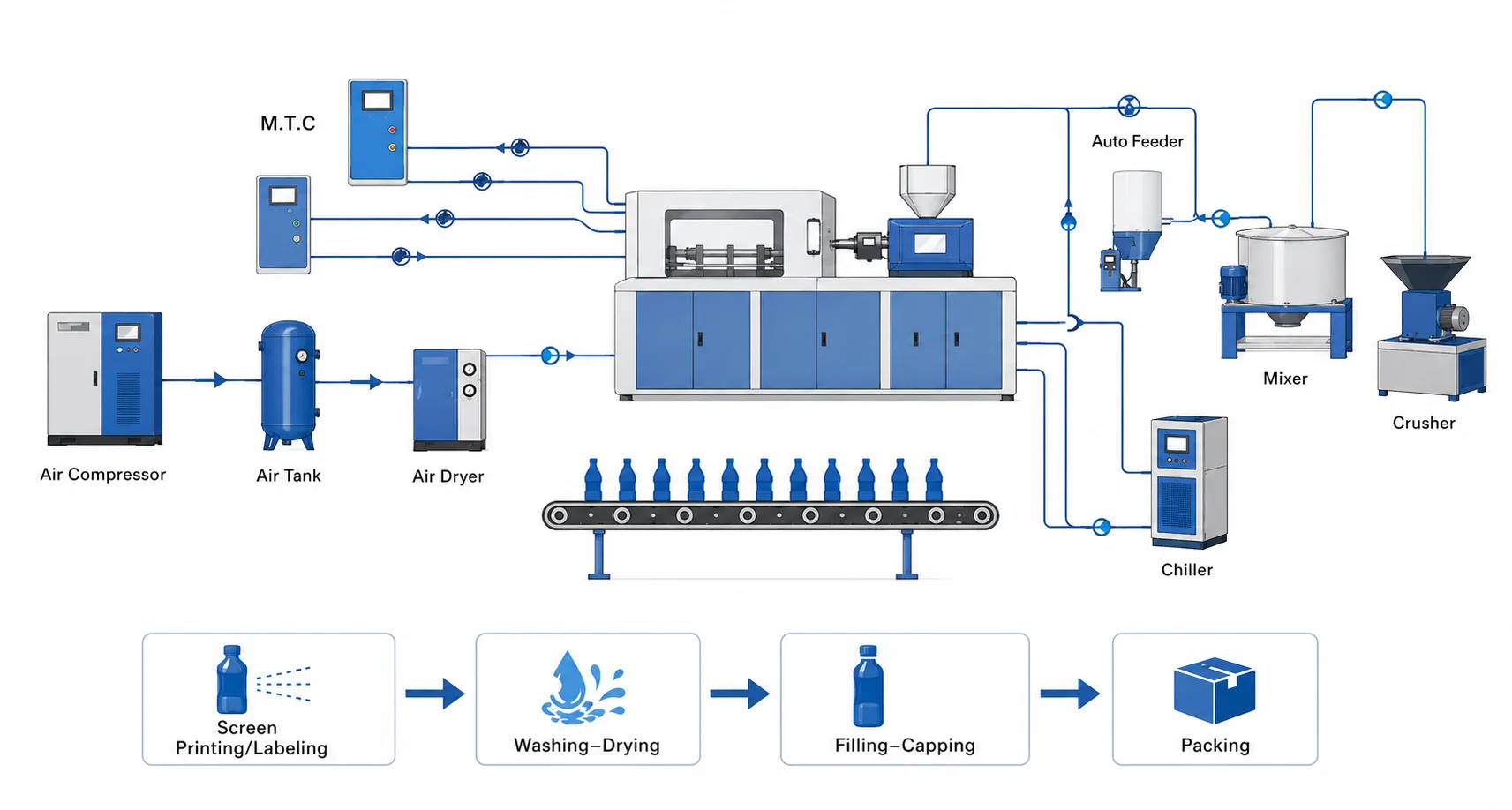
โดยทั่วไปแล้ว การผลิตภาชนะบรรจุยาสำหรับจักษุวิทยาในเกาหลีจะดำเนินการในห้องปลอดเชื้อระดับ ISO Class 8 (เทียบเท่า GMP Grade D ของเกาหลี) ข้อกำหนดเฉพาะของห้องปลอดเชื้อสำหรับการผลิตภาชนะบรรจุยาสำหรับจักษุวิทยา — ซึ่งแตกต่างจากการจัดตั้งห้องปลอดเชื้อสำหรับภาชนะบรรจุยาทั่วไปที่อธิบายไว้ในคู่มือภาชนะบรรจุยา — สะท้อนให้เห็นถึงความไวต่ออนุภาคที่สูงกว่าของภาชนะบรรจุยาสำหรับจักษุวิทยาที่ผลิตในเกาหลี
- ระบบจ่ายอากาศ HEPA เหนือสถานีตรวจสอบเชื้อรา: บริเวณแม่พิมพ์ของเครื่อง IBM ซึ่งเป็นบริเวณที่ขึ้นรูปภาชนะและบริเวณที่แท่งแกนส่งภาชนะสำเร็จรูปไปยังสายพานลำเลียงขาออก ควรได้รับอากาศที่กรองด้วย HEPA ด้วยความเร็วลม ≥0.45 เมตร/วินาที พัดลงไปยังบริเวณแม่พิมพ์ที่เปิดอยู่ อากาศที่กรองด้วย HEPA ที่มีแรงดันบวกนี้จะช่วยป้องกันอนุภาคในอากาศไม่ให้เข้าไปในปากภาชนะที่เปิดอยู่ระหว่างช่วงเวลาระหว่างการถอดภาชนะ (สถานีที่ 3) และการปิดฝาที่สายการบรรจุยาของเกาหลีในขั้นตอนถัดไป ตู้ HEPA ที่ครอบสถานีแม่พิมพ์นั้นถูกกำหนดเป็นรายการทางวิศวกรรมแยกต่างหากในการออกแบบเซลล์ IBM สำหรับจักษุวิทยาของเกาหลี โดย Korea Ever-Power ได้จัดเตรียมจุดเชื่อมต่อและข้อมูลขนาดสำหรับการติดตั้งตู้ HEPA ไว้ในแบบร่างเครื่องจักร ZQ แล้ว
- อากาศอัดปราศจากน้ำมัน — จำเป็นอย่างยิ่ง: อากาศอัดที่ใช้ในการขึ้นรูปด้วยการเป่า (Blow Moulding หรือ IBM) สำหรับภาชนะบรรจุยาหยอดตาของเกาหลี ต้องปราศจากน้ำมัน ณ จุดใช้งาน — ตามมาตรฐาน ISO 8573-1 Class 0 สำหรับละอองน้ำมันและไอน้ำมัน การปนเปื้อนของน้ำมันในอากาศเป่า IBM ที่สถานีเป่า จะสัมผัสกับภายในของพรีฟอร์ม HDPE ระหว่างการเป่าลม และกลายเป็นสารปนเปื้อนที่สามารถสกัดได้ในภาชนะบรรจุสำเร็จรูป ผู้ผลิตภาชนะยาหยอดตา IBM ของเกาหลีต้องระบุให้ใช้คอมเพรสเซอร์แบบสกรูที่ปราศจากน้ำมัน (ไม่ใช่คอมเพรสเซอร์แบบลูกสูบที่หล่อลื่นด้วยน้ำมันและมีตัวกรองอยู่ด้านล่าง) และต้องตรวจสอบสถานะปราศจากน้ำมัน ณ จุดเชื่อมต่อเครื่องจักรด้วยการตรวจสอบอนุภาคและไอน้ำมันอย่างสม่ำเสมอ ตามระเบียบการตรวจสอบคุณภาพอากาศอัดสำหรับอุตสาหกรรมยาของเกาหลี
- ตู้กรองอากาศ HEPA สำหรับสายพานลำเลียงขาออก: ภาชนะบรรจุยาหยอดตาของเกาหลีที่ออกจากเครื่อง IBM ที่สถานี 3 จะเคลื่อนที่บนสายพานลำเลียงขาออกก่อนที่จะถูกรวบรวมใส่ถุงหรือถาดเพื่อขนส่งไปยังสายการบรรจุยาของเกาหลี ส่วนของสายพานลำเลียงนี้ควรติดตั้งตัวกรอง HEPA เพื่อรักษาความสะอาดของภาชนะบรรจุตั้งแต่ทางออกของเครื่อง IBM จนถึงจุดรวบรวม โดยทั่วไปแล้ว ตัวกรอง HEPA สำหรับสายพานลำเลียงจะติดตั้งเป็นอุโมงค์ที่มีอากาศจ่าย HEPA แบบแรงดันบวกและท่อดูดอากาศกรองที่ทางออกของสายพานลำเลียง หากไม่มีตัวกรอง HEPA สำหรับสายพานลำเลียง ภาชนะบรรจุยาหยอดตาของเกาหลีที่ผลิตจากเครื่อง IBM อาจสะสมอนุภาคในอากาศระหว่างการเคลื่อนที่บนสายพานลำเลียง ซึ่งจะตกตะกอนลงในปากภาชนะที่เปิดอยู่และทำให้เกิดอนุภาคขนาดเล็กที่มองไม่เห็นในภาชนะที่บรรจุแล้ว
7. เศรษฐศาสตร์การนับจำนวนฟันผุสำหรับบริษัท IBM ด้านจักษุวิทยาของเกาหลี
การเลือกจำนวนช่องกัดสำหรับเครื่องบรรจุภัณฑ์ยาสำหรับจักษุแพทย์ในเกาหลีถือเป็นการตัดสินใจลงทุนที่มีผลกระทบสูงที่สุด เนื่องจากตลาดบรรจุภัณฑ์ยาสำหรับจักษุแพทย์ในเกาหลีมีความต้องการมากกว่า 500 ล้านชิ้นต่อปี จึงจำเป็นต้องจับคู่จำนวนช่องกัดของเครื่องจักรกับปริมาณการผลิตต่อปีด้วยความแม่นยำเพียงพอ เพื่อให้เครื่องจักรทำงานที่ระดับการใช้งาน 70–901 ตันต่อลูกบาศก์เมตร (การใช้งานต่ำกว่า 601 ตันต่อลูกบาศก์เมตรเป็นการสิ้นเปลืองเงินทุน การใช้งานสูงกว่า 901 ตันต่อลูกบาศก์เมตรจะสร้างความเสี่ยงในการผลิตจากการบำรุงรักษาที่ไม่ได้กำหนดไว้ล่วงหน้า) การวิเคราะห์ต่อไปนี้จะเปรียบเทียบโมเดล ZQ สามแบบสำหรับโรงงานรับจ้างบรรจุภัณฑ์ยาสำหรับจักษุแพทย์ในเกาหลีที่มีความต้องการปริมาณการผลิตต่อปีที่เฉพาะเจาะจง
| พารามิเตอร์ | ZQ80 (20 แคม) | ZQ110 (24 กระบอก) | ZQ135 (30 แคว) |
|---|---|---|---|
| ขวด/ชั่วโมง (88% eff.) | ~15,840 | ~19,000 | ~23,760 |
| พนักงานบรรจุขวด/พนักงานชาวเกาหลี ทำงาน 2 กะต่อวัน (14 ชั่วโมง) | ~221,760 | ~266,000 | ~332,640 |
| ขวด/ปี (250 วัน) | ~55.4 ล้าน | ~66.5 ล้าน | ~83.2 ล้าน |
| เครื่องจักรสำหรับผลิต 200 ล้านหน่วยต่อปี | 4 เครื่อง | 3 เครื่อง | 3 เครื่อง (72% util.) |
| คุณสมบัติที่ต้องมีตาม KFDA | 4 เครื่องจักรผ่านเกณฑ์ | 3 เครื่องจักรผ่านเกณฑ์ | 3 เกณฑ์คุณภาพเครื่องจักร (ต่ำสุดต่อหน่วย) |
ตารางเศรษฐศาสตร์จำนวนช่องแม่พิมพ์แสดงให้เห็นว่า สำหรับโรงงานรับจ้างบรรจุภัณฑ์ยาหยอดตาในเกาหลีที่ตั้งเป้าหมายการผลิต 200 ล้านหน่วยขนาด 10 มล. ต่อปี เครื่อง ZQ135 ที่มี 30 ช่องแม่พิมพ์นั้นต้องการจำนวนเครื่องเท่ากับเครื่อง ZQ110 ที่มี 24 ช่องแม่พิมพ์ (3 เครื่องในทั้งสองกรณี) แต่มีประสิทธิภาพการใช้งานที่ 72% เทียบกับ 100% ซึ่งให้กำลังการผลิตเผื่อไว้สำหรับการบำรุงรักษาที่ไม่ได้กำหนดไว้ การหยุดทำงานเพื่อเปลี่ยนรูปแบบ และการเติบโตของความต้องการประจำปีโดยไม่ต้องซื้อเครื่องที่สี่ จำนวนการรับรองเครื่องจักร KFDA ของเกาหลีก็ลดลงเช่นกันเมื่อจำนวนช่องแม่พิมพ์สูงขึ้น (3 การรับรองสำหรับ ZQ135 เทียบกับ 4 สำหรับ ZQ80) ซึ่งการรับรองเครื่องจักรแต่ละครั้งใช้เวลาทดสอบ 16-24 สัปดาห์และมีค่าใช้จ่ายด้านเอกสารจำนวนมาก สำหรับโรงงานรับจ้างบรรจุภัณฑ์ยาหยอดตาในเกาหลีที่ต้องการลดจำนวนการรับรองเครื่องจักร KFDA โดยรวมให้น้อยที่สุดในขณะที่ยังคงรักษาความซ้ำซ้อนในการผลิต เครื่อง ZQ135 หรือ ZQ110 จึงเป็นการลงทุนที่ถูกต้องอย่างชัดเจนมากกว่าเครื่อง ZQ80 หลายเครื่องที่มีผลผลิตต่อปีเท่ากัน พลังอำนาจนิรันดร์ของเกาหลี อีพี-ZQ110 เป็นแพลตฟอร์มเริ่มต้นที่พบได้บ่อยที่สุดสำหรับผู้รับจ้างบรรจุภัณฑ์อุปกรณ์จักษุวิทยาในเกาหลี ซึ่งมีปริมาณการผลิตต่อปีอยู่ในช่วง 50 ล้านถึง 80 ล้านชิ้นต่อเครื่อง
8. การคัดเลือกซีรี่ส์ ZQ สำหรับการผลิตอุปกรณ์จักษุวิทยาของ IBM ในเกาหลี
สำหรับการผลิตเครื่องมือผ่าตัดตาของ IBM ในเกาหลี การเลือกใช้รุ่น ZQ series ไม่ได้เกี่ยวข้องแค่กับอัตราการผลิตและต้นทุนการลงทุนเท่านั้น แต่ยังต้องพิจารณาถึงข้อจำกัดเฉพาะทางด้านเภสัชกรรมด้วย นั่นคือ การรับรองจาก KFDA ของเกาหลีนั้นผูกติดอยู่กับรุ่นเครื่องจักรและจำนวนช่องผ่าตัดที่เฉพาะเจาะจง คำแนะนำต่อไปนี้ได้คำนึงถึงข้อจำกัดเฉพาะทางด้านเภสัชกรรมนี้แล้ว
บริษัทสตาร์ทอัพด้านจักษุวิทยาของเกาหลี / การผลิตทดลอง → ZQ60 (14 ช่อง)
ปริมาณการผลิตต่อปีต่ำกว่า 25 ล้านหน่วย เหมาะสำหรับบริษัทสตาร์ทอัพด้านเภสัชกรรมของเกาหลี โครงการนำร่องสายผลิตภัณฑ์จักษุวิทยาของเกาหลี และการผลิตทดลองโดย CMO ของเกาหลีสำหรับแบรนด์จักษุวิทยาระดับนานาชาติที่เข้ามาในเกาหลี การลงทุนในเครื่อง ZQ60 นั้นเหมาะสมสำหรับปริมาณการผลิตต่ำกว่า 25 ล้านหน่วย แต่ต้องมีการวางแผนในอนาคตอย่างรอบคอบ: การอัพเกรดจาก ZQ60 เป็น ZQ80 สำหรับผลิตภัณฑ์จักษุวิทยาของเกาหลีที่ขึ้นทะเบียนกับ KFDA แล้วนั้น จำเป็นต้องแจ้งการเปลี่ยนแปลงเครื่องจักรและขอการรับรองจาก KFDA สำหรับเครื่องจักรใหม่ ซึ่งใช้เวลา 3-6 เดือน ผู้ผลิตบรรจุภัณฑ์จักษุวิทยาของเกาหลีที่คาดว่าจะเติบโตเป็น 30 ล้านหน่วยขึ้นไปภายใน 3 ปี ควรเลือกใช้ ZQ80 ตั้งแต่เริ่มต้นและยอมรับการใช้งานที่ต่ำกว่าในช่วงแรก เพื่อหลีกเลี่ยงค่าใช้จ่ายในการเปลี่ยนผ่านการรับรอง
คลินิกจักษุวิทยาขนาดกลางของเกาหลี → ZQ80 (20 โพรง, 30 ล้าน–55 ล้านยูนิต/ปี)
ระบบไฮดรอลิกคู่ (ประหยัดพลังงาน 20–30%) และตัวแบ่งมุมความแม่นยำสูง (มาตรฐานใน ZQ80+) ของ ZQ80 ทำให้เป็นจุดเริ่มต้นสำหรับการผลิตยาหยอดตาในเกาหลี ซึ่งประสิทธิภาพการใช้พลังงานและความสม่ำเสมอระหว่างช่องบรรจุเป็นข้อกำหนดการรับรองของ KFDA ด้วยกำลังการผลิต 20 ช่อง ขนาด 10 มล. ZQ80 สามารถผลิตขวดบรรจุยาหยอดตาได้ประมาณ 55 ล้านขวดต่อปีการทำงานสองกะในเกาหลี ซึ่งเพียงพอสำหรับผู้ผลิตยาขนาดกลางของเกาหลีที่ให้บริการตลาดยาหยอดตาภายในประเทศเกาหลีโดยไม่มีข้อกำหนดด้านการส่งออก
ตลาดจักษุวิทยาขนาดใหญ่ของเกาหลี → ZQ110 / ZQ135 (55 ล้านถึง 83 ล้านชิ้นขึ้นไปต่อปีต่อเครื่อง)
ผู้รับจ้างบรรจุภัณฑ์ยาของเกาหลีที่ให้บริการแบรนด์ยาสำหรับจักษุวิทยาข้ามชาติ ผู้ส่งออกยาของเกาหลี และผู้ผลิตยาสำหรับจักษุวิทยาของเกาหลีที่จัดหาให้กับห่วงโซ่อุปทานของโรงพยาบาลในประเทศ ต่างก็ต้องการการผลิตด้วยมาตรฐาน ZQ110 หรือ ZQ135 เพื่อให้ได้ปริมาณการผลิตและประสิทธิภาพการรับรองจาก KFDA ตามที่รูปแบบธุรกิจของตนต้องการ เครื่องฉีดขึ้นรูปพลาสติกแบบเป่าขึ้นรูปครบวงจร ครอบคลุมทุกระดับการผลิตด้านจักษุวิทยาของเกาหลี ตั้งแต่ระดับเริ่มต้นจนถึงระดับการจัดหาเวชภัณฑ์ระดับชาติ
คำถามที่พบบ่อย
สอบถามข้อมูลทางจักษุวิทยาจาก IBM
กำลังวางแผนผลิตตู้บรรจุอุปกรณ์จักษุวิทยาสำหรับเกาหลีให้กับ IBM อยู่หรือไม่?
บริษัท Korea Ever-Power ให้บริการออกแบบแม่พิมพ์ IBM สำหรับยาหยอดตาขนาด 10 มล., เอกสารรับรองมาตรฐาน KFDA ของเกาหลี, การวางแผนสายการผลิตในห้องปลอดเชื้อ และการคัดเลือกเครื่องจักรซีรีส์ ZQ สำหรับบรรจุภัณฑ์ยาหยอดตาและผลิตภัณฑ์ดูแลดวงตาแบบไม่ต้องใช้ใบสั่งแพทย์ในเกาหลี สำหรับปริมาณการผลิตต่อปีทุกระดับ
แหล่งข้อมูลที่เกี่ยวข้อง
เครื่องฉีดขึ้นรูปพลาสติกแบบเป่า EP-ZQ80
800 KN · 20 ช่อง ขนาด 10 มล. สำหรับยาหยอดตา · ตัวแบ่งมุม + ระบบไฮดรอลิกคู่มาตรฐาน · ผลิตภาชนะบรรจุยาหยอดตาได้ประมาณ 55 ล้านชิ้นต่อปี (ทำงานสองกะ) ในเกาหลี
เครื่องฉีดขึ้นรูปพลาสติกแบบเป่า EP-ZQ135
1,350 KN · 30 ช่องบรรจุยาหยอดตาขนาด 10 มล. · โซนทรงกระบอก 6+N · 37+37 KW · ประมาณ 83 ล้านภาชนะบรรจุยาหยอดตาของเกาหลีต่อปี — ขนาดห่วงโซ่อุปทานของโรงพยาบาลระดับชาติของเกาหลี
คู่มือกระบวนการผลิต HDPE Injection Blow Molding ฉบับสมบูรณ์
คู่มือการประมวลผล HDPE IBM ฉบับสมบูรณ์ — การเลือกเกรด (MI 0.3–0.8), การตั้งค่าอุณหภูมิกระบอกสูบ, ข้อกำหนดความหนาของผนัง และการเลือกใช้ซีรี่ส์ ZQ สำหรับ IBM ด้านเภสัชกรรมและสารเคมีในครัวเรือน