Blow Moulding in Korea — Machines and Trends for Pharmaceutical, Cosmetic, and Food PET Packaging
Korea occupies a unique position in the global blow moulding equipment landscape. It is simultaneously one of the world’s most demanding markets for packaging quality — driven by the K-Beauty cosmetic industry’s near-zero tolerance for surface defects, and by pharmaceutical GMP requirements that are among the most stringent in Asia — and one of the most dynamic, with rapidly expanding cosmetic export volumes, growing pharmaceutical OTC categories, and a food and beverage sector that is generating sustained demand for premium PET packaging across all format sizes.
For equipment buyers operating in Korea — whether Korean-owned manufacturers, multinational packaging operations, or foreign brands sourcing contract blow moulding in Korea locally — the right PET bottle machine for Korea is not a generic ISBM model with a Korean brochure. It is a machine specified for the particular demands of Korea PET packaging production: PETG conditioning precision for K-Beauty, oil-free electric drive for MFDS GMP facilities, and Korean-language HMI and documentation as standard deliverables rather than costly add-ons. This guide covers Korea’s three primary PET bottle manufacturing sectors, the GMP and quality requirements each imposes, typical injection blow moulding Korea factory configurations, and why buyers searching for a credible ISBM machine supplier in Korea should evaluate local support infrastructure as rigorously as machine specification.

Korea’s PET Packaging Industry — Scale and Sectors
South Korea’s packaging industry is disproportionately concentrated in high-value, quality-sensitive categories relative to the country’s population size. Three sectors account for the large majority of Machine ISBM et PET bottle machine installations in Korea, each with distinct characteristics that drive specific equipment requirements:
Cosmétiques K-Beauty
Korea is the world’s fifth-largest cosmetics exporter and the origin of the global K-Beauty movement. Korean cosmetic brands — from mass-market manufacturers in Gyeonggi-do to luxury export brands targeting North America and Europe — apply the world’s most demanding packaging surface quality specifications. PETG and Tritan ISBM is the dominant production technology for premium serum bottles, toner bottles, essence jars, and pump dispensers. The sector drives significant demand for multi-cavity ISBM machines with precision conditioning station control and fully electric drive for cleanroom compatibility.
Emballage pharmaceutique
Korea’s pharmaceutical sector — governed by the Ministry of Food and Drug Safety (MFDS) GMP framework — is one of the most closely regulated in Asia. Domestic pharmaceutical companies and CMO operations producing eye dropper bottles, oral solution containers, and nasal spray packaging require ISBM machines that operate oil-free in GMP-classified environments, generate FAT documentation suitable for IQ/OQ/PQ validation, and maintain shot weight CV below 0.5% for pharmaceutical container batch records. Korea is also a significant pharmaceutical export hub, requiring EU GMP and FDA compatibility in equipment documentation.
Food and Beverage
Korea’s domestic beverage market generates strong demand for both cold-fill water and juice containers (primarily served by semi-automatic HGS series machines in regional bottling operations) and hot-fill tea and functional drink containers (served by heat-set machines including the HGS200B). The food packaging sector — edible oil, soy sauce, vinegar, and other condiments — is transitioning from glass to PET, creating incremental machine demand particularly in the 1–5 litre container range.
K-Beauty’s Packaging Demands — The World’s Strictest Quality Bar
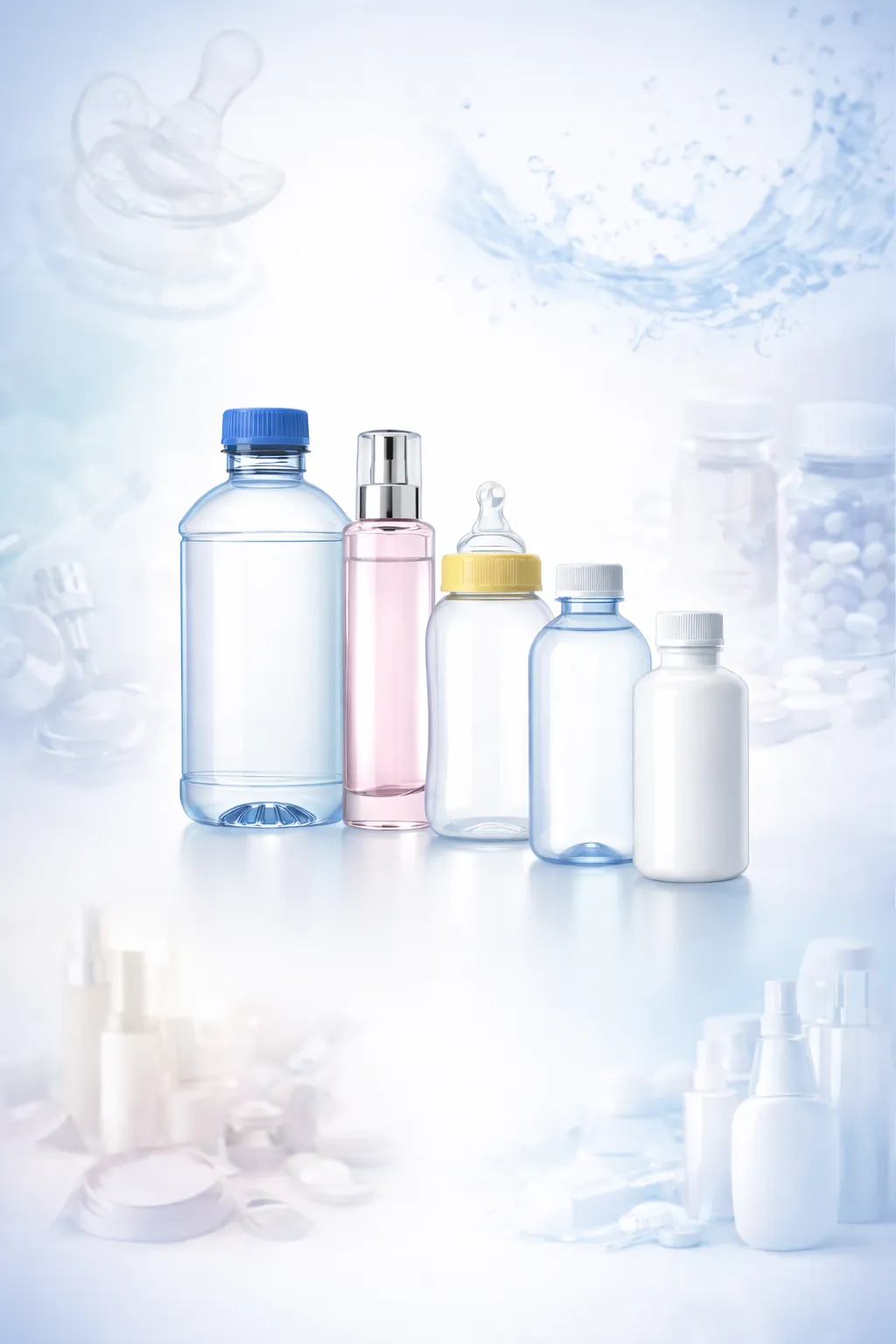
The K-Beauty packaging quality standard is not a marketing claim — it is a measurable, documented specification that Korean cosmetic brands apply at incoming inspection, and that packaging suppliers must meet consistently to retain a supply relationship. Three specific requirements define this standard in practical terms for blow moulding operations in Korea:
Surface Quality — Zero Scuffing, Zero Inclusions
A premium K-Beauty serum bottle that arrives at brand incoming inspection with a single visible surface scratch — however minor — will be rejected and the entire batch returned. This is not an aspirational quality policy; it is the operational reality in Gyeonggi-do, Seoul, and the Chungcheong cosmetic manufacturing corridor. The zero-scuffing requirement is the primary reason that two-step reheat blow moulding is largely absent from the premium Korean cosmetic packaging sector: preform bulk storage creates preform-to-preform contact that ISBM’s closed-loop one-step process structurally eliminates.
Korean cosmetic brands increasingly specify the blow moulding process — not just the bottle specification — in their packaging supplier qualification documentation. ISBM one-step production is the specified process for premium serum and toner bottles at major Korean cosmetic manufacturers, regardless of which machine brand the supplier uses. For a detailed guide to cosmetic blow moulding production for K-Beauty, see our article on cosmetic PET bottle manufacturing for K-Beauty packaging.
Optical Clarity — PETG Below 0.5% Haze, Every Batch
Korean premium cosmetics brands increasingly specify PETG rather than standard PET because PETG’s glass-like clarity — haze below 0.5% in ISBM-blown containers — is a brand communication tool on shelf. A PETG serum bottle that measures 0.6% haze fails the specification, not because 0.6% is clinically significant, but because on a reflective retail shelf the difference between 0.4% and 0.6% haze is visible under certain lighting conditions and therefore brand-unacceptable. Consistent PETG clarity below 0.5% requires a conditioning station that maintains the preform body zone at 92–96 °C with a variation of less than ±2 °C within the 10 °C PETG stretch window. This is a machine capability requirement, not merely a process parameter setting.
Neck Finish Precision — Pump and Airless Dispenser Fitment
The Korean cosmetic market’s saturation of pump-dispensed serums, airless-mechanism moisturisers, and fine-mist sprayer essences means that every premium K-Beauty bottle neck finish is mated to a precision-engineered dispensing system. The fitment tolerance between the bottle neck and the dispenser is typically ±0.05–0.08 mm on outer diameter. The injection-formed neck finish of an ISBM machine — held to ±0.04–0.05 mm across a production batch — meets this specification consistently. Korean cosmetic brands that source packaging from two-step reheat blow moulding operations frequently report dispenser fitment variation as a quality complaint; the same brands sourcing from ISBM operations typically report this issue as absent.
Pharmaceutical Packaging in Korea — MFDS GMP and ISBM
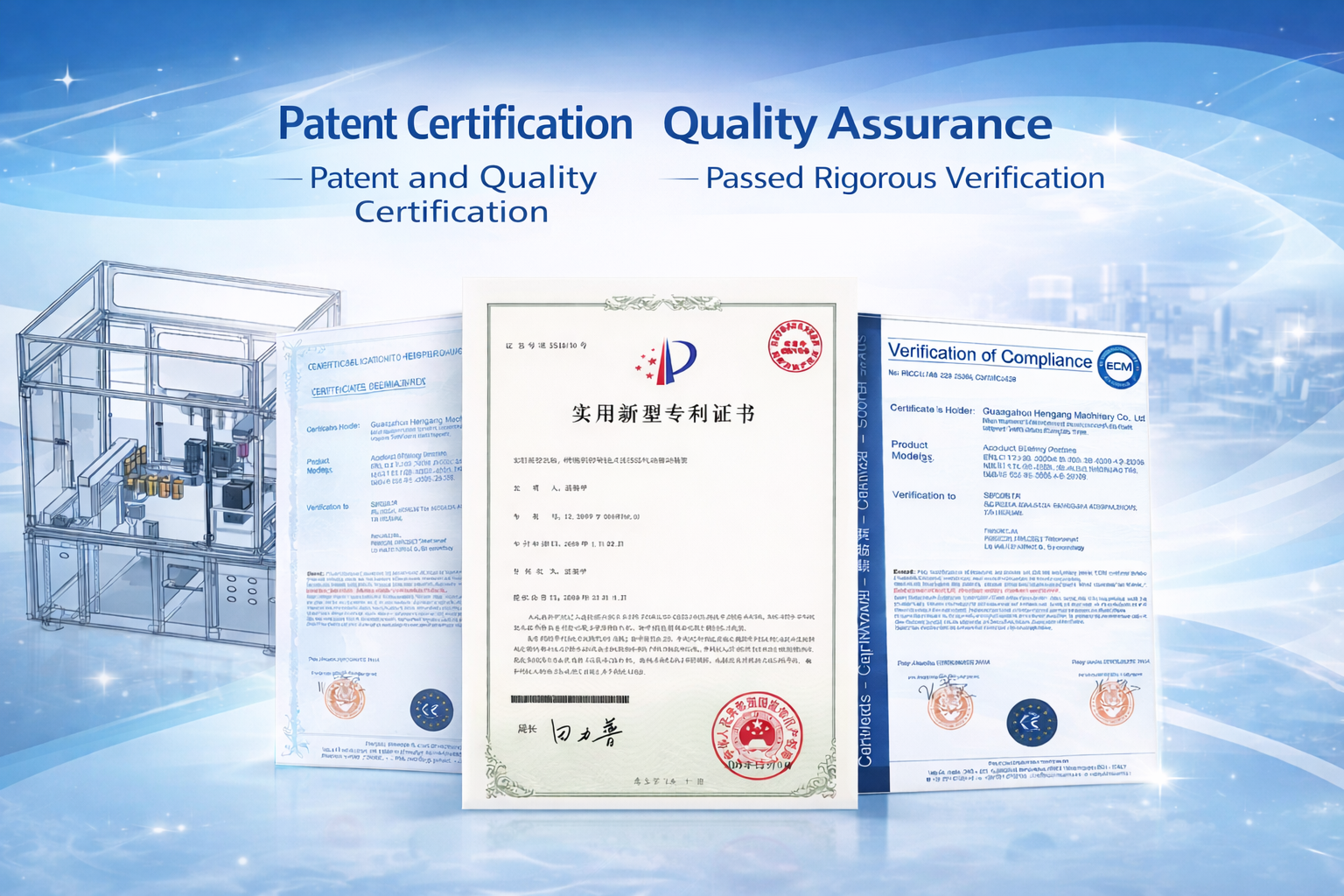
Korean pharmaceutical GMP — administered by the Ministry of Food and Drug Safety (MFDS) — applies to pharmaceutical manufacturers and their direct packaging material suppliers when packaging is produced on-site at the pharmaceutical facility. The requirements most directly relevant to Machine ISBM selection for Korean pharmaceutical production are:
● MFDS GMP Requirements Relevant to Blow Moulding Equipment
Equipment qualification: All pharmaceutical production equipment must be qualified through a documented IQ/OQ/PQ protocol before it enters commercial use. The equipment manufacturer must provide technical drawings, calibration certificates, and material certificates for product-contact surfaces as part of the site IQ documentation.
Contamination prevention: The production environment must be free from contamination sources. For blow moulding, this requires oil-free machine operation — hydraulic machines require a documented oil contamination risk assessment and mitigation programme that adds compliance burden and ongoing monitoring costs to the operation.
Process consistency documentation: Batch records must document the machine’s operating parameters (barrel temperature zones, injection pressure, shot weight) for each production batch, linking the production conditions to the lot number of the finished container batch. Machines with data logging capability — shot-by-shot parameter recording to a retrievable log — satisfy this requirement; machines without this capability require manual recording, which is more labour-intensive and more susceptible to recording errors.
Material traceability: The resin lot number used in each production batch must be documented and linked to the container lot number. This requires a documented incoming material management system at the blow moulding facility, but the machine itself must support batch identification — either through job-referenced parameter records or through production date/time stamping that can be cross-referenced with material receipt records.
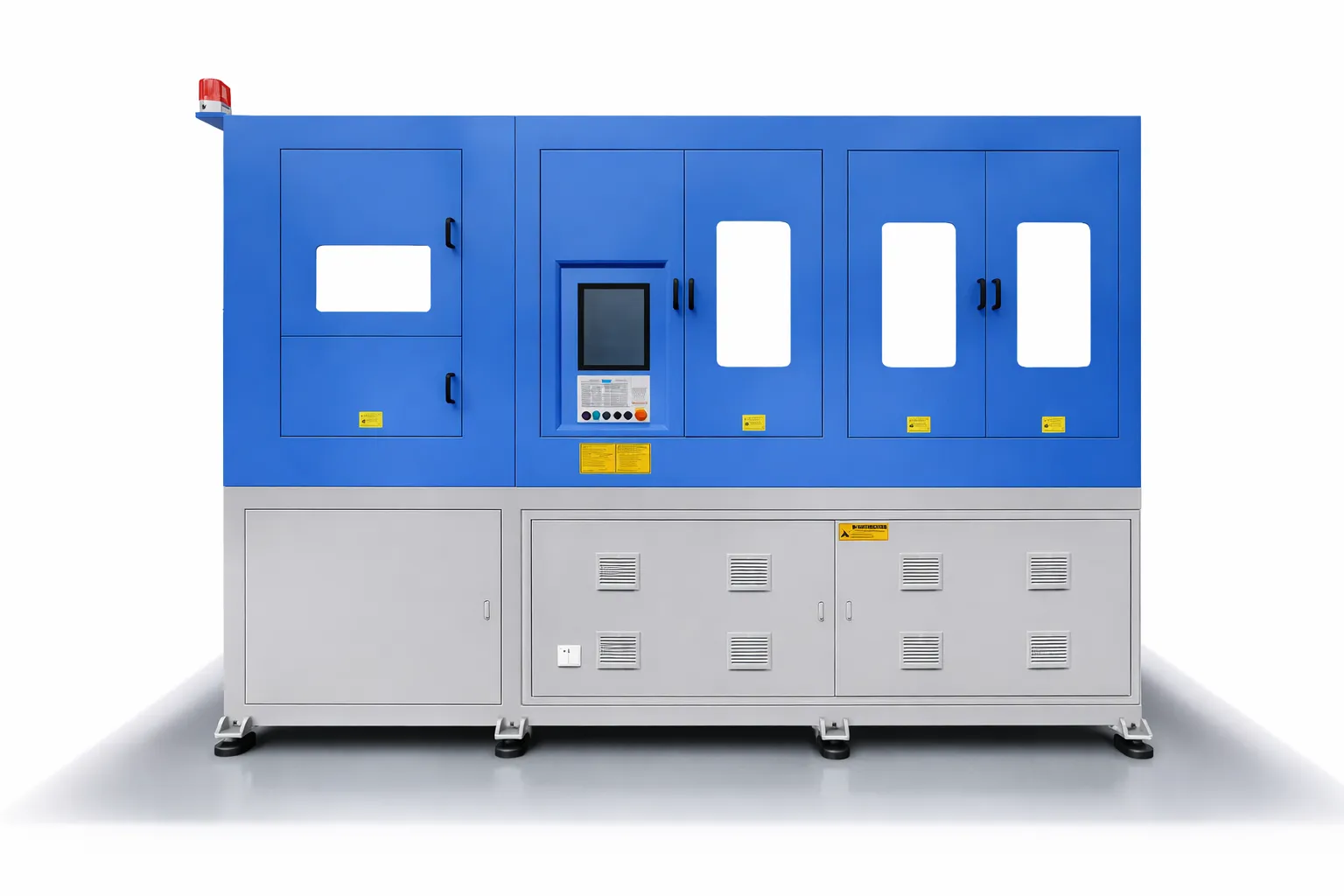
Le Machine ISBM entièrement électrique HGY50-V3-EV is the Korea Ever-Power machine most commonly specified for Korean pharmaceutical production environments. Its oil-free servo drive eliminates the primary contamination source that makes hydraulic machines problematic in MFDS GMP facilities. The machine’s HMI supports batch-referenced parameter recording with time and date stamping, and its shot weight repeatability (±0.1 g, CV consistently below 0.5% in production) meets the pharmaceutical FAT specification standard that Korean pharmaceutical customers apply during equipment qualification.
Food and Beverage PET Packaging in Korea
Korea’s food and beverage sector uses PET packaging across a wide range of formats and production scales. Several characteristics of the Korean food and beverage PET market distinguish it from adjacent markets in Southeast Asia and create specific equipment requirements:
Hot-Fill Tea and Functional Beverages
Korea’s RTD tea category — barley tea (boricha), corn silk tea, roasted grain teas, and herbal infusions — is the largest category of ambient-shelf hot-fill beverages in Northeast Asia by volume. These products are filled at 87–92 °C and must be packaged in heat-set PET bottles specifically designed for hot-fill service. The Korean RTD tea market’s combination of high volume, strong consumer preference for preservative-free ambient-temperature beverages, and established retail distribution infrastructure makes it one of the most important markets for hot-fill ISBM equipment in the world. Korea Ever-Power’s HGS200B semi-automatic hot-fill machine — with its 360 mm stretching stroke and integrated oil-heated mould circuit — was developed specifically for the production scale and bottle format that characterises this market.
Food Packaging — Glass-to-PET Substitution
Korean food packagers — soy sauce, cooking oil, vinegar, liquid seasonings, and fermented condiments — are systematically shifting from glass to PET packaging as consumer preference for lighter, safer, and more convenient containers evolves and as retailer logistics costs for breakable glass packaging increase. This substitution is generating demand for ISBM and semi-automatic blow moulding capacity in the 500 ml to 5-litre range, primarily in the Gyeonggi-do and Chungnam food manufacturing clusters. PET’s chemical resistance to the acidic and oil-based food products being packaged in this category makes it technically suitable; the transition is market-driven rather than technically constrained.
Typical Korean Factory Machine Configurations
Korean ISBM operations typically run one or two machines rather than the large multi-machine configurations more common in Chinese commodity packaging factories. This reflects both the multi-SKU nature of Korean production programmes (cosmetic and pharmaceutical brands running 5–15 container formats on the same machine platform) and the cost structure of Korean factory labour, which favours equipment that can switch between formats quickly rather than maximising single-format output. The following configurations are representative of current Korean installations:
Why Local Support Is a Buying Decision in Korea
Korean manufacturing operations — particularly in pharmaceutical and cosmetic sectors — have a different relationship with after-sales service than buyers in some other markets. Production uptime is tightly managed; GMP documentation requires traceable service records; and the combination of premium product quality requirements and multi-SKU production schedules means that when a machine stops, the cost of lost production accumulates quickly. In this context, the ability of an ISBM machine supplier to respond in Korean, arrive on-site within 24–48 hours, and carry spare parts in local stock is not a luxury — it is a procurement criterion.
Korean-Language HMI and Documentation
ISBM machines from Japanese, European, and Chinese manufacturers typically arrive in Korea with HMI interfaces in Japanese, German, or Chinese — with Korean added as a secondary language option at additional cost, if at all. Korea Ever-Power machines are supplied with Korean-language HMI as standard — not a translation layer applied over a foreign-language interface, but a PLC programme designed from the outset with Korean terminology for all operating parameters, alarm messages, and recipe management screens. This matters in pharmaceutical production, where GMP batch records must accurately document machine parameters in the language the operator reads — and where a misread alarm code or incorrectly recorded parameter value can trigger a batch investigation.
On-Site Service Response in Korean
When a machine stops in a GMP production environment, the service call process is different from a standard industrial setting. The service engineer needs to communicate precisely about machine behaviour, alarm history, and corrective actions in terms that the production operator, quality manager, and potentially the regulatory affairs team can all understand and document. A Korean-speaking technical service engineer who can communicate directly with the production team — without translation intermediaries who may not understand the technical nuances of blow moulding process parameters — shortens the service call duration and produces cleaner documentation.
Local Spare Parts Availability
For Korean operations running multi-shift pharmaceutical or premium cosmetic production programmes, the lead time for spare parts from overseas — even air freight from Japan or Europe — is measured in days. A hydraulic seal kit or thermocouple that takes 3 days to arrive from overseas represents 3 days of production downtime in a GMP environment where production cannot resume without the part. Korea Ever-Power stocks critical wear items — barrel thermocouples, conditioning station elements, hydraulic seal kits, blow valve components — in Korea, with next-day delivery available to Gyeonggi-do and Seoul addresses and 2-day delivery nationwide.
Korea Ever-Power’s Local Advantage
Korea Ever-Power is a Korean-origin ISBM machine manufacturer — not a Chinese or Japanese machine with a Korean distributor relationship. This distinction matters for buyers in Korea’s pharmaceutical, cosmetic, and food sectors in several specific ways:
Designed for Korean Market Requirements
The HGY series ISBM machines were designed with Korean cosmetic and pharmaceutical packaging requirements as the primary use case — not adapted from a beverage bottle platform. The conditioning station’s dual-surface temperature control precision, the injection pressure specification (160 MPa hydraulic, 210 MPa electric), and the mould interface options (ASB-12M and Aoki 100 — the two standards dominant in Korean ISBM installations) all reflect Korea-specific market requirements.
Korean-Language Technical Training
Machine commissioning includes two days of operator training conducted in Korean by a Korea Ever-Power commissioning engineer. The training covers machine operation (start-up, shutdown, parameter setting), mould changeover procedure, first-article inspection, and basic troubleshooting — with all materials provided in Korean. For pharmaceutical installations, the training scope includes batch record documentation and GMP compliance procedures specific to the installed machine.
Korean-Language FAT and Commissioning Documentation
The Factory Acceptance Test (FAT) report, commissioning record, and machine technical manual are provided in both Korean and English as standard deliverables with each machine. Korean pharmaceutical customers regularly confirm that Korea Ever-Power’s Korean-language FAT documentation — compared to the translated or partially translated documentation supplied by foreign machine manufacturers — significantly reduces the time and effort required to complete the site IQ/OQ/PQ validation protocol.
◆ Points clés à retenir
Korea’s blow moulding market is defined by three industries — K-Beauty cosmetics, pharmaceuticals, and hot-fill beverages — that apply the most demanding packaging quality specifications in Asia. The machine requirements that flow from these specifications — precision conditioning control for PETG and Tritan, oil-free electric drive for GMP environments, Korean-language HMI and documentation for pharmaceutical batch records, and local spare parts availability for multi-shift uptime — are not general equipment preferences. They are specific requirements that differentiate suppliers capable of serving the Korean market from those who are not.
Conclusion
The Korean PET packaging market rewards suppliers who understand its specific quality culture, regulatory framework, and operational requirements — and penalises those who treat it as a version of any other Asian market. K-Beauty’s zero-defect packaging standard, pharmaceutical GMP’s documentation and oil-free requirements, and the hot-fill tea market’s need for dedicated heat-set production capability are not edge-case specifications for unusual customers. They are baseline requirements for ordinary market participation in Korea’s most commercially significant packaging segments.
La Corée Ever-Power HGY series 3-station ISBM machines — with Korean-language HMI, Korean FAT documentation, local spare parts stocking, and Korean-speaking on-site commissioning engineers — are built for this market. Contact Korea Ever-Power at our Hangzhou facility or through our Korean sales support team to discuss your container programme, facility requirements, and production schedule.
À propos de cet article : Prepared by the Korea Ever-Power Editorial Team based on market observations, customer engagement across Korean pharmaceutical and cosmetic manufacturing sectors, and Korea Ever-Power’s Korean market installation records. MFDS GMP requirements described reflect Korea Ever-Power’s understanding of standard requirements; specific compliance obligations should be confirmed with the site’s regulatory affairs team or MFDS directly.
Lectures complémentaires : Cosmetic PET Bottle Manufacturing — K-Beauty ISBM Guide | Pharmaceutical PET Bottle Manufacturing — GMP-Compliant ISBM Production | ISBM Machine Maintenance Schedule
Éditeur : Cxm