
OUTIL D'AIDE À LA DÉCISION
Calculateur de nombre de caries ISBM : De combien de caries avez-vous réellement besoin ?
Choisir 4 cavités au lieu de 8 limite votre production à la moitié de sa capacité. En choisir 16 au lieu de 8 double votre investissement dans les moules et augmente les coûts liés aux changements de format. Ce guide fournit la formule, les calculs pour différents scénarios et l'analyse des coûts cachés pour déterminer le nombre de cavités optimal pour votre ligne de production coréenne.
TL;DR — Résumé rapide
Calculer le nombre de cavités à l'aide de : Bouteilles annuelles = Nombre de cavités × (3600 / durée du cycle) × heures de fonctionnement × facteur de disponibilitéPour les flacons pharmaceutiques de 5 à 50 ml, visez 12 à 16 cavités ; pour les cosmétiques de 50 à 300 ml, 6 à 12 cavités ; pour les boissons de 300 à 800 ml, 4 à 8 cavités ; pour les flacons à large ouverture de 1 à 2 L, 2 à 4 cavités ; et pour les grands formats de 5 L, 1 à 2 cavités. Un nombre de cavités plus élevé réduit le coût par flacon, mais augmente l’investissement dans les moules (30-50%) et le temps de changement de format (40-60%). Pour les gammes multi-références, choisissez un nombre de cavités correspondant à votre référence la plus vendue et acceptez une efficacité moindre sur les petites séries plutôt que de sous-dimensionner le moule pour la plus grande.
Dans ce guide
- Pourquoi le comptage des caries est la décision la plus difficile
- La formule de capacité de base
- Trois calculs de scénarios réels
- Nombre de caries par volume de bouteille
- Compatibilité avec la plateforme Ever-Power
- Coûts cachés d'un nombre élevé de caries
- Stratégie de flexibilité multi-SKU
- Modèles de mise à l'échelle coréens : 1 à 10 machines
- Foire aux questions
- Conclusion
1. Pourquoi le comptage des caries est la décision la plus difficile
Après avoir choisi la plateforme de la machine et le design de la bouteille, le nombre de cavités constitue la dernière décision cruciale avant la commande. Contrairement à la plupart des décisions d'achat de machines de fabrication intégrées (ISBM) où les acheteurs se fient aux recommandations des fournisseurs, le nombre de cavités requiert l'intervention du producteur, car il dépend d'hypothèses de volume de production que seul l'acheteur peut prévoir avec précision.
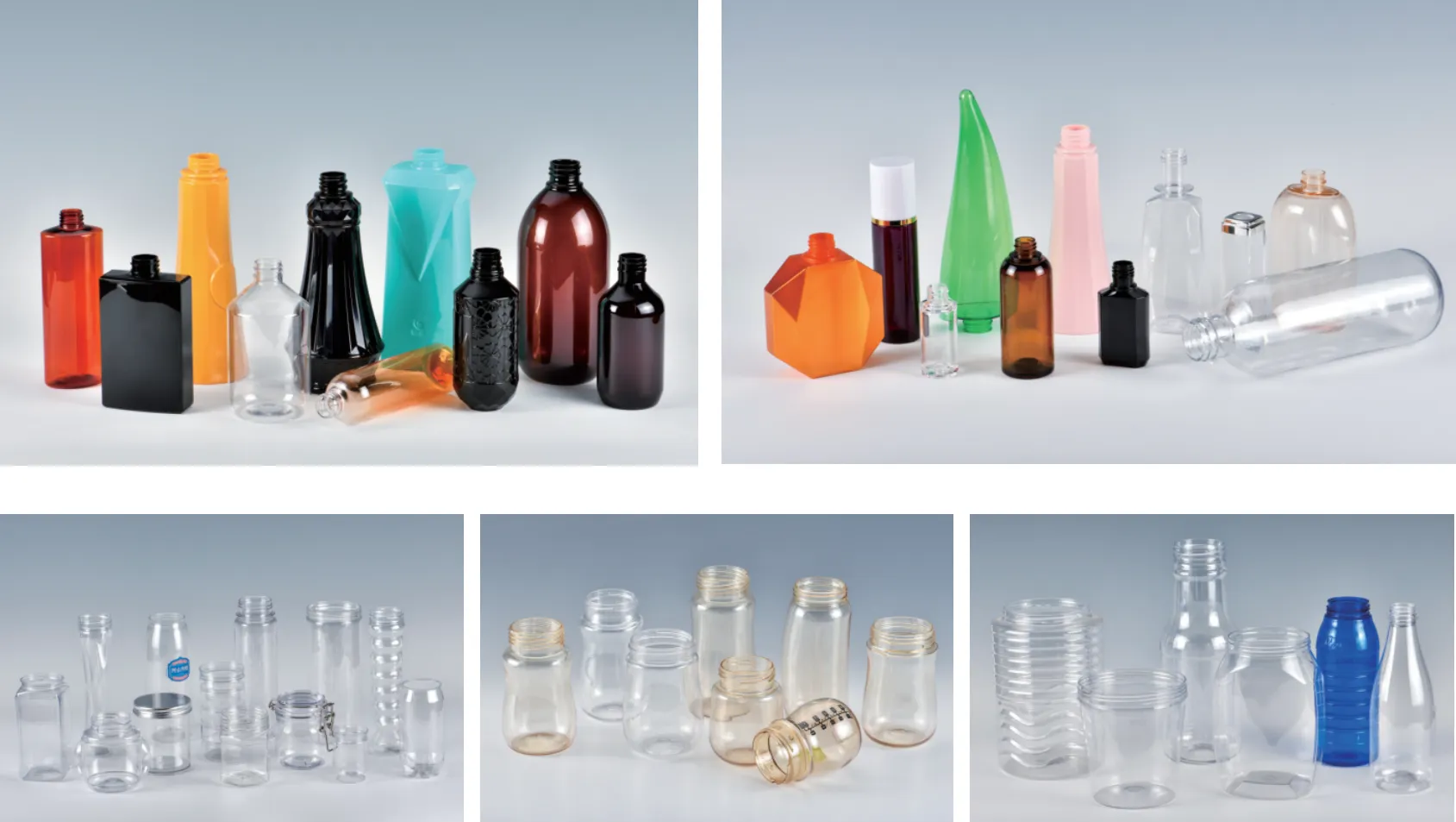
Le risque asymétrique rend cette décision délicate. Un nombre insuffisant d'empreintes limite définitivement la capacité de production et ne peut être corrigé sans l'achat d'une deuxième machine ou d'un nouveau moule. Un nombre excessif d'empreintes augmente le coût d'investissement du moule 30-50% et engendre des difficultés de changement de format qui nuisent à l'efficacité de la production multi-références. Aucune de ces erreurs n'est facilement corrigible.
Les producteurs coréens abordent généralement la question du nombre de cavités après six semaines de conception de la bouteille et d'évaluation des machines. À ce stade, la rigueur des prévisions est souvent négligée, car chacun considère les chiffres comme définitifs. C'est précisément à ce moment-là que surviennent les erreurs de sélection les plus coûteuses. Le cadre présenté ci-dessous permet de transformer l'intuition en calcul précis du nombre de cavités.
2. La formule de capacité de base
Le calcul du nombre annuel de cavités utilise quatre paramètres : le nombre de cavités, la durée du cycle, les heures de fonctionnement et le facteur de disponibilité. Le résultat correspond à la capacité annuelle de production de bouteilles. Déterminez le nombre de cavités requis à partir de votre volume annuel cible.
FORMULE DE BASE
Bouteilles annuelles = Nombre de cavités × (3 600 ÷ Temps de cycle) × Heures de fonctionnement × Facteur de disponibilité
Temps de cycle en secondes. Heures de fonctionnement par an. Facteur de disponibilité : 0,90-0,98.
Valeurs de référence d'entrée
| Paramètre d'entrée | Gamme coréenne typique | Notes |
|---|---|---|
| Durée du cycle (bouteille de 50 à 300 ml) | 9 à 12 secondes | Cela dépend de l'épaisseur de la paroi et de la résine. |
| Durée du cycle (500-1000 ml) | 11 à 14 secondes | Refroidissement plus long pour les bouteilles plus grandes |
| Durée du cycle (1-2L) | 14 à 18 secondes | Mur épais + masse thermique |
| Durée du cycle (5 L gallons) | 25 à 35 secondes | Masse thermique importante, serrage puissant |
| Poste unique (8 h) | 2 000 heures/an | 250 jours × 8 heures |
| Deux équipes (16 h) | 4 000 heures/an | 250 jours × 16 heures |
| Travail en trois équipes / 24h/24 et 7j/7 | 6 000 à 7 500 heures par an | Cela dépend du calendrier des jours fériés et de la maintenance. |
| Facteur de disponibilité (niveau coréen) | 0.95-0.98 | Inclut la conversion, la maintenance et les arrêts techniques. |
Utilisez des hypothèses de disponibilité prudentes pour les calculs de la première année. Les producteurs coréens exploitant des lignes de production matures sur des plateformes entièrement servo-commandées atteignent généralement une disponibilité de 0,97 à 0,98 %. Lors de la mise en service des nouvelles installations, la disponibilité est généralement de 0,90 à 0,93 %, le temps que l'expérience des opérateurs et l'optimisation des paramètres se stabilisent. Il est conseillé de sous-estimer la capacité plutôt que de la surestimer lors du calcul des besoins d'approvisionnement.
3. Trois calculs basés sur des scénarios réels
Les trois scénarios suivants illustrent le calcul du nombre de cavités pour des profils de production coréens courants. Chaque scénario applique la même formule de base afin de montrer comment les paramètres d'entrée déterminent le nombre de cavités.
Scénario A : 1 million de bouteilles par an, un seul poste
MARQUE ÉMERGENTE DE K-BEAUTY
Entrées : Flacon cosmétique PETG de 100 ml, cycle de 11 secondes, poste unique de 8 heures, facteur de disponibilité de 0,95, objectif annuel de 1 million de flacons
Calcul: 1 000 000 = Nombre de cavités × (3 600 ÷ 11) × 2 000 × 0,95
Résolution : Cavités = 1 000 000 ÷ (327 × 2 000 × 0,95) = 1,6
Recommandation: Moule à 2 cavités sur une plateforme compacte à 4 stations. Offre une capacité de production de 25% pour répondre à la croissance de la demande. Plateforme de précision HGY50-V3-EV ou HGY150-V4 4 stations correspond à cette échelle.
Scénario B : 5 millions de bouteilles par an, deux équipes
REmplisseur de contrat de taille moyenne
Entrées : Flacon cosmétique PET de 250 ml, cycle de 10 secondes, fonctionnement en deux équipes (4 000 heures/an), facteur de disponibilité de 0,96, objectif annuel de 5 millions d'euros
Calcul: 5 000 000 = Nombre de cavités × (3 600 ÷ 10) × 4 000 × 0,96
Résolution : Cavités = 5 000 000 ÷ (360 × 4 000 × 0,96) = 3,6
Recommandation: Le moule à 4 cavités offre une capacité adaptée avec une marge de sécurité limitée. Le moule à 6 cavités offre une marge de sécurité suffisante pour la production de pièces 40% et permet une meilleure absorption des temps d'arrêt. Pour préserver la compatibilité du moule AOKI 250, choisissez Plateforme HGY200-V4-B.
Scénario C : 20 millions de bouteilles par an, trois équipes
GRAND PRODUCTEUR DE BOISSONS
Entrées : Bouteille d'eau PET de 500 ml, cycle de 9,5 secondes, fonctionnement en 3x8 24h/24 (7 000 heures/an), facteur de disponibilité de 0,97, objectif annuel de 20 millions d'euros
Calcul: 20 000 000 = Nombre de caries × (3 600 ÷ 9,5) × 7 000 × 0,97
Résolution : Cavités = 20 000 000 ÷ (379 × 7 000 × 0,97) = 7,8
Recommandation: Moule à 8 cavités sur Quai à 4 stations HGY200-V4Pour la capacité tampon et l'efficacité des doubles rangées, considérez HGY250-V4-B double rangée pour un débit plus élevé dans un encombrement similaire.
4. Nombre de cavités par volume de bouteille
Le volume de la bouteille impose des contraintes physiques sur le nombre maximal d'empreintes. La force de serrage, la capacité d'injection et l'encombrement du moule limitent toutes le nombre d'empreintes pouvant être réalisées sur une plateforme machine donnée. Le tableau suivant présente les plages typiques du nombre d'empreintes par famille de volume de bouteille.
| Volume de la bouteille | Plage de cavités typique | Application |
|---|---|---|
| 5-50 ml | cavité de 12 à 16 pouces | Flacons pharmaceutiques, flacons de sérum |
| 50-150 ml | cavité de 8 à 12 | Petite entreprise cosmétique et pharmaceutique |
| 150-300 ml | cavité 6-12 | Norme de beauté coréenne, sirop pharmaceutique |
| 300-500 ml | 4 à 8 cavités | Boisson, lotion pour le corps |
| 500 à 1 000 ml | 4 à 8 cavités | Boissons, produits chimiques ménagers |
| 1-1,5 L | 2 à 6 cavités | grands bocaux à large ouverture |
| 1,5-2 L | 2 à 4 cavités | grands bocaux pour boissons et aliments |
| 2-4 L | 1 à 2 cavités | Aliments en vrac, grand contenant |
| 5-6 L | 1 à 2 cavités | Bouteille d'eau de 5 litres, accueil B2B |
Ces plages reflètent les configurations de production pratiques. Le nombre maximal théorique de cavités peut dépasser les plages indiquées, mais le nombre réel de cavités est limité par trois facteurs : le poids de la préforme, qui influe sur la force de serrage requise pour l’injection ; les dimensions du corps de la bouteille, qui influent sur l’encombrement du moule de soufflage ; et la capacité de refroidissement, qui influe sur la constance du temps de cycle pour toutes les cavités.
5. Plateforme Ever-Power adaptée
Le choix de la plateforme et le nombre de cavités doivent être compatibles. Le tableau ci-dessous indique le nombre maximal de cavités supporté par chaque plateforme Ever-Power et la plage optimale pour une efficacité de production maximale.
| Plate-forme | Nombre maximal de cavités | Volume de la bouteille |
|---|---|---|
| HGY50-V3-EV | Jusqu'à 16 ans | Flacons pharmaceutiques de 5 à 50 ml |
| HGY150-V4 | Jusqu'à 12 | Cosmétique, pharmaceutique, 50-300 ml |
| HGY150-V4-EV | Jusqu'à 12 | PETG de qualité supérieure, K-beauty |
| HGY200-V4 | Jusqu'à 8 | Boisson de 300 à 800 ml |
| HGY200-V4-B | Jusqu'à 8 | Format AOKI 250, 250 ml |
| HGY250-V4 | Jusqu'à 6 | 500 ml - 1,5 L à large ouverture |
| HGY250-V4-B | Jusqu'à 12 (double rangée) | Débit élevé 1-2L |
| HGY650-V4 | Jusqu'à 2 | Bidon d'eau de 5 litres, grand format |
| EP-HGYS280-V6 | Jusqu'à 8 (6 stations) | prime asymétrique complexe |
La machine à double rangée HGY250-V4-B mérite une mention spéciale. Son architecture permet d'intégrer jusqu'à 12 cavités dans un encombrement similaire à celui des plateformes standard à une seule rangée de 6 cavités, doublant ainsi la densité de production pour les applications de bouteilles de 1 à 2 litres sans nécessiter d'espace au sol supplémentaire ni de machine supplémentaire.
6. Les coûts cachés d'un nombre élevé de caries
Un nombre plus élevé de cavités réduit le coût de production par bouteille grâce aux économies d'échelle, mais engendre des coûts cachés souvent sous-estimés lors de l'approvisionnement. Les producteurs coréens devraient prendre en compte ces coûts dans leur décision concernant le nombre de cavités.
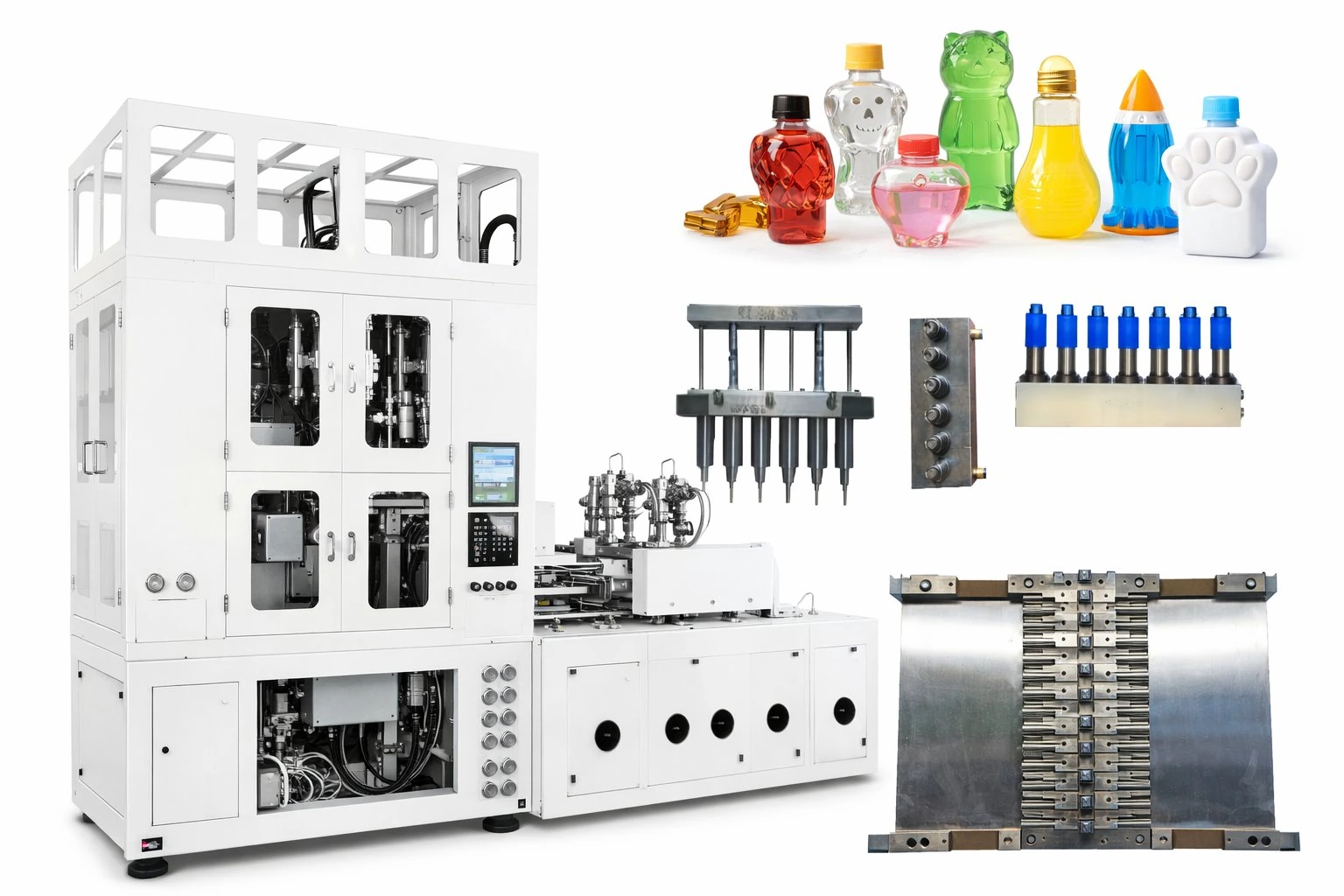
Échelle des coûts d'investissement des moules
Le coût d'investissement d'un moule n'est pas proportionnel au nombre d'empreintes. Chaque empreinte supplémentaire augmente le coût d'environ 40 à 60 000 £ par rapport à celui d'une empreinte unique, en raison de l'infrastructure partagée (plaques de base, collecteur de canaux chauds, circuits de refroidissement). Voici quelques exemples de prix pratiqués sur le marché coréen pour les moules de flacons cosmétiques de 250 ml :
- ▸Moule à 2 cavités : 40-60 millions de KRW
- ▸Moule à 4 cavités : 80-120 millions de KRW
- ▸Moule à 6 cavités : 120-180 millions de KRW
- ▸Moule à 8 cavités : 180-260 millions de KRW
- ▸Moule à 12 cavités : 280-400 millions de KRW
Ces chiffres s'appliquent aux moules conçus sur mesure. Pour les moules compatibles ASB-12M comme Ensemble de moule ISBM 150 ml, 1 cavité de 12, les modèles standardisés permettent d'obtenir des prix inférieurs de 15 à 25% à ceux des moules personnalisés équivalents.
Échelle de temps de changement
Le temps de changement de moule est proportionnel au nombre d'empreintes, car plus d'empreintes signifient plus de composants individuels nécessitant un alignement précis. Temps de changement typiques sur une ligne de production coréenne :
- ▸Changement de format à 2 cavités : 1,5 à 2,5 heures
- ▸Changement de format pour 4 cavités : 2 à 3 heures
- ▸Changement de format pour 8 cavités : 3 à 4 heures
- ▸Changement de format pour 12 cavités : 4 à 6 heures
Pour les producteurs effectuant 3 à 5 changements de références par semaine, le moule à 12 cavités nécessite 18 à 30 heures de changement hebdomadaires, contre 8 à 12 heures pour un moule à 4 cavités. Ce temps de production est crucial pour les entreprises de remplissage à façon qui travaillent avec de nombreuses références pour des marques de cosmétiques coréennes.
Exigences de resserrement des tolérances
Un nombre élevé d'empreintes exige des tolérances dimensionnelles plus strictes afin de garantir une production homogène de bouteilles sur l'ensemble des empreintes. Un moule à 4 empreintes tolère une variation de ±0,05 mm entre les empreintes. Un moule à 12 empreintes doit respecter une tolérance de ±0,02 mm, sous peine de voir des variations d'une bouteille à l'autre sur le produit fini. Cette précision accrue augmente le coût de fabrication du moule et requiert un contrôle plus rigoureux des paramètres de production.
7. Stratégie de flexibilité multi-UGS
Les fabricants coréens de produits de remplissage à façon et les producteurs de portefeuilles de marques sont confrontés à un problème de flexibilité que les producteurs de produits de base évitent. Lorsqu'une seule machine traite 8 à 15 références, le nombre de cavités ne peut être optimisé pour une référence en particulier. Trois stratégies permettent de remédier à ce problème.
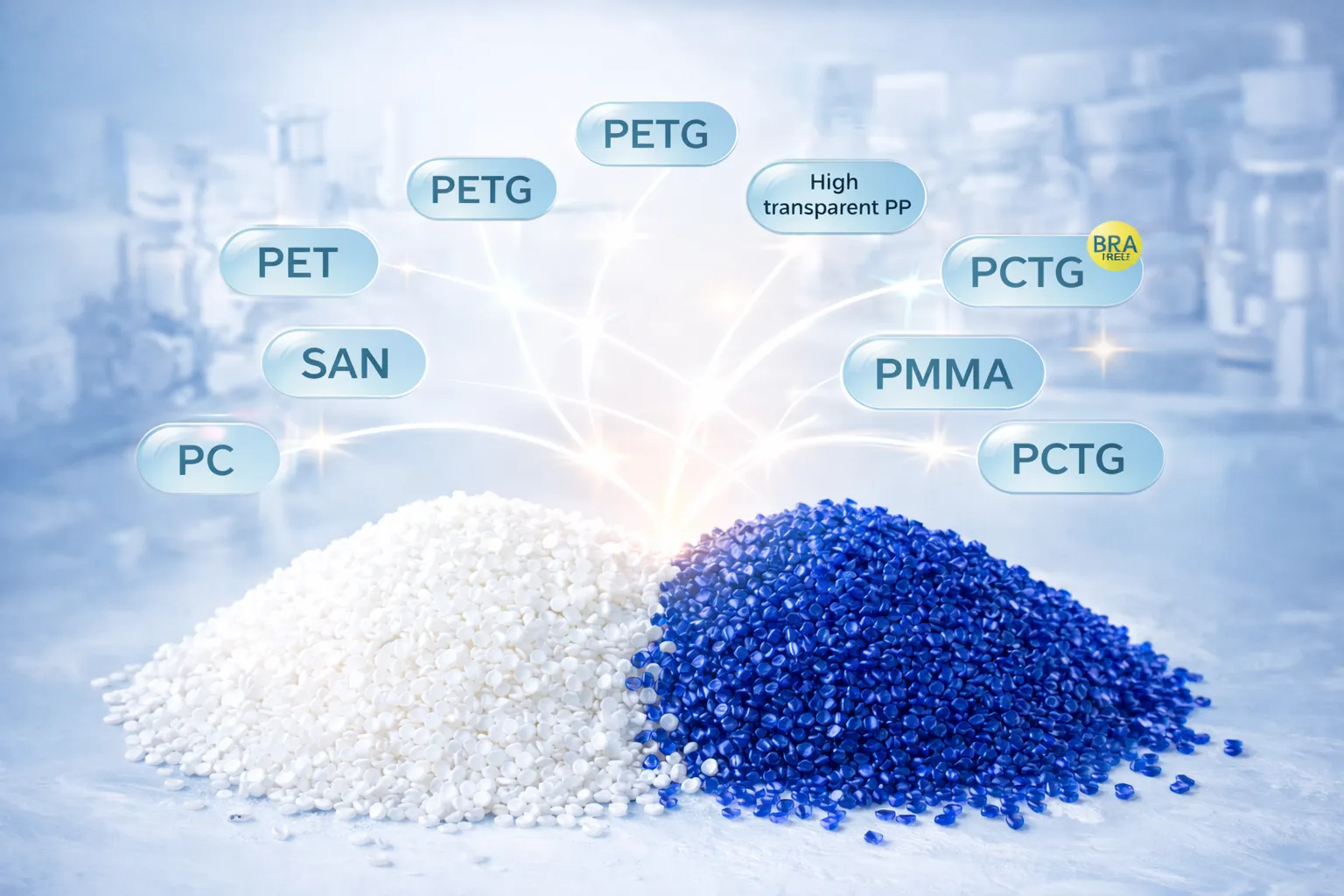
STRATÉGIE A
Taille pour la plus grande référence
Choisissez le nombre de cavités adapté à la production de votre référence la plus courante à pleine capacité. Acceptez une efficacité moindre pour les références moins importantes.
Idéal pour : Portefeuille composé d'une référence principale et de petites séries complémentaires. Planification simple, aucun risque de sous-capacité.
STRATÉGIE B
Division en deux machines
Utilisez deux machines avec un nombre de cavités différent. Les références à grand volume seront traitées sur une machine à 8 cavités, celles à petit volume sur une machine à 4 cavités.
Idéal pour : Portefeuilles de plus de 10 références avec des différences de volume significatives. Capital plus élevé, mais efficacité bien meilleure.
STRATÉGIE C
Obturation de cavité
Concevoir un moule à cavités multiples avec possibilité d'ébavurer des cavités individuelles. Utiliser 8 cavités pour les commandes importantes et n'en ébavurer que 4 pour les petites commandes.
Idéal pour : Déploiements sur une seule machine nécessitant une grande flexibilité quant à la taille des commandes. Complexité modérée.
8. Modèles de mise à l'échelle coréens : 1 à 10 machines
L'analyse des tendances de croissance observées chez les producteurs coréens de bouteilles révèle une évolution prévisible du nombre de cavités et de machines à mesure que les marques passent du stade de start-up à celui d'entreprise établie. Comprendre ces tendances permet d'anticiper les besoins d'augmentation de capacité.
| Phase opératoire | Volume annuel | Configuration typique |
|---|---|---|
| Démarrage (Année 1-2) | Bouteilles de 0,5 à 2 M | 1 machine, 2 à 4 cavités |
| Croissance (Année 3-4) | Bouteilles de 2 à 8 mois | 1 à 2 machines, 4 à 8 cavités |
| Échelle (Années 5 à 7) | Bouteilles de 8 à 25 mois | 3 à 5 machines, 6 à 12 cavités |
| Établi (8e année et plus) | Bouteilles de 25 à plus de 100 M | 5 à 10+ machines, 8 à 16 cavités |
Trois transitions méritent une attention particulière. La première, l'augmentation de capacité (de 1 à 2 machines), intervient généralement pour un volume annuel de 2 à 3 millions de bouteilles, lorsque la production sur une seule machine ne permet plus de répondre de manière fiable à la croissance de la demande, sans compter les inévitables périodes de maintenance. La deuxième transition (de 2 à 3 ou 4 machines) se produit pour un volume de 8 à 10 millions de bouteilles, lorsque la diversification du portefeuille de références exige l'affectation de machines dédiées. La troisième transition (de 4 à plus de 6 machines) intervient pour un volume supérieur à 20 millions de bouteilles, lorsque la redondance et la densité de production deviennent des impératifs opérationnels.
Chaque transition nécessite 6 à 12 mois pour l'approvisionnement et la mise en service. Les producteurs coréens qui planifient l'augmentation de leurs capacités 12 à 18 mois avant la demande prévue affichent systématiquement de meilleures performances que ceux qui attendent que les contraintes de capacité les contraignent à procéder à des achats d'urgence.
9. Foire aux questions
Q : Puis-je ajouter des cavités à mon moule existant ultérieurement si la demande augmente ?
Non. Le nombre de cavités est fixe et déterminé par la conception du moule. Il est impossible de l'augmenter ultérieurement. Si vous prévoyez une hausse de la demande, optez pour un nombre de cavités supérieur de 25 à 40% à vos prévisions actuelles. Vous pouvez également acquérir une deuxième machine et un deuxième moule identiques lorsque la demande dépasse la capacité d'une seule machine. Cette solution assure également une continuité de production en cas d'arrêt pour maintenance.
Q : Devrais-je opter pour un nombre de caries plus élevé par simple précaution ?
Pas automatiquement. Un nombre d'empreintes plus élevé augmente le coût du moule de 40 à 60 000 £ par empreinte supplémentaire et allonge le temps de changement de format de 30 à 50 000 £. Pour les remplisseuses sous contrat multi-références avec des changements de format hebdomadaires de 3 à 5 semaines, un nombre d'empreintes plus élevé peut en réalité réduire le débit de production annuel, compte tenu des pertes de temps liées aux changements de format. Dimensionnez le nombre d'empreintes en fonction de votre profil de production spécifique plutôt que de la capacité théorique maximale.
Q : Comment une cavité à double rangée se compare-t-elle à une cavité haute à rangée unique ?
L'architecture à double rangée (comme la HGY250-V4-B) double efficacement la densité de production à encombrement égal. Par exemple, une configuration à 6 cavités sur double rangée offre un débit équivalent à celui d'une configuration à 12 cavités sur simple rangée, tout en occupant la même surface au sol. En contrepartie, la double rangée exige un équilibrage précis de la station de soufflage et une conception du circuit de refroidissement légèrement plus complexe. Pour les applications de conditionnement en bouteilles de 1 à 2 litres à volume élevé, la double rangée est généralement plus performante que la simple rangée à nombre de cavités équivalent.
Q : Quel nombre de cavités dois-je utiliser pour ma ligne pilote avant la production en série ?
La production pilote utilise généralement des configurations à 2 ou 4 cavités afin de minimiser les risques financiers tout en validant la conception du flacon, l'optimisation des paramètres et l'acceptation par le marché. Une fois les prévisions de volume commercial confirmées (généralement 6 à 12 mois après le début de la phase pilote), la production passe à une production à grande échelle avec un second moule conçu selon les spécifications validées. Les lancements de marques de cosmétiques coréennes (K-beauty) suivent généralement ce processus, passant d'une production pilote à 2 cavités à une production à 8 cavités.
Q : Le nombre de cavités a-t-il une incidence sur la constance de la qualité d'une bouteille à l'autre ?
Un nombre élevé d'empreintes augmente le risque de variations d'un flacon à l'autre si les tolérances de fabrication du moule ne sont pas strictes. Chaque empreinte est indépendante et doit produire un volume identique. Avec 4 empreintes, le contrôle de la constance entre elles est simple. À partir de 12 empreintes, une fabrication de moule de précision avec une tolérance de ±0,02 mm et un flux de canaux chauds équilibré devient essentielle. Pour les applications haut de gamme des secteurs de la cosmétique coréenne et pharmaceutique, un nombre élevé d'empreintes nécessite un investissement supplémentaire en contrôle qualité.
10. Conclusion
Le choix du nombre de cavités est la décision la plus sous-estimée lors de l'acquisition d'une machine à injection de gaz. La plupart des acheteurs passent des semaines à évaluer les plateformes de machines et la conception des bouteilles, puis se contentent de la recommandation du fournisseur concernant le nombre de cavités lors de la dernière semaine du processus d'achat. Cette approche engendre des erreurs de sélection coûteuses qui s'accumulent sur une période de sept ans.
L'approche structurée est simple : calculer le nombre d'empreintes requis à partir de l'objectif de volume annuel à l'aide de la formule de base, vérifier ce calcul en fonction des contraintes de volume des empreintes, évaluer les coûts cachés (investissement dans les moules, temps de changement de format, exigences de tolérance) et appliquer une stratégie de flexibilité multi-références si nécessaire. Cette méthode permet de transformer le calcul du nombre d'empreintes d'une simple intuition en un calcul rigoureux.
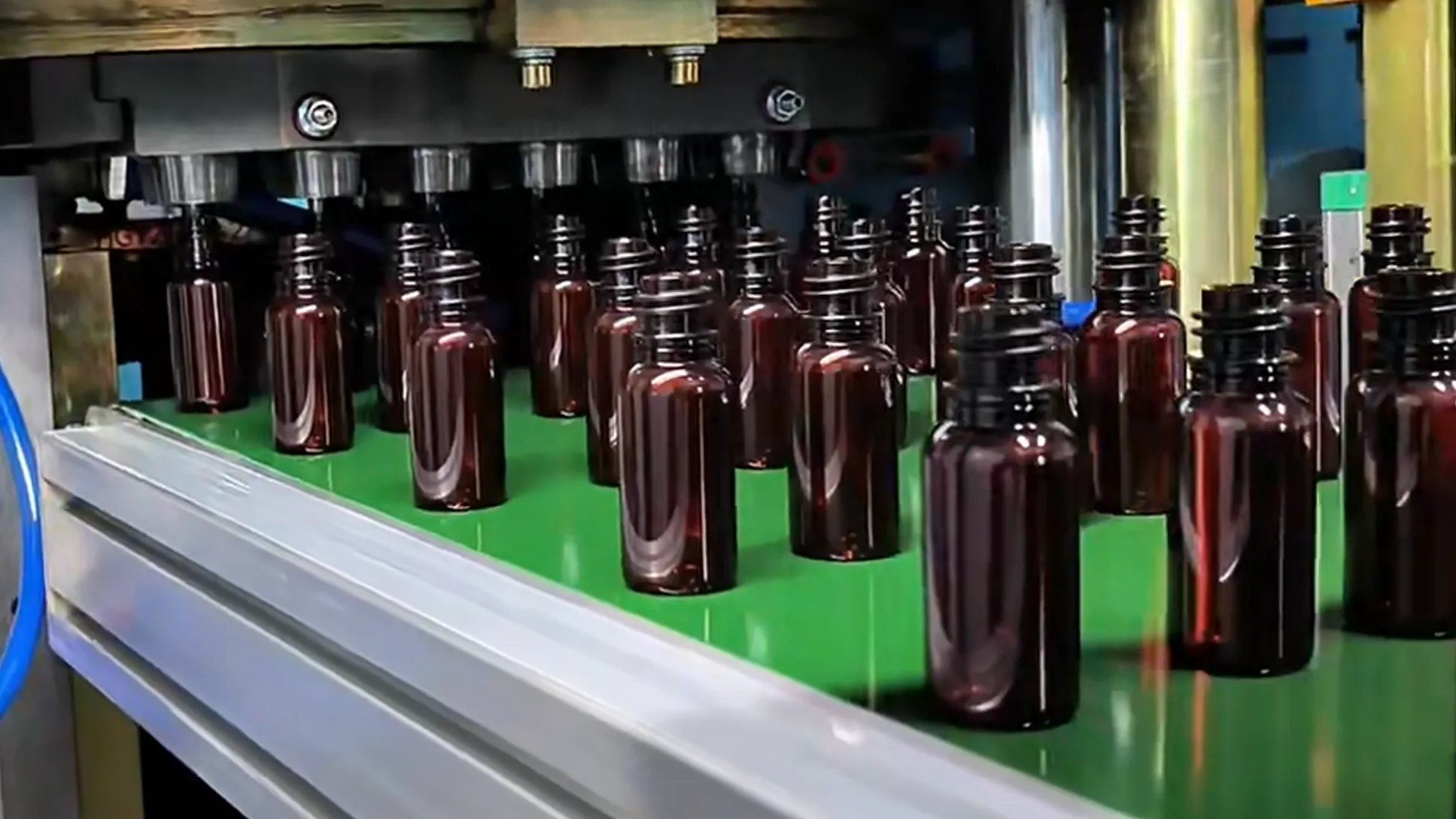
Pour les producteurs coréens évaluant le nombre de cavités pour une nouvelle capacité ou une extension de capacité, le catalogue à 12 plateformes d'Ever-Power et Service de moules ISBM personnalisé en une étape Le nombre de cavités supportées varie de 1 à 16 selon les spécifications de la bouteille. Notre équipe d'ingénieurs coréens effectue le calcul des cavités et assure la compatibilité avec la plateforme lors de la consultation standard avant achat.
Besoin d'un calcul du nombre de caries pour votre application ?
Partagez les spécifications de vos bouteilles, votre volume annuel cible, votre calendrier de production et votre gamme de références. Notre équipe d'ingénieurs coréens vous fournira sous 48 heures une recommandation sur le nombre d'empreintes, l'adéquation de la plateforme, une estimation du coût des moules et une analyse de sensibilité.
Consultez d'autres ressources
Éditeur : Cxm