
IBM-i ENERGIA TARBIMINE · HÜDRAULILINE vs TÄISELEKTRILINE · KOREA EVER-POWER ZQ SEERIA
IBM-i energiatarve:
Hüdrauliline vs täiselektriline ZQ60HE Võrdlus
Energiakulu on IBM-is polümeervaigu järel suuruselt teine muutuv tootmiskulu – ja hüdrauliliste ja täiselektriliste IBM-masinate energiatarbimise erinevus on piisavalt märkimisväärne, et mõjutada masinainvesteeringute majanduslikku tasuvust 10-aastaste tootmisprogrammide jooksul. See juhend esitab Korea Ever-Power ZQ-seeria energiatarbimise andmed hüdraulilise IBM-i ja ZQ60HE täiselektrilise IBM-i kohta koos kvantifitseeritud kWh võrdluse ja 10-aastase energiakulude säästu analüüsiga Korea ja ülemaailmsete elektrienergia tariifide alusel.
kWh andmed Kõik ZQ mudelid
10-aastane kuluanalüüs
KOREA IGAVENE VÕIM · ANSAN-SI, GYEONGGI-DO · JUULI 2026
ENERGIA VÕRDLUS · PÕHIANDMETE KOKKUVÕTE
ZQ60HE tööenergia
~12 kWh/h
ZQ60HE täiselektriline tööenergia 30 ml PP IBM-i toodangu korral (105 000–115 000 pudelit/24 h) – servomootorid tarbivad energiat ainult käivitusfaasis, mitte pidevalt nagu hüdrauliline pump
ZQ60 hüdrauliline energia
18–22 kWh/h
ZQ60 hüdrauliline tööenergia 30 ml PP IBM-i toodangu ekvivalentses koguses — hüdropump töötab pidevalt võimsusega 18–22 kW olenemata masina tsükli faasist, tarbides konstantset energiat isegi jahutuse ooteaja jooksul
10-aastane energiasääst
52–86 miljonit Lõuna-Korea vonni
ZQ60HE vs ZQ60 hüdrauliline 10-aastane energiakulude kokkuhoid Korea tööstuselektri puhul 120 KRW/kWh, 16 tundi päevas 300 päeva aastas – ZQ60HE kapitalipreemia 50–80% tagasisaamine võrreldes ZQ60 hüdraulikaga
Säästuprotsent
~30-35%
ZQ60HE energiasääst võrreldes ZQ60 hüdraulikaga: ligikaudu 30–351 TP3 T madalam energiatarve tunnis samaväärsete IBM-i tootmistingimuste korral, mis on kooskõlas ülemaailmsete täiselektriliste IBM-i masinate energiaeelise andmetega.
JAGU 01
Miks IBM-i energiatarbimine on masinainvesteeringute ökonoomika jaoks oluline?
Energiakulu on IBM-i konteinerite tootmisel suuruselt teine muutuv tootmiskulu pärast polümeervaigu tootmist ning suuremahuliste Korea IBM-i programmide puhul, mis töötavad 16 tundi päevas 300 päeva aastas, akumuleerub hüdrauliliste ja täiselektriliste IBM-i masinate energiakulude erinevus 10-aastase masina eluea jooksul kaubanduslikult oluliseks summaks. IBM-i energiatarbimise mõistmine võimaldab Korea IBM-i masinate ostjatel lisada 10-aastase energiakulu ZQ40, ZQ60, ZQ80, ZQ110, ZQ135 hüdraulilise IBM-i ja ZQ60HE täiselektrilise IBM-i omamise kogukulude (TCO) võrdlusse ning teha masina valiku otsus täieliku ökonoomsuse, mitte ainult kapitalikulude põhjal. Selles juhendis esitatud Korea Ever-Poweri ZQ-seeria energiaandmed põhinevad Korea Ever-Poweri Ansan-si tehases mõõdetud töövõimsusel standardsetes Korea IBM-i tootmistingimustes: PP-homopolümeer IBM, 100 ml pudeli formaat, 10 õõnsust, 2-vahetusega Korea tootmine toatemperatuuril 20–25 °C. Täpse kohaliku energiakulu arvutamiseks peaksid ülemaailmsed kliendid esitatud energiaandmetele rakendama oma kohalikku elektrienergia tariifi ja ümbritsevaid tootmistingimusi. Korea Ever-Power IBM masinavalik Alates ZQ40-st kuni ZQ60HE-ni on saadaval energiatarbimise dokumentatsioon Korea klientide investeeringute analüüsiks.
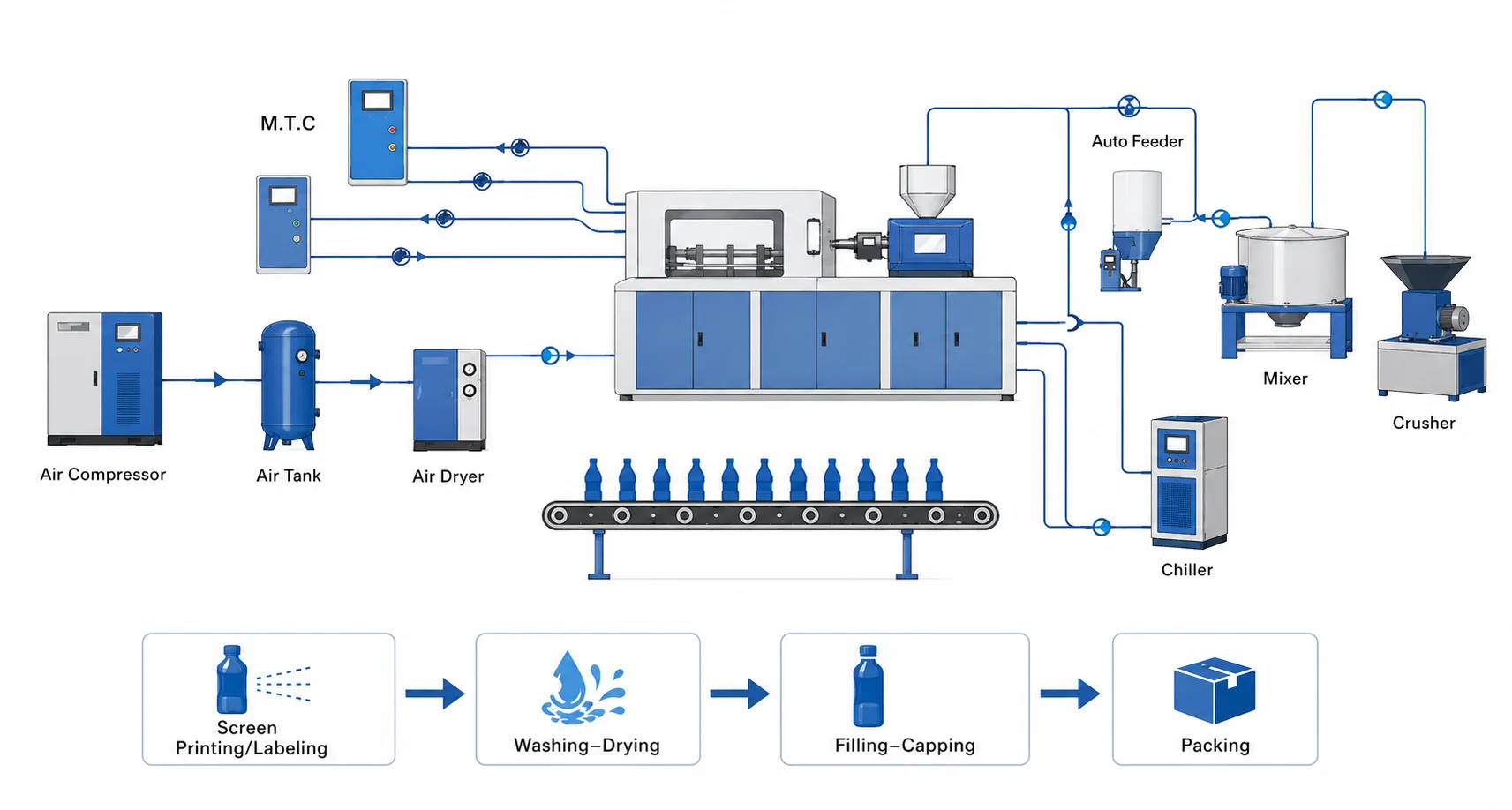
JAGU 02
Hüdraulilise IBM-i energiaprofiil: miks hüdrauliline pump tarbib rohkem
Pumba pidev töö
Hüdraulilised IBM-masinad (ZQ40, ZQ60, ZQ80, ZQ110, ZQ135) kasutavad fikseeritud või muudetava töömahuga hüdraulilist pumpa, mida käitab pidevalt elektrimootor, mis töötab kogu tootmisvahetuse vältel nimikiirusel. Hüdraulilise pumba mootor töötab täisvõimsusel nii aktiivse masina tsükli faaside (sissepritse, kinnitamine, puhumine) kui ka jahutuse ooteaja jooksul – isegi kui jahutuse ooteaeg (55–70% kogu IBM-i tsükli ajast) ei vaja hüdraulilist käivitamist. Jahutamise ooteaja ajal laadib hüdraulilise pumba mootor hüdraulilise akumulaatori vastu, kuid jätkab 30–50% täiskoormuse võimsuse tarbimist (koormuseta pumba energiatarve hüdraulilise vedeliku ringluskadude ja pumba mehaanilise hõõrdumise tõttu). See pidev koormuseta energiatarve IBM-tsükli jahutuse ooteaja jooksul on peamine põhjus, miks hüdraulilised IBM-masinad tarbivad samaväärsetes tootmistingimustes 30–35% rohkem energiat kui täiselektrilised servomootoriga IBM-masinad.
Hüdraulilise süsteemi soojuse teke
IBM-i hüdraulilised masinasüsteemid tekitavad märkimisväärselt soojust hüdraulikaõli viskoosse hõõrdumise, pumba ebaefektiivsuse ja hüdraulikaventiilide rõhulanguste kaudu. ZQ60 hüdraulikasüsteem tekitab pideva tootmise ajal hüdraulikaõli reservuaari ligikaudu 3–5 kW jääksoojust, mis nõuab aktiivset hüdraulikaõli jahutust (eraldi õlijahuti või vesijahutusahel hüdraulikaõli paagile), mis lisab ZQ60 hüdraulikasüsteemi energiatarbimisele 0,5–1,5 kW täiendavat jahutusenergiat. See hüdrauliline soojuse teke tõstab IBM-i masina ümber tehase ümbritseva õhu temperatuuri, suurendades IBM-i tootmiskeskkonna jahutuskoormust Korea tehase HVAC-süsteemile – see on kaudne energiakulu, mida IBM-i masinate energiatarbimise võrdlustes tavaliselt ei arvestata, kuid mis kujutab endast hüdraulilise IBM-i täiendavat varjatud energiapuudust võrreldes täiselektrilise ZQ60HE-ga.
JAGU 03
ZQ60HE täiselektriline energiaprofiil: nõudmisel kasutatav servovõimsus
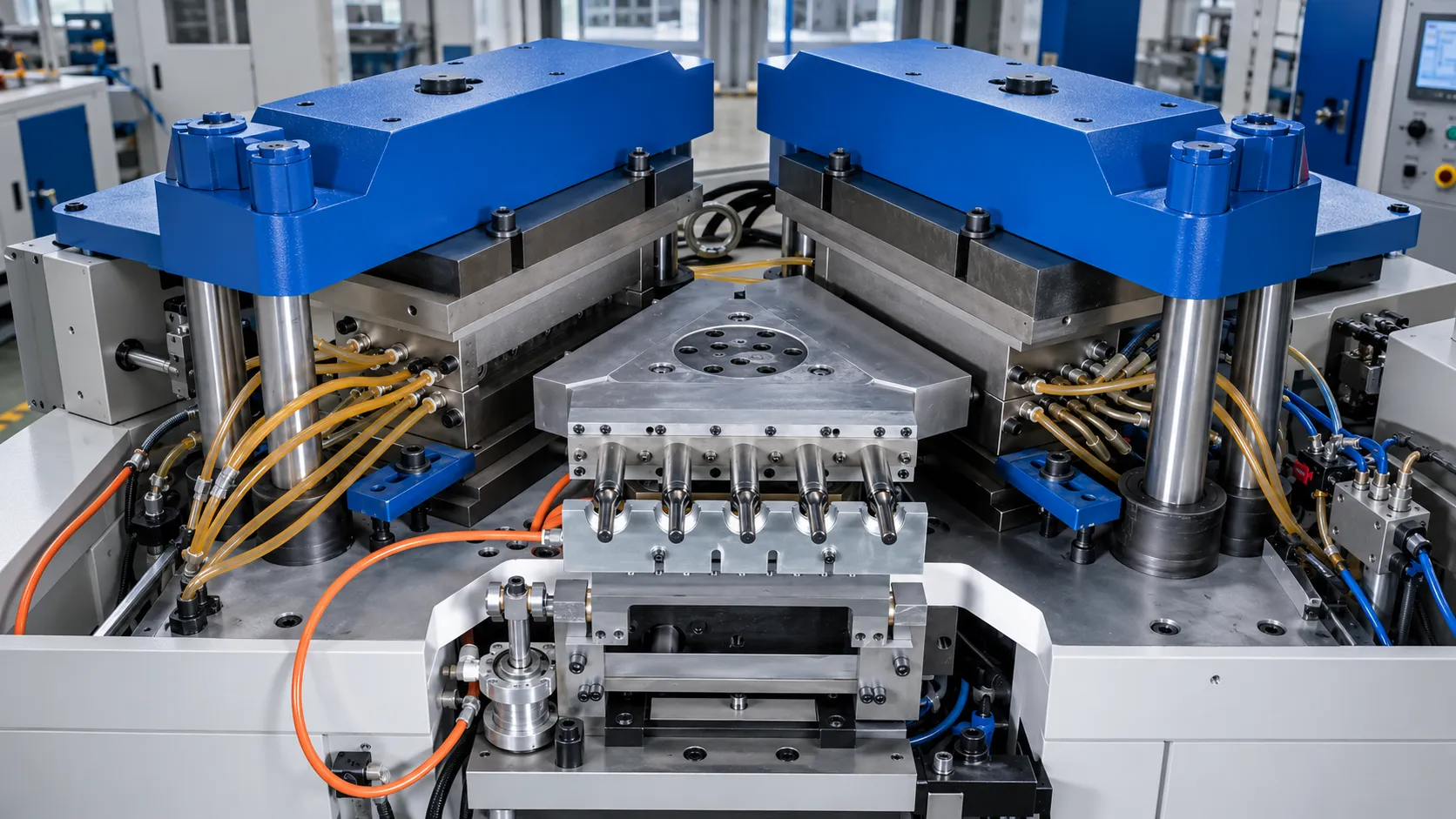
ZQ60HE ENERGIA TARBIMINE IBM-I TSÜKLI FAASIDE JÄRGI (100 ml PP IBM-I VIIDE)
Süstimisfaas (0,8 s)
~35–45 kW tipp
Sissepritse servo täisvõimsusel 0,8 s PP sissepritse täitekäigu ajal. Tippvõimsus 35–45 kW sissepritse servomootorilt (22 kW) + kruvietteandmiselt (18 kW) + pöördlaua hoidmisel (2,9 kW). Kogutsükli kestus 20%.
Kinnitus + puhumine (0,7 s)
~25–35 kW
Kinnitusservomootorid (15+15 kW) vormi sulgemise + puhumisrõhu hoidmise ajal. Sissepritseservo on sisse tõmmatud (peaaegu nullilähedane energiatarve). Tsükli kogukestus 17%.
Jahutusperiood (2,5 s)
~3–5 kW
Peaaegu null servomootori tarbimist PP jahutuse ajal — ainult silindri küttekeha energia (2–3 kW) ja servo ooterežiimi vool (<0,5 A ajami kohta). Kogu tsükli kestus 63% = primaarenergia kokkuhoid võrreldes hüdraulilise IBM-iga.
Pöörlev + riba (0,4 s)
~8–12 kW
Pöördlaua servo (2,9 kW) + pudelite eemaldamise servo (kinnitusservo tagurpidi liikumisega) laua pöörlemise ja pudelite eemaldamise ajal. Kestus ~10% kogu tsüklist
JAGU 04
Energiatarbimise andmed: ZQ seeria hüdrauliline vs ZQ60HE
| MASIN | TÜÜP | PAIGALDATUD (kW) | TÖÖKÜPSIS (kWh/h) | PÄEVASELT (16 tundi, kWh) |
|---|---|---|---|---|
| ZQ40 | Hüdrauliline | 22 | 8–12 | 128–192 |
| ZQ60 | Hüdrauliline | 30 | 18–22 | 288–352 |
| ZQ60HE ★ | Täiselektriline | 90 (paigaldatud) 15–25 tööaega |
12–15 | 192–240 |
| ZQ80 | Hüdrauliline | 45 | 25–32 | 400–512 |
| ZQ110 | Hüdrauliline | 60 | 35–45 | 560–720 |
| ZQ135 | Hüdrauliline | 75 | 40–55 | 640–880 |
Märkus paigaldatud ja töövõimsuse kohta: ZQ60HE paigaldatud võimsus on 90 kW (kõigi servomootorite nimivõimsuste summa), kuid PP IBM-i tootmises on töövõimsus vaid 12–15 kWh/h, kuna servomootorid töötavad lühikeste suure võimsusega käivitusperioodidega (0,5–0,8 s) peaaegu olematu energiatarbega 2–3 sekundilise jahutusperioodi jooksul perioodide vahel. Korea kliendid peaksid energiakulu arvutamiseks kasutama töövõimsust (12–15 kWh/h), mitte paigaldatud võimsust.
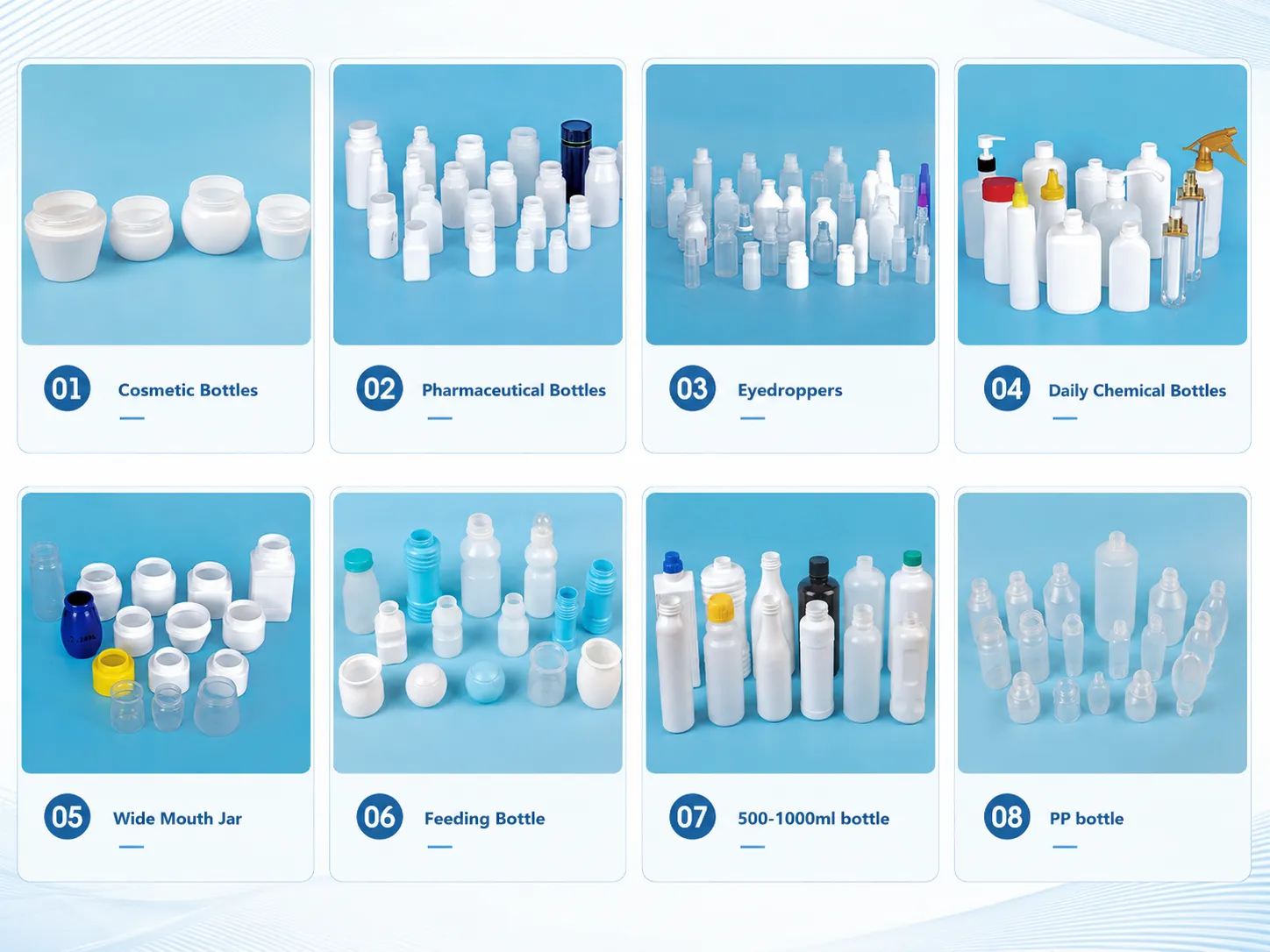
JAGU 05
10-aastane energiakulude säästu analüüs: Korea ja globaalsed turud
ZQ60HE vs ZQ60 HÜDRAULILINE — 10-AASTANE ENERGIA SÄÄST (ALUS: 16 TUNDI PÄEVAS, 300 PÄEVA AASTAS)
Aastane kokkuhoid (kWh)
86 400–115 200
Energiasääst: (18–22 kWh/h ZQ60) miinus (12–15 kWh/h ZQ60HE) = 6–10 kWh/h sääst × 16 h/päev × 300 päeva = 28 800–48 000 kWh/aasta. Vahemik kajastab ZQ60 hüdraulilise koormuse varieerumist erinevate PP IBM-vormingutega.
Aastane kokkuhoid (Korea KRW)
3,5–5,8 miljonit Lõuna-Korea vonni
Korea tööstuslik elekter hinnaga 120 Korea woni/kWh (2026. aasta määr): 28 800–48 000 kWh/aastas × 120 Korea woni = 3,46–5,76 miljonit Korea woni aastane energiasääst ZQ60HE kohta võrreldes ZQ60 hüdraulikaga sama tootmisprogrammi juures
10-aastane säästmine (Korea)
35–58 miljonit Lõuna-Korea vonni
10-aastane kumulatiivne energiasääst Korea elektrienergia tariifi alusel (enne tariifi eskaleerimise korrigeerimist) – see moodustab 50–801 TP3T ZQ60HE kapitalipreemia võrreldes ZQ60 hüdraulikaga, mis on tagasi teenitud ainuüksi energiasäästu abil.
Aastane kokkuhoid (India INR)
245 000–410 000 India ruupiat
India tööstuselektri keskmine hind 8,5 INR/kWh: 28 800–48 000 kWh/aastas × 8,5 INR = 245 000–408 000 INR aastane ZQ60HE energiasääst India IBM-i klientidele
JAGU 06
Süsiniku jalajälje vähendamine: IBM-i jätkusuutlikkuse positsioneerimine
ZQ60HE aastane CO₂ heitkoguste vähenemine
ZQ60HE energiasääst 28 800–48 000 kWh/aastas võrreldes ZQ60 hüdraulikaga tähendab aastast CO₂ heitkoguse vähenemist Korea elektrivõrgu emissiooniteguri 0,4578 kgCO₂/kWh juures (Korea Electric Power Corporationi 2024. aasta võrgu emissiooniteguri juures): 28 800–48 000 kWh/aastas × 0,4578 kg CO₂/kWh = 13,2–22,0 tonni CO₂ aastane vähenemine ZQ60HE kohta võrreldes ZQ60 hüdraulikaga. 10 aasta jooksul: 132–220 tonni CO₂ kumulatiivne vähenemine ZQ60HE IBM masina kohta – see võrdub ligikaudu 55–90 sõiduauto-aasta CO₂ heitkogusega. Korea IBM-i konteineritootjate jaoks, kes osalevad Korea K-ETS (Korea heitkogustega kauplemise süsteem) süsinikukrediidi turul, tekitab ZQ60HE energiasääst mõõdetavat kasvuhoonegaaside heitkoguste vähenemist, mida saab arvestada Korea tootmise süsinikukvootide eraldamise hulka või müüa süsinikukrediidina Korea K-ETS turuhinnaga.
IBM-i konteinerite jätkusuutlikkuse väited Korea kaubamärkidele
Korea kosmeetika- ja kiirtarbekaupade kaubamärgid edastavad tooteturunduses üha enam pakendite jätkusuutlikkust (ESG-aruandlus, Naver Smart Store'i jätkusuutlikkuse märk, Korea kosmeetikabrändi INCI-sertifitseeritud keskkonnasõbralikkuse väide). Täiselektriline IBM-i tootmine ZQ60HE pakub mõõdetavat energiasäästu väidet võrreldes hüdraulilise IBM-i tootmisega, mida Korea brändide kliendid saavad kasutada toote jätkusuutlikkuse kommunikatsioonis: täiselektrilisel IBM-il toodetud IBM-i konteinerid tarbivad konteineri kohta ligikaudu 30% vähem tootmisenergiat kui samaväärsed konteinerid, mis on toodetud hüdrauliliste IBM-i masinatega – see on kontrollitav tootmisprotsessi jätkusuutlikkuse väide, mida toetavad Korea Ever-Poweri ZQ60HE ja ZQ60 hüdraulilise energia mõõtmise andmed. Korea Ever-Power pakub Korea brändide klientidele ZQ60HE tootmise energiasertifikaati (energiatarbimine 1000 toodetud konteineri kohta) Korea brändide klientide ESG-aruandluse ja toote keskkonnasõbralikkuse väite põhjendamiseks vastavalt Korea Õiglase Kaubanduse Komisjoni rohelise turunduse suunistele.
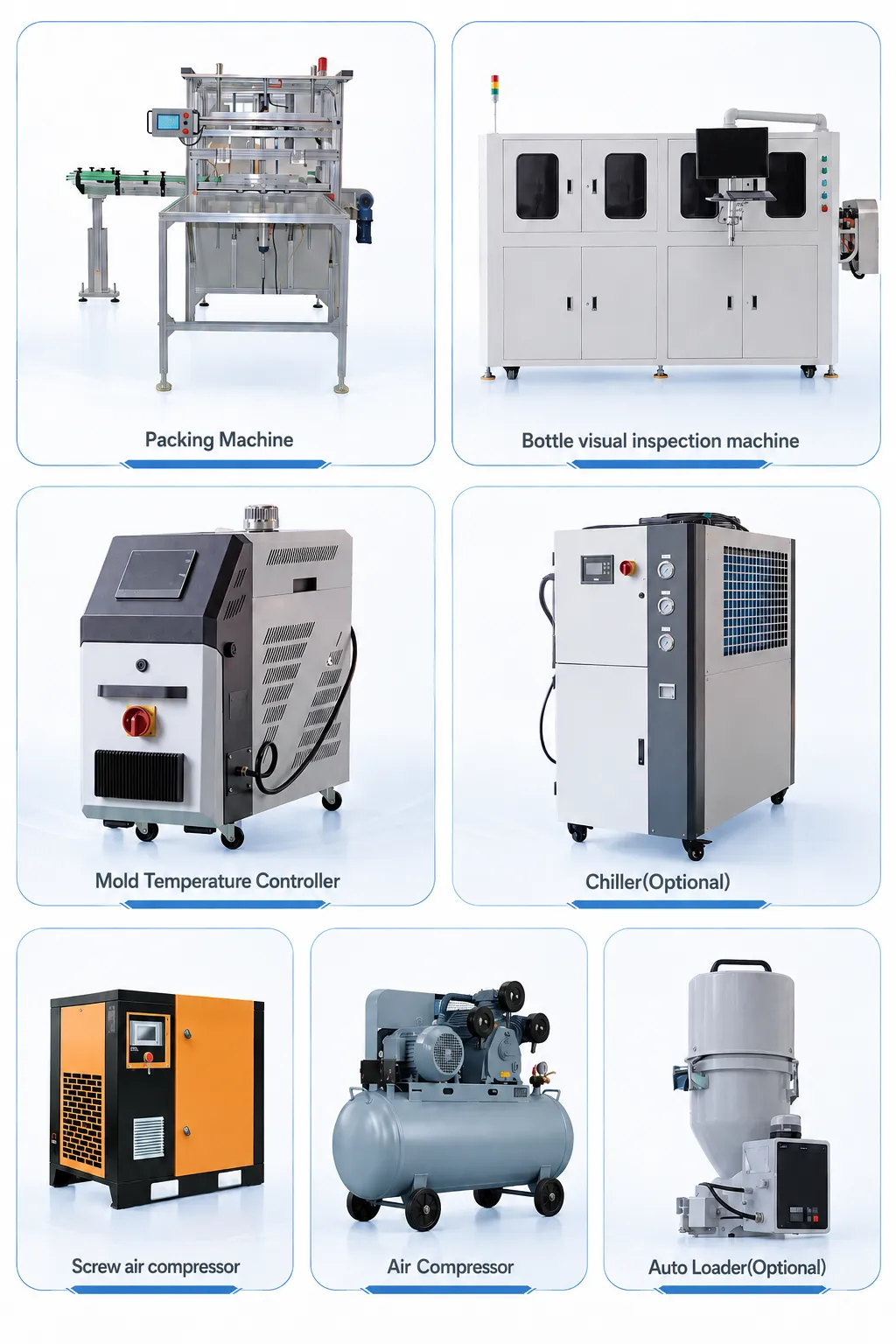
TEHNIKA KKK
IBM-i energiatarbimine — tehnilised küsimused
Q01
Kas ZQ60HE energiasäästlikkus skaleerub tootmiskiirusega? Kui ZQ60HE toodab 25% konteinereid rohkem tunnis, kas konteineri energiatarve on tegelikult sama mis ZQ60 hüdraulilisel tootmisel?
Energiasääst ja konteineri kohta arvutatav energiatarve nõuab nii energiatarbimise kui ka väljundi hoolikat samaaegset arvestamist. ZQ60HE toodab samaväärse formaadiga umbes 20–25% rohkem konteinereid tunnis kui ZQ60 hüdrauliline seade (ZQ60HE 2,5-s kuivtsükkel versus ZQ60 4,0-s kuivtsükkel, mis tähendab samaväärse piiratud jahutusega tsükli korral umbes 20% võrra suuremat tootmistsükli kiirust). ZQ60HE energiatarve tunnis on umbes 30–35% madalam kui ZQ60 hüdraulilisel seadmel. Kombineeritud mõju konteineri kohta arvutatud energiale: ZQ60HE energia konteineri kohta = 12–15 kWh/h ÷ (ZQ60HE konteinerid/tund) versus ZQ60 hüdrauliline seade = 18–22 kWh/h ÷ (ZQ60 konteinerid/tund). 10 õõnsusega toodab 100 ml PP IBM: ZQ60HE 2,5-sekundilise kuivtsükliga (hinnanguline 5,5-sekundiline tsükkel koos jahutusega) ligikaudu 6545 konteinerit tunnis kiirusel 12 kWh/h = 1,83 Wh/konteiner. ZQ60 hüdrauliline 4,0-sekundilise kuivtsükliga (hinnanguline 7,0-sekundiline tsükkel) toodab ligikaudu 5142 konteinerit tunnis kiirusel 20 kWh/h = 3,89 Wh/konteiner. Konteineri kohta käiva energiatarbimise võrdlus: ZQ60HE 1,83 Wh/konteiner vs. ZQ60 hüdrauliline 3,89 Wh/konteiner — ZQ60HE tarbib iga toodetud IBM-konteineri kohta ligikaudu 531 TP3 T vähem energiat, kombineerides energiatarbimise vähenemise ja väljundkiiruse suurenemise mõjud. See konteineri kohta saadav energiaeelis on suurem kui tunnipõhine energiasäästu protsent, sest ZQ60HE toodab kWh kohta rohkem konteinereid kui ZQ60 hüdrauliline, mistõttu on ZQ60HE selgelt parem valik nii absoluutse energiakulu tunnis kui ka toodetud konteineri kohta tarbitava energia intensiivsuse poolest.
K 02
Milline on ZQ60HE energiatarve profiil Korea tehase elektriinfrastruktuuri planeerimisel?
Korea tehase elektriinfrastruktuuri planeerimise ZQ60HE võimsusnõudluse profiil erineb ZQ60 hüdraulika omast ühel olulisel moel: ZQ60HE genereerib lühiajalisi tippvõimsuse nõudmisi (35–45 kW tipp 0,8-sekundilise sissepritsefaasi ajal) umbes 4–5-sekundiliste intervallidega (üks tipp IBM-i tsükli kohta), võrreldes ZQ60 hüdraulikaga suhteliselt konstantse 18–22 kW pideva nõudlusega. Korea tehase elektriinfrastruktuur (Korea trafo võimsus, jaotusseadmete nimivõimsus ja toitekaabli mõõtmed) peab korrektse elektrilise projekteerimise tagamiseks arvestama ZQ60HE tippnõudlusega, mitte keskmise nõudlusega. Korea Ever-Power soovitab Korea tehase planeerimiseks järgmisi ZQ60HE elektriinfrastruktuuri spetsifikatsioone: sissetulev toide: ZQ60HE masina vooluahela jaoks vähemalt 45 kVA kolmefaasilise trafo võimsus (45 kVA ÷ (380 V × √3) = 68 A kaitselüliti, mis tagab 35–45 kW tippnõudluse piisava varuga). Pange tähele, et ZQ60HE keskmine nõudlus kiirusel 12–15 kWh/h on ligikaudu 12–15 kVA – oluliselt madalam kui tippnõudluse jaoks vajalik 45 kVA trafo võimsus. Korea võimsusteguri korrektsioon: ZQ60HE servoajamid genereerivad reaktiivvõimsust (võimsustegur ~0,8–0,88 ilma korrektsioonita) – Korea Electric Power Corporationi (KEPCO) äri- ja tööstustariif rakendab võimsusteguri trahvi alla 0,9 võimsusteguri korral. Korea Ever-Power soovitab ZQ60HE klientidel paigaldada automaatse võimsusteguri korrektsiooni (APFC) kondensaatorpatarei (ZQ60HE puhul 5–10 kVAr nimiväärtusega), et hoida KEPCO võimsustegur üle 0,9 ja vältida KEPCO võimsusteguri lisatasu Korea tööstuselektriarvetel. Korea Ever-Power pakub ZQ60HE üherealise elektriskeemi ja trafo suuruse soovitusi ZQ60HE masina tellimusel Korea kliendi tehase elektrotehnika jaoks.
Q03
Kuidas võrdub IBM-i masinate energiatarve polümeervaigu energiatarbimisega kogu toote elutsükli tasandil?
Toote kogu elutsükli (LCA) tasandil on IBM-i masina energiatarbimine suhteliselt väike osa mahuti keskkonnamõjust võrreldes polümeervaigu tootmisenergiaga. PP-vaigu tootmine tavalises Korea aurukrakkimisjaamas: ligikaudu 70–80 MJ/kg hällist väravani tarbitud energia (ECOINVENT 3.8 PP tootmisandmed). Seega sisaldab 10g PP IBM-pudel ligikaudu 700–800 kJ (0,19–0,22 kWh) polümeeri tarbitud energiat. IBM-i masina energia sama 10g PP-pudeli tootmiseks: ZQ60 hüdraulilise võimsusega 20 kWh/h, mis toodab 9000 pudelit tunnis = 2,22 Wh/pudel = 0,0022 kWh/pudel. IBM-i masina energia (0,0022 kWh) on pudeli tasandil ligikaudu 1–2% polümeeri tarbitud energiat (0,19–0,22 kWh). See tähendab, et PP-vaigu tootmisenergia on ligikaudu 50–100 korda suurem kui IBM-i masina töötlemisenergia pudeli kohta. ZQ60HE energiasääst 53% konteineri kohta (ülalolevast küsimusest Q01) vähendab IBM-i masina töötlemisenergiat ligikaudu 0,0039 kWh-lt pudeli kohta (ZQ60 hüdraulika) 0,0018 kWh-ni pudeli kohta (ZQ60HE) – säästes 0,0021 kWh pudeli kohta ehk ligikaudu 1% pudeli koguenergiast. Korea kosmeetika- ja kiirtarbekaupade kaubamärgid, mis soovivad vähendada tootepakendite süsiniku jalajälge, peaksid eelistama PP-vaigu valikut (Braskemi biopõhine PP või Korea biometanoolil põhinev PP vähendab polümeeri koguenergiat 60–70% võrra) IBM-i masina energia optimeerimisele, kuna polümeeri valikul on 50–100 korda suurem olelusringi hindamise mõju kui IBM-i masinatüübil. ZQ60HE energiasääst on aga endiselt väärtuslik elektrienergia tegevuskulude vähendamiseks ja Korea K-ETS süsinikukrediidi genereerimiseks Korea tööstusliku elektrienergia tariifi ökonoomsuses.
K 04
Kas ZQ60HE energiaeelis jääb suureformaadilise IBM-i puhul samaks (1-liitrine pudel ZQ60HE-ga ekvivalendi täiselektrilisel suureformaadilisel mudelil)?
Korea Ever-Poweri praegune ZQ-seeria täiselektriliste IBM-masinate valik piirdub ZQ60HE-ga, mis vastab ZQ60 hüdraulilise formaadi valikule (30–500 ml PP IBM). Korea Ever-Power ei paku hetkel ZQ80, ZQ110 ega ZQ135 täiselektrilisi versioone – 500 ml/1 l suureformaadilise IBM-i segmenti teenindavad ainult ZQ80/ZQ110/ZQ135 hüdraulilised masinad. Korea klientidele, kes kasutavad ZQ80/ZQ110/ZQ135 hüdraulilistel masinatel suureformaadilisi IBM-e (500 ml/1 l), kehtib teoreetiliselt täiselektrilise IBM-i energiasäästu põhimõte – täiselektriline 500 ml/1 l IBM-masin annaks võrreldava 30-35% energiasäästu võrreldes hüdraulilise suurformaadiga. ZQ80-ZQ135 jaoks vajaliku 800–1350 kN kinnitusjõuga täiselektrilised ajamisüsteemid on tehniliselt keerukamad (suuremate jõurakenduste jaoks on vaja suuremat servomootorit ja kuulkruvidega ajamid) ja Aasia IBM-i masinate turul kaubanduslikult vähem saadaval. Korea Ever-Power jälgib ülemaailmset täiselektriliste IBM-i masinate arendust suurformaadis ja teatab ZQ-seeria täiselektrilise laiendamisest, kui kättesaadavaks saab kaubanduslikult saadaval olev tehnoloogia, mis pakub ZQ80-ZQ135-ga samaväärset jõudlust ja konkurentsivõimelisi kapitalikulusid. Korea Ever-Poweri praegune soovitus suurformaadilistele IBM-i klientidele, kes on mures energiakulude pärast: ZQ80/ZQ110/ZQ135 hüdrauliline muudetava töömahuga pumba valikuga (saadaval ZQ110 ja ZQ135 mudelitel) vähendab hüdraulilise pumba energiatarbimist 15–20% võrra võrreldes fikseeritud töömahuga pumba standardkonfiguratsiooniga, kaotades osaliselt energiapuudujäägi täiselektrilise IBM-i vahel suurformaadis.
Q05
Milliseid mõõteseadmeid soovitab Korea Ever-Power ZQ60HE energia mõõtmiseks Korea kliendi rajatises?
Korea Ever-Power soovitab Korea IBM-i klientidele, kes soovivad oma Korea tootmisüksuses ZQ60HE ja ZQ60 hüdraulilise energiatarbimise võrdlust iseseisvalt kontrollida, kolme energiamõõtmise võimalust. Eraldi vooluringi energiamõõtja (soovitatav): paigaldage Korea tehase jaotuskilbil ZQ60HE spetsiaalsele toiteahelale klassi 0,5 energiamõõtja (impulssväljundiga kWh-mõõtja, IEC 62053-22 nõuetele vastav) – see annab kWh tarbimise tunnis, vahetuse ja tootmispartii kohta Korea GMP partii energiaarvestuse ja KEPCO võimsusteguri jälgimise jaoks. Korea Ever-Power soovitab Korea farmaatsia- või kosmeetika GMP-tehastes ZQ60HE energiatarbimise jälgimiseks Carlo Gavazzi EM24 või samaväärset Korea sertifitseeritud tulundusklassi energiamõõtjat. HMI-ga integreeritud energiamonitooring (ZQ60HE standardfunktsioon): ZQ60HE HMI sisaldab sisseehitatud servoajami energiamonitooringu ekraani, mis näitab servoajami inverteri energia mõõtmise hetkelist võimsustarvet (kW) ja kumulatiivset energiatarbimist (kWh) – täpsus on ZQ60HE tootmispunktis ligikaudu ±5%. Korea kliendid saavad ZQ60HE servomootori energiaandmeid lugeda otse HMI-st, et saada vahetuse lõpu energiaaruandeid ja jälgida IBM-i tootmispartii energiatarbimist ilma väliste mõõteseadmeteta. KEPCO AMI nutiarvesti: Korea tööstuselektri kliendid, kes on ühendatud KEPCO täiustatud mõõteinfrastruktuuri (AMI) süsteemiga, saavad oma KEPCO konto veebiportaalist taotleda 15-minutilise intervalliga elektrienergia nõudluse andmeid – see pakub tehase tasemel energianõudluse andmeid, mida saab seostada ZQ60HE tootmisgraafikutega energia võrdlusaluste jaoks ilma IBM-i masinaahela tasemel täiendavaid mõõteseadmeid paigaldamata. Kõik kolm mõõtmismeetodit tagavad piisava energiatarbimise täpsuse Korea IBM-i masinainvesteeringute investeeringutasuvuse analüüsiks, võrreldes ZQ60HE täiselektrilist ja ZQ60 hüdraulilist Korea klientide tootmistingimustes.
Q06
Kuidas esitab Korea Ever-Power Korea klientidele energiasäästuandmeid ZQ60HE investeerimisotsuse toetuseks?
Korea Ever-Power pakub Korea IBM-i klientidele pakkumise etapis ZQ60HE energiasäästu investeerimismudelit Microsoft Exceli formaadis, et toetada Korea ZQ60HE investeerimisotsuseid. Korea Ever-Poweri ZQ60HE energiamudeli sisendid: Korea kliendi planeeritud päevased tootmistunnid (12.08.16.24.), planeeritud tootmispäevad/aasta (250/300), planeeritud IBM-i formaat (30ml/50ml/100ml/200ml/350ml PP), praegune või planeeritud KEPCO elektrienergia tariif (tööstuslik A- või B-tariif), ZQ60HE noteeritud hind ja ZQ60 hüdraulilise ekvivalendi noteeritud hind (kapitalikulude preemia arvutamiseks). Mudeli väljundid: aastane energiasääst (kWh/aastas), aastane energiakulude sääst (KRW/aastas kliendi KEPCO tariifi alusel), ZQ60HE kapitalikulude preemia tasuvusaeg ainuüksi energiasäästu tulemusel, 10-aastane energiasäästu nüüdispuhasväärtus (NPV) Korea diskontomääraga 5% ja CO₂ heitkoguste vähendamine KEPCO võrguheitmeteguri alusel Korea ESG aruande jaoks. Korea Ever-Poweri Korea müügimeeskond esitleb ZQ60HE energiasäästlikku mudelit Korea kliendile kohapeal toimuval külastusel osana standardsest ZQ60HE hinnapakkumise protsessist, võimaldades Korea IBM-i masinate ostjatel teha teadlikku investeerimisvõrdlust ZQ60HE täiselektrilise ja ZQ60 hüdraulilise masina vahel, lähtudes 10-aastastest omamise kogukuludest, mitte ainult kapitalikuludest. Võtke ühendust Korea Ever-Poweriga Ansanis, et saada oma Korea IBM-i tootmisprogrammi spetsifikatsioonile vastav ZQ60HE energiasäästlik mudel.
ZQ60HE ENERGIA PÄRING · KOREA EVER-POWER
Kas hindate oma IBM-i programmi jaoks ZQ60HE energiasäästu?
Korea Ever-Power pakub Korea IBM-i investeerimisotsuste toetuseks ZQ60HE ja hüdraulilise ZQ60 energiasäästumudeli võrdlust, 10-aastast kuluanalüüsi, KEPCO tariifi energiasäästu arvutust ja CO₂ vähendamise sertifikaati.
Toimetaja: Cxm