Application of ISBM · Personal Care · Korean Market 2026

ISBM Korean Personal Care
Dispenser Bottle Guide

Korean personal care packaging is the third-largest ISBM application category in Korea by volume — behind only beverages and household chemicals. 250ml shampoo bottles to 1L body wash pump dispensers, the segment spans commodity and premium tiers, with K-EPR rPET compliance reshaping both procurement and production strategy for 2026 and beyond.

KRW 2.1T Market 2025
Pump · Flip-Top · Dispensing Caps
K-EPR rPET 10–30%

Korean Ever-Power Engineering Desk · Ansan-si · May 2026


1. Korean Personal Care ISBM: The Volume Market Behind the K-Beauty Premium

When Korean ISBM producers discuss personal care packaging, the conversation quickly turns to K-Beauty premium — crystal PETG serum bottles, frosted cosmetic jars, bespoke silhouettes for Amorepacific and LG H&H flagship lines. But the volume market that funds the Korean personal care ISBM industry is far larger: the 250ml–1L shampoo, conditioner, body wash, and hair treatment bottles that every Korean household consumes in the millions of units per week.

Korean personal care bottle production estimated at KRW 2.1 trillion in 2025 is predominantly standard PET with pump or flip-top dispensing, serving the household consumption brands (LG H&H Elastine, Aekyung Kerasys, AmorePacific Mise en Scène, P&G Korea Pantene). This commodity personal care bottle production co-exists with the premium K-Beauty tier on the same ISBM platforms — and the Korean ISBM producer who can serve both tiers simultaneously captures the broadest margin portfolio in the Korean personal care packaging market. The full premium K-Beauty tier is covered separately in the K-Beauty cosmetic bottle manufacturing guide.

Korean Personal Care ISBM at a Glance

Market size 2025KRW 2.1T
rPET mandate from 202610%+
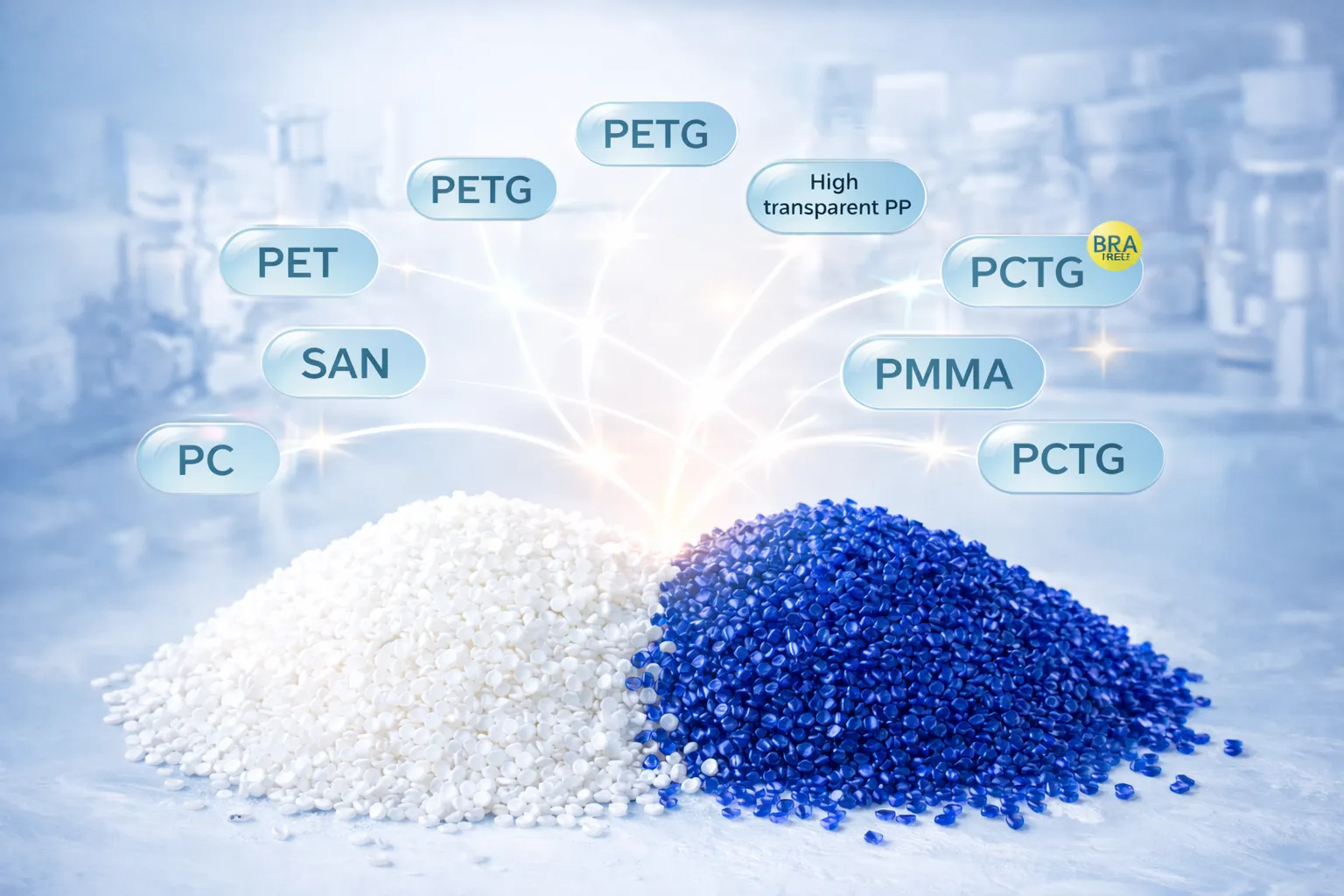
Dominant resinPET / PETG
Standard volume range200ml–1L
Primary dispensingPump / flip-top

2. Korean Personal Care Bottle Categories and Specifications

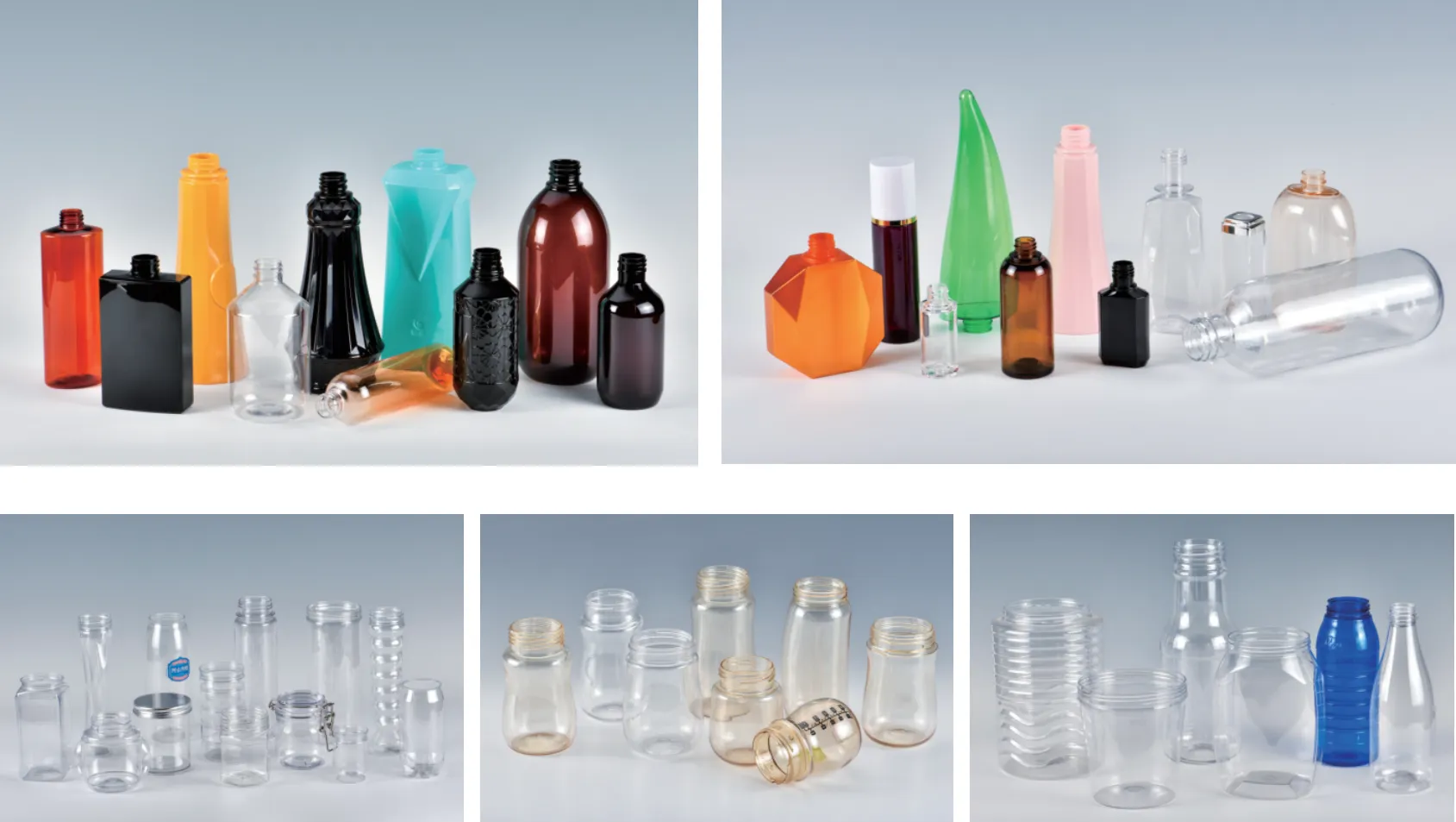
Korean ISBM personal care dispenser bottles — shampoo, conditioner, body wash pump dispensers for LG H&H, Aekyung Kerasys, and AmorePacific Korean brands
Korean ISBM personal care dispenser bottle production — shampoo (250ml–750ml), conditioner (200ml–500ml), and body wash pump dispensers (400ml–1L) represent the core volume market for Korean personal care ISBM. Pump neck profiles (24/410, 28/410, 33/410) are specified per brand and must be confirmed before mould tooling is ordered.
Product Volume Range 树脂 Neck (Standard) Min Wall Key Specification
Shampoo (mass market) 250–750ml 宠物 24/410 or 28/410 pump 0.22mm Pump neck torque 25–35 N·cm; top-load ≥80N; K-EPR rPET 10%+
Shampoo (premium Korean) 200–500ml PETG 24/410 or custom pump 0.28mm Gloss ≥90 GU; bespoke silhouette; ΔE ≤1.0 lot-to-lot
Conditioner 200–500ml PET / PETG 28/410 pump or flip-top 0.22mm Pump dip-tube length calibrated to bottle height; colour coordination with shampoo
Body wash 400ml–1L 宠物 33/410 pump 0.25mm Higher pump volume — 33/410 neck provides 2–3ml per pump stroke
Hair treatment / mask 150–300ml PETG or PET 38–63mm wide 0.28mm Wide-mouth for finger access; scoop dispensing; premium visual
Refill pouch spout bottle 500ml–1L 宠物 38mm wide-fill 0.22mm Wide neck for refill pouch fill; thin-wall for flexibility in dispensing

3. Pump Neck Profiles: 24/410, 28/410, and 33/410 Compatibility

Korean personal care pump dispensers use three standard neck finishes designated by nominal diameter and thread count: 24/410, 28/410, and 33/410 (where the first number is the nominal neck OD in mm and 410 designates the GPI standard thread profile). These are nominally standard but in practice have Korean-specific variation between major Korean closure suppliers (Aptar Korea, Yonwoo, Seaquist Korea) that Korean ISBM mould designers must account for.

24/410

Compact premium

OD 24mm: Most commonly specified by Korean premium shampoo and facial cleanser brands for 150–300ml bottles where a slim, elegant pump delivers a premium appearance. The smaller neck diameter creates a more refined silhouette but limits the pump dip-tube diameter and hence the viscosity of product that can be dispensed — suitable for low-viscosity shampoo and cleansers, not for thick conditioners or body butter.

28/410

Korean standard

OD 28mm: The dominant Korean personal care pump neck. Used for shampoo, conditioner, toner (large format), hand cream, and body lotion. Suitable for product viscosities from 10–5,000 cP. Most Korean pump closure suppliers (Yonwoo, Seaquist Korea) produce their highest-volume pump lines in 28/410 — widest selection of pump stroke volumes, colours, and dip-tube lengths at most competitive pricing.

33/410

High-volume dispense

OD 33mm: Korean body wash, liquid soap, and hair mask formats where the product viscosity requires a higher-volume pump stroke (2–4ml per stroke versus 1–2ml for 28/410). The larger neck diameter supports a wider dip-tube and pump cylinder. Increasingly common in Korean premium body care brands targeting the bathroom shelf where a large, confident pump dispenser communicates luxury.

The critical Korean ISBM mould design requirement for pump neck production: the neck finish must achieve dimensional accuracy within ±0.05mm on the thread pitch diameter to ensure consistent pump closure torque — both under-torque (pump head rattles and leaks) and over-torque (consumer cannot remove pump for refilling) are commercial failures that Korean brands trace directly to bottle neck finish variation. Korean ISBM mould neck inserts for pump neck production should be specified in 2316 stainless and inspected at 500K shots for wear — consistent with the neck finish engineering standards applicable to all precision neck profiles in Korean ISBM.

4. K-EPR rPET Compliance for Korean Personal Care Bottles

Korea’s EPR (Extended Producer Responsibility) rPET mandate — 10% recycled PET content from January 2026, rising to 30% by 2028 — applies directly to Korean personal care PET bottles. Korean personal care brands (Aekyung, LG H&H, P&G Korea) with annual PET packaging volumes above the 5,000-tonne EPR threshold are legally required to incorporate rPET in their primary packaging. This mandate is driving significant Korean personal care brand purchasing policy changes that directly affect Korean ISBM producers.

The rPET colour management challenge for Korean personal care bottles is more commercially significant than for food or beverage applications, because personal care bottle colour specifications are tighter. A 10% rPET blend producing a subtle b* shift toward yellow in a Korean shampoo bottle may not matter for a clear/transparent bottle where the product’s own colour dominates — but it creates a visible colour shift in a white-tinted or pastel-coloured personal care bottle where the bottle’s resin colour is the primary visual. Korean ISBM producers supplying coloured personal care bottles with rPET blends must re-qualify colour standards at each rPET inclusion level — the standard K-EPR rPET process management framework in the Korean rPET processing guide applies directly.

Korean personal care brands are also beginning to print on-pack rPET content claims (e.g., “Made with 25% recycled PET”) as a sustainability marketing differentiator. ISBM producers supplying these brands must provide lot-level rPET content certification traceable from the recycler through the compounder to the production batch — identical to the documentation chain described for natural brand packaging in the broader Korean packaging context. Brands that print specific percentages without documented supply chain traceability face K-EPA greenwashing enforcement action, which motivates rigorous documentation requirements cascading to the ISBM packaging supplier.

注塑拉伸吹塑成型-1

5. Korean Hair Care Market: Premiumisation and Functional Format Innovation

Korean hair care is the fastest-evolving personal care category for ISBM bottle design in 2026. The Korean hair care consumer has moved significantly toward functional specialisation — scalp care (두피 케어), hair loss treatment (탈모 케어), colour-treated hair (컬러 헤어 케어), and Korean-specific formats like fermented hair mask and ginseng-infused scalp serum — each requiring distinct packaging formats that communicate the specific functional positioning through bottle design.

The packaging format innovation in Korean hair care ISBM includes three emerging bottle types that are generating new tooling investment: scalp serum bottles (50–100ml, PETG crystal, 24mm pump or dropper, opaque pump cover for UV protection of photolabile active ingredients), concentrated shampoo tablets dispenser (150ml, wide-mouth 63mm, designed for effervescent tablet dissolution rather than direct shampoo), and treatment ampule dispensers (10–30ml, narrow-neck PETG, single-dose format modelled on pharmaceutical ampoule aesthetics). Each of these formats requires custom ISBM mould tooling — standard bottle silhouettes cannot deliver the functional and aesthetic differentiation these Korean hair care brands specify.

Korean ISBM producers entering the hair care premium segment should position their offering as a package design partner rather than a commodity bottle supplier — working with Korean hair care brand packaging teams from the concept phase rather than receiving completed bottle drawings. This upstream engagement is how Korean K-Beauty cosmetic bottle ISBM producers win exclusive supply contracts at premium pricing, as documented in the K-Beauty ISBM production guide.

6. Refill Packaging: The ISBM Sustainability Response to Korean Pouch Culture

Korean personal care refill culture — where consumers purchase concentrated refill pouches and fill their premium durable dispensing bottles — has been growing since 2018 and is now a significant market segment for Korean personal care brands. The sustainability narrative is strong in Korean consumer media: refill pouches use approximately 75% less plastic per use than an equivalent single-use bottle, and premium Korean brands (LG H&H’s Re:Vibe refill line, P&G Korea’s SK-II refillable bottle programme) have invested heavily in refill packaging design.

For Korean ISBM producers, the refill culture creates a specific opportunity: the premium reusable bottle (in Tritan or PETG) that consumers keep on their bathroom shelf requires high-quality ISBM production with premium material, superior optical clarity, and robust mechanical performance across hundreds of fill cycles. This premium reusable bottle category commands higher contract pricing (KRW 85–180 per bottle versus KRW 25–45 for standard disposable PET personal care), compensating for the lower annual volume (consumers replace reusable bottles every 2–4 years rather than every 3–6 months for disposable).

The ISBM engineering requirements for Korean reusable personal care bottles are: Tritan or PETG for BPA-free status and wash resistance (repeated hot water rinse at 60–70°C for hygiene); wide-mouth 38mm fill neck for easy refill from pouch; pump neck profile compatible with the brand’s specific pump closure (refill system pump must be the same pump that came with the original bottle — mismatch means the consumer cannot use the refill product with their existing pump); and drop-resistance at 1.5m (consumers drop bathroom bottles on tiled floors regularly). This specification set makes refillable Korean personal care ISBM production closely parallel to the children’s product ISBM specification — similarly demanding, similarly rewarding in contract pricing.

7. Cavity Count, Production Economics, and Korean Brand Volumes

Korean personal care bottle production volumes span a wide range by brand tier. Major Korean personal care brands (LG H&H, Aekyung) run individual SKUs at 15–40 million units annually — volumes that justify 8-cavity tooling on an HGY200-V4 running continuously with minimal changeover. Korean mid-tier brands run 2–8 million annual units per SKU — appropriate for 4-cavity tooling. Korean premium functional hair care brands (emerging segment) run 500K–2M annual units per SKU — appropriate for 2-cavity tooling with shared mould bases across multiple SKUs.

The cavity count optimisation that matches these volume tiers to the correct tooling investment is systematically addressed in the Korean ISBM cavity count calculator guide. The headline economic principle for Korean personal care ISBM: at mass-market contract pricing (KRW 28–45 per bottle), an HGY200-V4 at 8-cavity running a standard 250ml shampoo bottle at 8-second cycle generates approximately KRW 580M annual revenue at 16-hour days — commercially viable with the right volume commitment. At premium hair care contract pricing (KRW 75–120 per bottle), a 4-cavity premium PETG line generates equivalent or better revenue at half the annual volume, with better margin per unit due to the premium pricing tier.

8. Korean Personal Care ISBM Market Entry: Which Tier to Target First

Korean ISBM producers entering the personal care segment face a deliberate market positioning choice. The commodity tier (mass-market PET shampoo and body wash for LG H&H, Aekyung tier) offers the highest annual volumes but the tightest margins — competitive pricing keeps contract rates near the commodity floor, and K-EPR rPET compliance documentation adds overhead without revenue uplift. The premium tier (Korean functional hair care, premium K-Beauty adjacent care, refillable Tritan) offers smaller volumes per SKU but KRW 75–180 contract prices that fund the documentation overhead and premium resin cost with attractive margins. Korean ISBM producers new to personal care should enter through the premium Korean functional hair care tier — the quality bar is genuinely high, but it is achievable with EV servo conditioning, PETG processing capability, and the colour management and documentation infrastructure that the K-Beauty ISBM context establishes. Once premium tier credibility is established (typically after 12–18 months of consistent quality delivery), mass-market tier contracts become accessible through the same brand group procurement relationships. The broader K-Beauty tier context and positioning strategy is mapped in the PET vs PETG resin selection guide, which covers how resin selection positions ISBM producers across Korean market tiers.

工厂-2

常见问题解答

Q1 — What causes pump closure head tilt (“lean”) on Korean ISBM shampoo bottles?

Pump head tilt — where the pump dispenser head sits at an angle rather than vertically on the bottle — is caused by dimensional variation in the bottle neck finish OD and thread profile. The pump closure’s cap OD is designed to fit the bottle neck with 0.05–0.10mm clearance; if the bottle neck OD is at the upper tolerance limit and the thread is slightly eccentric (oval rather than perfectly circular), the pump head sits off-axis when torqued to application force. Korean ISBM pump neck finish OD tolerance must be maintained within ±0.04mm — tighter than the ±0.05mm standard for beverage closures — because pump head aesthetics on the Korean retail shelf are evaluated critically by Korean consumers who regard an angled pump as a quality defect. Regular measurement of 5 bottles per cavity per shift at the neck finish OD, and immediate tooling review when any cavity drifts above the tolerance midpoint, is the production discipline that prevents pump tilt complaints.

Q2 — How do Korean personal care brands test ISBM bottle compatibility with their formulations?

Korean personal care brands test packaging compatibility at two levels. First, material compatibility: bottles are filled with the actual product and stored at 40°C/75% RH for 6 months, evaluated monthly for any change in bottle appearance, weight loss, or product contamination from bottle extractables. PET is generally compatible with standard personal care surfactant formulations, but some Korean premium hair care products with high silicone content (silicone conditioning agents) or certain fragrance compounds can cause PET wall stress cracking over long storage. Second, pump system compatibility: the complete bottle-pump assembly is subjected to 500 actuation cycles at ambient temperature and after hot/cold storage cycling (−10°C and +50°C) to confirm pump head torque retention and dip-tube seal integrity. Korean ISBM producers are responsible for the bottle’s dimensional performance; the brand tests the complete system including their specified pump closure.

Q3 — What is the correct dip-tube length specification for Korean personal care pump bottles?

Dip-tube length must be calibrated to place the tube end 3–5mm from the bottle base interior — close enough to drain the product fully but not so close as to touch the base and block flow. The correct dip-tube length = (bottle interior height from neck seating plane to base interior) − 3mm. This dimension must be measured on production bottles (not calculated from the nominal design) because ISBM bottle interior height varies ±1.5–2.0mm between cavity positions and ±2–3mm between preform batches. Korean ISBM producers should provide the pump closure supplier with measured interior height data from production sampling — not nominal design dimensions — for dip-tube length specification. A dip-tube that is 5mm too long prevents the pump head from fully seating on the bottle neck; a dip-tube that is 5mm too short leaves 10–15% of the product inaccessible in the bottle base.

Q4 — How do Korean mass-market personal care brands evaluate ISBM supplier quality for new contract award?

Korean mass-market personal care brand supplier evaluation (LG H&H, Aekyung, AmorePacific standard care tier) follows a structured 5-stage process: (1) desk review — ISO 9001 certificate, rPET documentation capability, KFDA food-contact compliance; (2) sample evaluation — 200 production bottles measured against the brand’s drawing specification, visual quality inspection, pump compatibility test; (3) process audit — 1-day facility visit evaluating SPC documentation, colour management, defect rate history; (4) pilot run approval — 20,000-unit pilot production evaluated against final AQL inspection level; (5) commercial agreement. The entire process typically requires 14–20 weeks. Korean ISBM producers who invest in ISO 9001 certification, document their colour management programme, and implement cavity-level dimensional measurement as a standard production protocol consistently clear these evaluation stages faster than producers without this infrastructure — because the documentation provides objective evidence at the desk review stage that reduces the scope of the process audit significantly.

Q5 — Is the Korean refill format a growing or declining market opportunity for ISBM producers?

Growing — Korean refill personal care is expanding at approximately 18% annually in 2025–26, driven by three forces: Korean government K-EPA single-use plastic reduction targets encouraging brand investment in refill infrastructure; Korean consumer aesthetic appreciation for premium reusable bottles that function as bathroom decor objects (the “shelfie” culture, where bathroom shelf contents are photographed and shared on Korean social media); and Korean Coupang and Olive Young retail infrastructure that facilitates refill pouch delivery alongside the original bottle purchase. For Korean ISBM producers, the premium reusable bottle segment (Tritan, PETG, custom silhouette) growing at 18% annually represents a commercially accessible opportunity — the investment barrier is lower than pharmaceutical-tier quality, and the margin profile is superior to commodity disposable personal care production.

Q6 — What ISBM machine specification produces the best surface finish for Korean premium personal care bottles?

Korean premium personal care bottle surface finish — the gloss and absence of orange-peel texture that brand packaging teams evaluate against a master sample — is determined by four factors: mould cavity surface polish level (738H steel polished to Ra ≤ 0.05μm A1 mirror for gloss ≥92 GU); conditioning temperature precision (within ±1°C of the optimum for the specific resin to prevent flow lines or orange-peel from incorrect viscosity during blow); blow pressure adequacy (minimum 28 bar final blow for full cavity surface replication); and cavity cooling uniformity (maintaining cavity surface below 18°C at steady state to solidify the bottle surface quickly before it sags away from the mirror-finished cavity wall). The Korean machine platform that provides all four factors simultaneously — EV servo conditioning at ±0.3°C, ≥38 bar blow capability, and independent per-circuit cooling control — is the Korean Ever-Power HGY200-V4 EV, which is why it is the dominant Korean premium personal care ISBM platform.

Personal Care Packaging Support

Developing a Korean Shampoo, Body Wash, or Premium Hair Care ISBM Programme?

Korean Ever-Power’s applications engineers review your pump neck profile, bottle volume, rPET requirement, and annual volume to recommend the correct machine platform, mould specification, and production economics for your Korean personal care packaging programme.

Request Personal Care Packaging Consultation

Related Resources


编辑:Cxm


工厂虚拟现实之旅

标签: