ISBMの応用・パーソナルケア・韓国市場2026
ISBM韓国パーソナルケア
ディスペンサーボトルガイド
韓国のパーソナルケア製品包装は、飲料と家庭用化学製品に次いで、韓国におけるISBM(統合型包装資材)の利用量で3番目に大きいカテゴリーです。250mlのシャンプーボトルから1Lのボディウォッシュポンプディスペンサーまで、この分野はコモディティからプレミアムまで幅広い価格帯を網羅しており、K-EPR rPETへの準拠は、2026年以降の調達と生産戦略の両方を再構築することになります。
ポンプ式・フリップトップ式・ディスペンシングキャップ
K-EPR rPET 10–30%
韓国エバーパワーエンジニアリングデスク · 安山市 · 2026年5月
1. 韓国パーソナルケアISBM:Kビューティープレミアムを支えるボリューム市場
韓国のISBM(独立型ボトル・包装)メーカーがパーソナルケア製品のパッケージについて語る際、話題はすぐにKビューティーのプレミアム製品へと移る。クリスタルPETG製の美容液ボトル、フロスト加工の化粧品ジャー、アモーレパシフィックやLG H&Hの主力ブランド向けに特別にデザインされたボトルなどだ。しかし、韓国のパーソナルケアISBM業界を支える量販市場は、それよりもはるかに大きい。それは、韓国の各家庭で毎週数百万個消費される250ml~1Lのシャンプー、コンディショナー、ボディウォッシュ、ヘアトリートメントのボトルである。
韓国のパーソナルケアボトル生産額は2025年には2.1兆ウォンと推定されており、主にポンプ式またはフリップトップ式の標準的なPETボトルが家庭用消費ブランド(LG H&H Elastine、Aekyung Kerasys、AmorePacific Mise en Scène、P&G Korea Pantene)向けとなっている。この汎用パーソナルケアボトル生産は、同じISBMプラットフォーム上でプレミアムKビューティー層と共存しており、両方の層に同時に対応できる韓国のISBMメーカーは、韓国のパーソナルケア包装市場で最も幅広い利益率のポートフォリオを獲得している。プレミアムKビューティー層全体については、別途 Kビューティー化粧品ボトル製造ガイド.
韓国のパーソナルケアISBMの概要
2. 韓国製パーソナルケアボトルのカテゴリーと仕様
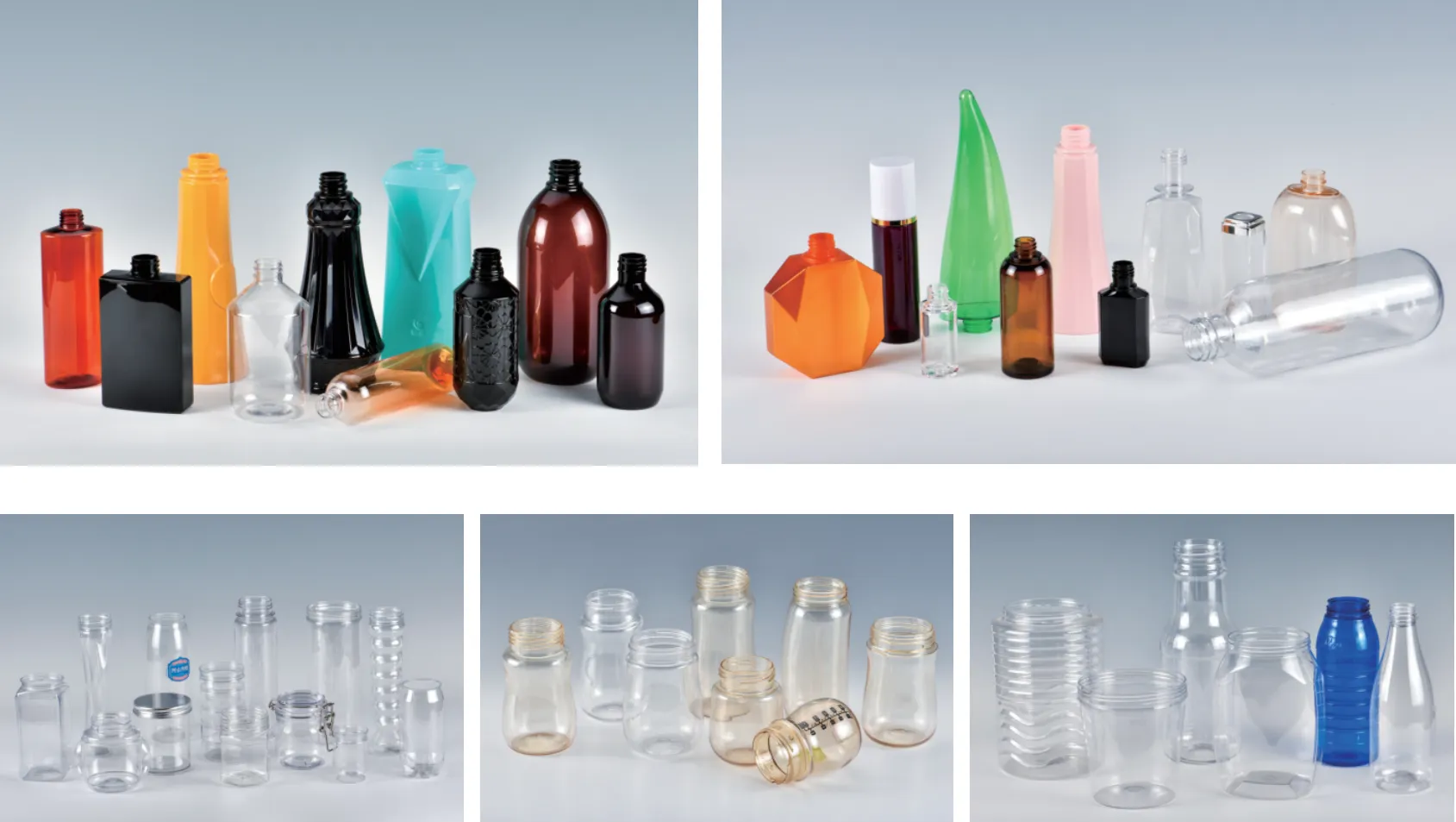
| 製品 | 音量範囲 | 樹脂 | ネック(標準) | ミニウォール | 主要仕様 |
|---|---|---|---|---|---|
| シャンプー(一般市場向け) | 250~750ml | ペット | 24/410または28/410ポンプ | 0.22mm | ポンプネックトルク 25~35 N·cm、トップロード ≥80N、K-EPR rPET 10%+ |
| シャンプー(韓国製高級品) | 200~500ml | PETG | 24/410またはカスタムポンプ | 0.28mm | 光沢度90GU以上、特注シルエット、ロット間ΔE1.0以下 |
| コンディショナー | 200~500ml | PET / PETG | 28/410ポンプまたはフリップトップ | 0.22mm | ポンプのディップチューブの長さはボトルの高さに合わせて調整済み。シャンプーの色と調和している。 |
| ボディウォッシュ | 400ml~1L | ペット | 33/410ポンプ | 0.25mm | ポンプ容量増加 — 33/410ネックは1回のポンプストロークで2~3mlの吐出量を提供します |
| ヘアトリートメント/ヘアマスク | 150~300ml | PETGまたはPET | 幅38~63mm | 0.28mm | 指で入れやすい広口タイプ。スプーンで計量可能。高級感のある見た目。 |
| 詰め替え用パウチ注ぎ口ボトル | 500ml~1L | ペット | 38mmワイドフィル | 0.22mm | 詰め替え用パウチへの充填に適した広口設計。薄肉構造で柔軟な吐出が可能。 |
3. ポンプネック形状:24/410、28/410、および33/410との互換性
韓国のパーソナルケア用ポンプディスペンサーは、公称直径とねじ山数で指定される3種類の標準ネック仕上げを使用しています。24/410、28/410、33/410です(最初の数字は公称ネック外径(mm)、410はGPI標準ねじ山形状を表します)。これらは名目上は標準ですが、実際には韓国の主要クロージャーサプライヤー(Aptar Korea、Yonwoo、Seaquist Korea)間で韓国特有のばらつきがあり、韓国のISBM金型設計者はこれを考慮する必要があります。
24/410
コンパクトプレミアム
28/410
韓国標準
33/410
大量供給
ポンプネック製造における韓国製ISBM金型設計の重要な要件は、ポンプの締め付けトルクを一定に保つため、ねじピッチ径の寸法精度が±0.05mm以内であることです。締め付けトルク不足(ポンプヘッドのガタつきや漏れ)と締め付けトルク過剰(消費者がポンプを取り外して補充できない)は、いずれも韓国ブランドがボトルネックの仕上げのばらつきに直接起因する商業上の失敗です。ポンプネック製造用の韓国製ISBM金型ネックインサートは、2316ステンレス鋼製とし、50万ショットごとに摩耗検査を行う必要があります。これは、韓国製ISBMのすべての精密ネック形状に適用されるネック仕上げエンジニアリング基準に準拠しています。
4. 韓国のパーソナルケアボトルにおけるK-EPR rPET適合性
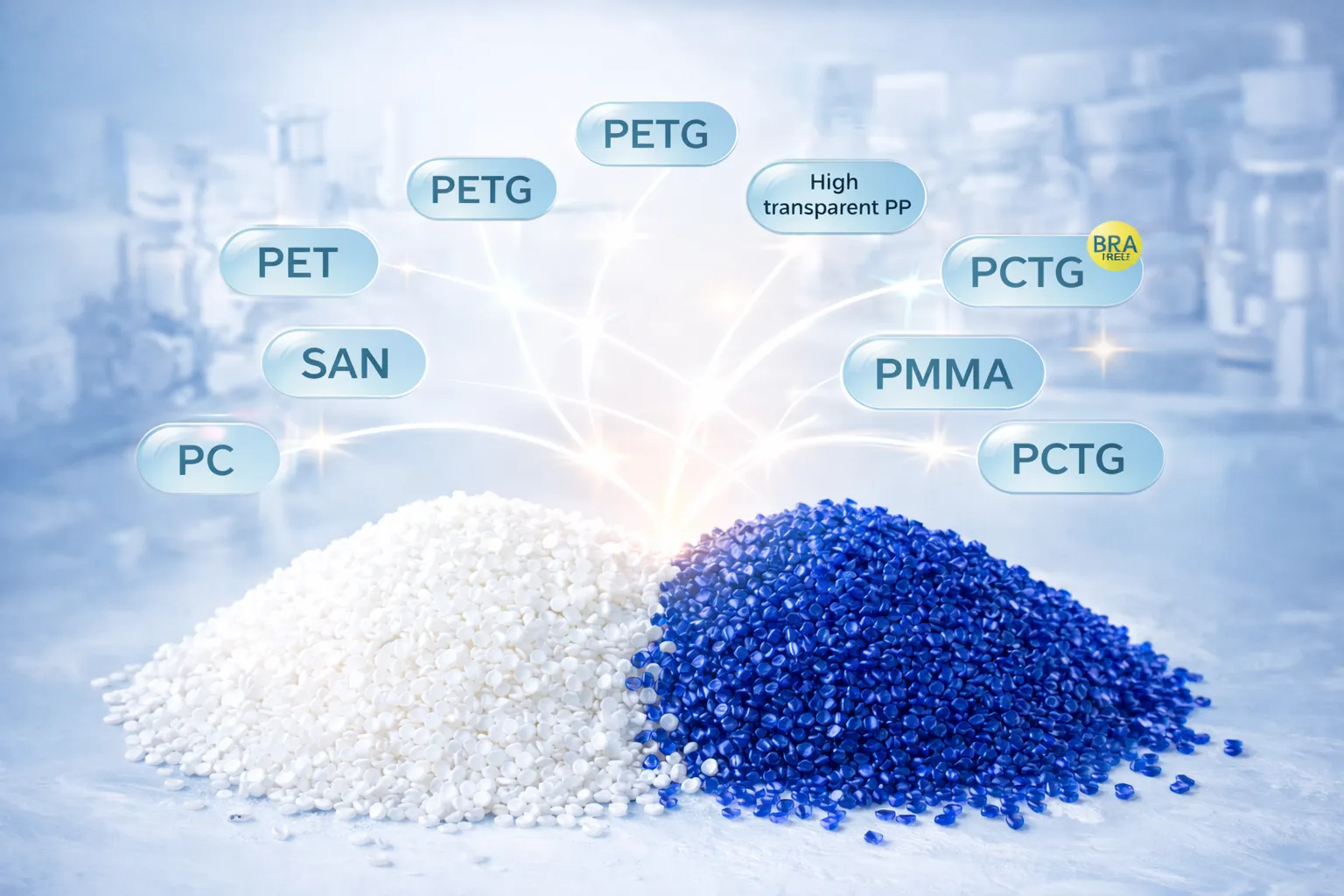
韓国のEPR(拡大生産者責任)に基づくrPET義務化(2026年1月から10%のリサイクルPET含有率、2028年までに30%に増加)は、韓国のパーソナルケア用PETボトルに直接適用される。年間PET包装量がEPR基準の5,000トンを超える韓国のパーソナルケアブランド(愛慶、LG H&H、P&Gコリアなど)は、一次包装にrPETを使用することが法的に義務付けられている。この義務化は、韓国のパーソナルケアブランドの購買方針に大きな変化をもたらし、韓国のISBM(独立型ボトル製造業者)に直接的な影響を与えている。
韓国のパーソナルケアボトルにおけるrPETの色管理の課題は、食品や飲料用途よりも商業的に重要です。なぜなら、パーソナルケアボトルの色仕様はより厳格だからです。韓国のシャンプーボトルで、10% rPETブレンドがわずかに黄色にb*シフトしても、製品自体の色が支配的な透明ボトルでは問題にならないかもしれませんが、ボトルの樹脂の色が主な視覚要素となる白っぽい色やパステルカラーのパーソナルケアボトルでは、目に見える色の変化が生じます。rPETブレンドを使用した着色パーソナルケアボトルを供給する韓国のISBMメーカーは、rPETの含有レベルごとに色基準を再認定する必要があります。これは、標準的なK-EPR rPETプロセス管理フレームワークで定められています。 韓国のrPET処理ガイド 直接適用されます。
韓国のパーソナルケアブランドも、サステナビリティマーケティングの差別化要因として、パッケージにrPET含有量表示(例:「25%リサイクルPET使用」)を印刷し始めている。これらのブランドに製品を供給するISBM(統合包装資材)メーカーは、リサイクル業者から配合業者、そして製造バッチに至るまで追跡可能なロットレベルのrPET含有量認証を提供しなければならない。これは、韓国の包装業界全体における自然派ブランドの包装について説明されている文書化チェーンと同一である。サプライチェーンの追跡可能性を文書化せずに特定の割合を印刷するブランドは、K-EPA(韓国環境保護庁)によるグリーンウォッシング取り締まりの対象となり、ISBM包装資材サプライヤーにまで及ぶ厳格な文書化要件が課されることになる。
5.韓国ヘアケア市場:高級化と機能性フォーマットの革新
韓国のヘアケアは、2026年のISBMボトルデザインにおいて、最も急速に進化しているパーソナルケアカテゴリーです。韓国のヘアケア消費者は、頭皮ケア、抜け毛治療、カラーリングヘアケア、発酵ヘアマスクや高麗人参配合頭皮美容液といった韓国特有のフォーマットなど、機能的な専門化へと大きくシフトしており、それぞれにボトルデザインを通して特定の機能的ポジショニングを伝える、独自のパッケージフォーマットが求められています。
韓国のヘアケアISBMにおけるパッケージングフォーマットの革新には、新たな金型投資を生み出している3つのボトルタイプが含まれます。頭皮用美容液ボトル(50~100ml、PETGクリスタル、24mmポンプまたはスポイト、光に弱い有効成分のUV保護のための不透明なポンプカバー)、濃縮シャンプータブレットディスペンサー(150ml、広口63mm、直接シャンプーするのではなく発泡性タブレットの溶解用に設計)、およびトリートメントアンプルディスペンサー(10~30ml、細口PETG、医薬品アンプルの美観を模したシングルドーズフォーマット)です。これらのフォーマットはそれぞれカスタムISBM金型を必要とします。標準的なボトルシルエットでは、これらの韓国ヘアケアブランドが求める機能的および美的差別化を実現することはできません。
韓国のISBMメーカーがヘアケアのプレミアムセグメントに参入する際には、自社製品を単なるボトルサプライヤーではなく、パッケージデザインパートナーとして位置づけるべきである。つまり、完成したボトル図面を受け取るのではなく、コンセプト段階から韓国のヘアケアブランドのパッケージングチームと協力するべきである。この上流段階での連携こそが、韓国のKビューティー化粧品ボトルISBMメーカーがプレミアム価格で独占供給契約を獲得する方法であり、 KビューティーISBM制作ガイド.
6. 詰め替え用パッケージ:韓国のパウチ文化に対するISBMの持続可能性への対応
韓国のパーソナルケア詰め替え文化(消費者が濃縮タイプの詰め替え用パウチを購入し、高級で耐久性のあるディスペンサーボトルに詰め替える)は2018年以降成長を続け、現在では韓国のパーソナルケアブランドにとって重要な市場セグメントとなっている。韓国の消費者メディアでは、サステナビリティに関するメッセージが強く発信されている。詰め替え用パウチは、同等の使い捨てボトルに比べて1回あたり約75%少ないプラスチックを使用しており、韓国の高級ブランド(LG H&HのRe:Vibe詰め替えライン、P&G KoreaのSK-II詰め替えボトルプログラムなど)は、詰め替え用パッケージのデザインに多額の投資を行っている。
韓国のISBM(インスタントボトル)メーカーにとって、詰め替え文化は特別な機会を生み出しています。消費者がバスルームの棚に置いておく高級再利用可能ボトル(TritanまたはPETG製)には、高品質な素材、優れた透明度、そして数百回の充填サイクルに耐える堅牢な機械的性能を備えた高品質のISBM製造が求められます。この高級再利用可能ボトルカテゴリーは、年間販売量が少ない(消費者は使い捨てボトルを3~6ヶ月ごとに交換するのに対し、再利用可能ボトルは2~4年ごとに交換する)にもかかわらず、より高い契約価格(1本あたり85~180ウォン、標準的な使い捨てPET製パーソナルケアボトルは25~45ウォン)を実現しています。
韓国の再利用可能なパーソナルケアボトルに対するISBMのエンジニアリング要件は、BPAフリーで耐洗浄性(衛生のために60~70℃の温水で繰り返しすすぎ洗い)を備えたTritanまたはPETG素材、パウチからの詰め替えが容易な38mmの広口充填ネック、ブランド固有のポンプクロージャーと互換性のあるポンプネック形状(詰め替えシステムのポンプは元のボトルに付属していたポンプと同じでなければならず、一致しない場合は消費者は既存のポンプで詰め替え製品を使用できない)、および1.5mからの落下耐性(消費者は浴室のボトルをタイル張りの床に頻繁に落とす)です。この仕様セットにより、詰め替え可能な韓国のパーソナルケアISBM生産は、子供向け製品のISBM仕様と非常に類似しており、要求水準も同様に高く、契約価格も同様に有利です。
7.虫歯数、生産経済性、および韓国ブランドの販売量
韓国のパーソナルケアボトル生産量は、ブランド階層によって大きく異なります。韓国の大手パーソナルケアブランド(LG H&H、愛慶)は、1つのSKUあたり年間1,500万~4,000万個を生産しており、これはHGY200-V4で8キャビティ金型を連続稼働させ、最小限の切り替えで済む生産量です。韓国の中堅ブランドは、1つのSKUあたり年間200万~800万個を生産しており、4キャビティ金型が適しています。韓国の高級機能性ヘアケアブランド(新興セグメント)は、1つのSKUあたり年間50万~200万個を生産しており、複数のSKUで金型ベースを共有する2キャビティ金型が適しています。
これらのボリューム階層を適切なツーリング投資に合わせるキャビティ数最適化は、体系的に扱われています。 韓国ISBM虫歯数計算ガイド韓国のパーソナルケアISBMの経済原則の要点は次のとおりです。マスマーケット向け契約価格(1本あたり28~45ウォン)の場合、標準的な250mlシャンプーボトルを8秒サイクルで8キャビティのHGY200-V4で処理すると、1日16時間稼働で年間約5億8000万ウォンの収益が得られ、適切な販売量を確保すれば商業的に実現可能です。プレミアムヘアケア向け契約価格(1本あたり75~120ウォン)の場合、4キャビティのプレミアムPETGラインは、年間販売量の半分で同等以上の収益を生み出し、プレミアム価格帯のため単位当たりの利益率も高くなります。
8.韓国パーソナルケアISBM市場参入:最初にどの階層をターゲットにするか
パーソナルケア分野に参入する韓国のISBMメーカーは、意図的な市場ポジショニングの選択を迫られる。コモディティ層(LG H&H向けのマスマーケット向けPETシャンプーおよびボディウォッシュ、Aekyung層)は年間販売量が最も多いものの、利益率は最も低い。競争力のある価格設定により契約価格はコモディティの最低水準に留まり、K-EPR rPET準拠の文書作成は収益増にはつながらず、間接費が増加する。一方、プレミアム層(韓国の機能性ヘアケア、プレミアムKビューティー関連製品、詰め替え可能なTritan)はSKUあたりの販売量は少ないものの、契約価格は75~180ウォンと高額で、文書作成の間接費とプレミアム樹脂のコストを魅力的な利益率で賄える。パーソナルケア分野に新規参入する韓国のISBMメーカーは、プレミアム韓国機能性ヘアケア層から参入すべきである。品質基準は非常に高いが、EVサーボコンディショニング、PETG加工能力、KビューティーISBMの文脈で確立されたカラーマネジメントおよび文書作成インフラがあれば達成可能である。プレミアムティアの信頼性が確立されると(通常、12~18か月間の一貫した品質提供後)、同じブランドグループの調達関係を通じてマスマーケットティアの契約が可能になります。より広範なKビューティーティアのコンテキストとポジショニング戦略は、 PET樹脂とPETG樹脂の選択ガイドこれは、樹脂の選択がISBM生産者を韓国市場の各階層でどのように位置づけるかを解説するものです。
よくある質問
パーソナルケア製品のパッケージングサポート
韓国製シャンプー、ボディウォッシュ、またはプレミアムヘアケア製品のISBMプログラムを開発中ですか?
韓国のエバーパワー社のアプリケーションエンジニアは、お客様のポンプネックの形状、ボトル容量、rPETの必要量、年間生産量などを検討し、お客様の韓国におけるパーソナルケア製品包装プログラムに最適な機械プラットフォーム、金型仕様、および生産経済性をご提案します。
関連リソース
標準プラットフォーム
韓国製エバーパワー HGY200-V4
韓国のパーソナルケア業界を牽引するISBMプラットフォームは、マスマーケット向けおよびプレミアムヘアケア製品の製造向けに、250ml~1Lの容量で6~8個のキャビティを備えています。
機械シリーズ
4ステーションISBM射撃場
韓国のEver-Power社製4ステーションシリーズ全機種 ― 高級頭皮美容液用HGY150-V4-EVから、1L以上のボディウォッシュ用HGY250-V4まで。
カスタムツーリング
カスタムISBM金型設計
韓国製ポンプのクロージャーとの互換性を考慮した、外径公差±0.04mmの仕様を持つ24/410、28/410、33/410ポンプネックインサート金型。