คู่มือการเลือกวัสดุ
PET กับ PETG สำหรับ ISBM: เรซินชนิดใดเหมาะสมกับการใช้งานในขวดของคุณ
PET และ PETG มีองค์ประกอบทางเคมีที่คล้ายคลึงกัน แต่ให้โครงสร้างที่แตกต่างกันเมื่อนำมาใช้ผลิตขวด การเลือกใช้เรซินผิดประเภททำให้ผู้ผลิตในเกาหลีต้องเสียค่าใช้จ่ายสูงถึง 15-301 ตันในรูปของของเสีย การพลาดโอกาสในการวางตำแหน่งทางการตลาดระดับพรีเมียม หรือการใช้จ่ายงบประมาณด้านวัสดุเกินกว่าที่กำหนด คู่มือนี้จะเปรียบเทียบโครงสร้างโมเลกุล พารามิเตอร์การประมวลผล ISBM ประสิทธิภาพของขวด ต้นทุนทางเศรษฐศาสตร์ และการใช้งาน เพื่อให้การเลือกเรซินเหมาะสมกับความต้องการการผลิตในเกาหลี
TL;DR — สรุปโดยย่อ
PET เป็นวัสดุกึ่งผลึกที่ใช้กันอย่างแพร่หลายสำหรับขวดเครื่องดื่ม น้ำดื่ม และเครื่องสำอางทั่วไป โดยมีราคาประมาณ 1,200 วอน/กก. ส่วน PETG เป็นโคพอลิเอสเตอร์ที่ดัดแปลงด้วยไกลคอลแบบอสัณฐาน เหมาะสำหรับเครื่องสำอางระดับพรีเมียม ขวดผนังหนา และการใช้งานที่ต้องการความใสสูง โดยมีราคาประมาณ 2,500 วอน/กก. เลือกใช้ PET สำหรับการผลิตสินค้าปริมาณมากและความต้องการด้านการกั้นก๊าซ เลือกใช้ PETG สำหรับคุณภาพทางด้านภาพที่ดีเยี่ยม ผนังหนาเกิน 5 มม. และการใช้งานที่ต้องการความทนทานต่อแรงกระแทก วัสดุทั้งสองชนิดสามารถใช้งานบนแพลตฟอร์ม Ever-Power ISBM เดียวกันได้ แต่ต้องการโปรไฟล์อุณหภูมิและกลยุทธ์การระบายความร้อนที่แตกต่างกัน
ในคู่มือนี้
- เหตุใด PET และ PETG จึงมักถูกเข้าใจผิดว่าเป็นสารกัน
- โครงสร้างโมเลกุลและเคมีของวัสดุ
- การเปรียบเทียบพารามิเตอร์การประมวลผล ISBM
- คุณสมบัติการใช้งานของขวด
- เมทริกซ์การตัดสินใจการใช้งาน
- การวิเคราะห์ต้นทุนและห่วงโซ่อุปทาน
- การจับคู่แพลตฟอร์ม Ever-Power
- การรีไซเคิลและความยั่งยืน
- การใช้งานในตลาดเกาหลี
- คำถามที่พบบ่อย
- บทสรุป
1. เหตุใด PET และ PETG จึงมักถูกเข้าใจผิดว่าเป็นสารอื่น
PET และ PETG มีพื้นฐานทางเคมีที่เกือบจะเหมือนกัน ทั้งคู่เป็นโพลีเอสเตอร์ที่ใช้โพลีเอทิลีนเทเรฟทาเลตเป็นพื้นฐาน ทั้งคู่มีความโปร่งใสดีเยี่ยม ทั้งคู่ได้รับการอนุมัติจาก FDA และ KFDA สำหรับการใช้งานที่สัมผัสกับอาหาร ทั้งคู่สามารถรีไซเคิลได้ภายใต้รหัสระบุเรซินสากล 1 หรือ 7 ตามลำดับ สำหรับผู้จัดการจัดซื้อที่อ่านเอกสารข้อมูลจำเพาะ วัสดุทั้งสองดูเหมือนจะใช้แทนกันได้
ความคล้ายคลึงกันนี้ทำให้เกิดข้อผิดพลาดในการเลือกใช้วัสดุที่มีราคาแพง ผู้ผลิตชาวเกาหลีมักระบุ PET สำหรับการใช้งานที่ต้องการความทนทานต่อแรงกระแทกของ PETG แล้วต้องแบกรับอัตราการสูญเสียจากขวดที่เปราะแตกสูงถึง 15-301 ตัน ในขณะที่บางรายระบุ PETG สำหรับการใช้งานในเครื่องดื่มทั่วไป แล้วต้องแบกรับต้นทุนวัสดุที่สูงขึ้น 200-400 วอนต่อขวด ซึ่งทำลายความได้เปรียบด้านราคา
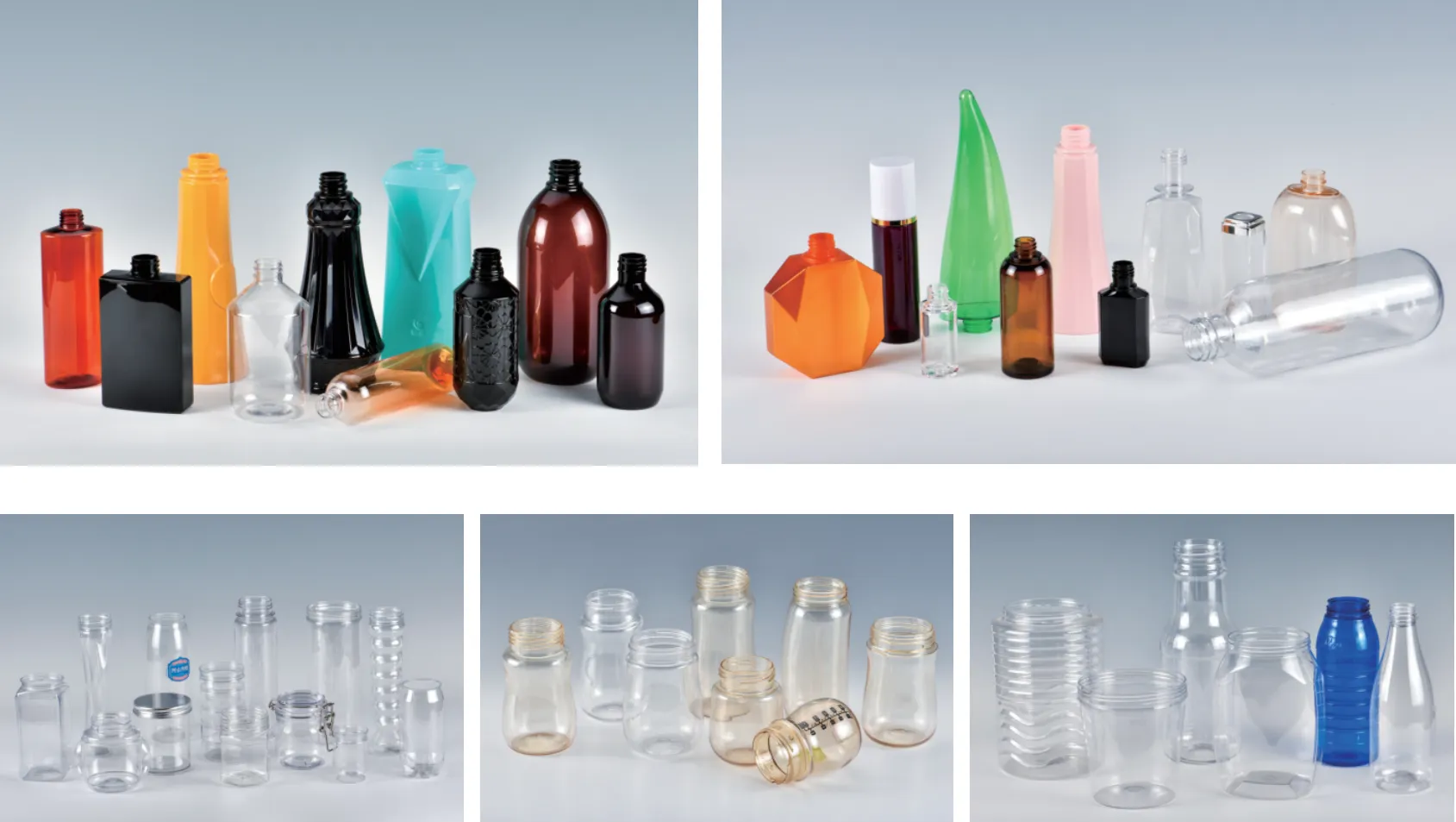
ในความเป็นจริงทางเทคนิค การปรับเปลี่ยนโครงสร้างโมเลกุลเพียงเล็กน้อย เช่น การเติมไซโคลเฮกเซนไดเมทานอลไกลคอลลงในโครงสร้างหลักของโพลีเอสเตอร์ ส่งผลให้พฤติกรรมการแปรรูป คุณลักษณะด้านประสิทธิภาพของขวด และตำแหน่งทางการตลาดเปลี่ยนแปลงไปอย่างมาก การทำความเข้าใจการปรับเปลี่ยนนี้เป็นพื้นฐานสำคัญของวินัยในการเลือกใช้เรซิน
2. โครงสร้างโมเลกุลและเคมีของวัสดุ
PET: โฮโมโพลิเมอร์กึ่งผลึก
โพลีเอทิลีนเทเรฟทาเลต (PET) เป็นพอลิเมอร์เทอร์โมพลาสติกกึ่งผลึกที่ผลิตขึ้นโดยกระบวนการพอลิคอนเดนเซชันของกรดเทเรฟทาลิก (TPA) และเอทิลีนไกลคอล (EG) สายโซ่พอลิเมอร์ที่ได้นั้นมีโครงสร้างสม่ำเสมอและสมมาตร ซึ่งช่วยให้สายโซ่พอลิเมอร์เรียงตัวเป็นบริเวณผลึกได้ในระหว่างการทำความเย็นที่ต่ำกว่าอุณหภูมิเปลี่ยนสถานะเป็นแก้ว
พฤติกรรมการตกผลึกนี้เป็นทั้งจุดแข็งที่สำคัญที่สุดของ PET และความท้าทายในการแปรรูป การจัดเรียงตัวแบบสองแกนระหว่างการยืดด้วยวิธี ISBM จะจัดเรียงสายโซ่พอลิเมอร์ให้เป็นโครงสร้างผลึกที่มีทิศทาง ซึ่งให้ความแข็งแรงของขวด คุณสมบัติในการกั้นก๊าซ และความคงตัวของมิติที่ยอดเยี่ยม อย่างไรก็ตาม การตกผลึกที่ไม่สามารถควบคุมได้ในระหว่างการทำความเย็นจะทำให้เกิดความขุ่นมัวและทำให้รูปลักษณ์ของขวดเสียไป
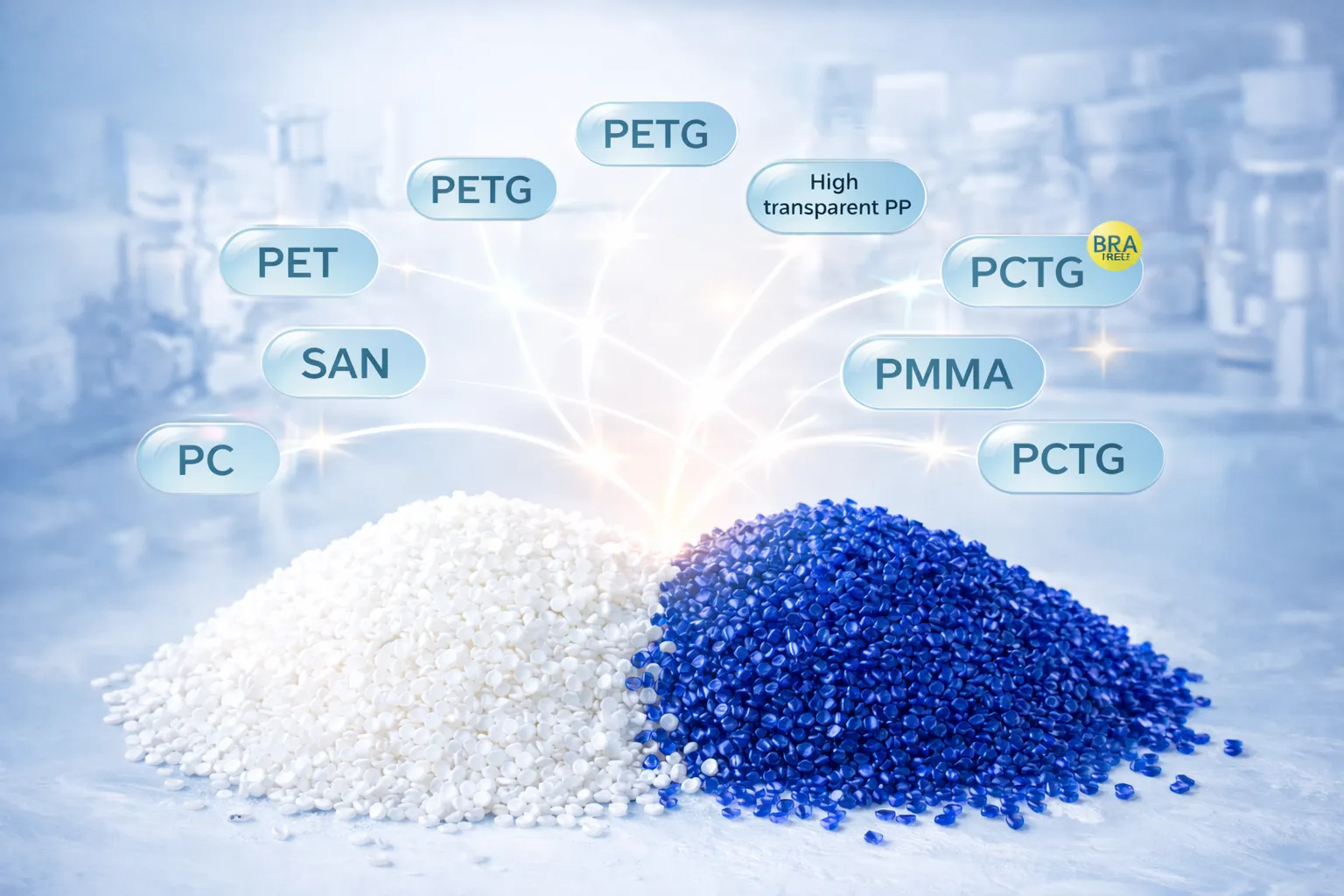
PETG: โคพอลิเอสเตอร์ดัดแปลงไกลคอลแบบอสัณฐาน
PETG ผลิตโดยการแทนที่เอทิลีนไกลคอลประมาณ 30% ในกระบวนการพอลิเมอไรเซชันของ PET ด้วยไซโคลเฮกเซนไดเมทานอล (CHDM) การแทนที่นี้จะรบกวนรูปทรงเรขาคณิตของสายโซ่พอลิเมอร์ปกติและป้องกันการเรียงตัวของผลึกในระหว่างการทำความเย็น วัสดุที่ได้จึงเป็นอสัณฐาน ซึ่งหมายความว่ามันจะไม่ก่อตัวเป็นบริเวณผลึกไม่ว่าจะใช้ความเร็วในการทำความเย็นเท่าใดก็ตาม
โครงสร้างอสัณฐานทำให้ได้ความใสของแสงที่ยอดเยี่ยมในการใช้งานกับวัสดุผนังหนา ซึ่ง PET อาจเกิดฝ้าได้ นอกจากนี้ยังให้ความต้านทานแรงกระแทกที่เหนือกว่า เนื่องจากโซ่พอลิเมอร์อสัณฐานดูดซับพลังงานผ่านการลื่นไถลของโซ่แทนที่จะเป็นการแพร่กระจายของรอยแตกแบบผลึก ข้อเสียคือคุณสมบัติในการกั้นลดลง (ไม่มีโครงสร้างผลึกที่จะขัดขวางการซึมผ่านของก๊าซ) และอุณหภูมิใช้งานต่ำลง (ไม่มีการเปลี่ยนสถานะหลอมเหลวแบบผลึกที่จะต้านทานการเสียรูป)
| คุณสมบัติทางโมเลกุล | สัตว์เลี้ยง | พีทีจี |
|---|---|---|
| โครงสร้างพอลิเมอร์ | โฮโมพอลิเมอร์กึ่งผลึก | โคพอลิเอสเตอร์อสัณฐาน |
| องค์ประกอบของไกลคอล | 100% เอทิลีนไกลคอล | 70% EG + 30% CHDM |
| อุณหภูมิการเปลี่ยนสถานะของแก้ว (Tg) | 75-80°C | 80-85°C |
| จุดหลอมเหลว | 245-260°C (ผลึก) | ไม่มีการหลอมเหลวที่แยกตัว (อสัณฐาน) |
| พฤติกรรมความเป็นผลึก | เกิดผลึกเมื่อเย็นตัวลงอย่างช้าๆ | คงสภาพไร้รูปร่าง |
| ความหนาแน่น | 1.38-1.40 กรัม/ซม³ | 1.27-1.30 กรัม/ซม³ |
3. การเปรียบเทียบพารามิเตอร์การประมวลผล ISBM
ความแตกต่างในระดับโมเลกุลส่งผลโดยตรงต่อช่วงการประมวลผล ISBM ที่แตกต่างกันอย่างเห็นได้ชัด ผู้ปฏิบัติงานที่สลับระหว่าง PET และ PETG บนแพลตฟอร์มเดียวกันต้องปรับกลุ่มพารามิเตอร์ห้ากลุ่ม
| พารามิเตอร์การประมวลผล | สัตว์เลี้ยง | พีทีจี |
|---|---|---|
| อุณหภูมิก่อนการอบแห้ง | 165-170°C | 65-70°C |
| ระยะเวลาก่อนการอบแห้ง | 4-6 ชั่วโมง | 4-6 ชั่วโมง |
| ปริมาณความชื้นเป้าหมาย | <50 ppm | <40 ppm |
| อุณหภูมิหลอมเหลว | 260-280°C | 220-250°C |
| อุณหภูมิแม่พิมพ์ | 15-20°C (การทำให้เย็นตัวอย่างรวดเร็ว) | 20-30 องศาเซลเซียส (ปานกลาง) |
| ช่วงอุณหภูมิที่ยืดหยุ่น | 90-110°C | 85-100°C |
| ระยะเวลาดำเนินการโดยทั่วไป (250 มล.) | 9-11 วินาที | 10-13 วินาที |
| การให้อภัยหน้าต่างการประมวลผล | แคบ (ต้องควบคุมอย่างเข้มงวด) | กว้างกว่า (ให้อภัยได้มากกว่า) |
ความแตกต่างที่สำคัญที่สุดในกระบวนการผลิตคืออุณหภูมิในการอบแห้ง PET ดูดซับความชื้นได้อย่างรวดเร็วและต้องใช้การอบแห้งด้วยสารดูดความชื้นที่อุณหภูมิสูง 165-170°C เพื่อให้ความชื้นตกค้างเหลือน้อยกว่า 50 ppm ในขณะที่ PETG รับมือกับความชื้นได้ดีกว่าและต้องการอุณหภูมิในการอบแห้งเพียง 65-70°C เท่านั้น ผู้ปฏิบัติงานที่เปลี่ยนจาก PET เป็น PETG ต้องตั้งค่าโปรไฟล์การอบแห้งใหม่ มิฉะนั้นอาจเสี่ยงต่อการเสื่อมสภาพของพอลิเมอร์
ความแตกต่างที่สำคัญประการที่สองคือ ความทนทานต่ออุณหภูมิในการยืด PET ต้องการการควบคุมอุณหภูมิของชิ้นงานขึ้นรูปอย่างแม่นยำในช่วงแคบๆ 90-110°C เพื่อให้ได้การจัดเรียงตัวแบบสองแกนที่เหมาะสมโดยไม่เกิดความร้อนสูงเกินไปจนเกิดการตกผลึก ในขณะที่ PETG มีช่วงอุณหภูมิที่กว้างกว่า เนื่องจากไม่เกิดการตกผลึกไม่ว่าสภาวะการยืดจะเป็นอย่างไร ทำให้การแปรรูป PETG ทำได้ง่ายกว่าและน่าเชื่อถือกว่ามาก โดยเฉพาะอย่างยิ่งสำหรับผู้ปฏิบัติงานที่เพิ่งเริ่มต้นใช้งาน ISBM
4. คุณสมบัติการใช้งานของขวด
ความแตกต่างด้านประสิทธิภาพของขวดที่ผลิตเสร็จแล้วนั้นมีนัยสำคัญ และเป็นปัจจัยหลักในการตัดสินใจเลือกใช้ผลิตภัณฑ์ส่วนใหญ่
| ทรัพย์สินการแสดง | ขวด PET | ขวด PETG |
|---|---|---|
| ความใสของแสง (ผนังบาง) | ยอดเยี่ยม | ยอดเยี่ยม |
| ความใสของเลนส์ (ผนังหนา >5 มม.) | ความเสี่ยงจากหมอกควัน | ความใสราวกับกระจก |
| ความต้านทานต่อแรงกระแทก | ปานกลาง (เปราะเมื่อเย็น) | สูง (มีความยืดหยุ่นได้ถึง -40°C) |
| ความแข็งแกร่ง / ความคงตัว | สูง | ปานกลาง |
| กำแพงก๊าซ (CO2, O2) | ยอดเยี่ยม | ปานกลาง |
| ความต้านทานต่อสารเคมี | ดี | ดีกว่า (แอลกอฮอล์, ผงซักฟอก) |
| ความต้านทานต่อรอยแตกจากความเครียด | ปานกลาง | ยอดเยี่ยม |
| อุณหภูมิใช้งานสูงสุด | 60-65°C (มาตรฐาน) | 65-70°C |
| การฆ่าเชื้อด้วยรังสีแกมมา | ความเข้ากันได้จำกัด | เข้ากันได้อย่างสมบูรณ์ |
| ความต้านทานต่อรังสียูวี | ดี | ดีกว่า |
มีมิติประสิทธิภาพ 3 ประการที่เป็นปัจจัยหลักในการตัดสินใจคัดเลือกบุคลากรของเกาหลีส่วนใหญ่:
- ▸ความใสของผนังหนา: สำหรับบรรจุภัณฑ์เครื่องสำอางระดับพรีเมียมที่มีความหนาของผนัง 5-10 มม. PETG ให้ความใสเหมือนแก้วซึ่ง PET ไม่สามารถเทียบได้ คุณสมบัติเพียงอย่างเดียวนี้เองที่ทำให้ PETG ได้รับความนิยมในกลุ่มผลิตภัณฑ์เครื่องสำอางระดับพรีเมียมของเกาหลี
- ▸ความทนทานต่อแรงกระแทก: ขวด PETG ทนทานต่อการตกกระแทกได้ดีกว่าขวด PET โดยเฉพาะอย่างยิ่งที่อุณหภูมิแช่เย็น ซึ่งเป็นสิ่งสำคัญสำหรับผลิตภัณฑ์ความงามที่ต้องแช่เย็นและเครื่องดื่มพร้อมดื่มระดับพรีเมียม
- ▸กำแพงกั้นก๊าซ: โครงสร้างผลึกแบบสองแกนของ PET สร้างคุณสมบัติในการกั้นก๊าซคาร์บอนไดออกไซด์และออกซิเจนได้ดีเยี่ยม เหมาะสำหรับเครื่องดื่มอัดลม เบียร์ และผลิตภัณฑ์ที่ไวต่อออกซิเจน ในขณะที่ PETG ขาดคุณสมบัติในการกั้นนี้และไม่เหมาะสมสำหรับการใช้งานในเครื่องดื่มอัดลม
5. เมทริกซ์การตัดสินใจสมัคร
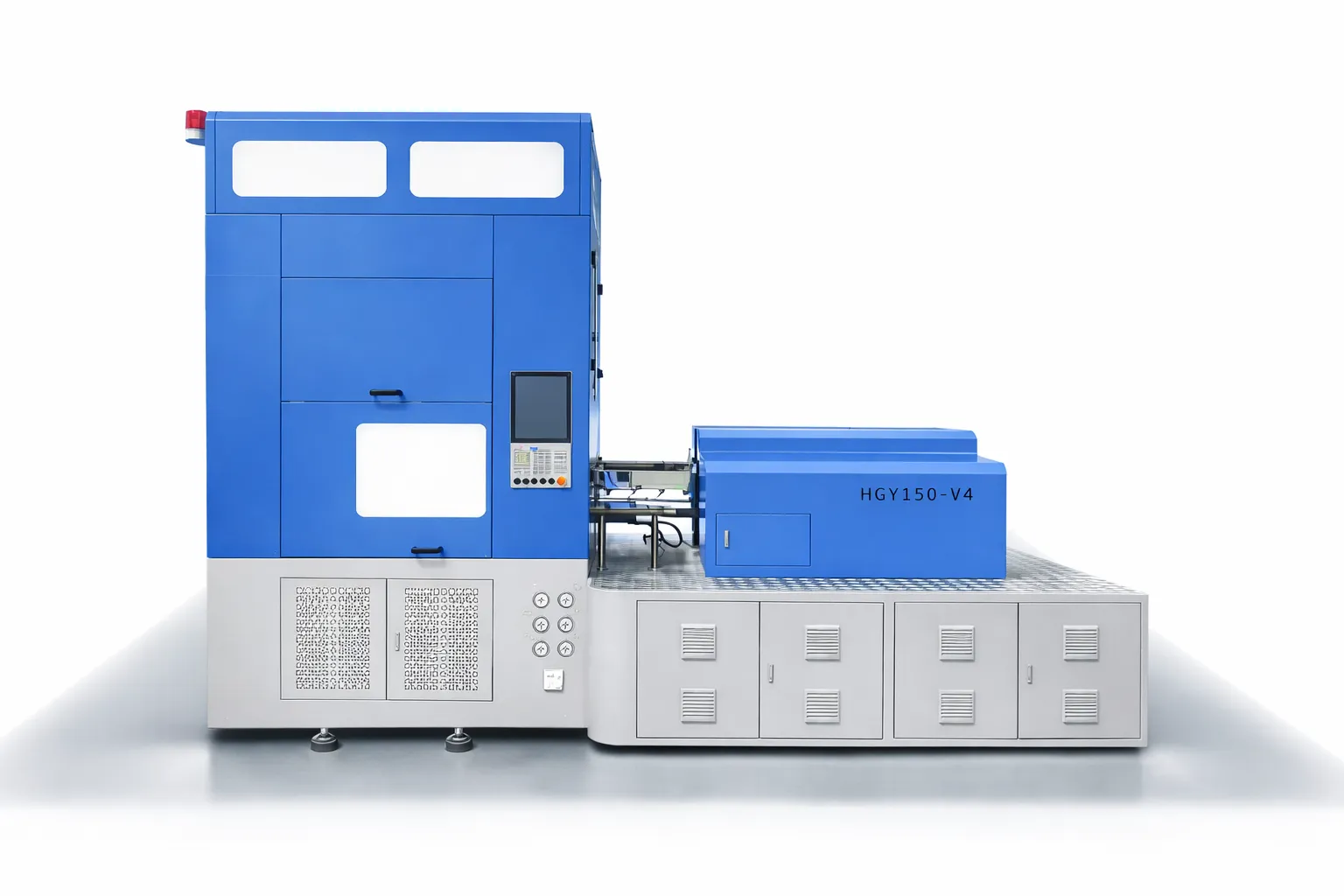
ตารางตัดสินใจต่อไปนี้แสดงการจับคู่การใช้งานขวดทั่วไปกับตัวเลือกเรซินที่เหมาะสมที่สุด โดยพิจารณาจากคุณลักษณะด้านประสิทธิภาพที่กล่าวถึงข้างต้น
| แอปพลิเคชัน | เรซินที่แนะนำ | เหตุผล |
|---|---|---|
| เครื่องดื่มอัดลม | สัตว์เลี้ยง | กำแพงกั้นก๊าซเป็นสิ่งจำเป็น |
| น้ำแร่ | สัตว์เลี้ยง | สินค้าที่อ่อนไหวต่อต้นทุน |
| น้ำผลไม้ / ชา (พร้อมดื่ม) | สัตว์เลี้ยง | สารกั้นออกซิเจนเพื่อยืดอายุการเก็บรักษา |
| เครื่องสำอางที่ใช้ในชีวิตประจำวัน (แชมพู โลชั่น) | สัตว์เลี้ยง | ความหนาผนังมาตรฐาน |
| กระปุกครีมบำรุงผิวเกาหลีระดับพรีเมียม | พีทีจี | ผนังหนา + ความใสระดับพรีเมียม |
| ขวดบรรจุเซรั่ม/เอสเซนส์ (ระดับพรีเมียม) | พีทีจี | รูปลักษณ์ที่ดูคล้ายแก้ว |
| น้ำหอม / น้ำหอม | พีทีจี | ความต้านทานต่อแอลกอฮอล์ |
| ขวดบรรจุน้ำเชื่อมยา | สัตว์เลี้ยง | การจัดหาที่ได้รับการรับรองตามมาตรฐาน GMP |
| ภาชนะบรรจุอุปกรณ์ทางการแพทย์ | พีทีจี | ความเข้ากันได้ในการฆ่าเชื้อด้วยรังสีแกมมา |
| กระปุกอาหารผนังหนา (>5 มม.) | พีทีจี | ไม่มีหมอกควันในบริเวณที่มีความหนาแน่นสูง |
| ขวดสารเคมีใช้ในครัวเรือน | พีทีจี | รอยแตกจากความเครียด + ความต้านทานต่อสารเคมี |
| แกลลอนน้ำ 5 ลิตร | สัตว์เลี้ยง | ความแข็งแกร่ง + ประสิทธิภาพด้านต้นทุน |
6. การวิเคราะห์ต้นทุนและห่วงโซ่อุปทาน
ต้นทุนวัสดุเป็นหนึ่งในสามองค์ประกอบต้นทุนที่แตกต่างกันอย่างมีนัยสำคัญระหว่างการผลิตขวด PET และ PETG โครงสร้างห่วงโซ่อุปทานและต้นทุนการแปรรูปก็มีส่วน contributing ต่อต้นทุนโดยรวมเช่นกัน
| มิติต้นทุน | พีอีที (เกาหลี 2026) | PETG (เกาหลี 2026) |
|---|---|---|
| ราคาเรซินบริสุทธิ์ | ประมาณ 1,200-1,400 วอน/กก. | ประมาณ 2,300-2,800 วอน/กก. |
| ความพร้อมใช้งานของเกรดรีไซเคิล | มีจำหน่ายอย่างแพร่หลาย (rPET) | จำกัด (rPETG ชนิดพิเศษ) |
| ฐานจัดหาของเกาหลี | SK จีโอเซนทริก, ล็อตเต้ เคมีคอล | อีสต์แมน (สหรัฐอเมริกา), เอสเค เคมีคอลส์ |
| ต้นทุนพลังงานในการอบแห้ง | สูงกว่า (165°C) | ต่ำกว่า (65°C) |
| เวลาของรอบการประมวลผล | เร็วขึ้น | 10-15% ช้าลง |
| การยกเว้นอัตราของเสีย | หน้าต่างที่แคบลง | หน้าต่างที่กว้างขึ้น |
| ความแตกต่างของราคาขวดโดยทั่วไป | ฐาน | เพิ่มอีก 200-400 วอนต่อขวดขนาด 250 มล. |
ส่วนต่างต้นทุน 200-400 วอนต่อขวดนั้นมีความสำคัญสำหรับผลิตภัณฑ์เครื่องดื่มทั่วไปที่มีข้อจำกัดด้านราคาขายปลีกอย่างเข้มงวด แต่สำหรับผลิตภัณฑ์เครื่องสำอางเกาหลีระดับพรีเมียมที่มีราคาขายปลีกตั้งแต่ 25,000-80,000 วอนต่อ SKU นั้น ส่วนต่างต้นทุนของ PETG ถือว่าคุ้มค่าและได้รับการพิสูจน์แล้วด้วยคุณภาพด้านภาพลักษณ์และการวางตำแหน่งแบรนด์
การจัดหา PETG ของเกาหลีส่วนใหญ่ขึ้นอยู่กับการนำเข้าจาก Eastman (Tritan/Eastar จากสหรัฐอเมริกา) โดยมี SK Chemicals เป็นผู้จัดหาภายในประเทศ ซึ่งทำให้ระยะเวลารอคอยนานกว่า PET ที่ SK Geocentric และ Lotte Chemical เป็นผู้จัดหาภายในประเทศอย่างมากมาย โดยมีระยะเวลารอคอยโดยทั่วไป 2-4 สัปดาห์
7. การจับคู่แพลตฟอร์ม Ever-Power
ทั้งหมด เอเวอร์-พาวเวอร์ ไอเอสบีเอ็ม แพลตฟอร์มนี้รองรับทั้ง PET และ PETG ผ่านโปรไฟล์อุณหภูมิที่กำหนดค่าได้และการปรับระบบการอบแห้ง แพลตฟอร์มเฉพาะได้รับการปรับให้เหมาะสมกับวัสดุแต่ละชนิดโดยพิจารณาจากลักษณะการใช้งานทั่วไป
| ข้อมูลผู้สมัคร | เรซินหลัก | แพลตฟอร์มที่แนะนำ |
|---|---|---|
| บรรจุภัณฑ์ PETG ระดับพรีเมียมสำหรับเครื่องสำอางเกาหลี (100-250 มล.) | พีทีจี | HGY150-V4-EV |
| ขวด PET สำหรับเครื่องสำอาง/ยา (50-300 มล.) | สัตว์เลี้ยง | เอชจี150-วี4 |
| ยาแม่นยำ / ขวดขนาดเล็ก (5-50 มล.) | ทั้งคู่ | HGY50-V3-EV |
| สินค้าบรรจุภัณฑ์เครื่องดื่ม PET (500 มล.) | สัตว์เลี้ยง | เอชจี200-วี4 |
| ขวดพลาสติก PETG ผนังหนา (500 มล. - 1 ลิตร) | พีทีจี | เอชจี250-วี4 |
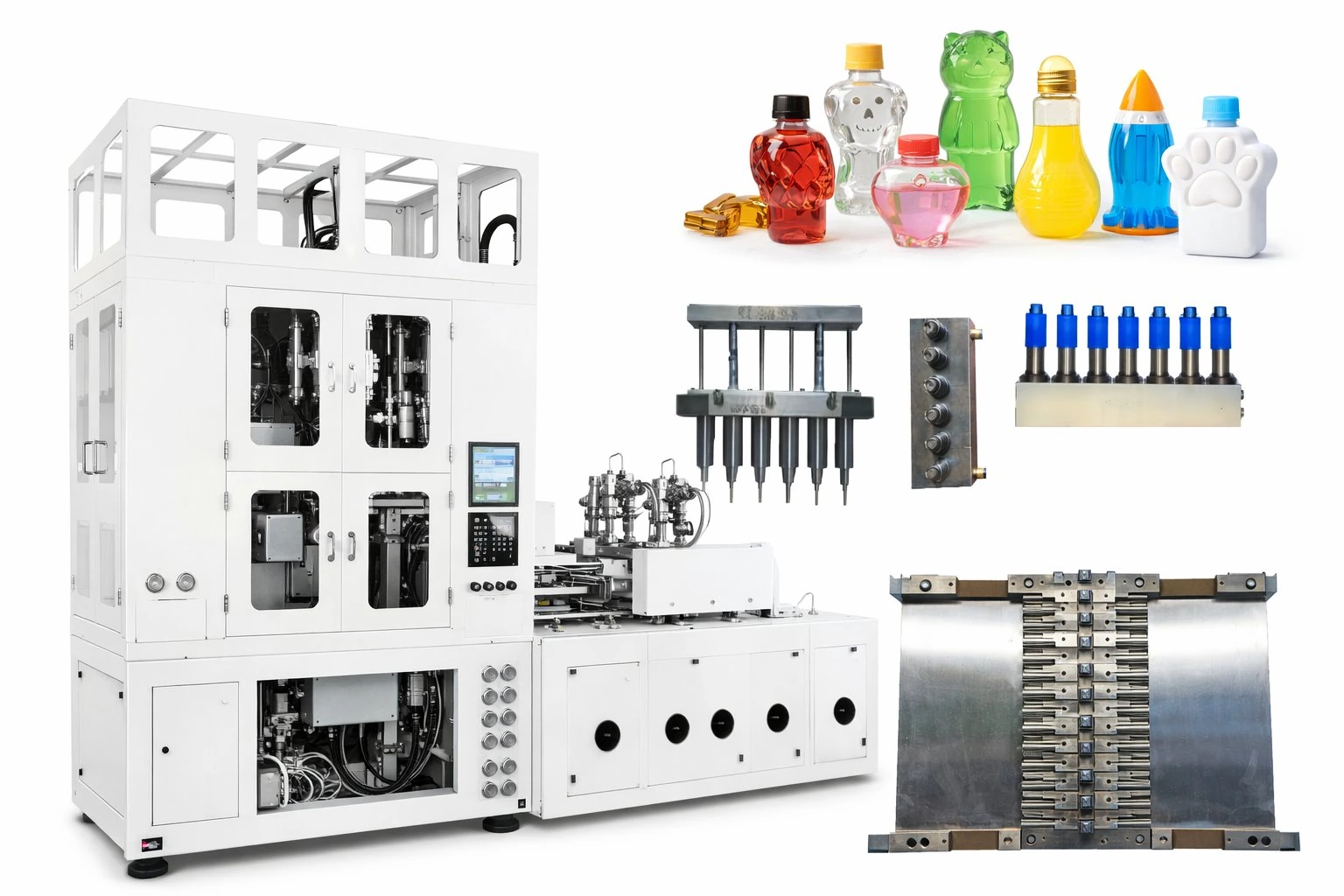
สำหรับผู้ใช้งานที่ผลิตผลิตภัณฑ์ PET และ PETG ผสมกันบนแพลตฟอร์มเดียว แพลตฟอร์มระดับพรีเมียมแบบเซอร์โวเต็มรูปแบบ HGY150-V4-EV มอบความยืดหยุ่นในการใช้งานสูงสุด สถาปัตยกรรมแบบเซอร์โวเต็มรูปแบบช่วยให้สามารถสลับโปรไฟล์อุณหภูมิระหว่างวัสดุได้อย่างแม่นยำโดยไม่ต้องปรับแต่งทางกล ลดเวลาในการเปลี่ยนวัสดุเหลือเพียง 30-45 นาที เทียบกับ 2-3 ชั่วโมงบนแพลตฟอร์มไฮดรอลิก
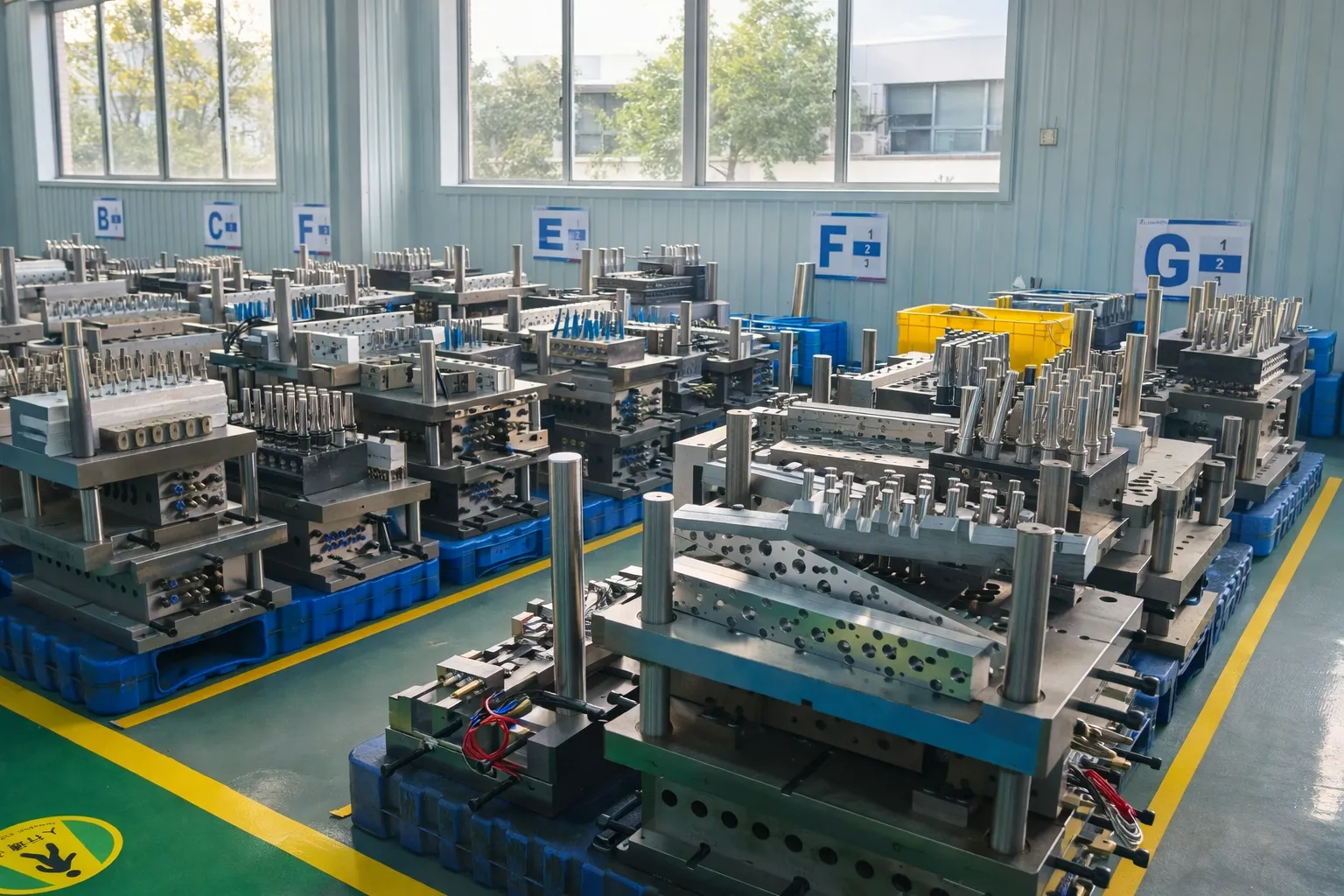
ข้อควรพิจารณาในการออกแบบแม่พิมพ์ก็แตกต่างกันไปตามวัสดุ PETG ต้องการช่องระบายอากาศที่กว้างกว่าเล็กน้อยเพื่อรองรับการขยายตัวทางความร้อนที่มากขึ้นระหว่างการเย็นตัว สำหรับผู้ประกอบการที่พัฒนาขวดรูปแบบใหม่ในวัสดุใดวัสดุหนึ่งนั้น การปรับแต่งแม่พิมพ์เป็นสิ่งจำเป็น แม่พิมพ์ ISBM แบบขั้นตอนเดียว วิศวกรบริการจัดทำเครื่องมือเฉพาะสำหรับเรซินเป้าหมาย
8. การรีไซเคิลและความยั่งยืน
ความสามารถในการรีไซเคิลเป็นปัจจัยสำคัญมากขึ้นในการตัดสินใจของแบรนด์เกาหลี เนื่องจากข้อกำหนด K-EPR และพันธสัญญาด้านความยั่งยืนระดับโลกมีความเข้มงวดมากขึ้น PET และ PETG มีโครงสร้างพื้นฐานด้านการรีไซเคิลที่แตกต่างกันอย่างมีนัยสำคัญ
โครงสร้างพื้นฐานการรีไซเคิล PET
PET มีรหัสระบุเรซิน 1 และสามารถนำไปรีไซเคิลได้ผ่านโครงสร้างพื้นฐานระดับโลกที่พัฒนาแล้ว ระบบการรวบรวมและการรีไซเคิลขวดต่อขวดของเกาหลีใต้สามารถจัดการ PET ได้ในปริมาณมาก โดยมีศูนย์กลางอยู่ที่เกาหลีใต้และผู้รีไซเคิลภายในประเทศที่จัดหา rPET เชิงพาณิชย์ตั้งแต่ 30% ถึง 100% การปฏิบัติตามข้อกำหนด K-EPR สำหรับขวดเครื่องดื่มและน้ำดื่มได้รับการสนับสนุนอย่างดีผ่าน PET
เพื่อให้เข้าใจอย่างครอบคลุมเกี่ยวกับข้อควรพิจารณาในการแปรรูป rPET ในอุตสาหกรรม ISBM โปรดดูคู่มือเฉพาะของเราเกี่ยวกับการผลิต PET รีไซเคิลสำหรับผู้ประกอบการชาวเกาหลีในยุคการปฏิบัติตามข้อกำหนด K-EPR
ความท้าทายในการรีไซเคิล PETG
PETG มีรหัสระบุชนิดเรซินเป็น 7 (พลาสติกชนิดอื่น) และขาดระบบการรีไซเคิลเฉพาะในตลาดส่วนใหญ่ รวมถึงเกาหลี เมื่อขวด PETG ปะปนกับกระบวนการรีไซเคิล PET โคพอลิเอสเตอร์ที่ไม่มีโครงสร้างผลึกจะปนเปื้อนในวัสดุรีไซเคิล PET และลดคุณสมบัติของวัสดุรีไซเคิลลง แบรนด์เกาหลีที่มุ่งมั่นสู่ความยั่งยืนแบบครบวงจรโดยทั่วไปไม่สามารถใช้ PETG ในปริมาณมากได้หากไม่มีโครงสร้างพื้นฐานการรวบรวมเฉพาะ
ช่องว่างในการรีไซเคิลนี้เป็นหนึ่งในเหตุผลที่ทำให้แบรนด์เครื่องสำอางพรีเมียมของเกาหลี (K-beauty) หันมาพิจารณาทางเลือกอื่นมากขึ้น บางแบรนด์สงวน PETG ไว้สำหรับสินค้าพรีเมียมพิเศษที่มีปริมาณการผลิตต่ำเท่านั้น ในขณะที่ใช้ PET ที่มีปริมาณ rPET สูงสำหรับสินค้าทั่วไป
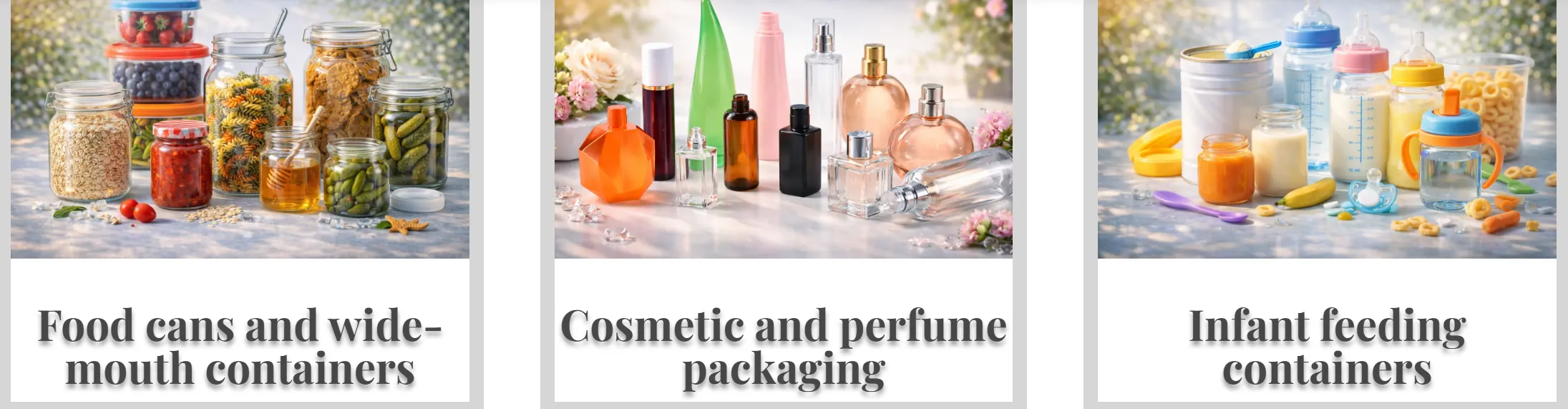
9. การประยุกต์ใช้ในตลาดเกาหลี
เค-บิวตี้ พรีเมียม (PETG)
แบรนด์ผลิตภัณฑ์บำรุงผิวระดับพรีเมียมจากโซล — เอสเซนส์แบบกระปุก ขนาด 100 มล.
แอปพลิเคชัน: ขวดบรรจุเอสเซนส์พรีเมียมขนาด 100 มล. ความหนาของผนัง 7 มม. มีความใสเหมือนแก้ว วางจำหน่ายในช่องทางปลอดภาษีในราคาปลีก 65,000 วอน
การเลือกเรซิน: PETG คือโคพอลิเอสเตอร์อสัณฐาน เหตุผล: PET ผนังหนาจะเกิดฝ้าขุ่นอย่างเห็นได้ชัดที่ความหนา 7 มม. PETG ให้ความใสเหมือนแก้ว ซึ่งเป็นเหตุผลที่ทำให้ราคาสูงถึง 65,000 วอน ต้นทุนวัสดุเพิ่มเติม 300 วอนต่อขวด คิดเป็นน้อยกว่า 0.51 ตันของราคาขายปลีก และต้นทุนส่วนนี้แทบจะไม่มีนัยสำคัญ
สินค้าประเภทเครื่องดื่ม (สัตว์เลี้ยง)
น้ำแร่จากผู้ผลิตน้ำดื่มปูซาน — ขนาด 500 มล.
แอปพลิเคชัน: ขวดน้ำแร่ขนาด 500 มล. ความหนาของผนัง 0.8 มม. ผลิตจากวัสดุ 30% rPET เพื่อให้เป็นไปตามมาตรฐาน K-EPR ราคาขายปลีก 800 วอนต่อขวด
การเลือกเรซิน: พอลิเมอร์ PET ชนิดโฮโมพอลิเมอร์ที่มีส่วนผสมของ rPET 30% เหตุผล: ราคาขายปลีกสินค้าโภคภัณฑ์ไม่สามารถรองรับค่าพรีเมียมของ PETG ได้ ความหนาของผนังมาตรฐานไม่จำเป็นต้องมีความใสแบบอสัณฐาน อุปทาน rPET ที่มีเสถียรภาพช่วยสนับสนุนการปฏิบัติตามมาตรฐาน K-EPR ที่ต้นทุนเป้าหมาย คุณสมบัติการกั้นก๊าซของ PET เพียงพอสำหรับการใช้งานในน้ำนิ่ง
พอร์ตโฟลิโอแบบไฮบริด (ทั้งสองแบบ)
บริษัท Gyeonggi Cosmetic Contract Filler — ผลิตภัณฑ์ผสม
แอปพลิเคชัน: รับผลิตบรรจุภัณฑ์ตามสัญญาสำหรับผลิตภัณฑ์ 18 รายการ ครอบคลุมตั้งแต่โทนเนอร์สำหรับใช้ทั่วไป (ขวด PET ขนาด 250 มล. ผนังบาง) ไปจนถึงเซรั่มระดับพรีเมียม (ขวด PETG ขนาด 30 มล. ผนังหนา) และโลชั่นแบบเติมได้ (ขวด PET ขนาด 500 มล.)
การเลือกแพลตฟอร์ม: แพลตฟอร์ม HGY150-V4-EV ระดับพรีเมียมแบบเซอร์โวเต็มรูปแบบ 4 สถานี เหตุผล: สถาปัตยกรรมแบบเซอร์โวเต็มรูปแบบช่วยให้การเปลี่ยนวัสดุทำได้อย่างรวดเร็ว (30-45 นาที) ระหว่างการผลิต PET และ PETG การปรับสภาพ 4 สถานีให้คุณภาพระดับพรีเมียมสำหรับเรซินทั้งสองชนิด แพลตฟอร์มเดียวรองรับกลุ่มผลิตภัณฑ์ทั้งหมดโดยไม่ต้องใช้อุปกรณ์พิเศษ
10. คำถามที่พบบ่อย
ถาม: ฉันสามารถใช้งาน PET และ PETG บนเครื่อง ISBM เดียวกันได้หรือไม่?
ใช่แล้ว เครื่องอบแห้งแบบ ISBM ของ Ever-Power ทุกรุ่นสามารถรองรับวัสดุทั้งสองชนิดได้ โดยการปรับโปรไฟล์อุณหภูมิและการกำหนดค่าระบบอบแห้งใหม่ การเปลี่ยนวัสดุใช้เวลา 30-45 นาทีสำหรับเครื่องอบแห้งแบบเซอร์โวเต็มรูปแบบ (HGY150-V4-EV) และ 2-3 ชั่วโมงสำหรับเครื่องอบแห้งแบบไฮดรอลิก ต้องตรวจสอบความเข้ากันได้ของแม่พิมพ์ เนื่องจากโดยทั่วไปแล้ว PETG ต้องการช่องระบายอากาศที่กว้างกว่า PET เล็กน้อย
ถาม: PETG ต้องใช้อุปกรณ์อบแห้งที่แตกต่างจาก PET หรือไม่?
วัสดุทั้งสองชนิดใช้ระบบอบแห้งด้วยสารดูดความชื้น แต่ใช้ช่วงอุณหภูมิที่แตกต่างกันอย่างมาก PET ต้องการอุณหภูมิ 165-170°C เป็นเวลา 4-6 ชั่วโมงเพื่อให้ความชื้นต่ำกว่า 50 ppm ในขณะที่ PETG ต้องการเพียง 65-70°C เป็นเวลา 4-6 ชั่วโมง เครื่องอบแห้งด้วยสารดูดความชื้นเพียงเครื่องเดียวสามารถใช้ได้กับวัสดุทั้งสองชนิดโดยการปรับตั้งค่าอุณหภูมิ แต่ผู้ปฏิบัติงานต้องตั้งค่าโปรไฟล์ใหม่ให้ถูกต้องสำหรับการผลิตแต่ละครั้ง
ถาม: เหตุใดแบรนด์เครื่องสำอางเกาหลีระดับพรีเมียมจึงนิยมใช้ PETG มากกว่า PET?
มีสองเหตุผลหลักที่ทำให้ผลิตภัณฑ์เครื่องสำอางเกาหลีระดับพรีเมียมอย่าง PETG ได้รับความนิยม ประการแรก ขวดที่มีผนังหนา (5-10 มม.) จะใสเหมือนแก้วเมื่อบรรจุในขวด PETG แต่จะขุ่นมัวเมื่อบรรจุในขวด PET เนื่องจากการตกผลึกที่ไม่สามารถควบคุมได้ระหว่างการทำความเย็น ประการที่สอง ความทนทานต่อแรงกระแทกของ PETG ที่อุณหภูมิต่ำ (ต่ำถึง -40°C) ช่วยป้องกันความเสียหายจากการตกหล่นระหว่างการขนส่งปลอดภาษีและการแช่เย็นเครื่องสำอาง ส่วนต่างราคาวัสดุ 200-400 วอนต่อขวดนั้นถือว่าน้อยมากเมื่อเทียบกับราคาขายปลีกของผลิตภัณฑ์ระดับพรีเมียม
ถาม: PETG เป็นมิตรต่อสิ่งแวดล้อมมากกว่า PET หรือไม่?
ไม่เลย PET มีความยั่งยืนมากกว่าอย่างเห็นได้ชัดในขั้นตอนการรีไซเคิล PET สามารถรีไซเคิลได้ผ่านโครงสร้างพื้นฐานระดับโลกที่พัฒนาแล้วในระดับใหญ่ โดยมี rPET ที่พร้อมใช้งานในเกาหลีสำหรับการรีไซเคิลขวดต่อขวด ในขณะที่ PETG (รหัสเรซิน 7) ขาดกระบวนการรีไซเคิลเฉพาะ และจะปนเปื้อนการรีไซเคิล PET หากนำไปผสม สำหรับการปฏิบัติตามข้อกำหนด K-EPR และพันธสัญญาด้านเศรษฐกิจหมุนเวียน โดยทั่วไปแล้ว PET ที่มีส่วนผสมของ rPET จะเป็นตัวเลือกด้านความยั่งยืนที่ดีกว่า โดย PETG จะสงวนไว้สำหรับการใช้งานระดับพรีเมียมที่คุณสมบัติแบบอสัณฐานมีความสำคัญ
ถาม: ฉันสามารถผสม PET และ PETG เพื่อให้ได้คุณสมบัติของทั้งสองอย่างได้หรือไม่?
ไม่แนะนำให้ผสม เนื่องจากจะทำให้คุณสมบัติแปรผันไปตามอัตราส่วน ความใสของแสงลดลงเนื่องจากการแยกเฟส และพฤติกรรมการแปรรูปที่ไม่สามารถคาดเดาได้ นอกจากนี้ วัสดุทั้งสองชนิดยังปนเปื้อนในกระบวนการรีไซเคิลของกันและกัน สำหรับการใช้งานที่ต้องการคุณสมบัติของวัสดุทั้งสองชนิด ควรพิจารณาเทคโนโลยีขวดหลายชั้นหรือโคพอลิเอสเตอร์ชนิดพิเศษ เช่น ไทรทัน (อีสต์แมน) ที่รวมคุณสมบัติเฉพาะที่ต้องการไว้ในสูตรเดียว
11. บทสรุป
PET และ PETG ไม่ใช่วัสดุที่แข่งขันกัน แต่เป็นเรซินที่เสริมกันซึ่งตอบสนองความต้องการใช้งานที่แตกต่างกันในเชิงโครงสร้าง PET มีบทบาทสำคัญในการผลิตสินค้าปริมาณมาก เครื่องดื่มอัดลม น้ำแร่ และเครื่องสำอางทั่วไป ที่เน้นความคุ้มค่าและคุณสมบัติในการป้องกันก๊าซเป็นหลัก ในขณะที่ PETG มีบทบาทสำคัญในบรรจุภัณฑ์เครื่องสำอางคุณภาพสูงที่มีผนังหนา ขวดน้ำหอมที่มีแอลกอฮอล์ บรรจุภัณฑ์อุปกรณ์ทางการแพทย์ที่ต้องผ่านการฆ่าเชื้อด้วยรังสีแกมมา และการใช้งานที่ต้องการความใสแบบไร้โครงสร้างหรือความทนทานต่อแรงกระแทก
แนวทางการผลิตที่ถูกต้องของเกาหลีไม่ใช่การเลือกใช้วัสดุสองชนิดโดยไม่เลือกปฏิบัติ แต่เป็นการจับคู่ SKU แต่ละรายการกับวัสดุที่เหมาะสมที่สุดโดยพิจารณาจากข้อกำหนดด้านประสิทธิภาพ ตำแหน่งทางการตลาด และความยั่งยืน แพลตฟอร์ม Ever-Power ISBM สามารถรองรับวัสดุทั้งสองชนิดด้วยการกำหนดค่าโปรไฟล์อุณหภูมิที่เหมาะสม และแพลตฟอร์มเซอร์โวเต็มรูปแบบ HGY150-V4-EV ช่วยให้สามารถเปลี่ยนวัสดุได้อย่างรวดเร็วสำหรับผู้ผลิตบรรจุภัณฑ์แบบผสมผสาน
ต้องการความช่วยเหลือในการเลือกเรซินให้เข้ากับการออกแบบขวดใช่ไหม?
แจ้งข้อมูลจำเพาะของขวด ความหนาของผนังขวด ตำแหน่งทางการตลาด และปริมาณการขายที่คุณต้องการ ทีมวิศวกรชาวเกาหลีของเราจะส่งคำแนะนำเกี่ยวกับเรซิน พร้อมคำแนะนำเกี่ยวกับพารามิเตอร์การประมวลผล และการจับคู่แพลตฟอร์มภายใน 48 ชั่วโมง
ดูแหล่งข้อมูลเพิ่มเติม
บรรณาธิการ: Cxm