การวิเคราะห์ต้นทุนและผลตอบแทนจากการลงทุน
คู่มือการติดตั้ง ISBM ในเกาหลี: การปฏิบัติตามมาตรฐาน KOSHA, ระบบไฟฟ้า และการทดสอบระบบ
การติดตั้งระบบ ISBM ในโรงงานเกาหลีให้ประสบความสำเร็จนั้น จำเป็นต้องปฏิบัติตามข้อกำหนดด้านความปลอดภัยของ KOSHA มาตรฐานไฟฟ้า 380V/60Hz ข้อกำหนดในการเตรียมสถานที่ และการตรวจสอบความถูกต้องของการใช้งาน ซึ่งแตกต่างจากมาตรฐานการติดตั้งในญี่ปุ่นหรือยุโรป คู่มือนี้จะอธิบายขั้นตอนการทำงานทั้งหมดที่ผู้ผลิตเครื่องดื่มในเกาหลีใช้ ตั้งแต่การเตรียมสถานที่ก่อนส่งมอบ ไปจนถึงการเริ่มต้นการผลิตที่ได้รับการตรวจสอบความถูกต้อง พร้อมด้วยระยะเวลาโดยทั่วไป จุดตรวจสอบการปฏิบัติตามข้อกำหนด และข้อผิดพลาดทั่วไปที่ทำให้การติดตั้งล่าช้าจากเป้าหมาย 3 สัปดาห์เป็น 8 สัปดาห์
ในคู่มือนี้
- ภาพรวมและกำหนดการติดตั้งในเกาหลี
- การเตรียมพื้นที่ก่อนส่งมอบ
- โครงสร้างพื้นฐานทางไฟฟ้า 380V/60Hz
- การปฏิบัติตามมาตรฐานความปลอดภัย KOSHA
- การติดตั้งและปรับระดับทางกล
- การเชื่อมต่อและทดสอบระบบสาธารณูปโภค
- การตรวจสอบความถูกต้องและการตรวจสอบชิ้นงานตัวอย่างแรก
- การฝึกอบรมและการส่งมอบงานสำหรับผู้ปฏิบัติงาน
- ข้อผิดพลาดทั่วไปในการติดตั้ง
- บทสรุปและภาพรวมโครงการ
1. ภาพรวมและกำหนดการติดตั้งในเกาหลี
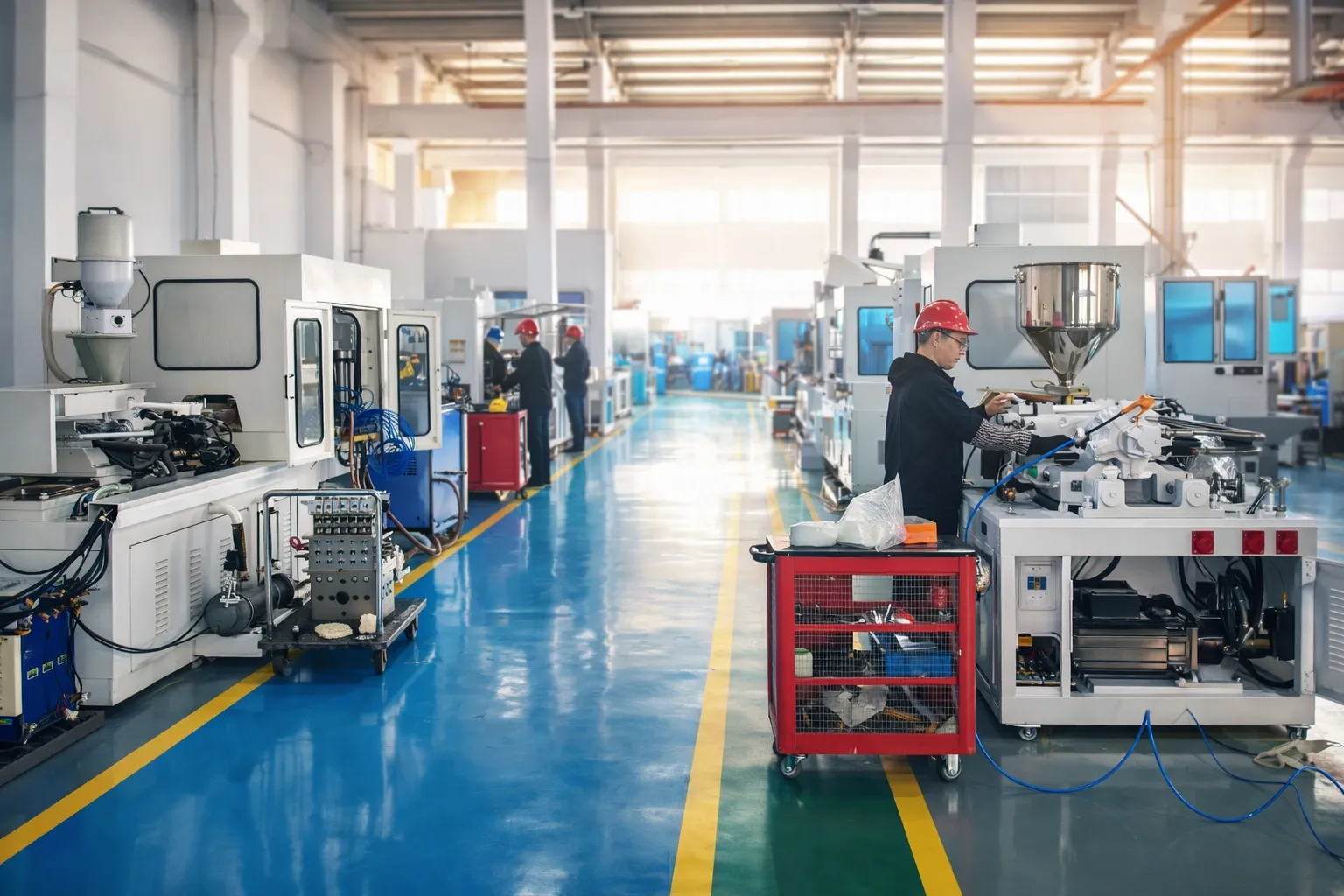
ศูนย์ติดตั้ง ISBM ของเกาหลี — การเตรียมพื้นที่อย่างเหมาะสมช่วยลดระยะเวลาการติดตั้งโดยรวมจาก 8 สัปดาห์เหลือเพียง 3 สัปดาห์ (ตามเป้าหมาย)
การติดตั้งเครื่องจักร ISBM ในโรงงานของเกาหลีเป็นไปตามลำดับขั้นตอนที่มีโครงสร้าง ซึ่งจะเปลี่ยนเครื่องจักรที่จัดส่งมาให้เป็นสินทรัพย์ที่ผ่านการตรวจสอบและพร้อมใช้งานสำหรับการผลิต กระบวนการทำงานทั้งหมดครอบคลุมหกขั้นตอน โดยใช้เวลา 3-8 สัปดาห์ ขึ้นอยู่กับคุณภาพการเตรียมพื้นที่ ความพร้อมของโครงสร้างพื้นฐานด้านสาธารณูปโภค และตารางการตรวจสอบการปฏิบัติตามข้อกำหนด ผู้ผลิตเครื่องดื่มในเกาหลีที่สามารถทำได้ภายในระยะเวลาขั้นต่ำ 3 สัปดาห์นั้นมีแนวปฏิบัติร่วมกันสี่ประการ ได้แก่ การเตรียมพื้นที่ให้เสร็จสมบูรณ์ก่อนที่เครื่องจักรจะมาถึง การสั่งซื้อไฟฟ้าจาก KEPCO ล่วงหน้า 6-8 สัปดาห์ การจัดทำเอกสารความปลอดภัย KOSHA ในระหว่างการจัดซื้อแทนที่จะเป็นหลังการส่งมอบ และผู้จัดการโครงการติดตั้งเฉพาะที่คอยประสานงานกับผู้มีส่วนได้ส่วนเสียทั้งหมด
ปัจจัยเฉพาะของการติดตั้งในเกาหลีที่ทำให้ระยะเวลาการติดตั้งนานกว่าตลาดอื่นๆ ได้แก่ กระบวนการขอและอนุมัติกำลังไฟฟ้าจาก KEPCO (โดยเฉลี่ย 4-6 สัปดาห์สำหรับการเชื่อมต่อโรงงานอุตสาหกรรมใหม่) การตรวจสอบความปลอดภัยในสถานที่ทำงานของ KOSHA สำหรับเครื่องจักรที่มีกำลังติดตั้งมากกว่า 5 กิโลวัตต์ (โดยทั่วไป 2-3 สัปดาห์หลังการติดตั้ง) และการประเมินผลกระทบสิ่งแวดล้อมของเกาหลีสำหรับโรงงานที่ผลิตขวดมากกว่า 100,000 ขวดต่อวัน (6-12 สัปดาห์ ขึ้นอยู่กับปริมาณงานของหน่วยงานท้องถิ่น) การวางแผนขั้นตอนการบริหารเหล่านี้ควบคู่ไปกับการผลิตเครื่องจักรจะช่วยป้องกันไม่ให้กลายเป็นขั้นตอนวิกฤตของการติดตั้ง
ต้นทุนการติดตั้งรวมของสายการผลิตเบียร์ ISBM ทั่วไปในเกาหลีประกอบด้วย ตัวเครื่อง (55-651 ล้านวอน) อุปกรณ์เสริม (12-181 ล้านวอน) บริการติดตั้งและทดสอบระบบ (4-61 ล้านวอน) แม่พิมพ์เริ่มต้น (8-121 ล้านวอน) ชุดอะไหล่ (1-21 ล้านวอน) และเงินทุนหมุนเวียน (3-51 ล้านวอน) บริการติดตั้งครอบคลุมถึงการจัดวางและปรับระดับทางกล การเชื่อมต่อระบบสาธารณูปโภค การเริ่มต้นใช้งานและการปรับพารามิเตอร์ การผลิตชุดทดสอบ และการฝึกอบรมผู้ปฏิบัติงาน ผู้ผลิตเบียร์ในเกาหลีควรตั้งงบประมาณ 35-55 ล้านวอนสำหรับบริการติดตั้งในสายการผลิตเบียร์ ISBM ขนาดกลาง (HGY150-V4) โดยต้นทุนจะเพิ่มขึ้นประมาณ 401 ล้านวอนสำหรับแพลตฟอร์ม HGYS280-V6 แบบ 6 สถานี และลดลง 251 ล้านวอนสำหรับแบบ 3 สถานีขนาดกะทัดรัด
2. การเตรียมพื้นที่ก่อนส่งมอบ
การเตรียมพื้นที่ก่อนการมาถึงของเครื่องจักรเป็นปัจจัยสำคัญที่สุดที่กำหนดระยะเวลาการติดตั้ง ผู้ผลิตเครื่องดื่มในเกาหลีที่เตรียมพื้นที่ให้พร้อมในวันส่งมอบสามารถลดระยะเวลาการติดตั้งเครื่องจักรเหลือเพียง 5-7 วันทำการ ในขณะที่ผู้ผลิตที่เตรียมพื้นที่หลังจากส่งมอบเครื่องจักรแล้ว มักจะใช้เวลา 18-25 วันในการติดตั้ง การเตรียมการ 6 หมวดหมู่ควรดำเนินการให้แล้วเสร็จ 1-2 สัปดาห์ก่อนที่เครื่องจักรจะมาถึง
รายการตรวจสอบการเตรียมพื้นที่ก่อนส่งมอบ:
- ✓คอนกรีตฐานราก: แผ่นคอนกรีตเสริมเหล็กหนา 300-500 มม. ปรับระดับให้มีความคลาดเคลื่อน ±3 มม. ตลอดแนวฐานเครื่องจักร บ่มให้แข็งตัว 28 วันก่อนวางเครื่องจักร
- ✓พิกัดรับน้ำหนักของพื้น: รับน้ำหนักคงที่ขั้นต่ำ 2,500 กก./ตร.ม. ผ่านการรับรองด้านวิศวกรรมโครงสร้างของเกาหลี
- ✓การเคลียร์เส้นทางเข้าออก: ความกว้างขั้นต่ำ 3.0 เมตร สำหรับการขนส่งเครื่องจักรจากประตูโรงงานไปยังตำแหน่งติดตั้ง; ระยะห่างเหนือศีรษะ 3.5 เมตร
- ✓ความสามารถในการระบายอากาศ: มีการระบายอากาศ 8-12 ครั้งต่อชั่วโมงในบริเวณเครื่องจักร ซึ่งเพียงพอต่อการระบายความร้อนจากกระบวนการผลิตและรักษาระดับอุณหภูมิแวดล้อมไว้ที่ 22-28°C
- ✓จุดบริการสาธารณูปโภค: สายไฟหลัก ท่อน้ำเย็น (ทั้งขาเข้าและขาออก) ท่อลมอัด ท่อน้ำสำหรับหอหล่อเย็น และท่อระบายน้ำทั้งหมด ถูกจัดวางให้อยู่ภายในระยะ 3 เมตรจากพื้นที่ติดตั้งเครื่องจักร
- ✓การทำเครื่องหมายขอบเขตความปลอดภัย: การทำเครื่องหมายเขตปลอดภัยสีเหลือง/ดำที่สอดคล้องกับมาตรฐาน KOSHA เส้นทางออกฉุกเฉิน และตำแหน่งวางถังดับเพลิง
ระยะเวลาการบ่มคอนกรีตเป็นสิ่งที่ไม่สามารถต่อรองได้
คอนกรีตสดที่บ่มตัวต่ำกว่า 28 วัน ไม่สามารถรับน้ำหนักจากการทำงานของเครื่องจักร ISBM ได้ ผู้ผลิตเครื่องดื่มหลายรายในเกาหลีพยายามเริ่มการผลิตโดยใช้คอนกรีตที่บ่มตัวเพียง 14-21 วัน เพื่อให้ทันกำหนดส่งมอบ ผลที่ตามมาคือ คอนกรีตแตกร้าวเมื่อถูกสั่นสะเทือน การจัดแนวเครื่องจักรคลาดเคลื่อนภายใน 3-6 เดือน และสุดท้ายต้องทำการเทคอนกรีตใหม่ ซึ่งมีค่าใช้จ่ายในการแก้ไขสูงถึง 40-60 ล้านวอน การรอให้คอนกรีตบ่มตัวครบ 28 วันจึงประหยัดกว่าวิธีอื่น
3. โครงสร้างพื้นฐานทางไฟฟ้า 380V/60Hz
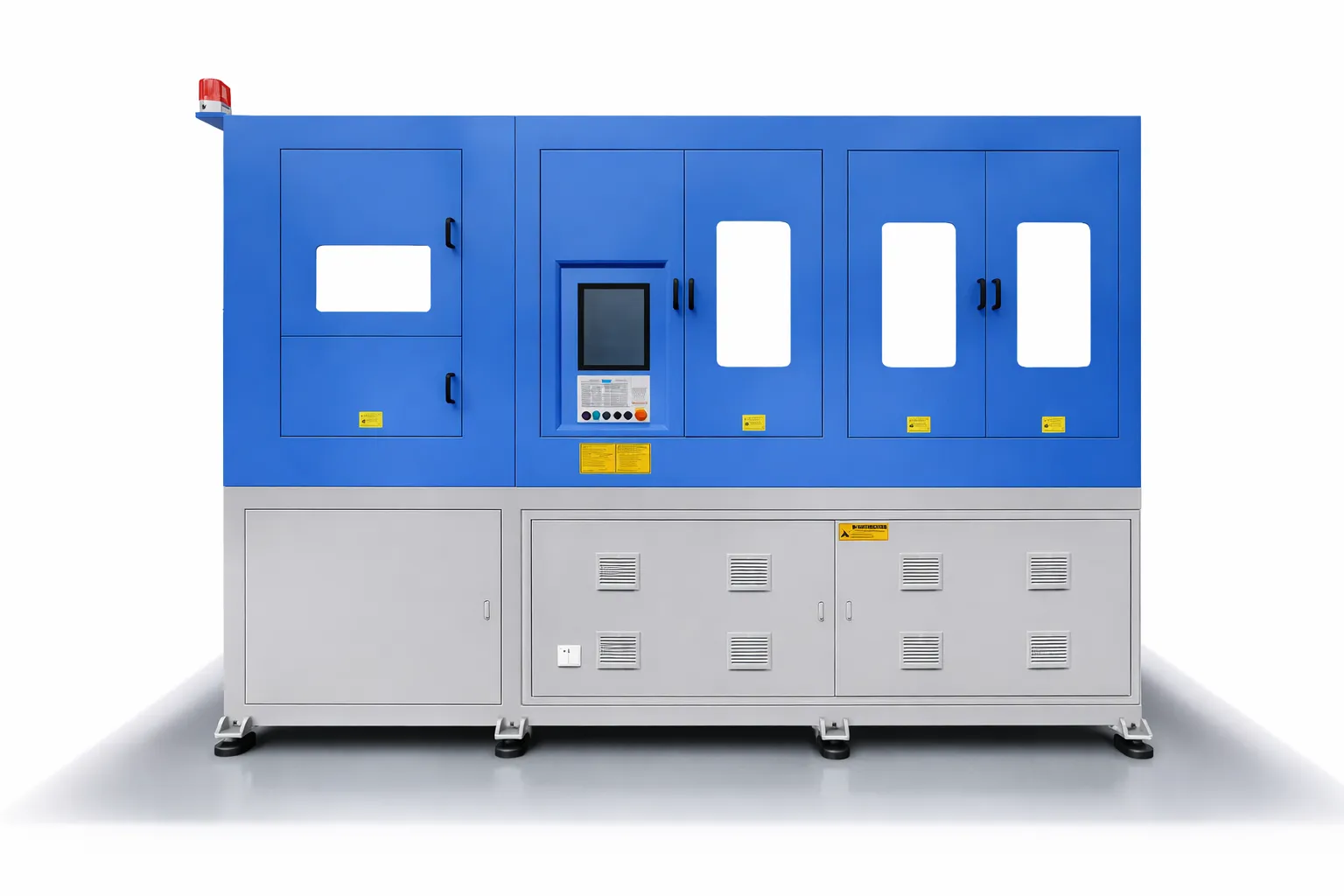
โครงสร้างพื้นฐานทางไฟฟ้า 380V/60Hz ของเกาหลี — เครื่องจักรของ Ever-Power สามารถติดตั้งได้โดยตรงโดยไม่ต้องแปลงกระแสไฟฟ้าเหมือนในระบบ 200V/50Hz ของญี่ปุ่น
มาตรฐานโครงสร้างพื้นฐานทางไฟฟ้าอุตสาหกรรมของเกาหลีใช้แรงดันไฟฟ้า 3 เฟส 380 โวลต์ ที่ความถี่ 60 เฮิรตซ์ ซึ่งแตกต่างอย่างสิ้นเชิงจากมาตรฐาน 200 โวลต์/50 เฮิรตซ์ของญี่ปุ่น และ 400 โวลต์/50 เฮิรตซ์ของยุโรป มาตรฐาน 380 โวลต์/60 เฮิรตซ์ของเกาหลีเป็นความจริงในการใช้งานของผู้ผลิตเครื่องดื่มในเกาหลี และมีผลอย่างมากต่อเศรษฐศาสตร์ด้านความเข้ากันได้ของเครื่องจักร เครื่องจักรของ Ever-Power มาพร้อมกับระบบไฟฟ้า 380 โวลต์/60 เฮิรตซ์ การติดตั้งสามารถเชื่อมต่อกับไฟบ้านของเกาหลีได้โดยตรงโดยไม่ต้องแปลงกระแสไฟฟ้า ในขณะที่เครื่องจักรของ ASB และ Aoki จากญี่ปุ่น จำเป็นต้องแปลงกระแสไฟฟ้าด้วยหม้อแปลงที่หน้างาน ซึ่งมีค่าใช้จ่าย 25-45 ล้านวอนต่อเครื่อง และทำให้เกิดการสูญเสียพลังงานเพิ่มเติม 3-41 ตัน 3 กิโลจูล ในระหว่างการทำงานอย่างต่อเนื่อง
ข้อกำหนดด้านโครงสร้างพื้นฐานทางไฟฟ้าสำหรับการติดตั้งรุ่น HGY150-V4:
- ▸ความจุของเบรกเกอร์หลัก: กระแสไฟสามเฟสขั้นต่ำ 125A สำหรับ HGY150-V4; 150A สำหรับ HGY250-V4; 200A สำหรับ HGY650-V4; 250A สำหรับ HGYS280-V6
- ▸สัญญา kVA ของ KEPCO: โดยทั่วไปแล้ว HGY150-V4 ต้องการกำลังการผลิตตามสัญญา 75-90 kVA; ระยะเวลาตั้งแต่การยื่นขออนุมัติจนถึงการอนุมัติอยู่ที่ 4-6 สัปดาห์ในเมืองใหญ่ของเกาหลี และ 6-10 สัปดาห์ในนิคมอุตสาหกรรม
- ▸ข้อมูลจำเพาะของสายเคเบิล: สายเคเบิล XLPE ขนาด 95 มม.² จากแผงควบคุมหลักไปยังจุดตัดการเชื่อมต่อของเครื่องจักรสำหรับ HGY150-V4; ใช้ขนาดเกจที่ใหญ่กว่าสำหรับแท่นที่มีความจุสูงกว่า
- ▸ระบบสายดิน: ต่อสายดินเฉพาะจุดที่มีค่าความต้านทานต่ำกว่า 4 โอห์ม; ตรวจสอบโดยหน่วยงานตรวจสอบไฟฟ้าของเกาหลีก่อนเริ่มใช้งาน
- ▸การตรวจสอบคุณภาพไฟฟ้า: เครื่องบันทึกแรงดันตกและเครื่องวิเคราะห์ฮาร์มอนิกที่จุดป้อนไฟของเครื่องจักร; เขตอุตสาหกรรมของเกาหลีมักประสบกับแรงดันไฟกระชาก 15-20% ในช่วงฤดูร้อนที่มีอุณหภูมิการระบายความร้อนสูงสุด
- ▸เครื่องสำรองไฟ (UPS) หรือเครื่องปรับสภาพสายส่ง: เหมาะสำหรับวงจร PLC และเซอร์โวไดรฟ์ ช่วยป้องกันเหตุการณ์ไฟตกคุณภาพต่ำของ KEPCO
4. การปฏิบัติตามข้อกำหนดด้านความปลอดภัยของ KOSHA
สำนักงานความปลอดภัยและสุขภาพในการทำงานแห่งเกาหลี (KOSHA) บังคับใช้กฎระเบียบด้านความปลอดภัยในสถานที่ทำงานที่ครอบคลุมการติดตั้งเครื่องจักร ISBM ภายใต้พระราชบัญญัติความปลอดภัยและสุขภาพในการทำงานของเกาหลี เครื่องจักร ISBM ทุกเครื่องที่มีกำลังไฟฟ้าติดตั้งเกิน 5 กิโลวัตต์ ต้องได้รับการตรวจสอบความปลอดภัยในสถานที่ทำงานโดย KOSHA ก่อนเริ่มการผลิต ขอบเขตการตรวจสอบครอบคลุมถึงการป้องกันทางกล ระบบความปลอดภัยทางไฟฟ้า วงจรหยุดฉุกเฉิน บันทึกการฝึกอบรมผู้ปฏิบัติงาน และเอกสารการปฏิบัติตามข้อกำหนด
ระบบป้องกันและล็อกเชิงกล
กลไกการเคลื่อนที่ทั้งหมดถูกหุ้มด้วยแผ่นป้องกันแบบตายตัวหรือแบบล็อก สวิตช์ล็อกจะป้องกันการทำงานของเครื่องจักรเมื่อแผงความปลอดภัยเปิดออก ช่องเปิดของแผ่นป้องกันเป็นไปตามข้อกำหนดระยะการเข้าถึง (มาตรฐานเกาหลี KS C 0905) เครื่องจักร ISBM จัดส่งพร้อมแผ่นป้องกันความปลอดภัยที่ได้รับการรับรอง การติดตั้งจะตรวจสอบการประกอบกลับที่ถูกต้องและการทำงานของระบบล็อก
ระบบหยุดฉุกเฉินและระบบล็อคเอาต์ออก (LOTO)
ปุ่มหยุดฉุกเฉินติดตั้งอยู่ภายในระยะ 5 เมตรจากตำแหน่งผู้ปฏิบัติงาน สามารถหยุดการเคลื่อนไหวที่เป็นอันตรายทั้งหมดภายใน 0.5 วินาที มีจุดล็อก/ป้ายกำกับ (LOTO) บนสวิตช์ตัดไฟหลัก แหล่งจ่ายแรงดันไฮดรอลิก และแหล่งจ่ายลม ขั้นตอน LOTO ได้รับการบันทึกและติดไว้ที่เครื่องจักรเพื่อการตรวจสอบตามมาตรฐาน KOSHA
การฝึกอบรมและการรับรองผู้ปฏิบัติงาน
ผู้ปฏิบัติงานแต่ละคนต้องผ่านการฝึกอบรมด้านความปลอดภัยที่ได้รับการรับรองจาก KOSHA ซึ่งครอบคลุมการระบุอันตราย การใช้อุปกรณ์ป้องกันส่วนบุคคล (PPE) ขั้นตอน LOTO และการรับมือกับเหตุฉุกเฉิน บันทึกการฝึกอบรมจะถูกเก็บรักษาไว้อย่างน้อย 3 ปี การฝึกอบรมผู้ปฏิบัติงาน ISBM ของเกาหลีโดยทั่วไปจะรวมการฝึกอบรมการใช้งานที่ผู้จำหน่ายจัดให้ (3-5 วัน) กับการฝึกอบรมด้านความปลอดภัยที่กำหนดโดย KOSHA (1-2 วัน)
เอกสารการประเมินความเสี่ยง
การประเมินความเสี่ยงอย่างเป็นทางการที่ระบุอันตรายจากเครื่องจักร ขั้นตอนการปฏิบัติงาน มาตรการป้องกัน และการรับมือกับเหตุฉุกเฉิน โครงสร้างเอกสารเป็นไปตามแบบแผนของมาตรา 30 แห่งพระราชบัญญัติประกันภัยอุบัติเหตุทางอุตสาหกรรมของเกาหลี การประเมินความเสี่ยง ISBM ทั่วไปมีความยาว 25-40 หน้า ครอบคลุมอันตรายและมาตรการลดความเสี่ยงที่ระบุไว้ 50-80 รายการ
5. การติดตั้งและการปรับระดับทางกล
การติดตั้งระบบกลไกเริ่มต้นด้วยการแกะกล่องเครื่องจักรและวางตำแหน่งบนฐานคอนกรีตที่เตรียมไว้ แท่นเครื่อง ISBM ของ Ever-Power จะถูกจัดส่งเป็นส่วนประกอบหลักที่ประกอบไว้ล่วงหน้า ซึ่งต้องใช้เครนยก 2-4 ครั้งในการวางตำแหน่ง จากนั้นจึงเชื่อมต่อแผ่นรองแม่พิมพ์ อ่างเก็บน้ำไฮดรอลิก (สำหรับรุ่นที่ไม่ใช้เซอร์โว) และแผงควบคุม โดยทั่วไปแล้วขั้นตอนการติดตั้งระบบกลไกจะใช้เวลา 3-5 วันทำการ ชานชาลา 4 สถานี รุ่น HGY150-V4สำหรับเครื่องรุ่นเรือธง 6 สถานี จะใช้เวลานานกว่า
ลำดับขั้นตอนการติดตั้งทางกล:
- ▸วันที่ 1: แกะกล่อง ตรวจสอบจำนวนสินค้าที่จัดส่ง วางโครงเครื่องจักรหลักบนฐานรอง ปรับระดับเบื้องต้นให้ได้ความแม่นยำ ±0.5 มม./เมตร
- ▸วันที่ 2: ติดตั้งกลไกการหนีบ ชุดฉีดขึ้นรูป สถานีเป่าลม และตัวขับดัชนีสถานี เชื่อมต่อชุดสายไฟที่ต่อไว้ล่วงหน้า
- ▸วันที่ 3: ติดตั้งแม่พิมพ์ครึ่งซีกบนแท่นรอง ตรวจสอบการจัดแนวของแม่พิมพ์กับแท่นรอง ติดตั้งระบบป้อนชิ้นงานและสายพานลำเลียงออก
- ▸วันที่ 4: ปรับระดับขั้นสุดท้ายให้มีความแม่นยำ ±0.1 มม./ม. โดยใช้ระดับเลเซอร์ ขันน็อตยึดตามข้อกำหนด ประกอบอุปกรณ์ป้องกันความปลอดภัยกลับเข้าที่
- ▸วันที่ 5: การตรวจสอบความสมบูรณ์ทางกล; ตรวจสอบว่ากลไกที่เคลื่อนไหวทั้งหมดทำงานได้อย่างราบรื่นในสภาวะไม่มีภาระ
6. การเชื่อมต่อและทดสอบระบบสาธารณูปโภค
หลังจากติดตั้งระบบกลไกแล้ว ขั้นตอนต่อไปคือการเชื่อมต่อระบบสาธารณูปโภคเพื่อเชื่อมต่อเครื่องจักรเข้ากับโครงสร้างพื้นฐานของโรงงาน ได้แก่ กระแสไฟฟ้า น้ำเย็น อากาศอัด น้ำหล่อเย็น ระบบจ่ายเรซิน และเครือข่ายข้อมูล โดยทั่วไปแล้ว การเชื่อมต่อระบบสาธารณูปโภคจะใช้เวลา 2-3 วันทำการ ตามด้วยการทดสอบระบบ (การเปิดเครื่องทีละขั้นตอน การทดสอบระบบย่อย การทดสอบวงจรการทำงานของเครื่องจักรทั้งหมด) อีก 3-5 วัน
| คุณประโยชน์ | ข้อมูลจำเพาะ HGY150-V4 | มาตรฐานเกาหลี |
|---|---|---|
| ระบบไฟฟ้าหลัก | 380V 3Φ 60Hz 125A | อัตราค่าบริการอุตสาหกรรมของ KEPCO |
| ระบบจ่ายน้ำเย็น | 10-18°C, 120 ลิตร/นาที | เครื่องทำความเย็นเฉพาะ |
| อากาศอัด (ลมเป่าหลัก) | 40 บาร์, 2,500 ลิตร/นาที | คอมเพรสเซอร์แบบไร้น้ำมัน + ตัวกรองความชื้น |
| อากาศอัด (ควบคุม) | 7 บาร์, 500 ลิตร/นาที | ระบบควบคุมอากาศแยกต่างหาก |
| น้ำหล่อเย็นหอระบายความร้อน | 28-32°C, 200 ลิตร/นาที | ระบบระบายความร้อนของอาคาร |
| การลำเลียงเรซิน | เครื่องดูดสุญญากาศ 500 กก./ชม. | เครื่องอบแห้งแบบดูดความชื้นที่อุณหภูมิ 180°C |
| เครือข่ายข้อมูล | อีเธอร์เน็ต, มอดบัส/โพรฟิเน็ต | การบูรณาการ MES |
7. การตรวจสอบความถูกต้องและการตรวจสอบชิ้นงานตัวอย่างแรก

ขวดทดสอบคุณภาพผลิตภัณฑ์ต้นแบบ — ตรวจสอบคุณภาพอย่างครบถ้วนก่อนปล่อยออกสู่ตลาด
การตรวจสอบยืนยันว่าเครื่องจักรที่ติดตั้งนั้นผลิตขวดได้ตรงตามข้อกำหนดภายใต้สภาวะการผลิตที่ควบคุมได้ โปรโตคอลการตรวจสอบมาตรฐานของผู้ผลิตขวดในเกาหลีจะทำการตรวจสอบขวดจำนวน 200-500 ขวดอย่างละเอียด โดยครอบคลุมการทดสอบด้านขนาด ลักษณะภายนอก การใช้งาน และคุณสมบัติของวัสดุ การตรวจสอบโดยทั่วไปใช้เวลา 2-3 วันทำการ และจะดำเนินการก่อนการปล่อยผลิตภัณฑ์ออกสู่ตลาดเชิงพาณิชย์
หมวดหมู่การทดสอบการตรวจสอบ:
- ✓การตรวจสอบขนาด: ความสูงโดยรวม เส้นผ่านศูนย์กลางลำตัว ขนาดคอ และรูปทรงฐาน เทียบกับข้อกำหนดการออกแบบ
- ✓การทำแผนที่ความหนาของผนัง: มีการวัด 12-24 จุดต่อขวด เพื่อตรวจสอบการกระจายตัวภายในค่าความคลาดเคลื่อน ±0.05 มม.
- ✓คุณภาพของภาพ: ความใส, การมองเห็นแนวแบ่งฟัน, การก่อตัวของฐาน, การตรวจสอบความขาวจากการเสียดสีภายใต้แสงมาตรฐาน
- ✓การทดสอบการรับน้ำหนักสูงสุด: การรับแรงอัดตามแนวแกนตามมาตรฐาน ASTM D2659 สำหรับข้อกำหนดภาระเป้าหมาย
- ✓การทดสอบการตกกระแทก: ขวดบรรจุเต็มถูกปล่อยลงมาจากความสูงที่กำหนด และผ่านเกณฑ์การไม่รั่วซึม
- ✓การทดสอบการย้ายระบบ: การตรวจสอบการปฏิบัติตามข้อกำหนดด้านการสัมผัสอาหารหรือเภสัชกรรมตามข้อกำหนดของตลาดปลายทาง
- ✓ความสม่ำเสมอของรอบการทำงาน: การทดสอบการผลิต 500 ขวดเพื่อตรวจสอบความเสถียรของเวลาการผลิตและความสามารถในการทำซ้ำของพารามิเตอร์กระบวนการ
8. การฝึกอบรมและการส่งมอบงานให้กับผู้ปฏิบัติงาน
การฝึกอบรมผู้ปฏิบัติงานช่วยเชื่อมช่องว่างระหว่างการติดตั้งเครื่องจักรที่ได้รับการตรวจสอบแล้วกับประสิทธิภาพการผลิตที่ยั่งยืน โดยทั่วไปแล้ว ผู้ผลิตเครื่องดื่มในเกาหลีจะกำหนดตารางการฝึกอบรมในสถานที่ 5-8 วัน ซึ่งครอบคลุมการใช้งานเครื่องจักร การบำรุงรักษาตามปกติ การวินิจฉัยข้อผิดพลาด และการเปลี่ยนแม่พิมพ์ คุณภาพการฝึกอบรมเป็นตัวกำหนดโดยตรงว่าการติดตั้งใหม่จะบรรลุเป้าหมายเวลาการผลิตและประสิทธิภาพโดยรวม (OEE) ในการผลิตเชิงพาณิชย์ได้เร็วเพียงใด
โครงสร้างหลักสูตรการฝึกอบรม:
- ▸วันที่ 1-2: การปฐมนิเทศด้านความปลอดภัย (ตามมาตรฐาน KOSHA), ภาพรวมของเครื่องจักร, การใช้งานระบบควบคุม, การเริ่มต้น/ปิดเครื่องตามปกติ
- ▸วันที่ 3-4: การดำเนินงานการผลิต การปรับพารามิเตอร์กระบวนการ การตรวจสอบคุณภาพ การเพิ่มประสิทธิภาพรอบการทำงาน
- ▸วันที่ 5-6: การบำรุงรักษาตามปกติ, ตารางการหล่อลื่น, การเปลี่ยนไส้กรอง, การตรวจสอบเชิงป้องกัน
- ▸วันที่ 7: การวินิจฉัยข้อผิดพลาด การตอบสนองต่อสัญญาณเตือน การแก้ไขปัญหาเบื้องต้น ขั้นตอนการส่งต่อปัญหาไปยังผู้ที่เกี่ยวข้อง
- ▸วันที่ 8: ขั้นตอนการเปลี่ยนแม่พิมพ์ การเปลี่ยน SKU การจัดการสูตร PLC
สำหรับความช่วยเหลือในการวินิจฉัยปัญหาขัดข้องทั่วไป ผู้ให้บริการในเกาหลีจะอ้างอิงถึงเว็บไซต์ของเรา ฐานความรู้เชิงลึกทางเทคนิคบริการสนับสนุนทางเทคนิคหลังการติดตั้งครอบคลุมถึงการให้ความช่วยเหลือในการวินิจฉัยปัญหาจากระยะไกลภายใน 2 ชั่วโมงสำหรับลูกค้าชาวเกาหลี และการส่งช่างเทคนิคไปตรวจสอบที่สถานที่ภายใน 24-48 ชั่วโมงสำหรับกรณีที่ต้องมีการแก้ไขฮาร์ดแวร์
9. ข้อผิดพลาดทั่วไปในการติดตั้ง
ผู้จัดการโครงการติดตั้งชาวเกาหลีที่มีประสบการณ์จะตระหนักถึงข้อผิดพลาดที่เกิดขึ้นซ้ำๆ เพียงไม่กี่อย่าง ซึ่งจะทำให้ระยะเวลาการติดตั้งยืดเยื้อและต้นทุนสูงขึ้น การตระหนักถึงรูปแบบเหล่านี้จะช่วยให้โครงการใหม่ๆ หลีกเลี่ยงข้อผิดพลาดเดียวกันได้
การยื่นขอใช้กำลังการผลิตไฟฟ้าของ KEPCO ล่าช้า
ความถี่: เกิดขึ้นในรุ่น 30-40% ของการติดตั้งในเกาหลี ผลกระทบ: การติดตั้งอาจล่าช้า 3-6 สัปดาห์ เนื่องจาก KEPCO ต้องอนุมัติการอัปเกรดกำลังการผลิต มาตรการบรรเทาผลกระทบ: ยื่นใบสมัครขอใช้กำลังการผลิตของ KEPCO ทันทีหลังจากลงนามในใบสั่งซื้อ ไม่ใช่หลังจากส่งมอบเครื่องจักรแล้ว วงจรการอนุมัติ 6 สัปดาห์จะดำเนินการควบคู่ไปกับระยะเวลานำส่งการผลิตเครื่องจักร 10-14 สัปดาห์
อุปกรณ์เสริมที่มีขนาดเล็กเกินไป
ความถี่: เกิดขึ้นบน 15-20% ของการติดตั้งในเกาหลี ผลกระทบ: เครื่องจักรทำงานได้ตามปกติ แต่ไม่สามารถรักษาอัตราการผลิตตามที่ระบุไว้ได้ เนื่องจากข้อจำกัดด้านกำลังการผลิตของเครื่องทำความเย็น คอมเพรสเซอร์ หรือเครื่องอบแห้ง จำเป็นต้องอัปเกรดกำลังการผลิตเสริมหลังการติดตั้ง มาตรการบรรเทาผลกระทบ: ระบุขนาดความจุที่ใหญ่เกิน 25-30% สำหรับอุปกรณ์เสริมทั้งหมด ความชื้นในฤดูร้อนของเกาหลีส่งผลกระทบอย่างมากต่อกำลังการผลิตของเครื่องอบแห้ง
ทางลัดในการก่อสร้างฐานรากคอนกรีต
ความถี่: เกิดขึ้นในรุ่น 10-15% ของโรงงานในเกาหลีภายใต้แรงกดดันด้านกำหนดเวลาทางการค้า ผลกระทบ: คอนกรีตแตกร้าว, การเบี่ยงเบนของแนวเครื่องจักร, ค่าใช้จ่ายในการแก้ไข 40-60 ล้านวอน มาตรการบรรเทาผลกระทบ: บังคับใช้ระยะเวลาการบ่มเต็ม 28 วัน; วางแผนงานฐานราก 30 วันก่อนวันส่งมอบเครื่องจักร; ต่อต้านแรงกดดันทางการค้าเพื่อเร่งการบ่ม
ข้ามขั้นตอนการปรึกษาหารือก่อนการตรวจสอบตามมาตรฐาน KOSHA
ความถี่: เกิดขึ้นในรุ่น 20-25% ของการติดตั้งครั้งแรก ผลกระทบ: การตรวจสอบตามมาตรฐาน KOSHA พบช่องโหว่ด้านการปฏิบัติตามข้อกำหนด ซึ่งต้องมีการแก้ไขใหม่ และทำให้ระยะเวลาในการปล่อยผลิตภัณฑ์ออกสู่ตลาดเพิ่มขึ้น 2-4 สัปดาห์ มาตรการบรรเทาผลกระทบ: ว่าจ้างที่ปรึกษาที่ได้รับการรับรองจาก KOSHA ในระหว่างขั้นตอนการออกแบบเพื่อตรวจสอบก่อนการตรวจสอบอย่างเป็นทางการ และแก้ไขข้อบกพร่องต่างๆ ก่อนการเข้าตรวจสอบอย่างเป็นทางการจาก KOSHA
10. บทสรุปและภาพรวมโครงการ
การติดตั้งเครื่อง ISBM ในเกาหลีเป็นโครงการที่มีขั้นตอนการทำงานหลายขั้นตอน ครอบคลุมตั้งแต่การเตรียมพื้นที่ การวางโครงสร้างพื้นฐานทางไฟฟ้า การปฏิบัติตามมาตรฐาน KOSHA การติดตั้งเครื่องจักร การเชื่อมต่อระบบสาธารณูปโภค การตรวจสอบความถูกต้อง และการฝึกอบรมผู้ปฏิบัติงาน ผู้ผลิตเครื่องดื่มในเกาหลีที่จัดการขั้นตอนการทำงานเป็นโครงการที่มีโครงสร้างชัดเจน มีกำหนดเวลาที่แน่นอน ความรับผิดชอบของผู้มีส่วนได้ส่วนเสีย และจุดตรวจสอบการปฏิบัติตามข้อกำหนด จะบรรลุเป้าหมายการติดตั้งภายใน 3 สัปดาห์ ในขณะที่ผู้ที่จัดการการติดตั้งแบบตอบสนองต่อการมาถึงของเครื่องจักร จะยืดระยะเวลาการทำงานออกไปเป็น 6-10 สัปดาห์ ซึ่งส่งผลกระทบต่อการเริ่มต้นการผลิตและการคำนวณระยะเวลาคืนทุนตามไปด้วย
Ever-Power ให้การสนับสนุนลูกค้าชาวเกาหลีตลอดวงจรการติดตั้งอย่างครบวงจร ด้วยการบริหารจัดการโครงการอย่างทุ่มเท ความช่วยเหลือด้านการใช้งานระบบไฟฟ้าของ KEPCO แม่แบบเอกสารการปฏิบัติตามข้อกำหนด KOSHA สถาปัตยกรรมไฟฟ้า 380V/60Hz ดั้งเดิมที่ช่วยลดความซับซ้อนในการติดตั้งหม้อแปลง และวิศวกรทดสอบระบบประจำสถานที่ในเมืองอันซาน พร้อมด้วยความสามารถในการตอบสนองเหตุฉุกเฉินภายใน 24-48 ชั่วโมง และกลยุทธ์ชุดอะไหล่ที่ครอบคลุมตามที่ระบุไว้ในนโยบายของเรา ฐานความรู้เชิงลึกทางเทคนิคแพ็คเกจการติดตั้งและการสนับสนุนตลอดอายุการใช้งาน ช่วยลดต้นทุนรวมในการเป็นเจ้าของและเร่งการเปิดตัวผลิตภัณฑ์สู่การผลิต
ประเด็นสำคัญจากการติดตั้งในเกาหลี
- ✓ระยะเวลาการติดตั้ง: 3 สัปดาห์หากมีการเตรียมการอย่างเหมาะสม; 6-10 สัปดาห์หากสถานที่ติดตั้งยังไม่พร้อมในขณะส่งมอบ
- ✓การยื่นขออนุมัติกำลังการผลิตของ KEPCO: ต้องยื่นล่วงหน้า 6-10 สัปดาห์; ดำเนินการควบคู่ไปกับการผลิตเครื่องจักร
- ✓มาตรฐานเกาหลี 380V/60Hz: เครื่อง Ever-Power สามารถติดตั้งได้โดยตรง ส่วนมาตรฐานญี่ปุ่น 200V/50Hz ต้องใช้หม้อแปลง
- ✓ข้อกำหนด KOSHA 4: การป้องกัน/ระบบล็อก, ปุ่มหยุดฉุกเฉิน/LOTO, การฝึกอบรมผู้ปฏิบัติงาน, การประเมินความเสี่ยง
- ✓ฐานรากคอนกรีต: ระยะเวลาการบ่ม 28 วันเป็นข้อกำหนดที่ไม่สามารถต่อรองได้ การลัดขั้นตอนจะทำให้ต้องเสียค่าใช้จ่ายในการแก้ไขงาน 40-60 ล้านวอน
- ✓การติดตั้งทางกล: 3-5 วันสำหรับรุ่น HGY150-V4; 6-8 วันสำหรับรุ่นเรือธง 6 สถานี
- ✓การตรวจสอบความถูกต้อง: การตรวจสอบตัวอย่างแรกจำนวน 500 ขวด ครอบคลุมด้านขนาด รูปลักษณ์ การใช้งาน และวัสดุ
- ✓การฝึกอบรม: 5-8 วัน ครอบคลุมเรื่องความปลอดภัย การใช้งาน การบำรุงรักษา การวินิจฉัยปัญหา และการเปลี่ยนอุปกรณ์
- ✓ข้อผิดพลาดที่พบบ่อย: การยื่นขออนุญาต KEPCO ล่าช้า, ขนาดของส่วนต่อขยายเล็กเกินไป, การใช้ทางลัดคอนกรีต, การข้ามขั้นตอนการตรวจสอบล่วงหน้าของ KOSHA
พร้อมวางแผนการติดตั้งในเกาหลีแล้วหรือยัง?
โปรดแจ้งที่ตั้งโรงงาน โครงสร้างพื้นฐานที่มีอยู่ วันที่เริ่มต้นการผลิตที่ต้องการ และการเลือกแพลตฟอร์มเครื่องจักร ทีมบริหารโครงการชาวเกาหลีของเราจะส่งแผนงานการติดตั้งที่สมบูรณ์พร้อมการประสานงานตามข้อกำหนด KEPCO/KOSHA รายการตรวจสอบการเตรียมพื้นที่ และตารางการทดสอบระบบภายใน 48 ชั่วโมง
ดูแหล่งข้อมูลเพิ่มเติม
บรรณาธิการ: Cxm