
เจาะลึกด้านเทคนิค · ประสิทธิภาพการผลิต · งาน ISBM เกาหลี 2026
ISBM Quick Mould Change:
คู่มือการหยุดทำงานของเกาหลี
ผู้ผลิตเครื่องพิมพ์ 3 มิติแบบ ISBM ในเกาหลีใต้ที่ผลิตสินค้าหลาย SKU เปลี่ยนแม่พิมพ์ระหว่าง 1 ถึง 5 ครั้งต่อสัปดาห์ การเปลี่ยนแม่พิมพ์ 4 ชั่วโมงสำหรับเครื่อง 8 ช่องพิมพ์ รอบการผลิต 8 วินาที ทำให้สูญเสียผลผลิตต่อปีถึง 28 ล้านวอน เมื่อเทียบกับการเปลี่ยนแม่พิมพ์ 90 นาทีบนเครื่องเดียวกัน การเพิ่มประสิทธิภาพการเปลี่ยนแม่พิมพ์อย่างเป็นระบบคือการปรับปรุงการดำเนินงานที่ให้ผลตอบแทนสูงสุดสำหรับโรงงานผลิตเครื่องพิมพ์ 3 มิติแบบ ISBM ในเกาหลีใต้ และไม่จำเป็นต้องลงทุนด้านเงินทุน เพียงแค่เปลี่ยนวิธีการเท่านั้น
โปรโตคอล 12 ขั้นตอน
SMED - ดัดแปลงสำหรับ ISBM
ฝ่ายวิศวกรรม Ever-Power เกาหลี · เมืองอันซาน · พฤษภาคม 2026
เกณฑ์มาตรฐานเวลาการเปลี่ยนแม่พิมพ์ ISBM ของเกาหลี — ปี 2026
| ประเภทการดำเนินการ | ค่าเฉลี่ยของอุตสาหกรรม | แนวปฏิบัติที่ดี | แนวปฏิบัติที่ดีที่สุด | ตัวช่วยสำคัญ |
|---|---|---|---|---|
| คอแบบเดียวกัน วัสดุเรซินแบบเดียวกัน (เฉพาะสี) | 90–120 นาที | 60–75 นาที | 35–50 นาที | ถังบรรจุสารที่ผ่านการล้างล่วงหน้า; รถเข็นที่จัดเตรียมไว้ล่วงหน้า; ตัวเชื่อมต่อระบายความร้อนแบบปลดเร็ว |
| คอขวดเท่ากัน แต่รูปทรงขวดต่างกัน | 120–180 นาที | 80–100 นาที | 55–75 นาที | แม่พิมพ์ขาเข้าที่อุ่นไว้ล่วงหน้า; ข้อกำหนดแรงบิดของแคลมป์ยึดโพรงแม่พิมพ์ที่เป็นมาตรฐาน; การเรียกคืนสูตร EV |
| เรซินชนิดเดียวกัน แต่รูปทรงคอแตกต่างกัน | 150–210 นาที | 100–130 นาที | 75–95 นาที | ชุดอุปกรณ์เปลี่ยนแท่งยืดถูกจัดเตรียมไว้แล้ว การเปลี่ยนแผ่นปรับสภาพถูกบันทึกไว้แล้ว ทางลัดโปรโตคอลบทความแรก |
| เรซินชนิดต่าง ๆ (PET → PETG) | 210–300 นาที | 140–180 นาที | 100–130 นาที | ล้างช่องว่างภายในกระบอกสูบทั้งหมดด้วย PETG ก่อนเปลี่ยนแม่พิมพ์; บรรจุ PETG ไว้ในถังพักล่วงหน้า; อุ่นเครื่องอบแห้ง PETG ให้ได้อุณหภูมิที่ตั้งไว้ล่วงหน้า |
เวลาที่ระบุเป็นเวลาตั้งแต่ต้นจนจบ: ตั้งแต่ภาพการผลิตที่ดีที่สุดภาพสุดท้ายของล็อตส่งออก จนถึงภาพการผลิตที่ได้รับการยอมรับภาพแรกของล็อตขาเข้า (รวมถึงการตรวจสอบชิ้นงานตัวอย่างแรก) สมมติว่าทีมเปลี่ยนกะทำงานมี 2 คน หากใช้ทีมเปลี่ยนกะทำงานคนเดียว จะใช้เวลาเพิ่มขึ้น 35-60 นาทีในทุกหมวดหมู่
1. เหตุใดเวลาในการเปลี่ยนแม่พิมพ์จึงเป็นตัวแปรสำคัญในธุรกิจ ISBM ของเกาหลี
การผลิตเครื่องพิมพ์ 3 มิติแบบหลาย SKU ในเกาหลีใต้กำลังกลายเป็นรูปแบบการผลิตที่โดดเด่น เนื่องจากลูกค้าแบรนด์เกาหลีลดปริมาณการสั่งซื้อขั้นต่ำและเพิ่มความหลากหลายของผลิตภัณฑ์ ผู้ผลิตเครื่องพิมพ์ 3 มิติในเกาหลีใต้ที่ให้บริการลูกค้า 8 ราย ครอบคลุม 15 SKU ด้วยรอบการผลิต 1 สัปดาห์ จะต้องเปลี่ยนแม่พิมพ์ 14-20 ครั้งต่อเดือน โดยใช้เวลาเปลี่ยนแม่พิมพ์เฉลี่ย 240 นาที (ค่าเฉลี่ยของอุตสาหกรรมสำหรับการเปลี่ยนแม่พิมพ์ที่มีขนาดแตกต่างกัน) นั่นหมายถึงเวลาหยุดทำงานของเครื่องจักร 56-80 ชั่วโมงต่อเดือน ซึ่งเทียบเท่ากับการสูญเสียวันผลิตเต็ม 3-4 วันต่อเครื่องต่อเดือนเนื่องจากการเปลี่ยนแม่พิมพ์
ต้นทุนรายได้สามารถคำนวณได้และมีความเฉพาะเจาะจง สำหรับเครื่องหล่อคอนกรีต 6 ช่อง HGY200-V4 ของเกาหลีที่ทำงานรอบละ 8 วินาที ในราคาตามสัญญา 65 วอน: อัตราผลผลิต = 6 × (3600/8) × 65 วอน = 175,500 วอน/ชั่วโมง ต้นทุนการหยุดทำงานเพื่อเปลี่ยนชิ้นงานในแต่ละชั่วโมงคิดเป็นรายได้ที่สูญเสียไป 175,500 วอน — ไม่ใช่กำไรที่สูญเสียไป แต่เป็นรายได้ที่สูญเสียไปซึ่งมีต้นทุนค่าใช้จ่ายคงที่เท่ากัน การลดเวลาเปลี่ยนชิ้นงานรายเดือน 14 ครั้ง จาก 240 นาที เหลือ 90 นาทีต่อครั้ง จะช่วยประหยัดเวลาหยุดทำงาน 35 ชั่วโมง และสามารถกู้คืนรายได้ 6.1 ล้านวอนต่อเดือน = 73 ล้านวอนต่อปี การลงทุนด้านทุนไม่สามารถให้ผลตอบแทนเช่นนี้ได้ มีเพียงการปรับปรุงวิธีการเท่านั้นที่ทำได้ ความเชื่อมโยงระหว่างเวลาเปลี่ยนชิ้นงานและเศรษฐศาสตร์การผลิต ISBM ของเกาหลีนี้เป็นหนึ่งในแอปพลิเคชันของแนวคิดที่กว้างขึ้น กรอบการทำงานเพื่อเพิ่มประสิทธิภาพเวลาวงจร ISBM ของเกาหลี.
นอกจากนี้ การเปลี่ยนสายการผลิตที่รวดเร็วยิ่งขึ้นยังช่วยให้สามารถสั่งซื้อขั้นต่ำได้ในปริมาณที่น้อยลง ทำให้ผู้ผลิต ISBM ของเกาหลีสามารถแข่งขันเพื่อรับสัญญาจากแบรนด์ระดับพรีเมียมที่ต้องการการผลิต 200,000–500,000 หน่วย ซึ่งจะไม่คุ้มค่าหากค่าใช้จ่ายในการเปลี่ยนสายการผลิตกินเวลามากกว่า 151 ตันของเวลาการผลิตทั้งหมด
2. ปรับใช้ระเบียบวิธี SMED สำหรับการผลิต ISBM ในเกาหลี
SMED (Single-Minute Exchange of Die) ซึ่งพัฒนาโดยชิเกโอะ ชิงโกะ สำหรับกระบวนการปั๊มขึ้นรูปของโตโยต้า เป็นวิธีการลดเวลาในการเปลี่ยนแม่พิมพ์อย่างเป็นระบบ หลักการสำคัญคือ การเปลี่ยนกิจกรรมการเปลี่ยนแม่พิมพ์ให้มากที่สุดเท่าที่จะเป็นไปได้จากภายใน (เครื่องหยุดทำงาน ผู้ปฏิบัติงานอยู่ที่เครื่อง) ไปเป็นภายนอก (เครื่องยังทำงานอยู่ ผู้ปฏิบัติงานเตรียมงานต่อไป) ซึ่งสามารถนำมาปรับใช้กับการเปลี่ยนแม่พิมพ์ ISBM ของเกาหลีได้โดยตรง แนวทาง SMED 4 ขั้นตอนที่ปรับใช้สำหรับ ISBM ของเกาหลีมีดังนี้:
สังเกต
กำหนดเวลาและบันทึกการเปลี่ยนระบบในปัจจุบัน
บันทึกวิดีโอการเปลี่ยนชิ้นงาน 3 ครั้งติดต่อกันบนเครื่อง ISBM ของเกาหลี — ทีมงานเดียวกัน คู่แม่พิมพ์เดียวกัน แยกการบันทึกออกเป็นงานแต่ละอย่างพร้อมระบุเวลา จัดประเภทงานแต่ละอย่างเป็นงานภายใน (ต้องหยุดเครื่อง) หรืองานภายนอก (สามารถทำได้ขณะที่เครื่องยังทำงานอยู่) การดำเนินงาน ISBM ส่วนใหญ่ในเกาหลีพบว่า 35–501 TP3T ของเวลาในการเปลี่ยนชิ้นงานประกอบด้วยงานที่สามารถทำได้ภายนอก — การหยิบเครื่องมือ การค้นหาข้อมูลการตั้งค่า การเตรียมชุดแม่พิมพ์ที่จะเข้ามา — แต่ปัจจุบันทำหลังจากที่เครื่องหยุดทำงานแล้ว
แยก
แยกกิจกรรมภายในออกจากกิจกรรมภายนอก
จัดลำดับการเปลี่ยนแม่พิมพ์ใหม่เพื่อให้กิจกรรมภายนอกทั้งหมดเสร็จสมบูรณ์ก่อนที่เครื่องจะหยุดทำงาน: วัดและบันทึกอุณหภูมิน้ำหล่อเย็นของแม่พิมพ์ขาออก; นำแม่พิมพ์ขาเข้าจากที่เก็บมายังบริเวณเครื่องจักร; อุ่นแม่พิมพ์ขาเข้าบนรถเข็นทำความร้อนแม่พิมพ์ให้มีอุณหภูมิใกล้เคียงกับอุณหภูมิของแม่พิมพ์ที่ใช้ในการผลิตภายใน 10°C; นับและจัดเตรียมเครื่องมือและอุปกรณ์ยึดทั้งหมดบนรถเข็นเปลี่ยนแม่พิมพ์; เรียกดูสูตรการทำงานของเครื่อง EV สำหรับผลิตภัณฑ์ที่เข้ามาและเตรียมพร้อมสำหรับการตรวจสอบพารามิเตอร์
แปลง
แปลงกิจกรรมภายในให้เป็นกิจกรรมภายนอกเมื่อเป็นไปได้
การปรับปรุงที่สำคัญที่สุดสำหรับเครื่องพิมพ์ 3 มิติระบบ ISBM ของเกาหลี คือ การไล่เรซินขาออกจากกระบอกพิมพ์ ในกระบวนการผลิต ISBM ของเกาหลีที่การเปลี่ยนแม่พิมพ์เกี่ยวข้องกับการเปลี่ยนเรซิน (PET เป็น PETG) การไล่เรซินขาออกจากกระบอกพิมพ์ใช้เวลา 15-25 นาที สามารถเริ่มกระบวนการนี้ได้โดยที่แม่พิมพ์ขาออกยังคงติดตั้งอยู่ โดยการฉีดเรซินเข้าไปในแม่พิมพ์เดิมโดยที่อุณหภูมิของกระบอกพิมพ์เปลี่ยนแปลงน้อยที่สุด เมื่อการไล่เรซินเสร็จสิ้น เครื่องจะหยุดทำงานเพื่อเปลี่ยนแม่พิมพ์โดยที่กระบอกพิมพ์บรรจุเรซินขาใหม่ไว้แล้ว การปรับปรุงเพียงอย่างเดียวนี้ช่วยลดเวลาภายในสำหรับการเปลี่ยนเรซินได้ 25-35 นาที
ปรับปรุงให้คล่องตัว
ปรับปรุงกระบวนการทำงานภายในที่เหลืออยู่ให้มีประสิทธิภาพยิ่งขึ้น
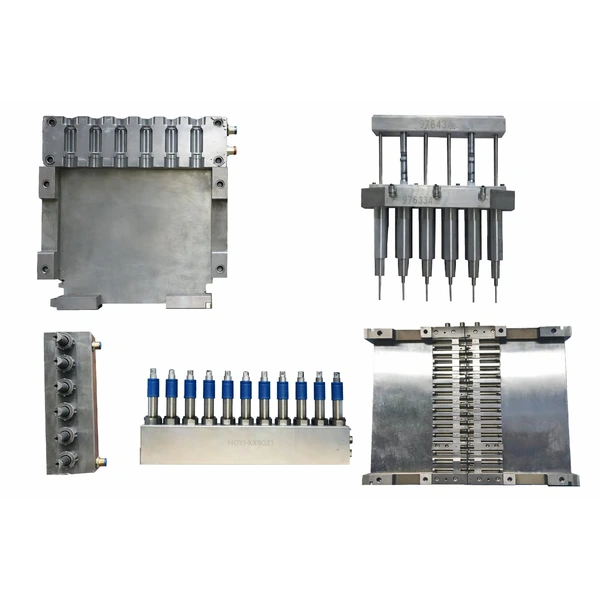
ลดระยะเวลาการทำงานภายในด้วย: การกำหนดค่าแรงบิดมาตรฐาน (ไม่ต้องวัด – ใช้ประแจแรงบิดที่ตั้งค่าไว้ล่วงหน้าตามค่าแรงบิดที่ตรวจสอบแล้วสำหรับตำแหน่งยึดแม่พิมพ์แต่ละตำแหน่ง); ตัวเชื่อมต่อระบายความร้อนแบบปลดเร็ว (ขจัดความจำเป็นในการขันข้อต่อระบายความร้อนแบบเกลียวด้วยมือ – ตัวเชื่อมต่อแบบกดเข้าช่วยลดเวลาการเชื่อมต่อต่อวงจรจาก 90 วินาทีเหลือ 8 วินาที); การตรวจสอบแบบดิจิทัล (การเรียกคืนสูตรเซอร์โว EV จะตรวจสอบพารามิเตอร์ทั้งหมดโดยอัตโนมัติ – ขจัดแบบฟอร์มตรวจสอบด้วยตนเอง)
3. โปรโตคอลการเปลี่ยนผ่าน 12 ขั้นตอนของ ISBM เกาหลี
โปรโตคอลต่อไปนี้ช่วยให้ได้เวลาเปลี่ยนชิ้นงานที่ดีที่สุดสำหรับการผลิต ISBM ของเกาหลีโดยใช้เรซินและคอขวดแบบเดียวกัน การเปลี่ยนเรซินหรือการเปลี่ยนรูปทรงคอขวดจะเพิ่มขั้นตอนระหว่างขั้นตอนที่ 6 และ 7 โปรโตคอลนี้แบ่งออกเป็นช่วงก่อนหยุดเครื่อง (ภายนอก) และช่วงที่เครื่องหยุดทำงาน (ภายใน):
4. การอุ่นแม่พิมพ์ล่วงหน้า: การปรับปรุงประสิทธิภาพการเปลี่ยนแม่พิมพ์ที่มีผลกระทบสูงสุดเพียงอย่างเดียว
ในบรรดาการปรับปรุงการเปลี่ยนแม่พิมพ์ต่างๆ ที่มีให้สำหรับการผลิตขวดด้วยเครื่องจักร ISBM ของเกาหลี การอุ่นแม่พิมพ์ก่อนการติดตั้งถือเป็นการปรับปรุงที่ช่วยลดเวลาในการตรวจสอบคุณภาพชิ้นงานแรกได้มากที่สุด แม่พิมพ์เย็น (อุณหภูมิในการจัดเก็บ 15–25°C) ที่ติดตั้งบนเครื่องจักร ISBM ของเกาหลี ต้องใช้เวลาในการผลิต 45–60 นาที เพื่อให้ได้อุณหภูมิที่สมดุลกับอุณหภูมิน้ำหล่อเย็นในการผลิต (พื้นผิวโพรงแม่พิมพ์ 8–12°C) ในช่วงเวลาที่แม่พิมพ์อุ่นขึ้นนี้ คุณภาพของขวดจะแตกต่างกันไป เช่น ผนังหนาขึ้นเนื่องจากโพรงแม่พิมพ์ที่อุ่นขึ้นจะกักเก็บความร้อนได้เร็วกว่าที่ออกแบบไว้ น้ำหนักแตกต่างกันเนื่องจากปริมาตรของโพรงแม่พิมพ์เปลี่ยนแปลงไปตามการขยายตัวทางความร้อน และคุณภาพทางแสงแตกต่างกันเนื่องจากขวด PET หรือ PETG พบกับอุณหภูมิในโพรงแม่พิมพ์ที่ไม่สม่ำเสมอในแต่ละบริเวณ
แม่พิมพ์ที่อุ่นล่วงหน้าให้มีอุณหภูมิใกล้เคียงกับอุณหภูมิภายในช่องแม่พิมพ์ (ภายใน 10°C) ก่อนการติดตั้ง จะถึงจุดสมดุลทางความร้อนใน 8-12 รอบการผลิต ซึ่งช่วยลดเวลาการอุ่นเครื่องที่สูญเปล่าจาก 45-60 นาที เหลือเพียง 2-4 นาที รถเข็นอุ่นแม่พิมพ์ของ ISBM เกาหลี (โดยทั่วไปราคา 1.8 ล้านถึง 4.5 ล้านวอนต่อคัน) ใช้ขดลวดความร้อนแบบต้านทานไฟฟ้าในการให้ความร้อนแก่แม่พิมพ์ผ่านวงจรน้ำในช่องระบายความร้อน ซึ่งเป็นวงจรเดียวกับที่ใช้ในการระบายความร้อนระหว่างการผลิต แต่ใช้น้ำร้อนไหลเวียนแทนน้ำเย็น การคืนทุนจากการลงทุนที่ 15 ครั้งต่อเดือน จะน้อยกว่า 3 เดือนสำหรับรถเข็นอุ่นแม่พิมพ์หนึ่งคัน งานการกำหนดมาตรฐานการเปลี่ยนแม่พิมพ์ที่ทำให้ขั้นตอนการอุ่นแม่พิมพ์นี้เป็นระบบทั่วทั้งกลุ่มแม่พิมพ์นั้น สอดคล้องกับขั้นตอนการจัดการแม่พิมพ์ของโครงการบำรุงรักษา ISBM ของเกาหลี รายการตรวจสอบการบำรุงรักษาเชิงป้องกัน ISBM ของเกาหลี.
5. การกำหนดมาตรฐานเครื่องมือสำหรับกลุ่มผลิตภัณฑ์แม่พิมพ์ ISBM ของเกาหลี
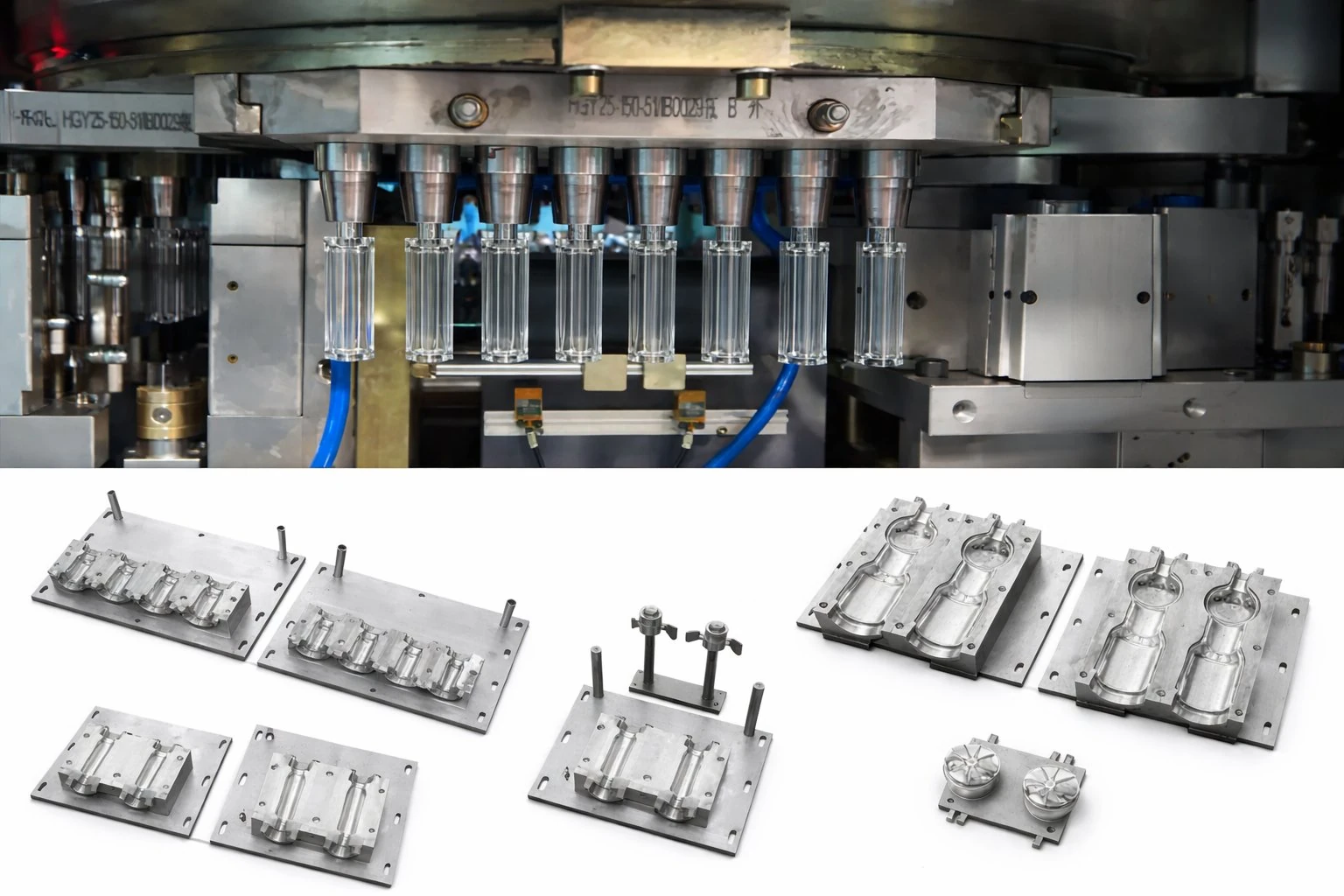
เวลาในการเปลี่ยนแม่พิมพ์สำหรับเครื่องกัดเซาะโลหะแบบ ISBM ของเกาหลีจะเพิ่มขึ้นเป็นทวีคูณเนื่องจากความหลากหลายของเครื่องมือ – ตัวยึดที่ไม่เป็นมาตรฐาน การเชื่อมต่อระบายความร้อนที่ไม่เป็นมาตรฐาน หรือตำแหน่งการจับยึดที่ไม่เป็นมาตรฐานแต่ละอย่าง จะเพิ่มเวลาและความเสี่ยงต่อข้อผิดพลาดในการเปลี่ยนแม่พิมพ์ แนวทางที่เป็นระบบในการลดความหลากหลายของเครื่องมือในกลุ่มแม่พิมพ์ ISBM ของเกาหลีเริ่มต้นด้วยการตัดสินใจด้านมาตรฐานสามประการ:
ระบบยึดมาตรฐาน
ระบุให้ใช้สลักเกลียวหกเหลี่ยม M16 ที่แรงบิดมาตรฐาน (85 N·m สำหรับบล็อกโพรง 718H ในการกำหนดค่ามาตรฐานของเกาหลี) สำหรับแม่พิมพ์ใหม่ทั้งหมด เลิกใช้แม่พิมพ์ใดๆ ที่ใช้ขนาดตัวยึดที่ไม่เป็นมาตรฐาน ตั้งค่าประแจวัดแรงบิดเฉพาะไว้ที่ 85 N·m — และไม่ควรนำออกจากรถเข็นสำหรับเปลี่ยนแม่พิมพ์ การกำหนดมาตรฐานเพียงครั้งเดียวนี้ช่วยลดเวลาในการตรวจสอบข้อมูลจำเพาะแรงบิด ซึ่งจะเพิ่มเวลา 5-8 นาทีในการเปลี่ยนแม่พิมพ์แต่ละครั้ง เมื่อผู้ปฏิบัติงานต้องตรวจสอบแรงบิดสำหรับแม่พิมพ์แต่ละชิ้น
การเชื่อมต่อระบบระบายความร้อนแบบมาตรฐาน
ระบุตัวเชื่อมต่อระบายความร้อนแบบกดล็อคและปลดเร็ว (Stäubli หรือเทียบเท่า ทนแรงดัน 10 บาร์ ทนอุณหภูมิ 150°C) สำหรับแม่พิมพ์ทั้งหมดจากแพลตฟอร์มเครื่องจักรเดียวกัน กำหนดรหัสสีให้กับวงจรระบายความร้อนทั้งหมดอย่างสม่ำเสมอในกลุ่มแม่พิมพ์ (สีน้ำเงินสำหรับทางเข้า สีแดงสำหรับทางออก หมายเลขวงจรเรียงลำดับ) ข้อผิดพลาดในการเชื่อมต่อระบายความร้อนตามมาตรฐาน ISBM ของเกาหลี — การเชื่อมต่อวงจรผิดลำดับ — เป็นสาเหตุหลักของปัญหาความไม่สมดุลของอุณหภูมิระหว่างโพรงแม่พิมพ์ ซึ่งมักเกิดขึ้นภายใน 30 นาทีแรกของการผลิตใหม่ การกำหนดรหัสสีที่เป็นมาตรฐานจะช่วยขจัดข้อผิดพลาดในการเชื่อมต่อ
ขนาดฐานแม่พิมพ์มาตรฐาน
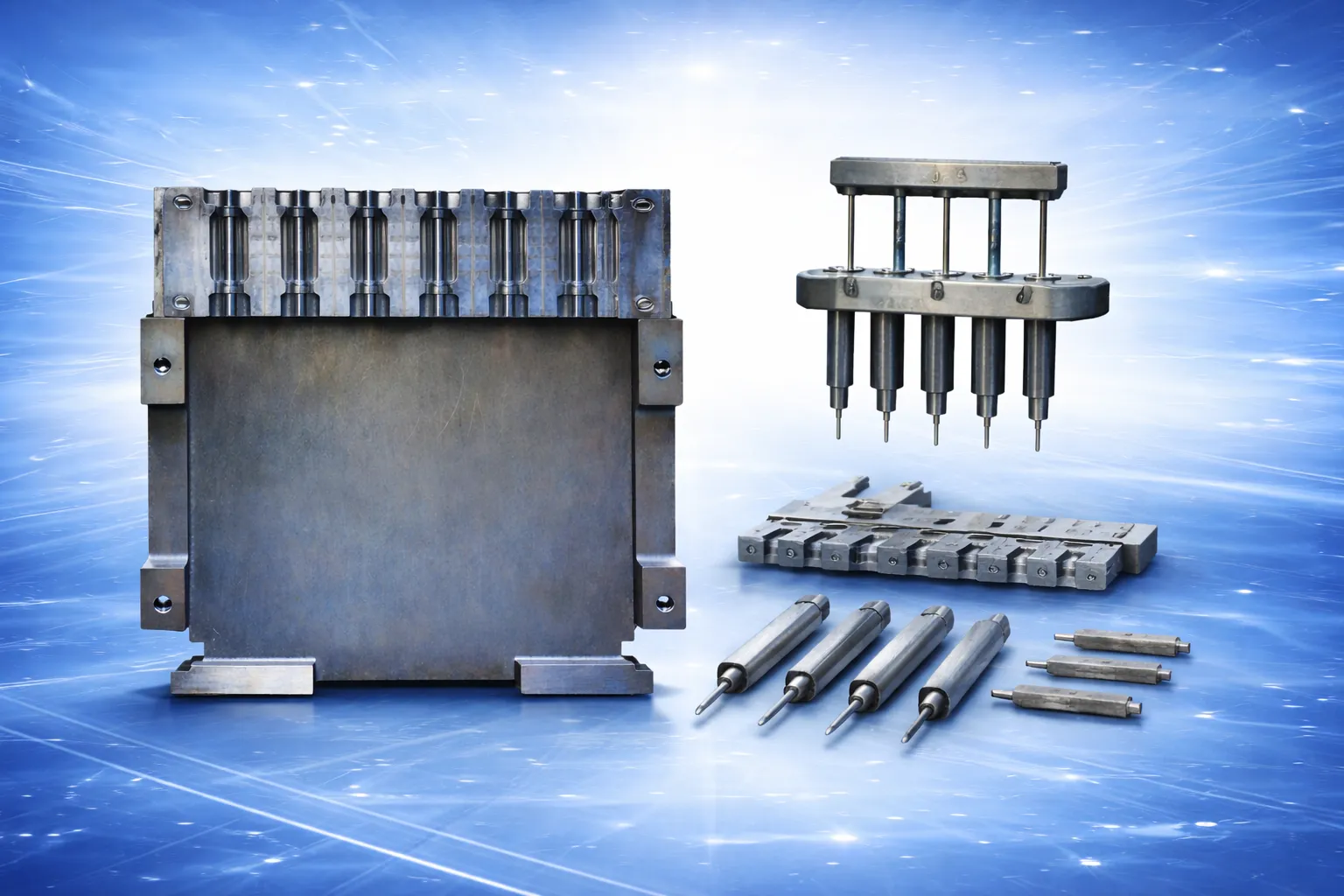
แผ่นฐานแม่พิมพ์ ISBM ของเกาหลี (โครงสร้างภายนอกที่ยึดบล็อกโพรงแม่พิมพ์) ควรได้รับการกำหนดมาตรฐานให้มีขนาดเดียวหรือสองขนาดสำหรับแม่พิมพ์ทั้งหมดในแต่ละแพลตฟอร์มเครื่องจักร ขนาดของฐานแม่พิมพ์จะเป็นตัวกำหนดตำแหน่งของแผ่นยึดบนแท่นเครื่องจักร หากแม่พิมพ์แต่ละชิ้นมีขนาดฐานที่แตกต่างกัน การเปลี่ยนแม่พิมพ์แต่ละครั้งจะต้องปรับตำแหน่งของแผ่นยึด การใช้ฐานมาตรฐานจะช่วยให้แผ่นยึดของเครื่องจักรคงอยู่ที่ตำแหน่งเดิม มีเพียงบล็อกโพรงแม่พิมพ์ภายในฐานมาตรฐานเท่านั้นที่จะเปลี่ยนแปลง ชุดแม่พิมพ์สั่งทำพิเศษ Ever-Power ของเกาหลีมีจำหน่ายพร้อมขนาดฐานมาตรฐานสำหรับแต่ละแพลตฟอร์มตามคำขอ
การตัดสินใจในการบริหารจัดการพอร์ตโฟลิโอแม่พิมพ์ ซึ่งกำหนดจำนวนโปรไฟล์คอมาตรฐาน จำนวนขนาดฐานมาตรฐาน และจำนวนประเภทเรซินที่ใช้งานได้จริงในพอร์ตโฟลิโอ SKU ของการดำเนินงาน ISBM ในเกาหลีนั้น เชื่อมโยงโดยตรงกับการวิเคราะห์จำนวนโพรงและเศรษฐศาสตร์ของ SKU คู่มือเครื่องคำนวณจำนวนฟันผุ ISBM ของเกาหลี.
6. การรับรองชิ้นงานตัวอย่างแรก: ระเบียบวิธีแบบย่อสำหรับแม่พิมพ์ซ้ำ
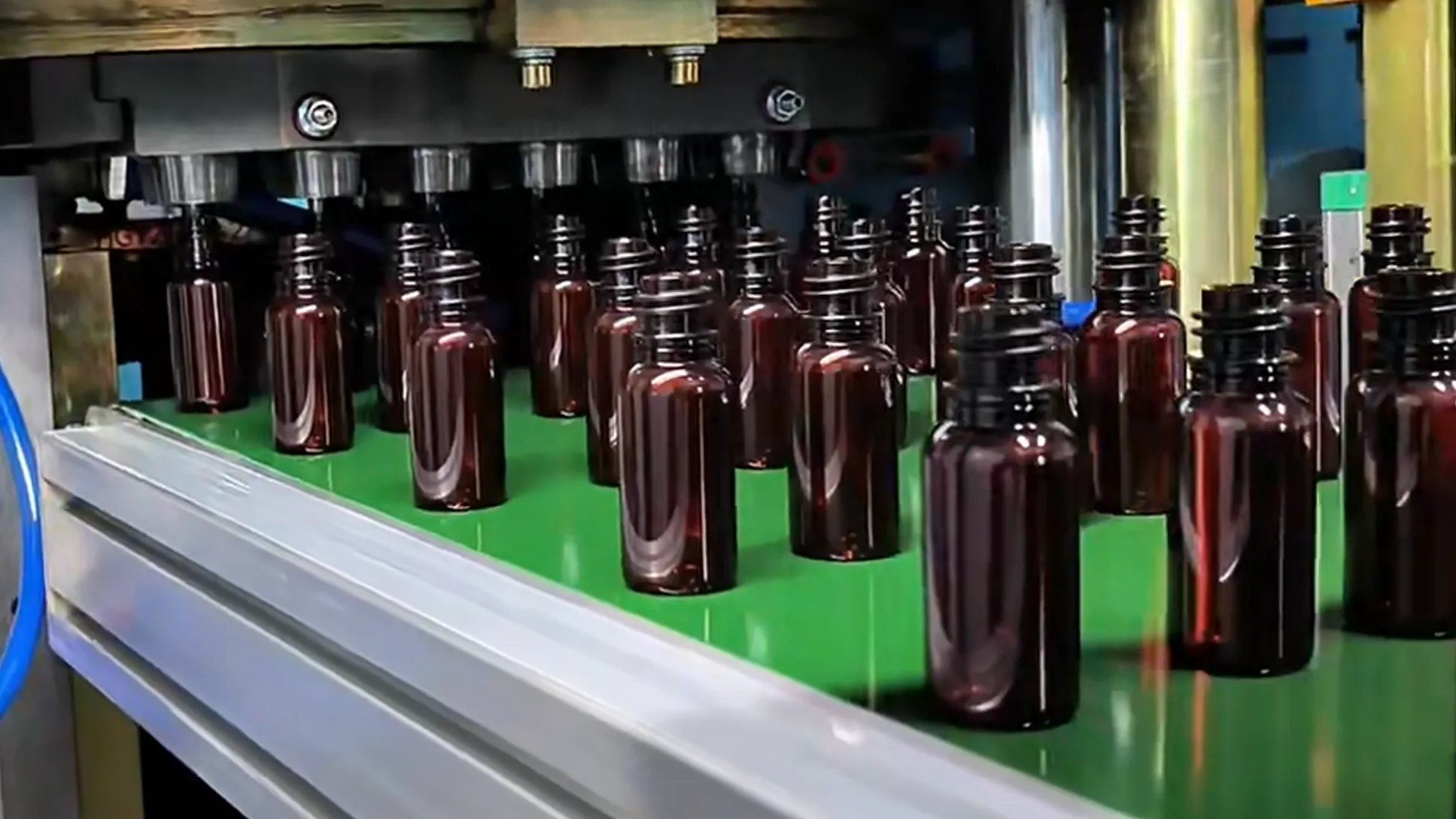
การตรวจสอบชิ้นงานแรกในขั้นตอนสุดท้ายของการเปลี่ยนสายการผลิต ISBM ในเกาหลีทุกครั้ง เป็นด่านตรวจสอบคุณภาพที่ยืนยันว่าแม่พิมพ์ได้รับการติดตั้งอย่างถูกต้อง และพารามิเตอร์ของกระบวนการผลิตทำให้ได้ขวดที่มีคุณสมบัติตรงตามข้อกำหนด ในหลายๆ สายการผลิต ISBM ในเกาหลี ขั้นตอนการตรวจสอบชิ้นงานแรกใช้เวลา 25-45 นาที ซึ่งประกอบด้วยการวัดน้ำหนักของชิ้นงานขึ้นรูป การตรวจสอบขนาด และการตรวจสอบด้วยสายตา และค่าใช้จ่ายด้านคุณภาพนี้เป็นส่วนประกอบสำคัญของเวลาในการเปลี่ยนสายการผลิตทั้งหมด
สำหรับแม่พิมพ์ที่เคยใช้งานกับเครื่องจักรเดียวกันมาก่อน (ไม่ใช่การใช้งานครั้งแรก) การดำเนินงาน ISBM ในเกาหลีสามารถใช้ขั้นตอนการตรวจสอบชิ้นงานแรกแบบย่อ ซึ่งจะตรวจสอบเฉพาะพารามิเตอร์ที่มีแนวโน้มที่จะเปลี่ยนแปลงระหว่างการเปลี่ยนแม่พิมพ์เท่านั้น ได้แก่ น้ำหนักของชิ้นงานก่อนขึ้นรูปในแต่ละช่อง (10 ชิ้น ทุกช่อง) เทียบกับน้ำหนักอ้างอิงจากการผลิตครั้งล่าสุด (ยอมรับหากอยู่ในช่วง ±0.3 กรัมจากค่าอ้างอิง) การตรวจสอบเส้นผ่านศูนย์กลางภายนอกของคอชิ้นงาน (1 ชิ้นต่อช่อง ความคลาดเคลื่อน ±0.05 มม.) การตรวจสอบด้วยสายตาเพื่อหาการบิดเบี้ยว ครีบ ชิ้นงานไม่เต็ม และจุดดำใน 10 ชิ้นแรก และการยืนยันอุณหภูมิการปรับสภาพให้อยู่ในช่วง ±2°C จากค่าที่ตั้งไว้ในสูตร ขั้นตอนแบบย่อนี้ใช้เวลา 8–12 นาที เทียบกับขั้นตอนการตรวจสอบชิ้นงานแรกแบบเต็มที่ใช้เวลา 25–45 นาที ซึ่งช่วยประหยัดเวลาได้ 15–30 นาทีต่อการเปลี่ยนแม่พิมพ์สำหรับเครื่องจักรและแม่พิมพ์ที่คุ้นเคย ขั้นตอนการตรวจสอบชิ้นงานแรกแบบเต็มจะยังคงใช้สำหรับการติดตั้งครั้งแรก หลังจากการซ่อมแซมหรือดัดแปลงแม่พิมพ์ และหลังจากการเปลี่ยนล็อตเรซิน ผลกระทบด้านคุณภาพและของเสียจากการรับรองชิ้นงานตัวอย่างแรกแบบย่อเทียบกับแบบเต็มรูปแบบนั้น ได้รับการบันทึกไว้ในมาตรฐาน ISBM ของเกาหลี กรอบการลดอัตราของเสีย.
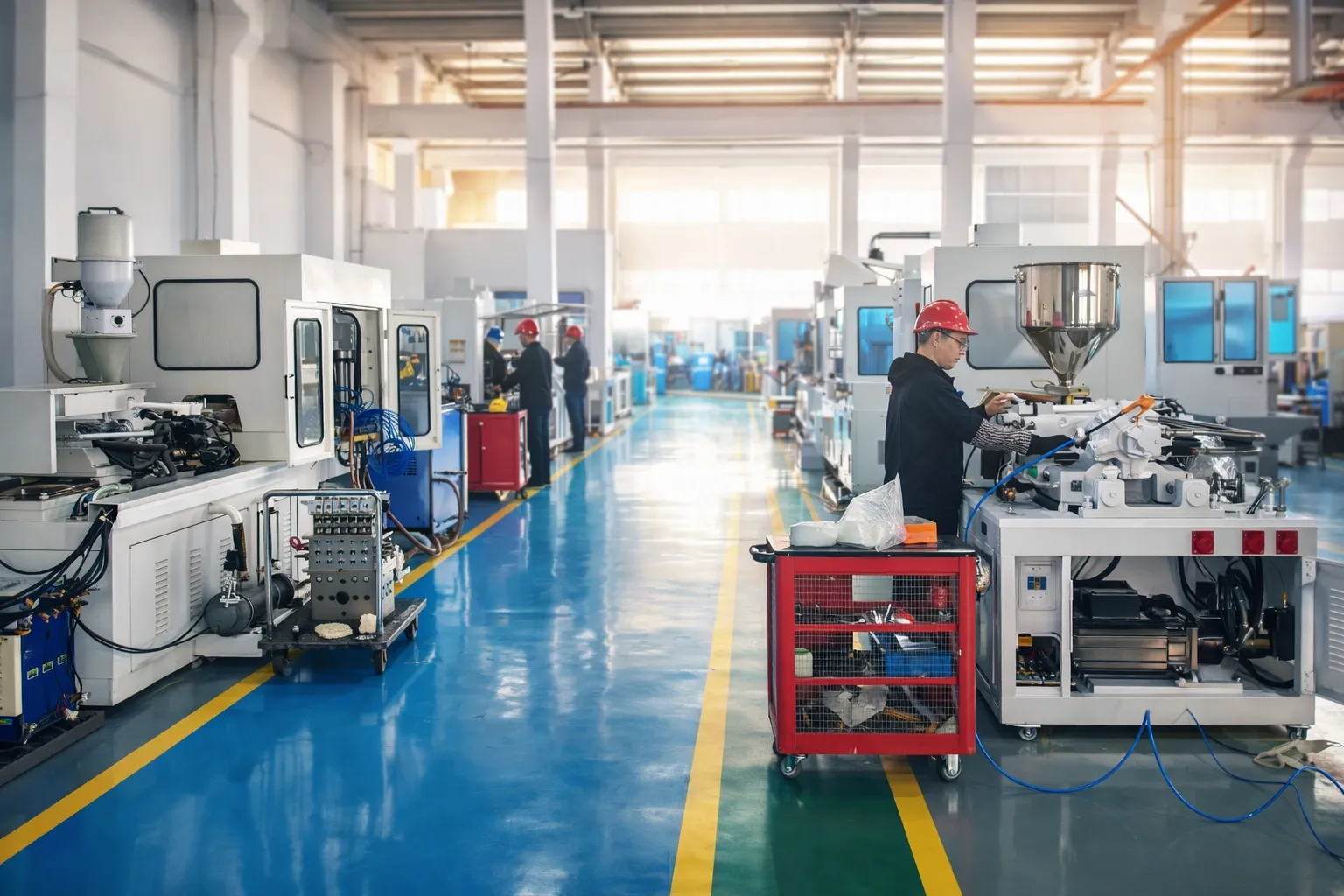
7. เครื่องมือดิจิทัลสำหรับการจัดการการเปลี่ยนผ่าน ISBM ในเกาหลี
การจัดการการเปลี่ยนผ่านระบบ ISBM ของเกาหลีได้รับการเปลี่ยนแปลงครั้งใหญ่ในช่วงปี 2024-2026 โดยการนำเครื่องมือดิจิทัลที่ใช้งานง่ายมาใช้แทนระบบกระดาษที่การดำเนินงาน ISBM ส่วนใหญ่ในเกาหลียังคงใช้อยู่ เครื่องมือดิจิทัลที่มีผลกระทบสูงสุด 3 ประการสำหรับการเปลี่ยนผ่านระบบ ISBM ในเกาหลี ได้แก่:
ระบบการ์ดคิวอาร์โค้ดแม่พิมพ์
แม่พิมพ์ ISBM ของเกาหลีแต่ละชิ้นจะมีคิวอาร์โค้ดที่เชื่อมโยงไปยังการ์ดดิจิทัลของแม่พิมพ์บนโทรศัพท์หรือแท็บเล็ตของทีมงานฝ่ายผลิตชาวเกาหลีที่ใช้ร่วมกัน การ์ดจะแสดงข้อมูลต่างๆ เช่น จำนวนการฉีดขึ้นรูปปัจจุบัน วันที่บำรุงรักษาครั้งล่าสุด พารามิเตอร์การผลิตครั้งล่าสุด (อุณหภูมิกระบอก การปรับสภาพ แรงดันการเป่า) ตำแหน่งจัดเก็บแม่พิมพ์ และการบำรุงรักษาครั้งต่อไปที่กำหนดไว้ ผู้ปฏิบัติงานจะสแกนคิวอาร์โค้ดระหว่างการเตรียมการก่อนหยุดเครื่อง และจะได้รับข้อมูลที่จำเป็นทั้งหมดก่อนที่เครื่องจะหยุดทำงาน ซึ่งช่วยลดเวลา 8-15 นาทีในการค้นหาการ์ดแม่พิมพ์ที่เป็นกระดาษ ซึ่งเป็นปัญหาที่พบได้ทั่วไปในเครื่องจักร ISBM ของเกาหลีที่ไม่มีระบบนี้ แอปพลิเคชันการจัดการแม่พิมพ์แบบคิวอาร์โค้ดของเกาหลีมีให้บริการในราคา 80,000–250,000 วอนต่อเดือน (SaaS) หรือสามารถนำไปใช้ในรูปแบบ Google Sheets + ตัวสร้างคิวอาร์โค้ดแบบง่ายๆ ของเกาหลีได้โดยไม่มีต้นทุนเพิ่มเติม
ระบบจัดการสูตรอาหาร EV
เครื่องฉีดพลาสติกแบบเซอร์โว Ever-Power EV ของเกาหลีจัดเก็บสูตรการผลิตแบบดิจิทัลไว้ในตัวควบคุมเครื่องจักร โปรโตคอลการจัดการสูตรสำหรับการเปลี่ยนแม่พิมพ์: แต่ละชุดผลิตภัณฑ์และแม่พิมพ์จะมีสูตรที่ตั้งชื่อไว้ซึ่งบันทึกไว้พร้อมพารามิเตอร์การฉีด การปรับสภาพ การเป่า และการระบายความร้อนทั้งหมด เมื่อเปลี่ยนแม่พิมพ์ ผู้ปฏิบัติงานจะเรียกใช้สูตรที่เข้ามาใหม่ก่อนที่เครื่องจะหยุดทำงาน — เครื่องจะแจ้งให้ยืนยันสูตรเมื่อเริ่มทำงานอีกครั้ง ซึ่งช่วยลดขั้นตอนการตั้งค่าพารามิเตอร์ออกจากเวลาการเปลี่ยนแม่พิมพ์ภายในได้อย่างสิ้นเชิง การจัดการสูตรเป็นรากฐานดิจิทัลของความสม่ำเสมอในคุณภาพของเครื่องฉีดพลาสติกแบบอัดขึ้นรูป (ISBM) ของเกาหลี ไม่ว่าจะเป็นผู้ปฏิบัติงานหรือกะการทำงานใดก็ตาม
แอปติดตามเวลาเปลี่ยนกะ
การปรับปรุงเวลาการเปลี่ยนงานอย่างเป็นระบบนั้นจำเป็นต้องวัดเวลาการเปลี่ยนงานทุกครั้งที่มีการเปลี่ยนงาน ไม่ใช่แค่เดือนละครั้งในระหว่างการอบรม SMED แอปจับเวลาบนสมาร์ทโฟนแบบง่ายๆ พร้อมรายการตรวจสอบมาตรฐาน 12 ขั้นตอน (แต่ละขั้นตอนมีการประทับเวลาเมื่อเริ่มต้นและเสร็จสิ้น) จะสร้างชุดข้อมูลที่แสดงให้ทีมผลิต ISBM ของเกาหลีเห็นว่าเวลาสะสมอยู่ที่ขั้นตอนใดบ้าง ทีมผลิตของเกาหลีที่ติดตามเวลาการเปลี่ยนงานอย่างสม่ำเสมอรายงานว่ามีการปรับปรุงเวลา 20–351 TP3T ใน 3 เดือนแรกจากการมองเห็นข้อมูลเพียงอย่างเดียว — ผู้ปฏิบัติงานเห็นข้อมูลและแก้ไขด้วยตนเองโดยไม่ต้องมีการแทรกแซงจากฝ่ายบริหาร
8. การวางแผนกลุ่มผลิตภัณฑ์แม่พิมพ์เพื่อลดความถี่และความซับซ้อนในการเปลี่ยนแม่พิมพ์
การปรับปรุงกระบวนการเปลี่ยนแม่พิมพ์ที่มีประสิทธิภาพสูงสุดนั้นเป็นเรื่องเชิงกลยุทธ์มากกว่าเชิงปฏิบัติการ นั่นคือ การออกแบบกลุ่มผลิตภัณฑ์แม่พิมพ์ ISBM ของเกาหลีให้ลดจำนวนและความซับซ้อนของการเปลี่ยนแม่พิมพ์ที่จำเป็นต่อรอบการผลิตให้เหลือน้อยที่สุด ซึ่งหมายถึง: การจัดกลุ่ม SKU ที่มีรูปทรงคอขวดและชนิดเรซินเดียวกันไว้ในลำดับการผลิตเดียวกัน (เพื่อกำจัดขั้นตอนการเปลี่ยนคอขวดและการเปลี่ยนเรซิน); การระบุชิ้นส่วนแทรกในฐานแม่พิมพ์ที่ใช้ร่วมกันเพื่อให้สามารถเปลี่ยนแม่พิมพ์ได้ (เปลี่ยนเฉพาะชิ้นส่วนแทรก ไม่ใช่ตัวแม่พิมพ์ทั้งหมด — ลดเวลาการเปลี่ยนแม่พิมพ์จาก 90 นาทีเหลือ 35-45 นาทีสำหรับขวดที่แตกต่างกันในตระกูลรูปแบบเดียวกัน); และการใช้กรอบการเพิ่มประสิทธิภาพจำนวนแม่พิมพ์เพื่อกำหนดขนาดเครื่องมือให้เหมาะสมกับการผลิตที่ยาวนานขึ้นต่อการเปลี่ยนแม่พิมพ์แต่ละครั้ง คู่มือการเลือกแม่พิมพ์ ISBM ของเกาหลี 9 ปัจจัย เนื้อหาครอบคลุมถึงการกำหนดมาตรฐานฐานแม่พิมพ์และการออกแบบชิ้นส่วนแทรกในโพรงแม่พิมพ์ ซึ่งเป็นพื้นฐานสำคัญสำหรับกลุ่มแม่พิมพ์ที่ได้รับการปรับให้เหมาะสมกับการเปลี่ยนแม่พิมพ์ ผู้ผลิตเครื่องพิมพ์ 3 มิติแบบ ISBM ของเกาหลีที่ออกแบบโดยคำนึงถึงผลกระทบของการเปลี่ยนแม่พิมพ์ในการตัดสินใจจัดซื้อแม่พิมพ์ แทนที่จะพยายามปรับการเปลี่ยนแม่พิมพ์ให้เหมาะสมกับกลุ่มแม่พิมพ์เดิมที่หลากหลาย จะสามารถลดเวลาการเปลี่ยนแม่พิมพ์ให้ต่ำกว่า 90 นาทีได้อย่างเป็นระบบ ซึ่งเป็นมาตรฐานที่โรงงานในเกาหลีที่ใช้แนวปฏิบัติที่ดีที่สุดทำได้
คำถามที่พบบ่อย
การสนับสนุนการเพิ่มประสิทธิภาพการเปลี่ยนผ่าน
การเปลี่ยนถ่ายข้อมูลจาก ISBM ในเกาหลีใช้เวลา 3-4 ชั่วโมง และส่งผลกระทบต่อกำไรของคุณหรือไม่?
ทีมปฏิบัติการของ Ever-Power จากประเทศเกาหลี ให้บริการตรวจสอบเวลาการเปลี่ยนงาน และแผนการดำเนินการตามโปรโตคอล 12 ขั้นตอน สำหรับกลุ่มผลิตภัณฑ์แม่พิมพ์ ISBM ของเกาหลีโดยเฉพาะ ซึ่งรวมถึงคำแนะนำเกี่ยวกับการกำหนดมาตรฐานเครื่องมือ และเครื่องมือการจัดการดิจิทัล
แหล่งข้อมูลที่เกี่ยวข้อง
แพลตฟอร์มสูตรอาหาร EV
เกาหลี Ever-Power HGY200-V4
การจัดเก็บสูตรอาหารแบบดิจิทัลและการเรียกใช้งานด้วยการแตะเพียงครั้งเดียว — ความสามารถของแพลตฟอร์มเซอร์โว EV ที่ช่วยลดขั้นตอนการตั้งค่าพารามิเตอร์ภายในระบบ
ช่วงเครื่องจักร
ช่วงทดสอบ ISBM 4 สถานี
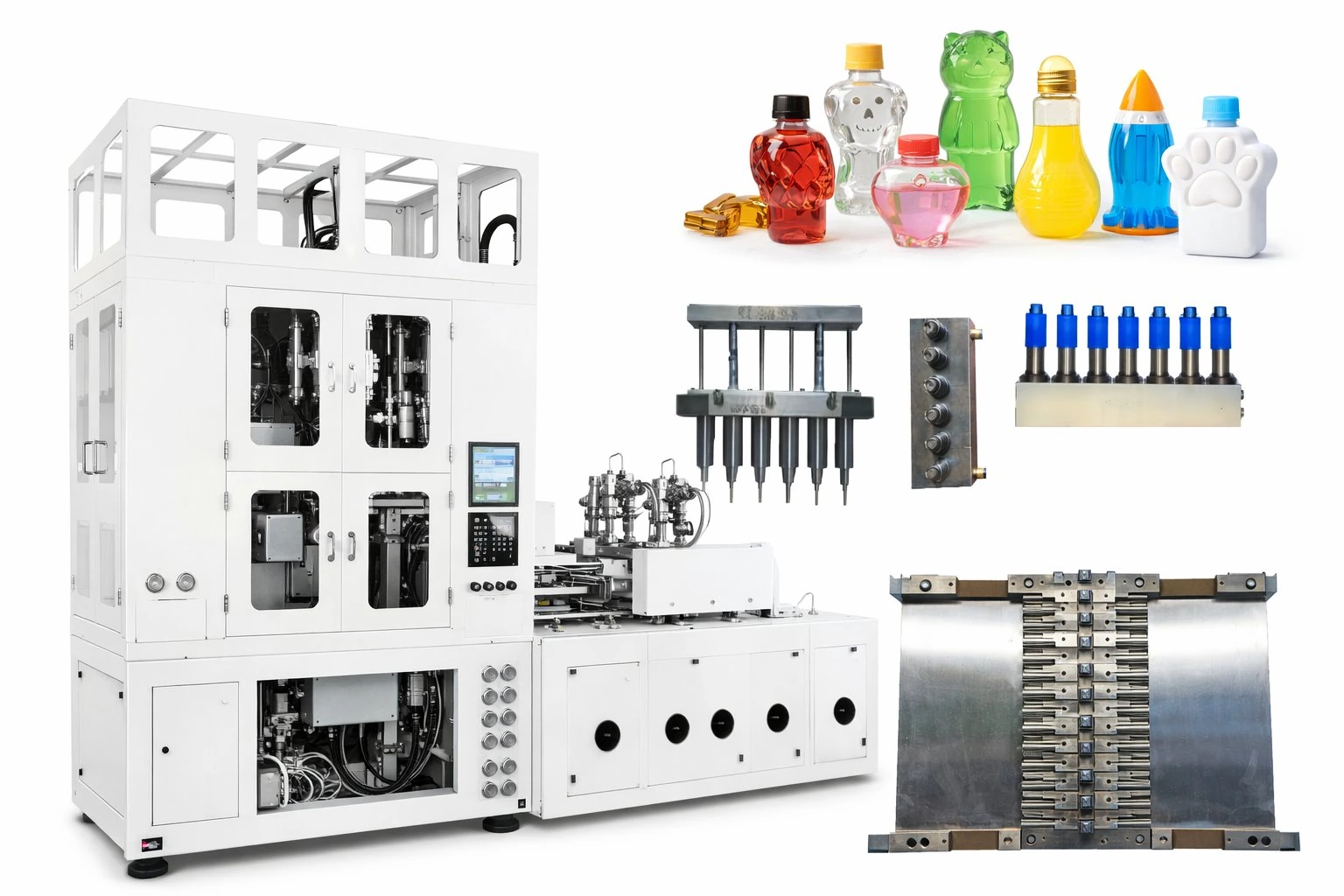
แท่นพิมพ์ 4 สถานี Ever-Power ทุกรุ่นที่ผลิตในเกาหลี มีขนาดการติดตั้งแม่พิมพ์ที่เป็นมาตรฐาน และข้อกำหนดตัวเชื่อมต่อระบายความร้อนแบบปลดเร็ว เพื่อให้การเปลี่ยนชิ้นงานเป็นไปอย่างเหมาะสมที่สุดในกระบวนการผลิต
เครื่องมือมาตรฐาน
การออกแบบแม่พิมพ์ ISBM แบบกำหนดเอง
แม่พิมพ์สั่งทำพิเศษ Ever-Power จากเกาหลี มีจำหน่ายพร้อมขนาดฐานมาตรฐาน อุปกรณ์ระบายความร้อนแบบปลดเร็วที่ติดตั้งไว้ล่วงหน้า และการ์ดเปลี่ยนแบบ QR เป็นอุปกรณ์มาตรฐาน