
तकनीकी गहन विश्लेषण · उत्पादन दक्षता · कोरियाई आईएसबीएम 2026
आईएसबीएम क्विक मोल्ड चेंज:
कोरियाई अवकाश मार्गदर्शिका
कई SKU वाले कोरियाई ISBM उत्पादक प्रति सप्ताह 1 से 5 बार मोल्ड बदलते हैं। 8 कैविटी और 8 सेकंड के चक्र वाली मशीन पर 4 घंटे का बदलाव वार्षिक उत्पादन में KRW 28 मिलियन की बर्बादी करता है, जबकि उसी मशीन पर 90 मिनट का बदलाव संभव है। व्यवस्थित बदलाव अनुकूलन कोरियाई मल्टी-SKU ISBM संचालन के लिए उपलब्ध सबसे अधिक लाभप्रद परिचालन सुधार है - और इसके लिए किसी पूंजी निवेश की आवश्यकता नहीं है, केवल कार्यप्रणाली में सुधार की आवश्यकता है।
12-चरण प्रोटोकॉल
एसएमईडी-आईएसबीएम के लिए अनुकूलित
कोरियाई एवर-पावर इंजीनियरिंग डेस्क · अनसान-सी · मई 2026
कोरियाई आईएसबीएम मोल्ड परिवर्तन समय मानदंड — 2026
| ऑपरेशन प्रकार | औद्योगिक औसत | अच्छा रिवाज़ | सर्वश्रेष्ठ प्रणालियां | मुख्य प्रवर्तक |
|---|---|---|---|---|
| गर्दन एक जैसी, राल भी एक जैसी (केवल रंग एक जैसा) | 90-120 मिनट | 60-75 मिनट | 35-50 मिनट | पहले से साफ किया हुआ बैरल; पहले से तैयार ट्रॉली; त्वरित-रिलीज़ कूलिंग कनेक्टर |
| गर्दन एक जैसी, बोतल का आकार अलग | 120–180 मिनट | 80-100 मिनट | 55-75 मिनट | पहले से गर्म किया हुआ इनकमिंग मोल्ड; मानकीकृत कैविटी क्लैंप टॉर्क विनिर्देश; ईवी रेसिपी रिकॉल |
| एक ही रेज़िन, अलग नेक प्रोफाइल | 150–210 मिनट | 100–130 मिनट | 75–95 मिनट | स्ट्रेच रॉड एक्सचेंज किट का चरणबद्ध प्रदर्शन; कंडीशनिंग इंसर्ट स्वैप का दस्तावेजीकरण; प्रथम-लेख प्रोटोकॉल का संक्षिप्त विवरण |
| अलग-अलग रेजिन (पीईटी → पीईटीजी) | 210–300 मिनट | 140–180 मिनट | 100–130 मिनट | मोल्ड बदलने से पहले पीईटीजी से पूरे बैरल को साफ करें; पहले से पीईटीजी से भरा हॉपर; पीईटीजी ड्रायर को निर्धारित तापमान तक पहले से गर्म करें। |
समय की गणना शुरू से अंत तक की जाती है: आउटगोइंग रन के अंतिम सफल प्रोडक्शन शॉट से लेकर इनकमिंग रन के पहले स्वीकृत प्रोडक्शन शॉट तक (जिसमें फर्स्ट-आर्टिकल इंस्पेक्शन भी शामिल है)। इसमें दो व्यक्तियों की चेंजओवर टीम मानी गई है। एक व्यक्ति द्वारा किए जाने पर सभी श्रेणियों में 35-60 मिनट का अतिरिक्त समय लगता है।
1. मोल्ड परिवर्तन का समय कोरियाई आईएसबीएम व्यवसाय का एक महत्वपूर्ण चर क्यों है?
कोरियाई मल्टी-SKU आईएसबीएम संचालन प्रमुख उत्पादन मॉडल बनता जा रहा है क्योंकि कोरियाई ब्रांड के ग्राहक न्यूनतम ऑर्डर मात्रा कम कर रहे हैं और उत्पाद विविधता बढ़ा रहे हैं। एक कोरियाई आईएसबीएम निर्माता जो 15 SKUs में 8 ग्राहकों को सेवा प्रदान करता है और जिसका उत्पादन चक्र 1 सप्ताह का है, वह प्रति माह 14-20 बार मोल्ड बदलता है। 240 मिनट के औसत बदलाव समय (विभिन्न नेक वाले मोल्डों के लिए उद्योग का औसत) के हिसाब से, इससे मशीन का मासिक डाउनटाइम 56-80 घंटे हो जाता है - जो प्रति मशीन प्रति माह 3-4 पूरे उत्पादन दिनों के नुकसान के बराबर है।
राजस्व लागत की गणना की जा सकती है और यह विशिष्ट है। 65 KRW के अनुबंध मूल्य पर 8 सेकंड के चक्र पर चलने वाली कोरियाई 6-कैविटी HGY200-V4 मशीन पर: उत्पादक उत्पादन दर = 6 × (3600/8) × 65 KRW = 175,500 KRW प्रति घंटा। प्रत्येक घंटे के बदलाव के कारण होने वाले डाउनटाइम से 175,500 KRW का राजस्व नुकसान होता है - यह लाभ का नुकसान नहीं है, बल्कि राजस्व का नुकसान है जिस पर समान निश्चित ओवरहेड लागत आती है। 14 मासिक बदलाव के समय को 240 मिनट से घटाकर 90 मिनट करने से 35 घंटे का डाउनटाइम बचता है, जिससे प्रति माह 6.1 मिलियन KRW और वार्षिक रूप से 73 मिलियन KRW की वसूली होती है। कोई भी पूंजी निवेश इस प्रतिफल को प्राप्त नहीं कर सकता; केवल विधि में सुधार ही इसे प्राप्त कर सकता है। बदलाव के समय और कोरियाई ISBM उत्पादन अर्थशास्त्र के बीच यह संबंध व्यापक अवधारणा का एक अनुप्रयोग है। कोरियाई आईएसबीएम चक्र समय अनुकूलन ढांचा.
इसके अतिरिक्त, तेज़ बदलाव से न्यूनतम ऑर्डर मात्रा कम हो जाती है - जिससे कोरियाई आईएसबीएम उत्पादक प्रीमियम ब्रांड अनुबंधों के लिए प्रतिस्पर्धा कर सकते हैं जिनके लिए 200K-500K यूनिट रन की आवश्यकता होती है, जो कि अलाभकारी होगा यदि बदलाव ओवरहेड रन टाइम के 15% से अधिक की खपत करता है।
2. कोरियाई आईएसबीएम उत्पादन के लिए अनुकूलित एसएमईडी पद्धति
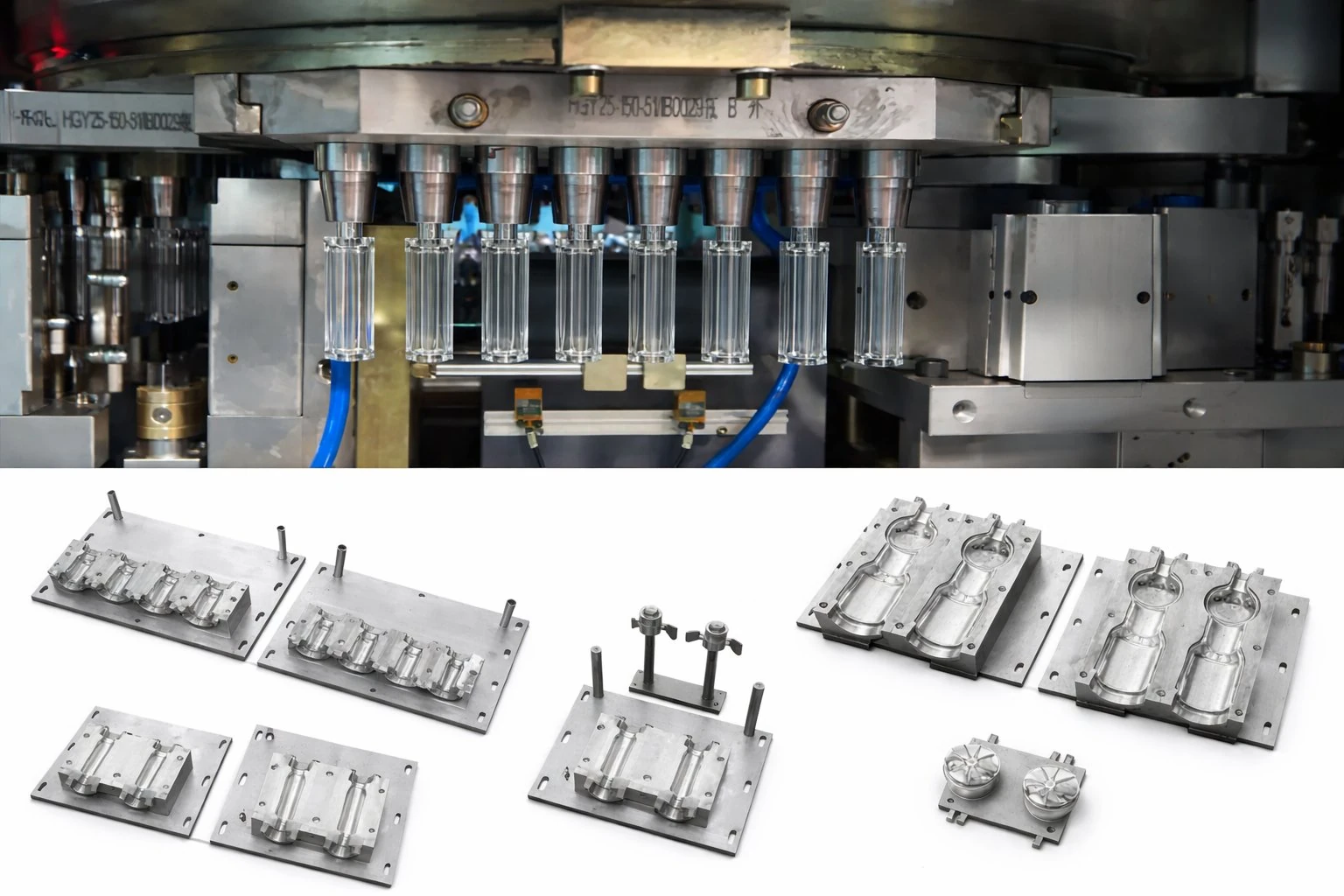
एसएमईडी (सिंगल-मिनट एक्सचेंज ऑफ डाई), जिसे टोयोटा के स्टैम्पिंग ऑपरेशन के लिए शिगेओ शिंगो द्वारा विकसित किया गया था, चेंजओवर समय को कम करने की एक व्यवस्थित पद्धति है। इसका मूल सिद्धांत - चेंजओवर गतिविधियों में से यथासंभव अधिक से अधिक को आंतरिक (मशीन बंद, ऑपरेटर मशीन पर) से बाहरी (मशीन अभी भी चल रही है, ऑपरेटर अगले काम की तैयारी कर रहा है) में परिवर्तित करना - कोरियाई आईएसबीएम मोल्ड चेंजओवर पर सीधे लागू होता है। कोरियाई आईएसबीएम के लिए अनुकूलित 4-चरण एसएमईडी दृष्टिकोण इस प्रकार है:
निरीक्षण
वर्तमान परिवर्तन का समय निर्धारित करें और उसका दस्तावेजीकरण करें।
कोरियाई आईएसबीएम मशीन पर लगातार तीन बार मोल्ड बदलने की प्रक्रिया को वीडियो रिकॉर्ड करें — एक ही टीम और एक ही मोल्ड जोड़ी के साथ। रिकॉर्डिंग को अलग-अलग कार्यों में विभाजित करें और समय-चिह्न जोड़ें। प्रत्येक कार्य को आंतरिक (मशीन को रोकना आवश्यक है) या बाहरी (मशीन के चलते समय किया जा सकता है) के रूप में वर्गीकृत करें। अधिकांश कोरियाई आईएसबीएम संचालकों ने पाया है कि उनके मोल्ड बदलने के समय का 35-50% हिस्सा उन कार्यों में व्यतीत होता है जिन्हें बाहरी रूप से किया जा सकता है — जैसे उपकरण लाना, सेटिंग डेटा खोजना, आने वाले मोल्ड सेट को तैयार करना — लेकिन वर्तमान में ये कार्य मशीन के रुकने के बाद किए जाते हैं।
अलग
आंतरिक और बाह्य गतिविधियों को अलग-अलग रखें।
परिवर्तन क्रम को इस प्रकार पुनर्व्यवस्थित करें कि मशीन बंद होने से पहले सभी बाहरी गतिविधियाँ पूरी हो जाएँ: बाहर जाने वाले साँचे के शीतलन जल के तापमान को मापा और दर्ज किया जाए; आने वाले साँचे को भंडारण से निकालकर मशीन क्षेत्र में लाया जाए; आने वाले साँचे को साँचे हीटर कार्ट पर उत्पादन साँचे के तापमान से 10°C के भीतर तक पहले से गर्म किया जाए; सभी औजारों और फास्टनरों की गिनती की जाए और उन्हें परिवर्तन ट्रॉली पर रखा जाए; आने वाले उत्पाद के लिए ईवी मशीन रेसिपी को पुनः प्राप्त किया जाए और पैरामीटर सत्यापन के लिए तैयार रखा जाए।
बदलना
जहां संभव हो, आंतरिक गतिविधियों को बाहरी गतिविधियों में परिवर्तित करें।
कोरियाई आईएसबीएम के लिए सबसे महत्वपूर्ण परिवर्तन है बैरल से निकलने वाले रेज़िन को निकालना। कोरियाई आईएसबीएम प्रक्रियाओं में, जहाँ रेज़िन परिवर्तन (पीईटी से पीईटीजी) शामिल होता है, बैरल से निकलने वाले रेज़िन को निकालने में 15-25 मिनट लगते हैं। इसे मौजूदा मोल्ड लगे रहने के दौरान ही शुरू किया जा सकता है - बैरल के तापमान में न्यूनतम परिवर्तन के साथ मौजूदा मोल्ड में रेज़िन निकालने के लिए पर्ज शॉट्स चलाए जाते हैं। पर्ज पूरा होने के बाद, मशीन को मोल्ड बदलने के लिए रोक दिया जाता है, जबकि बैरल में पहले से ही नया रेज़िन भरा होता है। इस एक परिवर्तन से रेज़िन परिवर्तन के लिए लगने वाला आंतरिक समय 25-35 मिनट तक कम हो जाता है।
सरल
शेष आंतरिक गतिविधियों को सुव्यवस्थित करें
आंतरिक कार्य की अवधि को कम करने के लिए निम्नलिखित उपाय अपनाएं: मानकीकृत टॉर्क विनिर्देश (माप की आवश्यकता नहीं - प्रत्येक मोल्ड फास्टनर स्थिति के लिए सत्यापित टॉर्क मान पर पूर्व-निर्धारित टॉर्क रिंच का उपयोग किया जाता है); त्वरित-रिलीज़ कूलिंग कनेक्टर (थ्रेडेड कूलिंग फिटिंग को हाथ से कसने की आवश्यकता समाप्त - पुश-फिट कनेक्टर प्रति सर्किट कनेक्शन समय को 90 सेकंड से घटाकर 8 सेकंड कर देते हैं); डिजिटल सत्यापन (ईवी सर्वो रेसिपी रिकॉल सभी मापदंडों को स्वचालित रूप से सत्यापित करता है - मैनुअल चेक शीट की आवश्यकता समाप्त)।
3. कोरियाई आईएसबीएम 12-चरणीय परिवर्तन प्रोटोकॉल
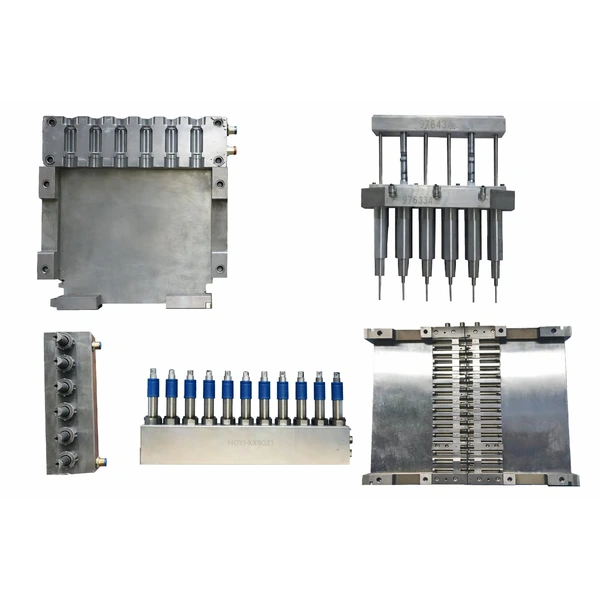
निम्नलिखित प्रोटोकॉल समान रेज़िन और समान नेक वाले कोरियाई आईएसबीएम उत्पादन के लिए सर्वोत्तम अभ्यास परिवर्तन समय प्राप्त करता है। रेज़िन परिवर्तन या नेक प्रोफ़ाइल परिवर्तन के कारण चरण 6 और 7 के बीच अतिरिक्त चरण जुड़ जाते हैं। प्रोटोकॉल को प्री-स्टॉप (बाह्य) और मशीन-स्टॉप (आंतरिक) चरणों में विभाजित किया गया है:
4. मोल्ड को पहले से गर्म करना: परिवर्तन प्रक्रिया में सबसे अधिक प्रभाव डालने वाला सुधार
कोरियाई आईएसबीएम संचालन में उपलब्ध सभी व्यक्तिगत सुधार उपायों में से, स्थापना से पहले आने वाले साँचे को पहले से गर्म करना ही एकमात्र ऐसा उपाय है जो प्रथम उत्पाद की गुणवत्ता में सबसे अधिक कमी लाता है। कोरियाई आईएसबीएम मशीन पर स्थापित ठंडे साँचे (भंडारण तापमान 15-25°C) को उत्पादन शीतलन जल तापमान (8-12°C गुहा सतह) पर ऊष्मीय संतुलन तक पहुँचने में 45-60 मिनट का उत्पादन चक्र समय लगता है। इस गर्म होने की अवधि के दौरान, बोतल की गुणवत्ता में बदलाव आता है - गर्म गुहा द्वारा डिज़ाइन की गई तुलना में अधिक तेज़ी से गर्मी बनाए रखने के कारण मोटी दीवारें, ऊष्मीय विस्तार के साथ गुहा के आयतन में परिवर्तन के कारण वजन में भिन्नता, और पीईटी या पीईटीजी बोतल के विभिन्न क्षेत्रों में असमान गुहा तापमान के कारण प्रकाशीय गुणवत्ता में भिन्नता।
स्थापना से पहले उत्पादन कैविटी के तापमान से 10°C के भीतर तक प्री-हीट किया गया मोल्ड 8-12 उत्पादन चक्रों में ऊष्मीय संतुलन प्राप्त कर लेता है - जिससे वार्म-अप उत्पादन अपशिष्ट 45-60 मिनट से घटकर 2-4 मिनट हो जाता है। कोरियाई आईएसबीएम मोल्ड प्री-हीटिंग कार्ट (आमतौर पर प्रत्येक KRW 1.8M-4.5M) मोल्ड को कूलिंग चैनल वॉटर सर्किट के माध्यम से गर्म करने के लिए इलेक्ट्रिक रेजिस्टेंस हीटिंग तत्वों का उपयोग करते हैं - यह वही सर्किट है जिसका उपयोग उत्पादन कूलिंग के लिए किया जाता है, लेकिन ठंडे पानी के बजाय गर्म पानी का परिसंचरण होता है। 15 चेंजओवर/माह पर एक प्री-हीटिंग कार्ट के लिए निवेश की वापसी 3 महीने से कम है। चेंजओवर मानकीकरण कार्य, जो इस प्री-हीटिंग प्रोटोकॉल को पूरे मोल्ड पोर्टफोलियो में व्यवस्थित बनाता है, कोरियाई आईएसबीएम रखरखाव कार्यक्रम की मोल्ड प्रबंधन प्रक्रियाओं के अनुरूप है। कोरियाई आईएसबीएम निवारक रखरखाव चेकलिस्ट.
5. कोरियाई आईएसबीएम मोल्ड पोर्टफोलियो में टूलिंग मानकीकरण
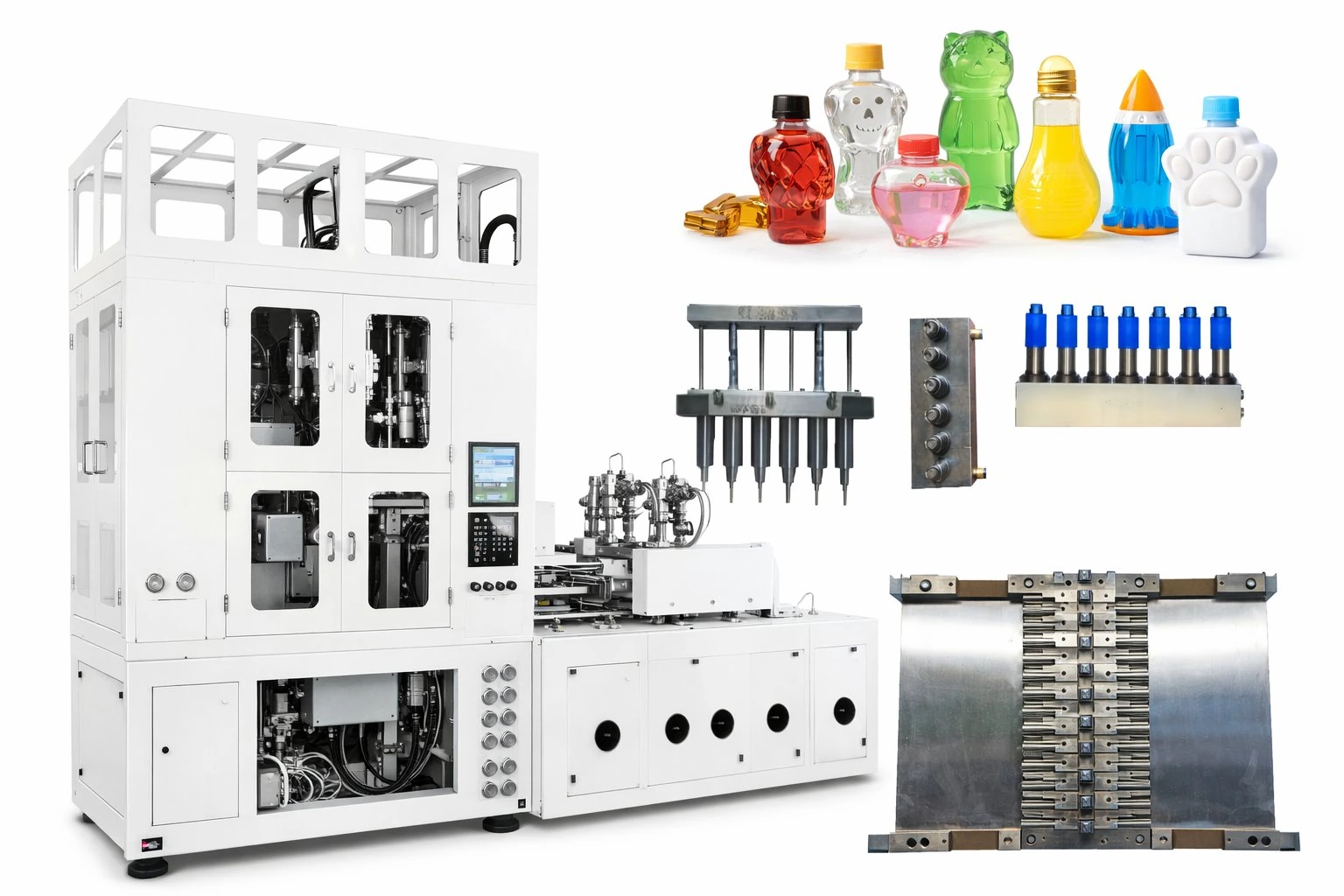
कोरियाई आईएसबीएम मोल्ड के बदलाव का समय टूलिंग विविधता के कारण कई गुना बढ़ जाता है — प्रत्येक गैर-मानक फास्टनर, गैर-मानक कूलिंग कनेक्शन या गैर-मानक क्लैम्पिंग स्थान बदलाव में समय और त्रुटि का जोखिम बढ़ा देता है। कोरियाई आईएसबीएम मोल्ड पोर्टफोलियो में टूलिंग विविधता को कम करने का व्यवस्थित दृष्टिकोण तीन मानकीकरण निर्णयों से शुरू होता है:
मानक फास्टनर सिस्टम
सभी नए मोल्डों में मानकीकृत टॉर्क (कोरियाई मानक कॉन्फ़िगरेशन में 718H कैविटी ब्लॉक के लिए 85 N·m) पर M16 हेक्स सॉकेट बोल्ट निर्दिष्ट करें। गैर-मानक फास्टनर आकार वाले किसी भी मोल्ड को हटा दें। एक समर्पित टॉर्क रिंच को 85 N·m पर पहले से सेट करें - यह हमेशा चेंजओवर ट्रॉली पर ही रहेगा। इस एक मानकीकरण से टॉर्क विनिर्देशों की जाँच करने की आवश्यकता समाप्त हो जाती है, जिससे प्रत्येक मोल्ड के लिए टॉर्क की जाँच करने में लगने वाला 5-8 मिनट का अतिरिक्त समय बचता है।
मानकीकृत शीतलन कनेक्शन
एक ही मशीन प्लेटफॉर्म के सभी मोल्डों पर पुश-फिट क्विक-रिलीज़ कूलिंग कनेक्टर (स्टॉबली या समकक्ष, 10 बार, 150°C रेटिंग वाले) का उपयोग करें। मोल्ड पोर्टफोलियो में सभी कूलिंग सर्किटों को एक समान रंग से कोडित करें (नीला इनलेट, लाल आउटलेट; क्रमानुसार सर्किट संख्याएँ)। कोरियाई ISBM कूलिंग कनेक्शन में त्रुटियाँ — सर्किटों को गलत क्रम में जोड़ना — एक नए रन के पहले 30 मिनट में दिखाई देने वाली कैविटी-टू-कैविटी तापमान असंतुलन की समस्याओं का एक प्रमुख कारण है। मानकीकृत रंग कोडिंग से कनेक्शन त्रुटियाँ दूर हो जाती हैं।
मानकीकृत मोल्ड बेस आयाम
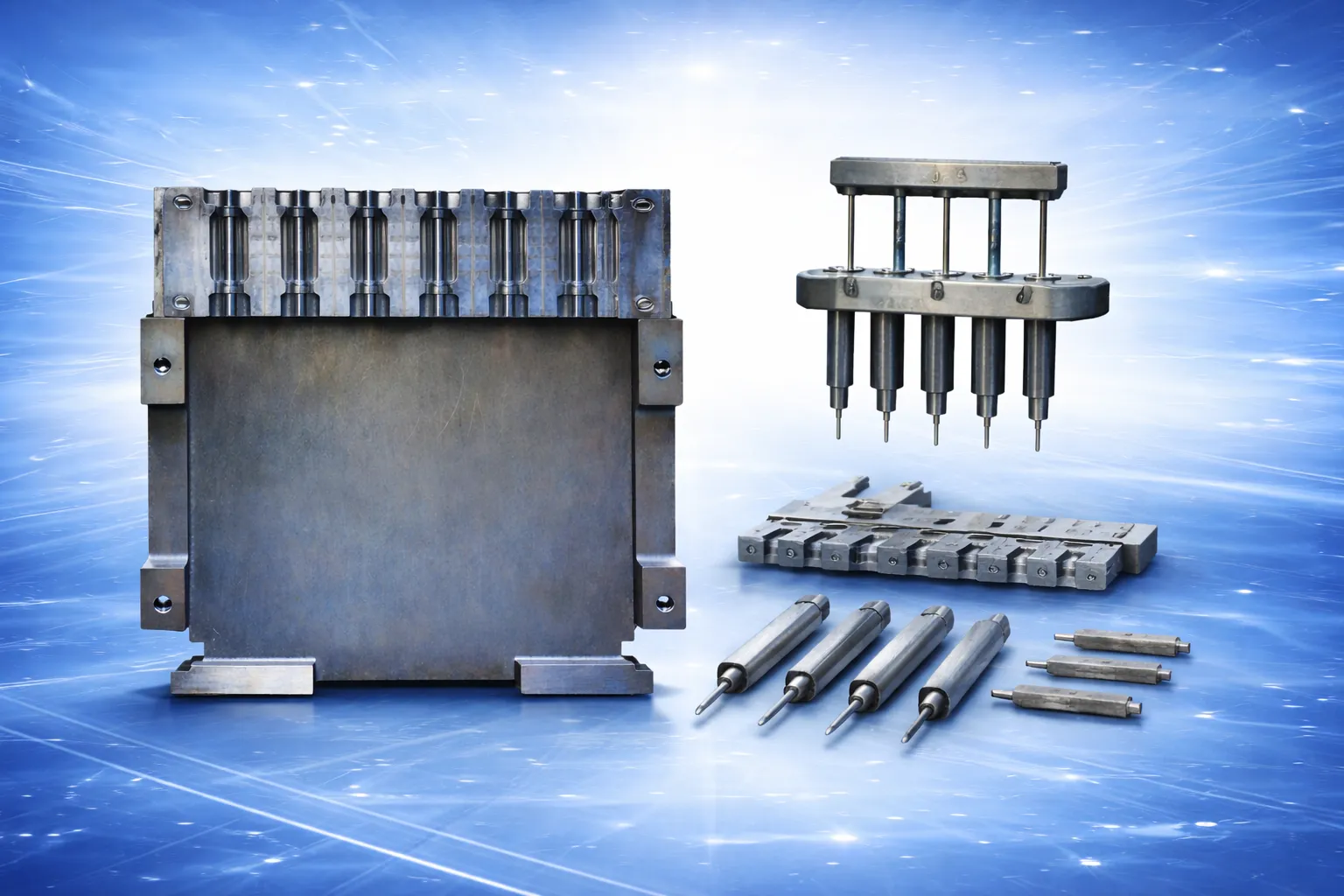
कोरियाई ISBM मोल्ड बेस प्लेट (बाहरी संरचनात्मक फ्रेम जो कैविटी ब्लॉक को पकड़ते हैं) को प्रत्येक मशीन प्लेटफॉर्म के लिए पूरे मोल्ड पोर्टफोलियो में एक या दो आकारों में मानकीकृत किया जाना चाहिए। मोल्ड बेस के आयाम मशीन प्लेटन पर क्लैंप प्लेट की स्थिति निर्धारित करते हैं - यदि प्रत्येक मोल्ड के बेस के आयाम अलग-अलग हैं, तो प्रत्येक बदलाव पर क्लैंप की स्थिति को समायोजित करना आवश्यक होगा। मानकीकृत बेस मशीन क्लैंप को स्थिर स्थिति में रहने देते हैं; केवल मानक बेस के अंदर के कैविटी ब्लॉक बदलते हैं। कोरियाई एवर-पावर कस्टम मोल्ड सेट प्लेटफॉर्म-मानकीकृत बेस आयामों के साथ अनुरोध पर उपलब्ध हैं।
कोरियाई आईएसबीएम ऑपरेशन के एसकेयू पोर्टफोलियो में कितने मानक नेक प्रोफाइल, कितने मानक बेस साइज और कितने रेजिन प्रकार व्यवहार्य हैं, यह निर्धारित करने वाले मोल्ड पोर्टफोलियो प्रबंधन निर्णय सीधे कैविटी संख्या और एसकेयू अर्थशास्त्र विश्लेषण से जुड़े होते हैं। कोरियाई आईएसबीएम गुहा गणना कैलकुलेटर गाइड.
6. प्रथम-आर्टिकल योग्यता: रिपीट मोल्ड्स के लिए संक्षिप्त प्रोटोकॉल
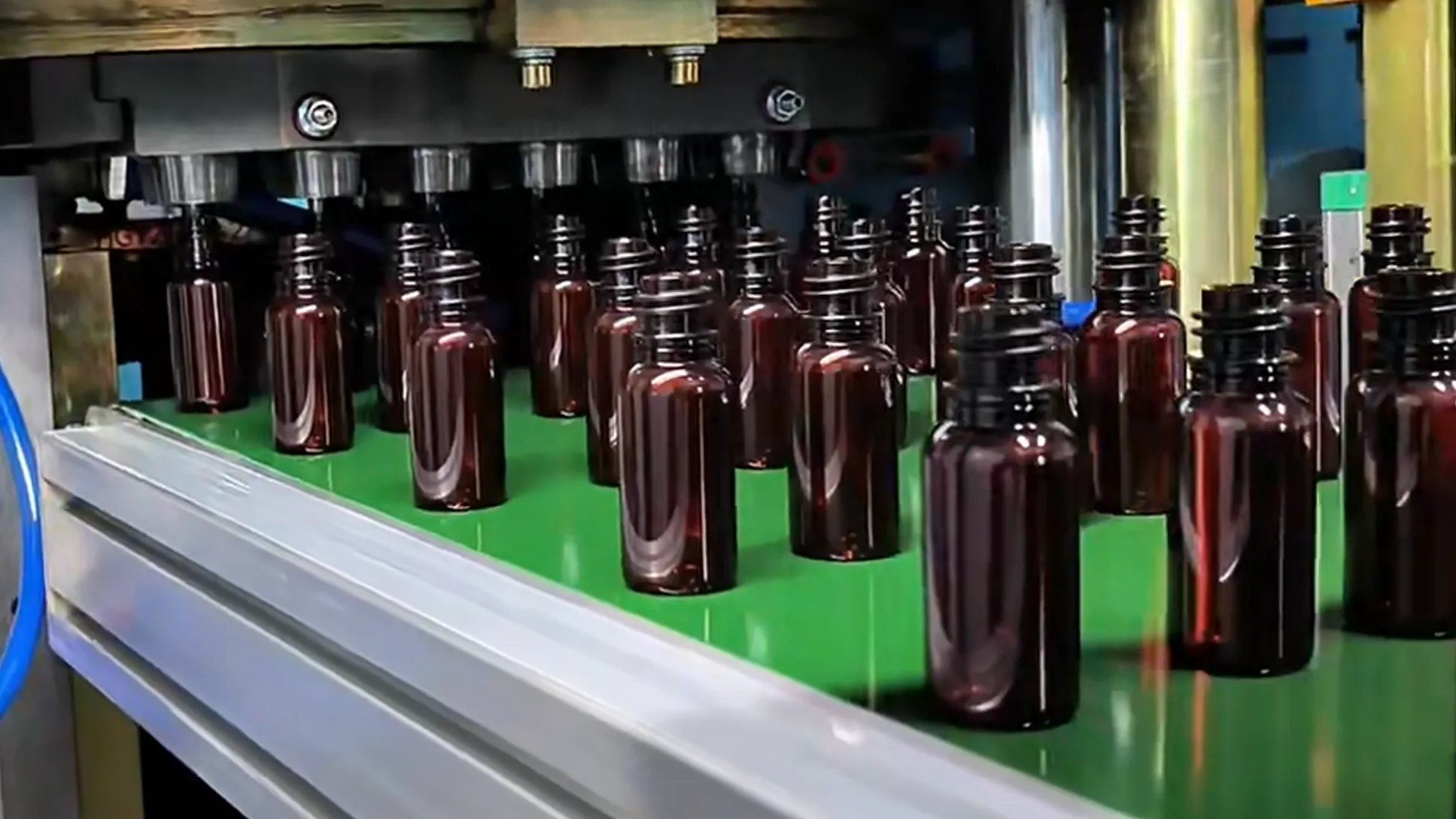
प्रत्येक कोरियाई आईएसबीएम चेंजओवर के अंत में होने वाला प्रथम-आर्टिकल निरीक्षण वह गुणवत्ता जांच है जो यह सुनिश्चित करती है कि मोल्ड सही ढंग से स्थापित किया गया है और प्रक्रिया पैरामीटर विनिर्देशों के अनुसार बोतलें बना रहे हैं। कई कोरियाई आईएसबीएम संचालन में, प्रथम-आर्टिकल प्रोटोकॉल में 25-45 मिनट लगते हैं - जिसमें प्रीफॉर्म का वजन मापना, आयामों की जांच करना और दृश्य निरीक्षण करना शामिल है - और यह गुणवत्ता संबंधी अतिरिक्त समय कुल चेंजओवर समय का एक महत्वपूर्ण घटक है।
जिन मोल्डों को पहले एक ही मशीन पर चलाया जा चुका है (पहली बार चालू नहीं किया जा रहा है), उनके लिए कोरियाई ISBM संचालन एक संक्षिप्त प्रथम-अनुच्छेद प्रोटोकॉल लागू कर सकता है। यह प्रोटोकॉल केवल उन मापदंडों की जाँच करता है जिनमें बदलाव की संभावना सबसे अधिक होती है: प्रत्येक कैविटी के लिए प्रीफॉर्म का वजन (10 शॉट, सभी कैविटी) बनाम अंतिम रन का संदर्भ वजन (यदि संदर्भ से ±0.3 ग्राम के भीतर हो तो स्वीकार करें); नेक फिनिश OD स्पॉट-चेक (प्रति कैविटी 1 प्रीफॉर्म, ±0.05 मिमी सहनशीलता); पहले 10 शॉट्स पर स्प्ले, फ्लैश, शॉर्ट-शॉट और काले धब्बों के लिए दृश्य निरीक्षण; और कंडीशनिंग तापमान की पुष्टि जो रेसिपी सेटपॉइंट से ±2°C के भीतर हो। यह संक्षिप्त प्रोटोकॉल 25-45 मिनट के पूर्ण प्रथम-अनुच्छेद प्रोटोकॉल की तुलना में 8-12 मिनट लेता है - जिससे परिचित मोल्ड-मशीन संयोजनों के लिए प्रत्येक बदलाव पर 15-30 मिनट की बचत होती है। पूर्ण प्रथम-अनुच्छेद प्रोटोकॉल को पहली बार इंस्टॉलेशन के लिए, किसी भी मोल्ड की मरम्मत या संशोधन के बाद, और राल लॉट में बदलाव के बाद बनाए रखा जाता है। संक्षिप्त बनाम पूर्ण प्रथम-लेख योग्यता के गुणवत्ता और स्क्रैप निहितार्थों को कोरियाई आईएसबीएम में प्रलेखित किया गया है। स्क्रैप दर में कमी का ढांचा.
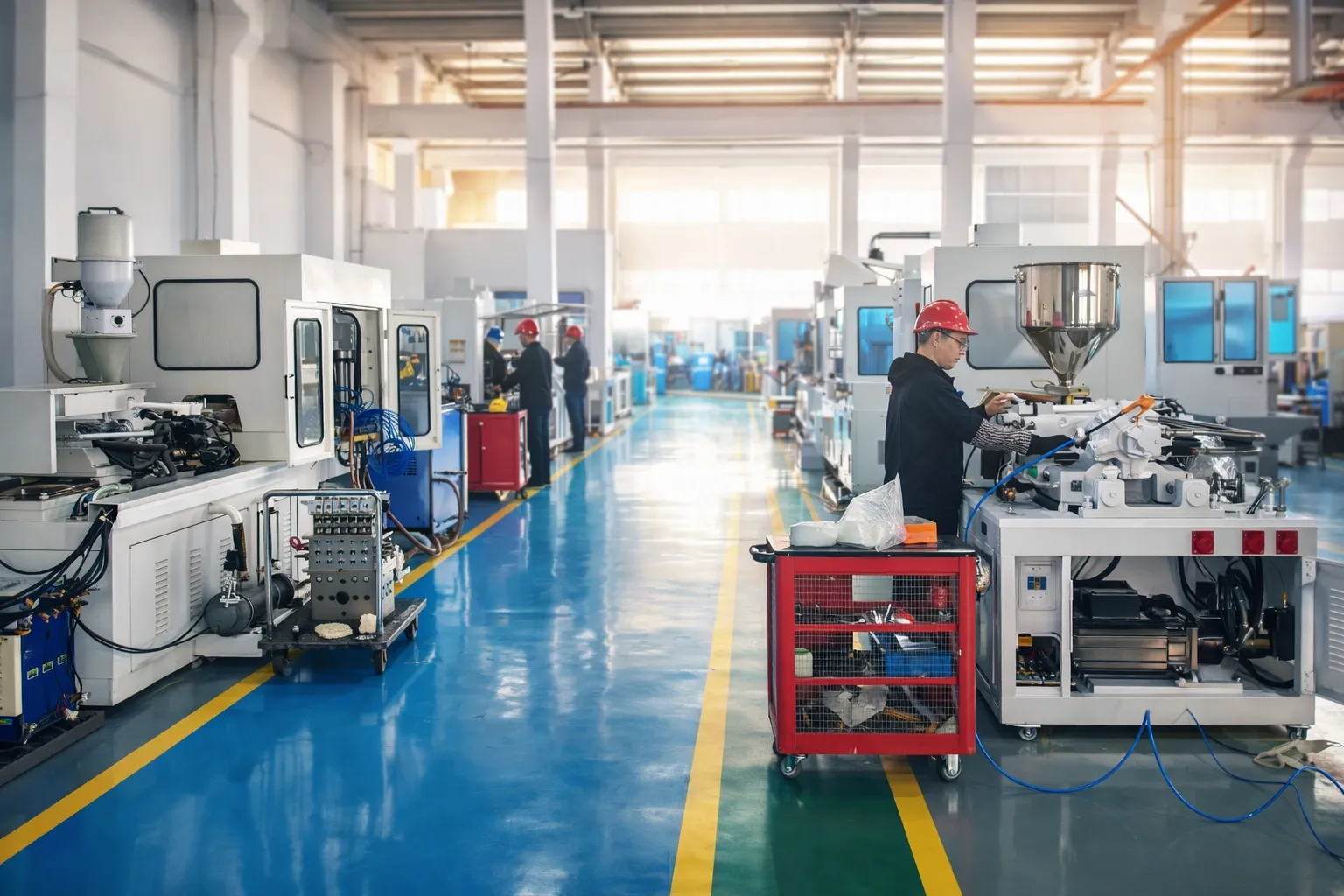
7. कोरियाई आईएसबीएम परिवर्तन प्रबंधन के लिए डिजिटल उपकरण
2024-2026 में कोरियाई आईएसबीएम परिवर्तन प्रबंधन में सरल डिजिटल उपकरणों को अपनाने से काफी बदलाव आया है, जो अधिकांश कोरियाई आईएसबीएम संचालन में अभी भी उपयोग किए जाने वाले कागज-आधारित प्रणालियों का स्थान लेते हैं। कोरियाई आईएसबीएम परिवर्तन के लिए तीन सबसे प्रभावशाली डिजिटल उपकरण इस प्रकार हैं:
मोल्ड क्यूआर कोड कार्ड सिस्टम
प्रत्येक कोरियाई आईएसबीएम मोल्ड पर एक क्यूआर कोड होता है जो कोरियाई उत्पादन टीम के साझा फोन या टैबलेट पर मोल्ड के डिजिटल कार्ड से लिंक होता है। कार्ड में वर्तमान शॉट संख्या, अंतिम रखरखाव तिथि, अंतिम उत्पादन पैरामीटर (बैरल तापमान, कंडीशनिंग, ब्लो प्रेशर), मोल्ड भंडारण स्थान और अगली निर्धारित रखरखाव कार्रवाई की जानकारी होती है। ऑपरेटर मशीन बंद होने से पहले तैयारी के दौरान क्यूआर कोड को स्कैन करता है और मशीन बंद होने से पहले ही उसे सभी आवश्यक जानकारी मिल जाती है। इस प्रकार, इस प्रणाली के बिना कोरियाई आईएसबीएम संचालन में कागज के मोल्ड कार्ड खोजने में लगने वाले 8-15 मिनट का समय बच जाता है। कोरियाई क्यूआर-आधारित मोल्ड प्रबंधन ऐप KRW 80,000-250,000 प्रति माह (SaaS) पर उपलब्ध हैं या इन्हें शून्य लागत पर एक सरल कोरियाई Google शीट्स + क्यूआर जनरेटर के रूप में लागू किया जा सकता है।
ईवी रेसिपी प्रबंधन प्रणाली
कोरियाई एवर-पावर ईवी सर्वो प्लेटफॉर्म उत्पादन विधियों को मशीन नियंत्रक में डिजिटल रूप से संग्रहीत करते हैं। परिवर्तन के लिए विधि प्रबंधन प्रोटोकॉल इस प्रकार है: प्रत्येक उत्पाद-मोल्ड संयोजन के लिए एक नाम सहित विधि सहेजी जाती है, जिसमें इंजेक्शन, कंडीशनिंग, ब्लो और कूलिंग के सभी पैरामीटर शामिल होते हैं। परिवर्तन के समय, ऑपरेटर मशीन के रुकने से पहले आने वाली विधि को याद करता है - मशीन पुनः चालू होने पर विधि की पुष्टि के लिए संकेत देती है। इससे आंतरिक परिवर्तन समय से पैरामीटर-सेटिंग चरण पूरी तरह से समाप्त हो जाता है। विधि प्रबंधन ऑपरेटरों और शिफ्टों में कोरियाई आईएसबीएम की एकसमान गुणवत्ता का डिजिटल आधार है।
परिवर्तन समय ट्रैकिंग ऐप
परिवर्तन समय में व्यवस्थित सुधार के लिए प्रत्येक परिवर्तन पर परिवर्तन समय मापना आवश्यक है - न कि केवल एसएमईडी कार्यशाला के दौरान महीने में एक बार। एक साधारण स्मार्टफोन टाइमर ऐप, जिसमें मानकीकृत 12-चरण चेकलिस्ट (प्रत्येक चरण के प्रारंभ और समापन का समय अंकित होता है) शामिल है, डेटा सेट तैयार करता है जो कोरियाई आईएसबीएम उत्पादन टीमों को चरण-दर-चरण यह दर्शाता है कि समय कहाँ जमा हो रहा है। कोरियाई उत्पादन टीमें जो परिवर्तन समय को लगातार ट्रैक करती हैं, वे केवल दृश्यता के आधार पर पहले 3 महीनों में 20-351 टीपी3टी सुधार की रिपोर्ट करती हैं - ऑपरेटर डेटा देखते हैं और प्रबंधन के हस्तक्षेप के बिना स्वयं सुधार करते हैं।
8. परिवर्तन की आवृत्ति और जटिलता को कम करने के लिए पोर्टफोलियो योजना को आकार दें
सबसे अधिक लाभप्रद परिवर्तन सुधार परिचालन की बजाय रणनीतिक है: कोरियाई आईएसबीएम मोल्ड पोर्टफोलियो को इस तरह से डिजाइन करना कि प्रति उत्पादन चक्र में आवश्यक परिवर्तनों की संख्या और जटिलता कम से कम हो। इसका अर्थ है: समान नेक प्रोफाइल और रेज़िन प्रकार वाले एसकेयू को एक ही उत्पादन अनुक्रम में समूहित करना (नेक-परिवर्तन और रेज़िन-परिवर्तन परिवर्तनों को समाप्त करने के लिए); साझा मोल्ड बेस के भीतर कैविटी इंसर्ट निर्दिष्ट करना ताकि कैविटी-स्वैप परिवर्तन संभव हो सके (केवल कैविटी इंसर्ट को स्वैप करें, पूरे मोल्ड बॉडी को नहीं - एक ही फॉर्मेट परिवार की विभिन्न बोतलों के लिए परिवर्तन समय को 90 मिनट से घटाकर 35-45 मिनट कर दें); और प्रति परिवर्तन लंबे उत्पादन चक्रों के लिए टूलिंग का आकार निर्धारित करने के लिए कैविटी गणना अनुकूलन ढांचे का उपयोग करना। 9-कारक कोरियाई आईएसबीएम मोल्ड चयन गाइड यह लेख मोल्ड बेस मानकीकरण और कैविटी इंसर्ट डिज़ाइन संबंधी निर्णयों को शामिल करता है, जो एक परिवर्तन-अनुकूलित मोल्ड पोर्टफोलियो का आधार बनते हैं। कोरियाई आईएसबीएम उत्पादक, जो विविध पुराने मोल्ड पोर्टफोलियो पर परिवर्तन को अनुकूलित करने के बजाय, मोल्ड खरीद निर्णयों में परिवर्तन के निहितार्थों को ध्यान में रखते हुए डिज़ाइन तैयार करते हैं, वे व्यवस्थित रूप से 90 मिनट से कम के परिवर्तन समय को प्राप्त करते हैं, जो कि कोरियाई सर्वोत्तम परिचालनों द्वारा प्राप्त किया जाता है।
अक्सर पूछे जाने वाले प्रश्नों
परिवर्तन अनुकूलन समर्थन
क्या कोरियाई आईएसबीएम परिवर्तन में 3-4 घंटे लगते हैं और इससे आपके मुनाफे में कमी आती है?
कोरियन एवर-पावर की ऑपरेशन टीम आपके विशिष्ट कोरियन आईएसबीएम मोल्ड पोर्टफोलियो के लिए एक चेंजओवर टाइम ऑडिट और 12-चरण प्रोटोकॉल कार्यान्वयन योजना प्रदान करती है - जिसमें टूलिंग मानकीकरण अनुशंसाएं और डिजिटल प्रबंधन उपकरण शामिल हैं।
संबंधित संसाधन
ईवी रेसिपी प्लेटफ़ॉर्म
कोरियाई एवर-पावर HGY200-V4
डिजिटल रेसिपी स्टोरेज और वन-टच रिकॉल — ईवी सर्वो प्लेटफॉर्म की यह क्षमता पैरामीटर सेटिंग को आंतरिक बदलाव गतिविधि के रूप में समाप्त कर देती है।
मशीन रेंज
4-स्टेशन आईएसबीएम रेंज
सभी कोरियाई एवर-पावर 4-स्टेशन प्लेटफॉर्म में मानकीकृत मोल्ड माउंटिंग आयाम और त्वरित-रिलीज़ कूलिंग कनेक्टर विनिर्देश शामिल हैं, जो बदलाव-अनुकूलित उत्पादन के लिए हैं।
मानकीकृत उपकरण
कस्टम आईएसबीएम मोल्ड डिजाइन
कोरियाई एवर-पावर कस्टम मोल्ड मानकीकृत आधार आयामों, पहले से स्थापित क्विक-रिलीज़ कूलिंग फिटिंग और क्यूआर चेंजओवर कार्ड के साथ मानक के रूप में उपलब्ध हैं।