การยื่นขอรับทุน ISBM · เบียร์คราฟต์เกาหลีและสุราพรีเมียม · ปี 2026
ISBM เบียร์คราฟต์เกาหลี &
คู่มือแนะนำขวดสุราพรีเมียม
การผลิตเบียร์คราฟต์ของเกาหลีเพิ่มขึ้นสามเท่าตัวตั้งแต่ปี 2018 ถึง 2025 เนื่องจากการปฏิรูปภาษีสุราของประเทศเปิดโอกาสให้โรงเบียร์คราฟต์อิสระของเกาหลีมากกว่า 280 แห่ง โรงเบียร์เหล่านี้ปฏิเสธการใช้ขวดแก้วแบบที่เบียร์เกาหลีทั่วไปใช้กัน โดยเลือกใช้ขวด PET และ PETG สำหรับกิจกรรมกลางแจ้ง การขายในเทศกาล และการส่งออก ซึ่งขวดแก้วก่อให้เกิดปัญหาด้านโลจิสติกส์และความปลอดภัย ข้อกำหนดทางเทคนิคมีความเฉพาะเจาะจง และตลาดกำลังเติบโตอย่างรวดเร็ว
2.6–3.5 บาร์ CO₂ สำหรับการผลิตเบียร์
แผ่นกันรังสียูวีสำหรับฮอปส์
ฝ่ายวิศวกรรม Ever-Power เกาหลี · เมืองอันซาน · พฤษภาคม 2026
1. ตลาด ISBM (International Street Business Market) สำหรับเบียร์คราฟต์และสุราพรีเมียมของเกาหลีในปี 2026
การแก้ไขกฎหมายภาษีของเกาหลีปี 2017 (주세법 개정) ซึ่งยกเลิกข้อกำหนดขนาดโรงงานขั้นต่ำสำหรับการผลิตเบียร์ในเกาหลี ส่งผลให้โรงเบียร์เพิ่มขึ้นอย่างรวดเร็วและกำลังเปลี่ยนแปลงรูปแบบบรรจุภัณฑ์เครื่องดื่มของเกาหลี โรงเบียร์คราฟต์ของเกาหลี ซึ่งกระจุกตัวอยู่ในย่านโรงเบียร์มาโปกูของกรุงโซล โรงเบียร์รีสอร์ทบนเกาะเชจู และกลุ่มโรงเบียร์คราฟต์ชายฝั่งของเมืองปูซาน กำลังผลิตบรรจุภัณฑ์เครื่องดื่มที่มีดีไซน์ล้ำสมัยที่สุดในเกาหลี แข่งขันกันเพื่อสร้างความโดดเด่นบนชั้นวางสินค้าในร้านสะดวกซื้อ (편의점) และบาร์ระดับพรีเมียม (ผับเบียร์คราฟต์เติบโตจาก 120 แห่งเป็น 850 แห่งในเกาหลีตั้งแต่ปี 2018)
ขวด PET และ PETG สำหรับเบียร์คราฟต์เกาหลีมีประโยชน์ใน 3 กรณีเฉพาะที่ขวดแก้วไม่สามารถใช้งานได้ ได้แก่: งานเทศกาลกลางแจ้ง (นโยบายห้ามใช้ขวดแก้วในงานเทศกาลดนตรี งานกีฬา และสวนสาธารณะริมแม่น้ำฮันในเกาหลีตั้งแต่ปี 2022), การจัดจำหน่ายผ่านอีคอมเมิร์ซ (การขายเบียร์คราฟต์เกาหลีโดยตรงถึงผู้บริโภคผ่าน Coupang Rocket Delivery — ข้อร้องเรียนเรื่องขวดแก้วแตกทำให้เลิกใช้ขวด PET เป็นรูปแบบการจัดส่งเริ่มต้นสำหรับการสั่งซื้อเบียร์คราฟต์เกาหลีที่มีขนาดเกิน 2 ลิตร) และการส่งออก (การส่งออกเบียร์คราฟต์เกาหลีไปยังสหรัฐอเมริกาและออสเตรเลีย ซึ่งขวด PET ช่วยลดต้นทุนค่าขนส่งและความเสี่ยงจากการแตกหักได้อย่างมากเมื่อเทียบกับขวดแก้วสำหรับขนาด 500 มล. และ 1 ลิตร)
บริบทโดยรวมของการบรรจุภัณฑ์เครื่องดื่มในเกาหลีนั้นอยู่ใน... คู่มือการผลิตเครื่องดื่มเกาหลี ISBMบทความนี้มุ่งเน้นไปที่ข้อกำหนดทางวิศวกรรมเฉพาะของบรรจุภัณฑ์เบียร์และเครื่องดื่มแอลกอฮอล์ ISBM ซึ่งแตกต่างอย่างมากจากการผลิตบรรจุภัณฑ์เครื่องดื่ม PET มาตรฐาน
2. วิศวกรรมขวด PET สำหรับเบียร์คราฟต์เกาหลี: CO₂, O₂ และแสง
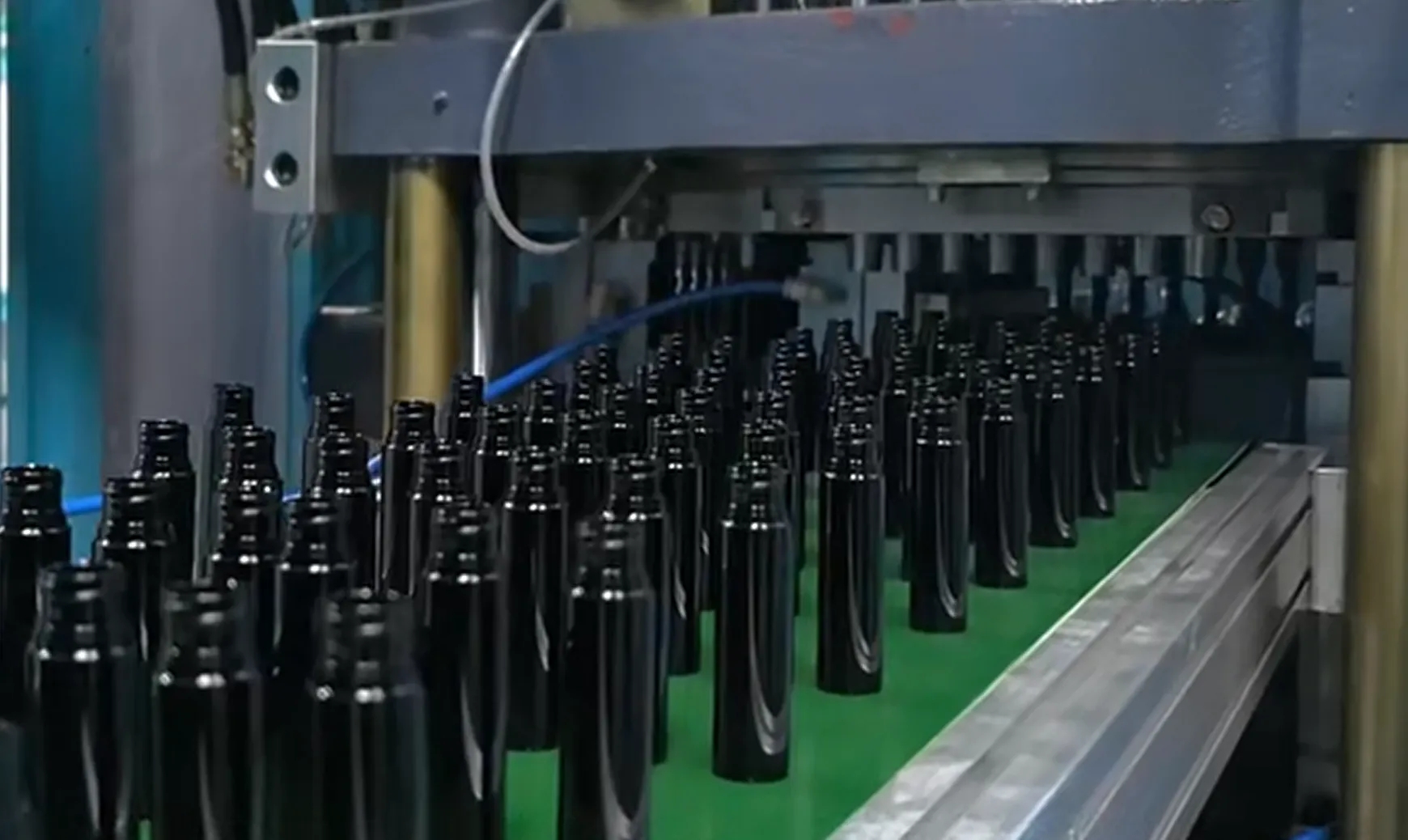
บรรจุภัณฑ์เบียร์คราฟต์ของเกาหลีต้องจัดการกับกระบวนการเสื่อมสภาพ 3 อย่างที่ส่งผลต่อคุณภาพของเบียร์พร้อมกัน ประการแรก — การกักเก็บก๊าซคาร์บอนไดออกไซด์ (CO₂): เบียร์จะถูกอัดก๊าซคาร์บอนไดออกไซด์ที่ความดัน 2.6–3.5 บาร์ ขึ้นอยู่กับชนิดของเบียร์ (เบียร์ลาเกอร์เกาหลี 2.6–2.8 บาร์, IPA 3.0–3.3 บาร์, เบียร์ข้าวสาลีที่มีก๊าซคาร์บอนไดออกไซด์สูง 3.2–3.5 บาร์) ขวดต้องรักษาปริมาณก๊าซคาร์บอนไดออกไซด์ไว้ได้โดยมีการสูญเสียไม่เกิน 101 ตัน ในช่วง 12 สัปดาห์ ที่อุณหภูมิ 15°C ซึ่งเป็นอุณหภูมิการเก็บรักษาในห่วงโซ่ความเย็นสำหรับการจัดจำหน่ายเบียร์คราฟต์ระดับพรีเมียมของเกาหลี
ประการที่สอง — การซึมผ่านของออกซิเจน: เบียร์เกิดปฏิกิริยาออกซิเดชันเร็วกว่าเครื่องดื่มน้ำอัดลมอย่างมาก ข้อกำหนดเกี่ยวกับการดูดซับออกซิเจนทั้งหมดสำหรับเบียร์คราฟต์เกาหลีในขวด PET คือ ≤0.1 ppm O₂ ตลอดอายุการเก็บรักษาที่ระบุ (โดยทั่วไป 3–6 เดือนสำหรับเบียร์คราฟต์เกาหลี ซึ่งจำกัดโดยตำแหน่งทางการตลาดด้านความสด) ซึ่งต้องใช้: ฝาปิดที่ดักจับออกซิเจน (ขวด PET เบียร์คราฟต์เกาหลีส่วนใหญ่ใช้ฝาปิดที่ดักจับออกซิเจนซึ่งมีสารดูดซับออกซิเจนที่ทำจากเหล็กในซับในของฝาปิด); การเติมและไล่ก๊าซไนโตรเจนในระหว่างการบรรจุ; และอัตราการส่งผ่านออกซิเจนของผนัง PET ≤ 0.06 cc/วัน สำหรับขวดขนาด 500 มล. โดยทั่วไปแล้ว PET ISBM มาตรฐานที่มีความหนาของผนัง 0.22 มม. จะมี OTR อยู่ที่ 0.08–0.12 cc/วัน ซึ่งสูงกว่าข้อกำหนดของเบียร์คราฟต์เล็กน้อย แบรนด์เบียร์คราฟต์เกาหลีที่ตั้งเป้าหมายอายุการเก็บรักษา 6 เดือน ควรระบุความหนาของผนังอย่างน้อย 0.25 มม. เพื่อให้บรรลุเป้าหมาย OTR
ประการที่สาม — กลิ่นเหม็นที่เกิดจากแสง: กรดไอโซอัลฟาจากฮอปในเบียร์ทำปฏิกิริยากับไรโบฟลาวินภายใต้รังสียูวีและแสงที่มองเห็นได้ (โดยเฉพาะ 350–500 นาโนเมตร) ทำให้เกิด 3-เมทิล-2-บิวทีน-1-ไทออล (MBT) ซึ่งเป็นกลิ่นเหม็น "สกั๊งค์" ที่เป็นลักษณะเฉพาะของเบียร์ที่โดนแสงยูวีจะเกิดขึ้นภายในไม่กี่นาที ขวด PET ใสมาตรฐานจะส่งผ่านแสงยูวีในช่วง 90%+ ในช่วงยูวี-มองเห็นได้ ขวด PET ใสมาตรฐานทำให้เกิดกลิ่นเหม็นในเบียร์ IPA เกาหลีที่มีฮอปสูงภายใน 20-30 นาทีหลังจากโดนแสงไฟในซูเปอร์มาร์เก็ต แบรนด์เบียร์คราฟต์เกาหลีที่มีฮอปสูง (IPA, DIPA, West Coast Pale Ale) ต้องระบุขวด PET สีอำพันหรือสีที่กันแสง การเลือกวัสดุพื้นฐานสำหรับการตัดสินใจว่าระดับสีใดให้การปกป้องฮอปที่เพียงพอในขณะที่ยังคงความใสของแสงที่บรรจุภัณฑ์ระดับพรีเมียมของเกาหลีต้องการนั้นอยู่ใน... คู่มือการเลือกใช้เรซิน PET เทียบกับ PETG.
3. ข้อมูลจำเพาะของขวดเบียร์คราฟต์เกาหลีตามสไตล์
| สไตล์เบียร์/สุรา | เครื่องอัด CO₂ | เรซิน | ปริมาณ | คุณสมบัติ UV | หมายเหตุรูปแบบ |
|---|---|---|---|---|---|
| เบียร์ IPA / Pale Ale สไตล์เกาหลี | 3.0–3.3 บาร์ | แอมเบอร์ พีที | 330 มล., 500 มล. | ≤5% ที่ 400 นาโนเมตร | ต้องป้องกันรังสียูวีที่ทำให้ตัวเหม็นได้ สีเหลืองอำพันต้องมีคุณสมบัติเดียวกับน้ำมันงา |
| เบียร์ลาเกอร์/สเตาท์เกาหลี | 2.6–2.8 บาร์ | PET ใส | 330 มล., 500 มล., 1 ลิตร | ไม่มีข้อมูล | ความไวต่อฮอปส์ต่ำกว่า; ขวด PET ใสเหมาะสำหรับเบียร์ลาเกอร์ |
| ชุดข้อมูลสำหรับงานเทศกาล/กิจกรรม | 2.8–3.2 บาร์ | PET ใส | 500 มล., 750 มล., 1 ลิตร | ไม่จำเป็น | รูปแบบงานกลางแจ้ง ไม่ใช้กระจก อายุการเก็บรักษาไม่นานก็ถือว่าโอเค |
| สุราเกาหลีระดับพรีเมียม (증류주) | ไม่มีข้อมูล (ยังคงอยู่) | คริสตัล PETG | 200–500 มล. | ความเงางาม ≥90 GU | แข่งขันกับสินค้าประเภทแก้ว; แบรนด์ระดับพรีเมียม/ช่องทางจำหน่ายปลอดภาษี |
| มักกอลลี งานฝีมือเกาหลี (막걸리) | 0.5–2.5 บาร์* | PETG ปากกว้าง | 500–750 มล. | ความเงางาม ≥88 GU | *ก๊าซคาร์บอนไดออกไซด์ที่เกิดขึ้นจากการหมัก จำเป็นต้องมีฝาปิดระบายแรงดัน |
4. ข้อกำหนดการวางแนวแกนสองทิศทางสำหรับขวดเบียร์ PET ของเกาหลี
ขวด PET สำหรับเบียร์คราฟต์ของเกาหลีทำงานที่ความดัน CO₂ ต่ำกว่าขวดโคล่าทั่วไป (2.6–3.5 บาร์ เทียบกับ 4.2–4.8 บาร์สำหรับโคล่า) ซึ่งอาจทำให้เข้าใจผิดว่าขวดเบียร์มีข้อกำหนดด้านการวางแนวที่ต่ำกว่าขวดเครื่องดื่มอัดลม แต่ในความเป็นจริงแล้วตรงกันข้ามด้วยเหตุผลสองประการ ประการแรก CO₂ ที่ละลายอยู่ในเบียร์นั้นไวต่ออุณหภูมิ: ที่อุณหภูมิสูง (>20°C ในงานเทศกาลฤดูร้อนของเกาหลี) อัตราการระเหยของ CO₂ จะเร่งขึ้น และความดันอาจพุ่งสูงขึ้น 25–401 ตัน เหนือความดันขณะบรรจุเย็น ขวดเบียร์คราฟต์ของเกาหลีที่บรรจุที่ 3.0 บาร์ ที่ 6°C อาจสูงถึง 3.8–4.2 บาร์ ที่ 28°C ซึ่งใกล้เคียงกับข้อกำหนดความดันของโคล่า ขวดต้องทนต่อการเปลี่ยนแปลงความดันในฤดูร้อนนี้โดยไม่เสียรูปถาวร
ประการที่สอง ความดัน CO₂ ที่ต่ำกว่าของเบียร์นั้นถูกชดเชยด้วยอายุการเก็บรักษาที่ยาวนานกว่า ซึ่งต้องรักษาความดันนั้นไว้ เครื่องดื่มอัดลมมาตรฐานของเกาหลีจะถูกบริโภคภายใน 6-12 เดือนหลังการผลิต ในขณะที่เบียร์คราฟต์ของเกาหลีอาจวางขายในร้านค้าออนไลน์ของโรงเบียร์เป็นเวลา 3-6 เดือนก่อนที่จะสั่งซื้อ จากนั้นจัดส่งภายใน 2-3 วัน แล้วเก็บไว้ในตู้เย็นของผู้บริโภคเป็นเวลา 2-4 สัปดาห์ ตลอดระยะเวลาทั้งหมด 9 เดือนนี้ ขวดเบียร์ที่จัดวางไม่ดีจะสูญเสีย CO₂ ไปอย่างไม่สมส่วน คุณสมบัติการจัดวางแบบสองแกนที่ให้ทั้งเกราะป้องกัน CO₂ และความต้านทานต่อการเสียรูปทางกลภายใต้ความดันที่คงที่นั้นมีความสำคัญต่อเบียร์คราฟต์ของเกาหลีเช่นเดียวกับเครื่องดื่มอัดลมของเกาหลี วิทยาศาสตร์ระดับโมเลกุลที่เชื่อมโยงการจัดวางกับคุณสมบัติการป้องกันและคุณสมบัติทางกลเหล่านี้อยู่ใน... คู่มือการวางแนวโมเลกุลแบบสองแกน.
5. คริสตัล PETG สำหรับสุราพรีเมียมเกาหลี: ทางเลือกใหม่แทนแก้ว
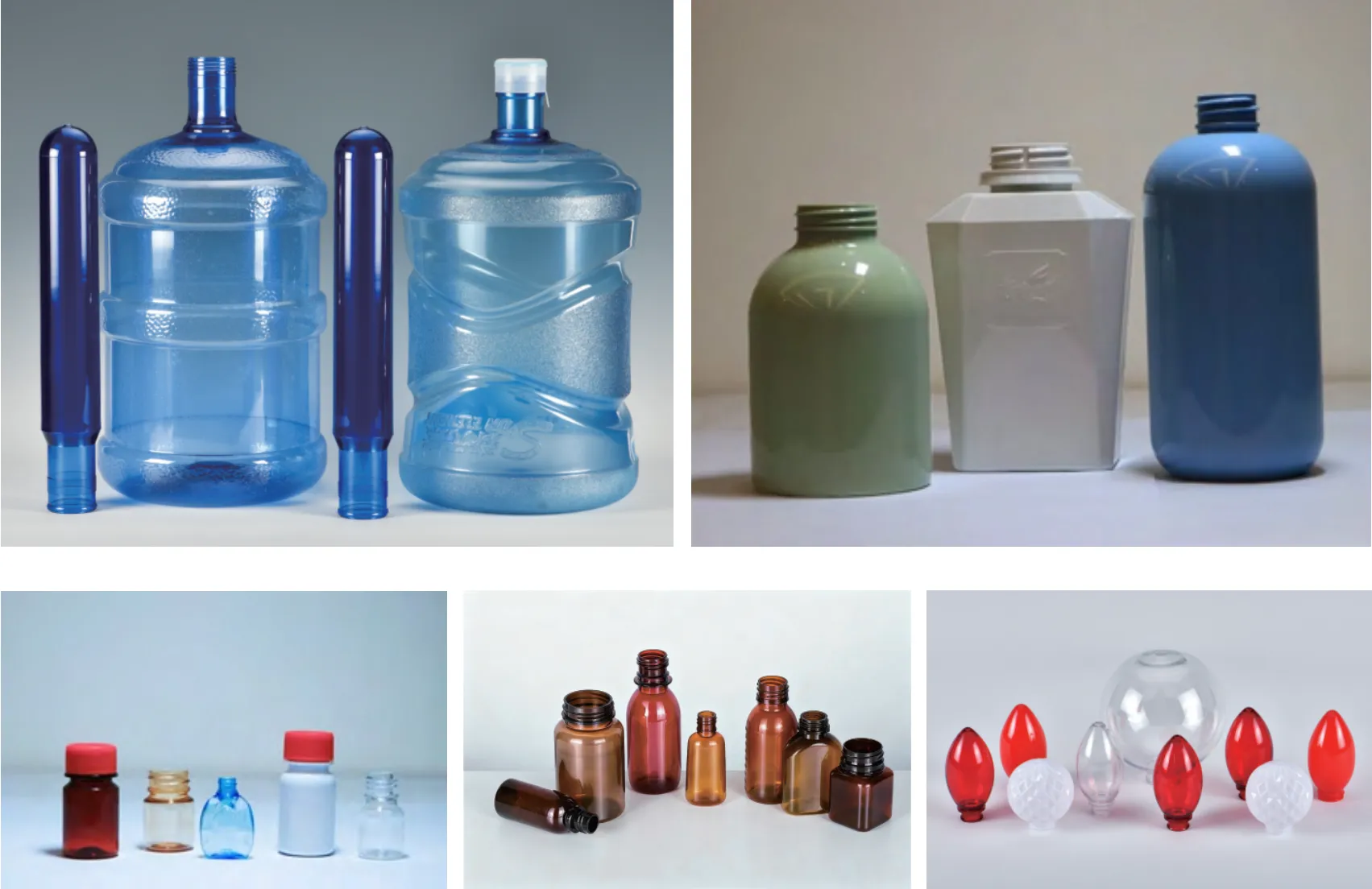
สุรากลั่นระดับพรีเมียมของเกาหลี เช่น โซจู (증류식 소주) วิสกี้ซิงเกิลมอลต์ของเกาหลี (ปัจจุบันมีโรงกลั่นเกาหลีหลายแห่งผลิตวิสกี้เกาหลีสไตล์เกล็นมอแรนจี) และสุราดั้งเดิมของเกาหลี (안동소주, 문배주) มีราคาอยู่ในช่วง 25,000–150,000 วอนต่อขวด ซึ่งบรรจุภัณฑ์แก้วเป็นมาตรฐานที่ใช้กันอย่างแพร่หลาย โอกาสของ ISBM PETG ในหมวดหมู่นี้ไม่ใช่การแทนที่แก้วทั้งหมด แต่เป็นการให้บริการในช่องทางเฉพาะที่แก้วก่อให้เกิดปัญหา ได้แก่ ร้านค้าปลอดภาษีและร้านค้าปลีกในสนามบิน (ข้อจำกัดเรื่องของเหลวที่นำขึ้นเครื่องได้ทำให้ผู้ซื้อสุราต้องโหลดขวดแก้ว ในขณะที่ PETG ขนาดต่ำกว่า 100 มล. สามารถนำขึ้นเครื่องได้) งานกีฬาและเทศกาลดนตรี (การห้ามใช้แก้วทำให้เกิดความต้องการ PET ที่เทียบเท่า) และการจัดส่งสินค้าทางอีคอมเมิร์ซ (ขวดสุราแก้วแตกง่ายในอัตรา 3–51 ตัน ในการจัดส่งพัสดุในเกาหลี)
ขวด PETG ISBM คริสตัลสำหรับสุราพรีเมียมของเกาหลีต้องมีคุณสมบัติด้านคุณภาพทางแสงเช่นเดียวกับขวดเครื่องสำอาง K-Beauty: ความขุ่น ≤1.5%, ความเงา ≥90 GU, ไม่มีรอยเส้นหรือรอยแบ่งชั้นที่มองเห็นได้ภายใต้การตรวจสอบด้วย LED โดยตรง ผู้บริโภคสุราพรีเมียมของเกาหลีที่ตัดสินใจซื้อในราคามากกว่า 40,000 วอน จะประเมินคุณภาพของขวดด้วยความพิถีพิถันเช่นเดียวกับที่พวกเขาประเมินคุณภาพของผลิตภัณฑ์ — ความไม่สมบูรณ์ทางแสงใด ๆ สื่อถึงการวางตำแหน่งพรีเมียมที่ไม่เหมาะสม คุณภาพพื้นผิวของแม่พิมพ์และความแม่นยำของอุณหภูมิการปรับสภาพที่จำเป็นสำหรับมาตรฐานทางแสงนี้เหมือนกับการผลิต PETG สำหรับ K-Beauty ทำให้ผู้ผลิต ISBM สำหรับ K-Beauty ของเกาหลีเป็นผู้เข้าสู่ตลาดบรรจุภัณฑ์สุราพรีเมียมโดยธรรมชาติ
การผลิตขวด PETG สำหรับบรรจุสุราในเกาหลีเพื่อใช้กับเอทานอลนั้น ต้องผ่านการทดสอบการเคลื่อนย้ายสารจำลองเอทานอลตามบทที่ 2 ของ KFDA เช่นเดียวกับที่ใช้กับขวด PET สำหรับโซจูในเกาหลี โดยเอกสารต้องอ้างอิงถึงการทดสอบสารจำลองเอทานอลในอาหารแบบปริมาตรต่อปริมาตร 15% ตามที่ระบุไว้ในกรอบการรับรองแม่พิมพ์ คู่มือการเลือกแม่พิมพ์ ISBM ของเกาหลี 9 ปัจจัย.
6. กรอบกฎระเบียบเกี่ยวกับการบรรจุภัณฑ์เครื่องดื่มแอลกอฮอล์ของเกาหลี
บรรจุภัณฑ์เครื่องดื่มแอลกอฮอล์ PET และ PETG ของเกาหลีต้องปฏิบัติตามกรอบกฎระเบียบที่ซ้อนทับกันสามประการ ประการแรก คือ การปฏิบัติตามข้อกำหนดด้านการสัมผัสอาหารของ KFDA (식품위생법 บทที่ 2) ซึ่งกำหนดให้มีการทดสอบการเคลื่อนย้ายของสารจำลองเอทานอลสำหรับขวดที่สัมผัสกับแอลกอฮอล์ที่มีปริมาณแอลกอฮอล์สูงกว่า 3% ประการที่สอง คือ ข้อกำหนดด้านการติดฉลากของพระราชบัญญัติภาษีสุรา: ประเภทของแอลกอฮอล์ ปริมาณแอลกอฮอล์ ปริมาตร ชื่อผู้ผลิต และข้อมูลผู้นำเข้า (สำหรับแบรนด์นำเข้า) ต้องปรากฏบนฉลากด้วยขนาดตัวอักษรและการจัดวางขั้นต่ำที่กำหนด – แผงฉลากของขวดต้องรองรับข้อมูลที่จำเป็นเหล่านี้ในความสูงของตัวอักษรขั้นต่ำที่กำหนด ซึ่งจำกัดข้อกำหนดพื้นที่ของแผงฉลาก ประการที่สาม คือ มาตรฐานความปลอดภัยของกระทรวงอาหารและยาของเกาหลี (MFDS) สำหรับภาชนะที่สัมผัสกับเครื่องดื่มแอลกอฮอล์ ซึ่งใช้ข้อจำกัดของสารประกอบที่สกัดได้เข้มงวดกว่าการใช้งานด้านการสัมผัสอาหารมาตรฐานสำหรับขวดที่สัมผัสกับสุราที่มีปริมาณแอลกอฮอล์สูงกว่า 20%
สำหรับขวด PET เบียร์คราฟต์ของเกาหลีโดยเฉพาะ: ประมวลกฎหมายอาหารของเกาหลี (식품공전) ระบุว่าภาชนะบรรจุเครื่องดื่มอัดลมต้องทนแรงดันภายใน 5 บาร์ เป็นเวลา 30 วินาที โดยไม่เกิดการเสียรูปที่มองเห็นได้ ซึ่งเป็นมาตรฐานการทดสอบความปลอดภัยด้านแรงดันของเบียร์เกาหลี ผู้ผลิตขวดเบียร์ ISBM ต้องจัดทำเอกสารผลการทดสอบนี้เป็นส่วนหนึ่งของการยื่นขออนุมัติบรรจุภัณฑ์เครื่องดื่มแอลกอฮอล์จาก KFDA สำหรับลูกค้าโรงเบียร์คราฟต์ของเกาหลีที่จดทะเบียนผลิตภัณฑ์ภายใต้ใบอนุญาตเครื่องดื่มแอลกอฮอล์ของเกาหลี
7. กลยุทธ์การเข้าสู่ตลาดสำหรับเครื่องดื่มคราฟต์เกาหลี ISBM
เบียร์คราฟต์และสุราพรีเมียมของเกาหลีเป็นตลาด ISBM ที่มีมูลค่าสูงแต่ปริมาณผันแปรได้ ปริมาณการผลิตต่อปีของโรงเบียร์คราฟต์แต่ละแห่งในเกาหลีมีตั้งแต่ 50,000 หน่วย (โรงเบียร์ขนาดเล็ก) ไปจนถึง 5 ล้านหน่วย (แบรนด์คราฟต์ที่มีชื่อเสียง เช่น Magpie Brewing Co., The Booth Brewing, Jeju Beer) ช่วงปริมาณที่กว้างนี้ทำให้จำเป็นต้องมีกลยุทธ์ทางการค้า ISBM ที่ยืดหยุ่น: เช่น โปรแกรมการจัดเก็บขวด (รักษาสต็อกขวดเบียร์ PET สีอำพันขนาด 330 มล. และ 500 มล. มาตรฐานสำหรับโรงเบียร์ขนาดเล็กที่ไม่สามารถลงทุนในการผลิตแม่พิมพ์ได้) การผลิตแม่พิมพ์แบบกำหนดเองสำหรับแบรนด์คราฟต์ที่มีชื่อเสียง (ปริมาณการผลิตมากกว่า 500,000 หน่วยต่อปีจะคุ้มค่ากับการใช้รูปทรงขวดเฉพาะแบรนด์) และโครงสร้างสัญญาแบบหลายระดับ (คำสั่งซื้อแบบเฉพาะกิจระยะสั้นสำหรับเบียร์ตามฤดูกาล ข้อตกลงปริมาณรายปีสำหรับ SKU หลัก)
ช่วงราคาตามสัญญาสำหรับขวด PET เบียร์คราฟต์ของเกาหลี (32–55 วอนต่อขวดสำหรับขนาดมาตรฐาน 65–95 วอนสำหรับขวด PET สีอำพันรูปทรงพิเศษ) นั้นต่ำกว่าบรรจุภัณฑ์ PETG เครื่องสำอางเกาหลี แต่เทียบได้กับบรรจุภัณฑ์ซอสและเครื่องปรุงรสของเกาหลี อัตราการเติบโตของตลาด (+181 ล้านล้าน 3 หมื่นล้านต่อปี) และความเปิดกว้างของวัฒนธรรมเบียร์คราฟต์เกาหลีต่อนวัตกรรมบรรจุภัณฑ์ ทำให้ตลาดนี้เป็นตลาดที่ผู้ผลิตเบียร์กระป๋องขนาดเล็กของเกาหลี (ISBM) ที่สร้างความน่าเชื่อถือกับโรงเบียร์คราฟต์เกาหลี 5-8 แห่งตั้งแต่เนิ่นๆ สามารถสร้างความสัมพันธ์ด้านการจัดหาในระยะยาวได้เมื่อโรงเบียร์เหล่านั้นเติบโตขึ้น การสร้างแบบจำลอง ROI สำหรับการเข้าสู่ตลาด ISBM เบียร์คราฟต์ของเกาหลี — โดยคำนึงถึงต้นทุนการรับรองมาสเตอร์แบทช์สีอำพัน ข้อกำหนดวงจรเป่า CSD และสินค้าคงคลังขวด — อยู่ในเกณฑ์ดี เครื่องคำนวณ ROI เครื่อง ISBM ของเกาหลี.
8. วิศวกรรมการผลิตสำหรับเบียร์และสุราเกาหลี ISBM
การผลิต ISBM สำหรับเบียร์คราฟต์ของเกาหลีบนเครื่องอัดรีดมาตรฐาน HGY200-V4 ใช้ข้อกำหนดวงจรเป่า CSD (ขั้นต่ำ 38 บาร์) สำหรับรูปแบบที่มีแรงดันบรรจุ CO₂ 3.0 บาร์ขึ้นไป ข้อกำหนดมาสเตอร์แบทช์สีอำพันสำหรับขวดเบียร์คราฟต์ของเกาหลีเหมือนกับข้อกำหนดขวดน้ำมันงาสีอำพัน (มาสเตอร์แบทช์ที่ใช้เหล็กออกไซด์เป็นส่วนประกอบหลัก มีปริมาณ 0.6–1.21 TP3T และได้รับการตรวจสอบแล้วว่ามีค่าการส่งผ่านแสง ≤51 TP3T ที่ 400 นาโนเมตรในขวดที่ผลิตจริง) ผู้ผลิต ISBM ของเกาหลีที่ผ่านการรับรองมาสเตอร์แบทช์สีอำพันสำหรับการผลิตน้ำมันงาของเกาหลีแล้ว สามารถเข้าสู่ตลาดขวดเบียร์คราฟต์ได้โดยไม่มีค่าใช้จ่ายเพิ่มเติมสำหรับการรับรองมาสเตอร์แบทช์ ข้อกำหนดเพิ่มเติมหลักสำหรับการผลิต ISBM สำหรับเบียร์คราฟต์เมื่อเทียบกับเครื่องดื่มทั่วไป คือ เอกสารการสัมผัสแอลกอฮอล์ของ KFDA (การทดสอบการเคลื่อนย้ายของเอทานอลจำลอง) ซึ่งต้องดำเนินการให้เสร็จสิ้นก่อนการจัดจำหน่ายเชิงพาณิชย์ให้กับแบรนด์เครื่องดื่มแอลกอฮอล์ใดๆ ในเกาหลี โดยทั่วไป การทดสอบนี้ใช้เวลา 6-8 สัปดาห์ และมีค่าใช้จ่าย 280,000-450,000 วอน ในห้องปฏิบัติการที่ได้รับการรับรองจากเกาหลี ซึ่งเป็นอุปสรรคเพิ่มเติมเพียงอย่างเดียวในการตรวจสอบคุณสมบัติเหนือเอกสารประกอบบรรจุภัณฑ์อาหารมาตรฐานของเกาหลี
คำถามที่พบบ่อย
การสนับสนุนด้านบรรจุภัณฑ์สำหรับเบียร์คราฟต์และสุรา
โรงเบียร์คราฟต์เกาหลี กำลังมองหาขวดเบียร์ PET สีอำพัน หรือขวดเบียร์ PETG สีใสอยู่ใช่หรือไม่?
บริษัท Ever-Power ของเกาหลี ให้บริการด้านการรับรองการส่งผ่านรังสียูวีของมาสเตอร์แบทช์สีอำพัน เอกสารประกอบการจำลองเอทานอลของ KFDA ความเข้ากันได้กับคอขวดที่ดักจับ O₂ และโปรแกรมขวดเบียร์สำเร็จรูปสำหรับโรงเบียร์คราฟต์ในเกาหลีที่มีกำลังการผลิต 50,000 ถึง 5 ล้านหน่วยต่อปี
แหล่งข้อมูลที่เกี่ยวข้อง
แพลตฟอร์มเบียร์
เกาหลี Ever-Power HGY200-V4
วงจรเป่าลมแรงดัน 38 บาร์ CSD สำหรับเบียร์ IPA ฝีมือเกาหลี ที่ความดัน CO₂ 3.0–3.5 บาร์ พร้อมความสามารถในการใช้มาสเตอร์แบทช์สีอำพันสำหรับบรรจุภัณฑ์ป้องกันฮอป
ช่วงเครื่องจักร
ช่วงทดสอบ ISBM 4 สถานี
เครื่องอัดแก๊ส Ever-Power 4 สถานีจากเกาหลี พร้อมวงจรเป่าลม CSD สำหรับการผลิตเบียร์คราฟต์ขนาด 330 มล. ถึง 1 ลิตร ในรูปแบบงานเทศกาล
เครื่องมือสำหรับขวดเบียร์
การออกแบบแม่พิมพ์ ISBM แบบกำหนดเอง
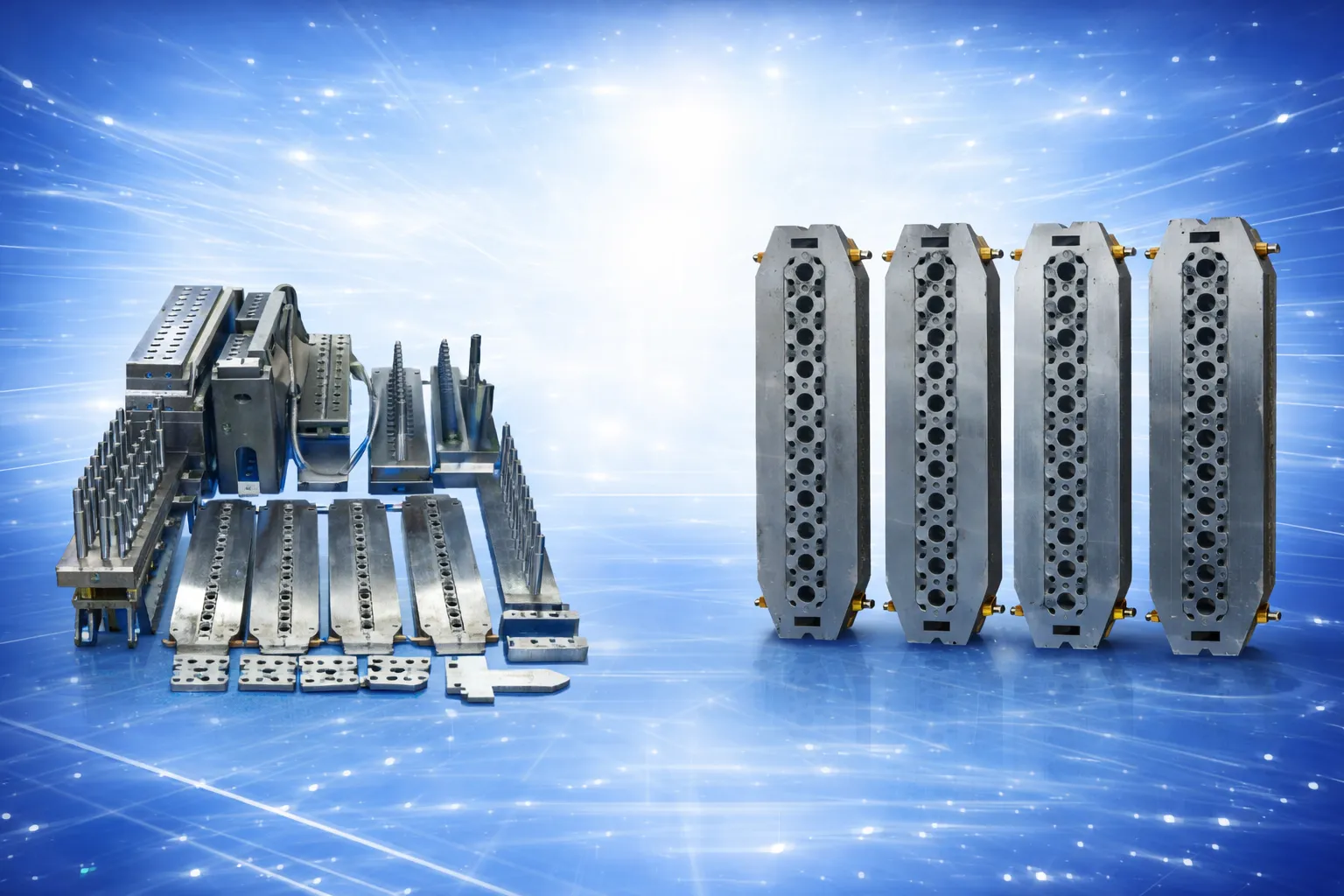
แม่พิมพ์ขวดเบียร์คราฟต์เกาหลี — โปรแกรมสำหรับขวด PET สีอำพัน, เครื่องมือขึ้นรูปตามรูปทรงโรงเบียร์แบบกำหนดเอง และรูปแบบขวดสุราพรีเมียม PETG คริสตัล