
Aplicação do ISBM · Embalagem de molho para exportação de alimentos coreanos · 2026
Exportação de alimentos coreanos ISBM
Guia Global de Garrafas de Molho
As exportações de alimentos coreanos ultrapassaram US$ 12,5 bilhões em 2025 — gochujang, doenjang, molho de soja coreano, marinada para bulgogi e molho picante coreano são vendidos em mais de 180 países, impulsionados pela exposição à culinária dos K-Dramas e pela culinária da diáspora coreana. A embalagem de molho ISBM para o varejo global de alimentos coreanos precisa atender simultaneamente às regulamentações da KFDA, da EU FPR, da US FDA 21 CFR e da JHOSPA do Japão — ao mesmo tempo que comunica a autenticidade coreana por meio de uma estética de embalagem premium nas prateleiras de molhos de redes como Whole Foods, Sainsbury's e Carrefour em todo o mundo.
Tripla conformidade KFDA + UE + FDA
Distribuição em mais de 180 países
US$ 12,5 bilhões
Exportações totais de alimentos coreanos em 2025
USD 520 milhões
Valor das exportações de molhos/condimentos coreanos em 2025
+38%
Crescimento das exportações de molhos coreanos até 2024, impulsionado pela Onda Coreana
180+
Países que recebem exportações de alimentos coreanos
KRW 65–110
Preço contratual para exportação de garrafas de molho (PET de 200 a 300 ml)
1. Molho para exportação de alimentos coreanos (K-Food): Requisitos globais de embalagem para varejo
As embalagens de molho coreano para exportação devem atender simultaneamente às normas de contato com alimentos da KFDA (Administração de Alimentos e Medicamentos da Coreia) e do mercado de importação — uma especificação de embalagem com dupla conformidade que a maioria dos produtores coreanos de molho em embalagens ISBM (Instrument-Based Marketing) não está preparada para atender. Os três principais mercados de exportação de alimentos coreanos possuem estruturas de conformidade de embalagens distintas: UE (Regulamento da UE sobre Plásticos Alimentares 10/2011, migração total ≤ 10 mg/dm² em simulante de azeite para contato com molho gorduroso), EUA (FDA 21 CFR 177.1630 para contato com alimentos em PET, que utiliza limites de migração específicos dos EUA em vez de métodos de simulante europeus) e Japão (lista positiva da JHOSPA para recipientes de alimentos em PET, que proíbe certos estabilizadores UV permitidos na UE e na KFDA). Marcas coreanas de molho que especificam a mesma embalagem ISBM para exportação global sem verificar a conformidade em cada mercado de destino correm o risco de rejeição na importação — a falha mais comum em embalagens de alimentos coreanos exportadas nos portos de entrada da UE e dos EUA.
O panorama das embalagens de alimentos coreanos (K-Food) no mercado interno coreano, que estabelece a base de referência da KFDA para exportação de garrafas de molho, está em... Guia de produção ISBM para embalagens de alimentos coreanas.

2. Especificações do formato de garrafa ISBM para molho de exportação coreano K-Food

| Produto | Volume | Resina | Mercado de Exportação | Necessidade de dupla conformidade |
|---|---|---|---|---|
| Espremer pasta de gochujang | 200–300 ml | Tampa de PP ou LDPE PET | UE / EUA / AU | Simulador de gordura EU FPR 10/2011 (D2); FDA 21 CFR 177 para PET |
| molho de soja premium coreano | 150–300ml | PET de cristal | Varejo premium global | Clareza cristalina para molho de soja de cor âmbar; álcool 2% (simulador de etanol JHOSPA) |
| marinada Bulgogi | 300–500ml | BICHO DE ESTIMAÇÃO | EUA / Canadá / Austrália | Açúcar + soja + óleo de gergelim — simulador de gordura necessário; Validade nos EUA: 18+ meses em temperatura ambiente |
| molho picante coreano (gochu) | 100–200 ml | PET transparente | EUA / UE / AU | pH 3,2–4,0, base de ácido acético; bico antigotejamento; estética de molho picante (concorrente do Tabasco) |
| Molho/pasta de kimchi | 200–400ml | PP (boca larga) | UE / EUA | Alho + contato com gordura por capsaicina; boca larga para pincel; PP para base compatível com gordura |
3. Tripla conformidade com as regulamentações da KFDA, da UE e da FDA dos EUA para garrafas de molho para exportação coreanas
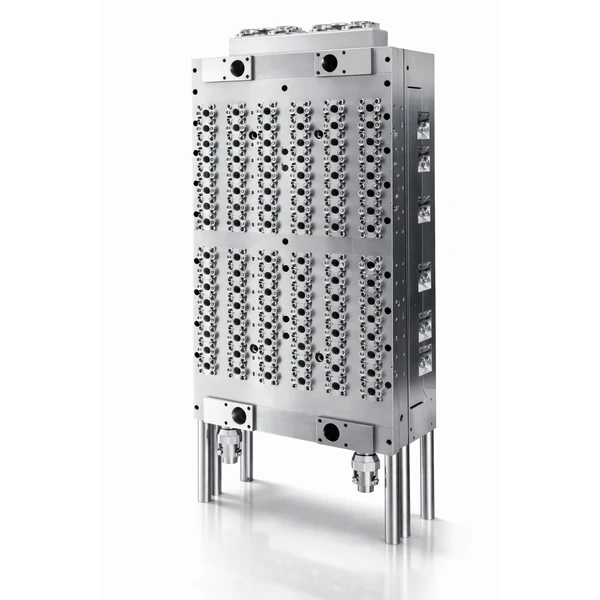
A conformidade tripla com o ISBM (Instrumento de Preparo de Alimentos Coreanos) para molhos de exportação coreanos representa a maior carga de documentação regulatória no setor de ISBM para contato com alimentos na Coreia — sendo mais complexa do que a conformidade com o ISBM para embalagens farmacêuticas coreanas, pois exige o atendimento simultâneo de três sistemas regulatórios independentes com diferentes métodos de teste, simulantes e limites. O produtor coreano de ISBM precisa compreender as diferenças de conformidade para especificar a produção corretamente.
KFDA (Coreia)
Recipiente para alimentos de acordo com o Capítulo 2 do Código Alimentar; simulante aquoso a 60 °C/30 min; migração total ≤ 30 mg/L; limites específicos de substâncias conforme a lista positiva coreana. Resinas aplicáveis para recipientes de PET para molho: especificação PET do Anexo 2 do Código Alimentar Coreano. A maioria dos produtores coreanos de PET ISBM já possui a certificação KFDA — este é o requisito básico.
Regulamento (UE) n.º 10/2011/FPR (Europa)
Lista positiva de substâncias do Anexo I do Regulamento de Plásticos da UE 10/2011; simulante alimentar selecionado por categoria alimentar (gochujang coreano com óleo de pimenta: simulante D2 = etanol 95% para alimentos com gordura; molho de soja coreano (aquoso, pH 4–5): simulante B = ácido acético 3%); migração total ≤ 10 mg/dm² (3 vezes mais rigoroso que o limite por volume da KFDA). Resinas PET coreanas não presentes no Anexo I da UE (certos estabilizantes específicos da Coreia) não cumprem o Regulamento de Plásticos da UE — é necessário especificar o grau de resina PET em conformidade com a UE.
FDA 21 CFR (EUA)
FDA 21 CFR 177.1630 para PET em contato com alimentos; teste de extração da FDA usando a estrutura de Limiar de Regulamentação (ToR) para aditivos minoritários abaixo de 0,5 ppb em alimentos; carta de conformidade da FDA ou documentação de autodeclaração 21 CFR. Ao contrário da KFDA e da UE, a conformidade com a FDA não exige testes de terceiros — o produtor coreano de ISBM pode emitir uma carta de autodeclaração confirmando que a resina PET e todos os aditivos estão em conformidade com a 21 CFR 177.1630. Os produtores coreanos de ISBM que entram no mercado de exportação de alimentos coreanos (K-Food) dos EUA normalmente obtêm uma única carta de conformidade com a 21 CFR 177.1630, revisada por um consultor jurídico dos EUA, para sua resina PET padrão e a mantêm como um documento permanente.
4. Engenharia da Viscosidade do Molho: Espremer o Gochujang e Despejar o Molho de Soja de Forma Controlada
Os molhos coreanos para exportação apresentam uma ampla gama de viscosidades, o que exige geometrias de dispensação diferentes para cada extremidade da faixa, de acordo com o padrão ISBM. A pasta de gochujang coreana (viscosidade de 8.000 a 35.000 cP, comportamento quase não newtoniano) requer um frasco com bico dosador grande o suficiente para permitir que a pasta espessa flua com uma força de compressão moderada (≤ 20 N para uso com uma só mão), sem exigir força excessiva que desestabilize o frasco durante a dispensação. O molho de soja coreano (viscosidade de 1 a 8 cP, similar à da água) requer um bico dosador que controle o fluxo com precisão, por gravidade — uma abertura muito grande impede o controle do fluxo pelo consumidor; uma abertura muito pequena causa borbulhas e respingos.
Especificações do bico dosador para frasco de gochujang coreano (ISBM): diâmetro do orifício interno de 5,0 a 8,0 mm para a viscosidade padrão do gochujang (8.000 a 15.000 cP); comprimento do orifício ≥ 12 mm (orifícios longos controlam o fluxo — bicos curtos produzem jatos descontrolados da pasta viscosa de gochujang); raio da borda interna anti-gotejamento de 1,0 a 1,5 mm (evita que resíduos de gochujang fiquem presos na ponta do bico após o uso e gotejem no balcão do consumidor coreano). Especificações do bico dosador para molho de soja coreano (ISBM): diâmetro interno de 6 a 9 mm no orifício de despejo; ângulo do bico de despejo de 30 a 45° em relação à vertical (permite o despejo controlado e inclinado sem a necessidade de inverter completamente o frasco — o molho de soja coreano é normalmente dosado em gotas medidas, não despejado livremente). Espessura da parede do bico ≥ 1,2 mm (bicos de parede fina quebram durante o manuseio na distribuição de produtos alimentícios na Coreia e no mundo todo).
O projeto ISBM de boca larga para recipientes de molho coreano — incluindo a especificação da superfície de vedação para lacres de alumínio invioláveis exigidos para a exportação global do gochujang coreano — compartilha sua base de engenharia com o Guia de produção de potes de alimentos coreanos de boca larga.
5. Requisitos globais de exposição em prateleiras de varejo para molhos coreanos de exportação.
As garrafas de molho coreano para exportação (K-Food) devem atender aos requisitos dimensionais e de qualidade específicos dos compradores de varejo globais antes de serem aceitas para exposição nas prateleiras. Requisitos do fornecedor de molho coreano da Whole Foods Market (EUA): área mínima do painel do rótulo de 55 cm² na face frontal para leitura do código de barras GS1 no caixa dos EUA; carta de conformidade com o 21 CFR para contato com alimentos em PET; declaração de embalagem sustentável (conteúdo reciclado ou declaração de reciclabilidade); embalagem compatível com a embalagem pronta para exposição (as garrafas ISBM de molho coreano devem ficar em pé em bandejas padrão americanas, exigindo compatibilidade do diâmetro externo da base com as dimensões da bandeja padrão americana). Requisitos do fornecedor de molho coreano da Carrefour (UE): declaração de conformidade com o Regulamento Europeu sobre Produtos Alimentares (FPR) 10/2011; código de barras EAN-13 da UE no tamanho padrão europeu (altura mínima da barra de 19,05 mm); espaço reservado para o rótulo Nutri-Score da UE no painel do rótulo do corpo da garrafa. Requisitos do fornecedor de molho coreano da Sainsbury's (Reino Unido): mesma conformidade com o FPR da UE equivalente ao Reino Unido pós-Brexit; compatibilidade com o rótulo HFSS (alto teor de gordura, sal e açúcar) do Reino Unido na área frontal da embalagem; Declaração de reciclabilidade de acordo com a especificação OPRL (On-Pack Recycling Label) do Reino Unido. Os produtores coreanos de embalagens ISBM que desenvolveram pacotes de documentação de conformidade padrão para cada um dos principais compradores de varejo globais reduzem o tempo de qualificação de embalagens para exportação de marcas coreanas de alimentos coreanos de 6 a 9 meses para 3 a 4 meses — uma vantagem comercial significativa em termos de prazo no competitivo mercado global de exportação de alimentos coreanos.
6. rPET em garrafas de molho para exportação coreana: K-EPR e alegações globais de sustentabilidade
As marcas coreanas de molhos para exportação, voltadas para o varejo premium europeu e norte-americano, enfrentam uma exigência de sustentabilidade nas embalagens imposta por seus compradores que excede o mínimo exigido pela norma coreana K-EPR 10%. A política de sustentabilidade da Whole Foods Market exige um conteúdo mínimo de 30% de material reciclado pós-consumo para embalagens PET acima de 100 ml a partir de 2026; o mandato de marca própria do Carrefour França exige um mínimo de 25% de PET PCR a partir de 2025. Essas exigências globais de sustentabilidade dos compradores criam uma especificação ISBM rPET para molhos coreanos de exportação mais rigorosa do que a norma K-EPR nacional. O desafio do rPET para molhos coreanos de exportação: o gochujang coreano com contato com óleo de pimenta em PET utiliza o simulante de gordura D2 da UE (etanol 95%) para testes de conformidade — o rPET com carga de 30%+ deve passar no teste de migração geral do simulante de gordura FPR da UE com ≤ 10 mg/dm². O rPET normalmente passa neste teste com uma carga de 25% (porque a superfície de contato com o alimento é composta principalmente de PET virgem biaxialmente orientado, proveniente do processo de orientação coreano ISBM, com o rPET distribuído por toda a parede, em vez de concentrado na superfície). Com rPET 50%, a migração geral do simulante de gordura da UE pode se aproximar do limite de ≤ 10 mg/dm² — exigindo a qualificação individual da fonte de rPET com o teste específico de simulante de gordura da UE na porcentagem de rPET de produção antes do início da exportação comercial para a UE. O protocolo coreano de qualificação da fonte de rPET que estabelece o limite de conformidade percentual específico de rPET está em [link para o documento/documento]. Guia de processamento de rPET coreano.
7. Panorama das marcas de molhos para exportação coreana (K-Food).
O fornecimento de molhos coreanos para exportação pela ISBM atende cinco níveis de canais de exportação. Grandes empresas alimentícias coreanas (CJ Bibigo, Sempio, Daesang Chungjungone, Pulmuone): 5 a 50 milhões de unidades de exportação/ano por marca; grandes varejistas globais (Seção Coreana do Costco nos EUA, Seção Coreana do Walmart, Seção Asiática Premium do Carrefour); qualificação de fornecedor ISBM de 12 a 24 meses, incluindo verificação de conformidade com compradores de varejo globais; KRW 65 a 95 por garrafa. Marcas de molhos coreanos premium para exportação (O'food, Korean Gochujang Premium, Jongga Premium Export): 500 mil a 5 milhões de unidades de exportação/ano; varejo global premium (Whole Foods, Waitrose, Dean & DeLuca); qualificação de 9 a 15 meses; KRW 80 a 110 por garrafa. Fornecimento global para restaurantes coreanos (fornecimento para redes de restaurantes coreanos — Paris Baguette, fornecimento para redes de churrasco coreano, kits de comida coreana para entrega): 2 a 15 milhões de unidades/ano; especificação para serviços de alimentação institucionais, não para varejo de consumo. Qualificação de 6 a 12 meses; KRW 45 a 68 por garrafa. Exportação de e-commerce coreano (e-commerce da CJ America, Gmarket Global, assinatura de molho D2C coreano): 200 mil a 3 milhões de unidades por ano; mercado da diáspora coreana nos EUA e na UE; conformidade com a Amazon para embalagens FBA; qualificação de 3 a 6 meses; KRW 55 a 85 por garrafa. O planejamento da contagem de cavidades para molho de exportação coreano em cada nível de volume está no [inserir referência aqui]. Calculadora de contagem de cavidades ISBM coreana.
8. Economia de produção e investimento em moldes para molho de exportação coreano ISBM
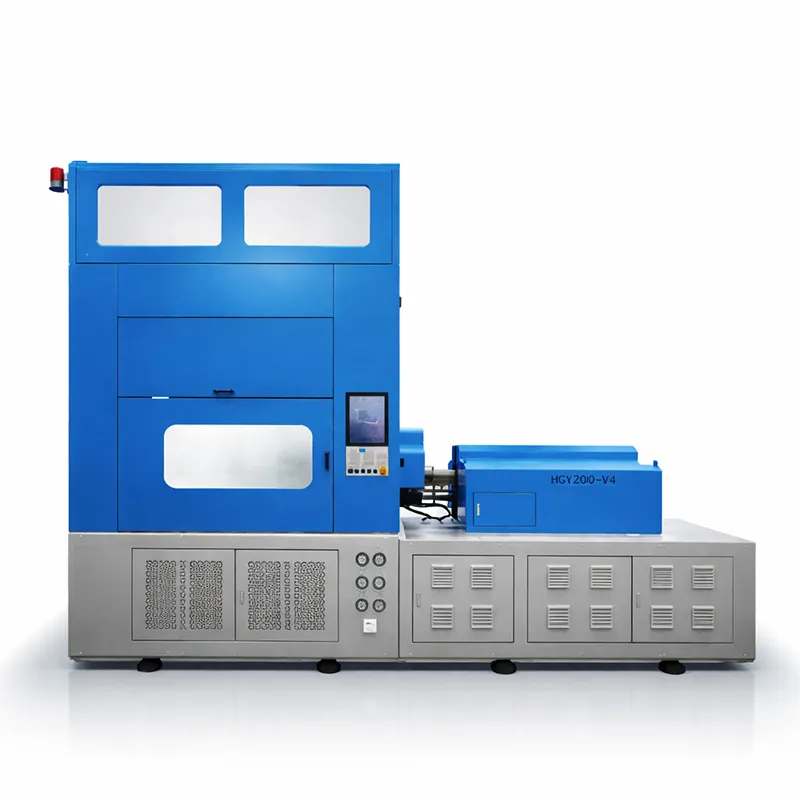
A produção de molho coreano para exportação (ISBM) na máquina HGY200-V4-EV, com quatro cavidades para frascos de 200 ml de gochujang (ciclo de 10 segundos para formação precisa do bico), gera aproximadamente 18,4 milhões de frascos por ano, em jornadas de 16 horas. Considerando o preço médio de 78 KRW por frasco para molhos de exportação de grandes empresas alimentícias coreanas, isso representa uma receita anual de 1,44 bilhão de KRW por máquina. O investimento em ferramental para a produção de molho coreano para exportação (ISBM) difere do investimento em ferramental para molhos produzidos no mercado interno em um aspecto fundamental: o inserto do bico dispensador (o mecanismo de tração lateral por came para bicos dispensadores angulares em frascos de gochujang) adiciona de 15 a 30 milhões de KRW ao custo do ferramental de moldagem em comparação com um frasco de molho padrão de gargalo reto. A justificativa comercial é direta: o gochujang coreano para exportação, em uma embalagem squeeze premium ISBM com bico de precisão anti-gotejamento, é vendido a um preço de varejo 30 a 451 TP3T superior ao do gochujang em pote de vidro em varejistas globais. O formato squeeze da ISBM não é apenas uma questão de conveniência na embalagem, mas também uma ferramenta de posicionamento premium que permite às marcas coreanas de K-Food competir com marcas europeias consolidadas de condimentos premium (Maille, Heinz Gourmet) nas prateleiras de varejistas premium globais. Os produtores coreanos de ISBM que investem na capacidade de fabricação de bicos para molhos de exportação coreanos se posicionam para o segmento de embalagens de exportação de alimentos coreanos de maior crescimento. A onda de exportação de K-Food é o fator de crescimento mais estruturalmente duradouro para embalagens de ISBM coreanas atualmente visível na perspectiva do mercado de embalagens coreano para 2026-2030. Os critérios de seleção de moldes para bicos de molhos de exportação coreanos — incluindo os 9 fatores que determinam se um molde de ISBM coreano pode produzir bicos dispensadores de precisão de forma confiável em escala de produção — estão no [texto incompleto]. Guia de seleção de moldes ISBM coreano de 9 fatores.

Perguntas frequentes
Apoio à Exportação de Alimentos K
Marca coreana de molhos planeja entrar nas prateleiras da Whole Foods, Carrefour ou Amazon Global com a ISBM Bottle?
A Korean Ever-Power fornece documentação com tripla conformidade com as normas KFDA + EU FPR + FDA 21 CFR, ferramentas de precisão para bicos anti-gotejamento, fornecimento de resina PET em conformidade com o simulante de gordura D2, especificação de dimensões para compradores globais do varejo e o modelo HGY200-V4-EV para o fornecimento de molho ISBM para exportação de alimentos coreanos (K-Food).
Recursos relacionados
Plataforma de Exportação de Molhos
Coreano Ever-Power HGY200-V4
Bico de precisão para gochujang de 200 ml com 4 cavidades; servo EV com diâmetro externo do gargalo de ±0,04 mm para especificação de bico de despejo controlado; suporte para fornecimento de resina PET com tripla conformidade com KFDA + UE + FDA.
Gama de máquinas
Alcance ISBM de 4 estações
HGY200-V4-EV para 200ml de gochujang coreano e 300ml de molho de soja com dosagem controlada, comparado ao HGY250-V4 para 500ml de marinada de bulgogi, em formato de boca larga.
Ferramentas para Exportação de Molhos
Projeto personalizado de molde ISBM
Moldes para molho de exportação coreanos — bico anti-gotejamento com mecanismo de came (orifício de 5 a 8 mm ±0,05 mm), bico dosador para molho de soja com dosagem controlada, certificado de primeiro artigo de qualificação do material simulante de gordura D2.