
Análise técnica detalhada · Guia do operador · ISBM 2026 coreano
Como manter seu ISBM
Máquina funcionando sem problemas
As operações coreanas de ISBM que mantêm um OEE de 80%+ compartilham uma característica: seus operadores tratam a manutenção das máquinas como um processo de produção, e não como responsabilidade do departamento de manutenção. A rotina diária do operador leva 38 minutos. Esse investimento evita 3,5 horas/semana de tempo de inatividade não planejado, que são comuns em operações sem protocolos de manutenção estruturados.
Lubrificação diária em 5 pontos
Protocolo de resposta de parada em 4 etapas
Rotina diária do operador — 38 minutos por turno
8 minutos
Verificação visual e sensorial pré-turno
12 minutos
Protocolo de lubrificação diária em 5 pontos
3 min
Verificação do registro e do fluxo de ΔT da água de resfriamento
10 minutos
Aquecimento da máquina e controle de qualidade da primeira impressão.
5 minutos
Registro de passagem de turno
1. Lista de verificação visual pré-turno: 8 minutos que evitam paradas de 8 horas
Uma verificação estruturada de 8 minutos no início do turno evita, em média, de 2 a 4 intervenções de produção por turno, cada uma com um custo de 15 a 45 minutos.
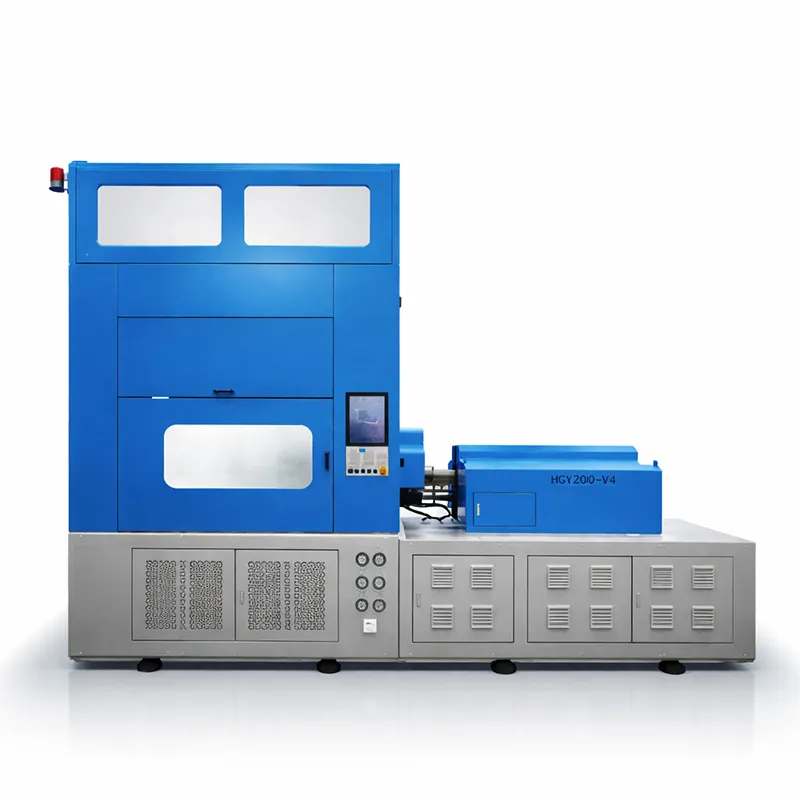
A lista de verificação visual pré-turno não é um exercício burocrático — é a identificação estruturada das condições que causam interrupções na produção. antes Início da produção. A lista de verificação pré-turno do ISBM coreano abrange quatro áreas do sistema:
① Mecânico (2 min)
- ✓Receita de correspondência de extremidade de haste extensível
- ✓Vedação de PTFE do bocal de sopro — sem desgaste da ranhura
- ✓Braço ejetor — sem folga lateral
- ✓Linha de separação do molde — sem folga visível
- ✓Pinos de indexação da mesa rotativa — todos os 4 assentos
② Parâmetros do processo (2 min)
- ✓A receita no HMI corresponde à ordem de produção.
- ✓Zonas de condicionamento dentro de ±2°C
- ✓Zonas de barril no ponto de ajuste ±3°C
- ✓Acumulador de sopro carregado ±1 bar
- ✓Corredor em alta — todas as zonas no ponto de ajuste
③ Utilitários (2 min)
- ✓Fluxo de água de resfriamento ≥ ponto de ajuste
- ✓Temperatura de entrada do sistema de refrigeração ≤ 18°C
- ✓Nível do reservatório de resina ≥ 70%
- ✓Ponto de orvalho do secador ≤ −35°C
- ✓Pressão de fornecimento de ar ≥ 7 bar
④ Revisão do turno anterior (2 min)
- ✓Transição de comando — algum alarme pendente?
- ✓Restrições de qualidade — resolvidas antes da reinicialização?
- ✓Manutenção — alguma alteração de parâmetros?
Dica de implementação: Imprima a lista de verificação em um cartão A4 plastificado e fixe-a na estação de controle da máquina. As operações que utilizam um cartão impresso reduzem o tempo de inatividade não planejado relacionado à inicialização em 35–50% nos primeiros 3 meses. A estrutura completa de manutenção ISBM coreana, com a qual isso se integra, está no guia da Lista de Verificação de Manutenção de 5 Níveis, cujo link está abaixo.
2. Lubrificação diária: o protocolo de 5 pontos
A falha na lubrificação é a principal causa de paradas mecânicas na ISBM coreana — não porque os operadores não lubrifiquem, mas porque lubrificam os componentes errados com o lubrificante errado no intervalo errado. Cinco componentes realmente exigem atenção diária.
| Ponto de lubrificação | Lubrificante | Quantidade diária | Sinal de alerta caso seja ignorado |
|---|---|---|---|
| Rolamentos de indexação de mesa rotativa | Graxa de lítio NLGI-2 (grau alimentício) | 3–5 bombeadas/ponto | Aumento do ruído do índice; desvio de posição rotatória de ±0,2 mm após 2 a 3 semanas. |
| Rolamento linear de haste extensível | Óleo para fuso ISO VG 32 (fino, não mancha) | 2–3 gotas/rolamento | Hesitação da haste no topo do curso → erro de posicionamento de ±0,3 mm → deslocamento da distribuição na parede |
| Bucha guia do bocal de sopro | ISO VG 32 ou spray de PTFE fino | 2 gotas / leve borrifada | Hesitação do bico; ruído audível; variação na posição do assento → vazamento de pressão de sopro |
| Trilhos guia de abertura/fechamento do molde | Graxa NLGI-2 EP (extrema pressão) | Camada leve de pincel | O servo do veículo elétrico apresenta aumento no consumo de corrente do motor; desalinhamento da linha de divisão após 1 semana sem carga |
| pinos do mecanismo ejetor | Spray lubrificante seco de PTFE (sem risco de contaminação) | Pulverização de 3 a 5 segundos | Hesitação do ejetor; arrasto do frasco na ejeção → deformação do gargalo em frascos farmacêuticos |
⚠ Três erros de lubrificação do ISBM coreano que causam falhas prematuras
- O uso de graxa industrial NLGI-3+ de alta viscosidade em rolamentos lineares de haste extensível cria um arrasto que o servo compensa através do consumo excessivo de corrente, acelerando o desgaste da pista e mascarando a falha inicial.
- Utilização de lubrificante à base de petróleo onde o óleo possa entrar em contato com o interior da garrafa — a produção farmacêutica e de alimentos na Coreia exige lubrificantes de grau alimentício NSF H1 em todos os pontos de risco de contato.
- Lubrificação excessiva dos rolamentos indexadores da mesa rotativa — o excesso de graxa migra para o mecanismo de indexação, atrai poeira de PET e causa desgaste abrasivo mais rapidamente do que os rolamentos lubrificados adequadamente.
3. Gestão da Água de Refrigeração: A Tarefa Diária Mais Subestimada
A água de resfriamento do molde mantém as paredes da cavidade na temperatura que determina a taxa de solidificação da garrafa e a integridade da ejeção. O resfriamento inconsistente produz variações na espessura da parede que os operadores atribuem a problemas de sopro ou condicionamento — quando, na verdade, a causa principal é o resfriamento.
① Temperatura de entrada
≤ 18°C
Temperatura alvo na Coreia (≤ 22 °C com chiller no verão). Acima de 22 °C: prolongar o tempo de insuflação em +0,2–0,3 s ou a qualidade se deteriora.
② ΔT de saída para entrada
≤ 4°C
Por circuito, na taxa de fluxo de produção. ΔT acima de 5°C indica fluxo restrito ou extração de calor insuficiente — investigue antes que haja impacto na qualidade.
③ Visualização da taxa de fluxo
≥ Linha de base
Confirme através do visor de nível ou do medidor de pás. Uma queda repentina acima de 20% em relação ao valor basal indica degradação da bomba ou bloqueio do circuito.
Protocolo de verão coreano (julho-agosto): Aumente as verificações da água de resfriamento para duas vezes por turno. Alerte a manutenção quando a temperatura de saída do chiller subir acima de 20 °C — nesse ponto, o tempo de ciclo do ISBM coreano deve ser estendido (tempo de sopro +0,2–0,3 s) ou a qualidade se deteriorará progressivamente durante o pico de calor da tarde na produção de verão coreana.
4. Manutenção diária do sistema de canais quentes: 5 minutos que protegem seu investimento em prevenção de mofo
O sistema de canais quentes — o componente individual mais caro em um conjunto de moldes ISBM coreano — apresenta falhas graduais por meio de sinais de alerta identificáveis. A atenção diária do operador permite detectar esses sinais antes que se tornem falhas que interrompam a produção.
⚠ Aviso 1 — Desvio de temperatura da zona
Sobretemperatura ≥ 5°C acima do ponto de ajuste: Falha do termopar — a zona sobreaquece progressivamente. Reduza imediatamente a temperatura de ajuste da zona em 15 °C e notifique a manutenção. Uma zona que atinge 340 °C no processamento de PET causa degradação do polímero e danos na vedação do coletor em 30 minutos. Temperatura abaixo de 10°C no regime de trabalho 100%: Falha na resistência de aquecimento — agende a substituição para o próximo intervalo de turno, antes que ocorram curtos-circuitos na zona fria.
⚠ Aviso 2 — Pontos pretos na zona de injeção da pré-forma
Pontos pretos na zona de injeção indicam polímero carbonizado na ponta do canal quente. Ação: reduza a temperatura de ajuste da zona da ponta do canal em 8 °C e aumente a velocidade de injeção 10%. Se os pontos persistirem após 30 injeções, interrompa o processo para limpeza da ponta do canal — clientes coreanos das indústrias farmacêutica e de beleza (K-Beauty) rejeitam qualquer lote com pontos pretos. A identificação precoce (3 a 5 pontos) é administrável; mais de 200 pontos são catastróficos.
⚠ Aviso 3 — Divergência de peso da cavidade
Se o peso da pré-forma de uma cavidade específica cair abaixo da linha de base em mais de 3%, enquanto as cavidades adjacentes permanecerem estáveis, o canal quente dessa cavidade apresenta uma obstrução parcial. Ação: registre o horário, o número da cavidade e a variação de peso no registro de produção; alerte a equipe de manutenção para que planeje a inspeção da ponta do bico de injeção na próxima troca de produto. Não aumente a pressão de injeção para compensar, pois isso direciona o excesso de pressão para outras cavidades.
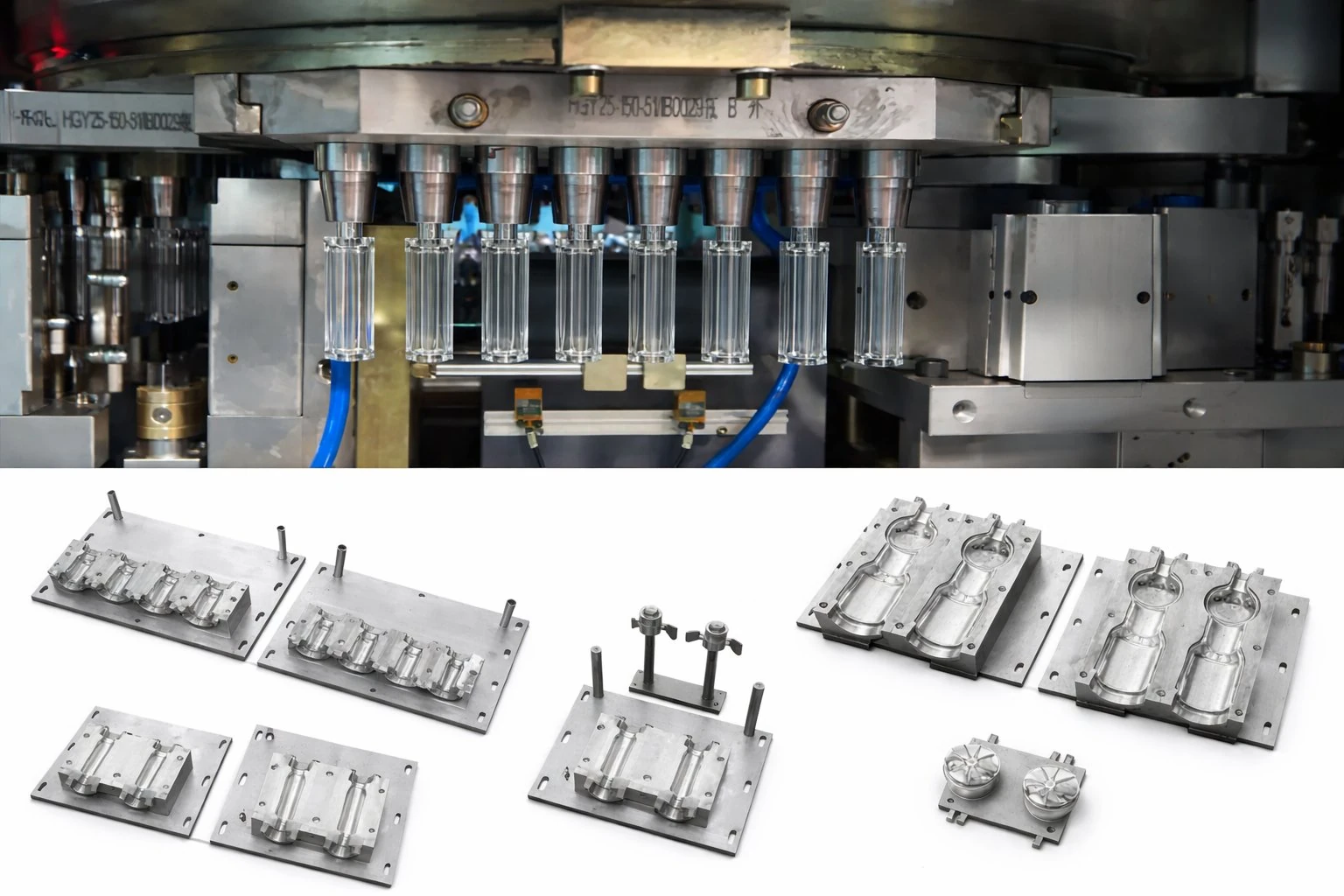
5. Haste de Estiramento e Bocal de Sopro: Inspeção Diária de Dois Componentes Sensíveis ao Desgaste
6. Secagem e alimentação de resina: a entrada de qualidade invisível
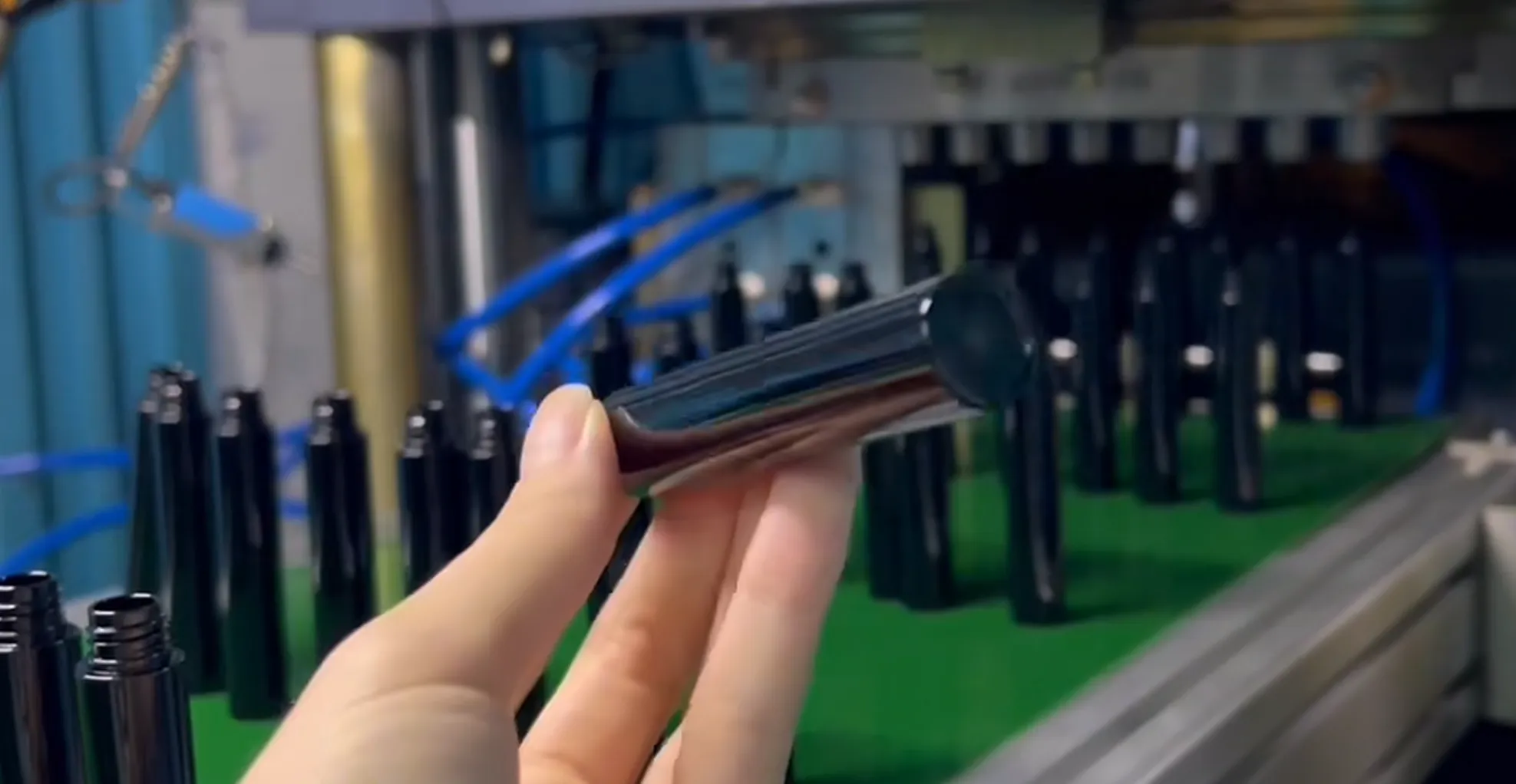
O PET mal seco (com umidade acima de 30 ppm) produz excesso de acetaldeído durante o processamento em tambor — mas as garrafas ficam idênticas às produzidas com PET bem seco. Operadores coreanos que não verificam o ponto de orvalho do secador porque as garrafas "parecem boas" produzem lotes não conformes que só falham na análise por cromatografia gasosa (GC) da marca coreana — o modo de falha de qualidade mais caro, pois envolve o recolhimento do lote após a entrega.
Ponto de orvalho do secador
≤ −35°C
Verificar e registrar no início do turno e a cada 4 horas. Acima de −30 °C: verificar o status de regeneração do dessecante. Acima de −20 °C: interromper a produção e acionar a manutenção — o dessecante está saturado e não consegue secar a resina conforme as especificações.
Nível de enchimento do reservatório
40–80%
Abaixo de 30%: risco de formação de pontes de resina na saída da tremonha → interrupção intermitente da alimentação → variação do peso da injeção. Acima de 90%: em alguns modelos de secadores, a resina se acumula acima da zona de secagem aquecida → resina inadequadamente seca entra no cilindro.
Dosador de masterbatch
±0,05% LDR
Verifique se o dosador gravimétrico está dispensando dentro de ±0,05% do LDR alvo em cada verificação de amostra de qualidade. Um dosador que ficou sem grânulos de masterbatch pode não disparar o alarme imediatamente — registre o nível do reservatório de masterbatch em cada coleta de amostra de qualidade.
7. Documentação da passagem de turno: 5 minutos de memória institucional
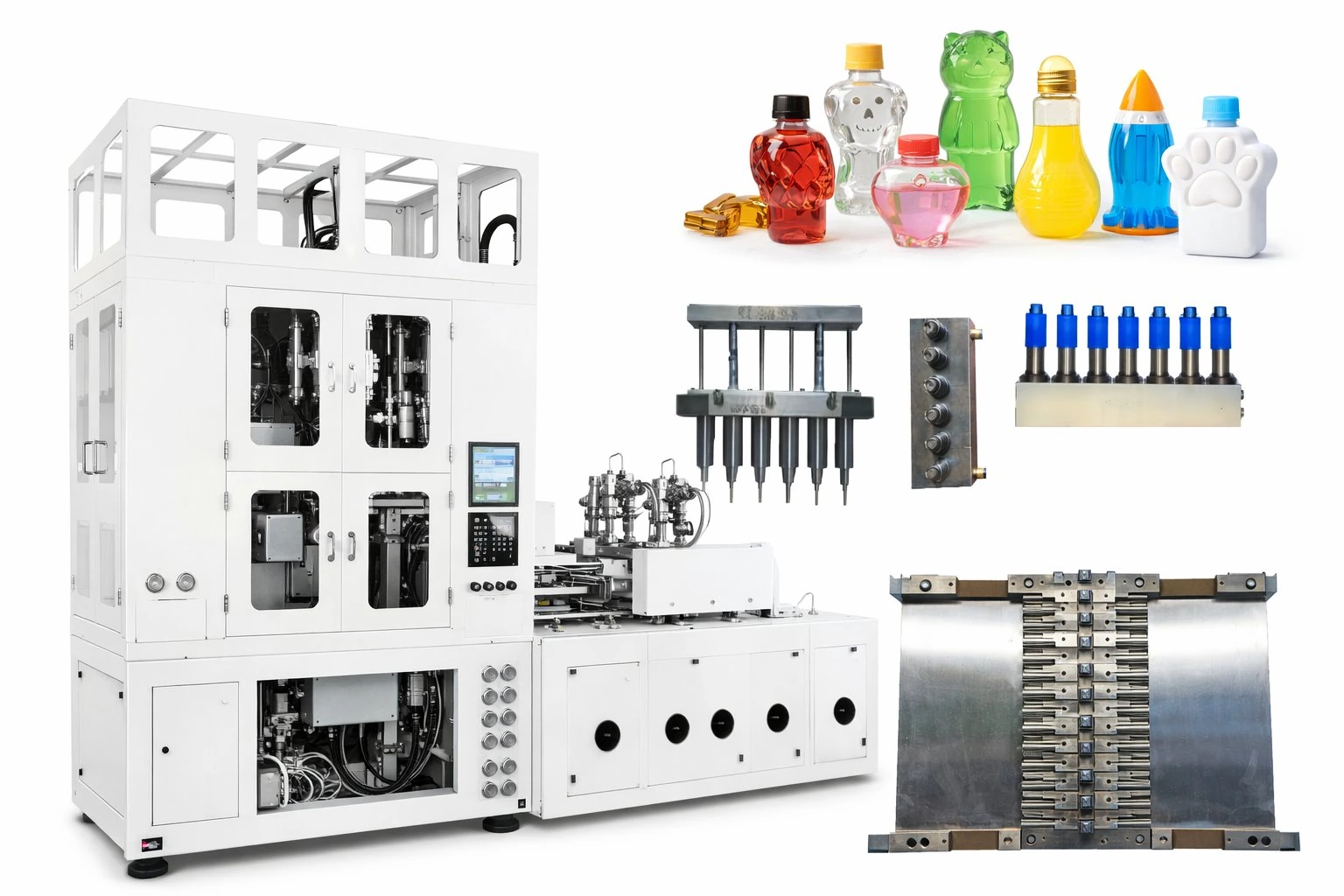
Registro de passagem de turno do ISBM coreano — o registro de 5 minutos que evita um tempo de redescoberta de 30 a 60 minutos para o turno seguinte. Auditores de qualidade de marcas farmacêuticas e de K-Beauty coreanas revisam os registros de passagem de turno nas auditorias anuais de qualificação de fornecedores — a completude é um critério de auditoria de nível 1 que diferencia os fornecedores coreanos de ISBM qualificados em GMP dos não qualificados.
O registro de passagem de turno do ISBM coreano deve incluir 5 campos de dados. As marcas farmacêuticas coreanas consideram a completude do registro de passagem de turno um critério de qualificação de fornecedores.
① Produção
Unidades produzidas em bom estado · Contagem de peças defeituosas e motivo do descarte · Garrafas retidas aguardando controle de qualidade
② Eventos de alarme
Todos os alarmes com registro de data e hora · Resolução tomada · Qualquer alarme que tenha ocorrido ≥ 2 vezes no turno
③ Eventos de qualidade
Verificar tempos e resultados · Parâmetros ajustados e motivo · Resultado da primeira peça, caso seja um molde novo
④ Estado de consumível
Resina restante na tremonha do secador · Masterbatch restante · ΔT da água de resfriamento no final do turno
⑤ Problemas não resolvidos
Problemas sendo monitorados, mas não resolvidos · Solicitações de manutenção enviadas durante o turno
8. Protocolo de Resposta à Parada de Produção: 4 Etapas, Informação Antes da Ação
Na Coreia, a resposta a interrupções na produção da ISBM prioriza a coleta de informações antes da correção. Uma parada que é reiniciada sem a identificação da causa raiz se repete em 15 a 45 minutos, com o mesmo custo de tempo de inatividade — criando paradas curtas repetidas que se acumulam, resultando em um tempo total de inatividade maior do que uma única parada resolvida.
-
1
Grave antes de tocar em qualquer coisa (0–60 s)
Anote o código de alarme, o registro de data e hora do alarme e os últimos 5 tempos de ciclo do registro do servo do veículo elétrico. Observe o que as 3 amostras de produção anteriores mostraram para identificar se a parada foi precedida por alguma tendência de qualidade. Essa documentação de 60 segundos permite o diagnóstico remoto sem a necessidade de recriar a condição de parada.
-
2
Consulte o cartão de referência do alarme (60–180 s)
Utilize o cartão de referência de código de alarme ISBM coreano laminado na máquina para identificar: alarme do sensor (pode ser seguro reiniciar e monitorar), alarme de intertravamento de segurança (não deve ser reiniciado sem inspeção física) ou alarme crítico de qualidade (não deve ser reiniciado sem verificar o impacto na qualidade).
-
3
Reiniciar ou intensificar (3–10 min)
Se for seguro reiniciar: Realizar 5 tomadas de qualificação e verificar a amostra de produção antes de liberar para a produção em larga escala. Se a condição não for compreendida ou não for resolvida fisicamente: Não reinicie — contate a manutenção ou o serviço de diagnóstico remoto da Ever-Power (Coreana). Nunca reinicie um lote farmacêutico parado sem antes concluir a documentação de desvio do processo GMP.
-
4
Registrar e categorizar (ao reiniciar)
Registre a duração total da parada, a solução adotada e o resultado da qualificação após a reinicialização no diário de turno. Esse registro orienta a categorização do OEE (Eficiência Global do Equipamento) da ISBM coreana (planejada vs. não planejada, mecânica vs. elétrica vs. qualidade) e as ações de melhoria direcionadas para reduzir as paradas repetidas.
Perguntas frequentes
Suporte ao treinamento de operadores
Nova máquina ISBM coreana? A Ever-Power coreana oferece treinamento estruturado em coreano para operadores.
O programa de treinamento presencial da Korean Ever-Power abrange checklist pré-turno, lubrificação, gerenciamento de água de refrigeração, resposta a alarmes, passagem de turno e amostragem de qualidade — ministrado em suas instalações na Coreia durante e após o comissionamento da máquina.
Recursos relacionados
Máquina de Moldagem por Injeção e Sopro HGY150-V4-EV
Servoacionamento EV totalmente elétrico · Precisão de condicionamento de ±0,3°C · Documentação do código de alarme em coreano · Programa estruturado de treinamento para operadores em coreano incluído na instalação.
Gama de máquinas ISBM de 4 estações Ever-Power da Coreia
Todas as plataformas Ever-Power de 4 estações coreanas incluem, como padrão, registro de dados do servomotor EV, documentação de manutenção em coreano e suporte estruturado para treinamento de operadores.