
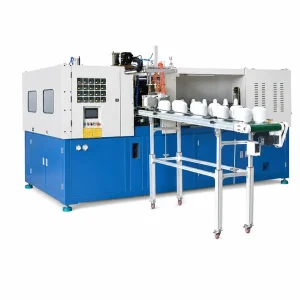
HGA.ES-4C150 Food Jars & Cans Blow Molding Machine
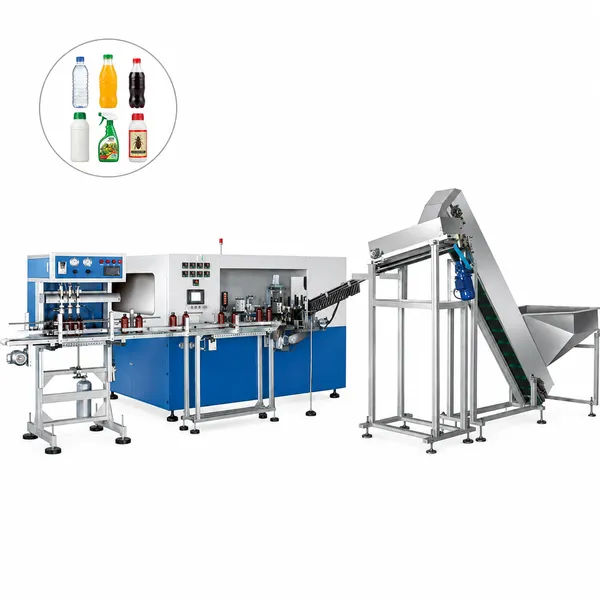
HGA.ES-4C150 — 4-cavity blow molding machine for large-body wide-mouth PET food jars: edible oil, bulk condiment, honey, and family-size food containers up to 2,500 ml. 4,000 bph, max 2,500 ml, 110 mm neck, 130 mm body. 6,200 x 2,150 x 2,050 mm, 8,000 kg. CE + ISO 9001:2015.
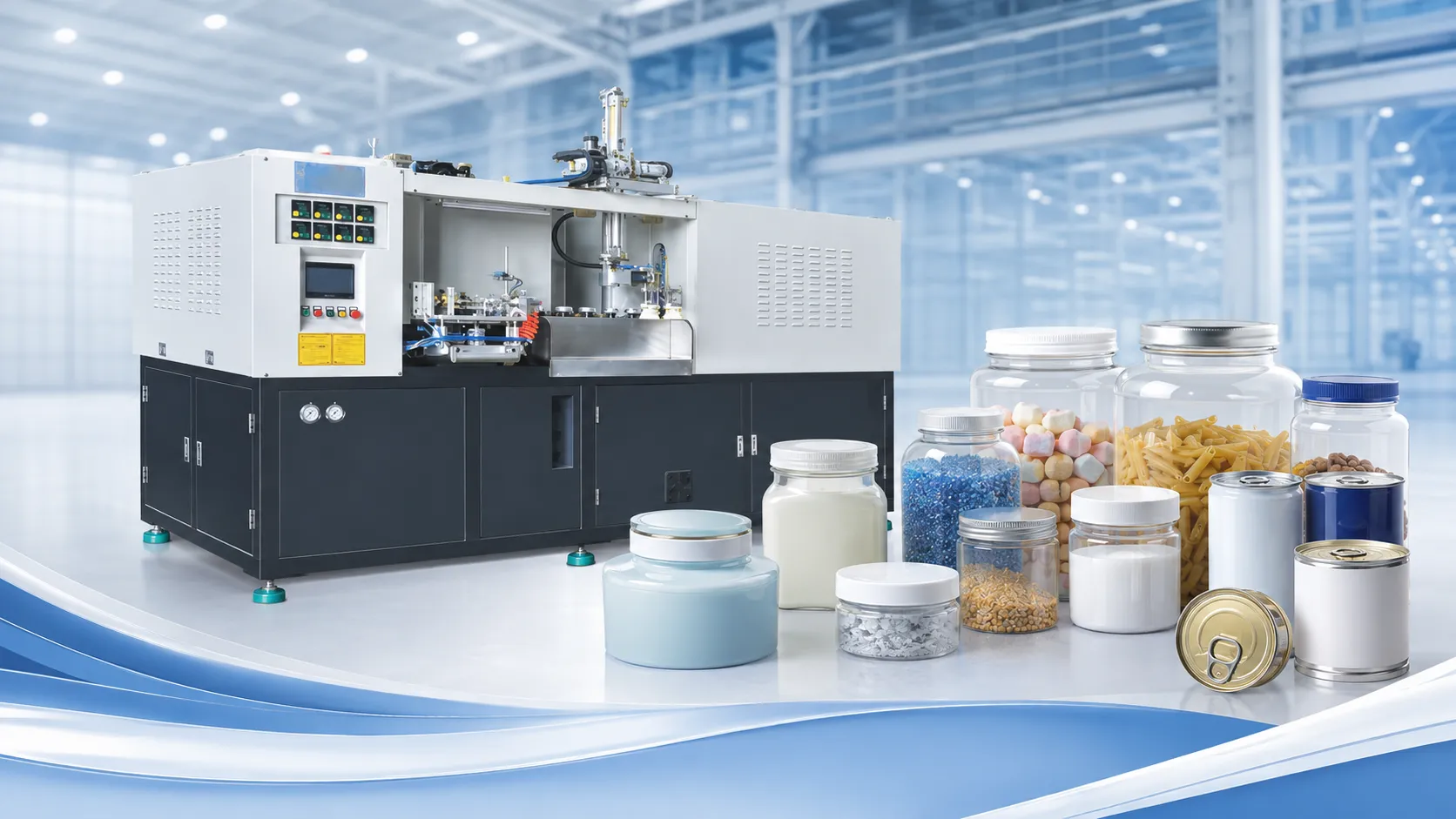
The Series Peak — 130 mm Body, 4 Cavities, 4,000 bph
The HGA.ES-4C150 combines the 150 mm pitch of the 2C150 with four cavities — producing large-body wide-mouth PET food jars up to 130 mm body, 110 mm neck, and 2,500 ml at 4,000 bph. It is the highest-output machine in the series for the large-body jar format category, and the largest machine in the HGA Food Jars & Cans range by weight and footprint.
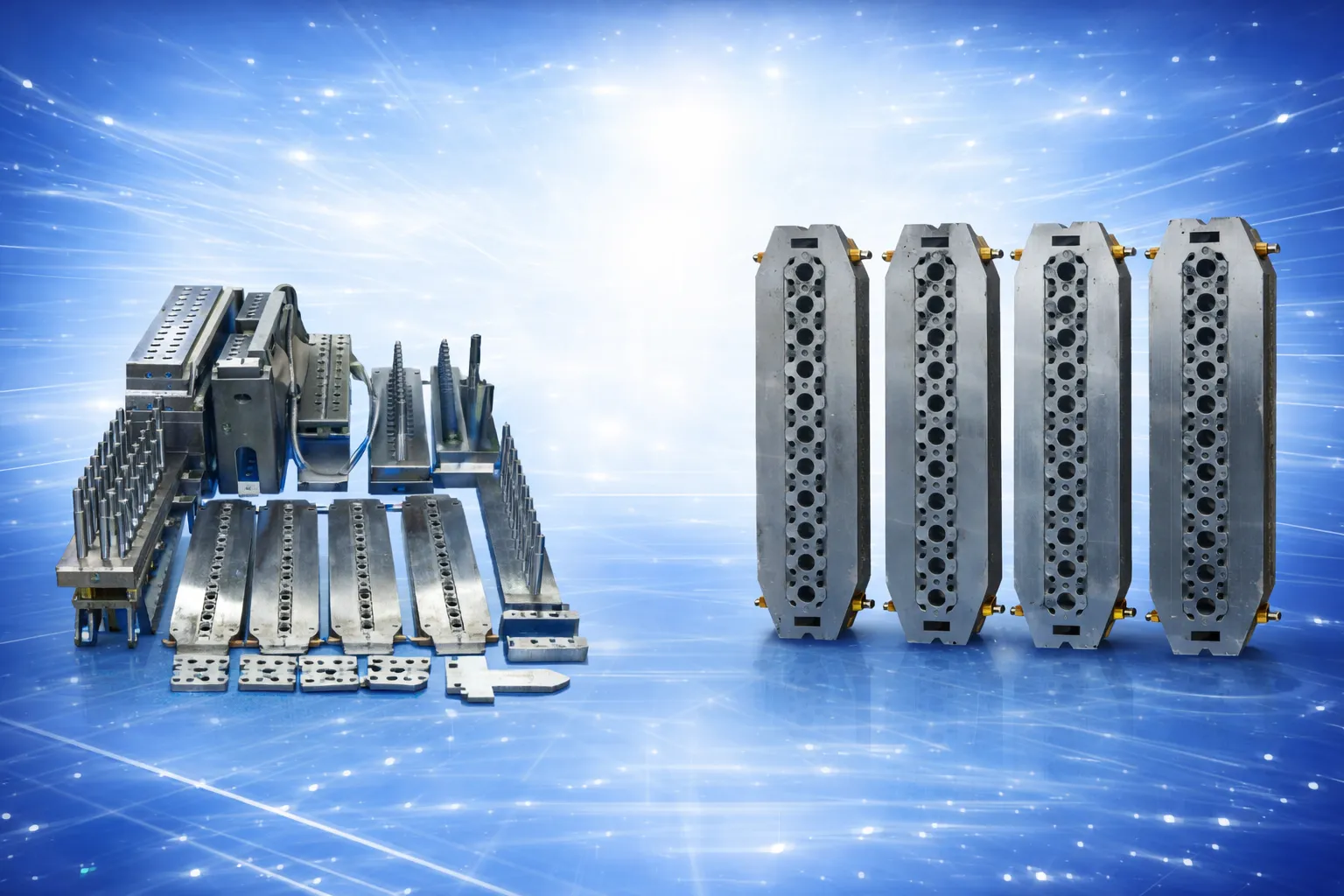
Pre-made PET preforms are loaded into the 86-position holder, reheated by infrared lamps, then four preforms advance simultaneously to the blow station each cycle. At 150 mm pitch with four cavities producing containers up to 2,500 ml, the blow station spans a significant width — the 6,200 mm machine length reflects the extended conditioning zone required to heat four large-format preform streams uniformly at 4,000 bph.
More than double the 2C150's 1,800 bph at the same body diameter and neck range — the right configuration for large-body jar production lines with high annual volume targets.
The 4C150 shares the same 150 mm pitch, 130 mm body ceiling, 110 mm neck ceiling, and 2,500 ml maximum volume as the 2C150 — jar specification, preform design, and closure tooling carry forward unchanged.
At 8,000 kg and 6,200 x 2,150 x 2,050 mm, the 4C150 is the heaviest and longest machine in the HGA Food Jars range. Site preparation, floor load verification, and utility planning are critical before installation.
Product Overview — HGA.ES-4C150
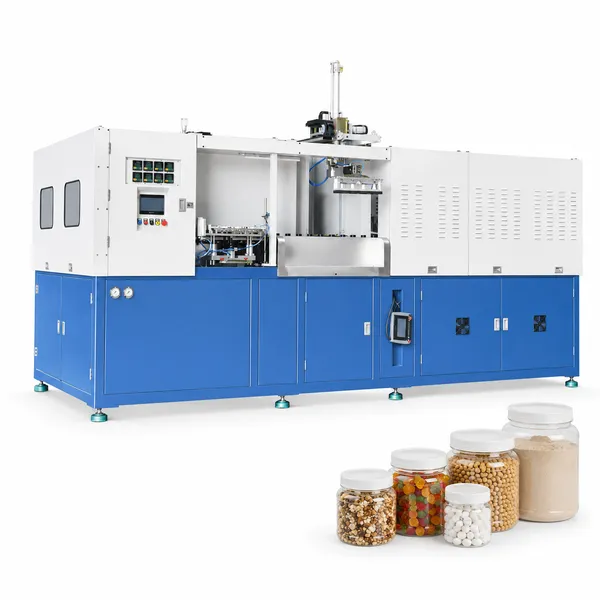
The HGA.ES-4C150 is the 4-cavity blow molding machine at 150 mm pitch in the HGA Food Jars & Cans series — producing large-body wide-mouth PET food jars up to 130 mm body diameter, 110 mm neck diameter, and 2,500 ml volume at 4,000 bph. It is the highest-output configuration in the series for the large-body jar format category, and the largest machine in the HGA food jars range by weight and footprint.
The 4C150 occupies the same container format space as the 2C150 — 150 mm pitch, 130 mm body, 110 mm neck, 2,500 ml maximum volume — but delivers 4,000 bph versus the 2C150's 1,800 bph: more than double the throughput. For operations running the 2C150 at capacity and needing to scale, the 4C150 is the direct step-up. Jar design, preform specification, neck finish, and closure tooling all carry forward unchanged between the two machines.
The 86-position preform holder conditions four simultaneous preform streams at 150 mm pitch. At this pitch and cavity count, producing containers up to 130 mm body and 2,500 ml, the preform mass and conditioning dwell time requirements are proportionally higher than the narrower-pitch machines — reflected in the 78 KW maximum heating power, the highest in the series alongside the 2C200. Site preparation for the 4C150 requires careful advance planning: 8,000 kg floor load, 6,200 mm length, 6,500 L/min high-pressure air, and 60 L/min cooling water are all meaningfully higher than the 2-cavity machines at this pitch.
CE certification and ISO 9001:2015 manufacturing apply. Factory acceptance testing covers inter-cavity weight, wall thickness, height, and optical clarity across all four positions before shipment.
Technical Specifications
| Molding Configuration | |
| Clamping Stroke | 165 mm |
| Mold-Open Distance | 415 mm |
| Mold-Close Distance | 250 mm |
| Stretching Stroke | 400 mm |
| Preform Heating Distance | 50 mm |
| Cavity Pitch | 150 mm |
| Preform Holder Capacity | 86 positions |
| Number of Cavities | 4 |
| Container Specifications | |
| Max. Container Volume | 2,500 ml |
| Max. Neck Diameter | 110 mm |
| Max. Container Body Diameter | 130 mm |
| Max. Container Height | 230 mm |
| Compatible Materials | PET |
| Production Performance | |
| Theoretical Output | 4,000 bph (4 cavities) |
| Electrical System | |
| Max. Heating Power | 78 KW |
| Standard Operating Heating Power | 32 KW |
| Air System | |
| Low Pressure Operating Pressure | 7 kg/cm² |
| Low Pressure Air Consumption | 800 L/min |
| Blowing Pressure | 30 kg/cm² |
| High Pressure Air Consumption | 6,500 L/min |
| High Pressure Operating Pressure | 5 – 6 kg/cm² |
| Cooling Water | |
| Temperature | 8 – 12 °C |
| Flow Rate | 60 L/min |
| Machine Dimensions | |
| Size (L x W x H) | 6,200 x 2,150 x 2,050 mm |
| Weight | 8,000 kg |
Source: Ever-Power HGA Food Jars & Cans Series brochure. Confirm container geometry compatibility with Ever-Power before tooling order.
Where HGA.ES-4C150 Sits in the Series
| Model | 2C150 | 4C100 | 4C130 | 4C150 ★ | 2C200 | 2C260 | FS-1CGG220 |
|---|---|---|---|---|---|---|---|
| Cavities | 2 | 4 | 4 | 4 | 2 | 2 | 1 |
| Output bph | 1,800 | 4,600 | 3,200 | 4,000 | 1,600 | 900 | 600 |
| Max Body mm | 130 | 80 | 110 | 130 | 180 | 240 | 190 |
| Max Neck mm | 110 | 68 | 98 | 110 | 138 | 168 | 138 |
| Max Vol. ml | 2,500 | 800 | 1,500 | 2,500 | 5,000 | 15,000 | 5,000 |
The 4C150 is the highest-output machine for the 130 mm body / 110 mm neck / 2,500 ml format category. For volumes above 2,500 ml or bodies above 130 mm, the 2C200 or 2C260 are the appropriate selections.
Large-Body Food Jars This Machine Produces at High Volume
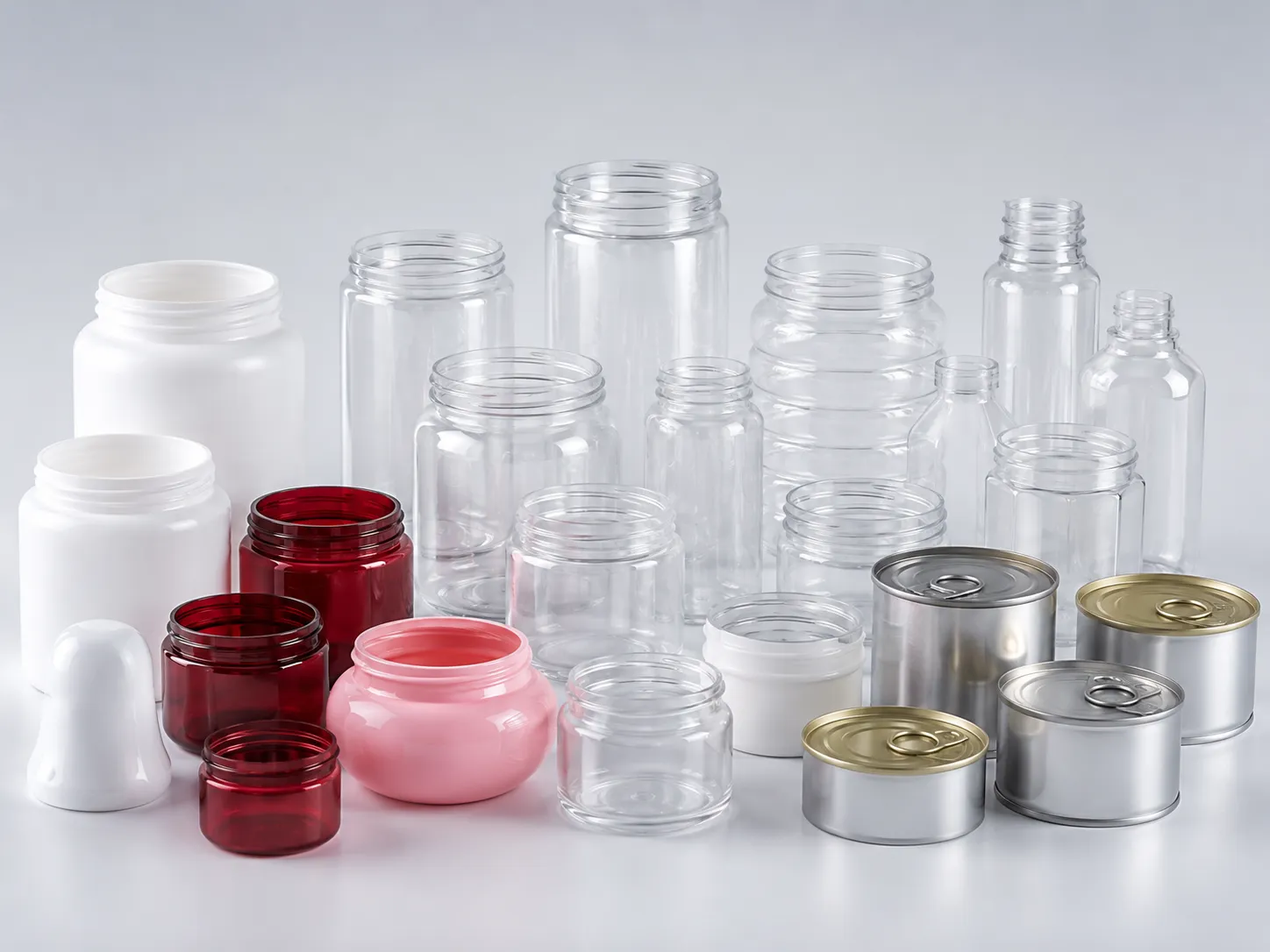
1-litre, 1.5-litre, and 2-litre edible oil PET containers at 4,000 bph for large-scale retail distribution. 4-cavity output suits major oil brands with national retail supply chain volume requirements.
1-litre to 2.5-litre wide-mouth honey jars at 4,000 bph for national honey brands, club-store channels, and bulk retail supply. 110 mm neck provides full-hand access for crystallised honey formats.
Chilli paste, peanut butter, and mayonnaise from 500 ml to 2,500 ml at high volume for retail and food service. 4-cavity output serves large condiment brands running continuous filling line production.
Large transparent PET canisters up to 2,500 ml for nuts, dried fruit, and trail mix in club-store and wholesale channels. 4,000 bph output supplies multiple retail customers from one production line.
Large wide-mouth pickle, kimchi, and preserved vegetable jars from 500 ml to 2,500 ml for national retail and food service at volume. 130 mm body accommodates large whole-piece vegetables and bulk condiment formats.
Tomato paste, fermented bean paste, and cooking sauce from 500 ml to 2,500 ml for national retail distribution. 4,000 bph matches large-scale sauce brand filling line speeds and daily production targets.
Performance Characteristics
4,000 bph versus the 2C150's 1,800 bph — more than double the throughput at the same 130 mm body, 110 mm neck, and 2,500 ml format envelope. For operations that have validated their large-body jar format and face a throughput constraint on the 2-cavity machine, the 4C150 is the direct scale-up with no change to jar specification or closure tooling.
The 4C150 uses the same 150 mm pitch, 130 mm body ceiling, 110 mm neck ceiling, and 2,500 ml maximum volume as the 2C150. Jar geometry, preform specification, neck finish, and closure tooling all carry forward from the 2C150 without modification. The machine configuration changes; the jar does not. The full ISBM mold tooling range covers custom profiles at this pitch.
The 86-position preform holder conditions four simultaneous preform streams at 150 mm pitch. At 130 mm body and 2,500 ml maximum volume, the preform mass is substantially larger than the narrower-pitch machines — the holder provides the extended infrared dwell time required for consistent through-wall temperature distribution at 4,000 bph across all four blow positions.
At 8,000 kg and 6,200 x 2,150 mm, the 4C150 is the heaviest and longest machine in the HGA food jars series. Floor load confirmation by a structural engineer, overhead clearance for 4-cavity mold change, 6,500 L/min compressed air installation, and 60 L/min chiller capacity all require advance planning. Obtain Ever-Power's complete utility specification document before site preparation begins.
Auxiliary Equipment
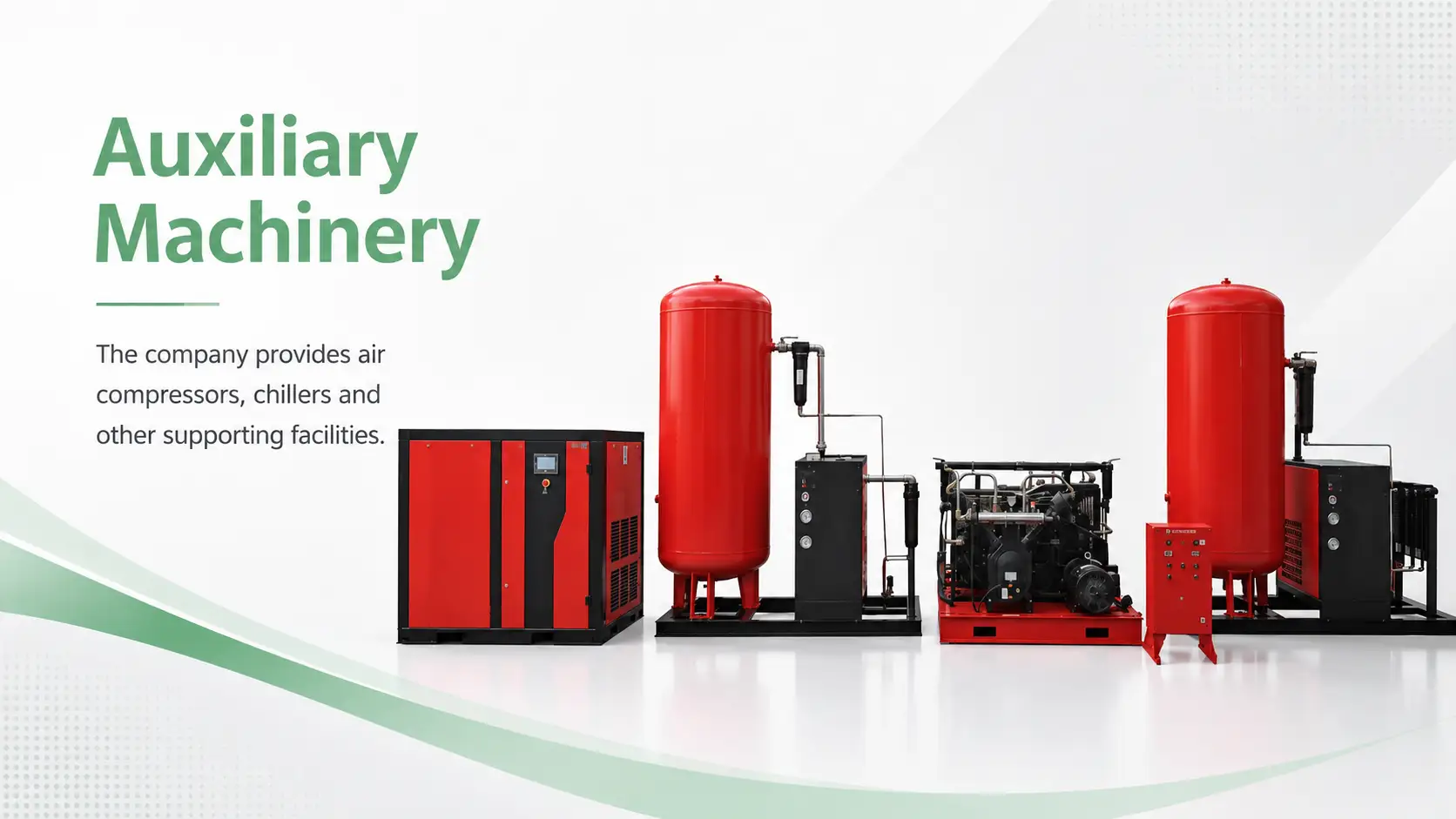
30 kg/cm² · 6,500 L/min · Oil-free required · Size from Ever-Power spec before procurement
8–12 °C · 60 L/min · High-flow chiller for four-cavity large-body mold temperature control
7 kg/cm² · 800 L/min · Preform conveying and mold actuation across 4 cavities at 150 mm pitch
Quality & Certification
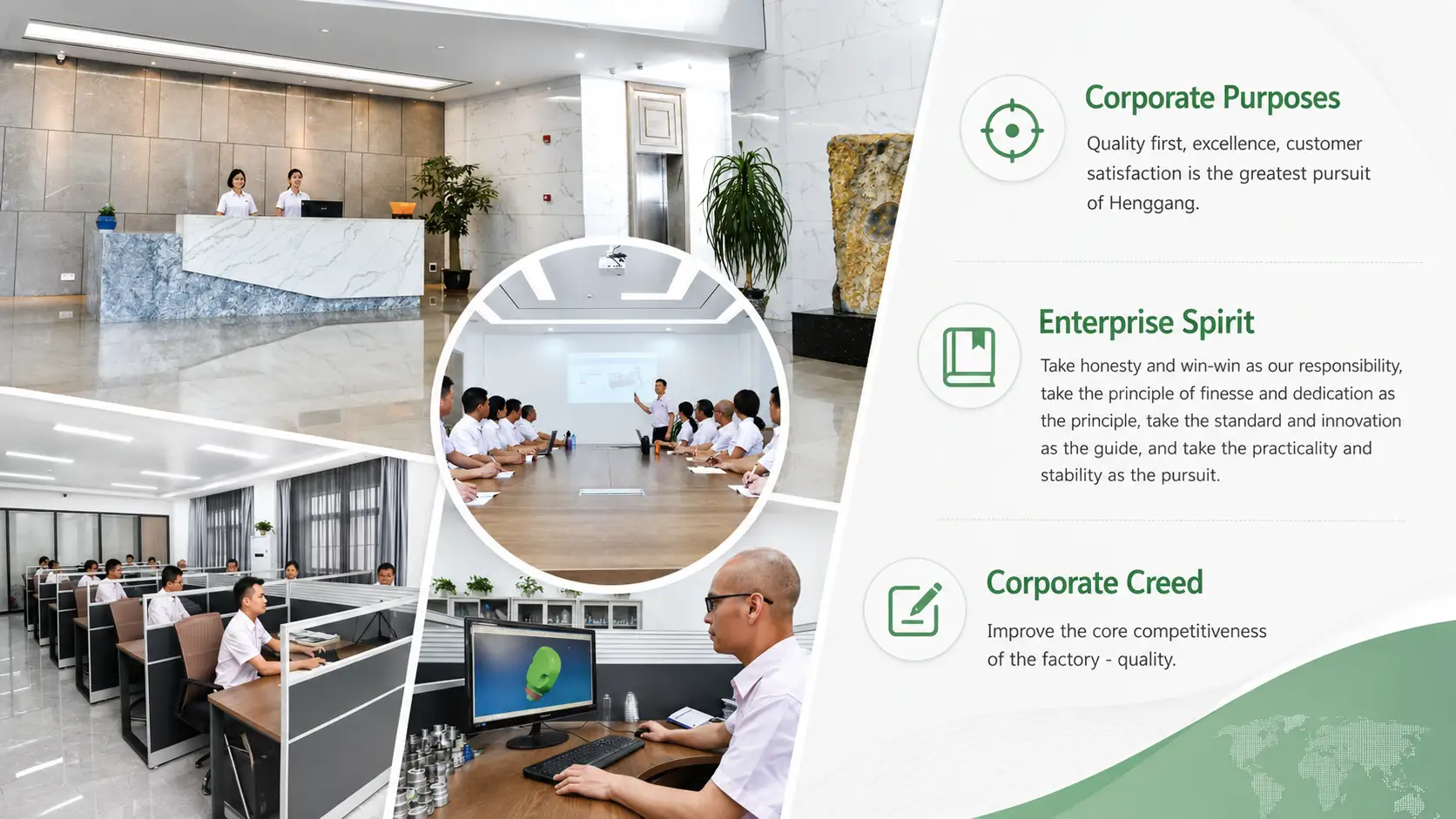
CE certification and ISO 9001:2015 quality management apply across all HGA series machines regardless of cavity count and pitch.
Oil-free compressor requirement and PET material compatibility ensure production meets food-contact packaging standards across FDA, EFSA, and GB regulatory frameworks.
Full production run across all four cavities on buyer tooling before shipment. Samples from all four positions inspected for inter-cavity weight, wall thickness, height, and optical clarity before sign-off.
Established 2003, supplying blow molding machines including large-format 4-cavity configurations to food, condiment, and edible oil manufacturers across China and export markets.
Customer Reviews
"We scaled from the 2C150 to the 4C150 when our edible oil jar volumes required output beyond what the 2-cavity machine could provide per shift. Same pitch, same preform, same jar geometry — the transition was clean. 4,000 bph now matches our filling line speed for our 1-litre and 2-litre oil formats. Inter-cavity consistency across all four positions confirmed within tolerance at factory acceptance testing."
HGA.ES-4C150
"National honey brand producing 1-litre and 2.5-litre jars for retail and club-store channels. The 4C150 at 4,000 bph covers our peak-season production schedule in one machine rather than running two 2C150 units. The 6,500 L/min compressor requirement is significant — we built dedicated compressed air infrastructure before the machine arrived based on Ever-Power's utility specification. The document was detailed and accurate, no surprises at installation."
HGA.ES-4C150
"We produce bulk condiment and sauce jars from 500 ml to 2,000 ml across multiple SKUs. Machine performance is consistent and output target is met. Key practical note from our experience: at 8,000 kg and 6,200 mm length, this machine required us to reconfigure our factory floor layout entirely before installation. Plan your site with a structural engineer before ordering — this is not a machine you can simply place in an existing space without preparation."
HGA.ES-4C150
Frequently Asked Questions
What is the difference between the 4C150 and the 2C150?
Both machines use the same 150 mm cavity pitch, 130 mm body ceiling, 110 mm neck ceiling, and 2,500 ml maximum volume — the jar format specification is identical. The 4C150 runs four cavities simultaneously versus two on the 2C150, delivering 4,000 bph versus 1,800 bph. The 4C150 is heavier (8,000 kg vs 3,500 kg), longer (6,200 mm vs 4,290 mm), and requires higher compressed air (6,500 L/min vs 1,000–1,500 L/min) and cooling water (60 L/min vs 30 L/min). Choose the 4C150 when your production target exceeds 1,800 bph at this jar format.
Can I use preforms and tooling from my 2C150 on the 4C150?
Preform specifications — neck finish, preform weight, wall design — carry forward from the 2C150 to the 4C150 without change, as both machines use the same 150 mm pitch and container format envelope. The blow mold tooling sets are physically different (4-cavity versus 2-cavity) and cannot be shared directly between machines, but the jar geometry and preform specification remain identical, so new tooling sets for the 4C150 are made to the same jar drawing used for the 2C150.
Why does the 4C150 require 6,500 L/min compressed air when the 2C150 only requires 1,000–1,500 L/min?
Four blow cycles occur simultaneously per machine cycle on the 4C150 versus two on the 2C150. At 2,500 ml maximum volume per cavity, blowing four cavities simultaneously at 30 kg/cm² requires substantially higher sustained air flow than two cavities. The 6,500 L/min figure is the minimum flow to consistently complete all four cavity blow events within the cycle time at 4,000 bph. Obtain Ever-Power's utility specification document and design your compressor installation from that document before procurement.
What are the floor load and site preparation requirements?
8,000 kg on a 6,200 x 2,150 mm footprint — approximately 600 kg/m². Factory floor must be confirmed adequate by a structural engineer before installation. Machine height is 2,050 mm; confirm overhead clearance for service access and 4-cavity mold change equipment. At 6,200 mm length, the machine typically requires a dedicated production bay. Allow additional space for bottle outlet conveyor, downstream sorting, and downstream equipment for 4,000 bph output.
Is the 4C150 the last machine in the series?
The 4C150 is the last 4-cavity machine in the series and the largest machine overall by weight. The series also includes the HGA.FS-1CGG220 — a single-cavity machine at 220 mm pitch specifically for large wide-mouth jar formats up to 190 mm body, 138 mm neck, and 5,000 ml at 600 bph. For containers beyond the 4C150's 130 mm body or 2,500 ml ceiling, the 2C200 (5,000 ml, 180 mm body) and 2C260 (15,000 ml, 240 mm body) are the appropriate selections.
Related Products
Request a Quote for HGA.ES-4C150
Send us your jar drawing with body diameter, neck diameter, height, volume, and required output per shift. Our application engineers confirm tooling feasibility and provide a machine and tooling quotation within 2 business days.
Additional information
| Editor | Cxm |
|---|
Related products
-
HGA.FS-1CGG220 Food Jars & Cans Blow Molding Machine
-
hga-es-4c130-food-jars-cans-blow-molding-machine
-
HGA.ES-4C100 Food Jars & Cans Blow Molding Machine
-
HGA.ES-2C200 Food Jars & Cans Blow Molding Machine
-
HGA.ES-2C150 Food Jars & Cans Blow Molding Machine
-
HGA.ES-2C260 Food Jars & Cans Blow Molding Machine
-
HGA.ES-2C130 Food Jars & Cans Blow Molding Machine
-
hga-es-1c130-food-jars-cans-blow-molding-machine