
QUADRO DI MANUTENZIONE PREVENTIVA
Lista di controllo per la manutenzione ISBM: il quadro preventivo coreano a 5 livelli
Le piattaforme ISBM coreane, grazie a una manutenzione preventiva disciplinata, raggiungono in genere una durata di servizio di 18-25 anni. Le piattaforme prive di una manutenzione strutturata, al contrario, richiedono in genere riparazioni importanti dopo 8-12 anni, con costi di manutenzione che superano il prezzo di acquisto iniziale. Questo documento illustra la metodologia di manutenzione preventiva a 5 livelli utilizzata dai produttori coreani per massimizzare la durata di vita delle apparecchiature e ridurre al minimo i fermi macchina non pianificati.
TL;DR — Riepilogo rapido
La manutenzione preventiva riduce i tempi di inattività non pianificati del 70-80%, prolunga la vita utile delle apparecchiature del 20-30% e produce costi del ciclo di vita 3-5 volte inferiori rispetto alla manutenzione reattiva. Il framework coreano a 5 livelli struttura le attività su intervalli giornalieri (controlli visivi da parte dell'operatore), settimanali (lubrificazione e pulizia), mensili (calibrazione e ispezione dei componenti), trimestrali (revisione approfondita del sistema) e annuali (revisione e certificazione). Sei sottosistemi ISBM richiedono un'attenzione specifica: unità di iniezione, gruppo stampo, meccanismo di stiramento e soffiaggio, sistema di espulsione, sistema di controllo e apparecchiature ausiliarie. I produttori coreani con una consolidata disciplina di manutenzione raggiungono regolarmente un uptime del 96-98% rispetto all'85-90% per le operazioni di manutenzione reattiva. L'investimento annuo totale per la manutenzione, pari al 3-5% del costo originale delle apparecchiature, genera in genere un ritorno 8-12 volte superiore grazie ai tempi di inattività evitati, alla maggiore durata utile e alla coerenza qualitativa.
In questo quadro
- Perché la manutenzione preventiva è fondamentale per la redditività dell'ISBM
- Economia del ciclo di vita: 18-25 anni contro 8-12 anni
- Il modello di manutenzione a 5 livelli
- Controlli giornalieri e settimanali dell'operatore
- Matrice di manutenzione dei 6 sottosistemi
- Compiti mensili, trimestrali e annuali
- Eccellenza nelle pratiche di manutenzione in Corea
- Strategia per i pezzi di ricambio
- Domande frequenti
- Conclusione
1. Perché la manutenzione preventiva influenza l'economia dell'ISBM
Le piattaforme ISBM rappresentano un investimento di capitale compreso tra 800 milioni e 2 miliardi di won coreani, con un potenziale operativo di 10-25 anni. L'ampia gamma di durata utile riflette la qualità delle pratiche di manutenzione più che la qualità delle apparecchiature. Piattaforme identiche, gestite con regimi di manutenzione differenti, producono risultati drasticamente diversi in termini di durata, tempi di inattività e qualità. I produttori coreani che adottano una rigorosa manutenzione preventiva gestiscono le piattaforme per 18-25 anni prima di un importante intervento di ristrutturazione; i produttori che praticano una manutenzione reattiva, invece, in genere necessitano di una ricostruzione completa dopo 8-12 anni.
Le ricerche di settore documentano chiaramente i vantaggi economici. Una manutenzione preventiva ben organizzata riduce i tempi di inattività non pianificati del 70-80% rispetto a un funzionamento reattivo. La durata utile delle apparecchiature si allunga del 20-30% rispetto a un intervento di manutenzione programmata. Il costo delle riparazioni di emergenza è da 3 a 5 volte superiore rispetto alla manutenzione programmata per la sostituzione dello stesso componente. Per le attività ISBM coreane, questi moltiplicatori si traducono in valori specifici in KRW: un singolo arresto non pianificato della produzione di 4 ore su una linea da 12 milioni di bottiglie all'anno costa circa 18-25 milioni di KRW in termini di mancati ricavi; il problema di fondo avrebbe potuto essere evitato con 30 minuti di ispezione programmata.
La sfida consiste nel fatto che i benefici della manutenzione preventiva sono differiti, mentre i costi sono immediati. Il tempo dedicato alla manutenzione riduce visibilmente il tempo di produzione; i turni di produzione che non si interrompono grazie alla disciplina nella manutenzione rappresentano un beneficio invisibile. Questa asimmetria di visibilità induce i produttori coreani a investire meno nella manutenzione durante i periodi di buona operatività, per poi investire eccessivamente nelle riparazioni di emergenza dopo guasti gravi. Il modello a 5 livelli descritto di seguito affronta questo problema attraverso una disciplina strutturata che trasforma la manutenzione in un'attività di produzione di routine, anziché in un costo discrezionale.
2. Economia del ciclo di vita: 18-25 anni contro 8-12 anni
La differenza di durata tra i regimi di manutenzione disciplinata e reattiva determina una sostanziale differenza nei costi totali del ciclo di vita. Il seguente confronto riflette i dati economici osservati per le operazioni ISBM coreane in entrambi i regimi di manutenzione su un orizzonte di analisi di 15 anni.
| Dimensione dei costi (15 anni) | Primo Ministro disciplinato | Manutenzione reattiva |
|---|---|---|
| Durata utile dell'apparecchiatura | 18-25 anni | 8-12 anni |
| Tempo di inattività non pianificato annuale | 2-4% (tempo di attività 96-98%) | 10-15% (tempo di attività 85-90%) |
| Costo di manutenzione annuale | 3-5% del costo delle apparecchiature | 8-15% del costo delle apparecchiature |
| Costo di ricostruzione elevato | 15-25% dell'originale (Anno 12-15) | 40-60% dell'originale (Anni 6-9) |
| Frequenza di sostituzione dei componenti | Prevedibile, programmato | Prezzi maggiorati in caso di emergenza. |
| Costo della produzione persa (15 anni) | ~250 milioni di KRW | Circa 1,5 miliardi di KRW |
Per una tipica piattaforma ISBM da 800 milioni di KRW con una produzione annua di 12 milioni di bottiglie, la differenza di costo cumulativa su 15 anni tra un regime di manutenzione disciplinata e uno reattivo supera in genere 1,2 miliardi di KRW. Questa cifra include la differenza di costo di manutenzione, la differenza di costo di perdita di produzione e la sostituzione prematura della piattaforma evitata. Dal punto di vista economico, la manutenzione preventiva sistematica è nettamente preferibile, ma la sua implementazione richiede una disciplina organizzativa costante che molti produttori faticano a mantenere.
3. Il modello di manutenzione a 5 livelli
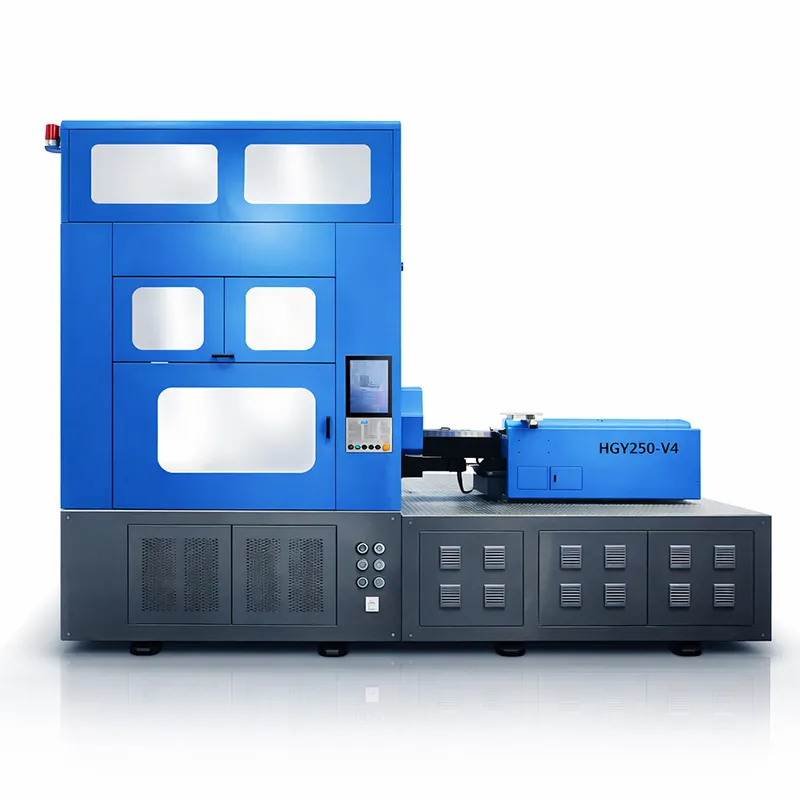
La struttura a 5 livelli organizza la manutenzione preventiva in base alla frequenza di intervento. Ogni livello si basa sul precedente: le attività settimanali includono tutti i controlli giornalieri più gli interventi specifici della settimana, le attività mensili includono le attività giornaliere e settimanali più gli interventi specifici del mese, e così via. Questa struttura cumulativa garantisce una copertura completa senza programmazioni ridondanti.
| Livello | Frequenza | Tempo richiesto | Eseguito da |
|---|---|---|---|
| Livello 1: Giornaliero | Ogni inizio turno | 10-15 minuti | Operatore |
| Livello 2: Settimanale | Una volta a settimana | 45-60 minuti | Operatore + tecnico |
| Livello 3: Mensile | Una volta al mese | 3-4 ore | Tecnico di manutenzione |
| Livello 4: Trimestrale | Una volta al trimestre | 8-12 ore | Tecnico senior + ingegnere |
| Livello 5: Annuale | Una volta all'anno | 2-3 giorni | Team di ingegneria OEM e di produzione |
L'investimento totale annuo in termini di tempo di manutenzione per una singola piattaforma ISBM, nell'ambito di questo quadro, è di circa 90-120 ore (sommando tutti i livelli durante l'anno). Per le operazioni coreane con programmi di produzione 24 ore su 24, 7 giorni su 7, ciò rappresenta circa 1,0-1,51 TP3T di tempo operativo totale disponibile. L'investimento in termini di tempo di inattività genera un ritorno di 3-5 volte grazie ai soli tempi di inattività non pianificati evitati, prima ancora di considerare i vantaggi derivanti dall'estensione della durata utile delle apparecchiature e dalla coerenza qualitativa.
4. Controlli giornalieri e settimanali dell'operatore
La manutenzione giornaliera e settimanale a livelli differenziati costituisce la base delle pratiche di prevenzione. Queste attività sono sufficientemente semplici da poter essere eseguite dall'operatore, ma consentono di individuare i problemi emergenti delle apparecchiature prima che causino interruzioni della produzione. I produttori coreani che raggiungono tempi di attività nel primo quartile adottano invariabilmente pratiche di controllo rigorose da parte degli operatori.
| Attività giornaliera di livello 1 | Sottosistema | Questa finestra |
|---|---|---|
| Ispezione visiva delle perdite (olio/liquido di raffreddamento/aria) | Idraulico/Pneumatico | preavviso di 2-7 giorni |
| Verifica della visualizzazione della temperatura | Zone di riscaldamento | Immediato |
| Lettura del manometro della pressione dell'aria (alta e bassa pressione) | Pneumatico | Immediato |
| Visualizzazione della temperatura e del flusso dell'acqua di raffreddamento | Raffreddamento | Immediato |
| Suono o vibrazione anomali | Meccanico | preavviso di 3-14 giorni |
| Controllo dimensionale della prima bottiglia | Qualità | Immediato |
| Test dei dispositivi di sicurezza (pulsante di arresto di emergenza, protezioni) | Sicurezza | Immediato |
Le attività settimanali di livello superiore ampliano i controlli giornalieri con ispezioni pratiche che richiedono una breve interruzione della produzione:
| Compito settimanale di livello 2 | Sottosistema |
|---|---|
| Controllo del livello dell'olio idraulico (rabboccare se >5% basso) | Idraulico |
| Lubrificazione dei punti di ingrassaggio (secondo le specifiche del produttore). | Meccanico |
| Scarico del regolatore del filtro dell'aria | Pneumatico |
| Controllo visivo dell'allineamento delle barre di trazione | Tirare |
| Canale di raffreddamento dello stampo a filo (lato cavità) | Muffa |
| Pulizia del pannello di controllo e ispezione dei cavi | Controllare |
| Inserimento dati nel registro di manutenzione e analisi delle tendenze | Documentazione |
La disciplina nella documentazione è importante quanto l'ispezione fisica. I produttori coreani con programmi di manutenzione efficaci mantengono registri dettagliati che documentano ogni risultato di ispezione, lettura dei parametri e osservazione. Questi registri consentono l'analisi delle tendenze, che permette di individuare i problemi in fase iniziale settimane prima che si trasformino in guasti con impatto sulla produzione.
5. Matrice di manutenzione del sottosistema a 6 livelli

Le piattaforme ISBM si suddividono in sei sottosistemi distinti, ognuno dei quali richiede un'attenzione di manutenzione specifica. La manutenzione specifica per sottosistema riconosce che i diversi componenti presentano modelli di usura, modalità di guasto e requisiti di ispezione differenti.
| Sottosistema | Componenti critici | Impatto dei costi di guasto |
|---|---|---|
| 1. Unità di iniezione | Vite, cilindro, fasce riscaldanti, canale caldo | Alto (arresto del ciclo) |
| 2. Assemblaggio dello stampo | Canali di raffreddamento, anello del collo, espulsione, portelli | Elevata (qualità + ciclo) |
| 3. Meccanismo Stretch-Blow | Asta di trazione, valvole di soffiaggio, pressione dell'aria | Qualità media |
| 4. Sistema di espulsione | Braccio robotico, nastro trasportatore, sensori | Medio (arresto del ciclo) |
| 5. Sistema di controllo | PLC, servomotori, sensori, HMI | Alto (punto) |
| 6. Apparecchiature ausiliarie | Essiccatore, refrigeratore, compressore | Elevata (qualità + ciclo) |
Per i produttori coreani, tre sottosistemi offrono costantemente il massimo valore in termini di manutenzione, se gestiti correttamente. In primo luogo, la vite e il cilindro dell'unità di iniezione: l'usura graduale produce un tasso di scarti crescente e una riduzione della produttività che spesso passa inosservata per mesi, fino a quando l'impatto cumulativo non diventa grave. In secondo luogo, i canali di raffreddamento dello stampo: l'accumulo di incrostazioni riduce progressivamente l'efficienza di dissipazione del calore, prolungando il tempo di ciclo di oltre 12 mesi senza preavviso. In terzo luogo, i sensori del sistema di controllo: la deriva graduale produce una deviazione dei parametri che il sistema di controllo continua a gestire, ma che genera variazioni qualitative sempre più marcate.
Ogni sottosistema richiede programmi di manutenzione specifici che si integrano con la struttura a 5 livelli. La matrice integrata riportata di seguito mostra le attività critiche per sottosistema e livello di frequenza. Le operazioni eseguite seguendo questa matrice completa raggiungono in genere risultati di eccellenza in termini di disponibilità e durata del ciclo di vita.
6. Compiti mensili, trimestrali e annuali
La manutenzione di livello superiore riguarda gli interventi che richiedono competenze specialistiche, blocchi di tempo dedicati o il supporto tecnico del produttore. Queste attività dovrebbero essere programmate durante le pause di produzione pianificate, anziché come interventi di emergenza.
| Livello 3: Compiti mensili | Sottosistema |
|---|---|
| Ispezione e pulizia degli ugelli del canale caldo | Muffa |
| Controllo di continuità della fascia riscaldante | Iniezione |
| Ispezione dell'usura delle spazzole del servomotore | Controllare |
| Sostituzione del filtro idraulico | Idraulico |
| Test di umidità della linea dell'aria compressa | Pneumatico |
| Verifica della calibrazione del sensore | Controllare |
| Livello 4: Compiti trimestrali | Sottosistema |
|---|---|
| Disincrostazione del canale di raffreddamento dello stampo | Muffa |
| Misurazione dell'usura della vite e del cilindro | Iniezione |
| Verifica dell'allineamento meccanico | Meccanico |
| Analisi della qualità dell'olio idraulico | Idraulico |
| Test di isolamento elettrico | Controllare |
| Test delle condizioni del disidratante dell'essiccatore | Ausiliario |
| Livello 5: Compiti annuali | Eseguito da |
|---|---|
| Audit completo della calibrazione della piattaforma | Ingegneria OEM |
| Sostituzione dell'olio idraulico e lavaggio del sistema | Tecnico senior |
| Ispezione e sostituzione dei cuscinetti critici | Ingegneria OEM |
| Aggiornamento del firmware del sistema di controllo | Ingegneria OEM |
| Revisione della certificazione del sistema di sicurezza | Ispettore certificato |
| Revisione annuale dell'inventario dei pezzi di ricambio | Responsabile della manutenzione dell'impianto |
I produttori coreani in genere programmano la manutenzione annuale durante i periodi di minore domanda stagionale (di solito febbraio per le attività in Corea) per ridurre al minimo l'impatto sulla produzione. L'investimento di 2-3 giorni per la manutenzione annuale genera il massimo ritorno sull'investimento per singolo intervento, grazie a un ripristino completo del sistema che corregge le derive cumulative non visibili nelle ispezioni più frequenti.
7. Eccellenza nelle pratiche di manutenzione coreane
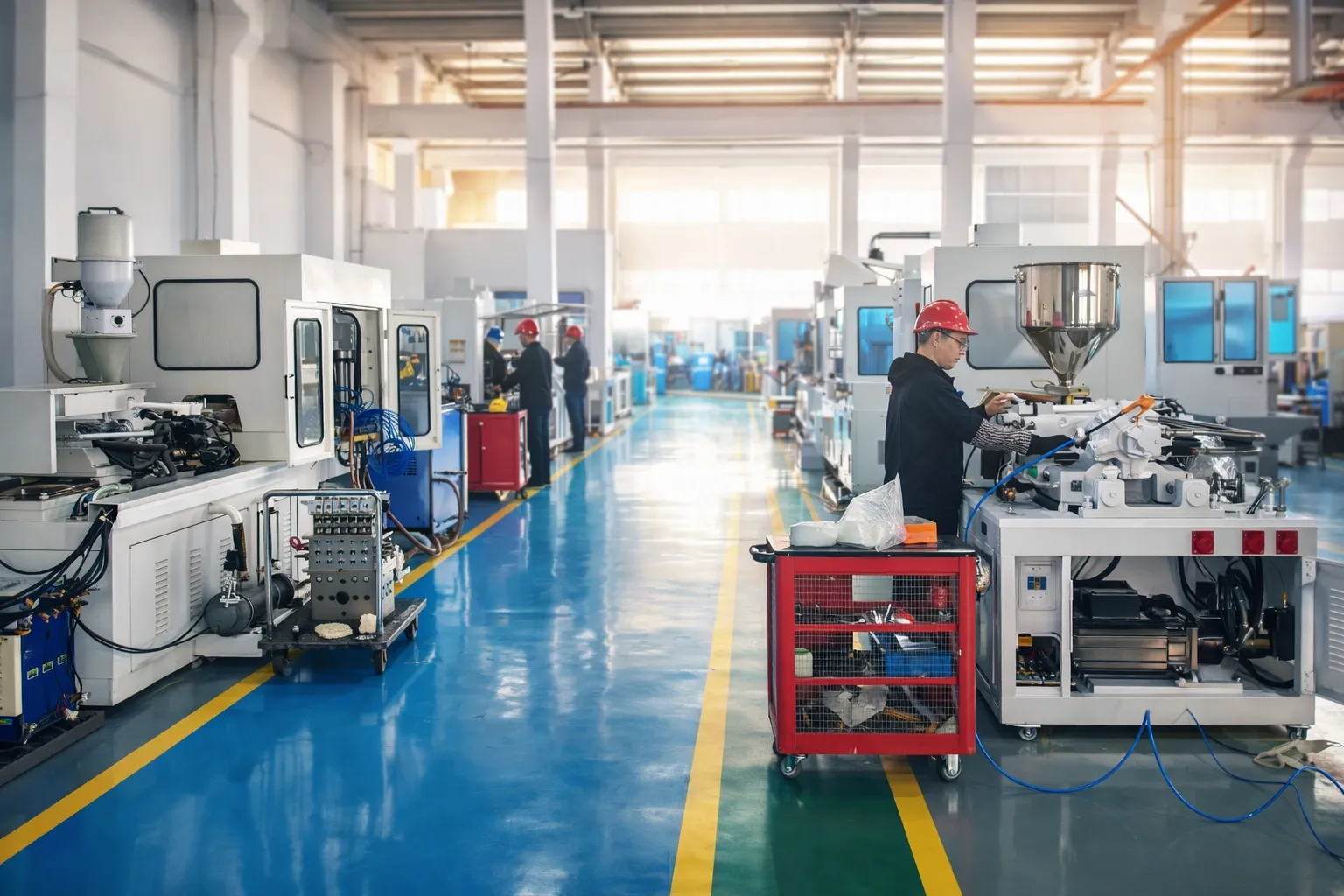
I produttori coreani di macchine ISBM, noti per l'eccellenza nella manutenzione, condividono quattro pratiche caratteristiche che li distinguono dalla media. In primo luogo, team di manutenzione dedicati: i principali operatori assegnano 1-2 tecnici dedicati ogni 4-6 piattaforme ISBM, anziché considerare la manutenzione come un tempo di inattività per gli operatori di produzione. In secondo luogo, integrazione con l'OEM: un impegno programmato e regolare con il team di ingegneri dell'OEM della piattaforma per le attività trimestrali e annuali, sfruttando le competenze del personale formato in fabbrica anziché affidarsi esclusivamente alle capacità interne.
In terzo luogo, una documentazione completa: ogni intervento di manutenzione viene registrato con letture dei parametri, osservazioni, parti sostituite e analisi delle tendenze. Questi registri consentono una pianificazione predittiva della manutenzione che permette di individuare i problemi in fase iniziale settimane prima del guasto. I produttori coreani con una solida prassi di documentazione solitamente integrano sistemi digitali di gestione della manutenzione computerizzata (CMMS) che automatizzano il rispetto della pianificazione e garantiscono la visibilità da parte del management.
In quarto luogo, il coinvolgimento degli operatori: le attività giornaliere/settimanali di livello 1 e 2 sono gestite dagli operatori di produzione anziché da un team di manutenzione separato. Gli operatori coreani che partecipano alla disciplina di manutenzione riferiscono di aver sviluppato un senso di responsabilità e orgoglio per le condizioni delle apparecchiature, un risultato che le organizzazioni di manutenzione reattiva non possono eguagliare. L'integrazione culturale della manutenzione nelle operazioni di produzione distingue gli impianti ISBM coreani del primo quartile da quelli con prestazioni medie.
Per i produttori coreani che desiderano migliorare le proprie pratiche di manutenzione, il team di ingegneri di Ever-Power in Corea offre la progettazione di programmi di manutenzione che includono l'implementazione di un framework a 5 livelli, la formazione degli operatori, l'integrazione con il CMMS e l'esecuzione di attività trimestrali e annuali per ciascun livello con il supporto dell'OEM. Le opzioni di contratto di assistenza includono sia l'assistenza reattiva che modelli di partnership per la manutenzione preventiva integrata.
8. Strategia per i pezzi di ricambio
Una manutenzione preventiva efficace richiede un inventario adeguato di pezzi di ricambio. Il costo di mantenimento dei pezzi di ricambio critici è significativamente inferiore al costo dei tempi di fermo produzione in attesa della consegna di pezzi di ricambio di emergenza. I produttori coreani in genere mantengono un inventario di pezzi di ricambio pari a 8-121 tonnellate di valore delle apparecchiature originali, con una ripartizione specifica per livelli di criticità.
| Livello di inventario | Esempi | Livello delle scorte |
|---|---|---|
| Critico (necessità immediata) | Fasce riscaldanti, sensori, valvole, fusibili | Ampia disponibilità in loco |
| Elevato (necessità 24 ore su 24) | Pompe idrauliche, valvole di scarico, cilindri di espulsione | 1 disponibile in loco |
| Medio (3-7 giorni accettabili) | Servomotori, moduli PLC, segmenti a vite | Fornitore documentato, senza magazzino |
| Basso (tempi di consegna accettabili) | Componenti del telaio, parti strutturali | Ordina al bisogno |
Gli operatori coreani di ISBM beneficiano della presenza locale dei produttori OEM grazie alla riduzione dei tempi di consegna dei pezzi di ricambio. Ever-Power mantiene un magazzino di pezzi di ricambio presso lo stabilimento di Ansan, garantendo consegne in 24-48 ore agli operatori coreani per gli articoli ad alta criticità. Questa disponibilità locale riduce le scorte in loco necessarie di circa 30% rispetto alle apparecchiature equivalenti importate dal Giappone, liberando capitale circolante per altre priorità operative.
9. Domande frequenti
D: Come posso implementare la manutenzione preventiva su una piattaforma che da anni utilizza la manutenzione reattiva?
Iniziate con un audit di base completo condotto dal team di ingegneri dell'OEM per valutare le condizioni attuali e identificare i problemi accumulati. Affrontate le attività di livello 5 equivalenti a quelle annuali come interventi correttivi piuttosto che come manutenzione ordinaria, che in genere richiedono un arresto dell'impianto di 5-10 giorni. Stabilite le routine di livello 1-3 partendo da una base di riferimento pulita. Prevedete che i primi 6-12 mesi di manutenzione "preventiva" riveleranno problemi latenti derivanti da precedenti operazioni reattive; la frequenza di sostituzione dei componenti sarà maggiore durante questo periodo di transizione prima di stabilizzarsi a un livello di riferimento di eccellenza.
D: La frequenza di manutenzione deve essere adeguata in caso di utilizzo intensivo 24 ore su 24, 7 giorni su 7?
Sì. Per le piattaforme ad alto utilizzo, gli intervalli di manutenzione dovrebbero essere basati sulle ore di funzionamento anziché sui giorni di calendario. Un funzionamento 24 ore su 24, 7 giorni su 7, accumula circa 8.000 ore di funzionamento all'anno, contro le 4.000 di un funzionamento su un singolo turno, raddoppiando il tasso di usura effettivo. Gli operatori coreani che lavorano 24 ore su 24, 7 giorni su 7, in genere eseguono le attività mensili di Livello 3 ogni 3 settimane, le attività trimestrali di Livello 4 ogni 10 settimane e le attività annuali di Livello 5 ogni 9 mesi. È opportuno regolare gli intervalli di frequenza in base alle ore di funzionamento effettive anziché al calendario.
D: Quale software CMMS è più adatto alle operazioni ISBM coreane?
Diverse piattaforme CMMS supportano efficacemente le operazioni ISBM coreane. Le principali opzioni includono piattaforme internazionali (Maximo, SAP PM, eMaint) con supporto per la lingua coreana e piattaforme sviluppate in Corea (KMA-CMMS, Kakao Maintenance) con una maggiore integrazione locale. Per i produttori con meno di 5 piattaforme ISBM, soluzioni più semplici (registri basati su Excel con una gestione rigorosa) spesso offrono risultati adeguati. L'investimento in un CMMS diventa sempre più prezioso quando si superano le 5 piattaforme e la complessità rende ingestibile la documentazione manuale. La scelta dovrebbe privilegiare l'integrazione con i sistemi ERP esistenti e il supporto per la lingua dell'operatore rispetto alla quantità di funzionalità.
D: In che modo la disciplina della manutenzione interagisce con l'ottimizzazione del tempo di ciclo e del tasso di scarto?
La disciplina della manutenzione è fondamentale per entrambi. Le apparecchiature che funzionano con usura accumulata (manutenzione inadeguata) non possono raggiungere tempi di ciclo ottimali o bassi tassi di scarto, indipendentemente dagli sforzi di ottimizzazione dei parametri. I produttori coreani che tentano l'ottimizzazione del ciclo o degli scarti su piattaforme con manutenzione inadeguata in genere riscontrano un miglioramento temporaneo seguito da una regressione man mano che si manifesta il debito di manutenzione accumulato. La sequenza raccomandata è: prima la baseline di manutenzione, poi la riduzione degli scarti e infine l'ottimizzazione del ciclo. Per un quadro completo di eccellenza operativa, vedere il framework di ottimizzazione del tempo di ciclo.
D: Quando è preferibile sostituire una piattaforma piuttosto che continuare a mantenerla?
Le decisioni di sostituzione emergono quando il costo di manutenzione annuale supera i 12-15% del costo originale dell'apparecchiatura o quando la piattaforma non è in grado di mantenere le specifiche di qualità indipendentemente dall'investimento nella manutenzione. Per i produttori coreani, il punto decisionale tipico arriva tra il 18° e il 22° anno per le piattaforme correttamente manutenute, quando le sostituzioni dei componenti accumulate si avvicinano a 50%+ del valore originale dell'apparecchiatura. Anche a questo punto, la ristrutturazione può estendere la vita utile della piattaforma di ulteriori 5-7 anni se la logica economica supporta l'investimento. Un'analisi completa del ROI dovrebbe confrontare l'economia della ristrutturazione con la sostituzione della nuova piattaforma prima di impegnarsi. Per il quadro di valutazione, vedere il Schema di calcolo del ROI.
10. Conclusion
La manutenzione preventiva è la disciplina operativa più importante che incide sull'economia a lungo termine degli impianti ISBM. Il framework a 5 livelli (giornaliero, settimanale, mensile, trimestrale, annuale) combinato con la copertura di 6 sottosistemi fornisce l'approccio strutturato di cui i produttori coreani hanno bisogno per raggiungere una durata utile delle apparecchiature di 18-25 anni e un uptime del 96-98%. L'investimento annuale di 90-120 ore genera un ritorno di 8-12 volte grazie ai vantaggi derivanti dai tempi di inattività evitati, dalla maggiore durata utile e dalla coerenza qualitativa.
Per i produttori coreani che passano dalla manutenzione reattiva a quella preventiva, l'implementazione richiede una disciplina organizzativa costante che vada oltre le conoscenze tecniche. I programmi di successo combinano quattro elementi: l'assegnazione di un team di manutenzione dedicato, l'integrazione dell'ingegneria OEM, una disciplina di documentazione completa e il coinvolgimento degli operatori nelle attività quotidiane/settimanali di primo e secondo livello. La trasformazione culturale richiede in genere dai 12 ai 18 mesi per la completa maturazione, ma produce un'eccellenza operativa che distingue gli impianti ISBM coreani del primo quartile da quelli con prestazioni medie.
Per i produttori coreani che cercano una partnership esterna per la manutenzione, il team di ingegneri di Ever-Power in Corea offre un supporto completo che include audit di base, implementazione di un framework a 5 livelli, formazione degli operatori e un servizio trimestrale e annuale integrato con l'OEM. Le opzioni di contratto di servizio spaziano dal supporto reattivo su chiamata a una partnership di manutenzione preventiva completamente gestita, garantendo costi mensili prevedibili e SLA di uptime garantiti.
Pronti ad implementare la manutenzione preventiva?
Condividi il modello della tua piattaforma, le attuali pratiche di manutenzione e le priorità operative. Il nostro team di ingegneri coreani ti fornirà i risultati dell'audit di manutenzione, una raccomandazione basata su un framework a 5 livelli e diverse opzioni di contratto di assistenza entro 5 giorni lavorativi.
Redattore: Cxm