QUADRO DI OTTIMIZZAZIONE DELLA PRODUZIONE
Ottimizzazione dei tempi di ciclo della metropolitana ISBM: il quadro di riferimento coreano a 5 livelli per il 2026.
Ogni riduzione di 0,5 secondi del tempo di ciclo si traduce in un aumento della produttività di 5-71 TP3T sulle linee di produzione ISBM coreane. Per un'attività annua di 15 milioni di bottiglie, ciò rappresenta 750.000-1 milione di bottiglie aggiuntive senza investimenti di capitale. Questo framework documenta la metodologia di ottimizzazione a 5 leve utilizzata dai produttori coreani per ridurre sistematicamente il tempo di ciclo mantenendo la qualità, con un'analisi dell'impatto della piattaforma e tre casi di studio reali coreani.
TL;DR — Riepilogo rapido
I parametri di riferimento del settore coreano per i tempi di ciclo delle bottiglie d'acqua in PET da 500 ml sono: livello mondiale 7-8 secondi, competitivo 9-10 secondi, media 11-13 secondi. Il tempo di ciclo si scompone in cinque fasi: iniezione (35-40%), condizionamento (15-20%), stiramento-soffiaggio (10-15%), raffreddamento (20-25%), espulsione (5-10%). Il framework di ottimizzazione a 5 leve si concentra su ciascuna fase: progettazione della preforma (Leva 1), gestione termica (Leva 2), ottimizzazione dei parametri (Leva 3), progettazione dello stampo (Leva 4), architettura della piattaforma (Leva 5). Le piattaforme full-servo in genere hanno tempi di ciclo inferiori di 1,5-2,5 secondi rispetto alle equivalenti piattaforme idrauliche grazie a una maggiore stabilità dei parametri. La qualità deve essere monitorata durante l'ottimizzazione; una riduzione del ciclo oltre gli 8% rispetto al valore di riferimento spesso aumenta il tasso di scarto.
In questo quadro
- Perché il tempo di ciclo influenza l'economia della produzione
- Parametri di riferimento per i tempi del ciclo industriale coreano
- Anatomia del ciclo di 5 fasi
- Il framework di ottimizzazione a 5 livelli
- Impatto dell'architettura della piattaforma
- Considerazioni sui tempi di ciclo specifici del materiale
- Tre casi di studio coreani sull'ottimizzazione
- Compromessi tra tempo di ciclo e qualità
- Domande frequenti
- Conclusione
1. Perché il tempo di ciclo influenza l'economia della produzione
Il tempo di ciclo è il parametro operativo più sfruttato nella produzione ISBM. A differenza della maggior parte dei miglioramenti operativi che richiedono investimenti di capitale, la riduzione del tempo di ciclo consente di ottenere ulteriore capacità dalle attrezzature esistenti attraverso l'ottimizzazione dei parametri, il perfezionamento della progettazione degli stampi e la disciplina di processo. Per una produzione annua di 15 milioni di bottiglie, la riduzione del tempo di ciclo da 10 a 9 secondi aumenta la capacità di circa 111 TP3T, generando 1,65 milioni di bottiglie aggiuntive all'anno senza alcun investimento di capitale.
La posta in gioco economica aumenta con le dimensioni dell'attività. Un'azienda con una capacità produttiva di 50 milioni di bottiglie che riduce il tempo di ciclo di 1 secondo genera 5-6 milioni di bottiglie aggiuntive all'anno, il che si traduce in un fatturato aggiuntivo di 100-200 milioni di KRW a seconda del margine per bottiglia. Per le aziende con capacità limitata che sono costrette a rifiutare ordini, questa capacità incrementale si traduce direttamente in fatturato. Per le aziende con capacità adeguata, la riduzione del tempo di ciclo consente di ammortizzare i costi del lavoro su una maggiore produzione, riducendo significativamente il costo di produzione per bottiglia.
Tre ragioni spiegano perché i produttori coreani investono poco nell'ottimizzazione dei tempi di ciclo, nonostante l'elevato potenziale economico. In primo luogo, l'ottimizzazione richiede disciplina sistematica piuttosto che interventi drastici; il tipico programma di ottimizzazione riduce i tempi di ciclo 8-15% attraverso decine di piccoli miglioramenti, anziché con un'unica modifica. In secondo luogo, l'ottimizzazione rischia di compromettere la qualità se perseguita senza un monitoraggio simultaneo del tasso di scarto. In terzo luogo, le competenze in materia di ottimizzazione sono concentrate nei team di ingegneri dei fornitori di macchinari; la presenza di ingegneri interni specializzati nell'ottimizzazione dei tempi di ciclo è rara nei produttori coreani con una capacità produttiva inferiore a 100 milioni di bottiglie. Il framework di seguito presentato affronta queste problematiche attraverso una metodologia strutturata.
2. Parametri di riferimento per i tempi del ciclo industriale coreano
Prima di tentare l'ottimizzazione, i produttori dovrebbero capire come si posiziona la loro linea rispetto ai parametri di riferimento del settore coreano. Le seguenti fasce riflettono i tempi di ciclo osservati presso i produttori coreani nel periodo 2025-2026 per i formati di bottiglia più comuni.
| Formato bottiglia | Di classe mondiale | Competitivo | Media |
|---|---|---|---|
| 200 ml K-beauty (PETG) | 8-9 secondi | 10-11 secondi | 12-14 secondi |
| 500 ml di acqua (PET) | 7-8 secondi | 9-10 secondi | 11-13 secondi |
| Bevande da 2 litri (PET) | 11-13 secondi | 14-15 secondi | 16-18 secondi |
| 5 litri galloni (PET) | 22-25 secondi | 26-30 secondi | 32-40 secondi |
| Biberon da 200 ml (Tritan) | 9-10 secondi | 11-13 secondi | 14-16 secondi |
Le aziende coreane di confezionamento conto terzi per cosmetici e prodotti farmaceutici solitamente primeggiano nel settore per tempi di ciclo di livello mondiale, poiché i prezzi elevati delle applicazioni supportano gli investimenti in piattaforme full-servo e in un'ingegneria di ottimizzazione dedicata. I produttori di bevande di base presentano in genere tempi di ciclo competitivi a causa della pressione sui prezzi che limita gli investimenti in attrezzature. Gli impianti più vecchi dell'era idraulica, con una gestione operativa reattiva, presentano in genere tempi di ciclo nella media, che riflettono la deriva dei parametri accumulata e l'invecchiamento degli stampi.
Se la vostra linea opera a un livello medio, l'applicazione sistematica del framework a 5 leve consente in genere di ottenere una riduzione del ciclo TP3T compresa tra 15 e 251 entro 60-90 giorni. Se la vostra linea opera a un livello competitivo, l'ottimizzazione consente in genere di ottenere un'ulteriore riduzione compresa tra 8 e 151 TP3T. Le aziende leader a livello mondiale mantengono la propria posizione grazie a cicli di ottimizzazione mensili continui, piuttosto che a campagne di miglioramento drastiche.
3. Anatomia del ciclo di 5 fasi
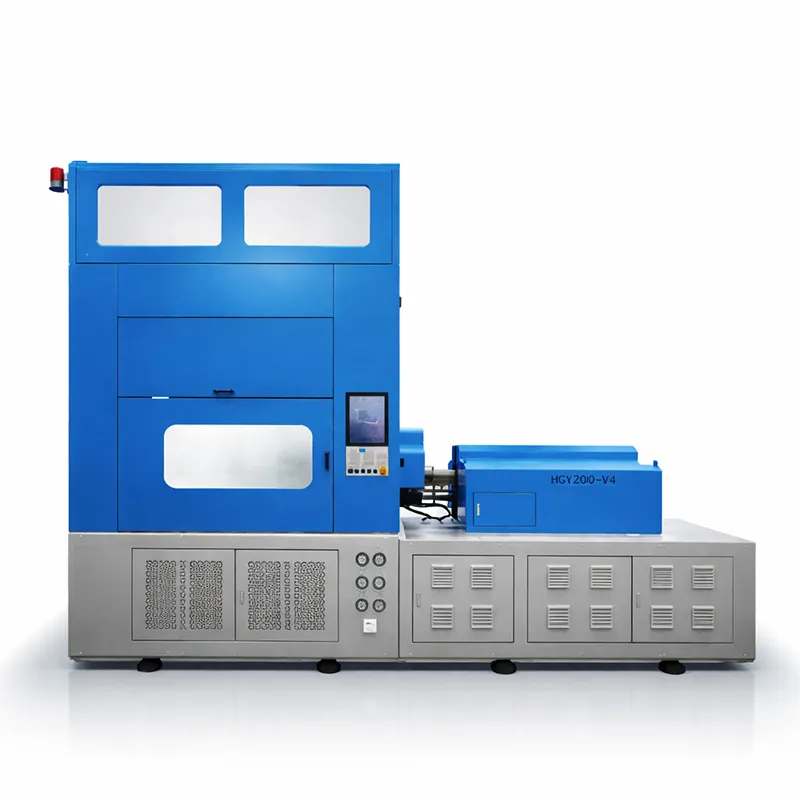
Il tempo di ciclo di un ISBM si scompone in cinque fasi distinte che si susseguono lungo il percorso critico più lungo. Per le piattaforme rotanti a 4 stazioni, le fasi si svolgono in parallelo tra le stazioni, ma il ciclo totale corrisponde alla durata della singola fase più lenta. Comprendere quale fase consuma più tempo permette di individuare l'obiettivo di ottimizzazione più efficace.
| Fase ciclica | % del ciclo totale | Fattore limitante |
|---|---|---|
| Iniezione (formatura di preforme) | 35-40% | Spessore della parete della preforma, recupero della vite |
| Condizionamento (tempra preforma) | 15-20% | Velocità di trasferimento del calore, temperatura target |
| formatura per stiramento-soffiaggio | 10-15% | Pressione dell'aria, tasso di allungamento |
| Raffreddamento della bottiglia | 20-25% | Capacità di raffreddamento dello stampo, spessore della parete |
| Espulsione e trasferimento | 5-10% | velocità di movimentazione meccanica |
L'iniezione e il raffreddamento della bottiglia insieme consumano 55-65% del tempo totale del ciclo e offrono quindi il massimo margine di ottimizzazione. Il condizionamento è il secondo obiettivo più importante. La formatura per stiramento-soffiaggio e l'espulsione sono in genere i contributi minori e offrono un potenziale di ottimizzazione limitato senza investimenti in attrezzature specializzate.
Per una tipica bottiglia d'acqua in PET da 500 ml con un ciclo di 10 secondi, la distribuzione delle fasi è la seguente: iniezione ~3,7 s, condizionamento ~1,7 s, stiramento-soffiaggio ~1,2 s, raffreddamento ~2,5 s, espulsione ~0,9 s. L'ottimizzazione mirata alla fase di iniezione tramite 10% riduce il ciclo totale di 0,37 secondi; l'ottimizzazione mirata al raffreddamento tramite 15% riduce il ciclo totale di 0,38 secondi. L'ottimizzazione di entrambe le fasi produce una riduzione di circa 0,75 secondi o un miglioramento del ciclo di 7,5%, che rappresenta un significativo aumento della produzione.
4. Il framework di ottimizzazione a 5 livelli
L'ottimizzazione dei tempi di ciclo si basa su cinque leve distinte, ognuna delle quali influenza una diversa fase del ciclo. I produttori coreani che mirano a una riduzione sistematica dei tempi di ciclo applicano in genere più leve in sequenza coordinata, anziché tentare un singolo cambiamento drastico.
Leva 1: Progettazione della preforma
Impatto del ciclo: Potenziale di riduzione del 10-20%
Approccio: Ottimizzare la distribuzione dello spessore delle pareti delle preforme per ridurre i tempi di iniezione e accelerare il raffreddamento. Le pareti più sottili delle preforme si iniettano e si raffreddano più velocemente, ma richiedono un attento adattamento del rapporto di stiramento alla geometria della bottiglia. I produttori coreani che ottengono i migliori tempi di ciclo utilizzano in genere preforme con uno spessore di parete di 3,5-4,0 mm per le bottiglie da 500 ml, rispetto ai tradizionali 4,5-5,0 mm.
Leva 2: Gestione termica
Impatto del ciclo: potenziale di riduzione 8-15%
Approccio: Ridurre la durata delle fasi di condizionamento e raffreddamento attraverso temperature dell'acqua e profili di condizionamento ottimizzati. I produttori coreani utilizzano in genere acqua di raffreddamento della cavità a 8-12 °C e acqua di raffreddamento del nucleo a 12-18 °C; un controllo più preciso di questi parametri riduce la variabilità di fase. La ricalibrazione del profilo di condizionamento, adattato alla geometria specifica della bottiglia, può ridurre i tempi di condizionamento di 15-251 TP3T rispetto alle impostazioni generiche.
Leva 3: Ottimizzazione dei parametri
Impatto del ciclo: Potenziale di riduzione 5-10%
Approccio: Regolare la velocità di iniezione, il profilo di pressione, la pressione di soffiaggio e la velocità di stiramento in modo da ottenere valori ottimali dal punto di vista matematico per la specifica geometria della bottiglia. La maggior parte delle operazioni utilizza parametri conservativi che producono bottiglie accettabili, ma comportano un margine di ciclo non necessario di 0,5-1,5 secondi. Un approccio sistematico di progettazione degli esperimenti (DOE) identifica in genere combinazioni di parametri che riducono il ciclo di 5-10% senza compromettere la qualità.
Leva 4: Progettazione dello stampo
Impatto del ciclo: 12-20% potenziale di riduzione (nuovo stampo)
Approccio: I canali di raffreddamento a spirale e gli inserti in berillio-rame nelle zone critiche di estrazione del calore (base, spalla) accelerano la fase di raffreddamento 15-20%. Le nuove decisioni di acquisto degli stampi dovrebbero specificare l'architettura di raffreddamento a spirale per le applicazioni sensibili al ciclo. Gli stampi esistenti possono essere aggiornati con inserti a un costo 15-25% inferiore al costo originale dello stampo. Per i dettagli sull'architettura dello stampo, vedere la guida alla selezione degli stampi.
Leva 5: Architettura della piattaforma
Impatto del ciclo: Potenziale riduzione del codice 15-25% (aggiornamento della piattaforma)
Approccio: Le piattaforme full-servo offrono cicli di lavoro più brevi di 1,5-2,5 secondi rispetto alle equivalenti piattaforme idrauliche, grazie a una maggiore stabilità dei parametri e a movimenti meccanici più rapidi. Per i produttori coreani che utilizzano piattaforme idrauliche con oltre 12 anni di esperienza, l'aggiornamento a full-servo rappresenta il miglioramento più significativo in termini di ciclo a singola azione. La scelta della piattaforma determina il limite massimo del ciclo, indipendentemente dagli sforzi di ottimizzazione applicati ad altri parametri.
5. Impatto dell'architettura della piattaforma
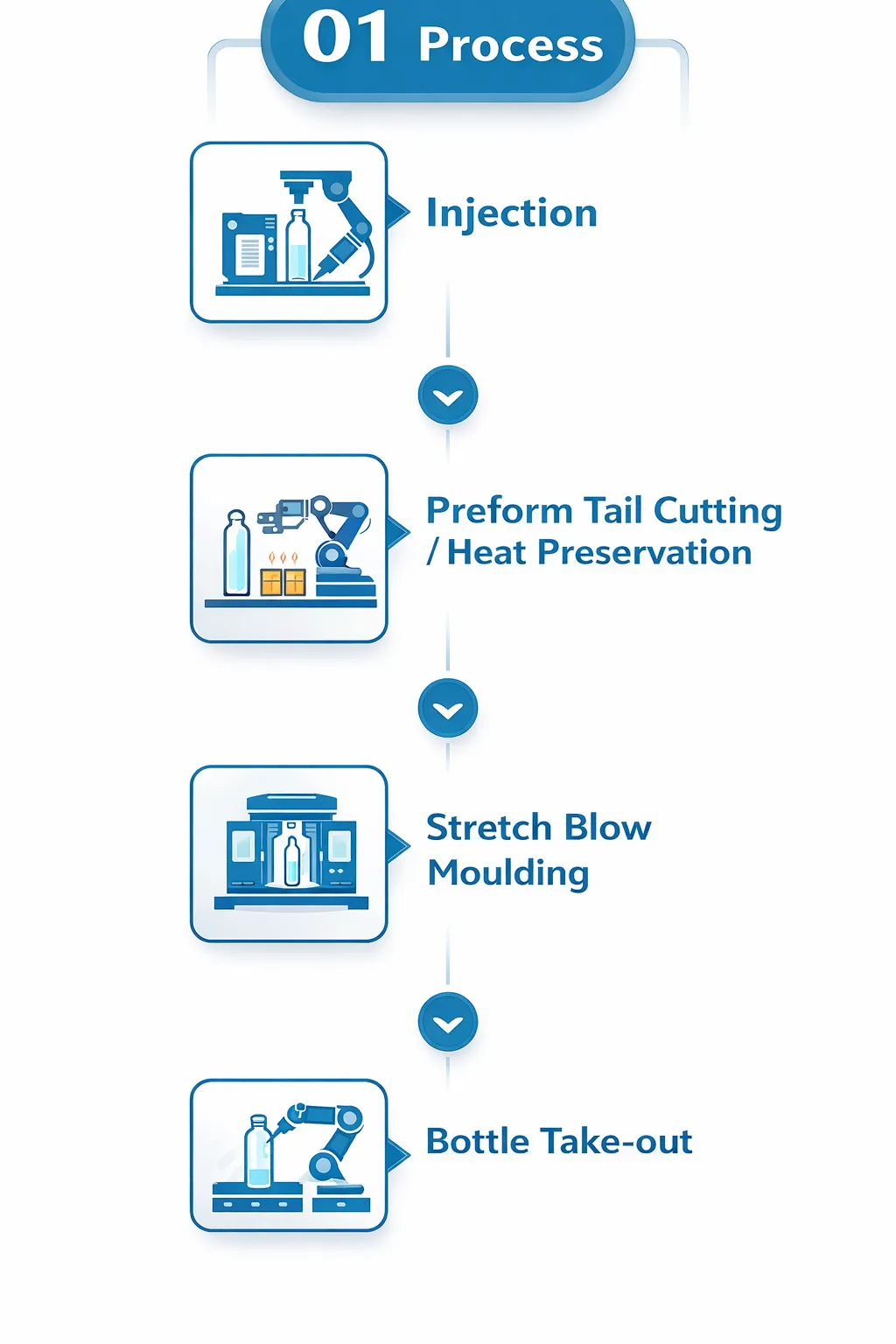
L'architettura della piattaforma determina il limite massimo di tempo di ciclo raggiungibile, indipendentemente dagli sforzi di ottimizzazione applicati ad altri parametri. Il seguente confronto riflette le prestazioni osservate in termini di tempo di ciclo per la produzione di bottiglie d'acqua in PET da 500 ml su diverse configurazioni di piattaforma.
| Profilo della piattaforma | Ciclo ottimale da 500 ml | Stabilità del ciclo |
|---|---|---|
| Servofreno coreano a 4 stazioni (HGY150-V4-EV) | 7-8 secondi | ±0,2 secondi |
| Ibrido coreano a 4 stazioni (HGY200-V4) | 9-10 secondi | ±0,3 secondi |
| Ibrido giapponese (Nissei ASB-70DPH) | 9-11 secondi | ±0,4 secondi |
| Stazione giapponese a 3 stazioni (AOKI SBIII) | 10-12 secondi | ±0,5 secondi |
| Impianto idraulico più vecchio (15+ anni) | 12-14 secondi | ±0,7-1,0 sec |
La stabilità del ciclo è importante quanto il tempo di ciclo nominale per la pianificazione della produzione. Le piattaforme full-servo con una varianza di ±0,2 secondi consentono una programmazione della produzione precisa e una produttività prevedibile. Le piattaforme idrauliche più vecchie, con una varianza di ±0,7-1,0 secondi, producono una produttività imprevedibile che complica la pianificazione della produzione e la gestione degli impegni con i clienti. I produttori coreani che utilizzano piattaforme full-servo in genere si impegnano a rispettare le date di consegna con livelli di affidabilità che gli operatori idraulici non possono eguagliare.
Per i produttori coreani che aspirano a raggiungere prestazioni di ciclo di livello mondiale (500 ml in meno di 8 secondi), l'architettura full-servo è di fatto un prerequisito. La piattaforma rotante a 4 stazioni con sistema di azionamento full-servo rappresenta l'attuale configurazione leader in Corea per quanto riguarda i tempi di ciclo, come esemplificato dalle piattaforme delle serie HGY150-V4-EV e HGY250-V4.
6. Considerazioni sui tempi di ciclo specifici per ciascun materiale
La scelta del materiale influisce significativamente sul tempo di ciclo raggiungibile, indipendentemente dalla piattaforma e dagli sforzi di ottimizzazione. I diversi polimeri presentano caratteristiche intrinseche di iniezione, condizionamento e raffreddamento che limitano il tempo di ciclo minimo. I produttori coreani che gestiscono operazioni multimateriale dovrebbero pianificare la programmazione della produzione tenendo conto di questi vincoli specifici di ciascun materiale.
| Materiale | Ciclo (rispetto al valore basale PET) | Autista |
|---|---|---|
| PET vergine (materia prima) | Linea di base | Norma di riferimento |
| PET con rPET 10% | +5-8% | Valore IV più basso, flusso più lento |
| PET con rPET 30% | +10-15% | Riduzione significativa della somministrazione endovenosa |
| PETG | +10-20% | Temperatura di transizione vetrosa più bassa, raffreddamento più lento |
| Copoliestere Tritan | +15-25% | minore conduttività termica |
| PPSU | +25-35% | Viscosità di fusione elevata, flusso lento |
I produttori coreani che stanno passando alla conformità K-EPR per il rPET si trovano ad affrontare pressioni sui tempi di ciclo che aggravano l'aumento dei costi del materiale. Una bottiglia d'acqua da 500 ml con un ciclo di 9 secondi su PET vergine in genere richiede 9,5-9,7 secondi per il rPET 10% e 10,0-10,4 secondi per il rPET 30%. L'ottimizzazione attraverso altri fattori (livelli 1-5) può compensare gran parte di questo aumento, ma richiede una ricalibrazione specifica dei parametri per ogni rapporto rPET.
7. Tre casi di studio coreani sull'ottimizzazione
CASO A: OTTIMIZZAZIONE K-BEAUTY DI GYEONGGI
Da 12 a 9 secondi su 200 ml di PETG
Linea di base: Vasetto cosmetico in PETG da 200 ml, ciclo di 12 secondi su piattaforma ibrida a 4 stazioni con parametri conservativi e stampi standard.
Leve applicate: Leva 2 ricalibrazione termica (-0,8 s), Leva 3 DOE parametrico (-0,6 s), Leva 4 retrofit inserto stampo Be-Cu (-1,0 s), Leva 1 riduzione spessore parete preforma da 5,2 a 4,5 mm (-0,6 s).
Risultato: Ciclo di 9,0 secondi raggiunto in un programma di 60 giorni. L'aumento della produttività di 25% si traduce in circa 5 milioni di bottiglie aggiuntive all'anno. Il tasso di scarto è stato mantenuto a 0,9% durante l'ottimizzazione.
CASO B: PRODUTTORE DI BEVANDE DI BUSAN
Da 11,5 a 8,7 secondi con 500 ml di acqua
Linea di base: Bottiglia d'acqua in PET da 500 ml su piattaforma idraulica giapponese di 12 anni, ciclo di 11,5 secondi con pratica di manutenzione reattiva.
Leve applicate: Sostituzione della piattaforma della leva 5 con un sistema full-servo coreano (-2,5 s), ottimizzazione termica della leva 2 sulla nuova piattaforma (-0,4 s), raffreddamento a spirale della leva 4 con nuovo stampo (-0,8 s) rispetto alla configurazione di base con raffreddamento rettilineo.
Risultato: Ciclo di 8,7 secondi raggiunto al 90° giorno. L'aumento della produttività del 32%, combinato con il risparmio energetico del 30%, ha generato un ritorno sull'investimento (ROI) inferiore a 18 mesi dalla sostituzione della piattaforma. Capacità incrementale annua di circa 9 milioni di bottiglie.
CASO C: APPALTATORE DI CONTRATTO DAEGU
Tempo di risposta limitato alla piattaforma: 10,2 secondi su PET da 500 ml (nessuna sostituzione).
Linea di base: Bottiglia in PET da 500 ml su piattaforma ibrida coreana di 8 anni, ciclo di 11,0 secondi, funzionamento multi-SKU con 18 formati di bottiglia distinti.
Leve applicate: Leva 3: libreria di parametri standardizzata per SKU (-0,4 s in media), Leva 2: disciplina di gestione termica (-0,3 s), Leva 1: ottimizzazione della preforma per i 3 SKU principali (-0,3 s). Sostituzione della piattaforma rinviata a causa di vincoli di capitale.
Risultato: Ciclo medio di 10,2 secondi raggiunto al giorno 75. Miglioramento della produttività di 7,3% senza spese in conto capitale. Dimostra che le leve da 1 a 4 da sole offrono un miglioramento significativo quando l'aggiornamento della piattaforma non è fattibile, sebbene le prestazioni inferiori a 9 secondi richiedano la leva 5.
8. Compromessi tra tempo di ciclo e qualità
Il tempo di ciclo e la qualità hanno una relazione non lineare che i produttori devono comprendere per evitare ottimizzazioni controproducenti. La riduzione del ciclo fino a circa 8% rispetto al valore di riferimento in genere non produce un peggioramento della qualità. Oltre la riduzione di 8%, il tasso di scarto inizia ad aumentare in modo non lineare man mano che i margini dei parametri si comprimono.
| Gamma di riduzione del ciclo | Impatto tipico dei rottami | Impatto economico netto |
|---|---|---|
| Riduzione 0-5% | Nessun cambiamento | puro guadagno di produttività |
| Riduzione 5-8% | +0,1-0,3% rottami | Risultato netto positivo |
| Riduzione 8-12% | +0,3-0,8% rottami | Marginale, valutare attentamente |
| Riduzione 12-18% | +0,8-1,5% rottami | Netto negativo tipico |
| Riduzione 18%+ | +1,5-3,0% rottami | netto negativo significativo |
Il punto ottimale di ottimizzazione per la maggior parte delle attività in Corea è una riduzione del ciclo 5-8% con un monitoraggio rigoroso degli scarti. Le riduzioni in questo intervallo in genere producono un bilancio netto positivo: l'aumento della produttività supera l'aumento dei costi degli scarti di 4-6 volte. Oltre la riduzione di 8%, la convenienza economica dipende dalle specifiche condizioni applicative e richiede una valutazione caso per caso.
Per i produttori che perseguono una riduzione aggressiva dei tempi di ciclo (10%+), il monitoraggio simultaneo del tasso di scarto e l'implementazione del controllo statistico di processo (SPC) sono essenziali. La riduzione dei tempi di ciclo deve essere abbinata a una rigorosa disciplina nel controllo qualità per evitare il frequente fenomeno per cui i miglioramenti dei tempi di ciclo vengono successivamente annullati quando i problemi di qualità impongono il ripristino dei parametri.
9. Domande frequenti
D: Quanto tempo richiede in genere un programma di ottimizzazione dei tempi di ciclo?
I produttori coreani in genere ottengono una significativa riduzione del ciclo entro 60-90 giorni di un impegno disciplinato nell'ottimizzazione. I primi 30 giorni si concentrano sulla misurazione di base e sui risultati rapidi dei livelli 2 e 3. Dal 31° al 60° giorno si implementa l'ottimizzazione della preforma (livello 1) e il perfezionamento dello stampo (livello 4). Dal 61° al 90° giorno si consolidano i risultati attraverso l'implementazione del controllo statistico di processo (SPC) e la formazione degli operatori. I programmi che tentano di agire simultaneamente su tutti e 5 i livelli in genere ottengono risultati peggiori rispetto all'applicazione sequenziale a causa di effetti confondenti che rendono difficile l'attribuzione dell'ottimizzazione.
D: Devo dare la priorità alla riduzione del tempo di ciclo o del tasso di scarto?
Prima il tasso di scarto, poi il tempo di ciclo. Ridurre il tempo di ciclo su un processo con un elevato tasso di scarto in genere amplifica gli scarti perché cicli più brevi comprimono i margini dei parametri. Una volta che il tasso di scarto scende al di sotto di 1,0% grazie all'applicazione sistematica del framework di riduzione degli scarti, l'ottimizzazione del tempo di ciclo diventa fattibile senza degrado della qualità. I produttori coreani che invertono questa sequenza in genere perdono 2-3 settimane a causa della regressione della qualità prima di tornare al ciclo di base.
D: Posso utilizzare l'IA/ML per ottimizzare i tempi di ciclo?
Esistono applicazioni emergenti, ma non sono ancora una pratica standard in Corea. Recenti ricerche dimostrano l'efficacia dei modelli di regressione del processo gaussiano per l'ottimizzazione in tempo reale dei parametri del ciclo, anche per contenuti variabili di rPET. L'implementazione commerciale rimane specializzata. Per i produttori coreani nel 2026, la consolidata metodologia a 5 leve offre risultati comprovati senza la necessità di investimenti in infrastrutture di apprendimento automatico. L'ottimizzazione del ciclo potenziata dall'intelligenza artificiale dovrebbe raggiungere la maturità per l'adozione da parte dell'industria coreana nel 2027-2028.
D: In che modo il numero di cavità influisce sul tempo di ciclo?
Un numero maggiore di cavità in genere estende leggermente il tempo per ciclo (5-8% da 4 cavità a 12 cavità di base) a causa del tempo di iniezione più lungo richiesto per un volume totale di iniezione maggiore. Tuttavia, la produttività oraria aumenta proporzionalmente al numero di cavità perché vengono prodotte più bottiglie per ciclo. L'ottimizzazione economica del tempo di ciclo in genere favorisce un numero maggiore di cavità per lo stesso SKU perché il tempo di ciclo per bottiglia diminuisce nonostante l'aumento della durata del ciclo. Per indicazioni sulla selezione delle cavità, vedere il calcolatore del numero di carie.
D: Quali tempi di ciclo posso aspettarmi da una linea full-servo nuova di zecca?
Le nuovissime piattaforme coreane full-servo raggiungono in genere un ciclo di livello mondiale entro 60-90 giorni dalla messa in servizio, presupponendo specifiche di stampo adeguate e una formazione appropriata degli operatori. I primi 30 giorni vengono eseguiti con parametri conservativi durante la curva di apprendimento dell'operatore (in genere 10-15% più lento rispetto al regime stazionario). Dal 31° al 60° giorno, i parametri vengono progressivamente ristretti attraverso un'ottimizzazione sistematica. Entro il 90° giorno, il ciclo dovrebbe raggiungere il benchmark di livello mondiale per il formato di bottiglia. Le operazioni che tentano di raggiungere un ciclo di livello mondiale fin dal primo giorno in genere registrano un tasso di scarto elevato che ritarda il raggiungimento del regime stazionario.
10. Conclusion
L'ottimizzazione del tempo di ciclo è il miglioramento operativo a più alto impatto a disposizione dei produttori coreani di ISBM, poiché consente di sfruttare la capacità delle attrezzature esistenti senza investimenti di capitale. Il framework a 5 leve (progettazione della preforma, gestione termica, ottimizzazione dei parametri, progettazione dello stampo, architettura della piattaforma) fornisce una metodologia sistematica che, se applicata correttamente, permette di ottenere una riduzione del ciclo da 8 a 15% entro 90 giorni.
Per i produttori coreani che utilizzano tempi di ciclo nella media (11-13 secondi per PET da 500 ml), il sistema raggiunge in genere un livello competitivo (9-10 secondi) entro 60 giorni di impegno costante. Il raggiungimento di un livello di eccellenza mondiale (7-8 secondi) richiede in genere l'aggiornamento dell'architettura della piattaforma Lever 5 a una configurazione completamente servoassistita. L'investimento nella piattaforma genera un ritorno sull'investimento in 18-30 mesi grazie ai guadagni combinati in termini di efficienza del ciclo e del consumo energetico.
La riduzione del ciclo oltre gli 8% rispetto al valore di riferimento deve essere abbinata al monitoraggio del tasso di scarto per evitare un peggioramento della qualità che annulli i guadagni di produttività. Il punto ottimale di ottimizzazione per la maggior parte delle operazioni è una riduzione del ciclo compresa tra 5 e 8% con una rigorosa disciplina di controllo qualità. Una riduzione aggressiva del ciclo (10%+) è fattibile per applicazioni specifiche, ma richiede l'implementazione del controllo statistico di processo (SPC) e la formazione degli operatori, processi che richiedono tempo per essere completati. Per i produttori coreani che cercano supporto esterno per l'ottimizzazione, il team di ingegneri di Ever-Power in Corea offre audit del ciclo e implementazione dell'ottimizzazione, inclusa l'applicazione del framework a 5 leve all'intera gamma di 12 macchine.
Pronto a ottimizzare il tuo tempo di ciclo?
Condividi il tuo tempo di ciclo attuale, le specifiche delle bottiglie, il modello della piattaforma e l'obiettivo di riduzione. Il nostro team di ingegneri coreani ti fornirà un'analisi di ottimizzazione a 5 livelli con analisi delle fasi, piano d'azione consigliato e riduzione del ciclo prevista entro 72 ore.
Redattore: Cxm