KADER VOOR PREVENTIEF ONDERHOUD
ISBM-onderhoudschecklist: Koreaans 5-stappen preventief onderhoudsraamwerk
Koreaanse ISBM-platforms met gedisciplineerd preventief onderhoud halen doorgaans een levensduur van 18-25 jaar. Platforms zonder gestructureerd onderhoud vereisen doorgaans grote reparaties na 8-12 jaar, waardoor de onderhoudskosten de oorspronkelijke aanschafprijs overstijgen. Dit kader beschrijft de vijfstappenmethode voor preventief onderhoud die Koreaanse producenten gebruiken om de levensduur van apparatuur te maximaliseren en ongeplande stilstand te minimaliseren.
TL;DR — Korte samenvatting
Preventief onderhoud vermindert ongeplande stilstand met 70-801 TP3T, verlengt de levensduur van apparatuur met 20-301 TP3T en resulteert in 3-5 keer lagere levenscycluskosten dan reactief onderhoud. Het Koreaanse 5-stappenplan structureert taken over dagelijkse (visuele controles door de operator), wekelijkse (smering en reiniging), maandelijkse (kalibratie en componentinspectie), driemaandelijkse (grondige systeemcontrole) en jaarlijkse (revisie en certificering) intervallen. Zes ISBM-subsystemen vereisen specifieke aandacht: injectie-eenheid, matrijsassemblage, rekblaasmechanisme, uitwerpsysteem, besturingssysteem en hulpapparatuur. Koreaanse producenten met een volwassen onderhoudsdiscipline behalen routinematig een uptime van 96-981 TP3T, tegenover 85-901 TP3T voor reactief onderhoud. Een totale jaarlijkse onderhoudsinvestering van 3-51 TP3T aan oorspronkelijke apparatuurkosten genereert doorgaans een rendement van 8-12 keer door vermeden stilstand, een langere levensduur en consistente kwaliteit.
Binnen dit kader
- Waarom preventief onderhoud de economische haalbaarheid van ISBM bevordert
- Levensduureconomie: 18-25 jaar versus 8-12 jaar
- Het 5-laags onderhoudsraamwerk
- Dagelijkse en wekelijkse controles door de operator
- Onderhoudsmatrix voor 6 subsystemen
- Maandelijkse, driemaandelijkse en jaarlijkse taken
- Uitstekende Koreaanse onderhoudspraktijken
- Reserveonderdelenstrategie
- Veelgestelde vragen
- Conclusie
1. Waarom preventief onderhoud de economische haalbaarheid van ISBM bevordert
ISBM-platforms vertegenwoordigen een kapitaalinvestering van 800 miljoen tot 2 miljard KRW met een operationeel potentieel van 10 tot 25 jaar. De grote variatie in de levensduur weerspiegelt meer de kwaliteit van het onderhoud dan de kwaliteit van de apparatuur zelf. Identieke platforms die onder verschillende onderhoudsregimes worden gebruikt, leveren aanzienlijk verschillende resultaten op qua levensduur, stilstandtijd en kwaliteit. Koreaanse producenten met een gedisciplineerd preventief onderhoudsprogramma gebruiken hun platforms doorgaans 18 tot 25 jaar voordat een grote revisie nodig is; producenten die reactief onderhoud toepassen, hebben doorgaans na 8 tot 12 jaar een grote revisie nodig.
Industrieonderzoek toont de economische voordelen duidelijk aan. Goed georganiseerd preventief onderhoud vermindert ongeplande stilstand met 70-801 TP3T in vergelijking met reactief onderhoud. De levensduur van apparatuur wordt met 20-301 TP3T verlengd. De kosten voor noodreparaties liggen 3-5 keer hoger dan die van gepland onderhoud voor dezelfde componentvervanging. Voor de Koreaanse ISBM-activiteiten vertalen deze factoren zich naar concrete KRW-waarden: een enkele ongeplande productiestop van 4 uur op een productielijn met een jaarlijkse productie van 12 miljoen flessen kost ongeveer 18-25 miljoen KRW aan verloren bijdrage; het onderliggende probleem had mogelijk voorkomen kunnen worden met 30 minuten geplande inspectie.
De uitdaging is dat de voordelen van preventief onderhoud worden uitgesteld, terwijl de kosten direct voelbaar zijn. Onderhoudstijd gaat zichtbaar ten koste van productietijd; de productiediensten die niet stilvallen dankzij een goede onderhoudsdiscipline zijn een onzichtbaar voordeel. Deze asymmetrie in zichtbaarheid zorgt ervoor dat Koreaanse producenten tijdens goede operationele perioden te weinig investeren in onderhoud en vervolgens te veel in noodreparaties na grote storingen. Het onderstaande vijfstappenplan pakt dit aan door middel van gestructureerde discipline, waardoor onderhoud een routinematige productieactiviteit wordt in plaats van een discretionaire kostenpost.
2. Levensduureconomie: 18-25 jaar versus 8-12 jaar
Het verschil in levensduur tussen gedisciplineerd en reactief onderhoud leidt tot een aanzienlijk verschil in totale levenscycluskosten. De volgende vergelijking geeft de waargenomen economische resultaten weer voor Koreaanse ISBM-operaties onder beide onderhoudsregimes over een analyseperiode van 15 jaar.
| Kostendimensie (15 jaar) | Gedisciplineerde premier | Reactief onderhoud |
|---|---|---|
| Levensduur van de apparatuur | 18-25 jaar | 8-12 jaar |
| Jaarlijkse ongeplande uitvaltijd | 2-4% (96-98% uptime) | 10-15% (85-90% uptime) |
| Jaarlijkse onderhoudskosten | 3-5% aan apparatuurkosten | 8-15% aan apparatuurkosten |
| Grote herbouwkosten | 15-25% van origineel (Jaar 12-15) | 40-60% van het origineel (jaar 6-9) |
| Vervangingsfrequentie van componenten | Voorspelbaar, gepland | Noodgevallen, premium prijzen |
| Verloren productiekosten (15 jaar) | ~250 miljoen KRW | ~1,5 miljard+ KRW |
Voor een typisch ISBM-platform van 800 miljoen KRW met een jaarlijkse productie van 12 miljoen flessen, bedraagt het cumulatieve kostenverschil over een periode van 15 jaar tussen een gedisciplineerd en een reactief onderhoudsregime doorgaans meer dan 1,2 miljard KRW. Dit bedrag omvat het verschil in onderhoudskosten, het verschil in kosten door productieverlies en de kosten van het voorkomen van voortijdige vervanging van het platform. De economische voordelen zijn overweldigend in het voordeel van systematisch preventief onderhoud, maar de implementatie ervan vereist een aanhoudende organisatorische discipline die veel producenten moeilijk kunnen handhaven.
3. Het 5-laags onderhoudsraamwerk
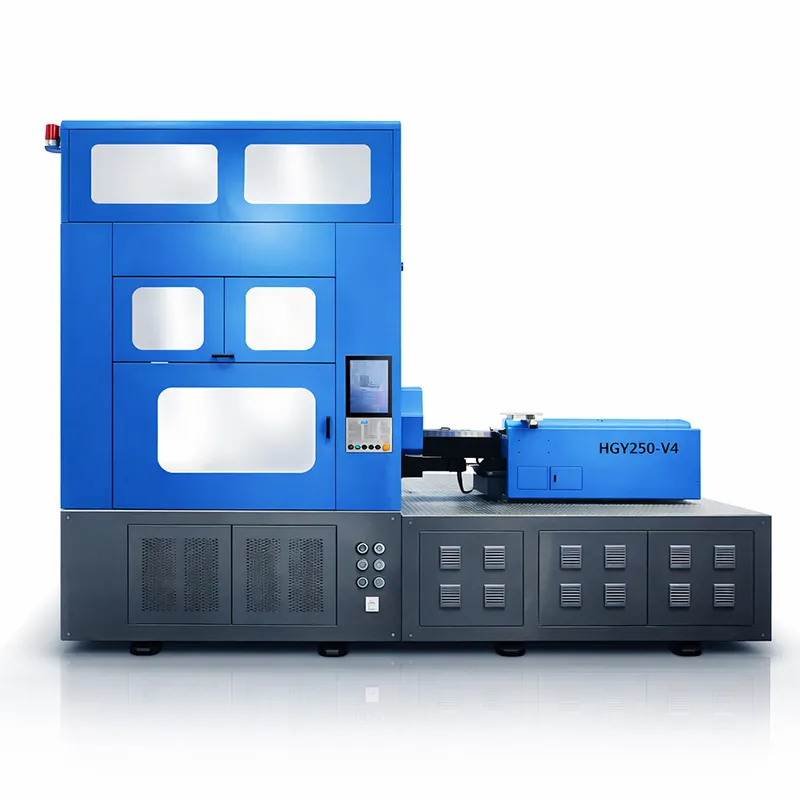
Het 5-laags raamwerk structureert preventief onderhoud op basis van frequentie-interval. Elke laag bouwt voort op de vorige: wekelijkse taken omvatten alle dagelijkse controles plus wekelijkse specifieke items, maandelijkse taken omvatten dagelijkse en wekelijkse taken plus maandelijkse specifieke items, enzovoort. Deze cumulatieve structuur zorgt voor een complete dekking zonder dubbele planning.
| Laag | Frequentie | Benodigde tijd | Uitgevoerd door |
|---|---|---|---|
| Niveau 1: Dagelijks | Elke dienst begint | 10-15 minuten | Operator |
| Niveau 2: Wekelijks | Eenmaal per week | 45-60 minuten | Operator + technicus |
| Niveau 3: Maandelijks | Eenmaal per maand | 3-4 uur | Onderhoudstechnicus |
| Niveau 4: Per kwartaal | Eenmaal per kwartaal | 8-12 uur | Senior technicus + ingenieur |
| Niveau 5: Jaarlijks | Eenmaal per jaar | 2-3 dagen | OEM-engineering + fabrieksteam |
De totale jaarlijkse investering in onderhoudstijd voor een enkel ISBM-platform binnen dit kader bedraagt ongeveer 90-120 uur (alle onderhoudsniveaus gedurende het jaar gecombineerd). Voor Koreaanse bedrijven met een 24/7-productieschema komt dit neer op ongeveer 1,0-1,51 TP3T aan beschikbare operationele tijd. De investering in stilstandtijd levert een rendement op van 3-5 keer de investering, alleen al door het voorkomen van ongeplande stilstand, nog voordat de voordelen van een langere levensduur van de apparatuur en een consistentere kwaliteit in overweging worden genomen.
4. Dagelijkse en wekelijkse controles door de operator
Dagelijks en wekelijks onderhoud vormt de basis van preventief onderhoud. Deze taken zijn eenvoudig genoeg voor operators om uit te voeren, maar sporen wel 60-70% aan zich ontwikkelende apparatuurproblemen op voordat ze de productie verstoren. Koreaanse producenten die een uptime in het topkwartiel behalen, hanteren steevast gedisciplineerde controleprocedures door operators.
| Dagelijkse taak van niveau 1 | Subsysteem | Venster detecteren |
|---|---|---|
| Visuele lekcontrole (olie/koelvloeistof/lucht) | Hydraulisch / Pneumatisch | Waarschuwing 2-7 dagen van tevoren |
| Temperatuurweergave verificatie | Verwarmingszones | Onmiddellijk |
| Luchtdrukmeter aflezing (HP & LP) | Pneumatisch | Onmiddellijk |
| Visuele weergave van koelwatertemperatuur/debiet | Koeling | Onmiddellijk |
| Abnormaal geluid of trilling | Mechanisch | Waarschuwing 3-14 dagen van tevoren |
| Maatcontrole van de eerste fles | Kwaliteit | Onmiddellijk |
| Test van de veiligheidsvoorzieningen (noodstop, afschermingen) | Veiligheid | Onmiddellijk |
De wekelijkse taken op de verschillende niveaus breiden de dagelijkse controles uit met een praktische inspectie die een korte productiestop vereist:
| Wekelijkse taak van niveau 2 | Subsysteem |
|---|---|
| Controleer het hydraulische oliepeil (vul bij als het peil lager is dan 5%). | Hydraulisch |
| Smeren van smeerpunten (volgens OEM-schema) | Mechanisch |
| Afvoer van luchtfilterregelaar | Pneumatisch |
| Visuele controle van de uitlijning van de strekstang | Rek-blaas |
| Koelkanaal van de matrijs vlak (holtezijde) | Gietvorm |
| Reiniging van het bedieningspaneel en kabelinspectie | Controle |
| Onderhoudslogboekregistratie en trendanalyse | Documentatie |
Documentatie is net zo belangrijk als fysieke inspectie. Koreaanse producenten met effectieve onderhoudsprogramma's houden gedetailleerde logboeken bij waarin elk inspectieresultaat, elke parameterwaarde en elke observatie wordt vastgelegd. Deze logboeken maken trendanalyses mogelijk, waardoor problemen die zich ontwikkelen weken voordat ze tot productiestoringen leiden, worden opgespoord.
5. Onderhoudsmatrix voor 6-subsystemen

ISBM-platformen zijn opgedeeld in zes afzonderlijke subsystemen, die elk specifieke onderhoudsbehoeften hebben. Subsystemspecifiek onderhoud erkent dat verschillende componenten verschillende slijtagepatronen, storingsmodi en inspectievereisten hebben.
| Subsysteem | Kritieke componenten | Impact van de kosten bij mislukking |
|---|---|---|
| 1. Injectie-eenheid | Schroef, cilinder, verwarmingsbanden, hot runner | Hoog (cyclusstop) |
| 2. Matrijsmontage | Koelkanalen, halsring, uitwerpsysteem, poorten | Hoog (kwaliteit + cyclus) |
| 3. Rek-blaasmechanisme | Trekstang, blaasventielen, luchtdruk | Gemiddeld (kwaliteit) |
| 4. Uitwerpsysteem | Robotarm, transportband, sensoren | Gemiddeld (cyclusstop) |
| 5. Besturingssysteem | PLC, servo's, sensoren, HMI | Hoog (punt) |
| 6. Hulpapparatuur | Droger, koeler, compressor | Hoog (kwaliteit + cyclus) |
Voor Koreaanse producenten leveren drie subsystemen consequent de hoogste onderhoudswaarde op, mits ze goed worden onderhouden. Ten eerste de schroef en cilinder van de injectie-eenheid: geleidelijke slijtage leidt tot een toenemend afvalpercentage en een lagere productiviteit, wat vaak maandenlang onopgemerkt blijft totdat de cumulatieve impact ernstig wordt. Ten tweede de koelkanalen van de matrijs: kalkaanslag vermindert de efficiëntie van de warmteafvoer geleidelijk, waardoor de cyclustijd met 5-10% over een periode van 12 maanden wordt verlengd zonder duidelijke waarschuwing. Ten derde de sensoren van het besturingssysteem: geleidelijke afwijkingen leiden tot parameterafwijkingen waar het besturingssysteem weliswaar mee blijft werken, maar die de kwaliteitsvariatie verder vergroten.
Elk subsysteem vereist specifieke onderhoudsschema's die geïntegreerd zijn in het 5-laags raamwerk. De onderstaande geïntegreerde matrix toont de kritieke taken per subsysteem en frequentieniveau. Operationele processen die deze complete matrix volgen, leiden doorgaans tot een uitstekende uptime en levensduur.
6. Maandelijkse, driemaandelijkse en jaarlijkse taken
Onderhoud op een hoger niveau betreft werkzaamheden die specialistische expertise, specifieke tijdsblokken of technische ondersteuning van de OEM vereisen. Deze taken dienen te worden ingepland tijdens geplande productiepauzes in plaats van als noodinterventie.
| Niveau 3: Maandelijkse taken | Subsysteem |
|---|---|
| Inspectie en reiniging van de hotrunner-sproeier. | Gietvorm |
| Controle van de continuïteit van de verwarmingsband | Injectie |
| Slijtage-inspectie van de koolborstels van de servomotor | Controle |
| Vervanging van het hydraulische filter | Hydraulisch |
| Vochtgehaltetest van persluchtleidingen | Pneumatisch |
| Controle van de sensorkalibratie | Controle |
| Niveau 4: Kwartaaltaken | Subsysteem |
|---|---|
| Ontkalking van het koelkanaal van de matrijs | Gietvorm |
| Meting van schroef- en loopslijtage | Injectie |
| Controle van de mechanische uitlijning | Mechanisch |
| Kwaliteitsanalyse van hydraulische olie | Hydraulisch |
| Elektrische isolatie testen | Controle |
| conditietest van het droogmiddel in de droger | Extra |
| Niveau 5: Jaarlijkse taken | Uitgevoerd door |
|---|---|
| Volledige platformkalibratie-audit | OEM-engineering |
| Vervanging van de hydraulische olie en doorspoelen van het systeem. | Hoofdtechnicus |
| Kritische lagerinspectie en -vervanging | OEM-engineering |
| Firmware-update van het besturingssysteem | OEM-engineering |
| Certificering van het veiligheidssysteem | Gecertificeerde inspecteur |
| Jaarlijkse inventariscontrole van reserveonderdelen | Plantonderhoudsmanager |
Koreaanse producenten plannen hun jaarlijkse onderhoud doorgaans tijdens periodes met een lage vraag (meestal februari voor Koreaanse bedrijven) om de impact op de productie te minimaliseren. De investering in 2-3 dagen jaarlijks onderhoud levert het grootste rendement op door een complete systeemreset die cumulatieve afwijkingen aanpakt die niet zichtbaar zijn bij inspecties met een hogere frequentie.
7. Uitstekende Koreaanse onderhoudspraktijken
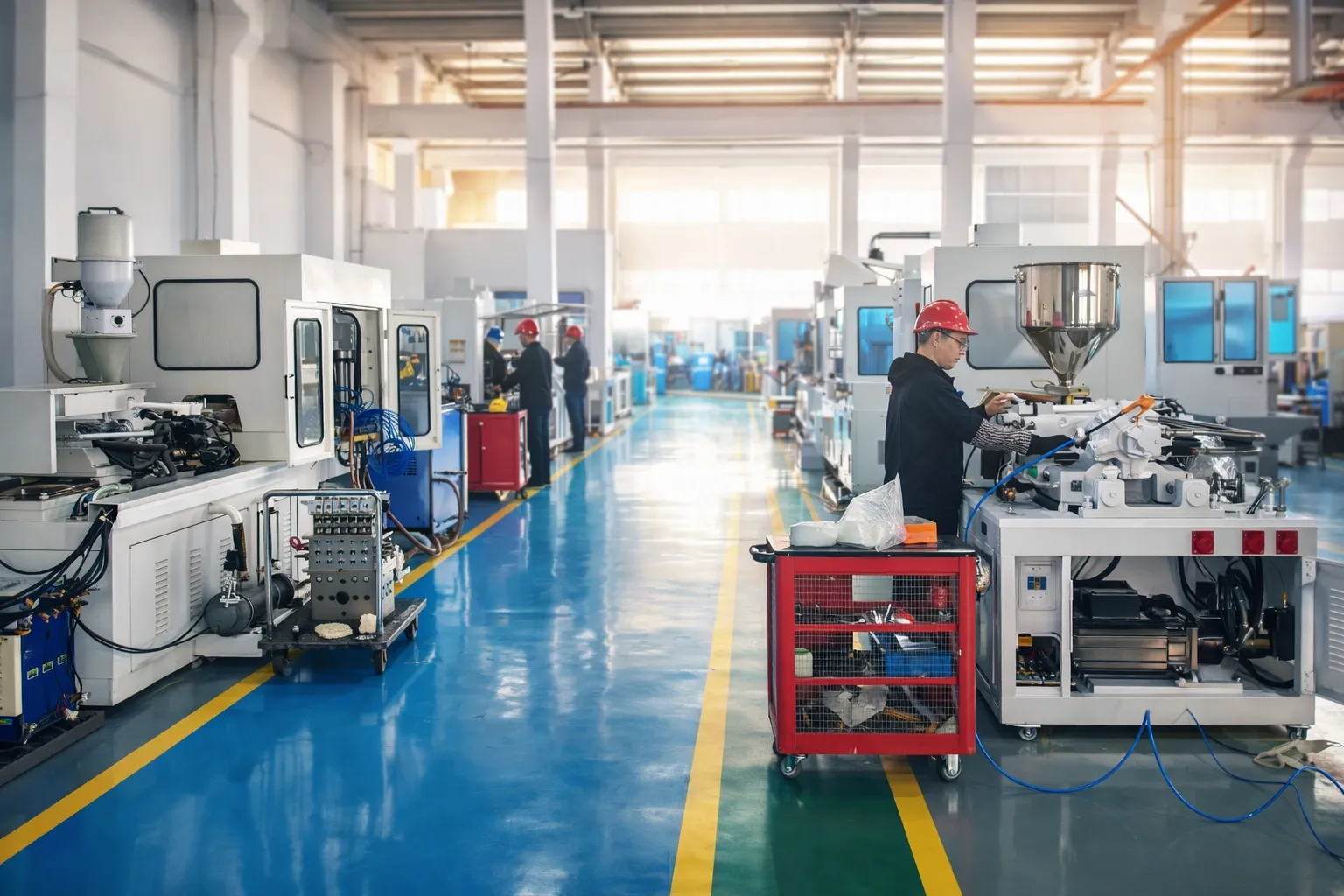
Koreaanse ISBM-producenten staan bekend om hun uitmuntende onderhoud en hanteren vier kenmerkende werkwijzen die hen onderscheiden van gemiddelde bedrijven. Ten eerste: toegewijde onderhoudsteams: topbedrijven wijzen 1-2 toegewijde technici toe per 4-6 ISBM-platforms in plaats van onderhoud te beschouwen als overhead voor productiemedewerkers. Ten tweede: OEM-integratie: regelmatige, geplande samenwerking met het engineeringteam van de platformfabrikant voor kwartaal- en jaarlijkse onderhoudstaken, waarbij gebruik wordt gemaakt van expertise die in de fabriek is opgeleid in plaats van uitsluitend te vertrouwen op interne capaciteit.
Ten derde, uitgebreide documentatie: elke onderhoudsbeurt wordt vastgelegd met parameterwaarden, observaties, vervangen onderdelen en trendanalyses. Deze logboeken maken voorspellend onderhoud mogelijk, waardoor problemen weken vóór een storing worden opgespoord. Koreaanse producenten met een volwassen documentatiesysteem hebben doorgaans een digitaal CMMS (geautomatiseerd onderhoudsbeheersysteem) geïntegreerd, wat de naleving van het schema automatiseert en het management inzicht geeft.
Ten vierde, betrokkenheid van de operators: De dagelijkse/wekelijkse taken van niveau 1 en 2 worden uitgevoerd door de productieoperators zelf, in plaats van door een apart onderhoudsteam. Koreaanse operators die deelnemen aan het onderhoudsprogramma geven aan dat ze een gevoel van verantwoordelijkheid en trots ontwikkelen ten aanzien van de staat van de apparatuur, iets wat organisaties die zich richten op reactief onderhoud niet kunnen evenaren. De culturele integratie van onderhoud in de productieprocessen onderscheidt de best presterende Koreaanse ISBM-faciliteiten van de gemiddelde.
Voor Koreaanse producenten die hun onderhoudspraktijken willen verbeteren, biedt het Koreaanse engineeringteam van Ever-Power een onderhoudsprogramma aan, inclusief de implementatie van een 5-laags raamwerk, training van operators, CMMS-integratie en door de OEM ondersteunde uitvoering van kwartaal- en jaarlijkse taken per laag. Er zijn servicecontracten beschikbaar met zowel reactieve ondersteuning als geïntegreerde preventieve onderhoudspartnerschappen.
8. Reserveonderdelenstrategie
Effectief preventief onderhoud vereist een adequate voorraad reserveonderdelen. De kosten voor het aanhouden van kritieke reserveonderdelen zijn aanzienlijk lager dan de kosten van productiestilstand in afwachting van noodleveringen. Koreaanse producenten houden doorgaans een voorraad reserveonderdelen aan ter waarde van 8-121 ton aan originele apparatuur, met een specifieke verdeling over de verschillende kritieke categorieën.
| Voorraadniveau | Voorbeelden | Voorraadniveau |
|---|---|---|
| Kritiek (onmiddellijke behoefte) | Verwarmingsbanden, sensoren, kleppen, zekeringen | Meerdere exemplaren op voorraad. |
| Hoog (24-uursbehoefte) | Hydraulische pompen, blaasventielen, uitwerpcilinders | 1 exemplaar op voorraad |
| Gemiddeld (3-7 dagen acceptabel) | Servomotoren, PLC-modules, schroefsegmenten | Geregistreerd leverancier, geen voorraad |
| Laag (aanvaardbare levertijd) | Frameonderdelen, constructiedelen | Bestellen op aanvraag |
Koreaanse ISBM-operators profiteren van de lokale aanwezigheid van OEM's dankzij kortere levertijden voor reserveonderdelen. Ever-Power heeft een voorraad reserveonderdelen in de vestiging in Ansan en kan kritieke onderdelen binnen 24-48 uur aan Koreaanse operators leveren. Deze lokale beschikbaarheid vermindert de benodigde voorraad op locatie met ongeveer 301 TP3T ten opzichte van vergelijkbare, uit Japan geïmporteerde apparatuur, waardoor werkkapitaal vrijkomt voor andere operationele prioriteiten.
9. Veelgestelde vragen
V: Hoe implementeer ik preventief onderhoud op een platform dat al jaren reactief onderhoud uitvoert?
Begin met een uitgebreide basisaudit, uitgevoerd door het engineeringteam van de OEM, om de huidige situatie te beoordelen en opgebouwde problemen te identificeren. Pak de jaarlijkse taken van niveau 5 aan als herstelwerkzaamheden in plaats van routineonderhoud, wat doorgaans een fabriekssluiting van 5-10 dagen vereist. Stel de routines van niveau 1-3 vast, uitgaande van een schone basissituatie. Verwacht dat de eerste 6-12 maanden van "preventief" onderhoud latente problemen aan het licht zullen brengen die voortkomen uit eerdere reactieve werkzaamheden; de frequentie van componentvervanging zal tijdens deze overgangsperiode hoger liggen voordat deze stabiliseert op een basisniveau van wereldklasse.
V: Moet de onderhoudsfrequentie worden aangepast aan een hoge belasting bij 24/7-gebruik?
Ja. Onderhoudsintervallen moeten gebaseerd zijn op bedrijfsuren in plaats van kalenderdagen voor platforms met een hoge gebruiksfrequentie. Een 24/7-bedrijf draait jaarlijks ongeveer 8.000 bedrijfsuren, tegenover 4.000 voor een bedrijf met één ploegendienst, waardoor de effectieve slijtage verdubbelt. Koreaanse operators van 24/7-bedrijven voeren doorgaans elke 3 weken Tier 3-taken uit, elke 10 weken Tier 4-taken en elke 9 maanden Tier 5-taken. Pas de frequentie-intervallen aan op basis van de werkelijke bedrijfsuren in plaats van de kalenderplanning.
V: Welke CMMS-software is geschikt voor ISBM-activiteiten in Korea?
Meerdere CMMS-platforms ondersteunen effectief de Koreaanse ISBM-activiteiten. Belangrijke opties zijn internationale platforms (Maximo, SAP PM, eMaint) met ondersteuning voor de Koreaanse taal en in Korea ontwikkelde platforms (KMA-CMMS, Kakao Maintenance) met een diepere lokale integratie. Voor producenten met minder dan 5 ISBM-platforms leveren eenvoudigere oplossingen (Excel-gebaseerde logboeken met de juiste structuur) vaak voldoende resultaten op. Investeringen in een CMMS-systeem worden steeds waardevoller bij bedrijven met meer dan 5 ISBM-platforms, waar de complexiteit handmatige documentatie onmogelijk maakt. Bij de selectie moet prioriteit worden gegeven aan integratie met bestaande ERP-systemen en ondersteuning voor de talen van de operators, in plaats van aan de breedte van de functionaliteit.
V: Hoe beïnvloedt onderhoudsdiscipline de optimalisatie van cyclustijd en afvalpercentage?
Onderhoudsdiscipline is essentieel voor beide. Apparatuur die met opgebouwde slijtage (slecht onderhouden) draait, kan geen optimale cyclustijd of laag afvalpercentage bereiken, ongeacht de inspanningen om parameters te optimaliseren. Koreaanse producenten die cyclus- of afvaloptimalisatie proberen op slecht onderhouden platforms, ervaren doorgaans een tijdelijke verbetering, gevolgd door een terugval naarmate de opgebouwde onderhoudsachterstand zich manifesteert. De aanbevolen volgorde is: eerst basisonderhoud, vervolgens afvalreductie en ten slotte cyclusoptimalisatie. Zie voor een compleet raamwerk voor operationele excellentie. het raamwerk voor het optimaliseren van de cyclustijd.
V: Wanneer moet een platform worden vervangen in plaats van het te blijven onderhouden?
Beslissingen over vervanging komen aan de orde wanneer de jaarlijkse onderhoudskosten meer dan 12-151 TP3T van de oorspronkelijke aanschafprijs bedragen, of wanneer het platform, ondanks investeringen in onderhoud, niet langer aan de kwaliteitsspecificaties kan voldoen. Voor Koreaanse producenten ligt het typische beslissingsmoment voor vervanging bij goed onderhouden platforms rond jaar 18-22, wanneer de cumulatieve kosten voor componentvervangingen de 501 TP3T of meer van de oorspronkelijke aanschafprijs benaderen. Zelfs op dit punt kan een revisie de levensduur van het platform met 5-7 jaar verlengen, mits de investering economisch haalbaar is. Een uitgebreide ROI-analyse moet de economische aspecten van een revisie vergelijken met die van een nieuw platform voordat een definitieve beslissing wordt genomen. Zie voor het evaluatiekader de volgende informatie. ROI-calculator raamwerk.
10. Conclusie
Preventief onderhoud is de meest cruciale operationele discipline die de economische haalbaarheid van ISBM op de lange termijn beïnvloedt. Het 5-laags raamwerk (dagelijks, wekelijks, maandelijks, driemaandelijks, jaarlijks) in combinatie met de dekking van 6 subsystemen biedt de gestructureerde aanpak die Koreaanse producenten nodig hebben om een levensduur van 18-25 jaar en een uptime van 96-98% te realiseren. De jaarlijkse tijdsinvestering van 90-120 uur genereert een rendement van 8-12x door vermeden stilstand, een langere levensduur en een consistentere kwaliteit.
Voor Koreaanse producenten die overstappen van reactief naar preventief onderhoud, vereist de implementatie een aanhoudende organisatorische discipline die verder gaat dan alleen technische kennis. Succesvolle programma's combineren vier elementen: de toewijzing van een toegewijd onderhoudsteam, de integratie van OEM-engineering, een uitgebreide documentatiediscipline en de betrokkenheid van operators bij dagelijkse/wekelijkse taken op niveau 1-2. De culturele transformatie duurt doorgaans 12 tot 18 maanden voordat deze volledig is doorgevoerd, maar leidt tot operationele excellentie die de beste Koreaanse ISBM-faciliteiten onderscheidt van de gemiddelde presteerders.
Voor Koreaanse producenten die op zoek zijn naar een externe partner voor onderhoud, biedt het Koreaanse engineeringteam van Ever-Power uitgebreide ondersteuning, waaronder een basisaudit, de implementatie van een 5-laags raamwerk, training van operators en doorlopende, OEM-geïntegreerde kwartaal- en jaarlijkse service op verschillende niveaus. De servicecontracten variëren van reactieve storingsdienst tot een volledig beheerd preventief onderhoudspartnerschap met voorspelbare maandelijkse kosten en gegarandeerde uptime-SLA's.
Klaar om preventief onderhoud te implementeren?
Deel uw platformmodel, huidige onderhoudspraktijken en operationele prioriteiten. Ons Koreaanse engineeringteam levert binnen 5 werkdagen de bevindingen van de onderhoudsaudit, een aanbeveling voor een 5-laags raamwerk en opties voor servicecontracten.
Redacteur: Cxm