CRC PHARMACEUTICAL IBM · KS M ISO 8317 · KOREAN KFDA · KOREA EVER-POWER
CRC Pharmaceutical IBM:
A prova di bambino Guida ai contenitori
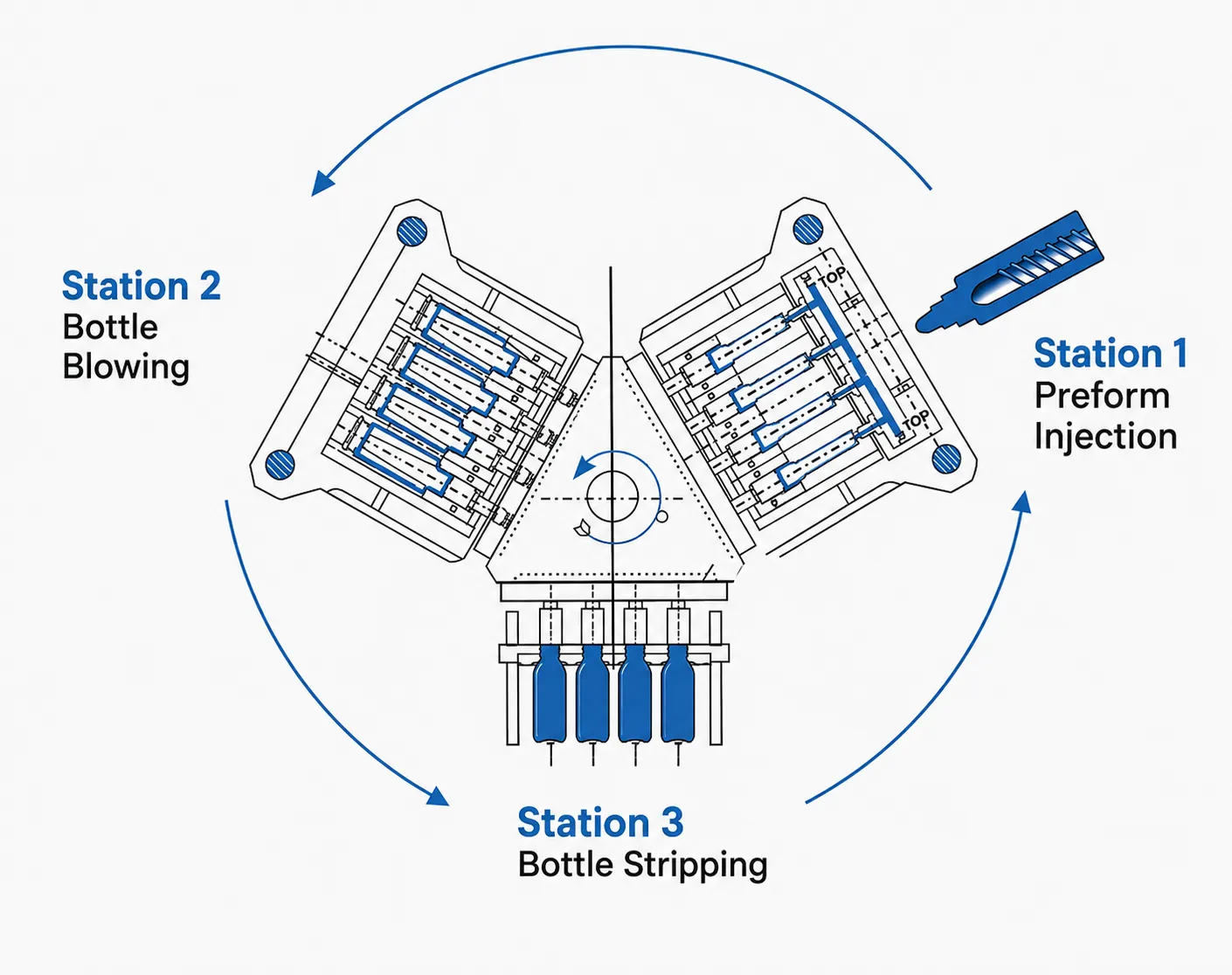
I contenitori farmaceutici coreani con chiusura di sicurezza a prova di bambino (CRC) rappresentano un'applicazione in cui la precisione del diametro esterno del collo di ±0,05 mm delle macchine IBM non è solo un vantaggio rispetto alle macchine EBM, ma un prerequisito per la conformità alla norma ISO 8317 per le macchine KS M coreane. Questa guida illustra la fisica del meccanismo di aggancio CRC, le specifiche geometriche del collo delle macchine IBM, i requisiti di prova della norma ISO 8317 coreana, la selezione del grado di HDPE e la scelta delle macchine della serie ZQ per la produzione di contenitori farmaceutici CRC in Corea.
Diametro esterno della sfera CRC ±0,05 mm
Meccanismo a spinta e rotazione
KOREA EVER-POWER · ANSAN-SI, GYEONGGI-DO · LUGLIO 2026
RIFERIMENTO DI SISTEMA · PARAMETRI IBM DEL SETTORE FARMACEUTICO COREANO CRC
TOLLERANZA OD DEL PERNO CRC
±0,05 mm
Stampaggio a iniezione IBM — Finestra conforme allo standard coreano ISO 8317 ±0,06 mm
KS M ISO 8317 ADULT
≥ 85%
Tasso di apertura entro 5 minuti — 200 soggetti adulti testati
KS M ISO 8317 BAMBINO
≤ 20%
Tasso di apertura entro 10 minuti — 200 soggetti pediatrici (42-51 mesi)
RIGIDEZZA DELLE PERLE DI HDPE
MI 0,5–0,8
g/10min · densità 0,955–0,965 — la perlina resiste alla deformazione da spinta CRC
SEZIONE 01
Mercato coreano dei contenitori farmaceutici CRC e IBM
In Corea, i contenitori farmaceutici con chiusura a prova di bambino (CRC) sono obbligatori per un elenco specifico e in continua espansione di categorie di prodotti farmaceutici. Il Servizio coreano di valutazione e revisione dell'assicurazione sanitaria (HIRA) impone l'utilizzo di imballaggi CRC per tutti i farmaci da prescrizione coreani contenenti sostanze attive tossiche al di sopra di determinate soglie di dosaggio, per tutte le formulazioni liquide pediatriche da prescrizione distribuite alle famiglie con bambini di età inferiore ai sei anni e per tutti gli analgesici da banco coreani in compresse e in forma liquida, al di sopra delle confezioni monodose standard. L'applicazione dei requisiti CRC da parte del Ministero coreano per la sicurezza alimentare e farmaceutica (MFDS/KFDA) si è progressivamente inasprita a partire dal 2020, ampliando l'elenco dei prodotti farmaceutici coreani che richiedono un imballaggio primario CRC oltre la ristretta lista iniziale di categorie di farmaci.
IBM è l'esclusivo processo di stampaggio a soffiaggio per i contenitori CRC farmaceutici coreani perché la finestra di tolleranza di innesto del meccanismo CRC push-and-turn (±0,06 mm sul diametro esterno del cordone di innesto del collo) rientra nella precisione nativa del collo di ±0,05 mm di IBM, ma supera la tolleranza del collo di ±0,15-0,25 mm di EBM di un fattore 3-5. Nessun processo di lavorazione secondaria del collo applicato ai contenitori EBM può raggiungere in modo affidabile un diametro esterno del cordone di innesto CRC di ±0,06 mm su 2-4 cavità alla velocità di produzione richiesta dalle linee di riempimento farmaceutiche coreane: la variazione dimensionale dell'operazione di alesatura del collo (tolleranza di alesatura di ±0,08-0,12 mm) supera la finestra di innesto CRC. IBM elimina questa catena di processi producendo il cordone di innesto a ±0,05 mm nell'inserto del collo dello stampo a iniezione come capacità di processo primaria, non come risultato di una finitura secondaria.
La guida più ampia sui contenitori primari per il settore farmaceutico (IBM) copre in modo esaustivo i formati coreani per i contenitori primari farmaceutici. Questa guida si concentra specificamente sui contenitori CRC (Corporate Reduction Container) (IBM), analizzando la fisica del meccanismo di aggancio, le specifiche della geometria del collo, la conformità alla norma coreana ISO 8317, la selezione del grado di HDPE e gli aspetti economici della produzione, elementi unici per il formato CRC farmaceutico.
SEZIONE 02
Meccanismo di innesto CRC e precisione del collo IBM
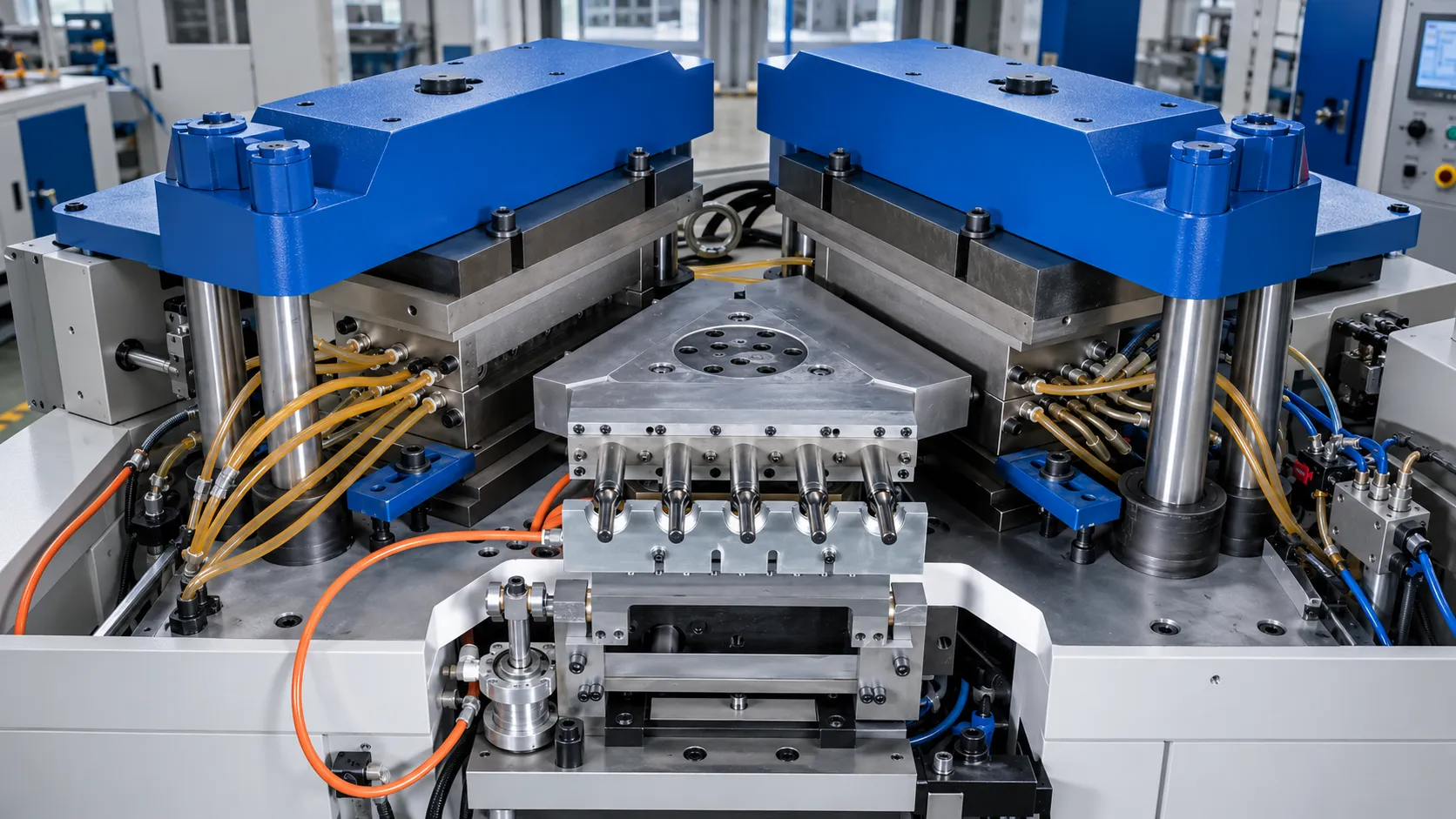
Il tappo CRC a pressione e rotazione funziona tramite un innesto a interferenza meccanica tra una ghiera di ritenzione circonferenziale sul collo della bottiglia IBM in HDPE e un cricchetto di innesto corrispondente all'interno della parte inferiore del tappo CRC. Comprendere la fisica del meccanismo di innesto è essenziale per specificare correttamente la geometria dell'inserto del collo IBM.
CRC PUSH-AND-TURN — MECCANISMI DI INNESTO E CATENA DI TOLLERANZA DEL COLLO IBM
Passaggio 1: Spingere verso il basso
Il paziente o il farmacista coreano preme verso il basso il cappuccio del CRC, comprimendo i denti a cricchetto della molla della guarnizione del cappuccio sopra la perlina di HDPE del collo. Il diametro esterno della perlina di aggancio determina la forza di interferenza: se il diametro esterno della perlina è troppo ampio, la forza di spinta necessaria supera le capacità del paziente anziano coreano (fallimento dell'accessibilità per adulti). Se il diametro esterno della perlina è troppo stretto, i denti a cricchetto non riescono a comprimersi adeguatamente e la funzionalità del CRC viene compromessa.
Passaggio 2 — Ruotare tenendo premuto
Mantenendo una pressione verso il basso, il tappo viene ruotato (in genere di 30–45°) per allineare i denti del cricchetto con il punto di inizio dell'innesto della filettatura del collo della bottiglia. La tolleranza IBM di ±0,05 mm sul diametro esterno della filettatura garantisce che il punto di inizio dell'innesto della filettatura sia entro 1–2° dal punto di innesto previsto, prevenendo l'inceppamento trasversale della filettatura che aumenterebbe la forza di rotazione oltre le specifiche e non supererebbe i test di accessibilità per adulti.
Fase 3: Rilascia e verifica
Il tappo è stato rilasciato: il meccanismo a cricchetto a molla si riattiva, bloccando il tappo in posizione aperta (il bambino non può richiuderlo) o in posizione di chiusura con filettatura (prodotto sigillato). La geometria del collo IBM garantisce una profondità di innesto del cricchetto costante in tutte le cavità di produzione: altezza del cordone ±0,05 mm, raggio del profilo del cordone ±0,03 mm, entrambi prodotti dall'inserto del collo dello stampo a iniezione e verificati nella prova di produzione pre-consegna di Ever-Power Korea.
BEAD OD IBM
±0,05 mm
Finestra ISO 8317
±0,06 mm
TOLLERANZA EBM
±0,15–0,25 mm
MARGINE DI PROCESSO
+0,01 mm IBM
IBM produce il cordone di accoppiamento CRC interamente all'interno dell'inserto del collo dello stampo a iniezione: un componente in acciaio lavorato con precisione che definisce simultaneamente il diametro esterno, l'altezza, il raggio del profilo e la posizione assiale del cordone in un'unica corsa di iniezione. L'inserto del collo è realizzato in acciaio inossidabile S136 (HRC 50–52) con una tolleranza di tornitura CNC di ±0,01 mm su tutte le dimensioni geometriche del cordone, producendo un diametro esterno del cordone del contenitore IBM finito di ±0,05 mm su tutte le cavità di produzione dopo aver tenuto conto della compensazione del ritiro dell'HDPE (0,8–1,2% applicato alla dimensione del diametro esterno del cordone dello stampo durante la lavorazione CNC dell'inserto del collo). Il design dell'inserto del collo IBM per applicazioni farmaceutiche di Korea Ever-Power utilizza la simulazione agli elementi finiti del ritiro dell'HDPE nella zona del cordone (la sezione della parete localmente più alta del cordone si ritira in modo diverso rispetto al collo cilindrico adiacente) per calcolare il diametro esterno corretto del cordone dello stampo che produce il diametro esterno del cordone del contenitore specificato alla temperatura di lavorazione e alla velocità di raffreddamento dell'HDPE IBM.
SEZIONE 03
Test di efficacia contro i bambini secondo la norma coreana KS M ISO 8317
La norma coreana KS M ISO 8317 è lo standard nazionale coreano per gli imballaggi a prova di bambino, armonizzato con la ISO 8317:2015. Prevede un test con un gruppo di 200 soggetti adulti e 200 soggetti bambini per confermare che il sistema di chiusura del contenitore a prova di bambino soddisfi contemporaneamente i requisiti di resistenza all'apertura da parte dei bambini (basso tasso di apertura da parte dei bambini) e di accessibilità da parte degli adulti (alto tasso di apertura da parte degli adulti). Il test deve essere condotto utilizzando contenitori di produzione effettivamente riempiti, non contenitori vuoti o campioni di laboratorio, poiché il peso del contenuto, la viscosità del liquido e la coppia di serraggio del sistema di chiusura influenzano le prestazioni del sistema di chiusura a prova di bambino durante il test.
PARAMETRO DI PROVA
GRUPPO DI BORSE PER BAMBINI (42-51 mesi)
PANEL DI ADULTI (50-70 anni)
Il fascicolo tecnico sui contenitori farmaceutici (CRF) coreano, da presentare alla KFDA, deve includere il certificato di prova KS M ISO 8317 coreano per ogni contenitore CRC: si tratta di un documento rilasciato da un laboratorio di prova accreditato KS coreano che ha condotto il test su un campione umano utilizzando i contenitori di produzione della macchina IBM e dello stampo identificati nel CTF. Ever-Power Korea fornisce campioni di contenitori CRC IBM provenienti dalla produzione di prova pre-consegna, specificamente per questo test, consentendo al marchio farmaceutico coreano di presentare contemporaneamente i campioni di prova ISO 8317 e il CTF del contenitore, massimizzando la probabilità che il risultato positivo del test ISO 8317 e il CTF completato siano disponibili nello stesso momento per la revisione di qualificazione GMP da parte della KFDA coreana.
SEZIONE 04
Grado di HDPE e geometria del cordone per contenitori CRC IBM
I contenitori farmaceutici CRC (Child Responsive Curve) coreani richiedono una specifica caratteristica del polietilene ad alta densità (HDPE) che i contenitori farmaceutici non CRC non possiedono: la zona di tenuta deve resistere alla deformazione plastica sotto la forza di pressione esercitata dal tappo CRC. Quando il tappo CRC viene premuto verso il basso, esercita una forza verso il basso di circa 20-50 N sulla zona di tenuta in HDPE; quest'ultima deve tornare al suo diametro esterno originale dopo il rilascio della forza di pressione per mantenere una resistenza all'apertura da parte del bambino costante al successivo tentativo di apertura. L'HDPE con rigidità insufficiente (indice di mitragliamento troppo elevato o densità troppo bassa) si deforma permanentemente sotto ripetute pressioni, allargando di fatto il diametro esterno della zona di tenuta nel tempo e riducendo la resistenza all'apertura da parte del bambino al di sotto dei requisiti della norma coreana ISO 8317 entro la durata di conservazione del prodotto.
GEOMETRIA DEL BORDO DI INNESTO CRC · SPECIFICHE DELL'INSERTO DEL COLLO DELLO STAMPO A INIEZIONE IBM
Diametro esterno della perla
Nominale ±0,01 mm
Cavità dello stampo (con correzione del ritiro dell'HDPE applicata)
Altezza della perla
0,8–1,5 mm
Cilindro con diametro esterno del collo superiore al valore nominale — Fornitore di tappi CRC coreano specifico
Raggio del profilo della perlina
R 0,3–0,6 mm
Introduzione graduale per l'innesto dei denti del cricchetto CRC: il raggio acuto aumenta il rumore e la forza di innesto.
Posizione assiale del perno
±0,20 mm
Dalla superficie di tenuta del collo — determina la posizione assiale della posizione chiusa del cappuccio CRC
CRC IBM coreano — Grado HDPE consigliato
MI (190 °C/2,16 kg)
0,5–0,8
Densità (g/cm³)
0,955–0,965
Densità più elevata (0,955–0,965) e indice di resistenza al taglio (MI) inferiore (0,5–0,8) rispetto al polietilene ad alta densità (HDPE) standard per uso farmaceutico (IBM), che produce un cordone più rigido in grado di resistere alla deformazione da scorrimento viscoso sotto ripetuti cicli di compressione CRC per tutta la durata di conservazione di 24 mesi prevista per i prodotti farmaceutici coreani. Per i contenitori CRC coreani, specificati per mantenere la resistenza al taglio dopo 30 cicli (test di conformità HIRA CRC coreano), è preferibile una densità ≥ 0,958.
Fattori di rischio di deformazione del cordone di saldatura
- ▸HDPE MI superiore a 1,0: peso molecolare insufficiente per la resistenza allo scorrimento delle microsfere: da evitare per il farmaco coreano CRC IBM
- ▸Densità inferiore a 0,952: Una cristallinità inferiore riduce la rigidità delle perline; il rischio di fallimento del test ciclico ISO 8317 aumenta dopo 15+ cicli di spinta verso il basso
- ▸Temperatura della canna superiore a 222 °C all'ugello: La degradazione termica riduce il peso molecolare dell'HDPE nella zona del cordone, diminuendo la rigidità e la resistenza allo scorrimento viscoso rispetto alle proprietà del grado nominale.
- ▸Pressione di tenuta insufficiente sul punto di iniezione: La zona di riempimento insufficiente presenta microvuoti che riducono la densità locale: misurare la durezza della zona di riempimento (Shore D) rispetto alle specifiche come indicatore di controllo del processo.
SEZIONE 05
Parametri di elaborazione IBM per i contenitori CRC
La lavorazione IBM per il settore farmaceutico CRC sulle macchine Ever-Power serie ZQ coreane richiede due regolazioni di parametri rispetto alla lavorazione IBM standard per il settore farmaceutico non CRC: una pressione di mantenimento più elevata (per compattare completamente il cordone di adesione e garantire la stabilità dimensionale) e un raffreddamento più intenso della zona del collo (per ridurre al minimo la deriva del diametro esterno del cordone dopo l'espulsione dovuta al calore residuo nella zona del cordone). Tutti gli altri parametri seguono le linee guida standard per la lavorazione IBM del polietilene ad alta densità (HDPE) in ambito farmaceutico.
| PARAMETRO | STANDARD PHARMA IBM | CRC PHARMA IBM — REGOLAZIONE |
|---|---|---|
| Mantenere la pressione | 50–65% del picco | 65–75% di picco — riempimento completo della zona delle perline |
| Tempo di mantenimento | 0,4–0,8 s | 0,6–1,0 s — esteso per garantire la tenuta del canale di iniezione |
| temperatura dello stampo nella zona del collo | 14–18°C | 12–16 °C — raffreddamento più intenso nella zona del cordone per fissare più rapidamente il diametro esterno |
| Barile della zona di misurazione | 200–215 °C | 200–215 °C (invariato) |
| frequenza di misurazione del diametro esterno della perlina | 30 per cavità per avvio di lotto | 30 per cavità + controllo a metà lotto ogni 2 ore |
⚠ DERAPATA POST-ESPULSIONE DEL PERLETTO OD: Il diametro esterno (OD) del cordone di adesione CRC misurato immediatamente al momento dello smontaggio (Stazione 3) è in genere di 0,02–0,04 mm maggiore rispetto al diametro esterno del cordone misurato 30 minuti dopo l'espulsione, poiché il calore residuo nella zona del cordone al momento dell'espulsione consente una continua contrazione indotta dalla cristallizzazione dell'HDPE che riduce leggermente il diametro esterno del cordone. Il diametro esterno del cordone per la misurazione di qualificazione KFDA coreana deve essere rilevato dopo che i contenitori si sono stabilizzati a 23 °C ±2 °C per un minimo di 30 minuti dopo l'espulsione. Il campionamento del diametro esterno del cordone immediatamente sul nastro trasportatore di uscita della macchina non è una misurazione di qualificazione valida per gli scopi KFDA coreani, in quanto sovrastima sistematicamente il diametro esterno di produzione stabilizzato.
SEZIONE 06
Gamma di formati dei contenitori CRC e selezione delle finiture del collo
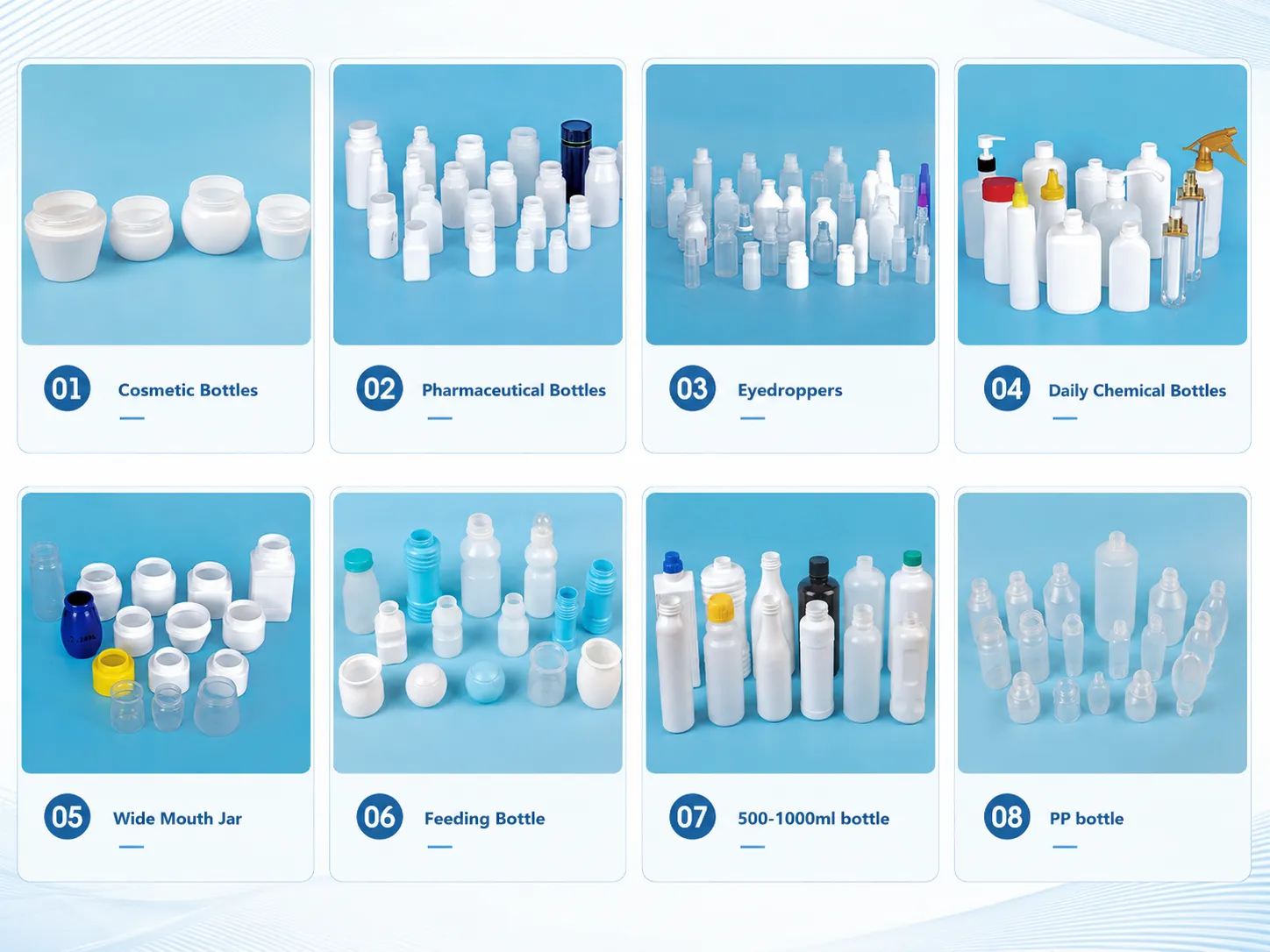
| VOLUME | FINITURA DEL MANICO | TIPO CRC | ZQ80 CAVITÀ | DOMANDA COREANA |
|---|---|---|---|---|
| 30 ml | 24/400 GPI | Spingi e ruota | 16–18 | Analgesico pediatrico coreano, antibiotico liquido coreano in dose singola |
| 60 ml ★ | 28/400 GPI | Spingi e ruota | 14 | Sciroppo CRC pediatrico coreano (formato CRC coreano più comune) |
| 100 ml | 33/400 GPI | Spingi e ruota | 10–12 | Antibiotico orale su prescrizione coreana, analgesico liquido per adulti coreano |
| 150 ml | 33/400 GPI | Spingi e ruota | 8 | Medicinale liquido multidose coreano, sospensione antiacida coreana CRC |
| 100–150 ml | 33/400 GPI | Premere e ruotare | 8–10 | Paziente coreano anziano e affetto da artrite CRC (forza di spinta verso il basso inferiore rispetto alla spinta e rotazione) |
★ Il contenitore CRC da 60 ml 28/400 push-and-turn è il formato CRC di riferimento per l'industria farmaceutica coreana (IBM), ovvero il contenitore CRC con il volume più elevato nelle prescrizioni antibiotiche pediatriche in Corea. I produttori IBM coreani in genere qualificano prima questo formato e lo utilizzano come formato di riferimento per la pianificazione della produzione di contenitori CRC multiformato.
SEZIONE 07
Formato combinato CRC + Sigillo a induzione
Il formato combinato CRC + sigillo a induzione – un cappuccio protettivo CRC applicato sopra un contenitore sigillato a induzione – rappresenta il requisito di precisione più stringente per il collo dei contenitori IBM nella produzione farmaceutica coreana. La normativa coreana HIRA per i farmaci liquidi pediatrici su prescrizione specifica sempre più spesso sia il CRC (sicurezza per i bambini) che il sigillo a induzione (protezione contro le manomissioni, barriera contro l'umidità) simultaneamente sullo stesso contenitore primario. Questa specifica combinata richiede a IBM di produrre simultaneamente tre caratteristiche di precisione indipendenti su un singolo inserto del collo.
CRC Bead OD
Sigillatura della superficie piana
Diametro esterno della filettatura
±0,05 mm
Funzione di spinta e rotazione CRC: interferenza di innesto a cricchetto entro la finestra ISO 8317 coreana.
±0,10 mm TIR
Incollaggio ermetico a induzione con lamina: contatto perimetrale completo tra la lamina e la superficie di sigillatura in HDPE in tutte le 14 cavità.
±0,05 mm
Innesto della filettatura CRC: l'innesto del cappuccio a vite di un farmacista coreano dopo la rottura del sigillo di induzione.
Tutti e tre i requisiti vengono soddisfatti simultaneamente dall'inserto per collo stampato a iniezione di IBM, prodotto in un unico inserto in acciaio inossidabile S136 lavorato con una tolleranza di ±0,01 mm su tutte e tre le caratteristiche geometriche. Non è necessaria alcuna lavorazione secondaria. La tecnologia EBM non può soddisfare nessuno dei tre requisiti senza una finitura secondaria del collo.
La qualificazione combinata CRC + sigillo a induzione dei contenitori IBM per la KFDA coreana richiede due test separati sulla funzionalità di chiusura, inclusi nel fascicolo tecnico del contenitore: il test di efficacia CRC KS M ISO 8317 coreano (panel umano, 200 adulti + 200 bambini) e il test di integrità del sigillo a induzione (test a bolle 100% a 10 kPa, più forza di distacco ≥ 8 N/15 mm di larghezza). Entrambi i test devono utilizzare contenitori di produzione provenienti dallo stesso lotto di produzione IBM, sulla macchina qualificata e con lo stesso numero di cavità. La produzione di prova pre-consegna di Ever-Power Corea produce contemporaneamente contenitori campione per entrambe le prove, fornendo al marchio farmaceutico coreano tutti i campioni di prova richiesti in un unico lotto di produzione pre-consegna.
SEZIONE 08
Selezione della serie ZQ per la produzione IBM CRC in Corea.

La selezione delle macchine della serie ZQ per le linee di iniezione IBM farmaceutiche CRC coreane segue lo stesso schema di volume annuo degli altri formati IBM farmaceutici. La considerazione specifica per le linee CRC è che i contenitori CRC a parità di volume consentono in genere un minor numero di cavità per modello ZQ rispetto ai contenitori non CRC dello stesso volume, poiché il diametro esterno maggiore del collo del cordone di iniezione CRC (in genere 1,6-3,0 mm maggiore del diametro esterno nominale del collo) aumenta il fabbisogno di serraggio per iniezione per cavità e l'ingombro del piano di iniezione per cavità.
ZQ SELECTION MATRIX · CRC IBM @ 60 ml 28/400 SPINGERE E ROTARE (HDPE MI 0.6)
| MODELLO ZQ | CAV @ 60ml CRC | BOTTIGLIE/ORA | CAPITALE ANNUO | PROFILO DI CRC PHARMA COREANA |
|---|---|---|---|---|
| EP-ZQ40 | 6–8 | ~4.800–6.400 | ~16,8–22,4 milioni | Startup farmaceutica coreana, sperimentazione clinica sul cancro del colon-retto in Corea, malattia pediatrica rara in Corea |
| EP-ZQ60 | 10–12 | ~8.000–9.600 | ~28,0–33,6 milioni | Farmacia pediatrica coreana di fascia media, farmaci generici coreani per il cancro del colon-retto |
| EP-ZQ80 ★ | 14 | ~11,200 | ~39,2 milioni | Piattaforma di riferimento per la produzione OEM di antibiotici pediatrici di marca nazionale coreana per il trattamento del cancro del colon-retto (CRC) |
| EP-ZQ110 | 18 | ~14,400 | ~50,4 milioni | Grande azienda farmaceutica coreana specializzata nel confezionamento a contratto di farmaci per il cancro del colon-retto, importante marchio pediatrico coreano |
| EP-ZQ135 | 22 | ~17,600 | ~61,6 milioni | Catena di approvvigionamento nazionale coreana di antibiotici pediatrici, fornitura su larga scala di CRC agli ospedali coreani |
IL EP-ZQ80 La macchina CRC a 14 cavità da 60 ml rappresenta il benchmark IBM per l'industria farmaceutica coreana, coprendo 39 milioni di unità annuali di sciroppo pediatrico CRC per ogni anno di lavoro su due turni in Corea, con una singola macchina qualificata per le GMP farmaceutiche KFDA coreane. Il doppio sistema idraulico ZQ80 (standard, risparmio energetico 20-30%) riduce il carico HVAC nella produzione di CRC in camera bianca per l'industria farmaceutica coreana, e il meccanismo di divisione angolare della macchina garantisce che la deviazione standard cavità-cavità del diametro esterno delle microsfere (±1,8% CV% a 14 cavità su ZQ80) rimanga ben al di sotto della specifica di ±0,05 mm al 99,7° percentile della distribuzione di produzione, come confermato dai report pre-consegna di Ever-Power Korea sulla circolarità del diametro esterno delle microsfere e sulle dimensioni cavità-cavità, forniti con ogni consegna di macchine IBM per CRC farmaceutiche.
DOMANDE FREQUENTI SULL'INGEGNERIA
CRC Pharmaceutical IBM — Domande di ingegneria
Perché IBM è l'unico processo di stampaggio a soffiaggio praticabile per i contenitori CRC farmaceutici coreani?
IBM è l'unico processo di soffiaggio praticabile per i contenitori CRC farmaceutici coreani perché il requisito di tolleranza del diametro esterno del cordone di aggancio CRC KS M ISO 8317 coreano (±0,06 mm) rientra nella capacità di processo nativa di IBM (±0,05 mm) ma supera la tolleranza raggiungibile da EBM (±0,15–0,25 mm) di 2,5–4 volte nella migliore delle ipotesi. Questa non è una differenza marginale che può essere colmata da una lavorazione secondaria del collo: le operazioni di alesatura del collo EBM hanno una propria variazione dimensionale (tipicamente una tolleranza di alesatura di ±0,08–0,12 mm) che è pari o superiore all'intera finestra di aggancio ISO 8317 di ±0,06 mm. Anche se i singoli contenitori EBM vengono alesati entro ±0,06 mm dal diametro esterno nominale del cordone, la variazione tra i cicli dell'operazione di alesatura fa sì che una parte del lotto di produzione si trovi al di fuori della finestra di tolleranza a entrambe le estremità. Inoltre, il test coreano KS M ISO 8317 su un gruppo di 200 soggetti adulti e 200 bambini con lo stesso tipo di contenitore, qualsiasi variazione sistematica del diametro esterno all'interno del lotto di produzione (che si verifica con la combinazione di EBM e alesatura) genererà una percentuale di contenitori che non superano il test di resistenza per i bambini (troppo larghi) o il test di accessibilità per gli adulti (troppo stretti). IBM elimina questo problema a livello strutturale: l'inserto per il collo dello stampo a iniezione IBM produce tutte le cavità con una tolleranza nominale di ±0,05 mm, senza lavorazioni secondarie, senza variazioni di alesatura tra i cicli e senza una catena di processi in cui un'operazione secondaria possa introdurre valori anomali dimensionali. Questo vantaggio strutturale è il motivo per cui gli enti regolatori farmaceutici coreani accettano i contenitori CRC IBM basandosi esclusivamente sulla documentazione dimensionale di qualificazione della macchina e dello stampo IBM, senza richiedere la verifica delle lavorazioni secondarie: una semplificazione che la combinazione di EBM e alesatura non può raggiungere.
Quali sono le cause per cui un contenitore per prodotti farmaceutici CRC coreano, realizzato da IBM, non supera i test di accessibilità per adulti?
I problemi di accessibilità per adulti riscontrati nei contenitori farmaceutici CRC IBM coreani, in cui oltre 151 dei 200 soggetti adulti testati (di età compresa tra 50 e 70 anni) non sono riusciti ad aprire il contenitore entro 5 minuti, sono riconducibili a tre cause dal lato del contenitore IBM. In primo luogo, diametro esterno del cordone superiore al limite massimo di specifica: un diametro esterno del cordone superiore al valore nominale + 0,05 mm aumenta la forza di azionamento per la pressione del tappo CRC oltre la capacità di presa e di pressione della mano di un adulto coreano anziano; di fatto, il contenitore risulta troppo a prova di bambino per superare i test di accessibilità per adulti. Diagnosi: misurare il diametro esterno del cordone da tutte le cavità con diametro esterno del cordone vicino o superiore al limite massimo di specifica. Causa principale: diametro esterno del cordone dell'inserto del collo dello stampo a iniezione superiore al valore nominale (richiede una nuova misurazione dell'inserto e un'eventuale rilavorazione); oppure ritiro dell'HDPE inferiore al previsto (si verifica quando la temperatura dello stampo è inferiore al valore di riferimento qualificato, producendo una minore cristallizzazione e quindi un minore ritiro, e un diametro esterno del cordone maggiore rispetto alla compensazione del ritiro prevista: aumentare il raffreddamento della zona del collo dello stampo al valore di riferimento previsto). In secondo luogo, raggio del profilo del cordone troppo acuto: un profilo del cordone angolare (raggio < 0,3 mm) produce una funzione a gradino nella forza di innesto del tappo CRC: la forza richiesta aumenta bruscamente quando il cricchetto del tappo si innesta sul cordone, anziché aumentare gradualmente, rendendo l'innesto improvviso e resistente. Il raggio del profilo del cordone IBM dovrebbe essere R 0,3–0,6 mm come specificato nella Sezione 4. In terzo luogo, allargamento per scorrimento viscoso dell'OD effettivo del cordone in HDPE: se il contenitore IBM in HDPE è stato conservato a temperature elevate prima del test ISO 8317 (superiori a 30 °C per periodi prolungati), il cordone può scorrere verso l'esterno sotto la forza di innesto sostenuta da un tappo CRC precedentemente applicato, allargando di fatto l'OD del cordone oltre il valore nominale. I marchi farmaceutici coreani dovrebbero specificare che i contenitori IBM utilizzati per il test ISO 8317 non sono stati sottoposti a temperature superiori a 25 °C dopo la produzione e dovrebbero condurre il test ISO 8317 entro 90 giorni dalla produzione dell'IBM per evitare la deriva termica dell'OD del cordone nella popolazione di campioni di prova.
Il diametro esterno del cordone di innesto CRC deve essere specificato separatamente dal disegno del fornitore coreano del cappuccio CRC, oppure lo stampo IBM segue le specifiche nominali del fornitore del cappuccio?
Il diametro esterno (OD) del perno di aggancio del contenitore IBM deve essere specificato separatamente dal diametro nominale di aggancio del tappo CRC fornito dal produttore coreano: non può semplicemente corrispondere al diametro nominale del tappo senza tenere conto dell'interferenza di accoppiamento progettata per il sistema di aggancio. Il meccanismo CRC a spinta e rotazione funziona grazie al cricchetto di ritenzione del tappo CRC che si innesta sul perno del collo della bottiglia con un'interferenza di accoppiamento progettata: il diametro di aggancio del cricchetto del tappo è intenzionalmente inferiore al diametro esterno nominale del perno di una quantità di interferenza di accoppiamento progettata (tipicamente 0,10-0,20 mm, specificata dal produttore coreano del tappo CRC). Se il diametro esterno del perno del contenitore IBM è uguale al diametro nominale del cricchetto di aggancio del tappo CRC, senza l'interferenza di accoppiamento progettata, il cricchetto scorre sul perno senza innestarsi a scatto, producendo un contenitore che supera i requisiti di accessibilità per gli adulti (facilmente apribile) ma non quelli di resistenza per i bambini (anche i bambini possono aprirlo con facilità). La corretta specifica del diametro esterno del bordo IBM è: diametro nominale del cricchetto di innesto del fornitore coreano del tappo CRC + interferenza progettata (dal disegno del componente di accoppiamento del fornitore del tappo CRC) = diametro esterno nominale del bordo del bordo del contenitore IBM, con tolleranza IBM di ±0,05 mm applicata. Ever-Power Corea richiede al marchio farmaceutico coreano di fornire il disegno di innesto del fornitore coreano del tappo CRC prima della lavorazione CNC dell'inserto del collo IBM: la dimensione nominale del diametro esterno del bordo lavorata nell'inserto del collo deriva dal disegno del tappo CRC, non da uno standard farmaceutico generico IBM. Senza questo disegno del fornitore del tappo, l'inserto del collo dello stampo IBM non può essere dimensionato correttamente e si prevede un fallimento del test ISO 8317 alla prima presentazione.
È possibile che la stessa macchina ZQ esegua sia i formati IBM farmaceutici CRC che non-CRC?
Sì, la stessa macchina della serie ZQ può eseguire formati farmaceutici IBM CRC e non CRC utilizzando diversi set di stampi, con la ricetta di produzione di ciascun set di stampi memorizzata nel sistema di controllo ZQ e richiamata dall'operatore durante il cambio stampo. Una ZQ80 che esegue un set di stampi per sciroppo pediatrico CRC da 60 ml a 14 cavità (HDPE MI 0.6, pressione di mantenimento 70%, raffreddamento del collo 13 °C) può anche eseguire un set di stampi oftalmici da 10 ml a 20 cavità (HDPE MI 0.4, pressione di mantenimento 60%, raffreddamento del collo 15 °C) dopo un cambio stampo e il richiamo della ricetta: l'hardware della macchina non cambia tra i formati. La qualificazione dei contenitori farmaceutici KFDA coreani, tuttavia, è specifica per contenitore: il set di stampi CRC da 60 ml e il set di stampi oftalmici da 10 ml richiedono ciascuno i propri file tecnici di contenitore separati con i propri report dimensionali cavità per cavità, entrambi prodotti con lo stesso numero di serie della macchina ZQ80 ma da set di stampi diversi. I produttori farmaceutici coreani che utilizzano macchine IBM devono identificare entrambi i set di stampi nella documentazione di qualifica della macchina, registrando entrambi i numeri di serie degli stampi rispetto al singolo numero di serie della macchina ZQ80 nel loro file master di produzione GMP coreano, al fine di supportare la tracciabilità per le ispezioni GMP MFDS coreane della produzione farmaceutica multiformato con macchine IBM.
Come viene verificato il diametro esterno del connettore IBM dopo la consegna dello stampo da parte di Ever-Power in Corea e prima della presentazione della domanda di qualificazione alla KFDA coreana?
La verifica del diametro esterno (OD) del bead di accoppiamento IBM per la qualificazione CRC della KFDA coreana utilizza uno specifico protocollo di misurazione che differisce dalla misurazione standard del diametro esterno del collo farmaceutico. La misurazione standard del diametro esterno del collo farmaceutico utilizza un calibro digitale a contatto o un misuratore laser per il diametro esterno, misurando il diametro maggiore del collo su un singolo piano. La misurazione del diametro esterno del bead di accoppiamento CRC richiede: (1) Misurazione in 4 posizioni angolari attorno alla circonferenza del bead (0°, 90°, 180°, 270°) per contenitore, confermando la circolarità del bead (deviazione ≤ 0,04 mm TIR) e il diametro esterno nominale del bead; (2) Misurazione nel punto di diametro massimo del bead (il punto più alto del bead sopra il cilindro del collo), utilizzando una sonda a contatto a gradini anziché un calibro, poiché le ganasce del calibro che coprono l'intero diametro del collo misurano il diametro esterno medio del collo anziché il diametro esterno massimo del bead; (3) Analisi statistica: 30 misurazioni per cavità (120 letture di misurazione per cavità per il protocollo a 4 posizioni angolari) su tutte le cavità di produzione, con conferma Cpk ≥ 1,33 per il diametro esterno del cordone alla specifica nominale di ±0,05 mm. Korea Ever-Power utilizza un sistema di misurazione a contatto con calibro a gradini dedicato per il diametro esterno del cordone durante la prova di produzione pre-consegna, con output dei dati direttamente nel formato del rapporto dimensionale del diametro esterno del cordone cavità per cavità richiesto per la presentazione del file tecnico del contenitore farmaceutico coreano. Questo sistema di misurazione dedicato non è disponibile nella maggior parte degli stabilimenti coreani di produzione di contenitori IBM: Korea Ever-Power fornisce il rapporto sul diametro esterno del cordone pre-consegna proprio perché questi dati di misurazione specializzati non sono in genere riproducibili nello stabilimento di produzione del cliente coreano senza il supporto degli strumenti di misurazione di Korea Ever-Power.
Che cosa succede al contenitore per prodotti farmaceutici CRC IBM coreano durante i 24 mesi di validità del prodotto?
La resistenza all'apertura da parte del bambino dei contenitori farmaceutici CRC IBM coreani varia nel corso dei 24 mesi di conservazione previsti in Corea attraverso due meccanismi: la deriva del diametro esterno del cordone di aggancio in HDPE e l'affaticamento della molla a cricchetto del tappo CRC. Deriva del diametro esterno del cordone sul lato del contenitore IBM: la cristallizzazione dell'HDPE continua lentamente alle temperature di conservazione ambientali coreane (15-25 °C per la conservazione in farmacia, 10-30 °C per la conservazione domestica coreana) per circa 6-12 mesi dopo la produzione. Durante questo periodo, il diametro esterno del cordone diminuisce in genere leggermente (0,01-0,03 mm) a causa della continua densificazione della fase cristallina. Questa diminuzione del diametro esterno aumenta leggermente l'interferenza di aggancio del CRC, rendendo il contenitore marginalmente più resistente all'apertura da parte del bambino dopo 6-12 mesi rispetto alla produzione: una modifica generalmente conservativa ai fini della conformità con le normative KFDA coreane. Dopo 12 mesi, la cristallizzazione dell'HDPE è completa e il diametro esterno del cordone è dimensionalmente stabile per il resto dei 24 mesi di conservazione previsti in Corea, in condizioni normali di conservazione farmaceutica. Affaticamento della molla a cricchetto del tappo CRC (un problema relativo al tappo piuttosto che al contenitore IBM): i denti della molla a cricchetto in polipropilene del tappo CRC perdono circa 8-15% del loro modulo elastico in 24 mesi a 20-25 °C (temperatura di conservazione coreana), riducendo leggermente la forza di pressione necessaria per premere il cricchetto sul bordo e potenzialmente aumentando la percentuale di soggetti adulti coreani che sono riusciti ad aprire il contenitore nel test di ri-apertura ISO 8317 a 24 mesi. I marchi farmaceutici coreani che specificano contenitori CRC per una durata di conservazione coreana di 24 mesi dovrebbero verificare con il loro fornitore coreano di tappi CRC che i dati sull'affaticamento della molla a cricchetto del tappo (ritenzione del modulo elastico a 24 mesi in condizioni di conservazione coreane) supportino la conformità continua all'accessibilità per adulti ISO 8317 e alla resistenza all'apertura da parte dei bambini per tutta la durata di conservazione: la stabilità del diametro esterno del bordo del contenitore IBM non è il fattore limitante; lo sono le prestazioni del materiale del tappo.
CRC PHARMACEUTICAL IBM RICHIESTA · EVER-POWER COREA
Pianificate la produzione di container IBM per il settore farmaceutico CRC in Corea?
Korea Ever-Power fornisce la qualificazione dimensionale del diametro esterno del cordone di aggancio CRC dalla prova di produzione pre-consegna, contenitori campione di prova coreani KS M ISO 8317, pacchetto di documentazione KFDA GMP e selezione della macchina serie ZQ per la produzione coreana di contenitori farmaceutici CRC IBM per tutti i volumi di produzione annuali.