شركة سي آر سي للأدوية، آي بي إم، كي إس إم، آي إس أو 8317، هيئة الغذاء والدواء الكورية، إيفر باور الكورية
شركة سي آر سي للأدوية وشركة آي بي إم:
مقاوم للأطفال دليل الحاويات
تُعدّ عبوات الأدوية الكورية المقاومة للأطفال (CRC) مثالًا بارزًا على التطبيقات التي لا تُمثّل فيها دقة قطر عنق العبوة ±0.05 مم من IBM مجرد ميزة إضافية مقارنةً بتقنية EBM، بل هي شرط أساسي للامتثال للمعيار الكوري KS M ISO 8317. يتناول هذا الدليل فيزياء آلية إغلاق عبوات CRC، ومواصفات هندسة عنق العبوة من IBM، ومتطلبات اختبار ISO 8317 الكورية، واختيار نوع البولي إيثيلين عالي الكثافة (HDPE)، واختيار آلات سلسلة ZQ لإنتاج عبوات الأدوية الكورية المقاومة للأطفال.
قطر خرزة CRC ±0.05 مم
آلية الدفع والدوران
كوريا إيفر باور · مدينة أنسان، مقاطعة غيونغي · يوليو 2026
مرجع النظام · معايير IBM للأدوية الكورية CRC
تفاوت قطر خرزة CRC
±0.05 مم
مصبوب بالحقن من IBM - نافذة كورية ISO 8317 ±0.06 مم
KS M ISO 8317 للبالغين
≥ 85%
معدل فتح الرسائل خلال 5 دقائق - 200 شخص بالغ مشارك في الاختبار
KS M ISO 8317 CHILD
≤ 20%
معدل الفتح خلال 10 دقائق - 200 طفل (42-51 شهرًا)
صلابة حبيبات البولي إيثيلين عالي الكثافة
MI 0.5–0.8
جم/10 دقائق · الكثافة 0.955–0.965 — تقاوم الخرزة تشوه الضغط الناتج عن CRC
القسم 1
سوق حاويات الأدوية الكورية CRC وشركة IBM
تُعدّ العبوات الدوائية ذات الإغلاق المقاوم للأطفال إلزامية في كوريا لقائمة محددة ومتنامية من فئات المنتجات الدوائية. إذ تُلزم هيئة مراجعة وتقييم التأمين الصحي الكورية (HIRA) باستخدام عبوات ذات إغلاق مقاوم للأطفال لجميع الأدوية الكورية الموصوفة التي تحتوي على مواد فعالة سامة تتجاوز عتبات جرعات محددة، وجميع التركيبات السائلة الكورية الموصوفة للأطفال والموزعة على الأسر التي لديها أطفال دون سن السادسة، وجميع مسكنات الألم الكورية التي تُصرف بدون وصفة طبية على شكل أقراص أو سائل والتي تتجاوز عبوات الجرعة الواحدة القياسية. وقد شددت وزارة سلامة الأغذية والأدوية الكورية (MFDS/KFDA) تطبيق متطلبات الإغلاق المقاوم للأطفال تدريجيًا منذ عام 2020، مما وسّع قائمة المنتجات الدوائية الكورية التي تتطلب عبوات أساسية ذات إغلاق مقاوم للأطفال لتشمل فئات أخرى غير قائمة فئات الأدوية المحدودة الأصلية.
شركة آي بي إم تُعدّ عملية التشكيل بالنفخ الحصرية المستخدمة في تصنيع عبوات الأدوية الكورية ذات نظام إعادة تدوير العنق (CRC) هي الطريقة المُعتمدة، وذلك لأن هامش التفاوت المسموح به لآلية CRC (±0.06 مم في القطر الخارجي لحافة تثبيت العنق) يقع ضمن دقة عنق IBM الأصلية البالغة ±0.05 مم، ولكنه يتجاوز هامش التفاوت المسموح به لعنق EBM (±0.15-0.25 مم) بمقدار 3-5 أضعاف. لا يُمكن لأي معالجة ثانوية للعنق تُطبّق على عبوات EBM أن تُحقق بدقة ±0.06 مم في القطر الخارجي لحافة تثبيت العنق عبر 2-4 تجاويف بالسرعة الإنتاجية المطلوبة لخطوط تعبئة الأدوية الكورية، حيث يتجاوز التباين البُعدي لعملية توسيع عنق العبوة (±0.08-0.12 مم) هامش التفاوت المسموح به. تتخلص IBM من هذه السلسلة من العمليات من خلال إنتاج حافة التثبيت بدقة ±0.05 مم في قالب حقن عنق العبوة كخاصية أساسية، وليس كنتيجة لعملية تشطيب ثانوية.
يُغطي دليل IBM الشامل لقطاع الأدوية الكورية أشكال العبوات الأولية للأدوية بشكل كامل. ويركز هذا الدليل تحديدًا على عبوات CRC IBM، مُسلطًا الضوء على فيزياء آلية التثبيت، ومواصفات هندسة العنق، والامتثال لمعيار ISO 8317 الكوري، واختيار نوع البولي إيثيلين عالي الكثافة (HDPE)، وجدوى الإنتاج الاقتصادية الخاصة بهذا النوع من العبوات.
القسم 02
آلية مشاركة CRC ودقة رقبة IBM
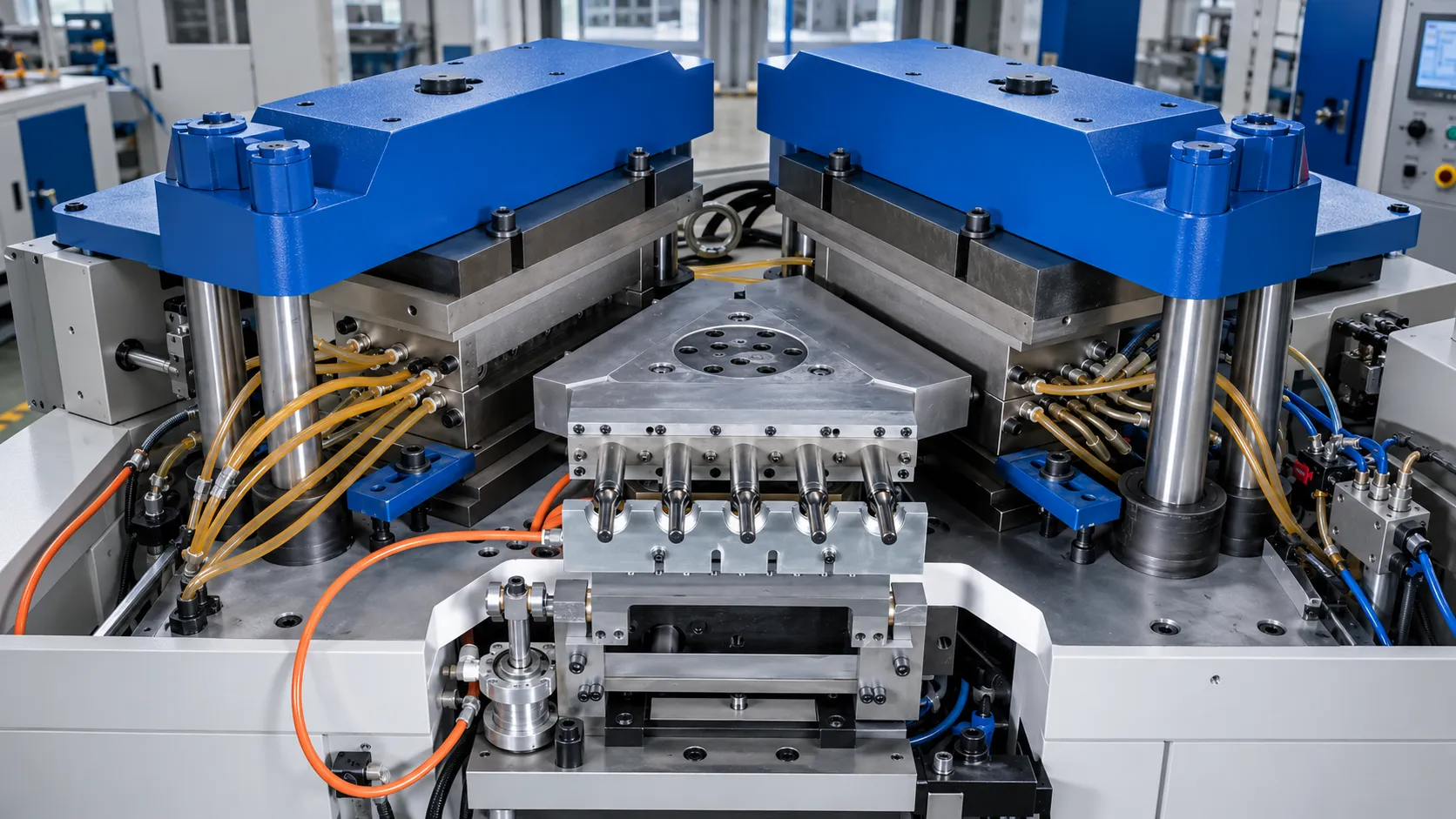
يعمل غطاء CRC ذو آلية الدفع والدوران من خلال تعشيق ميكانيكي بين حافة تثبيت محيطية على عنق زجاجة IBM المصنوع من البولي إيثيلين عالي الكثافة، وآلية تعشيق مماثلة على الجانب الداخلي لغطاء CRC. يُعد فهم آلية التعشيق أمرًا أساسيًا لتحديد هندسة إدخال عنق زجاجة IBM بدقة.
نظام الدفع والدوران CRC - آليات التعشيق وسلسلة تحمل رقبة IBM
الخطوة 1 - اضغط للأسفل
يضغط المريض الكوري أو الصيدلي على غطاء نظام التحكم في الضغط (CRC) للأسفل، ضاغطًا أسنان السقاطة الزنبركية الموجودة على حافة الغطاء فوق حافة عنق البولي إيثيلين عالي الكثافة (HDPE). يحدد القطر الخارجي لحافة التثبيت قوة الضغط: فإذا كان القطر الخارجي للحافة واسعًا جدًا، فإن قوة الضغط المطلوبة تتجاوز قدرة المريض الكوري المسن (مما يؤدي إلى صعوبة الوصول). أما إذا كان القطر الخارجي للحافة ضيقًا جدًا، فلن تتمكن أسنان السقاطة من الضغط بشكل كافٍ، وبالتالي يفقد نظام التحكم في الضغط وظيفته.
الخطوة الثانية - أدر أثناء الضغط
مع الحفاظ على الضغط لأسفل، يُدار الغطاء (عادةً من 30 إلى 45 درجة) لمحاذاة أسنان السقاطة مع بداية تعشيق سن عنق الزجاجة. يضمن التفاوت المسموح به في القطر الخارجي للسن (±0.05 مم) أن تكون بداية تعشيق السن ضمن نطاق 1-2 درجة من نقطة التعشيق المصممة، مما يمنع انحشار السن المتقاطع الذي قد يزيد قوة الدوران عن الحد المسموح به ويؤدي إلى فشل اختبارات سهولة الاستخدام للبالغين.
الخطوة 3 - الإصدار والتحقق
عند تحرير الغطاء، يعود زنبرك التثبيت إلى تثبيت حافة التثبيت، مما يؤدي إلى قفل الغطاء في وضع الفتح (لا يمكن للطفل إغلاقه مرة أخرى) أو في وضع إغلاق الخيط (المنتج محكم الإغلاق). يضمن تصميم عنق IBM عمق تثبيت ثابتًا للزنبرك في جميع تجاويف الإنتاج: ارتفاع الحافة ±0.05 مم، ونصف قطر الحافة ±0.03 مم - وكلاهما يتم إنتاجه بواسطة قالب حقن عنق الزجاجة وتم التحقق منه في تجربة الإنتاج قبل التسليم لشركة إيفر-باور الكورية.
خرزة OD IBM
±0.05 مم
نافذة ISO 8317
±0.06 مم
التسامح مع الطب المبني على البراهين
±0.15–0.25 مم
هامش العملية
+0.01 مم IBM
تُنتج شركة IBM حافة التثبيت CRC بالكامل داخل حشوة عنق قالب الحقن - وهي قطعة فولاذية مصنّعة بدقة عالية تُحدد القطر الخارجي للحافة، وارتفاعها، ونصف قطرها، وموضعها المحوري في آنٍ واحد خلال شوط حقن واحد. تُصنع حشوة العنق من الفولاذ المقاوم للصدأ S136 (صلابة 50-52 HRC) بدقة ±0.01 مم في جميع أبعاد هندسة الحافة، مما ينتج عنه قطر خارجي نهائي لحافة حاوية IBM بدقة ±0.05 مم في جميع تجاويف الإنتاج بعد مراعاة تعويض انكماش البولي إيثيلين عالي الكثافة (0.8-1.2% المطبق على بُعد القطر الخارجي لحافة القالب أثناء تصنيع حشوة العنق باستخدام الحاسوب). يستخدم تصميم إدخال عنق IBM الصيدلاني من شركة Korea Ever-Power محاكاة العناصر المحدودة لانكماش البولي إيثيلين عالي الكثافة في منطقة الخرزة - حيث ينكمش قسم الجدار الأعلى محليًا للخرزة بشكل مختلف عن العنق الأسطواني المجاور - لحساب القطر الخارجي الصحيح لخرزة القالب الذي ينتج القطر الخارجي المحدد لخرزة الحاوية عند درجة حرارة معالجة البولي إيثيلين عالي الكثافة ومعدل التبريد.
القسم 03
اختبار فعالية مقاومة الأطفال وفقًا للمعيار الكوري KS M ISO 8317
المعيار الكوري KS M ISO 8317 هو المعيار الوطني الكوري للتغليف المقاوم للأطفال، وهو متوافق مع معيار ISO 8317:2015. وينص على إجراء اختبار على لجنة بشرية تضم 200 شخص بالغ و200 طفل للتأكد من أن نظام إغلاق العبوة المقاوم للأطفال (CRC) يفي بمعياري مقاومة الأطفال (انخفاض معدل فتح الأطفال للعبوة) وسهولة وصول البالغين إليها (ارتفاع معدل فتح البالغين للعبوة) في آن واحد. ويجب إجراء الاختبار باستخدام عبوات إنتاجية مملوءة فعلية - وليس عبوات فارغة أو عينات مخبرية - لأن وزن العبوة ولزوجة السائل وعزم إغلاقها تؤثر جميعها على أداء وظيفة نظام CRC في الاختبار.
معلمات الاختبار
لجنة الأطفال (42-51 شهرًا)
لجنة البالغين (50-70 سنة)
يجب أن يتضمن الملف الفني لحاويات الأدوية لدى إدارة الغذاء والدواء الكورية (KFDA) شهادة اختبار KS M ISO 8317 الكورية لكل حاوية CRC، وهي وثيقة صادرة عن مختبر اختبار معتمد من KS في كوريا، والذي أجرى اختبارًا على عينة بشرية باستخدام حاويات إنتاج من آلة IBM ومجموعة القوالب المحددة في ملف CTF. توفر شركة Korea Ever-Power عينات من حاويات CRC IBM من تجربة الإنتاج قبل التسليم خصيصًا لهذا الاختبار، مما يسمح للعلامة التجارية الكورية للأدوية بتقديم عينات اختبار ISO 8317 وملف CTF للحاويات في آن واحد، مما يزيد من احتمالية توفر نتيجة اجتياز اختبار ISO 8317 وملف CTF المكتمل في نفس الوقت لمراجعة تأهيل GMP من قبل إدارة الغذاء والدواء الكورية (KFDA).
القسم 04
درجة البولي إيثيلين عالي الكثافة وشكل الخرز لحاويات CRC IBM
تتطلب عبوات الأدوية الكورية من نوع CRC من شركة IBM خصائص محددة من مادة البولي إيثيلين عالي الكثافة (HDPE) لا تتوفر في عبوات الأدوية الأخرى من نفس النوع: يجب أن تقاوم منطقة الحافة التشوه اللدن تحت تأثير قوة الضغط. عند الضغط على غطاء CRC، يتم تطبيق قوة ضغط تتراوح بين 20 و50 نيوتن على حافة التثبيت المصنوعة من البولي إيثيلين عالي الكثافة، ويجب أن تعود الحافة إلى قطرها الخارجي الأصلي بعد رفع الضغط للحفاظ على مقاومة ثابتة عند محاولة الفتح التالية. يتشوه البولي إيثيلين عالي الكثافة ذو الصلابة غير الكافية (معامل انضغاط مرتفع جدًا أو كثافة منخفضة جدًا) بشكل دائم تحت تأثير قوى الضغط المتكررة، مما يؤدي إلى اتساع قطر الحافة الخارجي بمرور الوقت وانخفاض مقاومة الفتح إلى ما دون متطلبات معيار ISO 8317 الكوري خلال فترة صلاحية المنتج.
هندسة خرزة التعشيق CRC · مواصفات إدخال عنق قالب حقن IBM
القطر الخارجي للخرزة
±0.01 مم اسمي
تجويف القالب (مع تطبيق تصحيح انكماش البولي إيثيلين عالي الكثافة)
ارتفاع الخرزة
0.8–1.5 مم
أسطوانة ذات قطر خارجي أعلى من القطر الاسمي للعنق - خاصة بمورد أغطية CRC الكوري
نصف قطر شكل الخرزة
R 0.3–0.6 مم
مدخل سلس لتعشيق أسنان سقاطة CRC - نصف قطر حاد يزيد من ضوضاء التعشيق وقوته
الوضع المحوري للخرزة
±0.20 مم
من سطح الأرض عند إغلاق العنق - يحدد الموقع المحوري لوضع الإغلاق لغطاء CRC
شركة IBM الكورية CRC - درجة البولي إيثيلين عالي الكثافة الموصى بها
MI (190 درجة مئوية / 2.16 كجم)
0.5–0.8
الكثافة (جم/سم³)
0.955–0.965
تتميز هذه المادة بكثافة أعلى (0.955-0.965) ومعامل انضغاط أقل (0.5-0.8) مقارنةً بعبوات البولي إيثيلين عالي الكثافة القياسية المستخدمة في صناعة الأدوية، مما ينتج عنه حافة أكثر صلابة تقاوم التشوه الزحفي تحت ضغط دورات متكررة من نظام منع العبث بالأدوية (CRC) طوال فترة صلاحية الدواء في كوريا التي تبلغ 24 شهرًا. ويُفضل استخدام كثافة ≥ 0.958 لعبوات نظام منع العبث بالأدوية (CRC) الكورية المصممة للحفاظ على مقاومتها للأطفال بعد 30 دورة ضغط (وفقًا لاختبار دورة منع العبث بالأدوية (CRC) وفقًا لمعايير هيئة تنظيم صناعة الأدوية الكورية).
عوامل خطر تشوه الخرز
- ▸HDPE MI أعلى من 1.0: الوزن الجزيئي غير كافٍ لمقاومة زحف الخرز - تجنبه بالنسبة لشركة IBM الكورية للأدوية المضادة للسرطان
- ▸الكثافة أقل من 0.952: يؤدي انخفاض درجة التبلور إلى تقليل صلابة الخرزة؛ ويزداد خطر فشل اختبار دورة ISO 8317 بعد أكثر من 15 دورة ضغط لأسفل
- ▸درجة حرارة الأسطوانة أعلى من 222 درجة مئوية عند الفوهة: يؤدي التحلل الحراري إلى تقليل الوزن الجزيئي لـ HDPE في منطقة الخرز، مما يقلل من الصلابة ومقاومة الزحف مقارنة بخصائص الدرجة الاسمية.
- ▸ضغط تثبيت غير كافٍ عند بوابة الخرزة: تحتوي منطقة الخرز غير المكتظة على فراغات دقيقة تقلل من الكثافة المحلية - قم بقياس صلابة منطقة الخرز (شور D) مقابل المواصفات كمؤشر للتحكم في العملية
القسم 5
معلمات معالجة IBM لحاويات CRC
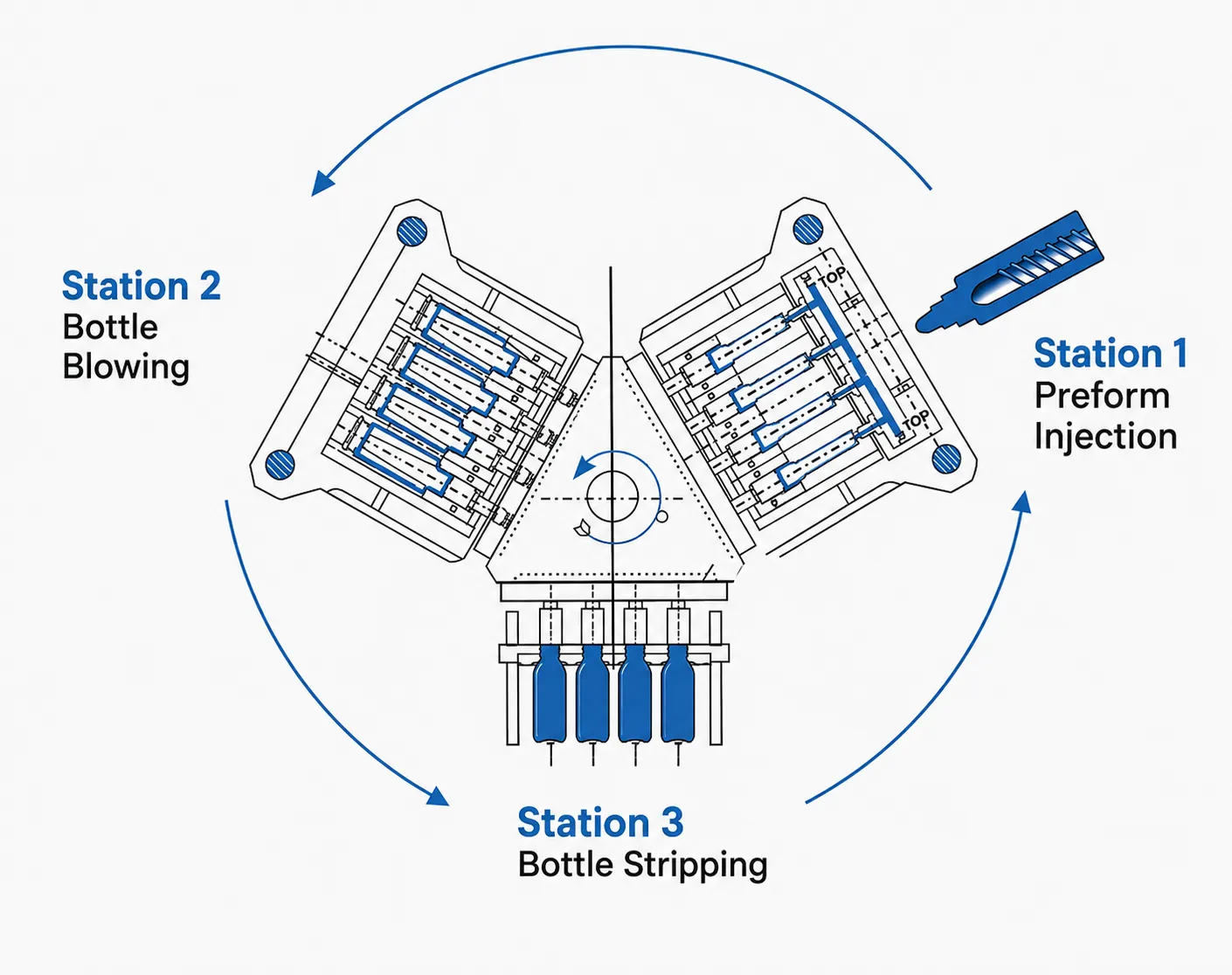
تتطلب معالجة خرزات البولي إيثيلين عالي الكثافة (HDPE) الصيدلانية بتقنية IBM على آلات Ever-Power ZQ الكورية تعديلين في المعايير مقارنةً بمعالجة الخرزات الصيدلانية القياسية غير المُعالجة بتقنية IBM: زيادة ضغط التثبيت (لضمان تماسك الخرزة بشكل كامل وثبات أبعادها) وتبريد منطقة العنق بشكل أدق (لتقليل انحراف القطر الخارجي للخرزة بعد خروجها نتيجة الحرارة المتبقية في منطقة الخرزة). أما باقي المعايير فتخضع لإرشادات معالجة الخرزات الصيدلانية القياسية بتقنية IBM.
| المعلمة | ستاندرد فارما آي بي إم | شركة سي آر سي فارما آي بي إم - تعديل |
|---|---|---|
| استمر بالضغط | 50-65% ذروة | 65-75% من الذروة - منطقة الخرزة التعبئة الكاملة |
| مدة الانتظار | 0.4–0.8 ثانية | 0.6–1.0 ثانية — ممتدة لضمان إحكام إغلاق بوابة الخرزة |
| درجة حرارة قالب منطقة العنق | 14-18 درجة مئوية | 12-16 درجة مئوية - تبريد أكثر دقة في منطقة الخرزة لتثبيت القطر الخارجي بشكل أسرع |
| برميل منطقة القياس | 200-215 درجة مئوية | 200–215 درجة مئوية (بدون تغيير) |
| معدل تكرار قياس القطر الخارجي للخرز | 30 لكل تجويف لكل دفعة بداية | 30 لكل تجويف + فحص منتصف الدفعة كل ساعتين |
⚠ انحراف حبة الرصاصة بعد خروجها من المدفع: عادةً ما يكون قطر حبة البولي إيثيلين عالي الكثافة (HDPE) المقاس مباشرةً عند فصلها (المحطة 3) أكبر بمقدار 0.02-0.04 مم من قطرها المقاس بعد 30 دقيقة من إخراجها، وذلك لأن الحرارة المتبقية في منطقة الحبة عند الإخراج تسمح باستمرار انكماش البولي إيثيلين عالي الكثافة الناتج عن التبلور، مما يُقلل قطر الحبة قليلاً. يجب قياس قطر الحبة لأغراض اعتماد هيئة الغذاء والدواء الكورية (KFDA) بعد استقرار درجة حرارة الحاويات عند 23 درجة مئوية ± 2 درجة مئوية لمدة لا تقل عن 30 دقيقة بعد إخراجها. لا يُعد أخذ عينة قطر الحبة مباشرةً عند سير ناقل خروج الآلة قياسًا صالحًا لأغراض اعتماد هيئة الغذاء والدواء الكورية، لأنه يُبالغ بشكل منهجي في تقدير قطر الحبة بعد استقرار درجة حرارة الإنتاج.
القسم 6
مجموعة أحجام حاويات CRC واختيار تشطيب العنق
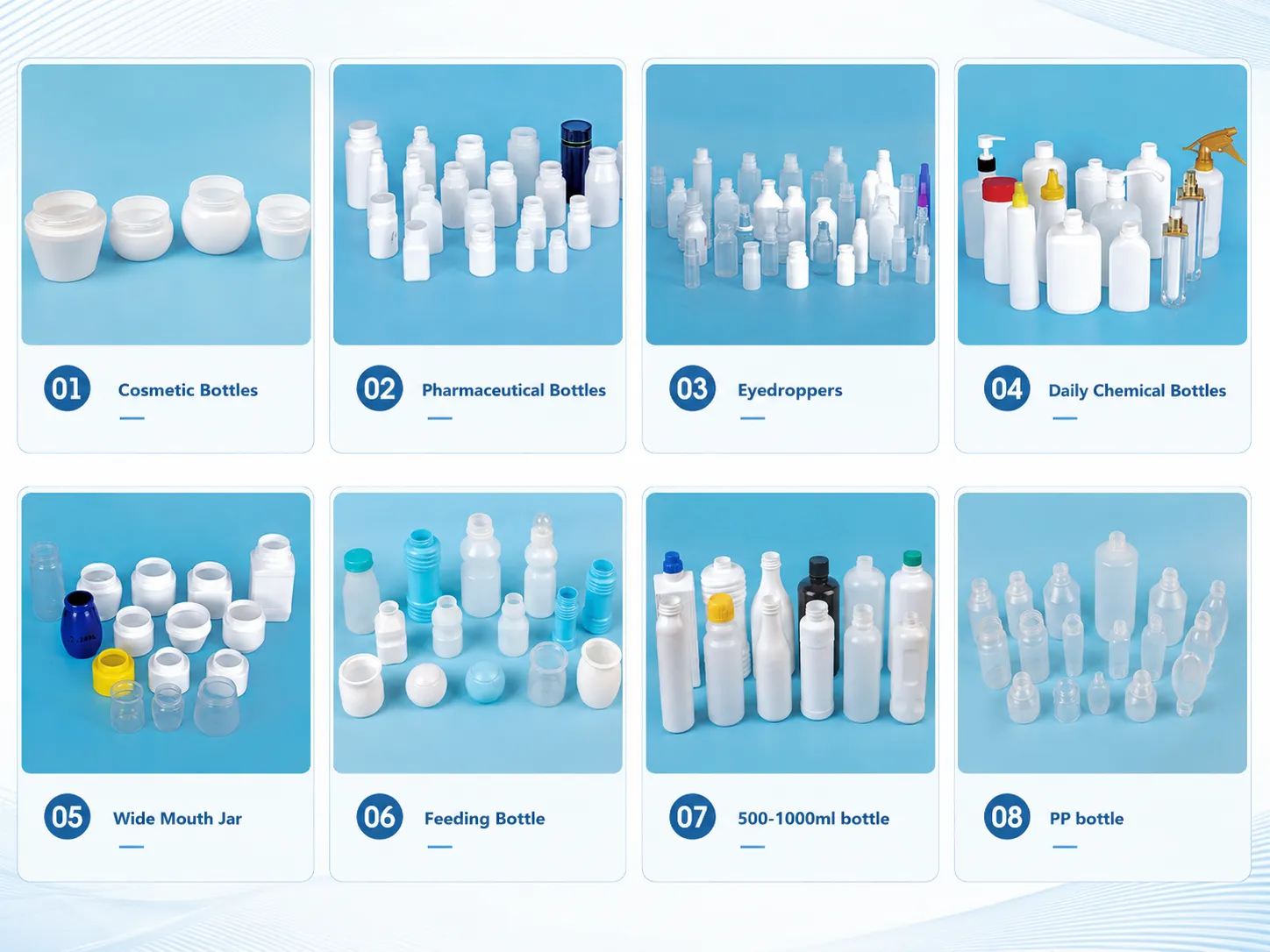
| مقدار | تشطيب الرقبة | نوع CRC | تجاويف ZQ80 | تطبيق كوري |
|---|---|---|---|---|
| 30 مل | 24/400 GPI | ادفع وقم بالتدوير | 16-18 | مسكن ألم كوري للأطفال، مضاد حيوي سائل كوري بجرعة واحدة |
| 60 مل ★ | 28/400 GPI | ادفع وقم بالتدوير | 14 | شراب الأطفال الكوري CRC (أكثر أنواع شراب الأطفال الكوري شيوعًا) |
| 100 مل | 33/400 GPI | ادفع وقم بالتدوير | 10-12 | مضاد حيوي فموي بوصفة طبية كورية، مسكن ألم سائل للبالغين كوري |
| 150 مل | 33/400 GPI | ادفع وقم بالتدوير | 8 | شراب متعدد الجرعات بوصفة طبية كورية، معلق مضاد للحموضة كوري CRC |
| 100-150 مل | 33/400 GPI | اضغط وقم بالتدوير | 8-10 | مريض كوري مصاب بالتهاب المفاصل وكبار السن يستخدم جهاز CRC (قوة ضغط أقل من قوة الضغط والدوران) |
★ عبوة CRC سعة 60 مل، ذات آلية الدفع والدوران 28/400، هي المعيار الكوري لمنتجات IBM الدوائية، وتُعدّ أكبر عبوة CRC حجماً في وصفات المضادات الحيوية للأطفال في كوريا. عادةً ما يقوم منتجو IBM الكوريون باعتماد هذا النموذج أولاً، ويستخدمونه كنموذج مرجعي لتخطيط إنتاج عبوات CRC متعددة النماذج.
القسم 7
تنسيق مُدمج CRC + ختم الحث
يُعدّ نظام الإغلاق المزدوج (CRC + ختم الحث) - حيث يُطبّق غطاء CRC فوق عبوة مُغلقة بالحث - أكثر متطلبات IBM دقةً في صناعة الأدوية الكورية. وتُلزم هيئة تنظيم الأدوية الكورية (HIRA) بشكل متزايد، فيما يخص الأدوية السائلة الموصوفة للأطفال، بوضع كلٍّ من نظام CRC (لضمان سلامة الطفل) وختم الحث (لضمان عدم العبث وحماية من الرطوبة) في آنٍ واحد على نفس العبوة الأساسية. ويتطلب هذا النظام المزدوج من IBM إنتاج ثلاث ميزات دقيقة مستقلة على قطعة واحدة في عنق العبوة في وقت واحد.
قطر خرزة CRC
تسطيح الأرض
القطر الخارجي للخيط
±0.05 مم
وظيفة الدفع والتدوير CRC - تداخل تعشيق السقاطة ضمن نطاق معيار ISO 8317 الكوري
±0.10 مم TIR
رابطة محكمة الإغلاق باستخدام رقائق الحث - تلامس كامل بين الرقائق ومنطقة إحكام الإغلاق المصنوعة من البولي إيثيلين عالي الكثافة في جميع التجاويف الأربعة عشر
±0.05 مم
تثبيت خيط CRC - تثبيت غطاء الصيدلي الكوري القابل للفك بعد كسر ختم الحث
تُلبّي تقنية حقن القوالب من IBM المتطلبات الثلاثة جميعها في آنٍ واحد، وذلك من خلال قالب حقن واحد مصنوع من الفولاذ المقاوم للصدأ S136، ومُشَكَّل بدقة ±0.01 مم على جميع العناصر الهندسية الثلاثة. لا حاجة لأي معالجة ثانوية. بينما لا تستطيع تقنية EBM تحقيق أيٍّ من هذه المتطلبات الثلاثة دون تشطيب ثانوي للعنق.
يتطلب تأهيل عبوات IBM المدمجة بتقنية الإغلاق بالحث والإغلاق المحكم (CRC + CSR) لدى إدارة الغذاء والدواء الكورية (KFDA) إجراء اختبارين منفصلين لوظيفة الإغلاق، مُدرجين في الملف التقني للعبوة: اختبار فعالية الإغلاق المحكم (CRC) وفقًا للمعيار الكوري KS M ISO 8317 (يُجرى على لجنة بشرية تضم 200 بالغ و200 طفل)، واختبار سلامة الإغلاق المحكم (اختبار الفقاعات 100% عند ضغط 10 كيلو باسكال، بالإضافة إلى قوة فتح ≥ 8 نيوتن/عرض 15 مم). يجب أن يستخدم كلا الاختبارين عبوات إنتاج من نفس دفعة إنتاج IBM على الآلة المؤهلة وبنفس عدد التجاويف. تُنتج شركة Korea Ever-Power، من خلال تجربة إنتاج ما قبل التسليم، عبوات عينة لكلا الاختبارين في آنٍ واحد، مما يوفر للعلامة التجارية الصيدلانية الكورية جميع عينات الاختبار المطلوبة ضمن دفعة إنتاج واحدة قبل التسليم.
القسم 8
اختيار سلسلة ZQ لإنتاج IBM CRC في كوريا
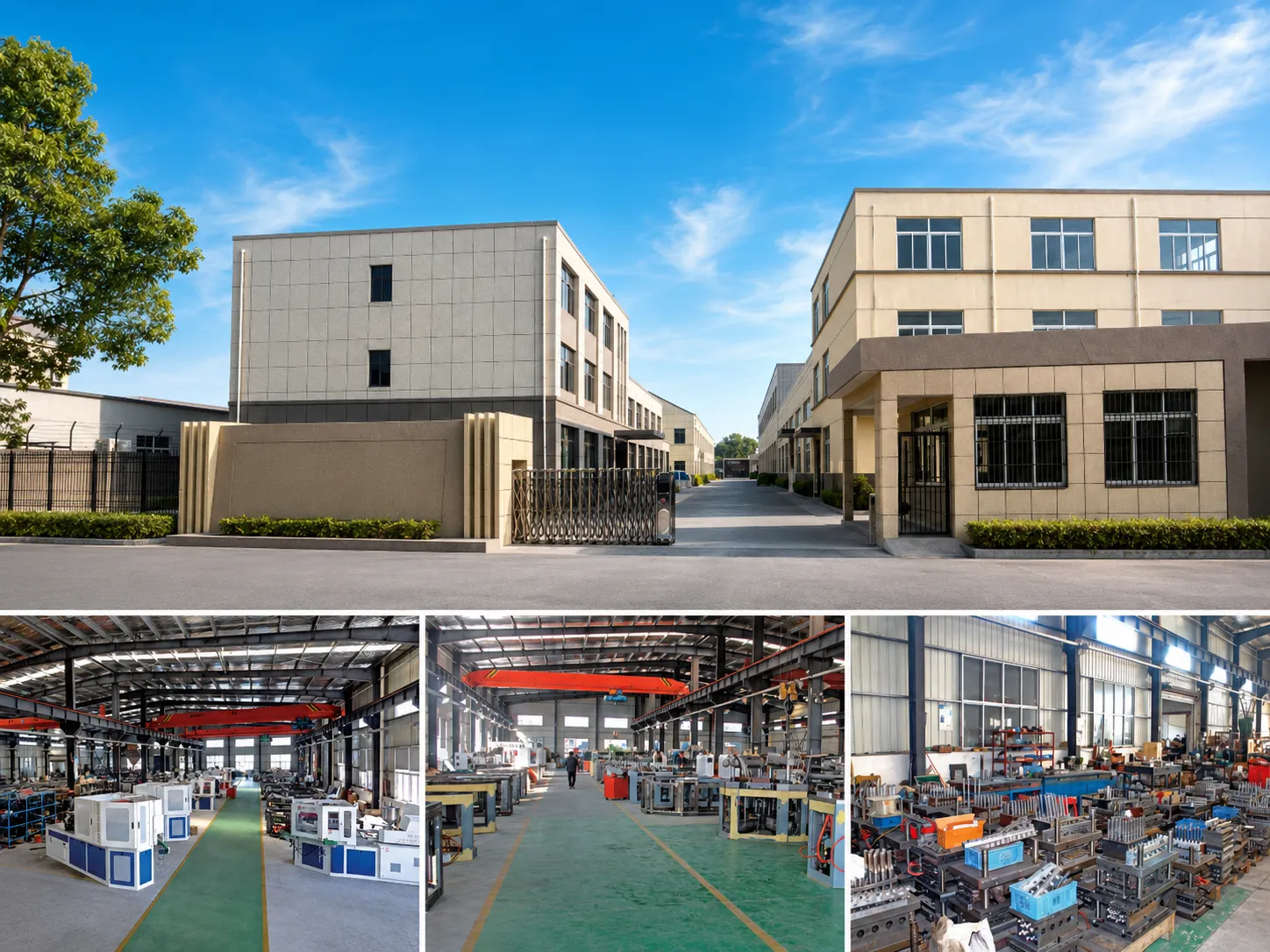
يتبع اختيار آلات سلسلة ZQ لشركة IBM الكورية المتخصصة في تصنيع الأدوية بتقنية CRC نفس إطار الحجم السنوي المتبع مع أنواع الأدوية الأخرى من IBM. ويكمن الاعتبار الخاص بتقنية CRC في أن حاويات CRC ذات الحجم نفسه تسمح عادةً بعدد أقل من التجاويف لكل نموذج ZQ مقارنةً بحاويات غير CRC ذات الحجم نفسه، وذلك لأن القطر الخارجي الأكبر لعنق حبة التثبيت في CRC (عادةً ما يكون القطر الخارجي للحبة أكبر بمقدار 1.6-3.0 مم من القطر الخارجي الاسمي للعنق) يزيد من متطلبات تثبيت الحقن لكل تجويف، بالإضافة إلى مساحة سطح التلامس لكل تجويف.
مصفوفة اختيار ZQ · CRC IBM @ 60 مل 28/400 دفع ودوران (HDPE MI 0.6)
| موديل ZQ | CAV @ 60ml CRC | زجاجات/ساعة | الحد الأقصى السنوي | نبذة عن شركة سي آر سي فارما الكورية |
|---|---|---|---|---|
| EP-ZQ40 | 6-8 | حوالي 4800–6400 | ~16.8–22.4 مليون | شركة أدوية كورية ناشئة، تجربة سريرية كورية لسرطان القولون والمستقيم، مرض نادر يصيب الأطفال في كوريا |
| EP-ZQ60 | 10-12 | ~8000–9600 | ~28.0–33.6 مليون | أدوية كورية متوسطة الحجم للأطفال، أدوية كورية عامة لعلاج سرطان القولون والمستقيم |
| EP-ZQ80 ★ | 14 | ~11,200 | حوالي 39.2 مليون | علامة تجارية كورية وطنية للمضادات الحيوية للأطفال CRC OEM - منصة مرجعية |
| EP-ZQ110 | 18 | ~14,400 | حوالي 50.4 مليون | شركة كورية كبيرة لتعبئة الأدوية بموجب عقود مع شركة CRC، وعلامة تجارية كورية رئيسية لأدوية الأطفال |
| EP-ZQ135 | 22 | ~17,600 | حوالي 61.6 مليون | سلسلة التوريد الوطنية الكورية للمضادات الحيوية للأطفال، وإمدادات المستشفيات الكورية على نطاق واسع |
ال EP-ZQ80 تُعدّ آلة تصنيع الأقراص المضغوطة (CRC) ذات 14 تجويفًا وسعة 60 مل المعيار الكوري لتصنيع الأقراص المضغوطة في غرف الأبحاث النظيفة التابعة لشركة IBM، حيث تُغطي إنتاج 39 مليون وحدة من شراب الأطفال CRC سنويًا لكل وردية عمل كورية، وذلك باستخدام آلة واحدة مؤهلة وفقًا لمعايير التصنيع الجيد للأدوية (GMP) الصادرة عن إدارة الغذاء والدواء الكورية (KFDA). يُقلل نظام ZQ80 الهيدروليكي المزدوج (قياسي، موفر للطاقة 20-30%) من حمل نظام التكييف والتهوية في غرف الأبحاث النظيفة الكورية لإنتاج الأقراص المضغوطة. كما تضمن آلية تقسيم الزاوية في الآلة أن يظل الانحراف المعياري لقطر القرص الخارجي بين التجاويف (±1.8% CV% عند 14 تجويفًا في ZQ80) أقل بكثير من مواصفات ±0.05 مم عند النسبة المئوية 99.7 من توزيع الإنتاج، وهو ما أكدته تقارير شركة إيفر-باور الكورية قبل التسليم بشأن استدارة قطر القرص الخارجي وأبعاد التجاويف، والتي تُقدم مع كل عملية تسليم لآلة تصنيع الأقراص المضغوطة من IBM.
أسئلة وأجوبة في الهندسة
أسئلة هندسية من شركة CRC للأدوية وشركة IBM
لماذا تُعتبر عملية النفخ بالقولبة من شركة IBM هي العملية الوحيدة القابلة للتطبيق في تصنيع عبوات الأدوية الكورية ذات الغلاف البلاستيكي؟
تُعدّ تقنية IBM عملية التشكيل بالنفخ الوحيدة المُجدية لتصنيع عبوات الأدوية الكورية ذات نظام التغليف الدائري (CRC)، وذلك لأنّ متطلبات التفاوت المسموح به لقطر حافة التداخل في نظام التغليف الدائري (CRC) وفقًا للمعيار الكوري KS M ISO 8317 (±0.06 مم) تقع ضمن نطاق قدرة عملية IBM الأصلية (±0.05 مم)، ولكنها تتجاوز التفاوت المسموح به الذي يمكن تحقيقه بتقنية EBM (±0.15–0.25 مم) بمقدار 2.5 إلى 4 أضعاف كحد أقصى. وهذا ليس فرقًا بسيطًا يمكن معالجته بشكل ثانوي: إذ إنّ عمليات توسيع عنق العبوة بتقنية EBM لها تفاوتها البُعدي الخاص (عادةً ما يكون ±0.08–0.12 مم) والذي يُعادل أو يتجاوز نطاق التفاوت المسموح به بالكامل في معيار ISO 8317 (±0.06 مم). حتى لو تم توسيع تجاويف كل حاوية من حاويات EBM بدقة تصل إلى ±0.06 مم من القطر الخارجي الاسمي للخرزة، فإن التباين بين دورات عملية التوسيع يتسبب في خروج جزء من دفعة الإنتاج عن النطاق المسموح به عند طرفي التفاوت. وتقوم لجنة اختبار بشرية كورية (KS M ISO 8317) باختبار جميع المشاركين (200 بالغ و200 طفل) باستخدام نفس نوع الحاوية، لذا فإن أي تباين منتظم في القطر الخارجي عبر دفعة الإنتاج (الذي ينتج عن عملية EBM مع التوسيع) سيؤدي إلى ظهور نسبة من الحاويات التي إما لا تفي بمعايير مقاومة الأطفال (واسعة جدًا) أو لا تفي بمعايير سهولة استخدام البالغين (ضيقة جدًا). تتغلب IBM على هذه المشكلة هيكليًا: حيث ينتج قالب حقن IBM جميع التجاويف بدقة ±0.05 مم اسميًا دون أي معالجة ثانوية، ودون أي تباين بين دورات التوسيع، ودون أي سلسلة عمليات يمكن أن تُدخل فيها عملية ثانوية قيمًا شاذة في الأبعاد. هذه الميزة الهيكلية هي السبب في قبول الهيئات التنظيمية الصيدلانية الكورية لحاويات IBM CRC على أساس وثائق الأبعاد الخاصة بتأهيل آلة IBM والقالب فقط، دون الحاجة إلى التحقق من المعالجة الثانوية - وهو تبسيط لا يمكن تحقيقه باستخدام EBM + التوسيع.
ما الذي يتسبب في فشل عبوة دواء كورية من إنتاج شركة IBM في اختبارات إمكانية الوصول للبالغين؟
تُعزى حالات فشل فتح عبوات الأدوية الكورية من نوع CRC، التي خضعت لاختبارات من قبل شركة IBM، إلى ثلاثة أسباب تتعلق بسهولة الوصول إليها من قبل البالغين - حيث لم يتمكن أكثر من 151 شخصًا من أصل 200 شخص بالغ (تتراوح أعمارهم بين 50 و70 عامًا) من فتح العبوة خلال 5 دقائق. أولًا، تجاوز قطر حافة العبوة الحد الأعلى للمواصفات: فزيادة قطر حافة العبوة عن القيمة الاسمية بمقدار 0.05 مم تزيد من قوة الضغط اللازمة لإغلاق غطاء العبوة، مما يتجاوز قدرة الشخص الكوري المسن على الإمساك بها والضغط عليها - وبالتالي تصبح العبوة غير قابلة للفتح من قبل الأطفال، وبالتالي لا تفي بمعايير سهولة الوصول للبالغين. التشخيص: قياس قطر حافة العبوة من جميع التجاويف التي يكون قطرها قريبًا من الحد الأعلى للمواصفات أو أعلى منه. السبب الجذري: زيادة قطر حافة إدخال عنق قالب الحقن عن القيمة الاسمية (يتطلب ذلك إعادة قياس الإدخال، وربما إعادة تشكيله). أو انكماش البولي إيثيلين عالي الكثافة (HDPE) أقل من المتوقع (يحدث ذلك عندما تكون درجة حرارة القالب أقل من خط الأساس المعتمد، مما ينتج عنه تبلور أقل وبالتالي انكماش أقل، وقطر خارجي أكبر للخرزة من تعويض الانكماش المتوقع - يجب زيادة تبريد منطقة عنق القالب إلى نقطة الضبط المقصودة). ثانيًا، نصف قطر حاد جدًا لملف تعريف الخرزة: ينتج عن ملف تعريف الخرزة الزاوي (نصف القطر < 0.3 مم) دالة خطوة في قوة تعشيق غطاء CRC - ترتفع القوة المطلوبة بشكل حاد عندما يتعشق ترس الغطاء مع الخرزة، بدلاً من أن تتراكم تدريجيًا، مما يجعل التعشيق يبدو مفاجئًا ومقاومًا. يجب أن يكون نصف قطر ملف تعريف خرزة IBM R 0.3-0.6 مم كما هو محدد في القسم 4. ثالثًا، تمدد زحف البولي إيثيلين عالي الكثافة (HDPE) للقطر الخارجي الفعال للخرزة: إذا تم تخزين حاوية IBM المصنوعة من البولي إيثيلين عالي الكثافة (HDPE) في درجة حرارة مرتفعة قبل اختبار ISO 8317 (أعلى من 30 درجة مئوية لفترات طويلة)، فقد تزحف الخرزة للخارج تحت قوة التعشيق المستمرة من غطاء CRC المطبق مسبقًا، مما يؤدي فعليًا إلى توسيع القطر الخارجي للخرزة فوق القيمة الاسمية. ينبغي على العلامات التجارية الصيدلانية الكورية أن تحدد أن حاويات IBM المستخدمة لاختبار ISO 8317 لم تتعرض لدرجات حرارة أعلى من 25 درجة مئوية بعد الإنتاج، وينبغي إجراء اختبار ISO 8317 في غضون 90 يومًا من إنتاج IBM لتجنب الانحراف الحراري في OD الخرز في عينة الاختبار.
هل يجب تحديد القطر الخارجي لحافة التعشيق CRC بشكل منفصل عن رسم مورد غطاء CRC الكوري، أم أن قالب IBM يتبع القيم الاسمية لمورد الغطاء؟
يجب تحديد القطر الخارجي لحافة تثبيت حاوية IBM بشكل منفصل عن الرسم الاسمي لتثبيت غطاء CRC الخاص بالمورد الكوري - فلا يمكن ببساطة اتباع القطر الاسمي للغطاء دون مراعاة التداخل المصمم لنظام التثبيت. تعمل آلية CRC التي تعمل بالدفع والدوران عن طريق تعشيق سقاطة تثبيت غطاء CRC مع حافة عنق الزجاجة بتداخل مصمم: قطر تعشيق سقاطة الغطاء أصغر عمدًا من القطر الخارجي الاسمي للحافة بمقدار التداخل المصمم (عادةً 0.10-0.20 مم، كما هو محدد من قبل الشركة المصنعة الكورية لغطاء CRC). إذا كان القطر الخارجي لحافة حاوية IBM مساويًا للقطر الاسمي لسقاطة تثبيت غطاء CRC - بدون التداخل المصمم - فإن السقاطة تنزلق فوق الحافة دون تثبيت، مما ينتج عنه حاوية تفي بمعايير سهولة الوصول للبالغين (يسهل فتحها) ولكنها تفشل في مقاومة الأطفال (يمكن للأطفال أيضًا فتحها بسهولة). المواصفات الصحيحة لقطر حافة IBM الخارجي هي: القطر الاسمي لسقاطة التثبيت من مورد غطاء CRC الكوري + التداخل المصمم (من رسم المكون المتوافق لمورد غطاء CRC) = القطر الاسمي لحافة حاوية IBM الخارجي، مع تطبيق سماحية IBM ±0.05 مم. تشترط شركة Ever-Power الكورية على العلامة التجارية الصيدلانية الكورية تقديم رسم التثبيت من مورد غطاء CRC الكوري قبل تصنيع إدخال عنق IBM باستخدام آلة CNC - يُستمد البعد الاسمي للقطر الخارجي للحافة المصنعة في إدخال العنق من رسم غطاء CRC، وليس من معيار IBM صيدلاني عام. بدون رسم مورد الغطاء هذا، لا يمكن تحديد أبعاد إدخال عنق قالب IBM بشكل صحيح، ومن المرجح أن يفشل اختبار ISO 8317 في أول تقديم.
هل يمكن لجهاز ZQ نفسه تشغيل كل من تنسيقات IBM الصيدلانية CRC وغير CRC؟
نعم، يمكن لآلة سلسلة ZQ نفسها تشغيل قوالب IBM الصيدلانية من نوع CRC وغير CRC باستخدام مجموعات قوالب مختلفة، حيث تُخزَّن وصفة إنتاج كل مجموعة قوالب في نظام التحكم ZQ ويستدعيها المشغل عند تغيير القالب. فعلى سبيل المثال، يمكن لآلة ZQ80 التي تُشغِّل مجموعة قوالب شراب الأطفال CRC سعة 60 مل ذات 14 تجويفًا (HDPE MI 0.6، ضغط التثبيت 70%، تبريد العنق 13 درجة مئوية) تشغيل مجموعة قوالب طب العيون سعة 10 مل ذات 20 تجويفًا (HDPE MI 0.4، ضغط التثبيت 60%، تبريد العنق 15 درجة مئوية) بعد تغيير القالب واستدعاء الوصفة - لا تتغير مكونات الآلة بين النوعين. مع ذلك، فإن تأهيل عبوات الأدوية وفقًا لمعايير إدارة الغذاء والدواء الكورية (KFDA) خاص بكل عبوة على حدة: فمجموعة قوالب CRC سعة 60 مل ومجموعة قوالب طب العيون سعة 10 مل تتطلب كل منهما ملفًا تقنيًا منفصلاً يتضمن تقارير أبعاد كل تجويف على حدة، على الرغم من إنتاجهما على نفس الرقم التسلسلي لآلة ZQ80 ولكن من مجموعات قوالب مختلفة. ينبغي على منتجي الأدوية الكورية الذين يستخدمون تقنية IBM تحديد مجموعتي القوالب في وثائق تأهيل الآلة، وذلك بتسجيل الرقمين التسلسليين لكل قالب مقابل الرقم التسلسلي لآلة ZQ80 في ملف الإنتاج الرئيسي الخاص بهم وفقًا لممارسات التصنيع الجيدة الكورية (GMP)، لدعم عملية التدقيق اللازمة لعمليات التفتيش التي تجريها إدارة سلامة الأغذية والأدوية الكورية (MFDS) على إنتاج الأدوية متعددة الأشكال باستخدام تقنية IBM على نفس الآلة.
كيف يتم التحقق من قطر خرزة التفاعل من شركة IBM بعد تسليم قالب شركة Ever-Power الكورية وقبل تقديم طلب التأهيل إلى إدارة الغذاء والدواء الكورية (KFDA)؟
يستخدم نظام التحقق من القطر الخارجي لخرزة التثبيت من IBM، والمُستخدم في تأهيل شهادة CRC الكورية (KFDA)، بروتوكول قياس مُحدد يختلف عن قياس القطر الخارجي القياسي لعنق العبوة في المستحضرات الصيدلانية. يعتمد القياس القياسي على استخدام مقياس رقمي تلامسي أو مقياس ليزر لقياس القطر الخارجي، حيث يقيس أكبر قطر للعنق في مستوى واحد. أما قياس القطر الخارجي لخرزة التثبيت في نظام CRC فيتطلب ما يلي: (1) القياس عند 4 زوايا حول محيط الخرزة (0°، 90°، 180°، 270°) لكل عبوة، وذلك للتأكد من استدارة الخرزة (انحراف عن الاستدارة ≤ 0.04 مم TIR) بالإضافة إلى القطر الخارجي الاسمي للخرزة؛ (2) القياس عند نقطة أقصى قطر للخرزة (أعلى نقطة للخرزة فوق أسطوانة العنق)، باستخدام مسبار تلامسي متدرج بدلاً من المقياس التقليدي، لأن فكي المقياس التقليدي اللذين يغطيان قطر العنق بالكامل يقيسان متوسط القطر الخارجي للعنق وليس أقصى قطر للخرزة. (3) التحليل الإحصائي: 30 قياسًا لكل تجويف (120 قراءة قياس لكل تجويف لبروتوكول الوضع الزاوي الرباعي) عبر جميع تجاويف الإنتاج، مع تأكيد قيمة Cpk ≥ 1.33 لقطر الخرزة الخارجي وفقًا للمواصفات الاسمية ±0.05 مم. تستخدم شركة Korea Ever-Power نظام قياس مخصصًا لقطر الخرزة الخارجي باستخدام مقياس التلامس المتدرج خلال تجربة الإنتاج قبل التسليم، مع إخراج البيانات مباشرةً إلى نموذج تقرير الأبعاد الخاص بقطر الخرزة الخارجي لكل تجويف، وهو النموذج المطلوب لتقديم الملف الفني لحاويات الأدوية الكورية. لا يتوفر نظام القياس المخصص هذا في معظم مرافق إنتاج حاويات IBM الكورية - تقدم Korea Ever-Power تقرير قطر الخرزة الخارجي قبل التسليم تحديدًا لأن بيانات القياس المتخصصة هذه لا يمكن عادةً إعادة إنتاجها في منشأة إنتاج العميل الكوري دون دعم أدوات القياس من Korea Ever-Power.
ماذا يحدث لمقاومة الأطفال في عبوات الأدوية الكورية CRC IBM خلال فترة صلاحية المنتج التي تبلغ 24 شهرًا؟
تتغير مقاومة عبوات الأدوية الكورية من نوع IBM، المزودة بنظام CRC، للأطفال خلال فترة صلاحيتها في كوريا (24 شهرًا) عبر آليتين: انحراف القطر الخارجي لحافة تثبيت البولي إيثيلين عالي الكثافة (HDPE)، وإجهاد زنبرك غطاء نظام CRC. انحراف القطر الخارجي لحافة التثبيت على جانب العبوة: يستمر تبلور البولي إيثيلين عالي الكثافة ببطء في درجات حرارة التخزين الكورية المحيطة (15-25 درجة مئوية في الصيدليات، 10-30 درجة مئوية في المنازل) لمدة تتراوح بين 6 و12 شهرًا تقريبًا بعد الإنتاج. خلال هذه الفترة، ينخفض القطر الخارجي للحافة عادةً بشكل طفيف (0.01-0.03 مم) نتيجة استمرار تكثيف الطور البلوري. يؤدي هذا الانخفاض الطفيف في القطر الخارجي إلى زيادة طفيفة في تداخل تثبيت نظام CRC، مما يجعل العبوة أكثر مقاومة للأطفال بشكل طفيف بعد 6-12 شهرًا مقارنةً بفترة الإنتاج، وهو تغيير متحفظ بشكل عام لأغراض الامتثال لهيئة الغذاء والدواء الكورية (KFDA). بعد 12 شهرًا، يكتمل تبلور البولي إيثيلين عالي الكثافة، ويصبح القطر الخارجي للحافة مستقرًا طوال الفترة المتبقية من فترة الصلاحية البالغة 24 شهرًا في ظل ظروف التخزين الدوائية الكورية العادية. إجهاد زنبرك تروس غطاء CRC (مشكلة في الغطاء نفسه وليست في عبوة IBM): تفقد أسنان زنبرك تروس غطاء CRC المصنوعة من البولي بروبيلين ما يقارب 8-15% من معامل مرونتها خلال 24 شهرًا عند التخزين في كوريا بدرجة حرارة 20-25 درجة مئوية، مما يقلل قليلاً من قوة الضغط المطلوبة لضغط التروس على حافة العبوة، وربما يزيد من نسبة البالغين الكوريين الذين يمكنهم فتح العبوة في إعادة اختبار ISO 8317 بعد 24 شهرًا. يجب على شركات الأدوية الكورية التي تحدد عبوات CRC لفترة صلاحية 24 شهرًا في كوريا التحقق مع مورد أغطية CRC الكوري من أن بيانات إجهاد زنبرك تروس الغطاء (الاحتفاظ بمعامل المرونة بعد 24 شهرًا في ظروف التخزين الكورية) تدعم استمرار الامتثال لمعيار ISO 8317 الخاص بسهولة وصول البالغين ومقاومة الأطفال طوال فترة الصلاحية - فثبات القطر الخارجي لحافة عبوة IBM ليس هو العامل المحدد، بل أداء مادة الغطاء.
استفسار من شركة سي آر سي للأدوية وشركة آي بي إم · كوريا إيفر باور
هل تخطط شركة كورية لإنتاج حاويات IBM للأدوية CRC؟
توفر شركة Korea Ever-Power تأهيل الأبعاد الخارجية لخرزات CRC من تجربة الإنتاج قبل التسليم، وحاويات عينات الاختبار الكورية KS M ISO 8317، وحزمة توثيق KFDA GMP، واختيار آلات سلسلة ZQ لإنتاج حاويات الأدوية الكورية CRC IBM بجميع أحجام الإنتاج السنوية.