पीपी आईबीएम · पॉलीप्रोपाइलीन · ऑटोक्लेव · हॉट-फिल · कोरिया एवर-पावर जेडक्यू सीरीज
पीपी आईबीएम:
polypropylene इंजेक्शन ब्लो मोल्डिंग गाइड
पॉलीप्रोपाइलीन आईबीएम उन अनुप्रयोगों को कवर करता है जहां एचडीपीई की तापीय सीमाएं (एचडीटी 70-85°C) कंटेनर के उपयोग को रोकती हैं - 121°C पर ऑटोक्लेव नसबंदी, 65°C से ऊपर गर्म भराई, और ऐसे फॉर्मूलेशन के साथ रासायनिक संपर्क जो एचडीपीई ईएससीआर विफलता का कारण बनते हैं। पीपी की उच्च एचडीटी (100-120°C), कुछ विलायकों के प्रति बेहतर रासायनिक प्रतिरोध, और स्वच्छ पारदर्शी उपस्थिति इसे कोरियाई फार्मास्युटिकल टर्मिनल नसबंदी, कोरियाई खाद्य गर्म भराई और कोरियाई प्राकृतिक/जैविक व्यक्तिगत देखभाल पैकेजिंग के लिए उपयुक्त आईबीएम सामग्री बनाती है।
गर्म पानी से भरें ≥ 65°C
एचडीटी 100–120°C
कोरिया की सर्वशक्ति · आनसान-सी, ग्योंगगी-डो · जुलाई 2026
सिस्टम संदर्भ · पीपी आईबीएम मुख्य पैरामीटर बनाम एचडीपीई आईबीएम
पीपी एचडीटी
100–120 डिग्री सेल्सियस
एचडीपीई बनाम 70-85°C — ऑटोक्लेव और हॉट-फिलिंग को सक्षम बनाता है, जो एचडीपीई सहन नहीं कर सकता।
बैरल तापमान
200–260 डिग्री सेल्सियस
एचडीपीई की तुलना में 195-225 डिग्री सेल्सियस — पीपी इंजेक्शन मोल्डिंग के लिए उच्च गलनांक तापमान
पीपी वॉल हेज़
5–151टीपी3टी
0.6 मिमी दीवार पर आरसीपी - समान दीवार पर एचडीपीई (20–351टीपी3टी) की तुलना में काफी अधिक स्पष्ट।
ZQ80 आउटपुट @ 60ml पीपी
लगभग 13,500/घंटा
18 कैविटी · लगभग 47 मिलियन यूनिट/वर्ष (कोरियाई 2-शिफ्ट बेंचमार्क)
अनुभाग 01
पीपी आईबीएम बनाम एचडीपीई आईबीएम — पीपी कब चुनें
पीपी बनाम एचडीपीई आईबीएम चयन मैट्रिक्स — पीपी का चयन कब करें:
भरने का तापमान ≥ 65°C
एचडीपीई एचडीटी 70–85°C — कोरियाई गर्म भराई तापमान पर मामूली या विफल प्रदर्शन करता है। पीपी एचडीटी 100–120°C — कंटेनर विरूपण के बिना 65–85°C पर गर्म भराई को संभालता है। कोरियाई शहद, खाना पकाने का तेल, गर्म प्रक्रिया सॉस की गर्म भराई के लिए पीपी आईबीएम का उपयोग निर्दिष्ट है।
121°C पर ऑटोक्लेव द्वारा नसबंदी
एचडीपीई 121°C के स्टीम ऑटोक्लेव में खराब हो जाता है — इस तापमान पर यह विकृत हो जाता है। पीपी होमोपॉलिमर एचडीटी 110–120°C मानक 121°C/15 मिनट के ऑटोक्लेव चक्र को बिना आकार में परिवर्तन के सहन कर सकता है। कोरियाई टर्मिनली स्टेरिलाइज्ड फार्मास्युटिकल कंटेनर पीपी आईबीएम को निर्दिष्ट करते हैं।
पारदर्शी दिखावट की प्राथमिकता
पीपी की दीवार पर धुंधलापन (0.6 मिमी पर 5–15%) एचडीपीई (समान दीवार पर 20–35%) की तुलना में काफी कम होता है। कोरियाई प्राकृतिक/जैविक व्यक्तिगत देखभाल ब्रांड और कोरियाई क्लीन-लेबल खाद्य ब्रांड पूरी तरह से पारदर्शी पीईटी/पीसीटीजी की आवश्यकता के बिना पीपी की स्वच्छ, अधिक पारदर्शी सतह को प्राथमिकता देते हैं।
अन्य सभी अनुप्रयोगों के लिए एचडीपीई को प्राथमिकता दी जाती है — एचडीपीई कम तापमान पर संसाधित होता है (कम चक्र समय), इसकी रेज़िन लागत कम होती है और सर्फेक्टेंट युक्त घरेलू/व्यक्तिगत देखभाल उत्पादों के लिए इसका ईएससीआर उच्च होता है। अधिकांश कोरियाई कंटेनर अनुप्रयोगों के लिए पीपी आईबीएम की दूसरी पसंद की सामग्री है, पहली पसंद नहीं।
एचडीपीई ग्रेड चयन, एमआई रेंज, बैरल तापमान प्रोफाइल और कोरियाई फार्मास्युटिकल अनुपालन को कवर करने वाली विस्तृत एचडीपीई आईबीएम प्रोसेसिंग गाइड इसमें शामिल है। एचडीपीई आईबीएम गाइडयह गाइड विशेष रूप से पीपी आईबीएम पर केंद्रित है - पीपी रेजिन के तीन प्रकार, उनकी आईबीएम-विशिष्ट प्रसंस्करण विशेषताएं और कोरियाई अनुप्रयोग जहां पीपी, आईबीएम कंटेनर सामग्री के रूप में एचडीपीई से बेहतर प्रदर्शन करता है।
अनुभाग 02
आईबीएम के लिए पीपी रेज़िन के प्रकार — होमोपॉलिमर, रैंडम कोपॉलिमर, ब्लॉक कोपॉलिमर
आईबीएम के लिए पीपी तीन संरचनात्मक रूपों में आता है — होमोपॉलिमर (एचपीपी), रैंडम कोपॉलिमर (आरसीपी) और ब्लॉक कोपॉलिमर (बीसीपी) — जिनमें से प्रत्येक को अलग-अलग एथिलीन कोमोनोमर सामग्री और वितरण के साथ प्रोपलीन पॉलीमराइजेशन को संशोधित करके उत्पादित किया जाता है। कोरियाई के लिए सही पीपी प्रकार आईबीएम कंटेनर यह मुख्य रूप से इस बात पर निर्भर करता है कि ऑटोक्लेव की ताप प्रतिरोधकता, प्रकाशीय स्पष्टता या प्रभाव प्रतिरोधकता अनुप्रयोग का प्राथमिक चालक है या नहीं।
होमोपॉलिमर पीपी
रैंडम कोपॉलिमर पीपी
ब्लॉक कॉपोलिमर पीपी
एचडीटी / कठोरता
110–120°C / उच्च
एचडीटी / कठोरता
95–105°C / मध्यम
एचडीटी / कठोरता
100–110°C / मध्यम-उच्च
उच्चतम कठोरता और ताप प्रतिरोधकता। एथिलीन की मात्रा 0%। ऑटोक्लेव के लिए सर्वोत्तम उपयुक्तता (121°C तक तापमान सहन कर सकता है)। 0°C से नीचे सबसे अधिक भंगुर - कोरियाई कोल्ड-चेन फार्मास्युटिकल कंटेनरों के लिए उपयुक्त नहीं। समान दीवार पर BCP की तुलना में अधिक पारदर्शिता। कोरियाई फार्मास्युटिकल ऑटोक्लेव और कोरियाई चिकित्सा उपकरण कंटेनरों के लिए उपयुक्त।
पीपी श्रृंखला में एथिलीन की मात्रा 2–6% तक अनियमित रूप से वितरित होती है। एचपीपी की तुलना में एचडीटी कम होता है, लेकिन कम तापमान पर बेहतर प्रभाव दिखाता है। पीपी प्रकारों में सबसे अच्छी ऑप्टिकल स्पष्टता - 0.6 मिमी दीवार पर धुंधलापन 5–12%। कोरियाई खाद्य पदार्थों के लिए हॉट-फिल कंटेनर, कोरियाई प्राकृतिक सौंदर्य प्रसाधन कंटेनर, कोरियाई बोतलबंद पानी के ढक्कन में उपयोग किया जाता है। कोरियाई व्यक्तिगत देखभाल आईबीएम के लिए सबसे आम पीपी।
पीपी श्रृंखला के भीतर ब्लॉकों में एथिलीन की मात्रा 5–15% होती है। कम तापमान पर उत्कृष्ट प्रभाव (–20°C पर भी तन्य)। एचपीपी/आरसीपी की तुलना में कम स्पष्टता (रबर ब्लॉक प्रकाश को बिखेरते हैं - धुंधलापन 15–25%)। ठंडे मौसम में वितरण के लिए कोरियाई घरेलू रासायनिक कंटेनर, कोरियाई बाहरी उत्पाद कंटेनर। कोरियाई खाद्य/फार्मा आईबीएम में कम प्रचलित।
| संपत्ति | एचपीपी | आरसीपी ★ | बीसीपी | एचडीपीई (संदर्भ) |
|---|---|---|---|---|
| 0.45 एमपीए पर एचडीटी | 110–120 डिग्री सेल्सियस | 95–105 डिग्री सेल्सियस | 100–110 डिग्री सेल्सियस | 70–85 डिग्री सेल्सियस |
| दीवार पर धुंध (0.6 मिमी) | 8–141टीपी3टी | 5–121टीपी3टी | 15–251टीपी3टी | 20–351टीपी3टी |
| फ्लेक्सुरल मॉड्यूलस | 1.5–2.0 जीपीए | 0.8–1.3 जीपीए | 1.0–1.6 जीपीए | 0.7–1.4 जीपीए |
| ठंडे तापमान का प्रभाव | भंगुर < 0°C | मध्यम से -10 डिग्री सेल्सियस | -20°C तक के तापमान के लिए उपयुक्त। | -40°C तक के तापमान के लिए उपयुक्त |
| रेजिन की लागत बनाम एचडीपीई | +20–351टीपी3टी | +25–401टीपी3टी | +15–301टीपी3टी | संदर्भ |
★ आरसीपी कोरियाई पर्सनल केयर और खाद्य आईबीएम के लिए सबसे अधिक निर्दिष्ट पीपी है - यह अच्छी ऑप्टिकल स्पष्टता को पर्याप्त गर्म-भरण ताप प्रतिरोध और एचपीपी की तुलना में बेहतर ठंडे तापमान प्रदर्शन के साथ संतुलित करता है।
अनुभाग 03
पीपी आईबीएम के एचडीपीई आईबीएम पर प्रमुख लाभ
एडवांटेज 01 — थर्मल
एचडीटी 100–120°C
PP कोरियाई हॉट-फिल (65–85°C) और ऑटोक्लेव स्टेरिलाइज़ेशन (121°C) प्रक्रियाओं को सहन कर लेता है, जो HDPE कंटेनरों को स्थायी रूप से विकृत कर देती हैं। अंतिम रूप से स्टेरिलाइज़ किए गए कोरियाई फार्मास्युटिकल तरल पदार्थों के लिए PP IBM कंटेनर आयामी सटीकता (ऑटोक्लेव के बाद नेक थ्रेड OD ±0.05 mm बरकरार) बनाए रखते हैं — यह कोरिया एवर-पावर द्वारा 121°C/15 मिनट/1 बार पर HPP IBM कंटेनरों के लिए किए गए ऑटोक्लेव सिमुलेशन परीक्षण में सत्यापित किया गया है।
एडवांटेज 02 — ऑप्टिकल
हेज़ 5–151टीपी3टी
0.6 मिमी मोटाई वाली PP RCP IBM सामग्री 5–12% धुंधलापन प्राप्त करती है — जो समान मोटाई वाली HDPE (20–35%) की तुलना में काफी अधिक स्पष्ट है। कोरियाई प्राकृतिक/जैविक ब्रांड, जो HDPE के धुंधलेपन से मुक्त "स्वच्छ, प्राकृतिक रूप" चाहते हैं, व्यक्तिगत देखभाल उत्पादों, शहद और प्राकृतिक पूरक पदार्थों के कंटेनरों के लिए RCP PP को प्राथमिकता देते हैं। PP की यह स्पष्टता बिना किसी योजक संशोधन के प्राप्त होती है — यह IBM की गैर-उन्मुख स्थिति में PP की अर्ध-क्रिस्टलीय संरचना की अंतर्निहित विशेषता है।
एडवांटेज 03 — पूर्व-सुखाने की आवश्यकता नहीं
सीधे चलाएँ
पीपी नमी-रोधी होता है—यह भंडारण या हैंडलिंग के दौरान वायुमंडलीय नमी को अवशोषित नहीं करता है। एबीएस (जिसे 4-6 घंटे तक सुखाने की आवश्यकता होती है) या पीईटी (जिसे 160°C पर 4-6 घंटे की आवश्यकता होती है) के विपरीत, पीपी आईबीएम को बिना किसी पूर्व-सुखाने की प्रक्रिया के सीधे बैग से ही उपयोग में लाया जा सकता है। कई सामग्रियों का उपयोग करने वाले कोरियाई आईबीएम उत्पादकों के लिए, पीपी की सुखाने की आवश्यकता न होने से मशीन का स्टार्टअप समय कम हो जाता है और एबीएस आईबीएम कॉस्मेटिक कंटेनर उत्पादन के लिए आवश्यक डेसिकेंट ड्रायर की पूंजी और रखरखाव लागत समाप्त हो जाती है।
अनुभाग 04
पीपी आईबीएम प्रोसेसिंग पैरामीटर
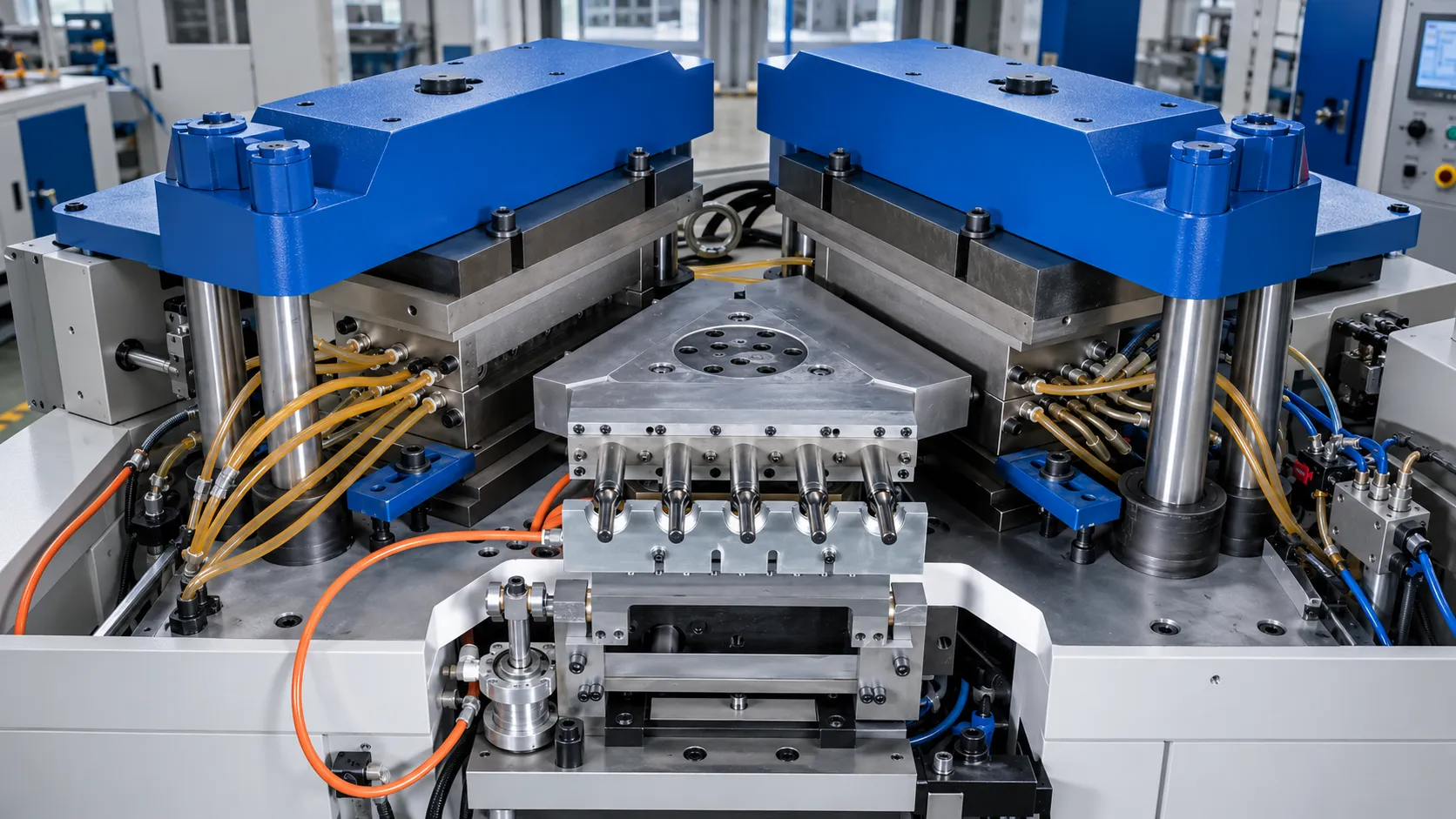
| पैरामीटर | एचपीपी (फार्मा/ऑटोक्लेव) | आरसीपी (भोजन/व्यक्तिगत देखभाल) ★ | एचडीपीई आईबीएम (संदर्भ) |
|---|---|---|---|
| बैरल ज़ोन 1 (चारा) | 200–215 डिग्री सेल्सियस | 190–210 डिग्री सेल्सियस | 185–200 डिग्री सेल्सियस |
| बैरल जोन 2 (पिघलना) | 220–240 डिग्री सेल्सियस | 210–230 डिग्री सेल्सियस | 200–218 डिग्री सेल्सियस |
| इंजेक्शन नोजल | 235–260 डिग्री सेल्सियस | 220–250 डिग्री सेल्सियस | 210–225 डिग्री सेल्सियस |
| इंजेक्शन दबाव | 100–155 एमपीए | 95–145 एमपीए | 85–135 एमपीए |
| मोल्ड तापमान (इंजेक्शन) | 18–28 डिग्री सेल्सियस | 18–28 डिग्री सेल्सियस | 14–22 डिग्री सेल्सियस |
| ब्लो ड्वेल (एचडीपीई की तुलना में अधिक समय तक) | +0.3–0.5 सेकंड बनाम एचडीपीई | +0.2–0.4 s बनाम एचडीपीई | संदर्भ |
| पहले से सुखाना आवश्यक है | नहीं — गैर-आर्द्रताशोषक | नहीं — गैर-आर्द्रताशोषक | नहीं — गैर-आर्द्रताशोषक |
★ आरसीपी प्रसंस्करण तापमान एथिलीन की मात्रा और ग्रेड के अनुसार भिन्न होते हैं — उच्च एथिलीन आरसीपी (5–6%) निर्दिष्ट सीमा के निचले सिरे पर संसाधित होते हैं; निम्न एथिलीन आरसीपी (2–3%) ऊपरी सिरे पर संसाधित होते हैं। विशिष्ट आरसीपी ग्रेड के लिए अपने पीपी रेज़िन आपूर्तिकर्ता की आईबीएम प्रसंस्करण अनुशंसाओं की पुष्टि करें।
⚠ अत्यधिक तापमान पर पीपी का क्षरण: उच्च तापमान पर PP, HDPE की तुलना में तेज़ी से विघटित होता है। 270°C से ऊपर PP की पिघलने की चिपचिपाहट तेज़ी से गिरती है और ऑक्सीकरण विघटन शुरू हो जाता है, जिससे पीला/भूरा रंग और आणविक भार में कमी आती है। PP IBM के लिए किसी भी बैरल ज़ोन का तापमान 270°C से अधिक न होने दें। यदि PP IBM उत्पादन में पीलापन दिखाई दे (पारदर्शी या सफेद PP कंटेनरों में पीली धारियाँ), तो अन्य बैरल ज़ोन का तापमान कम करने से पहले नोजल का तापमान 5-10°C कम करें। PP IBM उत्पादन में PP के ज़्यादा गरम होने का सबसे आम कारण नोजल का तापमान है। PP उत्पादन बंद करते समय PP को HDPE या पॉलीइथिलीन पर्ज कंपाउंड से पर्ज करें। निष्क्रिय तापमान (170°C से नीचे) पर बैरल में बचा हुआ PP विघटित हो सकता है और अगले PP उत्पादन बैच में रंग परिवर्तन का कारण बन सकता है।
अनुभाग 05
पीपी फार्मास्युटिकल आईबीएम — ऑटोक्लेव और चिकित्सा अनुप्रयोग
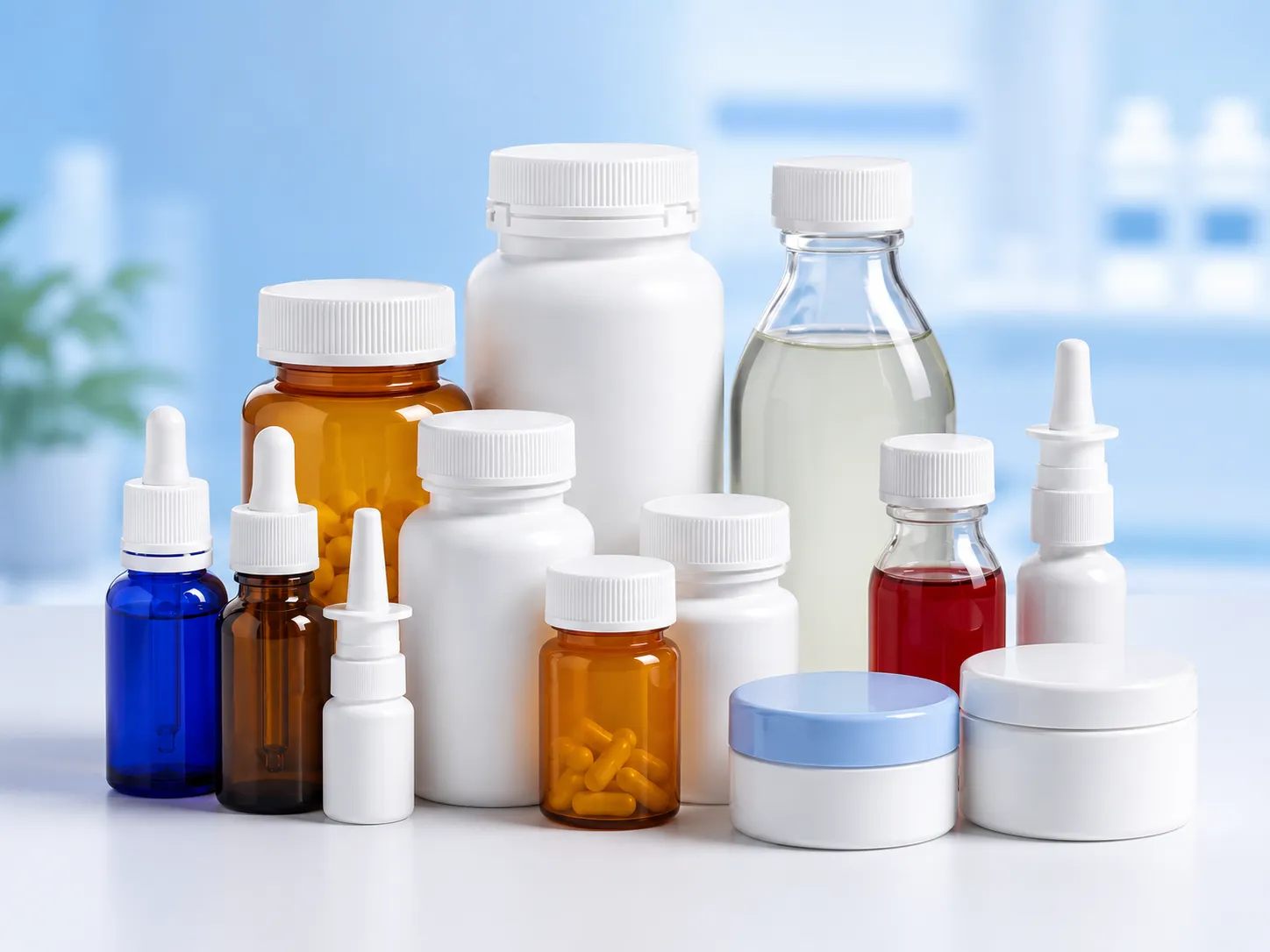
PP IBM फार्मास्युटिकल कंटेनरों को कोरियाई टर्मिनल स्टेरिलाइज़ेशन अनुप्रयोगों के लिए निर्दिष्ट किया गया है, जहाँ HDPE की HDT सीमा इसे अनुपयुक्त बनाती है। टर्मिनल स्टेरिलाइज़ेशन—फार्मास्युटिकल तरल को कंटेनर में भरना, सील करना, और फिर भरे हुए कंटेनर को ऑटोक्लेव या शुष्क ताप द्वारा स्टेरिलाइज़ करना—के लिए आवश्यक है कि प्राथमिक कंटेनर आयामी परिवर्तन के बिना स्टेरिलाइज़ेशन चक्र को सहन कर सके। इसलिए, कोरियाई फार्मास्युटिकल IBM में PP की भूमिका थर्मल क्षमता से संबंधित है, न कि रासायनिक प्रतिरोध से: कोरियाई फार्मास्युटिकल IBM के लिए PP और HDPE के बीच चयन मुख्य रूप से इस बात पर निर्भर करता है कि क्या कोरियाई फार्मास्युटिकल उत्पाद को टर्मिनल स्टेरिलाइज़ेशन की आवश्यकता है।
कोरियाई ऑटोक्लेव अनुप्रयोग
- ▸कोरियाई टर्मिनली स्टेरिलाइज्ड आइसोटोनिक सलाइन (0.9% NaCl) — IV इन्फ्यूजन बैग के प्राथमिक कंटेनर विकल्प और ओरल रिहाइड्रेशन सॉल्यूशन कंटेनर
- ▸कोरियाई प्रयोगशाला के नमूनों के लिए पीपी कंटेनर — मूत्र संग्रह, नमूना परिवहन, कोरियाई अस्पताल निदान किट पैकेजिंग
- ▸कोरियाई चिकित्सा उपकरण धोने के घोल के कंटेनर — एंजाइम क्लीनर, उपकरण भिगोने का घोल, कोरियाई अस्पतालों की आपूर्ति के लिए ऑटोक्लेवेबल पीपी आईबीएम कंटेनरों में पैक किया गया है।
ऑटोक्लेव आयामी स्थिरता
कोरिया एवर-पावर ने एचपीपी आईबीएम कंटेनर ऑटोक्लेव की आयामी स्थिरता को सत्यापित करने के लिए, डिलीवरी से पहले परीक्षण कंटेनरों को 121°C तापमान पर 1 बार के दबाव में 15 मिनट तक भाप के संपर्क में रखा (मानक कोरियाई फार्मास्युटिकल भाप नसबंदी चक्र)। ऑटोक्लेव से पहले और बाद में नेक थ्रेड ओडी, कंटेनर की ऊंचाई और आधार व्यास को मापा गया। उत्तीर्ण होने का मानदंड: ऑटोक्लेव से पहले के सभी नेक ओडी माप ±0.05 मिमी के भीतर रहे; कंटेनर की ऊंचाई में परिवर्तन नाममात्र मान से ≤ 0.5% रहा; आधार व्यास में परिवर्तन ≤ 0.5% रहा।
अनुभाग 06
पीपी फूड आईबीएम — हॉट-फिल और उच्च तापमान अनुप्रयोग
पीपी फूड आईबीएम कोरियाई पीपी आईबीएम अनुप्रयोग श्रेणियों में सबसे तेजी से विकसित हो रहा है। इसका मुख्य कारण कोरियाई खाद्य ब्रांडों का संरक्षण के लिए हॉट-फिल पैकेजिंग (परिरक्षक योजकों के स्थान पर थर्मल पाश्चुरीकरण) की ओर रुझान और प्राकृतिक/जैविक उत्पाद सौंदर्यशास्त्र की ओर झुकाव है, जिसे पीपी की स्वच्छ उपस्थिति से समर्थन मिलता है। कोरियाई खाद्य हॉट-फिल में, भरे हुए उत्पाद को पाश्चुरीकृत करने के लिए कंटेनर को 65-85°C पर भरा जाता है, फिर कंटेनर को सील कर दिया जाता है और ठंडा होने दिया जाता है। इस थर्मल चक्र के लिए कंटेनर सामग्री का एचडीटी (गर्म ताप प्रतिरोध) भरने के तापमान से काफी अधिक होना आवश्यक है।
कंटेनर सामग्री (एचडीटी) बनाम हॉट-फिल तापमान — पीपी बनाम एचडीपीई
PP RCP लगभग 90°C तक के सभी कोरियाई खाद्य पदार्थों के हॉट-फिल अनुप्रयोगों के लिए उपयुक्त है। 100°C से ऊपर (ऑटोक्लेव) तापमान के लिए PP HPP की आवश्यकता होती है। HDPE लगभग 62°C से नीचे के कोरियाई खाद्य पदार्थों के हॉट-फिल के लिए पर्याप्त है - इससे ऊपर, आयामी स्थिरता सुनिश्चित करने के लिए PP का उपयोग किया जाना चाहिए।
कोरियाई पीपी खाद्य आईबीएम कंटेनर विनिर्देश के लिए एचडीपीई आईबीएम के समान कोरियाई एमएफडीएस खाद्य संपर्क सामग्री अनुपालन की आवश्यकता होती है - पीपी सकारात्मक सूची योजक, माइग्रेशन परीक्षण (वाष्पीकरण अवशेष ≤ 150 पीपीएम एन-हेप्टेन, भारी धातुएं ≤ 100 पीपीएम (पीबी के रूप में)) और खाद्य संपर्क घोषणा। पीपी आईबीएम कोई फ्लैश उत्पन्न नहीं करता (एचडीपीई आईबीएम के समान शून्य फ्लैश लाभ) - पीपी से बने कोरियाई खाद्य हॉट-फिल आईबीएम कंटेनरों में बेस ट्रिम मलबे के संदूषण का कोई जोखिम नहीं होता है, वही संदूषण उन्मूलन लाभ जो एचडीपीई आईबीएम परिवेश-भरे कोरियाई खाद्य कंटेनरों के लिए प्रदान करता है।
अनुभाग 07
पीपी पर्सनल केयर और कॉस्मेटिक आईबीएम
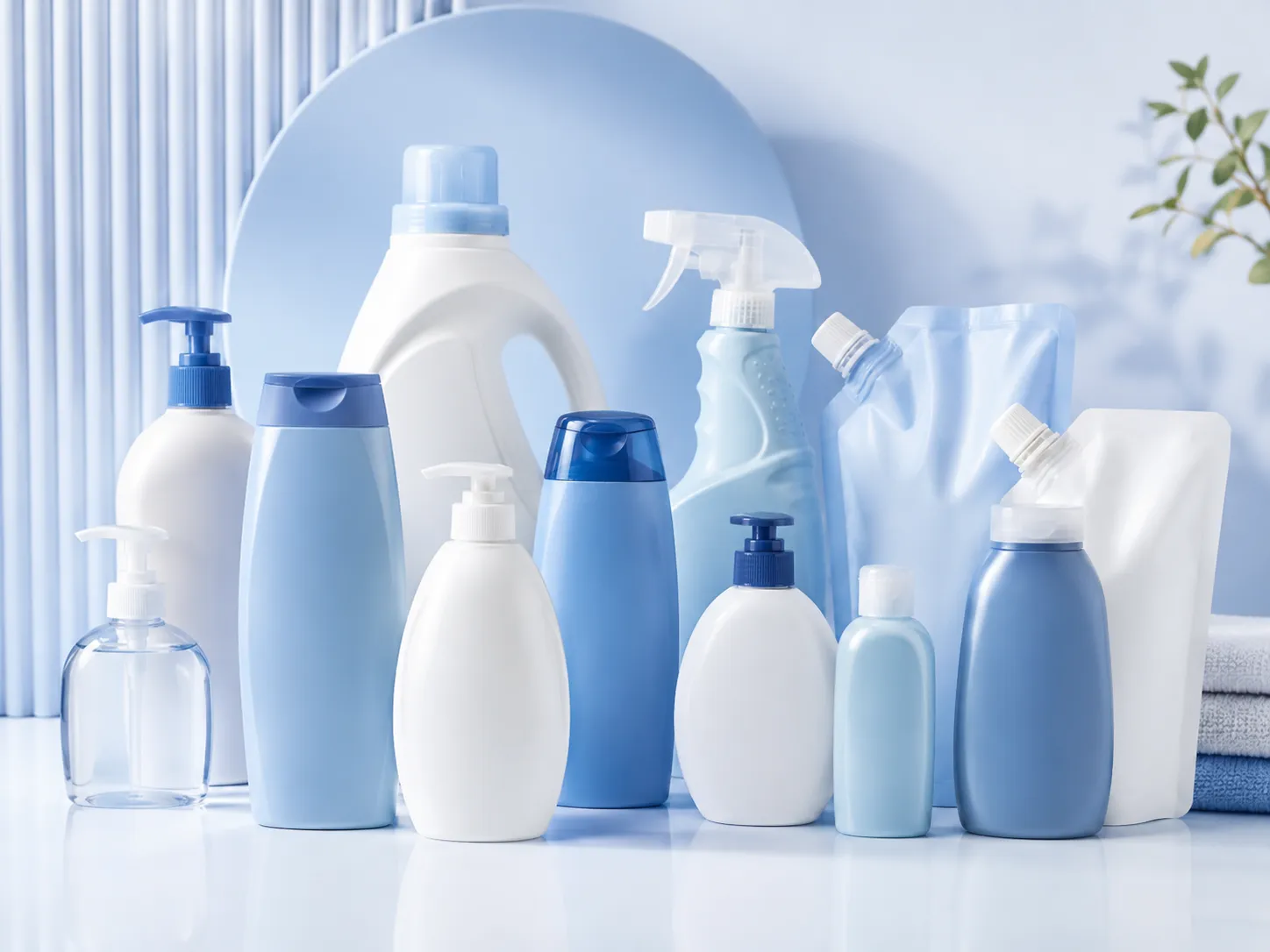
आईबीएम के पास पीपी पर्सनल केयर के दो अलग-अलग कोरियाई बाज़ार खंड हैं। पहला खंड - कोरियाई ऑर्गेनिक और नेचुरल पर्सनल केयर - पीपी को इसके स्वच्छ पारदर्शी रूप और कोरियाई ईएसजी रिपोर्टिंग में पीपी मोनो-मटेरियल पैकेजिंग द्वारा समर्थित पुनर्चक्रण क्षमता के कारण प्राथमिकता देता है। दूसरा खंड - कोरियाई हॉट-फिल पर्सनल केयर - पीपी को इसलिए प्राथमिकता देता है क्योंकि इसका फ़ॉर्मूलेशन (उच्च-विस्कोसिटी सिलिकॉन युक्त कंडीशनर जिसे 55-65°C पर भरा जाता है, हॉट-प्रोसेस नेचुरल स्किनकेयर जिसे 65-70°C पर भरा जाता है) एचडीपीई की सुरक्षित हॉट-फिल तापमान सीमा से अधिक है।
पीपी नेचुरल/ऑर्गेनिक ब्रांड का औचित्य
- ▸उपस्थिति: पीपी आरसीपी की पारदर्शी उपस्थिति उत्पाद के रंग (हरा हर्बल अर्क, एम्बर एसेंशियल ऑयल मिश्रण, सफेद क्रीम) को कंटेनर की दीवार के माध्यम से दिखाई देने देती है - उत्पाद की पारदर्शिता का यह संकेत कोरियाई स्वच्छ सौंदर्य उपभोक्ताओं के लिए प्राकृतिक फॉर्मूलेशन की प्रामाणिकता के संकेतक के रूप में महत्वपूर्ण है।
- ▸पुनर्चक्रण योग्यता: कोरियाई पर्यावरण मंत्रालय के पैकेजिंग रीसाइक्लिंग दिशानिर्देशों के अनुसार, पीपी को कोरियाई रीसाइक्लिंग प्रणालियों में आसानी से छांटा जा सकता है - कोरियाई ईएसजी प्रतिबद्धताओं वाले कोरियाई ऑर्गेनिक ब्रांड कोरियाई पैकेजिंग रीसाइक्लेबिलिटी दस्तावेज़ीकरण के लिए पीपी मोनो-मटेरियल पैकेजिंग (पीपी कंटेनर + पीपी कैप) को प्राथमिकता देते हैं।
- ▸कोरियाई प्रमाणपत्र: कोरियाई इकोसर्ट और कोरियाई कॉसमॉस ऑर्गेनिक सर्टिफिकेशन पैकेजिंग आवश्यकताओं में तेजी से पीपी को प्रमाणित ऑर्गेनिक कॉस्मेटिक उत्पादों के लिए एक स्वीकार्य प्लास्टिक के रूप में निर्दिष्ट किया जा रहा है - यूवी स्टेबलाइजर के साथ एचडीपीई (कुछ आउटडोर पर्सनल केयर उत्पादों में उपयोग किया जाता है) कॉसमॉस पैकेजिंग आवश्यकताओं को पूरा नहीं कर सकता है।
व्यक्तिगत देखभाल उत्पादों में पीपी ईएससीआर
सरफैक्टेंट युक्त वातावरण में पीपी ईएससीआर, एचडीपीई ईएससीआर से भिन्न होता है — पीपी, एचडीपीई की तरह पर्यावरणीय तनाव दरार तंत्र द्वारा विफल नहीं होता है क्योंकि पीपी की क्रिस्टलीय संरचना सरफैक्टेंट प्रवेश के प्रति अलग तरह से प्रतिक्रिया करती है। 10–20% सरफैक्टेंट सांद्रता वाले कोरियाई शैम्पू और बॉडी वॉश के लिए पीपी आईबीएम कंटेनर ईएससीआर द्वारा विफल नहीं होते हैं — लेकिन वे एक अलग तंत्र द्वारा विफल हो सकते हैं: विलायक-प्रेरित क्रिस्टलीकरण (एसआईसी), जिसमें सुगंधित अल्कोहल (कोरियाई प्रीमियम पर्सनल केयर फॉर्मूलेशन में इथेनॉल 1–5%) पीपी की दीवार में प्रवेश करते हैं और स्थानीय रूप से क्रिस्टलीयता बढ़ाते हैं, जिससे सफेदी और भंगुरता उत्पन्न होती है। कोरियाई अल्कोहल युक्त प्रीमियम सुगंधित फॉर्मूलेशन के लिए पीपी को निर्दिष्ट करने से पहले, पीपी आरसीपी आईबीएम कंटेनरों को वास्तविक कोरियाई पर्सनल केयर फॉर्मूलेशन के साथ कोरियाई परिवेशीय भंडारण स्थितियों (25°C/60% RH) में 12 महीने तक सत्यापित करें।
अनुभाग 08
कोरियाई पीपी आईबीएम उत्पादन के लिए जेडक्यू श्रृंखला का चयन
PP IBM, HDPE IBM की तरह ही ZQ सीरीज की मशीनों पर चलता है। PP के लिए एकमात्र हार्डवेयर संबंधी बात यह है कि PP का प्रोसेसिंग तापमान अधिक होता है (220–260°C बनाम HDPE 195–225°C)। इसके लिए ZQ मशीन के बैरल हीटर बैंड को PP उत्पादन के दौरान लगातार अपने निर्धारित तापमान सीमा के ऊपरी सिरे पर काम करना पड़ता है। सभी ZQ सीरीज की मशीनें PP प्रोसेसिंग तापमान के लिए उपयुक्त हैं - इसके लिए किसी विशेष HP बैरल की आवश्यकता नहीं है।
ZQ चयन मैट्रिक्स · PP IBM @ 60ml RCP (ऑटोक्लेव / हॉट-फिल / पर्सनल केयर)
| ZQ मॉडल | सीएवी @ 60 मिली पीपी | बोतलें/घंटा | वार्षिक सीमा। | कोरियाई पीपी आईबीएम प्रोफाइल |
|---|---|---|---|---|
| ईपी-जेडक्यू40 | 8–10 | ~6,000–7,500 | ~21–26 महीने | कोरियाई पीपी फार्मा स्टार्टअप, छोटे पीपी फूड हॉट-फिल, ऑर्गेनिक कॉस्मेटिक स्टार्टअप |
| ईपी-जेडक्यू60 | 14–16 | लगभग 10,500–12,000 | ~37–42 महीने | कोरियाई मध्यम आकार के पीपी खाद्य पदार्थ, गर्म भरने की विधि, कोरियाई जैविक व्यक्तिगत देखभाल उत्पाद, मध्यम मात्रा में उपलब्ध हैं। |
| ईपी-जेडक्यू80 ★ | 18 | ~13,500 | ~47 मिलियन | कोरियाई पीपी फार्मा राष्ट्रीय ब्रांड, प्रमुख खाद्य हॉट-फिल ओईएम, के-ब्यूटी पीपी - बेंचमार्क |
| ईपी-जेडक्यू110 | 22 | ~16,500 | ~57.8 मिलियन | कोरियाई प्रमुख पीपी खाद्य ब्रांड समूह, पीपी ऑटोक्लेव के लिए कोरियाई बड़ा फार्मास्युटिकल ओईएम |
★ ईपी-जेडक्यू80 18 कैविटी और 4.4 सेकंड के चक्र (समतुल्य एचडीपीई आईबीएम से थोड़ा लंबा) के साथ, यह कोरिया में दो-शिफ्ट वाली इकाइयों में लगभग 47 मिलियन वार्षिक 60 मिलीलीटर पीपी कंटेनरों को कवर करता है। ZQ80 का 11+11 किलोवाट का ड्यूल हाइड्रोलिक सिस्टम, समान पीपी कैविटी संख्या पर ZQ60 के सिंगल-हाइड्रोलिक सिस्टम की तुलना में चक्र समय में कोई कमी किए बिना, 18 कैविटी पर पीपी की उच्च इंजेक्शन दबाव आवश्यकता को पूरा करता है।
इंजीनियरिंग संबंधी अक्सर पूछे जाने वाले प्रश्न
पीपी आईबीएम — इंजीनियरिंग संबंधी प्रश्न
आईबीएम के लिए सही पीपी एमआई रेंज क्या है, और यह इंजेक्शन मोल्डिंग पीपी एमआई से किस प्रकार भिन्न है?
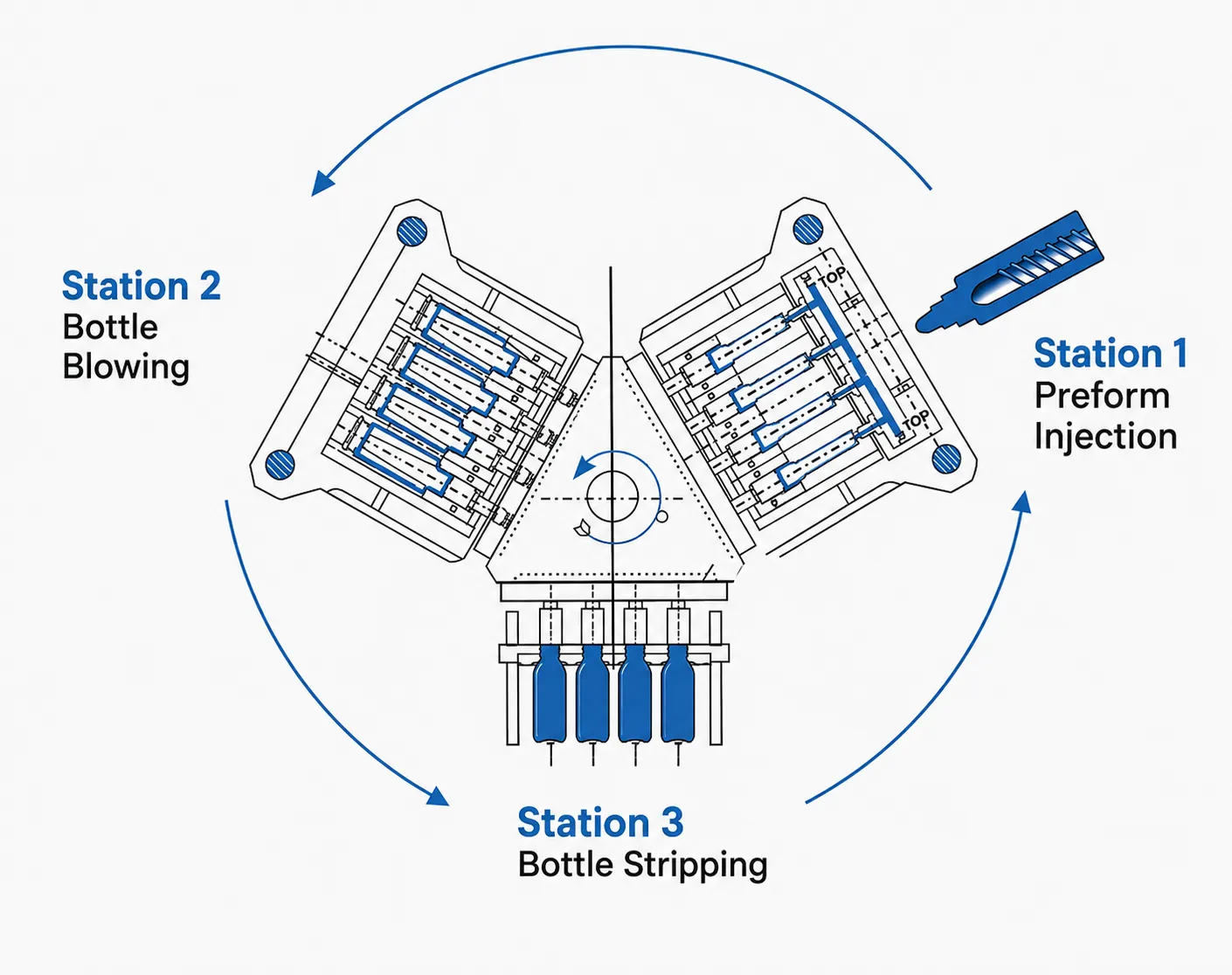
PP IBM में सामान्य इंजेक्शन मोल्डिंग PP की तुलना में उच्च आणविक भार (MI) की आवश्यकता होती है, क्योंकि IBM प्रीफॉर्म को उच्च इंजेक्शन गति पर हॉट रनर सिस्टम के माध्यम से पतली दीवार वाली कैविटी को भरना होता है, साथ ही इंजेक्शन के बाद और ब्लो करने से पहले कोर रॉड पर अपना आकार बनाए रखने के लिए पर्याप्त मेल्ट स्ट्रेंथ भी बनाए रखनी होती है। IBM PP का MI रेंज आमतौर पर 3–12 g/10min (230°C/2.16 kg) होता है, जबकि ठोस भागों के लिए मानक इंजेक्शन मोल्डिंग PP में 0.5–30+ g/10min की व्यापक रेंज का उपयोग किया जाता है। IBM PP MI रेंज का निचला सिरा (MI 3–5) निम्नलिखित के लिए उपयुक्त है: फार्मास्युटिकल ऑटोक्लेव कंटेनर जहां ऑटोक्लेव के बाद नेक की सटीकता और आयामी स्थिरता प्राथमिकता होती है; बड़े कंटेनर (100 ml+) जहां भारी प्रीफॉर्म दीवार को उच्च प्रीफॉर्म तापमान पर स्टेशन 1 से स्टेशन 2 तक टरेट रोटेशन के दौरान कोर रॉड पर बने रहने के लिए उच्च मेल्ट स्ट्रेंथ की आवश्यकता होती है। आईबीएम पीपी एमआई रेंज का ऊपरी सिरा (एमआई 8-12) निम्नलिखित के लिए उपयुक्त है: छोटे कंटेनर (10-30 मिली) जहां उच्च एमआई संकीर्ण हॉट रनर गेट्स के माध्यम से कैविटी को तेजी से भरने में सक्षम बनाता है; 60-120 मिली के खाद्य हॉट-फिल कंटेनर जहां पीपी आरसीपी ग्रेड का हॉट-फिल प्रदर्शन ठंडे तापमान के प्रभाव से अधिक महत्वपूर्ण है (उच्च एमआई आरसीपी का ठंडा प्रभाव थोड़ा कम होता है)। पीपी आईबीएम के लिए 15 से ऊपर का एमआई आमतौर पर अनुशंसित नहीं है क्योंकि आवश्यक पीपी प्रसंस्करण तापमान पर स्टेशन 1 और स्टेशन 2 के बीच कोर रॉड पर प्रीफॉर्म अत्यधिक झुक जाएगा - यह झुकाव ब्लोन कंटेनर में असमान दीवार वितरण उत्पन्न करता है और केवल प्रक्रिया पैरामीटर समायोजन द्वारा इसे ठीक नहीं किया जा सकता है।
क्या एक ही आईबीएम मोल्ड सेट बिना किसी बदलाव के एचडीपीई और पीपी दोनों को प्रोसेस कर सकता है?
एक ही IBM मोल्ड सेट (इंजेक्शन मोल्ड + ब्लो मोल्ड + स्ट्रिपिंग टूल) एक ही ZQ मशीन पर HDPE और PP दोनों को प्रोसेस कर सकता है, लेकिन दो खास बातों का ध्यान रखना होगा। पहली बात, सिकुड़न क्षतिपूर्ति: PP और HDPE की रैखिक सिकुड़न दर अलग-अलग होती है — IBM परिस्थितियों में PP 1.5–2.01 TP3T तक सिकुड़ता है, जबकि HDPE 0.8–1.21 TP3T तक सिकुड़ता है। यदि मोल्ड को HDPE सिकुड़न क्षतिपूर्ति (1.01 TP3T सिकुड़न के लिए गणना की गई नेक OD नाममात्र) को ध्यान में रखकर डिज़ाइन किया गया है, तो वही मोल्ड PP कंटेनरों को थोड़े छोटे नेक OD (नाममात्र से लगभग 0.05–0.10 mm कम) के साथ तैयार करेगा, क्योंकि PP अधिक सिकुड़ता है। अधिकांश घरेलू और खाद्य IBM अनुप्रयोगों के लिए, यह आयामी अंतर नेक फिनिश के लिए स्वीकार्य सीमा के भीतर है — कोरियाई क्लोजर कैप या पंप अभी भी सही ढंग से काम करेगा। फार्मास्युटिकल आईबीएम (जहां कोरियाई केएफडीए प्रमाणन के लिए नेक ओडी ±0.05 मिमी अनिवार्य है) के लिए, एचडीपीई और पीपी मोल्ड सेट में प्रत्येक सामग्री की सिकुड़न दर के अनुसार अलग-अलग नेक इंसर्ट आयामों का उपयोग किया जाना चाहिए - एक ही नेक इंसर्ट एचडीपीई और पीपी फार्मास्युटिकल आईबीएम दोनों के लिए विनिर्देश के भीतर नेक ओडी नहीं दे सकता है। दूसरा, प्रसंस्करण तापमान प्रोटोकॉल: एक ही मशीन पर एचडीपीई और पीपी के बीच स्विच करते समय, उत्पादन से पहले बैरल और हॉट रनर से पिछली सामग्री को साफ करने के लिए सामग्री पर्ज आवश्यक है। कोरिया एवर-पावर पीपी से एचडीपीई में स्विच करने से पहले पॉलीइथिलीन पर्ज कंपाउंड (लगभग 3-5 बैरल शॉट वजन) से पर्ज करने की सलाह देता है, क्योंकि एचडीपीई प्रसंस्करण तापमान (195-225°C) तक गर्म किए गए बैरल में बचा हुआ पीपी समय के साथ खराब हो जाएगा और एचडीपीई उत्पादन में संदूषण पैदा करेगा। रिवर्स स्विच (एचडीपीई से पीपी) उतना महत्वपूर्ण नहीं है - पीपी प्रसंस्करण तापमान पर एचडीपीई बैरल से आसानी से निकल जाता है - लेकिन पीपी उत्पादन शुरू करने से पहले रंग और सामग्री की स्थिरता की पुष्टि करने के लिए पीपी प्राइम सामग्री के साथ मानक 2-3 बैरल शॉट पर्ज की सिफारिश की जाती है।
एक ही कंटेनर फॉर्मेट में PP IBM का साइकिल टाइम समकक्ष HDPE IBM की तुलना में थोड़ा अधिक क्यों होता है?
PP IBM को समान कंटेनर प्रारूप पर समकक्ष HDPE IBM की तुलना में 10–15% अधिक चक्र समय की आवश्यकता होती है, जिसके दो कारण हैं, दोनों ही PP के क्रिस्टलीकरण गतिकी से संबंधित हैं। पहला, अधिक ब्लो ड्वेल टाइम: PP, IBM मोल्ड तापमान (18–28°C) पर HDPE की तुलना में अधिक धीरे-धीरे क्रिस्टलीकृत होता है। 20°C मोल्ड तापमान पर HDPE का क्रिस्टलीकरण लगभग 0.8–1.2 सेकंड में पूरा हो जाता है; इसी तापमान पर PP का क्रिस्टलीकरण लगभग 70–80% समय में पूरा हो जाता है। ब्लो ड्वेल टाइम इतना पर्याप्त होना चाहिए कि स्ट्रिपिंग के समय आयामी रूप से स्थिर कंटेनर प्राप्त हो सके — अपर्याप्त ब्लो ड्वेल टाइम स्टेशन 3 पर PP बेस विरूपण (बेस ज़ोन, जो सबसे अंत में जमता है, स्ट्रिपिंग के समय अभी भी आंशिक रूप से पिघला हुआ होता है) और शोल्डर व्हाइटनिंग (अभी भी क्रिस्टलीकृत हो रहे PP कंटेनर की स्ट्रिपिंग से उत्पन्न तनाव व्हाइटनिंग) का कारण बनता है। PP IBM ब्लो ड्वेल आमतौर पर समान ब्लो मोल्ड तापमान पर समकक्ष HDPE IBM ब्लो ड्वेल की तुलना में 0.2–0.4 सेकंड अधिक होता है। दूसरा, उच्च इंजेक्शन फिल टाइम: IBM प्रोसेसिंग तापमान (220–250°C) पर PP की मेल्ट विस्कोसिटी, समान MI मान पर HDPE के प्रोसेसिंग तापमान (205–220°C) की तुलना में अधिक होती है — ऐसा इसलिए है क्योंकि PP की टैक्टिसिटी (आइसोटैक्टिक PP चेन संरचना) समान आणविक भार पर HDPE की लीनियर चेन संरचना की तुलना में उच्च एंटैंगलमेंट घनत्व उत्पन्न करती है। PP फिल टाइम आमतौर पर समान कैविटी संख्या पर समकक्ष HDPE फिल टाइम की तुलना में 0.1–0.2 सेकंड अधिक होता है। ये दोनों प्रभाव मिलकर 10–15% PP साइकिल टाइम पेनल्टी उत्पन्न करते हैं। ZQ80 पर 60 मिलीलीटर फार्मास्युटिकल कंटेनर का उत्पादन: HDPE IBM 4.0 सेकंड × 18 कैविटी = 16,200 कंटेनर/घंटा; पीपी आईबीएम 4.4 सेकंड × 18 कैविटी = 14,727 कंटेनर/घंटा — उत्पादन दर में 9% की कमी आई है, जो पीपी आईबीएम की वार्षिक क्षमता गणना में परिलक्षित होती है।
कोरिया में दवा निर्माण के किन विशिष्ट अनुप्रयोगों में एचडीपीई आईबीएम के बजाय पीपी आईबीएम की आवश्यकता होती है?
कोरियाई फार्मास्युटिकल अनुप्रयोगों में, जहां एचडीपीई आईबीएम के बजाय पीपी आईबीएम की विशेष आवश्यकता होती है, वहां उत्पाद की नसबंदी विधि, भंडारण की स्थिति या रासायनिक संरचना एचडीपीई की सामग्री क्षमता सीमा से अधिक होती है। कोरियाई फार्मास्युटिकल पीपी आईबीएम अनुप्रयोग की चार श्रेणियां हैं। पहली, टर्मिनल स्टीम नसबंदी: कोरियाई फार्मास्युटिकल तरल उत्पाद जो 121°C पर भरने के बाद नसबंदी प्रक्रिया से गुजरते हैं (आइसोटोनिक सलाइन, ओरल रिहाइड्रेशन सॉल्यूशन, कुछ कोरियाई अस्पताल-आपूर्ति तरल दवाएं), उनके लिए पीपी आईबीएम कंटेनर की आवश्यकता होती है क्योंकि एचडीपीई 121°C पर विकृत हो जाता है - यह कोरिया में पीपी आईबीएम का सबसे बड़ा फार्मास्युटिकल अनुप्रयोग है। दूसरी, शुष्क ताप नसबंदी: पैरेंटरल तैयारियों के लिए कोरियाई फार्मास्युटिकल कंटेनर जिन्हें 170-180°C शुष्क ताप पर नसबंदी किया जाता है, उनके लिए पीपी की आवश्यकता होती है (एचडीपीई पिघल जाएगा) - अत्यधिक तापमान के कारण आईबीएम में यह असामान्य है, लेकिन कुछ कोरियाई शैक्षणिक चिकित्सा केंद्रों और कोरियाई अनुबंध फार्मास्युटिकल निर्माताओं द्वारा निर्दिष्ट किया गया है। तीसरा, गामा विकिरण (ध्यान दें: पीपी को उच्च तापमान की आवश्यकता नहीं होती है - हालांकि, गामा-विकिरणित कंटेनरों पर विचार कर रहे कोरियाई दवा उत्पादकों को गामा स्थिरता की जांच करनी चाहिए, क्योंकि कुछ पीपी ग्रेड गामा विकिरण के तहत पीले पड़ जाते हैं और उन्हें विशेष स्थिर ग्रेड की आवश्यकता होती है)। चौथा, फॉर्मूलेशन अनुकूलता: कोरियाई दवा फॉर्मूलेशन जिनमें प्रबल ऑक्सीकरण एजेंट (3% से अधिक हाइड्रोजन पेरोक्साइड, कुछ कोरियाई एंटीसेप्टिक फॉर्मूलेशन), प्रबल अपचायक एजेंट या उच्च सांद्रता में सुगंधित विलायक होते हैं, एचडीपीई ईएससीआर विफलता का कारण बन सकते हैं - जब एचडीपीई ईएससीआर सीमित कारक हो तो पीपी को एक विकल्प के रूप में निर्दिष्ट किया जा सकता है। अधिकांश कोरियाई दवा आईबीएम अनुप्रयोगों - नेत्र संबंधी, मौखिक तरल सीआरसी, बाल चिकित्सा सिरप, एंटासिड - को अंतिम नसबंदी की आवश्यकता नहीं होती है और वे कम लागत, कम चक्र समय और सर्फेक्टेंट वातावरण में बेहतर ईएससीआर के लिए एचडीपीई आईबीएम का उपयोग करते हैं। कोरियाई दवा आईबीएम में पीपी अपवाद है, नियम नहीं।
पारदर्शी कंटेनर चाहने वाले कोरियाई ब्रांडों के लिए पीपी आईबीएम क्लैरिटी की तुलना पीसीटीजी या पीईटी से किस प्रकार की जा सकती है?
पीपी आईबीएम (बिना खिंचाव वाला आईबीएम - आईएसबीएम पीईटी के विपरीत) गैर-उन्मुख अवस्था में आरसीपी ग्रेड के लिए 0.6-0.8 मिमी दीवार पर 5-151टीपी3टी के धुंधलेपन वाला एक पारदर्शी कंटेनर बनाता है। स्पष्टता का यह स्तर पीपी आईबीएम के लिए व्यावहारिक अधिकतम है - इसे न्यूक्लियेटिंग एजेंटों (जो प्रभाव को कम करने की कीमत पर स्पष्टता को 3-81टीपी3टी तक बढ़ाते हैं) या कोपोलिमर संशोधनों के बिना 3-51टीपी3टी धुंधलेपन से नीचे नहीं लाया जा सकता है। कोरियाई आईबीएम अनुप्रयोगों के लिए स्पष्टता क्रम इस प्रकार है: पीसीटीजी आईबीएम (गैर-उन्मुख, 3-71टीपी3टी धुंधलेपन) ≈ पीईटी आईएसबीएम (उन्मुख, धुंधलेपन पीपी आरसीपी आईबीएम (5-151टीपी3टी धुंधलेपन) > एचडीपीई आईबीएम (20-351टीपी3टी धुंधलेपन) > पीपी बीसीपी आईबीएम (15-251टीपी3टी धुंधलेपन)। कोरियाई कॉस्मेटिक ब्रांड और प्रीमियम शहद ब्रांड ऐसे कंटेनर चाहते हैं जो पानी की तरह साफ हों और जिनमें उत्पाद का फॉर्मूलेशन या शहद का रंग पूरी तरह दिखाई दे, लेकिन PP IBM से यह स्पष्टता प्राप्त नहीं होती। PP की तुलना में 20–40% रेज़िन लागत अधिक होने के बावजूद, PCTG IBM (गैर-उन्मुख, 3–7% धुंधलापन) बिना उन्मुखीकरण वाले लगभग क्रिस्टल-स्पष्ट कोरियाई कंटेनरों के लिए सही IBM प्रक्रिया है। <2% धुंधलेपन वाला PET ISBM एकमात्र पूरी तरह पारदर्शी विकल्प है और इसके लिए एक अलग मशीन संरचना (इंजेक्शन स्ट्रेच ब्लो मोल्डिंग, IBM नहीं) की आवश्यकता होती है। कोरिया एवर-पावर की ZQ श्रृंखला की IBM मशीनें सर्वोत्तम संभव IBM PP स्पष्टता के साथ PP का उत्पादन करती हैं। स्पष्टता की सीमा गैर-उन्मुख IBM स्थितियों के तहत PP की अर्ध-क्रिस्टलीय संरचना के कारण होती है, न कि ZQ मशीन की प्रक्रिया क्षमता के कारण।
कोरियाई खाद्य संपर्क अनुप्रयोगों में उपयोग किए जाने वाले पीपी आईबीएम कंटेनरों और एचडीपीई आईबीएम कंटेनरों के लिए सही कोरियाई नियामक दृष्टिकोण क्या है?
कोरियाई एमएफडीएस खाद्य संपर्क सामग्री विनियम पीपी और एचडीपीई आईबीएम कंटेनरों को विनियामक प्रक्रिया के संदर्भ में समान रूप से मानते हैं - दोनों के लिए खाद्य बर्तनों, कंटेनरों और पैकेजिंग के लिए समान कोरियाई एमएफडीएस मानकों के अनुपालन प्रक्रिया (सामग्री घोषणा, माइग्रेशन परीक्षण, खाद्य संपर्क घोषणा) की आवश्यकता होती है। पीपी और एचडीपीई के लिए माइग्रेशन परीक्षण सीमाएँ समान हैं: वाष्पीकरण अवशेष ≤ 150 पीपीएम (एन-हेप्टेन), ≤ 30 पीपीएम (41टीपी3टी एसिटिक एसिड), भारी धातुएँ ≤ 100 पीपीएम (पीबी के रूप में)। पीपी-विशिष्ट कोरियाई एमएफडीएस खाद्य संपर्क के दो विचारणीय बिंदु हैं। पहला, योजक सकारात्मक सूची: पीपी एचडीपीई के समान कोरियाई एमएफडीएस खाद्य संपर्क सकारात्मक सूची का उपयोग करता है (मानकों का परिशिष्ट 1), लेकिन पीपी राल योजक पैकेज एचडीपीई से भिन्न होते हैं - पीपी होमोपॉलिमर आमतौर पर स्पष्टता में सुधार के लिए स्पष्टीकरण एजेंटों (डाइबेंज़िलिडीन सॉर्बिटोल न्यूक्लिएटर, डीबीएस - कोरियाई एमएफडीएस पीपी सकारात्मक सूची में सूचीबद्ध) का उपयोग करता है; सुनिश्चित करें कि विशिष्ट स्पष्टीकरण एजेंट केवल एचडीपीई के लिए ही नहीं, बल्कि पीपी के लिए कोरियाई एमएफडीएस की सकारात्मक सूची में शामिल है। दूसरा, गर्म भरने के दौरान माइग्रेशन: कोरियाई पीपी खाद्य पदार्थों के गर्म भरने वाले अनुप्रयोगों (65-85°C पर भरना) के लिए, कोरियाई एमएफडीएस माइग्रेशन परीक्षण माध्यम का तापमान (एसिटिक एसिड परीक्षण के लिए 60°C) वास्तविक कोरियाई खाद्य पदार्थों के गर्म भरने के तापमान से कम हो सकता है। गर्म भरने वाले पीपी आईबीएम कंटेनर निर्दिष्ट करने वाले कोरियाई खाद्य ब्रांडों को उच्च तापमान पर वाष्पीकरण अवशेष अनुपालन की पुष्टि करने के लिए वास्तविक भरने के तापमान पर एक अतिरिक्त माइग्रेशन परीक्षण करना चाहिए, क्योंकि पीपी माइग्रेशन दर 60°C से 85°C तक लगभग 3-5 गुना बढ़ जाती है। यह नियामक न्यूनतम से ऊपर का परीक्षण कोरियाई एमएफडीएस नियमों द्वारा अनिवार्य नहीं है, लेकिन कोरियाई खाद्य ब्रांड गुणवत्ता आश्वासन टीमों के लिए विवेकपूर्ण माना जाता है जो कोरियाई गर्म भरने वाले पीपी प्राथमिक कंटेनर अनुपालन दस्तावेज़ीकरण का प्रबंधन करती हैं।
पीपी आईबीएम पूछताछ · कोरिया एवर-पावर
क्या आप पीपी आईबीएम कंटेनर उत्पादन की योजना बना रहे हैं?
कोरिया एवर-पावर, ZQ40-ZQ110 मशीनों पर ऑटोक्लेव फार्मास्युटिकल कंटेनर, हॉट-फिल फूड कंटेनर और कोरियाई प्राकृतिक पर्सनल केयर पीपी आईबीएम अनुप्रयोगों के लिए पीपी आईबीएम मोल्ड डिजाइन और प्रसंस्करण पैरामीटर योग्यता प्रदान करता है।