खाद्य पैकेजिंग आईबीएम · एचडीपीई फूड-ग्रेड · कोरियाई निर्माता · कोरिया एवर-पावर
एचडीपीई खाद्य पैकेजिंग आईबीएम:
भोजन पदवी कंटेनर गाइड
कोरियाई खाद्य पैकेजिंग में आईबीएम तकनीक का उपयोग सोया सॉस, केचप, तिल का तेल, शहद, सलाद ड्रेसिंग और खाना पकाने के मसालों के कंटेनरों के लिए किया जाता है। आईबीएम की एकसमान दीवार मोटाई, बिना किसी अतिरिक्त चमक वाली आंतरिक संरचना और इंजेक्शन मोल्डिंग से बनी गर्दन, निचोड़ने की क्षमता, भरने की सटीकता और कोरियाई खाद्य सुरक्षा मानक (एमएफडीएस) के अनुपालन के मामले में ईबीएम की तुलना में उल्लेखनीय उत्पादन लाभ प्रदान करती है। यह गाइड खाद्य-ग्रेड एचडीपीई ग्रेड के चयन, कोरियाई खाद्य सुरक्षा प्रमाणन, निचोड़ने वाली बोतलों की इंजीनियरिंग और कोरियाई खाद्य आईबीएम उत्पादन के लिए जेडक्यू श्रृंखला की मशीनों के चयन के बारे में जानकारी प्रदान करती है।
निचोड़ें और वापस खींचें फ़ंक्शन
जीरो-फ्लैश इंटीरियर
कोरिया की सर्वशक्ति · आनसान-सी, ग्योंगगी-डो · जुलाई 2026
सिस्टम संदर्भ · एचडीपीई खाद्य पैकेजिंग आईबीएम पैरामीटर
प्रारूप सीमा
50–500 मिलीलीटर
कोरियाई भोजन आईबीएम कंटेनर वॉल्यूम रेंज — सोया सॉस से लेकर मसाले तक
दीवार की एकरूपता
±5% CV
आईबीएम की दीवार की मोटाई में स्थिरता — बनाम ईबीएम ±15–20% — रैखिक निचोड़ बल सुनिश्चित करती है
एमएफडीएस प्रवासन सीमा
≤ 150 पीपीएम
वाष्पीकरण अवशेष (एन-हेप्टेन) — कोरियाई एमएफडीएस खाद्य संपर्क प्लास्टिक मानक
ZQ60 आउटपुट @ 200ml
लगभग 9,600/घंटा
12 कैविटी · ~33.6 मिलियन यूनिट/वर्ष कोरियाई 2-शिफ्ट
अनुभाग 01
कोरियाई खाद्य उद्योग और एचडीपीई आईबीएम पैकेजिंग
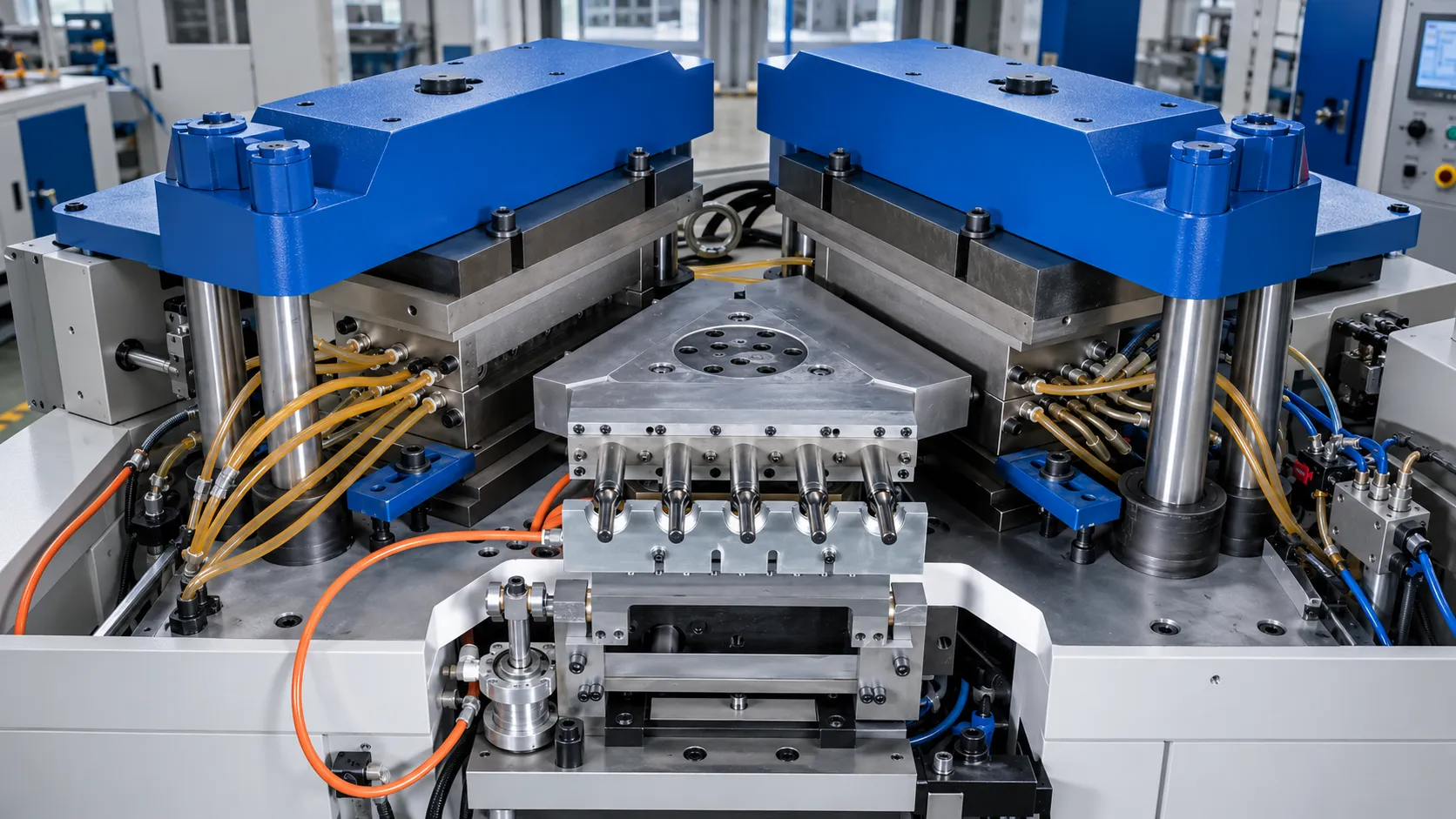
कोरियाई खाद्य पैकेजिंग आईबीएम बाजार तीन उत्पाद श्रेणियों पर केंद्रित है, जिनकी कंटेनर संबंधी विशिष्ट आवश्यकताएं हैं। इन तीनों के कारण, प्रति प्रारूप 10 लाख यूनिट से अधिक वार्षिक उत्पादन मात्रा पर, आईबीएम ब्लो मोल्डिंग प्रक्रिया ईबीएम की तुलना में अधिक पसंदीदा है। कोरियाई मसाला पैकेजिंग — सोया सॉस (간장), डोनजांग सॉस, गोचुजांग सॉस, तिल का तेल (참기름), सिरका आधारित ड्रेसिंग — के लिए निचोड़कर निकालने वाले कंटेनर की आवश्यकता होती है। आईबीएम की एकसमान दीवार मोटाई (±5% CV बनाम ईबीएम की ±15–20%) निचोड़ने के बल और निकालने की मात्रा के बीच एक समान, रैखिक संबंध प्रदान करती है, जो कोरियाई खाद्य ब्रांडों की गुणवत्ता विनिर्देशों द्वारा परिभाषित है। कोरियाई शहद पैकेजिंग — 100 से 500 मिलीलीटर तक के भालू के आकार और जार के आकार के शहद कंटेनर — विश्व स्तर पर आईबीएम की एक पारंपरिक विशेषता है। आईबीएम का निर्बाध एक-टुकड़ा शरीर और इंजेक्शन-मोल्डेड गर्दन एक स्वच्छ, प्रीमियम रूप प्रदान करते हैं, जिसका उपयोग कोरियाई शहद ब्रांड कोरियाई डिपार्टमेंट स्टोर और ऑनलाइन खुदरा मूल्य प्रीमियम पर विशेष शहद उत्पादों को अलग करने के लिए करते हैं। कोरियाई खाना पकाने के तेल की 100-500 मिलीलीटर (तिल का तेल, परीला का तेल, जैतून का तेल) पैकेजिंग के लिए वसायुक्त खाद्य पदार्थों के संपर्क से बचाव के लिए एचडीपीई खाद्य संपर्क अनुपालन और शेल्फ-स्थिर कोरियाई खाना पकाने के तेल की गुणवत्ता बनाए रखने के लिए यूवी अवरोधक की आवश्यकता होती है।
आईबीएम के एचडीपीई प्रसंस्करण के विस्तृत तकनीकी आधार — बैरल तापमान प्रोफाइल, एमआई चयन, संकुचन गणना — को इसमें शामिल किया गया है। एचडीपीई आईबीएम प्रोसेसिंग गाइडयह गाइड विशेष रूप से खाद्य-ग्रेड एचडीपीई ग्रेड के चयन, कोरियाई एमएफडीएस खाद्य संपर्क प्रमाणन आवश्यकताओं और कोरियाई खाद्य पैकेजिंग आईबीएम एप्लिकेशन के लिए विशिष्ट कंटेनर इंजीनियरिंग विशिष्टताओं पर केंद्रित है।
अनुभाग 02
आईबीएम के लिए खाद्य-ग्रेड एचडीपीई संबंधी आवश्यकताएँ
आईबीएम के लिए खाद्य-ग्रेड एचडीपीई, नियामक ढांचे में फार्मास्युटिकल-ग्रेड एचडीपीई से और रासायनिक प्रतिरोध आवश्यकताओं में घरेलू-रासायनिक-ग्रेड एचडीपीई से भिन्न है। कोरियाई खाद्य-ग्रेड एचडीपीई आईबीएम कंटेनर खाद्य बर्तनों, कंटेनरों और पैकेजिंग के लिए कोरियाई खाद्य एवं औषधि सुरक्षा मंत्रालय (एमएफडीएस) के मानकों (식품용 기구 및 용기·포장의 기준 및 규격) को पूरा करना आवश्यक है, जो फार्मास्युटिकल केपी मानकों की तुलना में कम सख्त प्रवासन सीमाएं निर्दिष्ट करता है, लेकिन अम्लीय खाद्य अनुकरणकर्ताओं (एसिटिक एसिड 41टीपी3टी), वसायुक्त खाद्य अनुकरणकर्ताओं (एन-हेप्टेन) और जलीय खाद्य अनुकरणकर्ताओं सहित खाद्य संपर्क माध्यमों की एक व्यापक श्रेणी को कवर करता है।
| मांग | फ़ूड-ग्रेड आईबीएम | फार्मा-ग्रेड आईबीएम | घरेलू आईबीएम |
|---|---|---|---|
| नियामक निकाय | कोरियाई एमएफडीएस खाद्य संपर्क | कोरियाई एमएफडीएस फार्मा केपी | कोरियाई रासायनिक लेबलिंग कानून |
| वाष्पीकरण अवशेष सीमा | ≤ 150 पीपीएम (एन-हेप्टेन) | ≤ 30 पीपीएम (केपी - सभी माध्यम) | कोई निष्कर्षणीय सीमा नहीं |
| भारी धातुएँ (जैसे सीसा) | ≤ 100 पीपीएम | ≤ 1 पीपीएम (केपी) | कोई प्रत्यक्ष सीमा नहीं |
| रंग प्रतिबंध | कोरियाई एमएफडीएस खाद्य संपर्क सकारात्मक सूची | कोरियाई केएफडीए फार्मा पॉजिटिव सूची | प्रतिबंध नहीं |
| यूवी स्टेबलाइजर प्रतिबंध | सूचीबद्ध न होने पर निषिद्ध | निषिद्ध | अनुमति दी गई |
| ESCR आवश्यकता | उच्च वसायुक्त भोजन ESCR | मध्यम — जलीय फार्मा | उच्च — सर्फेक्टेंट ईएससीआर |
खाद्य संपर्क के लिए योजक अनुपालन
- ✓एंटीऑक्सीडेंट: AO-1010, AO-168, विटामिन E — कोरियाई MFDS खाद्य संपर्क सूचीबद्ध
- ✓फिसलन रोधी कारक: एरुकामाइड — खाद्य संपर्क के लिए सूचीबद्ध; स्टीयरमाइड — सूचीबद्ध
- ✗यूवी स्टेबलाइजर (HALS, बेंजोफेनोन): कोरियाई MFDS के लिए प्रतिबंधित, सीधे खाद्य संपर्क वाले HDPE
- ✗फ्लोरोसेंट ब्राइटनर: कोरियाई खाद्य संपर्क वाले प्लास्टिक कंटेनरों के लिए प्रतिबंधित।
वसायुक्त खाद्य पदार्थों के संपर्क के लिए ESCR
वसायुक्त खाद्य पदार्थों (तिल का तेल, खाना पकाने का तेल, सलाद ड्रेसिंग) के संपर्क में आने वाले कोरियाई खाद्य पैकेजिंग एचडीपीई आईबीएम कंटेनरों के लिए विशिष्ट खाद्य सिमुलेंट में ESCR F50 ≥ 100 घंटे की आवश्यकता होती है। वसायुक्त खाद्य पदार्थों का संपर्क खाद्य पैकेजिंग में सबसे आक्रामक ESCR स्थिति है - एचडीपीई कंटेनर की सतह पर मौजूद लिपिड सतह परत के अनाकार क्षेत्रों को प्लास्टिसाइज़ कर देते हैं, जिससे कंटेनर की साइडवॉल और बेस पर तनाव दरार के प्रतिरोध में कमी आती है। कम घनत्व वाला एचडीपीई (0.952 ग्राम/सेमी³ से कम) 0.5-0.9 मिमी की सामान्य दीवार मोटाई वाले कोरियाई वसायुक्त खाद्य आईबीएम कंटेनरों के लिए अनुपयुक्त है - कोरियाई एमएफडीएस खाद्य संपर्क मानक में भौतिक अखंडता की आवश्यकता (24 घंटे वसायुक्त खाद्य सिमुलेंट में डुबोने पर कोई विरूपण, दरार या धुंधलापन नहीं) शामिल है जो कम घनत्व वाले ग्रेड को अस्वीकार करता है।
अनुभाग 03
आईबीएम स्क्वीज़ बॉटल इंजीनियरिंग
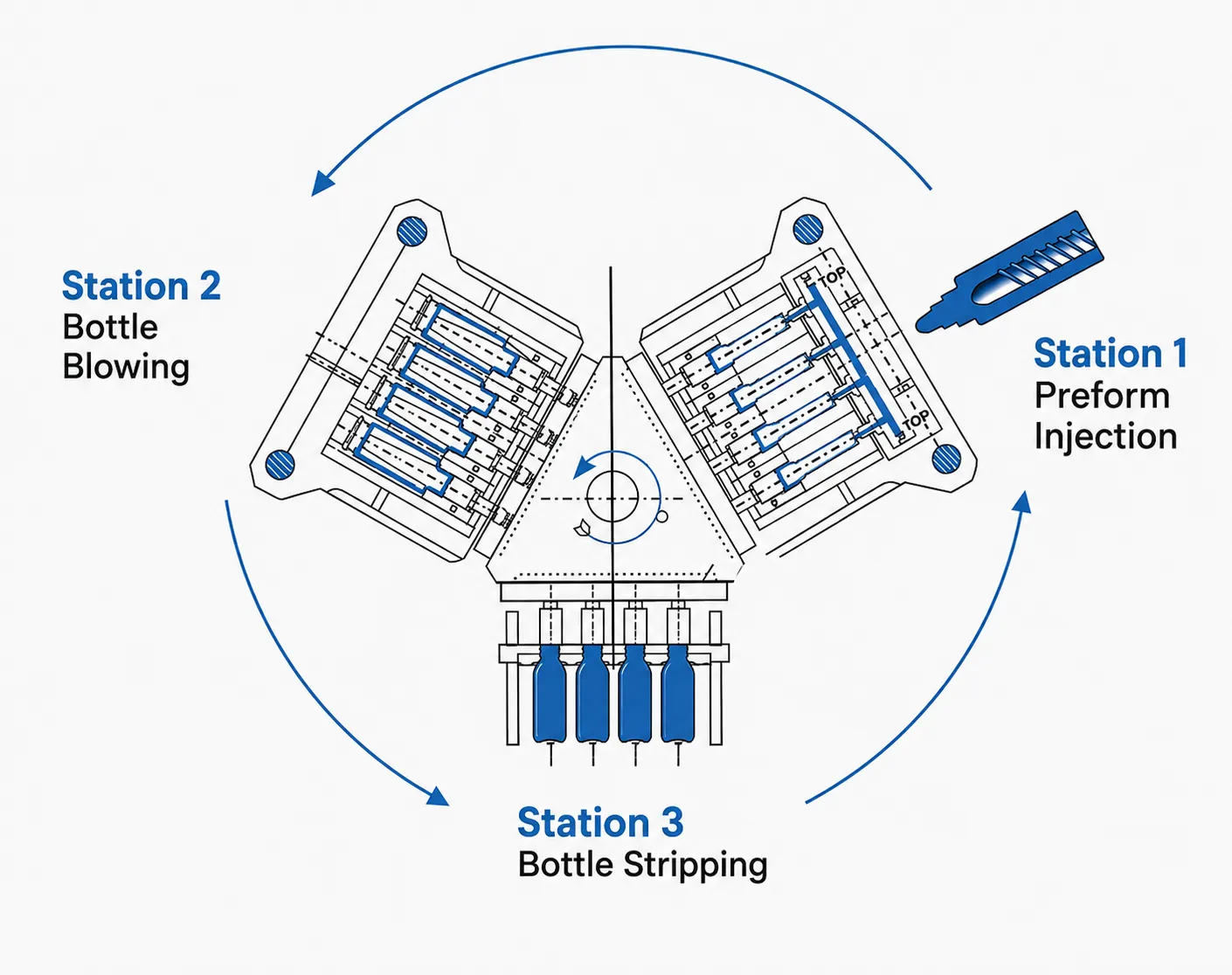
ईबीएम की तुलना में आईबीएम की निचोड़ने वाली बोतलों का मुख्य लाभ दीवार की एकरूपता में है: आईबीएम की पूर्व-निर्धारित दीवार वितरण प्रणाली प्रति उत्पादन बैच ±5% की बॉडी वॉल थिकनेस CV% उत्पन्न करती है, जबकि ईबीएम की पैरिसन थिकनेस भिन्नता के कारण यह ±15–20% CV% होती है। कोरियाई खाद्य मसालों की निचोड़ने वाली बोतलों के लिए, दीवार की एकरूपता में यह अंतर ग्राहकों को स्पष्ट रूप से दिखाई देने वाले दो गुणवत्ता अंतर उत्पन्न करता है।
निचोड़ने की क्रिया की तुलना · 200 मिलीलीटर एचडीपीई मसाला बोतल पर आईबीएम बनाम ईबीएम
मीट्रिक
दीवार की मोटाई CV%
निचोड़ने के बल में भिन्नता (लॉट)
निचोड़ने के बाद ठीक होने का समय
नेक थ्रेड ओडी टॉलरेंस
आंतरिक फ्लैश जोखिम
आईबीएम
±5% — प्रीफॉर्म-नियंत्रित
उत्पादन लॉट में ±8%
0.6 मिमी दीवार पर < 0.5 सेकंड
±0.05 मिमी — इंजेक्शन मोल्डिंग द्वारा निर्मित
कोई नहीं — कोई ट्रिम ऑपरेशन नहीं
ईबीएम
±15–20% — पैरिसन-निर्भर
उत्पादन लॉट में ±25–30%
0.8–1.5 सेकंड (भारी दीवार वाले क्षेत्र)
±0.15–0.25 मिमी — ब्लो-फॉर्मेड
प्रस्तुत है — आधार पर चुटकी भर ट्रिम करें
गुणवत्ता में पहला अंतर वितरण की स्थिरता है: कोरियाई सोया सॉस की बोतलों के उपभोक्ता और कोरियाई रेस्तरां खरीदार "एक बार दबाने पर निश्चित मात्रा" के आधार पर बोतलों की गुणवत्ता का मूल्यांकन करते हैं। आईबीएम के उत्पादन बैच में ±8% निचोड़ने के बल में भिन्नता का अर्थ है कि कोरियाई उपभोक्ता को प्रति निचोड़ने पर एक निश्चित मात्रा प्राप्त होती है; ईबीएम के ±25–30% निचोड़ने के बल में भिन्नता का अर्थ है कि बैच की कुछ बोतलों से प्रति निचोड़ने पर अन्य बोतलों की तुलना में काफी कम मात्रा निकलती है - गुणवत्ता की धारणा में यह अंतर कोरियाई खाद्य ब्रांड की गुणवत्ता नियंत्रण टीमें मापती हैं और अपने बोतल आपूर्तिकर्ता के विरुद्ध पैकेजिंग गुणवत्ता में कमी के रूप में रिपोर्ट करती हैं।
दूसरा गुणवत्ता अंतर आंतरिक स्वच्छता से संबंधित है: आईबीएम कंटेनर फ्लैश ट्रिम के बिना निर्मित होते हैं। ईबीएम मसाला निचोड़ने वाली बोतलों में एक बेस पिंच-ट्रिम सीम होती है - सामान्य उत्पादन में ट्रिम साफ होती है, लेकिन बेस ट्रिमिंग प्रक्रिया के दौरान ट्रिम सीम पर एचडीपीई ट्रिम फ्लैश कण कंटेनर के अंदर अलग हो सकते हैं और भरने के समय कंटेनर के भीतर रह सकते हैं। कोरियाई खाद्य एमएफडीएस मानकों के अनुसार, भरे हुए खाद्य कंटेनरों में कोई भी बाहरी पदार्थ नहीं होना चाहिए; खाद्य उत्पाद में किसी भी एचडीपीई फ्लैश कण की उपस्थिति कोरियाई खाद्य संदूषण का कारण मानी जाती है। आईबीएम का ज़ीरो-फ्लैश उत्पादन इस संदूषण के जोखिम को पूरी तरह से समाप्त कर देता है - यह कोरियाई एमएफडीएस-पंजीकृत खाद्य मसाला आईबीएम उत्पादकों के लिए एक महत्वपूर्ण गुणवत्ता लाभ है।
अनुभाग 04
कोरियाई खाद्य आईबीएम कंटेनरों के लिए एचडीपीई ग्रेड का चयन
कोरियाई खाद्य पैकेजिंग में आईबीएम तीन एचडीपीई ग्रेड श्रेणियों का उपयोग करता है, जिन्हें एमआई रेंज और ईएससीआर आवश्यकता के आधार पर अलग किया जाता है - प्रत्येक को रासायनिक आक्रामकता और वितरण कार्य के आधार पर एक विशिष्ट खाद्य संपर्क श्रेणी से मेल खाता है।
निचोड़ · सोया सॉस · सिरका
शहद · सिरप · गाढ़ा
खाना पकाने का तेल · तिल का तेल
एमआई / घनत्व
0.3–0.6 / 0.952–0.960
एमआई / घनत्व
0.5–0.9 / 0.948–0.958
एमआई / घनत्व
0.4–0.7 / 0.955–0.965
जलीय अम्लीय खाद्य पदार्थों के संपर्क में अधिकतम ESCR के लिए कम MI (कोरियाई सोया सॉस pH 4.5–5.0, कोरियाई सिरका pH 2.5–3.5)। निचोड़ने पर पुनः प्राप्ति: MI 0.3–0.6 पर HDPE में उच्च लोच होती है, जो 30% संपीड़न से <0.5 सेकंड में पुनः प्राप्त हो जाती है — कोरियाई सोया सॉस को एक हाथ से निकालने के लिए आवश्यक। कोरियाई MFDS एसिटिक एसिड 4% का स्थानांतरण ≤ 30 ppm ग्रेड A HDPE के साथ IBM दीवार 0.6–0.8 mm पर पुष्टि की गई।
उच्च श्यानता वाले शहद को भरते समय संतुलित प्रवाह और सटीक आयामी प्रदर्शन के लिए मध्यम MI का उपयोग किया जाता है। कोरियाई शहद के IBM कंटेनरों में 55°C तक के तापमान पर गर्म भरने के लिए MI का मान थोड़ा अधिक (0.6–0.9) होता है। कोरियाई शहद भरने वाली लाइनें आमतौर पर श्यानता कम करने और भरने की गति बढ़ाने के लिए 45–55°C पर शहद भरती हैं। कोरियाई खुदरा दुकानों में प्रदर्शित बोतलों (2-3 ऊँचाई तक स्टैक की गई) के लिए आवश्यक संरचनात्मक मजबूती के लिए प्रीमियम शहद की बोतलों की दीवार की मोटाई 0.8–1.2 मिमी होती है।
लगातार वसायुक्त खाद्य पदार्थों के संपर्क में रहने पर अधिकतम ESCR के लिए उच्च घनत्व (0.955–0.965) आवश्यक है। कोरियाई तिल के तेल के IBM कंटेनरों के लिए ESCR F50 ≥ 200 घंटे होना चाहिए क्योंकि तिल के तेल की असंतृप्त वसा अम्ल संरचना HDPE कंटेनर की दीवार पर विशेष रूप से आक्रामक ESCR वातावरण बनाती है। कोरियाई परीला तेल और जैतून के तेल के IBM कंटेनरों के लिए भी इसी कारण से उच्च घनत्व वाले HDPE का उपयोग किया जाता है। खाद्य संपर्क के लिए निर्धारित पिगमेंट ग्रेड में UV अवरोधक पिगमेंट (कार्बन ब्लैक 0.1–0.3% या UV-अवरोधक TiO₂) मिलाया जाता है।
अनुभाग 05
खाद्य-ग्रेड कंटेनरों के लिए आईबीएम प्रोसेसिंग पैरामीटर

| पैरामीटर | निचोड़/सोया सॉस (एमआई 0.3-0.6) | शहद / गाढ़ा (MI 0.5–0.9) | खाना पकाने का तेल (एमआई 0.4–0.7) |
|---|---|---|---|
| बैरल मीटरिंग ज़ोन | 195–210 डिग्री सेल्सियस | 200–215 डिग्री सेल्सियस | 198–213 डिग्री सेल्सियस |
| इंजेक्शन नोजल | 205–218 डिग्री सेल्सियस | 208–220 डिग्री सेल्सियस | 205–218 डिग्री सेल्सियस |
| इंजेक्शन दबाव | 100–145 एमपीए | 90–125 एमपीए | 95–135 एमपीए |
| हवा का दबाव डालें | 0.50–0.80 एमपीए | 0.55–0.85 एमपीए | 0.55–0.85 एमपीए |
| मोल्ड का तापमान (शरीर का) | 18–28 डिग्री सेल्सियस | 20–30 डिग्री सेल्सियस | 18–28 डिग्री सेल्सियस |
| समय चक्र | 3.5–4.5 सेकंड | 3.8–5.0 सेकंड | 3.5–4.5 सेकंड |
मोल्ड रिलीज एजेंट का उपयोग न करें — कोरियाई MFDS आवश्यकता: कोरियाई MFDS खाद्य संपर्क सामग्री मानकों के अनुसार, खाद्य संपर्क कंटेनरों की आंतरिक सतह पर मोल्ड रिलीज एजेंटों का उपयोग प्रतिबंधित है। IBM में स्वाभाविक रूप से किसी भी प्रकार के मोल्ड रिलीज एजेंट का उपयोग नहीं किया जाता है - IBM कोर रॉड की सतह की फिनिश (खाद्य संपर्क क्षेत्रों पर Ra ≤ 0.10 μm) और पॉलिश किए गए स्टील से HDPE सामग्री का प्राकृतिक रिलीज किसी भी रासायनिक रिलीज एजेंट की आवश्यकता को समाप्त कर देता है। यह कुछ इंजेक्शन मोल्डिंग प्रक्रियाओं की तुलना में कोरियाई MFDS अनुपालन का एक लाभ है, जहां जटिल ज्यामिति वाले डीमोल्डिंग के लिए मोल्ड रिलीज एजेंटों का उपयोग किया जाता है। घरेलू रसायन IBM गाइड कोरियाई खाद्य और गैर-खाद्य उत्पादन के बीच IBM मोल्ड संपर्क सतहों की सफाई और रखरखाव को कवर करता है - यह उन कोरियाई IBM उत्पादकों के लिए प्रासंगिक है जो एक ही मशीन पर खाद्य और गैर-खाद्य दोनों प्रकार के HDPE IBM प्रारूपों का उत्पादन करते हैं।
अनुभाग 06
कोरियाई खाद्य कंटेनर प्रारूप और आईबीएम कैविटी चयन
| कंटेनर प्रारूप | आयतन | नेक फिनिश | ZQ60 गुहाएँ | कोरियाई खाद्य अनुप्रयोग |
|---|---|---|---|---|
| सोया सॉस निचोड़ें | 100–200 मिलीलीटर | 20/400 जीपीआई | 14–18 | कोरियन टेबल सोया सॉस, कोरियन टेरीयाकी सॉस, कोरियन बुलगोगी मैरिनेड |
| शहद का जार ★ | 150–500 मिलीलीटर | 28/400–38/400 | 8–14 | कोरियाई शहद (बबूल, पाइन, बकव्हीट), कोरियाई प्रीमियम शहद उपहार पैकेजिंग |
| तिल/पेरिला तेल | 100–300 मिलीलीटर | 24/400 जीपीआई | 12–16 | कोरियाई तिल का तेल (참기름), कोरियाई पेरिला तेल (들기름), कोरियाई मिर्च का तेल |
| मसाला/ड्रेसिंग | 150–500 मिलीलीटर | 24/400–28/400 | 8–12 | कोरियन मेयोनेज़, कोरियन सलाद ड्रेसिंग, कोरियन केचप, कोरियन सॉस मिक्स |
| सिरका / तरल सॉस | 200–500 मिलीलीटर | 28/400 जीपीआई | 8–10 | कोरियाई सेब का सिरका, कोरियाई चावल का सिरका, कोरियाई तरल डोनजांग सॉस |
★ शहद के भालू के आकार की बोतलें आईबीएम की विश्व स्तर पर मान्यता प्राप्त विशेष प्रारूप हैं — भालू के आकार की जटिल बाहरी ज्यामिति केवल आईबीएम में ही संभव है (ब्लो मोल्ड किसी भी बाहरी आकार को परिभाषित करता है) और साथ ही भालू के शरीर की सतह पर कोई फ्लैश मार्क नहीं होता है, जिससे एक निर्बाध एकल-टुकड़ा संरचना बनी रहती है। ईबीएम भालू के आकार की बोतलें बनाती है जिनमें भालू के शरीर के बीच से लंबवत रूप से गुजरने वाली एक स्पष्ट विभाजन रेखा दिखाई देती है — जिसे कोरियाई प्रीमियम शहद ब्रांडों ने अस्वीकार कर दिया है।
अनुभाग 07
आईबीएम कंटेनरों के लिए कोरियाई एमएफडीएस खाद्य संपर्क प्रमाणन
एचडीपीई आईबीएम कंटेनरों के लिए कोरियाई एमएफडीएस खाद्य संपर्क प्रमाणन, खाद्य बर्तनों, कंटेनरों और पैकेजिंग के लिए कोरियाई खाद्य एवं औषधि सुरक्षा मंत्रालय के मानक (식품용 기구 및 용기·포장의 기준 및 규격, Ministry Notice) द्वारा नियंत्रित होता है। प्रमाणन प्रक्रिया कोरियाई केएफडीए फार्मास्युटिकल कंटेनर योग्यता की तुलना में काफी सरल और तेज है - यही एक प्रमुख कारण है कि कोरियाई खाद्य आईबीएम कंटेनर उत्पादक पहले आईबीएम उत्पादन नमूने के 8-12 सप्ताह के भीतर बाजार में अपनी उपस्थिति दर्ज करा सकते हैं, जबकि फार्मास्युटिकल आईबीएम के लिए इसमें 16-28 सप्ताह लगते हैं।
एचडीपीई रेज़िन आपूर्तिकर्ता कोरियाई एमएफडीएस खाद्य संपर्क अनुपालन घोषणा प्रदान करता है - जो पुष्टि करता है कि सभी रेज़िन योजक कोरियाई एमएफडीएस खाद्य संपर्क सकारात्मक सूची (मानकों का परिशिष्ट 1) में शामिल हैं। यह घोषणा सामग्री अनुपालन की पुष्टि करने वाला प्राथमिक दस्तावेज़ है; यह रेज़िन आपूर्तिकर्ता द्वारा प्रदान किया जाता है और आईबीएम कंटेनर निर्माता द्वारा किसी परीक्षण की आवश्यकता नहीं होती है। कोरिया एवर-पावर उन कोरियाई और अंतर्राष्ट्रीय एचडीपीई रेज़िन आपूर्तिकर्ताओं की अनुशंसा कर सकता है जो अपने फार्मास्युटिकल और खाद्य-ग्रेड एचडीपीई उत्पादों के लिए वर्तमान कोरियाई एमएफडीएस खाद्य संपर्क अनुपालन घोषणाओं को बनाए रखते हैं।
व्यावसायिक परिस्थितियों में उत्पादित आईबीएम कंटेनरों का परीक्षण कोरियाई एमएफडीएस-मान्यता प्राप्त खाद्य परीक्षण प्रयोगशाला में किया जाता है। एचडीपीई खाद्य कंटेनरों के लिए माइग्रेशन परीक्षण माध्यम: शुद्ध जल (60°C, 30 मिनट), 41टीपी3टी एसिटिक एसिड (60°C, 30 मिनट), एन-हेप्टेन (25°C, 1 घंटा)। परिणाम कोरियाई एमएफडीएस सीमाओं से नीचे होने चाहिए: वाष्पीकरण अवशेष ≤ 150 पीपीएम (एन-हेप्टेन) और ≤ 30 पीपीएम (एसिटिक एसिड); लेड ≤ 100 पीपीएम (पीबी के रूप में)। परीक्षण में लगने वाला समय: नमूना जमा करने के बाद 2-3 सप्ताह। लागत: कोरियाई केपी फार्मास्युटिकल परीक्षण की तुलना में काफी कम।
आईबीएम कंटेनर निर्माता कोरियाई खाद्य ब्रांड को खाद्य संपर्क सामग्री अनुपालन घोषणा (식품용 기구·용기·포장 적합 확인서) जारी करता है। इस घोषणा में एमएफडीएस खाद्य संपर्क परीक्षण के परिणाम, एचडीपीई रेज़िन अनुपालन घोषणा और आईबीएम कंटेनर उत्पादन की स्थितियों (मशीन, मोल्ड सेट, उत्पादन स्थल) का उल्लेख होता है। कोरियाई खाद्य ब्रांड इस घोषणा का उपयोग अपने कोरियाई एचएसीसीपी दस्तावेज़ीकरण और कोरियाई एमएफडीएस खाद्य उत्पाद पंजीकरण में करता है - इसके लिए अलग से कोरियाई एमएफडीएस कंटेनर पंजीकरण की आवश्यकता नहीं होती (फार्मास्युटिकल केएफडीए योग्यता के विपरीत)। एचडीपीई रेज़िन ग्रेड या आईबीएम उत्पादन स्थल में परिवर्तन होने पर घोषणा का नवीनीकरण किया जाता है।
कोरियाई खाद्य पदार्थ बनाम फार्मास्युटिकल पदार्थ: आईबीएम प्रमाणन समयरेखा: खाद्य आईबीएम प्रमाणन — पहले उत्पादन नमूनों से लेकर पूर्ण अनुपालन घोषणा तक 4-8 सप्ताह। फार्मास्युटिकल आईबीएम योग्यता — 16-28 सप्ताह (12-24 सप्ताह के अनुकूलता अध्ययन द्वारा निर्धारित)। समय सीमा में इस अंतर का अर्थ है कि कोरियाई खाद्य आईबीएम उत्पादक कोरियाई खाद्य ब्रांडों के नए उत्पाद लॉन्च की समयसीमा (आमतौर पर संक्षिप्त विवरण से लेकर शेल्फ तक 12-16 सप्ताह) का पालन कर सकते हैं, बिना पैकेजिंग प्रमाणन प्रक्रिया में महत्वपूर्ण देरी के — यह एक ऐसा लाभ है जो कोरियाई फार्मास्युटिकल आईबीएम उत्पादक नए कंटेनर लॉन्च के मामले में दावा नहीं कर सकते।
अनुभाग 08
कोरियाई खाद्य पदार्थों के लिए ZQ सीरीज का चयन, आईबीएम उत्पादन
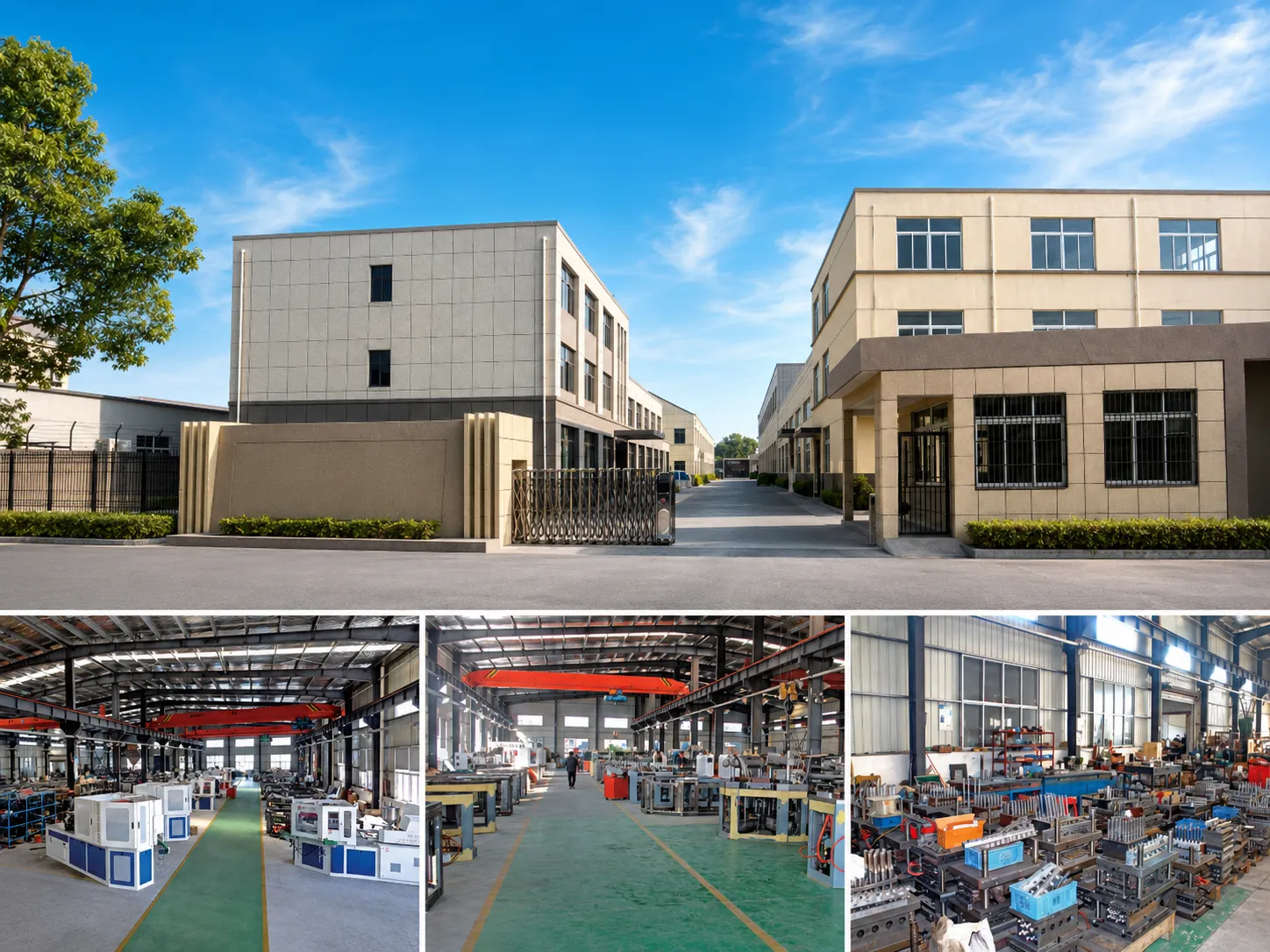
ZQ चयन मैट्रिक्स · खाद्य आईबीएम @ 200 मिलीलीटर एचडीपीई स्क्वीज़ बोतल (एमआई 0.5)
| ZQ मॉडल | सीएवी @ 200 मिलीलीटर | बोतलें/घंटा | वार्षिक सीमा। | कोरियाई भोजन प्रोफ़ाइल |
|---|---|---|---|---|
| ईपी-जेडक्यू40 | 5–7 | ~4,000–5,600 | ~14–19.6 मिलियन | कोरियाई विशेष शहद स्टार्टअप, कोरियाई कारीगर मसाला ब्रांड, सीमित संस्करण मौसमी |
| ईपी-जेडक्यू60 ★ | 12 | ~9,600 | ~33.6 मिलियन | कोरियाई राष्ट्रीय खाद्य ब्रांड ओईएम, कोरियाई सोया सॉस उत्पादक, कोरियाई शहद ब्रांड — बेंचमार्क |
| ईपी-जेडक्यू80 | 16 | ~12,800 | ~44.8 मिलियन | कोरियाई प्रमुख खाद्य समूह, कोरियाई सुपरमार्केट निजी लेबल मसाला ओईएम, बहु-प्रारूप |
| ईपी-जेडक्यू110 | 20 | ~16,000 | ~56.0 मिलियन | कोरियाई प्रमुख खाद्य समूह की सोया सॉस कंपनी और कोरियाई सुपरमार्केट श्रृंखला के निजी लेबल उत्पादों का बड़े पैमाने पर उत्पादन |
★ 12 कैविटी वाली ZQ60 मशीन - कोरियाई खाद्य पैकेजिंग के लिए IBM का बेंचमार्क है। 200 मिलीलीटर की 33.6 मिलियन वार्षिक इकाइयाँ एक ही मशीन में कोरियाई राष्ट्रीय ब्रांड सोया सॉस और विशेष शहद की पैकेजिंग की वार्षिक मात्रा को कवर करती हैं। ईपी-जेडक्यू60 600 KN क्लैम्पिंग बल 100-300 मिलीलीटर क्षमता वाले 12-16 कैविटी वाले खाद्य पदार्थों को कुशलतापूर्वक संभालता है। कोरियाई खाद्य उत्पादक जो एक ही मशीन पर दोहरे प्रारूप (मसाला + शहद) का उत्पादन करना चाहते हैं, उन्हें 2 घंटे से कम समय में प्रारूप परिवर्तन के लिए त्वरित-परिवर्तन मोल्ड माउंटिंग के साथ ZQ60 का चयन करना चाहिए।
इंजीनियरिंग संबंधी अक्सर पूछे जाने वाले प्रश्न
खाद्य पैकेजिंग आईबीएम — इंजीनियरिंग संबंधी प्रश्न
आईबीएम, ईबीएम की तुलना में बेहतर हनी बियर बोतलें क्यों बनाती है?
तीन संरचनात्मक कारणों से IBM, EBM की तुलना में बेहतर शहद के भालू के आकार की बोतलें बनाती है। पहला कारण यह है कि IBM का ब्लो मोल्ड कंटेनर के बाहरी आकार को पूरी तरह से परिभाषित करता है। भालू के आकार के ब्लो मोल्ड से बना हर कंटेनर, उत्पादन के हर चरण में, सतह की सभी बारीकियों (कानों का आकार, पेट की आकृति, आंखों की स्थिति की उभरी हुई आकृति) के साथ बिल्कुल वैसा ही आकार लेता है जैसा कि ब्लो मोल्ड कैविटी में मशीनिंग के दौरान बनाया गया होता है। IBM भालू के आकार के कंटेनर में कोई विभाजन रेखा नहीं होती है। मोल्ड की विभाजन रेखा आधार पर, दिखाई देने वाली सतह के बाहर होती है, इसलिए भालू का शरीर सीमलेस होता है। EBM भालू के आकार के कंटेनरों में गर्दन से आधार तक शरीर के बीचोंबीच एक स्पष्ट विभाजन रेखा होती है, जो भालू के गोल शरीर की सतह पर स्पष्ट रूप से दिखाई देती है और कोरियाई प्रीमियम शहद ब्रांड इसे शेल्फ पर प्रदर्शित करने से मना कर देते हैं। दूसरा कारण यह है कि IBM भालू के आकार के कंटेनरों का शरीर एक सीमलेस, एक-टुकड़ा होता है, जिसे भालू के आकार की कैविटी के अंदर प्रीफॉर्म को फुलाकर बनाया जाता है। आईबीएम के नियंत्रित ब्लो अनुपात द्वारा प्रीफॉर्म की दीवार को भालू के शरीर के विभिन्न अनुप्रस्थ काट क्षेत्रों (कानों पर पतली, पेट पर मोटी) में वितरित किया जाता है, जिससे भालू के शरीर पर ±5% CV की अंतिम दीवार मोटाई का वितरण प्राप्त होता है। ईबीएम भालू कंटेनरों में भालू के शरीर की सतह पर ±15–20% CV की दीवार मोटाई होती है, जिससे भालू के कंधे के घुमावों और कान के जोड़ों पर दीवार पतली हो जाती है - जो प्राकृतिक पारदर्शी एचडीपीई में धुंधली रेखाओं के रूप में दिखाई देती है, जिसे कोरियाई शहद ब्रांड पैकेजिंग निरीक्षक अस्वीकार कर देते हैं। तीसरा, सभी कैविटीज़ में आईबीएम नेक थ्रेड OD ±0.05 मिमी यह सुनिश्चित करता है कि शहद निकालने वाला फ्लिप-कैप या डिस्क-टॉप क्लोज़र सभी उत्पादन कंटेनरों में समान रूप से लगे - कोरियाई विशेष शहद उपहार पैकेजिंग में ±15% के लक्ष्य के एंगेजमेंट टॉर्क वाले प्रीमियम फ्लिप-कैप निर्दिष्ट किए गए हैं, एक विनिर्देश जिसे केवल आईबीएम का ±0.05 मिमी थ्रेड OD ही बड़े पैमाने पर पूरा कर सकता है।
कोरियाई खाद्य पैकेजिंग के लिए किस वार्षिक उत्पादन मात्रा पर आईबीएम, ईबीएम की तुलना में अधिक किफायती साबित होता है?
कोरियाई खाद्य पैकेजिंग कंटेनरों के लिए आईबीएम बनाम ईबीएम का आर्थिक रूपांतरण कंटेनर की मात्रा और प्रारूप की जटिलता पर निर्भर करता है। 100-300 मिलीलीटर रेंज में मानक बेलनाकार या साधारण अंडाकार खाद्य कंटेनरों के लिए: रूपांतरण प्रति प्रारूप प्रति वर्ष लगभग 3-5 मिलियन यूनिट है। 3 मिलियन यूनिट से कम उत्पादन पर, ईबीएम के कम मोल्ड टूलिंग निवेश (आमतौर पर आईबीएम के 3-पीस मोल्ड की लागत का 40-60%) से कुल वार्षिक लागत कम हो सकती है। 5 मिलियन यूनिट से अधिक उत्पादन पर, आईबीएम व्यवस्थित रूप से अधिक किफायती है: (1) उच्च उत्पादन दर - 12-14 कैविटी (200 मिलीलीटर) पर आईबीएम का 3-4 सेकंड का चक्र समय तुलनीय मशीन निवेश पर 9,600-11,200 बोतलें प्रति घंटे उत्पादित करता है, जबकि ईबीएम का 4-6 कैविटी पर 5-8 सेकंड का चक्र तुलनीय मशीन निवेश पर 2,700-4,300 बोतलें प्रति घंटे उत्पादित करता है; (2) शून्य फ्लैश ट्रिम — आईबीएम ईबीएम बेस ट्रिम ऑपरेशन और उससे जुड़े श्रम (कोरियाई खाद्य पैकेजिंग कारखानों में आमतौर पर 2 ईबीएम मशीनों पर 1 ऑपरेटर) को समाप्त कर देता है; (3) कम रेज़िन खपत — आईबीएम की एकसमान दीवार (±5% CV) सभी बिंदुओं पर न्यूनतम दीवार मोटाई प्राप्त करती है, जबकि ईबीएम पतली दीवार वाले डिज़ाइन बिंदुओं पर ±15–20% भिन्नता की भरपाई के लिए अतिरिक्त मोटाई का उपयोग करता है; (4) उच्च गुणवत्ता स्वीकृति — आईबीएम के गुणवत्ता स्तर पर कोरियाई खाद्य ब्रांडों की स्वीकृति से लौटाए गए माल और पुनर्कार्य लागत में कमी आती है। जटिल आकार के कंटेनरों (भालू के आकार का शहद, उभरे हुए सतह पैटर्न, एकीकृत हैंडल आकार) के लिए: आईबीएम का आर्थिक क्रॉसओवर कम है — लगभग 1-2 मिलियन यूनिट प्रति वर्ष — क्योंकि जटिल आकृतियों पर ईबीएम की विभाजन रेखा के लिए आमतौर पर एक द्वितीयक कॉस्मेटिक उपचार चरण की आवश्यकता होती है जिसे आईबीएम पूरी तरह से समाप्त कर देता है।
क्या आईबीएम कोरियाई सोया सॉस की बोतलें बना सकती है जिनमें डिस्पेंसिंग नोजल बोतल के गले में ही एकीकृत हो?
जी हां – आईबीएम इंजेक्शन मोल्डिंग द्वारा निर्मित संकीर्ण डिस्पेंसिंग नोजल नेक ज्यामिति के साथ कोरियाई सोया सॉस की बोतलें बना सकता है, जिससे उत्पादन के बाद अलग से नोजल टिप लगाने की आवश्यकता समाप्त हो जाती है। आईबीएम का इंजेक्शन मोल्ड नेक इंसर्ट संकीर्ण डिस्पेंसिंग छिद्र, नियंत्रित छिद्र व्यास, कोणयुक्त डिस्पेंसिंग टिप दिशा और बोतल के बोर से नोजल छिद्र तक सुगम आंतरिक संक्रमण सहित संपूर्ण नेक ज्यामिति को परिभाषित करता है। डिस्पेंसिंग छिद्र का व्यास कोरियाई सोया सॉस की धारा की चौड़ाई और प्रवाह दर को नियंत्रित करता है – कोरियाई टेबल सोया सॉस के लिए आमतौर पर 3-5 मिमी व्यास (एक हाथ से डालने पर पतली, नियंत्रित धारा उत्पन्न करता है)। डिस्पेंसिंग छिद्र के व्यास पर आईबीएम नेक इंसर्ट की सीएनसी मशीनिंग टॉलरेंस ±0.05 मिमी है, जो सभी कैविटी में एकसमान प्रवाह दर सुनिश्चित करती है। कोरियाई सोया सॉस ब्रांड जो आईबीएम डिस्पेंसिंग नोजल नेक ज्यामिति निर्दिष्ट करते हैं, उन्हें निम्नलिखित बातों पर ध्यान देना चाहिए: (1) नेक इंसर्ट मशीनिंग से पहले नोजल ज्यामिति को कोरिया एवर-पावर की आईबीएम मोल्ड डिजाइन टीम को सूचित किया जाना चाहिए - इसके लिए 2डी नोजल ज्यामिति ड्राइंग या संदर्भ कंटेनर क्रॉस-सेक्शन की आवश्यकता होती है; (2) डिस्पेंसिंग छिद्र न्यूनतम आईबीएम कोर रॉड व्यास से ऊपर होना चाहिए जो नेक तक पहुंच सके और उसे मोल्ड से निकाल सके - आमतौर पर 200 मिलीलीटर कोरियाई सोया सॉस नोजल कंटेनरों के लिए ≥ 4 मिमी; (3) आईबीएम मोल्ड डिजाइन से पहले कोरियाई खाद्य ब्रांड की पैकेजिंग टीम द्वारा आईबीएम नोजल नेक ज्यामिति के साथ संगत फ्लिप-कैप या पुश-पुल कैप क्लोजर निर्दिष्ट किया जाना चाहिए, क्योंकि कैप की सीलिंग सतह आईबीएम नेक के डिस्पेंसिंग टिप ज्यामिति के साथ इंटरफेस करती है।
क्या एक ही ZQ मशीन खाद्य-ग्रेड और फार्मास्युटिकल दोनों प्रकार के एचडीपीई आईबीएम कंटेनर बना सकती है?
जी हां – खाद्य-ग्रेड और फार्मास्युटिकल एचडीपीई आईबीएम उत्पादन के लिए ZQ मशीन का हार्डवेयर एक जैसा है। एक ही ZQ60 या ZQ80 मशीन, मोल्ड बदलने के साथ, अलग-अलग एचडीपीई ग्रेड और ZQ कंट्रोल सिस्टम में संग्रहीत उत्पादन विधियों का उपयोग करके, एक ही दिन में कोरियाई सोया सॉस कंटेनर और कोरियाई फार्मास्युटिकल ओरल लिक्विड कंटेनर का उत्पादन कर सकती है। हालांकि, कोरियाई नियामक आवश्यकताओं के कारण एक ही सुविधा में मिश्रित खाद्य/फार्मास्युटिकल आईबीएम उत्पादन पर परिचालन संबंधी प्रतिबंध हैं, जिनका प्रबंधन कोरियाई आईबीएम उत्पादकों को करना होगा। कोरियाई जीएमपी फार्मास्युटिकल आईबीएम उत्पादन एक समर्पित उत्पादन क्षेत्र में किया जाना चाहिए जो कोरियाई एमएफडीएस फार्मास्युटिकल जीएमपी पर्यावरणीय मानकों (कण और सूक्ष्मजीव निगरानी, हेपा निस्पंदन, गाउनिंग प्रोटोकॉल) को पूरा करता हो। कोरियाई खाद्य आईबीएम उत्पादन के लिए इन पर्यावरणीय नियंत्रणों की आवश्यकता नहीं है – इसके लिए केवल कोरियाई एमएफडीएस खाद्य स्वच्छता मानकों (कोरियाई खाद्य प्रसंस्करण सुविधा के समकक्ष स्वच्छ कक्ष, रासायनिक संदूषण का कोई जोखिम नहीं) की आवश्यकता होती है। व्यवहार में, कोरियाई आईबीएम कॉन्ट्रैक्ट पैकेजिंग फैक्ट्रियां जो खाद्य और फार्मास्युटिकल दोनों प्रकार के कंटेनर बनाती हैं, आमतौर पर एक ही फैक्ट्री फ्लोर पर दो अलग-अलग उत्पादन कक्ष संचालित करती हैं - एक जीएमपी फार्मास्युटिकल कक्ष जिसमें फार्मास्युटिकल जेडक्यू मशीनें होती हैं और एक गैर-जीएमपी खाद्य कक्ष जिसमें खाद्य जेडक्यू मशीनें होती हैं - बजाय इसके कि दोनों प्रकार के उत्पादों को एक ही मशीन पर एक ही कमरे में चलाया जाए। यह परिचालन विभाजन कोरियाई एमएफडीएस फार्मास्युटिकल जीएमपी ऑडिट अनुपालन को बनाए रखता है, साथ ही फैक्ट्री को एक ही जेडक्यू मशीन प्लेटफॉर्म निवेश के साथ कोरियाई खाद्य और फार्मास्युटिकल दोनों ग्राहकों को सेवा प्रदान करने की अनुमति देता है।
कोरियाई खाद्य पदार्थों से संबंधित कौन से आईबीएम कंटेनर एप्लिकेशन सबसे तेजी से बढ़ रहे हैं और क्यों?
2024-2026 के दौरान तीन कोरियाई खाद्य आईबीएम कंटेनर अनुप्रयोगों में औसत से अधिक वार्षिक वृद्धि देखी गई है। पहला, कोरियाई प्रीमियम शहद और प्राकृतिक स्वीटनर पैकेजिंग: प्राकृतिक, एडिटिव-मुक्त स्वीटनर (बबूल का शहद, घरेलू कोरियाई पाइन शहद, एगेव सिरप, कोरियाई चावल सिरप) के लिए कोरियाई उपभोक्ताओं की प्राथमिकता कोरियाई शहद आईबीएम कंटेनर की मात्रा में लगभग 12-151टीपी3 टन प्रति वर्ष की वृद्धि को बढ़ावा दे रही है। आईबीएम के सीमलेस बियर और जार शहद कंटेनर कोरियाई डिपार्टमेंट स्टोर फूड हॉल और कोरियाई ऑनलाइन स्पेशलिटी फूड प्लेटफॉर्म को लक्षित करने वाले कोरियाई प्रीमियम शहद ब्रांडों के लिए पसंदीदा प्रारूप हैं - प्रीमियम दिखावट कोरियाई खुदरा बाज़ार में ईबीएम शहद कंटेनरों की तुलना में प्रीमियम मूल्य को उचित ठहराती है। दूसरा, कोरियाई तिल का तेल और स्पेशलिटी तेल पैकेजिंग: तिल के तेल (참기름) और पेरीला तेल (들기름) के लिए कोरियाई खाना पकाने के तेल आईबीएम कंटेनर 8-101टीपी3 टन प्रति वर्ष की दर से बढ़ रहे हैं, जो प्रीमियम मूल्य बिंदुओं पर एकल-उत्पत्ति, कारीगर कोरियाई खाना पकाने के तेलों के लिए कोरियाई उपभोक्ता मांग से प्रेरित है। 100-200 मिलीलीटर क्षमता वाले आईबीएम कंटेनर, जो एंटीऑक्सीडेंट युक्त एम्बर एचडीपीई या यूवी अवरोधक पिगमेंट वाले सफेद एचडीपीई से बने होते हैं, कोरियाई प्रीमियम तेल ब्रांडों के लिए पसंदीदा प्रारूप हैं। तीसरा, कोरियाई खाद्य निर्यात मसाला पैकेजिंग: दक्षिण पूर्व एशिया, मध्य पूर्व और अमेरिका को कोरियाई खाद्य निर्यात ने कोरियाई मसाला आईबीएम कंटेनरों की मांग को बढ़ाया है - सोया सॉस, गोचुजांग सॉस, कोरियाई बीबीक्यू सॉस और कोरियाई डिपिंग सॉस ब्रांड जो अंतरराष्ट्रीय स्तर पर कोरियाई खाद्य वितरण को लक्षित करते हैं, वे सभी अपने निर्यात प्रारूप एसकेयू के लिए आईबीएम कंटेनरों को निर्दिष्ट करते हैं, निर्यात लॉजिस्टिक्स के लिए आईबीएम के रिसाव-रहित नेक थ्रेड और एकसमान वितरण को प्रमुख गुणवत्ता आवश्यकताओं के रूप में बताते हैं।
आईबीएम कोरियाई खाद्य कंटेनरों को कैसे संभालता है जिनमें गर्म भराई की आवश्यकता होती है (भरने के दौरान तिल के तेल को 60 डिग्री सेल्सियस तक गर्म किया जाता है)?
कोरियाई खाद्य पदार्थों के लिए गर्म भरने वाले आईबीएम कंटेनरों (तिल का तेल 50-65°C पर, शहद 45-55°C पर, और कुछ कोरियाई सिरका-आधारित सॉस जिन्हें 65-75°C पर स्टेरिलाइज़ेशन के लिए गर्म भरा जाता है) के लिए विशिष्ट एचडीपीई ग्रेड और दीवार की मोटाई का डिज़ाइन आवश्यक होता है ताकि भरने के तापमान पर कंटेनर की आयामी अखंडता और आयतन की सटीकता बनी रहे। 0.45 एमपीए भार पर एचडीपीई का ऊष्मा विक्षेपण तापमान लगभग 75-85°C होता है, जो घनत्व सीमा 0.952-0.965 के लिए कोरियाई खाद्य अनुप्रयोगों में गर्म भरने के तापमान सीमा से अधिक है। यह पुष्टि करता है कि एचडीपीई आईबीएम कंटेनर कोरियाई खाद्य पदार्थों को गर्म भरते समय संरचनात्मक रूप से विकृत नहीं होते हैं। हालांकि, गर्म तापमान पर एचडीपीई कंटेनर का ऊष्मीय विस्तार (एचडीपीई रैखिक ऊष्मीय विस्तार गुणांक ≈ 130–160 × 10⁻⁶/°C) कंटेनर के आयतन को अस्थायी रूप से बढ़ा देता है — 60°C तापमान पर भरे गए 200 मिलीलीटर एचडीपीई आईबीएम कंटेनर का आयतन 23°C की तुलना में लगभग 1.8–2.0 मिलीलीटर अधिक होता है। कोरियाई खाद्य पदार्थों के लिए भरे जाने वाले आयतन के अनुपालन (अधिकांश कोरियाई खाद्य कंटेनर श्रेणियों के लिए घोषित भराव आयतन ±3%) के लिए, इस ऊष्मीय विस्तार को कोरियाई फिलिंग लाइन की आयतन सेटिंग में ध्यान में रखना आवश्यक है — कोरियाई खाद्य फिलिंग मशीन को आमतौर पर भरे जाने वाले तापमान पर कैलिब्रेट किया जाता है ताकि कंटेनर के विस्तारित गर्म-भरने वाले आयामों पर नाममात्र आयतन वितरित किया जा सके, और कंटेनर के 23°C कोरियाई भंडारण तापमान तक ठंडा होने के बाद लक्ष्य आयतन प्राप्त किया जा सके। कोरिया एवर-पावर अनुरोध पर कोरियाई खाद्य हॉट-फिल आईबीएम कंटेनर डिजाइन के लिए थर्मल विस्तार सुधार गणना प्रदान कर सकता है, जिससे कोरियाई खाद्य आईबीएम उत्पादकों को उनके विशिष्ट हॉट-फिल तापमान और घोषित नाममात्र मात्रा पर कोरियाई एमएफडीएस फिल-वॉल्यूम अनुपालन के लिए अपनी फिलिंग लाइनों को सही ढंग से कैलिब्रेट करने में मदद मिलती है।
खाद्य पैकेजिंग आईबीएम पूछताछ · कोरिया एवर-पावर
क्या आप एचडीपीई फूड-ग्रेड आईबीएम कंटेनर के उत्पादन की योजना बना रहे हैं?
कोरिया एवर-पावर, कोरियाई खाद्य पैकेजिंग आईबीएम उत्पादन के लिए सभी वार्षिक उत्पादन स्तरों पर खाद्य-ग्रेड एचडीपीई आईबीएम मोल्ड डिजाइन, कोरियाई एमएफडीएस खाद्य संपर्क अनुपालन प्रलेखन, निचोड़ने वाली बोतल की दीवार इंजीनियरिंग और जेडक्यू श्रृंखला मशीन चयन प्रदान करता है।