Application de l'ISBM · Produits pour enfants · Marché coréen 2026
Bouteilles pour produits pour enfants ISBM coréens :
Guide de sécurité Tritan et sans BPA
En Corée, les parents sont les acheteurs d'emballages pour enfants les plus exigeants en matière de spécifications en Asie de l'Est. La documentation relative à l'absence de BPA, la certification de stérilisation à la vapeur, la résistance aux chutes et la conformité des matériaux aux normes de la KFDA sont évaluées avant l'achat, et non après. Les fabricants coréens d'emballages pour enfants qui maîtrisent ces spécifications ont accès à un marché où les prix premium sont garantis et les relations avec les marques s'inscrivent dans la durée.
Stérilisation à la vapeur certifiée
Essai de chute sur béton de 1,5 m
Bureau d'ingénierie Ever-Power coréen · Ansan-si · Mai 2026
Chronologie de la certification de sécurité des bouteilles de produits pour enfants en Corée
2008
La Corée interdit le BPA dans les biberons – premier organisme de réglementation d'Asie de l'Est à prendre une telle mesure.
2016
La marque KC est obligatoire pour les contenants en plastique destinés aux enfants — exigence de certification de sécurité officielle
2022
La KFDA étend les tests de migration de la liste positive pour inclure un panel complet d'analogues du bisphénol (BPA, BPF, BPS).
2026
Mandat K-EPR concernant le rPET — Les fabricants de produits pour enfants recherchent des solutions rPET avec une chaîne d'approvisionnement exempte de bisphénol A
1. Le marché coréen de l'emballage des produits pour enfants en 2026
Le faible taux de natalité en Corée (0,72 en 2024), inférieur au seuil de renouvellement des générations, a engendré un paradoxe sur le marché des produits pour enfants : moins d’enfants, mais des dépenses par enfant plus élevées. En 2026, les parents coréens ont dépensé davantage par enfant en produits haut de gamme pour bébés et enfants que tout autre groupe démographique d’Asie de l’Est. Cette dynamique est renforcée par la norme de l’enfant unique, les ménages à double revenu disposant d’un pouvoir d’achat important et la culture coréenne qui associe la qualité de l’éducation parentale au choix de produits de qualité. Il en résulte un marché de l’emballage pour produits pour enfants d’une valeur d’environ 850 milliards de wons par an, où le prix de gros des emballages ISBM haut de gamme (120 à 350 wons par bouteille) est nettement plus compétitif que celui des emballages de produits alimentaires ou de boissons de base.
Les fabricants coréens d'emballages ISBM qui ciblent ce marché doivent en comprendre la structure spécifique : ce marché est dominé par les marques coréennes de produits pour bébés (Comotomo Korea, Pigeon Korea, la distribution coréenne de Dr. Brown's, Nuk Korea) et par les marques coréennes haut de gamme (Cozybag Bebe Confort, BabyMom) qui misent avant tout sur la documentation relative à la sécurité plutôt que sur le prix. Un fabricant coréen d'emballages ISBM capable de fournir une documentation vérifiable attestant de l'absence de BPA, des tests complets sur les analogues du bisphénol A et une certification de résistance aux chocs peut pratiquer des prix supérieurs justifiant le coût de la résine Tritan et les frais généraux liés aux spécifications plus élevées. Le cadre d'ingénierie ISBM pour les biberons sans BPA – couvrant la sélection des matériaux et les paramètres de processus – est documenté en détail dans [référence manquante]. Guide de fabrication des biberons sans BPA.
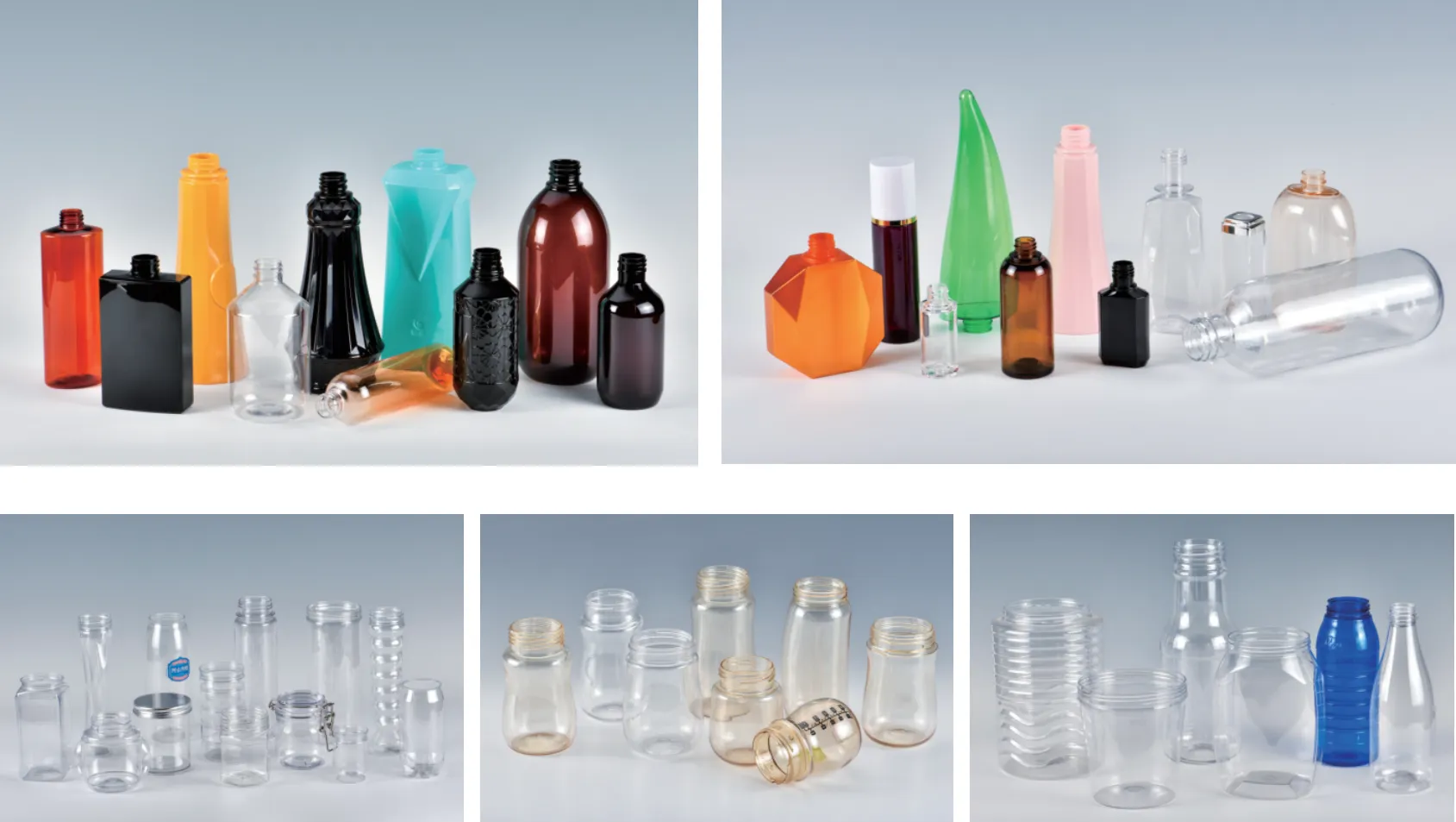
Au-delà des biberons traditionnels, le marché coréen des produits pour enfants (ISBM) en 2026 comprend : les tasses d’apprentissage et les gobelets à bec pour tout-petits (en Tritan ou PET, de 150 à 350 ml, de marque K-baby), les flacons de compléments alimentaires pour enfants (vitamines, probiotiques, oméga-3 en pots PETG à large ouverture), les gourdes réutilisables pour enfants (en Tritan, de 400 à 750 ml, certification sans BPA obligatoire) et les flacons de soins pour enfants (lotion, shampoing en PET avec certification sans BPA). Chaque sous-catégorie a ses propres exigences en matière de matériaux et de certifications, que ce guide aborde systématiquement.
2. Le cadre réglementaire coréen relatif aux produits sans BPA : au-delà de la déclaration de base
L'interdiction du BPA dans les biberons en Corée en 2008 a fait figure de pionnière en Asie de l'Est. Toutefois, l'élargissement de cette interdiction par la KFDA en 2022, afin d'inclure l'ensemble des analogues du bisphénol A (BPA, BPF, BPS et BPAF), reflète le consensus scientifique selon lequel plusieurs substituts courants du BPA présentent un potentiel de perturbation endocrinienne similaire. Cet élargissement a des implications commerciales pour les fabricants coréens de biberons à usage interne : une simple déclaration « sans BPA » fondée sur l'absence de détection de BPA ne suffit plus aux exigences d'achat des marques coréennes haut de gamme de produits pour enfants ; la documentation doit désormais confirmer l'absence de détection de l'ensemble des bisphénols.
Pour les fabricants coréens de bouteilles en silicone ISBM, les exigences pratiques en matière de documentation relative au BPA pour les contrats de produits pour enfants en 2026 sont les suivantes : un certificat de conformité à la liste positive de la KFDA pour la résine (attestant l’absence d’additifs bisphénol A dans la formulation de la résine) ; un rapport de test de migration réalisé par un tiers, utilisant l’ensemble des analogues du bisphénol A dans le milieu de contact alimentaire approprié (eau, acide acétique 3%, éthanol 15% selon le type de produit pour enfants) ; et une déclaration de sécurité des matériaux signée par le responsable qualité du fabricant d’ISBM, confirmant l’absence de polycarbonate dans le processus de production du type de bouteille concerné. Cette déclaration relative à la contamination croisée par le polycarbonate est requise car certaines usines de production coréennes d’ISBM utilisent à la fois du Tritan (sans BPA) et du polycarbonate (contenant du BPA) sur les mêmes machines pour différentes applications clients ; la déclaration confirme une production séparée, prévenant ainsi toute contamination croisée.
Le copolyester Tritan (Eastman Chemical) et le PETG (polyéthylène téréphtalate glycol) sont les deux résines utilisées par les fabricants coréens de produits pour enfants ISBM afin de satisfaire pleinement aux exigences relatives aux analogues de bisphénols. Ces deux résines sont intrinsèquement exemptes de toutes les classes de composés bisphénoliques, car leur synthèse ne fait pas appel à ces composés. La comparaison technique de ces deux options – notamment en termes de clarté, de performance de stérilisation et de différences de transformation – est présentée dans le document suivant : Guide comparatif des matériaux Tritan et polycarbonate.
3. Catégories et spécifications des biberons ISBM pour enfants coréens
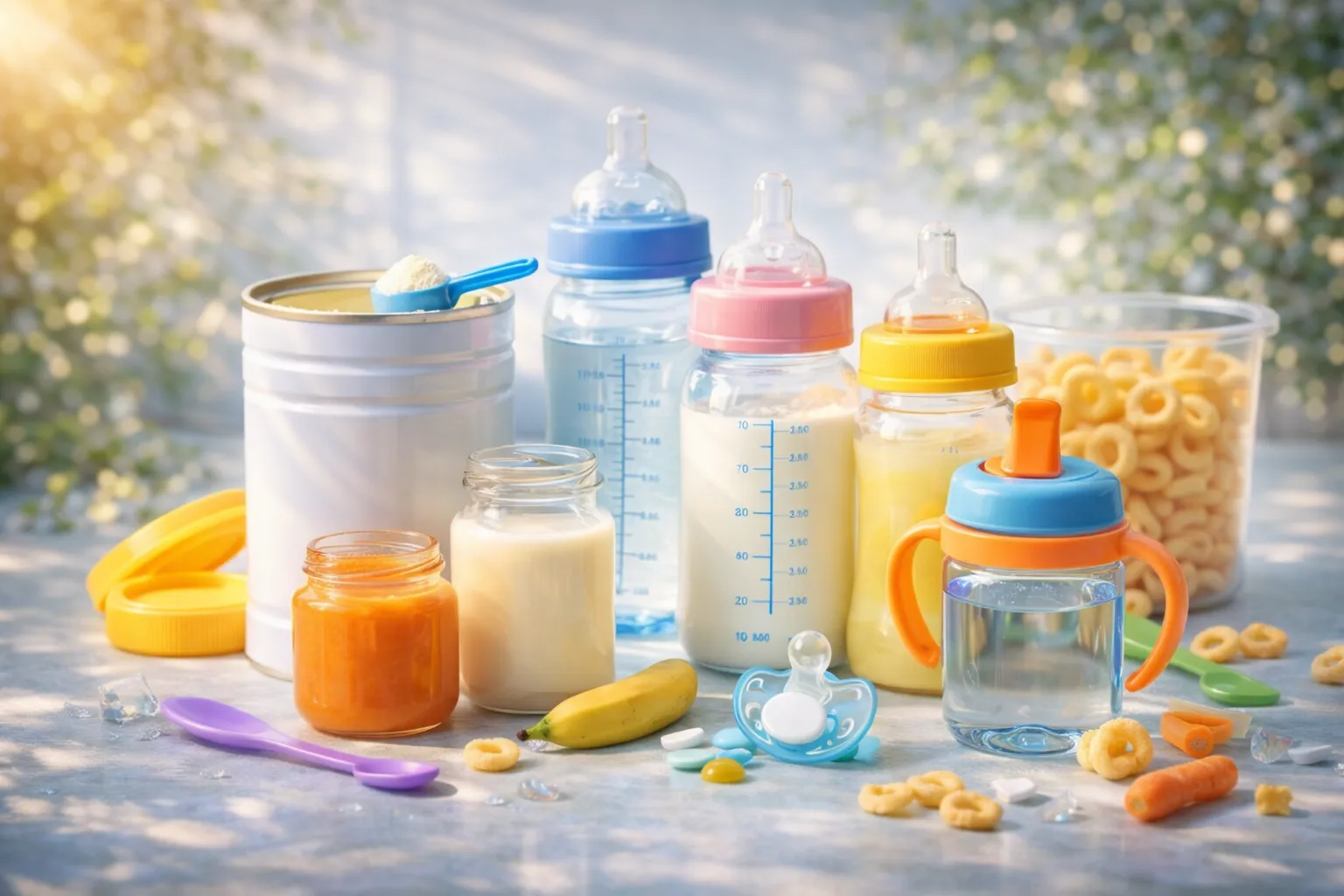
La gamme de bouteilles pour produits pour enfants ISBM coréenne – biberons en Tritan, pots à compléments alimentaires en PETG et gobelets d'apprentissage sans BPA – constitue l'une des trois principales catégories d'emballages pour bébés en Corée. La conformité à la réglementation KFDA sur les analogues de bisphénol A est obligatoire pour toutes les catégories ; les biberons doivent être stérilisés.
4. Traitement ISBM du Tritan : plages de température et exigences de qualité
Le copolyester Eastman Tritan (TX1001, MX711 et leurs dérivés) est transformé sur une machine ISBM coréenne à 4 stations dans des conditions différentes de celles utilisées pour le PET et le PETG. Les températures de fourreau sont intermédiaires (260–285 °C, entre celles du PETG (240–265 °C) et celles du PET (275–295 °C)), mais le profil de température de conditionnement est unique : le Tritan présente une plage de températures d’orientation utilisables plus large (80–100 °C) que le PET standard (92–110 °C), ce qui permet une gestion du conditionnement plus souple pour les producteurs coréens d’ISBM qui découvrent la transformation du Tritan.
Les deux exigences de transformation les plus importantes pour le Tritan dans la production de bouteilles ISBM coréennes sont les suivantes : premièrement, un séchage complet est plus critique pour le Tritan que pour le PET ou le PETG. Le Tritan absorbe l’humidité à un rythme d’environ 0,051 TP3T par heure dans les conditions ambiantes, soit le double du PET standard. Le Tritan non séché produit des produits de dégradation hydrolytique qui entraînent une perte de transparence et une diminution du poids moléculaire, se traduisant par des bouteilles opaques et une baisse des performances mécaniques. Les producteurs coréens de bouteilles ISBM doivent sécher le Tritan à 65 °C pendant 4 à 5 heures dans un séchoir déshumidificateur (et non un simple séchoir à air chaud) afin d’atteindre le taux d’humidité inférieur à 50 ppm requis pour la production de bouteilles ISBM à transparence optique.
Deuxièmement, la gestion des déchets de Tritan est plus stricte que celle du PET : les directives de transformation du Tritan d’Eastman imposent l’absence de déchets pour la production de produits destinés au contact alimentaire et un maximum de déchets 5% pour les applications non alimentaires. La production de biberons ISBM pour enfants en Corée étant destinée au contact alimentaire, tout le Tritan utilisé pour ces biberons doit être produit à partir de résine vierge 100%, sans aucun déchet. Cette exigence d’absence de déchets augmente le coût des matériaux par biberon, mais elle est non négociable en vertu de la réglementation de la KFDA relative aux produits destinés au contact alimentaire pour enfants et du programme de certification d’Eastman pour le Tritan en contact alimentaire. Les critères de sélection des matériaux, notamment le choix du PETG dans certaines catégories où le coût plus élevé du Tritan n’est pas justifié, sont abordés dans le document suivant : Guide de sélection des résines PET et PETG.
5. Certification KC Mark pour les bouteilles de produits pour enfants coréens
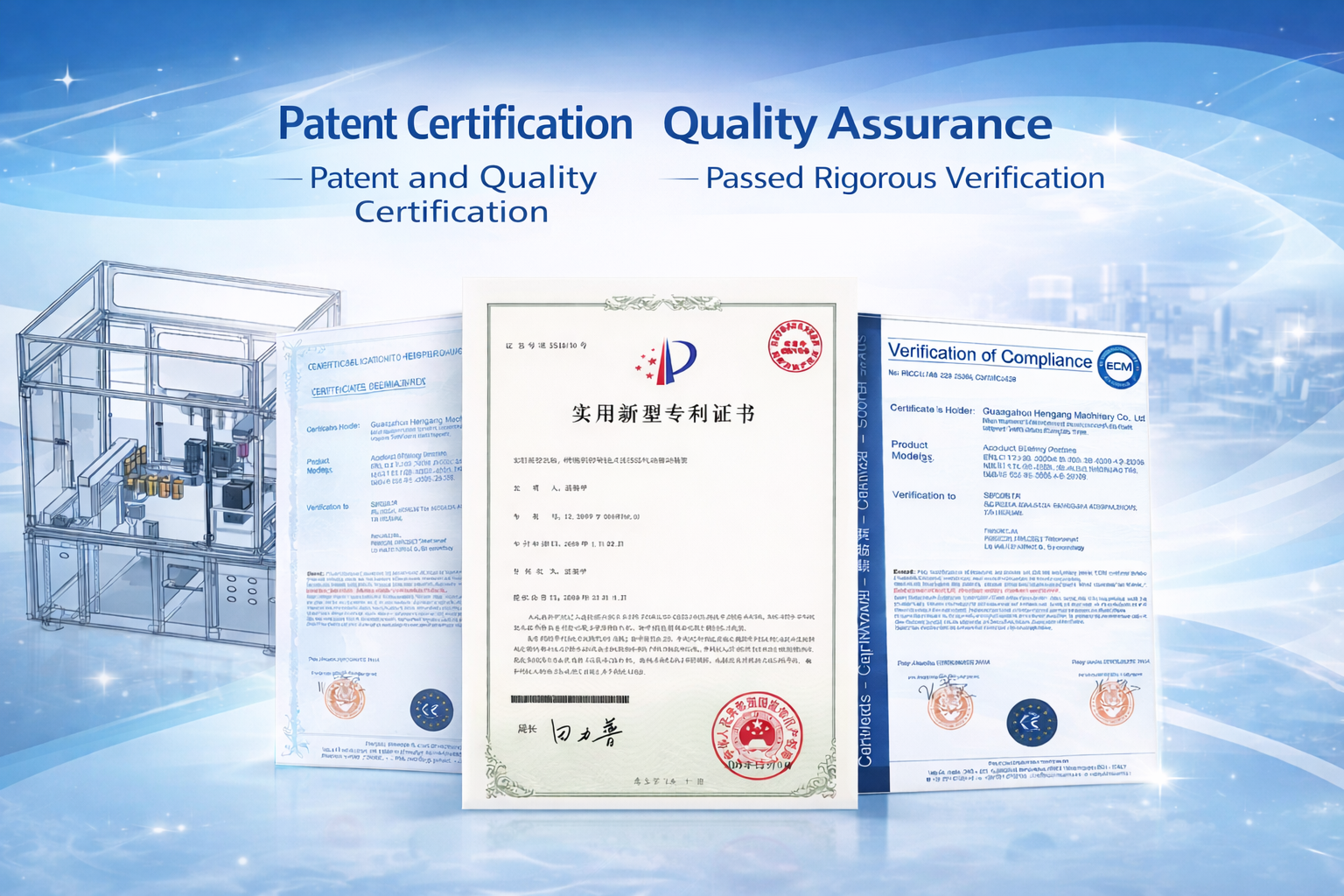
La marque KC (Korea Conformity Mark, 한국건강관리협회 안전인증) est la certification de sécurité obligatoire pour les contenants en plastique pour enfants vendus en Corée, conformément à la norme KC 62368-1 (ou équivalent) relative à la sécurité des produits pour enfants. Pour les biberons ISBM destinés aux bébés et aux jeunes enfants (catégories A et B ci-dessus), la certification KC est obligatoire pour la vente au détail en Corée et doit être obtenue par le fabricant du produit (la marque pour enfants, et non le fournisseur d'emballage).
Les fabricants coréens d'emballages ISBM ne sont pas tenus de détenir la marque KC ; cette responsabilité incombe aux marques pour enfants. Toutefois, ils peuvent considérablement accélérer le processus de demande de certification KC pour leurs clients en leur fournissant un dossier technique complet : un ensemble de documents pré-compilés comprenant les certificats de conformité KFDA pour le contact alimentaire, les rapports complets des tests de migration des analogues du bisphénol A, les rapports des tests de sécurité physique (chute, compression, arêtes vives) et la documentation relative au système qualité de la production. Les marques coréennes pour enfants qui reçoivent ce dossier complet de leur fournisseur ISBM obtiennent généralement la certification KC en 8 à 12 semaines, contre 18 à 24 semaines habituellement lorsque la documentation doit être rassemblée progressivement auprès de plusieurs fournisseurs.
Pour les emballages de produits pour enfants coréens destinés à l'exportation, le marquage CE (UE) et la conformité CPSC (États-Unis) sont de plus en plus exigés, en plus de la certification coréenne (KC). Le marquage CE pour les contenants en plastique pour enfants dans l'UE est conforme à la norme EN 71-3 (migration de certains éléments chimiques provenant des jouets) et au règlement (CE) n° 10/2011 relatif aux matériaux en contact avec les denrées alimentaires. La conformité CPSC exige le respect de la section 108 de la CPSIA (restriction du BPA) et de la norme ASTM F963 pour les jouets et les produits pour enfants. Les fabricants coréens d'emballages pour enfants en silicone (ISBM) qui développent une capacité de production d'emballages pour enfants destinés à l'exportation devraient faire appel à un laboratoire d'essais coréen (SGS Korea, TÜV SÜD Korea, Intertek Korea) dès les premières étapes du développement du produit afin de planifier le processus de certification simultanée KC + CE + CPSC, plutôt que de procéder à ces certifications successivement. Les essais simultanés sur les mêmes échantillons réduisent le délai total de certification de plus de 18 mois à 10-14 mois. L'infrastructure du système qualité pour ce niveau de documentation est analogue, bien que moins intensive, à celle de la documentation pharmaceutique décrite dans la norme. Guide de production de flacons pharmaceutiques coréens conformes aux BPF.
6. Performance en cas de chute : Une ingénierie au-delà des normes minimales
La norme coréenne pour les tests de résistance aux chocs des biberons consiste en une chute de 1,5 m sur une surface en béton, selon différentes orientations (base, épaule, côté et à l'envers). Ce test définit les performances minimales requises pour la certification KC Mark. Les marques coréennes haut de gamme de produits pour bébés, et notamment les marques importées (Philips Avent, Tommee Tippee, MAM) dont les distributeurs coréens exigent une certification locale, appliquent une norme interne plus exigeante : une chute de 1,8 m sur un parquet, sans défaillance fonctionnelle (ni fuite de liquide, ni fissure), avec un maximum de trois petites rayures superficielles acceptables par biberon.
La répartition de l'épaisseur de paroi des biberons ISBM au niveau de l'épaule et de la base est le principal levier d'ingénierie pour la résistance aux chocs, et plus précisément au niveau du talon (zone 2 du protocole d'épaisseur de paroi à 7 zones) et de la transition épaule-col (zone 7). Les fabricants coréens de biberons ISBM ayant mis en œuvre le protocole de mesure d'épaisseur de paroi à 7 zones savent quels ajustements de paramètres de processus permettent d'augmenter l'épaisseur au niveau du talon à poids de biberon constant. Pour le Tritan en particulier, la résistance aux chocs est fortement corrélée à l'épaisseur de paroi CV% en zone 2 : les biberons dont la valeur CV% en zone 2 est inférieure à 5% réussissent systématiquement le test de résistance aux chocs de 1,8 m ; ceux dont la valeur CV% en zone 2 est supérieure à 8% présentent parfois des fissures au niveau du talon et de la base lors du test de 1,8 m, même lorsque l'épaisseur de paroi moyenne est conforme aux spécifications. C'est pourquoi la méthode de mesure décrite dans le guide d'ingénierie de l'épaisseur de paroi constitue le fondement de la production pour les contrats d'approvisionnement en biberons K-baby en Corée.
7. Plateforme machine et économie de production pour la K-Baby ISBM coréenne
L'économie de production des emballages ISBM pour produits infantiles coréens diffère de celle des boissons ou produits d'hygiène classiques sur deux points structurels : le coût de la résine Tritan (3 800 à 5 200 KRW/kg contre 1 200 à 1 600 KRW/kg pour le PET standard) représente une part beaucoup plus importante des coûts variables, et la politique de zéro recyclage élimine la récupération de matière essentielle à l'optimisation du rendement des boissons classiques. Ces différences structurelles exigent une plateforme de production minimisant les rebuts : chaque cycle de production d'une bouteille non conforme représente une perte de matière première au prix du Tritan, sans possibilité de recyclage.
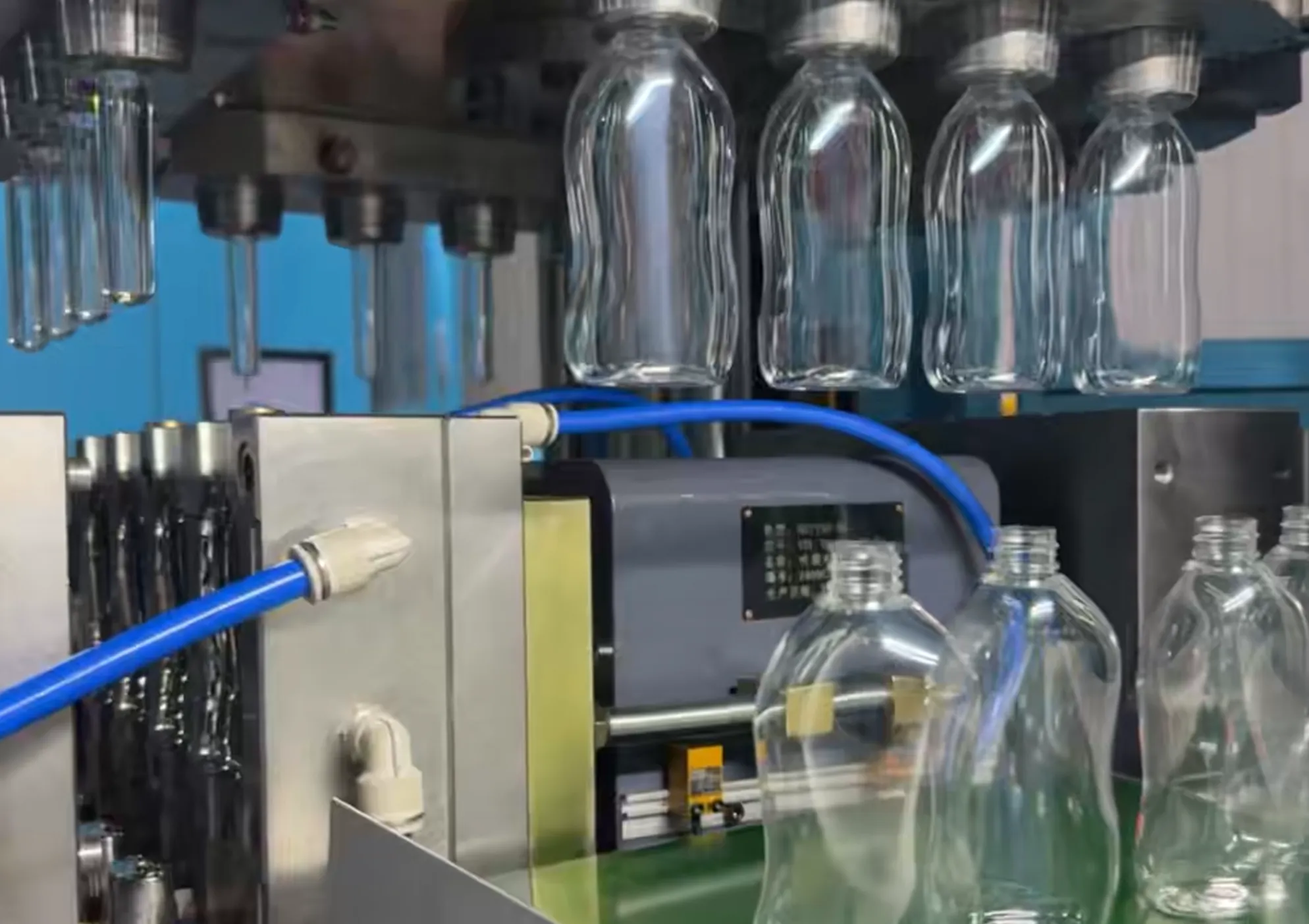
Le système d'entraînement EV entièrement servo est indispensable à la production de biberons Tritan pour enfants en Corée : la régulation de la température de conditionnement à ±0,3 °C assurée par le servo EV est la capacité de la plateforme qui garantit que les biberons Tritan restent dans la plage de production optimale où la clarté optique (nécessitant une température de conditionnement adéquate) et la résistance aux chocs (nécessitant une orientation correcte, altérée par un sur-conditionnement) sont simultanément assurées. Une machine à entraînement hydraulique, avec une variation de température de conditionnement de ±1,5 °C, produirait des biberons Tritan dont l'épaisseur de paroi serait irrégulière – certains transparents et résistants, d'autres opaques et fragiles – engendrant une variabilité de qualité qu'aucun système de contrôle en aval ne peut gérer économiquement compte tenu du coût de la résine Tritan. La HGY150-V4-EV est la plateforme de production standard coréenne pour les biberons K-baby de 100 à 350 ml à 4 cavités ; la HGY200-V4 EV, à 4 à 6 cavités, est destinée aux gobelets d'apprentissage pour tout-petits et aux petits pots pour compléments alimentaires.
Le calcul du retour sur investissement d'un investissement coréen dans ISBM ciblant spécifiquement les contrats K-baby nécessite la modélisation du coût plus élevé de la résine, du volume annuel plus faible par SKU et de la tarification premium des contrats. Un modèle financier complet, intégrant des hypothèses de coûts variables spécifiques au Tritan, est fourni dans le document. Guide du calculateur de retour sur investissement pour machines ISBM coréennesPrincipale conclusion : une opération ISBM (Integrated Stock Manufacturing) de Tritan pour bébés coréens, visant une production annuelle de 4 à 6 millions d’unités réparties sur 8 à 12 références, atteint une marge brute de 55 à 90 KRW par bouteille aux prix contractuels coréens de 2026, soit un retour sur investissement de 18 à 28 mois, plus rapide que celui des ISBM de boissons classiques malgré un coût d’investissement unitaire plus élevé, grâce au positionnement haut de gamme du segment des bébés coréens. Le segment premium adjacent des cosmétiques coréens, qui partage des valeurs produits et des exigences documentaires similaires, est également analysé. Guide de fabrication des flacons de cosmétiques K-Beauty.
8. Paysage des marques K-Baby coréennes et entrée dans la chaîne d'approvisionnement
Les marques coréennes de produits pour bébés (K-baby) appliquent un processus de qualification des fournisseurs plus long que toute autre catégorie d'emballages en Corée : généralement de 16 à 28 semaines entre le premier échantillon et le début de la production approuvée. Ce délai prolongé reflète la gravité des décisions en matière de sécurité : un emballage non conforme causant un préjudice à un nourrisson coréen peut avoir des conséquences qui dépassent le simple manque à gagner et incluent la responsabilité pénale en vertu de la loi sur la responsabilité du fait des produits (제조물 책임법) et un préjudice durable à l'image de marque. Les producteurs coréens d'emballages pour bébés (ISBM) qui souhaitent intégrer le marché des K-baby doivent considérer ce processus de qualification comme un investissement plutôt que comme un obstacle : les 16 à 28 semaines consacrées à la fourniture d'échantillons, de documents et à l'audit des installations constituent le critère de qualification qui exclut les fournisseurs les moins compétents et garantit les prix élevés des fournisseurs agréés. Les producteurs coréens d'ISBM qui réussissent la qualification auprès d'une grande marque coréenne de K-baby (Comotomo, Pigeon, Dr. Brown's Korea) constatent généralement que les qualifications ultérieures pour d'autres marques de K-baby prennent 8 à 12 semaines au lieu de 16 à 28, car l'infrastructure de documentation et les antécédents existent, et seuls les tests spécifiques à la marque doivent être effectués pour chaque nouveau client.
Foire aux questions
Support d'emballage K-Baby
Développement d'un programme de production de biberons K-Baby Tritan coréens ?
Korean Ever-Power fournit l'optimisation du traitement Tritan ISBM, des dossiers complets de documentation sur les analogues du bisphénol, une assistance à la préparation des dossiers techniques KC Mark et une configuration de la plateforme HGY150-V4-EV pour les contrats coréens K-baby à une échelle de 4 à 8 millions d'unités annuelles.
Ressources connexes
Plateforme K-Baby
HGY150-V4-EV Premium ISBM
Plateforme EV entièrement servo de précision pour la production de biberons et de tasses pour tout-petits en Tritan coréen — stabilité de conditionnement de ±0,3 °C requise pour une qualité de Tritan zéro rebroyage.
Gamme de machines
Gamme de machines ISBM à 4 stations
Gamme complète coréenne Ever-Power à 4 stations — HGY150-V4-EV à HGY650-V4 pour les applications de supplémentation K-baby, toddler et children.
Outillage Tritan
Conception de moules ISBM personnalisés
Moules pour biberons et produits pour enfants en Tritan — acier à cavité 738H pour une clarté optique, avec qualification de test de chute du premier article incluse.