ISBM Maschinenfinanzierung Korea 2026: KDB-Kredite, KODIT-Garantien, Geräte-Leasing und das koreanische Ever-Power-Zahlungsaufschubprogramm – Der vollständige Vergleich der koreanischen Finanzierungsmöglichkeiten
Investitionen in koreanische ISBM-Maschinen müssen nicht vollständig aus Barreserven finanziert werden. Im Jahr 2026 stehen koreanischen ISBM-Herstellern vier verschiedene Finanzierungsstrukturen zur Verfügung – jede mit unterschiedlichen Zinssätzen, Sicherheitenanforderungen und Auswirkungen auf den Cashflow –, die die effektiven Finanzierungskosten im Vergleich zu herkömmlichen Bankkrediten um 15–351 Tsd. BDT senken können.
KODIT Kreditgarantie
Operating-Leasing vs. Kauf
1. Die koreanische ISBM-Finanzierungslandschaft im Jahr 2026
Die Investitionen koreanischer ISBM-Maschinen reichen bis 2026 von 280 Mio. KRW für eine HGY50-V3-EV (Einsteigermodell) bis zu 1.050 Mio. KRW für eine 6-Stationen-Maschine vom Typ HGYS280-V6. Diese Kapitalbindung können die meisten koreanischen KMU der Kunststoffindustrie nicht vollständig aus einbehaltenen Gewinnen oder herkömmlichen kurzfristigen Bankkrediten decken. Die staatliche Förderpolitik für produzierende KMU (über die KDB und die KCF) bietet zinsgünstige Kredite speziell für diese Art von Investitionen in Produktionsanlagen. Gleichzeitig gewährt das koreanische Steuergutschriftsystem koreanischen KMU in förderfähigen Branchen eine sofortige Rendite von 7–10% auf Maschineninvestitionen.
Koreanische ISBM-Hersteller, die nicht alle verfügbaren Finanzierungsstrukturen geprüft haben, zahlen in der Regel bei Geschäftsbanken Zinssätze von 5,5–7,51 TP3T für ISBM-Maschinenkredite, verglichen mit den 2,5–3,51 TP3T, die über koreanische Förderprogramme erzielt werden können. Bei einer über 5 Jahre finanzierten Maschine im Wert von 500 Mio. KRW entspricht diese Zinsdifferenz einer kumulierten Finanzierungskostenersparnis von 30–50 Mio. KRW – was etwa 6–101 TP3T des Maschinenkaufpreises entspricht. Koreanischer ISBM-Maschinen-ROI-Rechner sollte die Finanzierungsstruktur in ihr Cashflow-Modell einbeziehen – die Wahl des Finanzierungsinstruments beeinflusst direkt die Berechnung der Amortisationszeit, auf der die Investitionsentscheidungen koreanischer ISBMs basieren.
2. Option 1 – KMU-Fertigungskredit der Korea Development Bank (KDB)
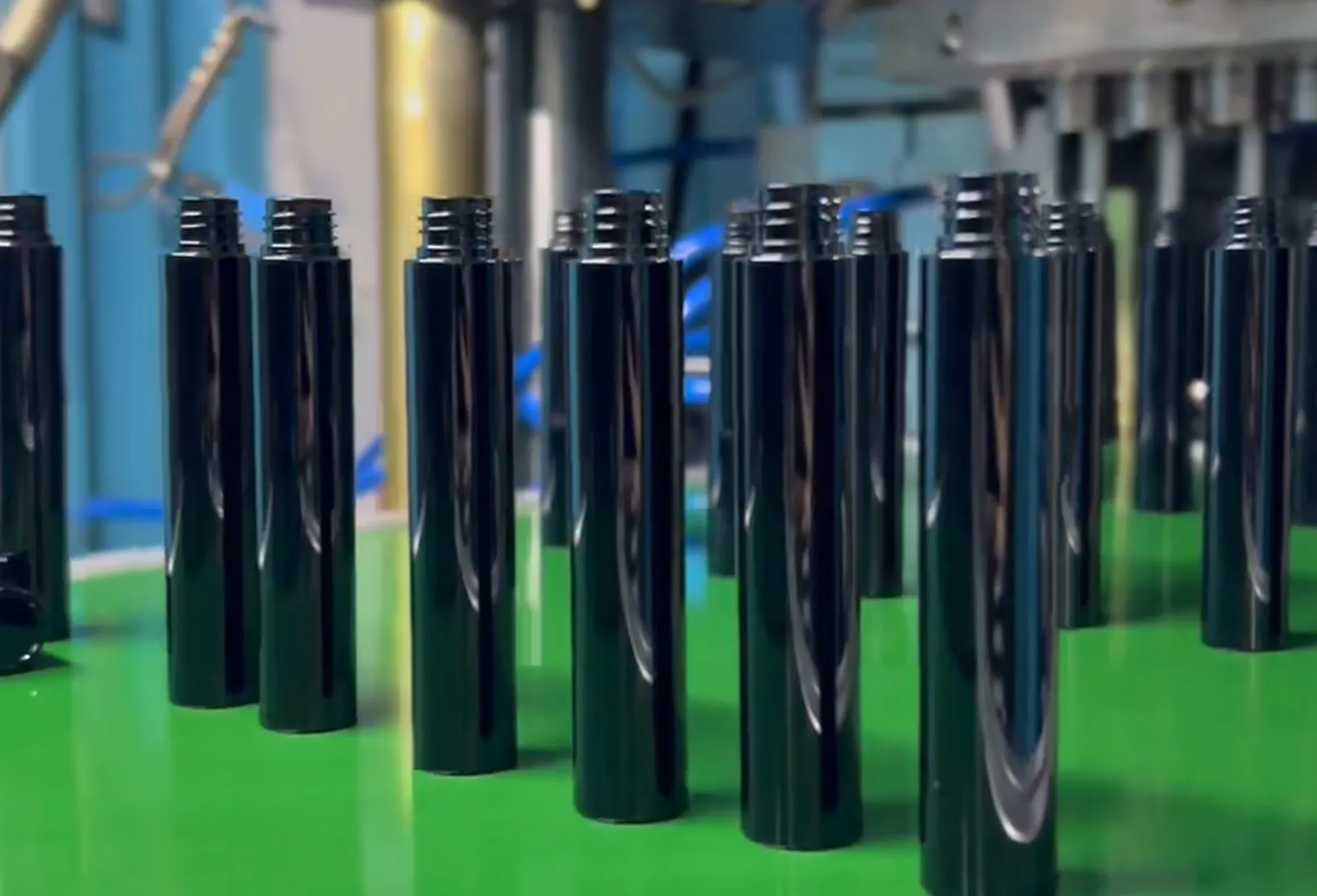
Das KMU-Fertigungsdarlehensprogramm der Korea Development Bank (중소기업 시설자금대출) ist das wichtigste Fördermittel für Investitionen in koreanische ISBM-Maschinen. Wichtige Parameter für 2026:
| Parameter | KDB-Kreditprogramm für kleine und mittlere Unternehmen im Fertigungssektor 2026 |
|---|---|
| Darlehensbetrag | 100 Mio.–3.000 Mio. KRW pro Projekt |
| Zinssatz | 2,5–3,51 TP3T fest (Basiszinssatz + 0,5–1,01 TP3T Spread für KMU-Kredite) – Bitte erfragen Sie den aktuellen Zinssatz bei der KDB bei Antragstellung. |
| Darlehenslaufzeit | Maximal 7 Jahre (einschließlich einer 2-jährigen Schonfrist) |
| Zulässige Verwendung | Anschaffung neuer Fertigungsanlagen, einschließlich ISBM-Maschinen und Formwerkzeuge |
| Sicherheit | Sicherungsrecht an der ISBM-Maschine, ergänzt durch Immobiliensicherheiten für größere Kredite |
| Teilnahmeberechtigung | Koreanisches KMU (unter 300 Beschäftigte, unter 80 Mrd. KRW Umsatz im produzierenden Gewerbe), koreanische Unternehmensregistrierung |
| Bearbeitungszeit | 6–10 Wochen von der Antragstellung bis zur Auszahlung; die Bestellung der koreanischen ISBM-Maschine muss mit dem Antrag eingereicht werden. |
Koreanische ISBM-Hersteller, die für ein KDB-Förderprogramm in Frage kommen, sollten ihren Antrag stellen, bevor sie die Maschine bei Korean Ever-Power bestellen. Die KDB benötigt die Bestellung als Nachweis für den Kreditantrag, stellt jedoch vor der Auszahlung eine vorläufige Zusage aus. Diese ermöglicht es dem koreanischen Hersteller, die Bestellung bei Korean Ever-Power vor der endgültigen Genehmigung durch die KDB verbindlich anzunehmen. Die bei der Bestellung bei Korean Ever-Power erforderliche Anzahlung gemäß § 30% kann aus dem Betriebskapital des koreanischen Herstellers finanziert und mit der KDB-Auszahlung nach deren Eingang zurückerstattet werden.
3. Option 2 – Garantie des Korea Credit Guarantee Fund (KODIT) + Geschäftsbank
Für koreanische ISBM-Produzenten, die eine schnellere Bearbeitung als die von der KDB vorgegebene Bearbeitungszeit von 6–10 Wochen benötigen oder denen die für einen direkten Kredit der KDB erforderlichen Sicherheiten fehlen, bietet KODIT (Korea Credit Guarantee Fund, 신용보증기금) eine staatlich abgesicherte Kreditgarantie, die das Kreditrisiko der Geschäftsbank reduziert und Vorzugszinsen ermöglicht.
Wie KODIT die Finanzierung koreanischer ISBM-Maschinen ermöglicht: KODIT stellt eine Garantieurkunde über 70–851 Tsd. ...
Vorteil bei der Verarbeitungszeit: Die Bearbeitung von KODIT-Garantieanträgen dauert 3–5 Wochen, im Vergleich zu 6–10 Wochen bei der KDB. Dies liegt daran, dass KODIT die Kreditwürdigkeitsprüfung anhand der Finanzberichte und der Bonitätshistorie des koreanischen KMU durchführt und nicht an der detaillierten Businessplanprüfung, die die KDB verlangt. Für koreanische ISBM-Hersteller mit zeitkritischen Lieferterminen ist KODIT daher oft der schnellere Weg zu einer gesicherten Finanzierung.
4. Option 3 – Koreanisches Ausrüstungs-Operating-Leasing
Operating-Leasing (운용리스) von koreanischen ISBM-Maschinen – bei dem die Leasinggesellschaft Eigentümerin der Maschine ist und der koreanische ISBM-Hersteller eine monatliche Nutzungsgebühr zahlt – ist über koreanische Leasinggesellschaften möglich, die beim koreanischen Leasingfinanzierungsverband (KLFA) registriert sind. Wesentliche Unterschiede zur Kreditfinanzierung:
Steuervorteil
Zahlungen für Operating-Leasing sind im Zahlungsjahr zu 1.001 TP3T als Betriebsausgaben abzugsfähig – es gibt keine Abschreibungstabelle. Für koreanische ISBM-Hersteller in Jahren mit hohem Gewinn kann der Steuervorteil des vollständigen Betriebsausgabenabzugs 30–351 TP3T des Leasingbetrags ausgleichen (koreanischer Körperschaftsteuersatz: 211 TP3T).
Bilanzfremde Unterlagen
Operating-Leasingverträge werden in der Bilanz koreanischer ISBM-Hersteller nicht als Schulden ausgewiesen (nach koreanischem K-IFRS, sofern die Strukturierung korrekt ist) – dadurch bleibt die Kreditkapazität für Betriebsmittelkredite erhalten. Hinweis: Die Leasingbilanzierung nach K-IFRS 16 findet ab einer Wesentlichkeitsschwelle Anwendung – konsultieren Sie einen koreanischen Wirtschaftsprüfer.
Gesamtkostenvergleich
Die monatlichen Leasingraten in Höhe von 2,2–2,81 TP3T der Maschinenkosten pro Monat entsprechen jährlichen Finanzierungskosten von 8–121 TP3T – höher als bei den Optionen von KDB oder KODIT. Der Steuervorteil gleicht dies teilweise aus, jedoch sind die Gesamtkosten eines Operating-Leasings für koreanische ISBM-Hersteller in der koreanischen Körperschaftsteuerklasse von 211 TP3T im Allgemeinen höher als die eines staatlich geförderten Darlehens.
5. Option 4 – Koreanische Ever-Power-Zahlungsaufschubstruktur
Korean Ever-Power bietet qualifizierten koreanischen Kunden eine strukturierte Ratenzahlungsvereinbarung an – die 30/30/40-Struktur, die einen integrierten Finanzierungsvorteil bietet, ohne dass ein separater Bankantrag erforderlich ist. Struktur:
Bei Auftragsbestätigung
Dies löst die Maschinenproduktion im Werk von Korean Ever-Power in Ansan-si aus. Bei einer Maschine im Wert von 500 Mio. KRW sind das 150 Mio. KRW – typischerweise aus dem Betriebskapital des koreanischen Herstellers ohne Bankhilfe finanzierbar.
Maschinenlieferung an koreanischen Kunden
Die Zahlung erfolgt, sobald die Maschine im Werk des koreanischen ISBM-Herstellers eintrifft und die grundlegende Funktionsabnahme bestanden hat. Dies fällt mit der maximalen Kapitalflexibilität des koreanischen ISBM-Herstellers zusammen – die Produktion hat noch nicht begonnen, aber die Maschine kann besichtigt werden.
6 Monate nach der Inbetriebnahme
Die Terminalzahlung 40% (200 Mio. KRW für eine Maschine im Wert von 500 Mio. KRW) ist sechs Monate nach Inbetriebnahme der Maschine fällig. Zu diesem Zeitpunkt hat der koreanische ISBM-Hersteller bereits sechs Monate Produktionserlöse erzielt und kann die Terminalzahlung häufig aus dem Produktions-Cashflow finanzieren. Der daraus resultierende Finanzierungsvorteil beträgt ca. 6–9 Mio. KRW zinsfrei.
Voraussetzungen für die aufgeschobene Zahlung durch Korean Ever-Power: Vorbehaltlich der Bonitätsprüfung durch Korean Ever-Power für koreanische Inlandskunden. Erforderlich: Koreanische Gewerbeanmeldung, Jahresabschlüsse der letzten drei Jahre und Bestätigung des Produktionsantrags. Der Leitfaden zur Budgetverteilung für Maschinen- und Formeninvestitionen in Korea erläutert, wie die Zahlungsaufschubstruktur von Korean Ever-Power mit einem durch KODIT abgesicherten Bankkredit für die Lieferzahlung des 30% kombiniert werden kann, um den Kapitalbedarf im Voraus zu minimieren.
6. Koreanische Investitionssteuergutschrift (ITC) für den Kauf von ISBM-Maschinen
Die koreanische Investitionssteuergutschrift (투자세액공제) gemäß dem koreanischen Gesetz zur Begrenzung von Steueranreizen gewährt koreanischen KMU der Fertigungsindustrie eine direkte Steuergutschrift auf die koreanische Körperschaftsteuer für Investitionen in neue Produktionsanlagen. Für den Kauf von ISBM-Maschinen in Korea im Jahr 2026 gilt: 10% ITC für Maschineninvestitionen für koreanische KMU, die in bestimmten Branchen, einschließlich der Kunststoffbehälterherstellung (KSIC 222), klassifiziert sind. Die Gutschrift wird im Geschäftsjahr der Maschineninstallation direkt von der koreanischen Körperschaftsteuer abgezogen – es handelt sich also nicht um einen Einkommensabzug, sondern um eine direkte Steuerminderung.
Bei einer Maschine im Wert von 500 Mio. KRW: Die koreanische Investitionssteuergutschrift (ITC) entspricht einer direkten Steuerermäßigung von 50 Mio. KRW. Dies entspricht einem Rabatt gemäß § 10% auf den Kaufpreis der Maschine – vollständig finanziert durch die koreanische Regierung über Steuerrichtlinien und nicht aus den Mitteln des koreanischen ISBM-Herstellers. Koreanische ISBM-Hersteller, die Maschinen vor Ende ihres koreanischen Geschäftsjahres (31. Dezember für die meisten koreanischen Unternehmen) erwerben und installieren, können die ITC in ihrer koreanischen Körperschaftsteuererklärung für dieses Geschäftsjahr geltend machen. Koreanische ISBM-Hersteller, die das Geschäftsjahresende auch nur um einen Tag verpassen, verlieren den Anspruch auf die ITC für das laufende Jahr und müssen bis zum Folgejahr warten.
7. Kombination mehrerer koreanischer Finanzierungsinstrumente
Die kapitaleffizienteste koreanische ISBM-Maschinenfinanzierungsstruktur kombiniert mehrere Instrumente, um den Nutzen jedes einzelnen zu maximieren:
Beispielhafte optimale Struktur für eine koreanische ISBM-Maschineninvestition in Höhe von 500 Mio. KRW: (1) Koreanischer Investitionssteuerbonus: Sofortige Steuergutschrift von 50 Mio. KRW im Kaufjahr – reduziert die Nettoinvestition effektiv auf 450 Mio. KRW; (2) Koreanisches Ever-Power-Programm mit 30/30/40-Zahlungsaufschub auf die Nettosumme von 450 Mio. KRW: 301 TP3 T (135 Mio. KRW) bei Bestellung aus Betriebskapital, 301 TP3 T (135 Mio. KRW) bei Lieferung aus einem von KODIT abgesicherten kurzfristigen Bankkredit, 401 TP3 T (180 Mio. KRW) nach 6 Monaten aus einem 5-jährigen KDB-Darlehen; (3) Ein KDB-Darlehen über 180 Mio. KRW mit 3,01 TP3 T und einer Laufzeit von 5 Jahren deckt die Schlusszahlung ab. Gesamtfinanzierungskosten: ca. 16–22 Mio. KRW an kumulierten Zinsen (nur KDB-Darlehen) gegenüber 55–80 Mio. KRW für ein herkömmliches 5-jähriges Bankdarlehen über den vollen Kaufpreis von 500 Mio. KRW. Nettoersparnis durch optimale Finanzierungsstruktur: 33–58 Mio. KRW – entspricht 7–121.030 Tonnen Maschinenkaufpreis.
8. Finanzierungsentscheidungsrahmen: Welche Struktur passt zu Ihrem koreanischen ISBM-Geschäft?
| Situation der koreanischen Produzenten | Empfohlene Finanzierungsstruktur |
|---|---|
| Erstmalige koreanische ISBM-Investition, solide Bilanz, 10 Wochen Vorlaufzeit verfügbar | KDB-Richtliniendarlehen (niedrigster Zinssatz) + koreanischer ITC-Anspruch zum Jahresende |
| Erstmalige koreanische ISBM-Investition, begrenzte Sicherheiten, Entscheidung innerhalb von 4 Wochen erforderlich | KODIT-Garantie + Geschäftsbank (schneller) + Koreanisches ITC zum Jahresende |
| Modernisierung der koreanischen ISBM-Maschinen, bestehende Geschäftsbeziehung mit Korean Ever-Power, profitables Jahr | Koreanische Ever-Power-Zahlungsaufschub + Koreanische ITC + KDB-Darlehen nur für die Endzahlung |
| Koreanischer ISBM-Hersteller verzeichnet hohe Gewinne und beantragt Abzug der Betriebskosten | Operating-Leasing (vollständiger Betriebskostenabzug), Vergleich nach Steuern vs. Vorsteuerabzug mit einem koreanischen Buchhalter |
| Einkaufsbedarf koreanischer ISBM-Hersteller für den Exportmarkt, Produktionsausweitung | KEXIM- oder K-Sure-Exportfinanzierung – siehe Abschnitt 9 |
Die optimale Finanzierungsstruktur hängt von der spezifischen Steuersituation, der Bilanz und dem Zeitpunkt des koreanischen ISBM-Herstellers ab. Auswahlrahmen für koreanische ISBM-Maschinen mit 10 Faktoren Die Eignung für eine Finanzierung wird als Faktor 9 berücksichtigt, wobei darauf hingewiesen wird, dass die richtige Maschine bei der falschen Finanzierungsstruktur über die gesamte Lebensdauer der Maschine mehr kostet als eine etwas weniger optimale Maschine bei der richtigen Finanzierungsstruktur.
9. Koreanische ISBM-Exportfinanzierung: KEXIM- und K-Sure-Optionen
KEXIM (Export-Import Bank von Korea) Darlehen für Produktionsstätten: Für koreanische ISBM-Hersteller, die in Produktionskapazitäten speziell für die Herstellung von Exportcontainern nach Korea investieren, bietet KEXIM Darlehen für Produktionsanlagen in Höhe von 2,8–3,81 TP3T an – etwas höher als die inländischen Produktionsdarlehen der KDB. Diese Darlehen stehen koreanischen Exporteuren zur Verfügung, die nicht für das KDB-Programm für koreanische KMU infrage kommen. Voraussetzung für die KEXIM-Förderung sind bestätigte Exportverträge oder eine entsprechende Exporthistorie (mindestens drei Jahre Exporterlöse aus Korea in der entsprechenden Kategorie).
K-Sure (Korea Trade Insurance Corporation) Exportkreditversicherung: Die Exportkreditversicherung von K-Sure (siehe Leitfaden zur Exportstrategie für koreanische ISBM-Hersteller) schützt koreanische ISBM-Produzenten vor Zahlungsausfällen ausländischer Käufer und dient gleichzeitig als Sicherheit für Exportfinanzierungen durch Geschäftsbanken. Koreanische Geschäftsbanken gewähren koreanischen ISBM-Produzenten günstigere Konditionen, wenn die Exportforderung durch K-Sure versichert ist, da die Versicherung das Ausfallrisiko des ausländischen Käufers für den Kreditgeber reduziert. Koreanische ISBM-Produzenten, die Exporterlöse erzielen möchten, sollten vor ihrer ersten größeren Exportlieferung eine K-Sure-Deckung beantragen und das Versicherungszertifikat als Verhandlungsgrundlage in ihren Finanzierungsgesprächen mit koreanischen Banken nutzen.
10. Koreanischer Ever-Power-Finanzierungsberatungsdienst
Korean Ever-Power bietet koreanischen Kunden im Rahmen des Maschinenbeschaffungsprozesses eine strukturierte Finanzierungsberatung an. Diese umfasst die Ermittlung der optimalen Finanzierungsstruktur für die jeweilige Kundensituation, Unterstützung bei der Antragstellung bei KDB/KODIT sowie die Bestätigung der Berechnung der koreanischen Investitionssteuergutschrift (ITC). Die Finanzierungsberatung ist für koreanische ISBM-Hersteller, die ein formelles Maschinenangebot von Korean Ever-Power erhalten haben, kostenlos. Koreanische ISBM-Hersteller, die eine Maschineninvestition in Erwägung ziehen, aber bezüglich der Finanzierungsmöglichkeiten unsicher sind, sollten die Finanzierungsberatung vor der Maschinenauswahl in Anspruch nehmen. Das Verständnis der verfügbaren Finanzierungsstruktur klärt häufig die Frage der Finanzierbarkeit, die Investitionsentscheidungen im Bereich ISBM verzögert und den Ausbau der Produktionskapazitäten, den die Marktposition des koreanischen Herstellers eigentlich ermöglichen würde, hinauszögert.
Häufig gestellte Fragen
Finanzierungsberatung
Sie planen eine Investition in eine koreanische ISBM-Maschine und sind sich bezüglich der Finanzierung unsicher?
Die kostenlose Beratung von Korean Ever-Power ermittelt Ihre optimale Struktur.
Unterstützung bei der KDB-Antragstellung, KODIT-Qualifikationsbewertung, ITC-Berechnung und Prüfung der Anspruchsberechtigung für aufgeschobene Zahlungen von Korean Ever-Power – kostenlos für koreanische Kunden, die sich nach Maschinen erkundigen.
Verwandte Ressourcen
Bahnsteig 6Koreanischer Ever-Power 6-Stationen-ISBM-TestplatzHGYS280-V6 – das Modell mit der höchsten Kapitalinvestition im koreanischen Ever-Power-Sortiment und ein Kandidat für die KEXIM-Exportfinanzierung zur Erweiterung der koreanischen Exportproduktion.
ROI-RechnerKoreanischer ISBM-Maschinen-ROI-RechnerBerücksichtigen Sie die Finanzierungskosten im ROI-Modell – die Zinssätze der KDB im Vergleich zu Geschäftsbanken führen zu wesentlich unterschiedlichen Berechnungen der Amortisationszeit für koreanische ISBMs.