K-Beauty-Verpackung · ABS und PP · IBM · Korea Ever-Power
ABS-Kosmetiktiegel IBM:
Koreanische K-Beauty Produktionsleitfaden
Die koreanischen K-Beauty-Kosmetiktiegel aus ABS und PP stellen für IBM die anspruchsvollste Anwendung hinsichtlich der Oberflächenqualität dar – Spiegelglanz bei Ra ≤ 0,05 μm, Weithalsgeometrie ohne Bodennaht, spritzgegossenes Deckelgewinde mit einer Genauigkeit von ±0,05 mm und die spezifischen Materialeigenschaften, die koreanische Kosmetikcremeformulierungen von ihrem Primärbehälter verlangen.
Spiegeloberfläche Ra ≤ 0,05 μm
Koreanisches Deckelgewinde ±0,05 mm
KOREA EVER-POWER · ANSAN-SI, GYEONGGI-DO · JULI 2026
SYSTEMREFERENZ · K-BEAUTY KOSMETIKFÄSCHEN IBM PARAMETER
OBERFLÄCHENVEREDELUNG ZIEL
Ra ≤ 0,05 μm
ABS-Spiegelgehäuse — K-Beauty Premium-Glanz 85–95 GU
Toleranz des Außendurchmessers des Deckelgewindes
±0,05 mm
Alle Kavitäten · Einhaltung des Verschließdrehmoments koreanischer Abfüllanlagen
Container-Sortiment
50–500 ml
Augencreme → Körperbutter · IBM-Einheimischer mit breiter Öffnung
ZQ80-Ausgangsleistung bei 100 ml ABS
~8.100/Std.
10–12 Hohlräume · ~22–26 Mio. Krüge/Jahr (Koreanische Zweischichtkultur)
ABSCHNITT 01
Koreanischer Markt für K-Beauty-Kosmetiktiegel und IBM
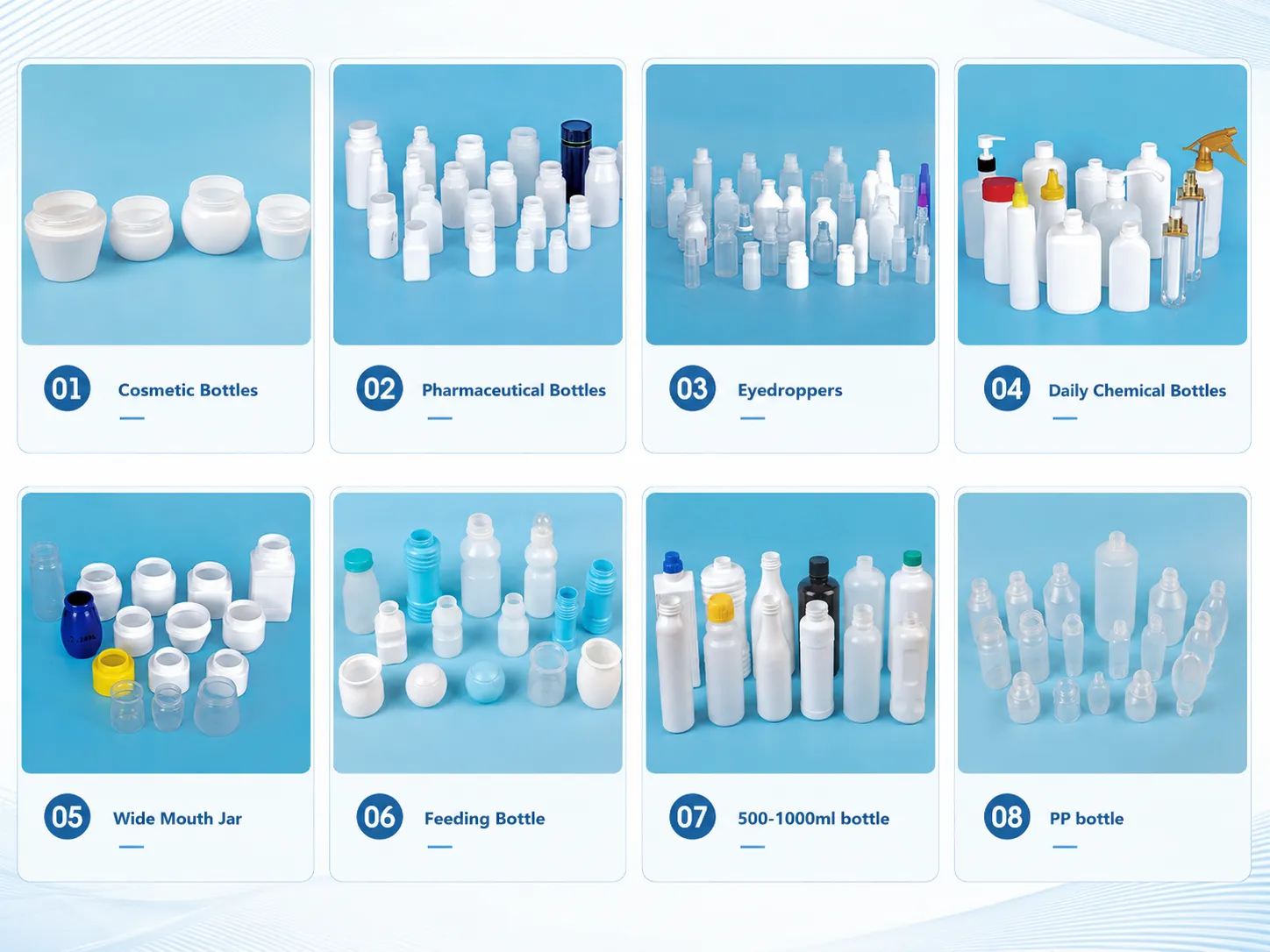
Der koreanische Markt für Kosmetiktiegel der K-Beauty-Branche stellt die höchsten Anforderungen an die Oberflächenqualität. Koreanische Kosmetikmarken legen Inspektionsstandards für den Glanz des Tiegelkörpers, die Abwesenheit von Nahtstellen, die Konsistenz des Deckelgewindes und die Farbkonsistenz an, die die Maßtoleranzen pharmazeutischer IBM-Behälter in vielerlei Hinsicht übertreffen. IBM ist das optimale Verfahren für koreanische K-Beauty-Kosmetiktiegel aus ABS und PP mit breiter Öffnung, da es gleichzeitig Folgendes bietet: einen spritzgegossenen Hals, der einen gleichmäßigen Verschluss des Deckelgewindes in allen Vertiefungen gewährleistet; die nahtlose Oberfläche, die von den Abnahmeprüfungen koreanischer Kosmetikmarken gefordert wird; und die Verarbeitbarkeit von ABS und PP, die den von Verpackungsdesignern koreanischer K-Beauty-Marken geforderten Oberflächenglanz und die gewünschte Haptik ermöglicht.
IBM konkurriert auf dem koreanischen Markt für Kosmetiktiegel mit dem Vollspritzgussverfahren – bei jährlichen Produktionsmengen von über 500.000 Einheiten ist die Einmaschinenproduktion eines fertigen einteiligen Tiegels durch IBM in der Regel kostengünstiger als das zweiteilige Spritzgießen mit Montage, da IBM den Montageschritt, die Kosten für die Montagewerkzeuge, die Arbeitskräfte am Montageband und die Basisschweiß- oder Schnappverbindung eliminiert, die koreanische Premiummarken bei der Abnahmeprüfung zunehmend ablehnen.
Zu den koreanischen K-Beauty-Kosmetikmarken, die IBM-Tiegel verwenden, gehören sowohl Premiummarken als auch koreanische Exportmarken, die auf den chinesischen, südostasiatischen und europäischen K-Beauty-Markt abzielen. Die Weithalstiegel-Kompatibilität von IBM wird im Vergleichsleitfaden IBM vs. ISBM ausführlich erläutert. Dort wird beschrieben, wie die 3-Stationen-Architektur von IBM Weithalstiegel problemlos verarbeiten kann, während ISBM für dieselbe Geometrie zusätzliche Anpassungen erfordert.
ABSCHNITT 02
ABS vs. PP vs. PCTG – Materialauswahl für koreanische Kosmetik-IBM-Behälter
Die Materialauswahl für Tiegel koreanischer K-Beauty-Kosmetikprodukte richtet sich nach vier Kriterien in absteigender Reihenfolge ihrer Wichtigkeit: Oberflächenbeschaffenheit, chemische Beständigkeit, Wärmebeständigkeit und Einhaltung gesetzlicher Vorschriften. Die drei wichtigsten IBM-Materialien erfüllen diese Kriterien auf unterschiedliche Weise.
| EIGENTUM | ABS | PP (Copolymer) | PCTG |
|---|---|---|---|
| Oberflächenglanz (IBM-Spiegelform) | 85–95 GU | 60–75 GU | 80–90 GU transparent |
| Farbwiedergabe | Hervorragend – Pantone-Übereinstimmung | Gut – milchige Basis | Kristallklare Basis |
| Heißabfüllung ≥ 65°C | ✗ HDT 70–80°C | ✓ HDT 100–115°C | ✗ HDT 65–75°C |
| Ethanol-/Duftstoffverträglichkeit | Begrenzt — hoher Alkoholgehalt greift ABS an | Exzellent | Mittel – überprüfen |
| K-Beauty-Marktsegment | Premium-Creme im Tiegel | Funktionales Einmachglas der mittleren Preisklasse | Premium transparent |
| Harzkosten im Vergleich zu HDPE | +60–100% | +15–25% | +80–120% |
ABS – Premium-Creme im Tiegel
ABS ist der koreanische K-Beauty-Standard für luxuriöse Gesichtscremes, Augencremes und Anti-Aging-Produkte in Tiegeln mit 50–200 ml Inhalt. Sein hoher Glanz (85–95 GU), die exzellente Farbwiedergabe und das angenehme Gewicht (Dichte 1,04–1,06 g/cm³) sorgen für ein hochwertiges haptisches Erlebnis, mit dem koreanische Luxusmarken höhere Verkaufspreise rechtfertigen. Akzeptanzkriterien für koreanische Kosmetikmarken: Farbabweichung (ΔE) ≤ 1,0 vom Pantone-Referenzwert, Glanz ≥ 85 GU, keine Oberflächenfehler.
PP – Heißabfüll- und Naturkosmetiktiegel
PP-IBM-Tiegel werden speziell für koreanische Kosmetikanwendungen entwickelt, bei denen die Abfülltemperatur 65 °C übersteigt: Gel-Tuchmasken (70–75 °C), Peelingpaste (65–70 °C) und heißverarbeitete Naturkosmetik. Die Wärmeformbeständigkeit (HDT) von PP von 100–115 °C gewährleistet die Formstabilität des Tiegels und die Passgenauigkeit des Deckelgewindes auch bei Heißabfüllung, bei Temperaturen, die ABS verformen würden. Koreanische Naturkosmetikmarken schätzen zudem das milchige Aussehen von PP als Indikator für Reinheit und Natürlichkeit.
PCTG – Kristallklare, transparente Gläser
PCTG IBM erzeugt unter nicht-orientierten Bedingungen eine Trübung des Tiegelkörpers von 3–71 TP3T – ausreichend klar für die Produktsichtbarkeit in fotogenen Naturprodukten (Honig, Centella-Extrakt, Pflanzencreme). Koreanische Marken, die eine Trübung unter 21 TP3T in einem transparenten Weithalstiegel benötigen, sollten orientiertes PCTG auf einer 4-Stationen-ISBM-Maschine spezifizieren – die Trübungsspezifikation bestimmt die Wahl des PCTG-Prozesses.
ABSCHNITT 03
Weithals-Einmachglas-Design: IBMs eigener Vorteil
PROZESSVERGLEICH · IBM vs. ZWEISTÜTZIGES SPRITZGUSSVERFAHREN @ 100ml ABS-BECHER
IBM — EINTEILIG
- ✓ Nahtloses Hohlgefäß – keine Schweißnaht am Boden
- ✓ Kein Montageschritt – Einzelmaschine
- ✓ 15–25% weniger Material im Vergleich zu zweiteiliger Vollbasis
- ✓ Keine Ultraschall-/Schnappvorrichtung erforderlich
- ✓ Niedrigere Gesamtkosten bei über 500.000 Einheiten/Jahr
ZWEITEILIGES SPRITZGUSSFORMEN
- × Montageschritt: Ultraschallschweißen oder Schnappverschluss
- × Naht der Basismontage – Ausschussware von koreanischen Kosmetikmarken
- × Schwereres Gefäß (fester Bodenbereich)
- × Lohn- und Ausrüstungskosten der Montagelinie
- ✓ Geringere Investitionen in Formen bei <500.000 Einheiten/Jahr
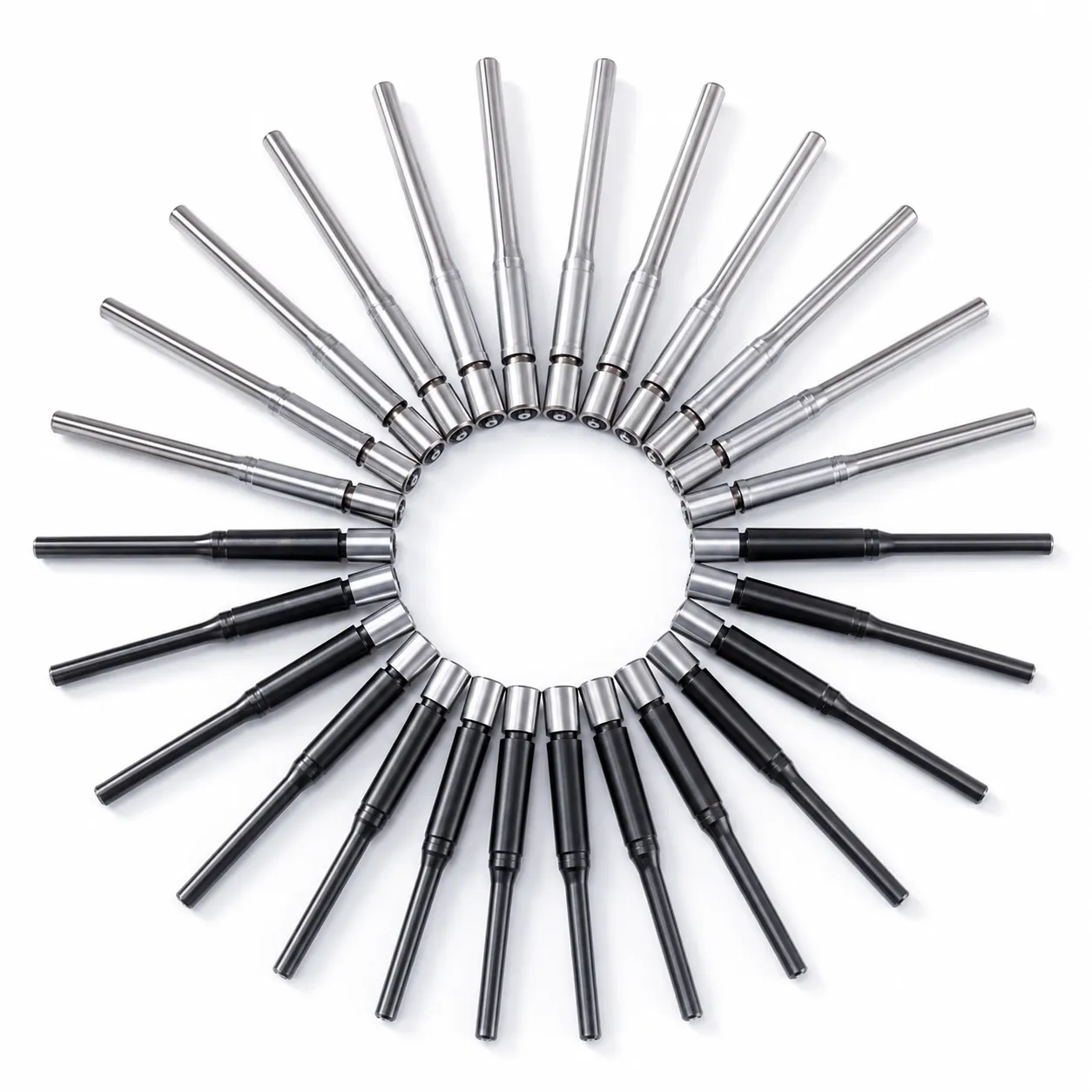
Die Durchmesserverhältnisse von Öffnung zu Korpus koreanischer Kosmetiktiegel im IBM-Verfahren reichen von 0,5 (enge Öffnung, z. B. für koreanische Handcreme) bis 0,85 (extrem weite Öffnung, z. B. für koreanische Körperbutter). IBM verarbeitet die gesamte Bandbreite ohne spezielle Werkzeugmodifikationen – der Kernstab durchläuft die Öffnung des Tiegels an Station 1 und Station 3, und solange er in die Öffnung ein- und austreten kann, ist jedes gewünschte Verhältnis von Öffnung zu Korpus realisierbar. ZQ80 Spritzblasformmaschine Die am häufigsten verwendete IBM-Konfiguration für koreanische K-Beauty-Gesichtscremes ist ein 10-fach befüllbarer 100-ml-ABS-Weithalstiegel, mit dem sich etwa 8.100 Tiegel pro Stunde herstellen lassen.
ABSCHNITT 04
Oberflächenbeschaffenheit und Glanz für koreanische K-Beauty ABS IBM Tiegel
Die Oberflächenqualität koreanischer K-Beauty-Tiegel aus ABS-Kunststoff ist ein entscheidender Wettbewerbsvorteil. Koreanische Kosmetikmarken prüfen die Oberflächenqualität bei der Wareneingangskontrolle mit einem kalibrierten 60°-Glanzmessgerät (gemäß ASTM D523) und lehnen Chargen ab, bei denen ein gemessenes Panel die Mindestglanzvorgabe der Marke – typischerweise 82–90 GU für koreanische Luxus-Cremetiegel – unterschreitet.
VORBEREITUNG DER FORMENOBERFLÄCHE
Die ABS-Kosmetiktiegelformen von Korea Ever-Power bestehen aus Edelstahl S136 (HRC 50–52), der mit Diamantpaste (Körnung 400→800→1200→2000 → Diamantpaste) auf eine Oberflächenrauheit (Ra) von ≤ 0,02 μm poliert wird. Diese Oberflächenbeschaffenheit der Kavität ist maßgeblich für den Glanz – ABS bildet die Kavitätsoberfläche mit einer Effizienz von 70–80% ab, sodass die Oberflächenrauheit von Ra 0,02 μm in der Kavität auf Ra 0,03–0,05 μm im fertigen Tiegel steigt.
ABS-Sortenauswahl
Verwenden Sie hochglänzende ABS-Typen – z. B. die koreanische Bezeichnung HG (High Gloss) in den Herstellerkatalogen (LG Chem HI-505 HG, Lotte Chemical AF-308 HG). Hochglänzendes ABS weist einen geringeren Anteil an Gummipartikeln und eine feinere Gummidispersion auf, was im Vergleich zu Standard-Spritzguss-ABS bei gleicher Kavitäts-Ra eine bessere Lichtreflexion an der Oberfläche des IBM-Behälters bewirkt.
IBM-Prozessparameter
Für maximalen Glanz: Formtemperatur bei 55–70 °C (höher als die üblichen 30–45 °C – langsamere Erstarrung ermöglicht eine vollständigere Nachbildung der Formoberfläche); Einspritzgeschwindigkeit um 20–30 TP3T erhöht (höhere Scherung erzeugt stärker ausgerichtete Oberflächenketten); Haltedruck bei 65–75 TP3T des Spitzenwerts für 1,0–1,5 s (verhindert Mikro-Schrumpfungsblasen im Angussbereich, die zu lokalem Schleier führen).
Nahtlose Karosserieoberfläche – IBM vs. EBM: Die Prüfer der koreanischen K-Beauty-Marke bewerten die Oberfläche der Tiegelkörper unter gerichteter Beleuchtung mit 500–1000 Lux und einem Einfallswinkel von 45°. Die Trennlinie des EBM-Verfahrens – eine feine, erhabene Linie von ca. 0,1–0,2 mm Breite, die vertikal auf dem Tiegelkörper verläuft – entspricht nicht den Qualitätsstandards von AmorePacific und LG H&H für koreanische Premium-Kosmetikmarken. Das IBM-Blasformverfahren erzeugt keine Trennlinie auf der Tiegelkörperwand – die Formlinie ist nur am Übergangsring zwischen Öffnung und Korpus sowie am inneren Anguss am Boden sichtbar, beides außerhalb des Prüfbereichs der koreanischen Kosmetikmarken.
ABSCHNITT 05
IBM-Deckelgewindekompatibilität für koreanische Kosmetikdosen
Die Deckel für koreanische Kosmetikcremetiegel werden von koreanischen Kosmetikkomponentenherstellern gefertigt und von den Marken im Rahmen der Verpackungsentwicklung spezifiziert. Das Gewindegewinde von IBM mit einem Außendurchmesser von ±0,05 mm gewährleistet die Kompatibilität der Deckel in allen Produktionskavitäten über die gesamte Lebensdauer der Form.
| KOREANISCHES FORMAT | HALS-FINISH | LID OD NOMINAL | ANWENDUNG |
|---|---|---|---|
| 50 ml Augencreme | 48/400 GPI | 48,00 ±0,05 mm | Koreanische Luxus-Augencreme, Anti-Aging-Behandlung |
| 100 ml Gesichtscreme ★ | 58/400 GPI | 58,00 ±0,05 mm | Gesichtscreme einer koreanischen Kosmetikmarke – IBM-Standard |
| 150–200 ml Creme | 63/400 GPI | 63,00 ±0,05 mm | Koreanische Premium-Gesichtscreme, vielseitige Feuchtigkeitscreme |
| 250–500 ml Körperbutter | 70/400 oder 82/400 | 70,00 / 82,00 ±0,05 mm | Koreanische Körperbutter, nährende Creme, natürliche Hautpflege |
★ Häufigstes koreanisches K-Beauty-IBM-Format · IBM-Verpackungsgröße 58/400 deckt den Großteil des Verpackungsvolumens koreanischer Gesichtscrememarken ab
Koreanische Kosmetikabfüllanlagen verschließen 40–80 Tiegel pro Minute mit drehmomentgesteuerten, automatischen Verschließköpfen (Anschlagdrehmoment 0,8–1,5 Nm, marken- und deckelspezifisch). Das Gewinde mit einem Außendurchmesser von ±0,05 mm von IBM hält das Anschlagdrehmoment der Deckel in allen Produktionskavitäten innerhalb von ±0,15 Nm des Zielwerts. Dadurch wird sichergestellt, dass die Verschlussprotokolle koreanischer Abfüllanlagen ohne manuelle Anpassung zwischen den Produktionschargen innerhalb der Grenzen der SPC-Tabelle bleiben.
ABSCHNITT 06
ABS- und PP-Verarbeitung auf Korea Ever-Power ZQ-Serie
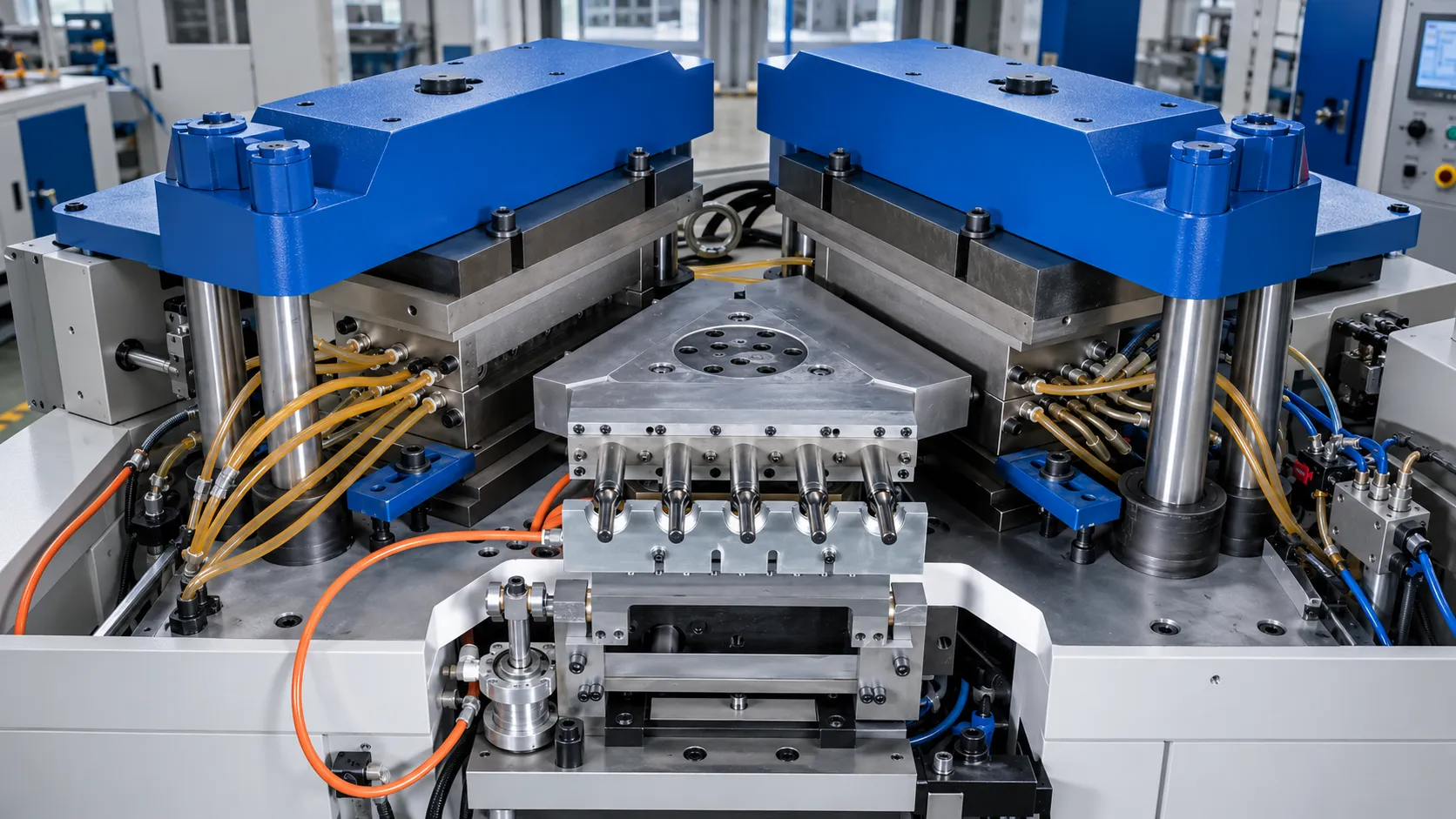
| PARAMETER | STANDARD ABS IBM | HOCHGLANZ-ABS IBM |
|---|---|---|
| Barrel-Dosierzone | 215–230 °C | 225–238 °C |
| Einspritzdüse | 225–238 °C | 232–242 °C |
| Formtemperatur (Blasen) | 30–45 °C | 55–70 °C (glanzoptimiert) |
| Einspritzdruck | 80–120 MPa | 90–130 MPa |
| Vortrocknen (obligatorisch) | 80 °C / 3–4 h | 80 °C / 4–6 h (Trockenmittel) |
| PP-Heißabfüllvariante (Düse) | N / A | 200–245 °C (PP: keine Trocknung) |
⚠ ABS-TROCKNUNG ERFORDERLICH: ABS absorbiert unter koreanischen Sommerbedingungen (30 °C, 801 % relative Luftfeuchtigkeit) Feuchtigkeit in einer Konzentration von 0,2–0,41 % TP3T. Bereits eine Feuchtigkeit von 0,151 % TP3T führt zu silbrigen Streifen im Angussbereich und Trübungen auf dem Behälterkörper – beides führt zum Abbruch der Qualitätsprüfung koreanischer Kosmetikhersteller. Korea Ever-Power empfiehlt für die kontinuierliche Herstellung von ABS-IBM-Behältern für koreanische Kosmetikprodukte einen speziellen Trockenmittel-Trockner für ABS (Taupunkt ≤ −30 °C), der direkt an den Einfüllstutzen der ZQ-Maschine angeschlossen ist – keinen zeitgesteuerten Chargentrockner, der eine erneute Feuchtigkeitsaufnahme während Produktionspausen ermöglicht.
ABSCHNITT 07
Spezifikationen koreanischer K-Beauty-Marken und IBM-Konformität
FARBE — DeltaE ≤ 1,0 vom Pantone-Zielwert
Koreanische Luxusmarken der Kosmetikbranche spezifizieren die Farbe von ABS-Tiegeln anhand des CIE Lab Delta-E-Werts einer Pantone-Referenztafel. Die Messung erfolgt mit einem Spektralphotometer (45/0°) unter D65-Normlichtart. Ein Delta-E-Wert ≤ 1,0 gilt als Akzeptanzgrenze koreanischer Premiummarken; Werte über 2,0 führen zur Ablehnung. Die ABS-Farbmasterbatch muss im Rahmen des koreanischen Farbfreigabeverfahrens für Kosmetikmarken anhand von IBM-Standardtiegeln der ersten freigegebenen Produktionscharge geprüft werden – nicht anhand von Masterbatch-Tafeln, da die Farbwirkung von ABS je nach Spritzguss- und Blasformverfahren variiert.
Tastgewicht — Wandstärke 1,2–2,0 mm
Koreanische K-Beauty-Luxuskosmetikmarken spezifizieren eine ABS-Tiegelwandstärke von 1,2–2,0 mm – deutlich schwerer als die dünnwandige IBM-Verpackung für pharmazeutische Produkte (0,3–0,5 mm) –, um das gewünschte haptische Gewicht zu erreichen, das koreanischen Verbrauchern Qualität vermittelt, Stabilität gegen Quetschverformungen bei der Handhabung im koreanischen Einzelhandel bietet und das Risiko von Rissen durch Fallaufprall in koreanischen Kosmetik-Einzelhandelsumgebungen reduziert.
NACHHALTIGES DESIGN — Nachfüllbar · Aus einem einzigen Material · Leichtgewicht
Die Verpackungsrichtlinien des koreanischen Umweltministeriums definieren drei Designanforderungen: (1) Nachfüllbares Tiegeldesign – Das Gewinde von IBM mit einem Außendurchmesser von ±0,05 mm ermöglicht ein zuverlässiges Einrasten der Nachfüllkartusche; (2) Monomaterial – Die ABS-Tiegel von IBM mit ABS-Deckeln verbessern die Dokumentation zur Recyclingfähigkeit koreanischer Kosmetikverpackungen für die ESG-Berichterstattung; (3) Gewichtsreduzierung – Die überarbeitete Geometrie der Vorformlinge von IBM ermöglicht eine Wandstärkenreduzierung (1,5 mm → 1,2 mm) ohne Änderung der Außenabmessungen oder der Deckelkompatibilität und unterstützt so die Verpflichtungen koreanischer Kosmetikmarken zur Reduzierung des CO₂-Fußabdrucks.
ABSCHNITT 08
ZQ-Serienauswahl für koreanische Kosmetik IBM-Produktion
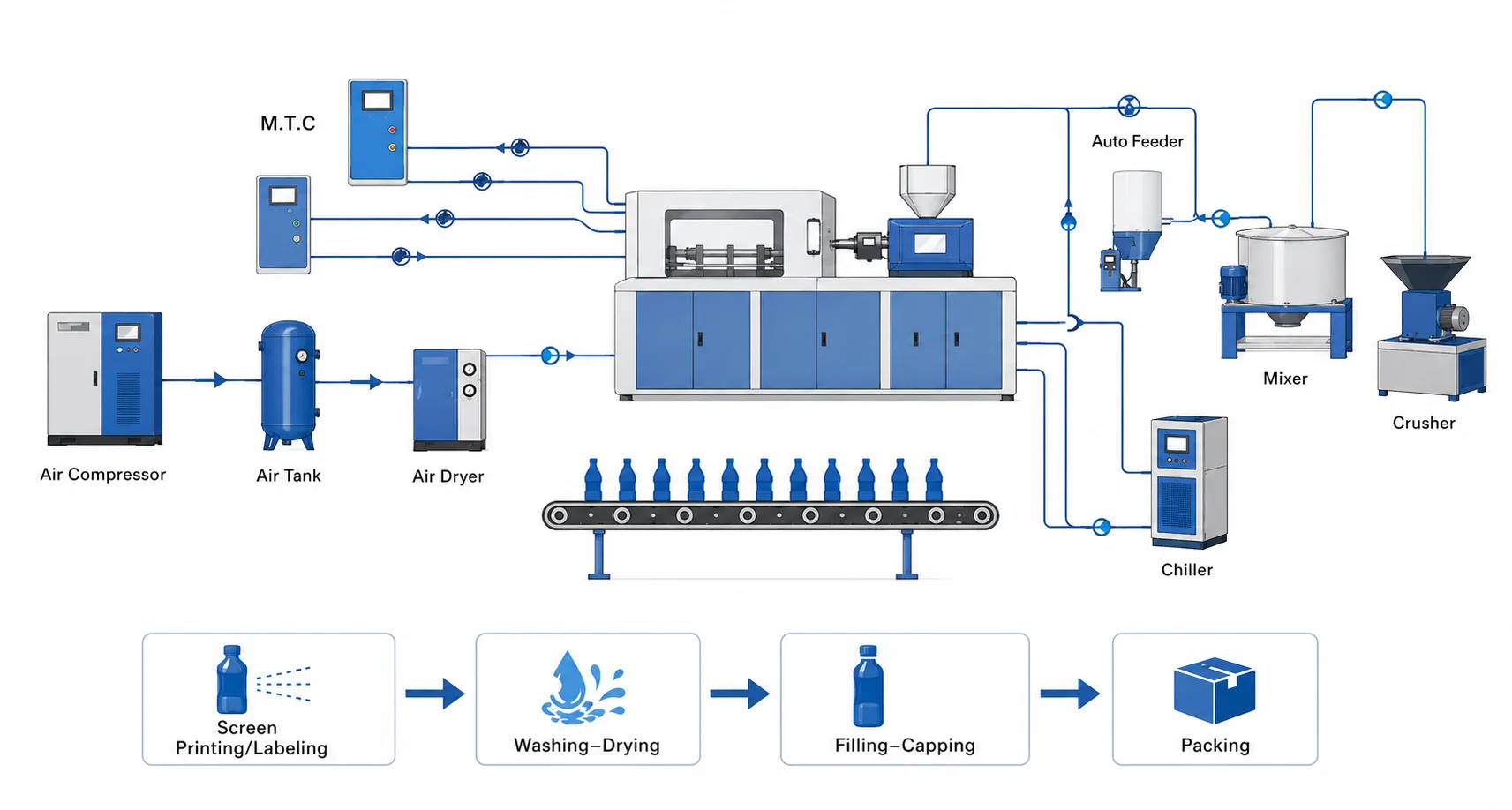
Die Auswahl von IBM-Maschinen für die koreanische Kosmetikindustrie unterscheidet sich von der für die Pharmaindustrie: Die jährlichen Produktionsmengen pro Format sind typischerweise geringer (mehr Artikelnummern mit niedrigeren Stückzahlen pro Artikelnummer), und die Formatwechselfrequenz ist höher (4–8 Verpackungsformatwechsel pro Jahr und Maschine für saisonale Produkteinführungen im koreanischen K-Beauty-Bereich). Aus diesen Gründen sind die Modelle ZQ60 und ZQ80 die gängigsten IBM-Plattformen für die koreanische Kosmetikindustrie.
| ZQ-MODELL | CAV @ 100ml ABS | GLAS/STUNDE | JÄHRLICHE KAPAZITÄT | KOREANISCHES K-BEAUTY-PROFIL |
|---|---|---|---|---|
| EP-ZQ40 | 5–6 | ~4.000–4.800 | ~11,0–13,2 Mio. | Koreanisches Indie-K-Beauty-Startup, limitierte Edition |
| EP-ZQ60 | 7–8 | ~5.600–6.400 | ~15,4–17,6 Mio. | Koreanisches mittelständisches K-Beauty-Unternehmen, OEM für den Export in den asiatischen Markt. |
| EP-ZQ80 ★ | 10–12 | ~8.100–9.700 | ~22,0–26,4 Mio. | OEM-Hersteller koreanischer Marken, K-Beauty-Produkte für Kaufhäuser, Exporteur |
| EP-ZQ110 | 12–14 | ~9.700–11.300 | ~26,4–30,8 Mio. | Koreanischer Großkonzern für K-Beauty, nationale Massenmarktmarke |
★ IBM-Benchmark für koreanische K-Beauty-Gesichtscreme · deckt eine jährliche Produktion von 17–26 Mio. 100-ml-ABS-Tiegeln ab · geeignet für 4–6 Formatwechsel pro Jahr
Der EP-ZQ80 Die 100-ml-ABS-Weithalsdose mit 10–12 Kavitäten deckt den jährlichen Produktionsbedarf der meisten OEM-Aufträge koreanischer Marken für Cremetiegel ab und bietet gleichzeitig Flexibilität für 4–6 Formatwechsel pro Jahr. Koreanische Kosmetik-Vertragsverpackungsfabriken, die ABS-IBM-Tiegel für verschiedene koreanische K-Beauty-Marken – jede Marke mit 2–5 Tiegel-SKUs – herstellen, betreiben typischerweise 2–3 ZQ80-Maschinen mit bis zu 12 verschiedenen ABS-Formsätzen im Jahresverlauf.
Häufig gestellte Fragen zum Thema Technik
IBM Kosmetiktiegel – Technische Fragen
Warum bevorzugen koreanische K-Beauty-Marken ABS gegenüber HDPE für die IBM-Produktion hochwertiger Cremetiegel?
Koreanische K-Beauty-Marken bevorzugen ABS gegenüber HDPE für die Herstellung hochwertiger Cremetiegel aus vier Gründen, die auf die Anforderungen koreanischer Kosmetikkonsumenten und des Einzelhandels zurückzuführen sind. Erstens: Oberflächenglanz. ABS-Tiegel erreichen unter spiegelpolierten Formbedingungen einen Glanzgrad von 85–95 GU – den Hochglanz, der in koreanischen Kaufhäusern und Duty-Free-Shops für die Präsentation von Luxusmarken im Regal erforderlich ist. HDPE-Tiegel erreichen unter denselben Formbedingungen nur 40–60 GU. Die teilkristalline Struktur von HDPE streut das Licht an der Oberfläche und erzeugt so ein wachsartiges, mattes Aussehen, das koreanische Luxuskosmetikmarken als unvereinbar mit ihrer Premiumpositionierung ablehnen. Zweitens: Haptik und Gewicht. Die Dichte von ABS (1,04–1,06 g/cm³) ist etwa 101 µT höher als die von HDPE (0,95 g/cm³). Ein koreanischer ABS-Cremetiegel fühlt sich schwerer an, ein sensorisches Qualitätsmerkmal, das in der koreanischen Konsumforschung für Luxuskosmetik als Signal für Premiumqualität identifiziert wurde. Drittens, direkte Bedruckbarkeit: Die Oberflächen von ABS-IBM-Behältern eignen sich für UV-Siebdruck, Tampondruck und Heißprägung ohne Corona-Vorbehandlung – koreanische Luxus-Veredelungsverfahren (Goldfolienprägung, metallische Logoprägung) haften direkt und sauber auf ABS. Viertens, Farbtiefe: ABS nimmt hochkonzentrierte Farbmasterbatches auf und erzeugt tiefe, satte und formstabile Farben über verschiedene Produktionschargen hinweg – die von koreanischen Luxuskosmetikmarken geforderten Pantone-Farbtöne Tiefburgunder, Waldgrün und Saphirblau sind mit ABS-IBM mit einer Abweichung von ≤ 1,0 vom genehmigten Pantone-Zielwert realisierbar.
Welche Oberflächengüte (Ra) lässt sich bei ABS-IBM-Kosmetikdosen aus koreanischen Ever-Power-Formen erzielen?
Die Formhohlräume der Kosmetiktiegel aus ABS-Edelstahl S136 von Korea Ever-Power werden mit Diamantpaste auf eine Oberflächenrauheit (Ra ≤ 0,02 μm) poliert. Dadurch erreichen die ABS-IBM-Tiegelkörper in der Standardproduktion eine Oberflächenrauheit von Ra 0,03–0,06 μm – entsprechend ca. 88–94 GU bei 60°-Geometrie gemäß den koreanischen Standards für luxuriöse Kosmetikprodukte. Dies übertrifft die koreanische K-Beauty-Premium-Spezifikation von ≥ 85 GU bei 60° für die meisten koreanischen Luxuscremeverpackungen. Um diesen oberen Bereich (Ra 0,03 μm → 94 GU) zu erreichen, sind folgende Voraussetzungen erforderlich: hochglänzendes ABS (koreanische Bezeichnung HG); eine Formtemperatur von 65–70 °C für eine optimale Schmelzoberflächenreplikation; und das Nachpolieren der Formhohlräume alle 500.000 Zyklen. Für koreanische Kosmetikmarken, die strukturierte oder satinierte Tiegeloberflächen spezifizieren (was bei nachhaltigen koreanischen Verpackungen und der minimalistischen K-Beauty-Ästhetik immer häufiger vorkommt), können die Kosmetiktiegelformen von Korea Ever-Power mit EDM-strukturierten Kavitätenoberflächen in jeder SPI-Texturbezeichnung – B-1 (600er Körnung, 55–65 GU satiniert) bis D-3 (EDM matt, 15–25 GU) – hergestellt werden, die dem Texturreferenzstandard der koreanischen Kosmetikmarke entspricht.
Kann IBM PP-Weithalstiegel für Kosmetikprodukte für koreanische Heißabfüllformulierungen herstellen?
Ja, PP-Kosmetiktiegel mit breiter Öffnung sind eine Standardanwendung im Heißabfüllverfahren (IBM) der ZQ-Serie von Korea Ever-Power. Koreanische Heißabfüll-Kosmetikformulierungen – Gel-Tuchmasken (Abfüllung bei 70–75 °C), Peelingcreme mit Silica-Mikrokügelchen (68–72 °C) und natürliche, heißverarbeitete Hautpflegeprodukte (65–70 °C mit Bienenwachs- oder Sheabutterbasis) – erfordern PP-IBM-Tiegel, da ABS bei einer Wärmeübergangstemperatur (HDT) von 70–80 °C weich wird und sich unter dem Druck und der Temperatur beim Heißabfüllen verformt. Das IBM-Verfahren für PP-Copolymer in koreanischen Heißabfüll-Kosmetiktiegeln verwendet folgende Parameter: Zylindertemperatur 200–245 °C; Formtemperatur 30–50 °C; Blasluftdruck 0,5–0,9 MPa; Blasverweilzeit 1,2–2,0 s (die Kristallisation von PP verläuft langsamer als bei ABS, daher ist eine längere Verweilzeit erforderlich, um ein Schrumpfen des Bodens nach dem Auswerfen zu verhindern). Die Oberfläche von Kosmetiktiegeln aus PP (Integrated Plastic Cosmetic) erreicht einen Glanzgrad von 60–75 GU – niedriger als bei ABS, aber ausreichend für koreanische Kosmetikmarken im mittleren Preissegment und für koreanische Naturkosmetikmarken, bei denen die milchige PP-Optik ein bewusstes Designmerkmal und keine Einschränkung darstellt. Die PP-Formensätze von Korea Ever-Power für Heißfüllanwendungen verfügen über Formhohlraumkanäle, die für eine Wassertemperatur von 100 °C (zur Kontrolle der PP-Kristallisationsrate) ausgelegt sind, anstatt der üblichen 70 °C für ABS-Formen.
Wie beeinflussen koreanische Trends für nachhaltige Verpackungen das Design von ABS-Kosmetiktiegeln von IBM?
Die Nachhaltigkeitstrends in der koreanischen K-Beauty-Branche stellen drei spezifische Anforderungen an Kosmetiktiegel aus ABS-IBM-Kunststoff. Erstens: Nachfüllbare Tiegel. Koreanische Kosmetikmarken bieten zunehmend Nachfüllprogramme an, bei denen die ABS-IBM-Tiegel wiederbefüllt statt entsorgt werden. Die Gewindegenauigkeit (±0,05 mm) der IBM-Tiegel ist hierbei entscheidend, da das Nachfüllkartuschensystem auf einem gleichmäßigen Gewindeeingriff basiert. Die Designs der IBM-ABS-Tiegel für koreanische Nachfüllprogramme spezifizieren einen Gewindedurchmesser am unteren Ende des Bereichs von ±0,05 mm (nominal ±0,03 mm), um einen gleichmäßigen Schnappverschluss der Nachfüllkartuschen in allen Produktionskavitäten zu gewährleisten. Zweitens: Monomaterial-Design. Die Richtlinien des koreanischen Umweltministeriums bevorzugen Kosmetiktiegel aus einem einzigen Material, um die Recyclingfähigkeit in Korea zu gewährleisten. ABS-IBM-Tiegel mit ABS-Deckeln sind monomaterial und verbessern somit die Dokumentation zur Recyclingfähigkeit koreanischer Kosmetikverpackungen für das ESG-Reporting koreanischer Marken. Drittens, Gewichtsreduzierung: Koreanische K-Beauty-Marken, die sich der Reduzierung des CO₂-Fußabdrucks in Korea verschrieben haben, fordern von IBM eine Reduzierung der Wandstärke ihrer Tiegel – von 1,5 mm auf 1,2 mm und schließlich auf 1,0 mm –, sofern die Falltest- und Steifigkeitsvorgaben der koreanischen Marken weiterhin eingehalten werden. Dank der präzisen Steuerung der Wandstärke durch die Neugestaltung der Vorformlingsgeometrie ist die Wandstärkenreduzierung bei IBM besser vorhersagbar und kontrollierbar als bei EBM oder dem zweiteiligen Spritzgussverfahren.
Wie sieht das Farbfreigabeverfahren für koreanische K-Beauty-ABS-IBM-Tiegel aus?
Die Farbfreigabe für ABS-IBM-Tiegel koreanischer K-Beauty-Marken erfolgt in vier Schritten. Schritt 1 – Markenfarbspezifikation: Das Verpackungsdesignteam der koreanischen Kosmetikmarke erstellt eine Farbspezifikation mit Pantone-Referenz und CIE-Lab-DeltaE-Toleranz (typischerweise ±1,0 bei D65-Normlichtart). Schritt 2 – Masterbatch-Entwicklungstest: Der ABS-Masterbatch-Lieferant fertigt einen IBM-Farbtest auf der Maschine von Korea Ever-Power mit der Produktionsform an. Farbmuster oder Tiegelabschnitte werden vermessen und angepasst, bis unter den Produktionsbedingungen ein DeltaE-Wert von ≤ 0,8 erreicht ist. Schritt 3 – Erstmusterproduktion: 500 Tiegel werden unter Produktionsbedingungen mit der freigegebenen Masterbatch-Charge im freigegebenen Beladungsverhältnis hergestellt. Alle 500 Tiegel werden auf Farb-DeltaE, Glanz und Oberflächenfehler geprüft. Die freigegebene Charge wird zur Farbstandard-Charge der koreanischen Marke und wird sowohl im Werk von Korea Ever-Power als auch im QA-Labor der koreanischen Kosmetikmarke aufbewahrt. Phase 4 – Laufende Farb-SPC-Produktion: Jede Produktionscharge (30 Tiegel pro Kavität) wird in festgelegten Intervallen auf ihre Farbe geprüft. Die Farb-SPC-Diagramme koreanischer Kosmetikmarken werden mit einem Cpk-Wert ≥ 1,33 (ΔE gegenüber dem Referenzstandard) geführt. Jede Produktionscharge mit einem ΔE-Trend über 0,7 löst eine Untersuchung zur Änderung der Masterbatch-Charge aus, bevor der Akzeptanzgrenzwert von 1,0 unterschritten wird.
Ab welchem Jahresvolumen sind IBM ABS-Kosmetiktiegel wirtschaftlicher als zweiteilige, spritzgegossene Tiegel?
Der wirtschaftliche Wendepunkt zwischen IBM-Spritzguss und zweiteiligem Vollkörper-Spritzguss für koreanische K-Beauty-Kosmetiktiegel aus ABS liegt bei etwa 400.000–700.000 Einheiten pro Jahr und Format. Unter 400.000 Einheiten kann der zweiteilige Spritzguss wirtschaftlicher sein, da die Werkzeugkosten für zweiteilige Formen in der Regel niedriger sind als die für den dreiteiligen IBM-Formsatz. Bei sehr geringen Jahresvolumina ist die Abschreibung der IBM-Maschine pro Einheit höher. Ab 700.000 Einheiten pro Jahr ist IBM systematisch wirtschaftlicher, da der Montageschritt entfällt (Einsparung von 8–15 Mio. KRW/Jahr bei 1 Million Einheiten), 15–251 TP3T weniger Material pro Tiegel als bei zweiteiligem Vollkörper-Spritzguss verwendet wird und ein einteiliger Tiegel ohne Montageschweißnaht entsteht, die von koreanischen K-Beauty-Marken zunehmend für Premium-Produkte gefordert wird. Für koreanische Kosmetik-Auftragsverpackungsfabriken, die 1–5 Millionen ABS-Tiegelkörper pro Jahr und Format produzieren – was dem typischen Umfang der koreanischen K-Beauty-Auftragsverpackung entspricht – ist IBM sowohl aus qualitativer als auch aus wirtschaftlicher Sicht das richtige Verfahren.
Anfrage zu Kosmetikprodukten von IBM · Korea Ever-Power
Sollen für die koreanische K-Beauty-Produktion ABS- oder PP-IBM-Behälter verwendet werden?
Korea Ever-Power bietet die Konstruktion von Kosmetiktiegelformen aus ABS und PP, Hochglanzpolitur der Kavitäten, Unterstützung bei der Farbfreigabe für koreanische K-Beauty-Marken und die Auswahl von Maschinen der ZQ-Serie für die IBM-Tiegelproduktion koreanischer Kosmetikprodukte in allen Jahresproduktionsgrößen.