K-EPR-OVERHOLDELSESVEJLEDNING
rPET-behandling i ISBM: Den komplette guide til koreanske producenter i 2026
Koreas obligatoriske rPET-regulering trådte i kraft den 1. januar 2026 og kræver 10% genbrugt PET-indhold i farveløse drikkeflasker for producenter, der overstiger 5.000 tons årligt. Denne vejledning dækker reguleringsdetaljer, tekniske justeringer af forarbejdning, koreansk forsyningskæde, platformkompatibilitet og en 90-dages overholdelsesplan for flaskeproducenter.
TL;DR — Kort opsummering
Sydkoreas ministerium for klima, energi og miljø kræver 10% rPET-indhold i farveløse PET-flasker for producenter, der overstiger 5.000 tons årligt, fra 1. januar 2026. Grænsen falder til 1.000 tons inden 2028, og det krævede indhold stiger til 30% inden 2030. Forarbejdning af rPET kræver justeringer i tørring (170 °C i 6 timer), tøndetemperatur (reducer 3-5 °C) og cyklustid (forlæng 3-5%). Koreanske forsyninger kommer primært fra SK geocentric og Lotte Chemical med fødevarekontaktcertificerede kvaliteter. Ever-Power fuldservoplatforme håndterer rPET med standardparameterjusteringer, ingen udstyrsændringer kræves.
I denne vejledning
- Koreas K-EPR-forordning: Tidslinje for 2026
- rPET-kvaliteter og kvalitetsniveauer
- Tekniske udfordringer ved behandling
- ISBM-parameterjusteringer for rPET
- Blandingsstrategi: 10% / 30% / 50% / 100%
- Koreansk rPET-forsyningskæde
- Ever-Power Platform-kompatibilitet
- Omkostningsøkonomisk analyse
- 90-dages overholdelsesplan
- Ofte stillede spørgsmål
- Konklusion
1. Koreas K-EPR-forordning: Tidslinje for 2026
Den 16. september 2025 godkendte Sydkoreas kabinet ændringen af håndhævelsesdekretet for ressourcegenbrugsloven, der gør genbrugsmateriale af PET juridisk obligatorisk for store drikkevareproducenter. Forordningen trådte i kraft den 1. januar 2026 og markerer Koreas overgang fra frivillige bæredygtighedsforpligtelser til håndhævelige krav til cirkulær økonomi for flaskedrikkevaresektoren.
Reguleringsstrukturen udfolder sig i tre faser i perioden 2026-2030, hvor både omfang og den krævede indholdsprocent gradvist udvides.
| Fase | Ikrafttrædelsesdato | Omfang (årlig PET-brug) | Påkrævet rPET |
|---|---|---|---|
| Fase 1 | 1. januar 2026 | ≥5.000 tons | 10% |
| Fase 2 | 2028 | ≥1.000 tons | Udvidet omfang |
| Fase 3 | 2030 | ≥1.000 tons | 30% |
Forordningen gælder specifikt for farveløse PET-flasker til flaskevand og alkoholfri drikkevarer. Farvede flasker, farmaceutiske beholdere, kosmetikflasker og madglas er i øjeblikket uden for det obligatoriske anvendelsesområde, selvom vejledning fra Klima-, Energi- og Miljøministeriet (MCEE) tyder på en sandsynlig udvidelse i perioden 2026-2030.
Skøn over den koreanske markedspåvirkning viser et forbrug på cirka 17.500 tons rPET i 2026 i henhold til fase 1-kravene. Den indledende overholdelsesforpligtelse påhviler cirka 10 store producenter, herunder Coca-Cola Korea, Lotte Chilsung Beverage og Jeju Samdasoo. Den sekundære forpligtelse strækker sig gennem kontraktpåfyldere og private label-producenter, der betjener disse mærker.
Overholdelsesrammen kræver dobbelt certificering: for det første procescertificering, der dækker indsamling, sortering og genbrug (sikring af sporbarhed i hele sporbarhedskæden); for det andet sikkerhedscertificering for fødevarekontakt, der bekræfter, at rPET opfylder renhedsstandarderne for direkte kontakt med drikkevarer. Kun dobbeltcertificeret rPET er berettiget til at blive inkluderet i den obligatoriske indholdsberegning.
2. rPET-kvaliteter og kvalitetsniveauer
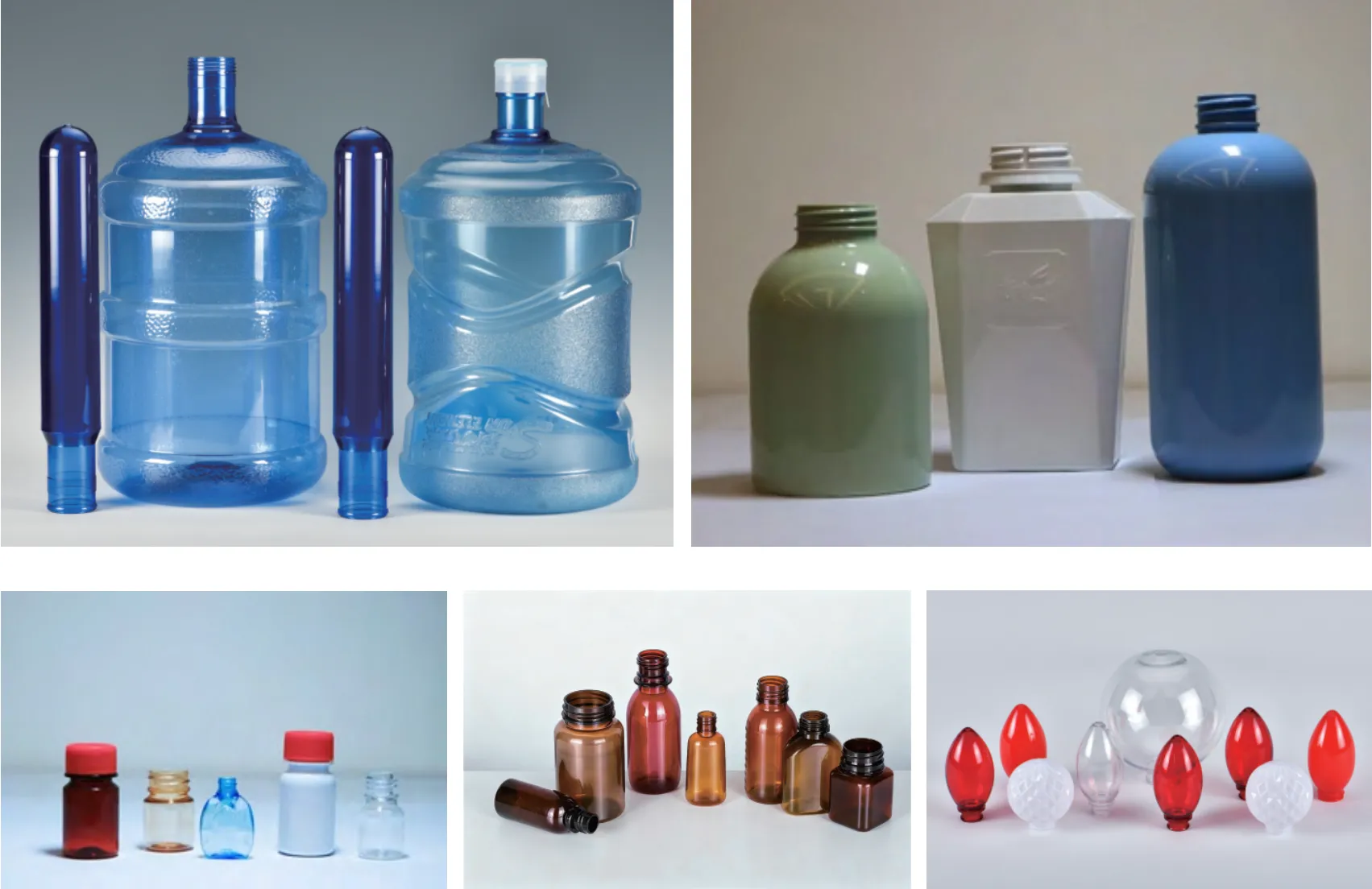
Ikke alle rPET-kvaliteter er skabt lige. Koreanske producenter, der evaluerer udbud, skal forstå de tre primære kvaliteter og deres respektive forarbejdningsadfærd.
| Grad | IV-værdi | Kontakt med fødevarer | Typisk pris |
|---|---|---|---|
| Virgin PET (reference) | 0.80-0.82 | Ja | 1.200-1.400 KRW/kg |
| Fødevarekontakt rPET (flaske-til-flaske) | 0.74-0.78 | Ja (certificeret) | 1.400-1.700 KRW/kg |
| Industriel rPET (ikke-fødevare) | 0.70-0.76 | Ingen | 900-1.200 KRW/kg |
| rPET-flager (mekanisk) | 0.68-0.74 | Begrænsede anvendelser | 700-950 KRW/kg |
For at overholde K-EPR-standarden er det kun fødevarekontaktcertificeret rPET, der opfylder kravene i det obligatoriske indhold 10%. Denne kvalitet bruger typisk en kombination af mekanisk genbrug og kemisk genbrug (depolymerisering) for at genoprette molekylær integritet og fjerne kontaminering. IV-værdien på 0,74-0,78 er lidt under jomfruelig PET, men forbliver et godt stykke inden for procesvinduet for kommerciel ISBM-produktion.
Koreanske lukkede kredsløbssystemer med flaske-til-flaske-produktion skalerer i øjeblikket deres kapacitet op. SK geocentric og Lotte Chemical fører an i den indenlandske forsyning, hvor importeret certificeret rPET fra Indorama, Far Eastern New Century og Alpek Polyester dækker yderligere efterspørgsel under forsyningsstigningen.
3. Tekniske udfordringer ved behandling
rPET udviser fire tekniske forskelle fra virgin PET, der påvirker ISBM-behandlingsadfærden. Forståelse af disse forskelle er grundlaget for en vellykket implementering af compliance.
Reduceret IV-værdi
Intrinsisk viskositet (IV) måler polymerkædelængden og korrelerer direkte med smeltestyrke, flaskestyrke og gasbarriere. Virgin PET sigter mod 0,80-0,82 til drikkevareapplikationer. Fødevarekontakt rPET når typisk op på 0,74-0,78, hvilket er 5-8% under virgin baseline. Denne forskel påvirker den biaxiale orientering under strækning og kan reducere flaskens topbelastningsstyrke 3-7% ved et rPET-blandingsforhold på 10%.
Farveskift (gul b*-værdi)
Mekaniske genbrugsprocesser udsætter PET for gentagne termiske cyklusser, der producerer en diskret gul farvetone. CIELAB b*-værdien (måling af gul-blå akse) forskydes typisk med 1,5-3,0 enheder sammenlignet med jomfruelig PET. Ved blandingsforholdet 10% er den gule farveforskydning i den færdige flaske umærkelig for de fleste forbrugere. Ved blandingsforhold på 30% og højere bliver den gule farvetone mærkbar og kræver optiske blegemidler eller blå toner for at kompensere.
Sorte pletter og kontaminering
Mekanisk genbrug fører mikrokontaminering videre fra indsamlingsstrømmen, herunder polyolefinkapsler, rester af etiketteklæbemiddel og farvepigmenter. Fødevarekontakt-certificeret rPET bruger smeltefiltrering (typisk 60-80 mikron) til at fjerne synlige partikler, men lejlighedsvise sorte pletter eller gelindeslutninger kan forekomme i færdige flasker. Forekomsten er typisk 1-3 pr. 10.000 flasker ved et blandingsforhold på 10%.
Fugtfølsomhed
rPET absorberer fugt mere aggressivt end jomfruelig PET på grund af en lidt højere restkrystallinitet i pellettilstanden. Tørringsparametrene skal justeres for at sikre, at fugtigheden når målet på <50 ppm før forarbejdning. Utilstrækkelig tørring forårsager hydrolyse under forarbejdning, hvilket yderligere forringer IV-værdien og forstærker den gule farvetone.
4. ISBM-parameterjusteringer for rPET
Succesfuld behandling af rPET kræver justeringer af fem parametergrupper sammenlignet med basislinjen for virgin PET. Følgende tabel viser anbefalede justeringer ved forskellige blandingsforhold.
| Parameter | Virgin PET-grundlinje | 10% rPET | 30% rPET |
|---|---|---|---|
| Tørretemperatur | 165°C | 170°C | 170-175°C |
| Tørretid | 4 timer | 5-6 timer | 6-8 timer |
| Målfugtighed | <50 ppm | <40 ppm | <30 ppm |
| Tøndetemperatur | 270-280°C | 265-275°C | 260-270°C |
| Justering af cyklustid | Basislinje | +3-5% | +5-10% |
| Smeltefilternet | Valgfri | 60-80 mesh | 80-100 mesh |
| Præformvægt | Basislinje | +1-2% (kompenserende IV) | +2-4% |
| Forøgelse af skrotprocenten | Basislinje | +0.2-0.4% | +0.5-1.0% |
Reduktionen af tøndetemperaturen er kontraintuitiv, men kritisk. Højere procestemperatur accelererer termisk nedbrydning af rPET-polymerkæderne, hvilket forstærker både faldet i IV-værdien og den gule farvetone. En reduktion af tøndetemperaturen på 3-5 °C opretholder rPET-integriteten, samtidig med at minimal procesgennemstrømning ofres. For detaljeret defektdiagnose under rPET-overgangen, se 15 almindelige ISBM-flaskefejl og hvordan man retter dem.
5. Blandingsstrategi: 10% / 30% / 50% / 100%
Koreanske producenter står over for strategiske beslutninger om blandingsforhold, der rækker ud over minimumsoverholdelse af lovgivningen. Fire blandingsstrategier tjener forskellige forretningsmål.
10% BLANDING
Minimumsoverholdelse
Påkrævet basislinje for overholdelse af K-EPR i 2026. Minimal påvirkning af behandlingen. Umærkelig farveforskydning.
Bedst til: Store vand- og drikkevareproducenter fokuserede på overholdelse af lovgivningen med minimal produktionsforstyrrelse.
30% BLANDING
Mål og ESG-ledelse for 2030
I overensstemmelse med obligatorisk krav fra 2030. Moderat gul farvetone kræver optisk justering. Højere skrotprocent.
Bedst til: Brands positionerer ESG-lederskab forud for 2030-mandatet. Premium vandbrands markedsfører bæredygtighed.
50% BLANDING
Premium bæredygtighedspositionering
Betydelig værdi for bæredygtighedsbudskaber. Kræver tilsætningsstoffer til optiske blegemidler. Forlængelse af cyklustid på 5-10%.
Bedst til: Premium vandmærker og ESG-fremmede drikkevaremærker, der betjener miljøbevidste forbrugersegmenter.
100% BLANDING
Lukket kredsløbsledelse
Maksimal bæredygtighedspositionering. Kræver rPET af kemisk genbrugskvalitet. Produktionspåvirkning på 10-15%.
Bedst til: Boutique-mærker med fokus på bæredygtighed, SKU'er i begrænset oplag, B2B-markeder for hotel- og restaurationsbranchen.
De fleste koreanske producenter implementerer 10%-blandingen med minimumsoverholdelse i 2026, med strategiske pilotprojekter på 30% for udvalgte varemærker, der forbereder overgangen til 2030. En struktureret tilgang muliggør gradvis skalering af forsyningskæden og operationel læring før fuld udvidelse af mandatet.
6. Koreansk rPET-forsyningskæde
Den koreanske rPET-forsyningsinfrastruktur udvides hurtigt for at imødekomme efterspørgslen efter 2026-standarder. Fire forsyningskategorier betjener det indenlandske marked.
Primære indenlandske leverandører
SK geocentrisk (tidligere SK Chemicals) driver integreret PET-produktion og -genbrug med en kapacitet på rPET-certificeret til fødevarekontakt, der udvides frem mod 2026-2028. SK geocentric er den største koreanske indenlandske leverandør og betjener store drikkevareproducenters lukkede kredsløbsprogrammer.
Lotte Chemical driver parallel PET- og rPET-produktion og leverer til både indenlandske drikkevaremærker og eksportmarkeder. Lotte Chemicals lukkede partnerskab med Lotte Chilsung leverer flaske-til-flaske-genbrugskapacitet til Lottes egen drikkevareportefølje.
Importforsyning
I løbet af forsyningsrampen 2026-2027 udfylder importeret certificeret rPET hullerne mellem indenlandsk udbud og efterspørgsel. Almindelige importkilder omfatter Indorama Ventures (Thailand), Far Eastern New Century (Taiwan) og Alpek Polyester (Mexico). Fødevarekontaktcertificering verificeres ved grænseinspektion før markedsadgang.
Indsamlingsinfrastruktur
Koreas indsamlingsinfrastruktur hviler på det etablerede pant- og kommunale sorteringssystem. Klare PET-flasker, der kommer i rPET-strømmen i kontakt med fødevarer, kræver separat indsamling, fjernelse af farvestoffer og mekanisk genbrug med kemisk genbrug for at få godkendelse til fødevarekontakt. Det koreanske ministerium for klima, energi og miljø certificerer specifikke genbrugsvirksomheder, der opfylder renhedsstandarderne for fødevarekontakt.
Prisdynamik
Prisen på fødevarekontakt-certificeret rPET ligger typisk på 15-25% i forhold til jomfruelig PET i løbet af den begrænsede forsyningsperiode i 2026. Efterhånden som udbuddet skaleres for at imødekomme den obligatoriske efterspørgsel, forventes pristillægget at falde til 5-15% inden 2028. Producenter bør forvente 1.400-1.700 KRW pr. kg for certificeret rPET i løbet af 2026-2027, hvor leveringskontrakter i stigende grad struktureres som flerårige volumenforpligtelser for at sikre stabilitet.
7. Ever-Power Platform-kompatibilitet
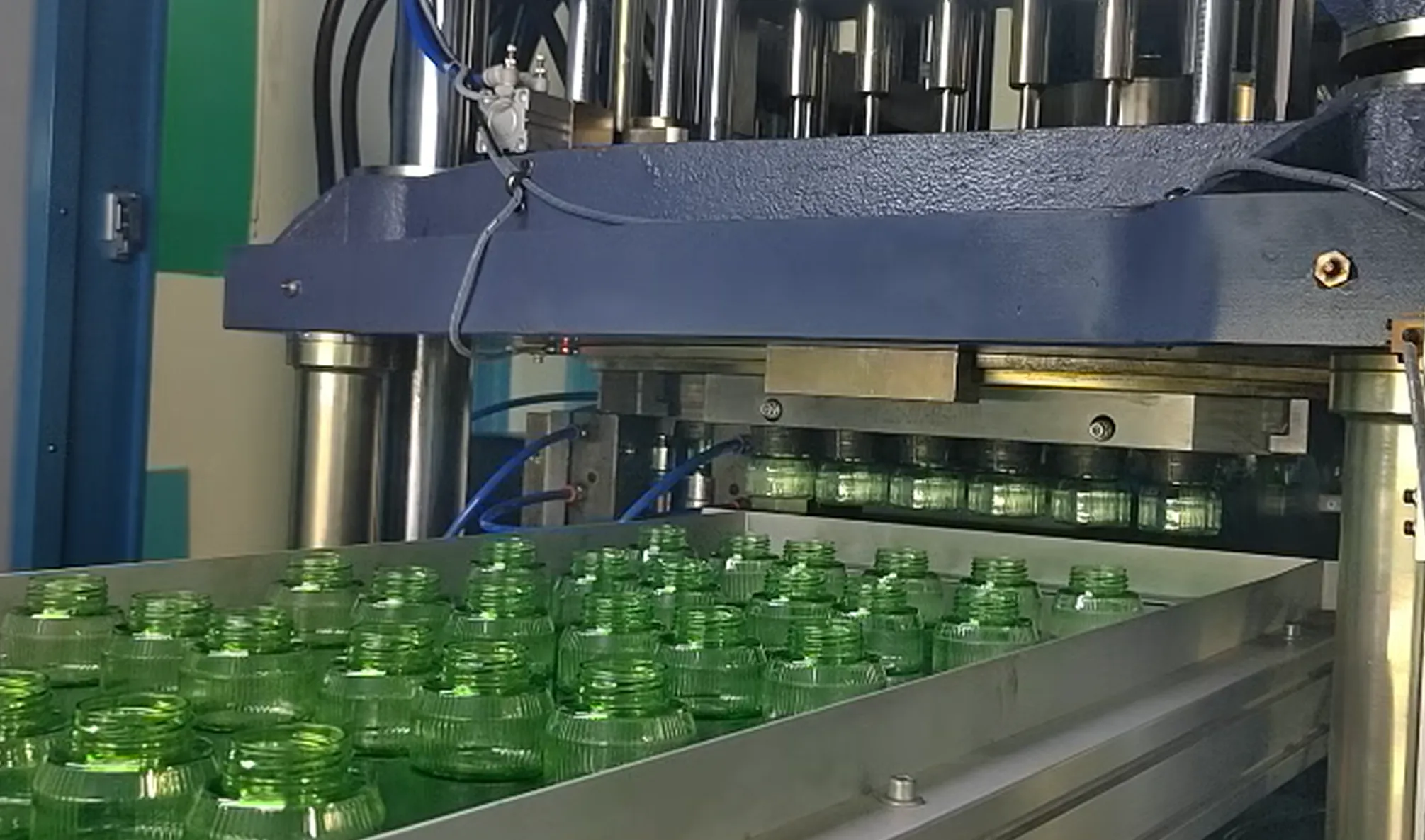
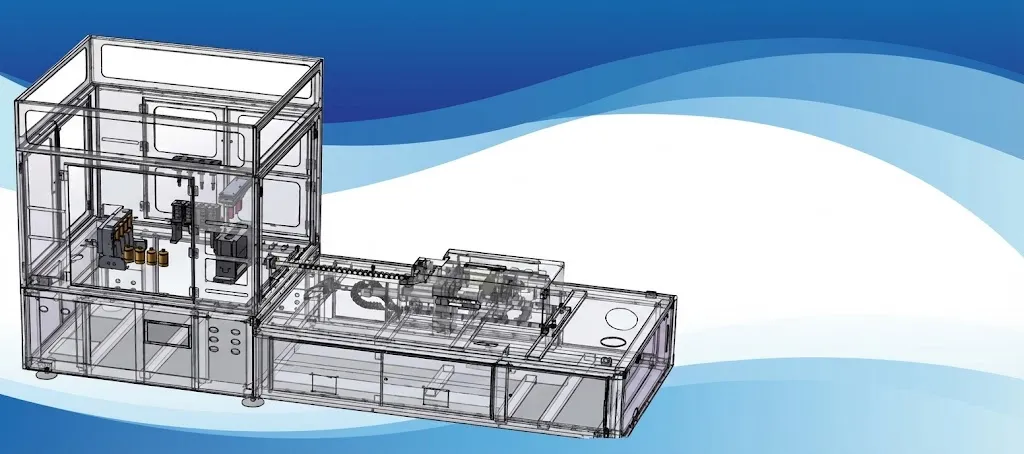
Alle Ever-Power ISBM-platforme håndterer rPET-indhold op til 100% via standardparameterjusteringer. Ingen platformmodifikation eller eftermontering af udstyr er nødvendig for at overholde K-EPR-kravene ved blandingsforholdene 10% eller 30%. Specifikke platforme anbefales baseret på flaskeapplikation og produktionsskala.
| Anvendelse | Anbefalet platform | Fordel ved håndtering af rPET |
|---|---|---|
| 500 ml mineralvandsflaske | HGY200-V4 | Højvolumen 4-stations gennemløb |
| 1-2L drikkeflaske | HGY250-V4 | Kraftig fastspænding til stort format |
| Premium PET med 30-50% rPET | HGY150-V4-EV | Fuld servopræcision + præcis temperaturkontrol |
| 5 liter vand (genopfyldelig) | HGY650-V4 | Storformat rPET-kompatibel |
Fuldservoplatforme som HGY150-V4-EV tilbyder målbare fordele for rPET-behandling, fordi præcis temperaturkontrol reducerer termisk belastning på rPET-polymerkæder med lavere IV. Hydrauliske platforme kan behandle rPET, men viser typisk en 0,2-0,4 procentpoint højere skrotrate ved samme blandingsforhold på grund af parameterdrift gennem produktionsskift.
8. Omkostningsøkonomisk analyse
Overholdelse af rPET-kravene øger omkostningerne sammenlignet med produktion af jomfruelig PET. For en typisk producent af 500 ml vandflasker, der producerer 50 millioner enheder om året, fordeler den økonomiske effekt ved blandingsforholdet 10% sig som følger.
| Omkostningsdimension | Kun jomfru PET | 10% rPET-blanding |
|---|---|---|
| Råvareomkostninger (pr. flaske) | Basislinje | +2.0-2.5% |
| Tørringsenergiomkostninger | Basislinje | +3-5% |
| Indvirkning på cyklustid | Basislinje | +3-5% cyklus |
| Forøgelse af skrotprocenten | Basislinje | +0.2-0.4% |
| Samlet pris pr. flaske (500 ml vand) | Basispris (~150 KRW) | +4-6 KRW pr. flaske |
| Årlig omkostningspåvirkning (50 millioner enheder) | – | 200-300 millioner KRW |
For den typiske store producent, der er berørt af fase 1-mandatet (5.000+ tons årligt PET-forbrug), ligger overholdelsesomkostningerne på cirka 200-300 millioner KRW ved et blandingsforhold på 10%. Disse omkostninger absorberes typisk gennem marginale detailprisjusteringer (1-2 KRW pr. flaske) eller driftseffektivitetsgevinster andre steder i produktionen. For blandingsforholdet på 30% skaleres omkostningspåvirkningen til 600-900 millioner KRW årligt.
Langsigtede økonomiske forhold favoriserer rPET, da udbuddet skaleres. Virgin PET er underlagt olieprisudsving og begrænsninger i petrokemiske råmaterialer. Certificeret rPET er i stigende grad priskonkurrencedygtigt med virgin PET, efterhånden som den koreanske indsamlingsinfrastruktur modnes i 2026-2028. Mange markedsanalytikere forventer, at certificeret rPET i 2030 vil opnå prisparitet med virgin PET, hvilket eliminerer den nuværende omkostningspræmie.
9. 90-dages overholdelsesplan

For koreanske producenter, der endnu ikke fuldt ud overholder fase 1-mandatet, giver den følgende 90-dages implementeringsplan en struktureret progression fra lovgivningsmæssig vurdering til fuld produktionsintegration.
Dag 1-30: Reguleringsvurdering og forsyningsindsamling
- ▸Bekræft K-EPR-forpligtelsesstatus (produktionsvolumen vs. tærskel på 5.000 tons)
- ▸Identificér certificerede rPET-leverandører (SK geocentric, Lotte Chemical, importmuligheder)
- ▸Anmod om dokumentation for certificering af fødevarekontakt fra leverandører
- ▸Sikring af indledende prøvebatch på 10-20 tons til parameteroptimering
- ▸Opdater indkøbskontrakter til at inkludere certificeringskrav
Dag 31-60: Pilotproduktion og parameterjustering
- ▸Kør pilotbatcher med et blandingsforhold på 10% på én produktionslinje
- ▸Bekræft justering af tørreparametre (170°C, 5-6 timer)
- ▸Mål flaskekvalitet: vægtykkelse, topbelastning, faldtest, farve b*-værdi
- ▸Dokumenter baseline kasseringsrate og defektprofil vs. kontrol af virgin PET
- ▸Finjuster tøndetemperaturen (-3-5°C fra baseline) og cyklustiden
Dag 61-90: Skalering til fuld produktion og dokumentation
- ▸Implementer optimerede parametre på tværs af alle produktionslinjer
- ▸Etabler flerårig leveringskontrakt med primær rPET-leverandør
- ▸Byg et system til dokumentation af overholdelse af regler: certifikater, batchsporbarhed, månedlig rapportering
- ▸Udarbejd bæredygtighedsmarkedsføringskommunikation (hvis relevant)
- ▸Plan Fase 2-beredskab (pilotprojekt med blandingsforholdet 30% inden 2028)
10. Ofte stillede spørgsmål
Q: Gælder K-EPR-forordningen fra 2026 for kosmetikflasker og madglas?
Ikke i øjeblikket. Fase 1 K-EPR gælder kun for farveløse PET-flasker til flaskevand og alkoholfri drikkevarer fra producenter, der overstiger 5.000 tons årligt. Kosmetikflasker, madglas, farmaceutiske beholdere og farvede PET-flasker forbliver uden for det obligatoriske anvendelsesområde i 2026. Vejledningen fra Klima-, Energi- og Miljøministeriet (MCEE) signalerer dog en sandsynlig udvidelse til yderligere produktkategorier frem til den omfattende køreplan for 2028-2030, der blev offentliggjort i december 2025.
Q: Kan jeg bruge industriel rPET i stedet for certificeret fødevarekontakt?
Nej for drikkeflasker under K-EPR-mandatet. Kun fødevarekontaktcertificeret rPET med dobbelt certificering (genbrugsproces + fødevarekontaktsikkerhed) kvalificerer sig til det obligatoriske 10%-indhold. Industrikvalitets rPET er 15-25% billigere, men kan ikke tælles med i overholdelsen. Brug af ukertificeret rPET i flaskevand eller alkoholfri drikkeflasker udgør manglende overholdelse, der kan medføre sanktioner i henhold til Resource Recycling Act.
Q: Skal min eksisterende ISBM-maskine modificeres for at behandle rPET?
Typisk ikke for blandingsforhold på 10-30%. Standard Ever-Power ISBM-platforme behandler rPET kun via parameterjustering (tørretemperatur, tøndetemperatur, cyklustid). Ved et rPET-indhold på 50-100% drager nogle platforme fordel af en opgradering af smeltefilteret (80-100 mesh) for at håndtere lejlighedsvis sortplettet kontaminering, men det grundlæggende udstyr håndterer alle blandingsforhold. Fuldservo-platforme som HGY150-V4-EV giver en strammere temperaturkontrol, der reducerer variationen i rPET-behandlingen.
Q: Hvad sker der med mine flaskers topbelastningsstyrke med 30% rPET?
Topbelastningsstyrken falder typisk med 3-7% ved blandingsforholdet 10% og 8-12% ved blandingsforholdet 30% på grund af reduceret IV-værdi, der påvirker den biaxiale orientering. Kompensationsstrategier omfatter forøgelse af præformens vægt med 2-4% (gendannelse af vægtykkelsen), optimering af præformens temperaturprofil for forbedret orientering eller justering af flaskens skulder- og kropspanelgeometri. Verificer den specifikke flaskes ydeevne gennem en faldtest og topbelastningsmåling før fuld produktionsforpligtelse. For detaljeret orienteringsfysik, se Biaksial molekylær orientering.
Q: Hvor lang tid tager forhandling af rPET-leveringskontrakter typisk?
Nye rPET-leveringskontrakter kræver typisk 8-12 uger fra den indledende tilbudsanmodning til underskrevet aftale i et forsyningsbegrænset miljø i 2026. SK geocentric og Lotte Chemical prioriterer begge flerårige volumenforpligtelser (3-5 år) frem for spotkøb. Forvent en årlig minimumsforpligtelse på 200-500 tons for det foretrukne prisniveau. Importforsyning fra Indorama eller Fjernøsten tilbyder typisk kortere kontraktvarighed, men et højere prispunkt. Start leverandørengagement 3-6 måneder før planlagt produktionsintegration.
11. Konklusion
Koreas K-EPR-mandat markerer overgangen fra frivillige bæredygtighedsforpligtelser til håndhævelige cirkulære økonomiske krav for PET-flaskesektoren. Producenter, der overstiger 5.000 tons årligt PET-forbrug, skal integrere 10%-certificeret rPET-indhold fra 1. januar 2026, med tærskler, der udvides til 1.000 tons og 30%-indhold inden 2030.
Den tekniske implementering er veletableret. rPET-processer på standard Ever-Power ISBM-platforme gennem parameterjusteringer, der dækker tørretemperatur, tøndetemperatur og cyklustid. Den mest almindelige operatørbekymring (om udstyrsmodifikation er påkrævet) besvares med nej i langt de fleste tilfælde. De resterende udfordringer er forsyningskædestyring (sikring af certificeret rPET i de krævede mængder), kvalitetskontrol (verifikation af ensartet IV-værdi og farve på tværs af batcher) og dokumentation (vedligeholdelse af sporbare overholdelsesregistre til lovgivningsmæssig revision).
Koreanske producenter, der tilnærmer sig K-EPR-overholdelse gennem struktureret 90-dages implementering, opnår typisk fuld produktionsintegration med minimal kvalitets- eller økonomisk forstyrrelse. Den strategiske beslutning for fremsynede brands rækker ud over minimumsoverholdelse og omfatter pilotprojekter med 30%-blandingsforhold for udvalgte SKU'er, positionering til udvidelse af mandatet i 2030 og ESG-brandlederskab i mellemtiden.
Klar til implementering af K-EPR-overholdelse?
Del din nuværende produktionsvolumen, platformmodel, målblandingsforhold og rPET-forsyningsaftaler. Vores koreanske ingeniørteam returnerer anbefalinger til platformparametre, pilotbatchprotokol og ramme for overholdelse af dokumentation inden for 48 timer.
Gennemse flere ressourcer
Redaktør: Cxm