
Техническо поглъщане · Инженеринг на бутилки · Корейски ISBM 2026
Инженеринг на дебелината на стените на ISBM:
Ръководство за качество на корейските бутилки
Неравномерната дебелина на стената е основната причина за инциденти с брак на корейски ISBM по модела 60% – от повреди отдолу навън до срутване на рамото при изпитване с горно натоварване. Това ръководство обхваща систематичното инженерство на разпределението на дебелината на стената в 7 зони на бутилката, параметрите на процеса, които контролират разпределението, и протокола за измерване, който отчита проблеми с дебелината, преди те да се превърнат в събития, водещи до отказ от страна на клиента.
Изчисления за минимални стени
PET / PETG / PP
Минимална референтна дебелина на стената — корейски ISBM 2026
| Приложение | Мин. за тяло | Базова мин. | Раменна минимална | Цел CV% |
|---|---|---|---|---|
| Негазирана вода 500 мл PET | 0,18 мм | 0,25 мм | 0,22 мм | ≤8% |
| CSD PET 500 мл | 0,22 мм | 0,32 мм | 0,28 мм | ≤6% |
| K-Beauty PETG 100ml | 0,28 мм | 0,35 мм | 0,30 мм | ≤5% |
| Фармацевтичен PET/PETG 30 мл | 0,30 мм | 0,38 мм | 0,32 мм | ≤4% |
| Буркан с широко гърло 63 мм 300 мл | 0,35 мм | 0,42 мм | 0,38 мм | ≤7% |
1. Защо разпределението на дебелината на стените е по-важно от средното
Контролът на качеството на корейските ISBM исторически се е фокусирал върху средната дебелина на стената — измерване на една или две точки на производствена бутилка и сравняване с номиналната спецификация. Този подход пропуска проблема с разпределението: бутилка с адекватна средна дебелина на стената все още може да не издържи тест за натоварване отгоре, налягане на разрушаване или удар при падане, ако разпределението е неравномерно — с дебели зони в структурно маловажни области, компенсиращи опасно тънките зони на критични за повреда места.
Да разгледаме специфичен режим на повреда, често срещан в корейското производство на ISBM: бутилката, която преминава контрола за качество по средно тегло и средна дебелина на стената, но не преминава теста за горно натоварване при 70% от определеното натоварване. Разследването постоянно разкрива един и същ модел - адекватна дебелина на стената в долната част на тялото и основата, но зона на рамото, по-тънка от минималната спецификация на основата. Теглото на бутилката изглежда правилно, защото допълнителният материал в долната част на тялото компенсира тънкото рамо, оставяйки средната стойност непроменена. Само измерването, специфично за зоната, разкрива повредата в разпределението, преди бутилката да достигне одита за горно натоварване на линията за пълнене.
Молекулярната наука, която свързва разпределението на дебелината на стената със здравината на бутилката – по-специално защо тънка зона на рамото се разрушава при горно натоварване, дори когато стената на тялото е адекватна – е обяснена в ръководство за двуосно молекулярно ориентиранеВ обобщение: рамото е преходната зона между ориентираната стена на тялото и неориентираната шийка — тя трябва да е достатъчно дебела, за да прехвърли натоварването от шийката към тялото без извиване, а тънките зони в този преход се свиват под натиск, независимо от дебелината на стената на тялото.
2. 7-те критични зони за измерване за корейски бутилки ISBM
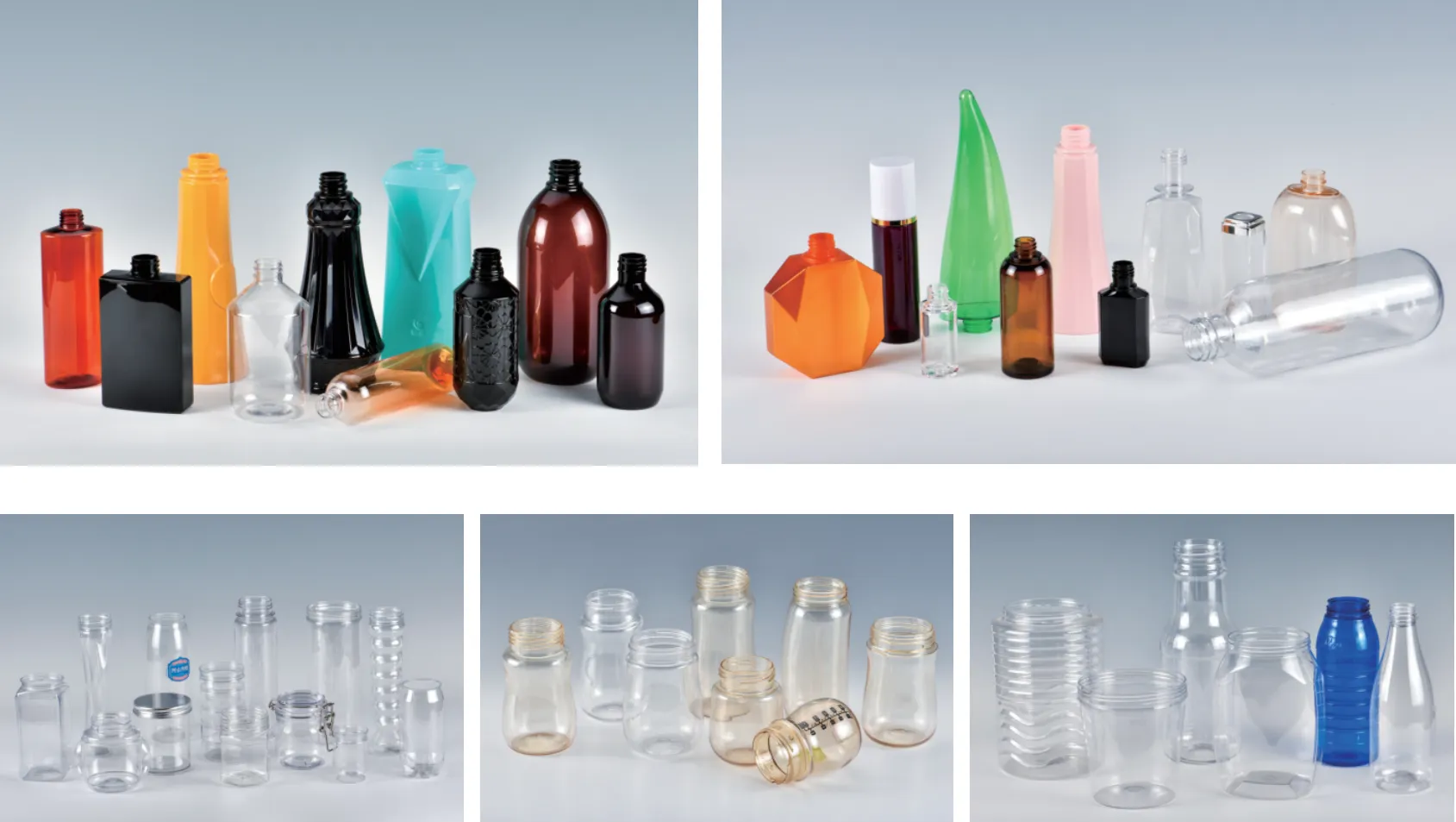
Измерване на дебелината на стената на корейски ISBM бутилки — 7-зоновият протокол измерва в критичните структурни места, където нарушенията в разпределението на дебелината причиняват срутване от горно натоварване, търкаляне на основата, разрушаване или дефекти в прозрачността. Измерването само на осредняване пропуска специфичните за зоната проблеми с разпределението, които причиняват събития на отказ от производство на корейски ISBM 60%.
Систематичен одит на дебелината на стените на ISBM в Корея измерва 7 специфични зони на всяка бутилка за проби, в 4 периферни позиции за всяка зона (0°, 90°, 180°, 270°), като по този начин се получават 28 отделни показания за всяка бутилка. 7-те зони се определят от позицията спрямо основата на бутилката:
Зона 1
Зона 2
Зона 3
Зона 4
Зона 5
Зона 6
Зона 7
3. Как дизайнът на преформата контролира разпределението на стените
Профилът на дебелината на стената на заготовката — умишленото изменение на дебелината на стената по дължината на заготовката — е основният инструмент за проектиране за контролиране на разпределението на стените в готовата бутилка. Заготовка с равномерна дебелина на стената създава бутилка, при която долната част на тялото получава повече материал от рамото (защото долната част на тялото на заготовката се разтяга повече по време на формоването чрез раздуване, изтънявайки пропорционално по-малко от рамото, което се разтяга по-малко). Компенсирането на тази естествена тенденция на разпределение изисква конусовидна заготовка с нарастваща дебелина на стената от основата до рамото — така че зоните, които се разтягат най-много, да имат повече наличен материал за разтягане.
Разпределението на преформата към бутилката се определя количествено чрез коефициента на локално разтягане във всяка зона: коефициент на локално аксиално разтягане = (височина на бутилката в зона / височина на преформата в зона); коефициент на локално радиално разтягане = (диаметър на бутилката в зона / външен диаметър на преформата). Зоните с високи коефициенти на локално разтягане трябва да имат пропорционално по-голяма дебелина на стената на преформата, за да се постигне целевата дебелина на стената при издухване в тази зона. Основното ръководство за проектиране на преформи, което обхваща това изчисление - включително рамката за съотношението L/D и геометрията на затвора, която определя наличната дебелина във всяка зона - е Ръководство за основи на ISBM за проектиране на преформи.
Корейските производители на ISBM (междуслойни подвижни форми), които наследяват дизайна на преформи от своите клиенти (често срещана ситуация, при която собственикът на марката е установил стандартна преформа за множество производствени партньори), трябва да валидират пригодността на разпределението на стените на преформата за тяхната специфична геометрия на матрицата преди поемане на производствен ангажимент. Преформа, проектирана за двуетапен процес на повторно нагряване и издухване, може да не постигне адекватно разпределение на стените в едноетапен ISBM процес върху същия дизайн на бутилка — разликите в термичното кондициониране и времето за разтягане между двата процеса влияят върху начина, по който материалът на стените на преформата се разпределя по време на формоването чрез раздуване.

4. Температура на кондициониране и нейното влияние върху разпределението
Температурата на кондициониране е най-мощният лост за контролиране на разпределението на дебелината на стената в корейския ISBM. Принципът: при по-ниски температури на кондициониране (по-близо до долния край на технологичния прозорец), преформата е по-твърда и разтегателният прът трябва да преодолее по-голямо съпротивление, за да постигне аксиално удължение. Това създава разпределение, при което долната част на тялото - до която разтегателният прът достига първа и с максимална сила - получава пропорционално по-голямо аксиално разтягане, оставяйки по-малко материал за зоната на рамото. Резултатът е дебела долна част на тялото, тънко рамо.
При по-високи температури на кондициониране (по-близо до горния край на прозореца), заготовката омеква по-равномерно по дължината си. Разтегливият прът се разтяга с по-малко съпротивление и материалът тече по-свободно към рамото под налягане на раздуване, което води до по-равномерно аксиално разпределение. Ето защо корейските инженери по ISBM постоянно установяват, че повишаване на температурата на кондициониране с 3–5°C измества материала от долната част на тялото към рамото – полезна корекция за дефекти в разпределението на тънките рамена.
Корекцията на температурата има ограничения: повишаването на температурата на кондициониране над горната граница на прозореца кара материала да стане твърде течен, губейки индуцираната от разтягането ориентация, която осигурява здравина на бутилката. Свръхмеките преформи произвеждат бутилки с помътняване (топлинна кристализация в зоната на рамото) и ниски показатели при горно натоварване, въпреки адекватната дебелина на стената, тъй като материалът не е бил правилно ориентиран по време на разтягане. Това е класическият режим на повреда при прекомерно кондициониране на корейски ISBM: тънкото рамо е коригирано, но горното натоварване все още е недостатъчно - защото качеството на ориентацията е пожертвано. Връзката между температурата, ориентацията и пълния набор от дефекти, които тя причинява, е систематично документирана в... Ръководство за дефекти на корейски бутилки ISBM.

5. Влияние на времето, скоростта и крайната точка на разтягащия прът върху разпределението
Разтегателният прът в корейския 4-позиционен ISBM изпълнява специфична механична функция: той активно разтяга заготовката аксиално, като натиска основата ѝ надолу, разтягайки предварително материала, преди налягането на вдухвания въздух да го разшири радиално. Времето, скоростта и крайната точка на движение на разтегателния прът са независимо програмируеми на корейските серво платформи Ever-Power EV и всеки параметър влияе върху разпределението на стените по различен начин:
Скорост на пръта (мм/с)
По-високата скорост на разтегателния прът изтласква материала по-агресивно към основната зона, увеличавайки дебелината на основата/петата за сметка на горната част на тялото и рамото. Полезно за коригиране на условия на тънка основа. Типичен диапазон: 800–1400 mm/s за стандартно корейско производство на PET; PETG изисква по-ниска скорост поради по-високата устойчивост на топене.
Крайна точка на пръта (мм от основата)
Разтегателният прът трябва да се придвижва в рамките на 1–3 мм от повърхността на основата на формата за издухване – разстоянието на „шлифовка“. Недостатъчното удължение на пръта оставя излишен материал в зоната на основата и лишава долната част от материал. Риск от прекомерно удължаване: контактът на пръта с основата на формата уврежда и двете. Корейският стандарт е разстояние между пръта и формата от 1,5±0,5 мм, което се задава и фиксира при пускане в експлоатация на машината.
Точка на задействане преди издухване (ход на пръта %)
По-ранното предварително издухване (задействано при ход на пръта 25–35%) позволява на вдухвания въздух да разшири радиално преформата при ниско аксиално удължение — произвеждайки по-широки тела с относително повече материал в горната част на тялото. По-късното предварително издухване (ход на пръта 45–55%) принуждава максимално аксиално удължение преди радиалното разширение — избутвайки материала надолу. Корейското производство на напитки обикновено използва спусък 30–40%; високите бутилки на K-Beauty използват 40–50% за избутване на материала в удължената горна част на тялото.
6. Контрол на налягането преди издухване и радиално разпределение
Предварителното налягане (първоначалният въздушен поток с ниско налягане, който започва да разширява преформата, преди да се приложи пълно високо налягане на издухване) контролира радиалното разпределение на дебелината на стената по обиколката на бутилката. Асиметричното предварително издухване – причинено от неравномерно разпределение на налягането в колектора към различните станции за издухване или от частично запушени отвори на дюзите – води до бутилки с вариации в дебелината на стената по обиколката: дебели от едната страна, тънки от другата страна.
Разликата в дебелината на периферията на стените при производството на ISBM в Корея е един от най-трудните за диагностициране проблеми с дистрибуцията само чрез визуална проверка, тъй като готовата бутилка изглежда симетрична. Само протоколът за измерване в 4 позиции (измерване при 0°, 90°, 180°, 270° във всяка зона) разкрива асиметрията. Корейските производители на ISBM, които измерват дебелината само в една периферна позиция на зона, постоянно пропускат тази категория дефекти, докато тя не се прояви като оплакване от клиента за набръчкване на етикета (набръчкването на етикета се получава, защото тънката страна на бутилката има по-ниско повърхностно налягане върху етикета, създавайки мехурче на етикета, противоположно на тънката страна).
Връзката между равномерността на налягането преди издухване и разпределението по стените и ефективността на времето на цикъла е разгледана в 5-лостова рамка за оптимизация на времето за цикъл на корейски ISBMКорекциите на налягането и времето на предварителното издухване, които подобряват разпределението по стените, често едновременно намаляват времето на цикъла, като позволяват по-кратки периоди на задържане на издухването — двете подобрения в качеството и ефективността се допълват, а не си противоречат, когато предварителното издухване е правилно настроено.
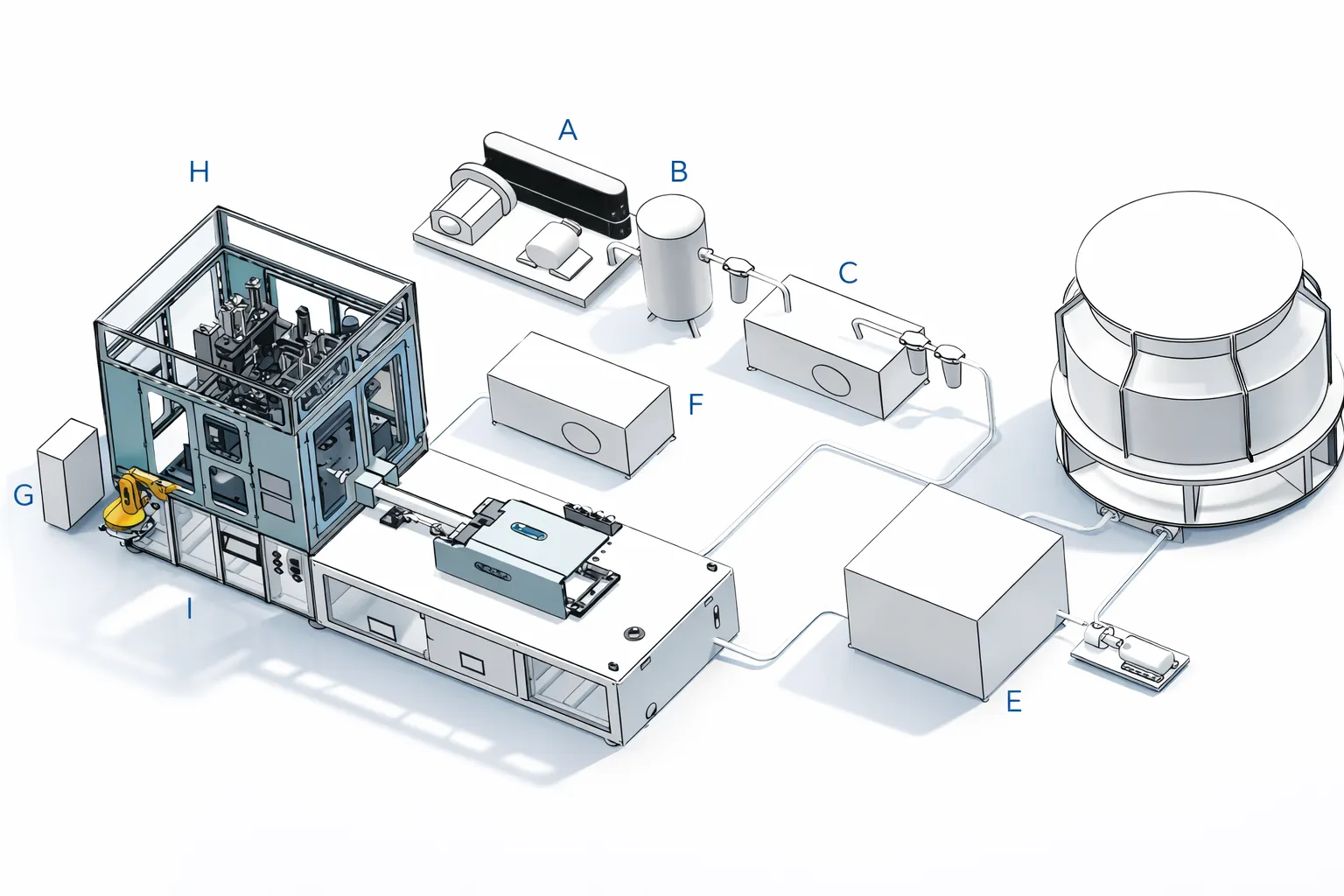
7. Оборудване за измерване на дебелината на стената и производствен протокол
Измерването на дебелината на стените за корейското производство на ISBM използва ултразвукови дебеломери — неразрушителни инструменти, които предават ултразвукови импулси през стената на бутилката и изчисляват дебелината от времето на прелитане между предадените и отразените сигнали. Основните спецификации за измерване на дебелината на стените на корейските ISBM:
───────────────────────────────────────────────────────────────
Диапазон на измерване: 0,10 мм – 5,00 мм
Резолюция: 0,01 мм (минимум за работа с ISBM)
Точност: ±0,02 мм или 2% (което от двете е по-голямо)
Честота: преобразувател 5–15 MHz (по-висока за тънки стени)
Калибриране на материала: Трябва да се калибрира спрямо PET, PETG,
и PP поотделно — различни акустични скорости
Калибровъчен стандарт: Калибровъчен блок в целева смола, сертифицирана дебелина
───────────────────────────────────────────────────────────────
Честота на семплиране на корейски ISBM в производство:
Стандартно производство: 5 бутилки × 7 зони × 4 позиции на начало на смяна
+ 3 бутилки × 4 позиции (само Зона 4) на всеки 2 часа
K-Beauty premium: 10 бутилки × 7 зони × 4 позиции на начало на смяна
+ 5 бутилки × 7 зони при всяка смяна на матрицата
Критичната точка на калибриране, която корейската практика за измерване на ISBM най-често пренебрегва, е калибрирането, специфично за смолата. Ултразвуковите измервателни уреди измерват акустичната скорост през материала, а акустичната скорост се различава между PET (приблизително 2190 m/s), PETG (приблизително 2080 m/s) и PP (приблизително 2430 m/s). Уред, калибриран спрямо PET стандарт, ще подцени дебелината на стената на PETG с приблизително 5–6% и ще надцени дебелината на стената на PP с приблизително 11%. Корейските производители на ISBM, които използват един калибриращ стандарт за всички смоли, систематично ще отчитат погрешно дебелината на стената на производствените линии с множество смоли - стандартът трябва да бъде в специфичната измервана смола, приготвена в същия диапазон на дебелина на стената като производствените бутилки. Тази дисциплина на измерване е част от по-широката система за качество на производството, която изисква намаляването на брака на ISBM в Корея - подробно описано в Ръководство за намаляване на процента на бракуване на ISBM в Корея.
8. Диагностициране на проблеми с разпределението на стените: 5 често срещани модела и коренни причини
| Модел | Сигнатура на зоната | Основна причина | Корекция |
|---|---|---|---|
| Тънко рамо | Z1–Z5 ОК, Z6 тънък | Ниска температура на кондициониране; ранно предварително издухване; висока скорост на пръта | +3–5°C кондициониране; забавяне на предварителното издухване 5%; намаляване на скоростта на пръта 10% |
| Дебела основа / тънко тяло | Z1–Z2 тежки, Z3–Z5 тънки | Недостатъчно удължение на пръта; стената на заготовката е твърде тънка при тялото | Проверете хлабината на края на пръта; прегледайте профила на стената на заготовката |
| Окръжна вариация | Всички зони: 0° тежки, 180° тънки | Асиметрично предварително издухване; ексцентрична преформа | Балансирайте налягането в предварителния всмукателен колектор; проверете ексцентричността на заготовката |
| Вариация от кухина до кухина | Една кухина е постоянно по-тънка при Z6 | Дисбаланс на температурата на горещия канал; неравномерно запълване на стопилката | Балансирайте температурите на зоната на горещите канали; проверете баланса на потока в канала |
| Прогресивно отклонение в рамките на смяната | Всички зони са изтънени до края на смяната | Деградация на нагревателния елемент за кондициониране; увеличаване на влажността на смолата | Тествайте съпротивлението на нагревателя; проверете системата за сушене на смолата |
Често задавани въпроси
Инженерна поддръжка
Неуспешно зареждане отгоре или неравномерно разпределение по стените на вашата корейска ISBM линия?
Процесните инженери на корейската компания Ever-Power предоставят дистанционна диагностика на разпределението на дебелината на стените — споделят вашите 7-зонни данни от измервания и параметри на процеса и получават специфичен анализ на първопричината и протокол за коригиране на параметрите в рамките на 48 часа.
Свързани ресурси
Прецизна инструментална екипировка
Дизайн на персонализирани ISBM форми
Разпределението на стените зависи от геометрията на матрицата — корейските персонализирани матрици Ever-Power включват отчет за разпределение на дебелината на стените в 7 зони, публикуван в първата статия.
Диапазон на плесени
Гама от форми ISBM
Всички стандартни конструкции на корейските форми Ever-Power включват инженерни данни за разпределение на стените, необходими за квалификация на 7-зонно производство.
Избор на машина
Ръководство за избор на машина с 10 фактора ISBM
Прецизността на температурното кондициониране чрез серво управление (фактор 2) е възможността на машината, която прави постижимо равномерно разпределение на стените в корейското производство на първокласни ISBM.