
การเริ่มต้นใช้งานเครื่อง ISBM และ
ผู้ว่าจ้าง: ไกด์ชาวเกาหลี
โรงงานผลิตเบียร์ ISBM ของเกาหลีที่เริ่มการผลิตภายใน 20 นาทีหลังจากการสตาร์ทเครื่อง และได้ผลิตภัณฑ์คุณภาพดีตั้งแต่ช็อตที่ 6 นั้นมีหลักการร่วมกันอย่างหนึ่งคือ: ขั้นตอนการสตาร์ทเครื่องที่เป็นระบบ โรงงานในเกาหลีที่ไม่มีขั้นตอนดังกล่าว มักจะเสียเวลา 45-90 นาทีต่อการเริ่มต้นกะ และผลิตสินค้าที่ไม่ได้มาตรฐาน 80-150 ขวดก่อนที่จะได้ผลผลิตที่เสถียร คู่มือนี้จะให้ลำดับขั้นตอนการสตาร์ทและทดสอบระบบ ISBM ของเกาหลีอย่างครบถ้วน — ตั้งแต่เครื่องเย็นจนถึงการผลิตช็อตแรกที่ได้รับการรับรอง
ขั้นตอนการอุ่นลำกล้องปืน 8 ขั้นตอน
โปรโตคอลการทดสอบคุณสมบัติการยิงครั้งแรก
ข้อมูลอ้างอิงระยะเวลาเริ่มต้นใช้งาน ISBM ของเกาหลี — จากเครื่องจักรที่หยุดนิ่งสู่การผลิตที่เสถียร
10 นาที
รายการตรวจสอบก่อนเริ่มใช้งาน (ระบบกลไก + ระบบสาธารณูปโภค)
20 นาที
บาร์เรล + ฮอตรันเนอร์ + วอร์มอัพเพื่อเพิ่มความแข็งแรง
8 นาที
เคลียร์พื้นที่ + ทดสอบคุณสมบัติการยิงนัดแรก (5 นัด)
7 นาที
การตรวจสอบคุณภาพ + เอกสารอนุมัติการผลิต
45 นาที
ตั้งแต่เริ่มการผลิตจากสภาวะเย็นจัดจนถึงการผลิตที่ได้รับการรับรอง
1. เหตุใดโปรโตคอลการเริ่มต้นธุรกิจจึงเป็นตัวกำหนดคุณภาพการผลิต ISBM ของเกาหลี
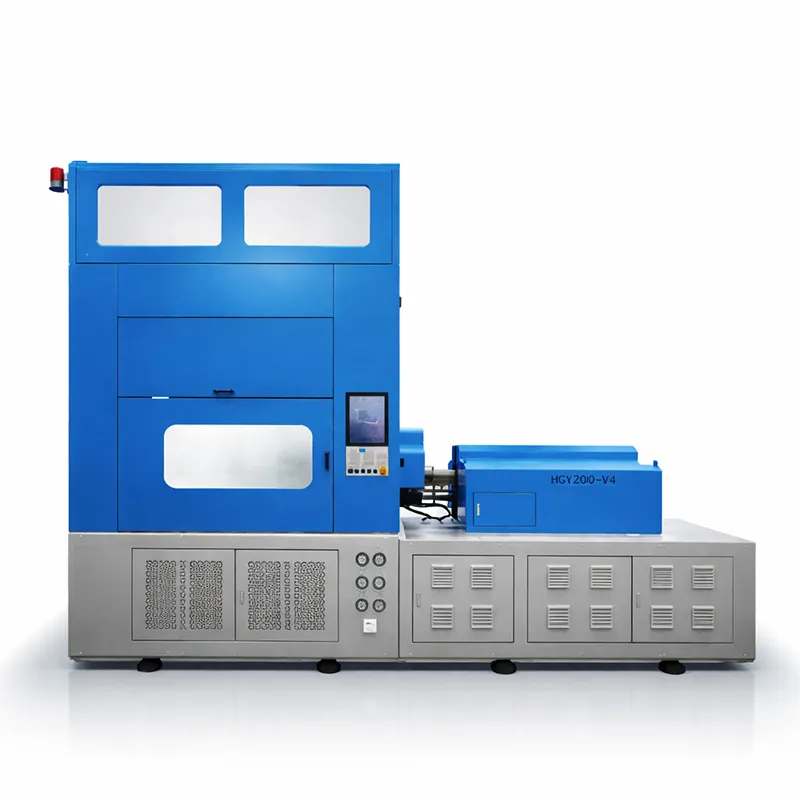
คุณภาพของผลิตภัณฑ์ ISBM จากเกาหลีมีความเปราะบางที่สุดในช่วงเริ่มต้นการทำงาน ซึ่งเป็นช่วงระหว่างการเปิดเครื่องและการผลิตที่คงที่ เมื่อตัวแปรทุกอย่างในกระบวนการอยู่ในช่วงเปลี่ยนผ่าน: อุณหภูมิกำลังเพิ่มขึ้นไปสู่จุดตั้งค่า ความลาดชันของอุณหภูมิกำลังปรับสมดุล ระบบไฮดรอลิกหรือเซอร์โวกำลังสร้างแรงดันใช้งาน และเรซินในถังกำลังเปลี่ยนจากเย็นและแข็งตัวเป็นหลอมเหลวและพร้อมสำหรับการแปรรูป เครื่องจักร ISBM จากเกาหลีที่ทำงานได้อย่างเสถียรเป็นเวลา 6 ชั่วโมงที่อุณหภูมิตั้งค่าปกติจะผลิตขวดที่สม่ำเสมอ แต่เครื่องจักรเดียวกันนี้ เมื่อเริ่มต้นการทำงานได้เพียง 18 นาที — ก่อนที่อุณหภูมิในโซนถังจะปรับสมดุลอย่างสมบูรณ์ ก่อนที่ท่อจ่ายความร้อนจะเสถียร และก่อนที่มวลความร้อนของสถานีปรับสภาพจะถึงสภาวะคงที่ — จะไม่สามารถผลิตขวดที่ตรงตามข้อกำหนดได้ ไม่ว่าหน้าจอแสดงค่าตั้งค่าของตัวควบคุมจะแสดงค่าใดก็ตาม
ผลกระทบเชิงพาณิชย์จากโปรโตคอลการเริ่มต้นการผลิตที่ไม่เพียงพอ: การดำเนินงาน ISBM ของเกาหลีที่ไม่มีโครงสร้างการเริ่มต้นการผลิตที่ดี จะผลิตผลิตภัณฑ์ที่ไม่ได้มาตรฐาน 80-200 ขวดต่อการเริ่มต้นการผลิตแต่ละครั้ง ก่อนที่กระบวนการจะเสถียร หากมีการเริ่มต้นการผลิต 2 ครั้งต่อวัน (การเปลี่ยนกะ) × 300 วันการผลิตต่อปี × 150 ขวดที่ไม่ได้มาตรฐานต่อการเริ่มต้นการผลิต × ต้นทุนเศษวัสดุ PETG ของ K-Beauty เกาหลีที่ 80 วอน/ขวด: 7.2 ล้านวอนต่อปีจากเศษวัสดุในการเริ่มต้นการผลิต — ก่อนที่จะนับรวมความเสี่ยงด้านคุณภาพของแบรนด์เกาหลีจากขวด 150 ขวดเหล่านั้นที่ถูกส่งเข้าสู่กระบวนการผลิตและไม่ผ่านการตรวจสอบคุณภาพของแบรนด์ในภายหลัง กรอบการบำรุงรักษาเชิงป้องกัน ISBM ของเกาหลีแบบเต็มรูปแบบที่รวมเข้ากับโปรโตคอลการเริ่มต้นการผลิตนั้นอยู่ใน... รายการตรวจสอบการบำรุงรักษา ISBM 5 ระดับของเกาหลี.
2. รายการตรวจสอบระบบกลไกและสาธารณูปโภคก่อนเริ่มเดินเครื่อง: 10 นาทีที่จะช่วยป้องกันการหยุดทำงานนาน 4 ชั่วโมง
การตรวจสอบก่อนเริ่มใช้งานจะดำเนินการก่อนที่เครื่องจักรจะเปิดเครื่อง เพื่อตรวจสอบว่าสภาพทางกล ไฟฟ้า และระบบสาธารณูปโภคทั้งหมดมีความปลอดภัยและถูกต้องก่อนที่จะเริ่มการทำงานทางความร้อนหรือทางกลใดๆ หากพบข้อบกพร่องในรายการตรวจสอบนี้ จะใช้เวลาแก้ไขเพียง 10 นาที แต่หากพบข้อบกพร่องเดียวกันในระหว่างการผลิต จะทำให้เสียเวลาหยุดทำงานโดยไม่คาดคิด 2-8 ชั่วโมง
รายการตรวจสอบก่อนเริ่มใช้งาน — 8 ด้าน (รวม 10 นาที)
① ความสมบูรณ์ของแม่พิมพ์
- เส้นแบ่ง: ไม่มีเศษวัสดุหรือความเสียหาย
- แผ่นรองคอ: ติดตั้งอย่างถูกต้อง
- จุดเชื่อมต่อระบบระบายความร้อน: แน่นหนา ป้องกันการรั่วซึม
② แท่งยืดและหัวฉีด
- รัศมีปลาย: ไม่พบจุดแบนราบ
- ซีล PTFE: ความลึกของร่อง ≤ 0.20 มม.
- จุดสิ้นสุด: ตรงกับจุดตั้งค่าของสูตร
③ สาธารณูปโภค
- น้ำหล่อเย็น: วาล์วเปิด มองเห็นการไหลของน้ำ
- การจ่ายอากาศ: ≥ 7 บาร์ ที่ทางเข้าเครื่อง
- เครื่องทำความเย็น: ทำงาน อุณหภูมิขาเข้า ≤ 18°C
④ ระบบเรซิน
- จุดน้ำค้างของเครื่องอบแห้ง: ≤ −35°C (PET) / ≤ −40°C (PETG)
- ระดับถังพัก: ≥ 70%
- เครื่องจ่ายมาสเตอร์แบทช์: บรรจุแล้ว ตั้งค่า LDR แล้ว
⑤ สูตรอาหารและเอกสารประกอบ
- สูตรอาหาร: โหลดเวอร์ชันที่ถูกต้องลงใน HMI แล้ว
- คำสั่งผลิต: ยืนยันตามชื่อสูตรอาหารแล้ว
- บันทึกการทำงาน: ตรวจสอบการส่งมอบงานจากกะก่อนหน้าเรียบร้อยแล้ว
⑥ ระบบความปลอดภัย
- ประตูนิรภัย: ใช้งานได้ (ทดสอบการเปิด/ปิด)
- ทางหยุดฉุกเฉิน: สามารถเข้าถึงได้ทุกจุดและไม่มีสิ่งกีดขวาง
- ไม่มีสัญญาณเตือนใดๆ ที่ทำงานอยู่บน HMI จากกะก่อนหน้า
⑦ การหล่อลื่น
- ตลับลูกปืนดัชนีโต๊ะหมุน: ปั๊มจาระบี 3–5 ตัว
- ตลับลูกปืนเชิงเส้นแบบแกนยืด: น้ำมันหล่อลื่นชนิดบาง 2 หยด
- รางนำทาง: เคลือบด้วยจาระบีบางๆ
⑧ วงจรเป่าลม
- ตัวสะสมแรงดันแรงดันสูง: แรงดันประจุ ≥ จุดตั้งค่าตามสูตร
- จุดน้ำค้างของลมเป่า: ≤ −25°C ที่ทางเข้าเครื่อง
- ไส้กรองน้ำมันเครื่อง: ไฟแสดงสถานะอยู่ในโซนสีเขียว
3. ขั้นตอนการอุ่นกระบอกพิมพ์: ป้องกันการเปลี่ยนแปลงอุณหภูมิอย่างฉับพลันและการเสื่อมสภาพของเรซิน
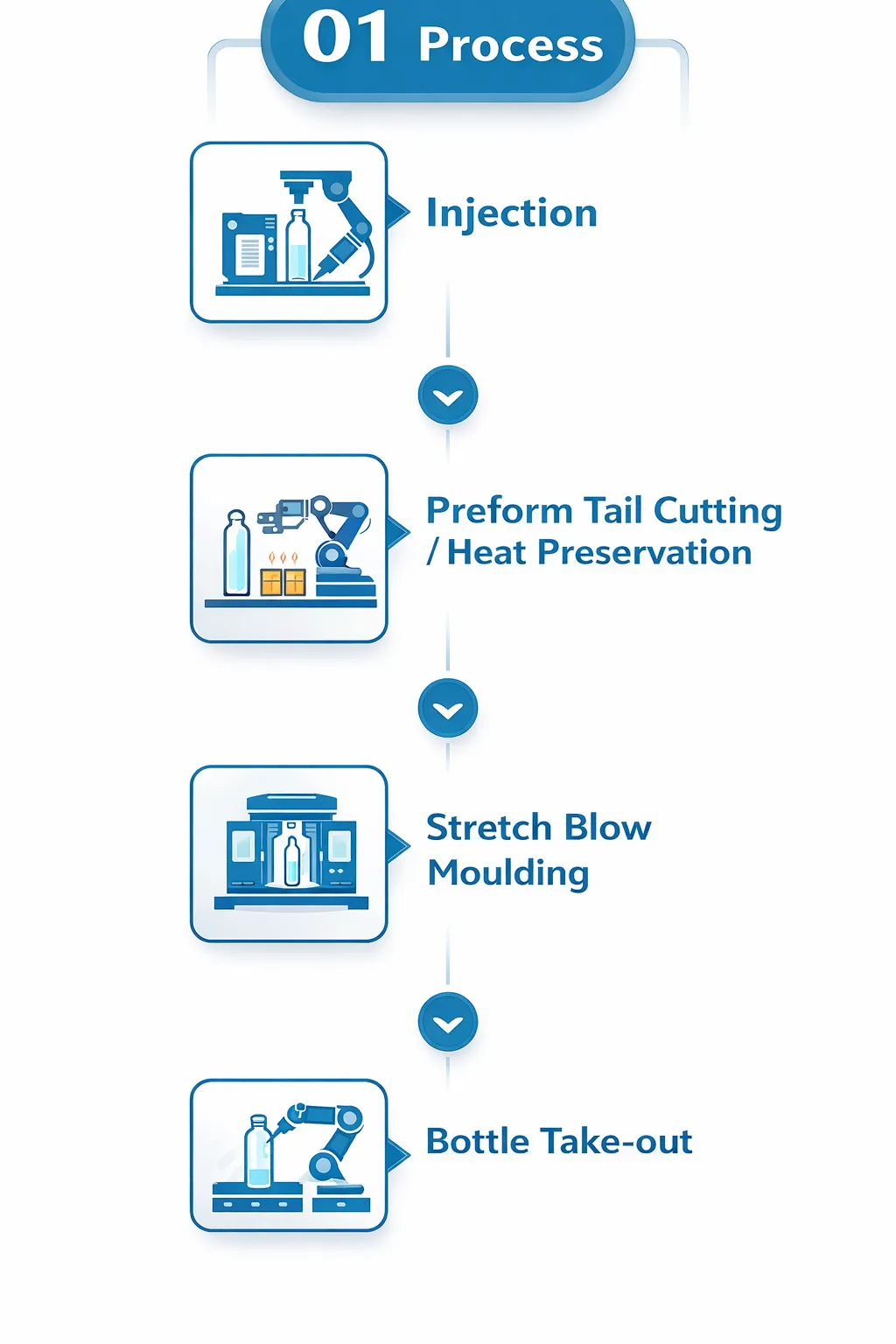
การอุ่นกระบอกสูบก่อนพิมพ์ในเครื่องพิมพ์ 3 มิติแบบ ISBM ของเกาหลี เป็นขั้นตอนเริ่มต้นที่สำคัญที่สุดในเชิงเทคนิค และเป็นขั้นตอนที่มักทำผิดพลาดมากที่สุด กระบอกสูบประกอบด้วยโซนความร้อนอิสระหลายโซน (โดยทั่วไป 4-6 โซน จากคอถังป้อนวัสดุถึงหัวฉีด) แต่ละโซนมีมวลความร้อนและอัตราการปรับสมดุลความร้อนที่แตกต่างกัน การใช้ความร้อนตามค่าที่ตั้งไว้เต็มที่กับทุกโซนพร้อมกันจากสภาวะเย็น จะทำให้เกิดการไล่ระดับความร้อนตามแนวแกนอย่างรวดเร็ว และเสี่ยงต่อทั้งความเครียดทางกลของปลอกกระบอกสูบและความเสียหายจากความร้อนของเรซิน หากสกรูหมุนก่อนที่การปรับสมดุลอุณหภูมิจะเสร็จสมบูรณ์
ลำดับขั้นตอนการอุ่นกระบอกฉีด ISBM 3 ขั้นตอนของเกาหลีสำหรับ PET (ปรับสัดส่วนตามความเหมาะสมสำหรับ PETG และ Tritan):
- 1
ขั้นตอนที่ 1: จุดตั้งค่า 50% (0–8 นาที)
ตั้งค่าโซนทั้งหมดของกระบอกฉีดให้เป็น 50% ซึ่งเป็นอุณหภูมิเป้าหมายสุดท้ายในการผลิต (สำหรับ PET: เป้าหมายสุดท้าย 265°C → ขั้นตอนที่ 1: 132°C) รอ 8 นาทีเพื่อให้ทุกโซนมีอุณหภูมิถึง 50% ขั้นตอนนี้จะทำให้เหล็กกระบอกฉีดที่เย็นมีอุณหภูมิปานกลางที่สม่ำเสมอโดยไม่มีการเปลี่ยนแปลงอุณหภูมิอย่างฉับพลัน ห้ามหมุนสกรูในระหว่างขั้นตอนที่ 1
- 2
ขั้นตอนที่ 2: จุดตั้งค่า 80% (8–15 นาที)
ปรับอุณหภูมิทุกโซนไปที่ 80% ของจุดตั้งค่าสุดท้าย (PET: 212°C) รอ 7 นาทีเพื่อให้อุณหภูมิสมดุล เมื่อเปลี่ยนไปสู่ขั้นตอนที่ 2 สามารถเปิดใช้งานระบบทำความร้อนของหัวฉีดได้ที่อุณหภูมิ 60% ของจุดตั้งค่าหัวฉีด เนื่องจากมวลความร้อนของหัวฉีดมีขนาดเล็กกว่าและตอบสนองได้เร็วกว่าตัวหัวฉีดเอง
- 3
ขั้นตอนที่ 3: จุดตั้งค่าการผลิตเต็มรูปแบบ (15–20 นาที)
ปรับโซนทั้งหมดของกระบอกพิมพ์ให้ถึงจุดตั้งค่าการผลิตเต็มที่ รอ 5 นาทีเพื่อให้โซนปรับสมดุลขั้นสุดท้าย ตอนนี้ฮอตรันเนอร์ควรอยู่ที่จุดตั้งค่าการผลิตเต็มที่และเสถียรแล้ว (ตัวควบคุมแสดงความผันแปรของโซน < ±1°C เป็นเวลา 2 นาทีติดต่อกัน) ณ จุดนี้ กระบอกพิมพ์มีอุณหภูมิการผลิตสม่ำเสมอเป็นเวลาอย่างน้อย 2 นาทีแล้ว ตัวควบคุมเซอร์โว EV สามารถสั่งงานสกรูเพื่อไล่แก๊สได้แล้ว
คำเตือนสำคัญ — การทำงานของสกรูสตาร์ทเย็นของมอเตอร์ไฟฟ้ากระแสสลับแบบ ISBM ของเกาหลี: ห้ามหมุนสกรูจนกว่าขั้นตอนที่ 3 จะเสร็จสมบูรณ์ และอุณหภูมิในทุกโซนของกระบอกฉีดอยู่ในช่วง ±5°C จากค่าที่ตั้งไว้สำหรับการผลิต การหมุนสกรูไปกระทบกับ PET ที่หลอมเหลวบางส่วนจะทำให้เกิดแรงเฉือนเชิงกล ซึ่งก่อให้เกิดจุดดำ (โพลิเมอร์ที่เสื่อมสภาพจากความร้อน) และอาจทำให้เม็ดวัตถุดิบแตกเป็นผงละเอียด ทำให้เกิดการอุดตันในถังป้อนวัตถุดิบ จุดดำใดๆ ที่เกิดขึ้นระหว่างการหมุนสกรูเร็วเกินไปจะคงอยู่ในกระบอกฉีดเป็นเวลา 20-40 รอบการไล่แก๊ส ซึ่งจะปรากฏในขวดที่ผลิตและทำให้ผลิตภัณฑ์ยาและเครื่องสำอางเกาหลีถูกปฏิเสธ
4. การทดสอบระบบฮอตรันเนอร์: การตรวจสอบโซนก่อนการยิงนัดแรก
ระบบฮอตรันเนอร์เป็นส่วนประกอบที่ไวต่ออุณหภูมิมากที่สุดในระบบแม่พิมพ์ ISBM ของเกาหลี และเป็นส่วนประกอบที่สภาวะการเริ่มต้นทำงานมีผลโดยตรงต่อคุณภาพของชิ้นงานพิมพ์ครั้งแรก หากบริเวณฮอตรันเนอร์ยังไม่ถึงสมดุลทางความร้อนอย่างสมบูรณ์ จะทำให้เกิดชิ้นงานพิมพ์ไม่สมบูรณ์ (การเติมช่องว่างแม่พิมพ์ไม่เต็ม) หรือเศษพลาสติกแข็งตัว (ชิ้นส่วนพลาสติกที่แข็งตัว) ในการพิมพ์ครั้งแรก ซึ่งจะไปอุดตันทางเข้าของหัวฉีดและทำให้เกิดข้อบกพร่องด้านคุณภาพเฉพาะช่องว่างแม่พิมพ์ ซึ่งจะคงอยู่ต่อไปอีก 15-30 ครั้งหลังจากที่เศษพลาสติกแข็งตัวถูกกำจัดออกไปแล้ว
การตรวจสอบการทำงานของระบบฮอตรันเนอร์ — 4 ขั้นตอนก่อนการยิงนัดแรก:
- ความเสถียรของอุณหภูมิในแต่ละโซน: ทุกโซนของหัวฉีดความร้อนต้องอยู่ในช่วง ±1°C จากค่าที่ตั้งไว้ และมีเสถียรภาพ (ไม่แกว่ง) เป็นเวลาอย่างน้อย 3 นาทีติดต่อกัน หากโซนใดแกว่งไปมา ±3°C รอบค่าที่ตั้งไว้ แสดงว่ายังไม่ถึงสมดุลทางความร้อน ปลายหัวฉีดจะสลับไปมาระหว่างอุณหภูมิต่ำกว่าเล็กน้อยและสูงกว่าเล็กน้อย ทำให้ได้น้ำหนักของชิ้นงานขึ้นรูปในโซนทางเข้าที่ไม่สม่ำเสมอ
- ตรวจสอบรอบการทำงาน: แพลตฟอร์ม EV servo ISBM ที่มีจอแสดงผลรอบการทำงานของระบบฮอตรันเนอร์ ควรแสดงโซนทั้งหมดที่มีรอบการทำงาน 30–60% ในสภาวะคงที่ โซนที่มีรอบการทำงาน 95–100% ยังไม่ถึงจุดตั้งค่า (ยังอยู่ในช่วงทำความร้อน) โซนที่มีรอบการทำงาน 0–5% อาจเกิดจากการลัดวงจรของเทอร์โมคัปเปิลที่อ่านค่าได้สูงกว่าจุดตั้งค่า — ตรวจสอบความสมเหตุสมผลของอุณหภูมิโซนเทียบกับอุณหภูมิแวดล้อม
- การทดสอบการไล่ลมด้วยตนเอง: ก่อนเริ่มรอบการทำงานอัตโนมัติของเครื่องจักร ให้ทำการฉีดล้างด้วยตนเองเพียงครั้งเดียว สังเกตปริมาณเส้นใยที่ฉีดออกมา: ทุกช่องควรฉีดเส้นใยที่มีปริมาตรใกล้เคียงกันออกมาพร้อมกัน หากช่องใดฉีดเส้นใยออกมาน้อยกว่าช่องอื่นอย่างเห็นได้ชัด (หรือไม่มีเลย) แสดงว่าช่องฉีดนั้นยังไม่สมดุลอย่างสมบูรณ์ ให้เพิ่มเวลาอุ่นเครื่องฮอตรันเนอร์อีก 5 นาที แล้วทดสอบอีกครั้งก่อนดำเนินการต่อ
- ตรวจสอบการคงสี: หากการผลิตในรอบปัจจุบันใช้มาสเตอร์แบทช์สีที่แตกต่างจากรอบก่อนหน้า ให้ทำการตรวจสอบสีในขั้นตอนการทดสอบระบบฮอตรันเนอร์ โดยทำการฉีดล้าง 5 ครั้ง และตรวจสอบว่าสีถูกต้องในทุกช่องก่อนที่จะเริ่มผลิตชิ้นงานจริง บริเวณที่มีการไหลต่ำ (dead zones) ในท่อส่งฮอตรันเนอร์อาจกักเก็บโพลิเมอร์สีเดิมไว้ได้นานกว่าบริเวณการไหลหลัก 8-15 ครั้ง
5. การอุ่นเครื่องและตรวจสอบการปรับสมดุลอุณหภูมิของสถานีปรับสภาพ
สถานีปรับสภาพต้องการการจัดการการอุ่นเครื่องแยกต่างหากจากถังและท่อส่งความร้อน เนื่องจากมวลความร้อนขนาดใหญ่ (เตาอบฉนวนที่ล้อมรอบโซนทำความร้อนหลายโซน) ตอบสนองต่อการเปลี่ยนแปลงอุณหภูมิที่ตั้งไว้ได้ช้ากว่าโซนในถัง และต้องปล่อยให้ถึงสภาวะสมดุลทางความร้อนที่แท้จริงก่อนเริ่มการผลิต ตัวควบคุมสถานีปรับสภาพที่แสดงอุณหภูมิที่ตั้งไว้ไม่ได้เป็นการรับประกันว่าเตาอบปรับสภาพถึงสภาวะสมดุลทางความร้อนแล้ว แต่เป็นการรับประกันว่าอุณหภูมิอากาศ ณ ตำแหน่งเทอร์โมคัปเปิลถึงอุณหภูมิที่ตั้งไว้แล้วเท่านั้น
ลำดับขั้นตอนการวอร์มอัพก่อนการฝึกความแข็งแรง:
- เปิดใช้งานระบบทำความร้อนของสถานีปรับสภาพเมื่อเปิดเครื่อง (พร้อมกับการอุ่นถังในขั้นตอนที่ 1 ไปพร้อมกัน) สถานีปรับสภาพสามารถเพิ่มอุณหภูมิได้อย่างปลอดภัยจนถึงจุดตั้งค่าการผลิต 60% จากอุณหภูมิเย็น เนื่องจากช่วงอุณหภูมิการทำงานที่ต่ำกว่า (85–165°C เทียบกับ 265–285°C ของถัง) ไม่จำเป็นต้องเพิ่มอุณหภูมิทีละขั้นตอน
- ปรับระดับการปรับสภาพให้เต็มที่เมื่อกระบอกปืนถึงขั้นที่ 2 (ประมาณ 8 นาทีหลังจากเริ่ม) ระยะเวลา 12 นาทีระหว่างการเปิดใช้งานการปรับสภาพให้เต็มที่และการยิงกระสุนนัดแรก (กระบอกปืนขั้นที่ 2 + ขั้นที่ 3 + การไล่แก๊ส) จะช่วยให้สถานีปรับสภาพมีความสมดุลอย่างเพียงพอ
- ตรวจสอบความสมดุลของระบบปรับอากาศก่อนเริ่มการผลิตครั้งแรก: สังเกตหน้าจอแสดงอุณหภูมิของแต่ละโซนบนตัวควบคุมระบบปรับอากาศเป็นเวลา 2 นาทีติดต่อกัน — ทุกโซนต้องมีอุณหภูมิอยู่ในช่วง ±1°C จากค่าที่ตั้งไว้โดยไม่มีการแกว่ง หากโซนใดโซนหนึ่งยังมีอุณหภูมิใกล้เคียงกับค่าที่ตั้งไว้ ให้เลื่อนการผลิตครั้งแรกออกไป 3 นาทีแล้วตรวจสอบอีกครั้ง
- การตรวจสอบคุณภาพการผลิต (ไม่ใช่แค่เรื่องอุณหภูมิ): ถ่ายภาพการผลิต 3 ภาพแรก แล้ววัดน้ำหนักขวดและความขุ่น น้ำหนักที่อยู่ในช่วง ±0.5 กรัมจากค่าเริ่มต้นของการผลิต แสดงว่าการปรับสภาพเหมาะสมแล้ว สำหรับขวด PETG ของ K-Beauty จากเกาหลี ความขุ่นที่อยู่ในช่วง ±0.3% จากค่าเริ่มต้น แสดงว่าการปรับสภาพสมดุลแล้ว — การแสดงอุณหภูมิเพียงอย่างเดียวไม่เพียงพอ
6. ขั้นตอนการตรวจสอบคุณสมบัติเบื้องต้น: ตั้งแต่การชำระล้างจนถึงการปล่อยสู่การผลิต
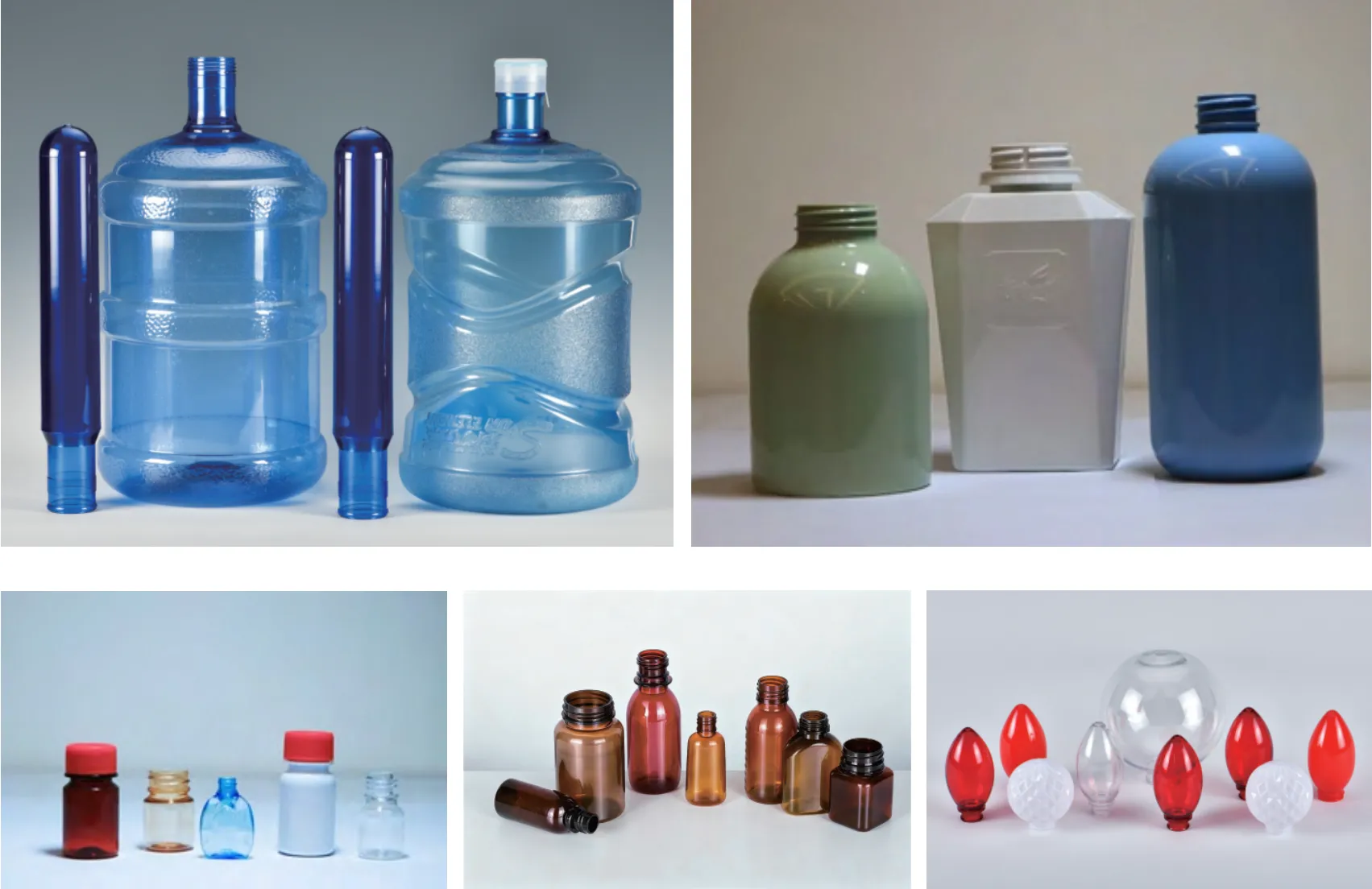
ขั้นตอนการตรวจสอบคุณภาพการผลิตครั้งแรกช่วยเชื่อมช่องว่างระหว่างการอุ่นเครื่องเสร็จสมบูรณ์และการปล่อยจำนวนการผลิต ประกอบด้วยการฉีดเรซินเพื่อไล่สิ่งตกค้างจำนวนหนึ่ง (เพื่อกำจัดเรซินที่เสื่อมสภาพจากการเริ่มต้นการทำงาน) ตามด้วยการฉีดเรซินเพื่อตรวจสอบคุณภาพ (วัดและประเมินเทียบกับค่าพื้นฐานการผลิต) เพื่อยืนยันว่าเครื่องได้เข้าสู่สภาวะคงที่แล้วก่อนที่จะผลิตขวดแรกตามจำนวนการผลิต
| เฟส | ช็อต | การกระทำ | เกณฑ์การยอมรับ |
|---|---|---|---|
| ชำระล้าง | 3–5 | ทิ้งผลผลิตทั้งหมด — กำจัดเรซินเริ่มต้นที่เสื่อมสภาพออกจากกระบอกและฮอตรันเนอร์ | ไม่พบจุดดำใดๆ ในน้ำที่ระบายออกมาจากการฉีดครั้งที่ 5 |
| คุณสมบัติ — ตัวอย่าง | 5 | รวบรวมและเก็บรักษา: 1 ขวดต่อช่อง × 5 ครั้งติดต่อกัน | ยิงครบทั้ง 5 นัดโดยไม่มีสัญญาณเตือน |
| คุณสมบัติ — น้ำหนัก | วัด | ชั่งน้ำหนักขวดทั้ง 5 ขวดต่อช่อง แล้วคำนวณค่าเฉลี่ยและค่า CV% | ค่าเฉลี่ย ±0.5 กรัมของค่าพื้นฐาน; CV% ≤ 1.5% |
| คุณสมบัติ — การผ่าตัดคอ | วัด | วัดเส้นผ่านศูนย์กลางภายนอกของคอต่อช่องในช็อตที่ 3, 4, 5 | ความคลาดเคลื่อนมาตรฐาน GPI ±0.10 มม. (มาตรฐาน) หรือ ±0.04 มม. (K-Beauty/pharma) |
| คุณสมบัติ — ด้านการมองเห็น | ตรวจสอบ | การตรวจสอบด้วยแสง LED 5,000K เพื่อตรวจหาจุดดำ คราบหมอก และจุดเย็น | ไม่พบตำหนิที่มองเห็นได้ในขวดทดสอบคุณภาพทั้ง 5 ขวด |
| การเผยแพร่ผลงานการผลิต | เอกสาร | บันทึกผลการทดสอบคุณสมบัติลงในบันทึกการทำงานประจำกะ โดยระบุเวลาเริ่มต้นและหมายเลขช็อตแรกของการนับจำนวนการผลิต | ตรงตามเกณฑ์การยอมรับทั้งหมด; ลายเซ็นผู้ปฏิบัติงานที่ได้รับอนุญาต |
ผู้ผลิตเวชภัณฑ์และผลิตภัณฑ์ความงามแบรนด์เกาหลีที่ได้มาตรฐาน GMP ต้องเก็บรักษาบันทึกการตรวจสอบคุณสมบัติการผลิตเบื้องต้นไว้เป็นเวลา 2 ปี (ข้อกำหนดหลักของสำนักงานคณะกรรมการอาหารและยาเกาหลี หรือ KFDA) โดยบันทึกการตรวจสอบคุณสมบัตินี้เป็นหลักฐานว่าขวดที่ผลิตตามจำนวนที่กำหนดจะไม่ถูกปล่อยออกสู่ตลาดจนกว่าเครื่องจักรจะผ่านเกณฑ์การตรวจสอบคุณสมบัติการผลิตครั้งแรกตามที่ได้บันทึกไว้
7. การจัดทำเอกสารสูตรการผลิตและการควบคุมเวอร์ชัน
สูตรการผลิต ISBM ของเกาหลี — ชุดค่าพารามิเตอร์เครื่องจักรทั้งหมดที่กำหนดเงื่อนไขการผลิตของผลิตภัณฑ์แต่ละรูปแบบ — เป็นเอกสารที่สำคัญที่สุดในการจัดการคุณภาพ ISBM ของเกาหลี สูตรที่ไม่ถูกต้อง ล้าสมัย หรือถูกนำไปใช้กับแม่พิมพ์ที่ไม่ถูกต้อง จะทำให้คุณภาพการผลิตล้มเหลวทันที การจัดการสูตร ISBM ของเกาหลีต้องจัดการกับความเสี่ยงสามประการ ได้แก่ การใช้สูตรที่ไม่ถูกต้อง การใช้สูตรที่ถูกต้องแต่ใช้ในเวอร์ชันที่ไม่ถูกต้อง และการเปลี่ยนแปลงพารามิเตอร์ของสูตรที่ได้รับอนุมัติโดยไม่ได้รับอนุญาต
โครงสร้างเอกสารสูตรการผลิต ISBM ของเกาหลี — พารามิเตอร์ขั้นต่ำที่จำเป็นต่อรูปแบบผลิตภัณฑ์:
- ช่องข้อมูลระบุสูตรอาหาร: ชื่อผลิตภัณฑ์ รหัสข้อกำหนดขวด หมายเลขซีเรียลแม่พิมพ์ หมายเลขเวอร์ชันสูตร (เช่น v2.3) วันที่อนุมัติ และชื่อช่างเทคนิคผู้อนุมัติ ข้อมูลเหล่านี้ช่วยให้ผู้ปฏิบัติงานสามารถตรวจสอบความถูกต้องของสูตรกับแม่พิมพ์ก่อนเริ่มการผลิตได้
- พารามิเตอร์การฉีด: การตั้งค่าโซนของกระบอกฉีด (ทุกโซน), โปรไฟล์ความเร็วในการฉีด, แรงดันคงที่, เวลาคงที่, แรงดันย้อนกลับของสกรู, ความเร็วรอบของสกรู, ขนาดอนุภาค
- พารามิเตอร์การปรับสภาพ: ค่าตั้งอุณหภูมิของโซนปรับอากาศทั้งหมด ระยะเวลาคงอยู่ของการปรับอุณหภูมิ และแฟล็กการปรับตามฤดูกาล (รุ่นฤดูร้อน/ฤดูหนาว หากมี)
- พารามิเตอร์การเป่าลม: แรงดันก่อนเป่าและตำแหน่งไกปืน แรงดันเป่าสูงและจังหวะการเป่า ระยะเวลาการเป่า จังหวะการระบายไอเสีย ความเร็วของก้านยืดและตำแหน่งจุดสิ้นสุด
- เกณฑ์การยอมรับคุณภาพ: เป้าหมายน้ำหนักขวดและค่าความคลาดเคลื่อน ±, เป้าหมายเส้นผ่านศูนย์กลางภายนอกของคอขวดและค่าความคลาดเคลื่อน, เป้าหมายความขุ่น (สำหรับ PETG/Crystal PET), เป้าหมายการบรรจุจากด้านบน (หากระบุโดยแบรนด์เกาหลี) และขีดจำกัดการยอมรับคุณสมบัติการพิมพ์ครั้งแรก
ระบบควบคุมเวอร์ชันสูตรการผลิต ISBM ของเกาหลี: การเปลี่ยนแปลงใดๆ ในสูตรการผลิต แม้แต่พารามิเตอร์เพียงตัวเดียว ก็จำเป็นต้องมีหมายเลขเวอร์ชันใหม่ วันที่เปลี่ยนแปลง เหตุผลในการเปลี่ยนแปลง และชื่อของช่างเทคนิคกระบวนการที่ได้รับอนุญาตซึ่งอนุมัติการเปลี่ยนแปลงนั้น ระบบควบคุมเวอร์ชันนี้สร้างบันทึกการตรวจสอบที่ผู้ตรวจสอบ GMP ของแบรนด์ยาเกาหลีจะตรวจสอบระหว่างการรับรองซัพพลายเออร์ประจำปี และวิศวกรกระบวนการ ISBM ของเกาหลีใช้เพื่อระบุว่าการเปลี่ยนแปลงพารามิเตอร์ใดที่ทำให้เกิดเหตุการณ์คุณภาพเบี่ยงเบนเมื่อตรวจสอบบันทึกการผลิตในอดีต
8. การส่งมอบการใช้งานเครื่องจักรใหม่และการรับรองผู้ปฏิบัติงาน
การทดสอบใช้งานเครื่องจักร ISBM ใหม่ในเกาหลี — เมื่อเครื่องจักรที่เพิ่งส่งมอบใหม่ถูกติดตั้งใช้งานเป็นครั้งแรกในโรงงานผลิตของเกาหลี — จำเป็นต้องมีขั้นตอนการส่งมอบงานที่เป็นระบบระหว่างวิศวกรทดสอบใช้งานของ Ever-Power ในเกาหลีและทีมงานฝ่ายผลิตในเกาหลี การส่งมอบงานนี้กำหนดการถ่ายทอดความรู้ที่ช่วยให้ผู้ปฏิบัติงานชาวเกาหลีสามารถใช้งานเครื่องจักรได้อย่างอิสระ แก้ไขปัญหาทั่วไป และรักษาคุณภาพการผลิตโดยไม่ต้องพึ่งพาการสนับสนุนทางวิศวกรรมสำหรับการเริ่มต้นใช้งานและการจัดการคุณภาพตามปกติ

โครงสร้างการส่งมอบงานเดินเครื่องเครื่องจักรใหม่ของบริษัท Ever-Power จากเกาหลี:
- การตรวจสอบการติดตั้งเครื่องจักร (วันที่ 1): การตรวจสอบการติดตั้งทางกล การตรวจสอบการเชื่อมต่อระบบสาธารณูปโภค การทดสอบระบบความปลอดภัย การตรวจสอบการสอบเทียบแกนเซอร์โวของรถยนต์ไฟฟ้า และการวัดค่าพื้นฐาน (ตำแหน่งเซอร์โวทั้งหมดได้รับการยืนยันเทียบกับเอกสารข้อมูลจำเพาะของเครื่องจักร)
- การทดลองผลิตครั้งแรกโดยมีวิศวกรควบคุมระบบเข้าร่วม (วันที่ 1-2): ดำเนินการผลิตตามรูปแบบผลิตภัณฑ์เริ่มต้นที่ตกลงกันไว้ โดยผ่านขั้นตอนการเริ่มต้นการผลิตแบบเย็น (cold-start startup protocol) การตรวจสอบคุณภาพการผลิตครั้งแรก และการผลิตต่อเนื่องอย่างน้อย 4 ชั่วโมงตามรอบเวลาที่กำหนด บันทึกขนาดขวด (น้ำหนัก เส้นผ่านศูนย์กลางคอขวด ความขุ่น การบรรจุจากด้านบน) เพื่อใช้เป็นข้อมูลพื้นฐานในการตรวจสอบคุณภาพสำหรับการผลิตในอนาคตทั้งหมด
- การฝึกอบรมผู้ปฏิบัติงาน — การเริ่มต้นใช้งานและการปฏิบัติงาน (วันที่ 2–3): การฝึกอบรมเป็นภาษาเกาหลีเกี่ยวกับรายการตรวจสอบการเริ่มต้นใช้งาน ลำดับการอุ่นกระบอกปืน การทดสอบระบบฮอตรันเนอร์ การตรวจสอบสภาพ และขั้นตอนการทดสอบคุณสมบัติการยิงนัดแรก ผู้ปฏิบัติงานชาวเกาหลีจะดำเนินการตามลำดับการเริ่มต้นใช้งานทั้งหมดด้วยตนเองภายใต้การสังเกตของวิศวกรก่อนที่จะได้รับการรับรอง
- การสร้างบัตรอ้างอิงรหัสสัญญาณเตือนภัย (วันที่ 3): วิศวกรชาวเกาหลีของ Ever-Power ได้จัดทำเอกสารรหัสสัญญาณเตือนทั้งหมดที่เกี่ยวข้องกับการกำหนดค่าเครื่องจักรที่ติดตั้งไว้เป็นภาษาเกาหลี พร้อมทั้งคำแนะนำการตอบสนองของผู้ปฏิบัติงานสำหรับแต่ละประเภทของสัญญาณเตือน เอกสารนี้ถูกเคลือบพลาสติกและติดตั้งไว้ที่สถานีควบคุมเครื่องจักร ซึ่งเป็นคู่มืออ้างอิงฉบับย่อที่สำคัญสำหรับผู้ปฏิบัติงานที่พบปัญหาการหยุดการผลิต
- การเปิดใช้งานและการทดสอบการวินิจฉัยระยะไกล (วันที่ 3-4): การกำหนดค่าการเข้าถึงระยะไกลผ่านอีเธอร์เน็ต การทดสอบการเชื่อมต่อกับฝ่ายบริการลูกค้าของ Ever-Power ประเทศเกาหลี และการสาธิตการตรวจสอบพารามิเตอร์ระยะไกลและการเข้าถึงประวัติการแจ้งเตือน ความสามารถทั้งหมดของแพลตฟอร์ม ISBM ของเกาหลี เครื่อง ISBM 4 สถานี Ever-Power จากเกาหลี รวมการวินิจฉัยระยะไกลเป็นมาตรฐานในแพลตฟอร์มเซอร์โว EV ทุกรุ่น
- การประเมินเพื่อรับรองคุณสมบัติผู้ปฏิบัติงาน (วันที่ 4): ผู้ควบคุมเครื่อง ISBM ชาวเกาหลีแต่ละคนจะต้องปฏิบัติงานอย่างอิสระดังต่อไปนี้: ขั้นตอนการสตาร์ทเครื่องอย่างครบถ้วนจากเครื่องเย็น (จับเวลา; เป้าหมาย ≤ 50 นาที), การตรวจสอบคุณสมบัติการยิงครั้งแรก (พร้อมการวัด), การตอบสนองต่อการหยุดการผลิตจำลองหนึ่งครั้ง (สัญญาณเตือนปรากฏขึ้น ผู้ปฏิบัติงานระบุและตอบสนองอย่างถูกต้อง) และการบันทึกการส่งมอบงานระหว่างกะ ผู้ปฏิบัติงานที่ปฏิบัติงานทั้งสี่อย่างได้ตามข้อกำหนดจะได้รับการรับรองให้สามารถใช้งานเครื่องได้อย่างอิสระและได้รับบัตรรับรองผู้ปฏิบัติงานเฉพาะเครื่อง
คำถามที่พบบ่อย
การสนับสนุนการว่าจ้างและการฝึกอบรม
เครื่อง ISBM ใหม่จากเกาหลี หรือปัญหาด้านคุณภาพในการเริ่มต้นใช้งาน? บริการสนับสนุนการติดตั้งและทดสอบระบบจาก Ever-Power ประเทศเกาหลี ทั้งแบบ On-site หรือ Remote
บริษัท Ever-Power ของเกาหลีให้บริการการติดตั้งระบบ ณ สถานที่ปฏิบัติงานอย่างเป็นระบบเป็นเวลา 4 วัน การฝึกอบรมเพื่อรับรองผู้ปฏิบัติงานเป็นภาษาเกาหลี การสร้างบัตรอ้างอิงรหัสสัญญาณเตือน และการเปิดใช้งานการวินิจฉัยระยะไกลสำหรับแพลตฟอร์ม ISBM ของเกาหลีทั้งหมด