การประยุกต์ใช้ ISBM · บรรจุภัณฑ์ผลิตภัณฑ์นมของเกาหลี · 2026
เครื่องดื่มนมเกาหลี ISBM &
คู่มือขวดโยเกิร์ต
บรรจุภัณฑ์เครื่องดื่มนมและโยเกิร์ตของเกาหลีครอบคลุมช่วงเทคโนโลยี ISBM ที่กว้างที่สุดในบรรดาสินค้าอาหารประเภทเดียวกัน ตั้งแต่ขวดโยเกิร์ตดื่มคอแคบ PP ขนาด 65 มล. ที่ Yakult และ Maeil ผลิตปีละ 1 พันล้านชิ้นมานาน 30 ปี ไปจนถึงกระปุกโยเกิร์ตกรีกพรีเมียมปากกว้าง PETG ที่แบรนด์นมเกาหลีใช้เพื่อแข่งขันกับโยเกิร์ตพรีเมียมนำเข้าจากยุโรปในซูเปอร์มาร์เก็ตพรีเมียมของเกาหลี
เครื่องดื่มโยเกิร์ต PP · โยเกิร์ตกรีก PETG
ตลาดผลิตภัณฑ์นม 1.4 ตัน KRW
ฝ่ายวิศวกรรม Ever-Power เกาหลี · เมืองอันซาน · พฤษภาคม 2026
KRW 1.4T
ตลาดบรรจุภัณฑ์ผลิตภัณฑ์นมของเกาหลี (ปี 2025)
หน่วย 1 พันล้าน+
โยเกิร์ตพร้อมดื่มเกาหลีบรรจุขวด PP ทุกปี
+22%
ผลิตภัณฑ์นมคุณภาพสูง (โยเกิร์ตกรีก, เคเฟอร์คุณภาพสูง) อัตราการเติบโตเฉลี่ยต่อปี
พีพี / พีทีจี
เรซินที่เด่นตามกลุ่ม
มาเอิล · นัมยัง
สองแบรนด์ผลิตภัณฑ์นมที่ใหญ่ที่สุดของเกาหลีใต้ มีส่วนแบ่งการตลาดรวมกัน 651 พันล้านเปโซ
1. ตลาดผลิตภัณฑ์นมเกาหลี ISBM: ตั้งแต่โยเกิร์ตพร้อมดื่มขนาด 65 มล. ไปจนถึงเคเฟอร์พรีเมียมขนาด 500 มล.
บรรจุภัณฑ์นมของเกาหลีเป็นประเภทบรรจุภัณฑ์ ISBM ที่มีประวัติการผลิตต่อเนื่องยาวนานที่สุดในเกาหลี ขวดโยเกิร์ตพร้อมดื่มขนาด 65 มล. อันเป็นเอกลักษณ์ของเกาหลี (요구르트 병 ในภาษาผู้บริโภคเกาหลี หรือที่รู้จักกันในชื่อขวดแบบยาคูลท์) ผลิตจากพลาสติก PP ISBM มาตั้งแต่ทศวรรษ 1970 ซึ่งมาก่อนการใช้งาน ISBM อื่นๆ ในเกาหลีส่วนใหญ่ ฐานการผลิตที่มีมายาวนานนี้ ซึ่งกระจุกตัวอยู่ที่สายการผลิต ISBM ของโรงงานผลิตนมในเกาหลีที่จังหวัดคยองกี จังหวัดชุงชองเหนือ และจังหวัดคยองซังใต้ ผลิตขวดเครื่องดื่มนม PP มากกว่า 1 พันล้านขวดต่อปี และแสดงถึงการผลิต ISBM ของเกาหลีที่มีประสิทธิภาพสูงสุดแห่งหนึ่งของโลก
นอกเหนือจากมรดกทางด้านสินค้าโภคภัณฑ์แล้ว บรรจุภัณฑ์ผลิตภัณฑ์นมของเกาหลีกำลังประสบกับการเปลี่ยนแปลงรูปแบบที่สำคัญที่สุดนับตั้งแต่ทศวรรษ 1970 นั่นคือ การยกระดับบรรจุภัณฑ์โยเกิร์ตเกาหลีให้เป็นสินค้าพรีเมียม ซึ่งได้รับแรงผลักดันจากการเข้ามาของตลาดโยเกิร์ตและเคเฟอร์กรีกระดับโลกในเกาหลี (การจัดจำหน่ายโดย Chobani Korea และ Fage Korea) การเติบโตของแบรนด์ผลิตภัณฑ์นมหมักแบบดั้งเดิมของเกาหลีที่วางตำแหน่งทางการตลาดเพื่อแข่งขันกับผลิตภัณฑ์นำเข้าจากยุโรป และความต้องการที่เพิ่มขึ้นของผู้บริโภคชาวเกาหลีที่ใส่ใจสุขภาพสำหรับผลิตภัณฑ์นมที่มีโปรตีนสูงและอุดมไปด้วยโปรไบโอติกในบรรจุภัณฑ์ระดับพรีเมียมที่สื่อถึงคุณสมบัติเพื่อสุขภาพของผลิตภัณฑ์
บรรจุภัณฑ์ผลิตภัณฑ์นมของเกาหลีอยู่ในบริบทของอุตสาหกรรมอาหาร ISBM ที่กว้างขึ้นซึ่งครอบคลุมอยู่ในบทความนี้ คู่มือการผลิตบรรจุภัณฑ์อาหารเกาหลี ISBM.
2. โยเกิร์ตพร้อมดื่ม PP คอแคบ: ผลิตภัณฑ์ที่มีปริมาณการใช้งานสูงสุดในเกาหลี (ISBM)
ขวดโยเกิร์ตดื่มแบบคอแคบ PP ขนาด 65 มล. ของเกาหลี (เส้นผ่านศูนย์กลางคอประมาณ 18–22 มม. ความสูง 95–110 มม. ความหนาผนัง 0.30–0.38 มม.) เป็นมาตรฐานปริมาณการผลิตสำหรับการอภิปรายเกี่ยวกับการผลิต ISBM ของเกาหลีทั้งหมด ไม่มี SKU ใดใน ISBM ของเกาหลีที่ผลิตได้มากกว่านี้ต่อปี พารามิเตอร์การผลิตสำหรับขวดที่เป็นเอกลักษณ์นี้ได้รับการปรับปรุงมาตลอดห้าทศวรรษและแสดงถึงขีดจำกัดในทางปฏิบัติของประสิทธิภาพ ISBM PP ของเกาหลี:
───────────────────────────────────────────────────────
น้ำหนักพรีฟอร์ม: 5.8–6.5 กรัม โคพอลิเมอร์แบบสุ่ม PP
จำนวนฟันผุ: 12–16 ซี่ (ประสิทธิภาพสูงมาก)
เวลาในการทำงานต่อรอบ: 5.5–7.0 วินาที
ผลผลิตต่อปีต่อสายการผลิต: 62–92 ล้านขวดต่อปี (16 ชั่วโมงต่อวัน, 350 วัน)
ความหนาของผนัง: ตัวท่อ 0.30 มม. ขั้นต่ำ; คอท่อ 0.38 มม. ขั้นต่ำ
รูปทรงคอ: เส้นผ่านศูนย์กลางภายนอก 18–22 มม.; ทรงเรียวไปจนถึงทรงหลอด หรือทรงกดปิด
ราคาตามสัญญา: 18–26 วอนต่อขวด
───────────────────────────────────────────────────────
ที่ราคา 22 วอน/ขวด × 80 ล้านหน่วย/ปี: รายได้ต่อปี 1.76 พันล้านวอน/สายการผลิต
อัตรากำไรที่ 18% EBITDA: 317 ล้านวอนต่อปีต่อสายการผลิต
การเลือกใช้เรซินสำหรับขวดโยเกิร์ตคอแคบ PP — PP โคพอลิเมอร์แบบสุ่ม แทนที่จะเป็น PP โฮโมพอลิเมอร์ — ทำให้ได้ความใสและความทนทานต่อแรงกระแทก ซึ่งแตกต่างจากขวดโยเกิร์ตสีขาว/โปร่งแสงของเกาหลีที่แตกต่างจาก PP ทึบแสงที่ใช้ในงานบ้านอื่นๆ ข้อดีข้อเสียของการเลือกใช้เรซินสำหรับผลิตภัณฑ์นม PP ของเกาหลีนั้นอยู่ใน... คู่มือการเลือกวัสดุ PP เทียบกับ PET.
3. ประเภทและข้อมูลจำเพาะของผลิตภัณฑ์นมบรรจุขวดของเกาหลี
| ผลิตภัณฑ์ | ปริมาณ | เรซิน | คอ | กำแพงเล็ก | ข้อกำหนดสำคัญ |
|---|---|---|---|---|---|
| โยเกิร์ตพร้อมดื่มเกาหลี (요구르트) | 65–100 มล. | พีพี อาร์ซีพี | 18–22 มม. | 0.30 มม. | ปริมาณมาก; ใช้กับหลอดได้; AA ≤5 ppm (สัมผัสกับผลิตภัณฑ์นม); ใส่จากด้านบนเพื่อวางซ้อนกันได้ 12 แพ็ค |
| นมปรุงแต่งรส / เครื่องดื่มกรดแลคติก | 150–250 มล. | พีพี อาร์ซีพี | 28–38 มม. | 0.25 มม. | มีสีอ่อนๆ ช่วยปกป้องผิวจากแสงแดด เหมาะสำหรับผลิตภัณฑ์นมที่ไวต่อไรโบฟลาวิน ฝาปิดแบบเปิด-ปิดได้ |
| เครื่องดื่มเคเฟอร์/โปรไบโอติกคุณภาพพรีเมียม | 300–500 มล. | พีที หรือ พีทีจี | 38 มม. | 0.25 มม. | ใสสะอาด ช่วยให้มองเห็นสีของผลิตภัณฑ์ได้ชัดเจน; มีคุณสมบัติเป็นเกราะป้องกันออกซิเจนสำหรับจุลินทรีย์ที่มีชีวิต |
| โยเกิร์ตกรีกพรีเมียมบรรจุขวด | 150–450 กรัม | คริสตัล PETG | WM 63–86 มม. | 0.28 มม. | แข่งขันกับกระจก; ความขุ่น ≤1.5%; มองเห็นผลิตภัณฑ์นมสีขาวผ่านผนัง; สามารถเข้าถึงช้อนได้ |
| โยเกิร์ตสมูทตี้ | 250–350 มล. | สัตว์เลี้ยง | 38 มม. | 0.22 มม. | กว้างเหมาะสำหรับผลิตภัณฑ์ที่มีความหนา; สามารถใช้ร่วมกับเครื่องเขย่าได้; บรรจุในขวด PET มาตรฐานสำหรับการบรรจุเย็น |
| นมโรงเรียนเกาหลี (학교수유) | 200–250 มล. | พีพี ทึบแสง | 28 มม. | 0.30 มม. | ทึบแสงเพื่อป้องกันแสง มีรูสำหรับเสียบหลอดเพื่อให้ใช้งานร่วมกับที่เจาะรูสำหรับหลอดได้ |
4. การป้องกันแสงสำหรับบรรจุภัณฑ์ผลิตภัณฑ์นมของเกาหลี: ไรโบฟลาวินและการเกิดออกซิเดชันของไขมัน
ผลิตภัณฑ์นมของเกาหลีมีไรโบฟลาวิน (วิตามินบี₂) ซึ่งเป็นสารอาหารที่ไวต่อแสงมากและจะเสื่อมสภาพเมื่อถูกแสงฟลูออเรสเซนต์ในร้านค้าปลีกที่ความยาวคลื่น 380–520 นาโนเมตร การเสื่อมสภาพของไรโบฟลาวินในนมและโยเกิร์ตจะทำให้เกิดไฮโดรเจนเปอร์ออกไซด์และอนุมูลอิสระ ซึ่งเป็นตัวเร่งปฏิกิริยาการออกซิเดชันของไขมัน ทำให้เกิดรสชาติที่ไม่พึงประสงค์ (ผู้บริโภคชาวเกาหลีเรียกนมที่เสียรสชาติจากแสงว่า 빛내 — “รสชาติอ่อน”) และทำลายคุณค่าทางโภชนาการของไรโบฟลาวิน กฎระเบียบเกี่ยวกับผลิตภัณฑ์นมของเกาหลีระบุว่าต้องคงปริมาณไรโบฟลาวินไว้ ≥80% ของค่าที่ระบุไว้บนฉลากเมื่อสิ้นสุดอายุการเก็บรักษา ซึ่งจะทำได้ก็ต่อเมื่อบรรจุภัณฑ์มีการป้องกันแสงที่เพียงพอเท่านั้น
ขวดโยเกิร์ตพร้อมดื่ม PP ของเกาหลีป้องกันแสงได้ด้วยความทึบแสง โดย PP สีขาวหรือสีอ่อนจะกระจายแสงที่เข้ามาทั้งหมด และบล็อก 95%+ ในทุกช่วงความยาวคลื่น ขวดนมปรุงแต่งรสและเครื่องดื่มกรดแลคติกของเกาหลี (PP ขนาด 150–250 มล.) ควรใช้ฐานสีขาว (มาสเตอร์แบทช์ไทเทเนียมไดออกไซด์ที่ความเข้มข้น 2–4%) เพื่อความทึบแสงอย่างสมบูรณ์ หรือใช้ชั้นป้องกันสีอ่อน (มาสเตอร์แบทช์สารกันรังสียูวีที่ความเข้มข้น 0.8–1.5% ใน PP โปร่งแสง) เพื่อการป้องกันบางส่วนโดยยังคงมองเห็นสีของผลิตภัณฑ์ได้ ขวดเครื่องดื่มเคเฟอร์และโยเกิร์ต PET หรือ PETG ใสระดับพรีเมียมต้องอาศัยอย่างใดอย่างหนึ่งดังต่อไปนี้: สารเติมแต่งดูดซับรังสียูวีในเรซิน (มาสเตอร์แบทช์สารกันรังสียูวีที่ลดการส่งผ่านรังสียูวีได้ 60–801 TP3T โดยไม่ส่งผลกระทบต่อความใสในช่วงคลื่นแสงที่มองเห็นได้อย่างมีนัยสำคัญ) หรือกระบวนการบรรจุร้อน (ซึ่งลดปริมาณออกซิเจนที่ละลายอยู่และทำให้การเริ่มต้นปฏิกิริยาลูกโซ่การเกิดออกซิเดชันจากแสงช้าลง) หรือข้อกำหนดห่วงโซ่ความเย็นของเกาหลี (ผลิตภัณฑ์นมระดับพรีเมียมของเกาหลีจำหน่ายที่อุณหภูมิ 4–6°C ตลอดห่วงโซ่อุปทาน ซึ่งอัตราการเกิดออกซิเดชันจากแสงจะช้ากว่าที่ 20°C ถึง 3–4 เท่า)
กระบวนการบรรจุร้อน PP ที่ใช้กับผลิตภัณฑ์นมของเกาหลีที่ต้องผ่านการพาสเจอร์ไรซ์ด้วยความร้อนนั้น เป็นกระบวนการทางวิศวกรรมเดียวกันกับที่กล่าวถึงใน... คู่มือมาตรฐาน ISBM สำหรับขวด PP แบบบรรจุร้อน.
5. ขวดโยเกิร์ตพรีเมียมปากกว้าง Crystal PETG: บรรจุภัณฑ์นมที่เหนือกว่าขวดแก้ว
บรรจุภัณฑ์โยเกิร์ตพรีเมียมแบบขวด PETG ของเกาหลี เป็นหนึ่งในแอปพลิเคชันบรรจุภัณฑ์นม ISBM ที่เติบโตเร็วที่สุดและมีกำไรสูงสุดในอุตสาหกรรมนมของเกาหลีในปี 2025–2026 ปัจจัยขับเคลื่อนตลาด: ห้างสรรพสินค้าพรีเมียมของเกาหลี (Hyundai Hmall Premium, Shinsegae Food Market) ได้เพิ่มพื้นที่วางจำหน่ายโยเกิร์ตกรีกและเคเฟอร์พรีเมียมขึ้นสามเท่าตั้งแต่ปี 2022 ซึ่งได้รับแรงหนุนจากวัฒนธรรมอาหารเพื่อสุขภาพของชาวเกาหลีที่ให้ความสำคัญกับผลิตภัณฑ์นมที่มีโปรตีนสูง แบรนด์นำเข้าจากยุโรป (Chobani, Fage, Danone Activia กลุ่มผลิตภัณฑ์พรีเมียม) จำหน่ายในขวดแก้วในราคา 4,500–9,500 วอนต่อ 200 กรัม ในขณะที่แบรนด์นมในประเทศเกาหลีกำลังเปิดตัวบรรจุภัณฑ์ขวดปากกว้าง PETG ที่เป็นคู่แข่งในราคา 2,800–4,500 วอน ซึ่งมุ่งเป้าไปที่กลุ่มผู้บริโภคเดียวกันโดยตรง
ข้อกำหนดสำหรับขวดโยเกิร์ต PETG ระดับพรีเมียมของเกาหลีนั้นคล้ายคลึงกับข้อกำหนดสำหรับขวดเครื่องสำอาง PETG ของ K-Beauty ในเกือบทุกมิติ ได้แก่ ความขุ่น ≤ 1.5% (เนื้อสัมผัสของโยเกิร์ตกรีกสีขาวมีความเฉพาะเจาะจงทางสายตาเช่นเดียวกับผลิตภัณฑ์ K-Beauty ใดๆ คุณภาพทางแสงสื่อถึงความบริสุทธิ์ของส่วนผสม) ความเงา ≥ 88 GU คอขวดปากกว้าง OD 63–86 มม. พร้อมพื้นผิวปิดผนึกเรียบ (ความเรียบ ±0.10 มม. สำหรับการปิดผนึกด้วยฟอยล์แบบเหนี่ยวนำ) และความหนาของผนัง ≥ 0.28 มม. เพื่อความแข็งแรงเชิงกลที่อุณหภูมิในตู้เย็น ข้อกำหนดเฉพาะสำหรับผลิตภัณฑ์นมที่เพิ่มเข้ามาในข้อกำหนด PETG ของ K-Beauty คือ พื้นผิวปิดผนึกต้องรองรับการปิดผนึกด้วยฟอยล์อลูมิเนียมแบบเหนี่ยวนำที่แบรนด์นมระดับพรีเมียมของเกาหลีใช้เพื่อป้องกันการแกะ ความเรียบของพื้นผิวปิดผนึกและรัศมีขอบด้านในต้องอยู่ในช่วง ±0.08 มม. จากข้อกำหนดเพื่อให้ความแข็งแรงของการเชื่อมฟอยล์สม่ำเสมอทั่วทุกช่อง
ผู้ผลิตขวด PETG ปากกว้างสำหรับผลิตภัณฑ์ความงามเกาหลี (K-Beauty) ที่มีคุณสมบัติตรงตามข้อกำหนดอยู่แล้ว สามารถเข้าสู่ตลาดขวด PETG สำหรับผลิตภัณฑ์นมระดับพรีเมียมของเกาหลีได้โดยไม่ต้องผ่านการรับรองเพิ่มเติมมากนัก กระบวนการผลิตเหมือนกัน และเอกสารประกอบจะเพิ่มการรับรองด้านอาหารของ KFDA (การทดสอบการเคลื่อนย้ายของสารจำลองนมในน้ำ, 10% เอทานอลสำหรับคีเฟอร์ที่มีแอลกอฮอล์จากการหมัก) เข้ากับการรับรองด้านเครื่องสำอางที่มีอยู่แล้ว ราคาตามสัญญาสำหรับขวด PETG สำหรับผลิตภัณฑ์นมระดับพรีเมียมของเกาหลี: 85–140 วอนต่อขวด ซึ่งเทียบได้กับระดับราคาตามสัญญาของขวด PETG สำหรับผลิตภัณฑ์ความงามเกาหลี (K-Beauty) และเครื่องดื่มเพื่อสุขภาพ โดยยังคงรักษาระดับกำไรสูงไว้ได้เช่นเดียวกับรูปแบบอื่นๆ
6. เคเอฟดีเอ โค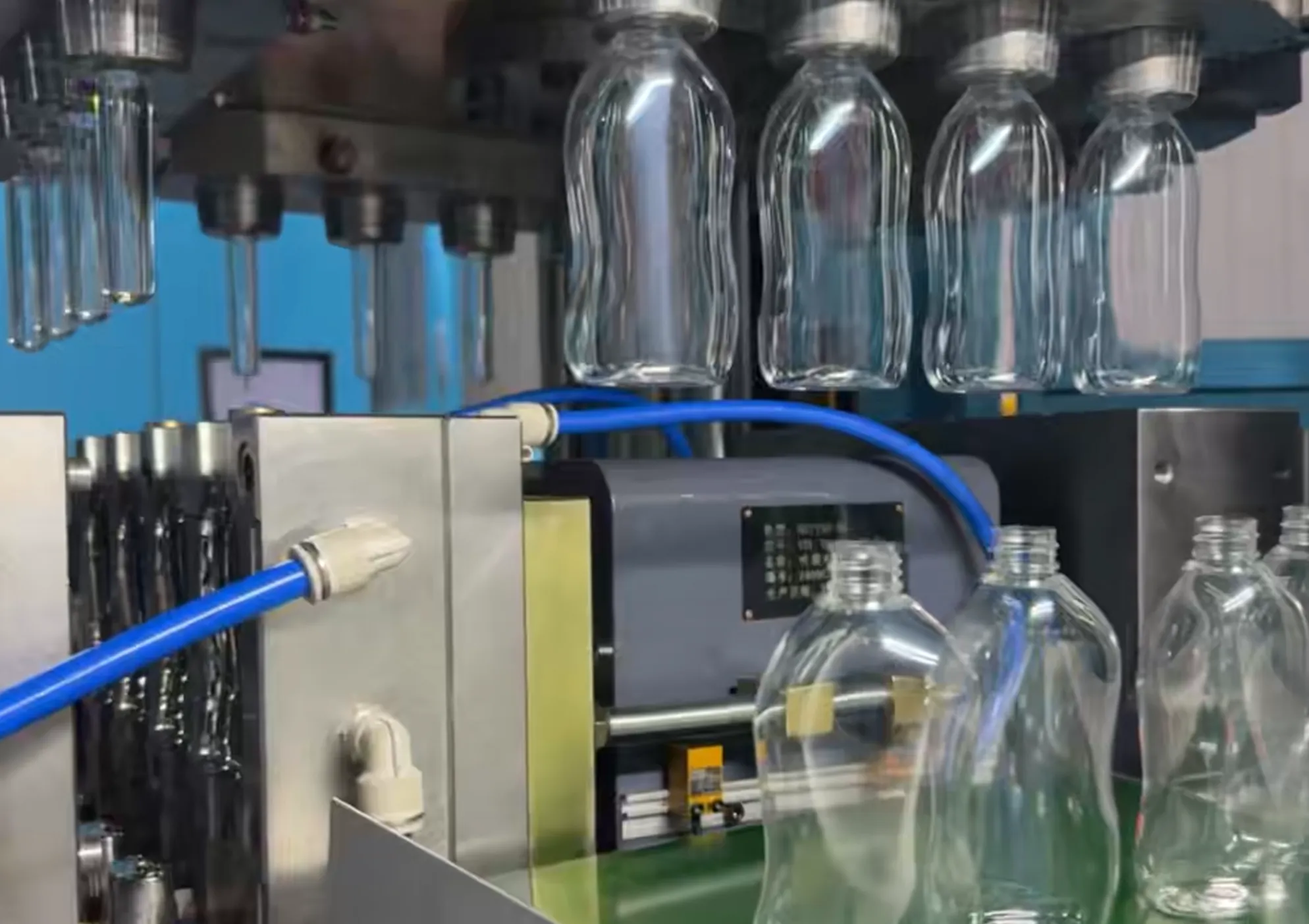 การปฏิบัติตามข้อกำหนดบรรจุภัณฑ์นมสด
บรรจุภัณฑ์นมของเกาหลีที่ได้รับการรับรองจาก KFDA นั้นเป็นไปตามรายการสารที่สัมผัสอาหารได้ในบทที่ 2 เช่นเดียวกับบรรจุภัณฑ์อาหารทั่วไปของเกาหลี แต่มีข้อกำหนดเฉพาะสำหรับผลิตภัณฑ์นม สารจำลองอาหารสำหรับผลิตภัณฑ์นมของเกาหลีคือ D-aqueous (น้ำกลั่น — ผลิตภัณฑ์นมมีเมทริกซ์ที่เป็นน้ำซึ่งมีค่ากิจกรรมของน้ำเป็นหลัก) สำหรับโยเกิร์ตและผลิตภัณฑ์นมส่วนใหญ่ และสารจำลองเอทานอล 10% สำหรับผลิตภัณฑ์นมหมักที่มีปริมาณแอลกอฮอล์ที่ตรวจพบได้จากการหมักตามธรรมชาติ (เคเฟอร์ โยเกิร์ตเกาหลีที่หมักตามธรรมชาติโดยมีจุลินทรีย์ที่มีชีวิต) ข้อกำหนด AA สำหรับขวด PP สำหรับผลิตภัณฑ์นมของเกาหลี: ≤ 5 ppm (ขีดจำกัดเฉพาะของ KFDA บทที่ 2 สำหรับโพลีโพรพีลีนที่สัมผัสผลิตภัณฑ์นม) ขวด PP สำหรับโยเกิร์ตดื่มของเกาหลีต้องได้รับการทดสอบที่อุณหภูมิ 60°C/เวลาสัมผัส 30 นาที ตามเงื่อนไขการทดสอบการสัมผัสอาหารของ KFDA บทที่ 2 สำหรับผลิตภัณฑ์นมที่ผ่านการให้ความร้อน
โครงการนมโรงเรียนแห่งชาติของเกาหลี (학교우유 프로그램) ใช้ขวดนมพลาสติก PP ขนาดประมาณ 200 มล. สำหรับแจกจ่ายให้กับนักเรียนระดับประถมศึกษาและมัธยมศึกษาในเกาหลี ผ่านโครงการนมฟรีของกระทรวงศึกษาธิการ บรรจุภัณฑ์นมโรงเรียนต้องมีมาตรฐานความปลอดภัยสำหรับเด็กที่เฉพาะเจาะจง (เช่น สามารถใช้กับหลอดดูดได้ ขอบเรียบหลังจากเจาะหลอดดูด – ไม่มีขอบพลาสติก PP ที่คมซึ่งอาจบาดมือเด็กได้) รวมถึงการปฏิบัติตามมาตรฐานการสัมผัสอาหารของ KFDA ผู้ผลิตนมผงปรุงแต่งรสชาติ (ISBM) ในเกาหลีที่ให้บริการโครงการนมโรงเรียนต้องได้รับการตรวจสอบโรงงานจาก MFDS (กระทรวงอาหารและยา) เป็นประจำทุกปี และต้องรักษาสถานะโรงงานที่จดทะเบียนกับ MFDS ของเกาหลี การจดทะเบียนโรงงานนี้เป็นอุปสรรคในการแข่งขันที่ทำให้ผู้ผลิตนมผงปรุงแต่งรสชาติ (ISBM) ในเกาหลีทั่วไปไม่สามารถเข้าร่วมได้ – ต้องมีประวัติการเป็นผู้จัดจำหน่ายให้กับโครงการนมโรงเรียนของเกาหลีอย่างน้อย 2-3 ปีจึงจะได้รับสิทธิ์
7. ภาพรวมแบรนด์ผลิตภัณฑ์นมของเกาหลีและโครงสร้างอุปทานนมผงพร่องมันเนย (ISBM)
โครงสร้างการจัดหาบรรจุภัณฑ์นม ISBM ของเกาหลีนั้นแบ่งออกเป็น 5 กลุ่มแบรนด์หลัก ได้แก่ บริษัท Maeil Dairy (매일유업) ซึ่งเป็นบริษัทนมที่ใหญ่เป็นอันดับสองของเกาหลีและเป็นผู้บริโภคนมบรรจุขวด ISBM รายใหญ่ที่สุดในเกาหลี โดยผลิตโยเกิร์ต Maeil นมปรุงแต่งรส Maeil (바이오거트) และผลิตภัณฑ์นม Arla ระดับพรีเมียมที่จัดจำหน่ายในเกาหลี บริษัท Namyang Dairy (남양유업) เจ้าของแบรนด์โยเกิร์ตกรีก Bulgaris โยเกิร์ต BIO และเคเฟอร์ Sora ระดับพรีเมียมที่เปิดตัวในปี 2024 และบริษัท Hy (한국야쿠르트 เปลี่ยนชื่อแบรนด์ในปี 2021) ผู้ผลิตโยเกิร์ตพร้อมดื่มรายใหญ่ที่สุดของเกาหลี (โยเกิร์ตแบบยาคูลท์ ขนาด 65 มล.) โดยมีพนักงานส่งสินค้ามากกว่า 8,000 คนต่อวันไปส่งถึงบ้านลูกค้าในเกาหลี โดยขวดโยเกิร์ตพร้อมดื่มขนาด 65 มล. ของ Hy เป็นสินค้าที่มีปริมาณการขายสูงสุดในตลาด ISBM ของเกาหลีทั้งหมด Seoul Dairy (서울우유) — สหกรณ์ผลิตภัณฑ์นมที่ใหญ่ที่สุดของเกาหลี ผลิตนมปรุงแต่งรสและโยเกิร์ตในทุกรูปแบบหลัก Binggrae (빙그레) — ผู้เชี่ยวชาญด้านนมปรุงแต่งรส (นมรสกล้วยในขวดรูปทรงกระบอกอันเป็นเอกลักษณ์ ซึ่งเป็นดีไซน์คลาสสิกของเกาหลี)
สำหรับผู้ผลิตนมผงพร่องมันเนย (ISBM) ของเกาหลี กลยุทธ์การเข้าสู่ตลาดผลิตภัณฑ์นมจะแบ่งตามระดับความยากง่าย ง่ายที่สุด: ผลิตภัณฑ์นมพื้นบ้านและผลิตภัณฑ์นมพิเศษของเกาหลี (แบรนด์นมพื้นบ้านเกาหลีที่กำลังเติบโตมากกว่า 100 แบรนด์ในซูเปอร์มาร์เก็ตระดับพรีเมียม) — ระยะเวลาการขออนุมัติ 3-6 เดือน ปริมาณ 500,000-3 ล้านขวดต่อปี ราคาตามสัญญา 65-140 วอนต่อขวดสำหรับบรรจุภัณฑ์ PETG ปานกลาง: ผลิตภัณฑ์นมระดับกลางของเกาหลี (แบรนด์ระดับภูมิภาค ผู้ผลิตนมปรุงแต่งรส) — ระยะเวลาการขออนุมัติ 6-12 เดือน ปริมาณ 5-15 ล้านขวดต่อปี ราคาตามสัญญา 35-55 วอนต่อขวด ยากที่สุด: ผลิตภัณฑ์นมระดับประเทศของเกาหลี (Maeil, Namyang, Hy) — ระยะเวลาการขออนุมัติ 12-24 เดือน ปริมาณ 80 ล้าน-1 พันล้านขวดขึ้นไปต่อปี ราคาตามสัญญา 18-35 วอนต่อขวด การเพิ่มประสิทธิภาพจำนวนช่องว่างที่ปรับขนาดการลงทุนในนมผงพร่องมันเนยให้เหมาะสมกับปริมาณการผลิตในแต่ละระดับนั้นอยู่ใน... คู่มือเครื่องคำนวณจำนวนฟันผุ ISBM ของเกาหลี.
8. rPET และความยั่งยืนในบรรจุภัณฑ์นม ISBM ของเกาหลี
ความยั่งยืนของบรรจุภัณฑ์นมในเกาหลีในปี 2026 เผชิญกับความท้าทายสองด้าน สำหรับขวดเครื่องดื่มนม PET ของเกาหลี (เคเฟอร์ โยเกิร์ต เครื่องดื่มนม นมพรีเมียม): ข้อกำหนดขั้นต่ำ K-EPR rPET 10% จะมีผลบังคับใช้ตั้งแต่เดือนมกราคม 2026 — แบรนด์นมเกาหลีที่เกินเกณฑ์จะต้องใช้ rPET ในขวด PET ของตน การรับรอง rPET สำหรับขวด PET นมของเกาหลีต้องใช้การทดสอบการเคลื่อนย้ายสารจำลองน้ำเพื่อตรวจสอบว่าสารสกัดที่ได้จาก rPET ไม่เกินขีดจำกัดของ KFDA เกาหลีสำหรับบรรจุภัณฑ์อาหารที่สัมผัสกับนม สำหรับขวดนม PP ของเกาหลี (โยเกิร์ตพร้อมดื่ม นมปรุงแต่งรส นมโรงเรียน): ข้อกำหนด K-EPR rPET จะไม่มีผลบังคับใช้กับบรรจุภัณฑ์ PP ในปี 2026 — ข้อกำหนดเกี่ยวกับปริมาณ PP รีไซเคิลอยู่ในเส้นทาง EPR ของเกาหลีที่แยกต่างหาก ซึ่งอยู่ระหว่างการพิจารณาเพื่อนำมาใช้ในปี 2028 ดังนั้น ผู้ผลิตนมกระป๋อง PP ในเกาหลีจึงยังไม่มีข้อผูกมัดทางกฎหมายที่จะต้องใช้ PP รีไซเคิล แม้ว่า Maeil Dairy และ Hy จะให้คำมั่นโดยสมัครใจในปี 2027 ว่าจะใช้ PP รีไซเคิล 15–20% ในขวดเครื่องดื่มนมของตน ซึ่งเป็นส่วนหนึ่งของพันธสัญญาด้านการรายงาน ESG ในเกาหลี เอกสารและระเบียบวิธีการผลิต rPET ที่ใช้กับขวด PET สำหรับนมในเกาหลีอยู่ใน... คู่มือการประมวลผล rPET ของเกาหลี.
คำถามที่พบบ่อย
การสนับสนุนบรรจุภัณฑ์ผลิตภัณฑ์นม
บริษัทสตาร์ทอัพด้านผลิตภัณฑ์นมของเกาหลีใต้เตรียมเปิดตัวโยเกิร์ตบรรจุขวด PETG ระดับพรีเมียม หรือโยเกิร์ตพร้อมดื่ม PP?
บริษัท Ever-Power ของเกาหลี ให้บริการด้านการผลิตแม่พิมพ์สำหรับขวดโยเกิร์ต PETG ที่มีค่าความขุ่น ≤1.5%, ข้อกำหนดพื้นผิวสำหรับซีลฟอยล์แบบเหนี่ยวนำ, การออกแบบแม่พิมพ์ PP ขนาด 65 มล. แบบหลายช่อง, เอกสารรับรองการสัมผัสกับผลิตภัณฑ์นมจาก KFDA และการรับรองมาสเตอร์แบทช์ป้องกันแสง สำหรับสัญญา ISBM ในอุตสาหกรรมนมของเกาหลี
แหล่งข้อมูลที่เกี่ยวข้อง
แพลตฟอร์มผลิตภัณฑ์นม
เกาหลี Ever-Power HGY200-V4
แพลตฟอร์มมาตรฐาน 4 สถานี สำหรับขวดโยเกิร์ต PETG ระดับพรีเมียมของเกาหลี ขนาด 4-6 ช่อง; เซอร์โว EV สำหรับข้อกำหนดความขุ่น ≤1.5%
ช่วงเครื่องจักร
ช่วงทดสอบ ISBM 4 สถานี
เครื่องปั่น Ever-Power จากเกาหลี รุ่น 4 สถานี — HGY150-V4 สำหรับโยเกิร์ตพร้อมดื่มบรรจุขวด PP ขนาด 65 มล. จำนวน 12 ช่อง ไปจนถึง HGY200-V4-EV สำหรับบรรจุภัณฑ์นม PETG ระดับพรีเมียม
เครื่องมือสำหรับผลิตภัณฑ์นม
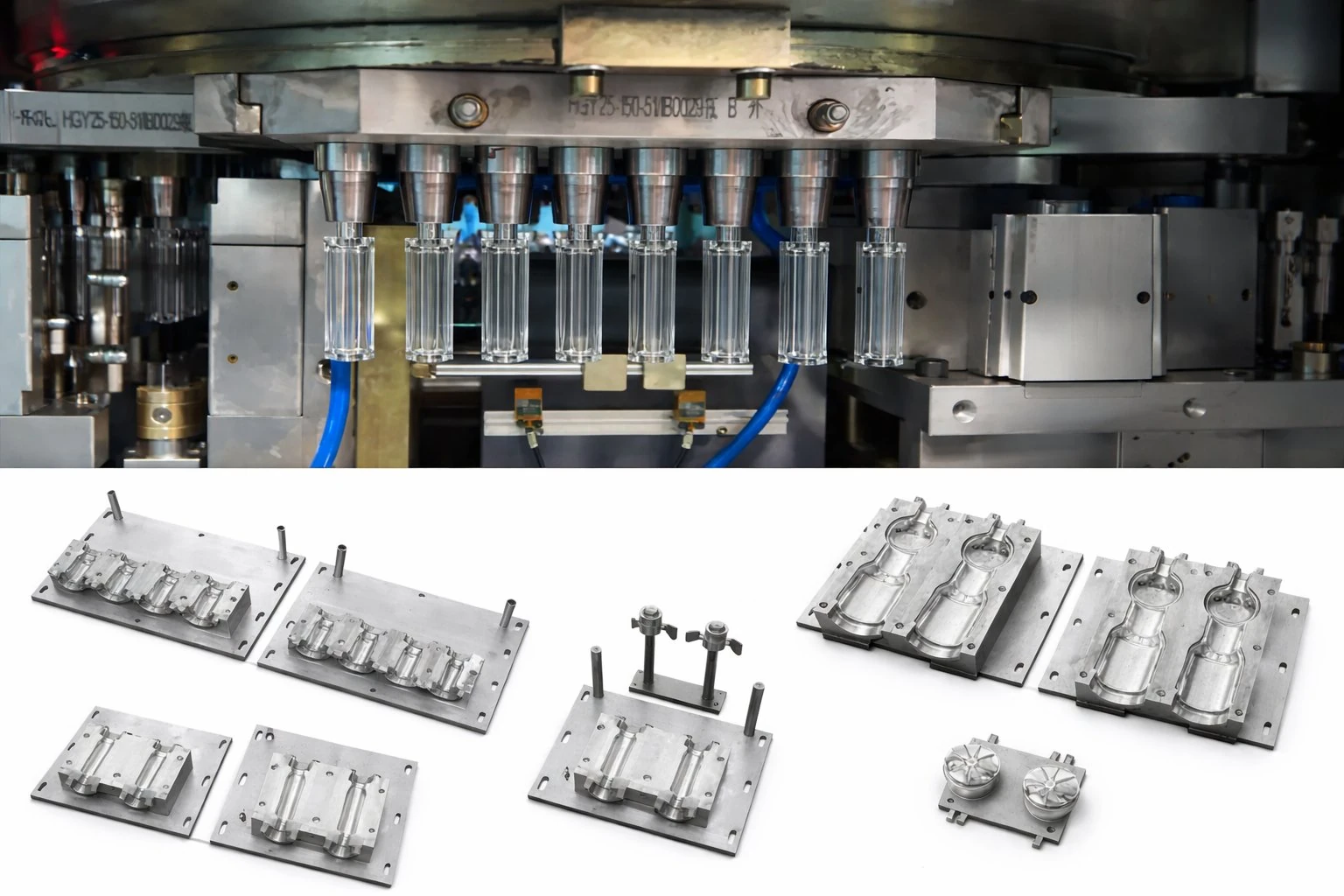
การออกแบบแม่พิมพ์ ISBM แบบกำหนดเอง
แม่พิมพ์ผลิตภัณฑ์นมของเกาหลี — แม่พิมพ์โยเกิร์ตพร้อมดื่ม PP ขนาด 65 มล. 12 ช่อง, แม่พิมพ์โยเกิร์ตกรีก PETG ปากกว้างพร้อมซีลฟอยล์ และแม่พิมพ์ขวดคริสตัลคีเฟอร์